


 购物车
购物车 个人中心
个人中心

Clean Eating Alice The Body Bible:Feel Fit and Fabulous from the Inside Out
¥110.46
Instagram sensation Clean Eating Alice shares 8 new recipes and a HIIT workout in this new e-book to help you get into shape for Spring. Full of sound advice that will appeal to her legions of fans.

Clean Eating Alice Eat Well Every Day
¥103.59
Instagram sensation Clean Eating Alice shares 9 new recipes and a HIIT workout in this new e-book to help you get into shape for Spring. Full of sound advice that will appeal to her legions of fans.

Age of Consent
¥66.22
Thirty years ago, June was a young widow with a hopeless crush on a Craig Kirtz, a disc jockey at a local rock station. To her surprise, the two struck up a friendship that seemed headed for something more. But it was June’s thirteen-year-old daughter, Bobbie, whom Craig had wanted all along. Bobbie thought her secret life—the sex, the drugs, the illicit relationship itself—could remain safely buried in the past. But when she discovers that Craig had similarly pursued any number of other young girls, Bobbie returns home after a long absence with one purpose in mind:to bring Craig to trial. Her decision is greeted with mixed feelings. Some people think that bringing charges against someone for a crime committed so many years ago is unjustified. She’s called a “middle-aged woman with a vendetta.” She’s accused of waging war against her own family. June remembers things differently from the way Bobbie does. Craig insists he has done nothing wrong. But the past has a way of revealing itself, and some relationships lay dormant through the years, ready to stir to life at the slightest provocation. While their traumatic history is relived in the courtroom, Bobbie and June must face the choices they made and try to make sense of the pain they endured while seeking justice at long last. Told with warmth and compassion, this is a moving, deeply absorbing story of a family in crisis.
Hard Evidence
¥95.75
A Kesley and Lambert novel. A chance meeting with the attractive Julie Dawson should have been no more than a pleasant interlude for DS Lambert. When she is reported missing two months later however, Lambert decides to look into the matter himself. He discovers that Dawson may be conducting her own private investigation, and starts to follow in her footsteps - but will the trail, which has already unearthed suspicious deaths from the past, lead to a present-day murder?
The Night Visitor
¥49.05
The morning after the aged Ute shaman receives a perplexing visits from a silent, disheveled matukach "magician," daisy's neighbor Nathan McFain discovers something astonishing buried in the dirt on his foundering Colorado dude ranch: the bones of gargantuan beast from a prehistoric age. It is a find of enormous scientific importance that attracts the attention of a wide variety of individual: noted paleontologist Moses Silver and his archaeologist daughter Delia; pillars of the scientific community Robert Newton and Cordell York; an Arkansas sharpie named Flye, an overly interested local antiques dealer.. and Charlie Moon of the Southern Ute Police Department. At the McFain spread primarily to keep an eye on the disreputable Flye, Moon is curious about the strange old bones ....and wary as well. For things this ancient and rare have been known to inspire evil deeds in the past, including avarice, mendacity, and murder. And when one of the prime players in this timeless drama vanishes without a trace, Charlie worries that his greatest fears have been realized. But while Charlie investigates the unexplained disappearance --and a very suspicious death that follows soon after--using rational and accepted police methods, his aunt Daisy is being drawn by forces preternatural into a grimly related mystery. For craven murder is not the exclusive domain of contemporary Man--and a cry for justice from the past has reached Daisy Perika and tow extraordinary young girls in her care, ensnaring them all in something old, dark, and dangerous.
Tree Girl
¥55.33
They call Gabriela Tree Girl. Gabi climbs trees to be within reach of the eagles and watch the sun rise into an empty sky. She is at home among the outstretched branches of the Guatemalan forests. Then one day from the safety of a tree, Gabi witnesses the sights and sounds of an unspeakable massacre. She vows to be Tree Girl no more and joins the hordes of refugees struggling to reach the Mexican border. She has lost her whole family; her entire village has been wiped out. Yet she clings to the hope that she will be reunited with her youngest sister, Alicia. Over dangerous miles and months of hunger and thirst, Gabriela's search for Alicia and for a safe haven becomes a search for self. Having turned her back on her own identity, can she hope to claim a new lifeAges 12+
Baby Be-Bop
¥54.46
Dirk MacDonald, a sixteen-year-old boy living in Los Angeles, comes to terms with being gay after he receives surreal storytelling visitations from his dead father and great-grandmother.
The Stockholm Octavo
¥83.92
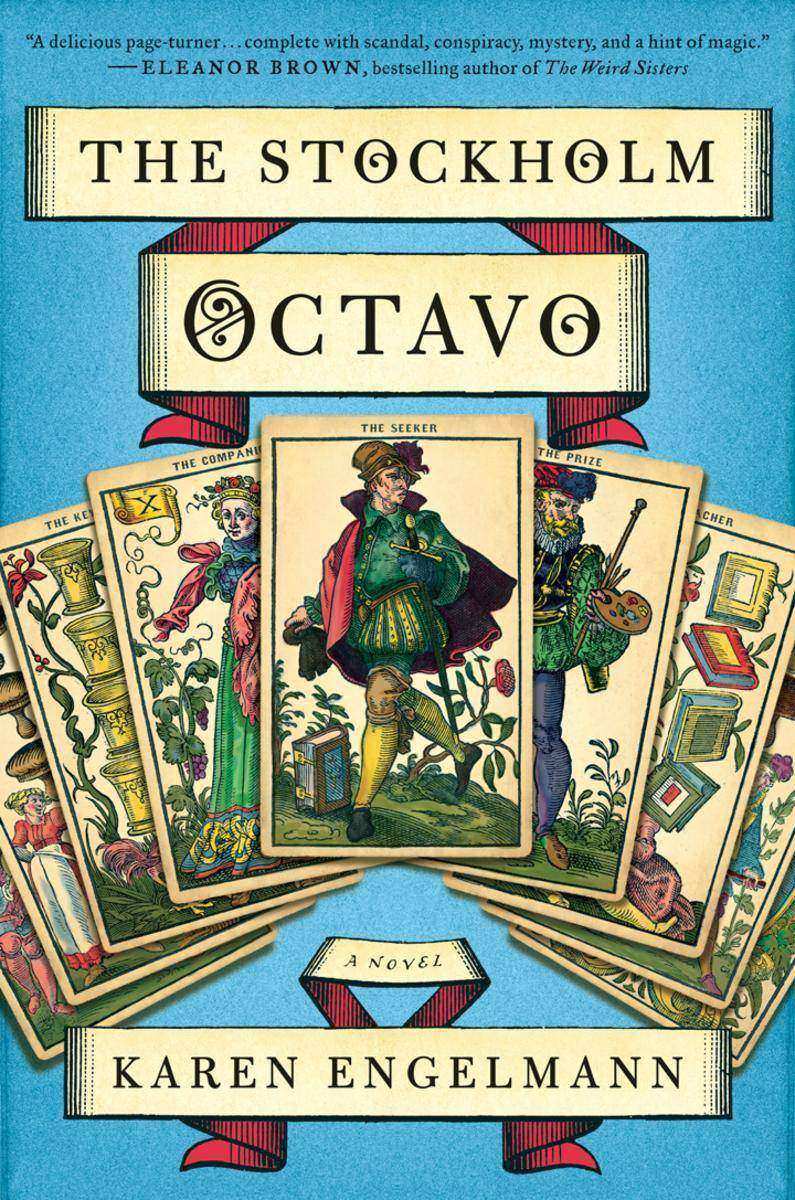
Life is close to perfect for Emil Larsson, a self-satisfied bureaucrat in the Office of Customs and Excise in 1791 Stockholm. He is a true man of the Town—a drinker, card player, and contented bachelor—until one evening when Mrs. Sofia Sparrow, a fortune-teller and proprietor of an exclusive gaming parlor, shares with him a vision she has had: a golden path that will lead him to love and connection. She lays an Octavo for him, a spread of eight cards that augur the eight individuals who can help him realize this vision—if he can find them.Emil begins his search, intrigued by the puzzle of his Octavo and the good fortune Mrs. Sparrow's vision portends. But when Mrs. Sparrow wins a mysterious folding fan in a card game, the Octavo's deeper powers are revealed. For Emil it is no longer just a game of the heart; collecting his eight is now crucial to pulling his country back from the crumbling precipice of rebellion and chaos. Set against the luminous backdrop of late eighteenth-century Stockholm, as the winds of revolution rage through the great capitals of Europe, The Stockholm Octavo brings together a collection of characters, both fictional and historical, whose lives tangle in political conspiracy, love, and magic in a breathtaking debut that will leave you spellbound.
Crash
¥55.93
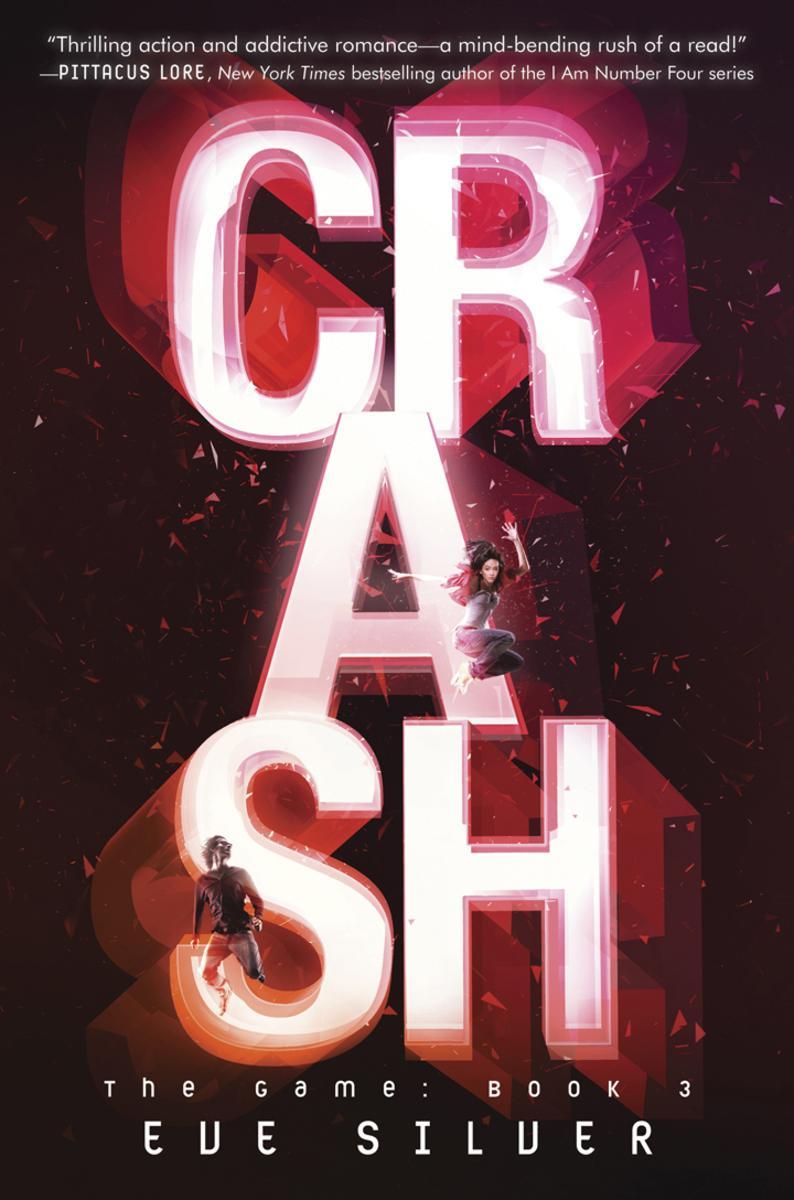
Fans of the 5th Wave series will devour the pulse-pounding conclusion to The Game trilogy by bestselling author Eve Silver, about teens pulled in and out of an alternate reality where battling aliens is more than a game—it's life and death.As her dad and best friend lie dying in the hospital, Miki is almost certain the Committee is trying to sabotage her life. The Game is glitching. The missions are more frequent, the alien Drau more deadly, and whatever has been tracking her thoughts more intrusive. The only thing holding Miki together is her boyfriend, Jackson, but somehow telling him how much she needs—and loves—him feels like the most terrifying challenge of all.Can Miki and Jackson make it through the final mission alive and win the Game before the walls between their alien-fighting nightmares and the real world come crashing downOr will the world and everyone Miki loves disappear forever?Crash is the fiercely satisfying conclusion to a trilogy Pittacus Lore, New York Times bestselling author of the I Am Number Four series, raves is packed with "thrilling action and addictive romance—a mind-bending rush of a read!"
Wicked Games
¥56.08
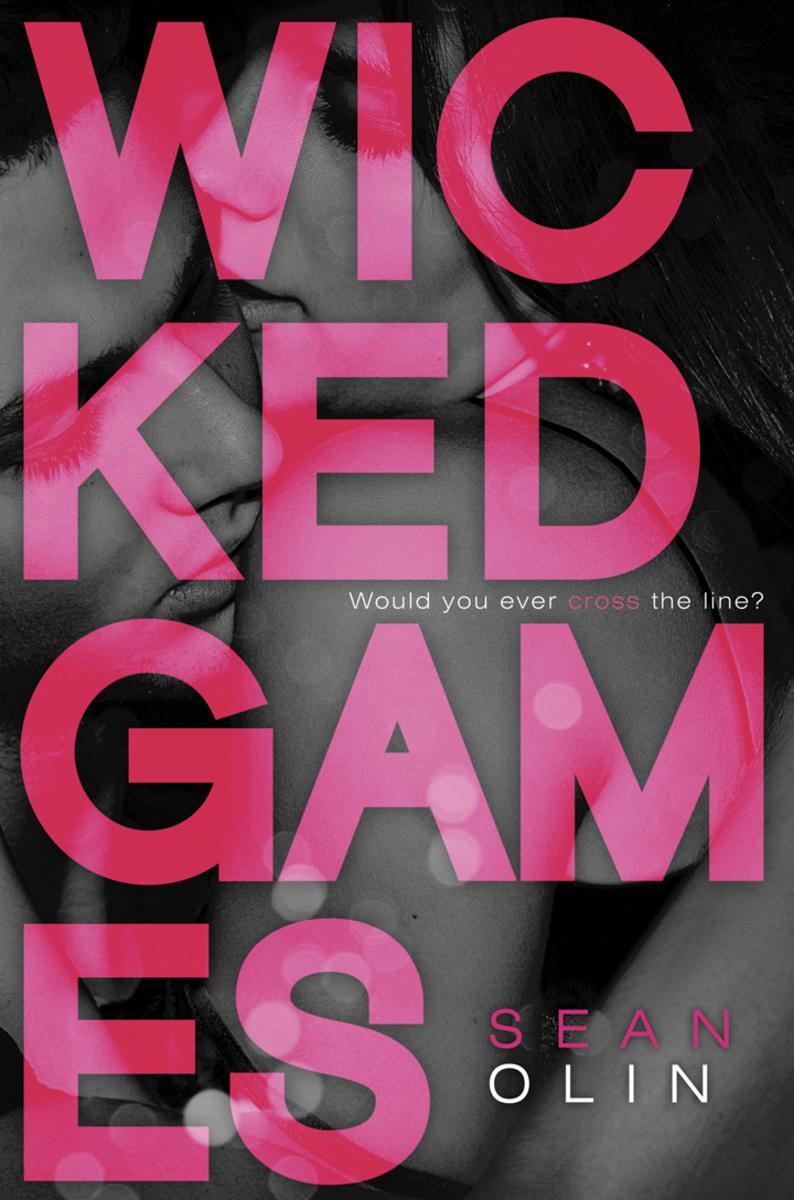
Tainted love. Sexy secrets. A chilling revenge plot. It's all here in Wicked Games by Sean Olin, the first in a psychologically charged, suspenseful series set in a picturesque coastal Florida town called Dream Point, where dangerous mind games are played with abandon.Lilah has spent the last four years by her boyfriend Carter's side, and everyone thinks their relationship is rock solid. But behind closed doors, things are beginning to crumble. Just as Lilah's intensifying mood swings are making Carter think about distancing himself from her, another girl enters the picture. Jules is beautiful, funny, smart, and artistic. Carter can't help but fall under her spell. But one stolen night of passion has consequences they could never imagine.Fans of books packed with drama and doomed romance, like The Lying Game and Perfect Chemistry, will immediately be hooked by Wicked Games.
The Missing File
¥83.92
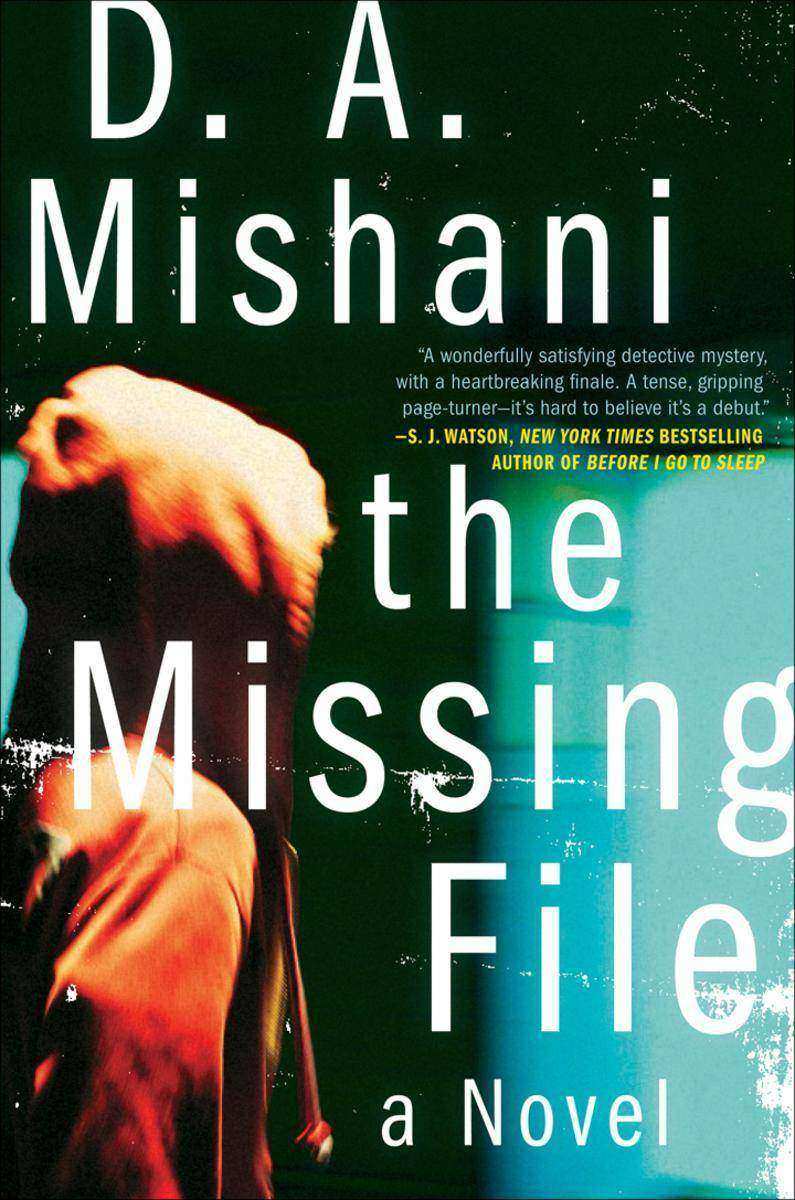
Detective Avraham Avraham must find a teenage boy who has vanished from his quiet suburban neighborhood.Police detective Avraham Avraham knows that when a crime is committed in his sleepy suburb of Tel Aviv, there is little need for a complex investigation. There are no serial killers or kidnappings here. The perpetrator is usually the neighbor, the uncle, or the father. As he has learned, the simplest explanation is always the answer.But his theory is challenged when a sixteen-year-old boy named Ofer Sharabi disappears without a trace while on his way to school one morning. There is no simple explanation, and Avraham's ordered world is consumed by the unimaginable perplexity of the case. The more he finds out about the boy and his circumstances, the further out of reach the truth seems to be. Avraham's best lead is Ofer's older neighbor and tutor, Ze'ev Avni. Avni has information that sheds new light on the case—and makes him a likely suspect. But will the neighbor's strange story save the investigation?Told through dual perspectives, The Missing File is a crisp, suspenseful tale that introduces an indelible new detective and offers an evocative portrait of suburban life and tension with a universal reach. As it draws to its startling conclusion, D. A. Mishani's twisting mystery will have readers questioning notions of innocence and guilt, and the nebulous nature of truth.
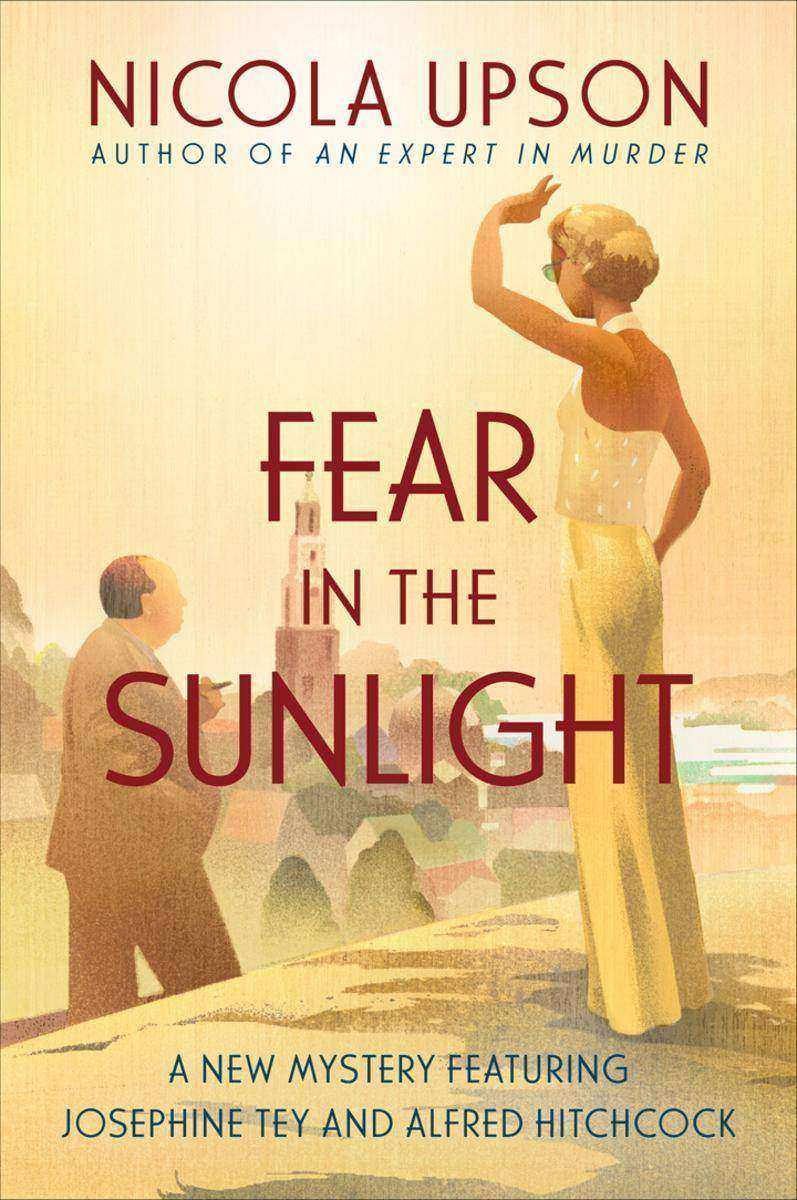
Fear in the Sunlight
¥90.77
Summer 1936. Mystery writer Josephine Tey joins her friends in the resort village of Portmeirion, Wales, to celebrate her fortieth birthday. Alfred Hitchcock and his wife, Alma Reville, are there to sign a deal to film Josephine's novel, A Shilling for Candles. But things get out of hand when one of Hollywood's leading actresses is brutally slashed to death in a cemetery near the village. The following day, as fear and suspicion take over in a setting where nothing—and no one—is quite what it seems, Chief Inspector Archie Penrose becomes increasingly unsatisfied with the way the investigation is ultimately resolved. Several years later, another horrif?ic murder, again linked to a Hitchcock movie, drives Penrose back to the scene of the original crime to uncover the shocking truth.
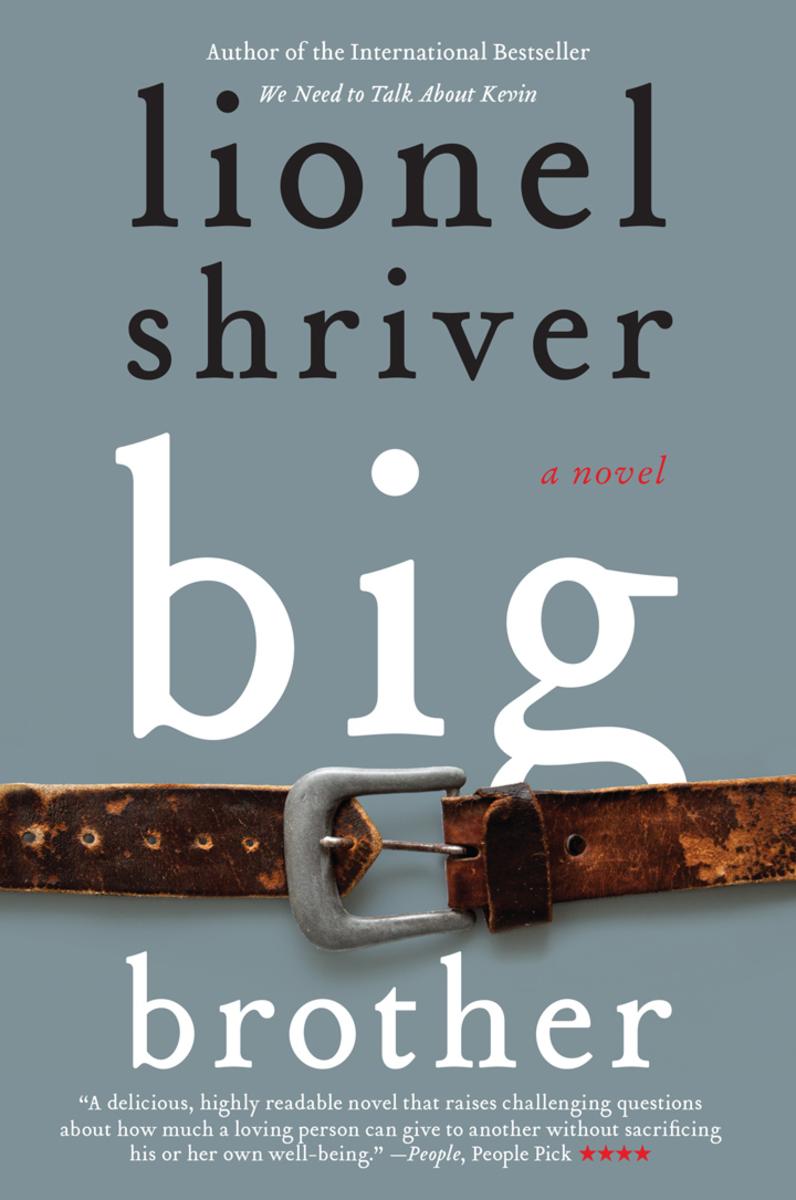
Big Brother
¥88.56
From the acclaimed author of the National Book Award finalist So Much for That and the international bestseller We Need to Talk About Kevin comes a striking new novel about siblings, marriage, and obesity.When Pandora picks up her older brother Edison at her local Iowa airport, she literally doesn't recognize him. In the four years since the siblings last saw each other, the once slim, hip New York jazz pianist has gained hundreds of pounds. What happened?And it's not just the weight. Imposing himself on Pandora's world, Edison breaks her husband Fletcher's handcrafted furniture, makes overkill breakfasts for the family, and entices her stepson not only to forgo college but to drop out of high school.After the brother-in-law has more than overstayed his welcome, Fletcher delivers his wife an ultimatum: It's him or me. Putting her marriage and adopted family on the line, Pandora chooses her brother—who, without her support in losing weight, will surely eat himself into an early grave.Rich with Shriver's distinctive wit and ferocious energy, Big Brother is about fat—an issue both social and excruciatingly personal. It asks just how much we'll sacrifice to rescue single members of our families, and whether it's ever possible to save loved ones from themselves.
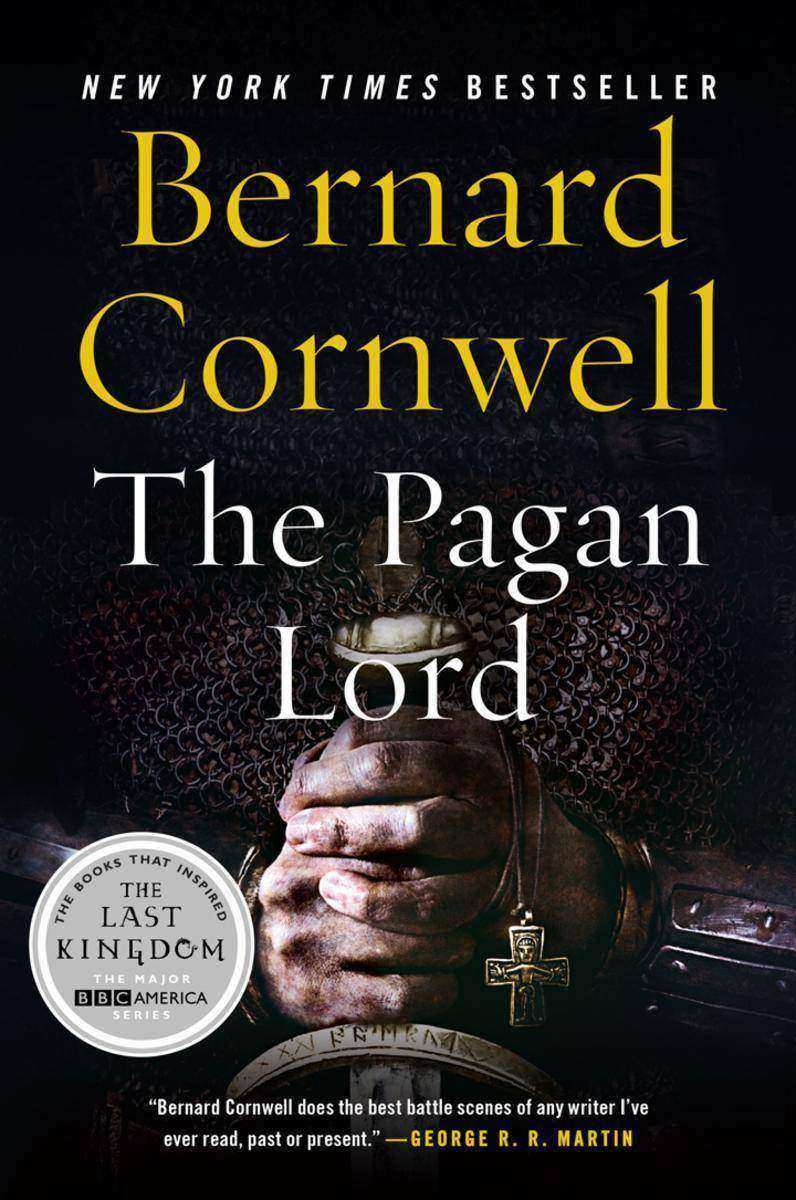
The Pagan Lord
¥94.10
Bernard Cornwell—"the most prolific and successful historical novelist in the world today" (Wall Street Journal)—returns to his Saxon Tales saga with the epic story of divided loyalties, bloody battles, and the struggle to unite Britain.At the onset of the tenth century, England is in turmoil. Alfred the Great is dead and his son Edward reigns as king. Wessex survives but peace cannot hold: the Danes in the north, led by Viking Cnut Longsword, stand ready to invade and will never rest until the emerald crown is theirs.Uhtred, once Alfred's great warrior but now out of favor with the new king, must lead a band of outcasts north to recapture his old family home, the impregnable Northumbrian fortress Bebbanburg.Loyalties will be divided and men will fall as each Saxon kingdom is drawn into the bloodiest battle yet with the Danes—a war that will decide the fate of every king, and the entire English nation.With The Pagan Lord, New York Times bestselling author Bernard Cornwell, "the reigning king of historical fiction" (USA Today), continues his magnificent epic of the making of England during the Middle Ages, vividly bringing to life the uneasy alliances, violent combat, and deadly intrigue that gave birth to the British nation.
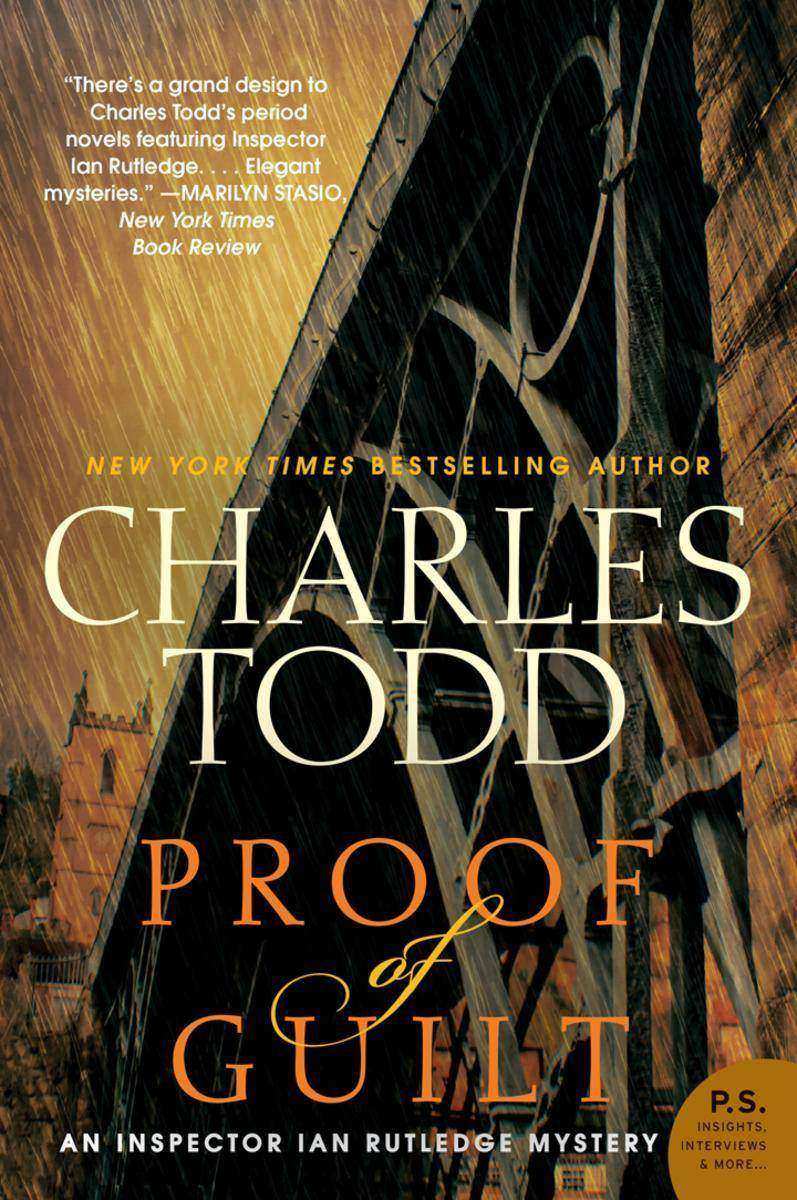
Proof of Guilt
¥90.51
Scotland Yard's Ian Rutledge must contend with two dangerous enemies in this latest complex mystery in the New York Times bestselling seriesLondon, summer 1920. An unidentified body appears to have been run down by a motorcar and Ian Rutledge is leading the investigation to uncover what happened. While the signs point to murder, vital questions remain: Who is the victimAnd where, exactly, was he killed?One small clue leads Rutledge to a firm built by two families, famous for producing and selling the world's best Madeira wine. Lewis French, the current head of the English enterprise, is missing. But is he the dead manAnd does either his fiancée or his jilted former lover have anything to do with his disappearance—or possible deathWhat about his sisterOr the London office clerkIs Matthew Traynor, French's cousin and partner who heads the Madeira office, somehow involved?The experienced Rutledge knows that suspicion and circumstantial evidence are not proof of guilt, and he's going to keep digging for answers. But that perseverance will pit him against his supervisor, the new acting chief superintendent. When Rutledge discovers a link to an incident in the French family's past, the superintendent dismisses it, claiming the information isn't vital. He's determined to place the blame on one of French's women despite Rutledge's objections. Alone in a no-man's-land rife with mystery and danger, Rutledge must tread very carefully, for someone has decided that he, too, must die so that cruel justice can take its course.

Fountain of St. James Court; or, Portrait of the Artist as an Old Woman The
¥88.56
"Is it a crime to liveTo create happiness for yourself through your own work?"How do writers and painters get their ideasAnd what are the hard realities of such seemingly glamorous and romantic livesIn her groundbreaking new novel, New York Times bestselling author Sena Jeter Naslund explores the transformative power of art, history, and love in the lives of creative women.It's midnight on St. James Court, at the heart of which is a beautiful fountain sculpture of Venus rising from the sea. Kathryn Callaghan has just finished the first draft of her novel about renowned painter ?lisabeth Vigée-Le Brun, a survivor of the French Revolution who was hated for her sympathetic portraits of Marie Antoinette. Although the manu* is complete, its author remains haunted by ?lisabeth's experiences, which are revealed in Sena Jeter Naslund's ingenious novel-within-a-novel interleaved with the chronicle of a day in the life of Kathryn Callaghan. Despite being separated by time, place, and culture, Kathryn and ?lisabeth possess similar gifts and burdens: uncompromising aesthetic codes, fierce pride in their artistic expression, and unwavering love and sacrifice for their children. And before the next midnight rolls around, Kathryn will have confronted personal danger as frightening as the butchery that ?lisabeth faced during the Reign of Terror. Each woman will be called upon and tested; each will, like Venus, rise triumphantly above the expectations of her world.In this, her compelling and intimate ninth book, Sena Jeter Naslund presents the reader with an eye-opening alternate vision of The Artist: not an angry young man but a woman of age and hard-won experience who has created for herself, against enormous odds, a fulfilling life of thoroughly realized achievement.

The Wonder Bread Summer
¥83.03
It's 1983 in Berkeley, California. Twenty-year-old Allie Dodgson is a straitlaced college student working part-time at a dress shop to make ends meet. But when the shop turns out to be a front for a dangerous drug-dealing business, Allie finds herself on the lam, speeding toward Los Angeles in her best friend's Prelude with a Wonder Bread bag full of cocaine riding shotgun and a hit man named Vice Versa on her tail. You can't find a more thrilling summer read!
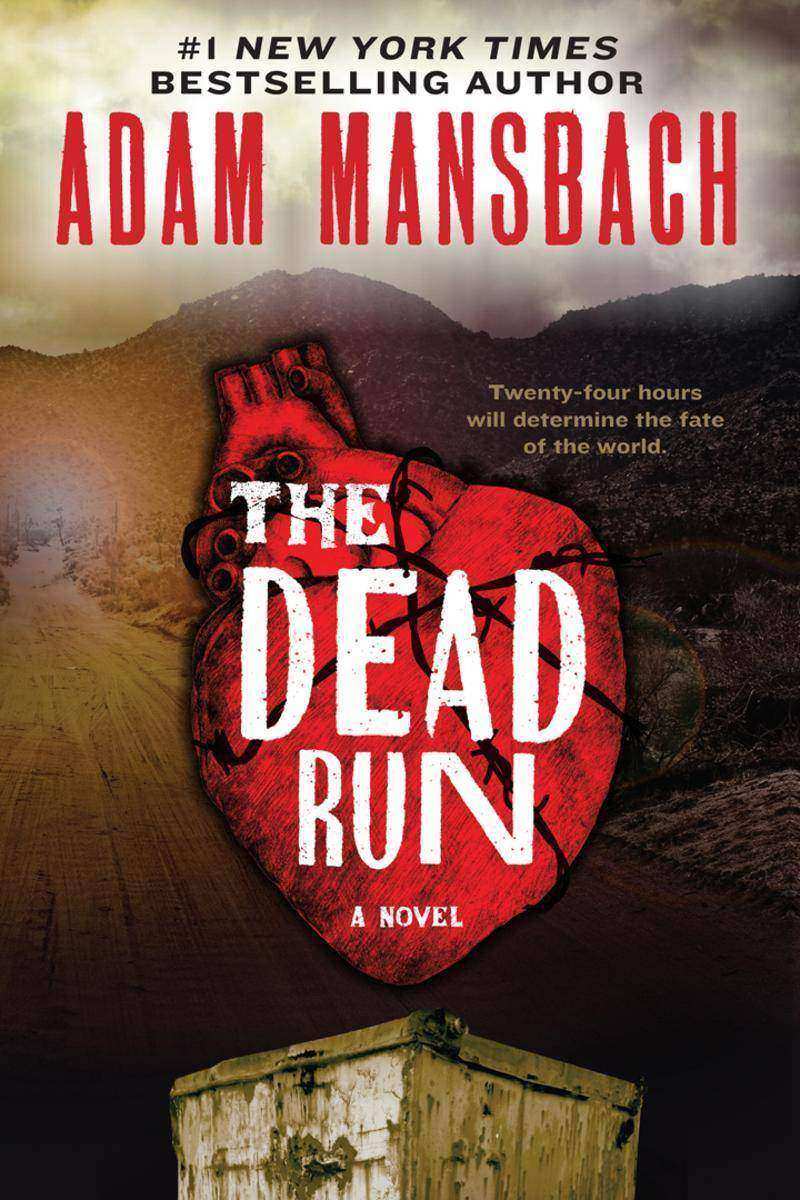
The Dead Run
¥56.07
Adam Mansbach, the acclaimed #1 New York Times bestselling author of Go the F**k to Sleep and Rage Is Back, turns to a new tale of suspense, horror, and supernatural actionWrongfully imprisoned in a Mexican jail, outlaw-with-a-conscience Jess Galvan accepts a devil's bargain: transport a sinister package across the border in twenty-four hours for the jail's mythical—and terrifying—bogeyman El Cucuy. If Jess can make it across alive and give the iron box to cult leader Aaron Seth, he will be free and able to regain custody of his estranged daughter.But as Jess navigates a blighted desert full of deadly surprises, girls go missing on both sides of the border and bodies begin to surface. It's a deadly epidemic of crime that plunges small-town sheriff Bob Nichols into a monster of an investigation he's not equipped to handle, especially when sixteen-year-old Sherry disappears.An ancient evil has awoken in the empty wastelands along the border and now everyone—the innocent and the guilty alike—must face their deepest fears as epic myth and human malice combine to bring forth the end of the world as we know it.With The Dead Run, acclaimed author Adam Mansbach mixes horror, the supernatural, and suspense to deliver a chilling, high-octane adventure.

The Devil's Bag Man
¥55.31
From Adam Mansbach, the acclaimed #1 New York Times bestselling author of Go the F**k to Sleep, comes an electrifying and horrifying action-adventure tale set in the dangerous terrain of the Tex-Mex borderlandIn The Dead Run, outlaw with a conscience Jess Galvan made a devil's bargain with El Cucuy, a fearsome, five-hundred-year-old Aztec priest and major crime kingpin determined to bring about hell on earth. Now, months later, Galvan is trapped in his own personal hell, his mind infested with the soul of this ancient monster. No longer able to trust his own judgment, he is estranged from his daughter, Sherry—and from his own body. His every moment is a battle to keep the evil priest at bay. But there is a silver lining—Cucuy's presence has endowed Galvan with superhuman strength and endurance.Meanwhile, separated from Galvan and shell-shocked by her confrontation with Cucuy, Sherry is living with Sheriff Bob Nichols and his now girlfriend, psychologist Ruth Cantwell. The only bright spot in her life is her dashing new-to-town boyfriend. And in the bowels of Ojos Negros prison, a territory once controlled by the ancient priest, the drug cartels are at war with one another and on the hunt for Galvan—who must find a way to exorcise his inner demon in time to save the world from annihilation.In this chilling sequel to The Dead Run, #1 New York Times bestselling author Adam Mansbach mixes horror, the supernatural, and gritty suspense to create a high-concept adventure filled with nasty bad guys, fearsome magic, and an unlikely hero who is caught between worlds but determined to save this one.

The Art of Lainey
¥56.08
Perfect for fans of Stephanie Perkins, Sarah Dessen, and Susane Colasanti, The Art of Lainey tells the story of how, with the help of The Art of War, Lainey plots the perfect plan to get her boyfriend back. But is getting him back really what she wants?Soccer star Lainey Mitchell is gearing up to spend an epic summer with her amazing boyfriend, Jason, when he suddenly breaks up with her—no reasons, no warnings, and in public no less! Lainey is more than crushed, but with help from her friend Bianca, she resolves to do whatever it takes to get Jason back.And that's when Lainey and Bianca stumble across a copy of The Art of War. With just one glance, the girls are sure they can use the book to lure Jason back into Lainey's arms. So Lainey channels her inner warlord, recruiting spies to gather intel and persuading her coworker Micah to pose as her new boyfriend to make Jason jealous.After a few "dates," it looks like her plan is going to work! But now her relationship with Micah is starting to feel like more than just a game. Can fighting for what she wants help Lainey figure out what she really needs?
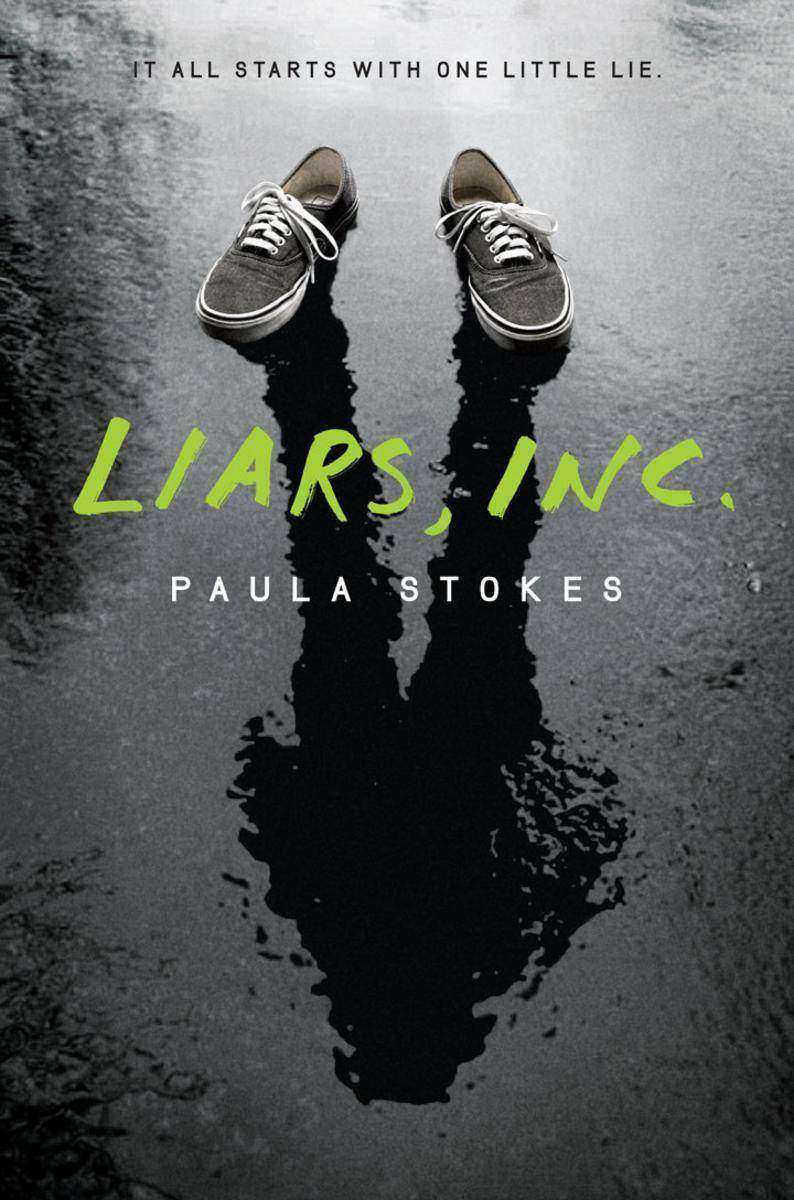
Liars, Inc.
¥56.08
A dark and twisted psychological tale, which Kirkus Reviews called "captivating to the very end" in a starred review—perfect for fans of I Hunt Killers and Gone Girl.Max Cantrell has never been a big fan of the truth, so when the opportunity arises to sell forged permission slips and cover stories to his classmates, it sounds like a good way to make a little money. So with the help of his friend Preston and his girlfriend, Parvati, Max starts Liars, Inc. Suddenly everybody needs something, and the cash starts pouring in. Who knew lying could be so lucrative?When Preston wants his own cover story to go visit a girl he met online, Max doesn't think twice about it. But then Preston never comes home. And the evidence starts to pile up—terrifying clues that lead to Preston's body.Terrifying clues that point to Max as the killer….


