


 购物车
购物车 个人中心
个人中心
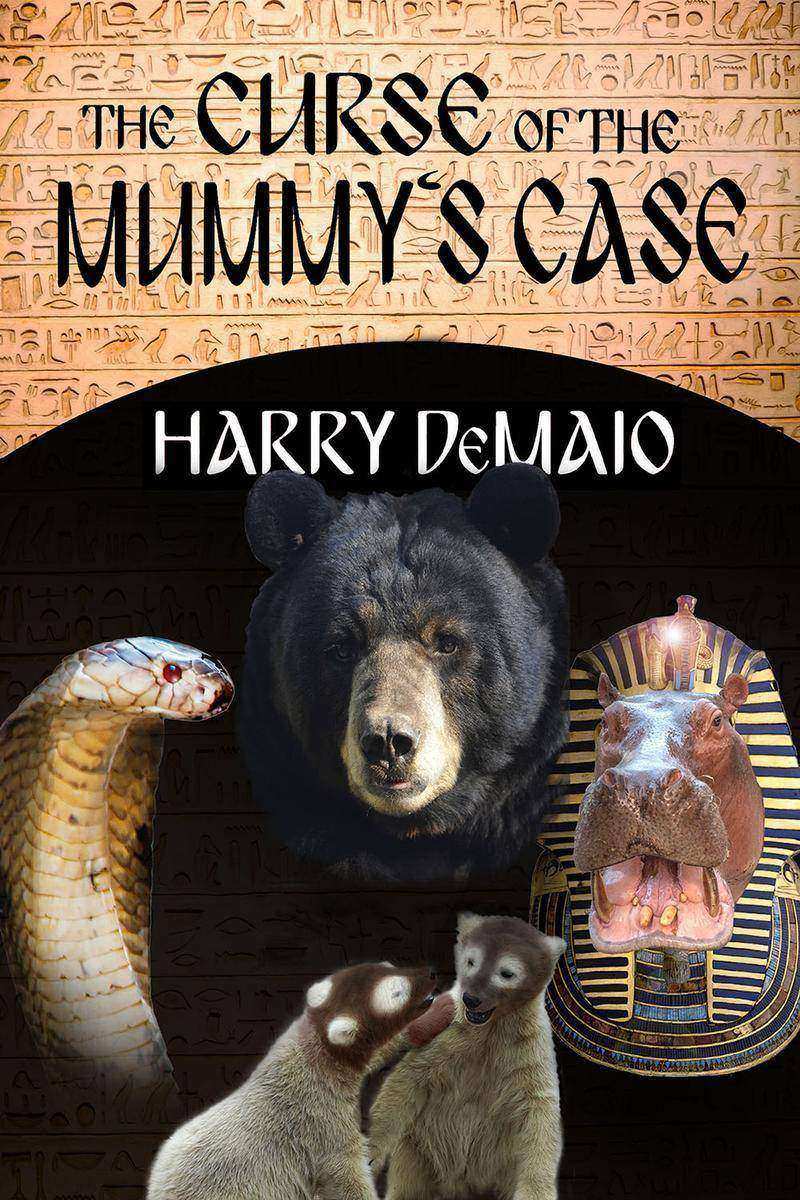
Curse of the Mummy's Case
¥48.95
After a two volume absence, the mad duck, Imperius Drake, and his dumb heavy subordinate, Bigg Baboon return with a vengeance (literally.) Set on conquest of the cosmos, the duck has hatched (sorry) a plot to revivify a savage ancient Egyptian Pharaoh, Tsk VI and his ghost armies of crocodiles and lions. He plans to clone them and use them to overcome his enemies, real and imagined. Many new characters appear but most important are Octavius' and Belinda's twin cubs, Arabella and McTavish. (Yes, a Polar and Kodiak can have offspring.) You may remember that the "e;on again-off again"e; lovers were married offstage in Book Two. The kids start to receive signals over their Egyptian internet video game from a Uraeus, a cobra sacred to the gods and charged with protecting the tombs and mummies of the great kings of Egypt. She tells them of Imperius' plan and enlists the Great Bear's assistance. Octavius, Belinda, Maury Meerkat, the cubs, plus the usual and some new team members are called into action once again against the infamous Imperius. Chita still wants an opportunity to kill off the duck after his attempts to do her in. Who knows?

Egyptian Curse
¥53.86
London, 1924: When Alfie Barrington is stabbed to death outside his club, suspicion quickly falls on his widow, the lovely Sarah - and on her former beau, Enoch Hale. The American journalist has an alibi, but he doesn't know her name and Scotland Yard can't find her.Determined to solve this case without the help of his friend Sherlock Holmes, Hale launches and investigation that brings him into contact with Leonard and Virginia Woolf, bohemian writers and publishers; P.G. Wodehouse, creator of Jeeves and Bertie Wooster; Howard Carter, discoverer of King Tut's tomb; and one of the greatest mystery writers of all time.A second murder sparks journalistic speculation of a curse related to Alfie's time in Egypt as a competitor of Carter and his patron, Lord Carnarvon. Hale doesn't buy that, but he doesn't come up with a better solution until it is almost too late. And in the end, it is once again Sherlock Holmes who puts it all together.This exciting historical mystery concludes the Enoch Hale - Sherlock Holmes trilogy that began with The Amateur Executioner and continued with The Poisoned Penman.

Sherlock Holmes and The Scarlet Thread of Murder
¥58.76
Sir Arthur Conan Doyle's Sherlock Holmes and Doctor Watson feature in three brand new and exciting adventures that you won't want to miss.The Scarlet Thread of Murder: Three seemingly separate crimes, three detectives. A mysterious stalker is on the loose in London known only as the Goblin Man and his sights are set on a wealthy businessman, David Daniels. A horrific explosion rips through Whitechapel Underground Station and the prime suspect is a Jewish anarchist. And a Mrs Clara Edwards is searching for her missing lover, Philias Jackson. What connects these three? It's a dangerous and complex game that links Sherlock Holmes, Investigator Martin Hewitt, and former Ripper investigator and head of H Division Edmund Reid.A Scandal in America: In 1888 Mr Sherlock Holmes was beat by Irene Adler aka the Woman. After her marriage to Godfrey Norton she left London. Two years later her husband is found dead in his New York office, apparently having committed suicide. Irene Adler believes it to be staged, unable to accept Norton capable of such an end. There is one person, if any, who she can turned to: Sherlock Holmes. Holmes and Watson are headed to America where they must dive into the mysterious life of Godfrey Norton to learn how and why he died. No one is ready for what they learn.The Allegro Mystery: Someone lurks in the shadows and is sending mysterious and haunting letters to the beautiful ballerina, Mademoiselle Dipin. Believing her life to be endangered by a ghost from her past, she bursts into the study of 221b to plead with Sherlock Holmes for aid. Can Sherlock Holmes and Doctor Watson find and expose her ghost before something terrible happens to their client?The game is afoot.
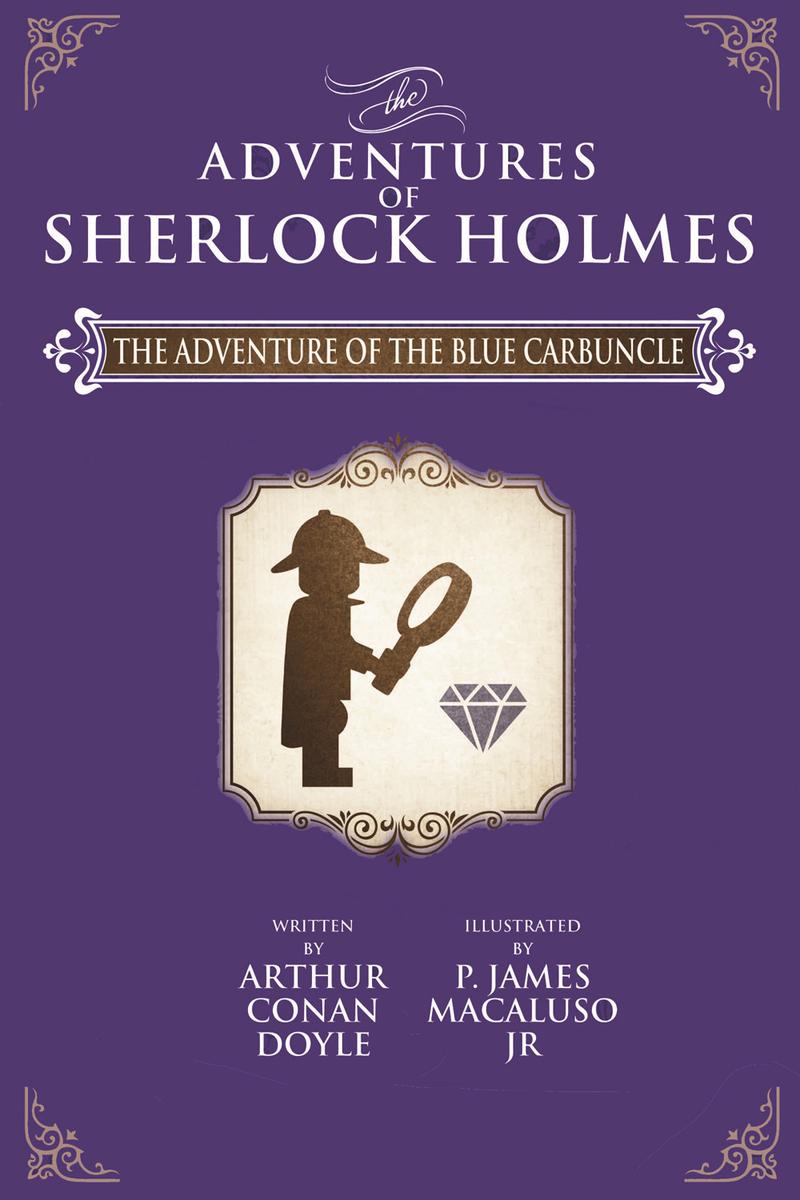
Adventure of the Blue Carbuncle
¥53.86
Sherlock Holmes, the world's "e;only unofficial consulting detective"e;, was first introduced to readers in A Study in Scarlet published by Sir Arthur Conan Doyle in 1887. It was with the publication of The Adventures of Sherlock Holmes, however, that the master sleuth grew tremendously in popularity, later to become one of the most beloved literary characters of all time.In this book series, the short stories comprising The Adventures of Sherlock Holmes have been amusingly illustrated using only Lego(R) brand minifigures and bricks. The illustrations recreate, through custom designed Lego models, the composition of the black and white drawings by Sidney Paget that accompanied the original publication of these adventures appearing in The Strand Magazine from July 1891 to June 1892. Paget's iconic illustrations are largely responsible for the popular image of Sherlock Holmes, including his deerstalker cap and Inverness cape, details never mentioned in the writings of Conan Doyle.This uniquely illustrated collection, which features some of the most famous and enjoyable cases investigated by Sherlock Holmes and his devoted friend and biographer Dr. John H. Watson, including A Sandal in Bohemia and The Red-Headed League, is sure to delight Lego enthusiasts, as well as fans of the Great Detective, both old and new.In this story Sherlock Holmes and Dr. Watson investigate the curious discovery of a blue carbuncle in the crop of a Christmas goose abandoned by a man during a scuffle with some street ruffians. Holmes makes a series of deductions concerning the owner of a tattered old hat recovered along with the goose and thus sets out on the trail of the audacious thief who stole the precious stone five days previously.

You Buy Bones
¥58.76
"e;Mr. Holmes is an amateur, Hopkins."e; Lestrade was smiling around the stem of his pipe as he spoke. Hopkins could hear it. "e;Not a man who works well in teams, he. He still trusts Dr. Watson not to lie to him... and Dr. Watson's pulled some whoppers to save his skinny neck in the past."e; Lestrade was still smiling. "e;Not that that's not the most interesting thing about those fellows. I could tell you some stories about them, Stanley... oh, I could tell you stories...'"e;. Meet Sherlock Holmes through the eyes of his fellow lodger once again... and meet both through the eyes of the Yard - especially those who saw them the most: Inspectors Lestrade, Gregson, and Bradstreet. From Montague Street to a supposedly straightforward case of smuggling in Cornwall, Scotland Yard saw more than the disconcerting and dazzling private detective; it also saw an admirable and steadfast British soldier who shared their need for justice. Doctor John Watson may call himself unremarkable, but the Yard would disagree...
MX Book of New Sherlock Holmes Stories Part I
¥132.34
Part One of a record breaking three-volume collection, bringing together over sixty of the world's leading Sherlock Holmes authors. All the stories are traditional Sherlock Holmes pastiches. This volume covers the years from 1881 to 1889, including contributions from:John Hall, Hugh Ashton, Adrian Middleton, David Marcum, Jayantika Ganguly, Denis O. Smith, Amy Thomas, Kevin David Barratt, Luke Benjamen Kuhns, Summer Perkins, Deanna Baran, Shane Simmons, C.H. Dye, Mark Mower, Derrick Belanger , Daniel D. Victor, Steve Mountain, Stephen Wade, John Heywood, Will Thomas, Daniel McGachey, Martin Rosenstock, Craig Janacek, (and a poem from Michael Kurland). The authors are donating all the royalties from the collection to preservation projects at Sir Arthur Conan Doyle's former home, Undershaw.
MX Book of New Sherlock Holmes Stories Part II
¥132.34
Part Two of a record breaking three-volume collection, bringing together over sixty of the world's leading Sherlock Holmes authors. All the stories are traditional Sherlock Holmes pastiches. This volume covers the years from 1890 to 1895, including contributions from: Ann Margaret Lewis, Vincent W. Wright, William Patrick Maynard, Matthew Booth, J.R. Campbell, Robert V. Stapleton, Sam Wiebe, Jeremy Branton Holstein, Bill Crider, Peter Calamai, Lyndsay Faye, Marcia Wilson, Jack Grochot, Bert Coules. Christopher Redmond, Mike Hogan, Carl Heifetz, Wendy C. Fries, Dick Gillman (and a poem from Carole Nelson Douglas).
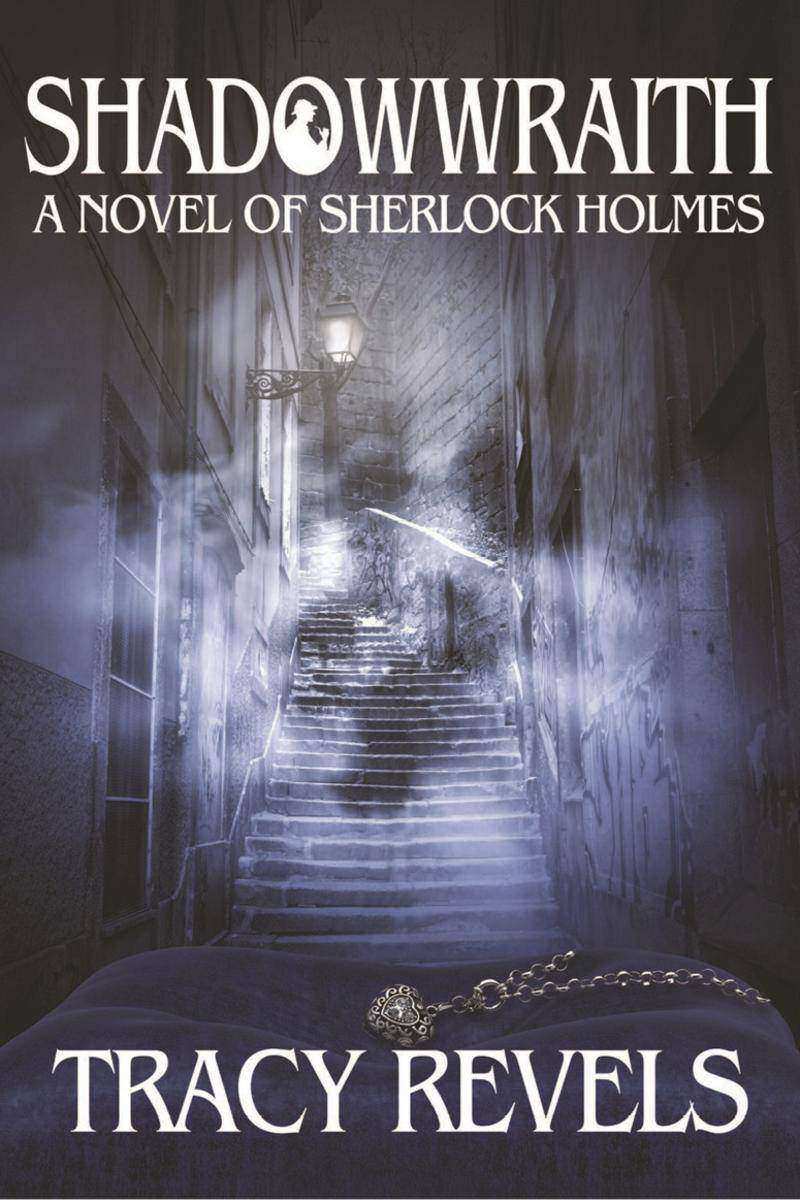
Shadowwraith
¥48.95
In a new novel of supernatural adventure, Sherlock Holmes faces his greatest challenge, to locate and defeat the wraith of a powerful wizard. With the assistance of an incorruptible saint, an immortal librarian, a troupe of ghosts, a Scotland Yard Inspector, and, of course, Dr. Watson, Holmes finds himself in a race against time to protect both the human world and the Shadows from 'the most evil man who ever lived.'Why does a beautiful woman receive jewelry delivered to her pillow every night?How do impossible actors bloody the stage of the Lyceum Theatre?Why do dead men ramble the streets of Whitechapel?Why are Palermo's restless spirits whispering the name of Sherlock Holmes?Just returned from their American adventure, Sherlock Holmes and Dr. Watson are quickly entangled in this web of seemingly unrelated events. With his innate knowledge of the secret world of the supernatural, Holmes quickly recognizes that these incidents hold dire portents: a powerful enemy, "e;the most evil man who ever lived,"e; has emerged from the dark realm of the Shadows. A close call with this foe sends Holmes in search of a missing spell, which is written on a page of the infamous Devil's Bible. Should Holmes's enemy reach this incantation first, his power will increase and both the mortal world and the Shadows could fall.Holmes and Watson race against time to defeat their deadliest opponent to date, enlisting new helpers from the realms of spirits and shades. But their enemy also has an apprentice whose unnatural gifts may exceed Holmes's powers. The darkness is closing in on Holmes and Dr. Watson senses that his friend may no longer be able to balance his mortal nobility against his Shadow inheritance.From the comfortable Baker Street sitting room to the dark streets of Whitechapel and the terrifying crypts of Palermo, the chase is on to save the world...and the soul of Sherlock Holmes.
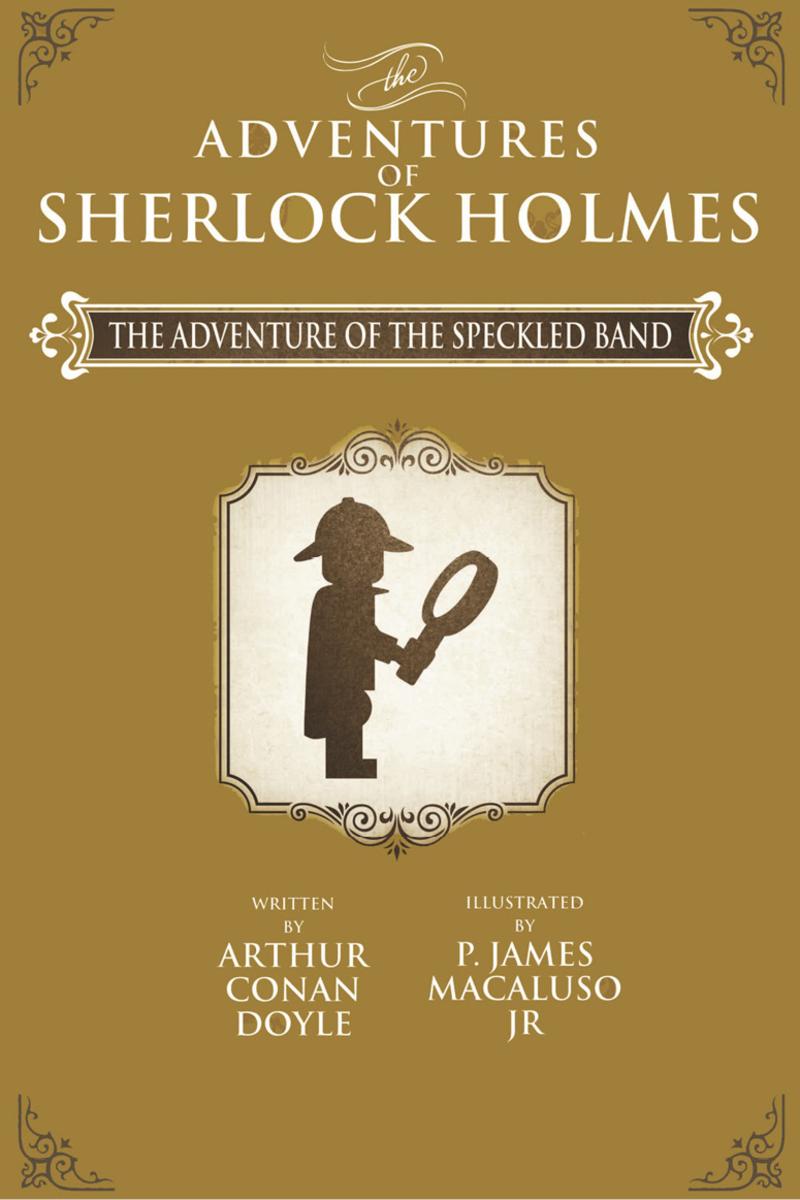
Adventure of the Speckled Band
¥53.86
Sherlock Holmes, the world's "e;only unofficial consulting detective"e;, was first introduced to readers in A Study in Scarlet published by Sir Arthur Conan Doyle in 1887. It was with the publication of The Adventures of Sherlock Holmes, however, that the master sleuth grew tremendously in popularity, later to become one of the most beloved literary characters of all time.In this book series, the short stories comprising The Adventures of Sherlock Holmes have been amusingly illustrated using only Lego(R) brand minifigures and bricks. The illustrations recreate, through custom designed Lego models, the composition of the black and white drawings by Sidney Paget that accompanied the original publication of these adventures appearing in The Strand Magazine from July 1891 to June 1892. Paget's iconic illustrations are largely responsible for the popular image of Sherlock Holmes, including his deerstalker cap and Inverness cape, details never mentioned in the writings of Conan Doyle.This uniquely illustrated collection, which features some of the most famous and enjoyable cases investigated by Sherlock Holmes and his devoted friend and biographer Dr. John H. Watson, including A Sandal in Bohemia and The Red-Headed League, is sure to delight Lego enthusiasts, as well as fans of the Great Detective, both old and new.LEGO(R) is a trademark of the LEGO Group of Companies. The LEGO Group has not been involved in nor has it in any other way licensed or authorised the publication of this book.THE ADVENTURE OF THE SPECKLED BAND: A distraught young woman named Helen Stoner arrives at Baker Street early one morning to ask Sherlock Holmes for help as she fears that her life is being threatened by her stepfather, Dr. Grimesby Roylott. At Stoke Moran, the estate where Miss Stoner and her stepfather live, Holmes carefully inspects the recent, but unnecessary, repairs to the manor-house and in doing so exposesamurderous plot.
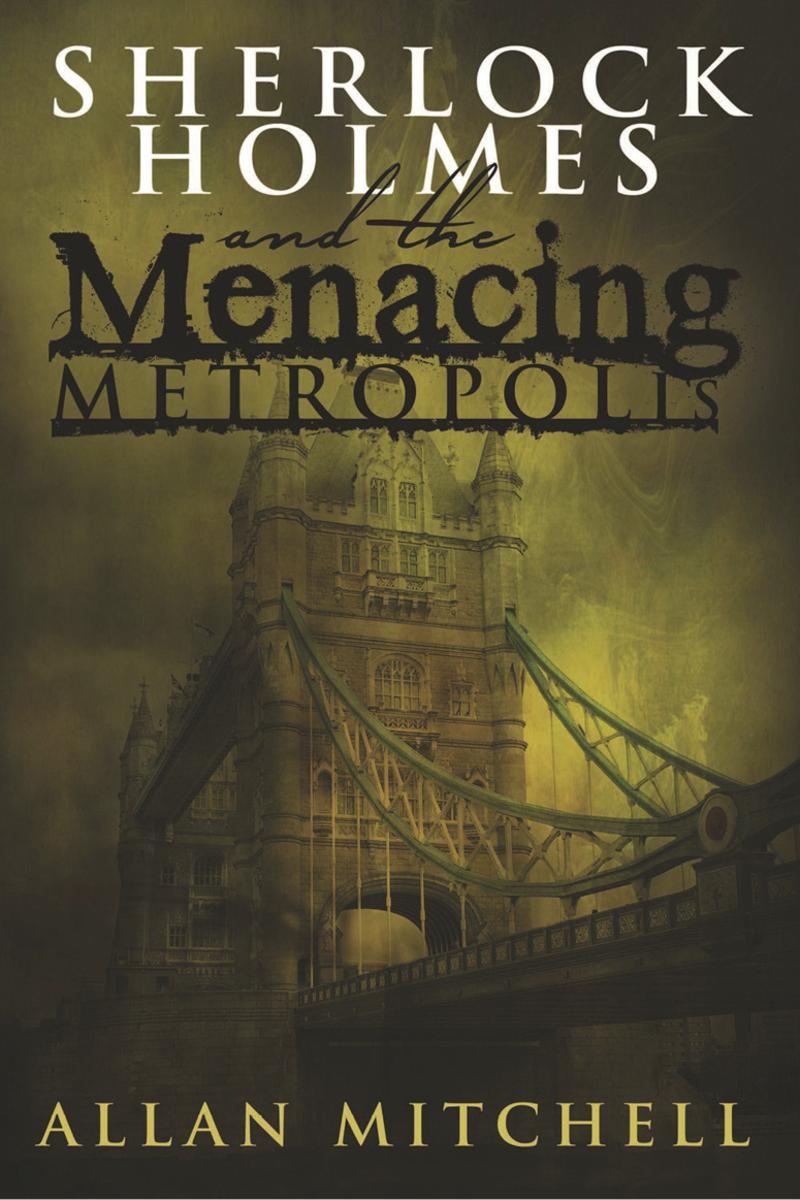
Sherlock Holmes and The Menacing Metropolis
¥53.86
More Menacing than the Menacing Moors, the Great Metropolis harbours evil and deviltry far more sinister than Dartmoor could offer - it is not for nothing that Watson describes London as the great cesspool draining the Empire of its dregs. Its evil stems from the hearts of the most heartless of men, evil against which a group of stalwart Londoners is determined to act.Knowledge is power and forewarned is forearmed, it is said, but fore-knowledge is fragile and Sherlock must balance probability with instinct, caution with decisiveness, when warned of impending disaster for both City and Realm.Allan Mitchell's stirring stanzas of reeling rhyme once again stretch back to an earlier era to witness the never-ending battle between Sherlock Holmes and the Menacing Metropolis.
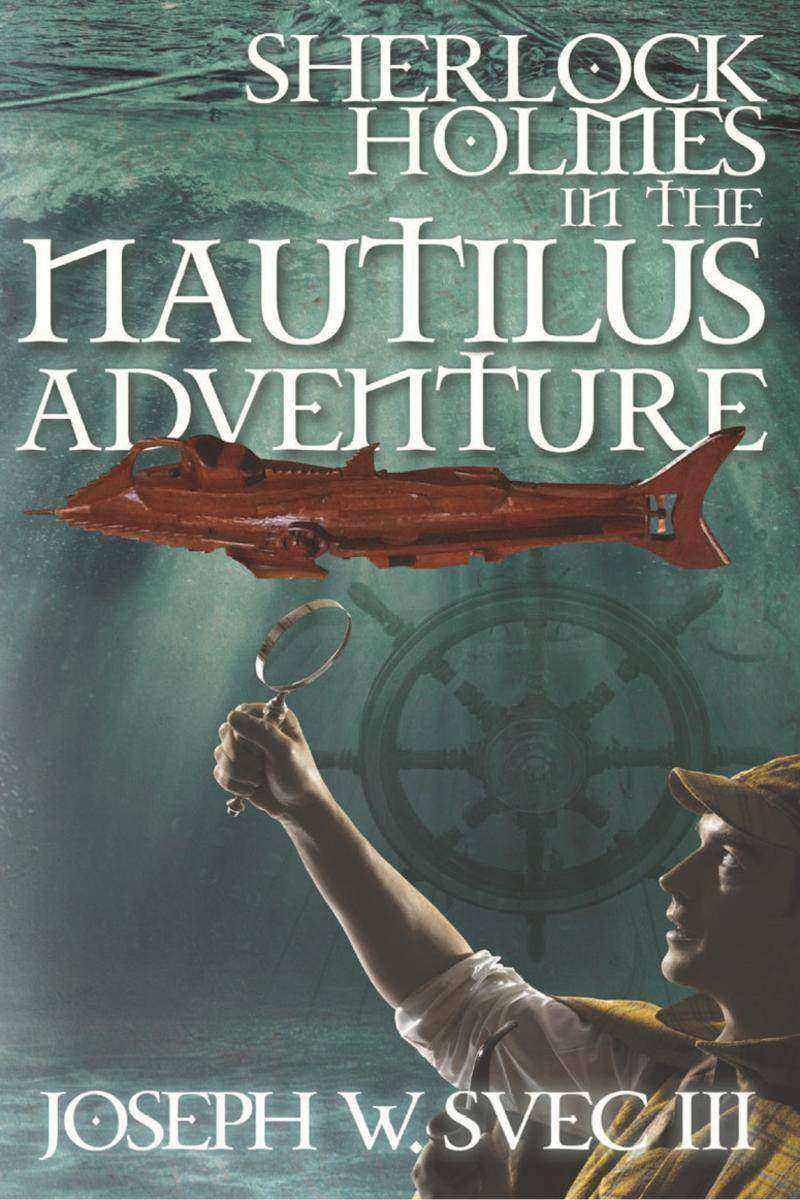
Sherlock Holmes in The Nautilus Adventure
¥58.76
The game's afloat! This fascinating tale takes Sherlock Holmes and Dr. Watson on an amazing undersea adventure to find and rescue a famous author who has been kidnapped. Along the way there are hidden clues, lost civilizations, danger, romance, humour, a volcanic eruption, a good deal of seaweed tea, and more than one surprising plot twist... not to mention saving the world! It all begins when a tall, bearded gentleman enters 221-B Baker Street and says, "e;Hello, my name is Captain Nemo of the submersible vessel the Nautilus. I would like to engage your services in locating a missing person. His name is Jules Verne."e;
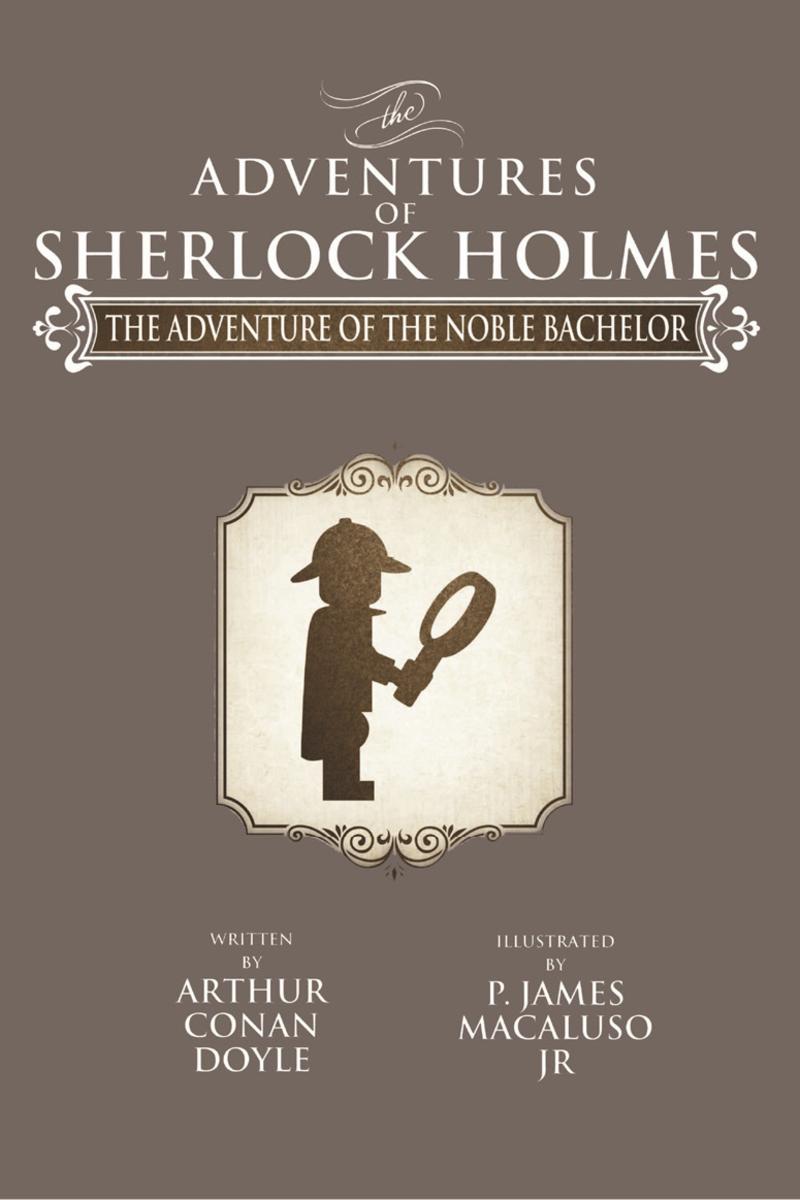
Adventure of the Noble Bachelor
¥53.86
Sherlock Holmes, the world's "e;only unofficial consulting detective"e;, was first introduced to readers in A Study in Scarlet published by Sir Arthur Conan Doyle in 1887. It was with the publication of The Adventures of Sherlock Holmes, however, that the master sleuth grew tremendously in popularity, later to become one of the most beloved literary characters of all time.In this book series, the short stories comprising The Adventures of Sherlock Holmes have been amusingly illustrated using only Lego(R) brand minifigures and bricks. The illustrations recreate, through custom designed Lego models, the composition of the black and white drawings by Sidney Paget that accompanied the original publication of these adventures appearing in The Strand Magazine from July 1891 to June 1892. Paget's iconic illustrations are largely responsible for the popular image of Sherlock Holmes, including his deerstalker cap and Inverness cape, details never mentioned in the writings of Conan Doyle.This uniquely illustrated collection, which features some of the most famous and enjoyable cases investigated by Sherlock Holmes and his devoted friend and biographer Dr. John H. Watson, including A Sandal in Bohemia and The Red-Headed League, is sure to delight Lego enthusiasts, as well as fans of the Great Detective, both old and new.LEGO(R) is a trademark of the LEGO Group of Companies. The LEGO Group has not been involved in nor has it in any other way licensed or authorised the publication of this book.THE ADVENTURE OF THE NOBLE BACHELOR: Sherlock Holmes is consulted by Lord Robert St. Simon whose wife, Hatty Doran, disappeared shortly after their wedding. Inspector Lestrade of Scotland Yard is convinced that culpability rests with Miss Flora Millar, a former acquaintance of Lord St. Simon. Holmes, though,quickly discerns the true fate of Miss Doran as he realizes that the solution to this delicate problem resides in her past back in the United States.
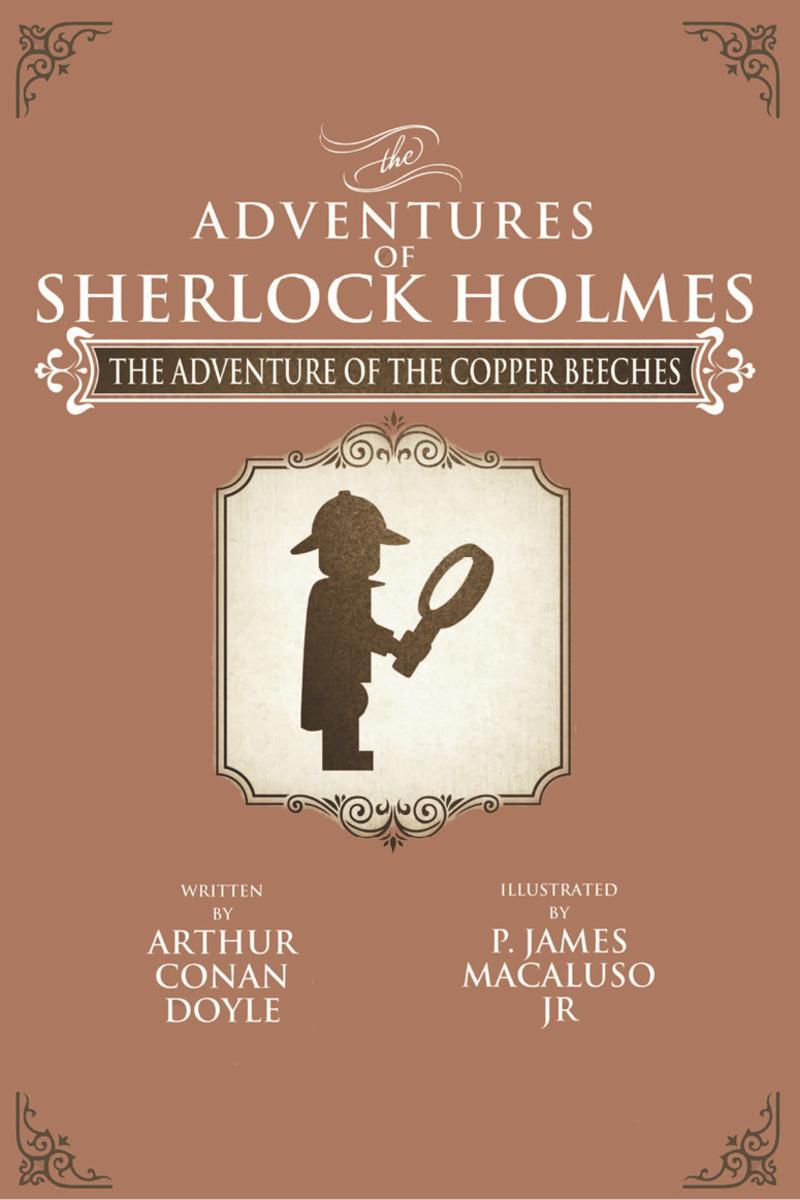
Adventure of the Copper Beeches
¥53.86
Sherlock Holmes, the world's "e;only unofficial consulting detective"e;, was first introduced to readers in A Study in Scarlet published by Sir Arthur Conan Doyle in 1887. It was with the publication of The Adventures of Sherlock Holmes, however, that the master sleuth grew tremendously in popularity, later to become one of the most beloved literary characters of all time.In this book series, the short stories comprising The Adventures of Sherlock Holmes have been amusingly illustrated using only Lego(R) brand minifigures and bricks. The illustrations recreate, through custom designed Lego models, the composition of the black and white drawings by Sidney Paget that accompanied the original publication of these adventures appearing in The Strand Magazine from July 1891 to June 1892. Paget's iconic illustrations are largely responsible for the popular image of Sherlock Holmes, including his deerstalker cap and Inverness cape, details never mentioned in the writings of Conan Doyle.This uniquely illustrated collection, which features some of the most famous and enjoyable cases investigated by Sherlock Holmes and his devoted friend and biographer Dr. John H. Watson, including A Sandal in Bohemia and The Red-Headed League, is sure to delight Lego enthusiasts, as well as fans of the Great Detective, both old and new.LEGO(R) is a trademark of the LEGO Group of Companies. The LEGO Group has not been involved in nor has it in any other way licensed or authorised the publication of this book.THE ADVENTURE OF THE COPPER BEECHES: A young lady named Violet Hunter visits Baker Street seeking the advice of Sherlock Holmes on whether to accept a job as governess which commands a generous salary, but with some peculiar conditions. Two weeks after ultimately accepting the position, Miss Hunter calls Holmes to The Copper Beaches, an estate in Hampshire, to look into the singular, and at times terrifying, behaviour of her employers.
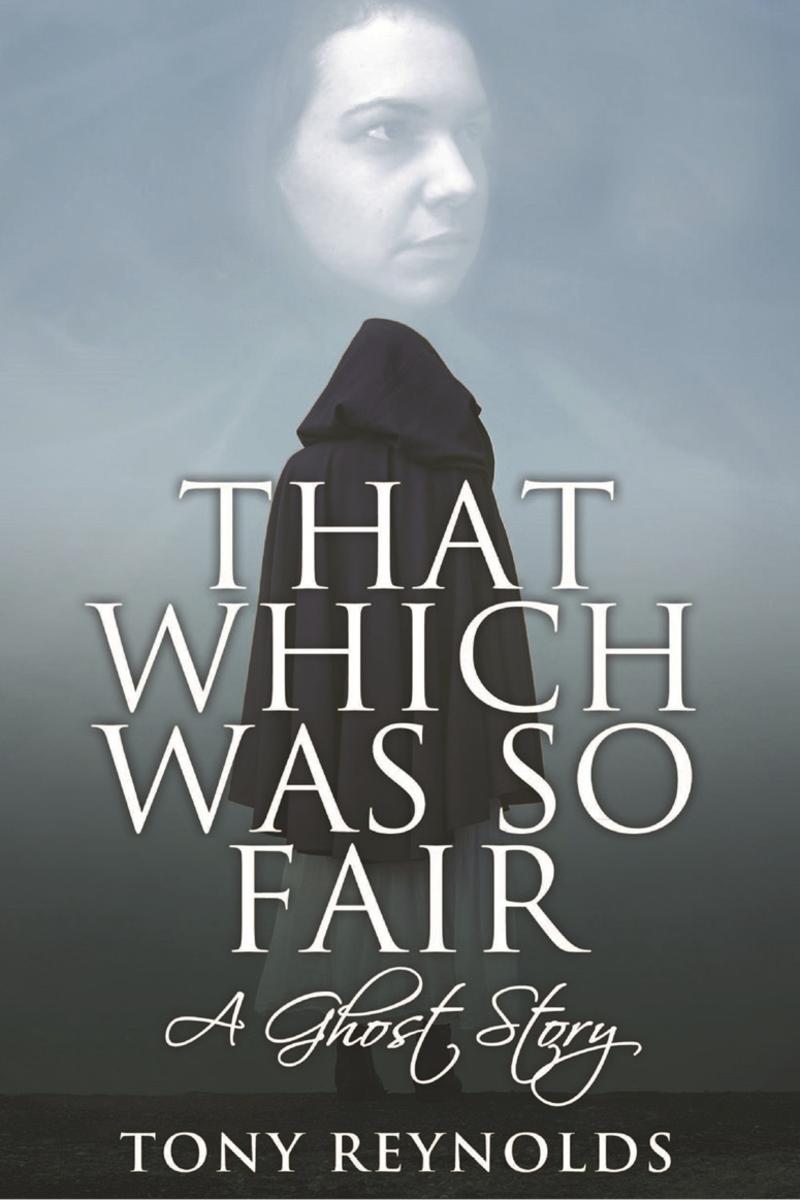
That Which Was So Fair - A Ghost Story
¥53.86
The Fen country in the autumn of 1850 is dank and drab. A young woman, Catherine Greencliffe, comes from the other end of England to care for a small child who has been abandoned by his mother. On the surface all seems well but she soon becomes prey to mysterious compulsions and visions. She comes to realise that Southwell Hall holds a secret that she is not invited to share and at last makes a dreadful discovery.

Exquisite Mind
¥68.57
Is it possible to rid yourself of chronic stress, anxiety and depression? Is it possible to experience true peace of mind? Is it possible to discover a new way of living life, beyond what you imagined? In this inspirational true story, Terry Rubenstein explains why this IS absolutely possible. The answers lie within the Three Principles of Innate Health - a ground-breaking new paradigm that replaces the countless misconceptions that cause many of us to lose our way. At the age of 29, Terry was an overwhelmed mother of 5 young sons suffering from acute depression and anxiety. A few years later, having arrived at a simple but revolutionary understanding that explained all her past suffering, her life changed dramatically. She discovered the secret that lets you escape from being a helpless victim; that allows you to be resilient and secure in the face of life's inevitable ups and downs. Terry's moving account reveals the gift of an Exquisite Mind overflowing with infinite potential - and the unexpected discovery of the innate health that resides within us all. Thought is the divide that creates the chasm, but it is also the bridge that builds the connection.
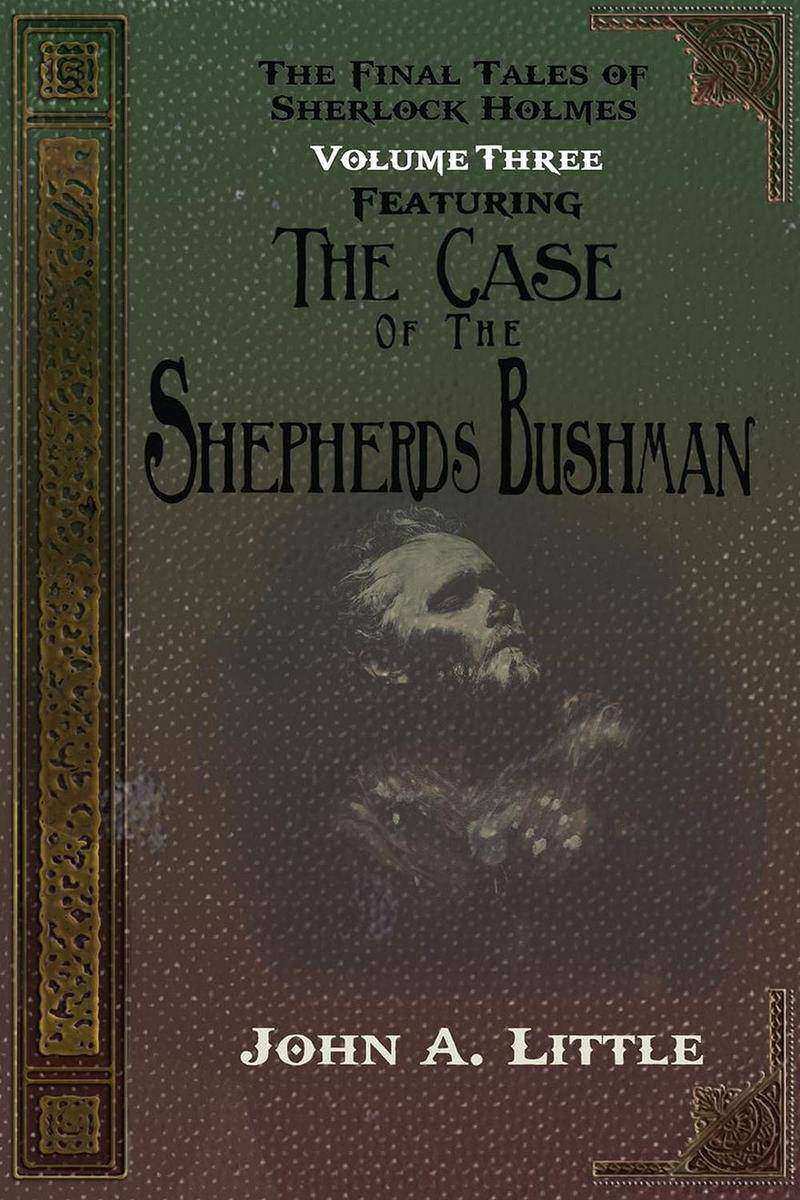
Final Tales Of Sherlock Holmes - Volume Three
¥58.76
In this series of five short stories, Holmes and Watson continue their late investigations into dark crimes in 1920s London, joined by their excitable housekeeper at 221B Baker Street, the brilliant, buxom Miss Lily Hudson, and by Jasper Lestrade of Scotland Yard, the ambitious, respectful son of the late George Lestrade.Thanks to Royal Jelly, Holmes is a fit 72-year-old, who has lost his interest in bees and returned to detecting, joining forces again with his colleague and friend, Dr. John Hamish Watson, a 74-year-old unfit twice-widower, who hankers after the good old days of derring-do.Together they explore the case of the Shepherds Bushman, when a dying aborigine finds his way to 221B Baker Street; the Acton Body-Snatchers and the disappearing boy sopranos; the Notting Hill Rapist and the stripping of pregnant women; the Clapham Witch, who casts her voodoo spells on sad old men; and the Battersea Fetishists, a secret brotherhood with some truly murderous rituals.
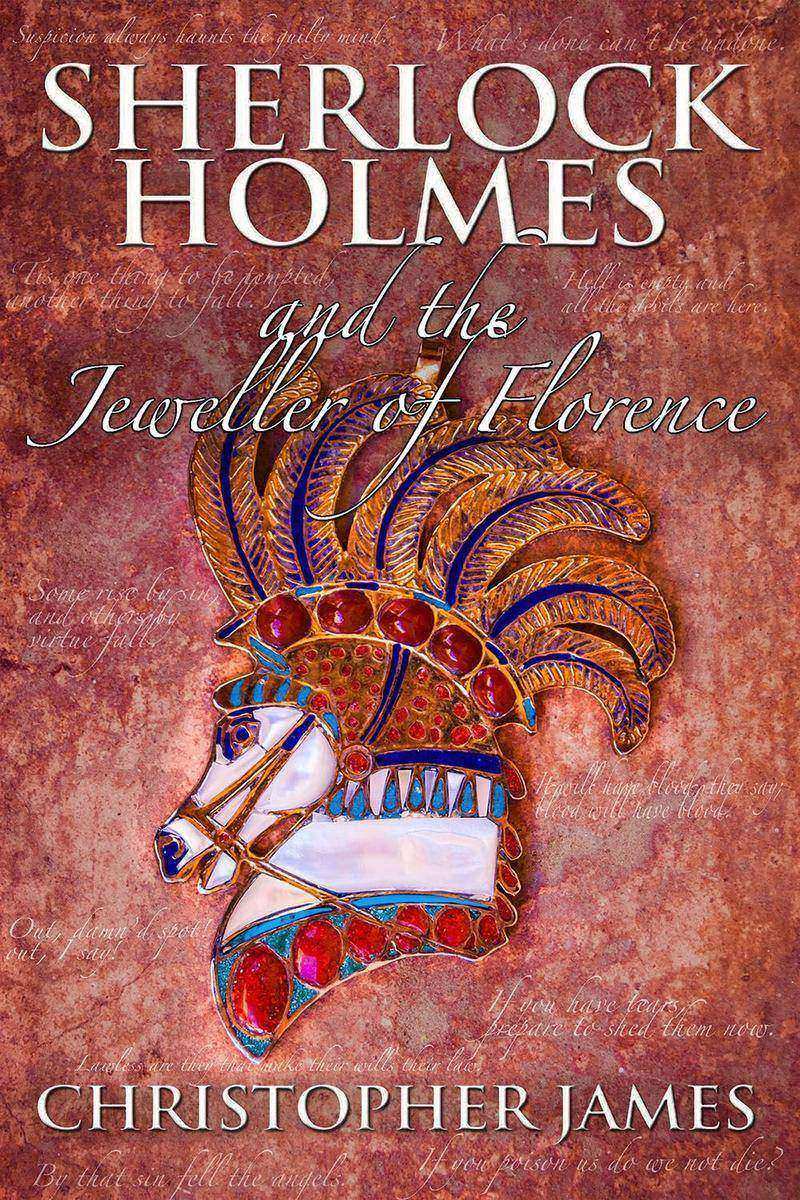
Sherlock Holmes and The Jeweller of Florence
¥68.57
It is summer 1895 and a lost play by William Shakespeare is discovered. While being authenticated by scholars in Oxford there is a break-in at a college and the three hundred year old quarto is stolen. Holmes is engaged in the most unusual of circumstances and together with the faithful Dr Watson, they are soon on a trail which takes them from the Epsom Derby to Epping Forest and the great city of Florence itself.But this is not the only case brought to 221b Baker Street during this eventful year. Any number of singular problems demand Holmes' attention including the terrifying schemes of an injured army captain, a spate of strychnine poisonings and a dancing bear suspected of murder in the East End. What bearing do these seemingly unrelated adventures have on the search for the lost play? Who is the woman haunting Dr Watson and what is the mysterious Society of Lucius?With stilt walking chases, a swimming race across the River Thames and an explosion at the former site of Shakespeare's Globe, this is set to become Holmes' most dangerous and memorable adventure yet.

The Devil in the Belfry
¥7.93
The Devil in the Belfry
The Picture of Dorian Gray
¥7.93
The Picture of Dorian Gray
Filmer
¥7.93
Filmer
El signo de los cuatro
¥7.93
El signo de los cuatro


