


 购物车
购物车 个人中心
个人中心
Winter in July
¥46.11
Winner of the Nobel Prize for Literature 2007, Doris Lessing grew up in Africa – and returns to that troubled, misunderstood continent in this searing collection of short stories. ‘I believe that the chief gift from Africa to writers, white and black, is the continent itself, its presence which for some people is like an old fever, latent always in their blood; or like an old wound throbbing in the bones as the air changes. … Africa gives you the knowledge that man is a small creature, among other creatures, in a large landscape.’ Written with all the angry compassion of first-hand knowledge, these stores reveal Africa in the raw – an Africa unknown to the vast majority of Europeans. Here is a vivid, unforgettable evocation of its sounds and smells, its stark power and savage grandeur, its agony and ultimate tragedy.
He Died With a Felafel in His Hand
¥46.11
Here for the first time is the full horror and madness of sharing a house, told by someone who’s been there. Birmingham pulls no punches: from dead rats in the kitchen to tent-dwelling lodgers in the living room, you’ll run for the safety of living alone. ‘A rat died in the living room at King Street and we didn’t know. There was at least six inches of compacted rubbish between our feet and the floor. Old Ratty must have crawled in there and died of pleasure. A visitor uncovered him while groping around for a beer.’ Tales of debauchery, drugs, flatmates from hell and nasty things lurking in the kitchen sink abound in Rolling Stone journalist John Birmingham’s hilarious account of sharing houses in Melbourne and Brisbane. He Died with a Felafel in His Hand makes Withnail & I look like a lesson in clean living.

The Unauthorized Trekkers’ Guide to the Next Generation and Deep Space Nine
¥46.11
“Like Spain’s Francisco Franco, Star Trek has been fatally dead for a long time. Now and then the mortuary shoots an electric current through the corpse, and the resultant spasm releases yet another manual or quiz or convention or novel or book of fan fiction or whathaveyou, but after nearly a decade there’s little life left in the old cadaver.”

Safe in the Tycoon's Arms/The Tycoon and the Wedding Planner/Swept Away by the T
¥44.15
Claimed by the Tycoon… Safe in the Tycoon’s Arms by Jennifer Faye When billionaire Lucas Carrington returns to New York he is surprised to find Kate Whitely making herself at home. A woman in need, Lucas agrees to let her stay – temporarily! But, can this tycoon forgo his bachelor ways and give in to his heart? The Tycoon and the Wedding Planner by Kandy Shepherd Kate Parker has always been content watching others get married but when tall, dark and handsome tycoon Sam Lancaster arrives, her heart skips a beat. Sam doesn’t anticipate that a romantic wedding planner will arouse his desire… Swept Away by the Tycoon by Barbara Wallace Ian Black once ruled Manhattan, but now this former soldier is suffering through PTSD and Chloe Abrams is the one person who can save him. Chloe’s had enough rejection for one lifetime and needs Ian to woo her, to prove that there is such a thing as true love.

The Heir's Proposal/A Pregnancy, a Party & a Proposal/His Proposal, Their Foreve
¥37.96
The Heir’s Proposal by Raye Morgan Torie grew up as the butler's daughter on the Huntington estate and she's back to clear her family name – not to fall for billionaire Marc Huntington again! But she can’t deny the sparks flying between them. A Pregnancy, a Party & a Proposal by Teresa Carpenter Lauren Randall always has a plan. And falling pregnant after a fling with infamous Ray Donovan is not part of it – and neither is their fake engagement! But what happens if she falls for her baby’s father…? His Proposal, Their Forever by Melissa McClone When property mogul Justin McMillian tells artist Bailey Cole he’ll be demolishing her studio, she’s determined to stand her ground and resist the millionaire’s charms. But is Justin staking his claim on more than just her gallery?

Her Family's Defender (Mills & Boon Heartwarming) (A Hockey Romance, Book 2)
¥39.63
He has home advantage… But she's got a strong defensive play. Hockey star Troy Green never gives up. Not on the ice. Not when he battled cancer last year. And not when it comes to his new neighbor, Michelle Robinson. Troy only wants to help the struggling single mom and her sweet kids, but soon he’s falling for her. Is Troy finally ready to trade in his bachelor life and become a family man?

The Doctor's Recovery (Mills & Boon Heartwarming)
¥39.63
When a doctor and a filmmaker reconnect… Just who is healing whom? Two years ago, Dr. Wyatt Reid shared an unforgettable goodbye kiss with Mia Fiore. Now a scuba diving accident brings the daredevil documentary filmmaker into his San Francisco ER. Could this be their shot at a real relationship? But Wyatt, haunted by family tragedy, saves lives, and Mia risks hers every day. Can they find the way to a future on both their terms?
The Little Perfume Shop Off The Champs-?lysées (The Little Paris Collection, Boo
¥42.48
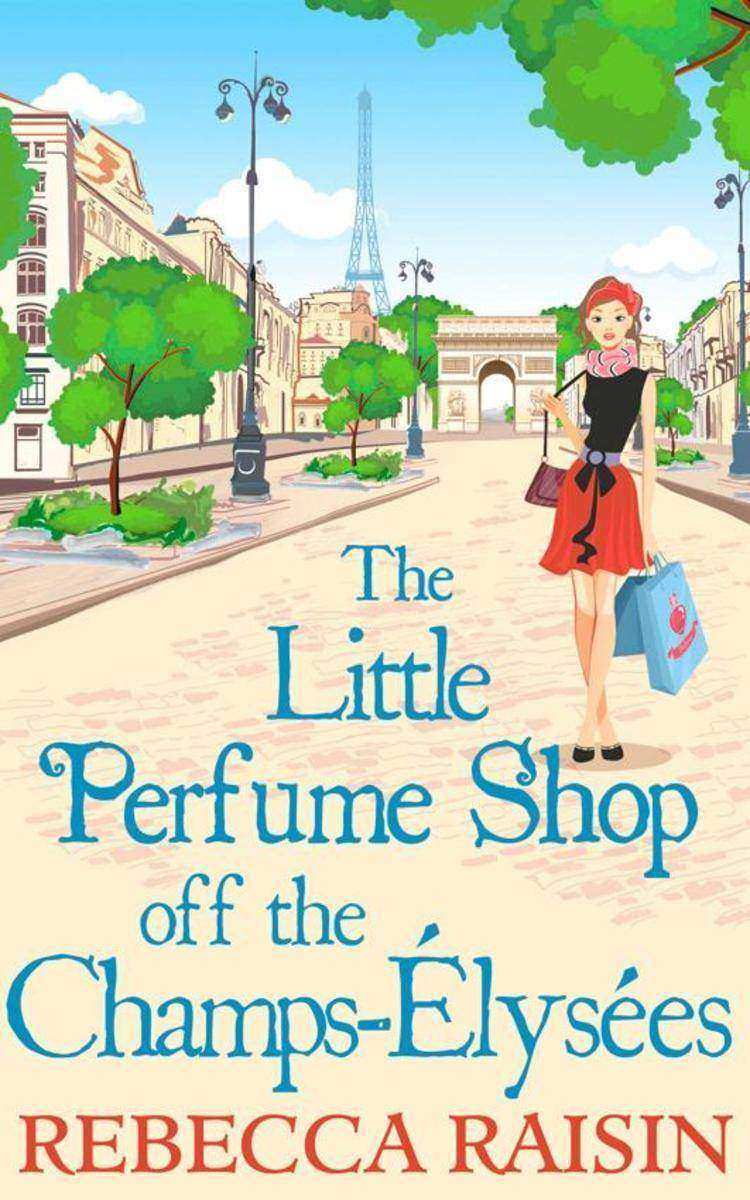
"What is French for falling in love? When Del leaves small town America to compete in a perfume competition in Paris, she thinks it is just the next step on her five-year-plan. It’s an exciting opportunity. What started out as just a dream for Del and her twin sister is nearly in her grasp. If she wins this competition, they are on their way to opening their very own perfume boutique! Arriving in Paris, watching the sun glinting off the Seine and wandering the Champs-Elysees, Del discovers the most perfect perfumery she’s ever seen. Yet, as the competition dawns Del realises that whilst she might have had the best nose in her small village, her competitors seem to know more than she could ever have dreamed. This competition isn’t going to be easy… Del has the romance of Paris to sweep her away from her worries, but as the competition heats up, so does her desire for that which she cannot have! If only the dashing owner Sébastien didn’t smell so seductive, look so handsome and make her heart flutter like it never has before. They say love smells as sweet as a red rose in bloom, but Del would tell anyone that true love can’t be bottled – it’s beautiful and unique to everyone…even herself. With everything on the line for her future, can Del really let a little attraction get in the way of securing her dreams? Praise for The Little Perfume Shop Off the Champs-Elysees: ‘I absolutely loved everything to do with this book’ Rachel Gilbey ‘Absolutely fantastic book, had me hooked from the first page. Full of anticipation, a real page turner. Loved it!’ Nerys Minney ‘In short, this is a fabulous book. In reading I was transported somewhere almost magical’ Sandra W ‘The Little Perfume Shop off the Champs-Elysees, was worth waiting for. It's got magic, sparkle, twinkling lights of Paris and above all, a copious amount of LOVE!’ "

Spring on the Little Cornish Isles: The Flower Farm (The Little Cornish Isles, B
¥42.77
"Fans of Jill Mansell and Carole Matthews will love this gorgeous new book from the author of the bestselling Cornish Café series. Jess has lived at the idyllic flower farm on the Isles of Scilly her whole life, but when her boyfriend Adam leaves without explanation, Jess discovers that even her little slice of Cornish heaven can be lonely. For the first time in Will’s life, he’s met someone he can’t stop thinking about. But nothing is simple when the woman of your dreams is working for you. Gaby is running away from painful memories, and where could be more perfect than a remote island off the Cornish coast? But to put the past behind her, she must keep moving … however much she might want to stay. Nothing is simple, even on paradise. Will love bloom for the residents of the little Cornish Isles? Authors love Phillipa Ashley’s books: ‘Warm and funny and feel-good. The best sort of holiday read.’ Katie Fforde ‘Filled with warm and likeable characters. Great fun!’ Jill Mansell ‘A glorious, tantalising taste of Cornwall, I could almost taste the salt of the sea air as I read it.’ Jules Wake ‘The perfect read for wherever you take your holiday but chances are if you read this first you’ll want to be heading to Cornwall!’ Bella Osborne ‘An utterly glorious, escapist read from a one of the freshest voices to emerge in women's fiction today. I loved every gorgeous page.’ Claudia Carroll "
Stalkers
¥46.11
‘IT’S THE NIGHTS that are the worst. I don’t know where he is, but my imagination tells me he is close at hand. In daylight I can keep the fears down; at night I am alone with the terror that he has created. If he rings me every ten minutes I think I will go mad with it; if he does not ring I worry that he is outside, watching me.’

How to Win Arguments
¥37.96
The question seems unnecessary. After all, argument is a universal human activity in which we all engage as regularly and naturally as breathing. Even if we have never given much thought to the theory behind it, we have enough practical experience to recognize an argument the moment we become embroiled in one or hear others engaged in verbal conflict.
Dancing in Limbo
¥46.11
Oliver Cromwell McCoy, God’s man in Ulster, has stumbled into the radio age. With a crumbling transmitter left over from the Titanic he has taken to blasting the countryside with his inimitable brand of mendacious evangelism. His old adversary across the Shambles, Cardinal Schnozzle O’Shea, is determined to go one better. He needs a good-looking priest to anchor the great TV chat show he believes will get Ireland back on its knees. When his eye lights on young Frank Feely, authoritarianism and bigotry duly lock horns. But more elemental forces are at work too. Emboldened by a dimly recalled vision they once shared, the vision of an enigmatic Madonna who danced for them and for them alone, three young people began a movement to challenge the straitjacket of their destinies. But is theirs a dream of hope? Or are they about to unleash a nightmare of new and as yet unimagined terror? By turns deeply thought-provoking and wildly funny, Dancing in Limbo plunges the reader into the modern-medieval world created by the author in his hugely acclaimed first novel, Shambles Corner.
The Unauthorized History of Trek
¥46.11
Star Trek. These two simple words bring forth a vast web of mental associations to millions of people. For more than twenty-five years, a remarkable and widely varied group of characters has seemingly taken over a sizable portion of our collective consciousness and made it its own. Perhaps the late science fiction visionary Philip K. Dick saw this when he had a character in his novel A Scanner Darkly refer to the latest entertainment extravaganza as a “captainkirk.”

The Little Teashop of Broken Hearts
¥49.65
A deliciously charming romance, perfect for fans of Caroline Roberts, Jane Linfoot and Debbie Johnson. From fairy cakes to first dates! Maddie Lamington’s dreams are crumbling around her. If she doesn’t come up with a plan to save her little teashop on Sweet Street soon, it might be too late… So when she sees how the perfect apple crumble brings together her lonely father and faithful customer Birdie, inspiration strikes: she’ll set up a dating night involving all her sweetest bakes. Luckily, seriously gorgeous Caleb is on hand to help sprinkle a little magic – and a lot of sugar! Could one night of scrumptious first dates fix Maddie’s heartbreak and save her beloved teashop, too? Praise for Jennifer Joyce: ‘The perfect chick-lit novel to cosy up with!’ – Pretty Little Books ‘Just magical, the perfect read for Valentine’s Day!’ – Jessica Bell (NetGalley Reviewer) ‘A fascinating tale, I highly recommend this novel to all women, everywhere!’ – Urban Book Reviews ‘A scrumptious, warm, romantic book.’ – Tracey Ford (NetGalley Reviewer)

To Rome, with Love
¥49.65
Escape to Italy this summer with this fabulously feel-good beach read! A summer of second chances… Just a week before her big day, Sarah returns home to find a note from her husband-to-be – the wedding’s off! So when her boss decides to send her on an epic cycling trip, from Venice to Rome, it seems like the perfect distraction… Although she never expected the distraction to come in the form of her oh-so-handsome, but slightly serious, cycling companion, Miles. And with still 600 miles of beautiful scenery, mouthwatering food and delicious wine yet to cover, anything could happen! Perfect for fans of Zara Stoneley, Mandy Baggot and Caroline Roberts. Praise for T. A. Willams: ‘The characters in the story really make it exceptional … Natalie is a brilliant protagonist … and I absolutely adored her journey to self-discovery to find her new identity.’ – BooksandBookends ‘Wow! This is contemporary romance at its best! The writing is exquisite. … And the plot is brilliantly clever, captivating, and delightful with a little bit of drama, love, loss, and of course romance.’ – WhatsBetterThanBooks ‘The characters are all brilliantly written, the storyline flows extremely well throughout, and I loved every bit of it.’ – Fiona Wilson (#10 Goodreads reviewer UK) ‘T. A. Williams has that gorgeous way of writing a feel good story…he’s absolutely backed up that men can write chick-lit.’ ─ Reviewed The Book (Top 1000 Amazon Reviewer)

Sole Survivor
¥53.76
Passion, adventure, struggle for survival and love for life – on a remote island. You’re fed up with your office job, your flatmate, your bank manager and yourself. Fate throws you a lifeline. You’re now the sole inheritor of a cottage on a remote island off New Zealand. Do you take it? Of course you do. So, off sets Rosie Trethewey, not knowing what she’s in for but pretty certain it can’t be worse than what she’s got. She’s not counted on her reclusive neighbours: a traumatised refugee of the war in Burma, and a misanthrope of an ex-policeman. They can’t abide each other, let alone the thought of a newcomer. And a woman at that. But you can’t survive on an island without some degree of contact. Rosie is the catalyst that forces the loners to come to terms with themselves, each other and the encroaching world.
Flying High
¥53.76
The winners of the 1993 IAN ST JAMES AWARDS. The Ian St James Awards enabled new writers from every walk of life to break into print. 1993’s collection introduced more new writers than ever before, with six short stories and ten longer pieces. Entertaining, thought provoking, original, each of these stories is a winner, selected from thousands of entries from all over the world.
Harvey Keitel
¥53.76
Originally published in 1997 and now available as an ebook. It has not been possible to include the illustrations in the electronic edition. Perhaps the bravest and most inspiring actor of his generation, Harvey Keitel has made his menacing presence felt in some of the greatest cult movies ever, from Scorsese's Mean Streets and Taxi Driver to Tarantino's Reservoir Dogs and Pulp Fiction. With over fifty films to his name, a dozen of them since 1992, Keitel is one of the most ubiquitous and sought-after actors in Hollywood. Yet unlike so many of his contemporaries, he constantly surprises with daring and risk-taking performances in ground-breaking films such as Bad Lieutenant, The Last Temptation of Christ, The Piano and Smoke. Since his tough childhood in Brooklyn, Keitel's life has been a dramatic and unconventional as his screen roles. 'Harvey Keitel: The Art of Darkness 'tells, for the first time, the story of the rollercoaster career and turbulent personal life of this most powerful performer.
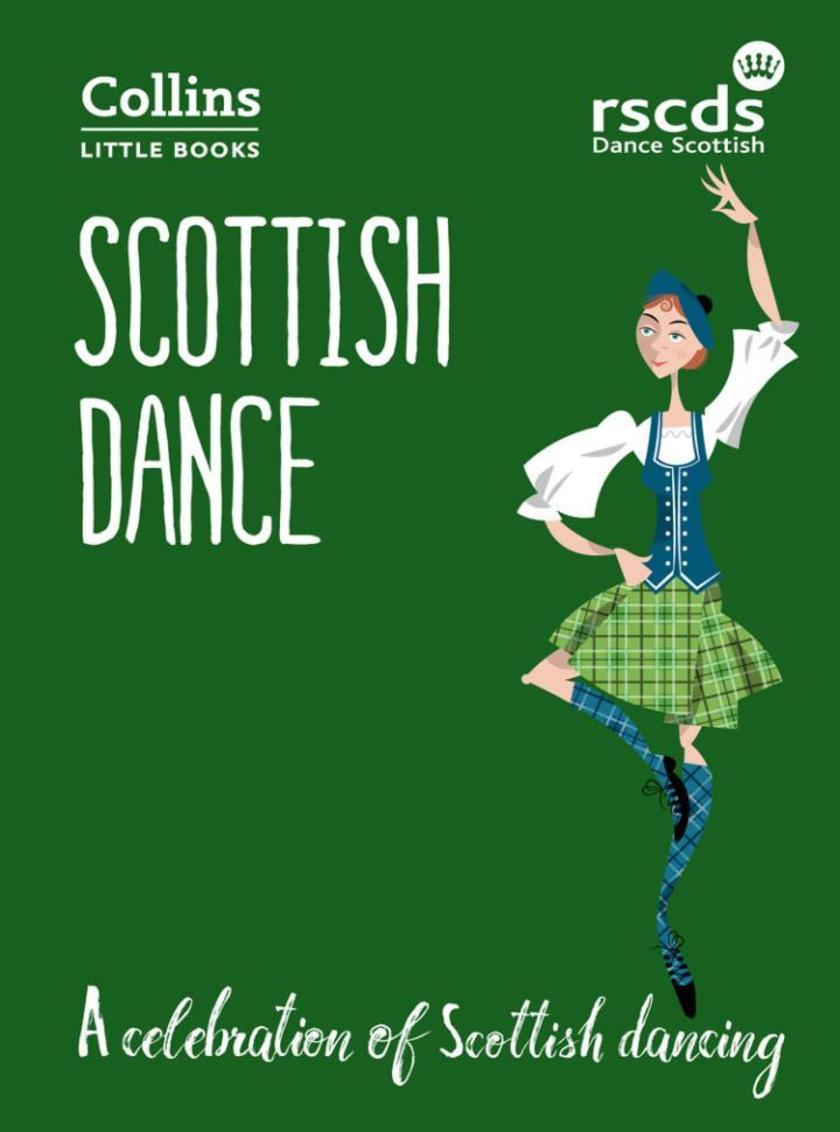
Scottish Dance: A celebration of Scottish dancing (Collins Little Books)
¥44.24
The Royal Scottish Country Dance Society (Charity No. SC 016085; Company No. SC480530), is dedicated to promoting Scottish Country Dance. The Society exists to promote and develop Scottish country dancing worldwide for the benefit of present and future generations. It has a world-wide network of Branches and Affiliated Groups, with a small administrative team at its central office in Edinburgh.

Mother’s Day on Coronation Street (Coronation Street, Book 2)
¥54.84
‘A wonderfully nostalgic tale’ Choice Magazine The perfect heartwarming read, full of nostalgia and charm. It’s 1942 and Annie Walker is the landlady of the Rovers Return on Coronation Street. With her husband Jack away fighting for King and Country, Annie must juggle lone motherhood with keeping the regulars happy. Gracie Ashton works behind the bar at the Rovers and scoffs at the daft girls who are having their heads turned by the American soldiers flooding into Weatherfield. But when she finds herself thrown together with the handsome GI, Chuck Dawson, Gracie wonders if she has her own head screwed on right. With rationing, air raids and blackouts, the wives and mothers of Coronation Street are determined to count their blessings, but when an unwelcome face from the past turns up at the Rovers it looks like Annie will have more to worry about than Hitler’s bombs… Full of Coronation Street’s trademark humour and warmth, it’s the perfect gift for Mother’s Day.
The Journey (Guardians of Ga’Hoole, Book 2)
¥57.09
The brave owls of Ga'Hoole are back in their second mythic adventure as they strive to preserve owldom from the evil that lurks around them. Join the owls in their quest for the Great Ga'Hoole Tree, the legendary place where ordinary owls are transformed into the heroes that guard the owl kingdom. Out of the darkness a hero will rise… It began as a dream. A quest for the Great Ga’Hoole Tree, a mythic place where each night an order of owls rises to perform noble deeds. There Soren, Gylfie, Twilight and Digger hope to find inspiration to fight the evil that dwells in the owl kingdom. The journey is long and arduous for Soren, Gylife, Twilight and Digger. When they finally arrive, they realize that the journey has barely started and that greater challenges lay ahead. If they succeed in following in the footsteps of their leaders, they will soon become true Ga'Hoolian owls– honest, brave, true and wise.


