


 购物车
购物车 个人中心
个人中心
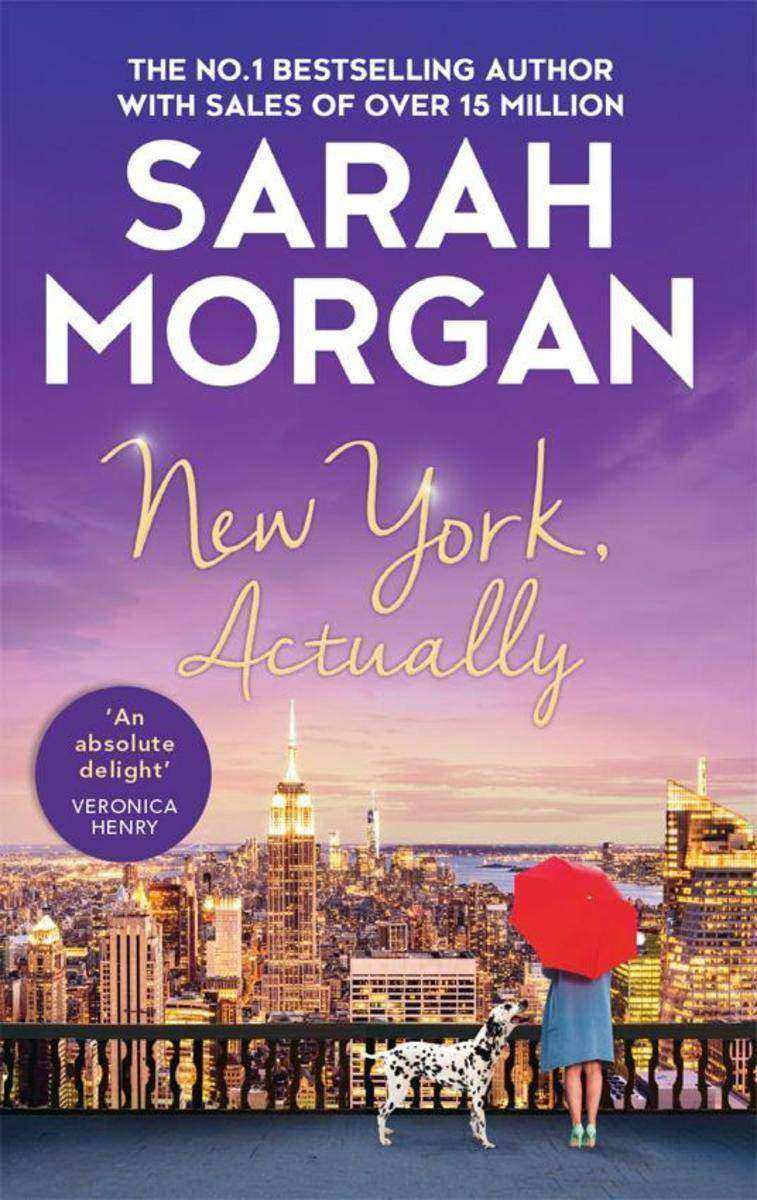
New York, Actually: A sparkling romantic comedy from the bestselling Queen of Ro
¥58.86
Everything a romantic novel should be - an absolute delight.’ - Veronica Henry Meet Molly New York’s most famous agony aunt, she considers herself an expert at relationships…as long as they’re other people’s. The only love of her life is her Dalmatian, Valentine. Meet Daniel A cynical divorce lawyer, he’s hardwired to think relationships are a bad idea. If you don’t get involved, no-one can get hurt. But then he finds himself borrowing a dog to meet the gorgeous woman he sees running in Central Park every morning… Molly and Daniel think they know everything there is to know about relationships…until they meet each other that is… 'Wonderfully romantic and sumptuously atmospheric.’ -Alex Brown, author of The Secret Orchard Cottage

Captain Rose’s Redemption (Mills & Boon Historical)
¥44.15
From gentleman to rogue Who had her former fiancé become? Captured by pirates off the Virginia coast, Lady Cassandra Shepherd is shocked to see in the blue eyes of Captain Rose the young man she loved and lost. What has caused him to exchange his honour for a chance at revenge? But now he needs her help. Dare Cas believe the captain can reclaim his life as an upstanding gentleman and with it, her hand in marriage?

A Bride for the Italian Boss/Return of the Italian Tycoon/Reunited by a Baby Sec
¥49.05
A Bride for the Italian Boss by Susan Meier Passionate Chef Rafe Mancini is hard to please – but stand-in ma?tre d' Daniella Tate breathes new life into his restaurant. Will she return to her old life or stay as fiery Rafe’s bride? Return of the Italian Tycoon by Jennifer Faye Tough tycoon Angelo Amatucci must return to his childhood Tuscan village. With work to do, he brings his assistant, Kayla Hill – who starts to wonder what it would be like to be Mrs. Amatucci… Reunited by a Baby Secret by Michelle Douglas Marianna Amatucci returned from her holidays with a souvenir! The father, Ryan, is nothing like the laid-back surfer she met on the beach. Will Ryan’s corporate lifestyle work with a baby?
The Infinite Mind: The Mind/Brain Phenomenon
¥59.94
Betty Shine is known worldwide for her powers as a medium and healer. She is the author of a number of bestselling books, including Mind Magic which was a Sunday Times No.1 bestseller. A former opera singer, she has been a therapist for 40 years and a healer and medium for over 20 years. She is a Daily Mail columnist and well-known television and radio personality and has been invited to lecture all over the world.

Before Winter (Wolves of Llisé, Book 3)
¥60.33
The exciting conclusion to the Wolves of Llise trilogy As rumors of Devin's death at his own bodyguard's hands reach the capital, the Chancellor is detained on fabricated charges of treason, which may cost him his life. In the provinces, there are signs of people fighting to reclaim their history – but the forces against them are powerful: eradicating the Chronicles, and spreading darkness and death. Accompanied by a wolf pack and a retinue of their closest allies, Gaspard and Chastel must cross the mountains in a desperate attempt to save the Chancellor before winter makes their passage impossible. But the closer they journey towards Coreé, the clearer it becomes that there are those who don't intend for them to arrive at all.

White Lies
¥61.51
‘Dexter Petley perfect writer’s eye gives us a candenced love story…Gripping, dryly hysterical, “White Lies” reeks of beauty and human truth.’ Alan Warner A brilliant, bittersweet love story set against a corrupt east African landscape. Nobody believes in love at first sight. Norman didn’t until he read about ‘Joy, The Gold Panning Missionary’ in an African magazine and set out to find her. But it isn’t easy to find love in East Africa in the early 1980s. This is a region with a heavy colonial hangover: Obote’s government teeters on the brink of collapse, petty crime and corruption are rife in the streets and Norman, the impressionable young Englishman, makes slow progress towards the woman he intends to marry. A decade on and many thousands of miles from Africa, Norman is trying to shape a new life. Joy has walked out, leaving him to their damp tumbledown farmhouse in a rural corner of northern France. He is a desperate, broken man. Alone, he sifts the wreckage of his marriage from the wreckage of this ramshackle farm and tries to plot a way out, some sort of future. It’s only when Norman decides to go back to Africa – not for love this time, but to settle old scores – that he finally sees what he must do, however dark and terrifying an act that is. In his own unique prose, Dexter Petley carefully laces Norman’s African and French stories together to create a delicate portrait of an Englishman abroad, a brutal depiction of the corruption that colonialism breeds and, above all, a brilliant, bittersweet love story.

The Origins of English Nonsense
¥61.51
Noel Malcolm is one of Britain’s most original scholar-journalists. He is the chief non-fiction reviewer for the Sunday Telegraph and writes widely on both literary and political matters. He is the editor of Hobbes’s correspondence and author of the best-selling Bosnia: A Short History. He briefs governments all over the world on Bosnia and Balkan matters and speaks most western and eastern European languages, both ancient and modern. He is now writing a biography of Hobbes.
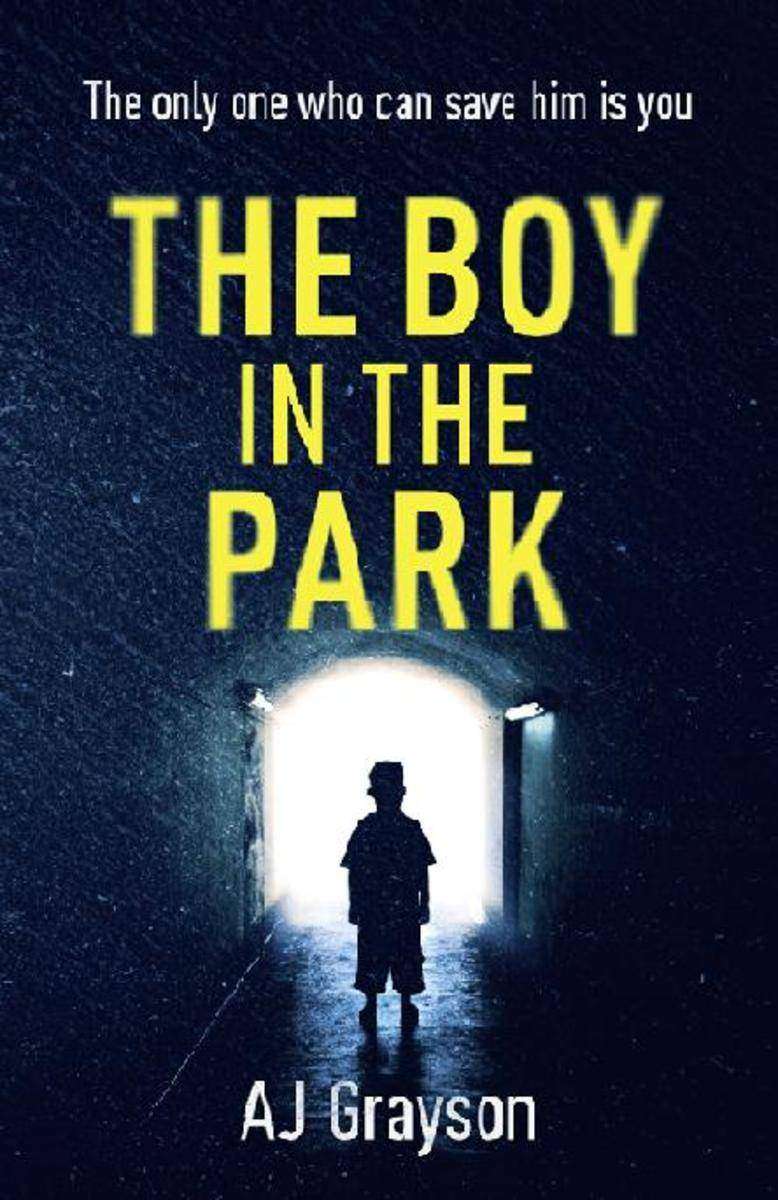
The Boy in the Park: A gripping psychological thriller with a shocking twist
¥58.86
The Psychological Thriller that everyone is going to be talking about - once you’ve read it, it will haunt you for weeks! Dylan goes to the same park every day. He starts to notice a young boy who comes down to the small boating lake and soon realises that all is not right with the child; he seems troubled and unhappy and when bruises start to appear on the boy’s arms, Dylan realises that he has to take action. As Dylan’s obsession with the boy takes hold, he embarks on dark, intense and powerful journey, where nothing is what it seems…
If There’s No Tomorrow
¥58.86
‘Beautiful, real and devastating’ Sarah J. Maas A moving story of grief, friendship and unforgettable love that fans of Sara Bernard and Nicola Yoon will love from international YA bestselling author Jennifer Armentrout. Lena has always felt immortal. But one night can change everything. Lena and Sebastian have been close for as long as anyone can remember. Best friends, even. But secretly Lena has been wanting something more—Sebastian could be more than a friend, if only Lena could figure out how to convince him that they could, and should be together. But in a single night, after a single party, everything changes and suddenly Lena isn’t thinking about her relationship with Sebastian at all. The only thing she’s thinking about is trying to piece together what happened that night, and how she was the sole survivor in an accident that left 4 of her friends dead. Even as her friends and family try to rally around her, Lena pushes them away as the memory of the accident begins to resurface. How will they ever forgive her for what she did? How will Sebastian forgive her? And how will she ever forgive herself?
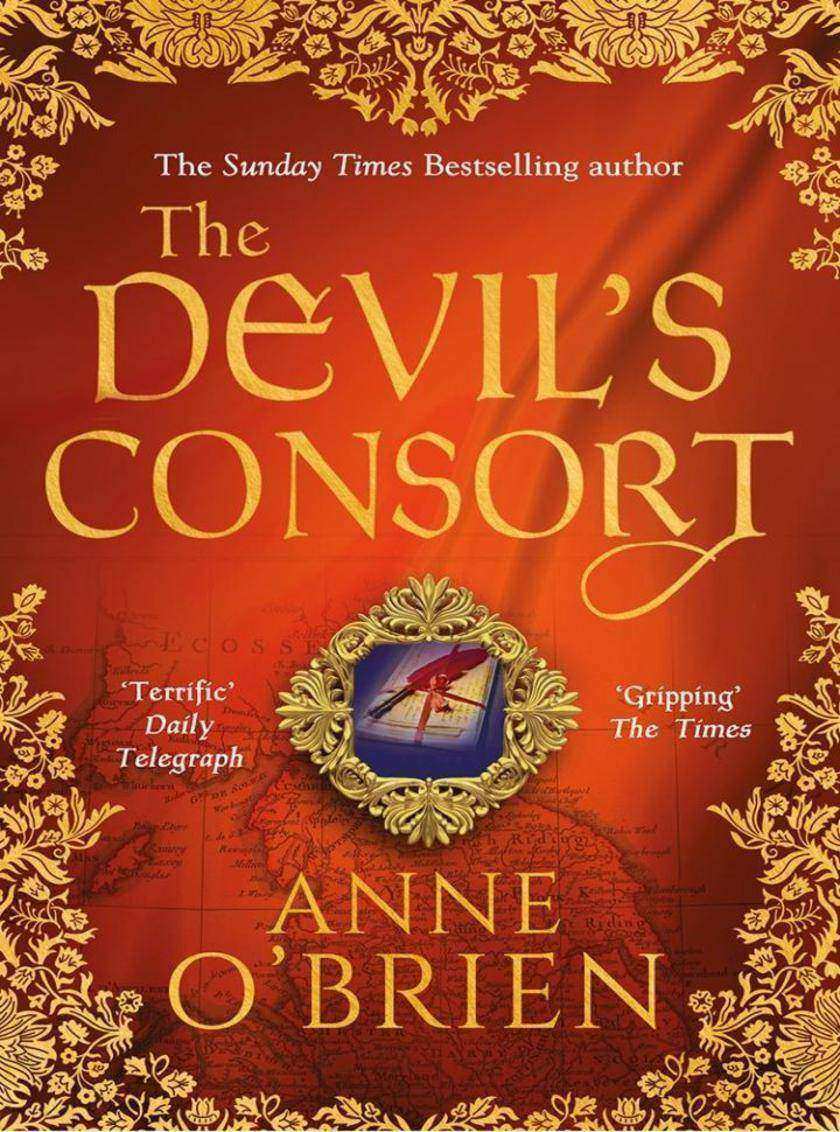
Devil's Consort
¥61.90
Anne O’Brien’s new novel, Queen of the North, is available to pre-order now England’s Forgotten Queens ‘Anne O’Brien has joined the exclusive club of excellent historical novelists.’ - Sunday Express ENGLAND'S MOST RUTHLESS QUEEN. July, 1137. In the baking sunshine of Bordeaux, Eleanor, Duchess of Aquitaine, eagerly awaits her first meeting with the prince who will become her husband. But Louis Capet is no fit match for educated, independent Eleanor. When he inherits the throne of France, it becomes clear that his monastic ways and indecisive rule could cost him his country – and his marriage. Determined to rule her own lands, Eleanor leads the men of Aquitaine on Crusade. The march to Outremer will make her the most scandalous woman in all of Christendom. And one chance meeting between Eleanor and Henry Plantagenet will change the fate of England – forever… Hers is a story of power, political intrigue, passion and love. Praise for Anne O’Brien: ‘One of the best writers around…she outdoes even Philippa Gregory’ The Sun ‘Her writing is highly evocative of the time period… O’Brien has produced an epic tale’ Historical Novel Society ‘Anne O’Brien’s novels give a voice to the “silent” women of history’ Yorkshire Post ‘Once again O’Brien proves herself a medieval history magician, conjuring up a sizzling, sweeping story’ Lancashire Evening Post ‘An exciting and intriguing story of love and historical politics. If you enjoy Philippa Gregory and Alison Weir you will love Anne O'Brien’ We Love This Book ‘A brilliantly researched and well-told story; you won’t be able to put this book down’ Candis ‘A fast paced historical drama that is full of suspense.’ Essentials
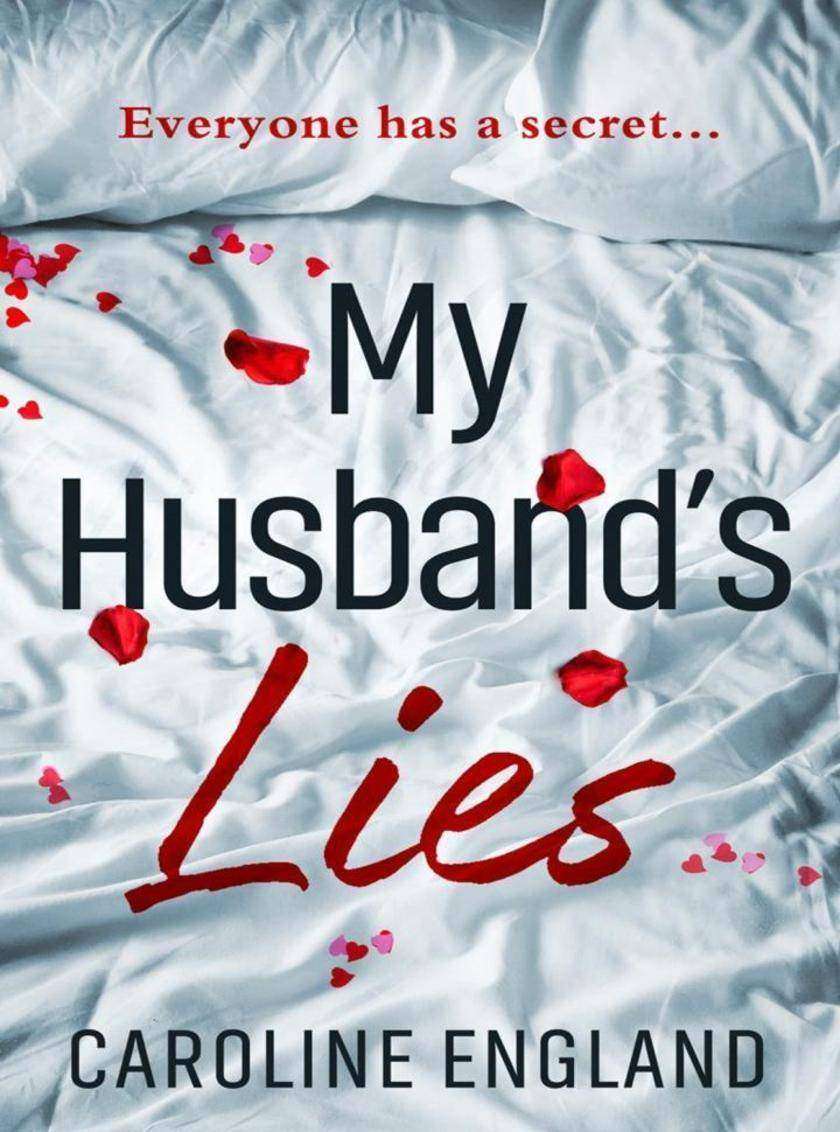
My Husband’s Lies
¥58.86
‘I was gripped immediately’ KATERINA DIAMOND, author of THE TEACHER ‘Terrific characterisation, great writing and twists to leave you dizzy.’ TERESA DRISCOLL, author of I AM WATCHING YOU Do you really know your friends? ** THE TOP 10 KINDLE BESTSELLER** On the afternoon of Nick and Lisa’s wedding, their close friend is found poised on a hotel window ledge, ready to jump. As the shock hits their friendship group, they soon realise that none of them are being as honest with themselves – or with each other – as they think. And there are secrets lurking that could destroy everything. Tense, disturbing and clever, My Husband’s Lies is a breath-taking read, perfect for fans of Lucy Clarke and Erin Kelly.

The Lightstone: The Silver Sword: Part Two (The Ea Cycle, Book 1)
¥66.61
From the author of Neverness comes a powerful new epic fantasy series. The Ea Cycle is as rich as Tolkien and as magical as the Arthurian myths. The world of Ea is an ancient world settled in eons past by the Star People. However, their ancestors floundered, in their purpose to create a great stellar civilisation on the new planet: they fell into moral decay. Now a champion has been born who will lead them back to greatness, by means of a spiritual – and adventurous – quest for Ea’s Grail: the Lightstone. His name is Valashu Elahad, and he is destined to become King. Blessed (or cursed?) with an empathy for all living things, he will lead his people into the lands of Morjin, into the heart of darkness, wielding a magical sword called Alkadadur, there to recover the mythical Lightstone and return in triumph with his prize. But Morjin is not to be vanquished so easily…

Heroes and Contemporaries (Text Only)
¥54.84
First published in 1983, Heroes and Contemporaries reveals a new aspect of David Gower’s personality – that of an astute and intelligent observer of the game and of his fellow players. In this book he has chosen a collection of the people in cricket he most admires and has written about them in conversational style, with immediacy and critical appreciation. Gower’s encounters with these people behind the scenes – some of the most important players of our time – give us insight into their characters, their strengths and weaknesses, an insight which we would not normally have just by observing them on the field or by reading newspaper reports. His views on the captaincies of Bob Willis, Mike Brearley and Ian Botham are especially revealing. There is also displayed in this book considerable understanding of the psychology of such contemporaries as Ian Botham and Geoff Boycott, and an important chapter is included on Ray Illingworth, Gower’s staunchest champion and sternest critic. Although Heroes and Contemporaries is basically about other people, it also tells us a great deal about David Gower himself.

Postscript to Murder
¥66.61
Lawyer Lennox Kemp’s newly-wed happiness is slowly being eroded by a series of anonymous threats. Is it an aggrieved past client? A criminal he has helped put away? His friend Detective Inspector John Upshire points out that there is a multiplicity of enemies from which to choose. But then a colleague of Kemp’s is murdered and Lennox is convinced that he was the intended victim. Weighed down by guilt, he feels disinclined to investigate the matter further, so it is left to his feisty wife Mary to follow the confusing clues. Is the murder connected to the anonymous threats and sabotage attempts against Kemp? or does it relate to the victim’s own affairs? A mysterious commission in London, an arrogant property dealer, an unbalanced young woman, are only some of the elements of the mystery which Mary must disentangle. But is she on the right path? And will Lennox regain his interest in the affair before another murder is committed? The return of Lennox Kemp, M. R. D. Meek’s popular lawyer sleuth, is an intricate and suspenseful puzzler that will delight his many fans.
Everything Happens for a Reason
¥68.57
A witty, wry look at contemporary marriage and relationships, from the author of For Matrimonial Purposes. Priya, growing up in a comfortable home in Delhi, is the youngest of four sisters, but the first for whom a marriage has been arranged – the other sisters all seem to have had a variety of reasons against husbands. Priya moves to Los Angeles where her new family have been established for some twenty years and while no woman in her family has ever had a job, she decides that in America, she should find one. And that's when the trouble begins… Her charm and dignity, as well as her discretion and sympathetic ways, raise her from receptionist to key interviewer on a glitzy media magazine in a short time. She knows that while a little job is OK with her in-laws, a career, western clothes and interviewing male stars in hotel rooms would be absolutely forbidden. So her double life – American career woman versus traditional Hindu wife – begins, and her longing for a different relationship with her husband grows. Funny and serious, full of rich comments on the pleasures and absurdities of life-styles in East and West, Everything Happens for a Reason is a charming contemporary novel, from a wonderful and unique author.
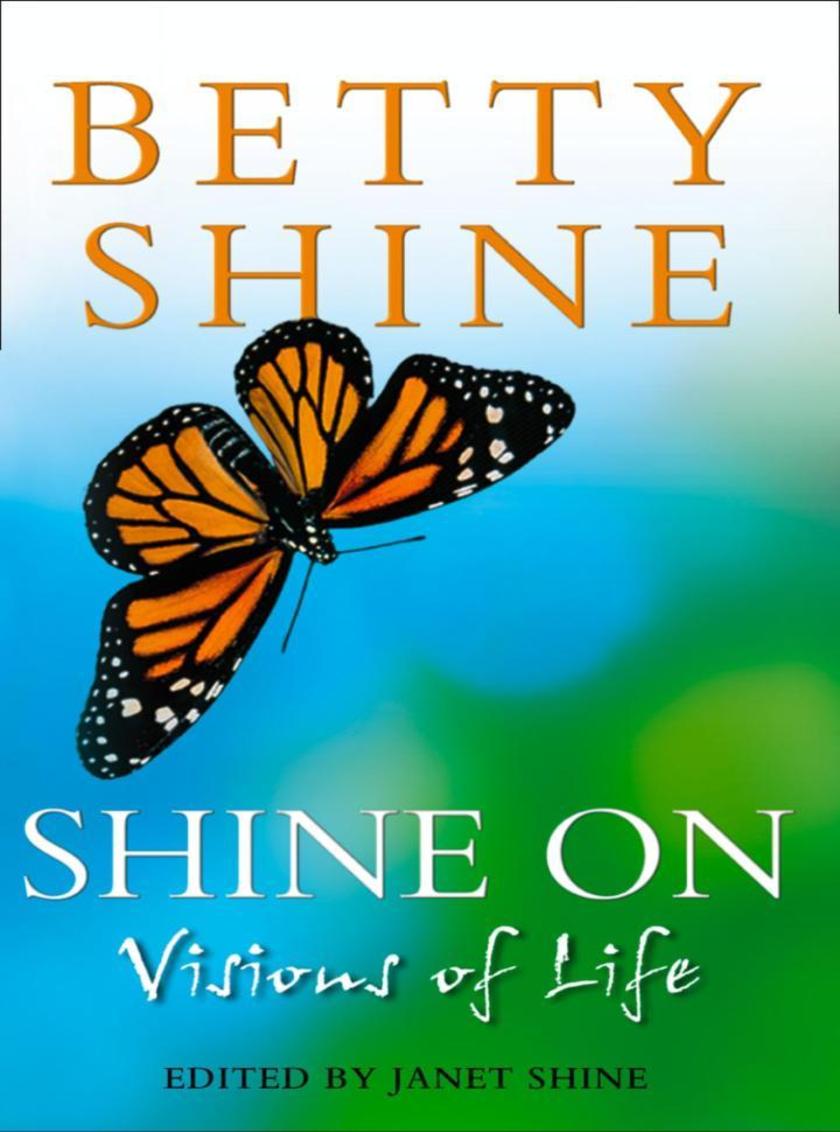
Shine On: Visions of Life
¥68.57
Betty Shine was known worldwide for her powers as a medium and healer. She was the author of 11 bestselling books, including Mind Magic which was a Sunday Times No.1 bestseller. A former opera singer, she was a therapist for over 40 years and a healer and medium for 25 years. Her untimely death has left many fans bereft, and this book is a fitting tribute.
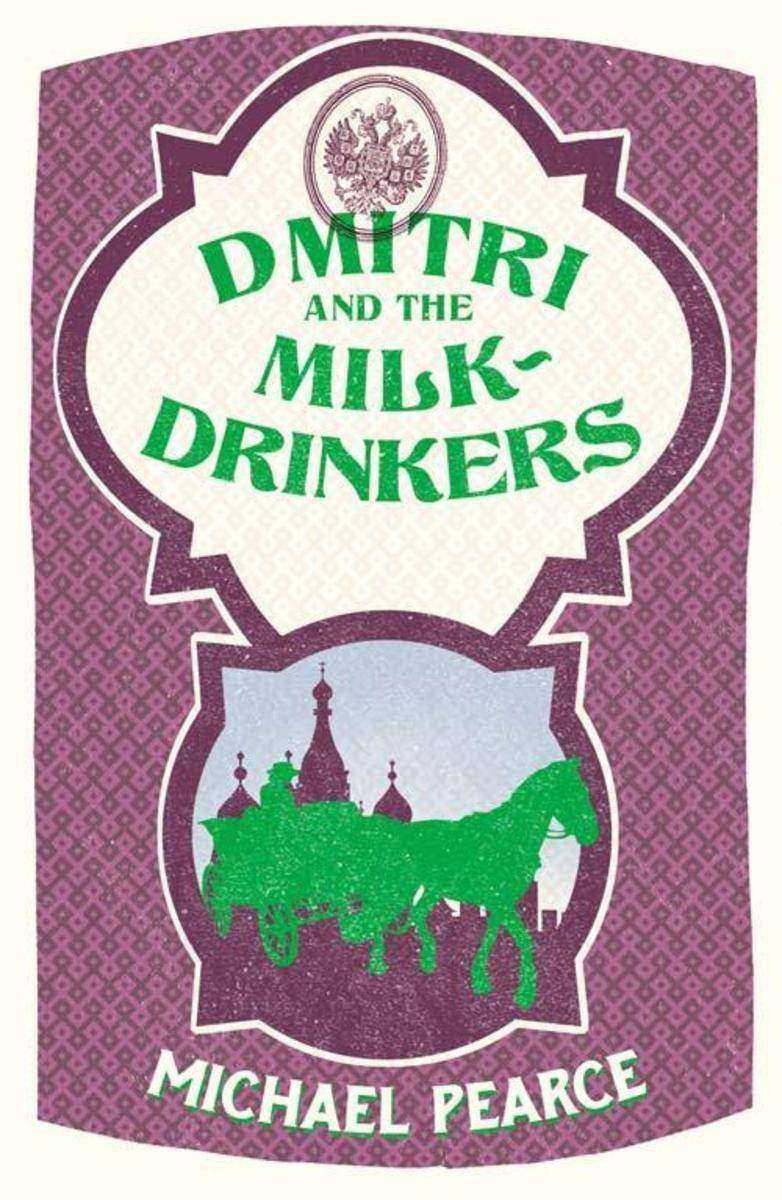
Dmitri and the Milk-Drinkers (Dmitri Kameron Mystery, Book 1)
¥66.22
Witty and irreverent, this is the first in an irresistible crime series set in Tsarist Russia in the 1890s from the award-winning Michael Pearce. Tsarist Russia in the 1890s. Dmitri Kameron, a young lawyer, must deal with the disappearance of a well-connected young woman. She has been shipped off to Siberia, in one of the prison wagons outside the Court House. But is this a bureaucratic bungle or something more calculated? On a journey to the furthest outposts of Russia, Dimitri’s search becomes horribly complicated. To unearth the truth in a treacherous world of Russian officialdom he is forced to make some strange allies, not least among them the redoubtable Milk-Drinkers…
Cavalier King Charles Spaniel: An Owner’s Guide
¥57.00
Owning a dog is a huge responsibility but extremely rewarding. When you decide to welcome a Cavalier King Charles Spaniel into your home, you have to consider not only how he will fit into your lifestyle but also what you can offer him in return. He will need regular exercise, feeding, games and companionship as well as daily care.As a good owner, it is your responsibility to keep your Cavalier King Charles Spaniel fit and healthy. If you follow the basic guidelines in this book and socialize him, feed a nutritious diet, exercise him adequately, groom and play with him, you can prevent many common health problems. However, it is important that you learn to recognize the warning signs of problems and diseases so that you can treat them yourself or seek professional help from your vet before they get worse. Prevention is always preferable to cure, and a healthy, contented dog will become your trusted companion for many years.

Alaska Home: Falling for Him / Ending in Marriage / Midnight Sons and Daughters
¥57.19
LONELY MEN IN HARD LUCK, ALASKA, LOOKING FOR WOMEN. OUR TOWN MIGHT BE COLD, BUT OUR HEARTS ARE WARM! Location: north of the Arctic Circle. Population: 150 (mostly men!) But the three O'Halloran brothers, who run a bush-plane charter service called Midnight Sons, are heading a campaign to bring women to town. Falling for Him Christian, the youngest O'Halloran brother, has a problem, and her name is Mariah Douglas. The Midnight Sons secretary is always losing his messages, misplacing his files and generally creating chaos. Despite that, he can't get her out of his mind… Ending in Marriage The clashes between pilot Duke Porter and Seattle attorney Tracy Santiago are legendary. Duke's a tough, rugged individualist who delights in expressing outrageous opinions, particularly when Tracy's around. But she gives as good as she gets…and not just when they're arguing! Includes a special extra novella! Midnight Sons and Daughters Scott O'Halloran and Chrissie Harris are all grown up now. After years away from Alaska, Scott's back in town, and everybody's wondering if he's here to stay. Especially Chrissie, the girl he left behind…
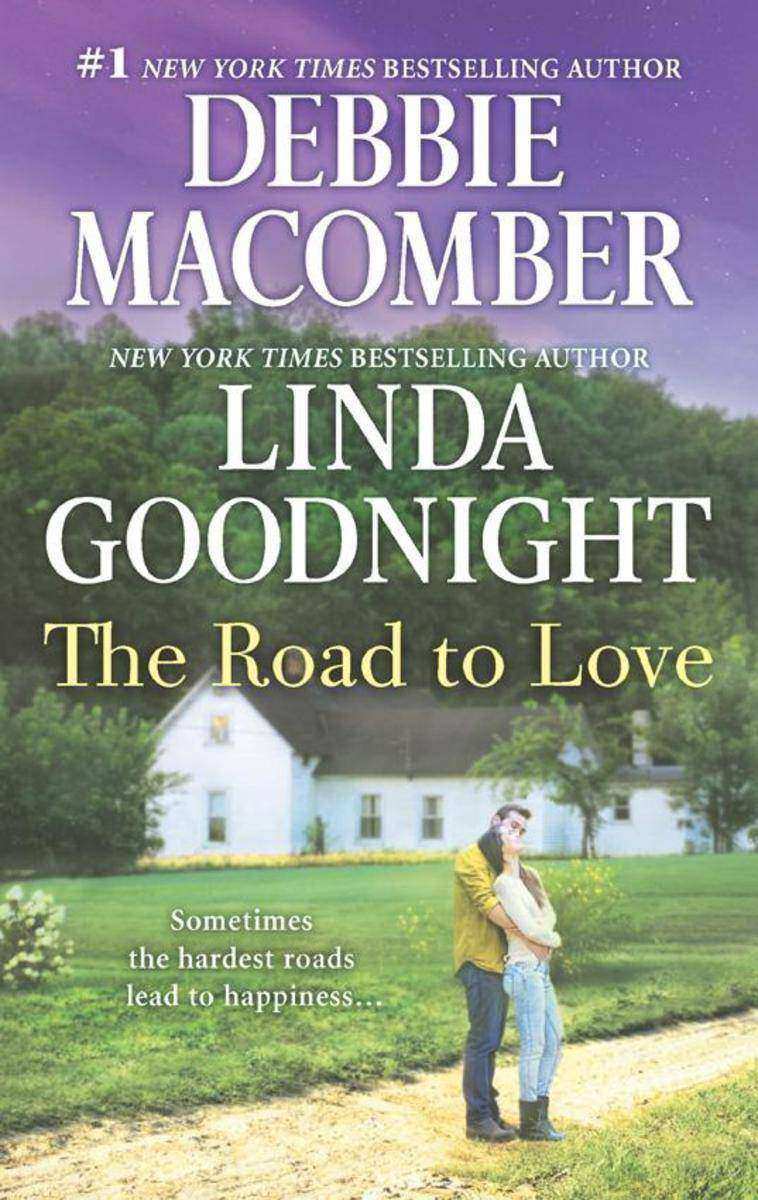
The Road To Love: Love by Degree / The Rain Sparrow (A Honey Ridge Novel, Book 2
¥57.19
Fall for these two beloved stories about life, love and second chances. Love by Degree by Debbie Macomber When Ellen Cunningham decides to go back to school as a mature student, she knows that money is going to be tight. She also knows she's lucky to find inexpensive lodging in a house near the campus, but she didn't count on having to live with three college-aged boys–or deal with the bad-tempered landlord, Reed Morgan. Reed has no patience for college-boy antics, but the chemistry between him and Ellen might warm him up to his new tenants… The Rain Sparrow by Linda Goodnight Renowned yet private, thriller writer Hayden Winters lives a life colored by lies. As he is deeply ashamed of his past, his hunger for an honest relationship and dreams of starting a family remain unsatisfied, and he can trust no one with his secrets—until he meets Carrie Riley. When they discover a vulnerable young boy hiding at the inn where Hayden is staying, the two are compelled to help him, and soon they're drawn into a centuries-old mystery that will either bring them closer together—or tear them apart.

Red Clover Inn (Swift River Valley, Book 7)
¥69.45
New York Times bestselling author Carla Neggers delivers an irresistible story about love, family and finding a place to call home.. Marine archaeologist Charlotte Bennett is no stranger to risk, but her dives into sunken wreckage are always meticulously planned. However, being the maid of honor in her cousin Samantha's English wedding gives her a new perspective on her life as a nomad who's given up on romance altogether. Though an encounter with roguish wedding guest Greg Rawlings leaves her unsettled, the other people she meets make a trip to the tranquil town of Knights Bridge, Massachusetts, enticing. Acting on impulse, Charlotte offers to house-sit at Red Clover Inn while Sam and Justin Sloan are away on their honeymoon. The quaint inn isn't open to the public yet and Charlotte will have quiet time to plan her next project. It might also give her a chance to see how her cousin found love and a sense of family. But the peace is immediately disrupted when Greg shows up at the inn. The Diplomatic Security Service agent lives a dangerous life, and he, too, wants to clear his head before his next assignment. Juggling work, raising his two teenage children and nursing a wounded heart has left him jaded, and the last thing he expects is to find himself falling for the willful Charlotte. As the attraction between them flares, Charlotte realizes she might be in too deep. And each of them must decide if they can put love first before it's too late.


