


 购物车
购物车 个人中心
个人中心

Remember Summer
¥55.31
The most grueling challenge of Raine Smith's equestrian career looms before her the Olympic Games. Little does she realize that she's about to face greater perils in the arms of a stranger than she's ever found on the back of her horse.Cord Elliot is a man trained to deflect disaster and his mission is to ensure that Raine Smith remains untouched by sudden gunfire at the Summer Games. Yet from the moment Raine Meets Cord's ice-blue glance, she knows he's more hazardous to her heart than a sniper's bullet. Falling for a man who answers to the call of intrigue and holds secrets that can never be shared is to endure the broken promises, unexplained absences, and constant danger that come with his profession. But in the fiery passion of irresistible love, a summer to remember seems worth any risk.

It Only Takes a Moment
¥55.91
A seasoned television professional the host of the top-rated KEY News morning show Eliza Blake has reported on tragedies many times from behind the anchor's desk . . . and she has survived devastating crises of her own. But only now is she learning the true meaning of terror when her seven-year-old daughter, Janie, is kidnapped from summer camp. Forced to suffer through a mother's worst nightmare in the glare of the camera lights, Eliza finds herself trapped in a media circus as the police and FBI explore every avenue . . . and every lead winds up at a dead end.But Eliza isn't going to just sit around and wait for answers because every minute wasted in the desperate race to reveal the shocking motives of a ruthless abductor brings a frightened little girl one minute closer to her death.

Seduction of a Proper Gentleman
¥55.31
To break a centuries-old curse, beautiful, headstrong Lady Kathleen MacDavid knows she must ignore every rule of propriety by seducing and marrying the Earl of Norcroft. So she sets off for London, braving scandal and ruin to achieve her goal . . . until a crazy bump on the head makes her forget nearly everything.The thrill of winning a bet that he'd be the last of his set to wed hasn't eased the earl's pain of losing his friends to marriage. Still, he'd be willing to settle down if he could meet someone worthy of his love and desire. But he has met no such woman, until Kathleen is brought to him. Suspicious of her motives, he's determined to resist her seductive ways. But sometimes even the most proper gentleman finds it expedient to act improperly . . .

Sweet Ember
¥55.31
A classic love story by New York Times bestselling author Barbara Delinsky, back in print for the first time in years and guaranteed to delight her fans, old and new.Stephanie Wright was just 19 the first time she ran, heartbroken and angry, out of Douglas Weston's life. She and Douglas, a devastatingly handsome tennis camp instructor, shared a summer marked by a gentle love, capped by one night of sensuous passion -- followed by a terrible, unforgivable betrayal that sent her fleeing. Eight years later, upon her return to the camp, Stephanie must fight the feelings that first drew him to her And now there is Melissa, her beautiful seven-year-old daughter; who smiles up at her tennis teacher with gray eyes that mirror his own.
When Day Breaks
¥55.91
On the day she died, Constance Young was the undisputed star of morning television. But her plans to move herself and her loyal audience to another network were cancelled when she ended up at the bottom of her swimming pool. And the fabled unicorn amulet that Constance had been wearing during her final hours a gift from King Arthur to his beloved Guinevere and the centerpiece of the upcoming Camelot exhibit at New York's Cloisters museum is missing.A morning show veteran and now anchor of the KEY Evening Headlines, Eliza Blake is shocked by the death of her former colleague, and is determined to discover who wanted Constance out of the way . . . and why. To do so, she enlists the aid of three KEY News coworkers: "Jane-of-all-trades" Annabelle Murphy, who can switch from producing to sleuthing at a moment's notice; charming and fearless cameraman extraordinaire B.J. D'Elia to add brains, brawn, and a much-needed male perspective to the team; and Dr. Margo Gonzalez, on-air psychiatrist, who understands the complex puzzles of the human mind. Calling themselves "The Sunrise Suspense Society," they set out to get to the bottom of the heinous murder, in a case that will test their ingenuity and their courage to the very limits.The deeper they dig, the more twisted the trail to Constance's killer becomes as the list of suspects grows longer by the minute. Was it her spurned and enraged medievalist lover, or a muckraking author who blamed her for ruining her lifePerhaps money was the motive, and Constance's sister, jealous of her wealth and fame, was responsible. Or possibly someone at Key News was angry enough or frightened enough to commit cold-blooded murder. The one sure thing is that Constance Young made a lot of enemies and now one of them is Eliza's enemy as well. And the closer she and the Society get to unmasking the murderer, the closer they each get to dying, suddenly . . . and brutally.
Fast Courting
¥55.31
New York Times bestselling author Barbara Delinsky entralls in this powerful novel first published in 1983, of a man, a woman, ans the exciting game of love. Magazine writer Nia Phillips latest assisgnment is a feature on east Coast's five most eligible bachelors. But her research hits a snag when she meets number five, Daniel Strahan, the head coach for Boston professional basketball team. Daniel wants no part of the story , And though he refuses her interview request, he's instantly drawn to Nia's quick intelligence and dark beauty. As for Nia, she finds Daniel intriguing, but she knows that a man constantly on road, who lives and breathes basketball, isn't right for her. There's only one thing she's forgotten -- love doesn't play by the rules.

Perfect Murder, Perfect Town
¥55.31
In Perfect Murder, Perfect Town, Lawrence Schiller thoroughly recreates every aspect of the complex case of the death of JonBent Ramsey. A brilliant portrait of an inscrutable family thrust under the spotlight of public suspicion and an affluent, tranquil city torn apart by a crime it couldn't handle, Perfect Murder, Perfect Town uncovers the mysteries that have bewildered the nation. Why were the Ramseys, the targets of the investigation, able to control the direction of the police inquiryCan the key to the murder be found in the pen and writing pad used for the ransom noteWas it possible for an intruder to have killed JonBent?
Confessions of a Little Black Gown
¥55.31
She spied him in the shadows . . .And in an instant, Thalia Langley knew the man before her was no saint. He might claim to be the Duke of Hollindrake's unassuming country cousin, but no man that handsome, that arresting, could be anything but . . . well, he simply must be an unrepentant rogue. His cat-like grace and power leave Tally shivering in her slippers at the notion of all the wicked, forbidden things he might be capable of doing . . . to her.Indeed, Lord Larken is no bumbling vicar, but a master spy there in his majesty's service to find and murder a notorious pirate freed in a daring prison escape. Devoted to the Crown, Larken's not about to let an interfering (and not entirely innocent) Mayfair miss disrupt his ruthless plans. Yet how can he be anything but tempted by this lady in a little black gown . . . a dress tantalizing enough to lead even Larken astray.
Dying for Mercy
¥55.31
When death shatters the serenity of the exclusive moneyed enclave of Tuxedo Park, New York, Eliza Blake, cohost of the country's premier morning television show KEY to America, is on the scene. While attending a lavish gala at her friends' newly renovated estate, Pentimento, Eliza's host is found dead a grotesque suicide that is the first act in a macabre and intricately conceived plan to expose the sins of the past involving some of the town's most revered citizens.Determined to find out the truth, Eliza and her KEY News colleagues producer Annabelle Murphy, cameraman B.J. D'Elia, and psychiatrist Margo Gonzalez discover that Pentimento holds the key. Nestled in the park's sprawling architectural masterpieces, picturesque gardeners' cottages, and lush, rolling landscape, the glorious mansion is actually a giant "puzzle house," filled with ingenious clues hidden in its fireplaces, fountains, and frescoes that lead them from one suspicious locale to another and, one by one, to the victims of a fiendish killer.As Pentimento gives up its secrets, it becomes clear that no amount of wealth or privilege will keep the residents of Tuxedo Park safe. But just when Eliza unearths one final surprise, she comes face-to-face with a murderer who believes that some puzzles should never be solved.
She Wanted It All
¥55.31
Trophy wife Celeste Beard wasn't satisfied with a luxurious lifestyle and her rich Austin media mogul husband's devotion -- so she took his life! The wife:She wanted everything, but her husband stood in the way. The lesbian lover:A love-struck, middle-aged woman with a history of mental illness, she would do anything to set Celeste free. The beauty salon receptionist:Celeste hired her to tie up the loose ends ... in a second conspiracy to commit murder.
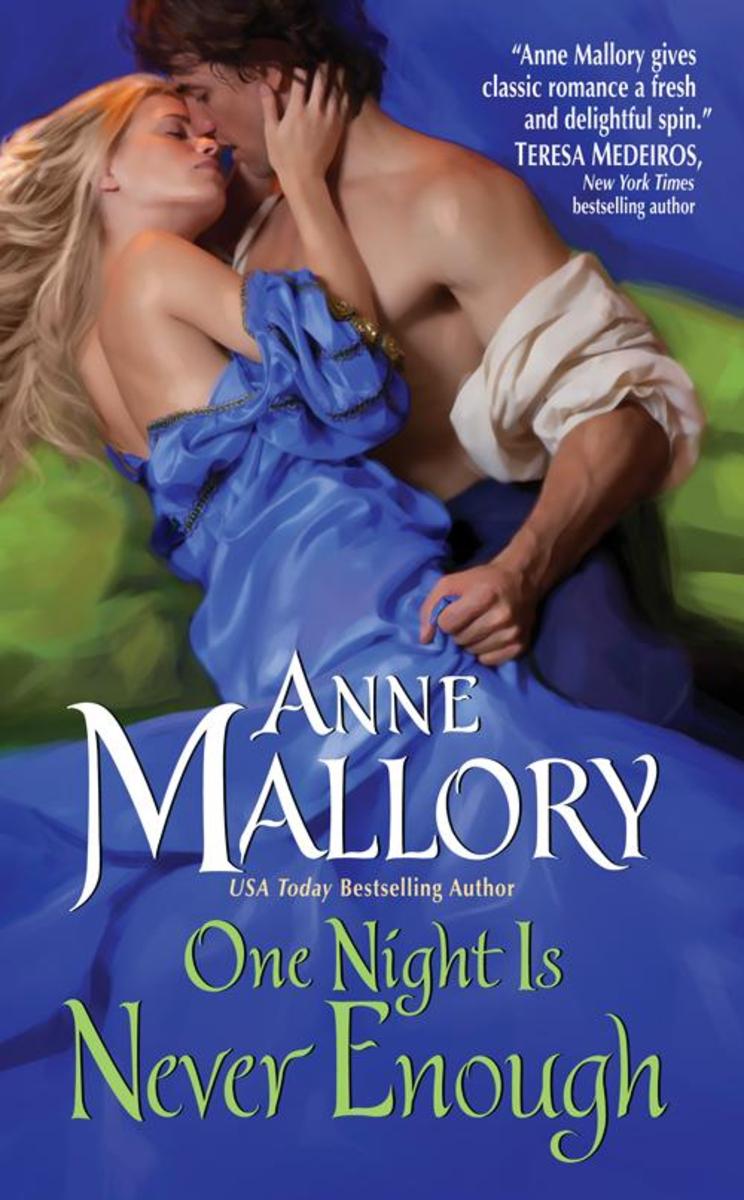
One Night Is Never Enough
¥55.91
From the first glimpse he knew he must have her even if only for a single night . . .Powerful, ruthless, seductive the lord of London's underworld Roman Merrick gets anything he wants . . . and he burns for Charlotte Chatsworth, a polished jewel in the glittering ton. So he engages her debt-ridden gambler father in a game of chance, wagering ten thousand pounds against one night with the man's exquisite daughter. And Roman Merrick never loses.But one night is never enough . . .Charlotte is devastated to learn that her reprobate father has lost her in a card game to the most dangerous man she's ever met. With the threat of ruin behind every corner, Charlotte embarks upon a perilous path with the man she cannot forget. But in truth, it's Roman who has everything to lose for a game undertaken for pleasure alone soon has him gambling his heart. And love and passion unleashed could bring his great, dark empire tumbling down . . .

And Then She Fell
¥56.67
New York Times bestselling author Stephanie Laurens has returned to another utterly irresistible branch on her beloved Cynster family tree . . .The only thing more troublesome than a Cynster man . . .. . . is a Cynster lady who believes love is not her destiny. Famously known in London society as The Matchbreaker,Henrietta Cynster's uncanny skill lies in preventing ill-fated nuptials not in falling victim to Cupid's spell.But then she disrupts one match too many and feels honor-bound to assist dashing James Glossup in finding a suitable bride for a marriage-of-convenience.A task infernally complicated by the undeniable, unquenchable attraction that flares between James and Henrietta, who continues to believe she will never fall . . .
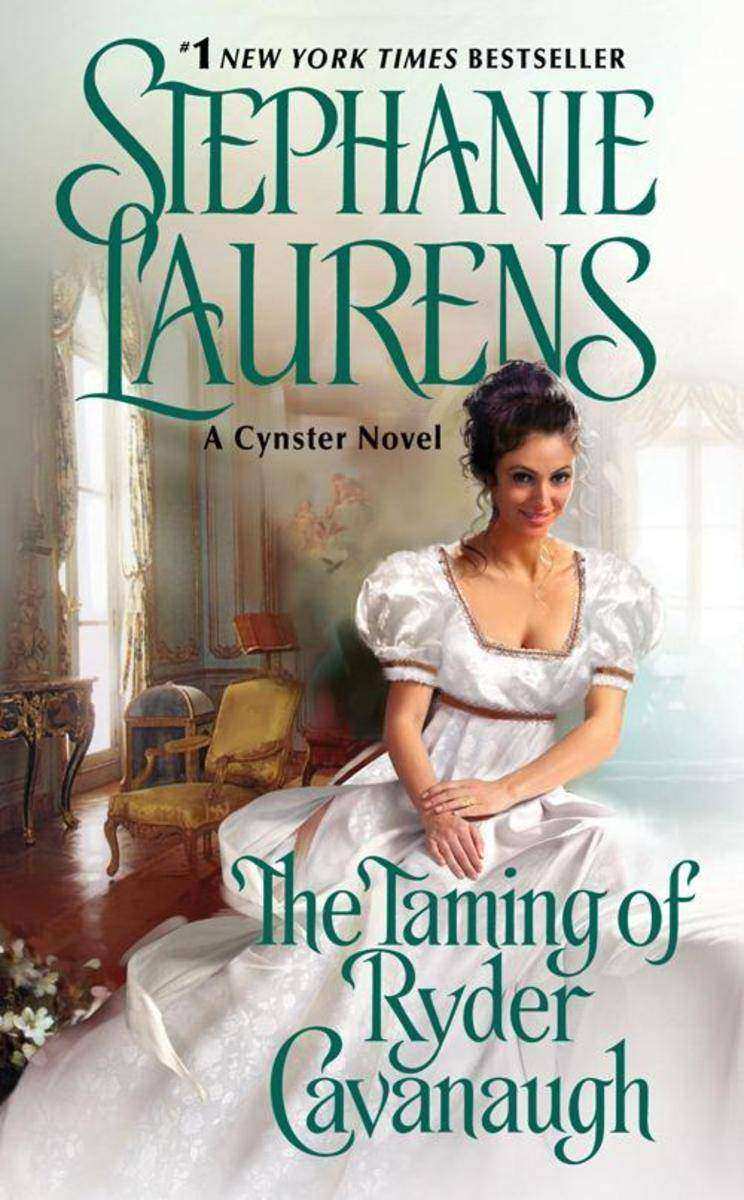
The Taming of Ryder Cavanaugh
¥56.67
New York Times bestselling author Stephanie Laurens returns with the next in her Cynster Sisters series...The Honorable Miss Mary Cynster always gets what she wants. As the last unwed Cynster of her generation, she is determined to remain in charge of her life and of the man she will marry. At the very bottom of her list of potential husbands is Ryder Cavanaugh, the daring and devastating Marquess of Raventhorne, an overwhelming and utterly unmanageable lion of the ton. But destiny has a different plan.Ryder needs Mary as his wife, not just because she is delightful, fiery, and tempting, but because he values all she could be. When fate and circumstance hand him the chance, he claims Mary as his marchioness...only to discover what he truly desires is not just to take her hand in marriage, but to capture her heart.
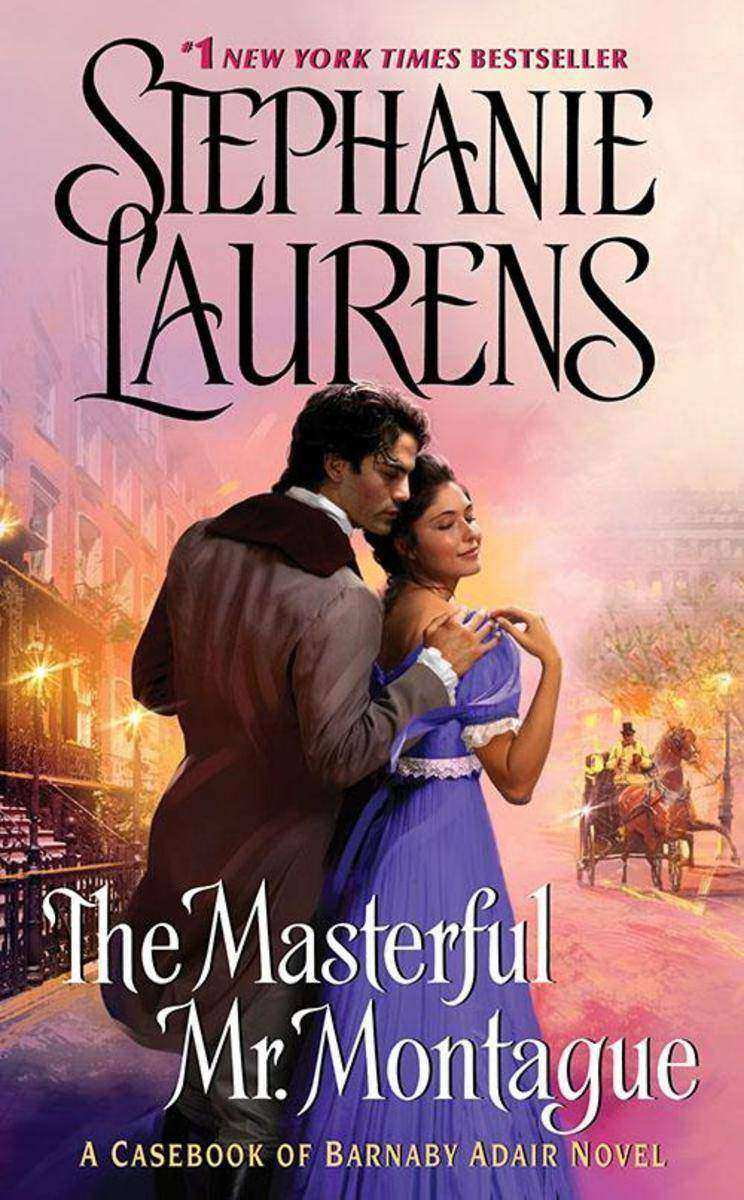
The Masterful Mr. Montague
¥56.07
New York Times bestselling author Stephanie Laurens pulls back the curtain on a world that has been hidden from us . . . until now. Montague has devoted his life to managing the wealth of London's elite, but at a huge cost: a family of his own. Then the enticing Miss Violet Matcham seeks his help, and in the puzzle she presents him, he finds an intriguing new challenge professionally . . . and personally.Violet, devoted lady-companion to the aging Lady Halstead, turns to Montague to reassure her ladyship that her affairs are in order. But the famous Montague is not at all what she'd expected this man is compelling, decisive, supportive, and strong everything Violet needs in a champion, a position to which Montague rapidly lays claim.But then Lady Halstead is murdered and Violet and Montague, aided by Barnaby Adair, Inspector Stokes, Penelope, and Griselda, race to expose a cunning and cold-blooded killer who stalks closer and closer. Will Montague and Violet learn the shocking truth too late to seize their chance at enduring love?

It Happened One Season
¥55.91
We asked our readers what story they would most like to see from four bestselling authors. They responded . . .A handsome hero returns from war, battle-scarred and world-weary. But family duty calls and he must find a bride. A young lady facing yet another season without a suitor never expects to find herself the object of his affections. It Happened One SeasonFour amazing talents Stephanie Laurens Mary BaloghJacquie D'AlessandroandCandice Hern have come together to create one of the most unforgettable events of the year. The results are spectacular each story is as unique as a lover's first kiss.
In the Dark of Dreams
¥55.91
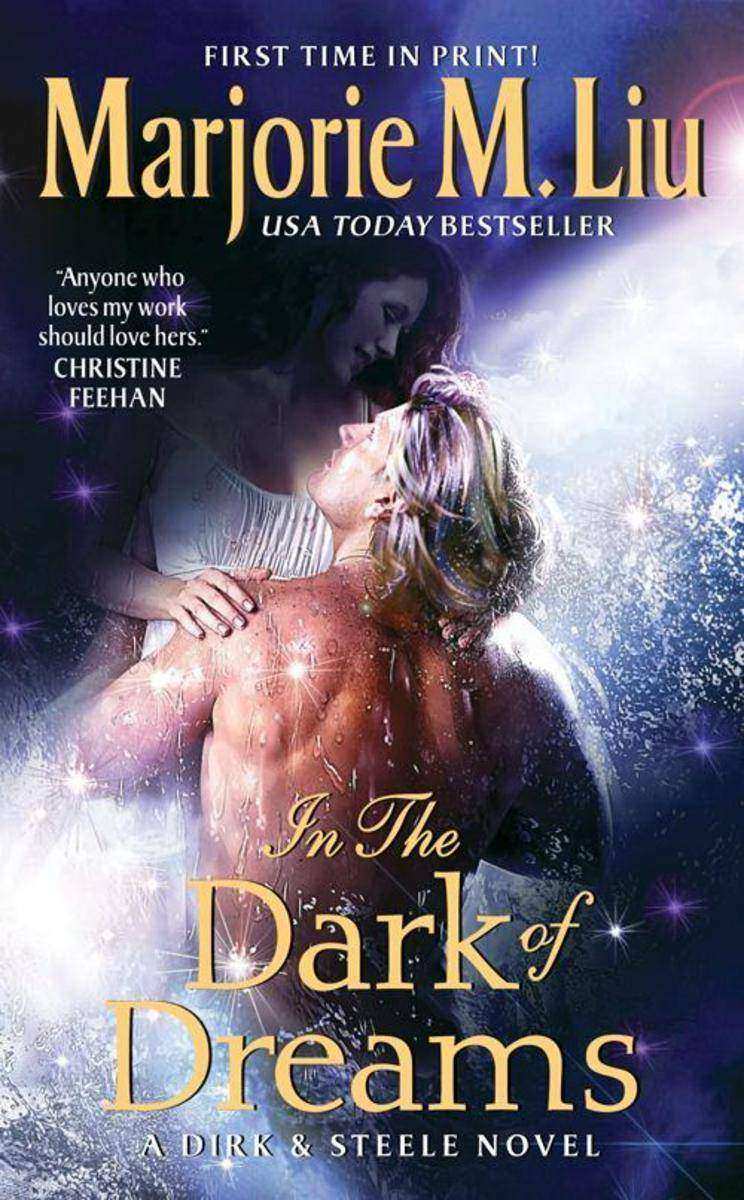
She could never forget the boy with the ice blue eyes . . .She was only twelve when she saw the silver boy on the beach, but Jenny has never stopped dreaming about him. Now she is grown, a marine biologist charting her own course in the family business a corporation that covertly crosses the boundaries of science into realms of the unknown . . . and the incredible.And now he has found her again, her boy grown into a man: Perrin, powerful and masculine, and so much more than human, leaving Jenny weak with desire and aching for his touch.But with their reunion comes danger. For Perrin and Jenny and all living creatures their only hope for preventing the unthinkable lies in a mysterious empire far beneath the sea . . . and in the power of their dreams.

The Welcome Home Garden Club
¥55.31
Traditional meaning of Pink and White Roses: I love you still and always will. Caitlyn Marsh stopped believing in happily-ever-after when high-school sweetheart, Gideon Garza, left for Iraq. Now she raises her small son while her matchmaking gardening club members drive her crazy. Then Caitlyn's world turns upside-down when Gideon swaggers back to Twilight.Gideon had left town in the middle of night with threats ringing in his ears. A lot of things have changed since then. This bad boy-turned-Green Beret bears scars from the war, the timid girl he loved is an independent mother, and the father who refused to recognize his son in life has, in death, left him a vast cattle ranch.He still aches for Caitlyn, and now there's a dark-haired boy who looks exactly like Gideon did at that age. Could the child be hisAnd can this war-weary soldier overcome the scars of the past to claim the family he so richly deserves?

Within the Flames
¥55.91
Joining the Dirk Steele Agency turned Eddie's life around. A pyrokinetic and former car thief, he cannotrefuse an assignment to cross the continent in orderto rescue an extraordinary woman in peril . . . even thoughhe fears losing control of the destructive power offlame at his fingertips.The last of her shape-shifting kind, Lyssa hides in theabandoned tunnels beneath Manhattan, seeking refugefrom those who murdered her family a decadeago and would now destroy her as well. Like Eddie, fire isher weapon, her destiny . . . and her curse. Yet shewants nothing to do with this mesmerizing stranger whoseeks her trust while enflaming her passion.For beneath Lyssa's extraordinary beauty are dangerous secrets . . . and even darker, nearly irresistible urges.But she has won the heart of a fearless protector . . .and all the demons in the world willnot make him back down.

Confessions from an Arranged Marriage
¥55.91
They couldn't be more different but there's one thing they agree on . . .In London after a two-year exile, Lord Blakeney plans to cut a swathe through the bedchambers of the demimonde. Marriage is not on his agenda, especially to an annoying chit like Minerva Montrose, with her superior attitude and a tendency to get into trouble. And certainly the last man Minerva wants is Blake, a careless wastrel without a thought in his handsome head.The lights and din of her debutante ball set Minerva's teeth on edge. Surely a moment's rest could do no harm . . . until Blake mistakes her for another lady, leaving Minerva'sguests to catch them in a very compromising position. To her horror, the scandal will force them to do the unthinkable: marry. Their mutual loathing blazes into unexpected passion but Blake remains distant, desperate to hide a shameful secret. Minerva's never been a woman to take things lying down, and she'll let nothing stop her from winning his trust . . . and his heart.

Heroes Are My Weakness
¥56.07
New York Times bestselling author Susan Elizabeth Phillips is back with a delightful novel filled with her sassy wit and dazzling charmDeepest winter.An isolated island off the coast of Maine.A man. A woman.Puppets. (Yes, puppets . . .)And . . .A mysterious house looming over the sea . . .He's a reclusive writer whose imagination creates chilling horror novels. She's a down-on-her-luck actress reduced to staging kids' puppet shows. He knows a dozen ways to kill his characters with his bare hands. She knows a dozen ways to kill an audience with laughs. But she's not laughing now.Annie Hewitt has arrived on Peregrine Island in the middle of a snowstorm and at the end of her resources. She's broke, dispirited, but not quite ready to give up. Her red suitcases hold the puppets she uses to make her living: sensible Dilly, spunky Scamp, and Leo, the baddest of bad guys. Her puppets, the romantic novels she loves, and a little bit of courage are all she has left.Annie couldn't be more ill prepared for what she finds when she reaches Moonraker Cottage or for the man who dwells in Harp House, the mysterious mansion that hovers above the cottage. When she was a teenager, he betrayed her in a way she can never forget or forgive. Now they're trapped together on a frozen island along with a lonely widow, a mute little girl, and townspeople who don't know how to mind their own business.Is he the villain she remembers, or has he changedHer head says no. Her heart says yes.It's going to be a long, hot winter.

Simon Says Die
¥55.31
Madison McKinley knows someone is stalking her. The police tell her she's imagining things, and they're too busy trying to find the "Simon Says" killer to investigate. But day by day, hour by hour, Madison's terror grows stronger, and not even the return of FBI Special Agent Pierce Buchanan into her life can calm her fears. Besides, how can she ask Pierce for his help after the way she ended things between them?Pierce still wants Madison's love, and his drive to protect her is more powerful than ever. He believes she's in danger, even if the cops don't. Finally, as more people start dying and the evidence mounts, the police turn their attention to Madison as a suspect. Was Pierce a fool to trust her again, or are they both caught in a complex game that neither will survive?


