


 购物车
 个人中心


Momente ?i schi?e. Nuvele ?i povestiri
¥16.35
Caragiale a delimitat si impus teritoriul dramaturgiei romanesti cu numai cinci piese patru comedii si o drama scrise pe durata a doar unsprezece ani. Timp de un secol si peste trei decenii cat a trecut pana astazi de la prima lectura publica a Noptii furtunoase cea dintai dintre marile lui piese perimetrul problematic de viziune stilistic si tipologic al teatrului romanesc atat in registrul comediei cat si in cel al dramei fie aceasta ?de idei“ fantastica ori mitologizanta a ramas cel stabilit de Caragiale. Pentru literatura dramatica romaneasca el a avut si are acelasi rol ca in literatura franceza Corneille Racine si Molière laolalta. I-a fixat pentru eternitate probabil tiparele si ?ntinderea specificul si frontierele. MIRCEA IORGULESCU
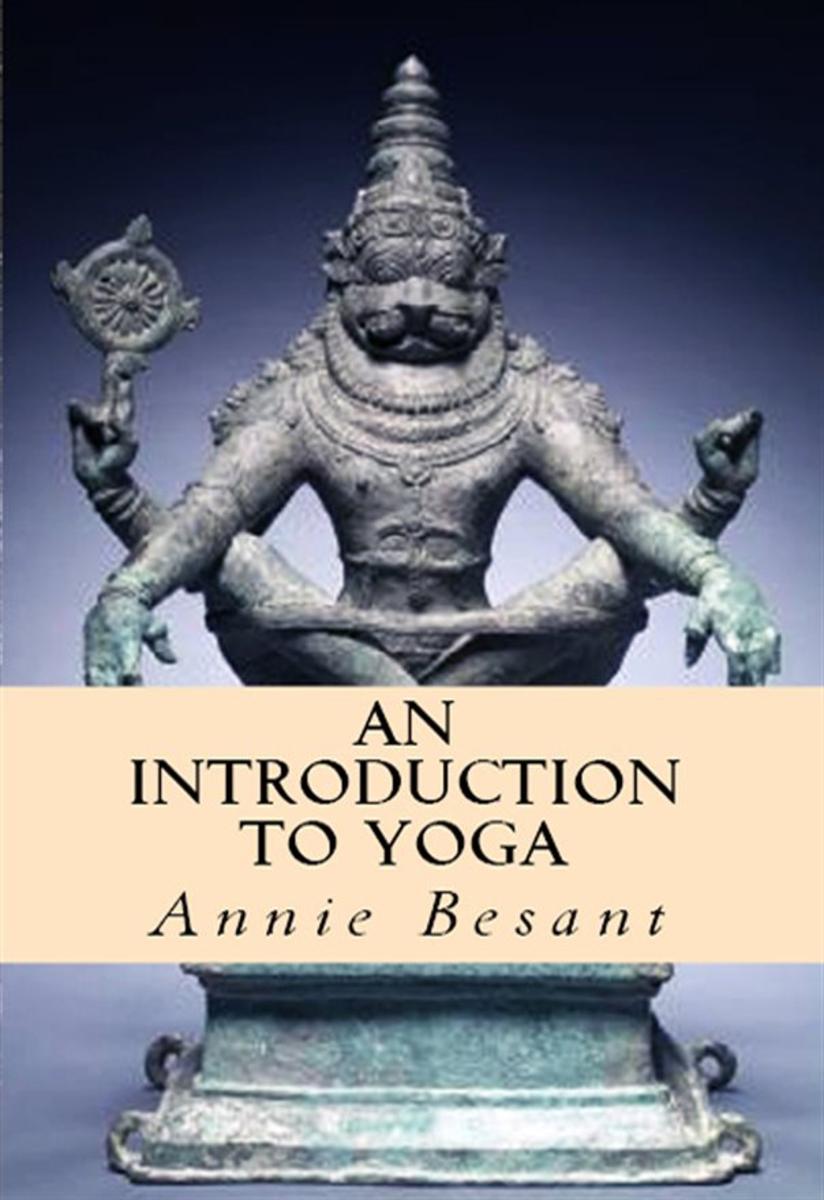
An Introduction to Yoga
¥28.37
THE NATURE OF YOGA?In this first discourse we shall concern ourselves with the gaining of a general idea of the subject of Yoga, seeking its place in nature, its own character, its object in human evolution.??THE MEANING OF THE UNIVERSE:?Let us, first of all, ask ourselves, looking at the world around us, what it is that the history of the world signifies. When we read history, what does the history tell us? It seems to be a moving panorama of people and events, but it is really only a dance of shadows; the people are shadows, not realities, the kings and statesmen, the ministers and armies; and the events the battles and revolutions, the rises and falls of states ??are the most shad-owlike dance of all. Even if the historian tries to go deeper, if he deals with economic conditions, with social organisations, with the study of the tendencies of the currents of thought, even then he is in the midst of shadows, the illusory shadows cast by unseen realities. This world is full of forms that are illusory, and the values are all wrong, the proportions are out of focus. The things which a man of the world thinks valuable, a spiritual man must cast aside as worthless. ??The diamonds of the world, with their glare and glitter in the rays of the outside sun, are mere fragments of broken glass to the man of knowledge. The crown of the king, the sceptre of the emperor, the triumph of earthly power, are less than nothing to the man who has had one glimpse of the majesty of the Self. ??What is, then, real? What is truly valuable? Our answer will be very different from the answer given by the man of the world.??"The universe exists for the sake of the Self." Not for what the outer world can give, not for control over the objects of desire, not for the sake even of beauty or pleasure, does the Great Architect plan and build His worlds. He has filled them with objects, beautiful and pleasure-giving. The great arch of the sky above, the mountains with snow-clad peaks, the valleys soft with verdure and fragrant with blossoms, the oceans with their vast depths, their surface now calm as a lake, now tossing in fury, they all exist, not for the objects themselves, but for their value to the Self. Not for themselves because they are anything in themselves but that the purpose of the Self may be served, and His manifestations made possible.

Proz?
¥16.35
Tr?ind de azi pe m?ine ?ntr-un Bucure?ti plin de tenta?ii, dar consumator de resurse, studentul la Drept Mihnea B?iatu nu ?i-a dat examenele, iar ob?inerea licen?ei ?ncepe s? semene cu un vis imposibil. A ?nv??at ?ns? cum s? c??tige ?ncrederea cet??enilor s?raci cu duhul – ?i nu e pu?in lucru. Plasat ?ntr-un decor suburban, cu personaje caragialiene, Mihnea B?iatu se ?nscrie ?ns?, f?r? doar ?i poate, ?n tipologia eroilor lui Gib I. Mih?escu, urm?ri?i de idealul femeii absolute. Expert ?n practicile ?amorului democrat“ ?i ?n escrocarea cu sistem – erotic? ?i financiar? – a propriet?reselor de mahala, eternul student d? nas ?n nas pe culoarele universit??ii cu femeia perfect?, care-l scruteaz? ?i ea, cu acela?i interes, prin lentila unui lornion de aur…

Patty in the City
¥28.29
It was the third week in September when the Fairfields left the seashore and returned to their Vernondale home.??“Now, my child,” said Mr. Fairfield, as they sat on the veranda after dinner, “I will unfold to you my plans for the coming winter, and you may accept, or reject, or amend them as you please.”??“Proceed,” said Patty, settling herself comfortably in her wicker chair; “I feel in an amiable mood this evening, and will probably agree to anything you may suggest.”??“I’ve been thinking for some time,” went on her father, “that I don’t want to spend the coming winter in Vernondale. I would much rather be in New York.”??“Reason number one—Nan,” said Patty, checking it off on her forefinger and smiling at her father.?“Yes,” he responded, with an answering smile, “she is reason number one, but there are others.”?To readers who are unfamiliar with Patty’s earlier history we may say right here that her mother had died when Patty was but three years old. ??At present she lived with her father in their little home in Vernondale, an establishment of which Patty greatly prided herself on her management.?Recently Mr. Fairfield had become engaged to Miss Nan Allen, a young lady who lived in Philadelphia, and who was a dear friend of Patty’s.

Dubliners
¥28.04
We sailed from Peru, (where we had continued for the space of one whole year) for China and Japan, by the South Sea; taking with us victuals for twelve months; and had good winds from the east, though soft and weak, for five months space, and more. But the wind came about, and settled in the west for many days, so as we could make little or no way, and were sometime in purpose to turn back. But then again there arose strong and great winds from the south, with a point east, which carried us up (for all that we could do) towards the north; by which time our victuals failed us, though we had made good spare of them. So that finding ourselves, in the midst of the greatest wilderness of waters in the world, without victuals, we gave ourselves for lost men and prepared for death. Yet we did lift up our hearts and voices to God above, who showeth his wonders in the deep, beseeching him of his mercy, that as in the beginning he discovered the face of the deep, and brought forth dry land, so he would now discover land to us, that we might not perish. And it came to pass that the next day about evening we saw within a kenning before us, towards the north, as it were thick clouds, which did put us in some hope of land; knowing how that part of the South Sea was utterly unknown; and might have islands, or continents, that hitherto were not come to light. Wherefore we bent our course thither, where we saw the appearance of land, all that night; and in the dawning of the next day, we might plainly discern that it was a land; flat to our sight, and full of boscage; which made it show the more dark. And after an hour and a half's sailing, we entered into a good haven, being the port of a fair city; not great indeed, but well built, and that gave a pleasant view from the sea: and we thinking every minute long, till we were on land, came close to the shore, and offered to land. But straightways we saw divers of the people, with bastons in their hands (as it were) forbidding us to land; yet without any cries of fierceness, but only as warning us off, by signs that they made. Whereupon being not a little discomforted, we were advising with ourselves, what we should do. During which time, there made forth to us a small boat, with about eight persons in it; whereof one of them had in his hand a tipstaff of a yellow cane, tipped at both ends with blue, who came aboard our ship, without any show of distrust at all. And when he saw one of our number, present himself somewhat before the rest, he drew forth a little scroll of parchment (somewhat yellower than our parchment, and shining like the leaves of writing tables, but otherwise soft and flexible,) and delivered it to our foremost man. In which scroll were written in ancient Hebrew, and in ancient Greek, and in good Latin of the school, and in Spanish, these words: Land ye not, none of you; and provide to be gone from this coast, within sixteen days, except you have further time given you. Meanwhile, if you want fresh water or victuals, or help for your sick, or that your ship needeth repairs, write down your wants, and you shall have that, which belongeth to mercy. This scroll was signed with a stamp of cherubim: wings, not spread, but hanging downwards; and by them a cross. This being delivered, the officer returned, and left only a servant with us to receive our answer. F. BACON About Author: Francis Bacon, 1561 – 1626), was an English philosopher, statesman, scientist, jurist, orator, essayist, and author. He served both as Attorney General and Lord Chancellor of England. After his death, he remained extremely influential through his works, especially as philosophical advocate and practitioner of the scientific method during the scientific revolution.Bacon has been called the father of empiricism. His works established and popularised inductive methodologies for scientific inquiry, often called the Baconian method, or simply the scientific method. His demand for a planned procedure of investigating all things natural marked a new turn in the rhetorical and theoretical framework for science, much of which still surrounds conceptions of proper methodology today.Bacon was knighted in 1603, and created Baron Verulam in 1618 and Viscount St. Alban in 1621; as he died without heirs, both peerages became extinct upon his death. He famously died of pneumonia, contracted while studying the effects of freezing on the preservation of meat. The succession of James I brought Bacon into greater favour. He was knighted in 1603. In another shrewd move, Bacon wrote his Apologies in defence of his proceedings in the case of Essex, as Essex had favoured James to succeed to the throne. The following year, during the course of the uneventful first parliament session, Bacon married Alice Barnham. In June 1607 he was at last rewarded with the office of solicitor general. The following year, he began working as the Clerkship of the Star Chamber. Despite a generous income, old debts still co
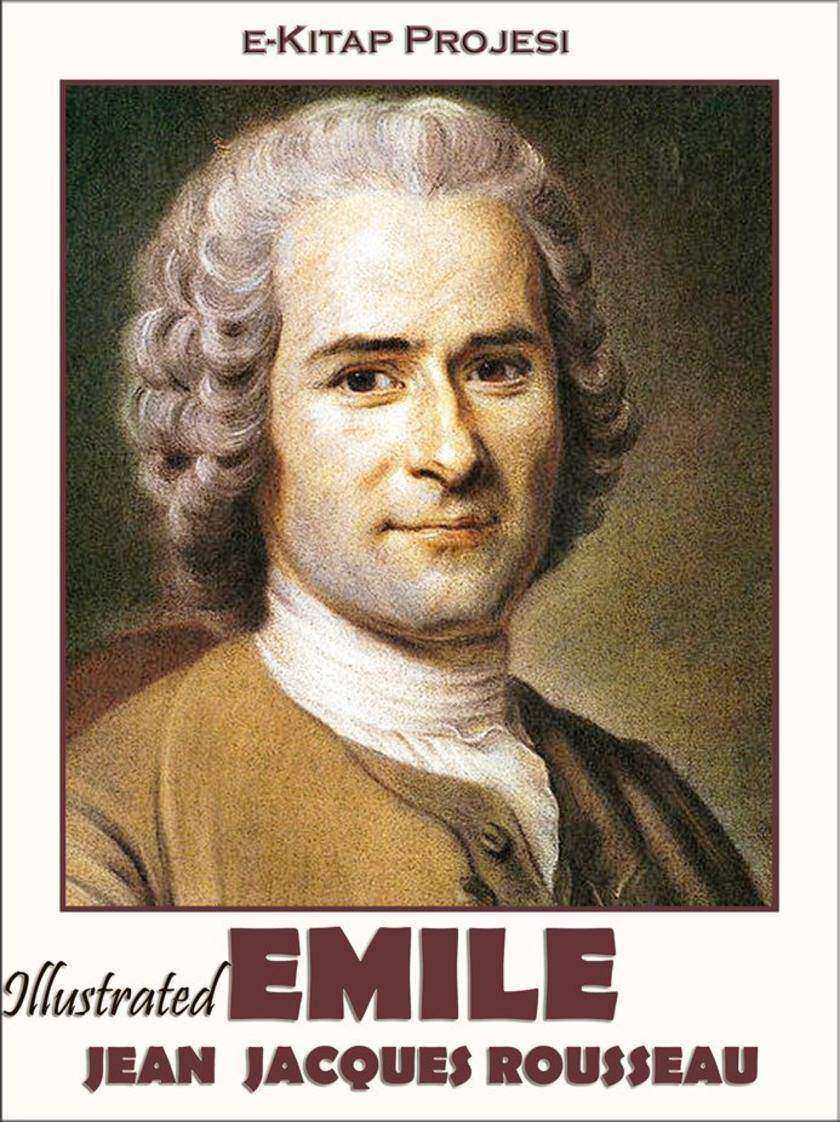
Emile
¥28.04
Underground* *The author of the diary and the diary itself are, of course, imaginary. Nevertheless it is clear that such persons as the writer of these notes not only may, but positively must, exist in our society, when we consider the circumstances in the midst of which our society is formed. I have tried to expose to the view of the public more distinctly than is commonly done, one of the characters of the recent past. He is one of the representatives of a generation still living. In this fragment, entitled "Underground," this person introduces himself and his views, and, as it were, tries to explain the causes owing to which he has made his appearance and was bound to make his appearance in our midst. In the second fragment there are added the actual notes of this person concerning certain events in his life.--AUTHOR'S NOTE. II am a sick man.... I am a spiteful man. I am an unattractive man. I believe my liver is diseased. However, I know nothing at all about my disease, and do not know for certain what ails me. I don't consult a doctor for it, and never have, though I have a respect for medicine and doctors. Besides, I am extremely superstitious, sufficiently so to respect medicine, anyway (I am well-educated enough not to be superstitious, but I am superstitious). No, I refuse to consult a doctor from spite. That you probably will not understand. Well, I understand it, though. Of course, I can't explain who it is precisely that I am mortifying in this case by my spite: I am perfectly well aware that I cannot "pay out" the doctors by not consulting them; I know better than anyone that by all this I am only injuring myself and no one else. But still, if I don't consult a doctor it is from spite. My liver is bad, well--let it get worse! I have been going on like that for a long time--twenty years. Now I am forty. I used to be in the government service, but am no longer. I was a spiteful official. I was rude and took pleasure in being so. I did not take bribes, you see, so I was bound to find a recompense in that, at least. (A poor jest, but I will not scratch it out. I wrote it thinking it would sound very witty; but now that I have seen myself that I only wanted to show off in a despicable way, I will not scratch it out on purpose!) When petitioners used to come for information to the table at which I sat, I used to grind my teeth at them, and felt intense enjoyment when I succeeded in making anybody unhappy. I almost did succeed. For the most part they were all timid people--of course, they were petitioners. But of the uppish ones there was one officer in particular I could not endure. He simply would not be humble, and clanked his sword in a disgusting way. I carried on a feud with him for eighteen months over that sword. At last I got the better of him. He left off clanking it. That happened in my youth, though. But do you know, gentlemen, what was the chief point about my spite? Why, the whole point, the real sting of it lay in the fact that continually, even in the moment of the acutest spleen, I was inwardly conscious with shame that I was not only not a spiteful but not even an embittered man, that I was simply scaring sparrows at random and amusing myself by it. I might foam at the mouth, but bring me a doll to play with, give me a cup of tea with sugar in it, and maybe I should be appeased. I might even be genuinely touched, though probably I should grind my teeth at myself afterwards and lie awake at night with shame for months after. That was my way.

Evolution of Love
¥18.74
In these times of ours, though concerning the exact year there is no need to be precise, a boat of dirty and disreputable appearance, with two figures in it, floated on the Thames, between Southwark bridge which is of iron, and London Bridge which is of stone, as an autumn evening was closing in. The figures in this boat were those of a strong man with ragged grizzled hair and a sun-browned face, and a dark girl of nineteen or twenty, sufficiently like him to be recognizable as his daughter. The girl rowed, pulling a pair of sculls very easily; the man, with the rudder-lines slack in his hands, and his hands loose in his waistband, kept an eager look out. He had no net, hook, or line, and he could not be a fisherman; his boat had no cushion for a sitter, no paint, no inscription, no appliance beyond a rusty boathook and a coil of rope, and he could not be a waterman; his boat was too crazy and too small to take in cargo for delivery, and he could not be a lighterman or river-carrier; there was no clue to what he looked for, but he looked for something, with a most intent and searching gaze. The tide, which had turned an hour before, was running down, and his eyes watched every little race and eddy in its broad sweep, as the boat made slight head-way against it, or drove stern foremost before it, according as he directed his daughter by a movement of his head. She watched his face as earnestly as he watched the river. But, in the intensity of her look there was a touch of dread or horror. Allied to the bottom of the river rather than the surface, by reason of the slime and ooze with which it was covered, and its sodden state, this boat and the two figures in it obviously were doing something that they often did, and were seeking what they often sought. Half savage as the man showed, with no covering on his matted head, with his brown arms bare to between the elbow and the shoulder, with the loose knot of a looser kerchief lying low on his bare breast in a wilderness of beard and whisker, with such dress as he wore seeming to be made out of the mud that begrimed his boat, still there was a business-like usage in his steady gaze. So with every lithe action of the girl, with every turn of her wrist, perhaps most of all with her look of dread or horror; they were things of usage. 'Keep her out, Lizzie. Tide runs strong here. Keep her well afore the sweep of it.' Trusting to the girl's skill and making no use of the rudder, he eyed the coming tide with an absorbed attention. So the girl eyed him. But, it happened now, that a slant of light from the setting sun glanced into the bottom of the boat, and, touching a rotten stain there which bore some resemblance to the outline of a muffled human form, coloured it as though with diluted blood. This caught the girl's eye, and she shivered. 'What ails you?' said the man, immediately aware of it, though so intent on the advancing waters; 'I see nothing afloat.' The red light was gone, the shudder was gone, and his gaze, which had come back to the boat for a moment, travelled away again. Wheresoever the strong tide met with an impediment, his gaze paused for an instant. At every mooring-chain and rope, at every stationery boat or barge that split the current into a broad-arrowhead, at the offsets from the piers of Southwark Bridge, at the paddles of the river steamboats as they beat the filthy water, at the floating logs of timber lashed together lying off certain wharves, his shining eyes darted a hungry look. After a darkening hour or so, suddenly the rudder-lines tightened in his hold, and he steered hard towards the Surrey shore. Always watching his face, the girl instantly answered to the action in her sculling; presently the boat swung round, quivered as from a sudden jerk, and the upper half of the man was stretched out over the stern.

Выращиваем лекарственные и пряные травы на участке
¥17.74
Дарону Аджемо?лу ? Джеймсу Роб?нсону вдалося, здавалося б, неможливе — в?дпов?сти на питання, яке до них безрезультатно вивчали стол?ттями: чому одн? кра?ни багат?, а ?нш? — б?дн?????рунтуючись на п’ятнадцятир?чних досл?дженнях у галузях ?стор??, пол?толог?? та економ?ки, автори легко ? доступно пояснюють, чому економ?чний усп?х держав не залежить в?д культури, кл?мату чи географ?чного положення.??Аджемо?лу та Роб?нсон переконан?: кра?ни стали найусп?шн?шими через те, що ?хн? громадяни повалили владну ел?ту ? створили сусп?льства, де головною ц?нн?стю стали р?вн? економ?чн? та пол?тичн? права кожного. На ?хню думку, саме свобода робить св?т багатшим.??Книга ?Чому нац?? занепадають? — сво?р?дний пос?бник, який допоможе краще зрозум?ти причини, що сприяють процв?танню держав та ?хньому занепаду.
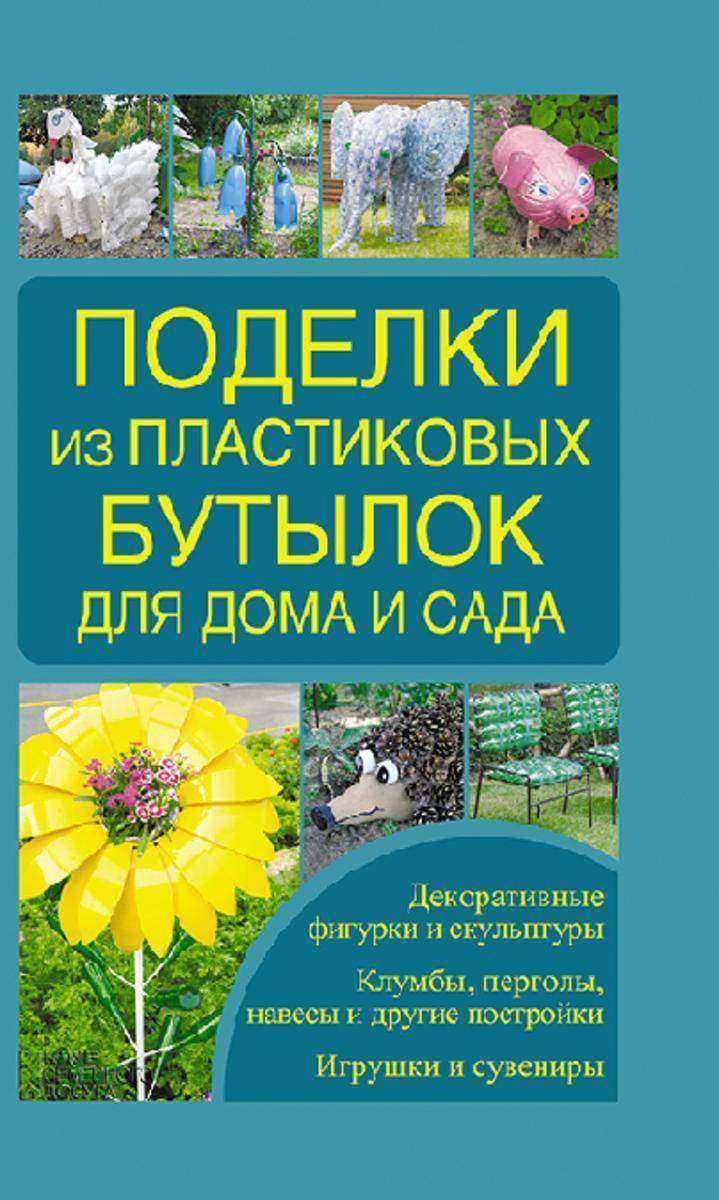
Поделки из пластиковых бутылок для дома и сада
¥17.99
...Того страшного спекотного л?та 61-го в?н не забуде н?коли, й нав?ть сорок рок?в по тому все сказане ? вчинене тод? спливатиме в пам’ят? так, наче трапилося т?льки вчора. Тод?, йому було тринадцять, безтурботний п?дл?ток, що зростав у благопристойн?й родин? (тато – священик Методистсько? церкви, мама – творча ? талановита регентка хору, ген?альна сестра – майбутня студентка ? молодший братик-школяр), упродовж тих трьох л?тн?х м?сяц?в пройде жорстоку школу доросл?шання. Через вервечку загадкових смертей, що матимуть р?зн? прояви — нещасний випадок, природна смерть, авар?я, вбивство — йому доведеться сповна п?знати життя, сповнене драматизму, та?мниць, брехн? та зради, в?дданост? та перелюбства.??Але звичайн?с?нький хлопчисько у траг?чний для його родини час, коли звичний йому св?т в одну мить зруйнувався, здавалося б, назавжди, виявив дива розважливост? та км?тливост?, навчився втрачати ? в?днаходити, ненавид?ти ? прощати та п?знав ц?ну любов?.??Пронизливий роман про г?рку ц?ну мудрост?, про нев?дворотну Божу мил?сть ? про те, що нас в?д в?чност? в?докремлю? лише подих, один останн?й подув в?тру...??

Быстрая выпечка из готового теста и лаваша.
¥17.99
Що робити, якщо ви почули в дом? кроки граб?жника? Як зрозум?ти, що вашу машину намагаються вкрасти? Як зв?льнитися, якщо ви раптом прокинулися, обмотан? клейкою стр?чкою? ?Шпигунськ? та?мниц?? — практичн? поради колишнього спецагента, як д?яти у небезпечних ситуац?ях. Кумедн? (? не дуже) приклади з реального життя ? розважать, ? покажуть, як не втрапити в халепу.

Szívhang kül?nszám 38. k?tet
¥42.92
Szívhang kül?nszám 38. k?tet

Júlia 528. (Helyettesb?l igazi)
¥18.56
Júlia 528. (Helyettesb?l igazi)
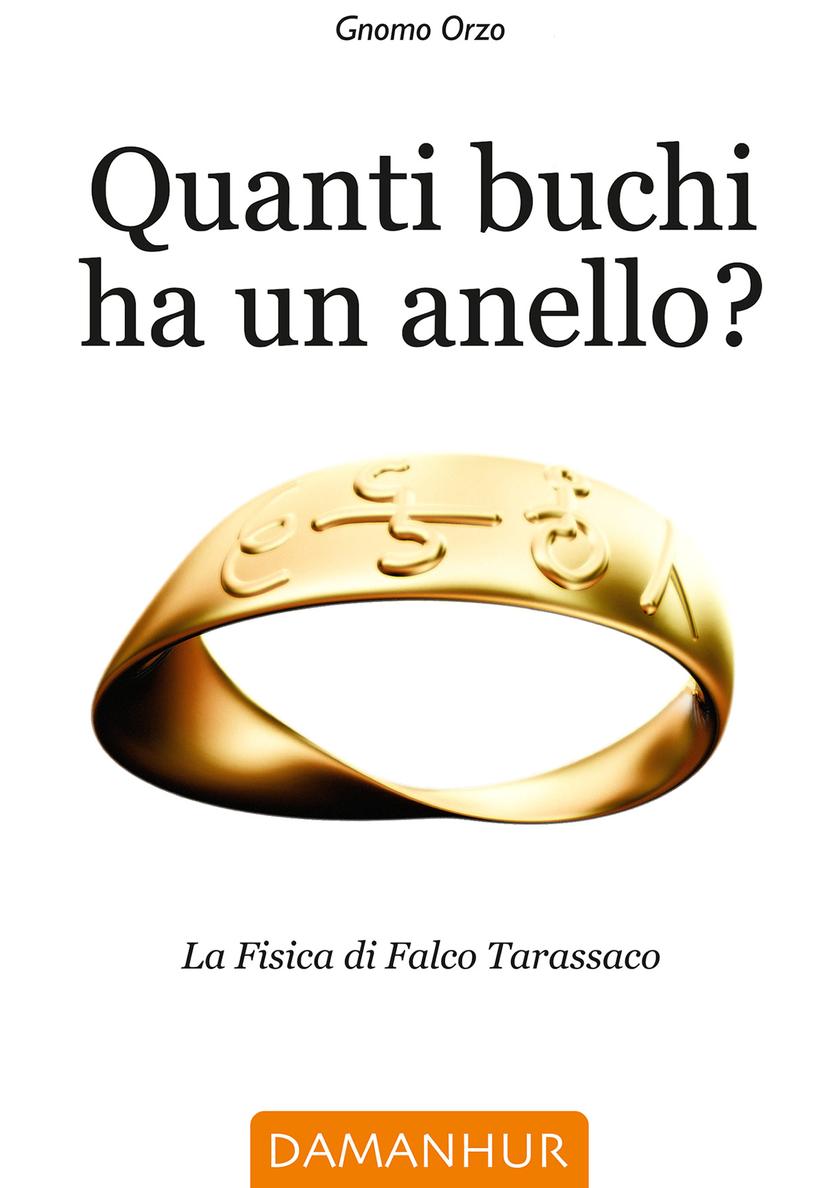
Quanti buchi ha un anello?
¥70.96
Quanti buchi ha un anello?

Bianca 265–266. (Született sz?ke, Házasság határozott id?re)
¥48.74
Bianca 265–266. (Született sz?ke, Házasság határozott id?re)

Szívhang 461. (Egy b?v?s éjszaka)
¥18.56
Szívhang 461. (Egy b?v?s éjszaka)

Romana 515. (Az eladott menyasszony)
¥18.56
Romana 515. (Az eladott menyasszony)

A számolás joga: A 3 Oscar
¥100.47
A számolás joga: A 3 Oscar

Júlia 524. (Karácsonyi bébiszitter)
¥18.56
Júlia 524. (Karácsonyi bébiszitter)

Szívhang 556–557. - Felenged a jég, Az új kollégan?
¥40.30
Szívhang 556–557. - Felenged a jég, Az új kollégan?

Júlia 522. (Kegyetlen szeret?)
¥18.72
Júlia 522. (Kegyetlen szeret?)

Orvosok kíméljenek!, Tengernyi szenvedély, ?j esély a szerelmre
¥46.03
Orvosok kíméljenek!, Tengernyi szenvedély, ?j esély a szerelmre


