


 购物车
购物车 个人中心
个人中心
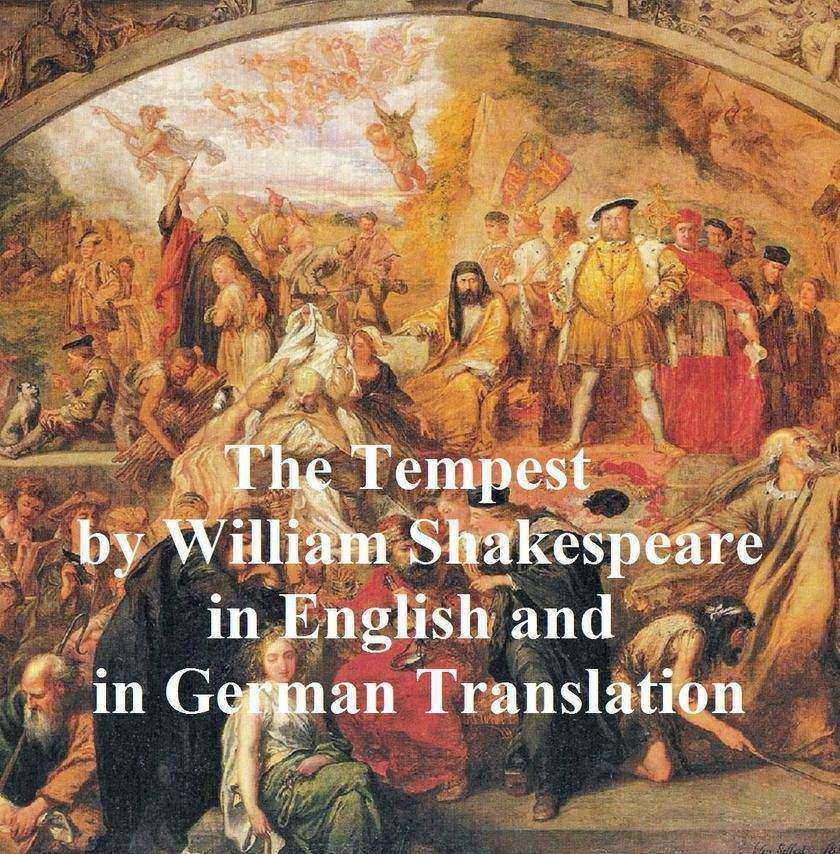
The Tempest/ Der Sturm: Bilingual edition
¥8.09
Klassische Shakespeare-Romantik auf Englisch mit Zeilennummern und in deutscher ?bersetzung. Laut Wikipedia: "The Tempest ist ein Stück von William Shakespeare geschrieben. Viele Gelehrte glauben, dass es in 1610-11 geschrieben wurde, obwohl einige Forscher für eine frühere Datierung argumentiert haben. W?hrend als Kom?die aufgelistet, als es ursprünglich in der ersten ver?ffentlicht wurde Folio von 1623, viele moderne Redakteure haben seitdem das Spiel als eine Romanze bezeichnet, die vor der Schlie?ung der Theater im Jahre 1642 keine nennenswerte Aufmerksamkeit auf sich zog und nach der Restauration nur in adaptierten Versionen Popularit?t erlangte den originalen Shakespeare-Text in der Mitte des 19. Jahrhunderts wieder einzuführen, und im 20. Jahrhundert haben Kritiker und Gelehrte eine signifikante Neubewertung des Spielwerts vorgenommen, in dem Ma?e, als es jetzt als eines von Shakespeares gr??ten Werken gilt. "
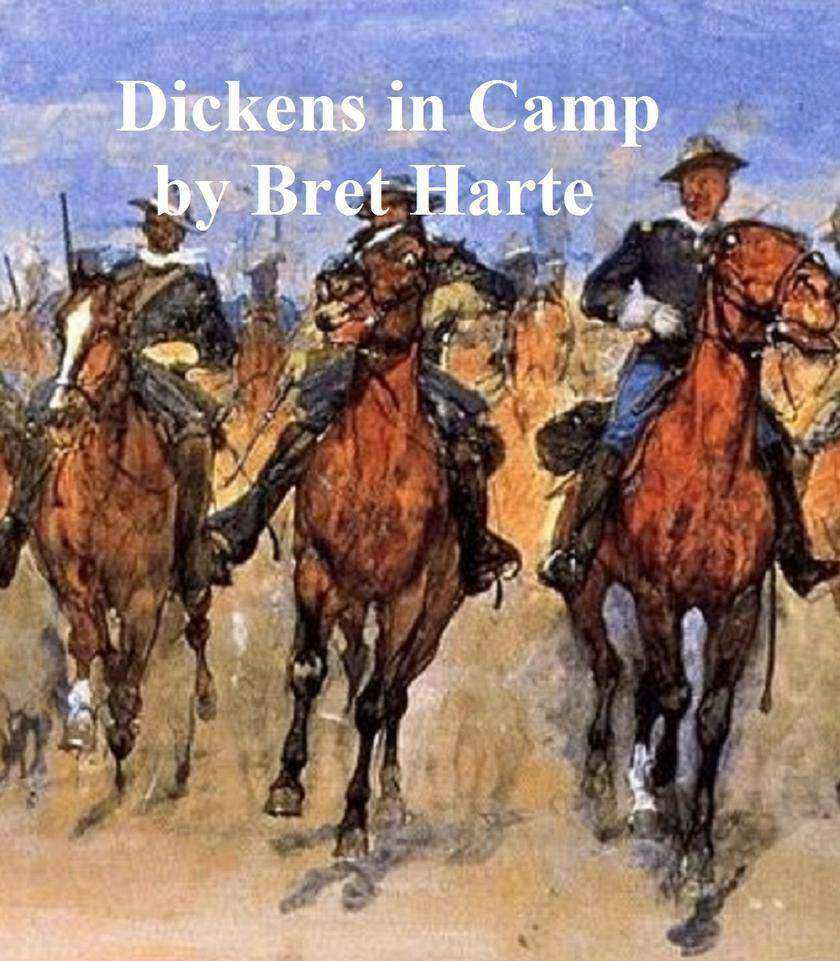
Dickens in Camp
¥8.09
Short poem, considered Harte's verse masterpiece. According to Wikipedia: "Bret Harte (August 25, 1836[2] – May 6, 1902) was an American author and poet, best remembered for his accounts of pioneering life in California. He was born in Albany, New York. ... He moved to California in 1853, later working there in a number of capacities, including miner, teacher, messenger, and journalist. He spent part of his life in the northern California coast town now known as Arcata, then just a mining camp on Humboldt Bay. His first literary efforts, including poetry and prose, appeared in The Californian, an early literary journal edited by Charles Henry Webb. In 1868 he became editor of The Overland Monthly, another new literary magazine, but this one more in tune with the pioneering spirit of excitement in California. His story, "The Luck of Roaring Camp," appeared in the magazine's second edition, propelling Harte to nationwide fame... Determined to pursue his literary career, in 1871 he and his family traveled back East, to New York and eventually to Boston, where he contracted with the publisher of The Atlantic Monthly for an annual salary of $10,000, "an unprecedented sum at the time." His popularity waned, however, and by the end of 1872 he was without a publishing contract and increasingly desperate. He spent the next few years struggling to publish new work (or republish old), delivering lectures about the gold rush, and even selling an advertising jingle to a soap company. In 1878 Harte was appointed to the position of United States Consul in the town of Krefeld, Germany and then to Glasgow in 1880. In 1885 he settled in London. During the thirty years he spent in Europe, he never abandoned writing, and maintained a prodigious output of stories that retained the freshness of his earlier work. He died in England in 1902 of throat cancer and is buried at Frimley."
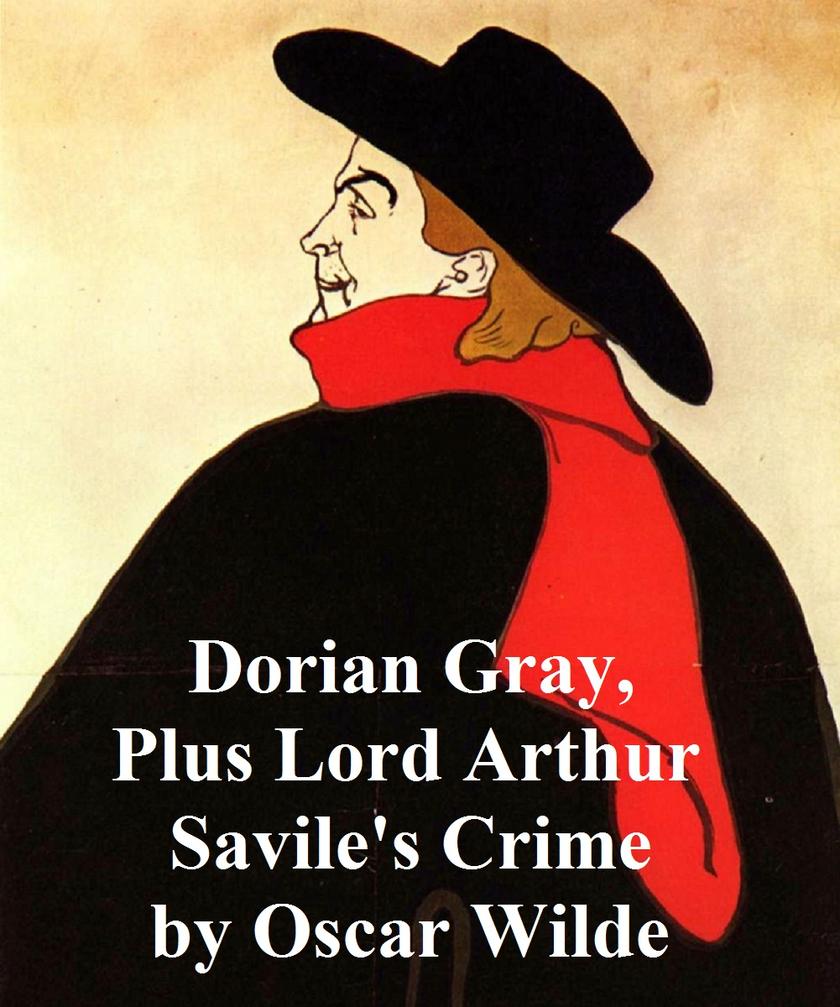
Dorian Gray, plus Lord Arthur Savile's Crime: And Other Stories
¥8.09
This file includes the novel "The Picture of Dorian Gray" plus "Lord Arthur Savile's Crime and Other Stories". The "other" stories are: The Canterville Ghost, The Sphinx Without a Secret, The ModelMillionaire, and The Portrait of Mr. W. H. According to Wikipedia: "Oscar Fingal O'Flahertie Wills Wilde (16 October 1854 – 30 November 1900) was an Irish writer and poet. After writing in different forms throughout the 1880s, he became one of London's most popular playwrights in the early 1890s. Today he is remembered for his epigrams, plays and the circumstances of his imprisonment, followed by his early death."
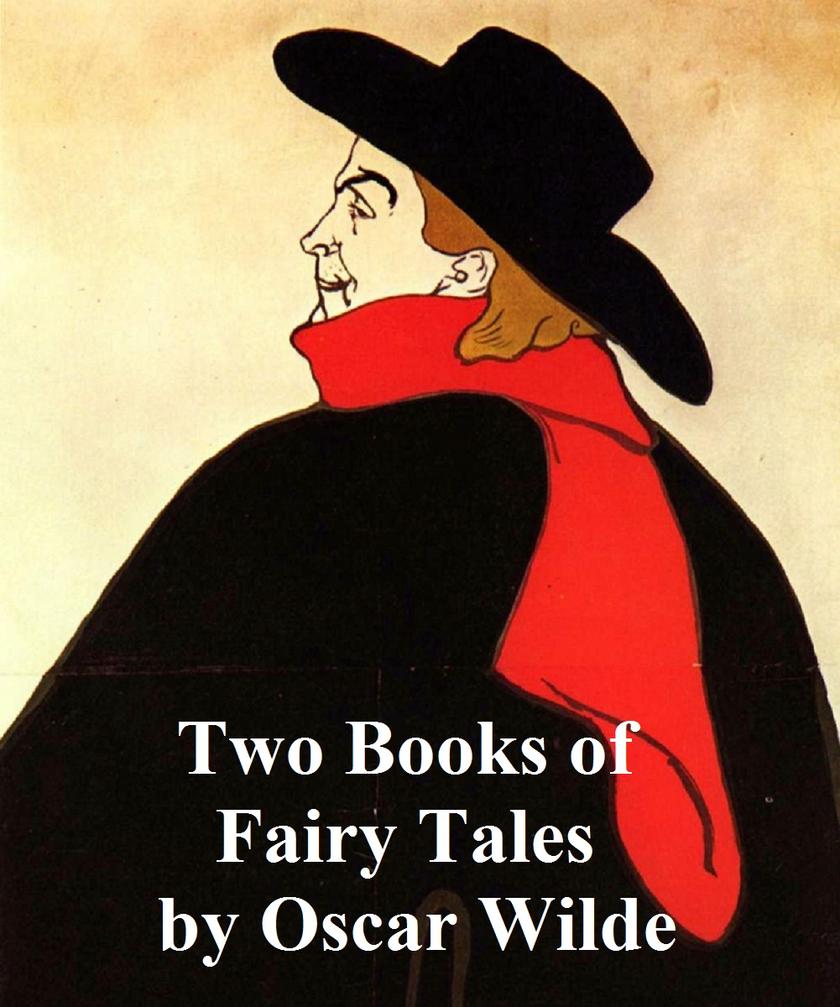
Two Books of Fairy Tales
¥8.09
This file includes: "The Happy Prince and Other Tales" and "A House of Pomegranates". According to Wikipedia: "Oscar Fingal O'Flahertie Wills Wilde (16 October 1854 – 30 November 1900) was an Irish writer and poet. After writing in different forms throughout the 1880s, he became one of London's most popular playwrights in the early 1890s. Today he is remembered for his epigrams, plays and the circumstances of his imprisonment, followed by his early death."
From Mosses from an Old Manse
¥8.09
Short story collection including some of Hawthorne's best: The Birthmark, Young Goodman Brown, Rappaccini's Daughter, Mrs. Bullfrog, The Celestial Railroad, The Procession of Life, Feathertop: A Moralized Legend, Egotism; or, The Bosom Serpent, Drowne's Wooden Image, Roger Malvin's Burial, and The Artist of the Beautiful. According to Wikipedia: "Nathaniel Hawthorne (1804 –1864) was an American novelist and short story writer... Much of Hawthorne's writing centers around New England and many feature moral allegories with a Puritan inspiration. His fiction works are considered part of the Romantic movement and, more specifically, dark romanticism. His themes often center on the inherent evil and sin of humanity and his works often have moral messages and deep psychological complexity. His published works include novels, short stories, and a biography of his friend Franklin Pierce."
Ten Years Later
¥8.09
Ten Years Later is a self-contained novel, fourth in a series of six novels -- -- The Three Musketeers (covering 1625-1628), Twenty Years After (covering 1648-49), The Vicomte de Bragelonne (covering 1660), Ten Years Later (covering 1660-1661), Louise de la Valliere (covering 1661), The Man in the Iron Mask (covering 1661-1673). D'Artagnan, the fourth and most important musketeer is based on an historical figure, who was eventually promoted to commander of the musketeers. You can read about him at Wikipedia. According to Wikipedia: "Alexandre Dumas, père (French for "father", akin to 'Senior' in English), born Dumas Davy de la Pailleterie (1802 — 1870) was a French writer, best known for his numerous historical novels of high adventure which have made him one of the most widely read French authors in the world. Many of his novels, including The Count of Monte Cristo, The Three Musketeers, Twenty Years After, and The Vicomte de Bragelonne were serialized. He also wrote plays and magazine articles and was a prolific correspondent.
Passages from the American Notebooks of Nathaniel Hawthorne
¥8.09
The author's journals. Both volumes in a single file. According to Wikipedia: "Nathaniel Hawthorne (1804 –1864) was an American novelist and short story writer... Much of Hawthorne's writing centers around New England and many feature moral allegories with a Puritan inspiration. His fiction works are considered part of the Romantic movement and, more specifically, dark romanticism. His themes often center on the inherent evil and sin of humanity and his works often have moral messages and deep psychological complexity. His published works include novels, short stories, and a biography of his friend Franklin Pierce."
Aristotle: Poetics, Ethics, Politics, and Categories
¥8.09
This file includes four books: Poetics, Ethics, Politics, and Categories. According to Wikipedia: "Aristotle (384 BC – 322 BC)[1] was a Greek philosopher and polymath, a student of Plato and teacher of Alexander the Great. His writings cover many subjects, including physics, metaphysics, poetry, theater, music, logic, rhetoric, linguistics, politics, government, ethics, biology, and zoology. Together with Plato and Socrates (Plato's teacher), Aristotle is one of the most important founding figures in Western philosophy. Aristotle's writings were the first to create a comprehensive system of Western philosophy, encompassing morality, aesthetics, logic, science, politics, and metaphysics."
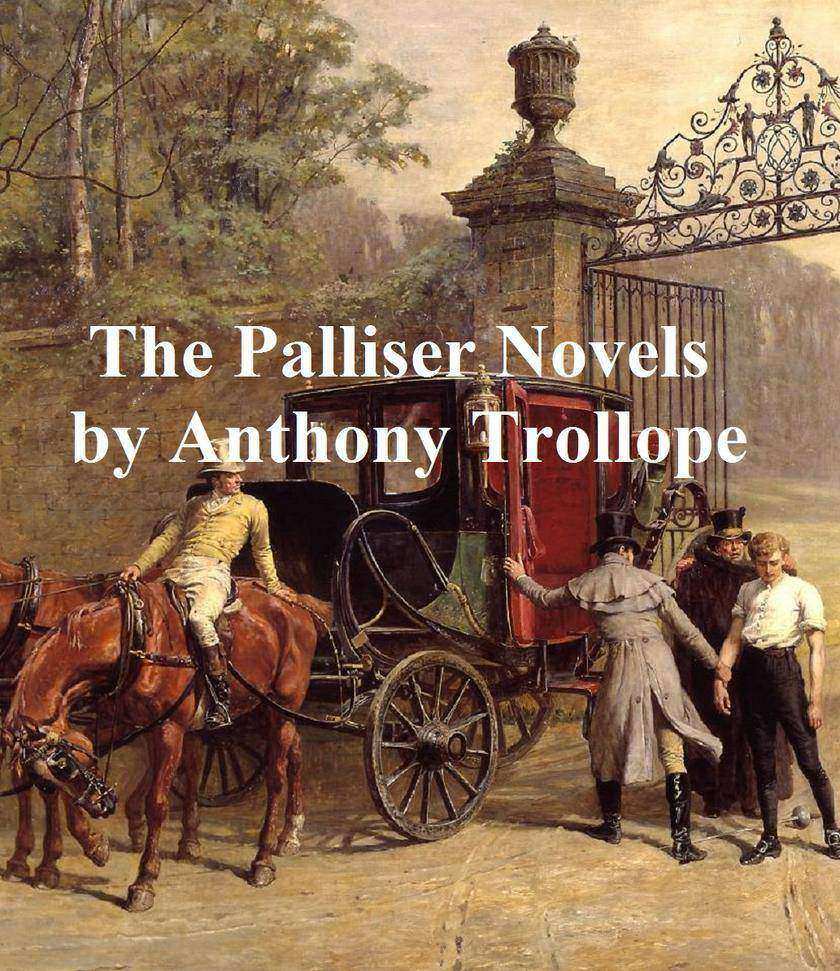
Palliser Novels
¥8.09
The books of the Palliser series are: Can You Forgive Her? Phineas Finn, The Eustace Diamonds, Phineas Redux, The Prime Minister, and The Duke's Children. This addition includes an active (hyperlinked) table of contents. Click on a book title to go to that book, and use the Back button to return to the Table of Contents. According to Wikipedia: "Anthony Trollope (April 24, 1815 – December 6, 1882) became one of the most successful, prolific and respected English novelists of the Victorian era. Some of Trollope's best-loved works, known as the Chronicles of Barsetshire, revolve around the imaginary county of Barsetshire; he also wrote penetrating novels on political, social, and gender issues and conflicts of his day."
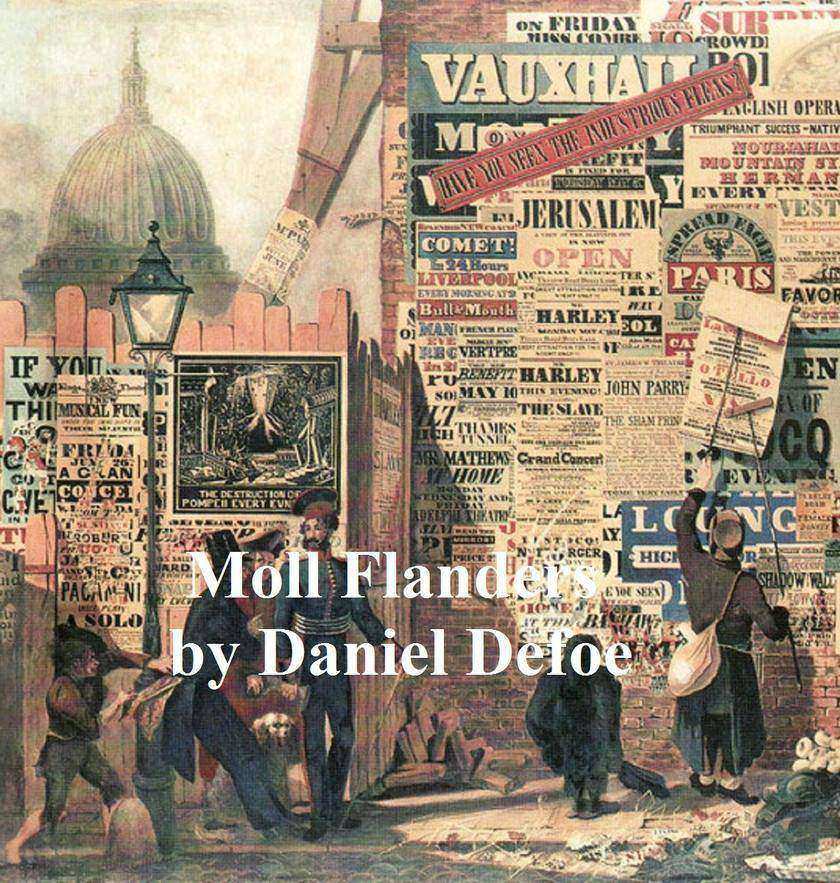
The Fortunes and Misfortunes of the Famous Moll Flanders
¥8.09
The classic bawdy novel that tells the tale of Moll Flanders "Who was Born in Newgate, and during a Life of continu'd Variety for Threescore Years, besides her Childhood, was Twelve Year a Whore, five times a Wife (whereof once to her own Brother), Twelve Year a Thief, Eight Year a Transported Felon in Virginia, at last grew Rich, liv'd Honest, and dies a Penitent. Written from her own Memorandums ..." According to Wikipedia: Daniel Defoe (1659/1661 [?] — 1731), born Daniel Foe, was an English writer, journalist, and pamphleteer, who gained enduring fame for his novel Robinson Crusoe. Defoe is notable for being one of the earliest practitioners of the novel, as he helped to popularise the form in Britain, and is even referred to by some as one of the founders of the English novel. A prolific and versatile writer, he wrote more than five hundred books, pamphlets, and journals on various topics (including politics, crime, religion, marriage, psychology and the supernatural). He was also a pioneer of economic journalism.
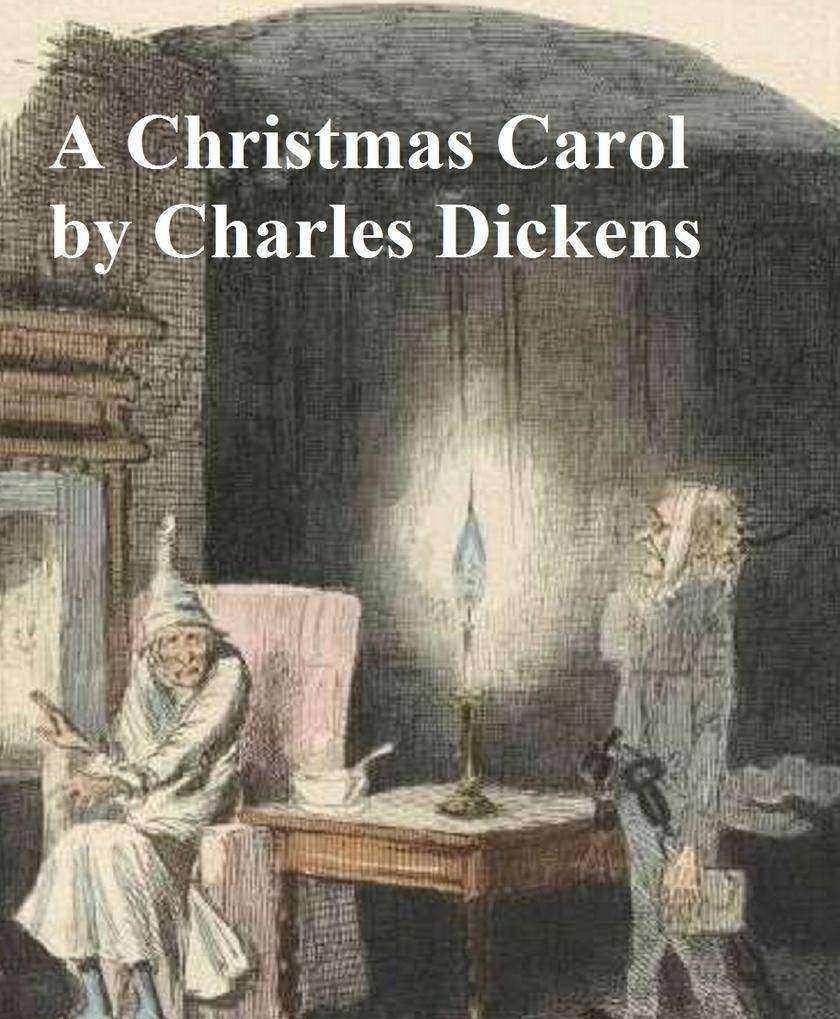
A Christmas Carol (Illustrated)
¥8.09
With 8 illustrations. The classic Dickens novel. According to Wikipedia: "Charles John Huffam Dickens, 1812 – 1870), pen-name "Boz", was one of the most popular English novelists of the Victorian era, as well as a vigorous social campaigner. Critics George Gissing and G. K. Chesterton championed Dickens's mastery of prose, his endless invention of unique, clever personalities, and his powerful social sensibilities, but fellow writers such as George Henry Lewes, Henry James, and Virginia Woolf faulted his work for sentimentality, implausible occurrences, and grotesque characterizations. The popularity of Dickens's novels and short stories has meant that they have never gone out of print Many of Dickens's novels first appeared in periodicals and magazines in serialized form—a popular format for fiction at the time—and, unlike many other authors who completed entire novels before serial production commenced, Dickens often composed his works in parts, in the order in which they were meant to appear. Such a practice lent his stories a particular rhythm, punctuated by one minor "cliffhanger" after another, to keep the public looking forward to the next installment."
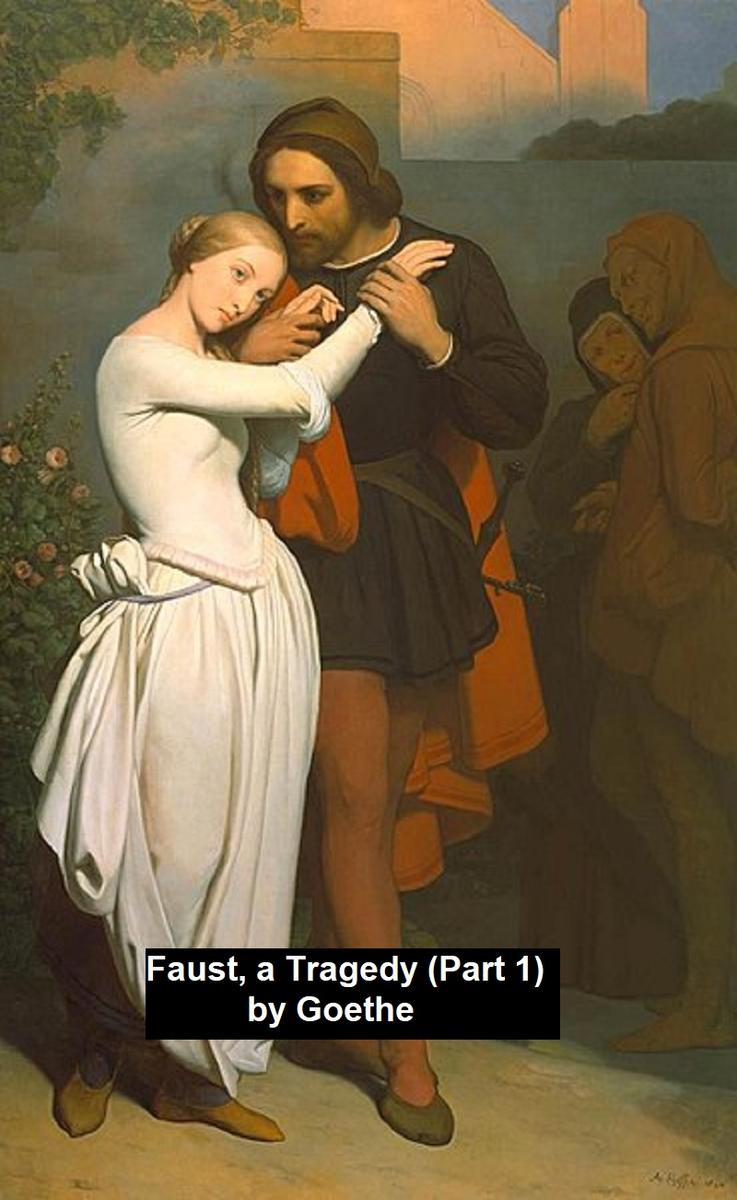
Faust, a Tragedy (Part 1)
¥8.09
The classic drama about a deal with the devil, in English translation. According to Wikipedia: "Johann Wolfgang von Goethe's Faust is a tragic play in two parts... Faust is Goethe's most famous work and considered by many to be one of the greatest works of German literature. Goethe completed a preliminary version of Part One in 1806. The 1808 publication was followed by the revised 1828–29 edition, which was the last to be edited by Goethe himself... Goethe finished writing Faust Part Two in 1831. In contrast to Faust Part One, the focus here is no longer on the soul of Faust, which has been sold to the devil, but rather on social phenomena such as psychology, history and politics, in addition to mystical and philosophical topics. The second part formed the principal occupation of Goethe's last years. It appeared only posthumously in 1832."
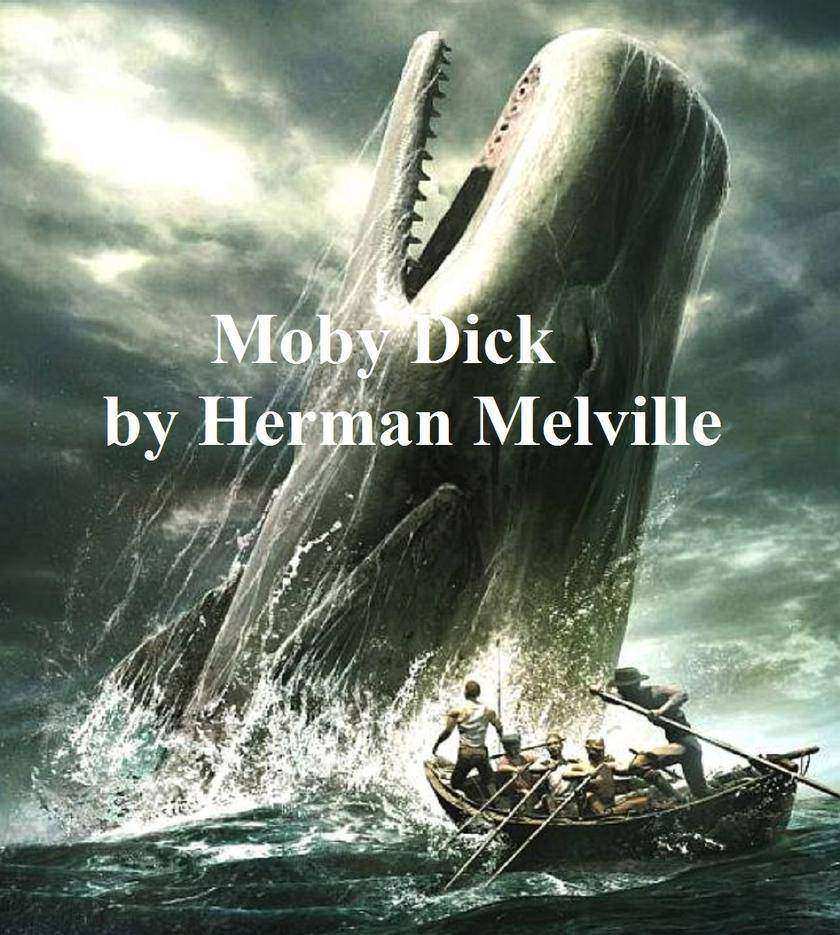
Moby Dick: Or the Whale
¥8.09
The classic novel. According to Wikipedia: "Herman Melville (August 1, 1819 – September 28, 1891) was an American novelist, short story writer, essayist and poet. His first two books gained much attention, though they were not bestsellers, and his popularity declined precipitously after only a few years. By the time of his death he had been almost completely forgotten, but his longest novel, Moby-Dick — largely considered a failure during his lifetime, and most responsible for Melville's fall from favor with the reading public — was recognized in the 20th century as one of the chief literary masterpieces of both American and world literature."
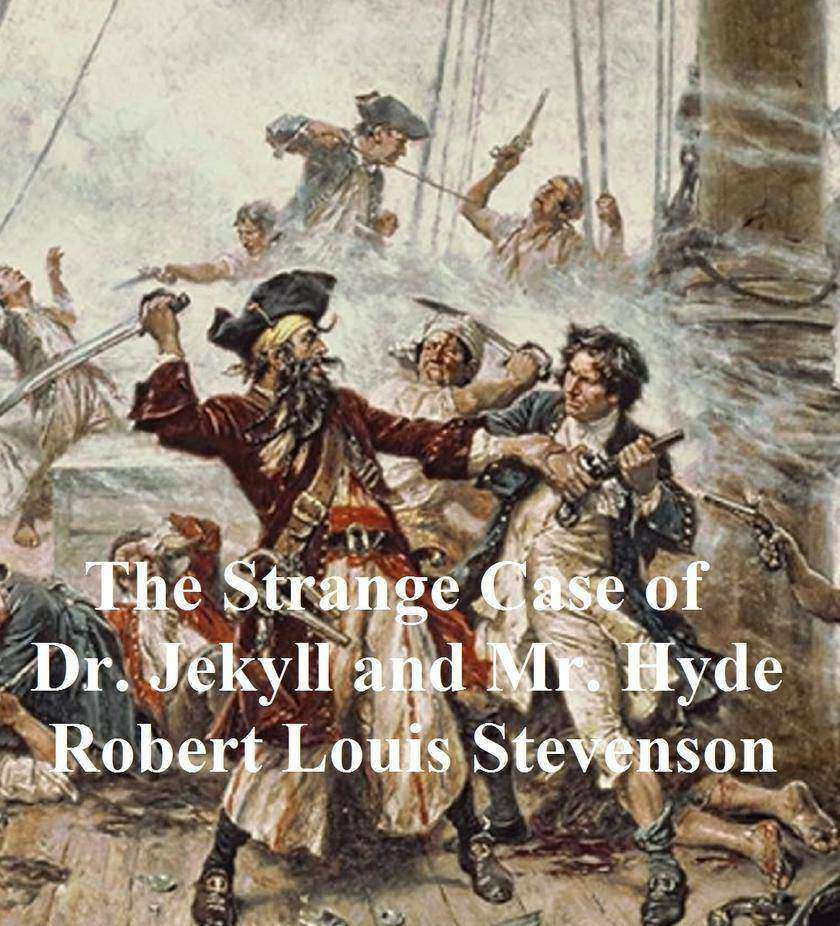
The Strange Case of Dr. Jekyll and Mr. Hyde
¥8.09
The classic psychological mystery. According to Wikipedia: "Robert Louis Balfour Stevenson (13 November 1850–3 December 1894), was a Scottish novelist, poet, essayist and travel writer. He was the man who "seemed to pick the right word up on the point of his pen, like a man playing spillikins", as G. K. Chesterton put it."
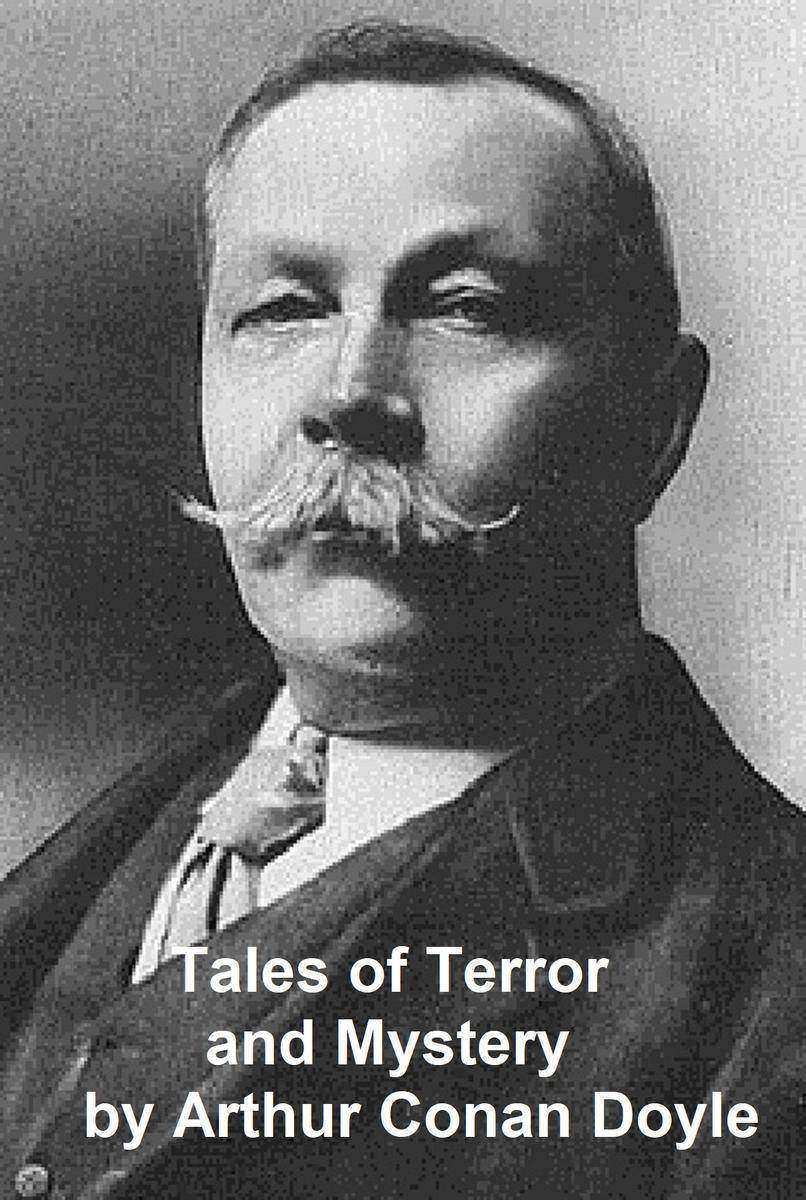
Tales of Terror and Mystery
¥8.09
Collection of stories. According to Wikipedia: "Sir Arthur Ignatius Conan Doyle DL (22 May 1859 – 7 July 1930) was a Scottish physician and writer, most noted for his stories about the detective Sherlock Holmes, generally considered a milestone in the field of crime fiction, and for the adventures of Professor Challenger. He was a prolific writer whose other works include science fiction stories, plays, romances, poetry, non-fiction and historical novels."
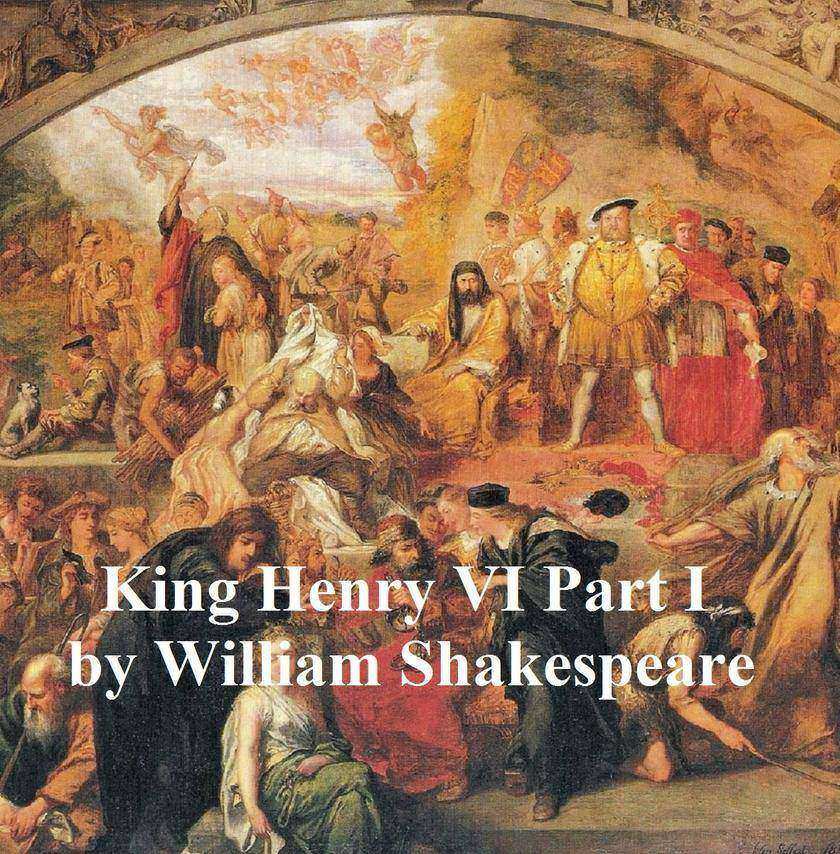
Henry VI Part 1, with line numbers
¥8.09
The classic Shakespeare history play, with line numbers. According to Wikipedia: "William Shakespeare (baptised 26 April 1564 – died 23 April 1616) was an English poet and playwright, widely regarded as the greatest writer in the English language and the world's pre-eminent dramatist. He is often called England's national poet and the "Bard of Avon" (or simply "The Bard"). His surviving works consist of 38 plays, 154 sonnets, two long narrative poems, and several other poems. His plays have been translated into every major living language, and are performed more often than those of any other playwright."
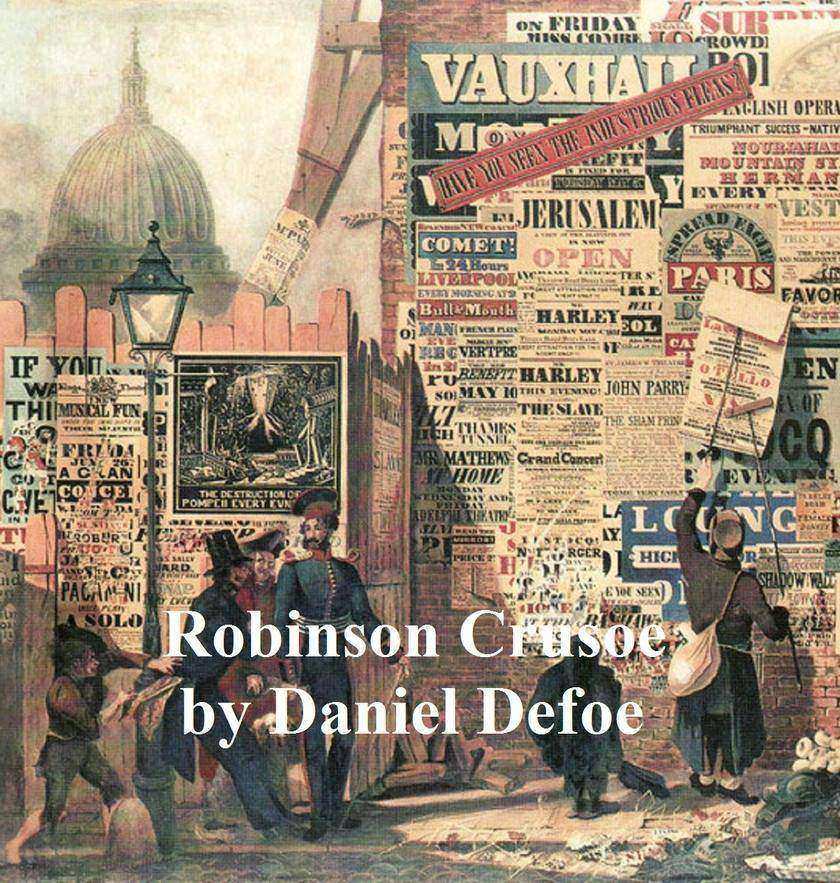
Robinson Crusoe
¥8.09
The classic tale of survival on a deserted island. The story begins: "I WAS born in the year 1632, in the city of York, of a good family, though not of that country, my father being a foreigner of Bremen, who settled first at Hull. He got a good estate by merchandise, and leaving off his trade, lived afterwards at York, from whence he had married my mother, whose relations were named Robinson, a very good family in that country, and from whom I was called Robinson Kreutznaer; but, by the usual corruption of words in England, we are now called - nay we call ourselves and write our name - Crusoe; and so my companions always called me." According to Wikipedia: Daniel Defoe (1659/1661 [?] — 1731), born Daniel Foe, was an English writer, journalist, and pamphleteer, who gained enduring fame for his novel Robinson Crusoe. Defoe is notable for being one of the earliest practitioners of the novel, as he helped to popularise the form in Britain, and is even referred to by some as one of the founders of the English novel. A prolific and versatile writer, he wrote more than five hundred books, pamphlets, and journals on various topics (including politics, crime, religion, marriage, psychology and the supernatural). He was also a pioneer of economic journalism.
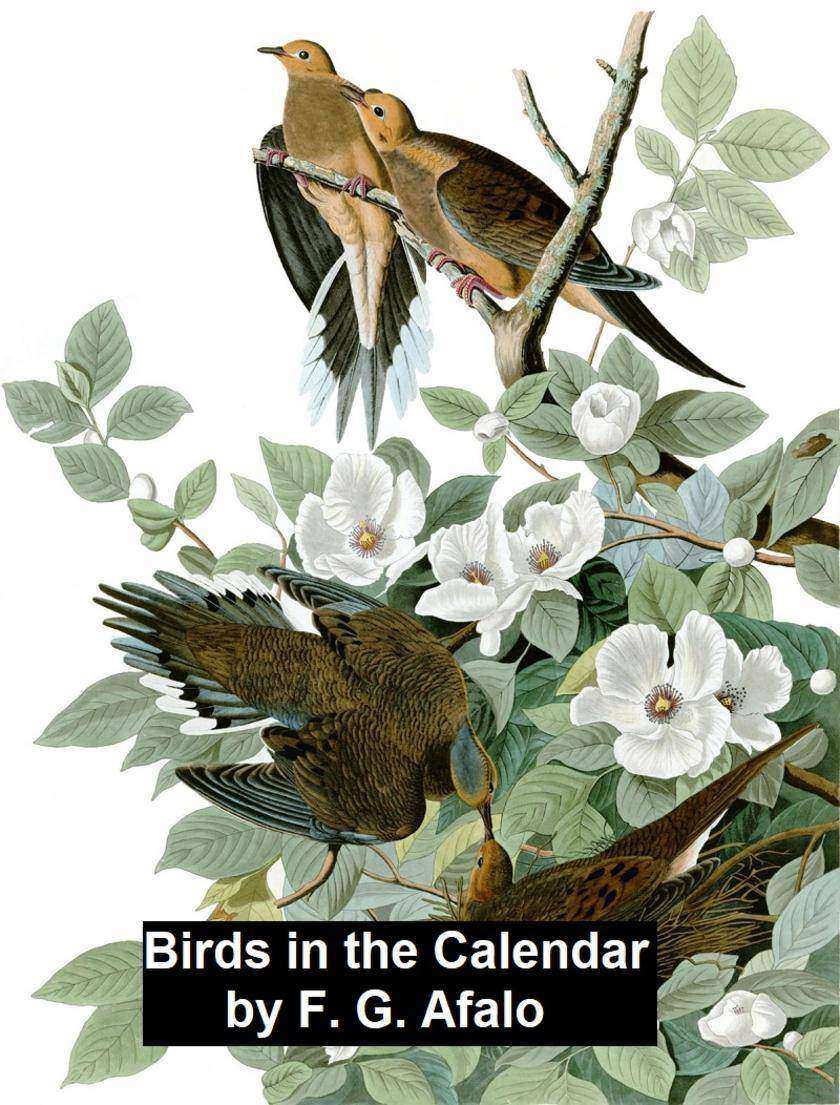
Birds in the Calendar
¥8.09
Descriptions of birds, organized by month, first published in 1914. It includes pheasant, woodcock, woodpigeon, cuckoo, swift, swallow, martin, seagull, moping owl, waterfowl, and robin redbreast.

The Abandoned Farmers
¥8.09
Dodo Collections brings you another classic from Irvin Shrewsbury Cobb, ‘The Abandoned Farmers.’ ? A satirical story about one man's decision to leave the city. ? Cobb is remembered best for his humorous stories of Kentucky and is part of the American literary regionalism school. These stories were collected first in the book Old Judge Priest (1915), whose title character was based on a prominent West Kentucky judge named William Pitman Bishop. Writer Joel Harris wrote of these tales, "Cobb created a South peopled with honorable citizens, charming eccentrics, and loyal, subservient blacks, but at their best the Judge Priest stories are dramatic and compelling, using a wealth of precisely rendered detail to evoke a powerful mood."Among his other books are the humorous Speaking of Operations (1916), and anti-prohibition ode to bourbon, Red Likker (1929).
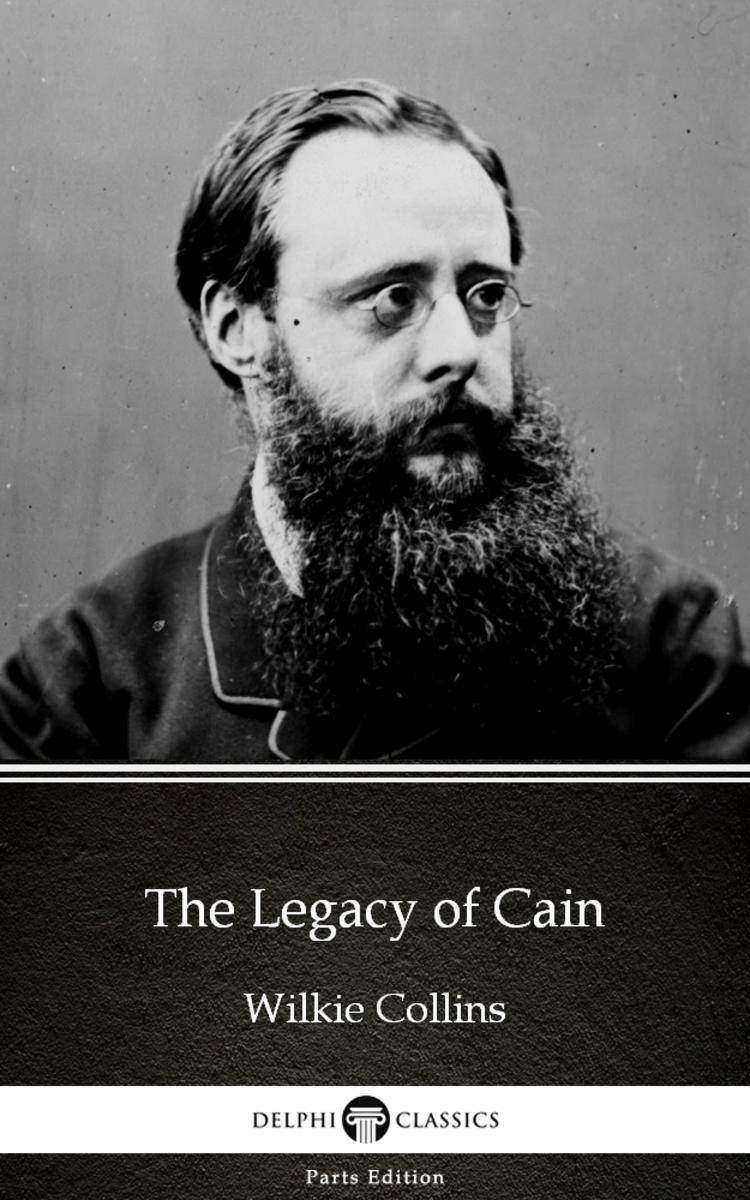
The Legacy of Cain by Wilkie Collins - Delphi Classics (Illustrated)
¥8.09
This eBook features the unabridged text of ‘The Legacy of Cain by Wilkie Collins - Delphi Classics (Illustrated)’ from the bestselling edition of ‘The Complete Works of Wilkie Collins’. Having established their name as the leading publisher of classic literature and art, Delphi Classics produce publications that are individually crafted with superior formatting, while introducing many rare texts for the first time in digital print. The Delphi Classics edition of Collins includes original annotations and illustrations relating to the life and works of the author, as well as individual tables of contents, allowing you to navigate eBooks quickly and easily. eBook features: * The complete unabridged text of ‘The Legacy of Cain by Wilkie Collins - Delphi Classics (Illustrated)’ * Beautifully illustrated with images related to Collins’s works * Individual contents table, allowing easy navigation around the eBook * Excellent formatting of the text Please visit www.delphiclassics.com to learn more about our wide range of titles

Miss or Mrs. and Other Stories in Outline by Wilkie Collins - Delphi Classics (I
¥8.09
This eBook features the unabridged text of ‘Miss or Mrs. and Other Stories in Outline by Wilkie Collins - Delphi Classics (Illustrated)’ from the bestselling edition of ‘The Complete Works of Wilkie Collins’. Having established their name as the leading publisher of classic literature and art, Delphi Classics produce publications that are individually crafted with superior formatting, while introducing many rare texts for the first time in digital print. The Delphi Classics edition of Collins includes original annotations and illustrations relating to the life and works of the author, as well as individual tables of contents, allowing you to navigate eBooks quickly and easily. eBook features: * The complete unabridged text of ‘Miss or Mrs. and Other Stories in Outline by Wilkie Collins - Delphi Classics (Illustrated)’ * Beautifully illustrated with images related to Collins’s works * Individual contents table, allowing easy navigation around the eBook * Excellent formatting of the text Please visit www.delphiclassics.com to learn more about our wide range of titles


