


 购物车
购物车 个人中心
个人中心
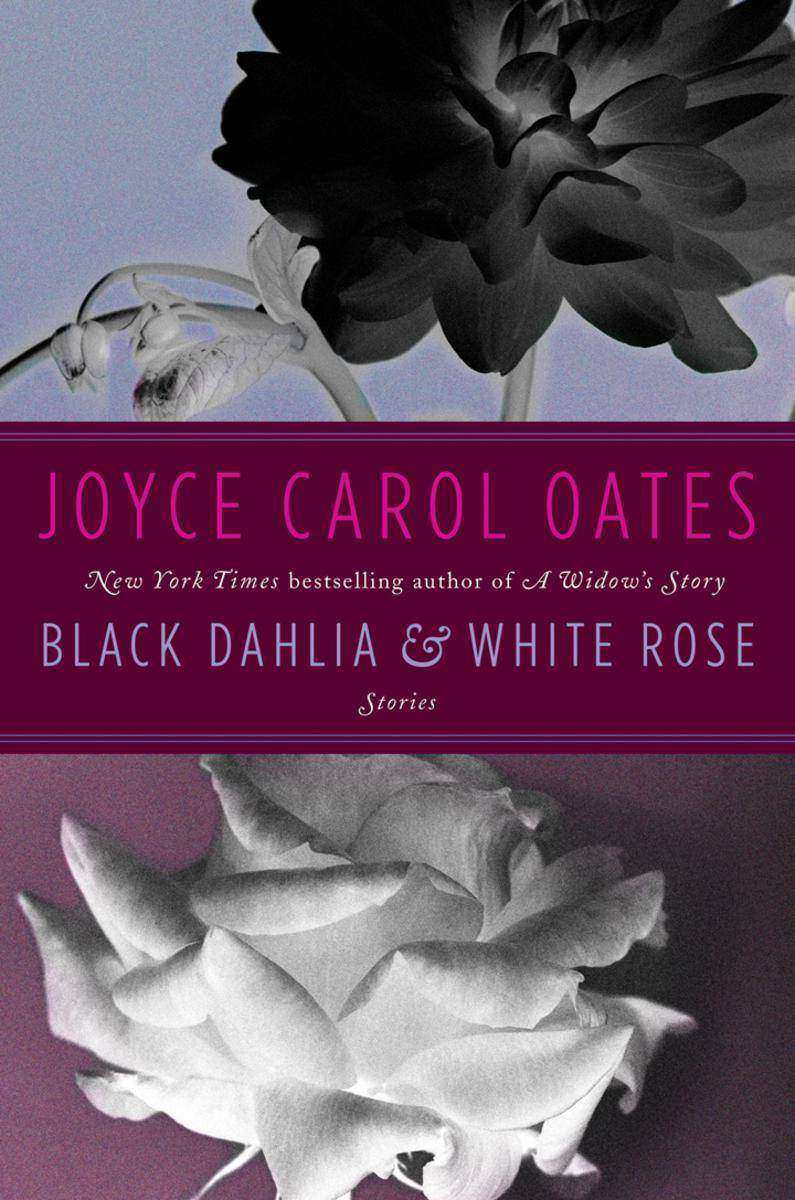
Black Dahlia & White Rose
¥84.16
A wildly inventive new collection ofstories by Joyce Carol Oates that chartsthe surprising ways in which the worldwe think we know can unexpectedlyreveal its darker contoursThe New York Times has hailed Joyce Carol Oates as "adangerous writer in the best sense of the word, one whotakes risks almost obsessively with energy and relish."Black Dahlia & White Rose, a collection of eleven previouslyuncollected stories, showcases the keen rewards ofOates's relentless brio and invention. In one beautifullyhoned story after another, Oates explores the menace thatlurks at the edges of and intrudes upon even the seeminglysafest of lives—and maps with rare emotional acuity thetransformational cost of such intrusions.Unafraid to venture into no-man's-lands both real andsurreal, Oates takes readers deep into dangerous territory,from a maximum-security prison—vividly delineatingthe heartbreaking and unexpected atmosphere of such aninstitution—to the inner landscapes of two beautiful andmysteriously doomed young women in 1940s Los Angeles:Elizabeth Short, otherwise known as the Black Dahlia,victim of a long-unsolved and particularly brutal murder,and her roommate Norma Jeane Baker, soon to becomeMarilyn Monroe. Whether exploring the psychologicalcompulsion of the wife of a well-to-do businessman whois ravished by, and elopes with, a lover who is not what heseems or the uneasily duplicitous relationships betweenyoung women and their parents, Black Dahlia & White Roseexplores the compelling intertwining of dread and desire,the psychic pull and trauma of domestic life, and resonatesat every turn with Oates's mordant humor and hertrenchant observation.
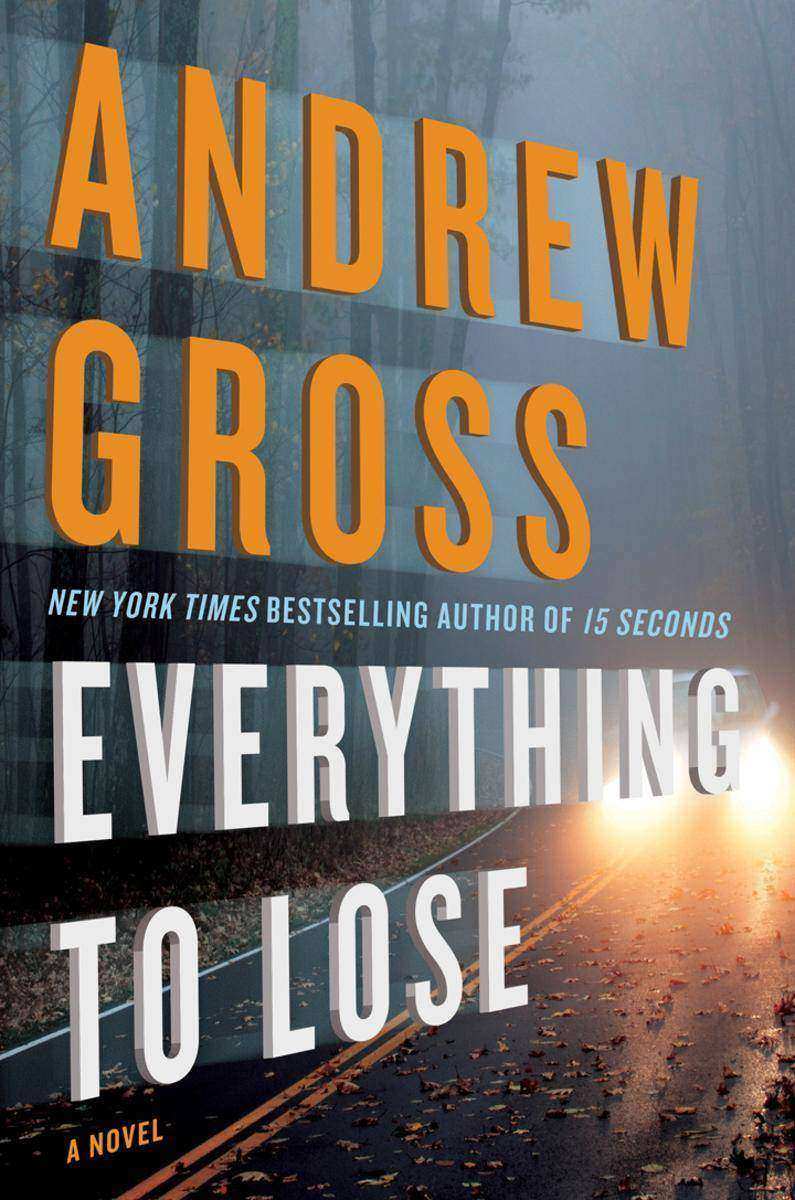
Everything to Lose
¥69.16
A determined mother becomes entangled in a murderous conspiracy to keep a twenty-year-old secret buried in this blistering thriller, set during the tragic aftermath of Hurricane Sandy, from Andrew Gross, the New York Times bestselling author of 15 Seconds and No Way BackWhile driving along a suburban back road, Hilary Cantor, who's just lost her job and whose deadbeat husband has left her to care for her son who has Asperger's, witnesses a freakish accident when a deer suddenly darts in front of the car ahead of her. The driver careens down a hill and slams into a tree. Rushing to help, she discovers the car smoking, the driver dead—and a satchel on the floor stuffed with a half million dollars.That money could prevent her family's ruin and keep her son in school. In an instant, this honest, achieving woman who has always done the responsible thing makes a decision that puts her in the center of a maelstrom of unforeseeable consequences and life-threatening recriminations. It isn't long before someone comes looking for the money, and as they get closer and closer to Hilary, she is pulled into a terrifying scheme involving a twenty-year-old murder, an old woman whose entire life has been washed out to sea by the storm, and a powerful figure determined to maintain the secret that can destroy him. With everything to lose and putting everything she loves at risk, Hilary joins up with a dogged police official from Staten Island who has his own connections to the money and is dealing with his family's tragic struggles in the aftermath of Hurricane Sandy. Together they must fight to bring down an enemy who will stop at nothing to keep buried what that money was meant to silence. Everything to Lose is a propulsive thriller filled with tension and unexpected twists. Pitting an ordinary woman against powerful and desperate figures, this explosive and heartbreaking tale of suspense will appeal to readers of Harlan Coben, Lee Child, and David Baldacci.
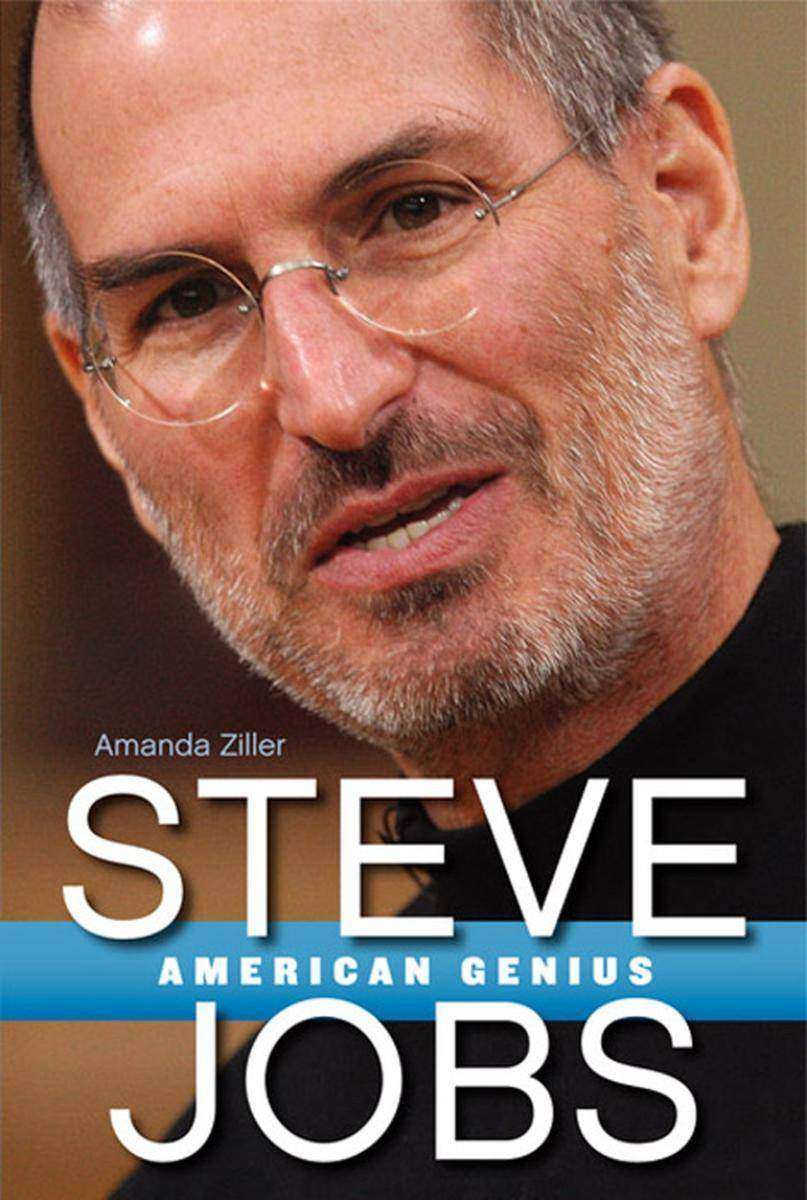
Steve Jobs: American Genius
¥33.18
Steve Jobs revolutionized the way we work, listen to music, watch movies, and communicate. By pushing boundaries and always thinking one step ahead, Jobs became an icon, equally as famous for his advanced ideas and design aesthetic as his sleek black turtlenecks. What inspired himHow did he do his jobWhat made him the man he was?Here is Steve Jobs—the innovator, the rebel, the genius—in an incisive biography of a man who changed the world. Also includes quotes from and about Jobs, chronologies detailing Jobs’s achievements, and source notes.

Story Crush Teen Sampler
¥37.65
Do you love a good storyCrush on strong charactersAre you completely over werewolves and vampiresThen you’ll fall in love with these six samples of timeless teen stories, including Pretty Little Liars: Ruthless by Sara Shepard, The Carrie Diaries by Candace Bushnell, Before I Fall by Lauren Oliver, Kiss Crush Collide by Christina Meredith, The Secret Sisterhood Of Heartbreakers by Lynn Weingarten, and Slide by Jill Hathaway.
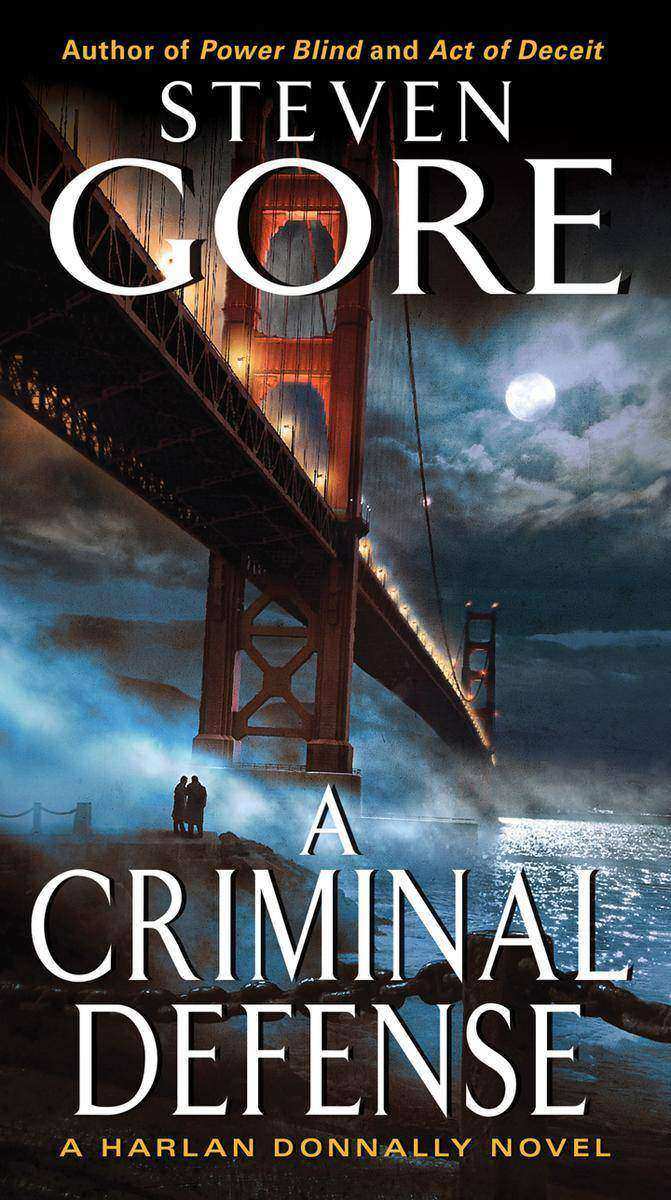
A Criminal Defense
¥69.90
Betrayal wounds.Revenge destroys.Over three decades, Hamlin's practice devolved into just another racket: intimidating witnesses, suborning perjury, destroying evidence, laundering money. But is he the victim of murder—or of a dangerous sexual encounter gone wrongAnd when law enforcement believes justice has already been done, who can be trusted to find outOnce again in the city where his career came to a shattering end, former detective Harlan Donnally resolved it wouldn't be him. He had no desire to immerse himself in the deceit that was Hamlin's career . . . nor entangle himself in the corrupted loyalties that turned the dead lawyer's associates into both co-conspirators and suspects . . . nor make himself the proxy for the hatreds and betrayals Hamlin left behind. But the presiding judge demanded otherwise—and that might cost Donnally his life.
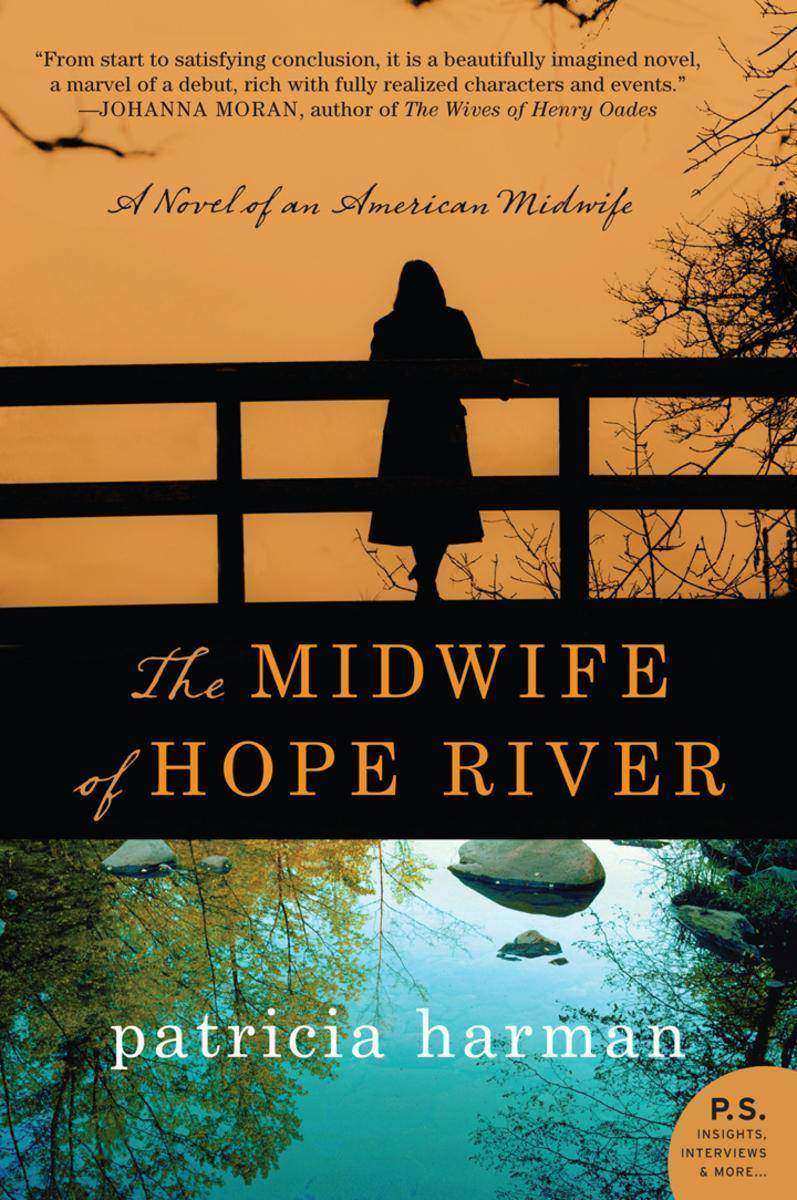
The Midwife of Hope River
¥94.10
Midwife Patience Murphy has a gift: a talent for escorting mothers through the challenges of bringing children into the world. Working in the hardscrabble conditions of Appalachia during the Depression, Patience takes the jobs that no one else wants, helping those most in need—and least likely to pay. She knows a successful midwifery practice must be built on a foundation of openness and trust—but the secrets Patience is keeping are far too intimate and fragile for her to ever let anyone in.Honest, moving, and beautifully detailed, Patricia Harman's The Midwife of Hope River rings with authenticity as Patience faces nearly insurmountable difficulties. From the dangerous mines of West Virginia to the terrifying attentions of the Ku Klux Klan, Patience must strive to bring new light and life into an otherwise hard world.
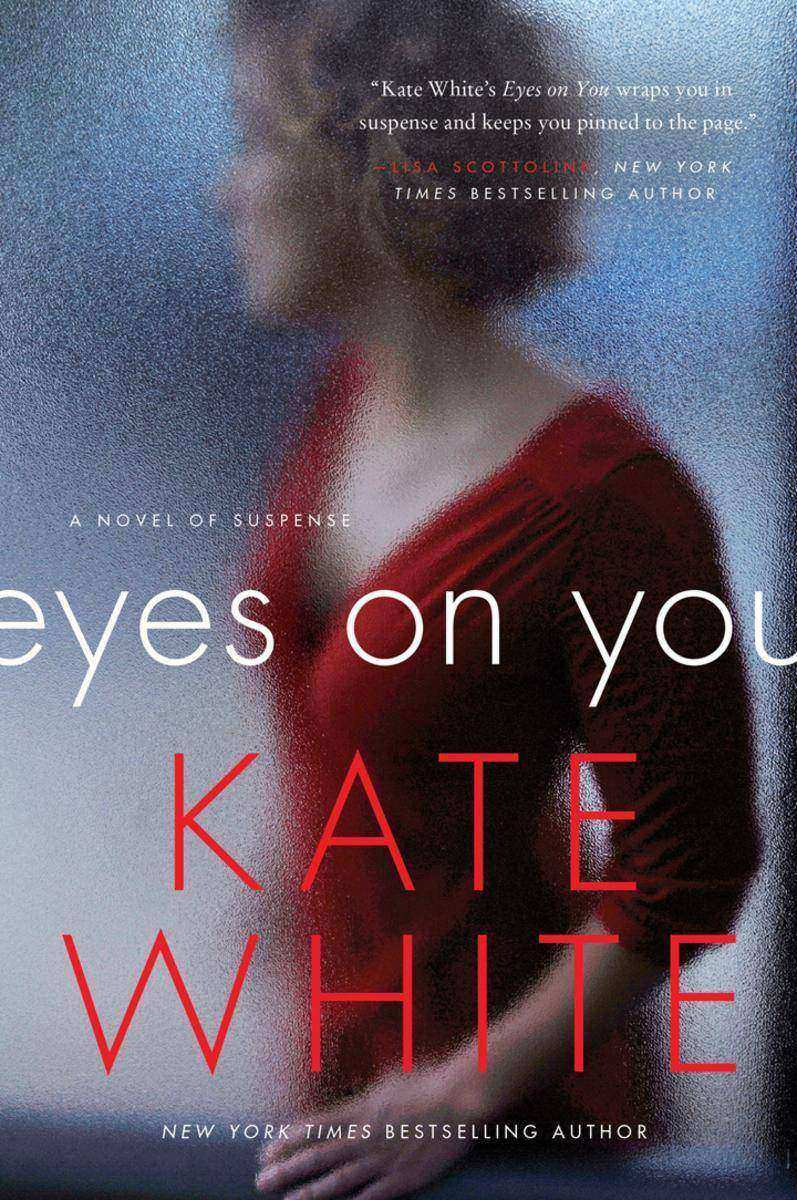
Eyes on You
¥88.56
A rising media star must battle a diabolical enemy in this riveting tale of psychological suspense from Kate White, the New York Times bestselling author of The Sixes and Hush.After a painful divorce and losing her on-air job two years ago, Robin Trainer has fought hard to regain her career. Now, as the popular cohost of a nightly entertainment show and the author of a hot new bestseller, she's being dubbed a media double threat. In a business full of rivals eager to see you fail, making a comeback was tough, and Robin isn't about to do anything that could jeopardize her newfound success.But suddenly things begin going wrong. A few small but nasty incidents shake her confidence: a vicious note tucked into her purse at her book signing; the photo on her book jacket slashed in her office; a doll that looks just like her—but with its eyes gouged out—left on her desk chair. Soon the meanness turns threatening.Someone has eyes on Robin, an adversary with a dark agenda who wants to hurt her and see her fall, and the clues point to someone she works with every day. As she frantically tries to put the pieces together and unmask an enemy hiding in the shadows all too close to her, it becomes terrifyingly clear that the person responsible isn't going to stop until Robin loses everything that matters to her . . . including her life.In this nail-biting thriller full of stunning twists, Kate White takes you behind the scenes of the glamorous, high-intensity world of television and ratchets up the suspense, page by page, to the shocking end.
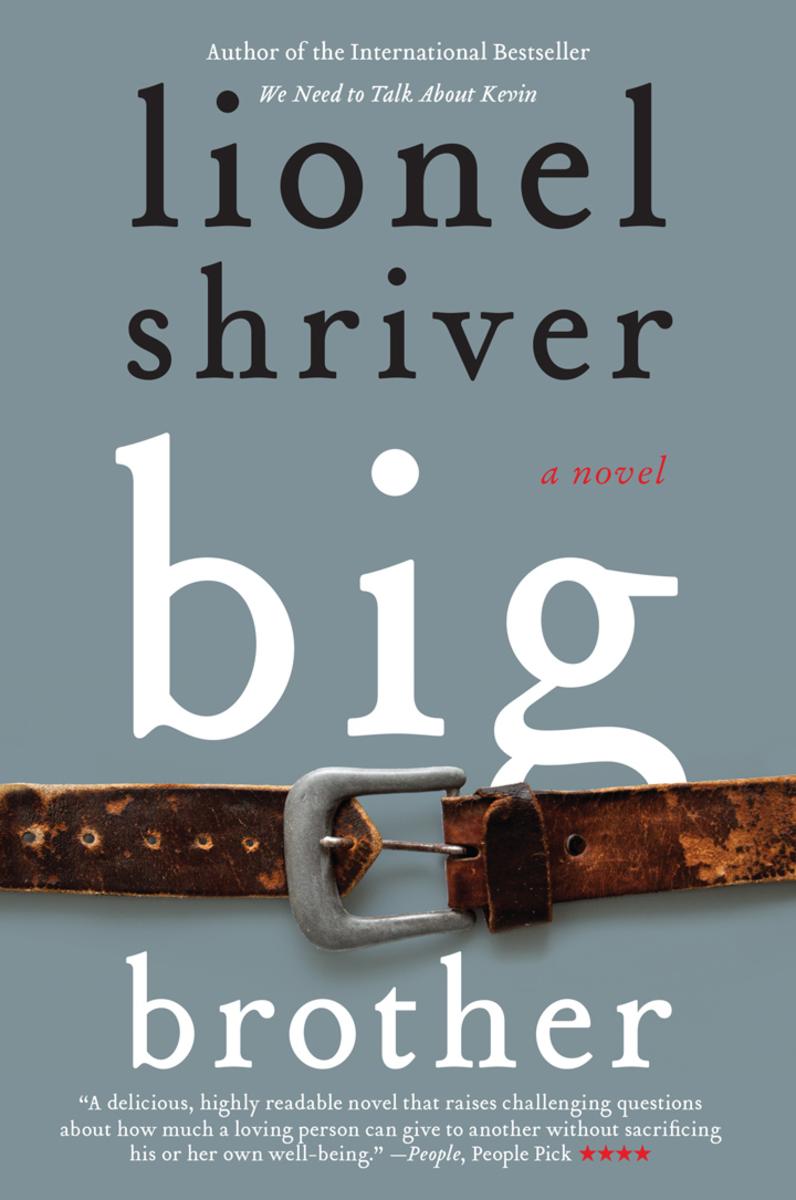
Big Brother
¥88.56
From the acclaimed author of the National Book Award finalist So Much for That and the international bestseller We Need to Talk About Kevin comes a striking new novel about siblings, marriage, and obesity.When Pandora picks up her older brother Edison at her local Iowa airport, she literally doesn't recognize him. In the four years since the siblings last saw each other, the once slim, hip New York jazz pianist has gained hundreds of pounds. What happened?And it's not just the weight. Imposing himself on Pandora's world, Edison breaks her husband Fletcher's handcrafted furniture, makes overkill breakfasts for the family, and entices her stepson not only to forgo college but to drop out of high school.After the brother-in-law has more than overstayed his welcome, Fletcher delivers his wife an ultimatum: It's him or me. Putting her marriage and adopted family on the line, Pandora chooses her brother—who, without her support in losing weight, will surely eat himself into an early grave.Rich with Shriver's distinctive wit and ferocious energy, Big Brother is about fat—an issue both social and excruciatingly personal. It asks just how much we'll sacrifice to rescue single members of our families, and whether it's ever possible to save loved ones from themselves.
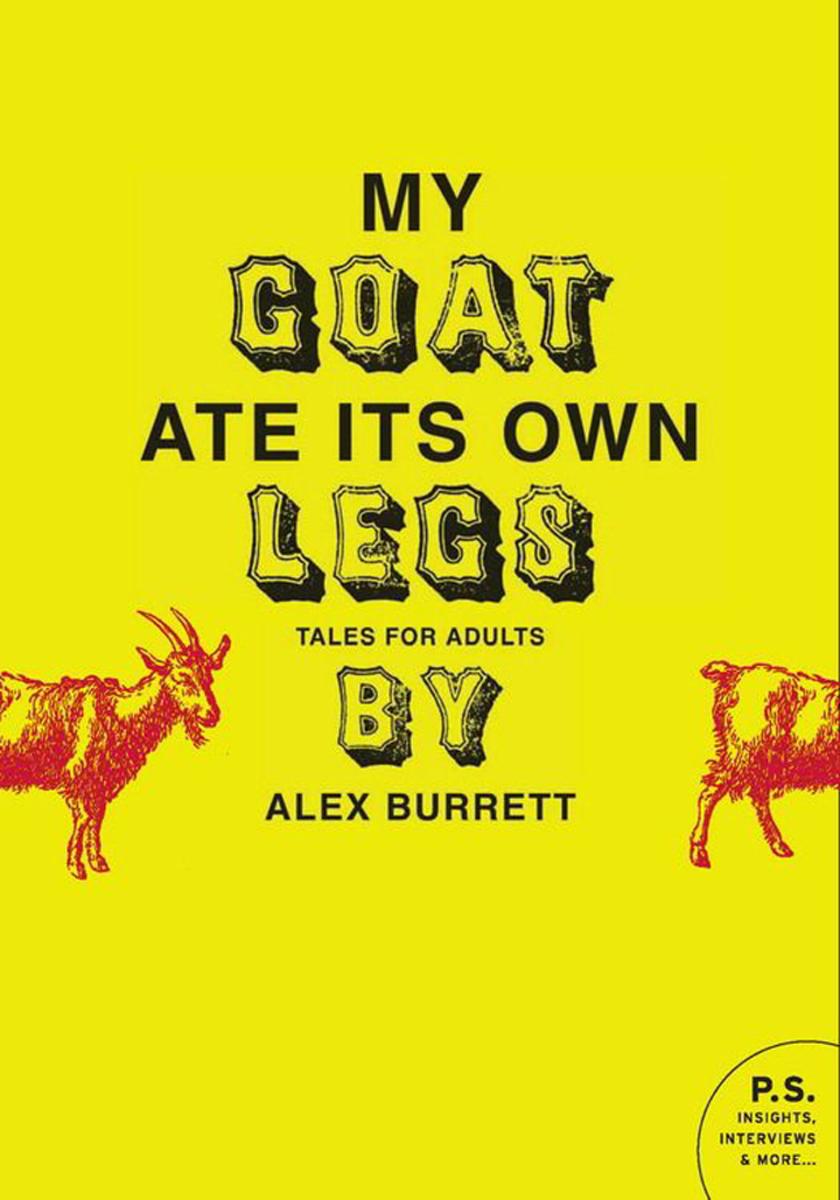
Selections from My Goat Ate Its Own Legs, Volume Two
¥22.03
In a voice so unfailingly chipper it's suspicious, Alex Burrett poses in fiction some disturbing yet certainly possible futures for the human race (and other ambitious, earthbound mammals). Always ready with an impeccable phrase or a sly wink, he shares stories of the most darkly ironic sort, including a field report from a human abattoir, a chronicle of dating Death, and, of course, the tale of the goat that ate its own legs. These thirty brilliant, bizarre, and morbidly hilarious "tales for adults" will delight anyone who doesn't take life (or death) too seriously.
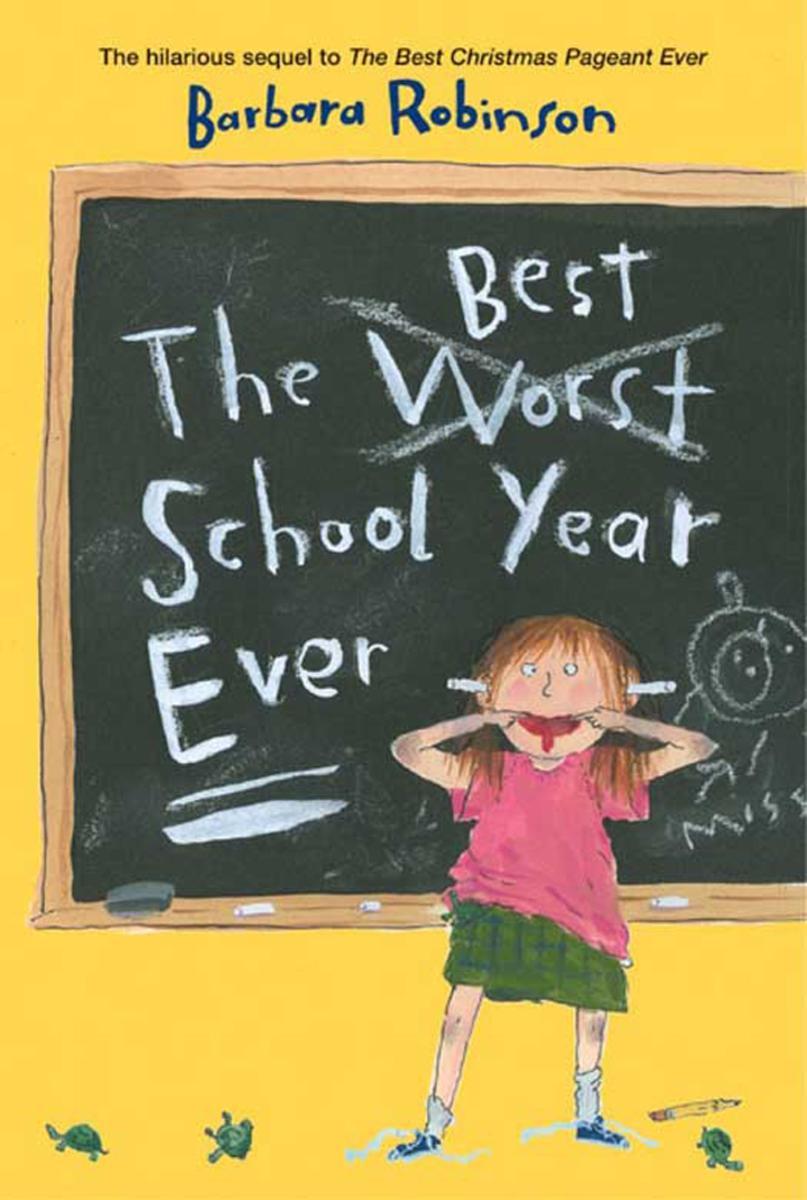
The Best School Year Ever
¥39.13
The Worst Kids in the History of the World!When anything goes wrong at Woodrow Wilson Elementary School, from the hexing of Bus Six to the mysterious disappearance of the kindergarten gerbil, it's sure to have a Herdman behind it. The Herdmans are more than famous -- they're outlaws. They smoke cigars, lie, and set fire to things, and that's only when they bother to come to school!Then a school project forces the students to think of compliments for all their classmates -- including the Herdmans. Is it possible that behind their outrageous pranks there may be something good about this crazy clan after all?
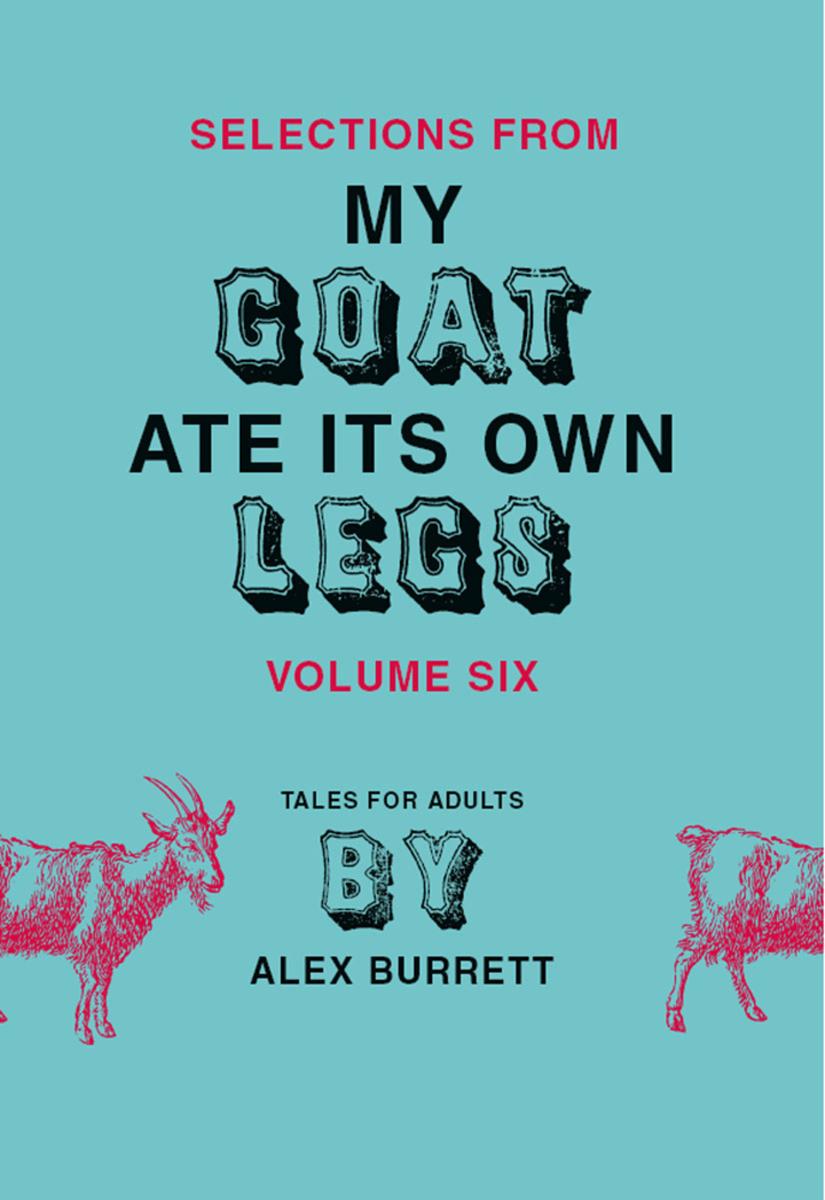
Selections from My Goat Ate Its Own Legs, Volume Six
¥22.03
In a voice so unfailingly chipper it's suspicious, Alex Burrett poses in fiction some disturbing yet certainly possible futures for the human race (and other ambitious, earthbound mammals). Always ready with an impeccable phrase or a sly wink, he shares stories of the most darkly ironic sort, including a field report from a human abattoir, a chronicle of dating Death, and, of course, the tale of the goat that ate its own legs. These thirty brilliant, bizarre, and morbidly hilarious "tales for adults" will delight anyone who doesn't take life (or death) too seriously.

Selections from My Goat Ate Its Own Legs, Volume Eight
¥22.03
In a voice so unfailingly chipper it's suspicious, Alex Burrett poses in fiction some disturbing yet certainly possible futures for the human race (and other ambitious, earthbound mammals). Always ready with an impeccable phrase or a sly wink, he shares stories of the most darkly ironic sort, including a field report from a human abattoir, a chronicle of dating Death, and, of course, the tale of the goat that ate its own legs. These thirty brilliant, bizarre, and morbidly hilarious "tales for adults" will delight anyone who doesn't take life (or death) too seriously.
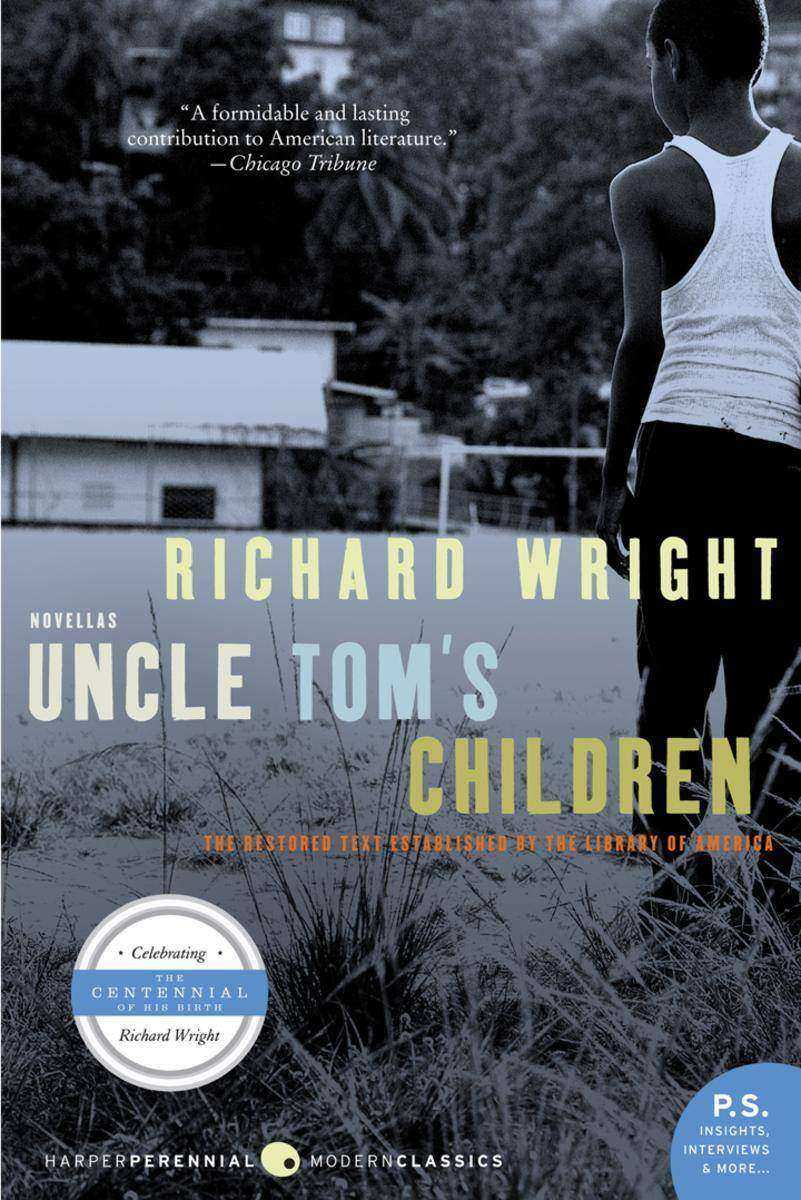
Uncle Tom's Children
¥78.55
Set in the American Deep South, each of the powerful novellas collected here concerns an aspect of the lives of black people in the post-slavery era, exploring their resistance to white racism and oppression. Originally published in 1938, Uncle Tom's Children was the first book from Richard Wright, who would continue on to worldwide fame as the author of numerous works, most notably the acclaimed novel Native Son and his autobiography, Black Boy.

Pain Killers
¥85.05
From the acclaimed and controversial author of Permanent Midnight comes one of the most vividly subversive, savagely funny, and explosive novels yet unleashed in our tender century. Pain Killers is a violent and mind-wrenching masterpiece in the gonzo noir style that has earned Jerry Stahl his legion of avid fans. Down-and-out ex-cop and not-quite-reformed addict Manny Rupert accepts a job going undercover to find out if an old man locked up in a California prison is who he claims to be: the despicable—and allegedly dead—Josef Mengele, aka the Angel of Death. What if, instead of drowning thirty years ago, the sadistic legend whose Auschwitz crimes still horrify faked his own death and is now locked up in San Quentin, ranting and bitter about being denied the adulation he craves for his contribution to keeping the Master Race pure—if no longer masterfulAfter accidentally reuniting with ex-wife and love of his life, Tina, at San Quentin—they first met at the crime scene where Tina murdered her first husband with Drano-laced Lucky Charms—Manny spends a bad night imbibing boxed wine and questionable World War One morphine, hunched over a trove of photos showing live genital dissections that plant him in the middle of a conspiracy involving genocide, drugs, eugenics, human experiments, and America's secret history of collusion with German believers in Nordic superiority. Manny's quest sends him careening from one extreme of apocalypse-adjacent reality to the other: from SS-inked Jewish shotcallers to meth-crazed virgin hookers, from Mexican gangbangers to Big Pharma–financed prison research to an animal shelter that gasses more than stray dogs and cats . . . Pain Killers captures one man's struggle against a perverse and demented scheme of global proportions, in a literary tour de force as outrageous, compelling, and dangerous as history itself. Not for the faint of heart, the novel hurtles readers into a disturbing, original, and alarmingly real world filled with some of the kinkiest sex, most horrific violence, and screaming wit ever found on the page—proving yet again that Stahl is, as The New Yorker described him, "a better-than-Burroughs virtuoso."
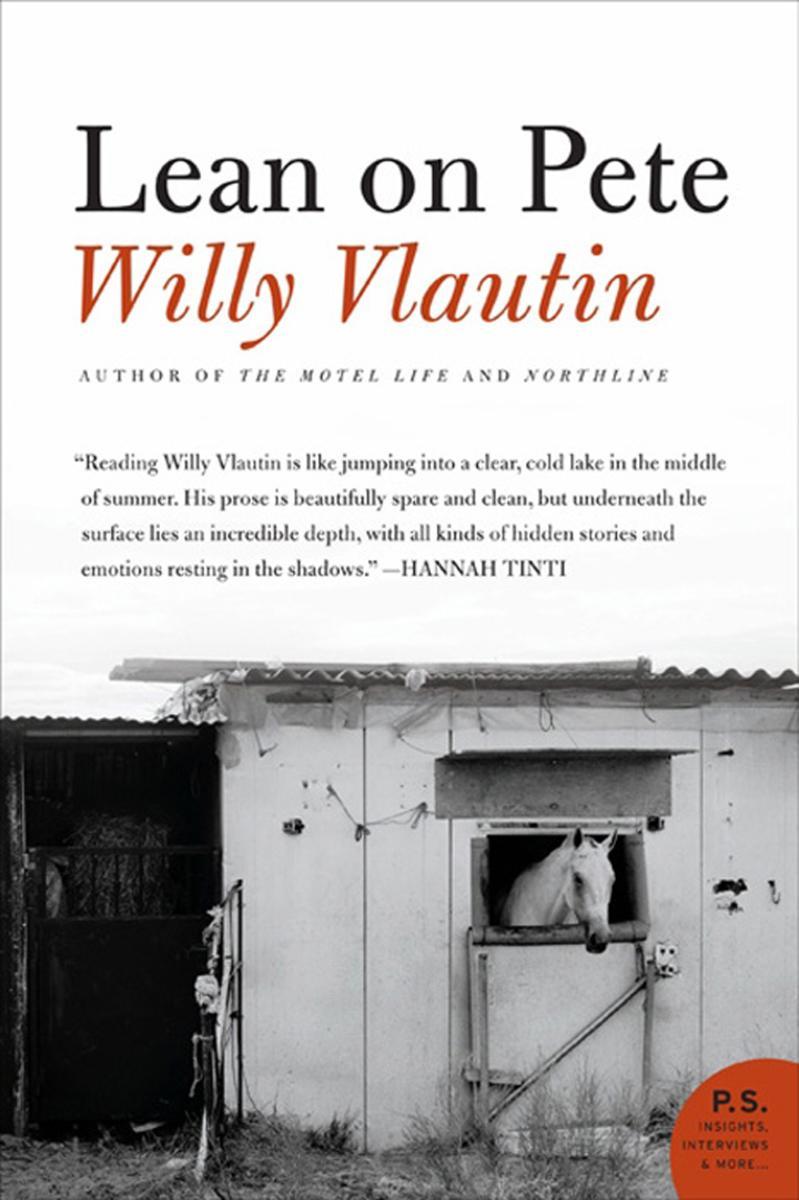
Lean on Pete
¥78.32
Fifteen-year-old Charley Thompson wants a home, food on the table, and a high school he can attend for more than part of a year. But as the son of a single father working in warehouses across the Pacific Northwest, Charley's been pretty much on his own. When tragic events leave him homeless weeks after their move to Portland, Oregon, Charley seeks refuge in the tack room of a run-down horse track. Charley's only comforts are his friendship with a failing racehorse named Lean on Pete and a photograph of his only known relative. In an increasingly desperate circumstance, Charley will head east, hoping to find his aunt who had once lived a thousand miles away in Wyoming—but the journey to find her will be a perilous one.In Vlautin's third novel, Lean on Pete, he reveals the lives and choices of American youth like Charley Thompson who were failed by those meant to protect them and who were never allowed the chance to just be a kid.
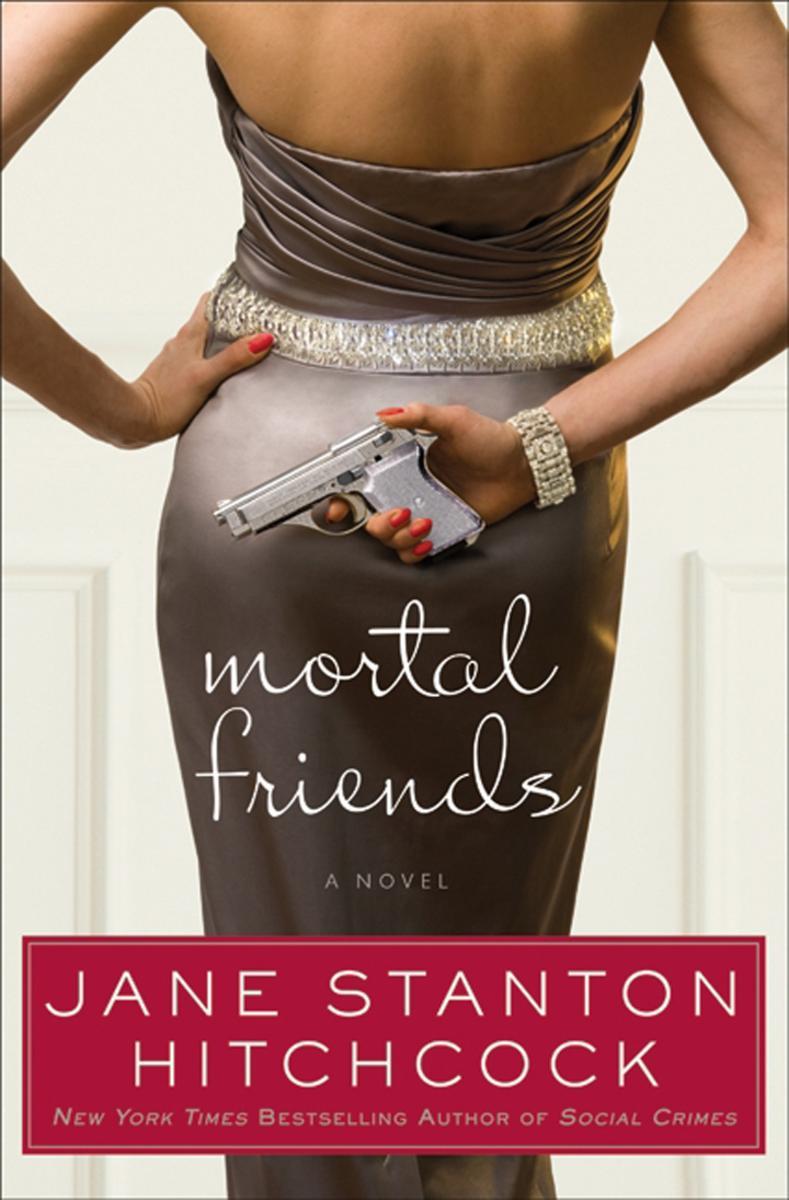
Mortal Friends
¥77.49
When the latest victim of the "Beltway Basher" is found in the woods of Montrose Park, Reven Lynch's favorite jogging spot, her crime-loving antenna goes up. The murder makes Reven and her best friend, Violet Bolton, reconsider their running route—but that's not the only change in Reven's routine. Her chic Georgetown neighborhood isn't accustomed to brutal slayings, and when the smooth, enigmatic Detective Gunner shows up in her antique shop, asking pointed questions, Reven's left wondering how close to home the killings are.Gunner is convinced the murderer is a society bigshot hiding in plain sight. But he is out of his element in the rarefied world of embassy dinners and symphony balls, and Reven is perfectly positioned to feed him the inside information he needs. She throws herself into her role as the detective's "ersatz Mata Hari," only to discover that the prominent skirt-chasing businessman for whom she's fallen tops Gunner's shortlist of suspects. And that's not the half of it: a philanthropic bombshell named Cynthia Rinehart has taken the city by storm, and Violet's steady marriage is suddenly encountering some major turbulence. . . .During the course of the investigation, the social world will unravel, an old friendship will be put to the test, scandalous secrets will be unleashed, and Reven will discover that nothing old or new, in high culture or low life, is what it appears. A riveting tale of murder, money, and high society, set in the glamorous, politics-fueled world of the nation's capital, Mortal Friends delivers another "killer read" (People).

Hello, My Name Is Scrambled Eggs
¥98.08
When his folks host a Vietnamese family that has come to settle in their town, Harvey enjoys Americanizing twelve-year-old Tuan.
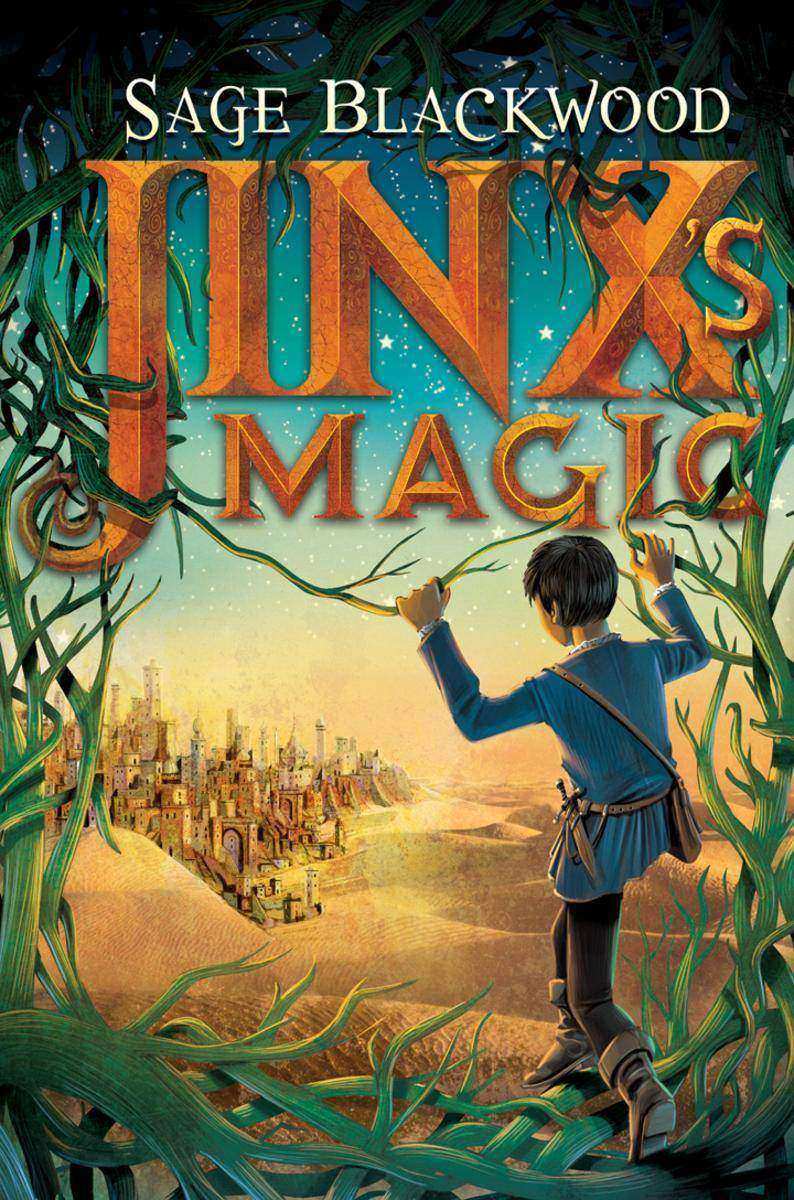
Jinx's Magic
¥44.25
Jinx's Magic is the second book in Sage Blackwood's highly acclaimed fantasy-adventure series, Jinx. This humorous and smart tween trilogy set in a magical forest is perfect for fans of Angie Sage's Septimus Heap, Michael Buckley's the Sisters Grimm, and Brandon Mull's Fablehaven."Readers will thrill to journey with Jinx" (Jinx, School Library Journal, starred review), a daring young wizard's apprentice, as he travels from his home in the Urwald to an unfamiliar desert land in search of ancient magic. He needs that magic badly—there are forces threatening the Urwald from all sides. The more he learns, however, the clearer it becomes that this quest will require more than the magic of a solitary wizard's apprentice, and soon he'll have to call upon all of the Urwald—witches, werewolves, wizards, and trees—for help.
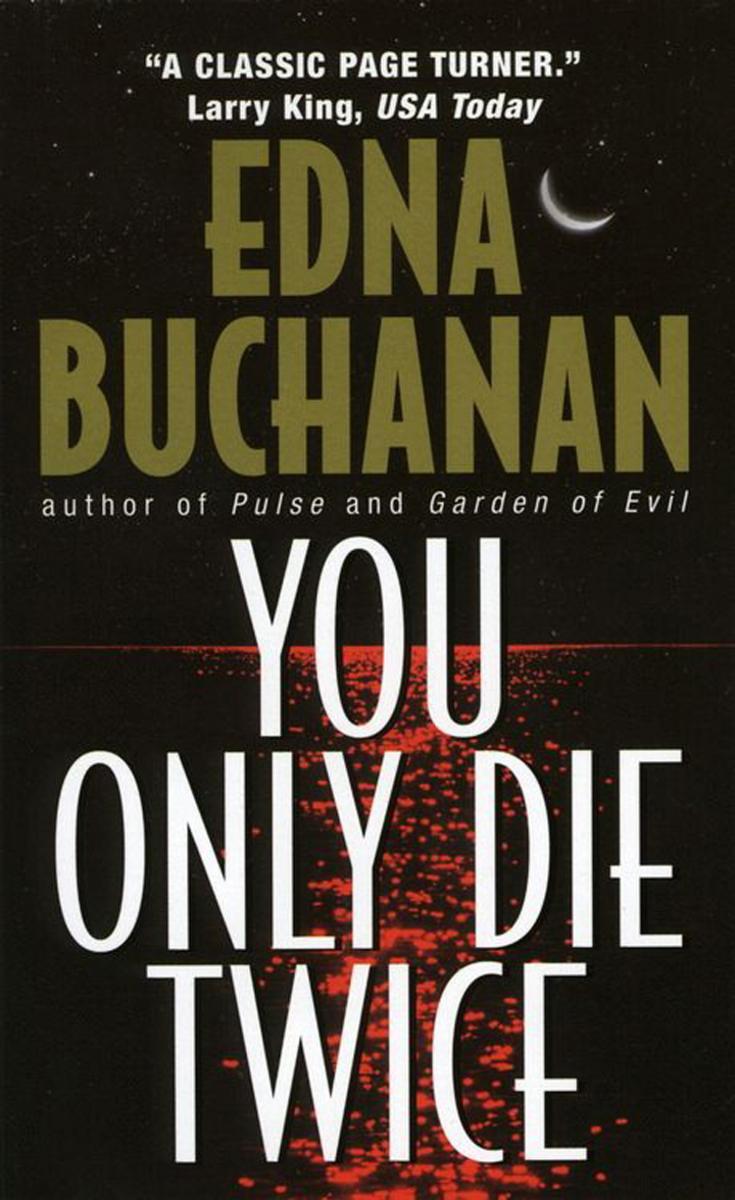
You Only Die Twice
¥55.31
What was the nude, recently slain body of Kaithlin Jordan doing spoiling the pristine turquoise waters of Miami Beach -- especially when the dead socialite's convicted killer husband is sitting on Death Row for having murdered her...ten years ago! Reporter Britt Montero lives for this kind of story. But she may die for this one as well. Because each question raises many others -- and every hard-won answer reveals secret passions and explosive truths that could doom an overly inquisitive journalist with a tendency to leap before she looks.
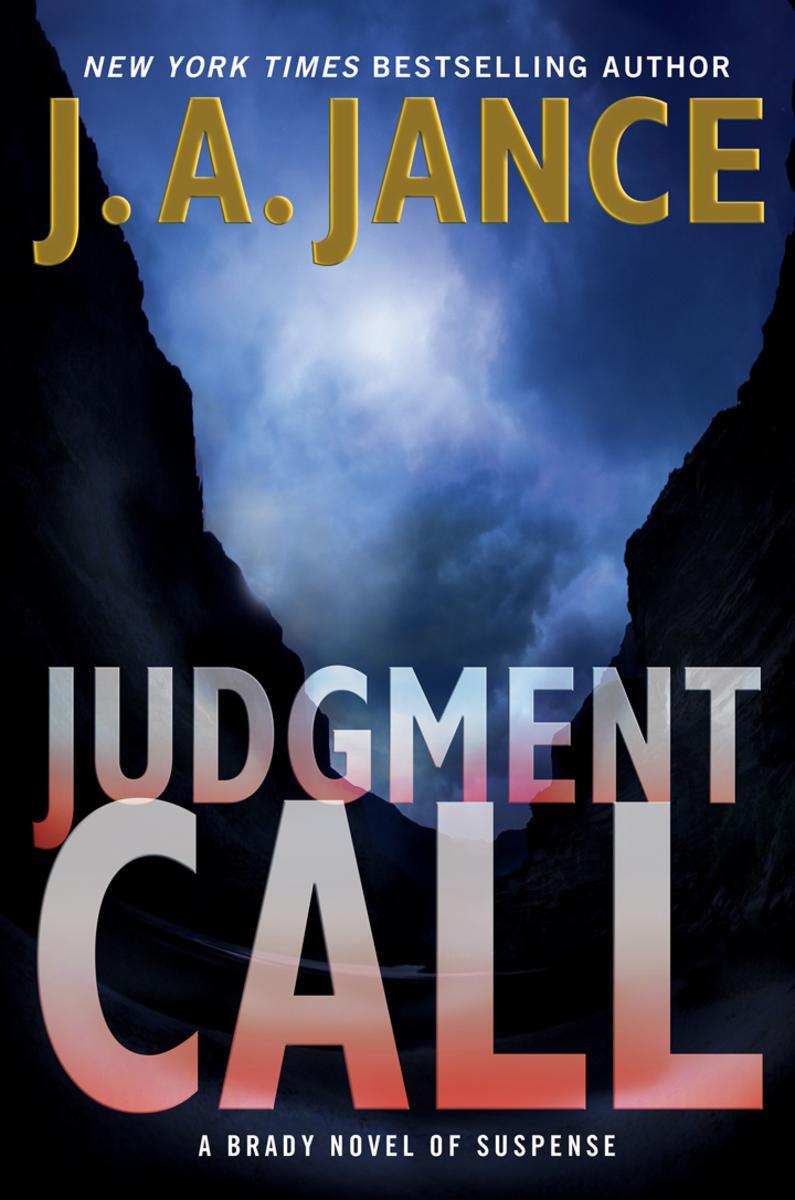
Judgment Call
¥69.90
New York Times bestselling author J. A. Jance brings back acclaimed sheriff Joanna Brady in an exciting and twisting mystery set against the beauty and isolation of the Arizona desertJudgment CallWhen Joanna Brady's daughter, Jenny, stumbles across the body of her high school principal, Debra Highsmith, in the desert, the Cochise County sheriff's personal and professional worlds collide, forcing her to tread the difficult middle ground between being an officer of the law and a mother. While investigating murders has always meant discovering unpleasant facts and disquieting truths, the experienced Joanna isn't prepared for the knowledge she's about to uncover. Though she's tried to protect her children from the dangers of the grown-up world, the search for justice leads straight to her own door and forces her to face the possibility that her beloveddaughter may be less perfect than she seems—especially when a photo from the crime scene ends up on Facebook. A photo only one person close to the crime scene could have taken. The gruesome picture is just the tip of the iceberg. Even a small, close-knit town like Bisbee has its secrets. Navigating her way through the unfamiliar world of social media, Joanna discovers shocking—and incriminating—information. The details build, from a hushed-up suspension, to a group of teenagers with a grudge against the late Ms. Highsmith, to a hateful video calling for the principal's death. The video evidence points to one particular privileged boy, who's already lawyered up thanks to his father, a well-to-do doctor determined to protect his son's reputation. Yet the deeper Joanna digs, the more complications she uncovers. It seems the quiet, upstanding principal had a hidden past, full of mysterious secrets she'd successfully kept buried for years. As the seasoned sheriff juggles professional constraints and personal demands—budget cuts, new team members, an arrogant coroner, a confused teenager, a precocious toddler, and a high-maintenance mother—she finds herself walking a fine line between justice and family that has never been so blurred.

Triburbia
¥84.16
Thrown together by circumstance, a group of fathers—a sound engineer, a sculptor, a film producer, a chef, a memoirist, a gangster—meets each morning at a local Tribeca coffee shop after walking their children to their exclusive school. The sound engineer looks uncomfortably like the guy on the sex offender posters strewn around the neighborhood; the memoirist is on the verge of being outed for fabricating his experiences; and the narcissistic chef puts his quest for the perfect quail-egg frittata before his children's well-being. Over the course of a single school year, we are privy to their secrets, passions, and hopes, and learn of their dreams deferred as they confront harsh realities about ambition, wealth, and sex. And we meet their wives and children, who together with these men are discovering the hard truths and welcome surprises that accompany family, marriage, and real estate at midlife.Fascinatingly layered and multidimensional, these linked stories, arranged like puzzle pieces, create a powerful portrait of unlikely friends and their neighborhood in transition. Striking chords that range from haunting and heartbreaking to darkly funny and deeply poignant, Triburbia marks the start of a brilliant literary career.


