


 购物车
购物车 个人中心
个人中心
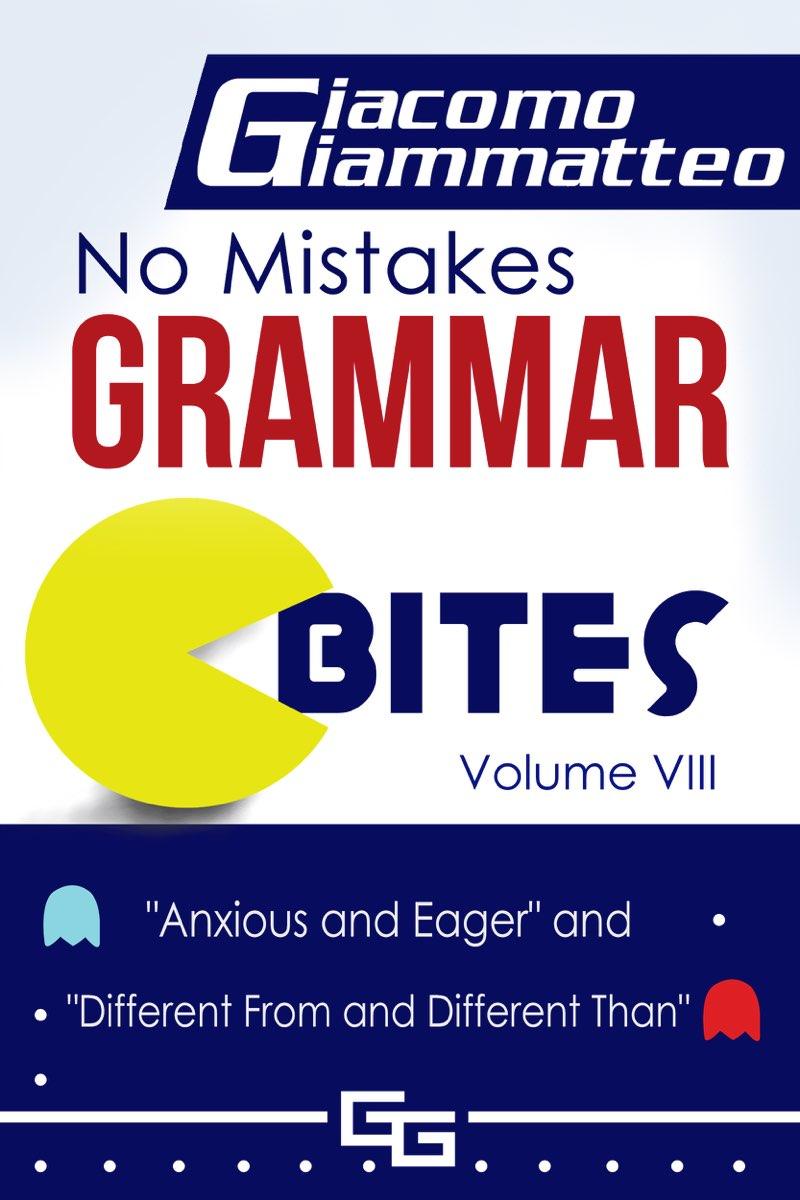
No Mistakes Grammar Bites, Volume VIII
¥8.09
Guaranteed Not to Be Confusing Don't Ever Be Confused by Grammar Again. Take a "bite" out of Grammar with No Mistakes Grammar Bites. It seems as if many dictionaries and books on grammar do their best to confuse people. Words and explanations are defined using grammatical terminology that is difficult to understand; in fact, if you knew that terminology, you probably wouldn't have to look up the words to begin with. We're aiming to get rid of that and explain things in plain English, using language that is easy to understand. Try it out and see for yourself. If you find these books confusing, write to me and get a refund; they're guaranteed.
No Mistakes Grammar Bites, Volume IX: A While and Awhile, and Envy and Jealousy
¥8.09
Guaranteed Not to Be Confusing Don't Ever Be Confused by Grammar Again. Take a "bite" out of Grammar with No Mistakes Grammar Bites. It seems as if many dictionaries and books on grammar do their best to confuse people. Words and explanations are defined using grammatical terminology that is difficult to understand; in fact, if you knew that terminology, you probably wouldn't have to look up the words to begin with. We're aiming to get rid of that and explain things in plain English, using language that is easy to understand. Try it out and see for yourself. If you find these books confusing, write to me and get a refund; they're guaranteed.
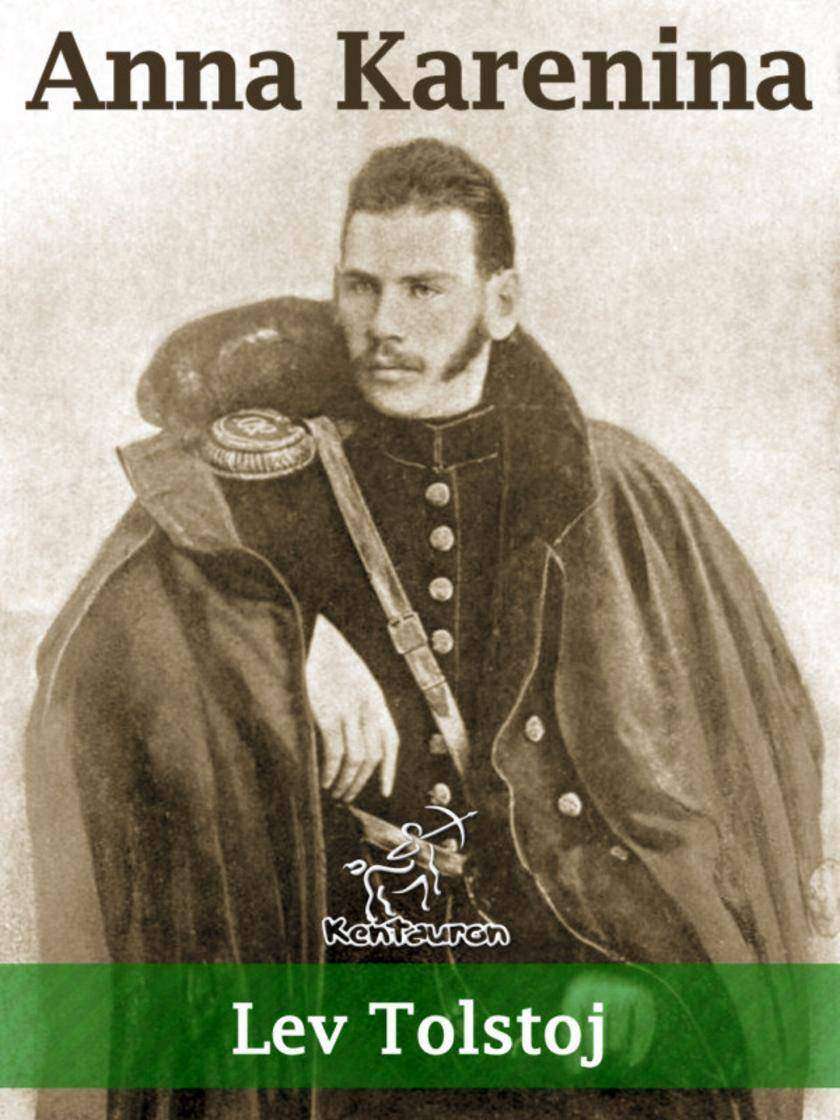
Anna Karenina (Nuova edizione annotata)
¥8.09
Anna Karenina (in russo: Aнна Каренина) è un romanzo di Lev Tolstoj che fu pubblicato per la prima volta nel 1877. Considerato un capolavoro del realismo, l'autore trasse ispirazione da "I racconti di Belkin" dello scrittore e poeta russo Aleksandr Sergeevi? Pu?kin. Sebbene la maggior parte della critica russa stroncasse il romanzo fin dalla prima pubblicazione, definendolo ?un romanzo frivolo dell'alta società?, secondo lo scrittore russo F?dor Michajlovi? Dostoevskij ?Anna Karenina in quanto opera d'arte è la perfezione... e niente della letteratura europea della nostra epoca può esserle paragonato?. La sua opinione fu condivisa da Vladimir Vladimirovi? Nabokov, che lo definì ?il capolavoro assoluto della letteratura del XIX secolo?.
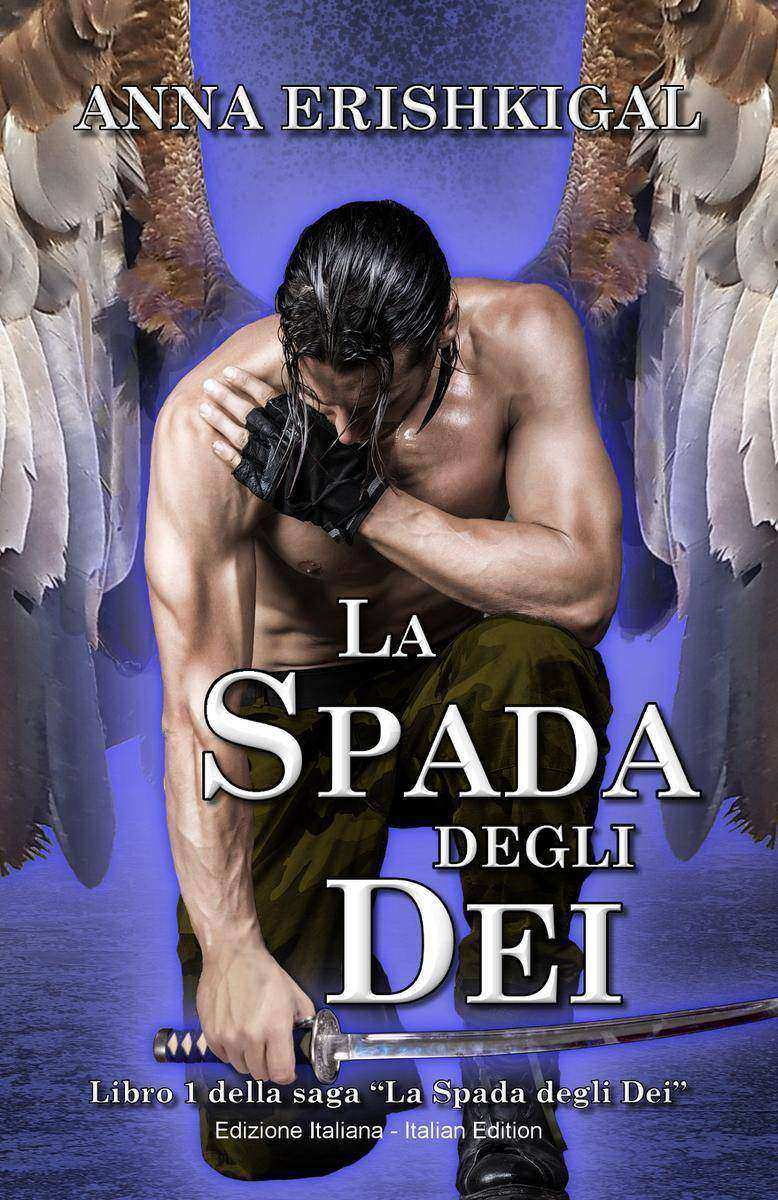
La Spada degli Dei (Edizione Italiana): Libro 1 della saga “La Spada degli Dei”
¥8.09
All’alba dei tempi, due antichi avversari si scontrarono per ottenere il controllo della terra. Un uomo si innalzò a difesa dell’umanità. Un soldato il cui nome ricordiamo ancora oggi… . Il colonnello delle Forze Speciali Angeliche, Mikhail Mannuki’ili, si sveglia nella sua navicella spaziale precipitata, gravemente ferito, senza alcuna memoria del passato. La donna che gli ha salvato la vita, Ninsianna, ha delle abilità speciali che gli sembrano familiari, ma non riesce a ricordare il perché! . Le profezie del popolo di Ninsianna parlano di un campione alato, una Spada degli Dei che li avrebbe difesi dal Dio del Male. Mikhail insiste nel dire di non essere un semidio, ma la sua inspiegabile abilità nell’uccidere sembra indicare altrimenti. . Il Male sussurra ad un principe tetro. Una specie morente cerca di evitare l’estinzione. E due imperatori, trincerati dietro le loro antiche ideologie non riescono a vedere la più grande minaccia che incombe su di loro: questo racconto di fantascienza parla della battaglia più epica della storia dell’umanità, quella tra bene e male; del crollo di imperi e ideologie, e del più grande supereroe mai esistito al mondo, l’Arcangelo Mikhail. .CONTENUTO SPECIALE: include il breve racconto sulla storia all’origine della saga, Gli Eroi dell’Antichità. .“Una alternativa creativa alla storia di quelli che chiamiamo angeli. Si potrebbe definire… un incrocio fra Star Trek e i miti della creazione" — Recensione del lettore .“Mikhail si risveglia” come recita la copertina “mortalmente ferito nella sua navicella spaziale precipitata” … ma questo è solo l'inizio del suo dilemma" — Cape Cod Times .“Ho apprezzato moltissimo la fusione del genere fantastico con la pura fantascienza. Unirli è tutt'altro che semplice. L'autrice vi riesce senza creare incongruenze di alcun tipo…" —Recensione del lettore . Questo libro NON è a sfondo religioso! .Ordine di lettura della serie "La Spada degli Dei": —Gli Eroi dell’Antichità: Episodio 1x01 (prequel) —La Spada degli Dei (include Gli Eroi dell'Antichità) —Non c’è posto per gli Angeli Caduti —Frutto Proibito . Lingua italiana, edizione italiana, libri italiani - Italian edition, Italian language
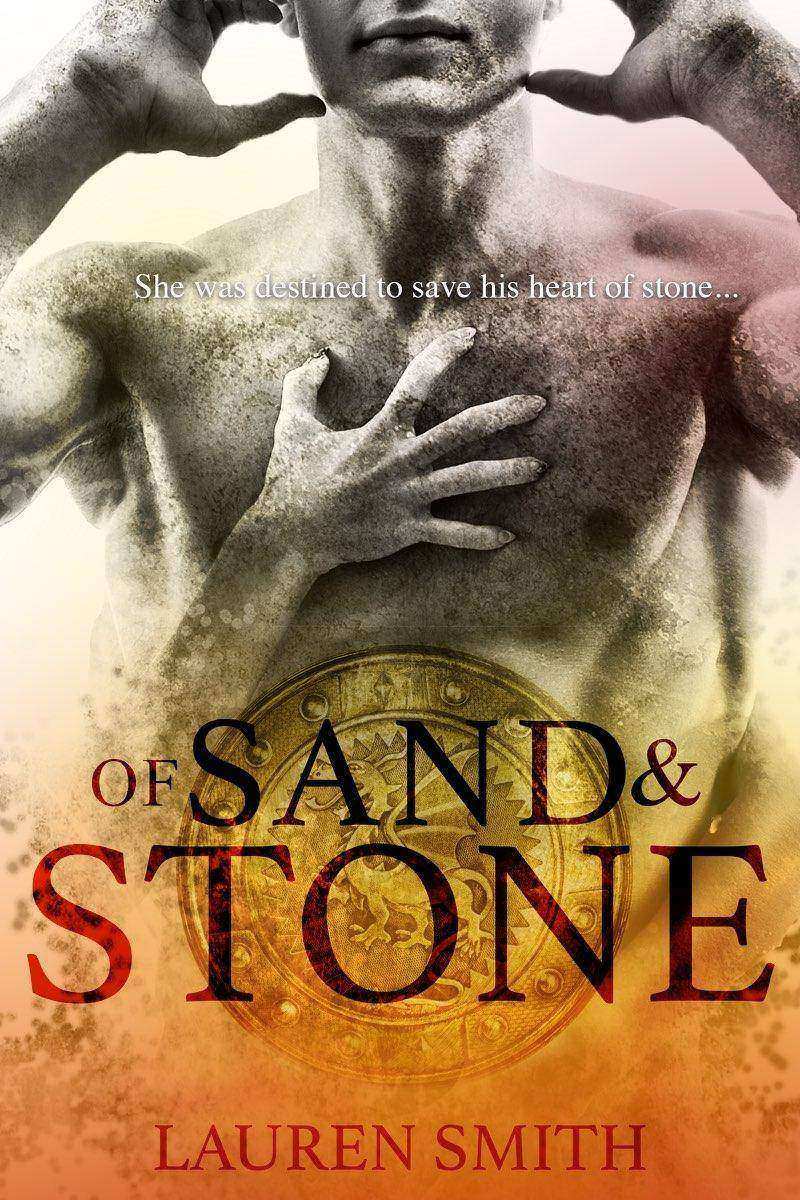
Of Sand and Stone: A Time Travel Romance
¥8.09
She was destined to save his heart of stone... Bookish museum curator Rebecca Clark has given up on dating. Real life men aren’t nearly as perfect as the men in the paintings and statues she sees every day at her job. But one night she whispers a prayer to the universe to send her the perfect man. She had no idea a goddess is listening…Devon Blake was Regency London’s most wicked lover but when he sleeps with the wrong woman and leaves her unsatisfied, he finds himself cursed by none other than the Goddess of love herself. After living two centuries trapped as a marble statue, Aphrodite gives Devon one chance to redeem himself or he’ll face an eternity of made of stone. He must prove he can satisfy a woman’s every desire without satisfying his own.When Rebecca discovers a naked man in her art gallery instead of a priceless statue at midnight she has no idea he’s the answer to her prayers. Aphrodite has sent Devon to be Rebecca’s perfect man. Can Devon earn Rebecca’s love and trust by proving his selflessness or will it be too late?
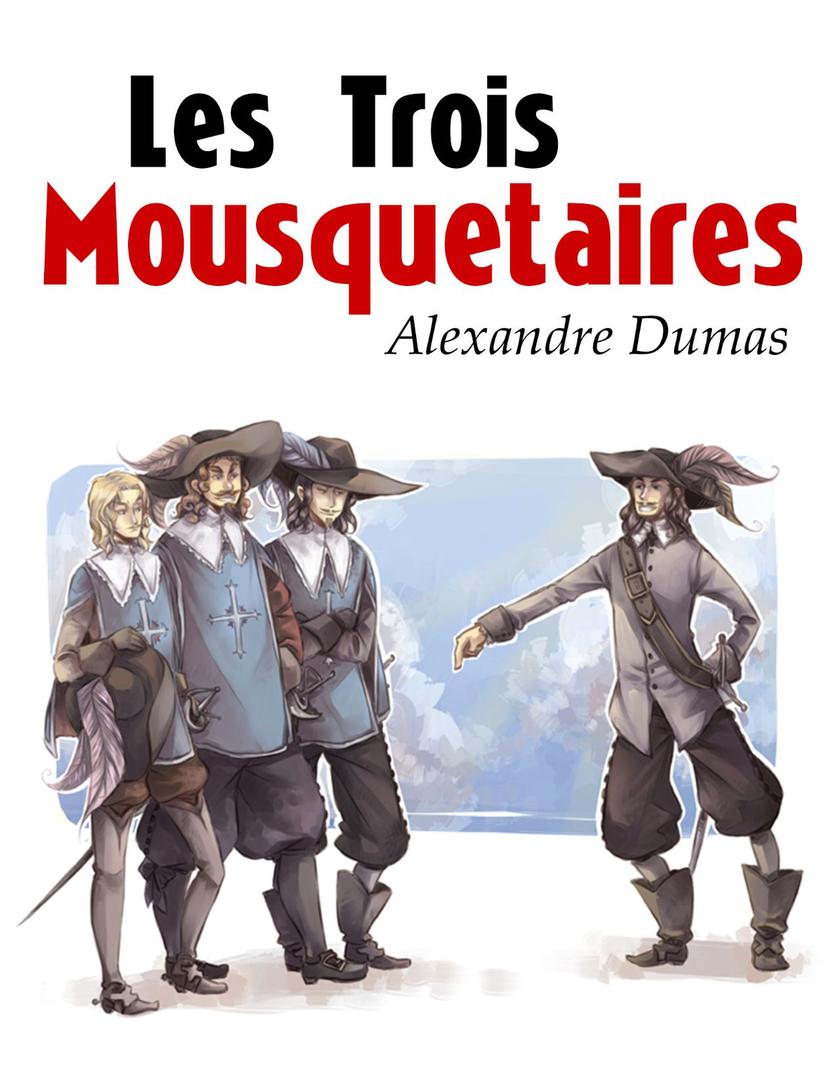
Les Trois Mousquetaires
¥8.09
Vreau s? cred c? drumul lui Eugenio Barba este cel ?n care ?nt?lne?te copacul de care at?rn? pe creanga cea mai de sus un m?r de aur ?i f?r? s? ?i pese de cei din jurul lui, de privirile lor arogante sau sc?nteind a dispre?, se ca??r? ?n copac, ?n plin? lumin? de zi, ?i culege m?rul. M?rul norocos al destinului. Curaj, perseveren??, credin?? de nezdruncinat ?n vocea l?untrului care mereu ?i ?opte?te drumul pe care s?-l urmeze, c?ci este drumul lui.Eugenio Barba, vizionar, reformator, artist, dramaturg-regizor, maestru, scriitor, ?n dramaturgia sa, ?n cuvintele sale imortalizate ?n reflec?ii asupra sensului ?i condi?iei artei teatrului ?i a artistului, ?n cercet?rile de natur? artistic? ?i ?tiin?ific?, ?n laboratorul de teatru, sesiunile ?colii Interna?ionale de Antropologie Teatral? forjeaz? un act artistic unificator prin coprezen?e ale contrariilor, ?ntrup?ri ale simultaneit??ilor, combin?ri temporale ?i spa?iale, dintre trecut ?i viitor, dintre Est ?i Vest, declan??nd ?o revolu?ie copernician? f?r? de care ?tiin?a teatrului de la sf?r?itul secolului XX ar fi incomprehensibil?“. (Diana Cozma)
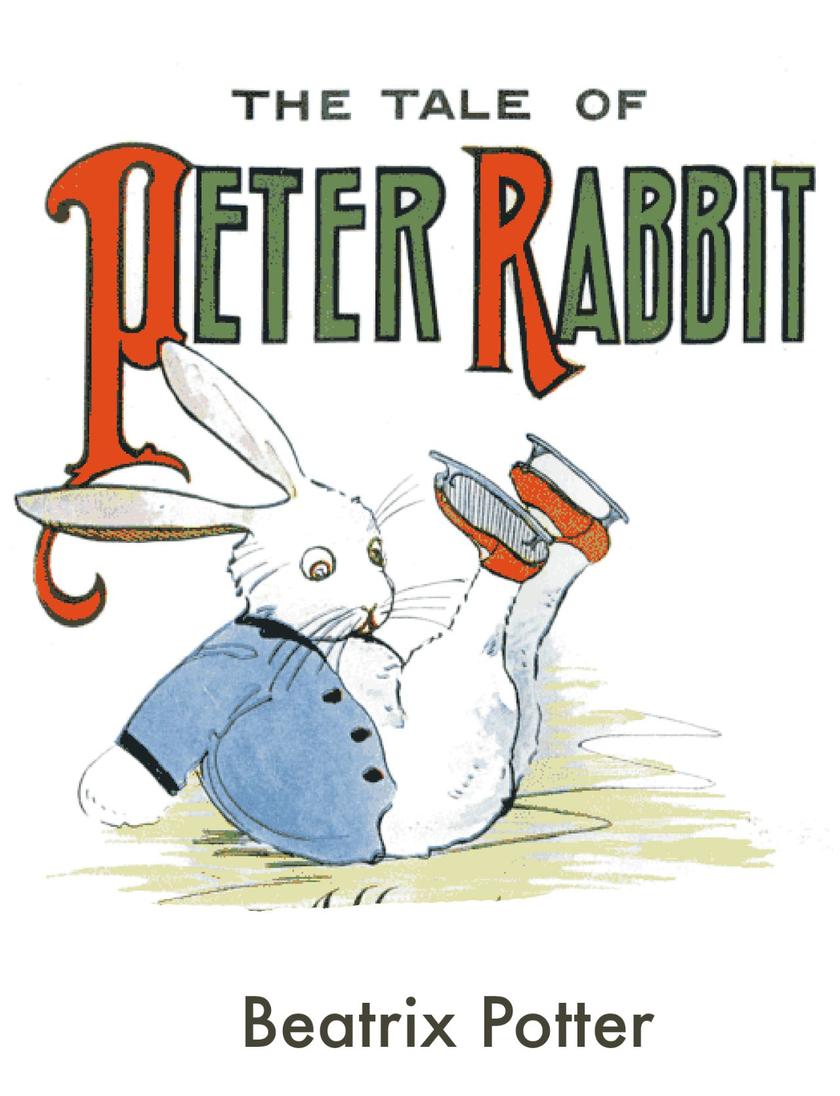
The Tale Of Peter Rabbit
¥8.09
Tanara Oriana moare intr-un accident, chiar in ziua nuntii ei. Pentru oricine, acesta ar parea sfarsitul. Nu si pentru ea. Se intoarce ca recuperator de suflete, insa nu la vechea viata si familie, pentru care trebuie sa ramana moarta, ci la una cu totul noua. Rasfatul si confortul, considerate garantate mai inainte, se duc acum pe Apa Sambetei. Va trebui sa lupte pentru a-i salva pe ceilalti, dar si pe sine. Apar noi prieteni, noi dusmani si… prima iubire? Exista viata dupa moarte? Unii vor spune ca da, altii ca nu. Dar exista un raspuns la care cu siguranta nu v-ati gandit. Exista recuperatorii de suflete. Smulsi din existentele lor, sunt aruncati in altele, neintrebati de nimeni, fara sa li se ceara acceptul. Trebuie doar sa se supuna legilor celor de Dincolo. Iar unii aleg razvratirea…In volumul 2, relatia ei cu Marc, dar si cu ingerii, se aprofundeaza si o determina sa reevalueze tot ce simtea fata de fiecare dintre ei.Aventura se inteteste, atragand cititorul intr-un vartej din care nu mai poate, si nu mai vrea, sa iasa.
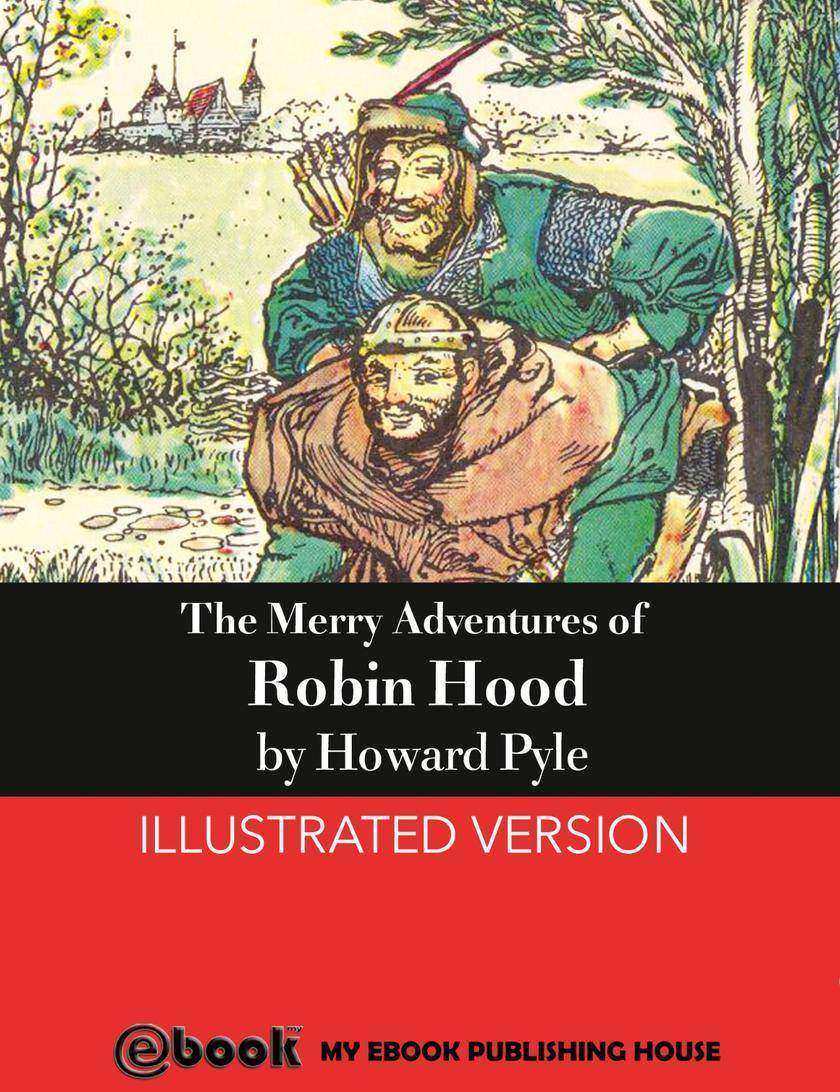
The Merry Adventures of Robin Hood
¥8.09
Aviatoarea Sure Vanay porneste in cea mai importanta misiune a vietii sale, care o poate propulsa spre un nivel mai inalt in randul aviatorilor din Naram. Misiunea stranie pe care o primeste, de a livra un mesaj la o adresa nestiuta de nimeni, aflata la baza muntelui Histo, o trimite pe Sure intr-o calatorie de neuitat. Curiozitatea si curajul o imping spre limitele dintre spatiu si timp, facand-o sa se piarda chiar inainte de a ajunge la destinatie. Locurile pe care le vede, oamenii pe care ii intalneste si speranta nebuna de a-si revedea fratele disparut, o poarta intr-o lume cu totul noua si misterioasa. Incepe o aventura de neuitat alaturi de Sure Vanay, aviatoarea neinfricata si decopera o lume plina de emotie, in care razboiul sta sa inceapa la fiecare pas, in care dragostea pare imposibila si timpul devine relativ.

Joan of Arc
¥8.09
Tanara Oriana moare intr-un accident, chiar in ziua nuntii ei. Pentru oricine, acesta ar parea sfarsitul. Nu si pentru ea. Se intoarce ca recuperator de suflete, insa nu la vechea viata si familie, pentru care trebuie sa ramana moarta, ci la una cu totul noua. Rasfatul si confortul, considerate garantate mai inainte, se duc acum pe Apa Sambetei. Va trebui sa lupte pentru a-i salva pe ceilalti, dar si pe sine. Apar noi prieteni, noi dusmani si… prima iubire? Exista viata dupa moarte? Unii vor spune ca da, altii ca nu. Dar exista un raspuns la care cu siguranta nu v-ati gandit. Exista recuperatorii de suflete. Smulsi din existentele lor, sunt aruncati in altele, neintrebati de nimeni, fara sa li se ceara acceptul. Trebuie doar sa se supuna legilor celor de Dincolo. Iar unii aleg razvratirea…
The Wonderful Wizard of Oz
¥8.09
De milenii, Veghetorii ii apara pe oameni de strigoi si de creaturile lumii de dincolo. Ana ignora regulile ce le obliga pe Veghetoare sa-si aleaga tineri la fel ca ele si intra intr-o relatie cu un barbat fermecator, dar cu un trecut intunecat. Iubitul ei ascunde insa un secret care o va pune fata in fata cu cele mai negre cosmaruri ale ei. Acesta este in realitate fiul conducatorului, un Veghetor care a fost izgonit din familie dupa ce s-a aflat ca s-a dedat unor practici interzise. Dar asta nu e cea mai mare problema a Anei...
A Christmas Carol
¥8.09
Sorina este o adolescent atipica. Uneori uita. Uneori isi pierde cunostinta. Uneori se sufoca. Desi se implica in problemele infantile ale prietenilor ei si are o viata normala, Sorina traieste din intrebari si dorinta de a capata raspunsuri. Nu isi descifreaza identitatea, iar acest lucru o macina, iar halucinatiile care ii produc un rau atat phisic, cat si fizic, nu ii dau pace. Adrian este caracterizat de o veselie incredibila. Inconjurat de secrete si incertitudini, acesta face tot posibilul sa ii redea bucuria. Dar afectiunea lui ii da de banuit Sorinei si aceasta se trezeste intreband de ce un baiat pe care abia l-a cunoscut se comporta de parca ar cunoaste-o de o viata? Ii spune ca o sa ramana mereu langa ea. I-a mai promis cineva acest lucru. Dar cine?

White Fang
¥8.09
n unele momente, mintea omeneasc depete att limitele simurilor, ct i pe cele ale gndirii obinuite, intrnd pe trmul altor realiti. Pentru minte, visele n sine constituie realiti solide, precum starea normal de veghe. n vis, ca i n starea de veghe, percepem o multitudine de sentimente i emoii, precum i situaii de o realitate de necontestat, care ne influeneaz modul de comportament i fora vital. Numai c, atunci cnd ne trezim, ne dm seama c totul a fost doar o iluzie. Mintea, care n sine este un instrument, ajunge, prin puterea pe care i-o acordm n mod incontient, s ne subjuge i s ne manevreze dup propriile nchipuiri, fcnd acest lucru inclusiv n somnul cu vise. ns, n somnul adnc mintea nu mai este prezent, iar atunci cnd ne trezim nu mai avem nimic care s ne aminteasc de acea perioad. Totui, chiar i n somnul adnc exist ceva care ne nsoete, fcndu-ne s intuim c existm chiar i n acea perioad n care mintea este absent. Dup cei 10-12 ani ghidai de o persoan a crei identitate a rmas chiar i acum necunoscut, realiznd care este adevrata noastr natur, toate aceste metode i tehnici aplicate de mine i scrise aici n carte mi se par inutile. ns mi dau seama c la acel moment dac mi-ar fi spus doar att: tii c exiti“, Eti contient c exiti“ i Ai avut vreun moment n care nu ai existat“, nu cred c a fi neles nimic i simplitatea adevratei mele naturi (care este i a voastr) ar fi fost, ca de obicei, trecut cu vederea de minte.
Aer ?n iarb?
¥8.09
Hanna Bota scrie cri ale descoperirii de sine prin Cellalt, prin Ceilali. Aceast mare i veche tem are, n cazul ei, o rezolvare aparte, cci Cellalt este nu doar cel din vecintate, ci i, mai ales, cel de foarte departe, tritor n orizonturi exotice, acolo unde diferena e strident i numai privirea lateral, n mai multele sensuri ale acesteia, poate conduce spre esena uman, spre miezul tare al fiinei. Punnd la btaie, n surprinztoare conexiuni, feluritele instrumente de cunoatere i interpretare pe care le-a acumulat n timp: literatur, etnologie, antropologie cultural, teologie, nu se mulumete cu privirea fix, focalizat, ghidat strict de regulile tiinei sale, ci tenteaz pai lturalnici, sensuri derivate, improvizeaz interdisciplinar, se pune pe sine n locul celuilalt pentru a-i descifra perspectiva, nelinitile, modelul de lume.Ultimul canibal ne purtase n insulele Vanuatu din Pacific. De data aceasta, jurnalul eseistic de cltorie, cu inserii poematice i desfurri epice, rotunjete povestea cutrii de sine prin iubire a Laviniei, tnr muzician romnc, urmrind-o n ara sa, mai nti, n Italia i India, apoi, ntr-o curgere de ntmplri nvolburate, rtcitor-iniiatice, ntre Occident i Orient, cu toate simurile n alert. Apa e motivul central al crii. De la Dunre la Gange, de la lacrim la diluviu, izvor susurnd ori val nfuriat, ea e simbol al vieii, al luptei pentru supravieuire i pentru nchegarea unui orict de firav rost. Tot ea traduce reverii identitare, comaruri negre, tensiuni i crize. Vrtejul explorrii de sine i asum traversarea ntunericului ca singur drum la ndemn spre lumin. Drum desenat n tine ca o hart a direciei ctre comoara de mare pre i ezitnd benefic, n noua i incitanta carte a Hannei Bota, ntre realitate i ficiune, cu irizri fantastice i nenumrate ui (ntre)deschise de-o parte i de cealalt a naintrii destinale.“ – Irina Petra
Save Point
¥8.09
n secolul XXI, omenirea, devastat de cium, se afl n pragul extinciei. i, pentru c nu exist leac, evenimentele se precipit, iar protagonitii, n ncercarea de ai salva vieile, pleac n cutarea unui trm iluzoriu, a unui nou eden care s prezerve umanitatea. n final, rmas singur, naratorul triete cu sperana c undeva, ntrun col al planetei, exist mcar un supravieuitor i pornete n cutarea lui.

How To Camp Out
¥8.09
The fables were written and first published in the 17th century. They portray humans' behaviour in the society.The subject of each of the Fables is often common property of many ages and races. What gives La Fontaine's Fables their rare distinction is the freshness in narration, the deftness of touch, the unconstrained suppleness of metrical structure, the unfailing humor of the pointed the consummate art of their apparent artlessness.?
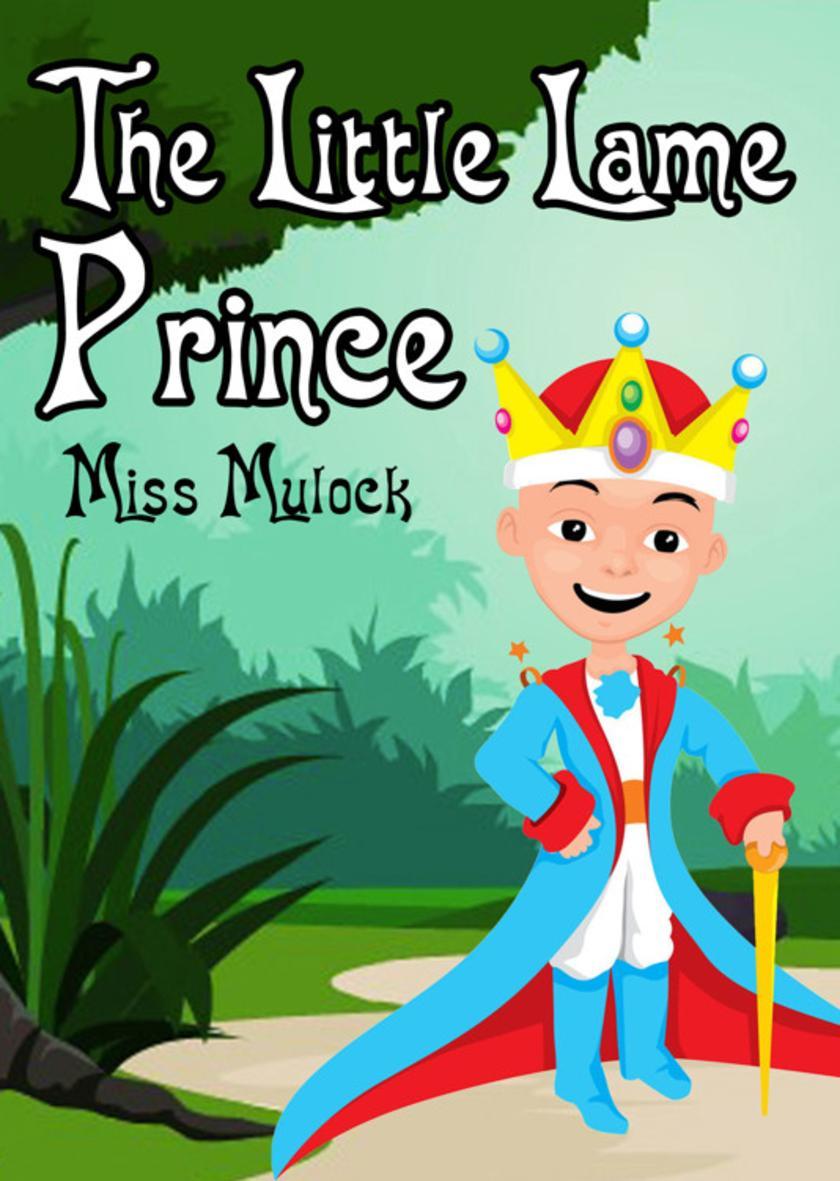
The Little Lame Prince
¥8.09
One of the true classics of literature, Pinocchio - The Story of a Puppet has stirred the imagination of young and old alike for over four generations.?This is a multi touch version, specially designed for the iPad, a unique experience and probably the most beautiful digital version ever made of this story. It contains gorgeous illustrations.?The book is enhanced with audio for all chapters, read by Phil Chenever.This is the wonderful story of Pinocchio, the puppet who must learn many lessons before he can become a real boy. Carved by a woodcarver named Geppetto in a small Italian village, he dreamed of becoming a real boy but strays from the path of goodness many times and is very willing to listen to temptation. He has also been used as a character who is prone to telling lies and fabricating stories for various reasons. The story has appeared in many adaptations in other mediums. Pinocchio has been called an icon of modern culture, and one of most reimagined characters in the pantheon of children's literature. Listen to his many adventures, scrapes, misdeeds and pranks followed by bouts of sincere repentance and remorse. But these last only until the next enticing adventure or misdeed presents itself. Of course he does finally learn his lesson and does become a real boy when finally understanding that love and duty come first before pleasure and play.
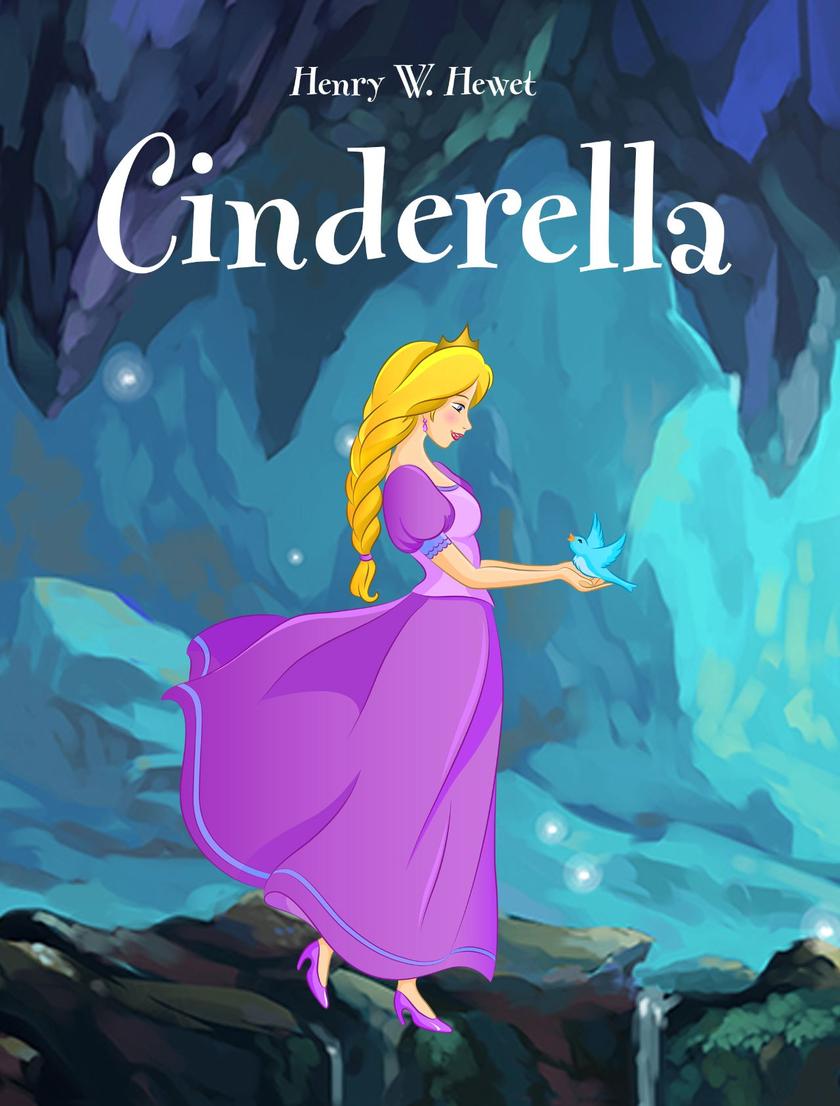
Cinderella: Illustrated Edition
¥8.09
The Original - The Prince and the Pauper - Mark Twain. Classic Historical Fiction. Top 100 Historical Fiction. The Prince and the Pauper is a novel by American author Mark Twain. On the same day in 16th century London were born Tom Canty, destined to become a street beggar, and Edward Tudor, son of Henry VII, a future king. Several years later, young Canty invades the royal precincts hoping to see the Prince. The boys discover they are identical in appearance and exchange clothes. Mistaken for the beggar boy, Prince Edward is thrown into the streets. Tom Canty, too frightened to confess his true identity, assumes the mantle of the Prince of Wales.
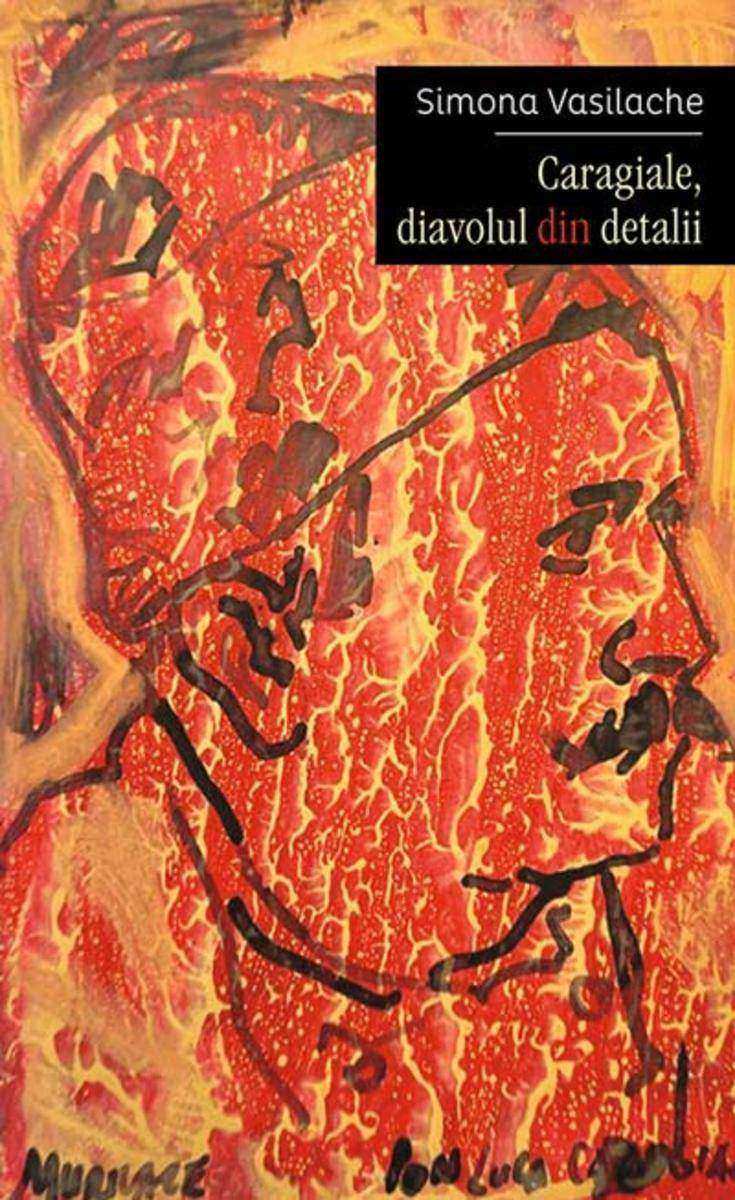
Caragiale, diavolul din detalii
¥8.09
n Ziua Recunotinei doi adolesceni, Nate i Ashley, rmn n grija unchiului, un istoric linitit i retras, dup ce tatl ajunge la nchisoare pentru c ia ucis soia, pe care a prinso n flagrant delict tocmai cu fratele lui. Romanul ncepe n for – i apoi se dezlnuie cu adevrat. Numi amintesc cnd am citit ultima dat un roman cu o asemenea intensitate narativ; o relatare necrutoare a unui an catastrofal, violent, comic i sumbru totodat, aductor de profunde schimbri n viaa unei familii americane disfuncionale. Dea dreptul uimitor.“ Salman RuShdie
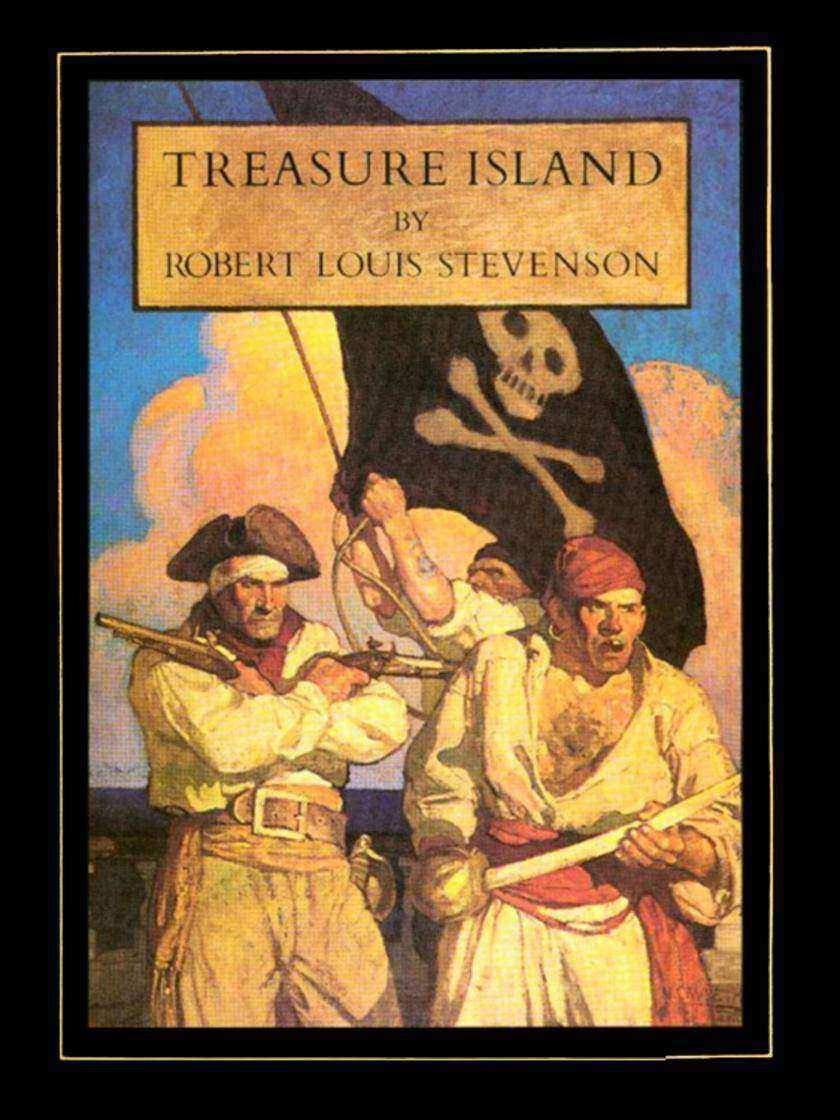
Treasure Island
¥8.09
Tanara Oriana moare intr-un accident, chiar in ziua nuntii ei. Pentru oricine, acesta ar parea sfarsitul. Nu si pentru ea. Se intoarce ca recuperator de suflete, insa nu la vechea viata si familie, pentru care trebuie sa ramana moarta, ci la una cu totul noua. Rasfatul si confortul, considerate garantate mai inainte, se duc acum pe Apa Sambetei. Va trebui sa lupte pentru a-i salva pe ceilalti, dar si pe sine. Apar noi prieteni, noi dusmani si… prima iubire? Exista viata dupa moarte? Unii vor spune ca da, altii ca nu. Dar exista un raspuns la care cu siguranta nu v-ati gandit. Exista recuperatorii de suflete. Smulsi din existentele lor, sunt aruncati in altele, neintrebati de nimeni, fara sa li se ceara acceptul. Trebuie doar sa se supuna legilor celor de Dincolo. Iar unii aleg razvratirea…In volumul 3, lucrurile iau o intorsatura la care nimeni nu s-ar fi gandit. Ce este Dincolo? Indiferent cu ti-ai imaginat tu, cititorule ca e, nimic din ce ai trait pana acum ne te-a pregatit pentru ce vei afla.Ai curaj? Atunci, continua aventura alaturi de Oriana si ingerii ei.
The Republic
¥8.09
Robin Hood is the archetypal English folk hero; a courteous, pious and swashbuckling outlaw of the medi?val era who, in modern versions of the legend, is famous for robbing the rich to feed the poor and fighting against injustice and tyranny.?This is probably one of the most beautiful digital version ever made of this story, containing many gorgeous illustrations.
Moby Dick
¥8.09
WHITE FANG is a novel by American author Jack London - and the name of the book's eponymous character, a wild wolfdog. "So he became the enemy of his kind, domesticated wolves that they were, softened by the fires of man, weakened in the sheltering shadow of man's strength." —White Fang Jack London's The Call of the Wild, White Fang is the story of a wild dog's journey toward becoming civilized in the Canadian territory of Yukon at the end of the nineteenth century. White Fang is characteristic of London's precise prose style and innovation use of voice and perspective. Much of the novel is written from the viewpoint of the animals, allowing London to explore how animals view their world and how they view humans. White Fang relies on his instincts as well as his strength and courage to survive in the Yukon wilderness—despite both animal and human predators—and eventually comes to make his peace with man. White Fang has been adapted for the screen numerous times, including a 1991 film starring Ethan Hawke.


