


 购物车
购物车 个人中心
个人中心
Dead Men's Money
¥8.09
A GREAT MURDER MYSTERY! There may be folk in the world to whom the finding of a dead man, lying grim and stark by the roadside, with the blood freshly run from it and making ugly patches of crimson on the grass and the gravel, would be an ordinary thing; but to me that had never seen blood let in violence, except in such matters as a bout of fisticuffs at school, it was the biggest thing that had ever happened, and I stood staring down at the white face as if I should never look at anything else as long as I lived. I remember all about that scene and that moment as freshly now as if the affair had happened last night. The dead man lying in the crushed grass--his arms thrown out helplessly on either side of him--
The Paradise Mystery
¥8.09
A rather interesting and quite complex classic mystery encompassing a murder which occurs in a quiet cathedral town and involving a myriad of characters all of which keep the reader quite puzzled throughout...

Murder At Bridge
¥8.09
Detective Classics presents you Murder at Bridge in a fantastic ebook edition. ? This classic mystery will keep you hooked till the end. After Nita Selim is murdered during a high society bridge party in the town of Hamilton, Investigator Bonnie Dundee takes on the case, one method he decides to employ is a re-enactment of that evening's events particularly those surrounding the 'death hand'...

The Law And The Lady
¥8.09
Valeria Brinton marries Eustace Woodville despite objections from Woodville's family leading to disquiet for Valeria's own family and friends. ? Just a few days after the wedding, various incidents lead Valeria to suspect her husband is hiding a dark secret in his past and she discovers that he has been using a false name. He refuses to discuss it leading them to curtail their honeymoon and return to London where Valeria learns that he was on trial for his first wife's murder by arsenic. He was tried in a Scottish court and the verdict was 'not proven' rather than 'not guilty' implying his guilt but without enough proof for a jury to convict him. ? Valeria sets out to save their happiness by proving her husband innocent of the crime. In her quest, she comes across the disabled character Miserrimus Dexter, a fascinating but mentally unstable genius, and his devoted female cousin, Ariel. Dexter will prove crucial to uncovering the disturbing truth behind the mysterious death.
The Abandoned Room
¥8.09
The night of his grandfather's mysterious death at the Cedars, Bobby Blackburn was, at least until midnight, in New York. He was held there by the unhealthy habits and companion-ships which recently had angered his grandfather to the point of threatening a disciplinary change in his will. As a consequence he drifted into that strange adventure which later was to surround him with dark shadows and overwhelming doubts. Before following Bobby through his black experience, how-ever, it is better to know what happened at the Cedars where his cousin, Katherine Perrine was, except for the servants, alone with old Silas Blackburn who seemed apprehensive of some sly approach of disaster.
The Corsican Brothers
¥8.09
Historical novel set on the island of Corsica. The translator notes in the Preface: "The story of "The Corsican Brothers" is written in an easy, sketchy style, presenting on the one side an interesting picture of the habits, prejudices and superstitions of the Corsicans, and particularly of the "Vendetta," or war of vengeance, carried on between families and connections, sometimes for several generations; while, on the other, it gives a lively outline of the effects of Parisian life upon a sensitive and unsophisticated nature." According to Wikipedia: "Alexandre Dumas, père (French for "father", akin to 'Senior' in English), born Dumas Davy de la Pailleterie (1802 — 1870) was a French writer, best known for his numerous historical novels of high adventure which have made him one of the most widely read French authors in the world. Many of his novels, including The Count of Monte Cristo, The Three Musketeers, Twenty Years After, and The Vicomte de Bragelonne were serialized. He also wrote plays and magazine articles and was a prolific correspondent.
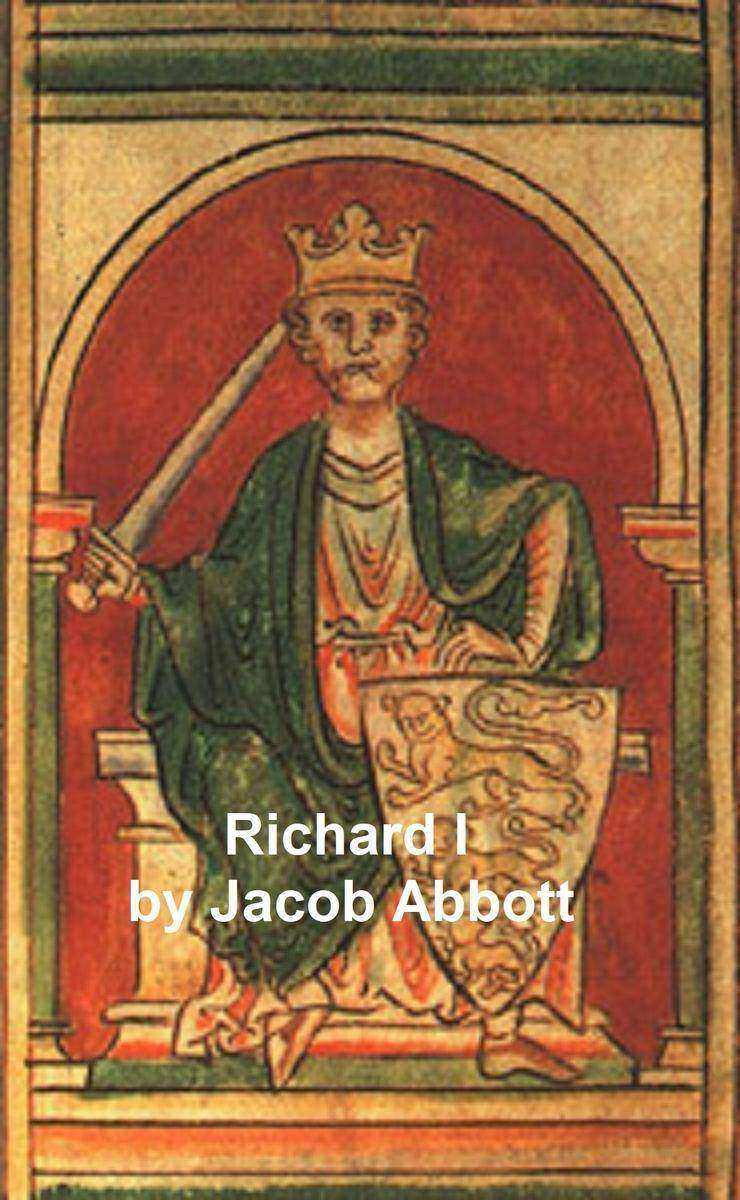
Richard I
¥8.09
According to Wikipedia: "Richard I (8 September 1157 – 6 April 1199) was King of England from 6 July 1189 until his death. He also ruled as Duke of Normandy, Duke of Aquitaine, Duke of Gascony, Lord of Ireland, Lord of Cyprus, Count of Anjou, Count of Maine, Count of Nantes, and Overlord of Brittany at various times during the same period. He was known as C?ur de Lion, or Richard the Lionheart, even before his accession, because of his reputation as a great military leader and warrior.[1] The Saracens called him Melek-Ric or Malek al-Inkitar - King of England. By age 16, Richard was commanding his own army, putting down rebellions in Poitou against his father, King Henry II.[1] Richard was a central Christian commander during the Third Crusade, effectively leading the campaign after the departure of Philip Augustus and scoring considerable victories against his Muslim counterpart, Saladin, but was unable to reconquer Jerusalem. Although only speaking French and spending very little time in England (he lived in his Duchy of Aquitaine, in the southwest of France, preferring to use his kingdom as a source of revenue to support his armies), he was seen as a pious hero by his subjects. He remains one of the very few Kings of England remembered by his epithet, rather than regnal number, and is an enduring, iconic figure in England."
Ivanhoe
¥8.09
Historical novel, first published in 1819. Set in Yorkshire and Leicestershire, England, in 1194. According to Wikipedia: "Sir Walter Scott, 1st Baronet (1771 – 1832) was a prolific Scottish historical novelist and poet popular throughout Europe during his time. In some ways Scott was the first English-language author to have a truly international career in his lifetime, with many contemporary readers all over Europe, Australia, and North America. His novels and poetry are still read, and many of his works remain classics of both English-language literature and of Scottish literature. Famous titles include Ivanhoe, Rob Roy, The Lady of The Lake, Waverley, The Heart of Midlothian and The Bride of Lammermoor."
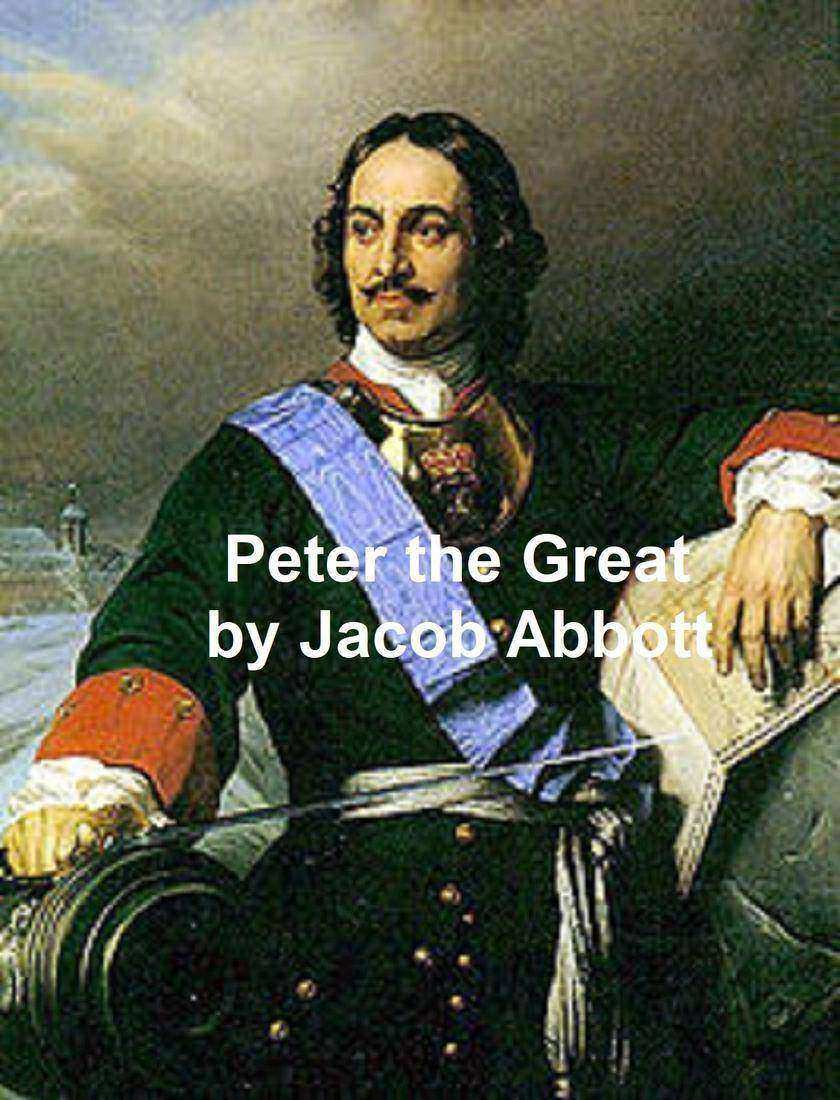
Peter the Great
¥8.09
According to Wikipedia: "Peter I the Great or Pyotr Alexeyevich Romanov (9 June [O.S. 30 May] 1672 – 8 February 1725) ruled Russia and later the Russian Empire from 7 May 1682 until his death, jointly ruling before 1696 with his weak and sickly half-brother, Ivan V. He carried out a policy of modernization and expansion that transformed the Tsardom of Russia into a 3-billion acre Russian Empire, a major European power."
The Talisman
¥8.09
Historical novel, first published in 1825. Set during the Crusades, in Syria in 1191. According to Wikipedia: "Sir Walter Scott, 1st Baronet (1771 – 1832) was a prolific Scottish historical novelist and poet popular throughout Europe during his time. In some ways Scott was the first English-language author to have a truly international career in his lifetime, with many contemporary readers all over Europe, Australia, and North America. His novels and poetry are still read, and many of his works remain classics of both English-language literature and of Scottish literature. Famous titles include Ivanhoe, Rob Roy, The Lady of The Lake, Waverley, The Heart of Midlothian and The Bride of Lammermoor."
Quentin Durward
¥8.09
Historical novel, originally published in 1823. Set in France and Belgium in 1468. According to Wikipedia: "Sir Walter Scott, 1st Baronet (1771 – 1832) was a prolific Scottish historical novelist and poet popular throughout Europe during his time. In some ways Scott was the first English-language author to have a truly international career in his lifetime, with many contemporary readers all over Europe, Australia, and North America. His novels and poetry are still read, and many of his works remain classics of both English-language literature and of Scottish literature. Famous titles include Ivanhoe, Rob Roy, The Lady of The Lake, Waverley, The Heart of Midlothian and The Bride of Lammermoor.
St. Ronan's Well
¥8.09
Historical novel, originally published in 1824. Set in southern Scotland in the 1800s. According to Wikipedia: "Sir Walter Scott, 1st Baronet (1771 – 1832) was a prolific Scottish historical novelist and poet popular throughout Europe during his time. In some ways Scott was the first English-language author to have a truly international career in his lifetime, with many contemporary readers all over Europe, Australia, and North America. His novels and poetry are still read, and many of his works remain classics of both English-language literature and of Scottish literature. Famous titles include Ivanhoe, Rob Roy, The Lady of The Lake, Waverley, The Heart of Midlothian and The Bride of Lammermoor."
One of the 28th
¥8.09
Historical novel, set at the Battle of Waterloo in 1815. The Preface begins: "Although in the present story a boy plays the principal part, and encounters many adventures by land and sea, a woman is the real heroine, and the part she played demanded an amount of nerve and courage fully equal to that necessary for those who take part in active warfare. Boys are rather apt to think, mistakenly, that their sex has a monopoly of courage, but I believe that in moments of great peril women are to the full as brave and as collected as men. Indeed, my own somewhat extensive experience leads me to go even further, and to assert that among a civil population, untrained to arms, the average woman is cooler and more courageous than the average man." According to Wikipedia: "George Alfred Henty (8 December 1832 - 16 November 1902), referred to as G. A. Henty, was a prolific English novelist, special correspondent, and Imperialist born in Trumpington, Cambridgeshire, England. He is best known for his historical adventure stories that were popular in the late 19th century. His works include Out on the Pampas (1871), The Young Buglers (1880), With Clive in India (1884) and Wulf the Saxon (1895)."
The Fugitive
¥8.09
Poetry. According to Wikipedia: "Rabindranath Tagore (7 May 1861 – 7 August 1941), sobriquet Gurudev, was a Bengali poet, novelist, musician, painter and playwright who reshaped Bengali literature and music. As author of Gitanjali and its "profoundly sensitive, fresh and beautiful verse", he was the first non-European who was awarded the Nobel Prize for Literature in 1913. His poetry in translation was viewed as spiritual, and this together with his mesmerizing persona gave him a prophet-like aura in the west. His "elegant prose and magical poetry" still remain largely unknown outside the confines of Bengal."
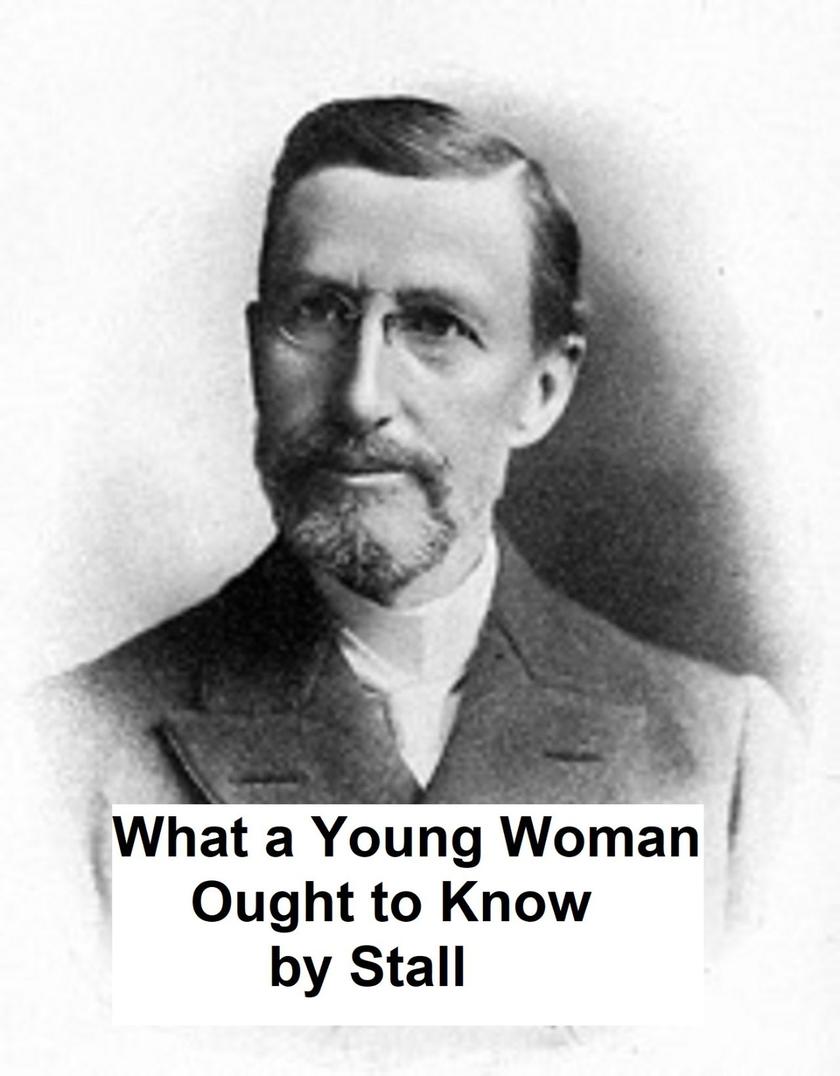
What a Young Husband Ought to Know
¥8.09
Practical advice on marital relations and sex, first published in 1897. The Preface explains: "In approaching the work which we have undertaken in these pages, we have not been blind to the difficulties which confront us in entering upon so delicate a subject. If we had thought only of these, we would never have taken up our pen in this work. We have been moved to it by the cries of disappointment and anguish which may be heard everywhere throughout our land, and by the pleadings that come up out of the dense ignorance which envelops palace and hovel alike. Knowing the importance of these "matters which are so central in our physical life, so essential in their relation to the condition, character, career and destiny of every individual, and so fundamental and vital to every institution and interest of society;" knowing also the importance of proper intelligence concerning the laws which govern our bodies, and knowing how the honest and the pure who seek information concerning these most sacred relations of human life are exposed, amid the dearth of pure and reliable books, to contamination by books whose secret character designedly fosters the very lusts and evils which they are professedly written to denounce, we have felt that we would be recreant to duty, to humanity and to God if we allowed difficulties to bar us from this important work."
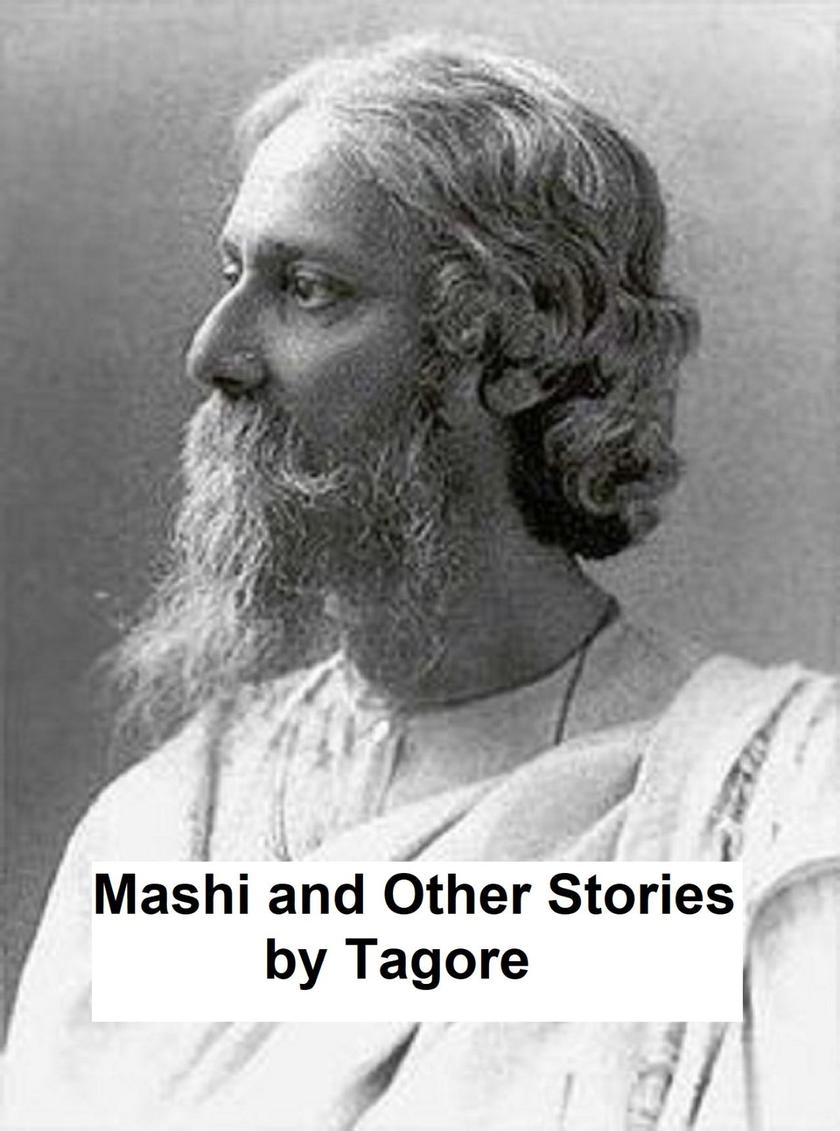
Mashi and Other Stories
¥8.09
According to Wikipedia: "Rabindranath Tagore (7 May 1861 – 7 August 1941), sobriquet Gurudev, was an Indian-Bengali polymath who reshaped his region's literature and music. Author of Gitanjali and its "profoundly sensitive, fresh and beautiful verse", he became the first non-European Nobel laureate by earning the 1913 Prize in Literature. In translation his poetry was viewed as spiritual and mercurial; his seemingly mesmeric personality, flowing hair, and other-worldly dress earned him a prophet-like reputation in the West. His "elegant prose and magical poetry" remain largely unknown outside Bengal."
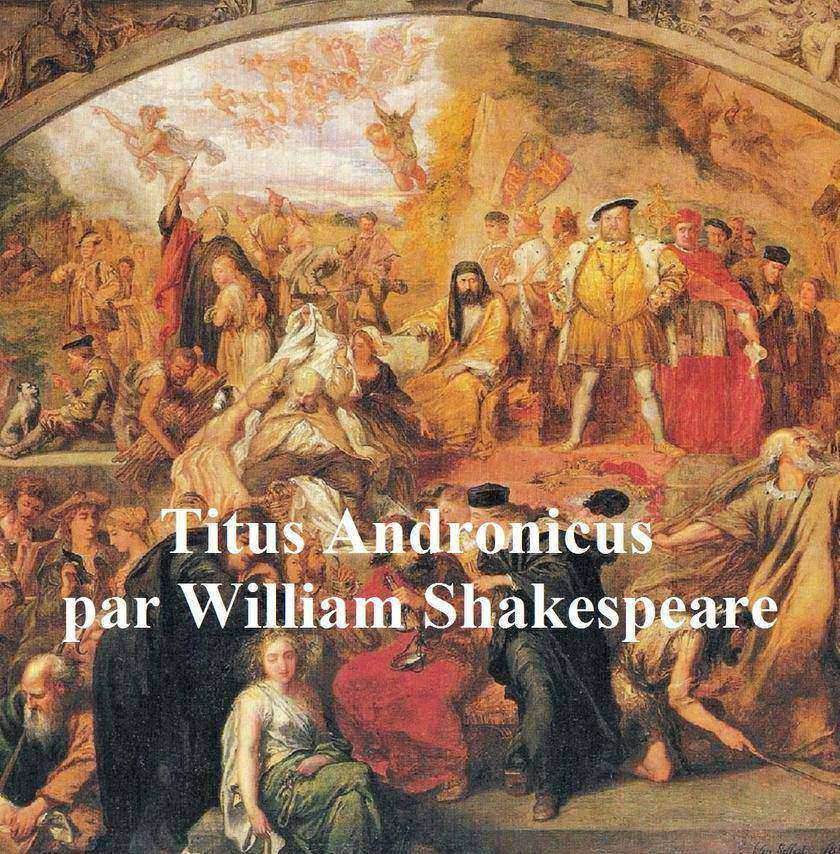
Titus Andronicus in French
¥8.09
Traduit par Fran?ois Pierre Guillaume Guizot (1787 - 1874), historien fran?ais et homme d'?tat. Publié en 1864. Selon Wikipedia: "Titus Andronicus est une tragédie par William Shakespeare, et peut-être George Peele, censé avoir été écrit entre 1588 et 1593. Il est considéré comme la première tragédie de Shakespeare, et est souvent considéré comme sa tentative de imiter les scènes de vengeance violentes et sanglantes de ses contemporains, qui étaient extrêmement populaires auprès du public tout au long du XVIe siècle.La pièce se déroule pendant les derniers jours de l'Empire romain et raconte l'histoire fictive de Titus, un général de l'armée romaine, qui est engagé dans un cycle de vengeance avec Tamora, reine des Goths, c'est l'?uvre la plus sanglante et la plus violente de Shakespeare et traditionnellement l'une de ses pièces les moins respectées. "
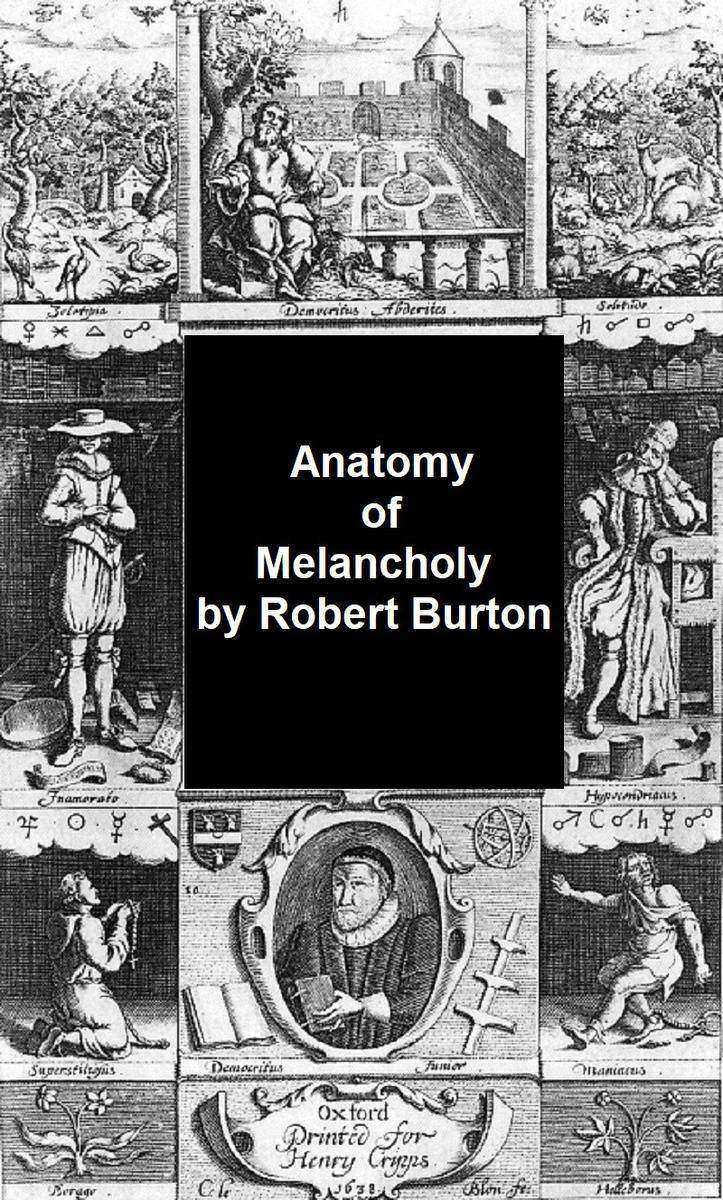
Anatomy of Melancholy
¥8.09
According to Wikipedia: "The Anatomy of Melancholy (Full title: The Anatomy of Melancholy, What it is: With all the Kinds, Causes, Symptomes, Prognostickes, and Several Cures of it. In Three Maine Partitions with their several Sections, Members, and Subsections. Philosophically, Medicinally, Historically, Opened and Cut Up) is a book by Robert Burton, first published in 1621. Burton's book consists mostly of a collection of opinions of a multitude of writers, grouped under quaint and old-fashioned divisions; in a solemn tone Burton endeavoured to prove indisputable facts by weighty quotations. The subjects discussed and determined by Burton ranged from the doctrines of religion to military discipline, from inland navigation to the morality of dancing-schools. On its surface, the book is presented as a medical textbook in which Burton applies his vast and varied learning, in the scholastic manner, to the subject of melancholia (which includes what is now termed clinical depression). Though presented as a medical text, The Anatomy of Melancholy is as much a sui generis work of literature as it is a scientific or philosophical text, and Burton addresses far more than his stated subject. In fact, the Anatomy uses melancholy as the lens through which all human emotion and thought may be scrutinized, and virtually the entire contents of a 17th-century library are marshalled into service of this goal. It is encyclopedic in its range and reference. In his satirical preface to the reader, Burton's persona Democritus Junior explains, "I write of melancholy by being busy to avoid melancholy." This is characteristic of the author's style, which often supersedes the book's strengths as a medical text or historical document as its main source of appeal to admirers. Both satirical and serious in tone, the Anatomy is "vitalized by (Burton's) pervading humour",[3] and Burton's digressive and inclusive style, often verging on a stream of consciousness, consistently informs and animates the text."
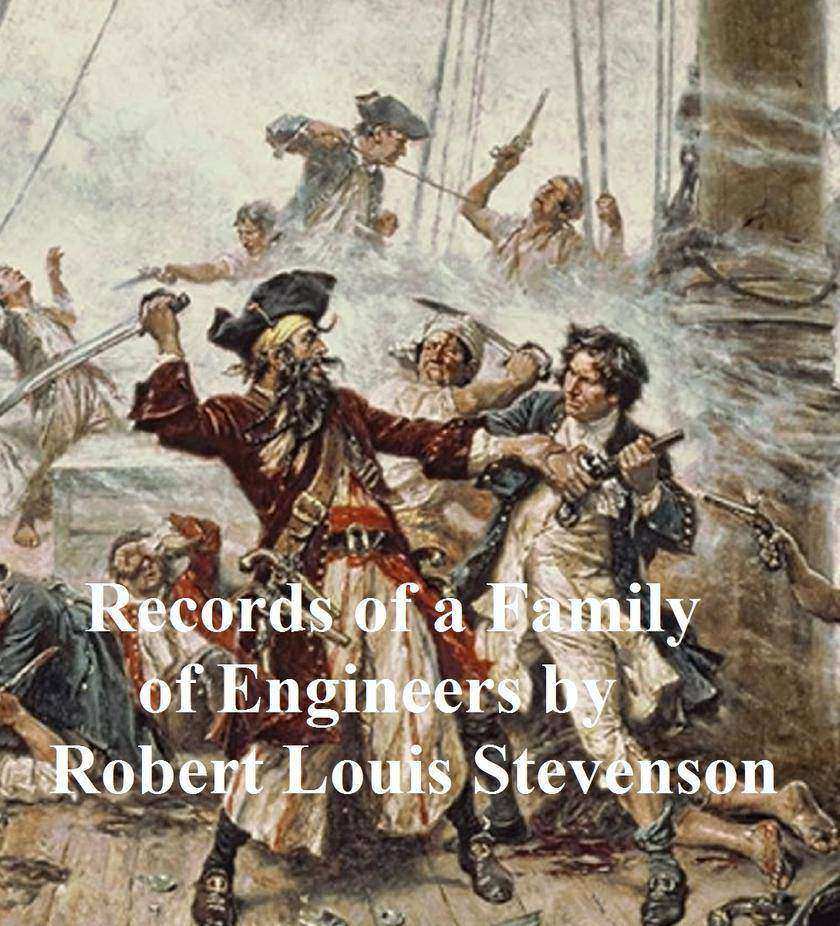
Records of a Family of Engineers
¥8.09
Robert Louis Stevenson's account of his ancestors. According to Wikipedia: "Robert Louis (Balfour) Stevenson ( 1850 - 1894), was a Scottish novelist, poet, and travel writer, and a leading representative of Neo-romanticism in English literature. He was the man who "seemed to pick the right word up on the point of his pen, like a man playing spillikins", as G. K. Chesterton put it. He was also greatly admired by many authors, including Jorge Luis Borges, Ernest Hemingway, Rudyard Kipling, Vladimir Nabokov, and J. M. Barrie. Most modernist writers dismissed him, however, because he was popular and did not write within their definition of modernism. It is only recently that critics have begun to look beyond Stevenson's popularity and allow him a place in the canon."
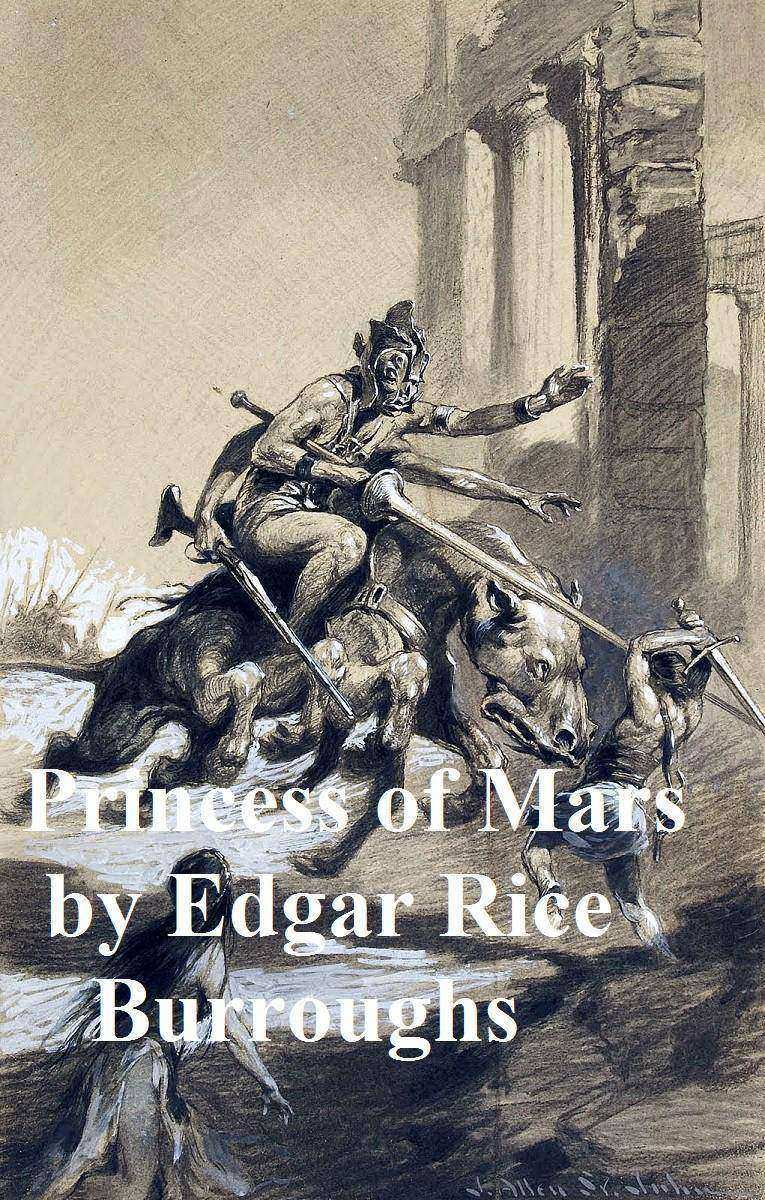
A Princess of Mars
¥8.09
Science fiction adventure novel first published in 1912. According to Wikipedia: "Edgar Rice Burroughs (1875 – 1950) was an American author, best known for his creation of the jungle hero Tarzan and the heroic John Carter, although he produced works in many genres."
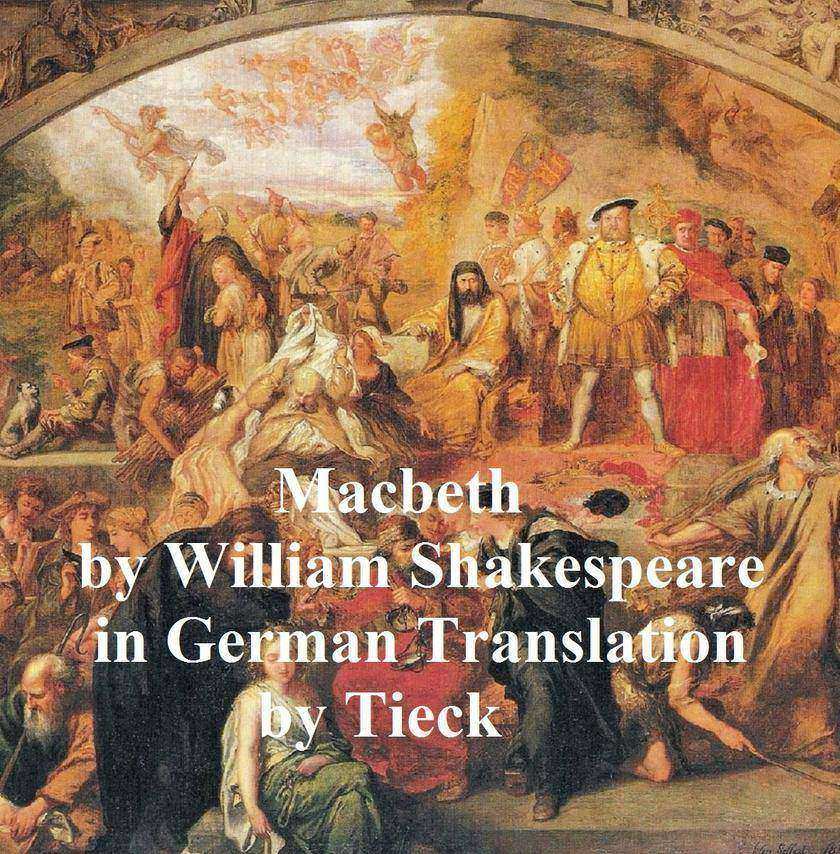
Macbeth
¥8.09
Die Shakespeare Trag?die, in Englisch, mit Zeilennummern, und übersetzt auf Deutsch von Dorothy Tieck. Laut Wikipedia: "Die Trag?die von Macbeth (allgemein Macbeth genannt) ist eine Trag?die von William Shakespeare über einen Mann, der K?nigsmord begeht und dann weitere Morde begeht, um seine Macht zu behalten. Das Spiel zeigt deutlich die korrumpierende Wirkung des Ehrgeizes Es geht aber auch um die Beziehung zwischen Grausamkeit und M?nnlichkeit, Tyrannei und K?nigtum, Verrat, Gewalt, Schuld, Prophetie und St?rung der natürlichen Ordnung.


