


 购物车
购物车 个人中心
个人中心
Crockpot 30 Quick and Easy Crock Pot Recipes
¥24.44
The only Crock Pot Slow cooker guide you will ever need: What you will find included in the ultimate Crock Pot and Slow Cooker Recipes book? ? A detailed list of what ingredients you will need to cook your crock pot. ? A step by step guide on how to cook your crock pot and slow cooker meals. ? A wide variety of meals and cuisine to satisfy all tastes and preferences. Impress family and friends with delicious slow cooker and dump meals: The Ultimate Crockpot Cookbook has arrived! So here you are! Ready to cook delicious crock pot recipes! Do you want to impress your family, friends or even give yourself a treat? Whether you are new to this or an experienced cook, here you will find all the tools you need to prepare exceptional dishes. Now imagine being at home: You are working, doing your chores or coming back home after running you errands: And as you walk along your corridor you can smell the scent, the aroma, the goodness coming from your kitchen: It is your meal being cooked slowly in your kitchen. It is awaiting you; it wants you to taste it. And you know that after a couple of hours, when you are done with your stuff, it will be there, ready for you to enjoy. But most importantly, it will be your creation, it will be yours! Use the Ultimate Slow cooker recipes and Crockpot dump meals knowledge to change your life forever towards feeling healthier! We care about you: Enjoy the healthiest and tastiest Crock Pot recipes. Because we want you to enjoy what real food is, we have put together this unique crock pot guide, for you to choose and cook whatever you like. All the crock pot knowledge in the world is put together in this book. You can even cook a different meal every day for the next 5 years of your life! No exceptions!
Parenting And Disciplining Strong Willed Children
¥24.44
The word discipline can have some negative connotations associated with it. When it comes to parenting, discipline is used to civilize your children. Discipline does not have to be a bad thing. It can be a fun and awarding time for you to show your child what the limits of their behavior are. All children are different, and not all discipline styles will work for every child. So if you are looking for a quick fix solution to help your child grows as an individual. I am sorry. Finding the right discipline style for your child or children is a trial and error process. On this book you'll learn how to go about this systematically both for average children, including the super stubborn, strong willed kids!

Ketogenic Diet Beginner's Guide Your Weight Loss Journey is About to Begin!
¥20.36
Have you tried endless diets in the past and always found they simply didn’t work for you? You were probably hungry, right? Who wants to be hungry when they don’t have to be? Nobody! The bottom line is that a diet should be a lifestyle change, and in order to make that change you need some guidelines and structure – enter the Keto Diet. This low carbohydrate diet is a fantastic way to achieve a healthier lifestyle overall, whilst losing a significant amount of weight, and not being hungry! Yes, you heard that right, no hunger!The Beginner’s Guide to the Ketogenic Diet takes you through the beginning of your Keto Diet journey, giving you all the information you need to not only understand the mechanics of the diet, but also giving you ideas and hints and tips, making kick-starting your new lifestyle much easier than it would be otherwise. Packed with useful advice, consider this book your Keto Diet buddy!

1984
¥40.79
In 1984, London is a grim city where Big Brother is always watching you, and Thought Police can practically read your mind. Winston is a man in grave danger for the simple reason that his memory still functions. Drawn into a forbidden love affair, Winston finds the courage to join a secret revolutionary organization called The Brotherhood, dedicated to the destruction of the Party. Together, with his beloved Julia, he hazards life in a deadly match against the powers that be.
Ion
¥0.01
este primul roman obiectiv din literatura rom?n?, fiind ap?rut ?n anul 1920, dup? o lung? perioad? de elaborare, a?a cum ?nsu?i autorul men?ioneaz? ?n finalul operei, ?ntre martie 1913 – iulie 1920. Apari?ia romanului a st?rnit un adev?rat entuziasm ?n epoc?, mai ales c? nimic din crea?ia nuvelistic? de p?n? atunci nu anun?a aceast? evolu?ie spectaculoas?: ?Nimic din ce e publicat ?nainte nu ne putea face s? prevedem admirabila dezvoltare a unui scriitor, care a ?nceput ?i a continuat vreo zece ani, nu numai f?r? str?lucire, dar ?i f?r? indica?ii de viitor“, nota Eugen Lovinescu. Criticul prime?te romanul Ion ca pe o izb?nd? a literaturii rom?ne, iar satisfac?ia sa este consemnat? ?n studiul ?Crea?ia obiectiv?. Liviu Rebreanu: Ion“. Pentru ini?iatorul modernismului rom?nesc, al c?rui principiu de baz? era sincronismul literaturii rom?ne cu cea european?, romanul Ion este cel care ?rezolv? o problem? ?i curm? o controvers?“. Aceast? afirma?ie a lui Lovinescu se refer? la faptul c? apari?ia primului roman obiectiv direc?ioneaz? literatura rom?n? c?tre valoare european? ?i stinge polemica pe care criticul o avea cu s?m?n?tori?tii epocii.

Függ?ségben 1
¥0.01
Nathaniel Cruz már akkor belebolondult Alexis Woodville-be, amikor a lány a gimnáziumban egy szerencsétlen baleset folytán, fejen találta ?t egy focilabdával. A cserfes és csábos, v?r?s hajú lány szó szerint levette a fiút lábáról. Egyikük sem sejtette, hogy a spontán vonzalom életre szóló bilincset tesz majd a szívükre, de katasztrofális id?zítés és egy buta véletlen hosszú id?re elszakítja ?ket egymástól. ?vekkel kés?bb Nathaniel már a világhír? futballsztár csillogónak látszó életét éli, szívében azonban még mindig megszállottja Alexisnek. Véletlen találkozásukkor felszínre t?rnek a régóta eltitkolt vágyak, ám hiába tombol k?z?ttük a szenvedély, a féltékenység és birtokolni vágyás megint szétválasztja ?ket. Amikor útjaik kés?bb újra keresztezik egymást, hatalmas dilemma el?tt állnak. K?vetve a szívük vágyát, megadják-e magukat az oly régóta elnyomott szenvedélynek, vagy feláldozzák a szerelmet a felel?sségtudat oltárán. Ez Alexis és Nathaniel érzéki, szenvedélyes t?rténete. Remélem, annyira élvezitek majd olvasni, mint amennyire én az írást élveztem!
O dem?nio do armário
¥7.63
Um pai de família compra uma casa sem desconfiar de que há um terrível dem?nio no armário embutido de um dos quartos. batutaribeiro.com.br

Povestea noului nume. Al doilea volum din tetralogia napolitan?
¥81.67
Al doilea volum din Tetralogia Napolitan??Indiferent cine se ascunde ?n spatele numelui Elena Ferrante, misteriosul pseudonim folosit de autoarea romanelor napolitane, dou? lucruri sunt certe: e femeie ?i ?tie s? descrie ora?ul Napoli mai bine ca oricine. Stilul ei are fine?ea unei p?nze de p?ianjen, dar totodat? o for?? a expresiei ?i o magie aparte, cu care creeaz? o ?ntreag? lume.“ Huffington Post Povestea celor dou? prietene, Lila ?i Elena, continu?. Acum sunt dou? tinere ale c?ror drumuri se despart dramatic.Pe c?nd Elena prefer? s?-?i continue studiile, Lila se m?rit?, ob?in?nd astfel o condi?ie social? ?i financiar? superioar? originilor sale modeste, dar r?m?n?nd prizonier? ?ntr-o c?snicie nefericit?.?n ciuda c?ilor diferite pe care au luat-o vie?ile lor, leg?tura dintre Lila ?i Elena r?m?ne complex? ?i intens?, iar sentimentele fiec?reia oscileaz?, pe r?nd, ?ntre nep?sare, dispre? ?i iubire reciproc? profund?.?Elena ?i Lila. Fiecare este pentru cealalt? prietena genial?: o poten?ialitate neexprimat?, un imbold ?i un repro?, un obiect al invidiei ?i un orizont al dorin?ei.“L’indice dei libri?Ferrante descrie dialogul interior feminin cu o fervoare ?ocant de sincer?, tulbur?tor de direct?.“ Booklist?O carte ce se revars? ca o erup?ie a vulcanului Vezuviu.“ La Repubblica

Trónok harca
¥86.33
A Trónok harca lebilincsel? fantasy, amely klasszikus lovagkirályságot tár az olvasó elé: Westeros f?l?tt valaha a sárkánykirályok uralkodtak, ám a Targaryen-dinasztiát 15 évvel ezel?tt el?zték, és most Robert Baratheon uralkodik h? barátai, Jon Arryn, majd Eddard Stark segítségével. A konfliktus k?zéppontjában Deres urai, a Starkok állnak. Olyanok, mint a f?ld, ahol születtek: makacs, kemény jellem? család. Szemünk el?tt h?s?k, gazemberek és egy gonosz hatalom t?rténete elevenedik meg. ?m hamar rá kell ébrednünk, hogy ebben a világban mégsem egyszer?en jók és gonoszok kerülnek szembe egymással, hanem mesterien ábrázolt jellemek bontakoznak ki el?ttünk kül?nb?z? vágyakkal, célokkal, félelmekkel és sebekkel. Martin legnagyobb er?ssége hogy meg tudja újítani, élettel t?lti fel azt a m?fajt, amit a sok populáris Tolkien-imitáció évtizedeken át klisék sorozatába fojtva ismételgetett. A t?z és jég dalának els? k?tete egy világteremt? fantasy eposz nagyszabású felütése.

Конёк-горбунок - Иллюстрированная сказка - Веселые сказки для детей
¥15.18
Конёк-Горбунок — сказка в стихах Петра Ершова с великолепными красочными иллюстрациями Виктории Дунаевой. Являясь классикой русской детской литературы, Конёк-Горбунок за многие десятилетия обрёл признание и популярность не только среди детей, но и среди взрослых. Издательство Animedia Company желает вам приятного чтения.
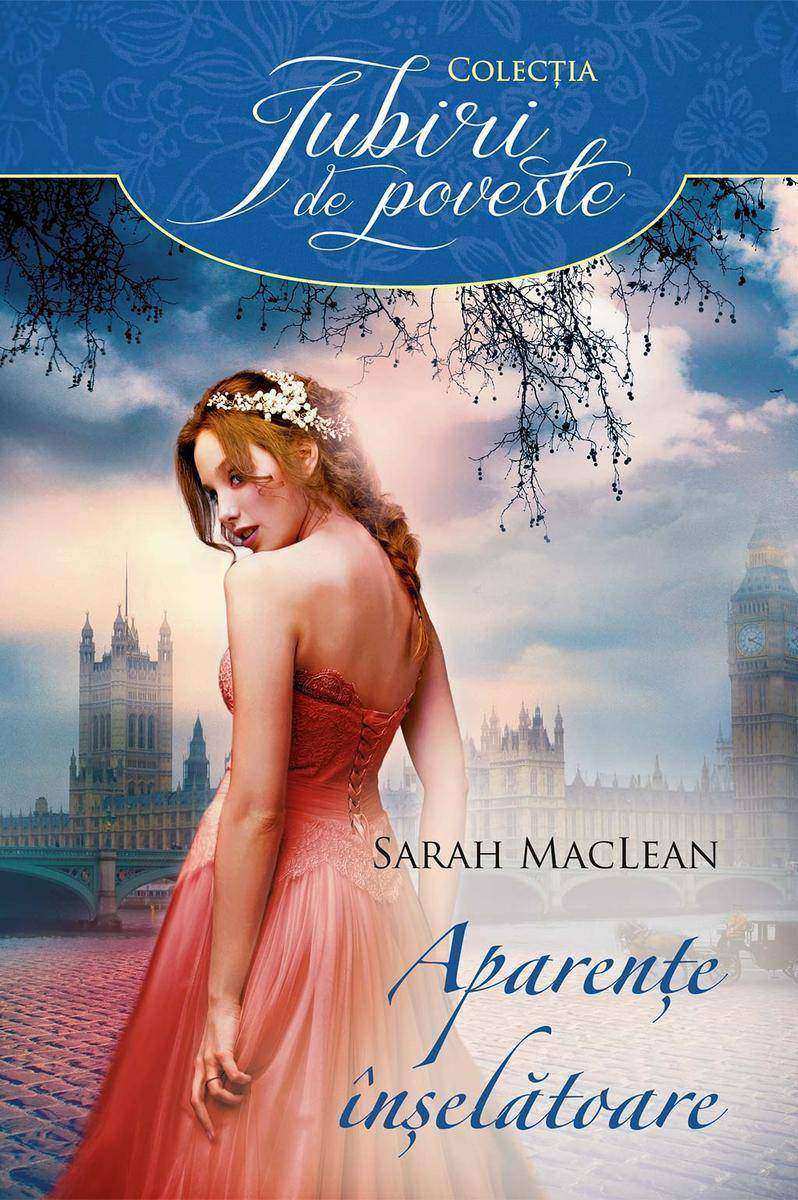
Aparen?e ?n?el?toare
¥7.36
P?n? ?i cea mai puternic? femeie din Anglia are un punct slab… Pentru ?nalta societate, este doar Lady Georgiana, sora unui duce, cu reputa?ia distrus? ?n urma celui mai groaznic scandal posibil, ?nainte de debutul ?n primul ei sezon. Dar adev?rul este mult mai ?ocant – ?n lumea ?ntunecat? a jocurilor de noroc din Londra, ea este enigmaticul Chase, unul dintre fondatorii ?ngerului C?zut, cel mai vestit cazinou din ora?. Ani la r?nd, a r?mas un mister pentru toat? lumea ?i niciodat? nu i-a fost descoperit? dubla identitate… p?n? acum. Sclipitor, tenace, tulbur?tor de chipe?, Duncan West este intrigat de frumoasa femeie cu reputa?ia p?tat? care are leg?turi de ne?n?eles cu aceast? lume a promiscuit??ii ?i p?catului. ?tie c? ea este mai mult dec?t pare ?i jur? s? descopere secretele Georgianei, dezv?luindu-i trecutul, amenin??ndu-i prezentul ?i pun?nd ?n pericol tot ce are mai drag… inclusiv inima ei. ?Aparen?e ?n?el?toare“ ?ncheie incredibila serie a lui Sarah MacLean, aflat? pe lista de bestselleruri din The New York Times, spun?nd povestea ultimului dintre fondatorii clubului ??ngerul C?zut“.
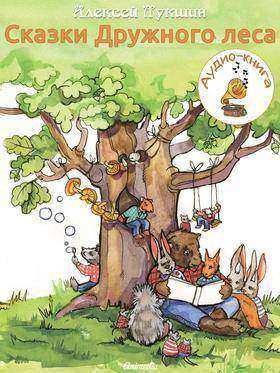
Сказки Дружного леса (аудио-книга): Иллюстрированное издание
¥22.81
Представляем вам сборник сказок для детей, сочетающий в себе как традиционное (увлекательный текст и красочные иллюстрации), так и современное мультимедийное содержание. В книге собраны десять поучительных и волшебных историй о приключениях жителей Дружного леса, прочитанных великолепным голосовым актером Александром Водяным. Главной задачей автора при написании этой книги было научить детей дружбе, гуманному отношению друг к другу, умению создавать хорошее настроение себе и окружающим. И все это без лишнего морализаторства. Каждая сказка — это короткая и смешная история. Книга будет интересна и взрослым читателям, которые с ее помощью смогут вернуться в мир детства, из которого мы все вышли. Издательство Animedia Company желает вам приятного чтения.
Master English in 12 Topics: Over 200 intermediate words and phrases explained
¥0.01
How to master English Lots of intermediate English speakers tend to get trapped using the same vocabulary over and over again. They often only speak about subjects they know the words for and avoid anything outside of their ???comfort zone???. The problem with this is that even though they sound ok, they never really get any better. If you really want to improve, you need to be able to speak about a wide range of topics. For this, you will need to learn the special vocabulary connected to these topics. What are the benefits of using this book? You will learn 235 useful words and phrases. You will be able to speak about 12 new topics with confidence. This will greatly improve your English conversational ability. All new words and phrases are introduced in fun and interesting articles and stories. So you will learn naturally. Everything is explained in easy to understand English, so you can get used to ???thinking in English???. There are 100???s of example sentences to help you understand how these words and phrases are used in everyday language. For each topic I have listed useful television shows and YouTube channels to help you practice your new vocabulary.
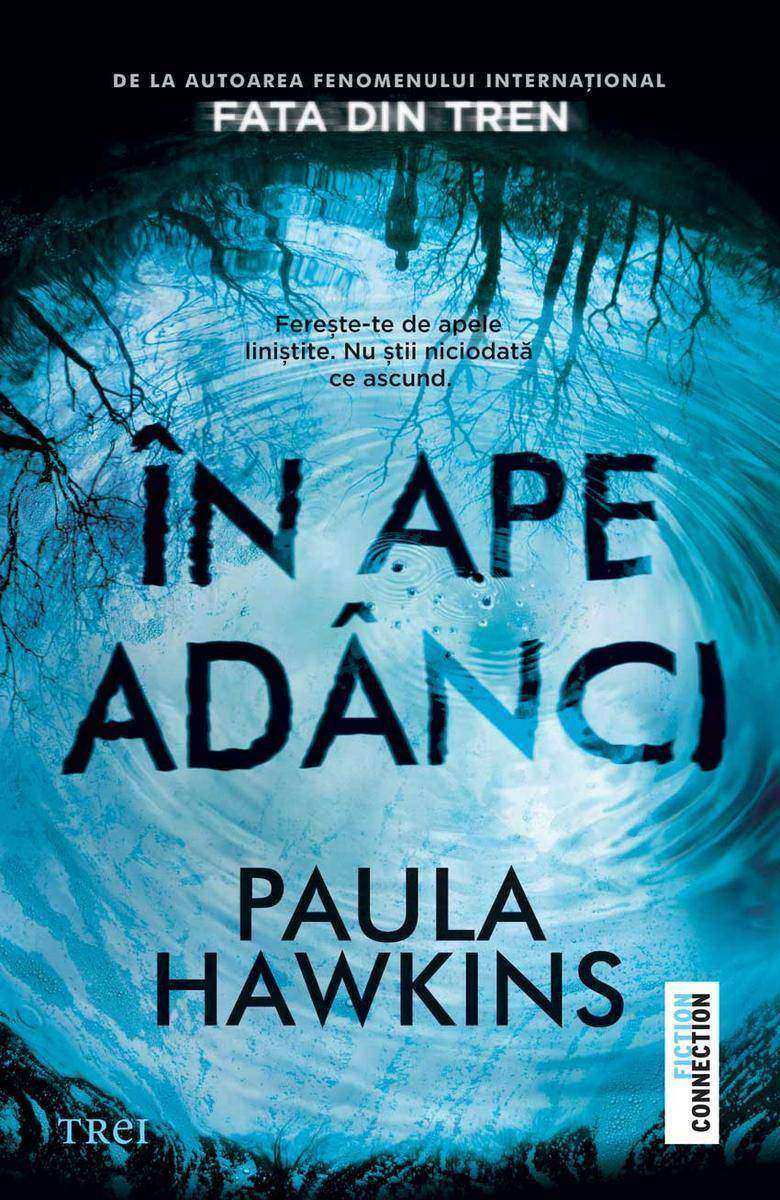
?n ape ad?nci
¥81.67
Nel Abbott este moart?. E ultima dintr-un lung ?ir de femei ?nghi?ite de apele ?ntunecate ale r?ului.Sora ei, Jules, e m?cinat? de regretul c? i-a ignorat strig?tul de ajutor ?i are certitudinea c? Nel nu s-a sinucis. Fere?te-te de apele lini?tite. Nu ?tii niciodat? ce ascund."Te ?ntrebi dac? ?n ape ad?nci poate fi la fel de bun ca Fata din tren? E ?i mai bun. O capodoper?." - Clare Mackintosh, autoarea bestsellerului Te las s? pleci Paula Hawkins vine cu un thriller alert, provocator, ce analizeaz? caracterul iluzoriu al emo?iei ?i al amintirii, precum ?i modul tulbur?tor ?n care trecutul se poate insinua ?n prezent.Fiindc? a?a ?ncepe: cu ?notul vr?jitoarelor – proba de ap?. Acolo, la bulboana mea, ?n acel lini?tit col? de paradis aflat la mai pu?in de o mil? de unde sunt ?n clipa asta, aici le aduceau, le legau ?i le aruncau ?n r?u, ca s? se scufunde sau s? ?noate.Se spune c? femeile au l?sat ceva din ele ?n ap?, se spune c? apa p?streaz? ceva din puterile lor, fiindc? de atunci, le-a atras spre ??rmurile sale pe cele f?r? noroc, pe cele disperate, pe nefericite, pe r?t?cite. Vin aici ca s? ?noate cu surorile lor."?

Via?a la ?ar?
¥0.01
n irul romanelor de mai trziu, dar mai cu seam n Viaa la ar […], n care temperamentul lui stilistic ajunge la formele unui clasicism plin de msur i claritate, Duiliu Zamfirescu renun n cea mai mare parte la manierismul trecutului. Analistul naturalist al strilor sufleteti struie, ba chiar se dezvolt n el, fr s mai simt nevoia apelului la nomenclatura i dialectica tiinei. Lirismul capt o pedal grav i simpl, i reflecia general ader parc mai adnc la impresia direct. […] Numeroase sunt pasagiile Vieii la ar n care amnuntul realist, umoristic sau graios, d via i adevr tablourilor.[…] ntocmai ca mai toi scriitorii realiti romni, pn cnd un Alexandru Macedonski cucerete sectoare noi ale artei descriptive, Duiliu Zamfirescu este mai ales un pictor al omului i al peisagiului, mai mult dect al lucrurilor i al interioarelor, care apar totui uneori n paginile lui. Remarcabil este apoi sub pana autorului Vieii la ar sau Tnase Scatiu pictura strilor de mulime, cu atta vreme nainte ca L. Rebreanu s dezvolte larg posibilitile acestui motiv. Vrednic de atenie este i evocarea vieii interioare, cu afundri ntr-o lume de imagini construite dup alte legi dect acele ale ateniei voluntare […]. Caracterul att de modern al procedeului nu poate scpa nimnui i el alctuiete punctul cel mai naintat al artei de analist a lui Duiliu Zamfirescu, atent la enigmele vieii sufleteti.“ – Tudor Vianu
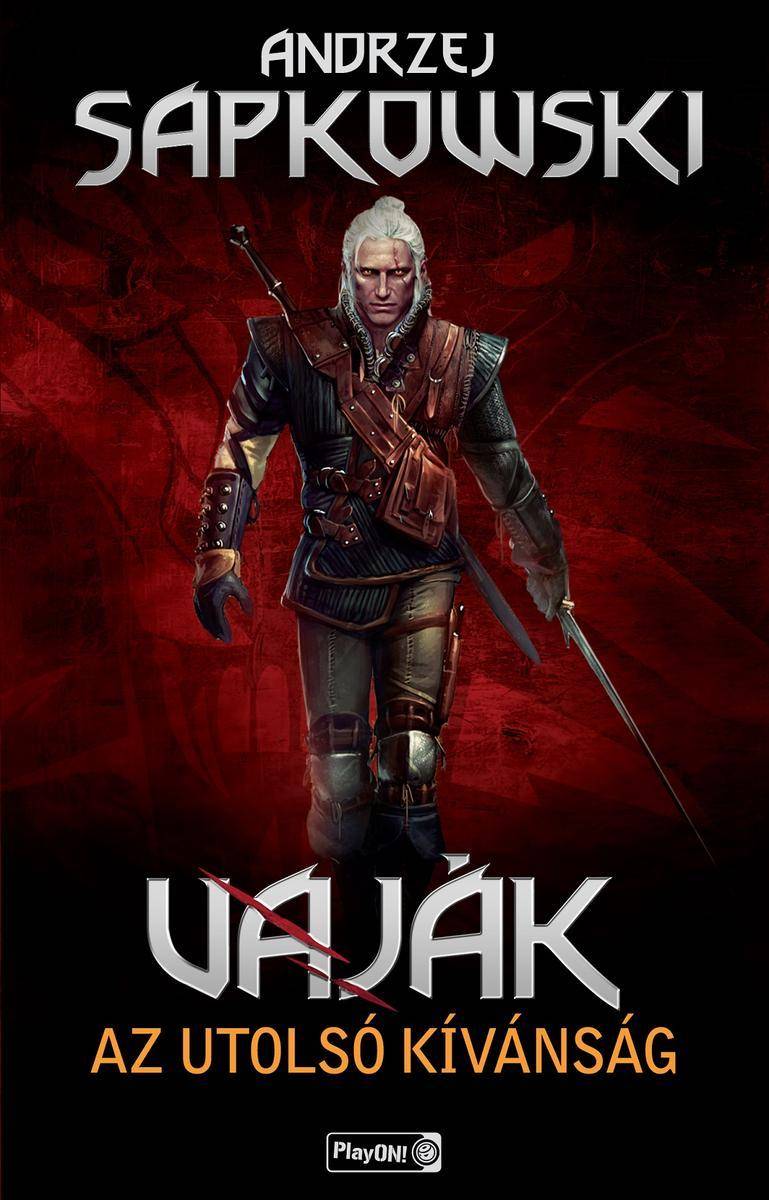
Az utolsó kívánság
¥57.80
Keacute s?bb azt beszeacute lteacutek, a feacuterfi eacuteszakr oacutel eacute;rkezett, a Koumlt eacutelver?k kapujaacuten keresztuumll. Baacuter nem volt id?s, a haja szinte teljesen feheacute;r volt. Amikor levetette kouml peny eacutet, kideruumllt, hogy a vaacutell aacuten egy sziacutejon kard fuumlgg. Nem volt ebben semmi szokatlan, Vizimaacuteban szinte mindenki fegyverrel jaacutert, de azeacutert senki sem hordott pallost a haacutet aacuten mint valami iacutejat vagy tegezt. A feheacuter hajuacutet a kiraacutelyi felhiacutevaacutes vezette a vaacuterosba a Vizima lakosait gyoumltr? striga visszavaacuteltoztataacutesaacute eacutert jaacute roacute haacute romezer oren jutalom.

Lenn, a nyúl üregében:A legismertebb nyuszilány vallomása egy bizarr és zárt eli
¥71.29
Ez a t?rténet d?bbenetes, eddig nem látott mélységekben mutatja be a Playboy-villa bizarr, bels? világát és a titkait is annak a férfinak, akinél a villa kulcsa van.Az oregoni kisvárosból származó Holly Sue Cullent egy huszonegy éves korában meghozott spontán d?ntés változtatta Holly Madisonná, Hugh Hefner els? számú barátn?jévé. De miután beveti magát a nyuszi üregébe, Alice Csodaországához hasonlóan a Playboy-villa kívülr?l tündérmeseszer?nek t?n? életér?l beleértve a leghíresebb sztárokkal rendezett bulikat és a saját négy évig tartó valóságshow-ját is gyorsan kiderül, hogy ez a világ nem más, mint a szigorú szabályok, a manipuláció és az ambiciózus, álnok nyuszilányokkal folytatott csaták színtere. Az élet a hírhedt villában messze nem álom, inkább rémálom. ?s miután mindent elveszít, nem marad reménye másban, csak az ?ngyilkosságban. De ahelyett, hogy eldobná az életét, úgy d?nt, hogy inkább a kezébe veszi.Holly ?szintesége megd?bbent? és megindító egyben. Vallomása a villában t?lt?tt id?r?l, a drogokról, a szexr?l, a lelki és testi abúzusról, a hírhedt bulikról a fels? tízezer színfalak m?g?tt zajló valódi életér?l letaglózó olvasmány.Nem véletlenül szerepelt a The New York Times, az Amazon és szinte minden más sikerlista élén, hónapokon át, és adtak el bel?le t?bb millió példányt.
Olive Kitteridge
¥41.37
Pl?cerea de a citi Olive Kitteridge vine dintr-o identificare intens? a cititorului cu situa?ii, cu personaje nu icirc;ntotdeauna demne de admirat... Nu e nimic ieftin sau siropos icirc;n aceast? carte. (The New York Times Book Review) Amuzant?, r?ut?cioas? ?i plin? de remu?c?ri, doamna Kitteridge este o for??, un caracter autentic. Cacircnd nu e icircn scen?, icirci a?tept?m cu ner?bdare icircntoarcerea. Paginile c?r?ii se icirc;ntorc datorit? ei... (San Francisco Chronicle) Un portret r?v??itor ?i profund al oamenilor din Maine, tr?indu-?i vie?ile de suferin?? t?cut? icircmpletit? cu izbucniri de apropiere uman?... Aceast? culegere se cite?te u?or ?i e imposibil de uitat. (Publishers Weekly) Intuitiv?, profund empatic? ?i totu?i plin? de defecte, Olive este axa icircn jurul c?reia graviteaz? treisprezece povestiri complexe, profund umane, alc?tuind un veritabil roman. (O Magazine)
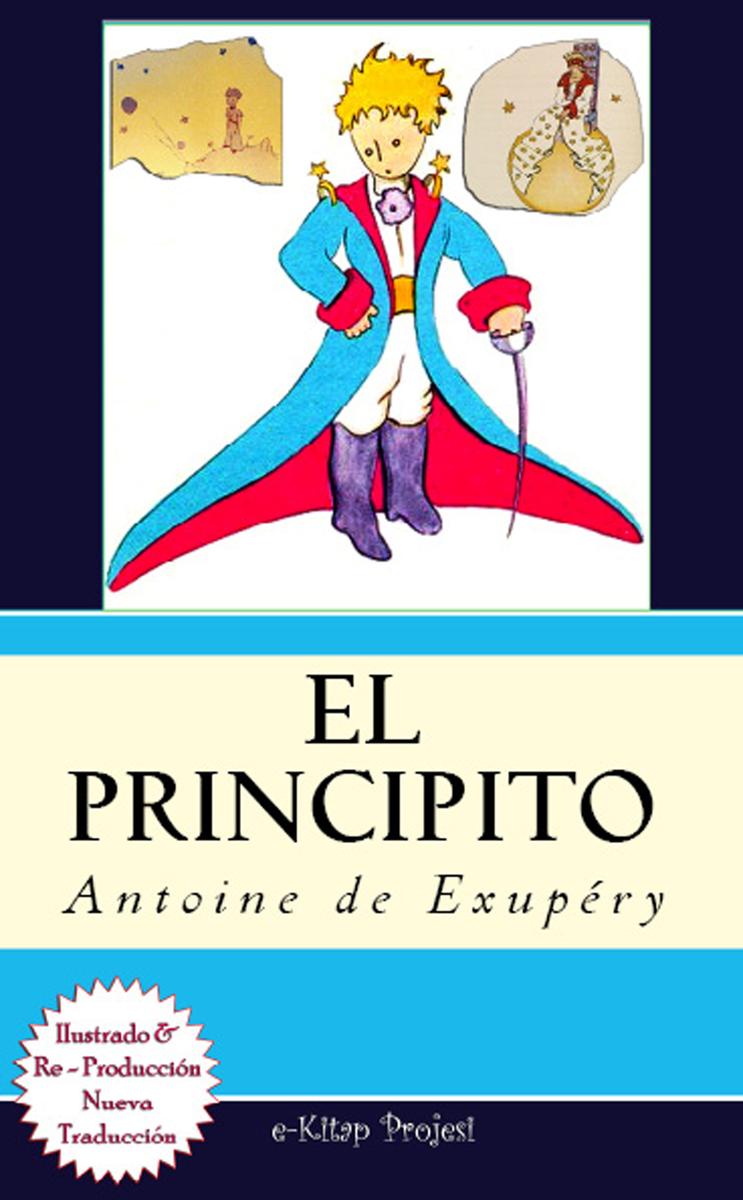
El Principito:“Ilustrado”
¥18.74
El Principito habita un pequeísimo asteroide, que comparte con una flor caprichosa y tres volcanes. Pero tiene “problemas” con la flor y empieza a experimentar la soledad. Hasta que decide abandonar el planeta en busca de un amigo. Buscando esa amistad recorre varios planetas, habitados sucesivamente por un rey, un vanidoso, un borracho, un hombre de negocios, un farolero, un geógrafo… El concepto de “seriedad” que tienen estas “personas mayores” le deja perplejo y confuso. Prosiguiendo su búsqueda llega al planeta Tierra, pero, en su enorme extensión y vaciedad, siente más que nunca la soledad. Una serpiente le da su versión pesimista sobre los hombres y lo poco que se puede esperar de ellos. Tampoco el zorro contribuye a mejorar su opinión, pero en cambio le ensea el modo de hacerse amigos: hay que crear lazos, hay que dejarse “domesticar”. Y al final le regala su secreto: “Sólo se ve bien con el corazón. Lo esencial es invisible a los ojos”. De pronto el Principito se da cuenta de que su flor le ha “domesticado” y decide regresar a su planeta valiéndose de los medios expeditivos que le ofrece la serpiente. Y es entonces cuando entra en contacto con el aviador, también el hombre habrá encontrado un amigo… Cuando yo tenía seis aos vi en un libro sobre la selva virgen que se titulaba "Historias vividas", una magnífica lámina. Representaba una serpiente boa que se tragaba a una fiera. Esta es la copia del dibujo.En el libro se afirmaba: "La serpiente boa se traga su presa entera, sin masticarla. Luego ya no puede moverse y duerme durante los seis meses que dura su digestión". Reflexioné mucho en ese momento sobre las aventuras de la jungla y a mi vez logré trazar con un lápiz de colores mi primer dibujo. Mi dibujo número uno era de esta manera: Enseé mi obra de arte a las personas mayores y les pregunté si mi dibujo les daba miedo.-por qué habría de asustar un sombrero - me respondieron.Mi dibujo no representaba un sombrero. Representaba una serpiente boa que digiere un elefante. Dibujé entonces el interior de la serpiente boa a fin de que las personas mayores pudieran comprender. Siempre estas personas tienen necesidad de explicaciones. Mi dibujo número dos era así: Las personas mayores me aconsejaron abandonar el dibujo de serpientes boas, ya fueran abiertas o cerradas, y poner más interés en la geografía, la historia, el cálculo y la gramática. De esta manera a la edad de seis aos abandoné una magnífica carrera de pintor. Había quedado desilusionado por el fracaso de mis dibujos número uno y número dos. Las personas mayores nunca pueden comprender algo por sí solas y es muy aburrido para los nios tener que darles una y otra vez explicaciones.

As mentiras mais contadas:E que todo mundo engole
¥8.18
As mentiras que as pessoas mais contam pra gente... E que a gente mais conta pra elas.Conhe?a as mentiras mais contadas em nosso cotidiano. Veja se você já escutou ou disse alguma dessas mentiras.

Cei care pleac? ?i cei ce r?m?n. Al treilea volum din tetralogia napolitan?
¥73.49
Al treilea volum din Tetralogia Napolitan? ?n lini?tea cea mai deplin? sau ?n mijlocul evenimentelor tumultuoase, atunci c?nd ne sim?im ?n siguran?? sau ?n pericol, c?nd suntem nevinova?i sau imorali, suntem o mul?ime format? din ceilal?i. Iar aceast? mul?ime e cu siguran?? o binecuv?ntare pentru literatur?.?Elena Ferrante ?n al treilea roman al Tetralogiei Napolitane, Elena ?i Lila, cele dou? fete cu care cititorii au f?cut cuno?tin?? ?n Prietena mea genial?, au devenit femei.Lila ?i-a p?r?sit so?ul ?i confortul material, iar acum munce?te ?n condi?ii foarte dure. Elena a studiat la ?coala Normal? din Pisa ?i a publicat un roman de succes, care i-a deschis u?ile saloanelor selecte. Am?ndou? au refuzat s? se complac? ?ntr-o via?? plin? de nefericire, ignoran?? ?i supunere, ?mbr??i??nd ?n schimb numeroasele oportunit??i ale anilor ’70. ?n continuare le leag? o prietenie profund?, de nezdruncinat.?nc? de la apari?ia romanului?Prietena mea genial?, care deschide?Tetralogia Napolitan?, faima Elenei Ferrante a crescut enorm. Este considerat? una dintre autoarele contemporane cele mai conving?toare, o stilist? des?v?r?it?, cu o intui?ie artistic? ie?it? din comun, care a c??tigat admira?ia mai multor scriitori celebri – Jhumpa Lahiri, Elizabeth Strout, Claire Messud – ?i a unor critici importan?i: James Wood, John Freeman, Eugenia Williamson etc. Dar f?r? ?ndoial?, primirea cea mai c?lduroas? a avut-o din partea cititorilor, care au descoperit o autoare care vorbe?te ?ntr-un stil plin de frumuse?e ?i for?? despre sentimentul de apartenen?? la un loc, despre rela?iile umane, dragoste, familie ?i prietenie.


