


 购物车
购物车 个人中心
个人中心
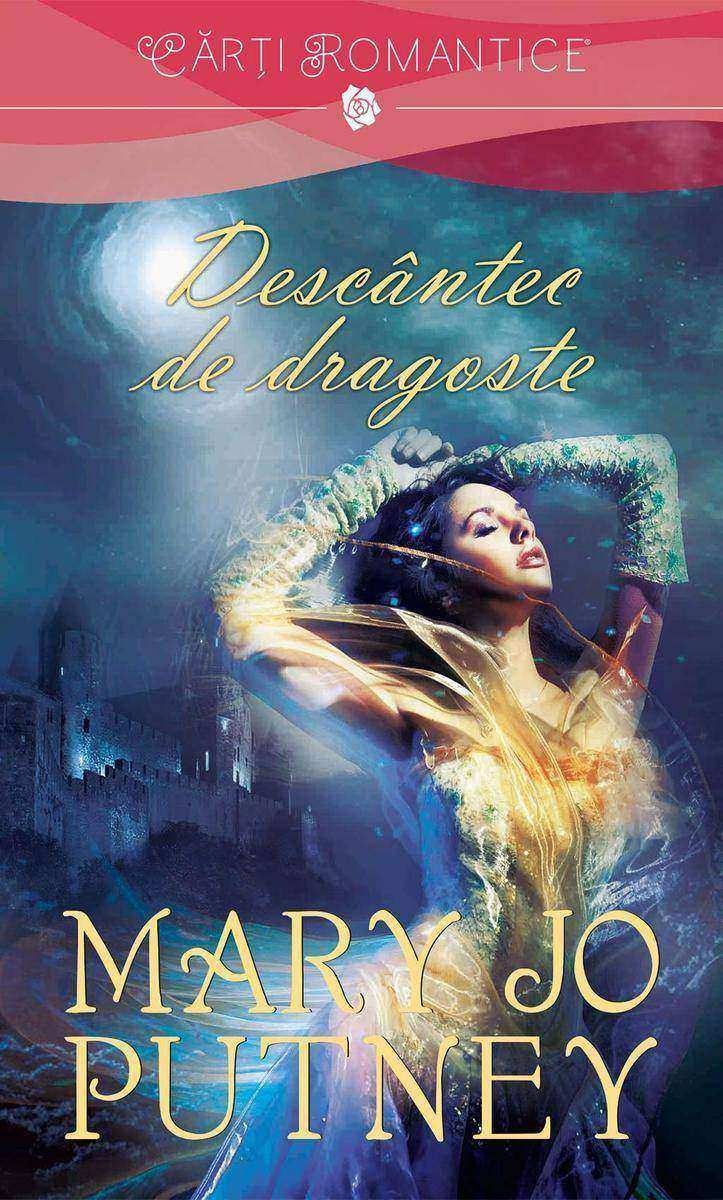
Desc?ntec de dragoste
¥7.36
Jack Langdon, Lord Frayne, trateaz? cu foarte mult? seriozitate onoarea str?vechii sale familii ?i,icircn acela?i timp, ascunde un secret pe care icircl consider? ru?inos: darul de vr?jitor, pe care a fost icirc nv??at s?-l reprime ?i s?-l resping?. Cacirc nd un accident icirc;l aduce pe Jack icirc;n pragul mor?ii, unica lui ?ans? de supravie?uire este Abigail Barton, o vindec?toare talentat?. Abigail trebuie s? icirc;?i asume un mare risc pentru a-i salva via?a lordului Frayne, a?a c? va cere icircn schimb un pre? pe m?sur?: c?s?toria cu Jack. Acesta nu icirc nt acirc rzie s? accepte ?i curacirc;nd se simte atras de sincera lui so?ie, al c?rei farmec este la fel de puternic ca ?i trezirea propriilor abilit??i magice la racirc;ndul ei, Abigail este impresionat? de sensibilitatea ?i bl acirc nde?ea lui Jack. Cunoscacirc nd icirc ns? prea bine ura acestuia fa?? de magie, hot?r??te s? tr?iasc? desp?r?it? de el dup? conceperea copilului pe care ?i-l dorise at acirc;t de mult, pentru ca Jack s? icirc ?i poat? p?stra reputa?ia, iar ea s? icirc ?i poat? îndeplini menirea de vindec?toare. Cu toate acestea, iubirea care se na?te icirc;ntre ei se dovede?te a fi cea mai misterioas? ?i mai seduc?toare for?? pe care au cunoscut-o vreodat?.
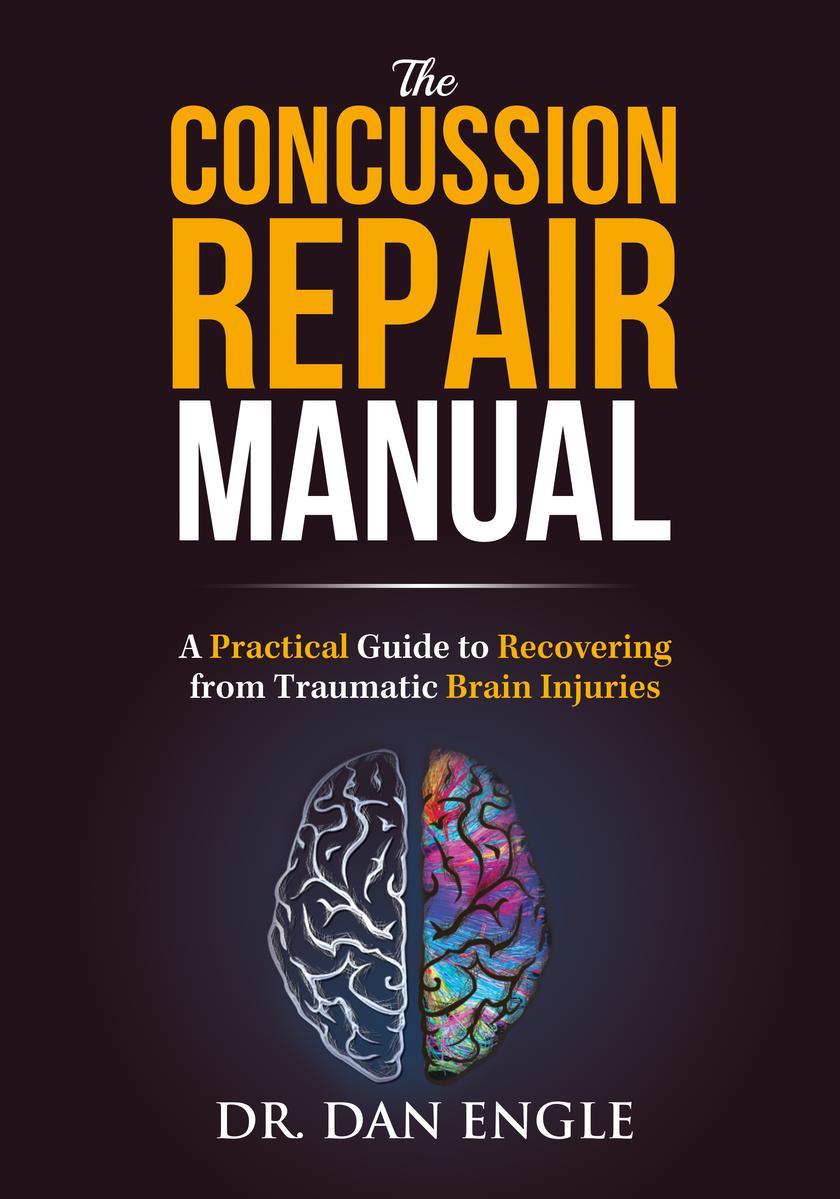
The Concussion Repair Manual: A Practical Guide to Recovering from Traumatic Bra
¥81.50
Concussion -- the biggest name in today's high-impact sports. As more and more high profile athletes come forward to share their stories of invisible suffering after head injuries, we as a culture are finally acknowledging this silent epidemic. The Concussion Repair Manual is written as a user’s guide for those suffering after head traumas and those that support them. ?It is one-part “textbook,” packed with the leading research on medical technologies for healing the injured brain, and one-part “workbook,” offering a step-by-step method for making and tracking a personalized recovery regimen. Dr. Dan Engle's background and passion for concussion repair stem from a three-decade investigation into the many modalities for healing his own traumas. ?When the usual medical treatments didn’t help, he explored what was possible, found what worked and put them into this manual - "the best of the best" in the medical arena for recovering from sports related head injury. Reviews "A game changer. This book is the most useful piece of literature I have ever read on concussion." - Matt Cook, MDFounder, BioReset Medical "(This) book can also be used as a simple tool to get smarter and think better, even if you haven't had a concussion. Whether you are a physician, a patient or simply an optimal health seeker, this book is a must-have for your personal health library." - Ben Greenfield, Human Performance Consultant, BenGreenfieldFitness.com "Dan's CRM is required reading for concussion patients, their caregivers, and all allied healthcare practitioners who care for these patients. There is a better way and this is it. "- Scott Sherr MD, Founder, Integrative HBOT, Head of Protocol and Innovation at Hyperbaric Medical Solutions, @hmsHBOT About the Author Dr. Dan Engle is Board Certified in Psychiatry and Neurology, with a clinical practice that combines functional medicine, integrative psychiatry, neuro-cognitive restoration and peak performance methods. He lectures and consults globally and is the medical advisor to Onnit Labs, the True Rest Float Centers and several international treatment centers using indigenous plant medicines for healing and recovery.
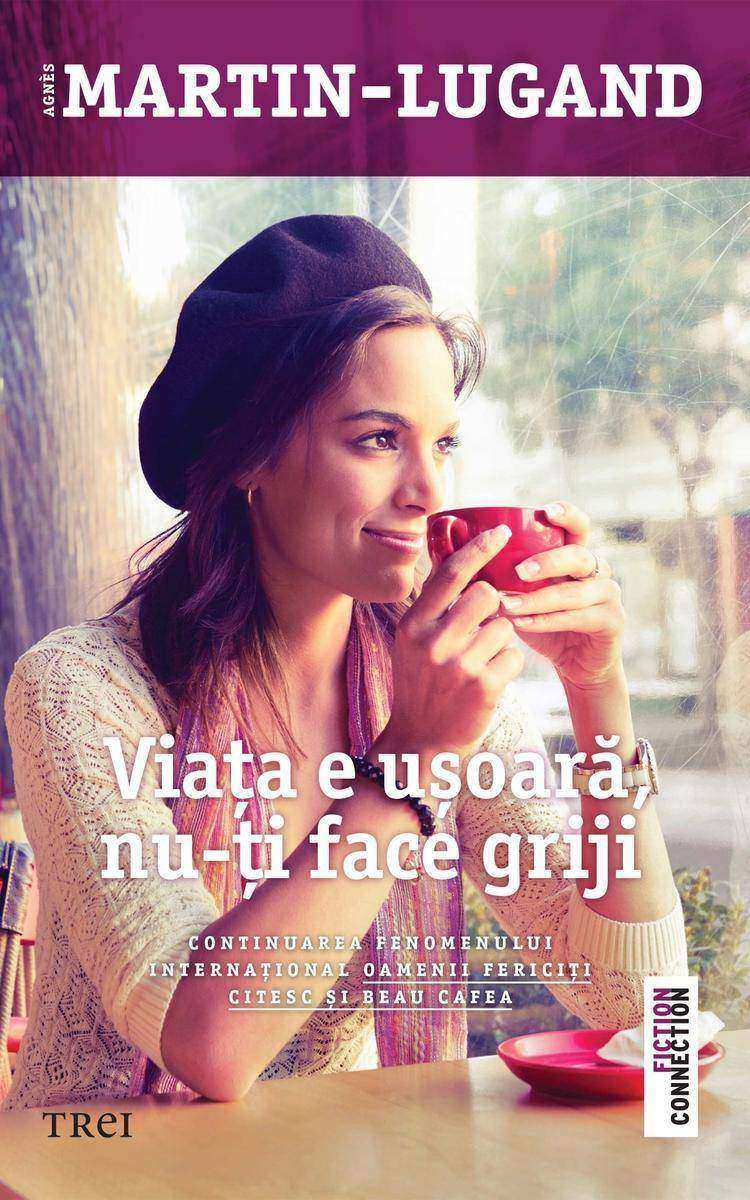
Via?a e u?oar?, nu-?i face griji
¥65.32
ntoars din Irlanda, Diane este hotrt s nceap o via nou la Paris. Cu ajutorul prietenului su, Félix, redeschide cafeneaua literar Oamenii fericii citesc i beau cafea“, oaza ei de linite. Acolo l ntlnete pe Olivier. Un brbat blnd i atent, care nelege refuzul ei de a deveni din nou mam, dup pierderea cumplit pe care a suferito.Dar o ntmplare neateptat o bulverseaz pe Diane i i spulber toate certitudinile.Va avea ea oare curajul de ai construi un nou cmin"Talentul de povestitoare al lui Agnès MartinLugand este incontestabil cunoate n profunzime alfabetul complicat al iubirii." - Le Figaro"Agnès MartinLugand are un sim nnscut al povestirii." - L'Express
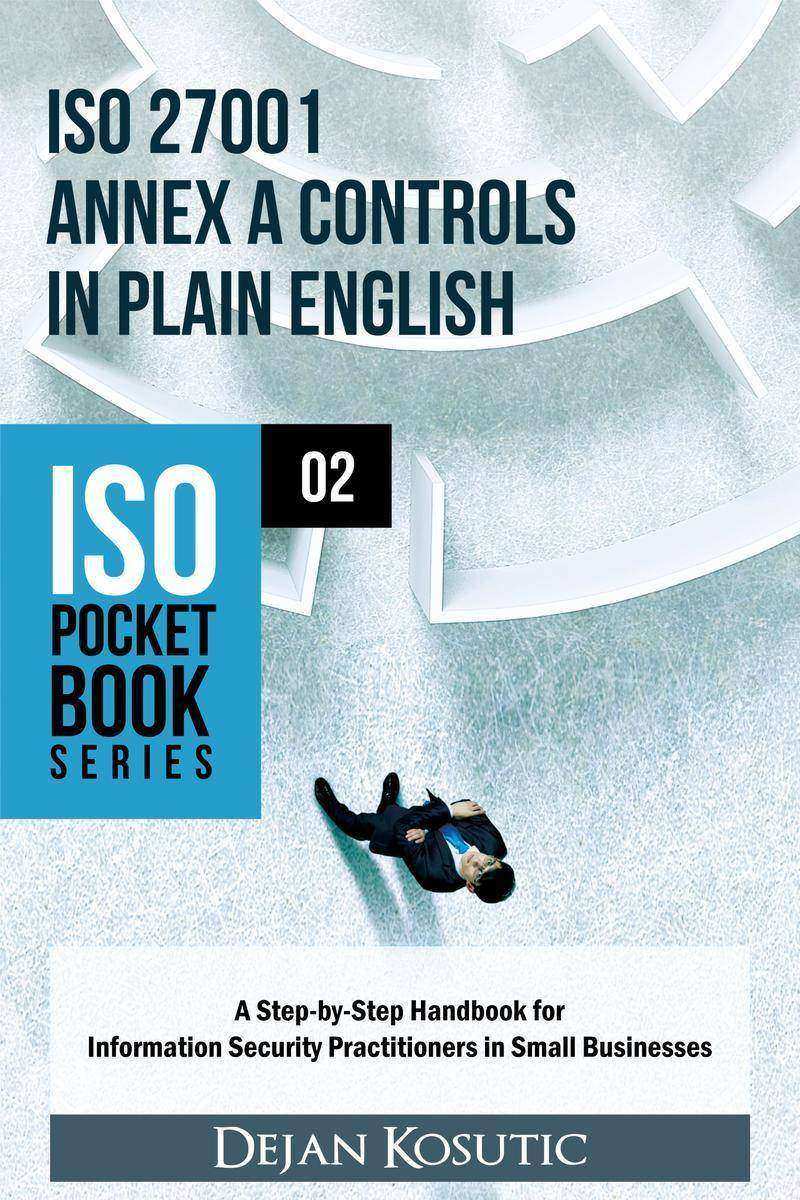
ISO 27001 Annex A Controls in Plain English
¥81.67
In this book, Dejan Kosutic, author and experienced information security consultant, is giving away his practical know-how on ISO 27001 security controls. No matter if you are new or experienced in the field, this book teaches you everything you need to know about security controls. ISO 27001 Annex A Controls in Plain English is written primarily for beginners to ISO 27001, and for people with moderate knowledge about Annex A of the standard and the 114 security controls that are found in the Annex. It is structured in such a way that someone with no prior experience or knowledge about information security can quickly understand what they are all about; however, if you do have experience with ISO 27001, but feel that you still have gaps in your knowledge, you’ll also find this book very helpful. Kosutic uses plain English to explain everything you need to know about security controls in ISO 27001, as well as the differences between the controls in Annex A of ISO 27001 and in ISO 27002. Also, you will learn everything about the crucial link between risk management and security controls, and get a complete overview of Annex A controls starting from the introduction, structuring of the documentation, and instructions on how to write detailed information security policies, all the way to the requirements for compliance. Written in simple language and avoiding the technical jargon, ISO 27001 Annex A Controls in Plain English is the right book to start learning about the subject.

50 Melhores piadas de Jo?ozinho
¥8.18
Divirta-se com as 50 melhores piadas do menino Jo?ozinho, o aluno mais levado na escola, que gosta de brincar com os professores e tirar sarro de todo mundo, até dos próprios pais.Contém linguagem inadequada para menores de 18 anos.
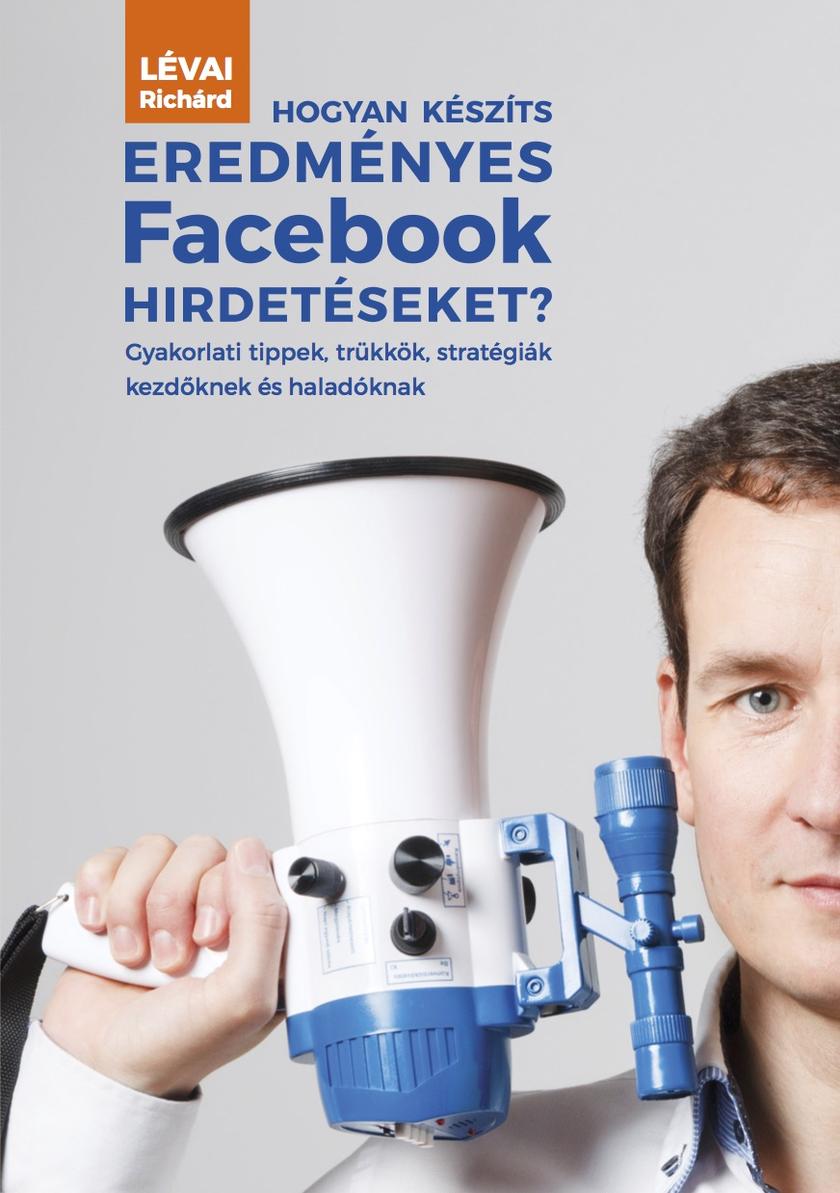
Hogyan készíts eredményes Facebook hirdetéseket?
¥143.72
Fent van a ce?ged a Facebookon, de nem jo?nnek az eredme?nyek? Hirdetsz, de nem vagy ele?g sikeres? Szeretne?d felpo?rgetni?a Facebook-hirdete?seid hate?konysa?ga?t? A Facebook egy nagyon o?sszetett hirdete?si rendszer. To?bb, mint 500 fe?le hirdete?sce?lza?si bea?lli?ta?s, valamint 15 hirdete?sle?trehoza?si leheto?se?g a?ll rendelkeze?su?nkre. Nem ko?nnyu? eldo?nteni melyiket haszna?ljuk, hiszen gyakran csak apro? ku?lo?nbse?gek va?lasztja?k el o?ket egyma?sto?l.?Ra?ada?sul sokszor a siker nem is a technikai tuda?son mu?lik, hanem azon,?hogyan e?pu?l be a marketing folyamatok ko?ze? ez az eszko?z. Erro?l szo?l ez a ko?nyv.A segi?tse?ge?vel nem csak a hirdete?si rendszer tru?kkjeit ismered meg, hanem azokat a mo?dszereket, strate?gia?kat, amik tu?lmutatnak a Facebookon, e?s amik ta?mogatnak abban, hogy me?g eredme?nyesebbe? tedd az online marketingedet. "Atto?l tartok a Ricsi tu?l?sok informa?cio?t?i?rt bele a ko?nyvbe, eze?rt az emberek nem fognak jelentkezni a ke?pze?seire. Aki elolvassa, le?trehozhatja?vagy jelento?sen javi?thatja a saja?t social marketing strate?gia?ja?t. E?n ma?r megtettem!” Damjanovich Nebojsa, senpai.hu ?Ma ma?r egyre nehe- zebb sze?les ko?rnek organikusan eljuttatni egy-egy posztot, eze?rt hirdete?sekre van szu?kse?g. Me?gpedig jo?l megtervezett Facebook-hirdete?sekre. Ezt ja?rja ko?ru?l Richa?rd alapossa?ggal e?s folyamatszemle?lettel, ugyanakkor ko?nnyed sti?lusban. Ko?nyve a Budapesti Metropolitan Egyetem digita?lis marketing executive MBA ke?pze?se?n is fontos alapirodalom lesz.”Dr. Papp-Va?ry A?rpa?d, a Budapesti Metropolitan Egyetem a?ltala?nos rektorhelyettese, a ?ma?rkadoktor” ?Le?vai Ricsi megmutatja, hogyan kell meg fogni e?s nem ereszteni a vevo?idet, aka?r itthoni, aka?r ku?lfo?ldi piacra ce?lzol. E?s Ricsi bo?kezu? az informa?cio?val, hiszen Magyarorsza?gon o? publika?l a legto?bbet Facebook-marketingro?l. E?s ha annyi mindent megoszt ingyen, ke?pzeld, milyen titkokat tartogat Neked a ko?nyve?ben! Szo?val, u?j vevo?k, nagy te?telben, diszkont a?ron – e?rdekel?”Wolf Ga?bor, Marketing Commando U?gy e?rzed, itt az ideje, hogy a Facebook-hirdete?seid igaza?n eredme?nyesek legyenek?Ez a ko?nyv ebben segi?t. Fordi?tsd a saja?t ce?ged java?ra a benne rejlo? informa?cio?kat!
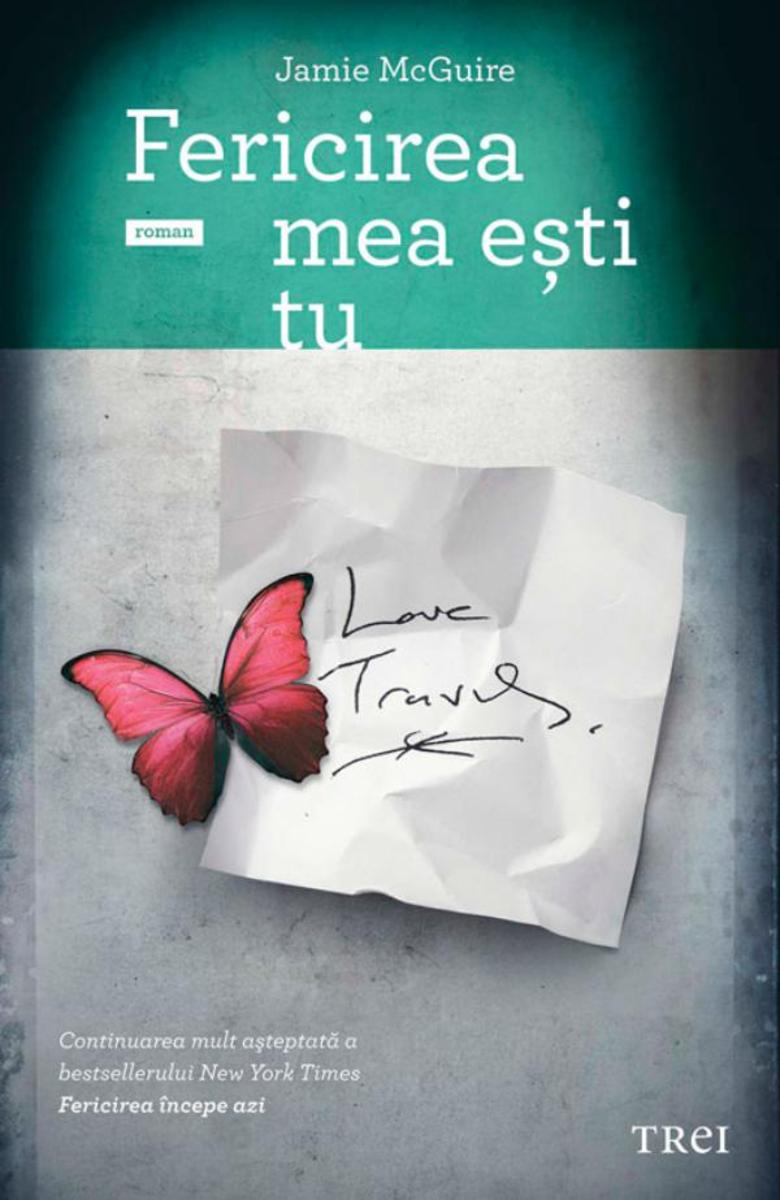
Fericirea mea e?ti tu
¥81.67
Continuarea mult a?teptat? a bestsellerului Fericirea ?ncepe aziAfl? ce este ?n mintea b?rba?ilor!Travis Maddox a ?nv??at dou? lucruri de la mama sa ?nainte ca aceasta s? moar?: Iube?te mult. Lupt? ?i mai mult pentru iubirea ta.?n Fericirea mea e?ti tu, via?a lui Travis e plin? de femei care vin ?i pleac?, de jocuri de noroc ilicite ?i de violen??. ?ns? tocmai c?nd Travis se consider? invincibil, Abby Abernathy ?l pune la p?m?nt.Fiecare poveste are dou? versiuni. ?n Fericirea ?ncepe azi, Abby vorbe?te ?n numele ei. Acum e timpul s? citim povestea prin ochii lui Travis.?Travis e un tip impulsiv. ?ncerc?nd s? scriu din punctul lui de vedere, am ?tiut c? nu puteam s? spun povestea din nou, pur ?i simplu. Mi-am ?ndreptat aten?ia asupra perioadei c?nd Abby ?i Travis nu erau ?mpreun?, pentru ca romanul s? aduc? lucruri noi ?i am sentimentul c? am reu?it s? fac ce mi-am propus.“ – Jamie Mcguire?Fericirea mea e?ti tu are avantajul c? vine dup? o poveste emo?ionant?, pe care o completeaz?, ?i c? are un epilog ingenios, ce surprinde un instantaneu din via?a lui Travis ?i a lui Abby ?n viitor.“ – Reading, Eating Dreaming?Travis Maddox continu? s? lupte pentru ceea ce iube?te. Ce ?i-ai putea dori mai mult de la un b?rbat?“ – Bookwhisperer Reviews?Am f?cut o adev?rat? pasiune pentru personajele acestui roman.“ – The Daily Quirk
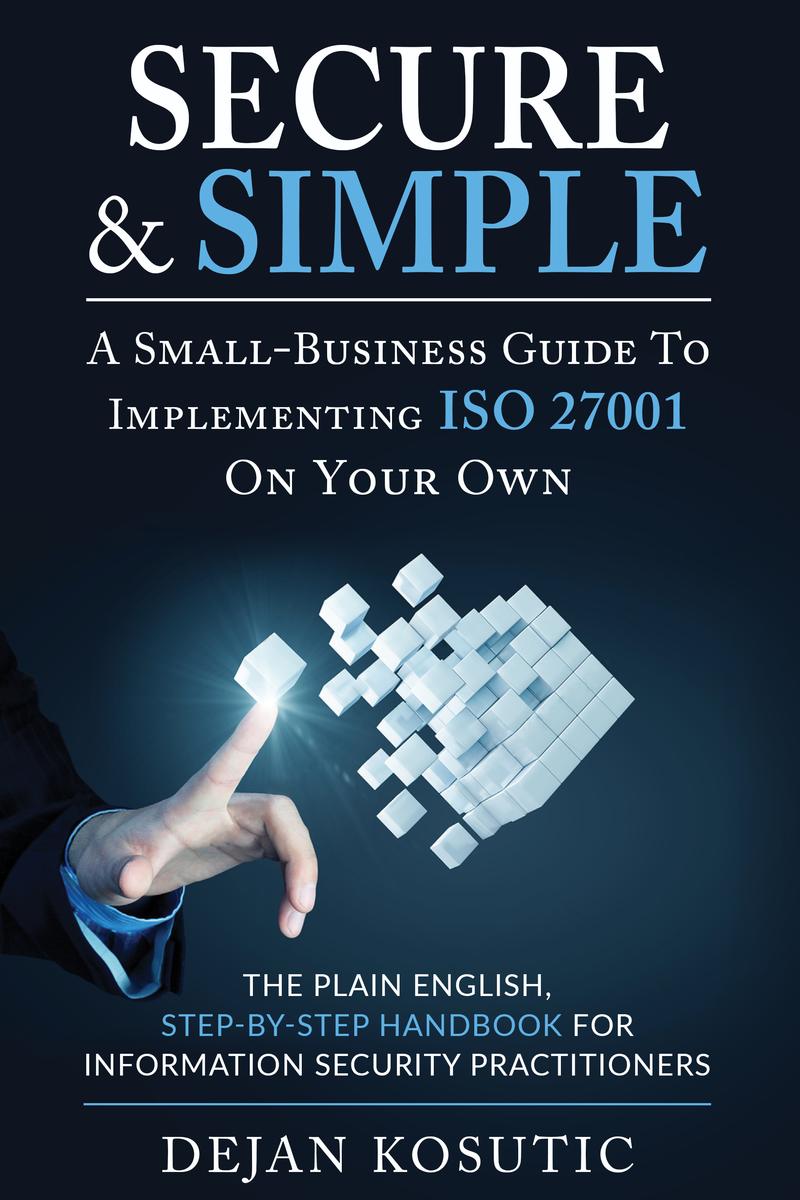
Secure & Simple – A Small-Business Guide to Implementing ISO 27001 On Your Own
¥326.92
Secure Simple Dejan Kosutic, an author and experienced information security consultant, is giving away all his practical know-how on successful ISO 27001 implementation. Whether you’re new or experienced in the field, this book gives you everything you will ever need to implement ISO 27001 on your own. Dejan provides examples of implementing the standard in small and medium-sized organizations (i.e. companies with up to 500 employees). It is written primarily for beginners in the field and for people with moderate knowledge of ISO 27001. Even if you do have experience with the standard, but feel that there are gaps in your knowledge, you’ll find this book very helpful. Secure Simple is the definitive guide for implementing and maintaining the most popular information security standard in the world. The author leads you, step-by-step, from an introduction to ISO 27001 to the moment your company passes the certification audit. During that journey you will learn: The most common ISO 27001 myths, like “The standard requires xyz;” “We’ll let the IT department handle it;” “We’ll implement it in a couple of months;” and others.How to convince your top management to implement ISO 27001. “If you think that your management loves to listen to your great idea about a new firewall, or the perfect tool you've discovered for handling incidents, you're wrong – they just don't care.” This book will help you speak the language they want to hear.How to write the Risk Assessment Methodology plus other policies and procedures.How to identify potential risks.“Employees (and the organization as a whole) are usually aware of only 25 to 40% of risks – therefore, a thorough and systematic process needs to be carried out…” Learn how to identify all potential risks that could endanger the confidentiality, integrity, and availability of organization’s information.What are the most important steps in order to prepare a company for the certification, and much more. Written in plain English with a lot of practical examples, charts and diagrams, it is the only book you’ll need on the subject of ISO 27001 implementation.
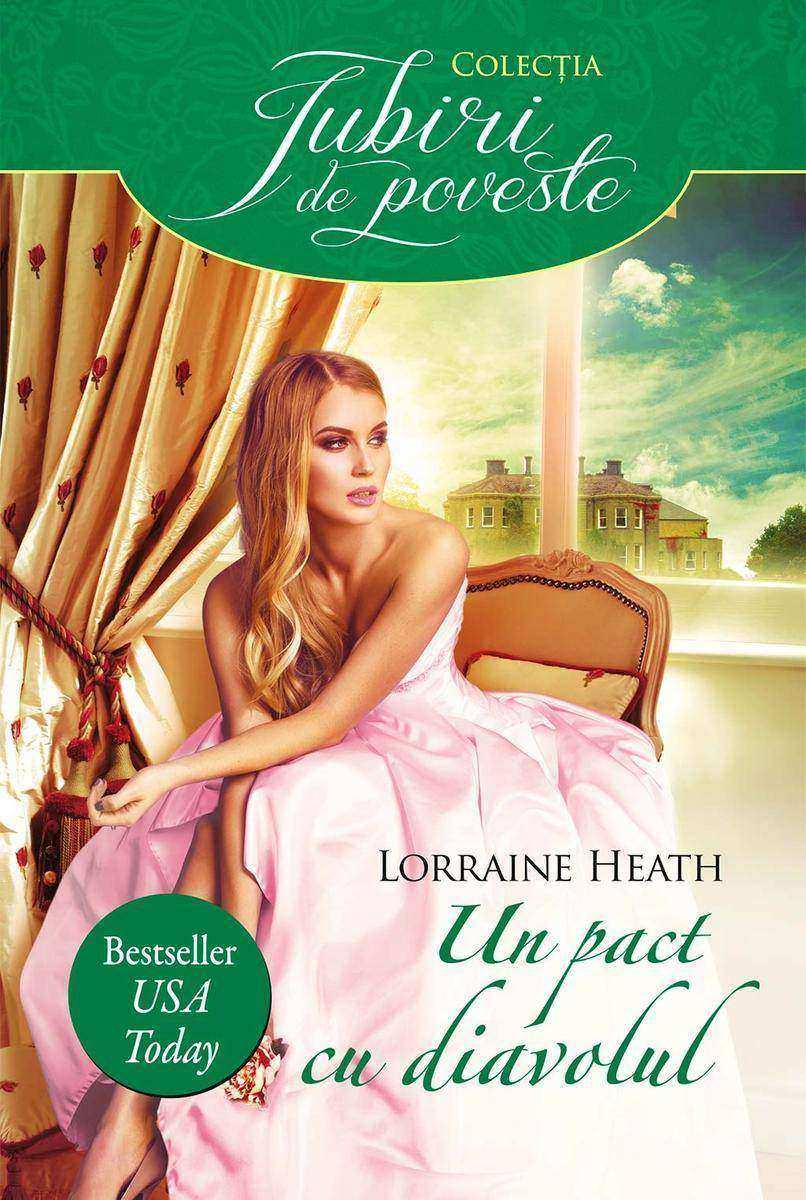
Un pact cu diavolul
¥7.36
A fost poreclit Contele Diavol – un b?rbat cu spirit nesupus, acuzat de crim?, crescut pe str?zile periculoase ale Londrei ?i care nu-?i mai aminte?te nimic despre trecutul lui. Orice domni?oar? bine educat? ?tie c? risc? mai mult dec?t reputa?ia atunci c?nd ??i asociaz? numele cu frumosul Lucian Langdon, ?ns? Lady Catherine Mabry nu are alt? solu?ie. Ar face orice pentru a-i proteja pe oamenii pe care ?i iube?te… chiar ?i s? ajung? la o ?n?elegere cu ?nsu?i diavolul. Lucian vrea s? fie respectat ?i, mai presus de asta, ??i dore?te o so?ie. Problema este c? aleasa lui nu cunoa?te eticheta pe care trebuie s? o respecte ?n mijlocul aristocra?iei ?i nu e acceptat? de ?nalta societate. Catherine ?l poate ajuta pe Lucian s? dob?ndeasc? tot ce-?i dore?te. Dar pre?ul pe care ?l cere ea ?n schimb le poate pune chiar vie?ile ?n pericol. Atunci c?nd primejdia le d? t?rcoale, cei doi se descoper? cu adev?rat: Lucian se dovede?te a fi un b?rbat incredibil de pasional, iar Catherine, o femeie de un curaj nem?surat. Pe m?sur? ce ies la iveal? secrete din trecutul lui ?ntunecat, Lucian ajunge s? pun? sub semnul ?ntreb?rii toate lucrurile pe care le considera adev?rate, inclusiv dorin?ele propriei inimi.

Cuando el amor es una mala palabra
¥15.18
Cuando el amor es una mala palabra es una antología poética que reúne setenta y cinco expresiones de sentimiento escritas por mí desde los inicios del a?o 2008.En Cuando el amor es una mala palabra he plasmado diversas situaciones, reales o imaginarias. Mi única intención es que el lector se transporte a un mundo de muchas historias, en el cual tendrá una total libertad para interpretarlas.Las palabras incluidas en cada una de estas letras no pretenden discriminar. Están ordenadas de la manera como el amor hace lo suyo, con picos y abismos, cuando empieza, cuando se cruza con la desilusión y el dolor, y cuando termina con el deseo de renacer e intentarlo una vez más.Entonces, mejor es dejar que ellas mismas se presenten con su historia.

10 Receitas saudáveis para você ser fit
¥8.18
Quer entrar na academia e conquistar aquele corpito jóia?Muito bom! Exercícios físicos s?o fundamentais para alcan?ar a boa forma; mas, se você n?o se alimentar direito, vai gastar tempo (e dinheiro!) à toa na academia.Aprenda a preparar 10 receitas saudáveis para você ter uma alimenta??o leve e nutritiva; e assim, otimizar a sua vida fitness.

Вдох-выдох:Сборник рассказов
¥15.18
Вдох-выдох — это второй сборник рассказов Ирены Яновой. Первый сборник,Магические книги Невилов, вышел под псевдонимом Ирина Иванова в 2014 году. Знаете ли вы, кто такие энергетические вампиры и что они делают с накопленной энергией В рассказе Вдох-выдох, который дал название сборнику, автор предложила свою версию жизни такого человека. Рассказ Посылка поведает вам о том, что судьбу иногда определяет случай, а 23 реальность о любви. Причем о любви в другой реальности, где ты проживаешь иную жизнь, с другим человеком, с другой любовью. Эхо вселенной — лирический рассказ о космосе и о зарождении чувства на громадном расстоянии. Как помочь девушке, если знаешь, что с ней может приключиться беда Необычный герой, необычный способ помощи и судьба, которая не оставляет влюбленных. А что может произойти, если ваше сознание случайно осталось в вашем клоне Рассказ Человек, которого нет раскроет возможный вариант развития событий. Издательство Animedia Company желает вам приятного чтения.

Rebel Faerie
¥40.79
The fae world’s biggest secret has been revealed … Having escaped an Unseelie prince and a world of shadows, Emerson and Calla are now hunted by the Guild of Guardians. On the run, constantly trying to remain one step ahead, they must figure out how to find and rescue everyone the Guild has taken from them. Then, in an unprecedented move, Unseelie Prince Roarke breaks the fae realm’s most important rule. Now two worlds stand on the brink of war. Caught in the middle between guardians and Prince Roarke’s forces, Em knows her Griffin Ability is powerful enough to stop them both. But as she masters control of her unique magic, Em is confronted with a question: how far is too far when you possess the kind of power she was born with? Can she step back from the line that shouldn’t be crossed, or will she end up losing herself before finding those she loves? Join Emerson and her companions in this race to save two worlds and the people they love in the final Creepy Hollow adventure!

Conselhos que os livros de auto-ajuda n?o ensinam
¥7.63
Prepare-se para aprender valiosas li??es de auto-ajuda que nem Augusto Cury vai lhe ensinar. S?o ensinamentos que, se n?o lhe ajudarem a viver melhor, também n?o o deixará viver pior.

Alias Grace
¥84.69
A regény alapján készült sorozat november 3-tól a Netflix m?során. A Kanadába emigrált Grace Markot gyilkosságért ítélték el 1840-ben. ?llítólagos szeret?jével együtt kegyetlenül végeztek Grace munkaadójával és annak házvezet?n?jével. Véd?je Grace elmeállapotára hivatkozva eléri, hogy ne k?tél általi halálra, csupán életfogytiglanra ítéljék. Sokan vannak meggy?z?dve arról, hogy gonosz és ?rült teremtés, de ugyanennyien az ellenkez?jér?l is: ártatlan teremtés, aki a k?rülmények áldozata lett. Egy fiatal és felt?rekv? orvos elhatározza, hogy kideríti az igazságot, ezért hetente leül beszélgetni a lánnyal, aki egyre inkább megnyílik neki, ám azt állítja, a gyilkosságból semmire sem emlékszik… Margaret Atwood valós t?rténelmi eseményen alapuló regénye felkerült a Man Booker-díj shortlistjére, és 2017-ben tévésorozat készült bel?le.
Essays in Radical Empiricism
¥8.09
Essays in Radical Empiricism
Essays Towards a Theory of Knowledge
¥8.09
Essays Towards a Theory of Knowledge
The Dolliver Romance by Nathaniel Hawthorne - Delphi Classics (Illustrated)
¥8.09
This eBook features the unabridged text of ‘The Dolliver Romance by Nathaniel Hawthorne - Delphi Classics (Illustrated)’ from the bestselling edition of ‘The Complete Works of Nathaniel Hawthorne’. Having established their name as the leading publisher of classic literature and art, Delphi Classics produce publications that are individually crafted with superior formatting, while introducing many rare texts for the first time in digital print. The Delphi Classics edition of Hawthorne includes original annotations and illustrations relating to the life and works of the author, as well as individual tables of contents, allowing you to navigate eBooks quickly and easily. eBook features: * The complete unabridged text of ‘The Dolliver Romance by Nathaniel Hawthorne - Delphi Classics (Illustrated)’ * Beautifully illustrated with images related to Hawthorne’s works * Individual contents table, allowing easy navigation around the eBook * Excellent formatting of the text Please visit www.delphiclassics.com to learn more about our wide range of titles
The Germany and the Agricola of Tacitus
¥8.09
According to Wikipedia: "Publius (or Gaius) Cornelius Tacitus (AD 56 – AD 117) was a senator and a historian of the Roman Empire. The surviving portions of his two major works—the Annals and the Histories—examine the reigns of the Roman Emperors Tiberius, Claudius, Nero and those who reigned in the Year of the Four Emperors. These two works span the history of the Roman Empire from the death of Augustus in AD 14 to (presumably) the death of emperor Domitian in AD 96. There are enormous lacunae in the surviving texts, including one four books long in the Annals. Other works by Tacitus discuss oratory (in dialogue format, see Dialogus de oratoribus), Germania (in De origine et situ Germanorum), and biographical notes about his father-in-law Agricola, primarily during his campaign in Britannia (see De vita et moribus Iulii Agricolae)."
The Witch of the Middle Ages
¥8.09
History of witchcraft in the Middle Ages. According to Wikipedia: "Jules Michelet (21 August 1798 – 9 February 1874) was a French historian. He was born in Paris to a family with Huguenot traditions." The Preface begins: "In this translation of a work rich in the raciest beauties and defects of an author long since made known to the British public, the present writer has striven to recast the trenchant humour, the scornful eloquence, the epigrammatic dash of Mr. Michelet, in language not all unworthy of such a word-master. How far he has succeeded others may be left to judge. In one point only is he aware of having been less true to his original than in theory he was bound to be."
The Itinerary of Benjamin of Tudela
¥8.09
First-hand account of a pilgrimage to the Holy Land in the twelfth century. The introduction begins: "The Itinerary of Benjamin of Tudela throws a flashlight upon one of the most interesting stages in the development of nations. The history of the civilized world from the downfall of the Roman Empire to the present day may be summarized as the struggle between Cross and Crescent. This struggle is characterized by a persistent ebb and flow. Mohammed in 622 A.D. transformed, as if by magic, a cluster of Bedouin tribes into a warlike people. An Arabian Empire was formed, which reached from the Ebro to the Indus. Its further advance was stemmed in the year 732, just a hundred years after Mohammed's death, by Charles Martel, in the seven days' battle of Tours. The progress of the culture of the Arabs was as rapid as had been that of their arms. Great cities such as Cairo and Bagdad were built. Commerce and manufactures flourished. The Jews, who enjoyed protection under the benign rule of the Caliphs..."


