


 购物车
购物车 个人中心
个人中心
The Fall of the Moghul Empire of Hindustan
¥8.09
First published in 1887. Acording to the Preface: "The rise and meridian of the Moghul Empire have been related in Elphinstone's " History of India: the Hindu and Mahometan Period; " and a Special Study of the subject will Also be found in the " Sketch of the History of Hindustan" published by the present writer in 1885. Neither of those works, however, undertakes to give a detailed account of the great Anarchy that marked the conclusion of the eighteenth century, the dark time that came before the dawn of British power in the land of the Moghul. Nor is there is any other complete English book on the Subject."
Sea Warfare
¥8.09
Overview of the British Navy, up through World War I. According to Wikipedia: "Joseph Rudyard Kipling (1865 – 1936) was an English author and poet. Born in Bombay, British India (now Mumbai), he is best known for his works The Jungle Book (1894) and Rikki-Tikki-Tavi (1902), his novel, Kim (1901); his poems, including Mandalay (1890), Gunga Din (1890), If— (1910); and his many short stories, including The Man Who Would Be King (1888). He is regarded as a major "innovator in the art of the short story"; his children's books are enduring classics of children's literature; and his best works speak to a versatile and luminous narrative gift. Kipling was one of the most popular writers in English, in both prose and verse, in the late 19th and early 20th centuries.[2] The author Henry James said of him: "Kipling strikes me personally as the most complete man of genius (as distinct from fine intelligence) that I have ever known." In 1907, he was awarded the Nobel Prize in Literature, making him the first English language writer to receive the prize, and to date he remains its youngest recipient. Among other honours, he was sounded out for the British Poet Laureateship and on several occasions for a knighthood, all of which he declined.

Deadly Storms
¥97.69
This series of nonfiction readers will grab a student's interest from the very first page! Designed with struggling readers in mind, these riveting 92-page books offer short chapters on significant disasters. Each chapter is its own mini-book, which includes a timeline, key terms, and interesting facts. Fascinating black and white photographs keep the pages turning. A bibliography encourages further topical reading. Disasters are inherently frightening, riveting, and involving. Grabbed straight from the headlines, these disasters leave tragedy, destruction, and years of anguish: Cyclones, Hurricanes, Tornadoes, The Perfect Storm, Hurricane Katrina, and more.

Terrorism
¥97.69
This series of nonfiction readers will grab a student's interest from the very first page! Designed with struggling readers in mind, these riveting 92-page books offer short chapters on significant disasters. Each chapter is its own mini-book, which includes a timeline, key terms, and interesting facts. Fascinating black and white photographs keep the pages turning. A bibliography encourages further topical reading. Disasters are inherently frightening, riveting, and involving. Grabbed straight from the headlines, these disasters leave tragedy, destruction, and years of anguish: The Munich Massacre, Sara Jane Olson, The Achille Lauro, The Unabomber, Oklahoma City, 9/11, The London Underground, and more.

Siddhartha
¥7.85
Digitalisiert vom Projekt Gutenberg Eine indische Dichtung ist eine Erz?hlung von Hermann Hesse, die im S. Fischer Verlag in Berlin im Jahr 1922 zum ersten Mal ver?ffentlicht wurde. Siddhartha, der Brahmane Das Buch handelt von einem jungen Brahmanen namens Siddhartha und seinem Freund Govinda. Der von allen verehrte und bewunderte Siddhartha widmet sein Leben der Suche nach dem Atman, dem All-Einen, das in jedem Menschen ist. Siddhartha, der Samana Seine Suche macht aus dem Brahmanen einen Samana, einen Asketen und Bettler. Govinda folgt ihm auf diesem Weg. Siddhartha spürt jedoch nach einiger Zeit, dass ihn das Leben als Samana nicht an sein Ziel bringen wird. Zusammen mit Govinda pilgert er zu Gautama, dem Buddha. Doch dessen Lehre kann er nicht annehmen. Siddhartha erkennt zwar, dass Gotama Erleuchtung erlangt hat und zweifelt die Richtigkeit seiner Lehre nicht an, jedoch glaubt er, diese sei allein für Gotama selbst gültig. Man kann nicht durch Lehre Buddha werden, sondern muss dieses Ziel mittels eigener Erfahrungen erreichen. Aus dieser Erkenntnis heraus begibt er sich erneut auf die Reise und beginnt einen neuen Lebensabschnitt, w?hrend sich sein Freund Govinda Gotama anschlie?t. Siddhartha bei den ?Kindermenschen“ Intensiv erf?hrt er nun seine Umgebung und die Sch?nheit der Natur, welche er zuvor als Samana zu verachten lernte. Er überquert einen Fluss, wobei ihm der F?hrmann prophezeit, er werde einst zu diesem zurückkehren, und erreicht eine gro?e Stadt. Hier begegnet er der Kurtisane Kamala, die er bittet, seine Lehrerin in der Kunst der Liebe zu werden. Um sich ihre Dienste leisten zu k?nnen, wird er Kaufmann. Anfangs sieht er das Streben nach Erfolg und Geld nur als eine wunderliche Eigenart der ?Kindermenschen“, wie er die dem Weltlichen ergebenen Menschen nennt. Bald wandelt sich jedoch sein ?bermut in Hochmut und er wird selbst den Kindermenschen immer ?hnlicher. Erst ein Traum führt ihm dies vor Augen und erinnert ihn wieder an seine
Рок. Книга первая. Лабиринт Сицилии - Исторический приключенческий роман
¥22.81
Действие первой книги романа ?Рок? разворачивается в Сицилии и далее на ?чёрном континенте?, в Африке, в период столкновения двух мегаполисов Древнего мира – Рима и Карфагена. Читателя ждут невероятно увлекательные приключения, где судьбы главных героев переплетаются паутиной войны и паутиной тайны, которую они пытаются раскрыть, борясь с невидимыми врагами. Развёрнутые красочные описания сражений, морских битв, быт, нравы того времени – все это доставит, пытливому, думающему человеку не только удовольствие от прочтения, но и повод задуматься о происходящем в мире в наше время. Этот динамичный роман написан для самой широкой читательской аудитории. Издательство Animedia Company желает вам приятного чтения.
Parteneri perfec?i
¥7.36
Joel Blackstone a petrecut zece ani ca s? transforme Thornquist Gear dintr-un mic magazin local ?ntr-un juc?tor important pe pia?a echipamentelor sportive ?i de camping. Recompensa pentru munca sa era promisiunea b?tr?nului Thornquist de a-i vinde afacerea ?n mai pu?in de un an. Din p?cate, proprietarul moare pe nea?teptate ?i-i las? mo?tenire imperiul unei nepoate din Vestul Mijlociu – nimeni alta dec?t o bibliotecar?. Joel consider? acest lucru doar o piedic? minor? – se va oferi pur ?i simplu s? cumpere compania de la ea.Leticia Thornquist este profund ?ndurerat? de moartea unchiului ei ?i vede ?n mo?tenire ocazia perfect? de a-?i schimba radical via?a, mai ales dup? ce ??i surprinde logodnicul ?ntr-o postur? extrem de compromi??toare. Drept pentru care se hot?r??te s?-?i dea demisia, s? se mute la Seattle ?i s? preia conducerea companiei. Cur?nd ?ns? ??i d? seama c? un obstacol major ?i st? ?n cale – Joel Blackstone.Prin urmare, este inevitabil ca, profesional, Joel ?i Letty s? se ?nfrunte cu ?nfl?c?rare pentru c??tigarea controlului asupra companiei… dar asta nu ?i ?mpiedic? s? realizeze c? sunt parteneri perfec?i ?n toate celelalte privin?e.

?les tárgyak
¥73.41
A fiatal chicagói újságíróra, Camille Preakerre nyugtalanító feladat vár néhány hónapos pszichiátriai kezelését k?vet?en: f?szerkeszt?je visszaküldi fojtogató szül?városába, hogy az ott t?rtént gyerekgyilkosságokról tudósítson. Camille évek óta alig beszélt neurotikus, hipochonder anyjával, tizenhárom éves, gy?ny?r? féltestvérét, a poros kisváros lakóit valamiképp a markában tartó Ammát pedig utoljára óvodásként látta. A viktoriánus stílusú, kísérteties családi házban Camille-t megrohanják boldogtalan gyerekkorának emlékei, és akaratlanul is azonosulni kezd a meggyilkolt kislányokkal. Mik?zben egyre mélyebbre rántják s?tét múltjának démonai, és felszakadnak soha be nem gyógyult sebei, versenyfutásba kezd az id?vel, hogy kiderítse, ki lehet a tettes. Ha Camille túl akarja élni veszélyes visszatérését, nem tehet mást, mint hogy egyszer és mindenkorra ?sszerakja múltja kirakójátékának darabjait. ?Szellemes, stílusos, remek els? k?nyv. Igazi f?nyeremény.” harlan coben ??Az, hogy fantasztikusan jó debütáló regény, enyhe kifejezés. (…) Rettegve olvastam az utolsó harminc oldalt, de képtelen voltam letenni. Utána még sokáig a fejemben kavargott, sziszegett a t?rténet. Csodálatra méltóan, f?rtelmesen gonosz t?rténet, és még csodásabbá teszi Gillian Flynn remek stílusa és leny?g?z? éleslátása.” stephen king

Crockpot 30 Quick and Easy Crock Pot Recipes
¥24.44
The only Crock Pot Slow cooker guide you will ever need: What you will find included in the ultimate Crock Pot and Slow Cooker Recipes book? ? A detailed list of what ingredients you will need to cook your crock pot. ? A step by step guide on how to cook your crock pot and slow cooker meals. ? A wide variety of meals and cuisine to satisfy all tastes and preferences. Impress family and friends with delicious slow cooker and dump meals: The Ultimate Crockpot Cookbook has arrived! So here you are! Ready to cook delicious crock pot recipes! Do you want to impress your family, friends or even give yourself a treat? Whether you are new to this or an experienced cook, here you will find all the tools you need to prepare exceptional dishes. Now imagine being at home: You are working, doing your chores or coming back home after running you errands: And as you walk along your corridor you can smell the scent, the aroma, the goodness coming from your kitchen: It is your meal being cooked slowly in your kitchen. It is awaiting you; it wants you to taste it. And you know that after a couple of hours, when you are done with your stuff, it will be there, ready for you to enjoy. But most importantly, it will be your creation, it will be yours! Use the Ultimate Slow cooker recipes and Crockpot dump meals knowledge to change your life forever towards feeling healthier! We care about you: Enjoy the healthiest and tastiest Crock Pot recipes. Because we want you to enjoy what real food is, we have put together this unique crock pot guide, for you to choose and cook whatever you like. All the crock pot knowledge in the world is put together in this book. You can even cook a different meal every day for the next 5 years of your life! No exceptions!
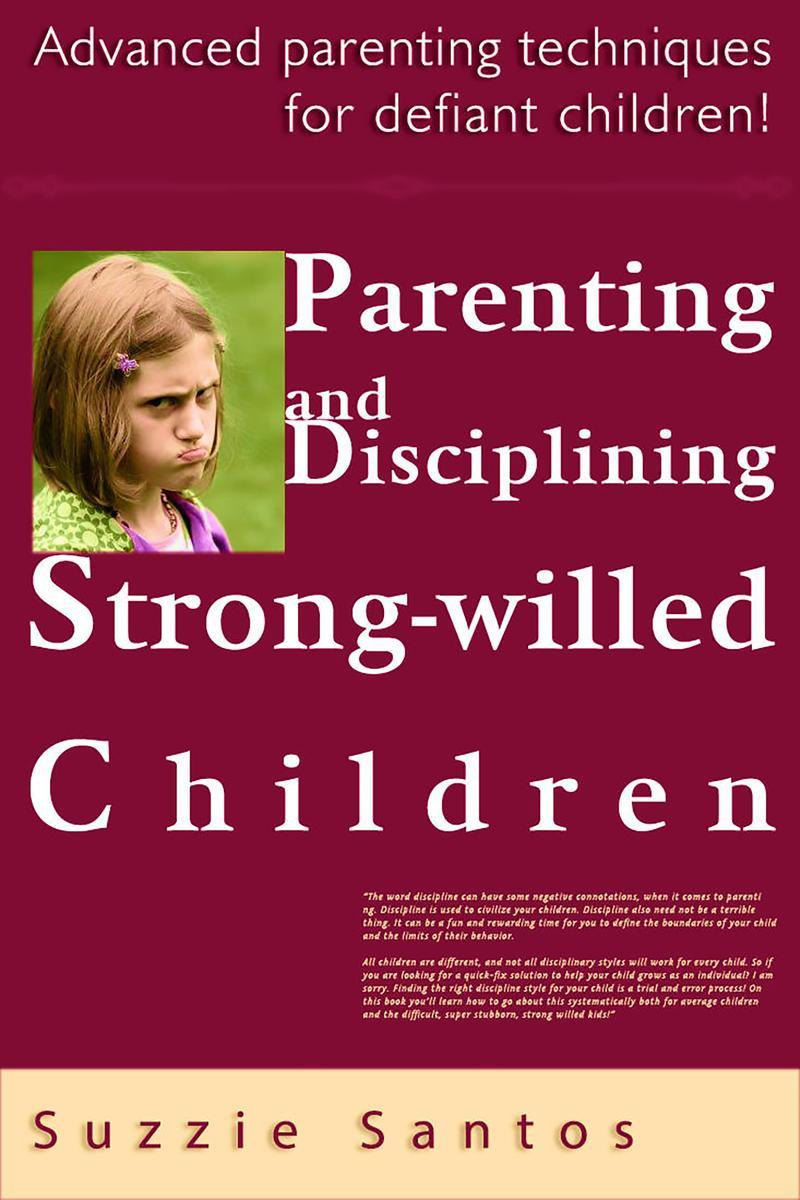
Parenting And Disciplining Strong Willed Children
¥24.44
The word discipline can have some negative connotations associated with it. When it comes to parenting, discipline is used to civilize your children. Discipline does not have to be a bad thing. It can be a fun and awarding time for you to show your child what the limits of their behavior are. All children are different, and not all discipline styles will work for every child. So if you are looking for a quick fix solution to help your child grows as an individual. I am sorry. Finding the right discipline style for your child or children is a trial and error process. On this book you'll learn how to go about this systematically both for average children, including the super stubborn, strong willed kids!

Ketogenic Diet Beginner's Guide Your Weight Loss Journey is About to Begin!
¥20.36
Have you tried endless diets in the past and always found they simply didn’t work for you? You were probably hungry, right? Who wants to be hungry when they don’t have to be? Nobody! The bottom line is that a diet should be a lifestyle change, and in order to make that change you need some guidelines and structure – enter the Keto Diet. This low carbohydrate diet is a fantastic way to achieve a healthier lifestyle overall, whilst losing a significant amount of weight, and not being hungry! Yes, you heard that right, no hunger!The Beginner’s Guide to the Ketogenic Diet takes you through the beginning of your Keto Diet journey, giving you all the information you need to not only understand the mechanics of the diet, but also giving you ideas and hints and tips, making kick-starting your new lifestyle much easier than it would be otherwise. Packed with useful advice, consider this book your Keto Diet buddy!

Agrárbárók
¥86.33
André-sztori IV. Pedig André már azt hitte, hogy maga m?g?tt hagyhatja a zaklatott múltat. Tévedett - mert az oroszok nem felejtenek... André Calvi megint célponttá válik, ?ngyilkos merényl? támad rá és imádott kislányára, Fruzsikára. Egyetlen másodperc véres drámája a nizzai utcán, amit?l minden megváltozik. Szétrobban az élete, hogy aztán számára ismeretlen er?k t?rbe csalják és keresztülrángassák a kelet-ukrajnai polgárháború mocskán. K?zben a magyar agrárbárók, akik csak a saját pénztárcájukat nézik, Moszkvában árusítják ki az országot. A sz?vevényes nemzetk?zi játszmában, Amerika és Oroszország k?zé szorulva, a magyarok számára nagy a tét: a paksi atomer?m? éppúgy, mint az Adriai-tenger mélyér?l felhozott Anjou-kincsek, de a gátlástalan milliárdosok miatt hazánk NATO-tagsága is veszélybe kerül. A magyar mez?gazdaságot kézben, a politikai elitet pedig sakkban tartó f?ldesurak el?sz?r még csak egy zalai vadászkastélyban konspirálnak, kés?bb viszont már orosz oligarchákkal Azerbajdzsánban. A kérdés mindvégig úgy szól, hogy eltaktikázza-e magát a minisztereln?k? Az Agrárbárók Frei Tamás negyedik akcióregénye. A f?h?s ezúttal is André, a korábbi három k?tetb?l már jól ismert magyar származású francia titkos ügyn?k, akit ezúttal nehéz lesz felismerni...

Унция Роман-фантазия. Музыкальное фэнтези Иллюстрованное издание
¥22.81
Пражский математик Якоб Пуп открывает формулу эфира, дающего возможность путешествовать по сердцам людей. Там он встречает воплощение вселенской любви и пытается создать из её лучей средство от страха и темноты в человеческой душе. История гениального ученого и мифической дриады в ?Унции? переплетается с романтическим приключением двух подростков, которым угрожает смертельная опасность. Волшебное действие с участием невероятных существ, полное чудесных превращений, раскрывает перед читателем невидимый мир, более значимый, чем зримый повседневный. Написанная с юмором и пронизанная музыкой и светом, эта книга для тех, кто нуждается в любви и надеется на бесконечное путешествие Жизни. Издательство Animedia Company желает вам приятного чтения.
El conde de montecristo
¥8.01
Novela de aventuras que tiene lugar en Francia, Italia y varias islas del Mediterráneo entre 1814 y 1838. La historia esta basada en las memorias de Jacques Peuchet, quien escribió sobre un zapatero llamado Fran?ois Picaud.

A szolgálólány meséje
¥74.56
Fredé hasznos asszony, a j?v? letéteményese. Olyasmire képes, amire csupán a n?k t?redéke: gyermeket szülni. Gileád állama kül?n?s figyelmet fordít arra, hogy ? és társai megértsék, a szülés életük egyetlen célja és értelme. A vallási fundamentalista alapokon kormányzott ország átnevel?k?zpontokban készíti fel a termékeny n?ket, hogy aztán az uralkodó elithez tartozó családokhoz kerülve két éven belül teherbe essenek a ház urától – a féltékeny, ám gyermekre vágyó Feleségek irigy pillantásaitól kísérve. Fredé a Parancsnok házában igyekszik belesimulni a hétk?znapokba, megfelelni a dogmatikus vallási el?írásoknak és mindenekel?tt megfoganni. Ha eltévelyedik, felakasztják a Falra, vagy ki?zik a Telepekre a Nemn?k k?zé hullákat égetni. A Parancsnok azonban egy este a szobájába hívatja, a szigorú tiltás ellenére teljesen egyedül, amire Fredé akkor sem mondhatna nemet, ha akarna. Margaret Atwood disztópiája megrázó vízió egy olyan világról, ahol a n?k egyetlen szerepe, hogy a vallás, az állam és a szaporodás szolgálatában állnak. A szerz? ?ellenjóslat”-nak nevezte regényét, mondván, ha ez a j?v? részletesen leírható, talán nem fog bek?vetkezni. A mára klasszikussá vált kultuszregényt 1986-ban Booker-díjra jel?lték, 1987-ben pedig megnyerte az els? Arthur C. Clarke-díjat; t?bb mint negyven nyelvre lefordították, és számos filmes és színházi feldolgozás után 2017-ben tévésorozatot is bemutattak bel?le. Majd el?veszem azt a kis vajdarabot, melyet vacsora után a jobb cip?m orrába dugtam… Mi nem kaphatunk sem kéz-, sem arckrémeket. Manapság minden ilyesmi haszontalanságnak tekintend?. Tárolóedények vagyunk, csupán a bels? szerveink fontosak számukra. A küls?nk fel?lük kiszikkadhat, megráncosodhat, akár a dió héja. A Feleségek rendeletben sz?gezték le, hogy nekünk ne járjanak testápoló szerek. Nem akarják, hogy vonzók legyünk. ?pp elég nehéz nekik így is…
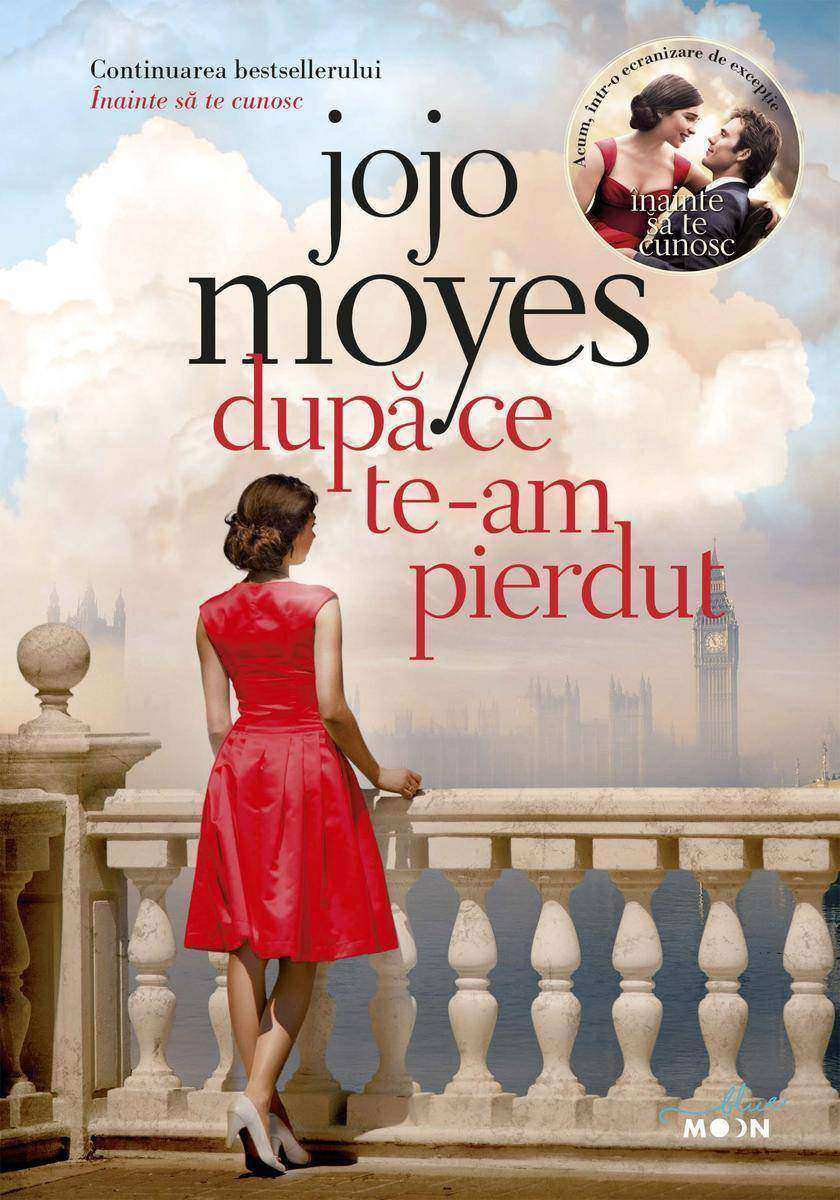
Dup? ce te-am pierdut
¥68.75
C?nd o poveste se sf?r?e?te, alta ?ncepe...Lou Clark are o mul?ime de ?ntreb?ri. Cum de a ajuns s? lucreze ?ntr-un bar din aeroport ?i s?-?i petreac? timpul urm?rindu-i cu privirea pe cei care pleac? spre alte locuri? Sau de ce nu se simte ?nc? acas? ?n apartamentul pe care ?l are deja de un an? Oare familia ei o va putea ierta pentru ce a f?cut cu optsprezece luni ?n urm?? ?i va reu?i vreodat? s? treac? peste iubirea vie?ii ei? Ceea ce Lou ?tie sigur e c? ceva trebuie s? se schimbe. Apoi, ?ntr-o noapte, la u?a ei bate cineva. Dar oare str?ina care ?i apare ?n prag are r?spunsurile pe care ea le caut? sau ?i aduce doar alte ?ntreb?ri? Dac? ?nchide u?a, via?a ei va continua ca p?n? acum: simpl?, ordonat?, sigur?. Dac? o deschide, va risca totul. ?ns? Lou a f?cut c?ndva o promisiune: s? tr?iasc?. ?i, dac? vrea s? o respecte, va trebui s? deschid? larg u?a...?Amuzant, surprinz?tor ?i emo?ionant, cu personaje care inspir? ?n acela?i timp optimism ?i melancolie... Un roman provocator ?i captivant, care reu?e?te s? surprind? ?ntreaga complexitate a iubirii.“
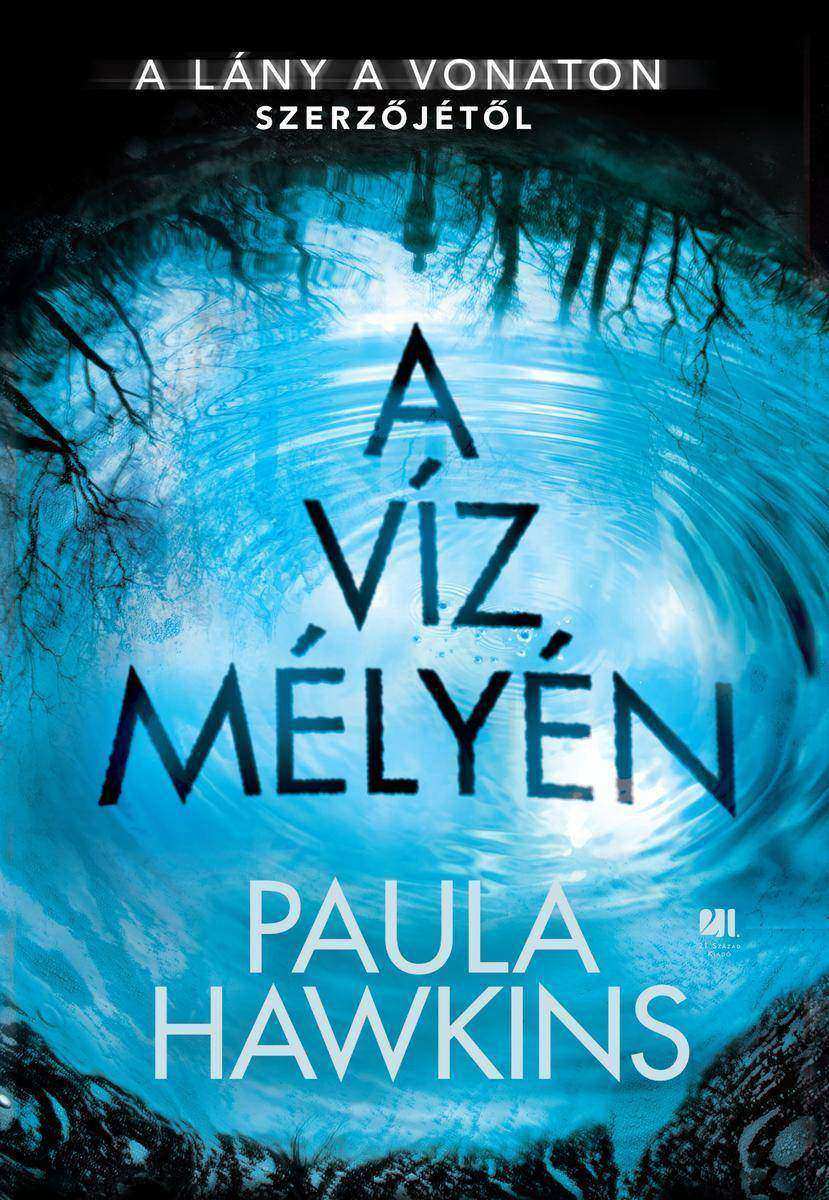
A víz mélyén
¥79.95
A várost átszel? folyóból holtan húznak ki egy fiatal n?t. Néhány hónappal korábban egy sérülékeny tinédzser lány végezte ugyanott, ugyanígy. El?ttük évszázadokon át asszonyok és lányok hosszú sora lelte halálát a s?tét vízben, így a két friss tragédia régen eltemetett titkokat bolygat meg - és hoz felszínre.Az utolsó áldozat árván maradt, tizen?t éves lányának szembe kell néznie azzal, hogy félelmetes nagynénje lett a gondvisel?je, aki most kényszeredetten tér vissza oda, ahonnan annak idején elmenekült, és ahová szíve szerint soha nem tette volna be újra a lábát. A folyóparti ház eresztékei éjjelente hangosabban nyikorognak, a fal t?vében susogó víz kísérteties neszekkel t?lti meg az egyébként zavartalan csendet. A lány a vonaton cím? regényhez hasonlóan PAULA HAWKINS újabb t?rténete is megállíthatatlanul sodorja az olvasót a végkifejlet felé, bizonyítva, hogy az írón? nagy ismer?je a n?i léleknek és az emberi ?szt?n?knek. A lány a vonaton az elmúlt évek legnagyobb sikere volt a magyar és a nemzetk?zi k?nyvpiacon. A szerz? második thrillerére két évet kellett várni. De - ahogy az els? olvasók egybehangzóan állítják - megérte.

Uma novinha em minha vida
¥8.18
Otávio vivia tranquilamente sua vida de aposentado com a esposa. Sua rotina despreocupada mudou quando sua esposa trouxe para morar com eles uma sobrinha distante.A sobrinha era uma novinha de 17 anos, cabelos ruivos e seios fartos. Como qualquer homem de meia idade, Otávio gamou na novinha e, mesmo resistindo, caiu em tenta??o.Uma tenta??o que lhe custou tudo.

Точка возврата - Женский любовный роман
¥38.07
Спустя три года после смерти мужа Женя так и не сумела обрести вкус к жизни. Она растит сына, терпит капризы матери, тянет лямку на работе в отделе кадров фарфорового завода. Евгений Халтурин, столичный кризисный менеджер, приезжает, чтобы запустить процедуру банкротства завода. Молодой, амбициозный и деятельный начальник раздражает Женю, и она высказывает негативное мнение о предстоящем банкротстве… Халтурин начинает размышлять о словах невзрачной кадровички, понимая, что хочет обязательно сделать ее своей союзницей. Но зачем? Женя разительно отличается от тех уверенных в себе элегантных светских женщин, которые привлекают его… Издательство Animedia Company желает вам приятного чтения.
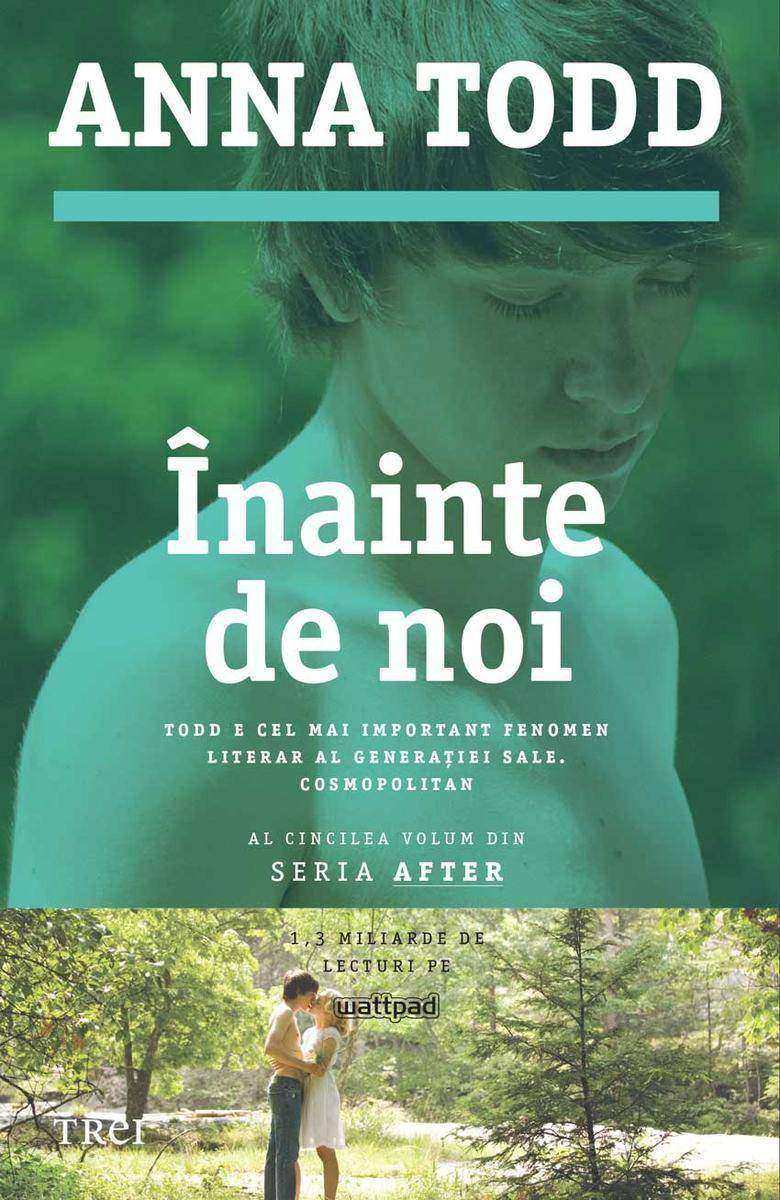
?nainte de noi
¥73.49
“Todd e cel mai important fenomen literar al genera?iei sale.” – Cosmopolitan Al cincilea volum din seria AFTER 1,3 miliarde de lecturi pe Wattpad ?nainte s? o cunoasc? pe Tessa, Hardin era impulsiv ?i s?lbatic. ?n timpul acelor prime momente ?n care s au ?nt?lnit, ?i a dat seama c? trebuie s? o ?in? l?ng? el – via?a lui depindea de ea. Dup? ce au r?mas ?mpreun?, lumea n-a mai fost niciodat? la fel. Dramatica poveste de dragoste dintre Hardin ?i Tessa s-a transformat ?ntr un v?rtej ?n care au fost atra?i to?i cei din jur. Acum ace?tia cap?t? o voce proprie ?i povestesc ce s-a ?nt?mplat ?nainte, pe parcursul ?i dup? evenimentele din primele patru volume ale seriei AFTER. Afl?m ?i cum vede Hardin prima ?nt?lnire cu Tessa – iar confesiunea lui va schimba complet ceea ce credeai c? ?tii despre b?iatul deprimat ?i ?ngerul care ?l iubea.? Domnul Darcy ?i Lizzy Bennett din vremurile noastre…? AFTER a adunat peste 1 miliard de fani online ?i a fascinat cititorii din ?ntreaga lume. Cite?te ?i tu cea mai viral? poveste de pe internet!“O lectur? foarte relaxant?, dar care are ?i mult dramatism… Te va captiva de la prima pagin?.” – A Bookish Escape“Am luat o peste tot cu mine ca s? pot citi despre Hessa ?n fiecare clip? liber? pe care am avut o. M-a vr?jit de la prima pagin?!” – Grown Up Fan girl“Anna Todd reu?e?te s? te fac? s? ?ipi, s? pl?ngi, s? r?zi, s? te ?ndr?goste?ti ?i s? te cuib?re?ti ?n pat… preg?te?te-te s? sim?i emo?ii pe care nu credeai c? ?i le poate aduce vreo carte.” - Fangirlish?

Emerson’s Story: (Creepy Hollow Books 7, 8 & 9)
¥81.67
Nearly eighteen years after the events of A Faerie’s Curse, a thrilling new adventure begins ... Emerson Clarke: Sarcastic. Independent. Possibly losing her mind Because that’s the only explanation for why she occasionally sees things that aren’t there, right? But one night, an impossible power erupts from her, and Em realizes the truth is crazier than she ever thought: she isn’t losing her mind she’s magical. Thrown into an entirely new world of faeries, enchantments—and the annoying guy from down the road who, it turns out, isn’t human either—Em barely has time to learn even the most basic of magic before another startling truth reveals itself: she has a Griffin Ability. A special kind of magic feared by fae. Now she’s at the top of everyone’s most-wanted list—including the mysterious glass faerie carrying out random attacks on fae. In this magical and terrifying world that she’s entirely unprepared for, Em must try to figure out who she really is, whom to trust, and how to stay alive long enough to get back to her normal life. Meet a new heroine and catch up with old favorite characters in this thrilling adventure packed with enchanting magic, unexpected twists, and a dash of romance. Includes the following THREE Creepy Hollow books: Rebel Faerie THE COMPLETE CREEPY HOLLOW SERIES CONSISTS OF THE FOLLOWING BOOKS: Violet's Story The Faerie Guardian The Faerie Prince The Faerie War Calla's Story A Faerie's Secret A Faerie's Revenge A Faerie's Curse Emerson's Story Glass Faerie Shadow Faerie Rebel Faerie


