


 购物车
购物车 个人中心
个人中心
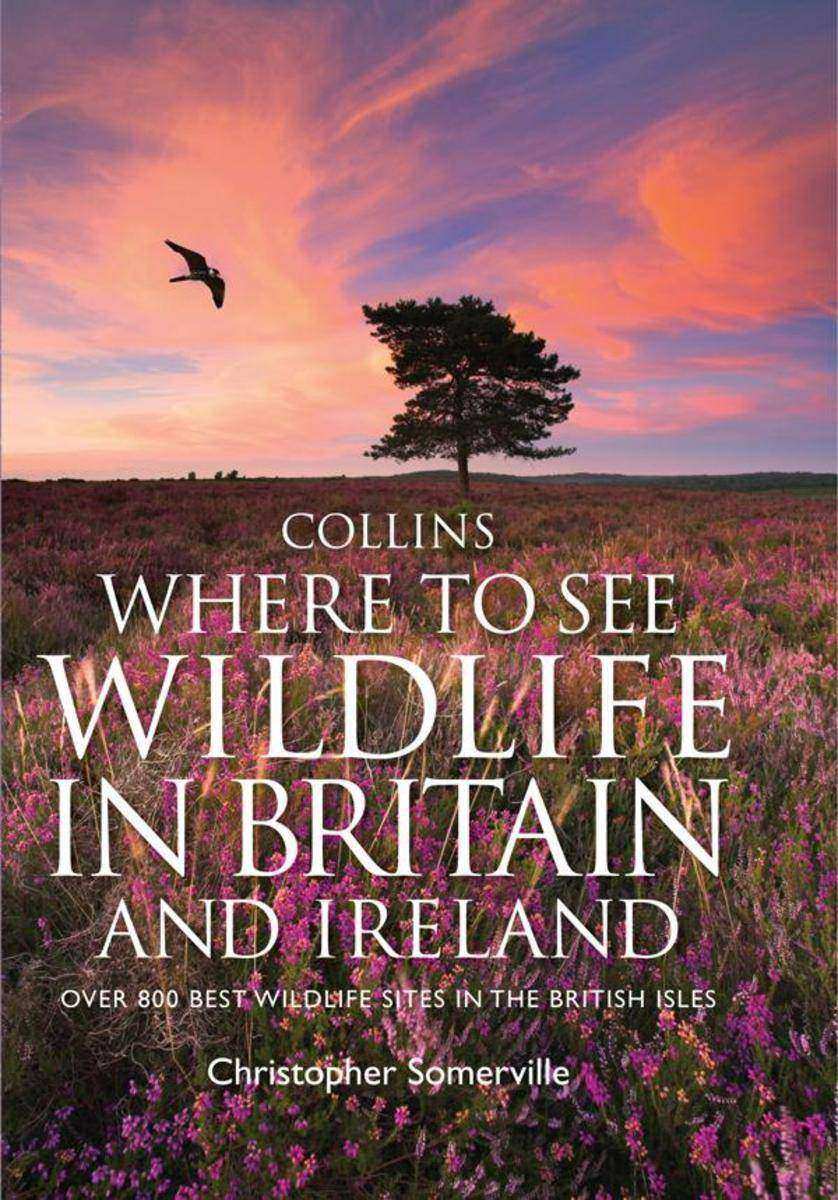
Collins Where to See Wildlife in Britain and Ireland
¥147.35
Have you ever wondered where the best places to go are to see leaping salmon, rutting deer, diving gannets, breaching whales or bluebell woods in full bloom? The British Isles are home to some of the richest and most varied wildlife to be found in Europe, and knowing when and where to go is the key to seeing Britain’s natural beauty at its very best. Divided into 50 regions, each accompanied by a detailed map, Where to See Wildlife in Britain and Ireland is packed with essential information on Britain and Ireland’s most exciting conservation sites, from nature reserves in Somerset renowned for their otters, to remote bird sanctuaries in the Highlands of Scotland, home to the glorious golden eagle. Featuring over 800 sites, including National and Local Nature Reserves, National Parks, RSPB Reserves, Sites of Special Scientific Interest, and Areas of Outstanding Natural Beauty, this highly informative book provides practical advice on the best time to go, how to get there, and what to see, along with suggestions for other places to visit in each area. Plants and animals associated with each site are highlighted throughout, and special features provide insight into the range of habitats you will encounter along the way, from marshes and wetlands to lakes and mountains. With over 500 stunning colour photographs and clear Collins road mapping, Where to See Wildlife in Britain and Ireland allows nature-lovers to plan anything from a fun day out for the family to a two–week tour of Britain’s wildlife treasures. So whether you want to see glow-worms glow in Devon, hares box in Hertfordshire, or sea eagles soar over Skye, this book will get you to the right place at the right time, helping to answer many of your questions along the way.

The Steel Bonnets
¥114.48
From the author of the famous ‘Flashman Papers’ and the ‘Private McAuslan’ stories.

The Fix
¥68.67
Addictions to iphones, painkillers, cupcakes, alcohol and sex are taking over our lives. Our most casual daily habits can quickly become obsessions that move beyond our control. Damian Thompson, who has himself struggled with a range of addictions, argues that human desire is in the process of being reshaped. Shunning the concept of addiction as disease, he shows how manufacturers are producing substances like ipads, muffins and computer games that we learn to like too much and supplement tradition addictions to alcohol, drugs and gambling. He argues that addictive behaviour is becoming a substitute for family and work bonds that are being swept away by globalisation and urbanisation. This battle to control addiction will soon overshadow familiar ideological debates about how to run the economy, and as whole societies set about “fixing” themselves, the architecture of human relations will come under strain as never before. The Fix offers a truly frightening glimpse of the future and is essential reading for fans of Naomi Klein’s ‘No Logo’, Oliver James’s ‘Affluenza’ and Francis Wheen’s ‘How Mumbo-jumbo Conquered the World’.
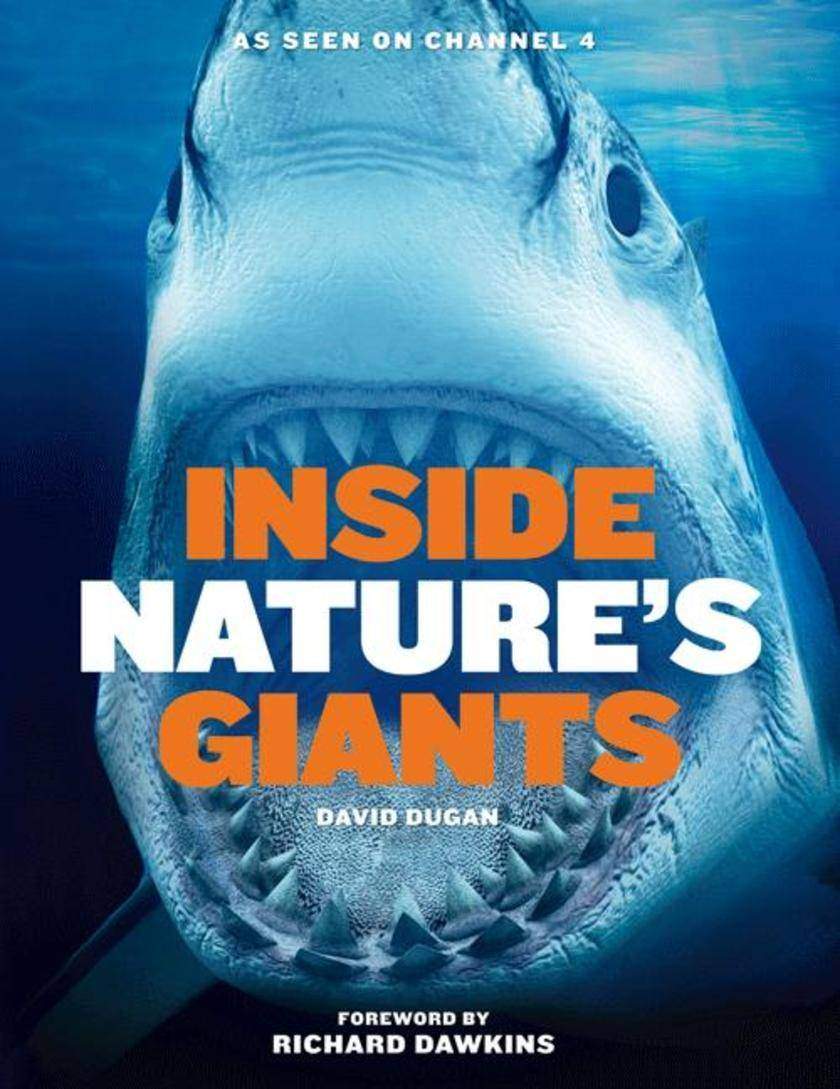
Inside Nature’s Giants
¥147.35
With a foreword by Richard Dawkins, and based on the BAFTA award-winning Channel 4 TV series, Inside Nature’s Giants gets under the skin of the largest animals on the planet. See them as you've never seen them before – from the inside out. Inside Nature’s Giants explores the anatomy of the largest animals on the planet to reveal how these amazing creatures really work. Rather than simply telling you how an animal behaves, the book features dissection, CGI and wildlife photography to show how millions of years of evolution have enabled animals to thrive across the world. This is natural history as you’ve never seen it before – from the inside out. Join the Inside Nature’s Giants team of scientists and anatomical experts, including, among others, veterinary scientist Mark Evans, enthusiastic, scalpel-wielding anatomist Joy Reidenberg, science presenter Simon Watt and evolutionary biologist Richard Dawkins, as they unlock the secrets behind some of nature's most extraordinary beasts. Why doesn’t a giraffe keel over and faint, when its head is so far above its heart? Why are crocodiles hopeless at chewing, when they have the strongest bite of all animals, and why does a giant squid have three hearts and pass food through its brain? By rolling up their sleeves to delve into these animals the team discover the answers to these, and many other fascinating, questions, revealing how evolution by natural selection is responsible for the bizarre biology of elephants, sharks, giraffes, big cats, hippos, crocodiles, camels, whales, kangaroos, giant squids and more. Using an interactive approach, Inside Nature’s Giants offers an exciting, alternative take on natural history. By opening the single- and double-page gatefolds readers can go beneath the skins of the animals to experience for themselves how evolution has shaped the anatomy of some of nature’s most magnificent animals.
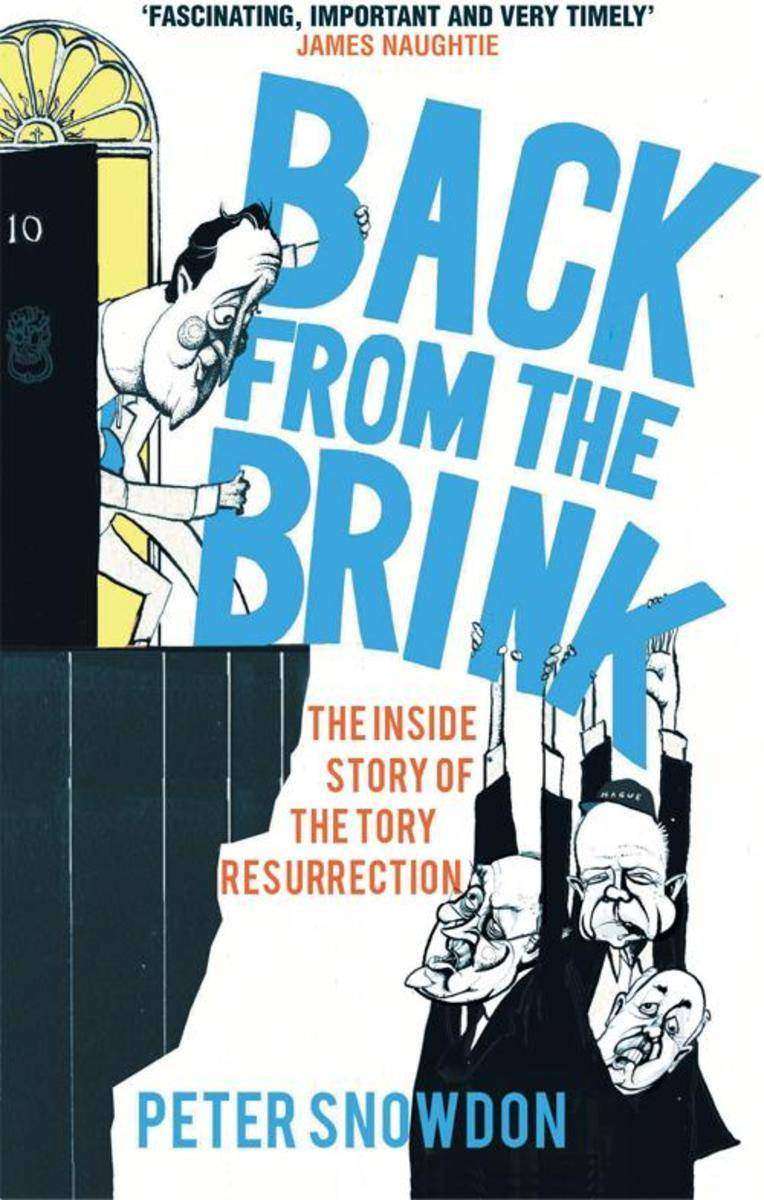
Back from the Brink: The Inside Story of the Tory Resurrection
¥109.48
Lifting the lid on the most captivating story in British politics today, ‘Back from the Brink’ charts the Conservative Party's remarkable journey from the political wilderness to the threshold of power. Based on unprecedented access to key figures in the Conservative party, including every leader from John Major to David Cameron, political journalist Peter Snowdon sheds new light on the dramatic decline and renaissance of the party that dominated 20th century British politics. He reveals how the Conservatives were torn apart by in-fighting as they struggled to come to terms with their catastrophic electoral defeat in 1997 and the continuing trauma of Margaret Thatcher's sudden removal from office several years earlier. Under a succession of hapless leaders - William Hague, Iain Duncan Smith and Michael Howard - the party lost two further elections and at times effectively ceased to function as a political force across whole swathes of Britain. It took the emergence of a new generation of Conservatives, and David Cameron's election as leader in 2005, to set the party on the uneven road to electoral recovery. Packed full of fresh insights into what really goes on behind closed doors at Westminster, Back from the Brink exposes the bitter rivalries and recriminations that have blighted the Conservatives in Opposition, and gets to the heart of Cameron's quest for power and ambitions for office.
The Cracking Code Book
¥53.56
How to make it, break it, hack it, crack it. The secret history of codes and code breaking. Simon Singh’s best-selling title The Code Book now re-issued for the young-adult market. The Science of Secrecy from Ancient Egypt to Quantum Cryptography. Simon Singh brings life to an amazing story of puzzles, codes, languages and riddles – revealing the continual pursuit to disguise and uncover, and to work out the secret languages of others. Codes have influenced events throughout history, both in the stories of those who make them and those who break them. The betrayal of Mary Queen of Scots and the cracking of the enigma code that helped the Allies in World War II are major episodes in a continuing history of cryptography. In addition to stories of intrigue and warfare, Simon Singh also investigates other codes, the unravelling of genes and the rediscovery of ancient languages and most tantalisingly, the Beale ciphers, an unbroken code that could hold the key to a $20 million treasure.
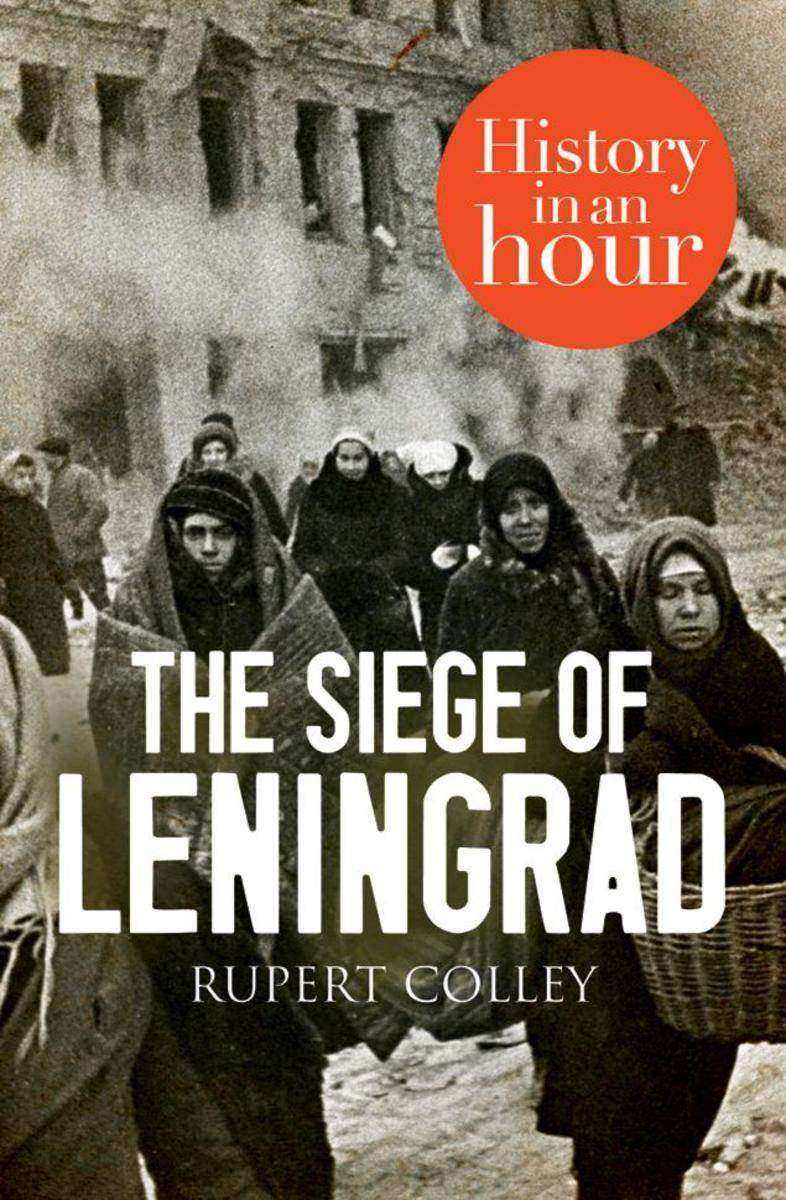
The Siege of Leningrad:History in an Hour
¥18.05
Love history? Know your stuff with History in an Hour. The Siege of Leningrad was one of the longest sieges in history and it inflicted some of the worst civilian casualties of World War Two. When Hitler declared his intention to obliterate the key city of Leningrad on 22 September 1941, he could not have foreseen the grim determination of its citizens. Over the course of 900 days, the city resisted the Germans pounding at its gates. Its survival contributed to the defeat of Nazism. But the price was heavy – over 1 million died in Leningrad from German bombs and artillery, or from disease, the cold or starvation. In its suffering Leningrad became a source of symbolic national pride, of good conquering evil. The story of the siege is one of heroic resistance and stoical survival but it also one of unimaginable suffering and extreme deprivation. THE SIEGE OF LENINGRAD: HISTORY IN AN HOUR is essential reading for all history lovers. Know your stuff: read about the Siege of Leningrad in just one hour.
A Book of Voyages
¥69.26
Never previously published in this country, A Book of Voyages presents writings by various travelers, annotated and introduced by Patrick O Brian. Most are taken from the seventeenth and eighteenth centuries; O Brian felt that, unlike Elizabethan or Victorian accounts, these writings were relatively unknown in our time. On her journey through the Crimea, Lady Craven witnesses barbaric entertainments in the court of the Tartar Khan. John Bell tells us of his day s hunting with the Manchu emperor in 1721 outside Peking. An English woman in Madras gives us a detailed de*ion of the extraordinary costume and body decoration of a high-born Indian woman, wife of a nabob. These and other selections are glimpses of a world, now gone forever, that few readers would ever see for themselves. They are also quite possibly the inspiration for the travels and adventures of O Brian s own fictional heroes Captain Jack Aubrey and Stephen Maturin."
Broke:Who Killed the Middle Classes?
¥66.22
If you thought being middle-class meant your own home, something set aside for the kids and a comfortable retirement – think again. For the first time ever, today’s middle classes will struggle to enjoy the same privileges of security and comfort that their grandparents did. How did this situation come about? What can be done about it? In this beautifully shaped inquiry, David Boyle questions why the middle classes are diminishing and how their status, independence and values are being eroded. From Thatcher’s boost of the mortgage market to Blair and Brown’s posturing over public services, ‘Broke’ examines the key moments in recent history that created ‘the squeezed middle’. Can the middle classes be revived? Should they be? Although they were not innocent in their downfall, Boyle argues that a newly galvanised middle class could be the key to future economic stability. The middle class may be broke, but it is not beyond repair.
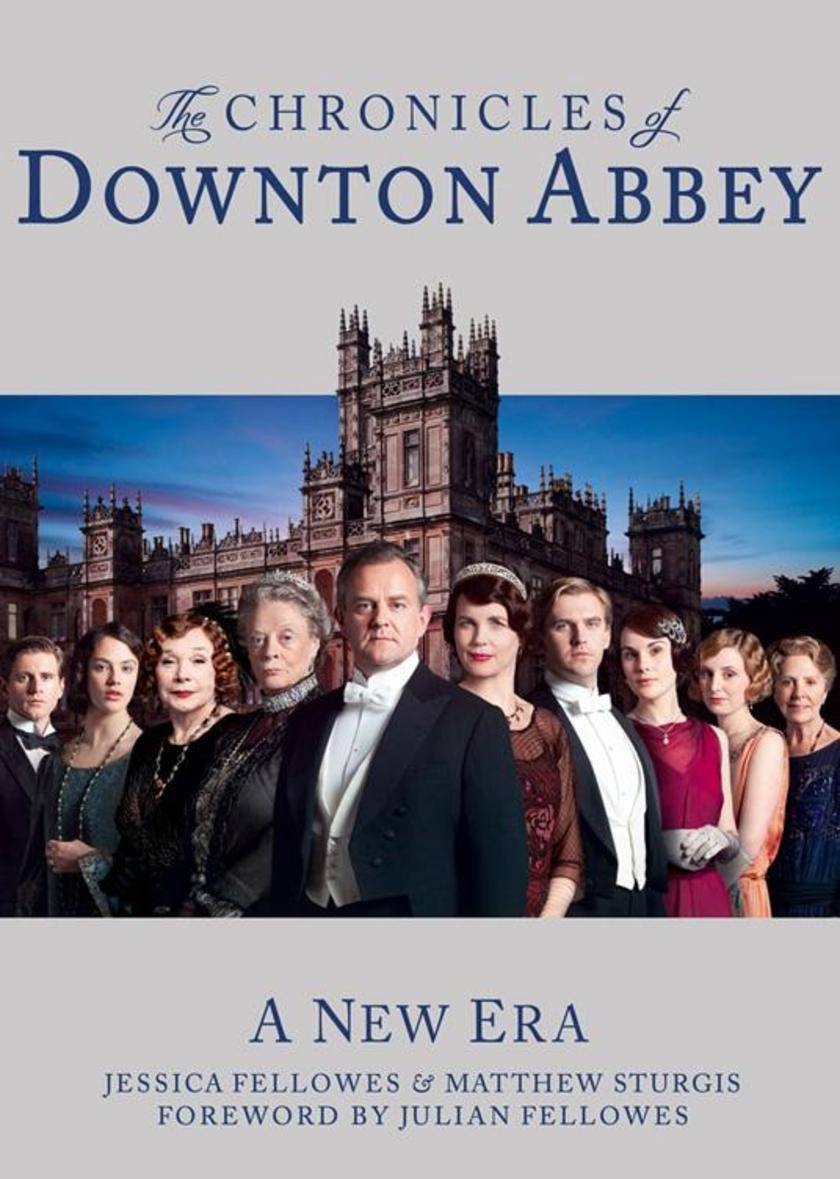
The Chronicles of Downton Abbey (Official Series 3 TV tie-in)
¥147.35
The official companion to all three seasons. The Great War has ended, but Downton Abbey is far from peaceful… A changing world has brought new challenges and new guests. Inside the walls of the Great House there is more intrigue, rivalry and romance than ever. The Chronicles of Downton Abbey take you deep into the lives of the Crawleys, their servants, lovers, friends and guests. So wander the crowded servants' quarters and peek into luxurious bed chambers. Go beneath the surface, and experience every aspect of their lives – from daily routines, dressing tables and treasure chests to their most secret hopes and fears. This definitive book explores the lives of every important member of the Downton estate. Focusing on each character individually, it examines their motivations, their actions and the inspirations behind them. An evocative source of story and background, it will take you even deeper into the secret, beating heart of the house.

Yorkshire Dales (Collins New Naturalist Library, Book 130)
¥257.90
A definitive natural history of the Yorkshire Dales, covering the range of wildlife habitats, rich cultural heritage and ecological history of one of our best-loved National Parks. The Yorkshire Dales National Park is a special place: its outstanding scenery and the diversity of habitats is perhaps unrivalled in any other National Park in Britain. This rich biodiversity has been a great attraction to naturalists for over two centuries. But to fully appreciate the present-day plant and animal communities, their status and the constraints upon them, it is important to understand the geology and landscape history of the National Park, including the role that human populations have played in modifying the environment. In this long-anticipated New Naturalist volume, John Lee introduces the National Park, exploring both its geology and geomorphology, and describing the role of early naturalists and the Yorkshire Naturalists Union in recording and understanding the natural history of the Dales. He describes the major habitats or groups of habitats which underline the ecological importance of the Dales. Lee covers the earliest settlement times to the modern day, and he focuses in particular on the most iconic plant of the Dales, the Lady’s Slipper Orchid, arguably the rarest of native British plants, which until recently was thought to be confined to a single plant in the Dales. Lee takes a historical approach, describing its near eradication and early attempts to conserve it – including the establishment of a secret society – concluding with recent scientific conservation approaches.
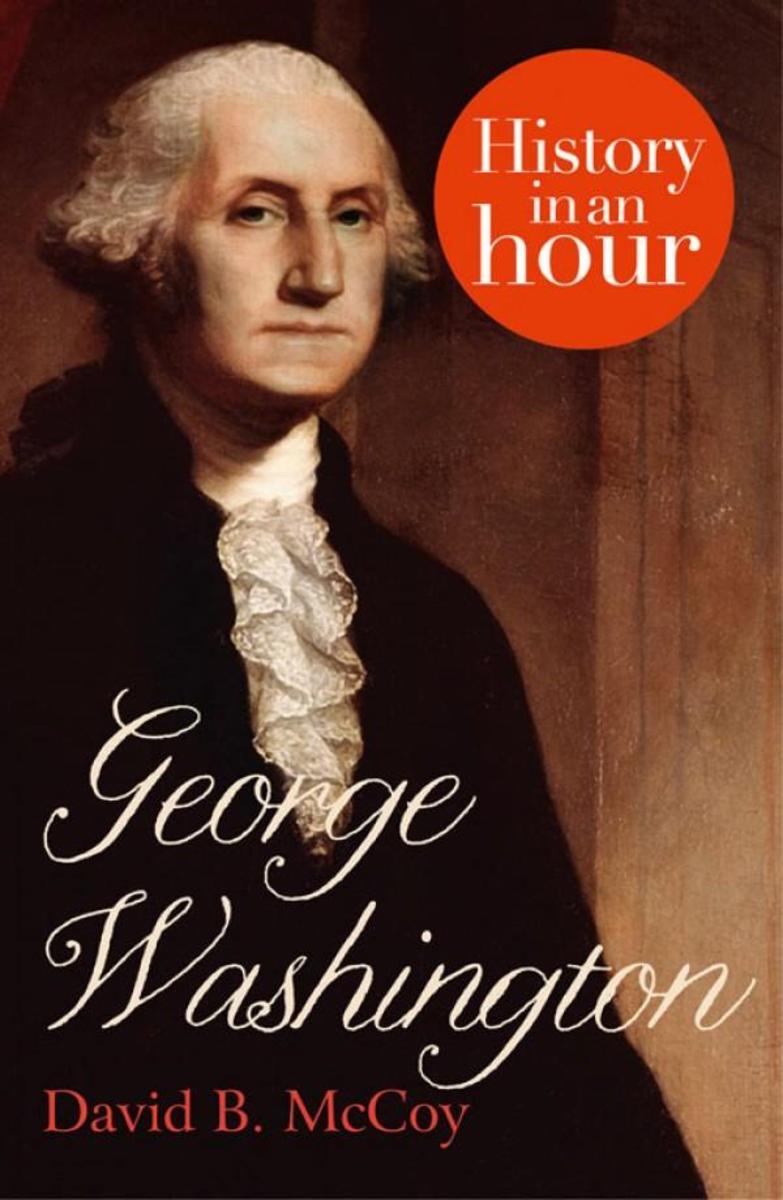
George Washington:History in an Hour
¥14.81
Love history? Know your stuff with History in an Hour. George Washington – a figure synonymous with American history. His image is known worldwide, marked on American currency, postage stamps – even a state is named after him. George Washington in an Hour explores the man beneath the symbol. This is the essential chronicle of Washington’s life – his rise from middle class Virginian upbringing to America’s first President, elected unanimously twice. Explore Washington’s legacy – from securing Independence, to his instrumental role in writing and adopting the American constitution. George Washington in an Hour covers Washington’s redefinition of greatness, relinquishing power not once but twice – at the end of Revolution and his second term in Presidency. Learn why Washington is still considered one of the most influential people in history, and how his impact shaped the world in this engaging overview of his life. Love history? Know your stuff with History in an Hour…
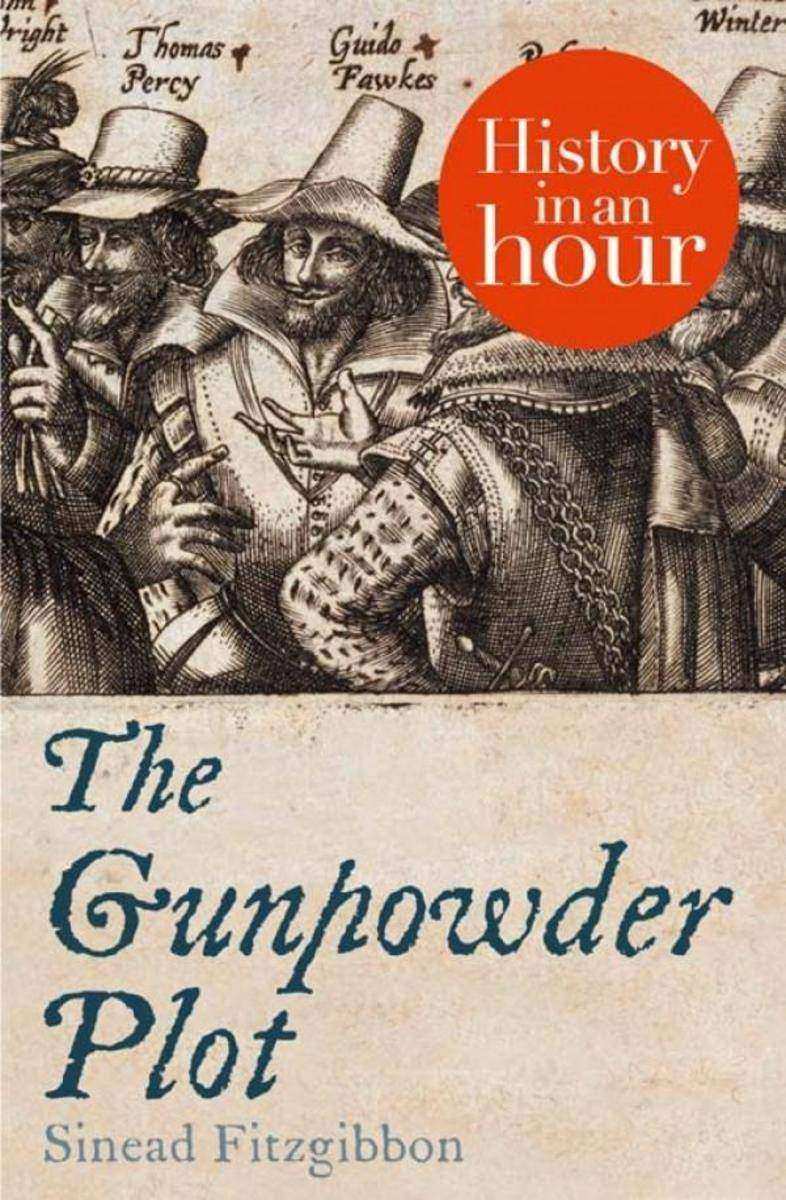
The Gunpowder Plot:History in an Hour
¥18.05
Love history? Know your stuff with History in an Hour. ‘Remember, remember, the fifth of November’. The gunpowder plot is a famed tale of treachery that continues to fascinate and capture the imagination four hundred years on. The Gunpowder Plot in an Hour reveals the elaborate background to the infamous plot to blow up the Houses of Parliament and James I, the ultimate act of treason. This compelling and engaging account of one of the most famous historical events in English history follows the Catholic protagonists hatching their plan through to their inevitable, gruesome deaths. Learn who the Catholic traitors were, what drove them to such desperate measures, and how the plot was discovered. The Gunpowder Plot in an Hour gives a concise overview of this enduring event and is a must for all history lovers. Love history? Know your stuff with History in an Hour…

Connected: The Amazing Power of Social Networks and How They Shape Our Lives
¥73.58
Is happiness catching? Are your friends making you fat? Can your sibling make you smart? Is wealth contagious? Where is true love found? Does free will exist? Based on exciting discoveries in mathematics, genetics, psychology and sociology, ‘Connected’ is an innovative and fascinating exploration of how social networks operate. Think it's all about who you know? It is. But not the way you think. Turns out your colleague's husband's sister can make you fat, even if you don't know her. And a happy friend is more relevant to your happiness than a bigger income. Our connections – our friends, their friends, and even their friends' friends – have an astonishing power to influence everything from what we eat to who we sleep with. And we, in turn, influence others. Our actions can change the behaviours, the beliefs, and even the basic health of people we've never met. In this brilliantly original and effortlessly engaging exploration of how much we truly influence one another. Pre-eminent social scientists Nicholas Christakis and James Fowler explain why obesity is contagious, why the rich get richer, even how we find and choose our partners. Intriguing and entertaining, with revelatory implications for everything from our notion of the individual to ideas about public health initiatives, ‘Connected’ will change the way you think about every aspect of your life, and how you live it.

A Death in Belmont
¥73.58
A compelling portrait of 1960s America that takes as its starting point the brutal events of 11 March 1963, the day on which the lives of three complete strangers – a black handyman, an Italian-American carpenter and a second-generation Jewish housewife – collided in the leafy Boston suburb of Belmont. These three people did not know one another, but, by the end of the day, the housewife had been raped and strangled, the handyman had been arrested on suspicion of being the notorious Boston Strangler, and the real Boston Strangler – carpenter Al DeSalvo – had returned home to his wife and children. It was not until two years later that DeSalvo admitted to the gruesomely violent murders of thirteen women. Also unwittingly drawn into the drama were one-year-old Sebastian Junger's own family, who posed for a photograph with DeSalvo the day after the Belmont strangling, at the completion of his work on their studio. Taking the chilling family snap as his inspiration, Junger explores the worlds of the three protagonists and, in so doing, creates a portrait of America in the 1960s that touches on the historic themes of the era: the assassination of JFK, the rise of the immigrants and the troubling race relations that prefigured the death of Martin Luther King. This new work by Sebastian Junger, the acclaimed author of ‘Perfect Storm’ and ‘Fire’, is as enlightening as it is haunting. Taking as its foundation the events that shocked a quiet community in 1963, ‘A Death in Belmont’ expands to encompass an entire nation at a time of extraordinary social turmoil.
Redcoat: The British Soldier in the Age of Horse and Musket
¥80.25
Redcoat is the brilliant story of the common British soldier from 1700 to 1900, based on the letters and diaries of the men who served and the women who followed them. Delving into the history of the period – charting events including Wolfe's victory and death at Quebec, Wellington's Peninsular War, Waterloo, the retreat from Kabul and the Sikh wars – celebrated military historian Richard Holmes provides a comprehensive portrait of a fallible but extraordinarily successful fighting force.
The Frozen Water Trade (Text Only)
¥72.99
The story of the 19th-century ice trade, in which ice from the lakes of New England – valued for its incredible purity – revolutionised domestic life around the world. In the days before artificial refrigeration, it was thought impossible to transport ice for long distances. But one man, Frederic Tudor, was convinced it could be done. This is the story of how, almost single-handedly, and in the face of near-universal mockery, he established a vast industry that would introduce the benefits of fresh ice to large parts of the globe. Thanks to Tudor, the American fashion for drinks ‘on the rocks’ spread to tropical areas such as the West Indies and British India. By the 1830s fleets of schooners carried the frozen cargo, packed with sawdust and tarpaulins for insulation, to all corners of the world. The harvesting of the ice from New England’s lakes employed thousands of men. The frozen water trade had a profound influence on the tastes of a large part of the world, but with the development of artificial cooling systems in the first quarter of the 20th century, the huge industry established by Frederic Tudor vanished as if it had never been. Note that it has not been possible to include the same picture content that appeared in the original print version.
Bird Migration (Collins New Naturalist Library, Book 113)
¥206.30
The phenomenon of bird migration has fascinated people from time immemorial. The arrivals and departures of different species marked the seasons, heralding spring and autumn, and providing a reliable calendar long before anything better became available. Migration is shown by many kinds of animals, including butterflies and other insects, mammals, marine turtles and fish, but in none is it as extensively developed as in birds. The collective travel routes of birds span almost the entire globe, with some extreme return journeys covering more than 30,000 km. As a result of migration, bird distributions are continually changing – in regular seasonal patterns, and on local, regional or global scales. Migration has repeatedly prompted familiar questions, such as where birds go or come from, why do they do it, how do they know when and where to travel, and how do they find their way? In this book, Ian Newton sets out to answer these – and other – questions. The book is divided into four main sections: the first is introductory, describing the different types of bird movements, methods of study, and the main migration patterns seen around the British Isles; the second part is concerned mainly with the process of migration – with timing, energy needs, weather effects and navigation; the third with evolution and change in migratory behaviour; and the fourth with the geographical and ecological aspects of bird movements.

Wildfowl (Collins New Naturalist Library, Book 110)
¥206.30
New Naturalist Wildfowl provides a much-anticipated overview of the fascinating birds that have become icons of our diminishing wilderness areas. Wildfowl – swans, geese and ducks – have been the subject of poetry, fables, folklore and music, and a source of inspiration to writers, artists, historians and naturalists alike. Historically, they have featured prominently in our diet – more recently they have become the most widely domesticated group of birds. Wildfowl have been scientifically studied more intensively than any other group of birds and were one of the first groups to highlight more general issues of conservation. Their status as the most popular group of birds is underlined by the success of the original Wildfowl Trust (now the Wildfowl & Wetlands Trust). David Cabot has been obsessed with wildfowl for nearly sixty years. In this seminal new work, he discusses the 56 species of wildfowl that have been recorded either in a natural state, or that have been introduced and now maintain self-sustaining populations in Britain and Ireland. He focuses on their social behaviour, feeding ecology and population dynamics, and in particular their seasonal migration patterns. He also explores the evolution and history of wildfowl and our long relationship with them, through popular mythology and legends, which continue to fascinate us with a sense of mystery and awe.
Grouse (Collins New Naturalist Library, Book 107)
¥231.22
With less than twenty species worldwide and only four British and Irish species, the grouse is surprisingly well-known. Its habitats are diverse and relatively remote – ranging from deep forests, through open moorland, to Scotland’s highest peaks. ‘Grouse: The Natural History of British and Irish Species’ covers four of the most emblematic species of our upland regions. Collectively they have the most fascinating life histories of any bird group, individually they have their own stories to tell: the ptarmigan is a resident of our highest mountain areas, the black grouse is famous for its extraordinary mating displays, the capercaillie is one of our largest birds and the red grouse, whilst no-longer one of the few British endemics, is one of the most heavily researched species. All four face similar problems, including habitat loss, predators, pests, disease and food shortage. This is compounded by issues of managed animal populations and controversy surrounding the commercial worth of grouse. This volume in the New Naturalist series, written by two of the world's leading grouse specialists, offers a fascinating insight into the natural history and biology of these birds, including aspects of their behaviour, the historical relevance of their names, the reasons behind population fluctuations and international conservation efforts.

Como deixar um homem aos seus pés
¥8.18
Que mulher n?o gosta de ter o homem aos seus pés? De manipulá-lo, de fazê-lo de gato e sapato?Quanto mais o homem estiver sob o nosso controle, melhor para a nossa vaidade e auto-estima, e claro: menores as chances do safado nos fazer sofrer.


