


 购物车
购物车 个人中心
个人中心
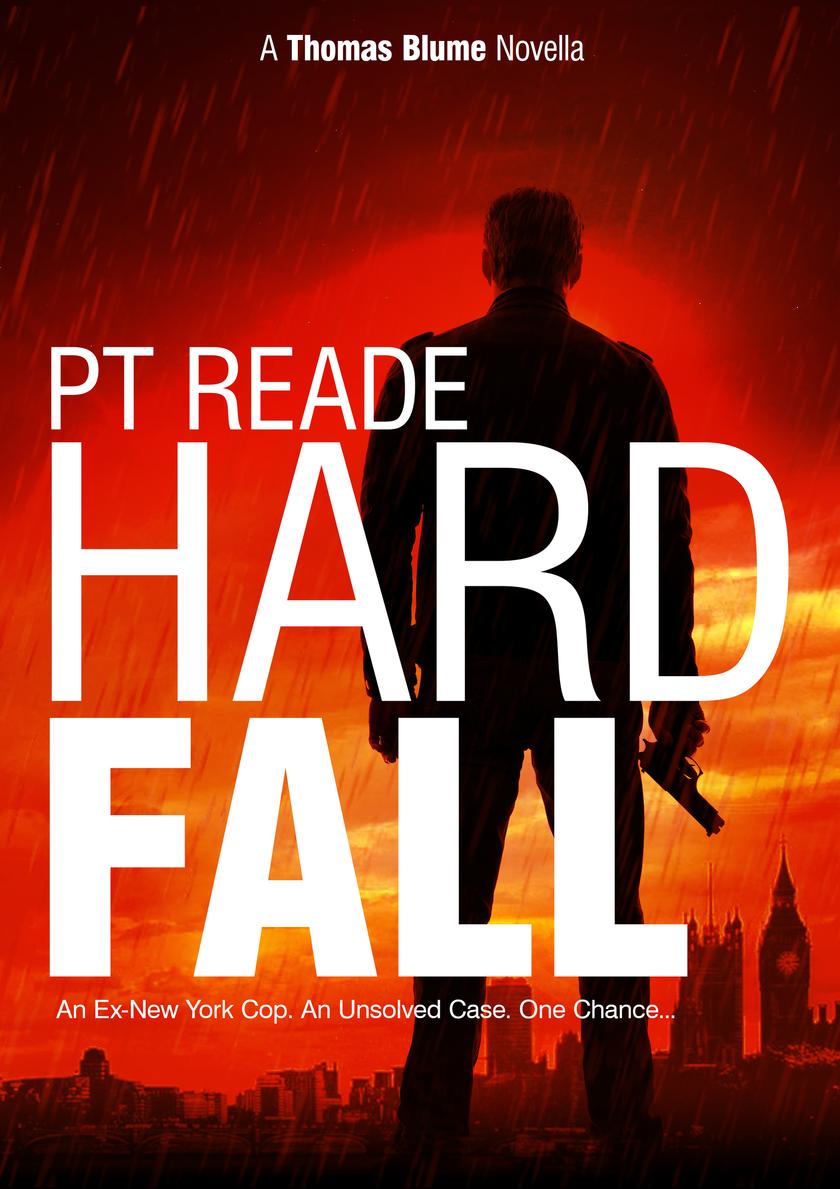
Hard Fall:A gripping noir thriller
¥0.01
An ex-cop with a past. A case police couldn't solve. One chance at redemption... An ex-New York detective, now working as a freelance investigator in London; Thomas Blume hunts for the killers that tore his family apart. For justice, for closure, for revenge. But when Blume stumbles across a case that baffled local police, he unwittingly becomes part of a world full of criminals, thugs and corrupt cops that will do anything to stop him. Now, in a country he doesn't understand and a city stacked against him, Blume must fight to expose the truth… before it's too late. Over 20,000 copies downloaded. Discover the thrilling first book in the Thomas Blume hard boiled mystery series today!? Click and get your copy now!

Calla's Story:(Creepy Hollow Books 4, 5 & 6)
¥81.67
The magic, mystery & adventure continue, ten years later ... When Calla Larkenwood is given the opportunity to realize her dream of becoming a guardian, she enters a world far more dangerous than she could ever have imagined. One foe is intent on bringing the Guild down for good, while another prepares for a horrifying prophesied spell that will forever change both the magic and non-magic realms. In a world where everyone keeps secrets and the line between good and bad has become blurred, how will Calla figure out whom to trust? Join beloved Creepy Hollow characters and new heroes in this thrill ride of heart-pounding action, startling revelations, and dangerous magic, beginning ten years after the events of The Faerie War. Includes the following THREE Creepy Hollow books: A Faerie’s Secret A Faerie’s Revenge A Faerie’s Curse THE COMPLETE CREEPY HOLLOW SERIES CONSISTS OF THE FOLLOWING BOOKS: Violet's Story 1. The Faerie Guardian 2. The Faerie Prince 3. The Faerie War Calla's Story 4. A Faerie's Secret 5. A Faerie's Revenge 6. A Faerie's Curse Emerson's Story 7. Glass Faerie 8. Shadow Faerie 9. Rebel Faerie

Career Change
¥48.97
Are you tired of asking "What should I do with my life?” Are you sick of your job? Don't worry, I know how you feel! I used to start every working week saying "I hate my job" and spend every Friday night drinking too much to drown my misery. I was a cubicle worker in large corporates, going to pointless meetings, writing endless documents no one would read, testing computer systems that would soon be obsolete. Every day, my soul and my creativity died a little. Maybe you feel the same? Well, life is too short to just exist on the edge of breakdown, and there is a better way of living. You need to discover what you love to do and then make that your job, your life's work. This book will take you through understanding the way you feel now as well as how to improve your current situation immediately so you can create enough space to work on breaking out and doing what you truly love. It also contains the career change process I used to go from management consultant to full-time author-entrepreneur. It's time to change your career and your life. In this book, you will find:? Part 1: I hate my job 1) Identifying the problem 2) The results of an unhappy workplace- stress, depression and weight gain Part 2: How to improve your current situation 3) Develop yourself 4) Coping with stress at work 5) Being valued and appreciated 6) Escaping the trap 7) Making money and keeping hold of it 8) Being creative 9) Escape is sometimes necessary Part 3: How to change your career 10) What do you really want to do? 11) Entrepreneurship or working for yourself 12) The Career Change Process 13) Setting and achieving your goals 14) Your Challenge. Your Future Bonus Articles: * Case Study Micro-Entrepreneur: How I run my business, The Creative Penn Limited * Interview with Joanna Penn on how to change careers * From affirmation to reality: the author’s story * The Smart Person’s Guide to Quitting the Day Job Life’s too short to continue feeling this way. It’s time to change your life. Packed with strategies, tips and personal stories that will help you find the work you love. If you want to change your life and your career, download a sample or buy now.

Toate acele lucruri pe care nu ni le-am spus
¥73.49
Cu doar c?teva zile ?nainte de nunt?, Julia prime?te un telefon de la secretarul tat?lui s?u. A?a cum intuia, Anthony Walsh — om de afaceri str?lucit, dar tat? distant — nu va putea veni la ceremonie. Nu e prima oar? c?nd Anthony Walsh dispare brusc din via?a ei, bulvers?nd?o cu totul. De data aceasta ?ns?, Julia trebuie s? admit? c? scuza este imbatabil?: tat?l s?u a murit! A doua zi dup? ?nmorm?ntare, Julia descoper? ?ns? c? tat?l s?u ?i rezervase o alt? surpriz?. Cea mai neobi?nuit? c?l?torie din via?a ei... ?i ocazia de a??i spune, ?n sf?r?it, lucruri pe care nu ?i le?au spus niciodat?. Reg?sim ?n aceast? poveste atmosfera ?nc?rcat? de romantism ?i fantastic din ?i dac? e adev?rat, romanul care l-a f?cut celebru pe Marc Levy. Pentru cititorii francezi, Marc Levy ?ntruchipeaz? un destin de basm: ajuns t?rziu la literatur?, acest autor, pe c?t de discret, pe at?t de melancolic, s?a impus ?nc? din momentul ?n care primul s?u manuscris a ?nc?put pe m?na editorului, scenariul corespunz?tor fiind imediat cump?rat de compania de film a lui Steven Spielberg. Ast?zi, el a devenit la noi scriitorul cel mai popular. Secretul s?u? Un adev?rat sim? al povestirii, o extraordinar? capacitate de a capta mitologia timpurilor noastre, un romantism inalterabil care pune mai presus de orice o scriitur? eficace, foarte american?, ce merge direct la scop. Miracolele nu se explic?, se constat?. – Pascal Bruckner ?... un amestec de m?iestrie ?i suspans, ce te poart? cu precizie infailibil? ?ntr-o lume ?n care visele tale devin realitate.“ Le Parisien
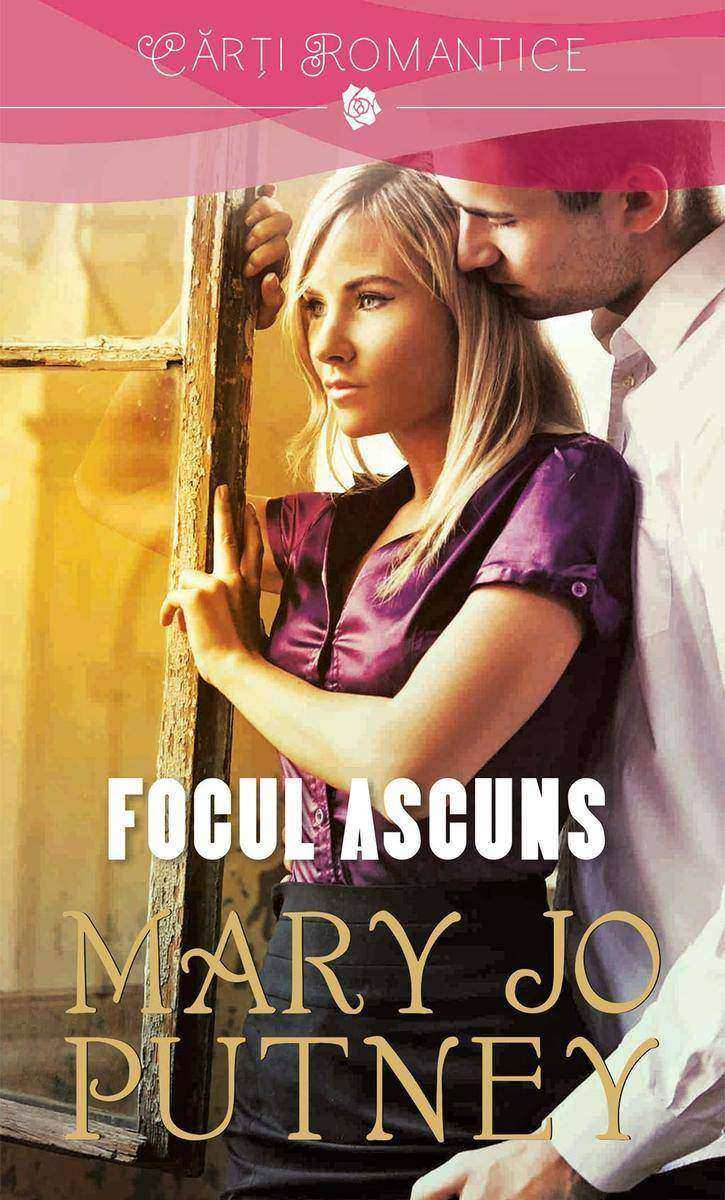
Focul ascuns
¥7.36
Kate Corsi ?i Patrick Donovan se icircnt acirc lnesc icircnt acircmpl?tor cacircnd nu aveau nici dou?zeci de ani. Din familii total diferite ?i cu un statut social care icirci f?cea incompatibili, cei doi se icirc;ndr?gostesc nebune?te ?i hot?r?sc s? se c?s?toreasc?. Kate este fiica italianului Sam Corsi, proprietarul celei mai importante firme de demol?ri prin implozie, Phoenix Demolition International (PDI). Donovan, pe de alt? parte, ?i-a petrecut copil?ria al?turi de un tat? alcoolic care devenea violent la be?ie ?i a r?mas orfan de tacircn?r.
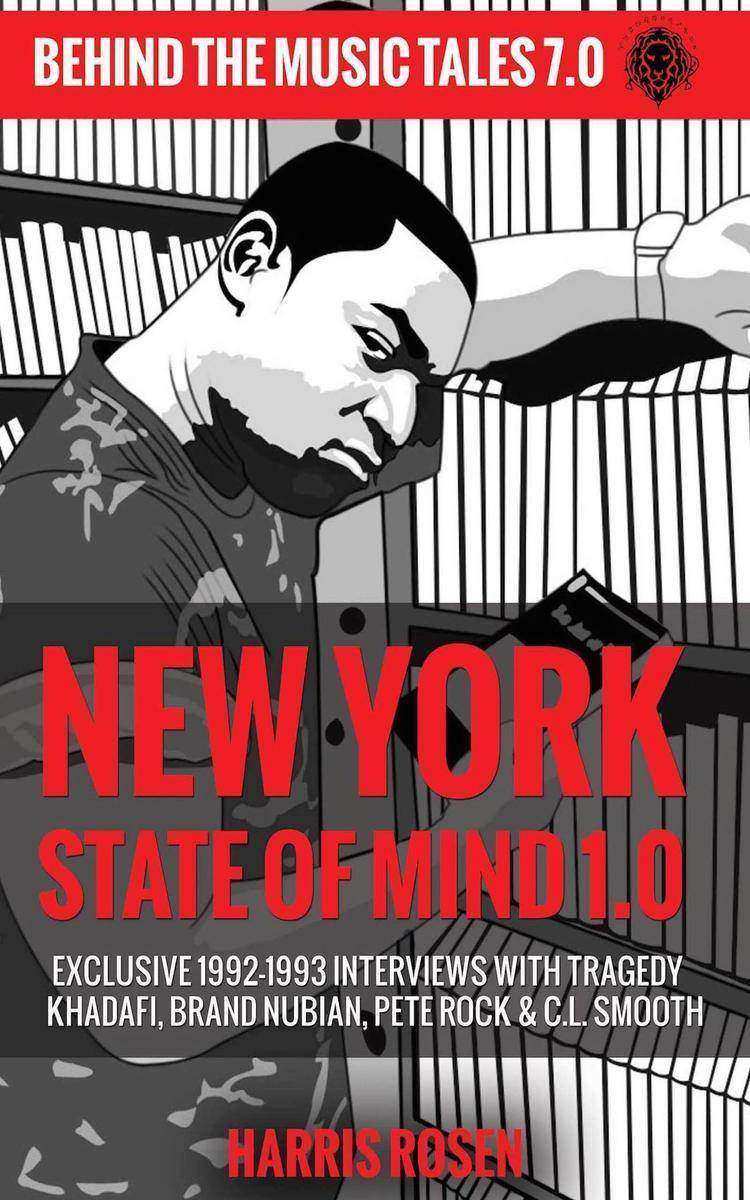
New York State of Mind 1.0
¥0.01
A fascinating genuine narrative formed in the crucible of Golden Age Hip-Hop mindfulness. New York State of Mind 1.0, the 7th book in the series, provides you with a real flavour of the personalities, in all their raw forms, who breathed life into the streets of the city, taking the music to new heights and in radically new direc-tions.? Tragedy Khadafi is as real as it gets. Through impressive MC skills and a for-midable street reputation, he lived the life of an original hoodlum, surviving gun-shot wounds, stabbings and broken bones. The compelling lyrical message of Brand Nubian reflects on the group's identity as Five-Percenters and the philoso-phy of the Nation of Gods and Earth, while Pete Rock & C.L. Smooth arrived on the scene in the midst of a Hip-Hop impasse of sorts.? New York State of Mind 1.0 is a candid look deep inside the psyche of each and an examination of what makes them tick. Take a ride alongside them and learn how they made their mark in a generation.

Ducele p?c?tului
¥7.36
R?v??itor de chipe?, orgolios, lipsit de scrupule, Valentin Napier, duce de Montgomery, este b?rbatul despre care vorbe?te toat? Londra. Cu faima lui de crai ?i de ?antajist, Montgomery a revenit din exil ?i este hot?r?t s? se r?zbune pe cei care l-au nedrept??it. ?ns? descoperirea pe care o va face ?n propriul dormitor ?l va determina s?-?i schimbe cu totul planurile…Fiica bastard? a unei lady din lumea bun? londonez?, menajera Bridget Crumbs este o femeie inteligent?, curajoas? ?i extrem de loial?. C?nd mama ei ajunge ?inta unei escrocherii, Bridget se angajeaz? ?n casa ducelui de Montgomery ?n speran?a de a g?si probele incriminatoare pe care acesta le de?ine ? ?i ajunge s? descopere ceva mult mai periculos.Montgomery este peste poate de uimit ?i intrigat de ?nnebunitor de preten?ioasa ?i surprinz?tor de istea?a Bridget, pe care o g?se?te spion?nd ?n camerele lui. ?n ciuda str?daniilor ei, Bridget nu poate rezista farmecului acestui duce p?c?tos. Cei doi ?ncep un adev?rat joc de-a ?oarecele ?i pisica ?i ajung s? descopere ?n cur?nd c? am?ndoi au secrete bine ascunse ?i c? nici unul din ei nu este a?a infam ? sau de inocent ? cum pare.

A haldokló részvényes
¥0.01
Ingyenes tartalom - T?ltsd le Kondor Vilmos Szélhámos Budapest k?tetéhez készült el?novellát. Kondor Vilmos nemzetk?zi siker? B?n?s Budapest regényfolyamát már nem kell bemutatni az olvasónak. A szerz? legújabb regénye a Budapest Noir el?zményt?rténete, amelyb?l fény derül Gordon Zsigmond ifjúkorára, a t?zsdekrachok éveire és kedvenc zsurnalisztánk els? pesti ügyére, amelyet a már ismert kalandok sora k?vet. Kondor e-novellája is a korszak hírhedt vagy éppen pitiáner szélhámosainak, svindlereinek, és persze az átverésekhez elengedhetetlen palimadarainak világába vezeti olvasóit, egy igencsak példaérték? ?kopasztás" leírásával, amib?l az ifjú Gordon Zsigmond is kivette a részét. A k?tet ingyenes, let?ltéséhez válaszd az ek?nyv megvásárlását, majd a fizetés tárcáról opciót a fizetés harmadik lépésekor.

N?o me deixe sozinha
¥8.18
“?s vezes, tudo o que uma pessoa mais precisa é de alguém para lhe proteger”A vida de um sargento de polícia muda completamente quando ele é abordado por uma linda mo?a chamada Paula. Apesar de a mo?a ser-lhe totalmente desconhecida, o policial aceita a mo?a em sua casa em troca de companhia e felicidade.Mas Paula guarda segredos que poder?o colocar tudo a perder.
Adam ?i Eva
¥0.01
Adam ?i Eva este un roman scris de Liviu Rebreanu ?n anul 1925. Este un roman de dragoste mai aparte. Romanul are drept tem? principal? credin?a ?n re?ncarnare, metempsihoza. Cuplul arhetipal ?i androginic se caut? ?i se re?ntrege?te ?n ?apte perioade istorice foarte diferite. Personajul principal, Toma Novac, trece prin mai multe vie?i, este pe r?nd p?stor ?n India, guvernator ?n Egipt, scrib ?n Babilon, cavaler roman ?n Roma ?n epoca domniei ?mp?ratului Tiberiu, c?lug?r ?n Germania medieval?, medic ?n Fran?a revolu?iei franceze, ?i ?n fine profesor universitar la Bucure?ti. El se ?ndr?goste?te pe r?nd de 7 personaje feminine diferite: de Navamalika, Isit, Hamma, Servilla, Maria, Yvonne, ?i de Ileana.

30 Green Smoothies Recipes Supercharge Your Day
¥0.01
Green smoothies are blended drinks that contain fresh leafy green vegetables in them, such as Kale, Collard greens, Swiss chard, Spinach, Mint or Parsley, in addition to fresh or frozen fruit, ice, yogurt or milk. Other herbal or nutritional supplements can also be added. These beverages are blended into a smooth, thick, milkshake-like consistency. They are extremely easy to make, taste great and provide great nutrition.

Boissons naturelles pour votre santé
¥0.01
Un petit jus frais ou une tisane pour la santé? Vous aimez la nature, les animaux ou les végétaux? Vous aimeriez savoir comment utiliser fruits et légumes pour faire des jus frais, des tisanes, et améliorer votre santé? La vie est aussi faite de plaisirs simples qui peuvent se transformer en pur bonheur facilement Notre collection de livrets?pratiques ??eGuide Nature?? va vous le prouver! Découvrez des petits livres faciles et pas chers qui vont vous?aider à faire entrer la Nature dans votre quotidien! Nous avons plus d’une décennie d’expérience?dans l’élevage de petits animaux et leur présentation aux enfants dans le cadre d’un mini-zoo et aimons transmettre l’expérience de nos a?nés. Nous adorons aussi cuisiner naturellement et préparer toute sorte de jus ou de tisanes Nous souhaitons partager avec vous nos connaissances utiles et nos astuces pour???apprivoiser?? simplement cette Nature dont?quelques fois la vie moderne nous éloigne… Vous allez découvrir des petits livres pratiques utiles, toujours à portée de main dans votre smartphone N°0 – Boissons naturelles pour votre santé Dans ce numéro ??zéro?? de la collection ??eGuide Nature?? nous allons voir comment préparer des boissons naturelles, des jus frais ou des tisanes pour rester simplement et naturellement?en?bonne santé! Qu’allez vous trouver dans cet ??eGuide Nature??? nos conseils pour bien?préparer vos jus de fruits nos astuces pour concocter des tisanes 20?recettes?santé Alors, êtes vous prêt(e) à faire entrer la Nature dans votre quotidien?! Oui?On y va! Amicalement, Cristina Olivier Rebiere

The Faerie War
¥32.62
Driven by action, suspense, and a strong heroine, this bestselling YA fantasy will keep you turning the pages ... Violet Fairdale is in big trouble. Her home is gone, her beloved forest lies in ruins, the guy she gave her heart to has deserted her—and she doesn’t remember any of it. The powerful Lord Draven is taking over, brainwashing guardians into fighting for him. No one is safe from the evil spreading throughout the fae world. As alliances are forged between the remaining free fae, Vi struggles to reclaim her identity and figure out where she belongs in this new world. When someone from her past shows up, life gets more complicated. He brings with him a long-forgotten weapon and an ancient prophecy that places Vi at the center of the fight against Draven. With the future of the fae world at stake, can Vi carry out the prophecy’s instructions before it’s too late? Perfect for fans of The Mortal Instruments,The Iron Fey, and Graceling.

10 Receitas para você fazer na ceia de natal
¥8.18
Quando se fala em Ceia de Natal, logo pensamos na família reunida na mesa de jantar para comemorar essa data especial. E nada melhor do que uma Ceia com a mesa farta.Aprenda a fazer 10 receitas tradicionais do Natal para deixar a sua confraterniza??o mais especial.

Magia ordinii. Senza?ionala metod? japonez? de a-?i elibera ?i organiza casa
¥57.14
2 milioane de exemplare v?ndute Transform?-?i locuin?a ?ntr-un spa?iu ordonat ?i permanent curat cu incredibila metod? KonMari, aplic?nd trei principii de baz?: simplific?, organizeaz? ?i depoziteaz?. Pentru a reu?i s?-?i ordonezi locuin?a, trebuie s?-?i organizezi ac?iunile ?ntr-o succesiune corect?, s? p?strezi numai obiectele care-?i sunt cu adev?rat dragi ?i s? faci totul dintr-odat? ?i repede. Dup? aceea, pentru tot restul vie?ii, nu va mai fi nevoie dec?t s? alegi ce s? p?strezi ?i ce s? arunci. Metoda KonMari nu ??i va transforma doar spa?iul de locuit. Dup? ce ai f?cut ordine ?n cas?, vei constata c? ?ntreaga ta via?? se va schimba. Vei c?p?ta mai mult? ?ncredere ?n tine, succesul te va ?nso?i, vei avea mai mult? energie ?i te vei sim?i mai motivat s? duci via?a pe care ?i-o dore?ti. De asemenea, vei dob?ndi curajul s? la?i ?n urm? aspectele negative ale vie?ii tale: vei recunoa?te o rela?ie care-?i face r?u ?i ?i vei pune cap?t; anxietatea te va p?r?si ?i, ?n sf?r?it, vei sc?dea ?n greutate. ?Kondo ne provoac? s? ne ?ntreb?m dac? obiectele care ne ?nconjoar? servesc unui scop. Ne fac s? avans?m ?n via?? sau ne ?in ata?a?i de trecut?“ – USA Today

Cryptocurrency:Understanding Bitcoin, Bitcoin Cash, Ethereum & Altcoins
¥32.62
Cryptocurrencies have been referred to as ‘Digital Gold’. No wonder as they have continued to rise and beat expectations! Cryptocurrencies are a growing trend and have been on the rise over the past several years. There are a growing number of online businesses that accept cryptocurrencies as a form of payment, such as Bitcoin. With the growing world of cryptocurrencies, it can seem confusing with all the options you have. This book is here to help you understand the various cryptocurrencies currently serving the market. In this book you will learn about: ? What are Cryptocurrencies? The History of Cryptocurrencies? Cryptocurrency and Currency? What is Blockchain? How to Store Cryptocurrency? Sending and Receiving Currency? Investing in Cryptocurrencies? Trading Cryptocurrencies? Virtual Profits and Actual Profits? FOMO FUD? Risk Management? ICOs Not only will it cover this, you will also learn about: ? A Guide for Bitcoin, Bitcoin Cash, Ethererum, Litecoin Altcoins? The Future of Cryptocurrencies There are endless opportunities when it comes to cryptocurrencies, so why not get involved now. They can be great investment opportunities, and they are a great way to impress your friends. Get this book today and learn the basics of the world of cryptocurrencies. Start learning more about cryptocurrency! Enjoy the second book in the series from Cryptomasher! What are you waiting for? Take control of your financial future, go ahead and purchase the book!
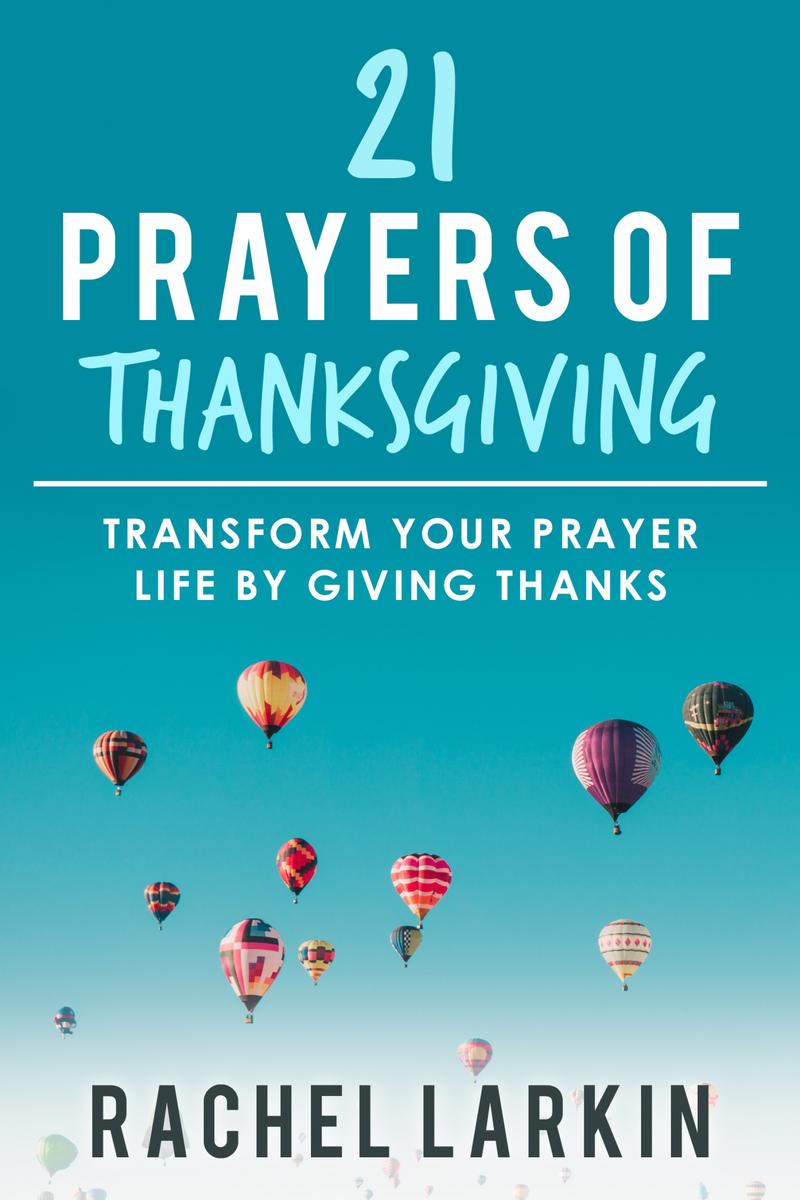
21 Prayers of Thanksgiving: Transform Your Prayer Life by Giving Thanks
¥0.01
Thanksgiving prayers are powerful! This book will transform your prayer life through using the everyday spiritual tool of thanksgiving.? Using the 21 prayers will open your eyes to the unseen, draw you into God's presence, unlock conversations with God, keep you hopeful, banish fear and doubt, bring your clarity and help you to experience miracles. Each prayer focuses on a different area of your life or an aspect of God's character- family, teenagers, work, health, time, weaknesses, future, God's joy, God's provision, God's love, just to name a few. Use this book to unlock the incredible power of thanksgiving in your life.

Alligator Jokes
¥0.01
Best?Alligator Jokes?The ten funniest jokes ever according to?science

Amores encontrados
¥31.88
Miriam y Jose Manuel, dos hermanos de padres poco presentes. La primera, como hermana mayor se siente enteramente responsable de la vida que ella adora como a un hijo propio. Miriam inicia una relación con un joven profesor de la universidad de su hermano; es en adelante donde sus vidas se harán tan complicadas al punto de llevarlos a tomar o aceptar decisiones que, sin importar cual caminos tomen, todos llegan a un mismo destino. El amor de hermanos, la amistad, la pasión, la inmadurez, el arrebato y el perdón son algunos de los ingredientes de esta corta pero sustanciosa novela.

?ntoarcerea ?n Eclipse Bay
¥7.36
Bunicii lor s-au uracirc;t din toat? inima. La fel ?i ta?ii lor. ?i, pentru c? reprezint? urm?toarea genera?ie din familie Harte ?i Madison, toat? lumea se a?teapt? ca ?i Hannah ?i Rafe s? se urasc?. Hannah Harte, de?in?toarea unei companii de succes ce organizeaz? nun?i, este o femeie cu o viziune sceptic? asupra c?s?toriei. Dar contrar opiniei celor din jur, eaicirc;?i aminte?te de noaptea petrecut? pe plaj? cu mult timpicircn urm? cu Rafe, cacircnd el s-a dovedit a fi mai mult decacirct b?iatul cu reputa?ie proast? din familia Madison. Iar Rafe ?i aduce aminte, la racircndul s?u, de gestul plin de curaj al lui Hannah, care a demonstrat c? spiritul s?u aprig ?i sincer era mai puternic decacirc;t orice vrajb? istoric? dintre familiile lor, salvacircndu-l de o condamnare aproape sigur? la icircnchisoare. Adu?i icirc;mpreun? de o mo?tenire surprinz?toare dup? ani ntregi icircn care vie?ile lor au urmat drumuri separate, Rafe ?i Hannah se icircntorc icircn Eclipse Bay ?i la ostilit??ile care icircnc? le mai despart ?i le leag? familiile. ?i descoper? un lucru icircn acela?i timpicircncacircnt?tor ?i extrem de tulbur?tor: sentimentele care se nasc icircntre ei pot fi mai presus de secrete, tr?d?ri ?i rivalit??i

Suge-o, Andrei! ?nc? o poveste semi-amuzant?
¥68.34
Continuarea bestsellerului 2015 Suge-o, Ramona! Singurul mod ?n care po?i s? afli dac? ai reu?it s? ui?i cu adev?rat o persoan? pe care c?ndva o iubeai cu toat? puterea ta este s? te ?nt?lne?ti cu ea, s-o prive?ti ?n ochi ?i s? nu-?i dore?ti s-o iei ?n bra?e. Abia dac? reu?e?ti lucrul ?sta po?i s? spui c? e?ti preg?tit s? treci mai departe. Mul?i dintre noi, dac? nu to?i, am avut o poveste de iubire care ne-a dat lumea peste cap ?i ne-a f?cut sufletul s? zburde de fericire ori s? urle de durere. O persoan? care ne-a b?ntuit g?ndurile ani ?ntregi ?i pe care cu greu am reu?it s? ne-o scoatem din suflet. O persoan? pe care am c?utat-o ?n fiecare rela?ie nou? ?i care ne-a l?sat cicatrici invizibile, dar ad?nci. ?ncerc?nd s-o uite pe Anemona, Andrei are tot felul de aventuri, unele amuzante, altele neobi?nuite. Dar, ?n realitate, el nu caut? pe altcineva. C?utarea lui este o c?utare de sine. ?i de fiecare dat? se reg?se?te ?n alt? persoan?, ?n mod diferit. O carte care te va face s? z?mbe?ti, s? r?zi ?n hohote, s? te g?nde?ti la propria rela?ie sau, pur ?i simplu, s? te miri ce mare-i gr?dina Domnului! Ca s? te conving c? merit? s? cite?ti aceast? carte, uite ni?te p?reri despre primul volum, Suge-o Ramona!: ?Cu greu pot s? m? adun dup? ?cartea? asta. Scris? ca o list? de cump?r?turi, are exact aceea?i ?n?elegere a sensurilor pe care o poate atinge pisica mea c?nd se holbeaz? proste?te pe geam.“ – Ana ?O carte demn? de toaleta public?, risip? de resurse ?i energie. Spun carte fiindc? are tr?s?turile fizice ale unei c?r?i. Con?inutul ei este ?ns? o simpl? degringolad?.“ – Wickle Tickle ?Vi s-a ?nt?mplat s? v? vin? s? vomita?i dup? ce citi?i un fragment dintr-o ?carte?? Mie nu (p?n? acum). Mi-am pierdut un minut din via?? citind asta... ?i acum ochii mei s?ngereaz?...“ – Ione Butterfly ?B?i, ce pot s? zic, mie mi s-a p?rut ok.“ – Andrei Ciobanu ?Deci asta faci tu la Bucure?ti? Au aflat vecinii c? ai scris o carte ?i m?-ntreab? cum se cheam?. Ce le spun? Apropo, vrei s?-?i trimit ni?te salat? de vinete?“ – Alfred, mama lui Andrei


