


 购物车
购物车 个人中心
个人中心
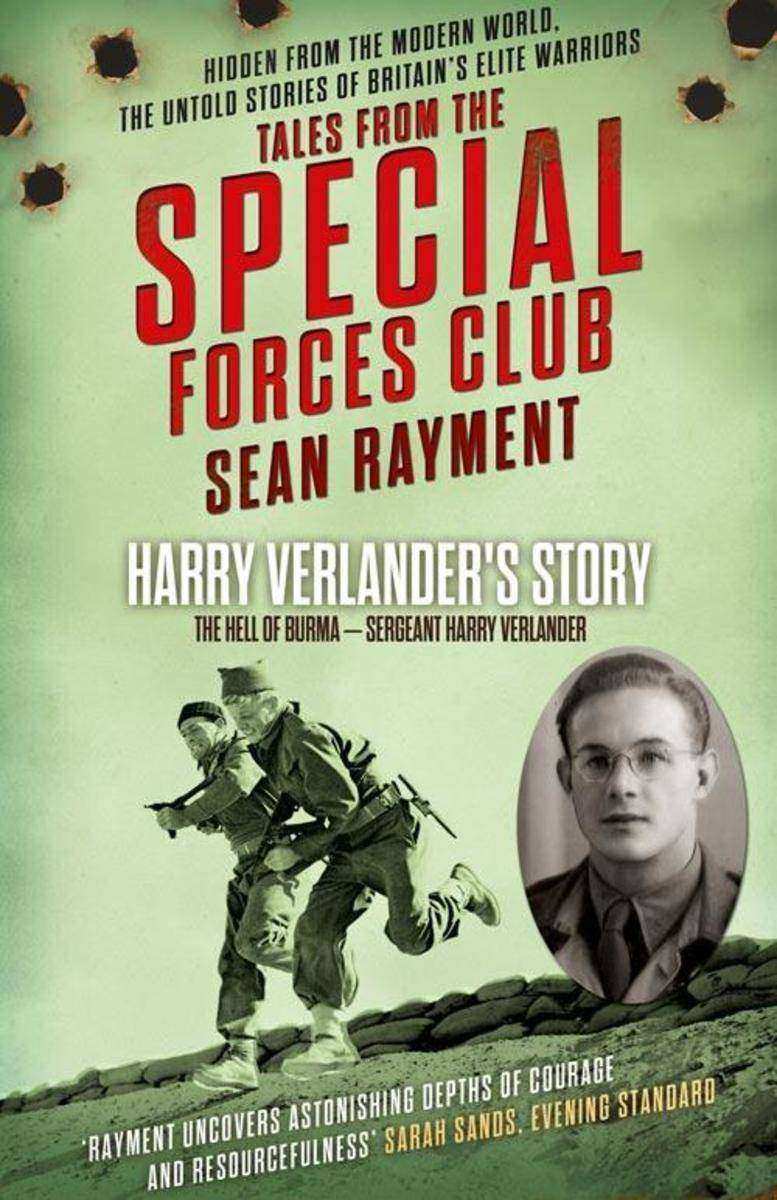
The Hell of Burma
¥9.71
This is Harry Verlander’s story, one of five true-life recollections from the Second World War in Tales From The Special Forces Club. The Special Forces Club is a fabled gentlemen’s club, based in the heart of London. It has a closely guarded secret: you have to be a genuine hero to be a member. Harry had volunteered aged 16 in 1942. By 1944, he was parachuting into France on D-Day as part of the Jedburgh espionage teams. His main adventure, though, was in the jungles of Burma fighting the Japanese. This is his story.
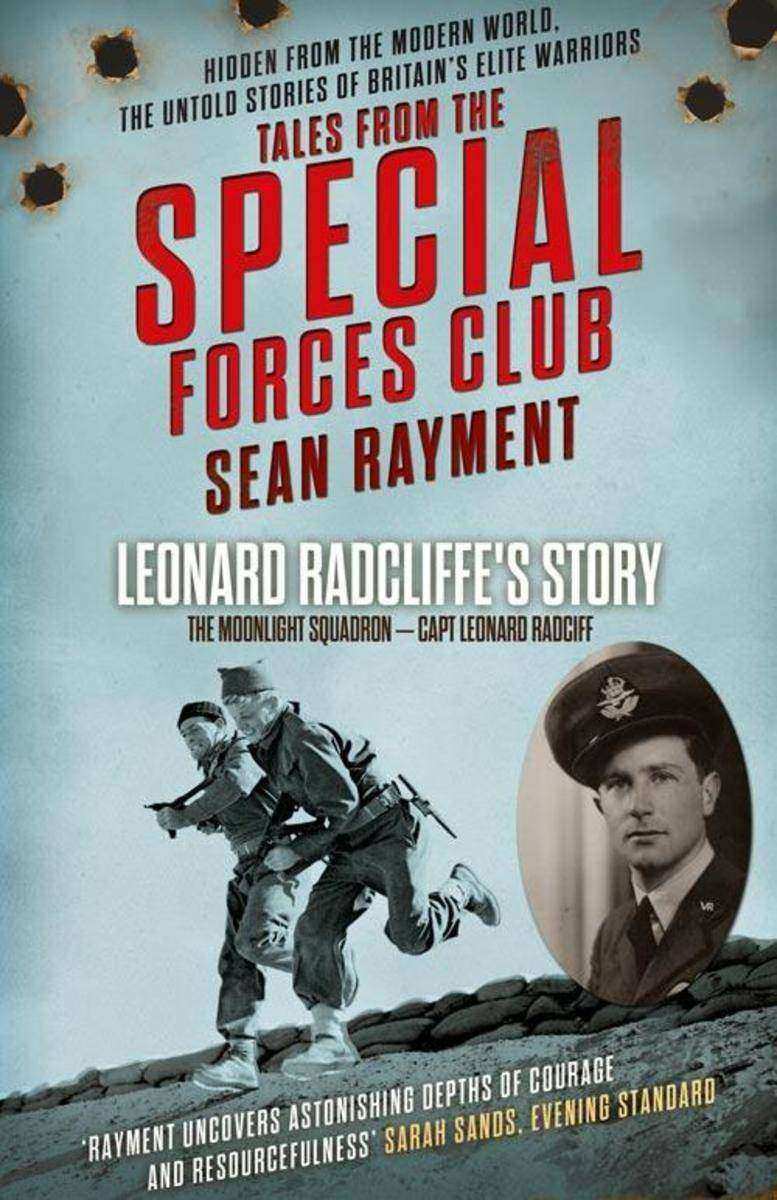
The Moonlight Squadron
¥9.71
This is Leonard Ratcliff’s story, one of five true-life recollections from the Second World War in Tales From The Special Forces Club. The Special Forces Club is a fabled gentlemen’s club, based in the heart of London. It has a closely guarded secret: you have to be a genuine hero to be a member. Leonard commanded a squadron tasked with flying Special Forces agents into Nazi-occupied Europe. His missions came with enormous risk and casualties were exceptionally high. By the end of the war the entire squadron had been lost three times over. Yet despite the dangers there was always a steady stream of volunteers ready to risk all. This is Leonard’s story.
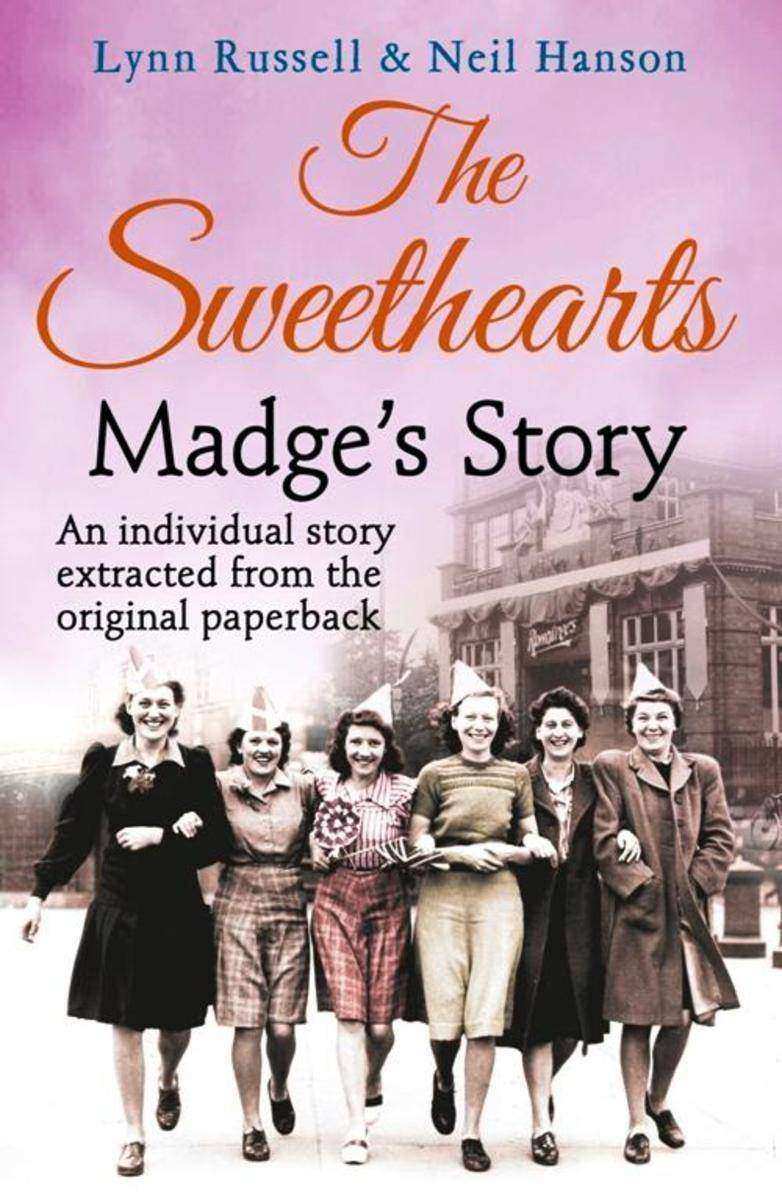
Madge’s story (Individual stories from THE SWEETHEARTS, Book 1)
¥11.77
This is Madge’s story, one of five stories extracted from THE SWEETHEARTS. Whether in wartime or peace, tales of love, laughter and hardship from the girls in the Rowntrees factory in Yorkshire. “On the morning of her Rowntrees job interview, on a warm Monday morning in July 1932, Fourteen-year-old Madge Fisher stood fidgeting in the hallway of her terraced house while her mother, Margaret, pinned up her hair and then inspected her from top to toe. ‘Hands,’ her mother said, and Madge presented them meekly for inspection, glad that she’d remembered to wash them at the kitchen sink…” From the 1930s through to the 1980s, as Britain endured war, depression, hardship and strikes, the women at the Rowntree’s factory in York kept the chocolates coming. This is the true story of The Sweethearts, the women who roasted the cocoa beans, piped the icing and packed the boxes that became gifts for lovers, snacks for workers and treats for children across the country. More often than not, their working days provided welcome relief from bad husbands and bad housing, a community where they could find new confidence, friendship and when the supervisor wasn’t looking, the occasional chocolate.
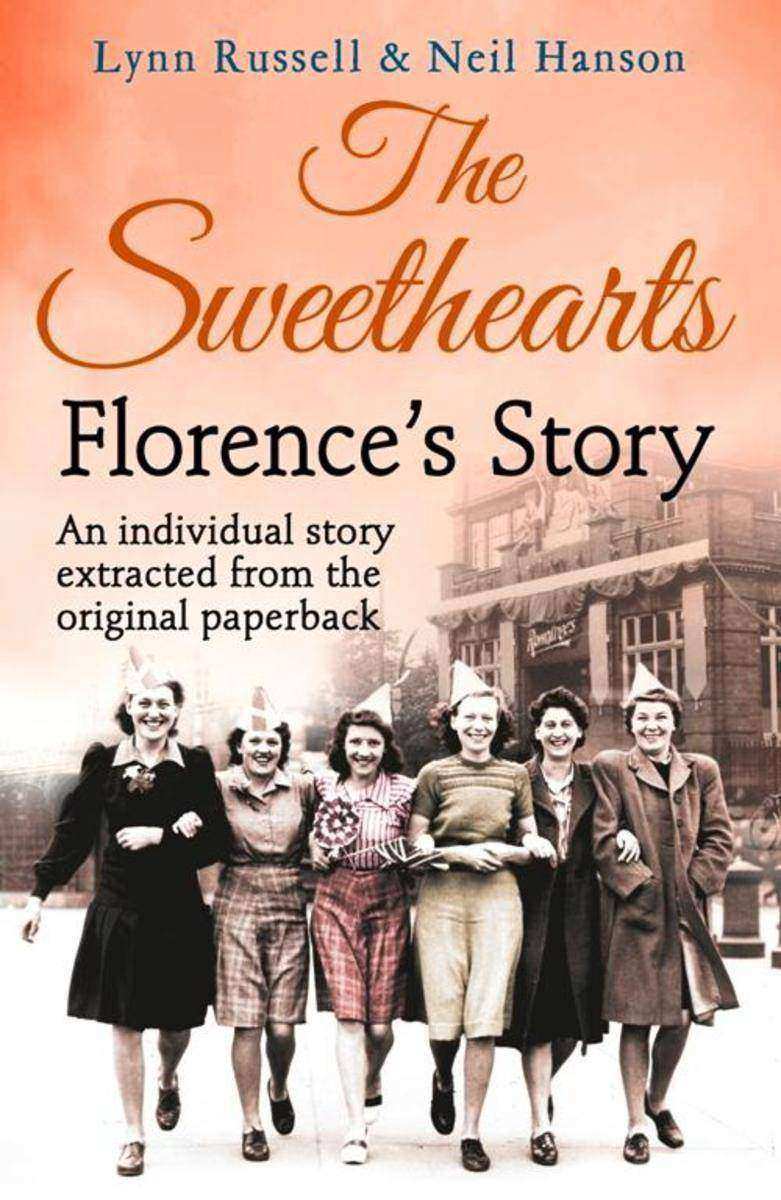
Florence’s story (Individual stories from THE SWEETHEARTS, Book 2)
¥11.77
This is Florence’s story, one of five stories extracted from THE SWEETHEARTS. Whether in wartime or peace, tales of love, laughter and hardship from the girls in the Rowntrees factory in Yorkshire. “Florence was born in 1923 and remembers sleeping three or four to a bed with the other children. ‘If it was really cold, my mum would give us the shelf out of the fireside oven, wrapped in a piece of cloth, as a hot water bottle. She’d put it right in the middle of the bed where all four of us could get our feet on it’. Florence finished school on a Friday in July 1937 and started work at Rowntree’s the following Monday. ‘There were so many people pouring in through the gates,’ Florence recalls, ‘and the whole place was so huge – even the rooms were enormous – that I couldn’t imagine how I was ever going to find my way around the place…” From the 1930s through to the 1980s, as Britain endured war, depression, hardship and strikes, the women at the Rowntree’s factory in York kept the chocolates coming. This is the true story of The Sweethearts, the women who roasted the cocoa beans, piped the icing and packed the boxes that became gifts for lovers, snacks for workers and treats for children across the country. More often than not, their working days provided welcome relief from bad husbands and bad housing, a community where they could find new confidence, friendship and when the supervisor wasn’t looking, the occasional chocolate.
Spitfire Women of World War II
¥68.67
This is the incredible true story of a wartime sisterhood of women pilots: a group of courageous pioneers who took exceptional risks to fly Spitfires, Hurricanes and Lancasters to the frontlines of World War II. The women pilots of Air Transport Auxiliary came from all countries and backgrounds. Although not allowed into combat, they demonstrated astonishing bravery in their supporting role: flying unarmed, without radios or instruments, and at the mercy of the weather and enemy aircraft, they delivered battle-ready planes to their male counterparts, the fighter pilots of the RAF. The story of these remarkable women pilots – among them Amy Johnson and Lettice Curtis – is a riveting account of women in wartime, and a fitting tribute to their spirit and valour.

Springwatch Unsprung:Why Do Robins Have Red Breasts?
¥66.22
Which birds have the most air miles? Are adders born venomous? Springwatch Unsprung brings together all the most-asked questions from the surprise hit BBC 2 TV spin-off of the same name. The heart of the book is what has become the star of the TV programme – the viewers' anecdotes and questions. Many seemingly simple questions turn out to have complex answers, and some that seem difficult have a very simple explanation. All wildlife questions – be they trivial, idiosyncratic, baffling or strange – are covered, making this compilation equally as entertaining and enlightening as it is educational. Arranged by season, the book allows people to discover what is going on around them at any particular time of year. The book is peppered with elements from the Unsprung TV programme such as quizzes, wildlife suggestions for each season, and practical ideas of how to preserve wildlife in your garden. Each seasonal section comprises: ? A short introduction to the season including what the wildlife-watcher might expect to see at this time of year ? Questions and answers drawing on the latest research, but translated by the Springwatch experts. ? Quizzes – simple, mostly multiple choice questions e.g. who collects the most air miles? Spring sees the arrival of many of our migrant birds but which travels the furthest? ? What You Can Do – suggestions of seasonal activities including top tips on how to help wildlife at any given time of year, plus 3 or 4 things to make and do. e.g. helping your hogs – what and how to feed hedgehogs and what to do if you find an underweight one that should be hibernating. Springwatch Unsprung will entertain, inform and empower anyone interested in British wildlife.

Sylvia’s Story (GI Brides Shorts, Book 3)
¥9.71
This is Sylvia’s story, one of four true stories from the book GI Brides. The room was filled with GIs – some playing pool, some jostling for control of the jukebox, and others taking doughnuts from a silver machine in the corner – while half a dozen young women rushed around serving them. ‘So, what can I do?’ Sylvia asked, keen to get stuck in. Sylvia is volunteering at a Red Cross Club in the West End when she meets a charismatic Irish-American called Bob. He sweeps her off her feet and convinces her to fly to America to marry him after the war. But living with Bob’s gambling relatives proves a nightmare, and in desperation Sylvia runs away to England, giving Bob an ultimatum… Sylvia’s story is extracted from GI Brides, written by the bestselling authors of The Sugar Girls. It captures the memories of the thousands of women who crossed the Atlantic for love after the Second World War.

JFK:History in an Hour
¥18.05
Love history? Know your stuff with History in an Hour. John Fitzgerald Kennedy, America’s youngest President, was assassinated barely one thousand days into his Presidency. In the fiftieth anniversary of his death, this is the story of the man who brought an aspirational new approach to American politics. Born into the glamorous cast of Kennedys, JFK was propelled to political success despite family tragedy, disappointment and pressure. He engaged in a Space Race, averted the Cuban missile crisis and showed solidarity with the fledging civil rights movement. Throughout all he maintained a charismatic public image as son, brother and husband, despite his concealed personal failings and the chronic illness that beset him. JFK: History in an Hour provides a compelling and comprehensive overview of the man who epitomised the hopes of a decade and remains an influential figure to this day. Love history? Know your stuff with History in an Hour.

Woodlands
¥95.75
‘Trees are wildlife just as deer or primroses are wildlife. Each species has its own agenda and its own interactions with human activities …’ Written by one of Britain’s best-known naturalists, Woodlands offers a fascinating new insight into the trees of the British landscape that have filled us with awe and inspiration throughout the centuries. Looking at such diverse evidence as the woods used in buildings and ships, and how woodland has been portrayed in pictures and photographs, Rackham traces British woodland through the ages, from the evolution of wildwood, through man’s effect on the landscape, modern forestry and its legacy, and recent conservation efforts and their effects. In his lively and thoroughly engaging style, Rackham explores woodlands and their history, through names, surveys, mapping and legal documents, archaeology, photographs and works of art, thus offering an utterly compelling insight into British woodlands and how they have come to shape a national obsession.
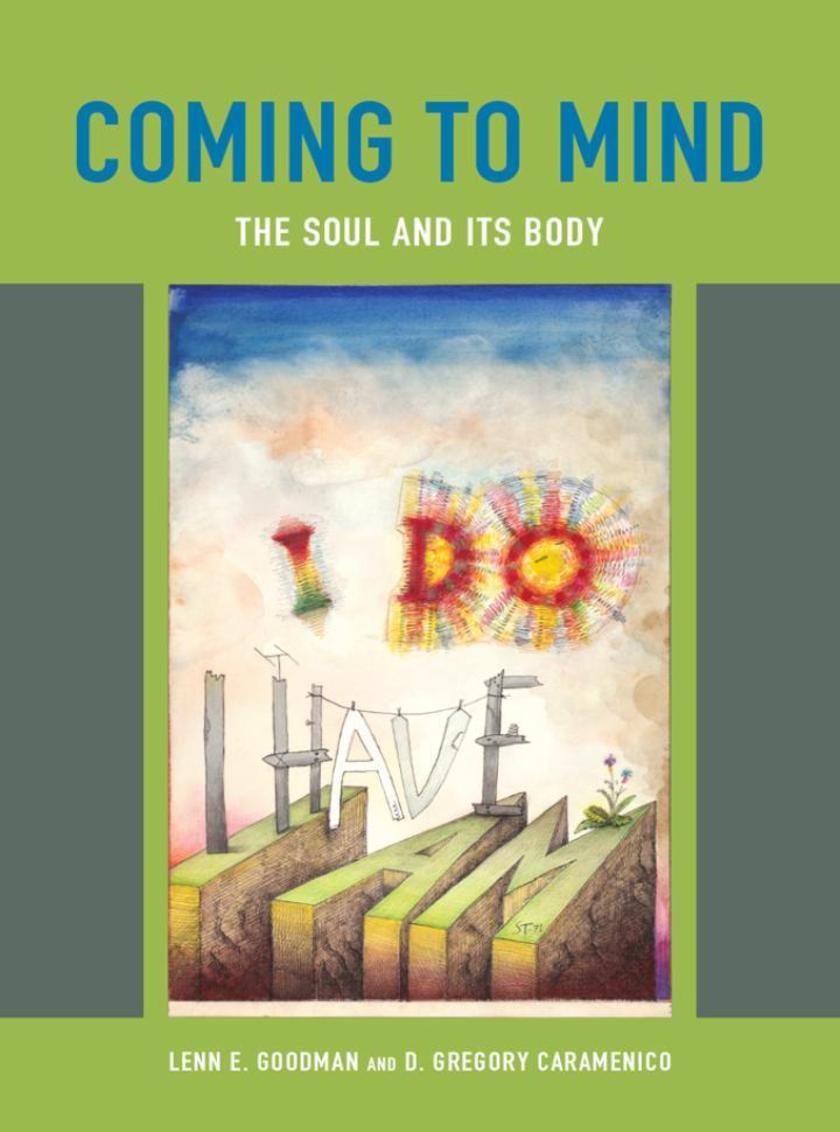
Coming to Mind
¥370.82
How should we speak of bodies and soulsIn Coming to Mind, Lenn E. Goodman and D. Gregory Caramenico pick their way through the minefields of materialist reductionism to present the soul not as the brain's rival but as its partner. What acts, they argue, is what is real. The soul is not an ethereal wisp but a lively subject, emergent from the body but inadequately described in its terms.Rooted in some of the richest philosophical and intellectual traditions of Western and Eastern philosophy, psychology, literature, and the arts and the latest findings of cognitive psychology and brain science-Coming to Mind is a subtle manifesto of a new humanism and an outstanding contribution to our understanding of the human person. Drawing on new and classical understandings of perception, consciousness, memory, agency, and creativity, Goodman and Caramenico frame a convincing argument for a dynamic and integrated self capable of language, thought, discovery, caring, and love.
Lost Classroom, Lost Community
¥370.82
In the past two decades in the United States, more than 1,600 Catholic elementary and secondary schools have closed, and more than 4,500 charter schools-public schools that are often privately operated and freed from certain regulations-have opened, many in urban areas. With a particular emphasis on Catholic school closures, Lost Classroom, Lost Community examines the implications of these dramatic shifts in the urban educational landscape.?More than just educational institutions, Catholic schools promote the development of social capital-the social networks and mutual trust that form the foundation of safe and cohesive communities. Drawing on data from the Project on Human Development in Chicago Neighborhoods and crime reports collected at the police beat or census tract level in Chicago, Philadelphia, and Los Angeles, Margaret F. Brinig and Nicole Stelle Garnett demonstrate that the loss of Catholic schools triggers disorder, crime, and an overall decline in community cohesiveness, and suggest that new charter schools fail to fill the gaps left behind.This book shows that the closing of Catholic schools harms the very communities they were created to bring together and serve, and it will have vital implications for both education and policing policy debates.
Making "e;Nature"e;
¥370.82
Making "e;Nature"e; is the first book to chronicle the foundation and development of Nature, one of the world's most influential scientific institutions. Now nearing its hundred and fiftieth year of publication, Nature is the international benchmark for scientific publication. Its contributors include Charles Darwin, Ernest Rutherford, and Stephen Hawking, and it has published many of the most important discoveries in the history of science, including articles on the structure of DNA, the discovery of the neutron, the first cloning of a mammal, and the human genome.But how did Nature become such an essential institutionIn Making "e;Nature,"e; Melinda Baldwin charts the rich history of this extraordinary publication from its foundation in 1869 to current debates about online publishing and open access. This pioneering study not only tells Nature's story but also sheds light on much larger questions about the history of science publishing, changes in scientific communication, and shifting notions of "e;scientific community."e; Nature, as Baldwin demonstrates, helped define what science is and what it means to be a scientist.
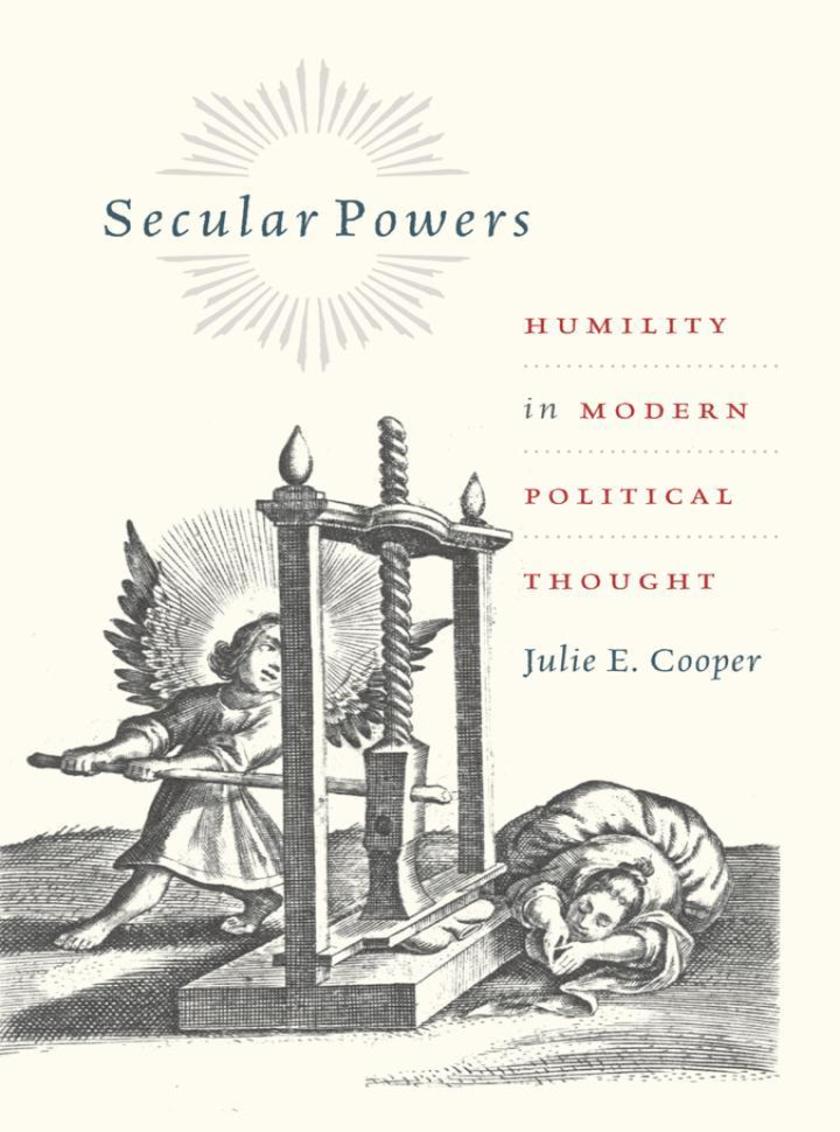
Secular Powers
¥329.62
Secularism is usually thought to contain the project of self-deification, in which humans attack God's authority in order to take his place, freed from all constraints. Julie E. Cooper overturns this conception through an incisive analysis of the early modern justifications for secular politics. While she agrees that secularism is a means of empowerment, she argues that we have misunderstood the sources of secular empowerment and the kinds of strength to which it aspires.Contemporary understandings of secularism, Cooper contends, have been shaped by a limited understanding of it as a shift from vulnerability to power. But the works of the foundational thinkers of secularism tell a different story. Analyzing the writings of Hobbes, Spinoza, and Rousseau at the moment of secularity's inception, she shows that all three understood that acknowledging one's limitations was a condition of successful self-rule. And while all three invited humans to collectively build and sustain a political world, their invitations did not amount to self-deification. Cooper establishes that secular politics as originally conceived does not require a choice between power and vulnerability. Rather, it challenges us-today as then-to reconcile them both as essential components of our humanity.
Rhetoric of Pregnancy
¥288.41
It is a truth widely acknowledged that if you're pregnant and can afford one, you're going to pick up a pregnancy manual. From What to Expect When You're Expecting to Pregnancy for Dummies, these guides act as portable mentors for women who want advice on how to navigate each stage of pregnancy. Yet few women consider the effect of these manuals-how they propel their readers into a particular system of care or whether the manual they choose reflects or contradicts current medical thinking.Using a sophisticated rhetorical analysis, Marika Seigel works to deconstruct pregnancy manuals while also identifying ways to improve communication about pregnancy and healthcare. She traces the manuals' evolution from early twentieth-century tomes that instructed readers to unquestioningly turn their pregnancy management over to doctors, to those of the women's health movement that encouraged readers to engage more critically with their care, to modern online sources that sometimes serve commercial interests as much as the mother's.The first book-length study of its kind, The Rhetoric of Pregnancy is a must-read for both users and designers of our prenatal systems-doctors and doulas, scholars and activists, and anyone interested in encouraging active, effective engagement.
Foundations of Natural Morality
¥288.41
Recent years have seen a renaissance of interest in the relationship between natural law and natural rights. During this time, the concept of natural rights has served as a conceptual lightning rod, either strengthening or severing the bond between traditional natural law and contemporary human rights. Does the concept of natural rights have the natural law as its foundation or are the two ideas, as Leo Strauss argued, profoundly incompatible?With The Foundations of Natural Morality, S. Adam Seagrave addresses this controversy, offering an entirely new account of natural morality that compellingly unites the concepts of natural law and natural rights. Seagrave agrees with Strauss that the idea of natural rights is distinctly modern and does not derive from traditional natural law. Despite their historical distinctness, however, he argues that the two ideas are profoundly compatible and that the thought of John Locke and Thomas Aquinas provides the key to reconciling the two sides of this long-standing debate. In doing so, he lays out a coherent concept of natural morality that brings together thinkers from Plato and Aristotle to Hobbes and Locke, revealing the insights contained within these disparate accounts as well as their incompleteness when considered in isolation. Finally, he turns to an examination of contemporary issues, including health care, same-sex marriage, and the death penalty, showing how this new account of morality can open up a more fruitful debate.
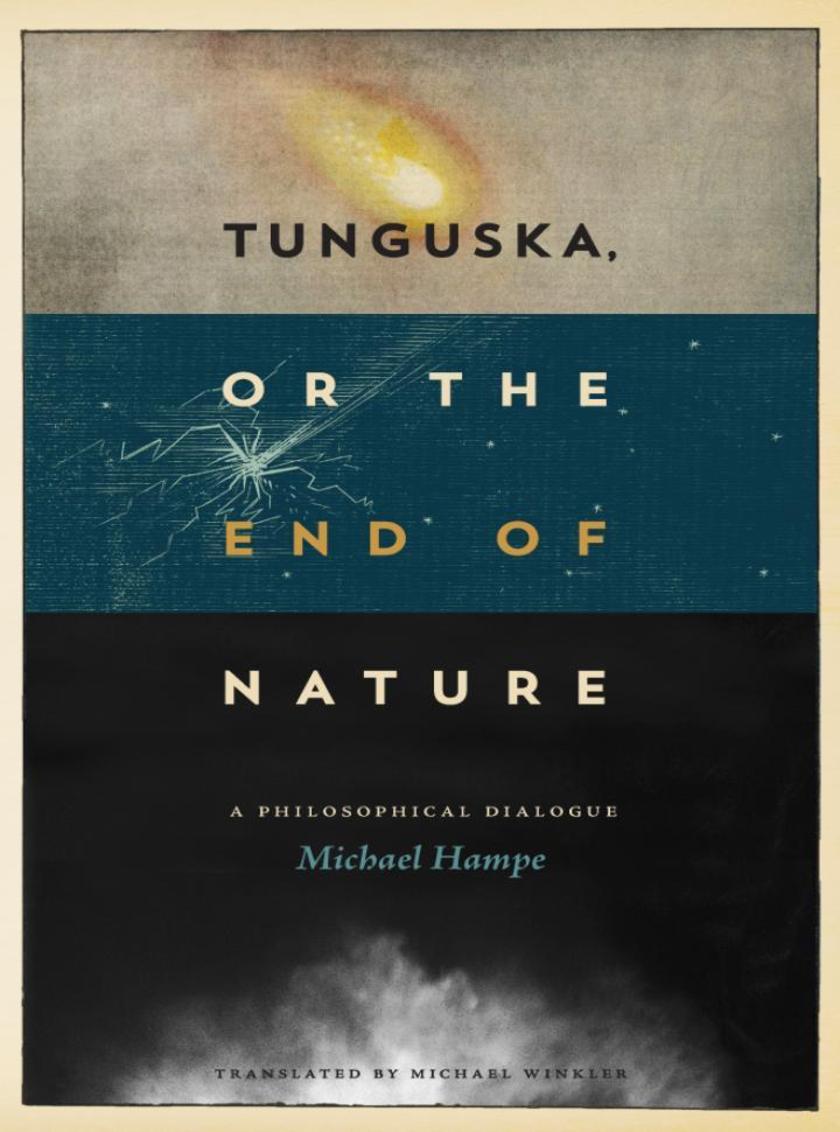
Tunguska, or the End of Nature
¥288.41
On June 30, 1908, a mysterious explosion erupted in the skies over a vast woodland area of Siberia. Known as the Tunguska Event, it has been a source of wild conjecture over the past century, attributed to causes ranging from meteors to a small black hole to antimatter. In this imaginative book, Michael Hampe sets four fictional men based on real-life scholars-a physicist (Gunter Hasinger and Steven Weinberg), a philosopher (Paul Feyerabend), a biologist (Adolf Portmann), and a mathematician (Alfred North Whitehead)-adrift on the open ocean, in a dense fog, to discuss what they think happened. The result is a playful and highly illuminating exploration of the definition of nature, mankind's role within it, and what its end might be.?Tunguska, Or the End of Nature uses its four-man setup to tackle some of today's burning issues-such as climate change, environmental destruction, and resource management-from a diverse range of perspectives. With a kind of foreboding, it asks what the world was like, and will be like, without us, whether we are negligible and the universe random, whether nature can truly be explained, whether it is good or evil, or whether nature is simply a thought we think. This is a profoundly unique work, a thrillingly interdisciplinary piece of scholarly literature that probes the mysteries of nature and humans alike.?
Observing by Hand
¥370.82
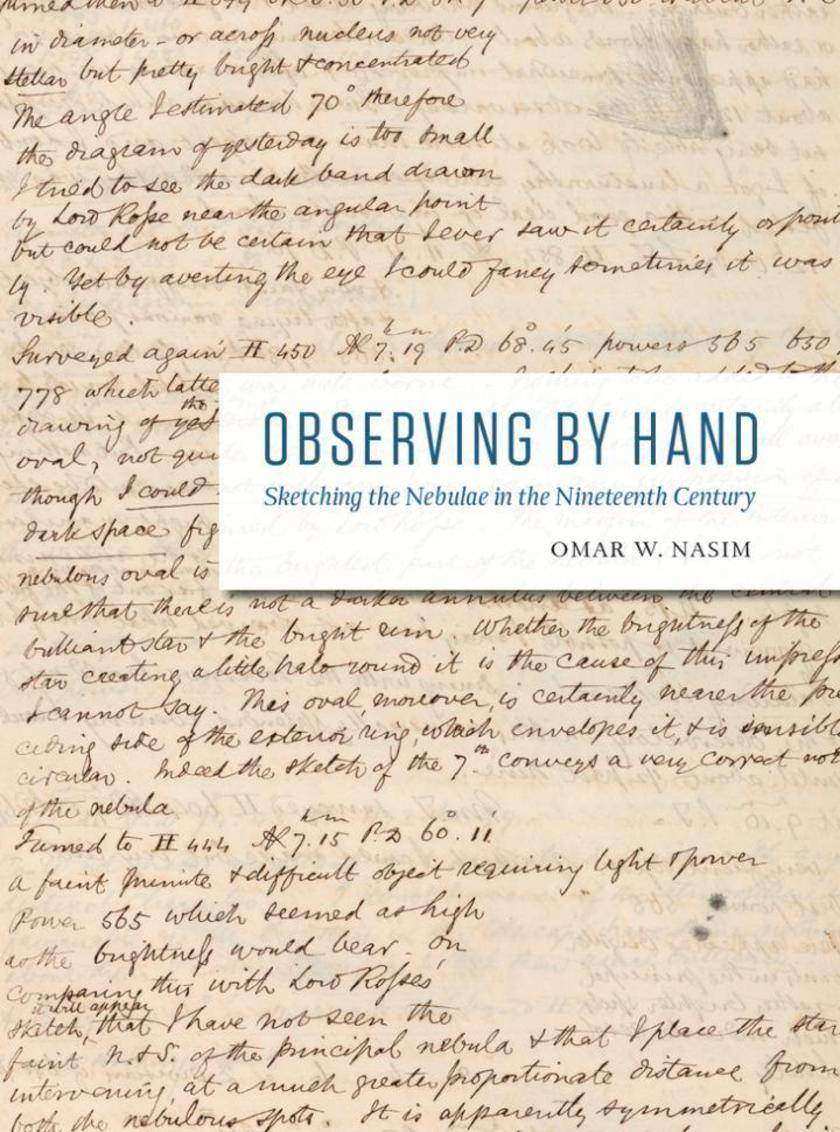
Today we are all familiar with the iconic pictures of the nebulae produced by the Hubble Space Telescope's digital cameras. But there was a time, before the successful application of photography to the heavens, in which scientists had to rely on handmade drawings of these mysterious phenomena.?Observing by Hand sheds entirely new light on the ways in which the production and reception of handdrawn images of the nebulae in the nineteenth century contributed to astronomical observation. Omar W. Nasim investigates hundreds of unpublished observing books and paper records from six nineteenth-century observers of the nebulae: Sir John Herschel; William Parsons, the third Earl of Rosse; William Lassell; Ebenezer Porter Mason; Ernst Wilhelm Leberecht Tempel; and George Phillips Bond. Nasim focuses on the ways in which these observers created and employed their drawings in data-driven procedures, from their choices of artistic materials and techniques to their practices and scientific observation. He examines the ways in which the act of drawing complemented the acts of seeing and knowing, as well as the ways that making pictures was connected to the production of scientific knowledge.?An impeccably researched, carefully crafted, and beautifully illustrated piece of historical work, Observing by Hand will delight historians of science, art, and the book, as well as astronomers and philosophers.
Leo Strauss and the Problem of Political Philosophy
¥370.82
Leo Strauss and his alleged political influence regarding the Iraq War have in recent years been the subject of significant media attention, including stories in the Wall Street Journal and New York Times.Time magazine even called him "e;one of the most influential men in American politics."e; With The Truth about Leo Strauss, Michael and Catherine Zuckert challenged the many claims and speculations about this notoriously complex thinker. Now, with Leo Strauss and the Problem of Political Philosophy, they turn their attention to a searching and more comprehensive interpretation of Strauss's thought as a whole, using the many manifestations of the "e;problem of political philosophy"e; as their touchstone.?For Strauss, political philosophy presented a "e;problem"e; to which there have been a variety of solutions proposed over the course of Western history. Strauss's work, they show, revolved around recovering-and restoring-political philosophy to its original Socratic form. Since positivism and historicism represented two intellectual currents that undermined the possibility of a Socratic political philosophy, the first part of the book is devoted to Strauss's critique of these two positions. Then, the authors explore Strauss's interpretation of the history of philosophy and both ancient and modern canonical political philosophers, including Plato, Aristotle, Machiavelli, and Locke. Strauss's often-unconventional readings of these philosophers, they argue, pointed to solutions to the problem of political philosophy. Finally, the authors examine Strauss's thought in the context of the twentieth century, when his chief interlocutors were Schmitt, Husserl, Heidegger, and Nietzsche.?The most penetrating and capacious treatment of the political philosophy of this complex and often misunderstood thinker, from his early years to his last works, Leo Strauss and the Problem of Political Philosophy reveals Strauss's writings as an attempt to show that the distinctive characteristics of ancient and modern thought derive from different modes of solving the problem of political philosophy and reveal why he considered the ancient solution both philosophically and politically superior.
Autonomy After Auschwitz
¥370.82
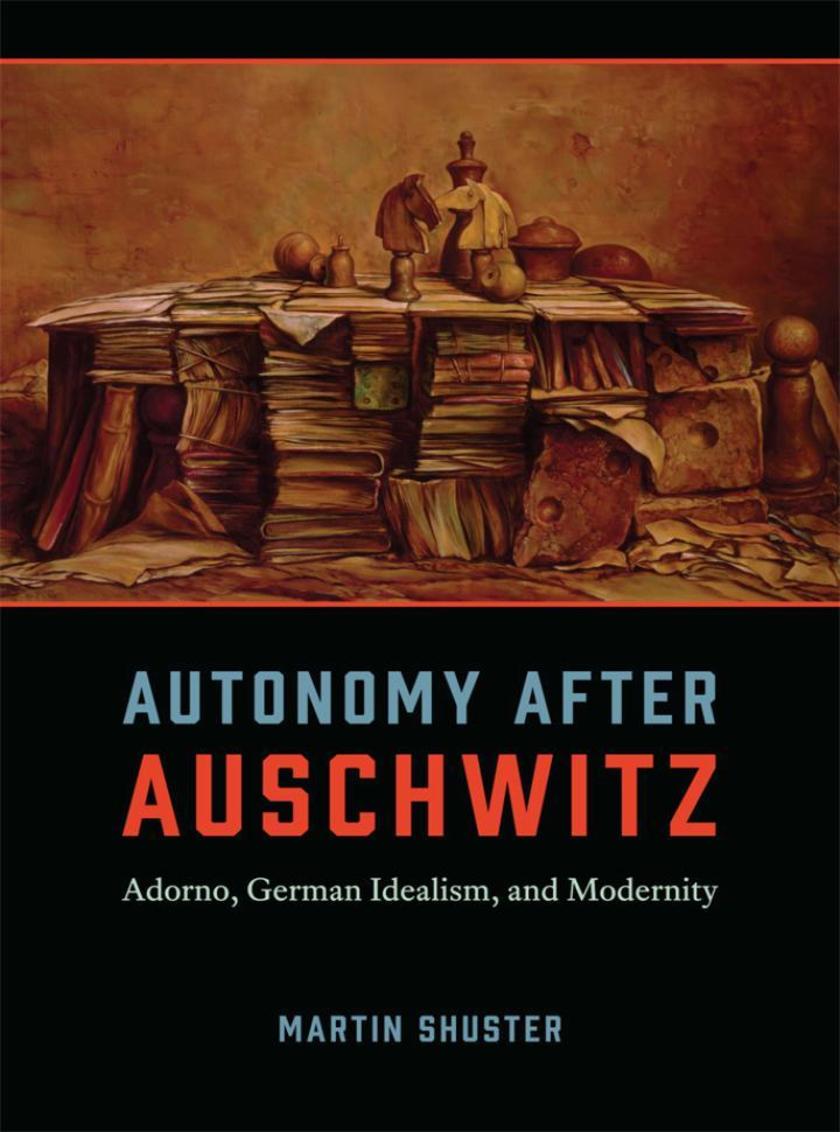
Ever since Kant and Hegel, the notion of autonomy-the idea that we are beholden to no law except one we impose upon ourselves-has been considered the truest philosophical expression of human freedom. But could our commitment to autonomy, as Theodor Adorno asked, be related to the extreme evils that we have witnessed in modernityIn Autonomy after Auschwitz, Martin Shuster explores this difficult question with astonishing theoretical acumen, examining the precise ways autonomy can lead us down a path of evil and how it might be prevented from doing so.Shuster uncovers dangers in the notion of autonomy as it was originally conceived by Kant. Putting Adorno into dialogue with a range of European philosophers, notably Kant, Hegel, Horkheimer, and Habermas-as well as with a variety of contemporary Anglo-American thinkers such as Richard Rorty, Stanley Cavell, John McDowell, and Robert Pippin-he illuminates Adorno's important revisions to this fraught concept and how his different understanding of autonomous agency, fully articulated, might open up new and positive social and political possibilities. Altogether, Autonomy after Auschwitz is a meditation on modern evil and human agency, one that demonstrates the tremendous ethical stakes at the heart of philosophy.?
To Flourish or Destruct
¥370.82
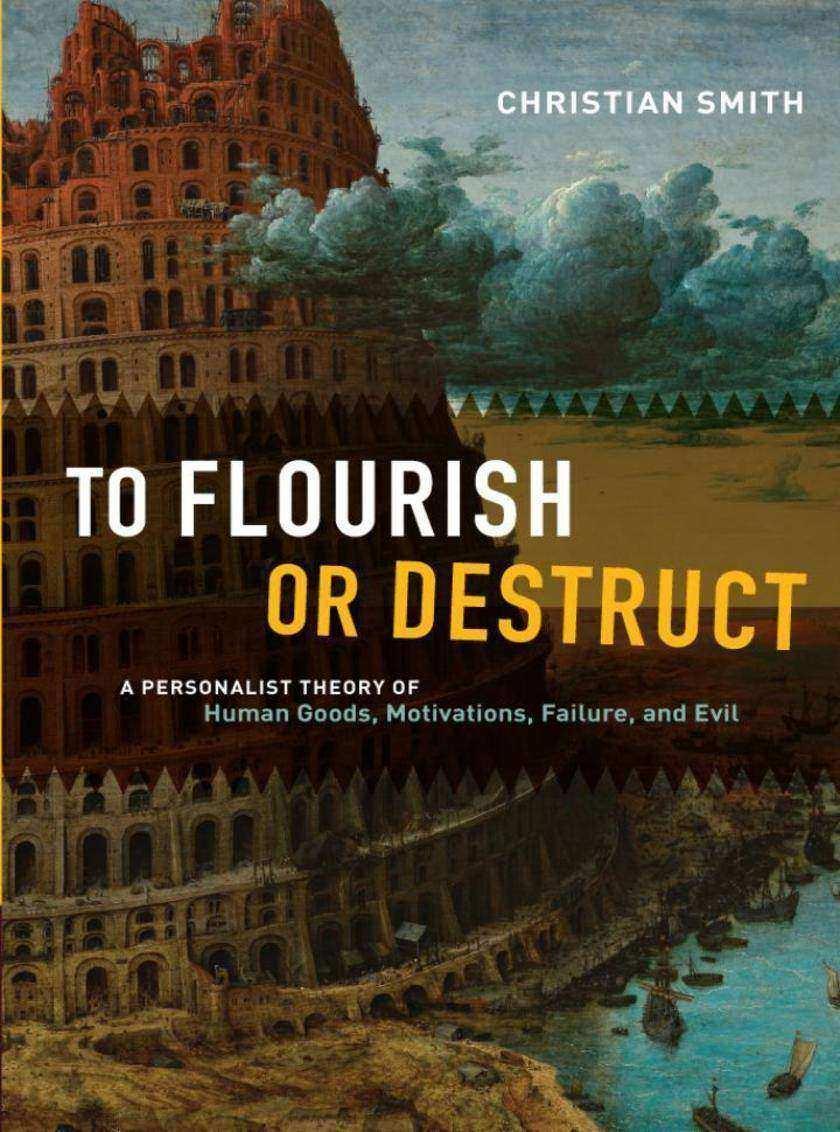
In his 2010 book What Is a Person?, Christian Smith argued that sociology had for too long neglected this fundamental question. Prevailing social theories, he wrote, do not adequately "e;capture our deep subjective experience as persons, crucial dimensions of the richness of our own lived lives, what thinkers in previous ages might have called our 'souls' or 'hearts.'"e; Building on Smith's previous work, To Flourish or Destruct examines the motivations intrinsic to this subjective experience: Why do people do what they doHow can we explain the activity that gives rise to all human social life and social structuresSmith argues that our actions stem from a motivation to realize what he calls natural human goods: ends that are, by nature, constitutionally good for all human beings. He goes on to explore the ways we can and do fail to realize these ends-a failure that can result in varying gradations of evil. Rooted in critical realism and informed by work in philosophy, psychology, and other fields, Smith's ambitious book situates the idea of personhood at the center of our attempts to understand how we might shape good human lives and societies.
Wasting a Crisis
¥370.82
The recent financial crisis led to sweeping reforms that inspired countless references to the financial reforms of the New Deal. Comparable to the reforms of the New Deal in both scope and scale, the 2,300-page Dodd-Frank Act of 2010-the main regulatory reform package introduced in the United States-also shared with New Deal reforms the assumption that the underlying cause of the crisis was misbehavior by securities market participants, exacerbated by lax regulatory oversight.With Wasting a Crisis, Paul G. Mahoney offers persuasive research to show that this now almost universally accepted narrative of market failure-broadly similar across financial crises-is formulated by political actors hoping to deflect blame from prior policy errors. Drawing on a cache of data, from congressional investigations, litigation, regulatory reports, and filings to stock quotes from the 1920s and '30s, Mahoney moves beyond the received wisdom about the financial reforms of the New Deal, showing that lax regulation was not a substantial cause of the financial problems of the Great Depression. As new regulations were formed around this narrative of market failure, not only were the majority largely ineffective, they were also often counterproductive, consolidating market share in the hands of leading financial firms. An overview of twenty-first-century securities reforms from the same analytic perspective, including Dodd-Frank and the Sarbanes-Oxley Act of 2002, shows a similar pattern and suggests that they too may offer little benefit to investors and some measurable harm.


