


 购物车
购物车 个人中心
个人中心
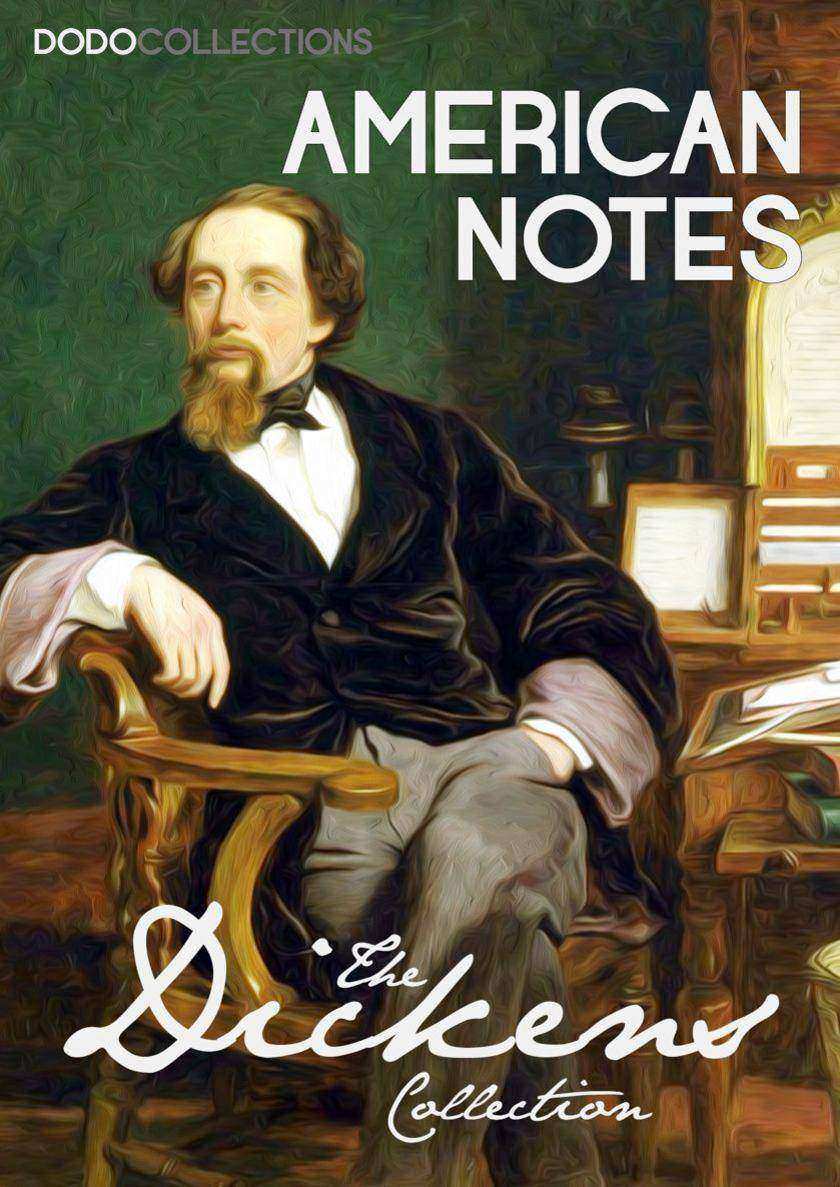
American Notes
¥8.09
Dodo Collections brings you another classic from Charles Dickens, ‘American Notes.’ ? American Notes is a fascinating account of nineteenth-century America sketched with Charles Dickens's characteristic wit and charm. When Charles Dickens set out for America in 1842 he was the most famous man of his day to travel there - curious about the revolutionary new civilization that had captured the English imagination. His frank and often humorous descriptions cover everything from his comically wretched sea voyage to his sheer astonishment at the magnificence of the Niagara Falls, while he also visited hospitals, prisons and law courts and found them exemplary. But Dickens's opinion of America as a land ruled by money, built on slavery, with a corrupt press and unsavoury manners, provoked a hostile reaction on both sides of the Atlantic. American Notes is an illuminating account of a great writer's revelatory encounter with the New World ? Charles Dickens was an English writer and social critic. He created some of the world's best-known fictional characters and is regarded as the greatest novelist of the Victorian era. His works enjoyed unprecedented popularity during his lifetime, and by the twentieth century critics and scholars had recognised him as a literary genius. His novels and short stories enjoy lasting popularity. Born in Portsmouth, Dickens left school to work in a factory when his father was incarcerated in a debtors' prison. Despite his lack of formal education, he edited a weekly journal for 20 years, wrote 15 novels, five novellas, hundreds of short stories and non-fiction articles, lectured and performed extensively, was an indefatigable letter writer, and campaigned vigorously for children's rights, education, and other social reforms. ? A prolific 19th Century author of short stories, plays, novellas, novels, fiction and non-fiction; during his lifetime Dickens became known the world over for his remarkable characters, his mastery of prose in the telling of their lives, and his depictions of the social classes, morals and values of his times. Some considered him the spokesman for the poor, for he definitely brought much awareness to their plight, the downtrodden and the have-nots. He had his share of critics, like Virginia Woolf and Henry James, but also many admirers, even into the 21st Century.
Condemned
¥97.69
Discover the astonishing true stories--that will make readers laugh, cry, and gasp--behind the headlines: Salem Witches, Saving Grand Central, Yellowstone Wolf Gunned Down, Redwood to Get Ax, Snaggletooth Killer, DogTown, and more. This series of nonfiction readers will grab a student's interest from the very first page! Designed with struggling readers in mind, these riveting books offer short chapters on high-interest headlines. Each chapter is its own mini-book, which includes a timeline, key terms, and interesting facts. Fascinating black and white photographs keep the pages turning. A bibliography encourages further topical reading.

Missing
¥97.69
Discover the astonishing true stories--that will make readers laugh, cry, and gasp--behind the headlines: FBI's 10 Most Wanted, The Bermuda Triangle, Mission to Mars, Missing Treasure, The Ivory-billed Woodpecker, Missing Planet, and more. This series of nonfiction readers will grab a student's interest from the very first page! Designed with struggling readers in mind, these riveting books offer short chapters on high-interest headlines. Each chapter is its own mini-book, which includes a timeline, key terms, and interesting facts. Fascinating black and white photographs keep the pages turning. A bibliography encourages further topical reading.
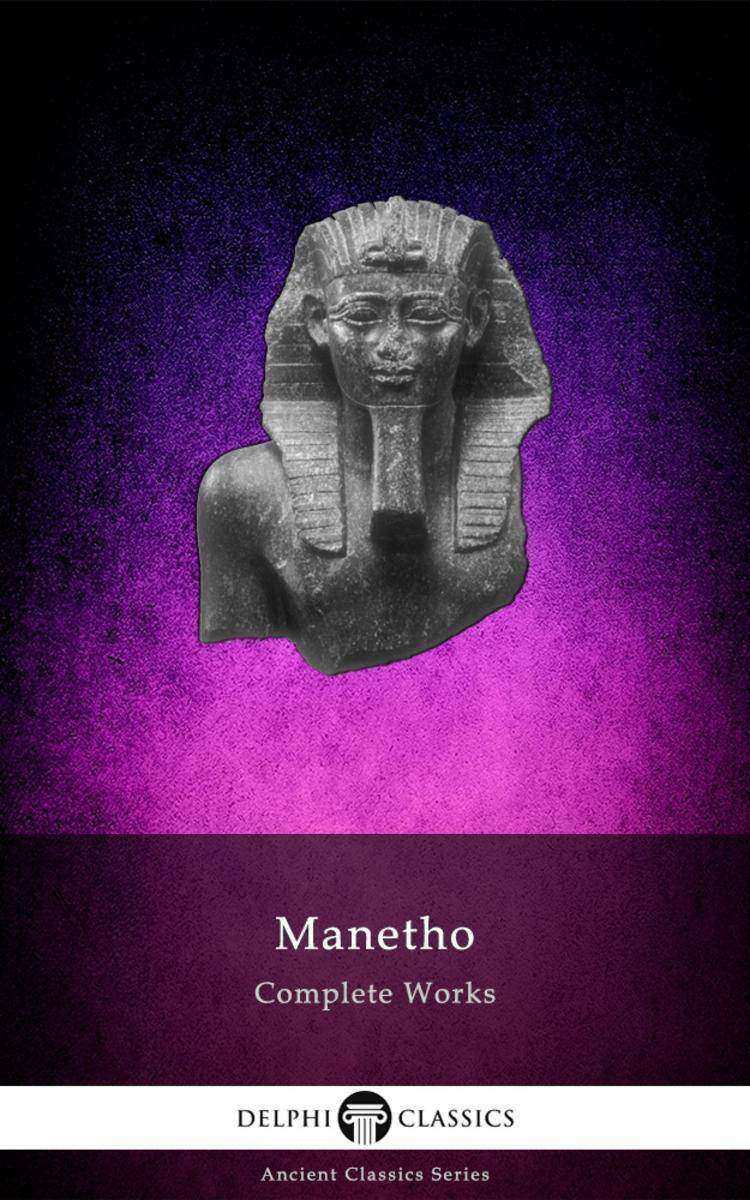
Delphi Complete Works of Manetho (Illustrated)
¥24.44
An Egyptian priest that flourished in the third century BC, Manetho wrote ‘Aegyptiaca’ (History of Egypt), which provided a detailed history of his homeland to the Hellenic world. Although his original texts are now largely lost, important remains have survived, transmitted to us as fragments from several ancient authors. For many centuries, before hieroglyphics could be read, Manetho’s writings were one of the chief sources of information on Egyptian history. Delphi’s Ancient Classics series provides eReaders with the wisdom of the Classical world, with both English translations and the original Latin and Greek texts. This comprehensive eBook presents Manetho’s complete extant works, with illustrations, informative introductions and the usual Delphi bonus material. (Version 1) * Beautifully illustrated with images relating to Manetho's life and works* Features the complete extant works of Manetho, in both English translation and the original Greek and Latin fragments* Concise introduction to ‘Aegyptiaca’* Includes W. G. Waddell’s translations, previously appearing in the Loeb Classical Library edition of Manetho* Excellent formatting of the texts* Easily locate the works you want to read with individual contents tables* Includes rare fragments of Manetho's other works, first time in digital print* Features a bonus biography – discover Manetho's ancient world* Scholarly ordering of texts into chronological order and literary genres Please visit www.delphiclassics.com to explore our range of Ancient Classics titles or buy the entire series as a Super Set CONTENTS: The TranslationsAEGYPTIACAOTHER FRAGMENTS The Greek and Latin TextsLIST OF GREEK AND LATIN TEXTS The BiographyINTRODUCTION TO MANETHO by W. G. Waddell Please visit www.delphiclassics.com to browse through our range of exciting titles

Mountain Disasters
¥97.69
This series of nonfiction readers will grab a student's interest from the very first page! Designed with struggling readers in mind, these riveting 92-page books offer short chapters on significant disasters. Each chapter is its own mini-book, which includes a timeline, key terms, and interesting facts. Fascinating black and white photographs keep the pages turning. A bibliography encourages further topical reading. Disasters are inherently frightening, riveting, and involving. Grabbed straight from the headlines, these disasters leave tragedy, destruction, and years of anguish: The Eiger, Mount Everest, Mount Hood, Siula Grande, Denali, The Deadly Fourteeners, and more.
Lost and Found
¥97.69
Discover the astonishing true stories--that will make readers laugh, cry, and gasp--behind the headlines: Pompeii, Amelia Earhart, Twins Reunite, Tuffy, HMS Beagle, Stolen Holocaust Masterpiece Fetches Millions, and more. This series of nonfiction readers will grab a student's interest from the very first page! Designed with struggling readers in mind, these riveting books offer short chapters on high-interest headlines. Each chapter is its own mini-book, which includes a timeline, key terms, and interesting facts. Fascinating black and white photographs keep the pages turning. A bibliography encourages further topical reading.
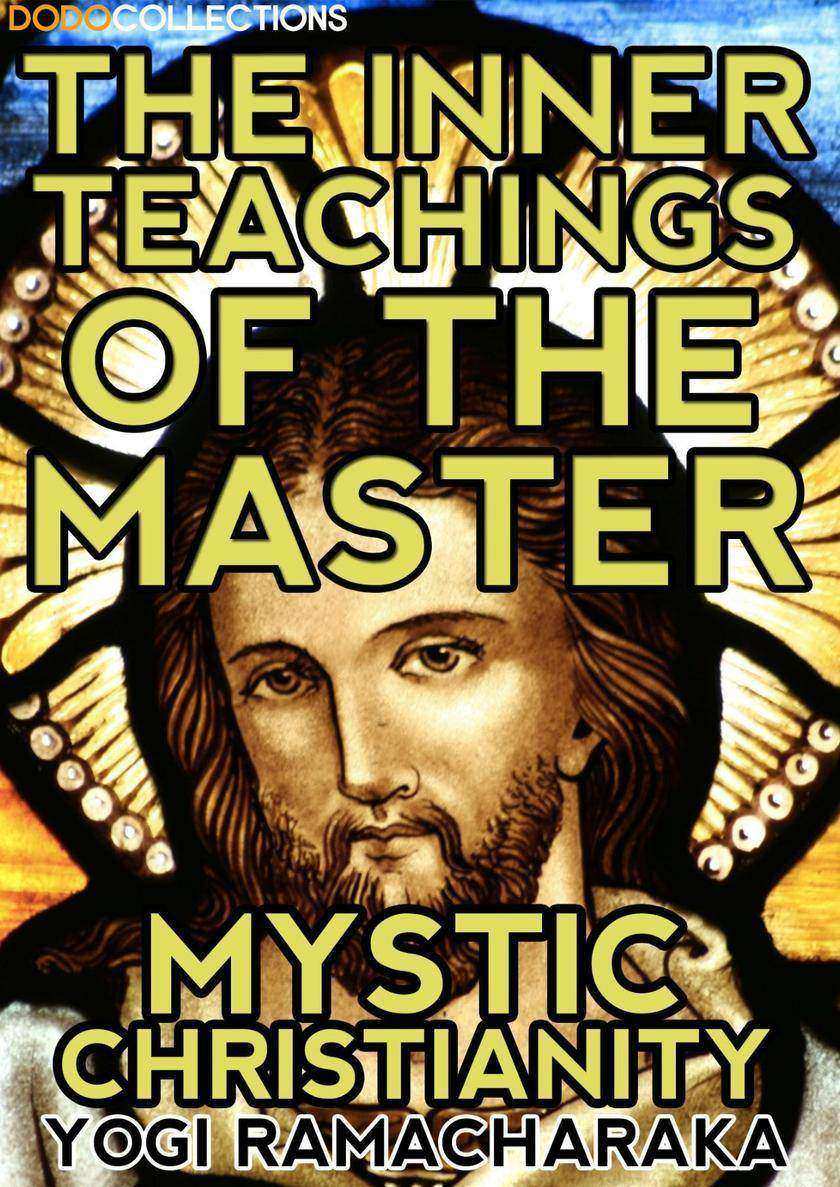
The Inner Teachings Of The Master:Mystic Christianity
¥8.09
This book fills in the gap in the canonical gospels concerning the life of Jesus from about age 12 to age 30. It also provides a refreshing alternative to the "thou shalt have faith and fear" approach found in the orthodox religions.

Forensics
¥97.69
Bursting with facts, these books will truly enthrall struggling readers. Nonfiction titles cover high-interest topics both creepy and utterly terrifying. Each title is thoroughly researched and includes an introduction, five chapters, an epilogue, glossary, and index. On-the-scene photography captures students' imagination and spurs further reading. These are books that struggling readers will not put down! The science of forensics is little understood except for what we watch in prime time. Five chapters explore forensic dentistry; ballistics; computer forensics; facial reconstruction; and fingerprinting.
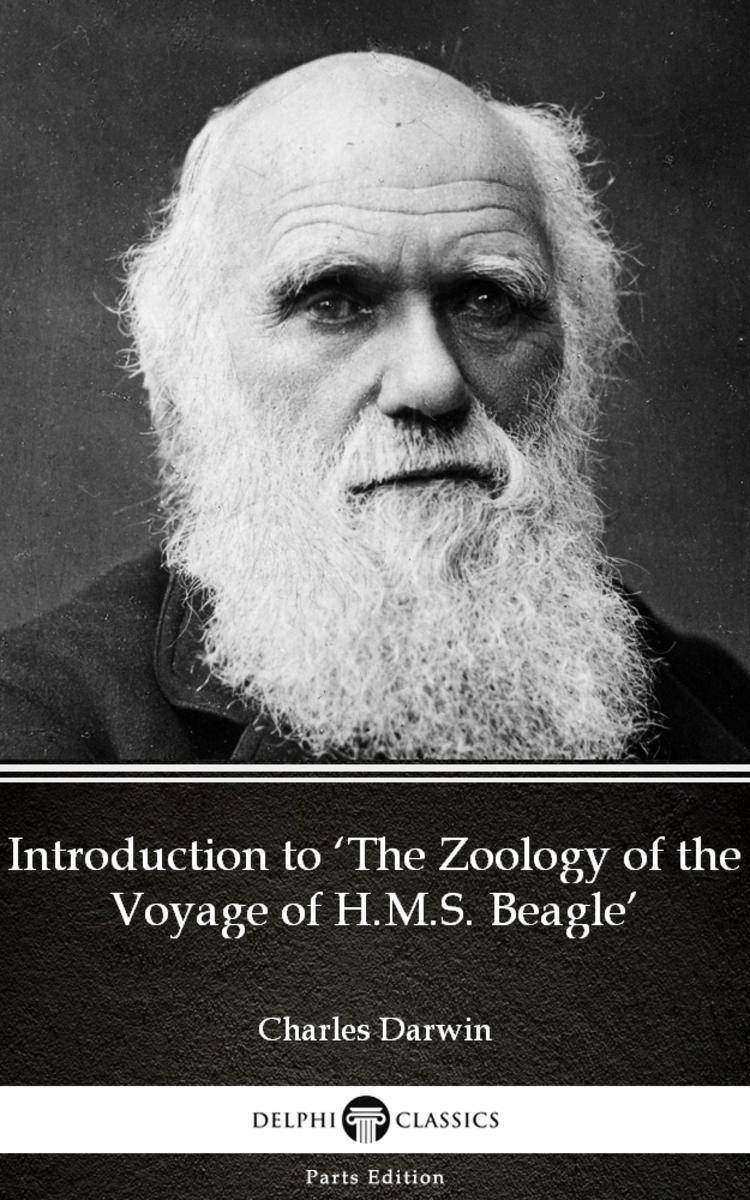
Introduction to ‘The Zoology of the Voyage of H.M.S. Beagle’ by Charles Darwin
¥8.09
This eBook features the unabridged text of ‘Introduction to ‘The Zoology of the Voyage of H.M.S. Beagle’ by Charles Darwin - Delphi Classics (Illustrated)’ from the bestselling edition of ‘The Complete Works of Charles Darwin’. Having established their name as the leading publisher of classic literature and art, Delphi Classics produce publications that are individually crafted with superior formatting, while introducing many rare texts for the first time in digital print. The Delphi Classics edition of Darwin includes original annotations and illustrations relating to the life and works of the author, as well as individual tables of contents, allowing you to navigate eBooks quickly and easily. eBook features: * The complete unabridged text of ‘Introduction to ‘The Zoology of the Voyage of H.M.S. Beagle’ by Charles Darwin - Delphi Classics (Illustrated)’ * Beautifully illustrated with images related to Darwin’s works * Individual contents table, allowing easy navigation around the eBook * Excellent formatting of the text Please visit www.delphiclassics.com to learn more about our wide range of titles
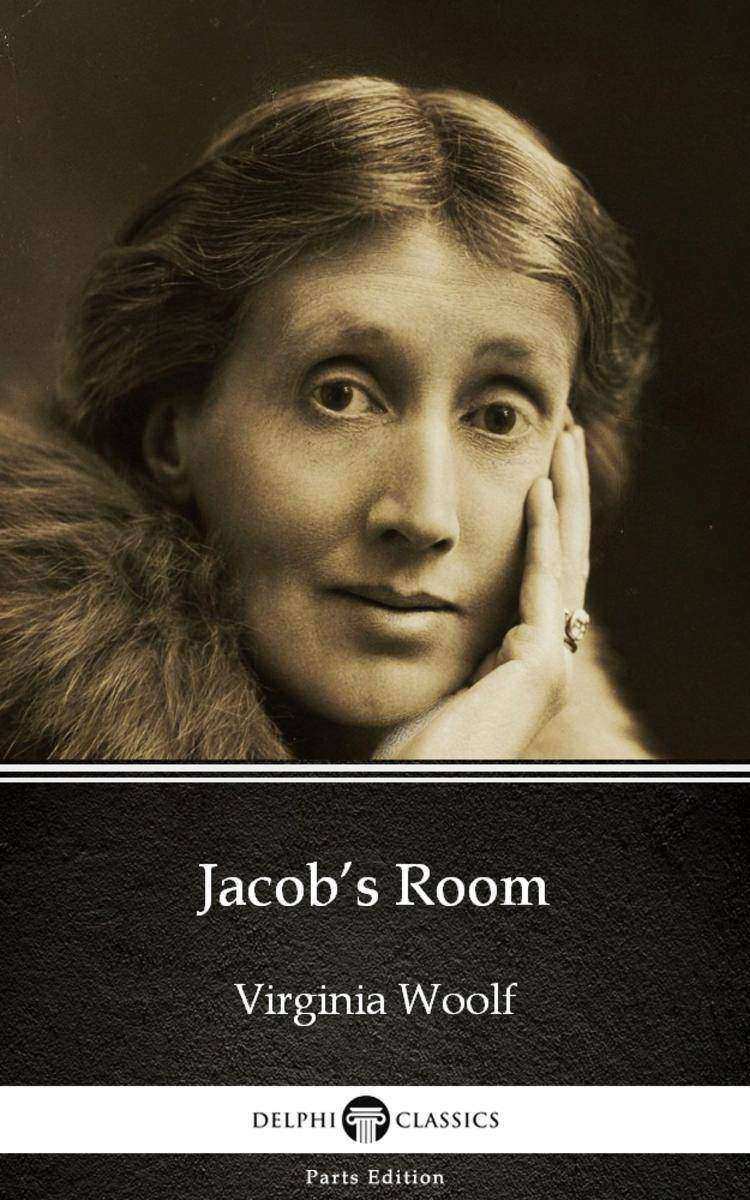
Jacob’s Room by Virginia Woolf - Delphi Classics (Illustrated)
¥8.09
This eBook features the unabridged text of ‘Jacob’s Room by Virginia Woolf - Delphi Classics (Illustrated)’ from the bestselling edition of ‘The Complete Works of Virginia Woolf’. Having established their name as the leading publisher of classic literature and art, Delphi Classics produce publications that are individually crafted with superior formatting, while introducing many rare texts for the first time in digital print. The Delphi Classics edition of Woolf includes original annotations and illustrations relating to the life and works of the author, as well as individual tables of contents, allowing you to navigate eBooks quickly and easily. eBook features: * The complete unabridged text of ‘Jacob’s Room by Virginia Woolf - Delphi Classics (Illustrated)’ * Beautifully illustrated with images related to Woolf’s works * Individual contents table, allowing easy navigation around the eBook * Excellent formatting of the text Please visit www.delphiclassics.com to learn more about our wide range of titles
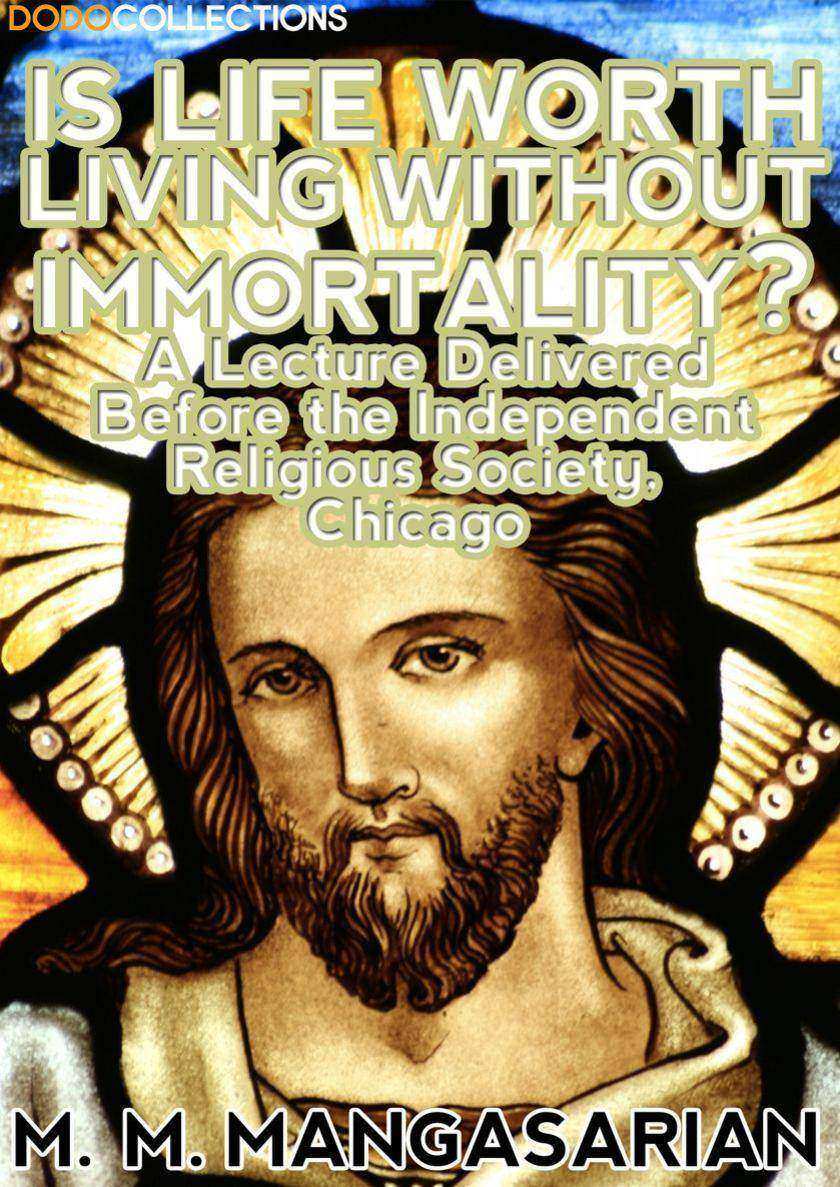
Is Life Worth Living Without Immortality?
¥8.09
Dodo Collections brings you another classic from M. M. Mangasarian, ‘Is Life Worth Living Without Immortality?’ ? This book is based upon the famous lecture delivered before the Independent Religious Society, Chicago?by Mangasarian. ? Born in Mashger (now within Turkey) in the Ottoman Empire, M. M. Mangasarian attended Robert College in Constantinople, and was ordained as minister in Marsovan in 1878. In about 1880 he enrolled at Princeton University. He was pastor at a Presbyterian church in Philadelphia from 1882 to 1885, when he resigned, becoming an independent preacher and a lecturer on "independent religion" in New York. In 1892 he became leader of the Ethical Culture Society of Chicago, a group established by Felix Adler. In 1900 he organized the Independent Religious Society of Chicago, a rationalist group, of which he remained pastor until 1925. He retired to Piedmont, California, where he lived for the rest of his life. ? During his life Mangasarian wrote a number of books. His most popular, including The Truth About Jesus — Is He a Myth? (1909) and The Bible Unveiled (1911), deal with the evidence against the existence of an historical Jesus. He also wrote hundreds of essays and lectures on questions of the times. His books and essays were translated into French, German, Spanish, and other foreign languages. The general subject of his writing was religious criticism and the philosophy of religion. ? Mangasarian considered himself a Rationalist or a Secularist not an Atheist, since he considered atheism a non-verifiable belief system.
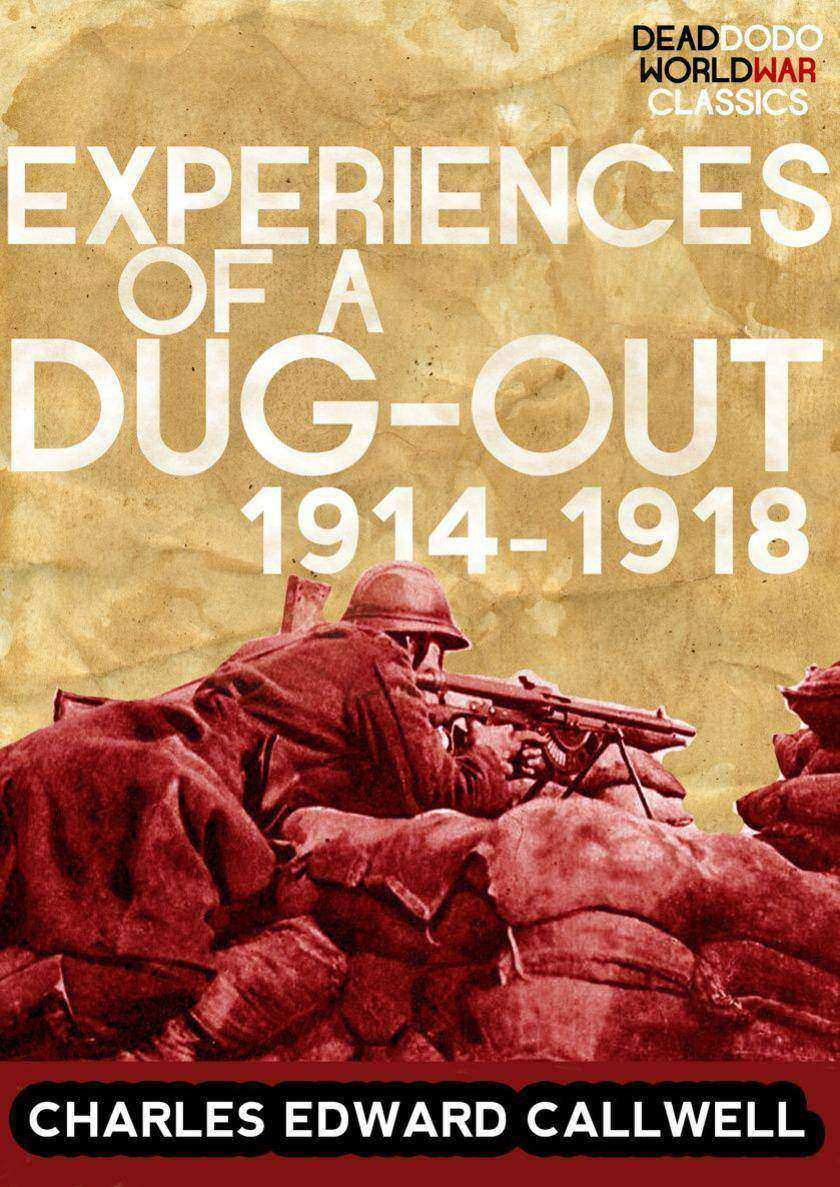
Experiences of a Dug-out: 1914-1918
¥8.09
A different commentary on the First World War, this memoir is a compelling and insightful not from a soldier who has served in the front line but rather from a man who served in the war office. Thoroughly compulsive reading, putting so much into context and giving great insight into the major strategic decisions of the First World War.
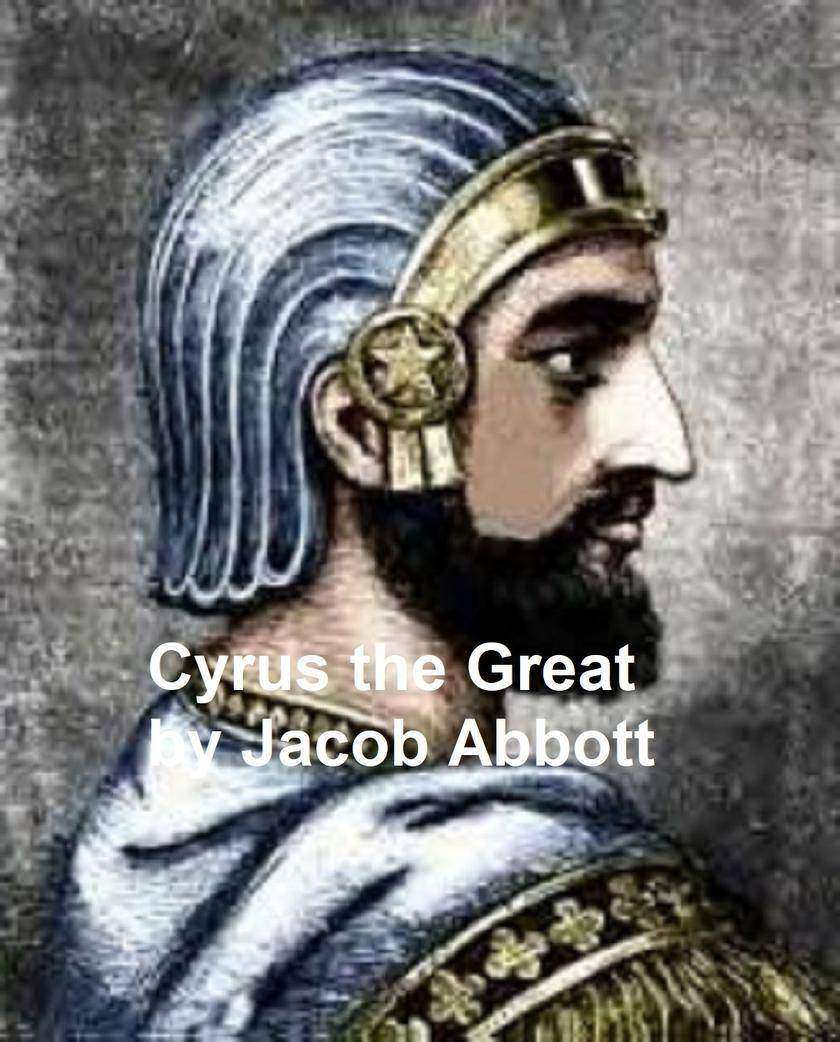
Cyrus the Great
¥8.09
According to Wikipedia: "Jacob Abbott (November 14, 1803 – October 31, 1879) was an American writer of children's books. Abbott was born at Hallowell, Maine to Jacob and Betsey Abbott. He graduated from Bowdoin College in 1820; studied at Andover Theological Seminary in 1821, 1822, and 1824; was tutor in 1824-1825, and from 1825 to 1829 was professor of mathematics and natural philosophy at Amherst College; was licensed to preach by the Hampshire Association in 1826; founded the Mount Vernon School for Young Ladies in Boston in 1829, and was principal of it in 1829-1833; was pastor of Eliot Congregational Church (which he founded), at Roxbury, Massachusetts in 1834-1835; and was, with his brothers, a founder, and in 1843-1851 a principal of Abbott's Institute, and in 1845-1848 of the Mount Vernon School for Boys, in New York City. He was a prolific author, writing juvenile fiction, brief histories, biographies, religious books for the general reader, and a few works in popular science. He died in Farmington, Maine, where he had spent part of his time after 1839, and where his brother, Samuel Phillips Abbott, founded the Abbott School."

Genghis Khan
¥8.09
According to Wikipedia: "Jacob Abbott (November 14, 1803 – October 31, 1879) was an American writer of children's books. Abbott was born at Hallowell, Maine to Jacob and Betsey Abbott. He graduated from Bowdoin College in 1820; studied at Andover Theological Seminary in 1821, 1822, and 1824; was tutor in 1824-1825, and from 1825 to 1829 was professor of mathematics and natural philosophy at Amherst College; was licensed to preach by the Hampshire Association in 1826; founded the Mount Vernon School for Young Ladies in Boston in 1829, and was principal of it in 1829-1833; was pastor of Eliot Congregational Church (which he founded), at Roxbury, Massachusetts in 1834-1835; and was, with his brothers, a founder, and in 1843-1851 a principal of Abbott's Institute, and in 1845-1848 of the Mount Vernon School for Boys, in New York City. He was a prolific author, writing juvenile fiction, brief histories, biographies, religious books for the general reader, and a few works in popular science. He died in Farmington, Maine, where he had spent part of his time after 1839, and where his brother, Samuel Phillips Abbott, founded the Abbott School."
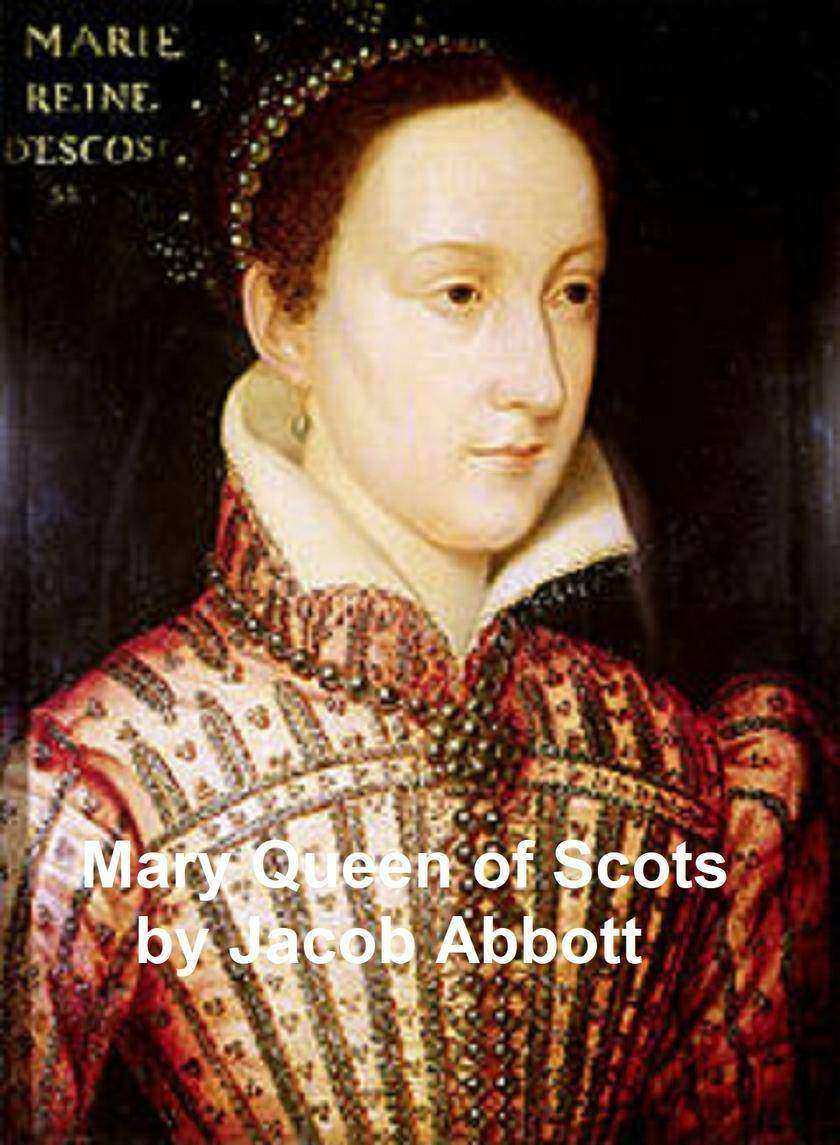
Mary Queen of Scots
¥8.09
According to Wikipedia: "Jacob Abbott (November 14, 1803 – October 31, 1879) was an American writer of children's books. Abbott was born at Hallowell, Maine to Jacob and Betsey Abbott. He graduated from Bowdoin College in 1820; studied at Andover Theological Seminary in 1821, 1822, and 1824; was tutor in 1824-1825, and from 1825 to 1829 was professor of mathematics and natural philosophy at Amherst College; was licensed to preach by the Hampshire Association in 1826; founded the Mount Vernon School for Young Ladies in Boston in 1829, and was principal of it in 1829-1833; was pastor of Eliot Congregational Church (which he founded), at Roxbury, Massachusetts in 1834-1835; and was, with his brothers, a founder, and in 1843-1851 a principal of Abbott's Institute, and in 1845-1848 of the Mount Vernon School for Boys, in New York City. He was a prolific author, writing juvenile fiction, brief histories, biographies, religious books for the general reader, and a few works in popular science. He died in Farmington, Maine, where he had spent part of his time after 1839, and where his brother, Samuel Phillips Abbott, founded the Abbott School."
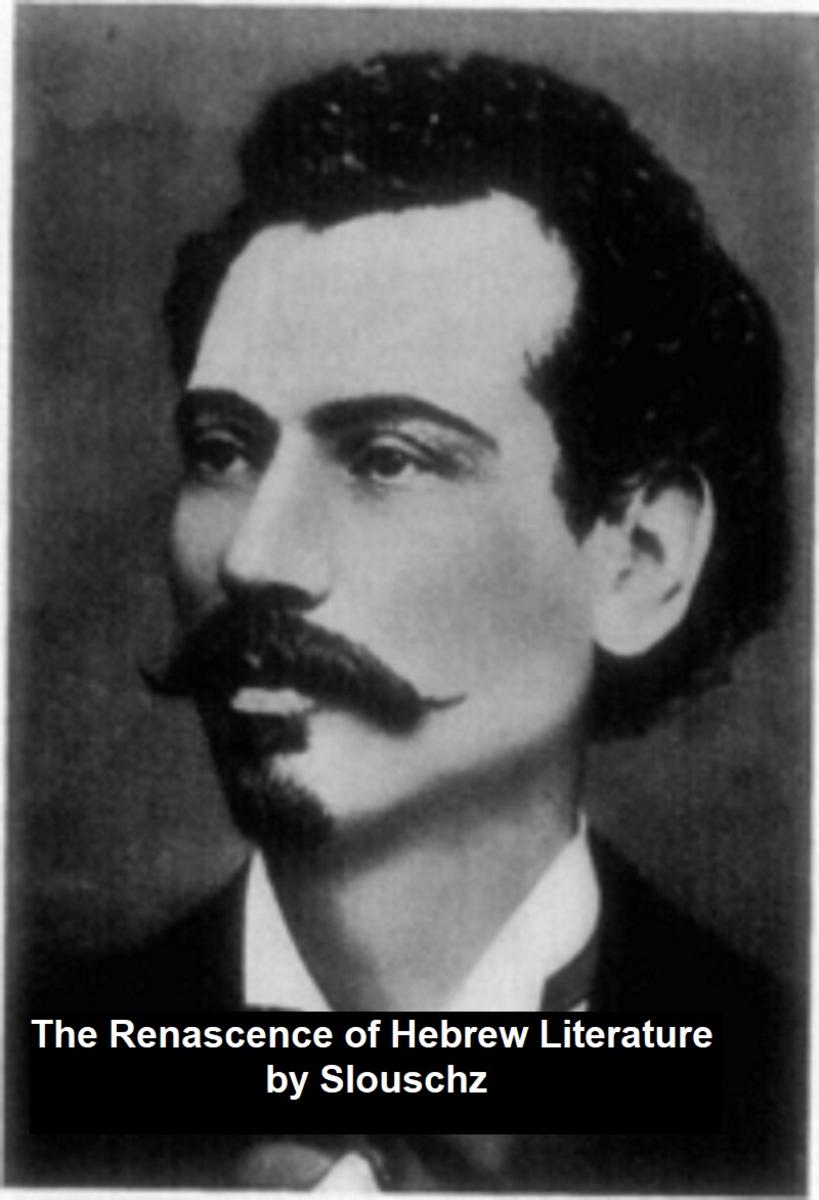
The Renascence of Hebrew Literature
¥8.09
Chapters include: In Italy, In German, In Poland and Austria, in Lithuania, The Romantic Movement, The Emancipation Movement, The Conflict with Rabbinism, Reformers and Conservatives, The National Progressive Movement, The Contributors to Ha-Shahar, The Novels of Smolenskin, and Contemporaneous Literature. From the Translator's Note: "The modern chapter in the history of Hebrew literature herewith presented to English readers was written by Dr. Nahum Slouschz as his thesis for the doctorate at the University of Paris, and published in book form in 1902. A few years later (1906-1907), the author himself put his Essay into Hebrew, and it was brought out as a publication of the _Tushiyah_, under the title _Korot ha-Safrut ha-'Ibrit ha-Hadashah_. The Hebrew is not, however, a mere translation of the French book. The material in the latter was revised and extended, and the presentation was considerably changed, in view of the different attitude toward the subject naturally taken by Hebrew readers, as compared with a Western public, Jewish or non-Jewish."
Physics
¥40.79
Physics is a collection of lessons that deal with the general principles of natural or moving things, both living and non-living, rather than physical theories or investigations of the particular contents of the universe. The chief purpose of the work is to discover the principles and causes of change, or movement.
Rhetoric
¥40.79
Aristotle's Rhetoric is an ancient Greek text on the art of persuasion, dating from the 4th century BC.
On Sleep and Sleeplessness
¥40.79
With regard to sleep and waking, we must consider what they are: whether they are peculiar to soul or to body, or common to both; and if common, to what part of soul or body they appertain: further, from what cause it arises that they are attributes of animals, and whether all animals share in them both, or some partake of the one only, others of the other only, or some partake of neither and some of both.
Meditations
¥40.79
Meditations contains a series of personal writings by Marcus Aurelius, Roman Emperor from 161 to 180 AD, recording his private notes to himself and ideas on Stoic philosophy. Stoics often present their philosophy as a way of life. To live a good life, one has to understand the rules of the natural order since they taught that everything is rooted in nature.
On Benefits
¥40.79
On Benefits contains series of moral essays and dialogues composed by the Roman Stoic philosopher Seneca. The work explores such philosophical themes as providence, steadfastness, the happy life, anger, leisure, tranquility, the brevity of life, gift-giving, forgiveness, and treatises on natural phenomena.


