


 购物车
购物车 个人中心
个人中心
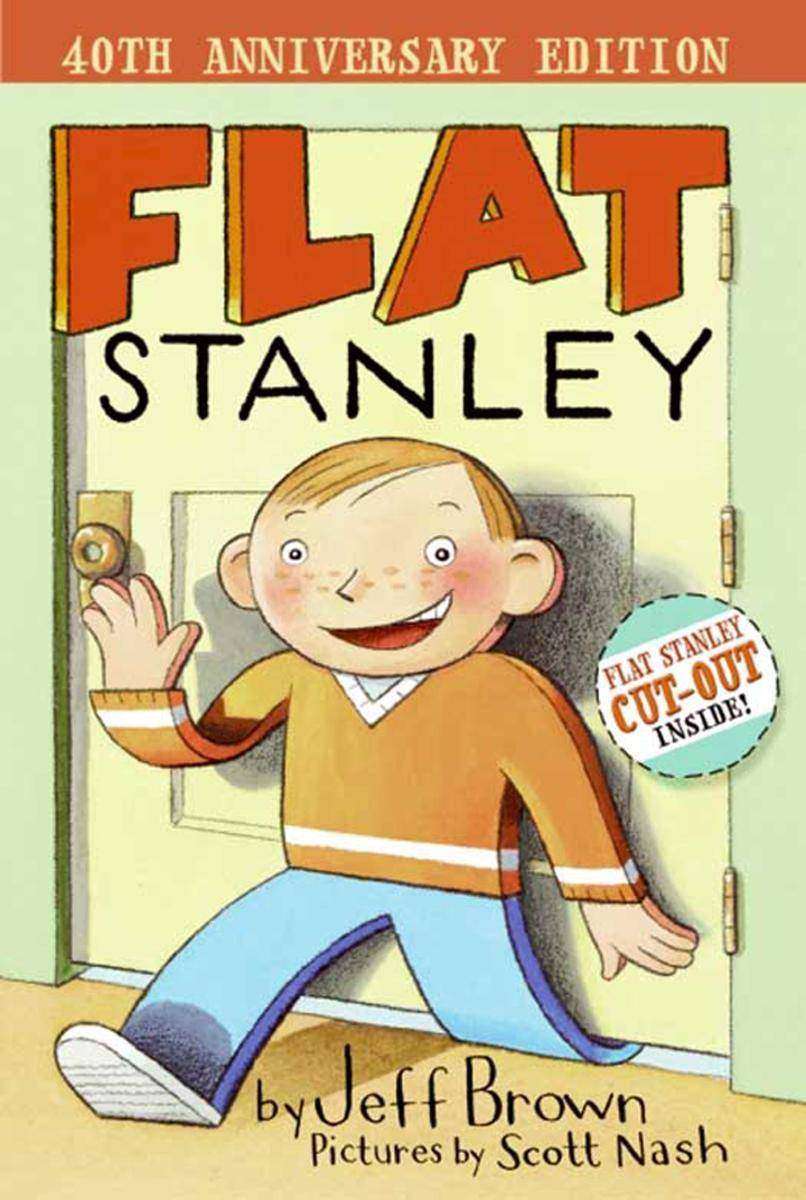
Flat Stanley: His Original Adventure!
¥27.65
When Stanley Lambchop wakes up one morning, his brother, Arthur, is yelling. A bulletin board fell on Stanley during the night, and now he is only half an inch thick! Amazing things begin happening to him. Stanley gets rolled up, mailed, and flown like a kite. He even gets to help catch two dangerous art thieves. He may be flat, but he's a hero. This is the very first Flat Stanley adventure, updated with crisp new art. Supports the Common Core State Standards
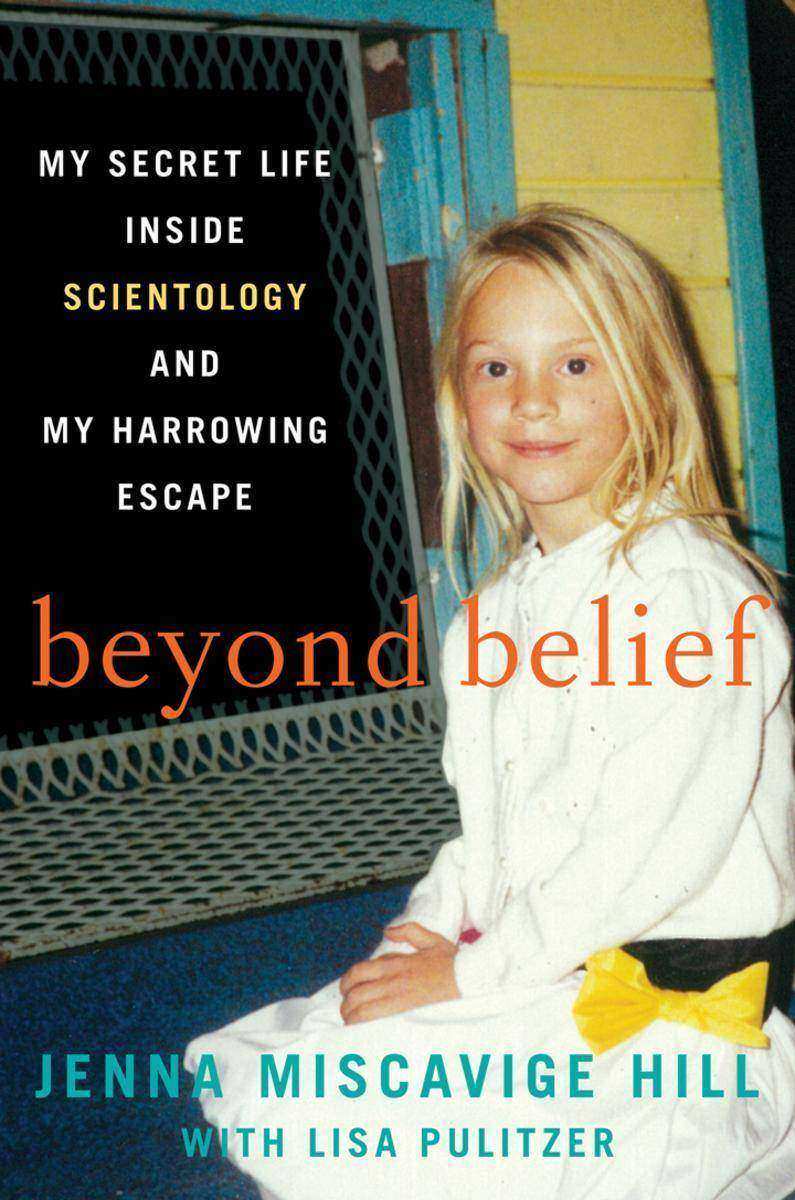
Beyond Belief
¥90.77
Jenna Miscavige Hill was raised to obey. As the niece of the Church of Scientology leader David Miscavige, she grew up at the center of this highly controversial and powerful organization. But at twenty-one, Jenna made a daring break, risking everything she had ever known and loved to leave Scientology once and for all. Now she speaks out about her life, the Church, and her dramatic escape, going deep inside a religion that, for decades, has been the subject of fierce debate and speculation worldwide. Piercing the veil of secrecy that has long shrouded the world of Scientology, this insider reveals unprecedented firsthand knowledge of the religion, its obscure rituals, and its mysterious leader David Miscavige. From her prolonged separation from her parents as a small child to being indoctrinated to serve the greater good of the Church, from her lack of personal freedoms to the organization emphasis on celebrity recruitment, Jenna goes behind the scenes of Scientology oppressive and alienating culture, detailing an environment rooted in control in which the most devoted followers often face the harshest punishments when they fall out of line. Addressing some of the Church most notorious practices in startling detail, she also describes a childhood of isolation and neglect a childhood that, painful as it was, prepared her for a tough life in the Church most devoted order, the Sea Org. Despite this hardship, it is only when her family approaches dissolution and her world begins to unravel that she is finally able to see the patterns of stifling conformity and psychological control that have ruled her life. Faced with a heartbreaking choice, she mounts a courageous escape, but not before being put through the ultimate test of family, faith, and love. At once captivating and disturbing, Beyond Belief is an eye-opening exploration of the limits of religion and the lengths to which one woman went to break free.
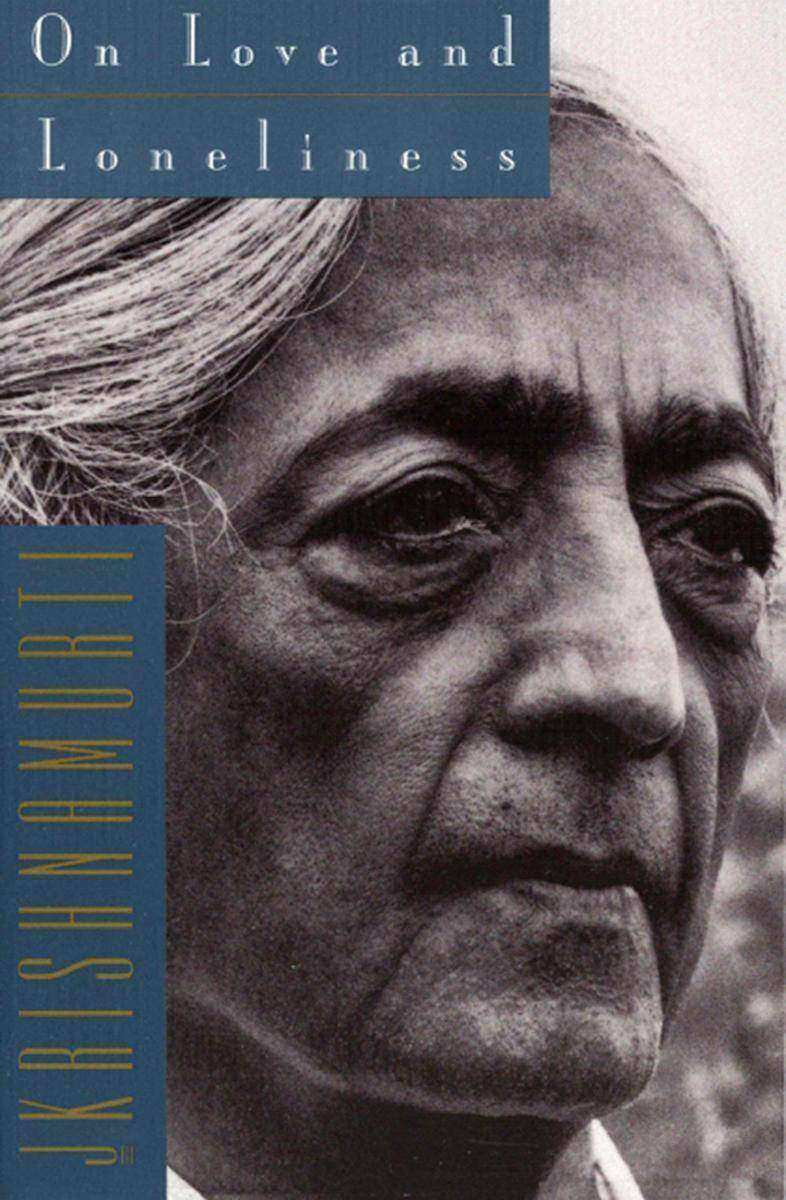
On Love and Loneliness
¥77.49
In 1950 Krishnamurti said: It is only when the mind is not escaping in any form that it is possible to be in direct communion with that thing we call lonliness, the alone, and to have communion with that thing, there must be affection, there must be love. On Love and Lonliness is a compelling investigation of our intimate relationships with ourselves, others, and society. Krishnamurti suggests that true relationship can come into being only when there is self-knowledge of the conditions which divide and islolate individuals and groups. Only by renouncing the self can we understand the problem of lonliness, and truly love.
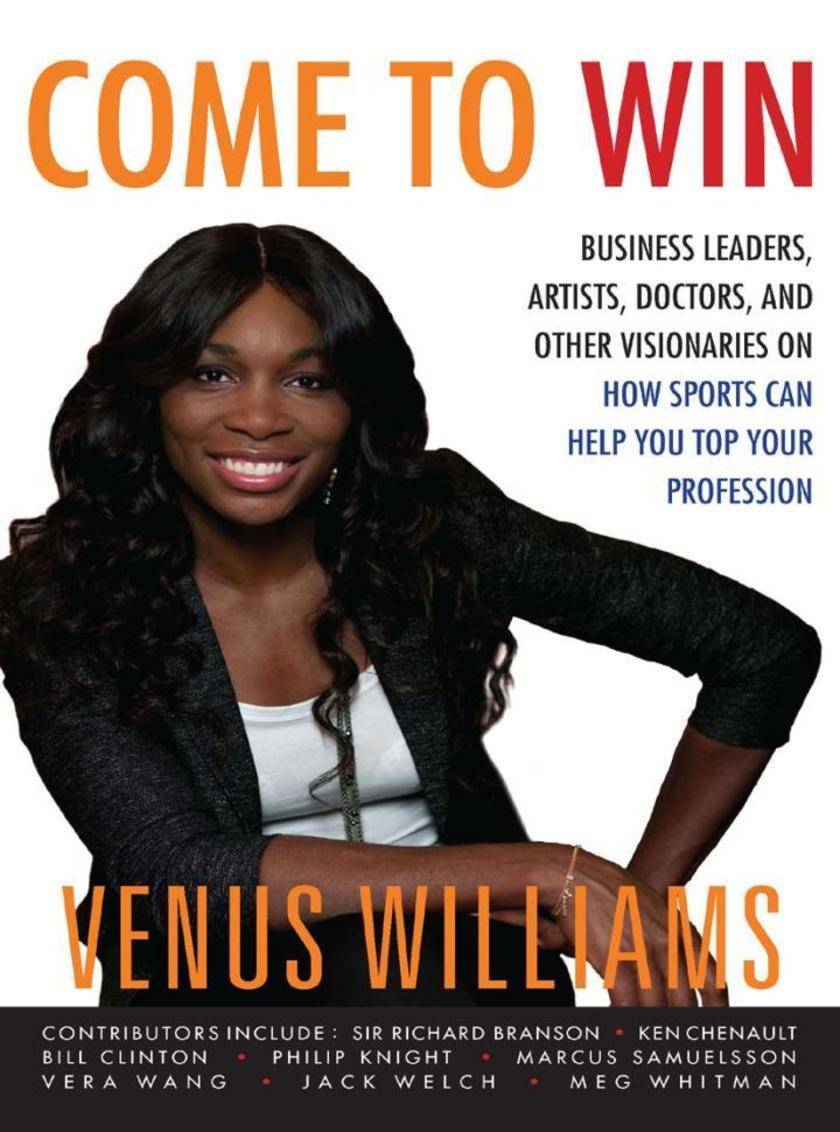
Come to Win
¥83.03
With Come to Win, Venus Williams, the multiple Grand Slam tennis champion and entrepreneur, along with an esteemed group of business leaders, politicians, and acclaimed artists, serves up a book of wisdom that shows how to turn a competitive spirit and athletic background into success off the playing field.Combining talent, drive, and hard work, Venus Williams has mastered the game of tennis. How will that drive serve her off the court in her post-tennis careerFor inspiration, Venus turned to nearly fifty business leaders, politicians, doctors, and artists, all of whom previously played competitive sports and who are now at the top of their professions, and asked them the essential questions: What principles that inspired you toward success as an athlete are helpful in lifeIn businessHere an A-list group of visionaries, including eBay's former CEO Meg Whitman, Nike's co-founder Philip Knight, stateswoman Condoleezza Rice, entrepreneur and former NBA player Earvin "Magic" Johnson, and designer Vera Wang, respond with a useful array of tips woven through anecdotes from their athletic past that have been instrumental in their post sports life success. Whether it's visualizing a course of action before it happens, turning losses into learning tools, figuring out who best plays what position in a team environment, or remembering that there is no substitute for preparation, the advice in Come to Win is knowledge every manager and aspiring professional will want to read. It's also an indispensable tool for parents and coaches looking to build confidence and discipline in their children.Venus also reflects on what she has learned from her own coaches, including her father and mother, and how their wisdom contributes to her own remarkable achievements, from her history-making tennis career to the launch of her own businesses V-Starr Interiors, an interior design firm, and EleVen, an athletic clothing line.
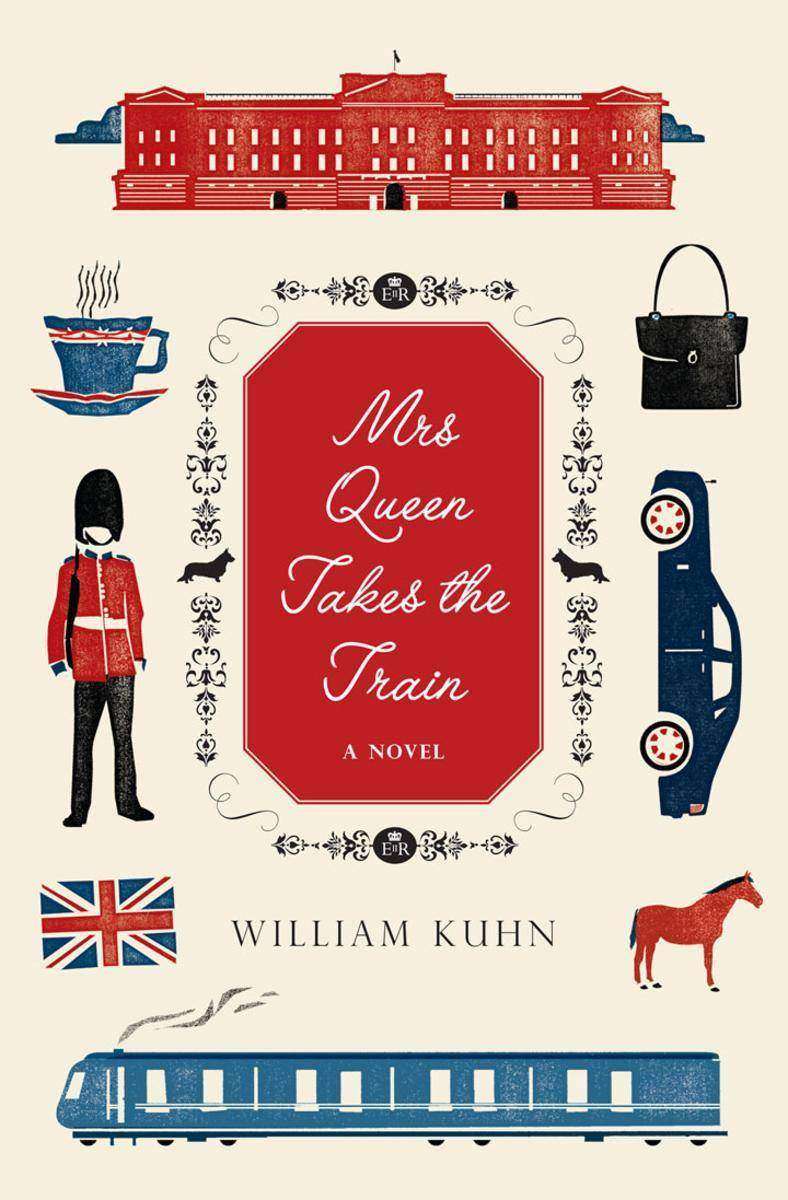
Mrs Queen Takes the Train
¥83.03
After decades of service and years of watching her family's troubles splashed across the tabloids, Britain's Queen is beginning to feel her age. She needs some proper cheering up. An unexpected opportunity offers her relief: an impromptu visit to a place that holds happy memories—the former royal yacht, Britannia, now moored near Edinburgh. Hidden beneath a skull-emblazoned hoodie, the limber Elizabeth (thank goodness for yoga) walks out of Buckingham Palace into the freedom of a rainy London day and heads for King's Cross to catch a train to Scotland. But a characterful cast of royal attendants has discovered her missing. In uneasy alliance a lady-in-waiting, a butler, an equerry, a girl from the stables, a dresser, and a clerk from the shop that supplies Her Majesty's cheese set out to find her and bring her back before her absence becomes a national scandal.Mrs Queen Takes the Train is a clever novel, offering a fresh look at a woman who wonders if she, like Britannia herself, has, too, become a relic of the past. William Kuhn paints a charming yet biting portrait of British social, political, and generational rivalries—between upstairs and downstairs, the monarchy and the government, the old and the young. Comic and poignant, fast paced and clever, this delightful debut tweaks the pomp of the monarchy, going beneath its rigid formality to reveal the human heart of the woman at its center.

Snobs
¥61.70
In this classic work by the renowned wit and pundit whom the New York Times has lauded as "one of America's foremost arbiters of taste and mores . . . an acclaimed expert on what was highbrow, what was lowbrow, and what was no brow at all," the inimitable Russell Lynes flaunts (rather snobbishly, perhaps) his unparalleled expertise on all things snobbish. Since the Social Snob with his raised nostrils and air of intolerable intolerance has long since gone underground, it falls to a true connoisseur to identify the myriad faces of snobbery. Whether it be the Regional, Political, or Moral Snob, the Sensual or Sex Snob, or that most virulent of genus, the Reverse or Anti-Snob Snob, Lynes shines an illuminating light that will enable us to more easily recognize the pervasive pretentiousness surrounding us . . . and perhaps within us as well.
Date Like A Man
¥72.93
Do you get depressed every time a date turns out to be a dud?Are you devastated when you don't get "the call" from a guy you likeDo you constantly check your dates out for marriage potentialChances are you're taking dating way too seriously. According to Myreah Moore -- "America's Dating Coach" -- women need to start dating to have fun, which is what men have been doing for ages! In fact, Moore says, dating is a lot like a science. And with any scientific experiment, it's trial and error. In Date Like a Man, she steals dating secrets from men (the masters of dating) and transforms them into a personal training program that will boost your dating prospects -- and increase your chances of finding a soul mate.Clear, candid, and empowering, Date Like a Man makes the manhunt fun -- the way it should be. Even if you think you're a dating expert, you'll devour this manual -- the new bible for surviving and thriving in today's world.
A Book of Psalms
¥71.94
Psalm 93God acts within every momentand creates the world with each breath.He speaks from the center of the universe,in the silence beyond all though.Mighter than the crash of a thunderstorm,mighter than the roar of the sea,is God's voice silently speakingin the depths of the listening heart.
The Sistah's Rules
¥73.71
The RulesPuhleeze! Any real black woman can tell you that when it comes to African-American men, The Rules is about as good as Monopoly money in Macy's. Waiting three days to return a brother's phone call will get a black woman nothing more than a warm spot on the couch by herself with an empty bag of corn chips and the remote.A sister needs her own special set of rules for finding a brother even when it seems that there just aren't that many good ones to go around. Millner says they are out there but sistahs need to drop their materialistic, brother-in-the white-Benz fantasies and pick up the right vibes for finding a genuine brother who's worth keeping around. The Sistahs' Rules gives black women commonsense guidelines for landing in a healthy relationship with a makes-your-toes-curl brother, including: Get to know his mama, get to know him Use what you got to get what you want Girlfriends are everything, but they don't know it all With warm stories and practical advice from black mamas and papas who've been there and done that, and sistahs and brothers in the mix, The Sistahs' Rules is a sassy, hip, step-by-step guide to finding Brother Mr. Rightand having fun in the process.
How to Get Married After 35
¥84.16
For women thirty-five and over who don't want to leave their chances to fate, relationship consultant Helena Rosenberg -- who got married in her forties -- offers a concrete program to help singles maximize their opportunities for marriage. How to Get Married After Thirty-Five will help women change their course and be on their way to success -- and even have fun in the process! Whether you're looking to marry for the first time or hoping to remarry, How to Get Married After Thirty-Five guides you through the process with sensitivity and humor, and shows how to: take personal responsibility for your life embrace your goals and what's in your way grasp what you need in a partner recognize him once you meet him avoid men who are destructive or unmarriageable master the world of internet dating Finally, with wisdom and encouragement, Helena Rosenberg offers practical advice on where to find eligible men (they do exist!), how to assess a man for his marriage potential, and why marrying the man of her choice after thirty-five had almost nothing to do with luck.
Erotic Attunement
¥529.74
Heightened awareness of the problem of sexual abuse has led to deep anxiety over adults touching children-in nearly any context. Though our society has moved toward increasingly strict enforcement of this taboo, studies have shown that young children need regular human contact, and the benefits of breastfeeding have been widely extolled. Exploring the complicated history of love, desire, gender, sexuality, parenthood, and inequality, Erotic Attunement probes the disquieting issue of how we can draw a clear line between natural affection toward children and perverse exploitation of them.Cristina L. H. Traina demonstrates that we cannot determine what is wrong about sexual abuse without first understanding what is good about appropriate sensual affection. Pondering topics such as the importance of touch in nurturing children, the psychology of abuse and victimhood, and recent ideologies of motherhood, she argues that we must expand our philosophical and theological language of physical love and make a distinction between sexual love and erotic love. Taking on theological and ethical arguments over the question of sexuality between unequals, she arrives at the provocative conclusion that it can be destructive to completely bar eroticism from these relationships.
Essays in Ancient and Modern Historiography
¥253.10
Arnaldo Momigliano was one of the foremost classical historiographers of the twentieth century. This collection of twenty-one carefully selected essays is remarkable both in the depth of its scholarship and the breadth of its subjects. Moving with ease across the centuries, Momigliano supplements powerful readings of writers in the Greek, Jewish, and Roman traditions, such as Tacitus and Polybius, with writings that focus on later historians, such as Vico and Croce. Charmingly written and concise, these pieces range from review essays reprinted from the New York Review of Books to treatises on the nature of historical scholarship. Essays in Ancient and Modern Historiography is a brilliant reminder of Momigliano's profound knowledge of classical civilization and his gift for deftly handling prose.With a new Foreword by Anthony Grafton, this volume is essential reading for any student of classics or historiography.
Idea of Hegel's "e;Science of Logic"e;
¥453.22
Although Hegel considered?Science of Logic?essential to his philosophy, it has received scant commentary compared with the other three books he published in his lifetime. Here philosopher Stanley Rosen rescues the?Science of Logic?from obscurity, arguing that its neglect is responsible for contemporary philosophy's fracture into many different and opposed schools of thought. Through deep and careful analysis, Rosen sheds new light on the precise problems that animate Hegel's overlooked book and their tremendous significance to philosophical conceptions of logic and reason.Rosen's overarching question is how, if at all, rationalism can overcome the split between monism and dualism. Monism-which claims a singular essence for all things-ultimately leads to nihilism, while dualism, which claims multiple, irreducible essences, leads to what Rosen calls "e;the endless chatter of the history of philosophy."e; The?Science of Logic, he argues, is the fundamental text to offer a new conception of rationalism that might overcome this philosophical split. Leading readers through Hegel's book from beginning to end, Rosen's argument culminates in a masterful chapter on the Idea in Hegel. By fully appreciating theScience of Logic?and situating it properly within Hegel's oeuvre, Rosen in turn provides new tools for wrangling with the conceptual puzzles that have brought so many other philosophers to disaster.
Hardship and Happiness
¥453.22
Lucius Annaeus Seneca (4 BCE-65 CE) was a Roman Stoic philosopher, dramatist, statesman, and advisor to the emperor Nero, all during the Silver Age of Latin literature. The Complete Works of Lucius Annaeus Seneca is a fresh and compelling series of new English-language translations of his works in eight accessible volumes. Edited by Elizabeth Asmis, Shadi Bartsch, and Martha C. Nussbaum, this engaging collection helps restore Seneca-whose works have been highly praised by modern authors from Desiderius Erasmus to Ralph Waldo Emerson-to his rightful place among the classical writers most widely studied in the humanities.Hardship and Happiness?collects a range of essays intended to instruct, from consolations-works that offer comfort to someone who has suffered a personal loss-to pieces on how to achieve happiness or tranquility in the face of a difficult world. Expertly translated, the essays will be read and used by undergraduate philosophy students and experienced scholars alike.
Recombinant University
¥329.62
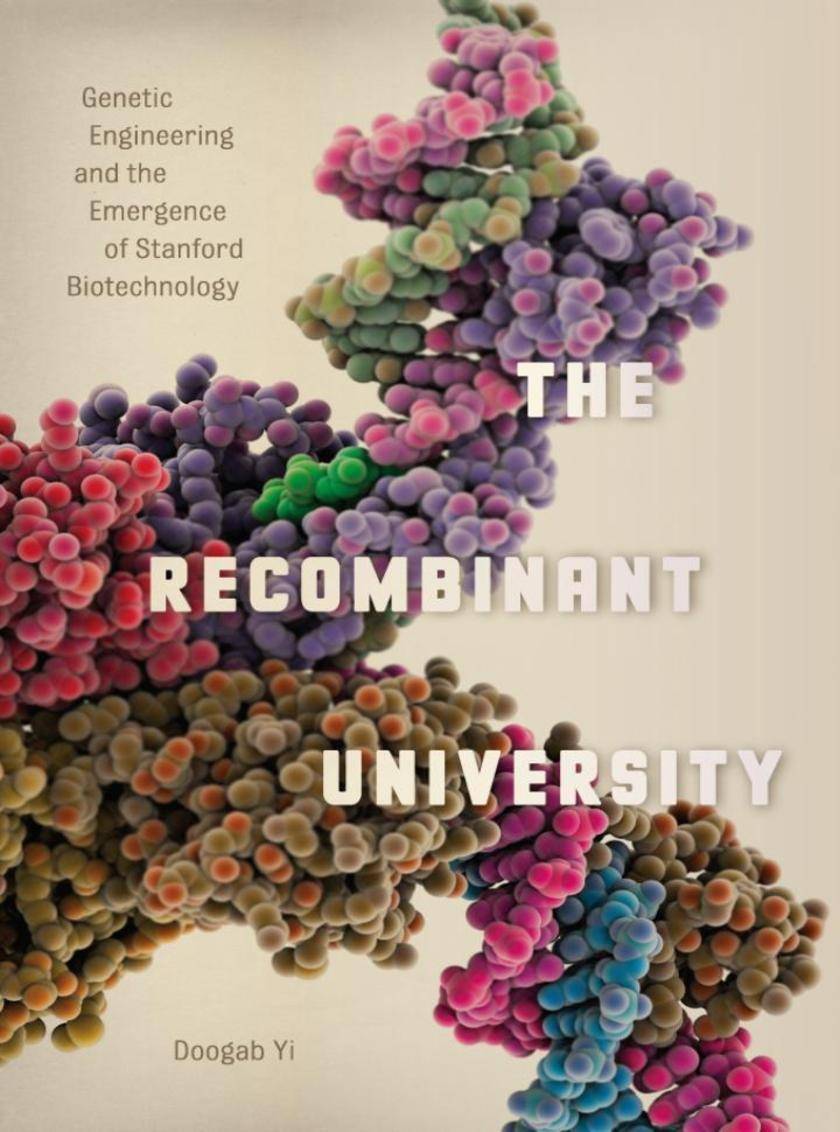
The advent of recombinant DNA technology in the 1970s was a key moment in the history of both biotechnology and the commercialization of academic research. Doogab Yi's The Recombinant University draws us deeply into the academic community in the San Francisco Bay Area, where the technology was developed and adopted as the first major commercial technology for genetic engineering. In doing so, it reveals how research patronage, market forces, and legal developments from the late 1960s through the early 1980s influenced the evolution of the technology and reshaped the moral and scientific life of biomedical researchers.Bay Area scientists, university administrators, and government officials were fascinated by and increasingly engaged in the economic and political opportunities associated with the privatization of academic research. Yi uncovers how the attempts made by Stanford scientists and administrators to demonstrate the relevance of academic research were increasingly mediated by capitalistic conceptions of knowledge, medical innovation, and the public interest. Their interventions resulted in legal shifts and moral realignments that encouraged the privatization of academic research for public benefit. The Recombinant University brings to life the hybrid origin story ofbiotechnology and the ways the academic culture of science has changed in tandem with the early commercialization of recombinant DNA technology.
Pure Intelligence
¥288.41
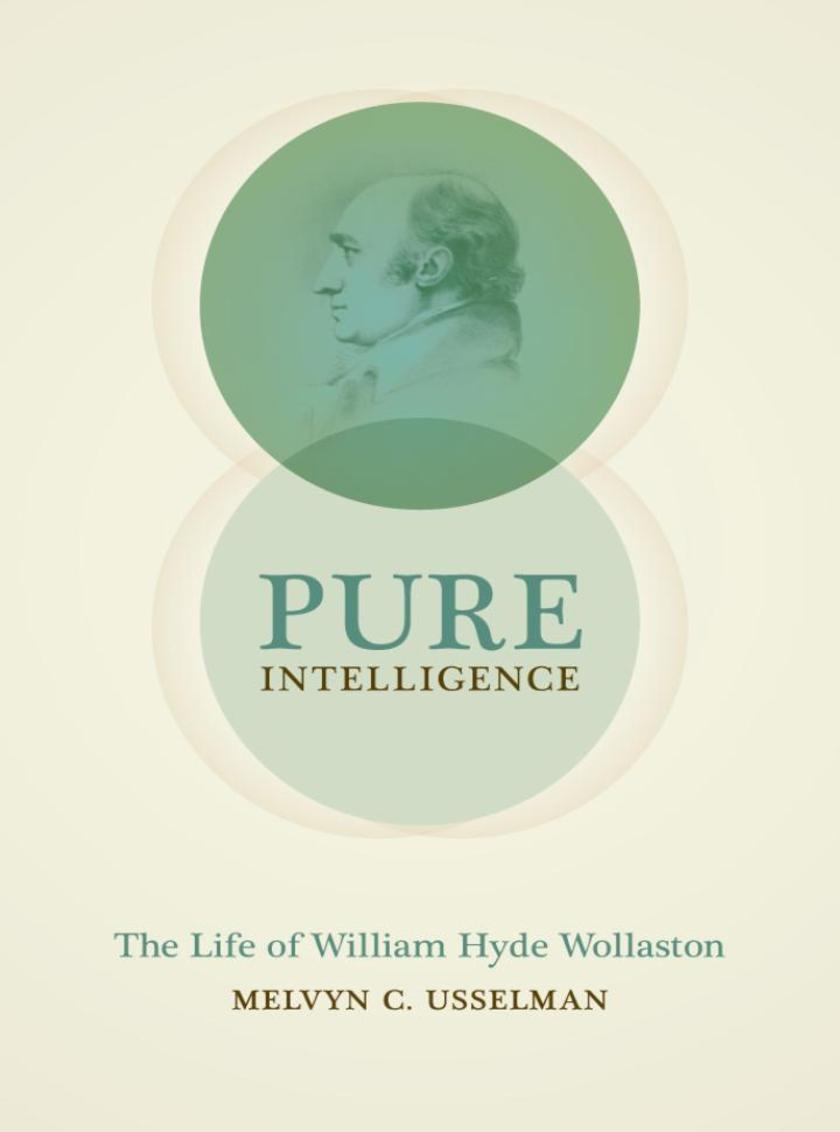
William Hyde Wollaston made an astonishing number of discoveries in an astonishingly varied number of fields: platinum metallurgy, the existence of ultraviolet radiation, the chemical elements palladium and rhodium, the amino acid cystine, and the physiology of binocular vision, among others. Along with his colleagues Humphry Davy and Thomas Young, he was widely recognized during his life as one of Britain's leading scientific practitioners in the first part of the nineteenth century, and thedeaths of all three within a six-month span, between 1828 and 1829, were seen by many as the end of a glorious period of British scientific supremacy. Unlike Davy and Young, however, Wollaston was not the subject of a contemporary biography, and his many impressive achievements have fallen into obscurity as a result.Pure Intelligence is the first book-length study of Wollaston, his science, and the environment in which he thrived. Drawing on previously-unstudied laboratory records as well as historical reconstructions of chemical experiments and discoveries, and written in a highly accessible style, Pure Intelligence will help to reinstate Wollaston in the history of science, and the pantheon of its great innovators.
Nature of Selection
¥288.41
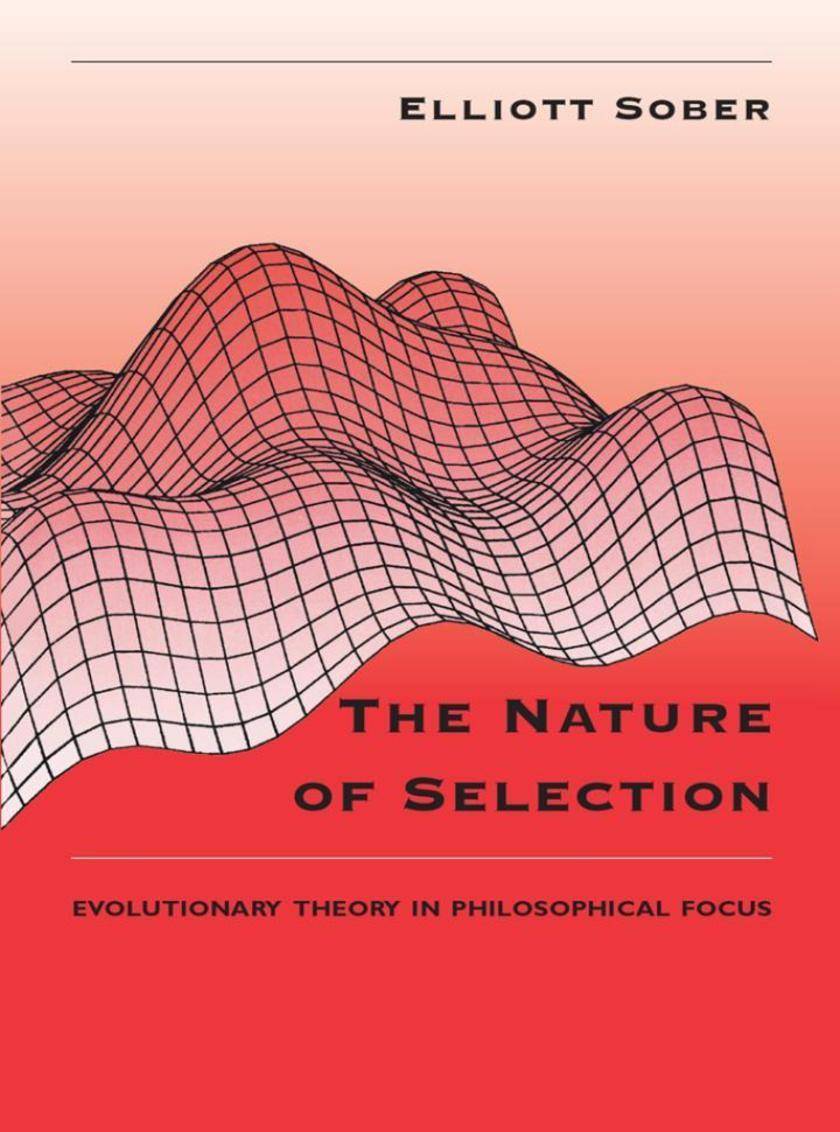
The Nature of Selection is a straightforward, self-contained introduction to philosophical and biological problems in evolutionary theory. It presents a powerful analysis of the evolutionary concepts of natural selection, fitness, and adaptation and clarifies controversial issues concerning altruism, group selection, and the idea that organisms are survival machines built for the good of the genes that inhabit them."e;Sober's is the answering philosophical voice, the voice of a first-rate philosopher and a knowledgeable student of contemporary evolutionary theory. His book merits broad attention among both communities. It should also inspire others to continue the conversation."e;-Philip Kitcher, Nature"e;Elliott Sober has made extraordinarily important contributions to our understanding of biological problems in evolutionary biology and causality. The Nature of Selection is a major contribution to understanding epistemological problems in evolutionary theory. I predict that it will have a long lasting place in the literature."e;-Richard C. Lewontin
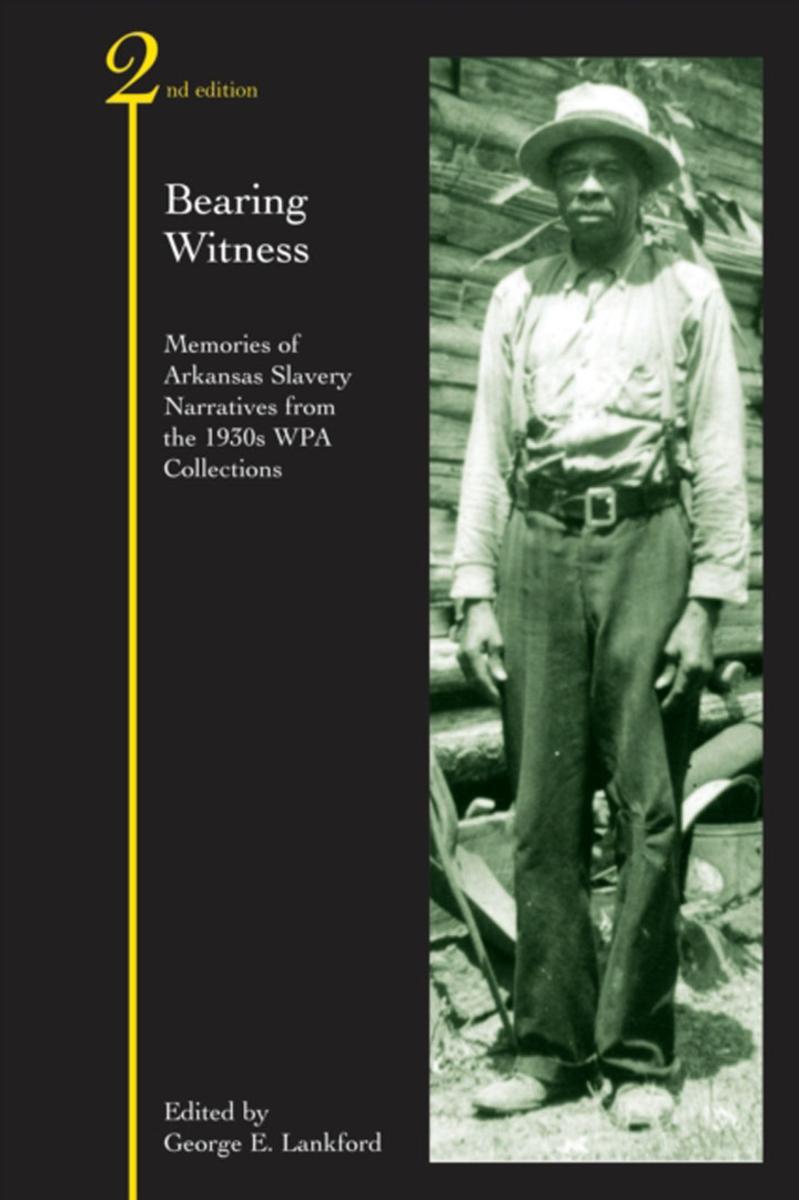
Bearing Witness
¥261.73
The first edition of Bearing Witness brought together for the first time 176 slave narratives from the state of Arkansas. Now, this new edition adds ten previously undiscovered accounts. No one knew the truths of slavery better than the slaves themselves, but no one consulted them until the 1930s. Then, recognizing that this generation of unique witnesses would soon be lost to history, the Works Progress Administration's Federal Writers' Project acted to interview as many former slaves as possible. In a continuation of the project's interest in the life histories of ordinary people, writers interviewed over two thousand former slaves, more than a third of them in Arkansas. These oral histories were first published in the 1970s in a thirty-nine-volume series organized by state, and they transformed America's understanding of slavery. They have offered crucial evidence on a variety of other topics as well: the Civil War, Reconstruction, agricultural practices, everyday life, and oral history itself. But some former Arkansas slaves were interviewed in Texas, Oklahoma, and other states, so their narratives were published in those other collections. And more than half of the testimonies in the Arkansas volume were interviews with people who had moved to Arkansas after freedom. Folklorist George Lankford combed all of the state collections for the testimonies properly belonging to Arkansas and deleted from this state's collection the testimony of later migrants
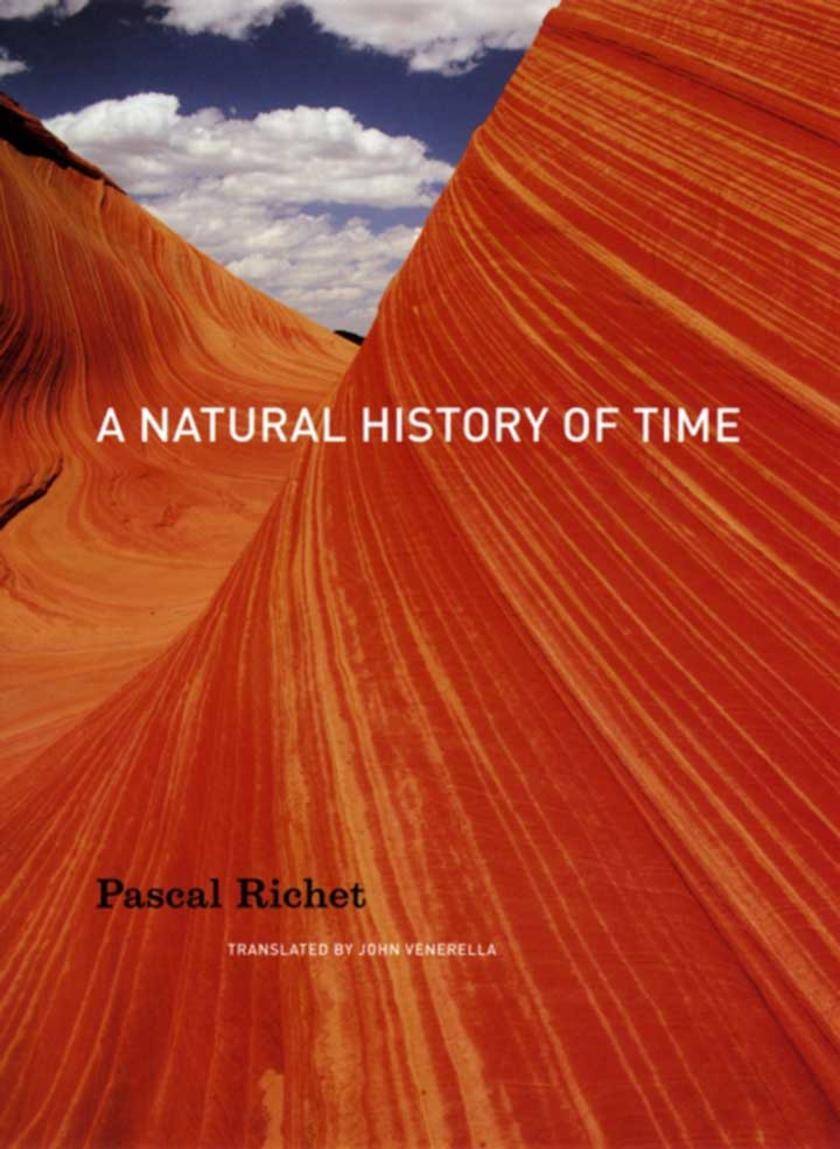
A Natural History of Time
¥147.15
The quest to pinpoint the age of the Earth is nearly as old as humanity itself. For most of history, people trusted mythology or religion to provide the answer, even though nature abounds with clues to the past of the Earth and the stars. In A Natural History of Time, geophysicist Pascal Richet tells the fascinating story of how scientists and philosophers examined those clues and from them built a chronological scale that has made it possible to reconstruct the history of nature itself.Richet begins his story with mythological traditions, which were heavily influenced by the seasons and almost uniformly viewed time cyclically. The linear history promulgated by Judaism, with its story of creation, was an exception, and it was that tradition that drove early Christian attempts to date the Earth. For instance, in 169 CE, the bishop of Antioch, for instance declared that the world had been in existence for quote;5,698 years and the odd months and days quote;Until the mid-eighteenth century, such natural timescales derived from biblical chronologies prevailed, but, Richet demonstrates, with the Scientific Revolution geological and astronomical evidence for much longer timescales began to accumulate. Fossils and the developing science of geology provided compelling evidence for periods of millions and millions of years-a scale that even scientists had difficulty grasping. By the end of the twentieth century, new tools such as radiometric dating had demonstrated that the solar system is four and a half billion years old, and the universe itself about twice that, though controversial questions remain.The quest for time is a story of ingenuity and determination, and like a geologist, Pascal Richet carefully peels back the strata of that history, giving us a chance to marvel at each layer and truly appreciate how far our knowledge-and our planet-have come.
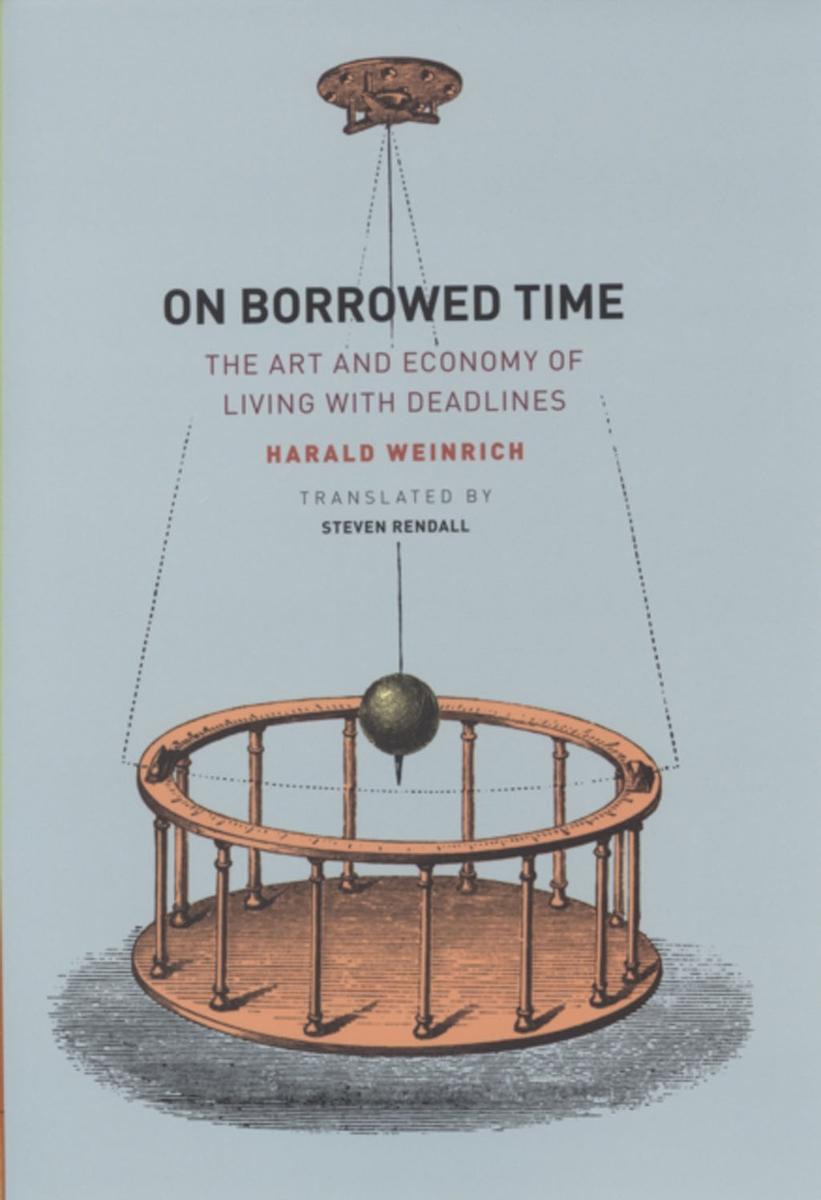
On Borrowed Time
¥311.96
Life is short. This indisputable fact of existence has driven human ingenuity since antiquity, whether through efforts to lengthen our lives with medicine or shorten the amount of time we spend on work using technology. Alongside this struggle to manage the pressure of life's ultimate deadline, human perception of the passage and effects of time has also changed. In On Borrowed Time, Harald Weinrich examines an extraordinary range of materials-from Hippocrates to Run Lola Run-to put forth a new conception of time and its limits that, unlike older models, is firmly grounded in human experience. Weinrich's analysis of the roots of the word time connects it to the temples of the skull, demonstrating that humans first experienced time in the beating of their pulses. Tracing this corporeal perception of time across literary, religious, and philosophical works, Weinrich concludes that time functions as a kind of sixth sense-the crucial sense that enables the other five. Written with Weinrich's customary narrative elegance, On Borrowed Time is an absorbing-and, fittingly, succinct-meditation on life's inexorable brevity.
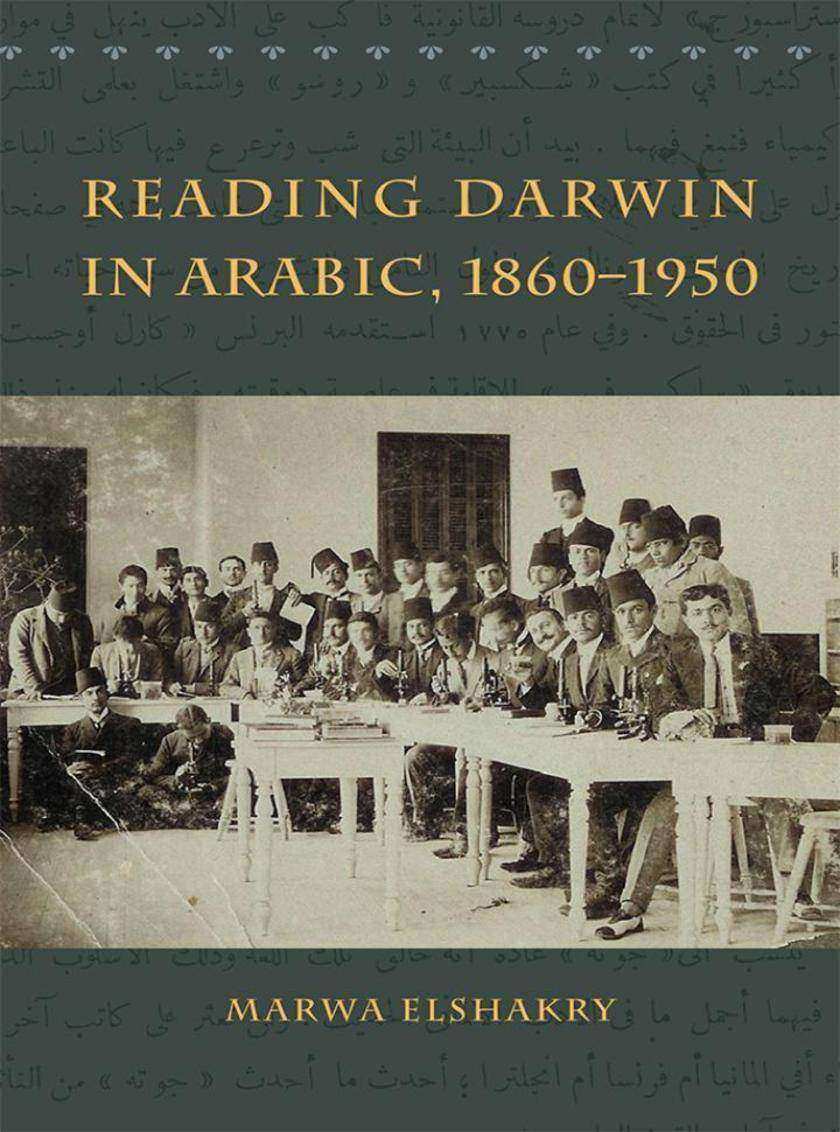
Reading Darwin in Arabic, 1860-1950
¥370.82
In Reading Darwin in Arabic, Marwa Elshakry questions current ideas about Islam, science, and secularism by exploring the ways in which Darwin was read in Arabic from the late 1860s to the mid-twentieth century. Borrowing from translation and reading studies and weaving together the history of science with intellectual history, she explores Darwin's global appeal from the perspective of several generations of Arabic readers and shows how Darwin's writings helped alter the social and epistemological landscape of the Arab learned classes.?Providing a close textual, political, and institutional analysis of the tremendous interest in Darwin's ideas and other works on evolution, Elshakry shows how, in an age of massive regional and international political upheaval, these readings were suffused with the anxieties of empire and civilizational decline. The politics of evolution infiltrated Arabic discussions of pedagogy, progress, and the very sense of history. They also led to a literary and conceptual transformation of notions of science and religion themselves. Darwin thus became a vehicle for discussing *ural exegesis, the conditions of belief, and cosmological views more broadly. The book also acquaints readers with Muslim and Christian intellectuals, bureaucrats, and theologians, and concludes by exploring Darwin's waning influence on public and intellectual life in the Arab world after World War I.?Reading Darwin in Arabic is an engaging and powerfully argued reconceptualization of the intellectual and political history of the Middle East.


