


 购物车
购物车 个人中心
个人中心
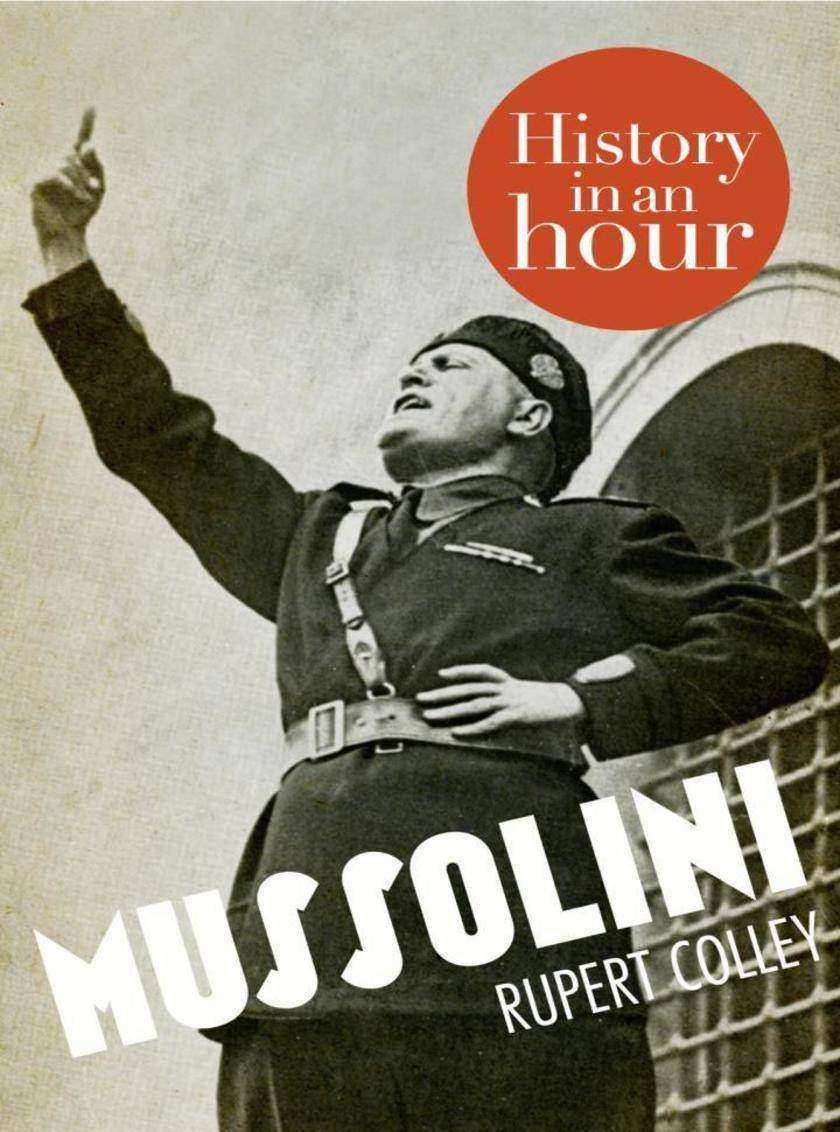
Mussolini: History in an Hour
¥18.05
Love history? Know your stuff with History in an Hour. ‘Il Duce’, Benito Mussolini, was one of the key figures in the creation of fascism. Famed for his dictatorial style, his political cunning and admired – initially – by Hitler, Mussolini led the National Fascist Party and ruled Italy as Prime Minister from 1922 until his ousting in 1943. In so doing, he paved the way towards Italy’s defeat in World War Two, and some of the 20th century’s most destructive ideologies and practices. Following expulsion from Italian Socialist Party, Mussolini denounced all efforts of class conflict, and instead later commanded a Fascist March on Rome to become the youngest Prime Minister in Italian history. Thereafter he set about dismantling the apparatus of democracy and initiated what would become known as the one-party totalitarian state. With World War II came defeat, humiliation and his bloody deposing. Explaining his ideologies, policies, actions and flaws, ‘Mussolini: History in an Hour’ is the concise life of the man whose ideas helped create some of the worst horrors of the modern history. Love history? Know your stuff with History in an Hour…
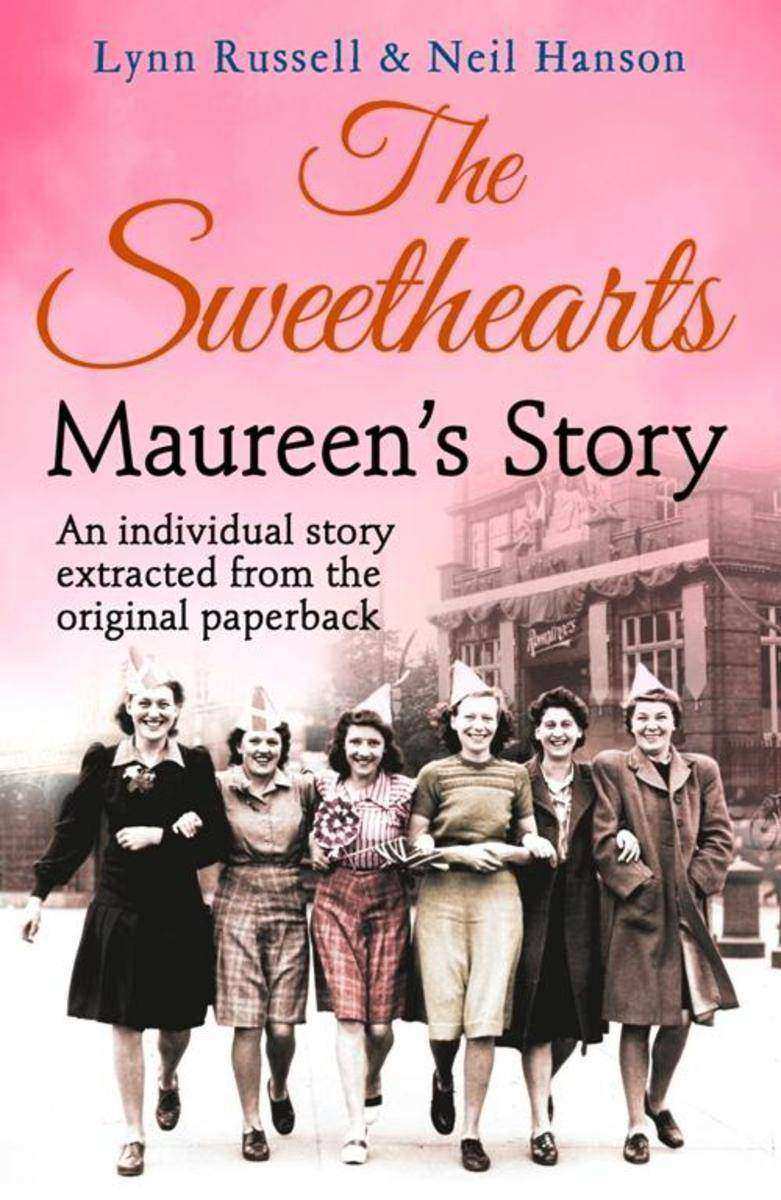
Maureen’s story (Individual stories from THE SWEETHEARTS, Book 5)
¥11.77
This is Maureen’s story, one of five stories extracted from THE SWEETHEARTS. Whether in wartime or peace, tales of love, laughter and hardship from the girls in the Rowntrees factory in Yorkshire. “Maureen started work at Rowntree’s on her fifteenth birthday in April 1959, and remembers being the only one in the entire workforce who was wearing ankle socks. But she soon settled in and on Saturday afternoons Maureen and the rest of the girls would go into town – 'I really liked the fashions then and used to love getting dressed up in those days. We wore stockings and suspenders, stilettos, and we always wore gloves, usually white ones, and shoes and handbag to match. We all wore skirts under our overalls and hooped petticoats. My digs were just over the bridge from Rowntree’s and the boys used to love watching me run down the bridge in the morning! I was never late for work, but I usually cut it pretty fine and often had to run the last couple of hundred yards. The hoops would ride up while I was running so there’d be a lot of wolf whistles from the boys…’” From the 1930s through to the 1980s, as Britain endured war, depression, hardship and strikes, the women at the Rowntree’s factory in York kept the chocolates coming. This is the true story of The Sweethearts, the women who roasted the cocoa beans, piped the icing and packed the boxes that became gifts for lovers, snacks for workers and treats for children across the country. More often than not, their working days provided welcome relief from bad husbands and bad housing, a community where they could find new confidence, friendship and when the supervisor wasn’t looking, the occasional chocolate.
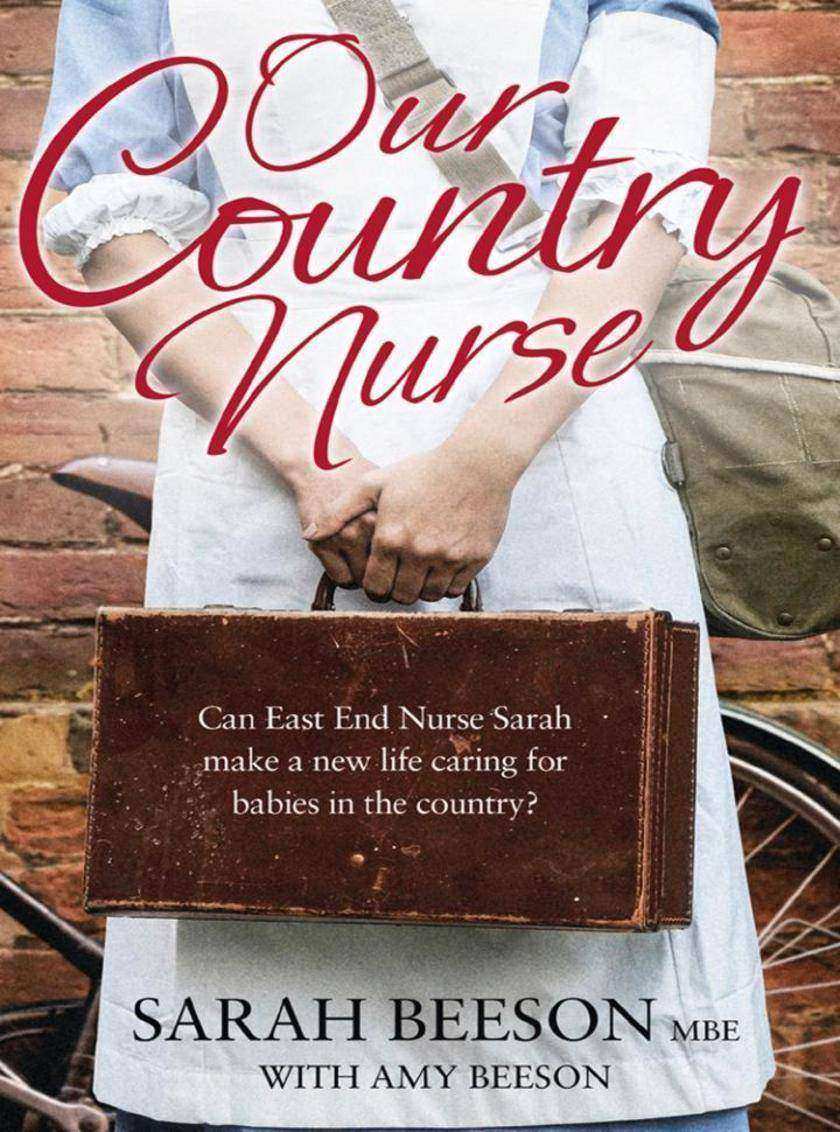
Our Country Nurse
¥37.08
All seems tranquil as newly qualified Health Visitor Sarah motors into a small Kentish hilltop village in her new green mini. She’s barely out of the car when she’s called to assist the midwife with a bride who’s gone into labour in the middle of her own wedding reception. And so her adventures begin… As a health visitor Nurse Sarah is as green as grass but she puts her best foot into wellies and braves the mad dogs, killer ganders and muddy tracks of the farming community. Despite set-backs young Sarah is determined to help the mums she meets, from struggling young mothers in unmodernised farmhouses, to doyennes of the county dinner party set who slave over stuffed olive hors-d'oeuvres. Village life in 1970s isn’t always quite the Good Life Sarah’s been expecting; her attempts at self-sufficiency and cider making lead to drunk badgers and spirited house parties – but will it be the clergyman, the vet or the young doctor that win Sarah’s heart. During her first year in Kent, Nurse Sarah Hill get stuck in – reuniting families and helping mums in the midst of community full of ancient feuds, funny little ways and just a bit of magic.
We Were Young and at War
¥66.22
Never before have the diaries and letters of young people from all sides of World War Two been woven together to provide an account of what it was like to grow up amidst the daily struggles and horrors of this devastating war. We Were Young And At War follows the stories of sixteen teenage boys and girls who write with a disarming directness about their reactions to and experiences of a very adult war. They are British, French, American, Japanese, Polish, German and Russian, each with a unique and heart-rending tale to tell. Only two of them are alive today. Some of them fought and died in the war, others starved to death; many were separated from their families. All were forced to grow up quickly, their lives changed beyond all recognition by their experiences. This is their story.
God’s Secret Agents: Queen Elizabeth's Forbidden Priests and the Hatching of the
¥102.51
A thrilling account of treachery, loyalty and martyrdom in Elizabethan England from an exceptional new writer. As darkness fell on the evening of Friday, 28 October 1588, just weeks after the defeat of the Spanish Armada, two young Englishmen landed in secret on a Norfolk beach. They were Jesuit priests. Their aim was to achieve by force of argument what the Armada had failed to do by force of arms: return England to the Catholic Church. Eighteen years later their mission had been shattered by the actions of a small group of terrorists, the Gunpowder Plotters; they themselves had been accused of designing ‘that most horrid and hellish conspiracy’; and the future of every Catholic they had come to save depended on the silence of an Oxford joiner, builder of priest-holes, being tortured in the Tower of London. ‘God’s Secret Agents’ tells the story of Elizabeth’s ‘other’ England, a country at war with an unseen enemy, a country peopled – according to popular pamphlets and Government proclamations – with potential traitors, fifth-columnists and assassins. And it tells this story from the perspective of that unseen ‘enemy’, England’s Catholics, a beleaguered, alienated minority, struggling to uphold its faith. Ultimately, ‘God’s Secret Agents’ is the story of men who would die for their cause undone by men who would kill for it.
Edge of Empire: Conquest and Collecting in the East 1750–1850
¥78.38
Talented historian Maya Jasonoff offers an alternative history of the British Empire. It is not about conquest – but rather a collection of startling and fascinating personal accounts of cross-cultural exchange from those who found themselves on the edges of Empire. A Palladian mansion filled with Western art in the centre of old Calcutta, the Mughal Emperor’s letters in an archive in the French Alps, the names of Italian adventurers scratched into the walls of Egyptian temples: in this imaginative book, Maya Jasanoff delves into the stories behind artefacts like these to uncover the lives of collectors in India and Egypt who lived on the frontiers of European empire. ‘Edge of Empire’ traces their exploits to tell an intimate history of imperialism. Written and researched on four continents, ‘Edge of Empire’ tells a story about the making of European empires, ones that break away from the grand narratives of power, exploitation, and resistance, to delve into the personal dimensions of imperialism. She asks what people brought to imperial frontiers and what they took away, and what motives drove them, whether ambition, opportunism, curiosity or greed. This rich and compelling book enters a world where people lived, loved and died, and identified with each other across cultures much more than our prejudices about ‘Empire’ might suggest.
Consuming Passions: Leisure and Pleasure in Victorian Britain
¥80.25
A delightful and fascinating social history of Victorians at leisure, told through the letters, diaries, journals and novels of nineteenth-century men and women, from the author of the bestselling ‘The Victorian House’. Imagine a world where only one in five people owns a book, where just one in ten has a knife or a fork – a world where five people out of every six do not own a cup to hold a hot drink. That was what England was like in the early eighteenth century. Yet by the close of the nineteenth century, the Industrial Revolution had brought with it not just factories, railways, mines and machines but also fashion, travel, leisure and pleasure. Leisure became an industry – a cornucopia of excitement for the masses – and it was spread by newspapers, advertising, promotions and publicity – all of which were eighteenth-century creations. It was Josiah Wedgwood and his colleagues who invented money-back guarantees, free delivery and celebrity endorsements. New technology such as the railways brought audiences to ever-more-elaborate extravaganzas, whether it was theatrical spectaculars with breathtaking pyrotechnics and hundreds of extras – ‘hippodramas' recreating the battle of Waterloo – or the Great Exhibition itself, proudly displaying 'the products of all quarters of the globe' under twenty-two acres of the sparkling 'Crystal Palace'. In ‘Consuming Passions’, the bestselling author of ‘The Victorian House’ explores this dramatic revolution in science, technology and industry – and how a world of thrilling sensation, lavish spectacle and unimaginable theatricality was born.
The Sisters Who Would Be Queen: The tragedy of Mary, Katherine and Lady Jane Gre
¥81.03
The dramatic untold story of the three tragic Grey sisters, all heirs to the Tudor throne, all victims to their royal blood. Lady Jane Grey is an icon of innocence abused. Remembered as the ‘Nine Days Queen’, she has been mythologized as a child-woman sacrificed to political expedience. But behind the legend lay a rebellious adolescent who became a leader, and no mere victim. Growing up in her shadow, Jane’s sisters Katherine and Mary would have to tread carefully to survive. The dramatic lives of the younger Grey sisters remain little known, but both women became heirs and rivals to the Tudor monarchs, Mary and Elizabeth I. To gain Queen Mary’s trust, teenaged Katherine ignored Jane’s final request not to change her religion, only to risk her life with a marriage that threatened Queen Elizabeth’s throne. While Katherine’s friends fought to save her, the youngest Grey sister, Mary, stayed at court. Though too poor and plain to be significant, she looked set to escape the burden of her royal blood. But then she too fell in love and incurred the Queen’s fury. Exploding the many myths of Lady Jane’s life, and casting fresh light onto Elizabeth’s reign, acclaimed historian Leanda de Lisle brings the Grey sisters’ tumultuous world to life: at a time when a royal marriage could gain you a kingdom, or cost you everything.
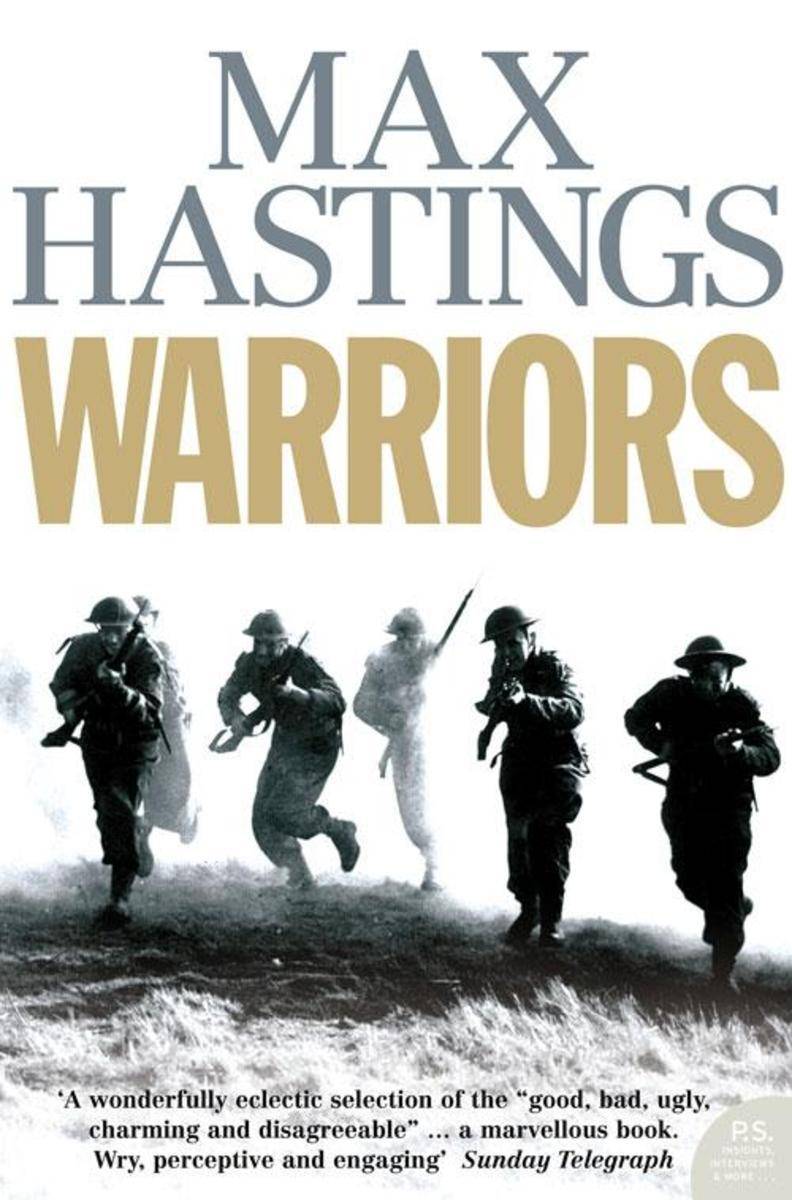
Warriors: Extraordinary Tales from the Battlefield
¥81.03
An exhilarating and uplifting account of the lives of sixteen ‘warriors’ from the last three centuries, hand-picked for their bravery or extraordinary military experience by the eminent military historian, author and ex-editor of the Daily Telegraph, Sir Max Hastings. Over the course of forty years of writing about war, Max Hastings has grown fascinated by outstanding deeds of derring-do on the battlefield (land, sea or air) – and by their practitioners. He takes as his examples sixteen people from different nationalities in modern history – including Napoleon’s ‘blessed fool’ Baron Marcellin de Marbot (the model for Conan Doyle’s Brigadier Gerard); Sir Harry Smith, whose Spanish wife Juana became his military companion on many a campaign in the early 19th-century; Lieutenant John Chard, an unassuming engineer who became the hero of Rorke’s Drift in the Zulu wars; and Squadron Leader Guy Gibson, the ‘dam buster’ whose heroism in the skies of World War II earned him the nation's admiration, but few friends. Every army, in order to prevail on the battlefield, needs a certain number of people capable of courage beyond the norm. In this book Max Hastings investigates what this norm might be – and how it has changed over the centuries. While celebrating feats of outstanding valour, he also throws a beady eye over the awarding of medals for gallantry – and why it is that so often the most successful warriors rarely make the grade as leaders of men.
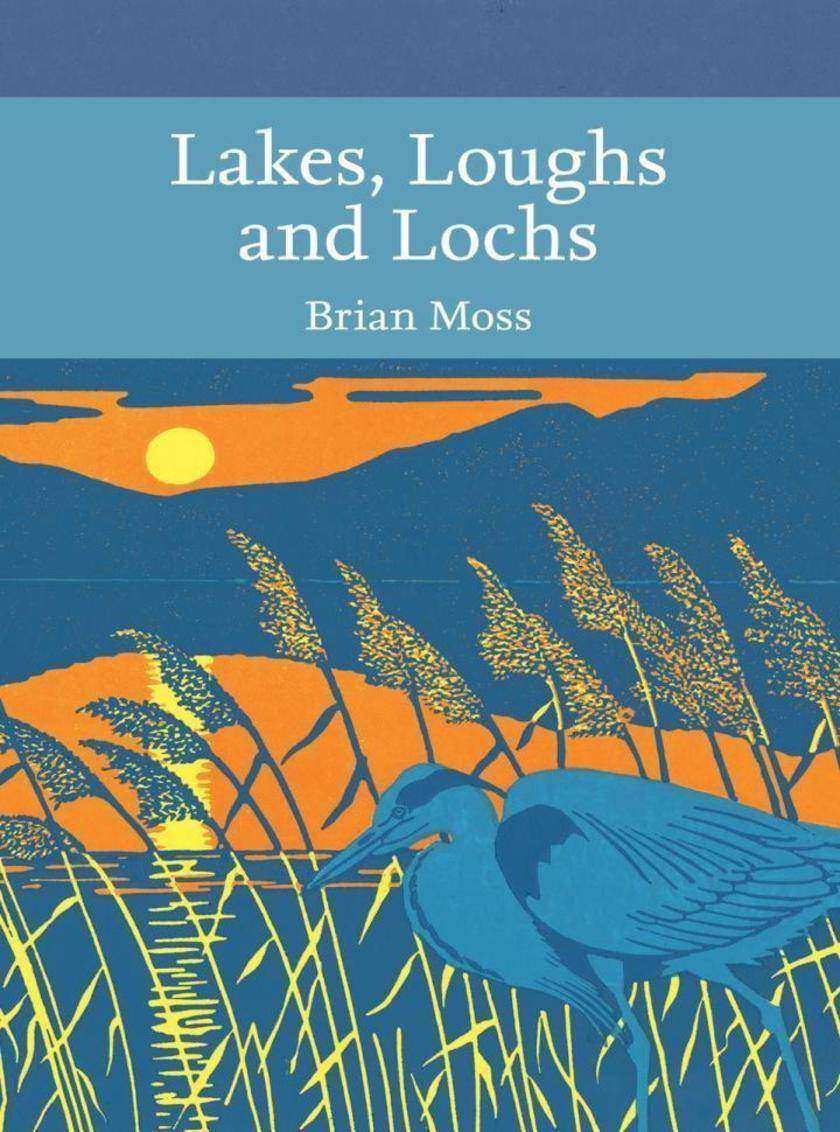
Lakes, Loughs and Lochs (Collins New Naturalist Library, Book 128)
¥257.90
Another volume in the popular New Naturalist series, this book gives a comprehensive account of the natural history of Britain and Ireland’s inland waters, many of which are popular holiday destinations. The study of life in British lakes and rivers has been traditionally neglected in natural history publications, and yet the intricacies of plant and animal ecology as a whole can be readily studied in a pond or lake. Not since Macan and Worthington’s landmark publication in 1951, Life in Lakes and Rivers – volume 15 in the New Naturalist series – has there been a comprehensive overview of British freshwater life. In Brian Moss’s much-anticipated new volume, he gives a passionate account of the natural history of our lakes, loughs and lochs. Our understanding of lakes has changed enormously since the days of Macan and Worthington. From new techniques using stable isotopes and molecular biology to ambitious approaches using whole lakes for experiments; from advances in chemical methods that detect tiny traces of organic substances to the development of new electronic instruments, it is becoming increasingly urgent to make use of these advances to help maintain and conserve some of the most damaged of the Earth’s ecosystems. Freshwaters form the fascinating threads that stitch together the landscapes of our planet with a myriad of exchanges involving an array of organisms, from algae and insects to hippopotami and otters. Healthy lakes and their shores influence our quality of life and they strengthen the economy. They are important ecosystems that can sustain a healthy balance of aquatic life, provide us with much enjoyment, and help support our socio-economic needs. At the same time they suffer the consequences of human abuses of the land – increasing urbanisation, intensive farming, drainage and an increasing invasion of non-native species, to name but a few. Moss explores the richness of their fundamental ecology, emphasizing the need to view these freshwater systems as a whole, and not to manage or assess them in isolation, as well as the importance of ongoing conservation efforts.
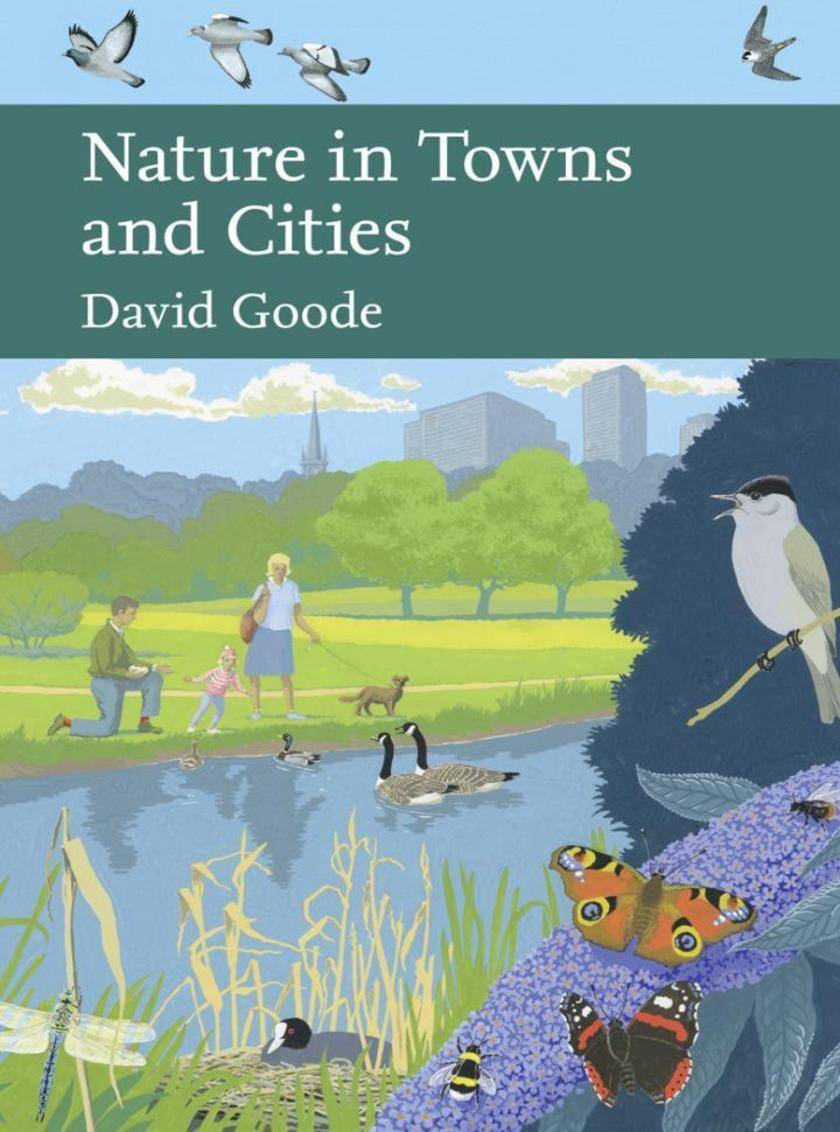
Nature in Towns and Cities (Collins New Naturalist Library, Book 127)
¥269.78
The latest in the New Naturalist series documents the parks and green spaces unique to Britain's cities – and the wildlife that has flourished in these habitats. Not since Richard Fitter’s landmark publication in 1945, ‘London’s Natural History’ – volume 3 in the New Naturalist series – has there been a comprehensive guide to urban natural history. Since then there have been major advances in the conservation of nature in our towns and cities, and there is even more to say about how animals and plants have adapted, in varying degrees, to urbanisation. But this is not merely an exploration of natural history within the urban environment – David Goode uses his knowledge of urban ecology to describe the range of habitats and species which exist within urban areas, and shows how our understanding is being applied to encourage a greater variety of nature into towns and cities. He illustrates how an ecological approach can be incorporated within planning and design to create a range of habitats from tiny oases to extensive new urban woodland and wetlands.
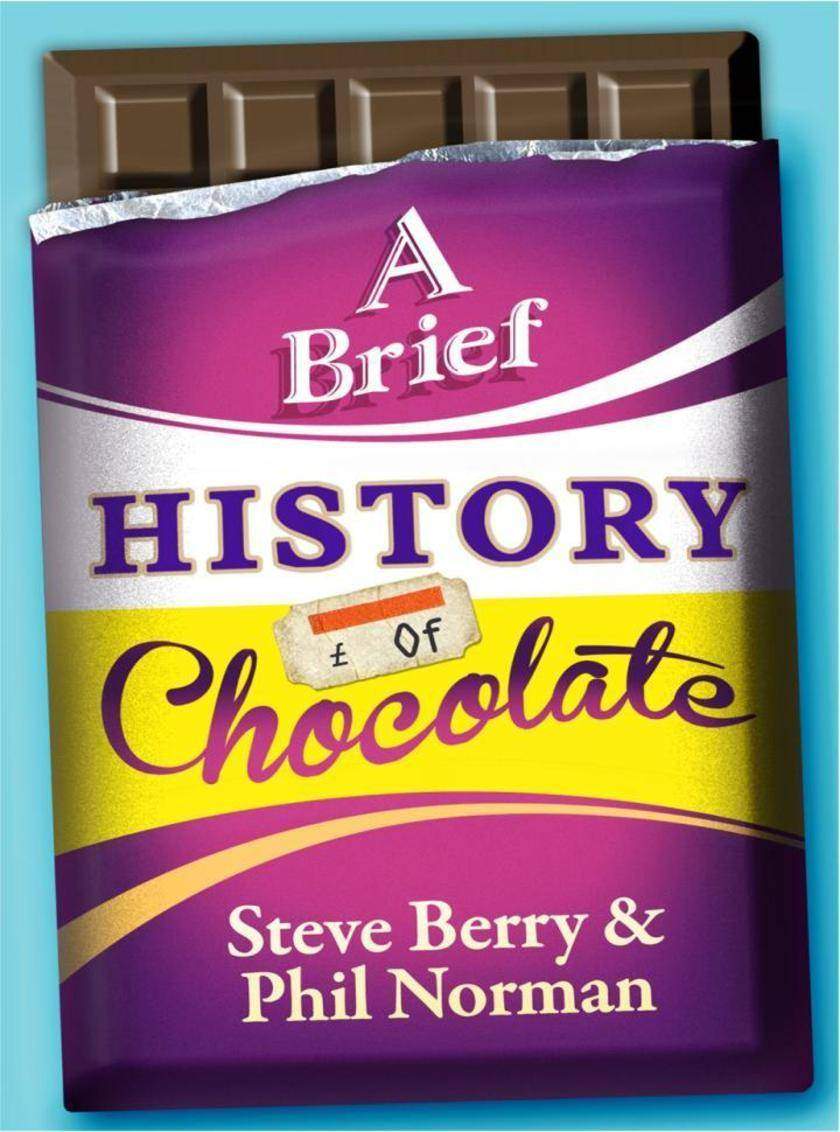
A Brief History of Chocolate
¥22.66
An illustrated guide to chocolate that every self-respecting chocoholic should read. Do you remember when a Snickers was a Marathon? And when you could burst in to a sweet shop and ask for ‘an Oliver Twist, two Tiffins and a Big Wig, please!’ and keep a straight face? Those were the good days: when a Dairy Milk bar was 22p and you’d never seen anything as big as a Wagon Wheel. Revisit some of your forgotten favourites and current addictions, as Steve Berry and Phil Norman take you on a tour of cocoa’s finest moments. Fully illustrated with hundreds of wrappers, ads and pack shots, ‘A Brief History of Chocolate’ brings together research from the archives, factories and warehouses of some of the leading chocolate manufacturers in the country to create a book that is packed full of fascinating historical research… … and lots and lots of chocolate. Warning: may contain nuts A ‘Brief History of Chocolate’ originally featured in ‘The Great British Tuck Shop’, the ultimate book of sweetie nostalgia.
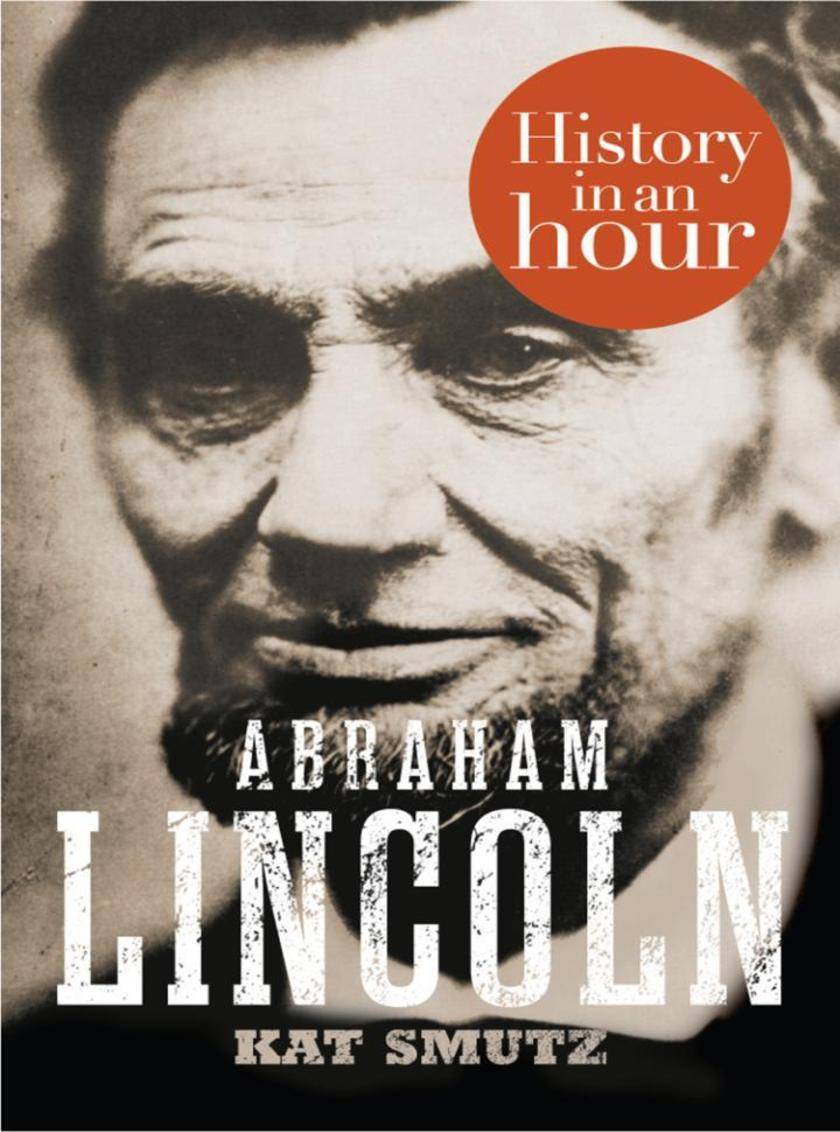
Abraham Lincoln: History in an Hour
¥18.05
Love history? Know your stuff with History in an Hour. Abraham Lincoln, the sixteenth president of the United States, is an American icon. To many, he is a symbol of values, sacrifice and determination. Modern notions of nationalism, liberty, and constitution all owe their debt to Lincoln, as does the unity of the American states. And yet, in his own day, Lincoln was also reviled by many as a traitor, tarnished by his associations with the wrong kind of race and the wrong end of society. Charting his ascent from humble origins to the leader of the United States during its hardest democratic and ethical conflict – the American Civil War – ‘Lincoln: History in an Hour’ is a succinct guide to the life of a great and controversial modernizer. Having educated himself and made good as a lawyer, he embarked on a journey that would see triumph in the abolition of slavery and then tragedy in the final drama of his own assassination. From his struggles as President to his family life and roles as husband, father and friend, this is the story of one of history’s greatest leaders. Love history? Know your stuff with History in an Hour…
SOE Manual: How to be an Agent in Occupied Europe
¥54.65
The actual course given to all secret agents in SOE before working behind enemy lines. It includes everything you needed to know to go undercover – from documents, cover stories and how to live off the land to how to get through an interrogation. The Special Operations Executive (SOE) was a secret British World War II organisation formed in 1940 to conduct espionage, sabotage and reconnaissance in occupied Europe against the Axis powers, and to aid local resistance movements. In late 1942, SOE was asked to increase the number of agents to aid the invasion of mainland Europe. Part of agent training was ‘tradecraft’ – the practical details on how to be a clandestine agent behind enemy lines – which every agent had to attend at various bases centred around Beaulie in Hampshire. The course was a set of lectures and this book contains the actual text of those lectures which were discovered in the National Archives this year. It is not only a fascinating insight into the workings of one of the Second World Wars most famous and secretive organisations, but is also a reminder of the huge danger anyone being dropped behind enemy lines had to face. SYLLABUS Introduction to Course. Individual Security. Informant Service. Cover. Interrogations. Operational Orders. Know your Enemy. Surveillance. Internal Communications. Premises. Security and Premises for W/T Operator. W/T Operator. External Communications. Organisation. Cell System. Security of Organisation. Recruiting. Discipline and Morale. Burglary. Lock-picking. Selection of Dropping Points and Reception Arrangements. To be given on instructions from London.). Handcuffs. Pigeons. German Counter Espionage. German Uniformed Police. National Police – e.g. of France, Belgium etc. (Given according to student's destination.). The Nazi Party and its Formations in Occupied Territory. Recognition of German Troops by weapons and equipment. Recognition of German Troops by uniforms. Military Intelligence Reports. Handling of German Light Weapons. Morale Warfare. Methods of Morale Warfare. Subversion of enemy troops. Instructions for Foreign Workers in Germany. Passive Resistance in Occupied Countries. Current German Propaganda to Europe. Tasks Preparatory to Allied arrival.
The Perfect Storm: A True Story of Men Against the Sea
¥66.22
The worst storm in history seen from the wheelhouse of a doomed fishing trawler; a mesmerisingly vivid account of a natural hell from a perspective that offers no escape. The ‘perfect storm’ is a once-in-a-hundred-years combination: a high pressure system from the Great Lakes, running into storm winds over an Atlantic island – Sable Island – and colliding with a weather system from the Caribbean: Hurricane Grace. This is the story of that storm, told through the accounts of individual fishing boats caught up in the maelstrom, their families waiting anxiously for news of their return, the rescue services scrambled to save them. It is the story of the old battle between the fisherman and the sea, between man and Nature, that awesome and capricious power which can transform the surface of the Atlantic into an impossible tumult of water walls and gaping voids, with the capacity to break an oil tanker in two. In spare, lyrical prose ‘The Perfect Storm’ describes what happened when the Andrea Gail looked into the wrathful face of the perfect storm.
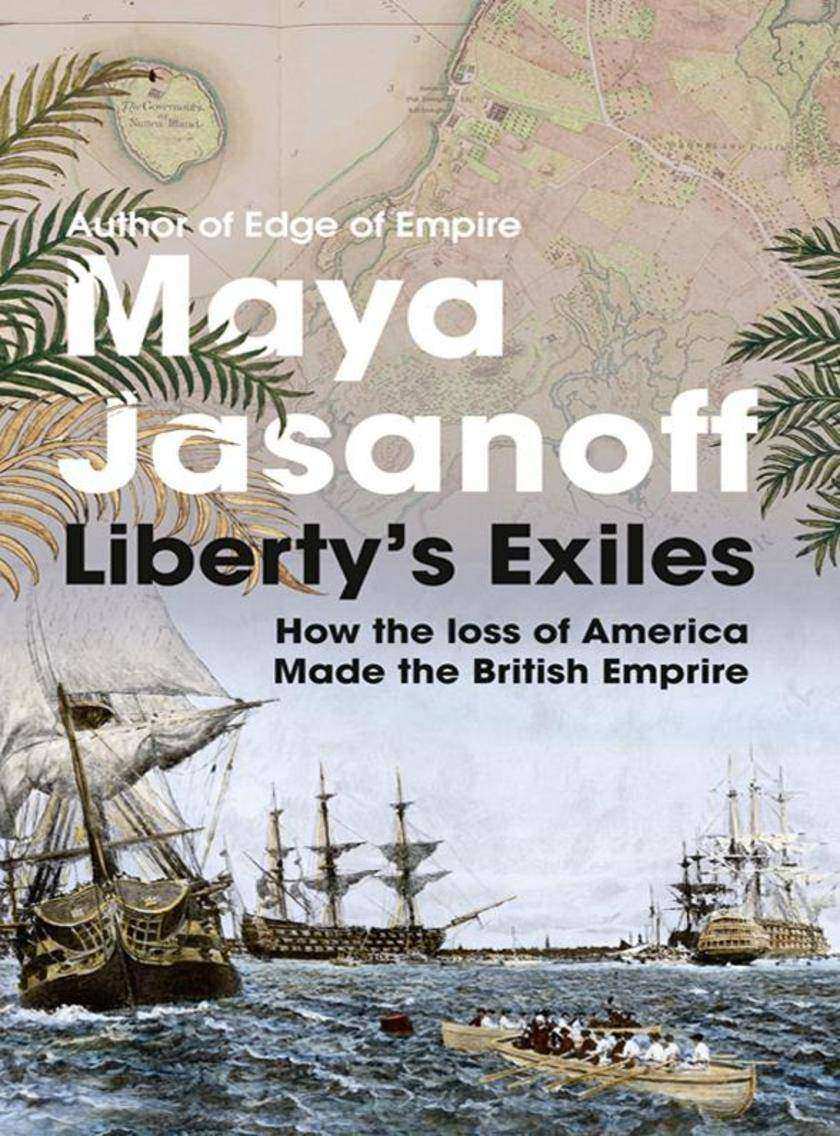
Liberty’s Exiles: The Loss of America and the Remaking of the British Empire.
¥90.84
From the author of ‘Edge of Empire’ comes a fascinating, thought-provoking and alternative history of the American Revolution – that of those Americans who remained loyal to the British Empire. George Washington's triumphant entrance into New York City in 1783 marked the end of the American Revolution; the British were gone, the patriots were back and a key moment inscribed itself in the annals of the emerging United States. Territorial independence had effectively begun. Although widely perceived as a struggle between nations, the reality of the American Revolution is a strikingly different one. This was a war in which Britons fought Britons and Americans fought Americans. It was also one in which hundreds of thousands of American Loyalists, from Georgia to Maine, took Britain's side. And, when George Washington arrived in New York on that November day, they were forced to face up to a very tough situation; would they be free? Would they be safe? Would they retain their property and their jobs? Would they have to leave? As many as 200,000 American Loyalists left the United States. They lost their homes and their possessions and had little choice but to build new lives elsewhere in the British Empire. In ‘The Imperial Exile’, Maya Jasanoff examines the story of the Loyalist refugees, focusing on the life of one woman - Elizabeth Johnston - and her family, who reconstructed their lives in four different imperial settings: St Augustine, Edinburgh, Jamaica and Nova Scotia. Their movements speak eloquently of a larger history of exile, mobility and the shaping of the British Empire in the wake of the American War. A rich, compelling and untold history.
Americans in Paris: Life and Death under Nazi Occupation 1940–44
¥95.75
An elegantly written and highly informative account of a group of Americans living in Paris when the city fell to the Nazis in June 1940. In the early hours of 14 June 1940, Nazi troops paraded through the streets of Paris, marking the beginning of the city’s four-year occupation. French troops withdrew in order to avoid a battle and the potential destruction of their capital. It wasn't long before German tanks rumbled past the Arc de Triomphe and down the Champs Elysees to the Place de la Concorde. The American community in Paris was the largest in Continental Europe, totalling approximately 30,000 before the Second World War. Although Ambassodor Bullitt advised those without vital business in the city to leave in 1939, over half of the Americans in Paris chose to stay. Many had professional and family ties to the city; the majority, though, had a peculiarly American love for the city, rooted in the bravery of the Marquis de la Fayette and the 17,000 Frenchmen who volunteered to fight for American independence in 1776. An eclectic group, they included black soldiers from the Harlem Hellfighters, who were determined not to return to the racial segregation that they faced at home, rich socialites like Peggy Guggenheim and Florence Jay Gould, as well as painters, musicians, bankers and businessmen. There were those whose lives went on as if the Germans were ephemera, those who collaborated and those, like Dr Sumner Jackson and Etta Shiber, who worked underground for the resistance movement. This is a book about adventure, intrigue, passion and deceit, and one which follows its characters into the Maquis, the concentration camps and overseas. Filled with a huge amount of new analysis on the Second World War, ‘Americans in Paris’ is a fascinating, revealing and moving read.
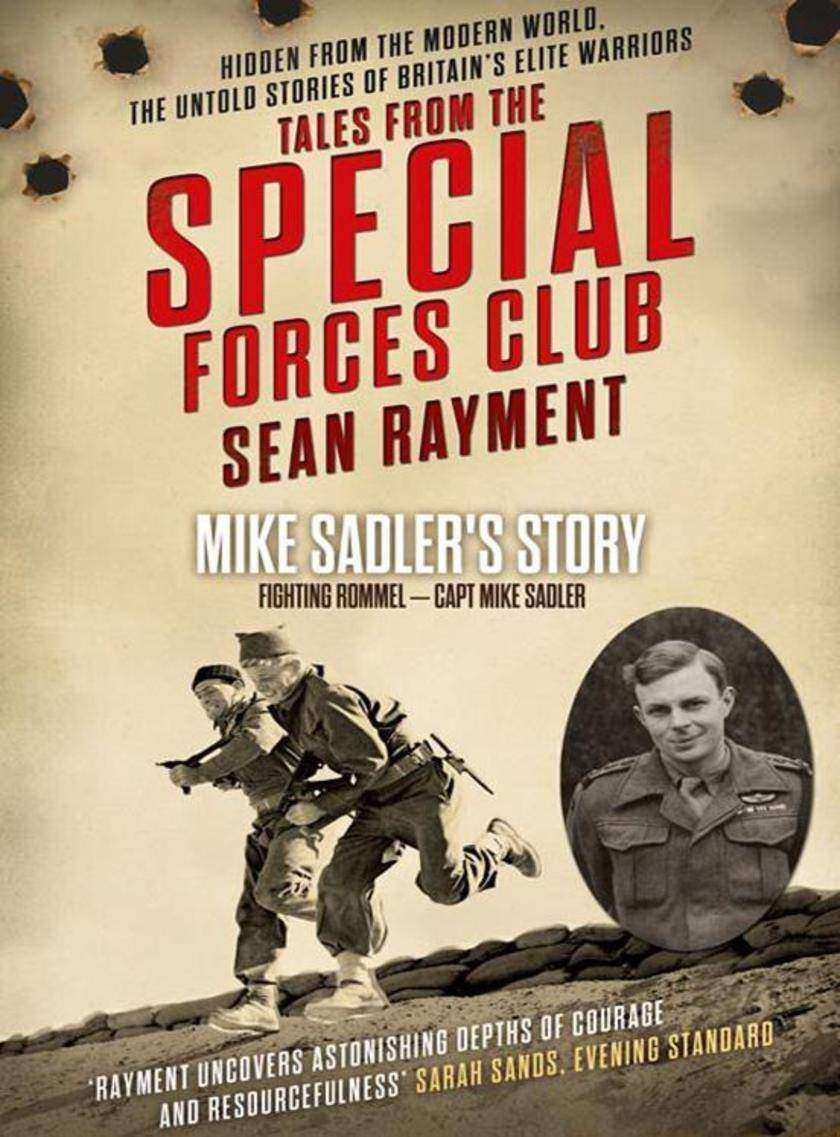
Fighting Rommel
¥9.71
This is Mike Sadler’s story, one of five true-life recollections from the Second World War in Tales From The Special Forces Club. The Special Forces Club is a fabled gentlemen’s club, based in the heart of London. It has a closely guarded secret: you have to be a genuine hero to be a member. Mike Sadler was in Rhodesia working on a farm when he decided to join up and fight Hitler. He would become one of the legendary men in the Long Range Desert Group, roaming behind Erwin Rommel’s front line and causing havoc and confusion to the German Africa Korp. He would also go on to serve with distinction in the SAS. This is his story.
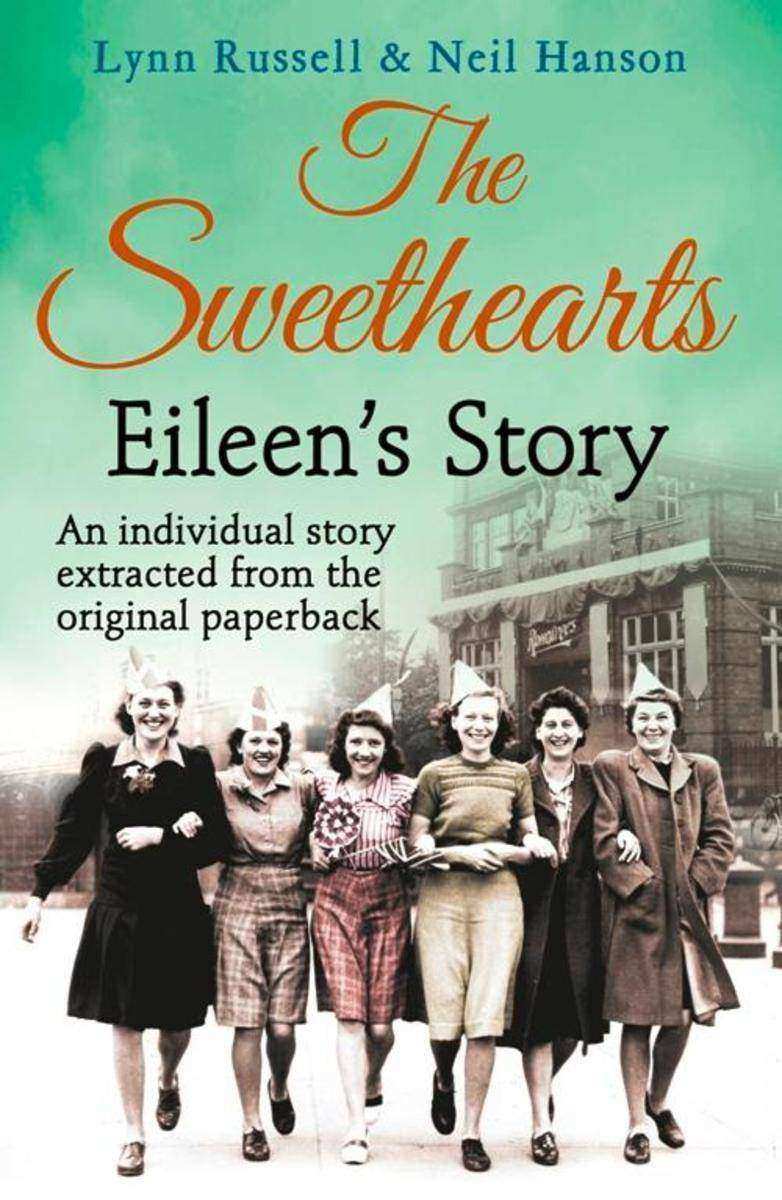
Eileen’s story (Individual stories from THE SWEETHEARTS, Book 3)
¥11.77
This is Eileen’s story, one of five stories extracted from THE SWEETHEARTS. Whether in wartime or peace, tales of love, laughter and hardship from the girls in the Rowntrees factory in Yorkshire. “Eileen’s dad worked at the Rowntree’s factory loading cocoa beans into the grinding mills; it was hard physical work, but he was a tall and powerful figure and very fit. Eileen was only five when war broke out and her dad went away, and was just nine years old when he came back from war. ‘He looked simply horrendous. His wounded leg was still in plaster, his hair had grown long, there were scars all over his face and scalp, and to allow his wounds to continue to heal and to keep his eye sockets open until he could be fitted with glass eyes.’ He could have trained to run a corner shop, or done plenty of other things –but all he wanted to do was go back to Rowntree’s…” From the 1930s through to the 1980s, as Britain endured war, depression, hardship and strikes, the women at the Rowntree’s factory in York kept the chocolates coming. This is the true story of The Sweethearts, the women who roasted the cocoa beans, piped the icing and packed the boxes that became gifts for lovers, snacks for workers and treats for children across the country. More often than not, their working days provided welcome relief from bad husbands and bad housing, a community where they could find new confidence, friendship and when the supervisor wasn’t looking, the occasional chocolate.
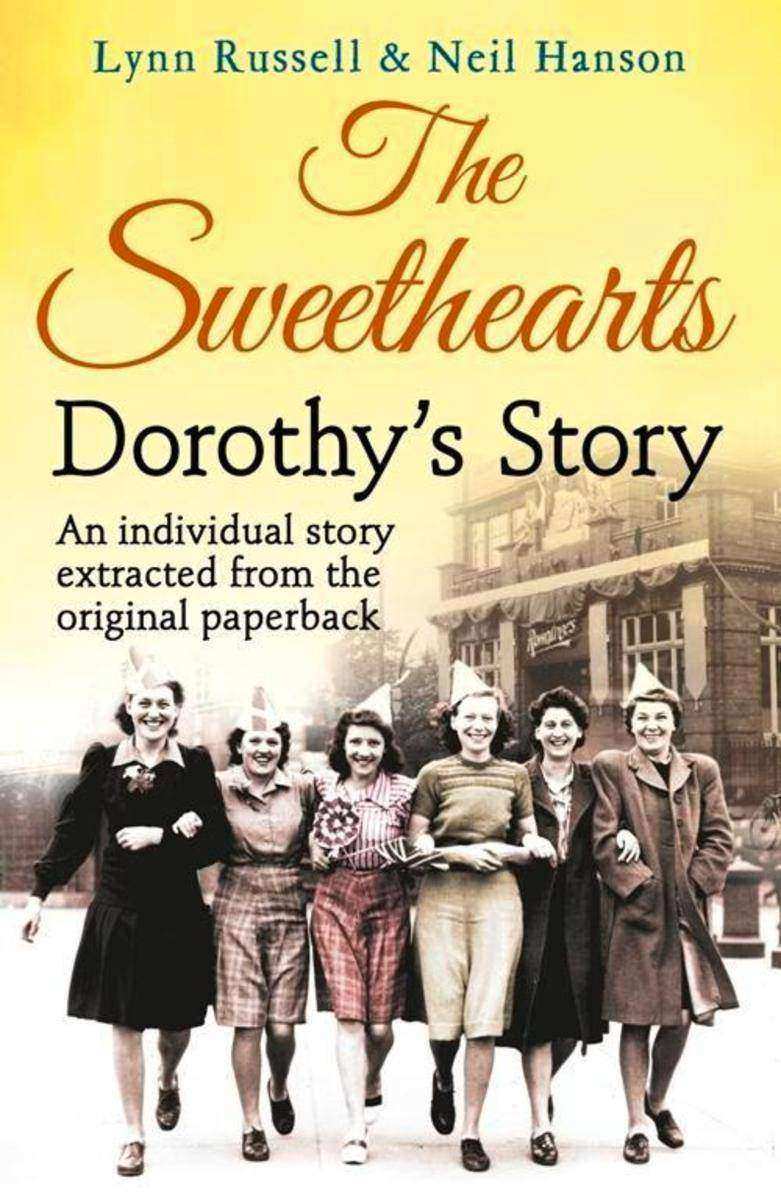
Dorothy’s story (Individual stories from THE SWEETHEARTS, Book 4)
¥11.77
This is Dorothy’s story, one of five stories extracted from THE SWEETHEARTS. Whether in wartime or peace, tales of love, laughter and hardship from the girls in the Rowntrees factory in Yorkshire. “‘Every Friday when we got paid, they used to come round with your pay packet and a tin for charity and you’d put a penny in, and they’d go round all the machines for people to put money in. That was a very Rowntree’s thing to do.’ Dorothy gave all her pay to her grandma for her board, but was given back five shillings for herself. She loved the cinema: ‘I’d put on as much make-up as I thought my grandmother would let me get away with and my friends and I would go to the pictures two or three times a week. We’d all have a good look around and see who was there and what was going on. It used to make me smile when I’d see girls who had been sitting with one boy before the interval, settling down with a different boy as the lights went down again.’…” From the 1930s through to the 1980s, as Britain endured war, depression, hardship and strikes, the women at the Rowntree’s factory in York kept the chocolates coming. This is the true story of The Sweethearts, the women who roasted the cocoa beans, piped the icing and packed the boxes that became gifts for lovers, snacks for workers and treats for children across the country. More often than not, their working days provided welcome relief from bad husbands and bad housing, a community where they could find new confidence, friendship and when the supervisor wasn’t looking, the occasional chocolate.
Atlantic: A Vast Ocean of a Million Stories
¥73.58
The definitive biography of the world's most important body of water – the Atlantic. One hundred and ninety million years ago, the shifting of two of the world's tectonic plates led to the creation of an immense chasm. This giant gash in the flanks of the planet slowly opened up and eventually evolved into the most important and most travelled ocean in our world. In this utterly original biography, Simon Winchester explores the life of the Atlantic; it's birth, its relationship with mankind, and what lies in store for it once man has left the stage. He charts the development of the first settlements by the Oceanside – the communities of Celts and Vikings and whose lives depended on the sea – and delves into the age of exploration, venturing to forgotten worlds. The building of some of the world's most beautiful port cities – London, Rio de Janeiro, New York, Casablanca – is also examined, along with the creation of settlements and colonies in and around the sea. Completely unique and highly readable, Atlantic takes its reader on a wonderful journey through time, along the waves of our planet's most significant ocean.


