


 购物车
购物车 个人中心
个人中心
Porch Talk
¥83.03
Be loved American storyteller Philip Gulley evokes a time when life revolved around the front porch, where friends gathered, stories were told, and small moments took on large meaning. In today's hurry-up world, Gulley's observations are frank and funny, reminding us of the world we once shared, and can again. With poignancy and humor, Gulley writes about small-town life, things he thinks about while sitting in his Quaker meeting, and why Donald Trump should pay more taxes. Porch Talk is a tribute to common folk, including Charlie the hardware priest, the Bettys at the newspaper, and other paragons of decency not many people know, but should.
Raising Blaze
¥78.55
When you have a child that doesn't fit in, what do you doDebra Ginsberg knew that her son, Blaze, was unique from the moment he was born in 1987. What she didn't know was that Blaze's differences would be regarded by the outside world not as gifts, but as impediments to social and academic success. Blaze never crawled. He just got up and walked when he turned one. He called his mother 'Zsa Zsa' until he was three. By kindergarten, he loved the music of Miles Davis and Ella Fitzgerald. He fears butterflies and is fascinated by garbage trucks. With the same honesty that made Waiting a success, Raising Blaze: Bringing Up an Extraordinary Son in an Ordinary World chronicles Debra's experience in raising a child who has defied definition by the host of professionals who have sought to label his differences. Ginsberg introduces us to a remarkable child and her own unusual childhood. She writes about a family which shows us the redemptive power of faith, humour and love.

Smart Discipline(R)
¥78.55
Larry J. Koenig, Ph.D., creator of the hugely popular Smart Discipline seminars, explains his simple, dramatically effective system to help children follow the rules at home and at school. It is easily tailoredto differences in age, temperament, and the needs of children with ADD/ADHD. Positive results usually are seen within a few days. Best of all: instead of nagging, parents can use Dr. Koenig's powerful esteem-building strategies to affirm their children's strengths. The Smart Discipline system: Gets kids to do what you ask, the first time you ask Stops fighting, bickering, and disrespectful language Ends hassles over homework, chores, messy rooms, and bedtime Instills positive self-image and builds confidence. . . and much more!
Mars and Venus in Love
¥90.77
Straight from the heart -- real-life couples share inspiring, edifying stories of Mars and Venus in love.Millions of readers have learned about relationships from John Gray's previous bestsellers, such as Men Are from Mars, Women Are from Venus, Mars and Venus on a Date; and Mars and Venus in the Bedroom. Inspired by this enthusiasm, Gray asked a number of readers to share their own stories of how they've put his principles to work in their relationships. The result is this amazing collection of first-person accounts-along with Gray's own enlightening commentary-that will have you laughing, crying, and nodding in recognition.Gray's contributors answer such questions as: What problems have you had in your relationship, and how have you overcome themWhat special things do you and your partner do for each otherHow do you best communicate with each otherHow do you practice what you've learnedHow does your love feel different now from how it felt beforeTheir answers illustrate more eloquently than any textbook how to use Gray's advice and counsel to create your own fulfilling, healthy, and loving relationships.
A Vindication of Love
¥90.73
A thinking person’s “guide” that makes the case for love in an age both cynical about and fearful of strong passion. Bold and challenging, A Vindication of Love has inspired praise and controversy, and brilliantly reinvigorated the romance debate. A perfect choice for readers of Alain de Botton’s How Proust Can Change Your Life and Pierre Bayard’s How to Talk About Books You Haven’t Read.
The Wisdom of Tenderness
¥83.03
A Stirring Invitation to Accept God's Unfathomable Tenderness

Inner Bonding
¥95.11
Inner bonding is the process of connecting our adult thoughts with our instinctual, gut feelings the feelings of the inner child so that we can minimize painful conflict within ourselves. Free of inner conflict, we feel peaceful, open to joy, and open to giving and receiving love.Margaret Paul, coauthor of Healing Your Aloneness, explores how abandonment of the inner child leads to increasingly negative and destructive feelings of low self-worth, codepenclence, addiction, shame, powerlessness, and withdrawal from relationships. Her breakthrough inner bonding process teaches us to heal past wounds through reparenting and clearly demonstrates how we can learn to parent in the present. Real-life examples illustrate the dynamics of the healing process and show the benefits we can expect in every facet of our lives and in all our relationships.Inner Bonding provides the tools we need to forge and maintain the inner unity that makes our family, sexual, work, and social relationships productive, honest, and joyful.
The Love Fix
¥94.10
Find your way back to a happy, satisfying relationshipAll couples argue, but how do some couples get to what seems like the point of no returnLicensed marriage and family therapist Dr. Tara Fields has spent more than twenty-eight years working with couples, and she has discovered that there are five common conflict loops that couples fall into and three steps to getting past having the same fights over and over again and onward to building a relationship where each partner feels heard, understood, respected, and loved. These steps include: Recognizing the conflict loop at play Exploring past and present fears Creating opportunities to get in touch with the deepest needs of both partners in order to find new gratitude, respect, and trust Change comes with awareness. When you're present in the moment, conflict with your partner can become an opportunity to work through unresolved issues and to learn more about each other; it can even become a way to grow closer. In The Love Fix, Fields shares her tested and proven tools to help build stronger relationships, including: Insight from real couples who have repaired their relationships Self-assessment quizzes to get to the root of the problem Practical 3-Minute Fixes you can start using immediately HEARTwork exercises to help you dig deeper in order to reconnect It's never too late to reignite your passion and to restore the love between you and your partner. Stop rehashing the same issues, figure out what you're really fighting about, and start enjoying a happier, stronger relationship today.
A Special Mother
¥95.39
All mothers experience worries and fears about their children, but none can compare with the early days when a mother feels something's not quite right. Anne Ford knows the feeling. She's had it herself, having raised a daughter with severe learning disabilities, and has gone on to share experiences with others during her many years as a volunteer with the National Center for Learning Disabilities.To bring comfort, support, and hard information to mothers-and fathers, too-in the early period surrounding the diagnosis, here is the book that Anne wishes she'd had years ago when she first received the news about her daughter and didn't know where to turn for the practical and emotional help she desperately needed.Filled with essential advice and the voices of other mothers whose children have LD and related disorders such as Asperger's and ADHD, A Special Mother lets parents know they are not alone and that they can help their child to thrive. This invaluable book addresses such matters as:Understanding Learning Disabilities and Related Disorders What Should You Do FirstInterpreting Evaluation Results Resolving Disputes Special Fathers: They Are Out ThereThe Social Side of LDAdvocacy vs. Obsession How Are You Doing?: Taking Care of Yourself
Healthy Child, Whole Child
¥101.00
Should you give your child nutritional supplementsAre vaccinations safeWhy are more and more children becoming couch potatoesIn Healthy Child, Whole Child, doctors Stuart H. Ditchek and Russell H. Greenfield answer these questions and more, offering authoritative, cutting-edge information on all aspects of children's health and wellness. Taking the position that conventional and alternative approaches to pediatric care are not mutually exclusive, they provide the newest science and most up-to-date information on: The 6 myths (and one true statement) about vaccinations The 10 powerhouse foods for your kids The 7 questions you need to ask to find out if your child is overweight The 16 herbs that are safe and effective for children How to receive more integrative care from your current pediatricianAnd more!
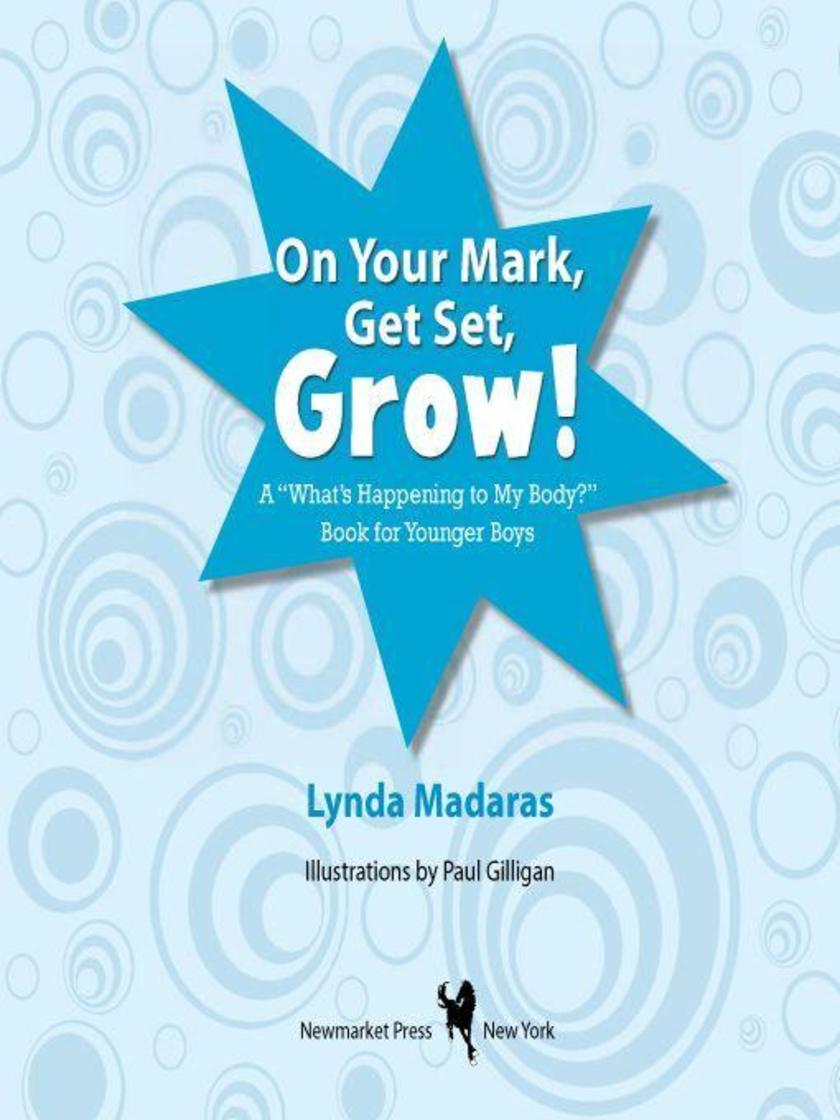
On Your Mark, Get Set, Grow!
¥88.56
Recognizing a need for puberty education books for younger children, award-winning author Lynda Madaras published Ready, Set, Grow!: A "What's Happening to My Body?" Book for Younger Girls in 2003 to widespread acclaim. Now, in her uniquely straightforward, warm, and funny style, Madaras introduces On Your Mark, Get Set, Grow!: A "What's Happening to My Body?" Book for Younger Boys.Responding to real-life questions and concerns from younger boys about their changing bodies, Madaras covers a wide range of topics at a reading and understanding level that's just right for them: the growth of sex organs, body hair, and facial hair; weight and height spurts; the unwelcome appearance of acne and body odor; shaving; circumcision; erections and ejaculation; feelings about puberty; and bullying.

100 Simple Secrets of Happy Families
¥67.09
The Simple Science of a Happy FamilyFrom raising children to getting along with in-laws, what do people with close and loving families do differently than those with strained or unfulfilling relationshipsSociologists, therapists, and psychiatrists have spent entire careers investigating the ins and outs of family dynamics, yet their findings are inaccessible to ordinary people, hidden in obscure journals to be shared with other experts. Now, David Niven, the international bestselling author of The 100 Simple Secret series has collected the most current and significant data from more than a thousand of the best scientific studies on families and then spelled out the findings in plain English.The advice is based not on one person's unique experiences or opinions, but offers for the first time the research of noted scientists studying average American families. These findings have been boiled down to one hundred essential ways to find and maintain love, joy, and satisfaction in all family relationships. Each statistic is accompanied by a true story about a real family showing the results in action.Don't Forget the Past: Parents who share stories of family history with their children create higher levels of concern for family members and increase the likelihood of their children's happiness.No Price Tag: Once basic necessities are met, the increasing economic status of one's family has zero effect on the likelihood of feeling satisfied with life.Let Every Opinion Be Heard: Senior citizens having trouble living in their own homes are 84 percent more likely to be satisfied with their housing situation if they feel as if their concerns are an important part of selecting a new home or facility.The Greatest Gift: Life satisfaction is 72 percent more likely among those who feel content with their family life.

Stage II Relationships
¥84.16
Offers clear and practical techniques for couples and families who have faced the issue of addiction and are now striving to bring health and vitality to their relationships.

Don't Throw Away Tomorrow
¥83.03
Fifty years ago Robert H. Schuller founded a church on the idea that with faith, focus, and follow-through all of our dreams can become realities. A tireless advocate of this positive message, he built the Crystal Cathedral into one of America's most popular and beloved centers of worship. Dedicating his life to both his family and his ministry, Dr. Schuller has gone on to teach millions the power of belief. A gifted and moving storyteller, he now offers the wisdom he's gained over a lifetime of optimism and devotion. In this personal and inspirational book, Schuller shows us how the universal principles that have formed his life and his work can guide ours as well. Starting with the message of "Don't Throw Away Tomorrow!" this landmark book discusses powerful and universal ideals such as starting with optimism, choosing positive values, keeping focused, clearing the channels of communication, and most important looking to the Ultimate Authority.For fifty years Americans have been listening to Schuller's thoughtful guidance and have been inspired by his love of humanity and God. Don't Throw Away Tomorrow is a culmination of his wisdom, delivered directly to the reader a tribute to the power of possibility thinking.

I Love You Rituals
¥88.56
I Love You Rituals offers more than seventy delightful rhymes and games that send the message of unconditional love and enhance children's social, emotional, and school success.Winner of a 1999 Parent's Guide Children's Media Award, these positive nursery rhymes, interactive finger plays, soothing games, and physically active can be played with children from infancy through age eight. In only minutes a day, these powerful rituals: Prime a child's brain for learning Help children cope with change Enhance attention, cooperation, and self-esteem Help busy families stay close Affirm the parent-child bond that insulates children from violence, peer pressure, and drugs, and much more. Easy to learn and especially effective in stressful situations, I Love You Rituals gives parents, grandparents, caregivers, and teachers inspiring tools to help children thrive.

Letting Go (Fifth Edition)
¥84.16
For more than a decade Letting Go has provided hundreds of thousands of parents with valuable insights, information, comfort, and guidance throughout the emotional and social changes of their children's college years from the senior year in high school through college graduation. Based on real-life experience and recommended by colleges and universities around the country, this indispensable book has been updated and revised, offering even more compassionate, practical, and up-to-the-minute information. When should parents encourage independenceWhen should they interveneWhat issues of identity and intimacy await studentsWhat are normal feelings of disorientation and loneliness for students and for parentsWhat is different about today's college environmentWhat new concerns about safety, health and wellness, and stress will affect incoming classes?

When Your Kid Goes to College
¥85.05
"During the summer before he went to college, he was obnoxious; he said, 'There's a reason I'm acting this way; it will make it easier for you to have me leave.'""When she was packing to leave, she was completely preoccupied with how many sheets and towels to take. I was thinking, 'My kid is leaving home forever, and life is taken up with minutiae.'"It's an emotional rollercoaster, a combination of missing him and feeling happy and excited for him."New BeginningsYou've taught them how to do their laundry, brought them a year's supply of toothpaste and shampoo, and lectured them on the do's and dont's of life beyond your home. The time has come for your child to leave for college -- but are you prepared to say goodbye?Written by a mother who survived the perils of packing her own child off to school, When Your Kid Goes to College provides supportive, reassuring, and helpful tips for handling this inevitable but difficult separation. Comprehensive and accessible, this practical guide includes info on: Teaching your child how to live on his own, from balancing a checkbook to dealing with a roomate. The difference between financial and emotioanl dependence -- and how to keep them separate. Helping your spouse, younger children, and even pets deal with the transition when your child leaves -- and when she returns. How to fill -- and even enjoy -- the hole that your child's absence leaves. Saying goodbye isn't the end of the world; it's the beginning of an exciting new one for your child-and you!
Freedom
¥88.56
There are few men who are as quintessentially American as Sonny Barger. He is patriotic a veteran who loves his country. He is independent choosing his own path on his motorcycle, living life on his own terms. He is outspoken he has boldly criticized injustices in American law and society despite the backlash this has evoked from the establishment. Yet the element that he finds most important, most sacred, most American, is freedom.In Freedom, Sonny articulates many of the principles he employs in his own life. Whether he is regarded as a leader, a rebel, a revolutionary, a criminal, or a soldier, Sonny's outlook has been influenced not just by school but by the military, prison, and his experiences riding with the world's most notorious motorcycle club. It was on these various journeys that he learned the lessons that are most important in his life and the qualities he respects when he sees them in others:IndependenceCustomize Yourself; Originals Don't Come Off an Assembly LineToughnessTemper the Steel to Forge a Strong BladeFairness Treat Me Good, I'll Treat You Better; Treat Me Bad, I'll Treat You Worse Presented in the form of fifty credos, this book gives Sonny Barger's perspective on how to live a life that embodies the most fundamental of American virtues: freedom.
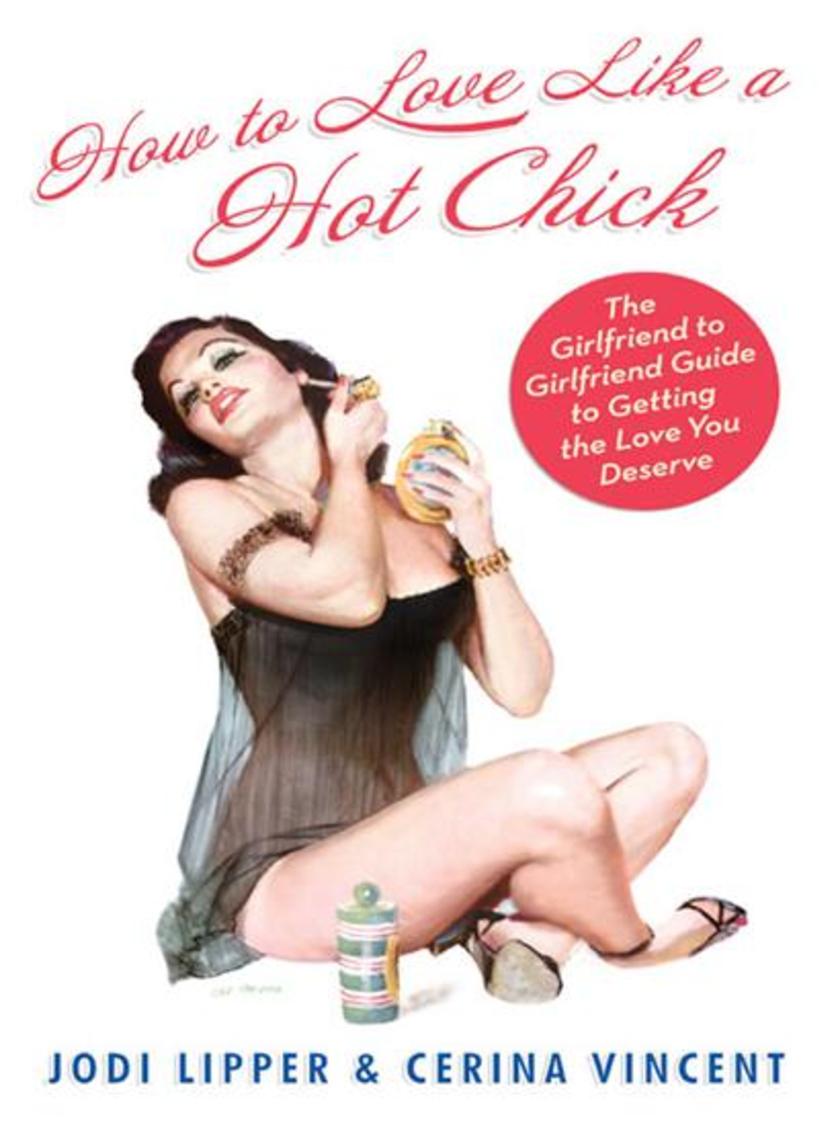
How To Love Like a Hot Chick
¥84.16
Hot Chick: A confident, passionate, honest woman. . . . You want to be around her to soak up those good vibes. The duo that taught you to embrace your body and indulge without guilt in How to Eat Like a Hot Chick is back to remind you of something that will transform your love life forever you are a Hot Chick! With their feisty humor and uplifting message, Jodi Lipper and Cerina Vincent will help you figure out what you want, how to get it, and why you shouldn't settle for anything less. Most important, they'll make the entire process a lot more fun with their advice on the hidden joys of being single, how to send out magical Hot Chick vibes and interpret your date's vibes, falling in love without freaking out, tactful dumping procedures, survival techniques for heart-wrenching breakups, and much more.Whether you're single, dating, in a relationship, or so confused you don't know what your status even is, How to Love Like a Hot Chick will have you laughing your way through dating and relationship issues and tackling them like the sexy, fabulous woman you deserve to be.
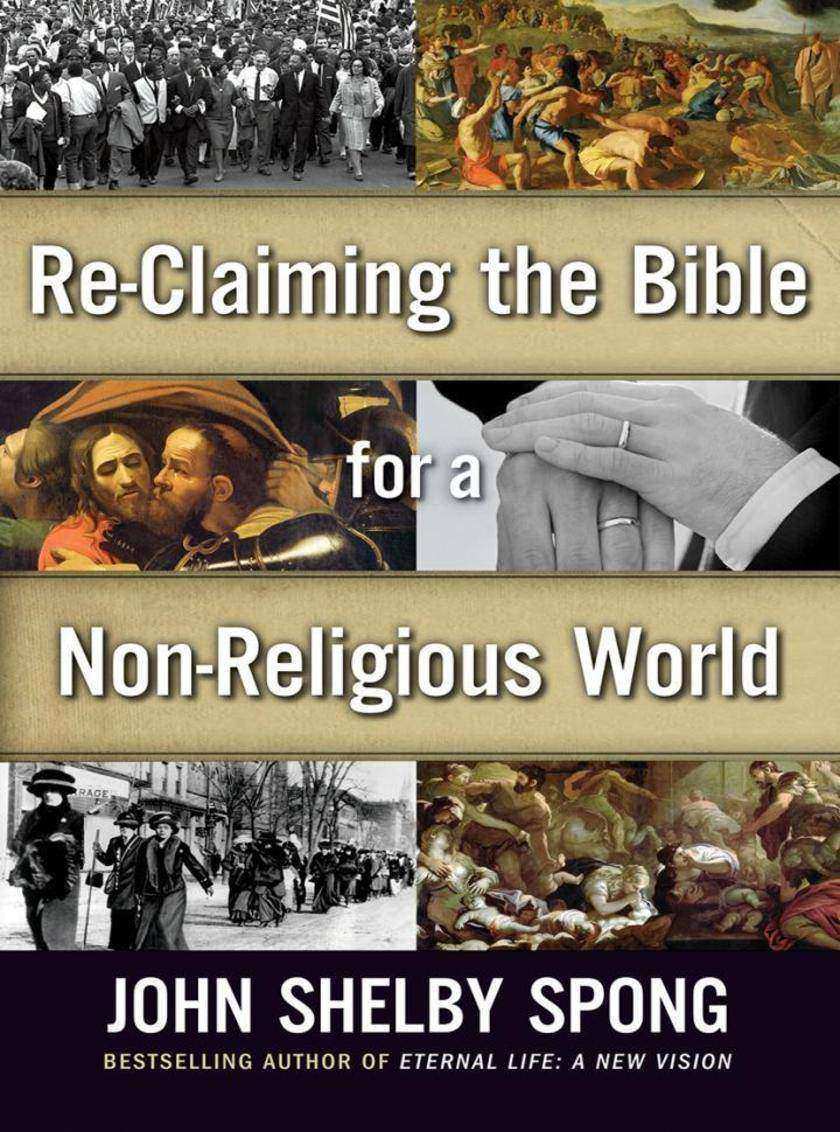
Re-Claiming the Bible for a Non-Religious World
¥94.10
For two hundred years, scholars have been analyzing one of the most important books ever written the Bible and overturning much of what we once thought we knew. Everyday Christians, however, are not privy to this deeper conversation. It is for these people that renowned bishop and author John Shelby Spong presents Re-Claiming the Bible for a Non-Religious World, a book designed to take readers into the contemporary academic debate about the Bible.A definitive voice for progressive Christianity, Spong frees readers from a literal view of the Bible. He opens the possibility that some of the characters in the New Testament are imaginary composites or even literary creations such as Joseph, the earthly father of Jesus; Judas Iscariot; Nicodemus; the Samaritan woman by the well; and Lazarus who was raised from the dead. He presents the Bible as an ever-changing and always growing story. He demonstrates that it is possible to be both a deeply committed Christian and an informed twenty-first-century citizen.In this thorough, substantive guide, Spong explores the origin and essential meaning of each of the individual books in the Bible, examining the background, the context, the level of authenticity and even the trustworthiness of the messages found there. He explains why these particular books, written between two and three thousand years ago, came to be regarded as authoritative and preserved as sacred; he traces the pathway that biblical religion has traveled as it evolved through the centuries, and he shows how people have misused many of these texts in the service of their prejudices.Reaching far beyond the familiar Sunday-school stories that have provided the content of most people’s biblical knowledge, Spong’s journey into the heart of the Bible is his attempt to call his readers into their own journeys into the mystery of God. One does not,” he asserts, have to twist one’s brain into a first-century pretzel in order to take the Bible seriously in this increasingly non-religious world.”
Emergency
¥95.11
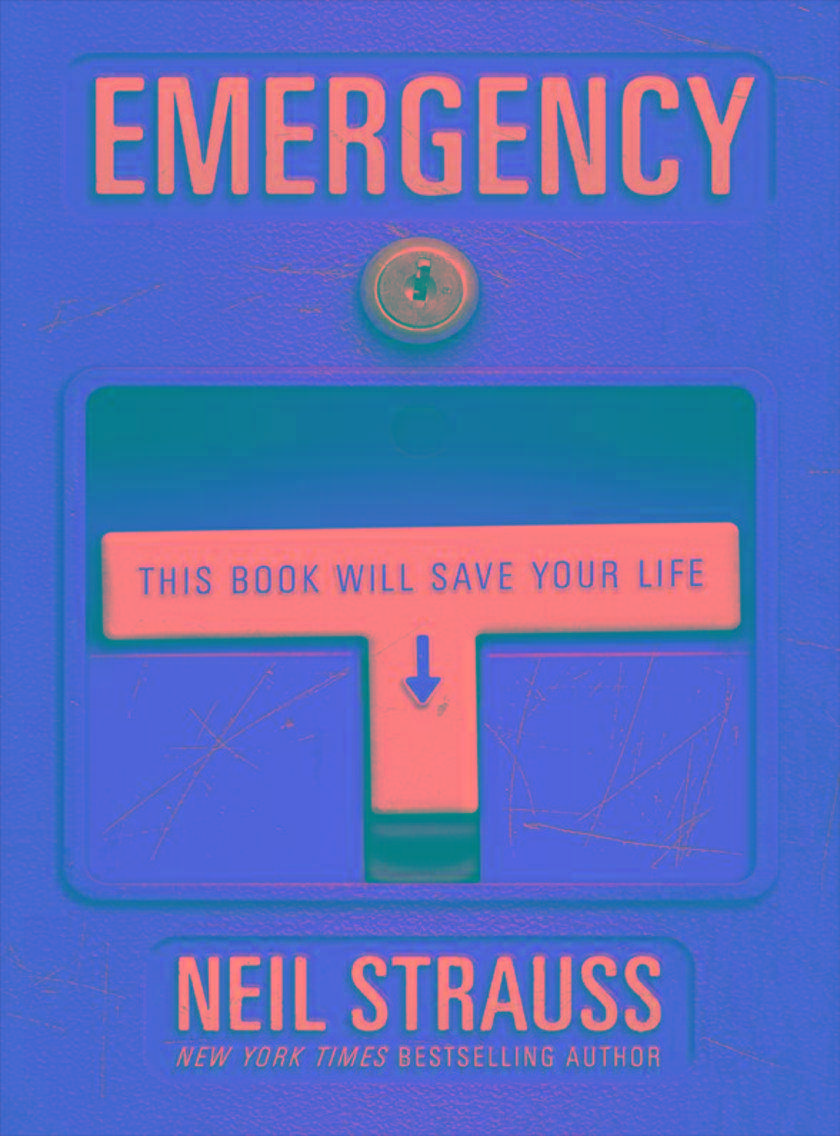
Featuring all new material not included in the print edition, including: two deleted chapters, the contents of Neil's Bugout Bag, a disaster survival cheat sheet on how to survive 35 catastrophic events, and ten emergency-preparedness myths that can kill you.Terrorist attacks. Natural disasters. Domestic crackdowns. Economic collapse. Riots. Wars. Disease. Starvation.What can you do when it all hits the fanYou can learn to be self-sufficient and survive without the system.**I've started to look at the world through apocalypse eyes.** So begins Neil Strauss's harrowing new book: his first full-length worksince the international bestseller The Game, and one of the most original-and provocative-narratives of the year.After the last few years of violence and terror, of ethnic and religious hatred, of tsunamis and hurricanes and now of world financial meltdown Strauss, like most of his generation, came to the sobering realization that, even in America, anything can happen. But rather than watch helplessly, he decided to do something about it. And so he spent three years traveling through a country that's lost its sense of safety, equipping himself with the tools necessary to save himself and his loved ones from an uncertain future. With the same quick wit and eye for cultural trends that marked The Game, The Dirt, and How to Make Love Like a Porn Star, Emergency traces Neil's white-knuckled journey through today's heart of darkness, as he sets out to move his life offshore, test his skills in the wild, and remake himself as a gun-toting, plane-flying, government-defying survivor. It's a tale of paranoid fantasies and crippling doubts, of shady lawyers and dangerous cult leaders, of billionaire gun nuts and survivalist superheroes, of weirdos, heroes, and ordinary citizens going off the grid.It's one man's story of a dangerous world–and how to stay alive in it.Before the next disaster strikes, you're going to want to read this book. And you'll want to do everything it suggests. Because tomorrow doesn't come with a guarantee...


