


 购物车
购物车 个人中心
个人中心
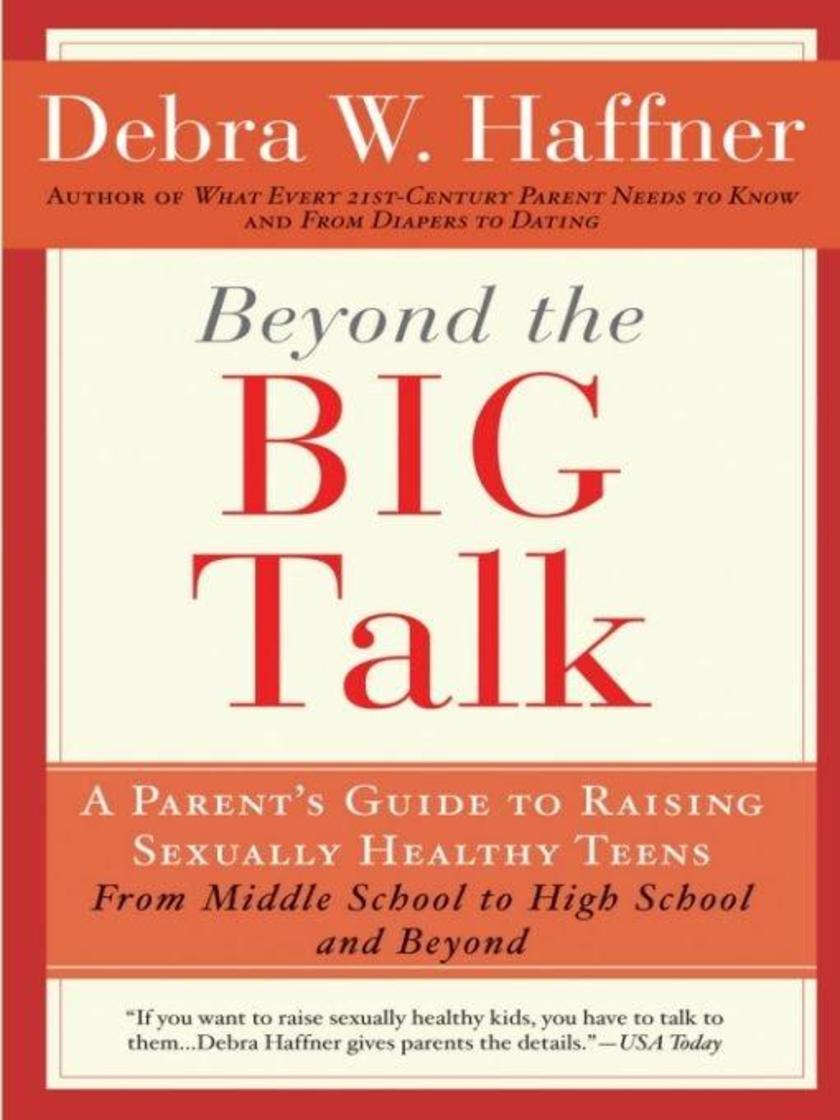
Beyond the Big Talk
¥95.39
As featured in Newsweek, Time, USA Today, and on Oprah, Dateline NBC, MTV and 20/20, this leading sexuality educator now helps parents guide their children through the difficult adolescent years from the author of From Diapers to Dating.Debra Haffner's valuable, award-winning book first book on raising sexually healthy children, From Diapers to Dating, helps parents through the infant-to-age-12 period. Her sequel, Beyond the Big Talk, now guides them through the difficult adolescent years, when they are likely to confront such issues as peer pressure, dating and parties, alcohol and drugs, harassment, abstinence, and much more. Organized by age group middle school (grades seven and eight), early high school (grades nine and ten), late high school (grades eleven and twelve), and beyond (ages 18 and up), each section provides: "Values Exercises" to help parents decide their own beliefs on various topics, and how to communicate them to their teen. "Special Issues" advice on topics such as eating disorders, date rape, sexual violence, and dealing with your teen's questions about your own sexual history. Advice on finding "teachable moments" with your teens entry points into discussions on important topics in television, in the movies, and in your daily lives. A frank and supportive foreword by Haffner's teen-age daughter, Alyssa, gives a young person's perspective on the challenges teens face every day. An extensive Appendix offers a wealth of books, websites, and organizations for both teens and their parents. In her trademark "realistic, practical, and informative" style (Kirkus Reviews), Haffner's values-oriented approach is an invaluable resource to both parents and children.

Give the Gift of Healing
¥78.65
From The New York Times bestselling author of The Eagle and the Rose and Proud Spirit comes a book on spiritual healing.Rosemary Altea, the internationally renowned medium known to millions worldwide as "The Voice of the Spirit World," is also the founder of the Rosemary Altea Association of Healers, a charitable organization with patients worldwide. In this book package, Rosemary offers an introduction to spiritual healing, beginning with a personal account of how she embraced her role as a healer sixteen years ago. Sharing her belief that sickness and pain can cause the soul to live in a dark place, Rosemary presents healing techniques designed to give light - the Seven Steps to Self-Healing. We meet two inspiring patients who have been treated by Rosemary and her team of healers, and we learn how we can harness the power of our own thoughts and use color energy visualizations to achieve inner peace. Also included is a color chart explaining how each of eight vibrant hues can give us the gift of healing.
The Art of Power
¥83.03
"Power is good for one thing only: to increase our happiness and the happiness of others. Being peaceful and happy is the most important thing in our lives and yet most of the time we suffer, we run after our cravings, we look to the past or the future for our happiness."Turning our conventional understanding of power on its head, world-renowned Zen master, spiritual leader, and national bestselling author Thich Nhat Hanh reveals how true power comes from within. What we seek, we already have. Whether we want it or not, power remains one of the central issues in all of our lives. Every day, each of us exercises power in many ways, and our every act subtly affects the world we live in. This struggle for control and authority permeates every aspect of our private and public lives, preventing us from attaining true happiness. The me-first mentality in our culture seeps unnoticed into our decisions and choices. Our bottom-line approach to getting ahead may be most visible in the business world, but the stress, fear, and anxiety it causes are being felt by people in all walks of life.With colorful anecdotes, precise language, and concrete practices, Thich Nhat Hanh illustrates how the current understanding of power leads us on a never-ending search for external markers like job title or salary. The Art of Power boldly challenges our assumptions and teaches each of us how to access the true power that is within our grasp.
Dialogues with Silence
¥94.10
An intensely personal devotional book from Thomas Merton, the ultimate spiritual writer of our time, showing his contemplative and religious side through his prayers and rarely-seen drawings. The only Merton gift book available.Dialogues with Silence contains a selection of prayers from throughout Merton's life--from his journals, letters, poetry, books--accompanied by all 100 of Merton's rarely seen, delightful Zen-like pen-and-ink drawings, and will attract new readers as well as Merton devotees. There is no other Merton devotional like this, and the paperback edition will be elegantly designed and packaged.

Things I Want My Daughters to Know
¥95.39
Thus Alexandra Stoddard introduces this book of simple, profound truths for joyful living. Stoddard, a mother, grandmother, and noted author on personal fulfillment, offers new ways to nurture ourselves, celebrate life's joys, and grow through its challenges. By turns wise ("Give anonymously"), controversial ("Unplug technology with no apologies"), affirming ("Tell yourself you have done nothing wrong"), and humorous ("When you discover something you love, stock up"), these are insights from a woman who has truly lived and learned and found happiness along the way.

Hometown Heroes
¥84.28
All across America, ordinary people are going out of their way to help one another and make our country a better place. Unheralded, unrecognized, and often taken for granted, these citizens continue their good deeds, happy just to make a difference.Hometown Heroes tells the stories of fifty such people from all over America, including Moody, Alabama, Ellisville, Illinois, and Lander, Wyoming. Spanning ages fourteen to ninety-three, the heroes inside this book show that it's never too early or too late to lend a helping hand and make inspiring choices. Capturing the true spirit of America one of generosity, courage, and tireless devotion these heroes warm our hearts and reveal a face of America we rarely hear about.

The First 30 Days
¥83.03
The First 30 Days reveals the nine principles of change that will revolutionize how you face transition times. With real-life stories, practical exercises, and inspiring action points, this book teaches the skills you need to face or make any change in your life, including how to: Use your Change Muscle Combat fear, doubt, and all your change demons Get in touch with your spiritual side Create a plan that will get you results
The Speed Trap
¥67.32
Between work, play, family, and friends, most of us feel like we're speeding along at 100 miles an hour. Our lives are full, yet we don't feel fulfilled. One solution is to slam on the brakes and adopt a radically simpler lifestyle. But, as psychologist Joe Bailey demonstrates in this essential guide, you don't have to give up everything to slow down your life. In over thirty-five captivating, instructive stories, Bailey shows just how easy it is to transform your way of thinking-and wave good-bye to aggravating bosses, rocky relationships, stress-induced illnesses, and other symptoms of life in the fast lane. You'll discover how to: Enjoy each moment and stop worrying about the past or the future Gain insight by trusting your instincts Increase your productivity and achieve success-without stress Disregard the negative emotions of people around you Attain a deep-rooted sense of fulfillment and inner contentment
Trapped in the Mirror
¥88.56
In this compelling book, Elan Golomb identifies the crux of the emotional and psychological problems of millions of adults. Simply put, the children of narcissist offspring of parents whose interest always towered above the most basic needs of their sons and daughters share a common belief: They believe they do not have the right to exist.The difficulties experienced by adult children of narcissists can manifest themselves in many ways: for examples, physical self-loathing that takes form of overeating, anorexia, or bulimia; a self-destructive streak that causes poor job performance and rocky personal relationships; or a struggle with the self that is perpetuated in the adult's interaction with his or her own children. These dilemmas are both common and correctable, Dr. Golomb tells us.With an empathic blend of scholarship and case studies, along with her own personal narrative of her fight for self, Dr. Golomb plumbs the depths of this problem, revealing its mysterious hold on the affairs of otherwise bright, aware, motivated, and worthy people. Trapped in the Mirror explores. the nature of the paralysis and lack of motivation so many adults feel stress and its role in exacerbating childhood wrongs why do many of our relationships seem to be "reruns" of the past how one's body image can be formed by faulty parenting how anger must be acknowledge to be overcome and, most important, how even the most traumatized self can be healed. Rooted in a profoundly humanist traditional approach, and suffused with the benefit of the latest knowledge about intrafamily relationships, Trapped in the Mirror offers more than the average self-help book; it is truly the first self-heal book for millions.
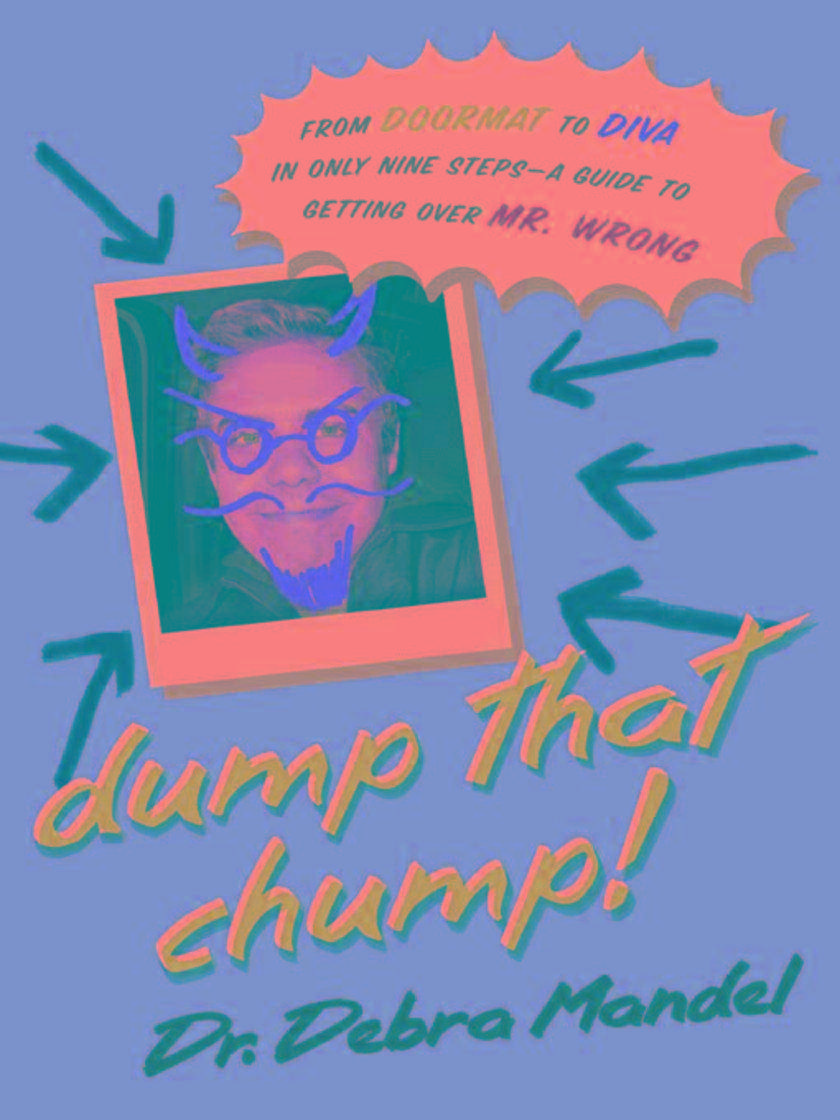
Dump That Chump!
¥79.16
Too many intelligent, attractive women these days find themselves trapped in destructive, unhealthy relationships, or simply settling for far less than they deserve.In Dump That Chump!, psychologist, author, columnist, and speaker Dr. Debra Mandel offers an essential nine-step program that will enable you to recognize the "red flags" and walk away from unhealthy relationships. Combining sensitivity with a positive "take charge" approach, Dr. Mandel provides checklists, quizzes, true stories, and exercises to help you restore your self-esteem and rid yourself of guilt and shame so you can Dump That Chump! once and for all, and turn your love life around.
The Ten Commandments
¥83.92
The master key to life--a universal guide to all that matters in making life more satisfying.
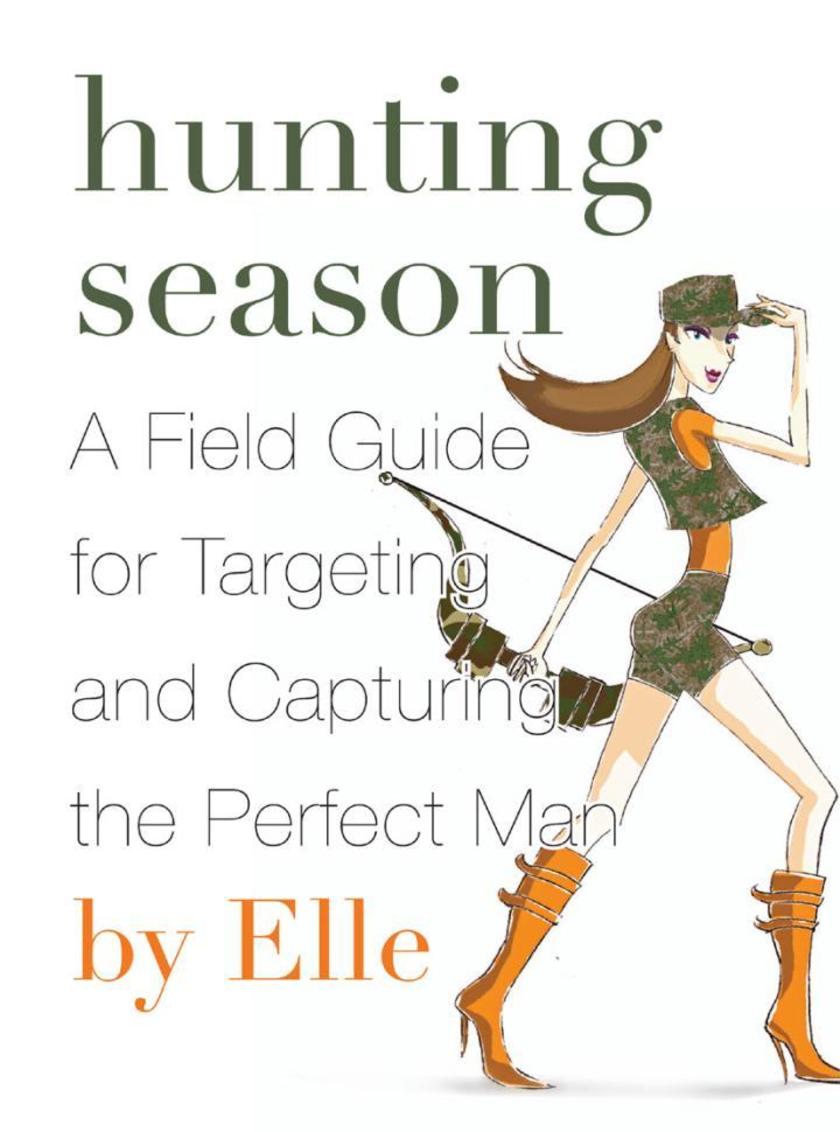
Hunting Season
¥78.55
Tallyho! The Hunt is afoot! Be a hunter not road kill. April 1 marks the official opening of Hunting Season, when available women should be heading out into the rural, urban, and suburban wild to bag themselves a prize buck. You might not need a literal gun to bring down a good man but you do need good technique, appropriate gear, and plenty of practice. Within these pages, successful hunter Elle shares the foolproof strategies she's adapted from rules that have been polished and honed over many centuries for successful bagging of prize big game. The Hunt can be exciting, exhilarating, and rewarding . . . if you do it right!No matter what kind of modern man you've got in your sights a Stag, a Tree Scratcher, or a 6-Point Buck here are all the skills you need to bring him down.Are you Trophy Hunting, or do you want to Bag 'n' TagYour strategies will be different depending on your goal so define it before the season opens.Never hunt with a posse. It's no fun sharing a kill.Stick to your Kill Zone. A wild buck's movements can't be controlled so if he wanders let him roam. Another buck will put himself in your sights soon enough.November 1-March 31 is Off-Season: A time for hibernation, emotional healing, and gun polishing.
The Greatest Prayer
¥83.03
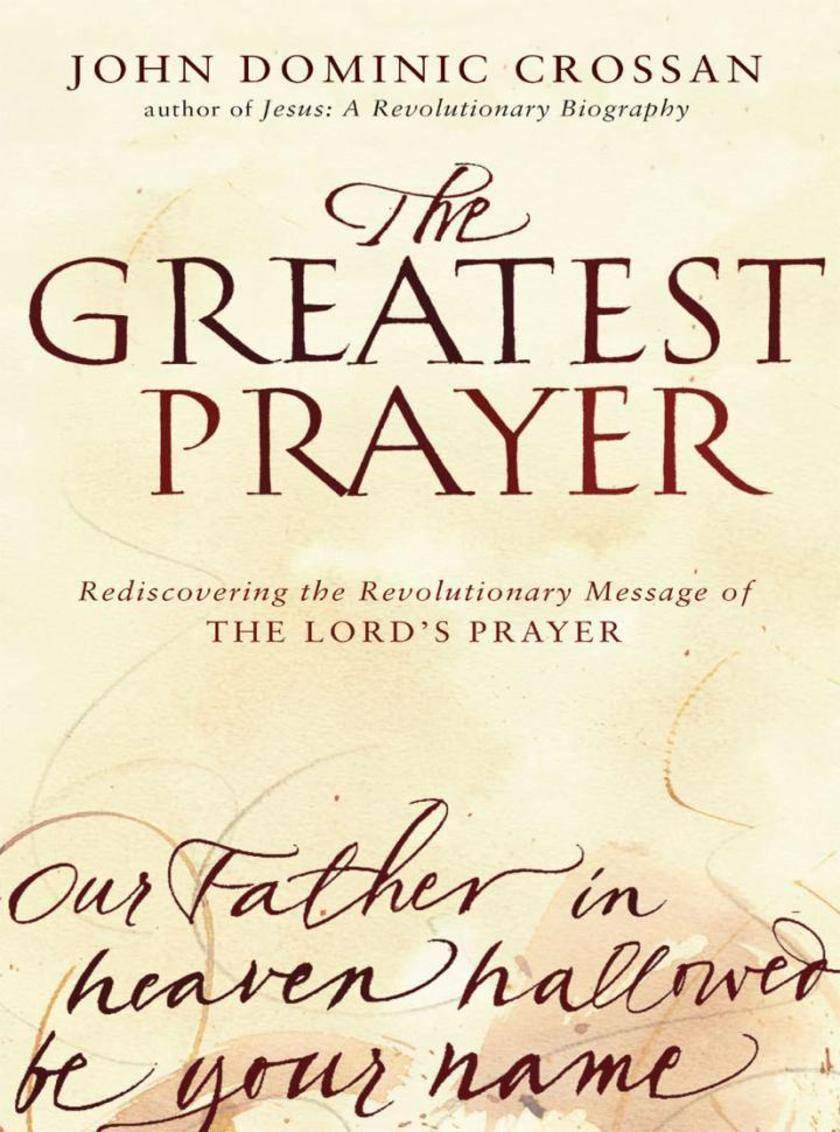
Every Sunday, the Lord's Prayer echoes in churches around the world.It is an indisputable principle of Christian faith. It is the way Jesus taught his followers to pray and distills the most essential beliefs required of every one of the world's 2.5 billion Christians. In The Greatest Prayer, our foremost Jesus scholar explores this foundational prayer line by line for the richest and fullest understanding of a prayer every Christian knows by heart.An expert on the historical Jesus, Crossan provides just the right amount of history, scholarship, and detail for us to rediscover why this seemingly simple prayer sparked a revolution. Addressing issues of God's will for us and our response, our responsibilities to one another and to the earth, the theology of our daily bread, the moral responsibilities that come with money, our nation-states, and God's kingdom, Crossan reveals the enduring meaning and universal significance of the only prayer Jesus ever taught.

Fear
¥88.56
Without fear, we are able to see more clearly our connections to others. Without fear, we have more room for understanding and compassion. Without fear, we are truly free. from FearMost of us live in a constant state of fear of our past, of illness and aging and death, and of losing the things we treasure most. But it doesn't have to be this way, promises Zen master and Buddhist monk Thich Nhat Hanh.Drawing on a lifetime of mindfulness in action, Thich Nhat Hanh shows us how to use the practice of living in the present to acknowledge and embrace our fears, recognize their origins, and render them powerless. The world-renowned Zen teacher guides us through practical exercises for transforming fear into clarity. The worries of the past and the anxiety of the future disappear as we discover the power of the present moment. Not only are we are able to handle challenging emotions as they arise, but we can summon feelings of well-being and contentment, no matter what the unknown may bring.Rooted in the moment, we have the capacity to restore balance and happiness and be present with what is beautiful and affirming inside us and around us, every day.
Woman Power
¥90.77
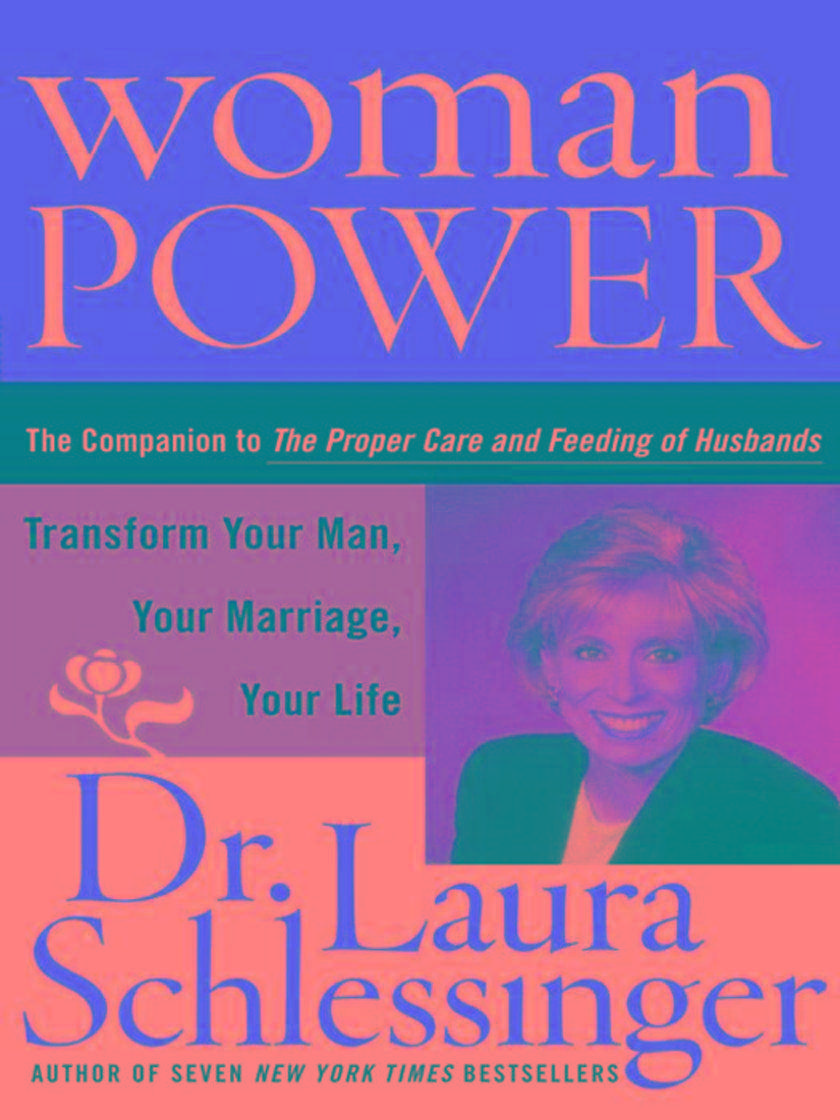
Woman Power: for the woman who wants to ensure for herself -- and for her man -- the marital happiness and success everyone dreams of! The immediate feedback to Dr. Laura Schlessinger's seventh bestseller, The Proper Care and Feeding of Husbands, affirmed that Dr. Laura helped hundreds of thousands of readers make good marriages even better and saved many from the brink of divorce. Now, due to overwhelming response from her readers and listeners who wanted to know more about the special power women have to transform their husbands, their marriages, and their lives, Dr. Laura has written Woman Power. Through a series of provocative chapters and Q&As, Dr. Laura guides women on how to assess what is valuable and what is vulnerable in their marriages, and stimulates women to think about what is really important about being a woman, a wife, and a mother. In addition, readers will find inspirational stories and tips, thought-provoking essays, and plenty of room for entries, thoughts, and journals. There are even fascinating Q&As for husbands and wives to do together!
Beyond Genetics
¥79.16
Genetic science is about to radically alter our lives. Sooner than you can imagine, human beings will be capable of diagnosing their own illnesses, designating the sex of their children, even designing the food they eat -- all as easily as using a cell phone. Now is the time for every one of us to take control of our DNA, and one man is uniquely qualified to show us how: Glenn McGee, bioethicist at the University of Pennsylvania, pioneer in the study of "home genetics," and the acknowledged wunderkind of the exciting world found at the nexus of life science and computer technology.One of the most respected authorities in the field of genomics -- the study of the genetic "software" inside plants, animals, and us -- McGee takes us on an eye-opening journey behind the headlines and into the heart of this formidable cutting-edge science. Probing the far-ranging ethical and legal implications of genomic research, McGee tackles its most controversial and hotly debated aspects -- from patenting your DNA to genetic engineering at the supermarket -- and explodes unnecessary fears about this wondrous new knowledge.We live in a brave new world. Beyond Genetics provides us with the knowledge we need to take the right steps forward into tomorrow ... and beyond.

Dear Photograph
¥147.48
We all have moments we wish we could relive. We'd give anything to skid down the toboggan hills of our youth, to breathe in the smell of our children as babies, or to spend just one more minute with someone we've lost. Dear Photograph provides a way to link these memories from the past to the present, overlapping them to see how the daydreams of our memories collide with our current realities.The idea is simple: hold up a photograph from the past in front of the place where it was originally taken, take a second photograph, and add a sentence of dedication about what the photograph means to you. The results, however, are astounding, which is why millions have flocked to dearphotograph.com and thousands have submitted their own Dear Photographs.This stunning visual compilation includes more than 140 never-before-seen Dear Photographs, as well as a space for you to attach your own cherished photo. By turns nostalgic, charming, and poignant, Dear Photograph evokes childhood memories, laments difficult losses, and, above all, celebrates the universal nature of love.

Jewish Holidays
¥149.48
The coeditor of the enormously popular Jewish Catalog "help[s] readers understand more fully the meaning of our holidays and thereby to observe these festivals . . . with a greater devotion and joy."--Rabbi Alexander M. Schindler

The Opposite Of Spoiled: Raising Kids Who Are Grounded, Generous, And Smart Abou
¥90.51
We may not realize it, but children are hyperaware of money. They have scores of questions about its nuances that parents often don't answer, or know how to answer well. But for Ron Lieber, a personal finance columnist and father, good parenting means talking about money with our kids much more often. When parents avoid these conversations, they lose a tremendous opportunity not just to model important financial behaviors, but also to imprint lessons about what their family cares about most.Written in a warm, accessible voice, grounded in real-world stories from families with a range of incomes, The Opposite of Spoiled is a practical guidebook for parents that is rooted in timeless values. Lieber covers all the basics: the best ways to handle the tooth fairy, allowance, chores, charity, savings, birthdays, holidays, cell phones, splurging, clothing, cars, part-time jobs, and college tuition. But he also identifies a set of traits and virtues like modesty, patience, generosity, and perspective that parents hope their young adults will carry with them out into the world.In The Opposite of Spoiled, Ron Lieber delivers a taboo-shattering manifesto that will help every parent embrace the connection between money and values to help them raise young adults who are grounded, unmaterialistic, and financially wise beyond their years.
13 Things Mentally Strong People Don't Do
¥151.53
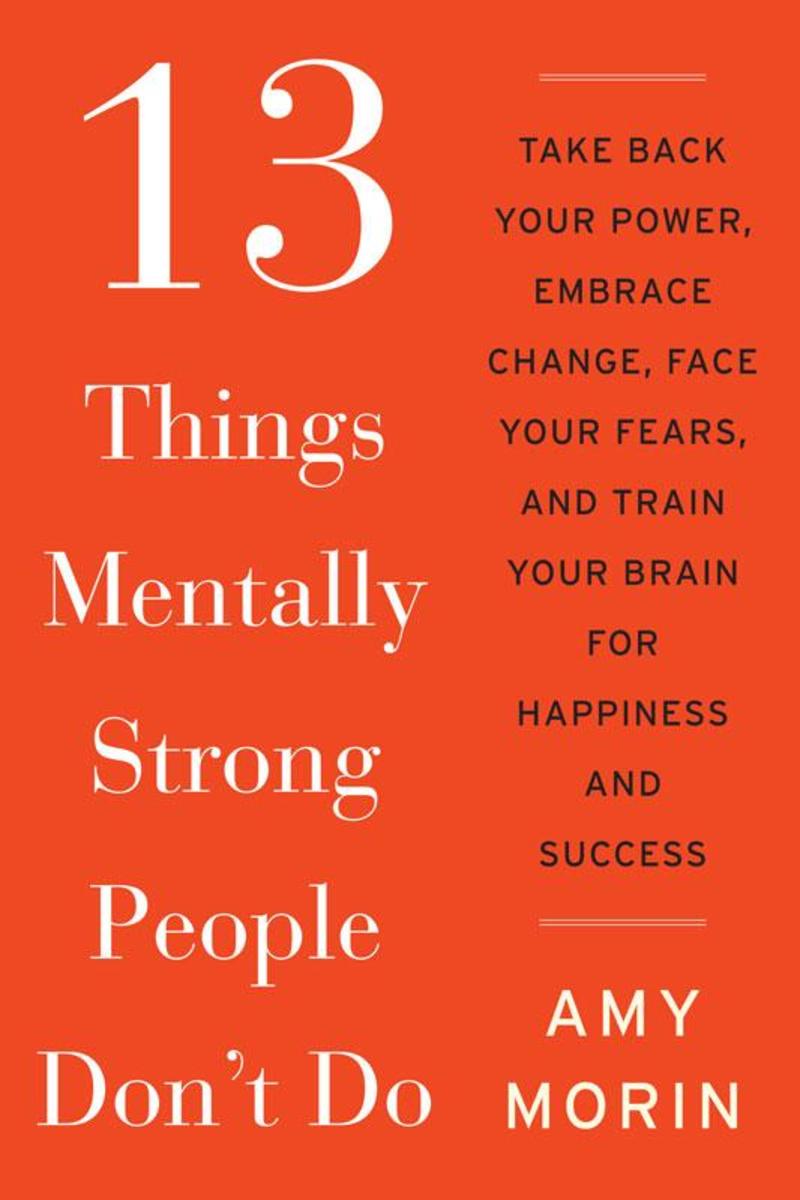
The Ultimate Guide to Mastering Your Mental StrengthEveryone knows that regular exercise and weight training lead to physical strength. But how do we strengthen ourselves mentally for the truly tough timesAnd what should we do when we face these challengesOr as psychotherapist Amy Morin asks, what should we avoid when we encounter adversityThrough her years counseling others and her own experiences navigating personal loss, Morin realized it is often the habits we cannot break that are holding us back from true success and happiness. Indulging in self-pity, agonizing over things beyond our control, obsessing over past events, resenting the achievements of others, or expecting immediate positive results holds us back. This list of things mentally strong people don't do resonated so much with readers that when it was picked up by Forbes.com it received ten million views.Now, for the first time, Morin expands upon the thirteen things from her viral post and shares her tried-and-true practices for increasing mental strength. Morin writes with searing honesty, incorporating anecdotes from her work as a college psychology instructor and psychotherapist as well as personal stories about how she bolstered her own mental strength when tragedy threatened to consume her.Increasing your mental strength can change your entire attitude. It takes practice and hard work, but with Morin's specific tips, exercises, and troubleshooting advice, it is possible to not only fortify your mental muscle but also drastically improve the quality of your life.

For Parents and Teenagers
¥77.49
The author of Choice Theory and Reality Therapy offers a powerful approach for helping troubled teens. In his decades as a therapist, Dr William Glasser has often counselled parents and teenagers. His advice has healed shattered families and changed lives. Now in his first book on the lessons he has learned, he asks parents to reject the 'common sense' that tells them to 'lay down the law', ground teens, or try to coerce them into changing behaviour. These strategies have never worked, asserts Dr Glasser, and never will. Instead he offers a different approach based upon Choice Theory. Glasser spells out the seven deadly habits parents practiSe and then shows them how to accomplish their goals by changing their own behaviour. Above all, he helps parents keep their relationship with their child strong. Dr Glasser provides a groundbreaking method that any parent can use with confidence and love.


