


 购物车
购物车 个人中心
个人中心

An Agenda for Britain
¥44.24
In The Importance of Being Earnest what Lady Bracknell said of Ernest’s loss of both his parents could also be said about the losing of elections. If the loss of one election is unfortunate, and two careless, then three is reckless, four criminal, and to lose five in succession might well prove fatal. This chapter looks at the reasons for Labour’s losing streak. It considers whether the Party is now so enfeebled that it will be unable to win again, unless it offers an electoral reform which will ensure that it is unlikely ever to form a one-party government again. The promise of electoral reform must be accompanied by the most fundamental changes in the Party’s constitution if Labour is to continue to be a serious political force.

The Mills & Boon Modern Girl’s Guide to:Happy Hour:How to have Fun in Dry Januar
¥51.50
Ada Adverse was brought up in a deeply puritanical household where looking at a cake or using words containing more than one vowel were considered decadences punishable by a night in the coal cellar. But at fifteen she ran away from home and is now the world’s leading authority on Having Fun, which is definitely an actual job, she has ‘Fungineer’ printed on her business cards to prove it, though in retrospect she should have been more clear that this does not mean she specialises in mushrooms. Ada’s hobbies include topiary, mazes, homing pigeons, flea circuses, forming imaginary bands in her head, embalming things, tattoos, pylons, and the films of Billy Wilder. Ada’s dislikes include predatory mcaws, getting out the wrong side of the bed, collections of masks, and porcelain dolls with realistic teeth.

We Should All Be Feminists
¥36.99
A personal and powerful essay from Chimamanda Ngozi Adichie, the bestselling author of Americanah and Half of a Yellow Sun, based on her 2013 TEDx Talk of the same name.

Waterloo: The History of Four Days, Three Armies and Three Battles
¥72.30
The Sunday Times Number 1 Bestseller ‘A fabulous story, superbly told … cannot be bettered’ Max Hastings ‘Some battles change nothing. Waterloo changed almost everything.’ On the 18th June 1815 the armies of France, Britain and Prussia descended upon a quiet valley south of Brussels. In the previous three days the French army had beaten the British at Quatre-Bras and the Prussians at Ligny. The Allies were in retreat. The blood-soaked battle of Waterloo would become a landmark in European history, to be examined over and again, not least because until the evening of the 18th, the French army was close to prevailing on the battlefield. Now, brought to life by the celebrated novelist Bernard Cornwell, this is the chronicle of the four days leading up to the actual battle and a thrilling hour-by-hour account of that fateful day. In his first work of non-fiction, Cornwell combines his storytelling skills with a meticulously researched history to give a riveting account of every dramatic moment, from Napoleon’s escape from Elba to the smoke and gore of the battlefields. Through letters and diaries he also sheds new light on the private thoughts of Napoleon and the Duke of Wellington, as well as the ordinary officers and soldiers. Published to coincide with the bicentenary in 2015, Waterloo is a tense and gripping story of heroism and tragedy – and of the final battle that determined the fate of Europe.
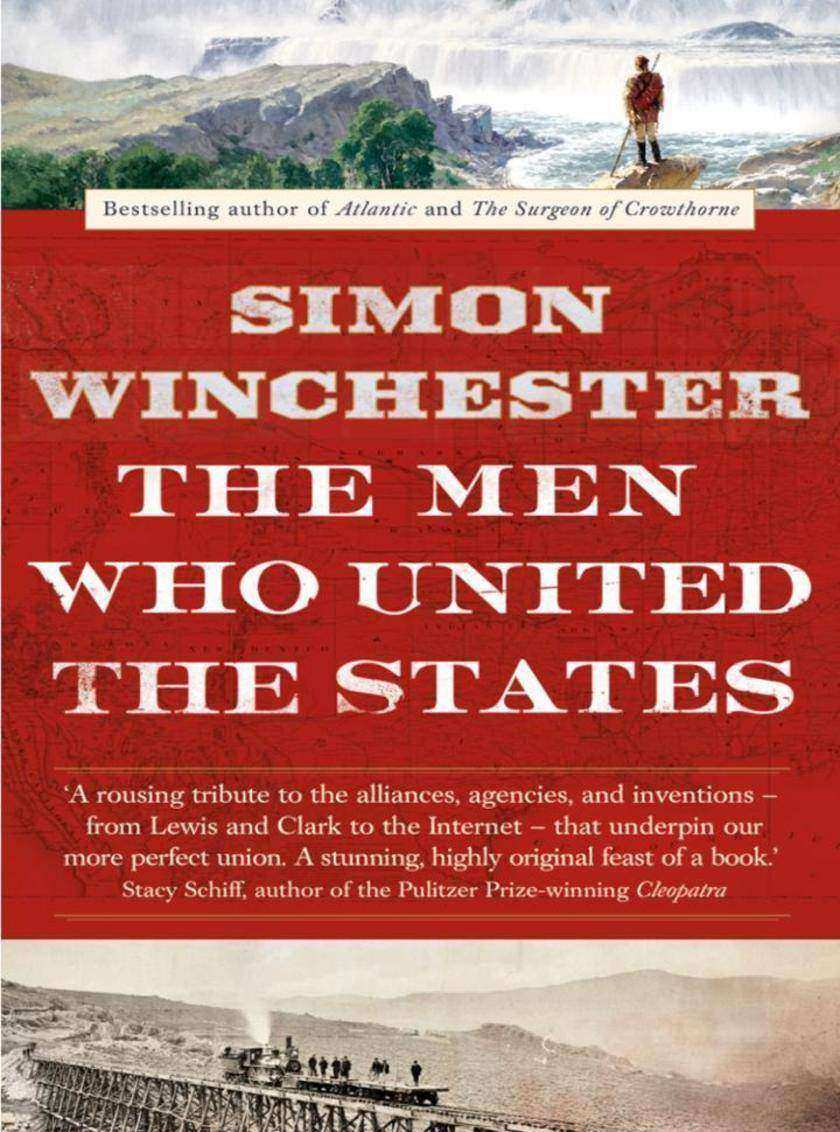
The Men Who United the States
¥73.58
From bestselling author Simon Winchester, the extraordinary story of how America was united into a single nation. For more than two centuries, E pluribus unum – out of many, one – has been featured on America’s official government seals and stamped on its currency. But how did America become ‘one nation, indivisible’? In this monumental history, Simon Winchester addresses this question, introducing the fearless trailblazers whose achievements forged and unified America. Winchester follows in the footsteps of America’s most essential explorers, thinkers, and innovators. He treks vast swaths of territory, introducing these fascinating pioneers – some, such as Washington and Jefferson, Lewis and Clark being familiar, some forgotten, some hardly known – who played a pivotal role in creating today’s United States. Throughout, he ponders whether the historic work of uniting the States has succeeded, and to what degree. ‘The Men Who United the States’ is a fresh, lively, and erudite look at the way in which the most powerful nation on earth came together, from one of our most entertaining, probing, and insightful observers.
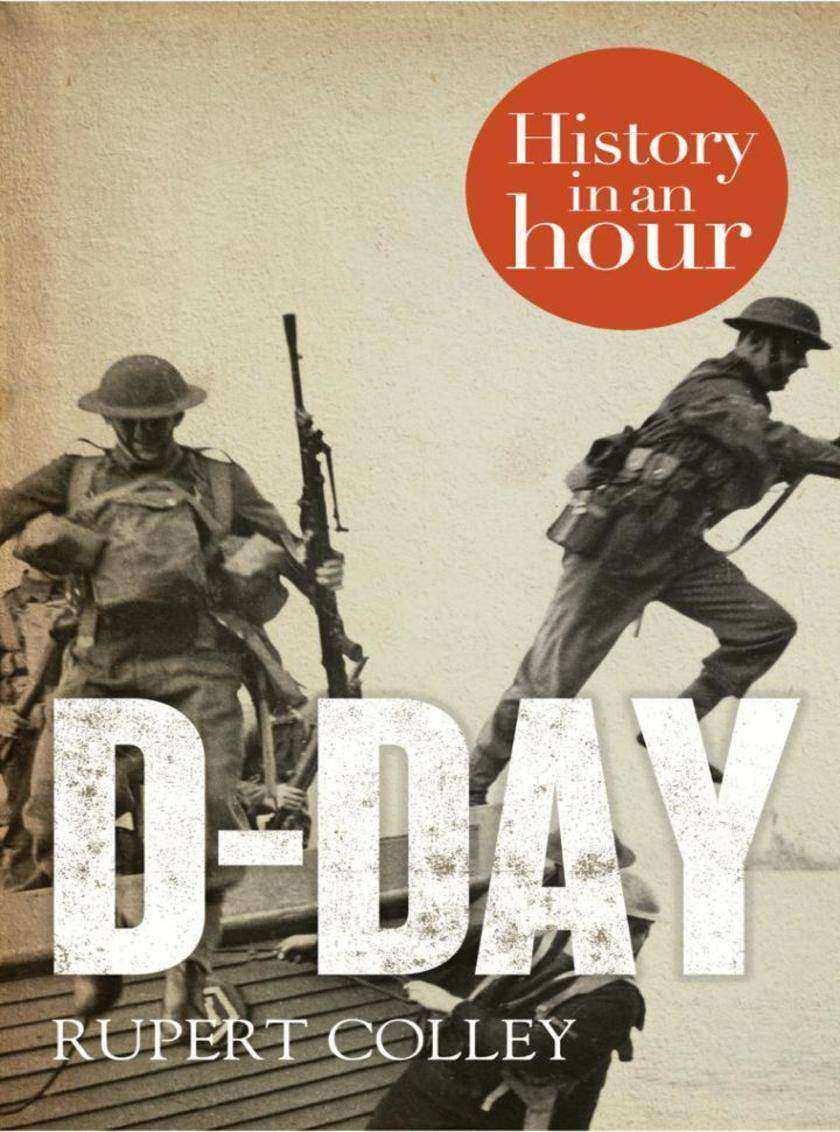
D-Day: History in an Hour
¥18.05
Love history? Know your stuff with History in an Hour. Midnight, Tuesday 6 June 1944: the beginning of D-Day, the operation to invade Nazi-occupied Western Europe and initiate the final phase of World War II. A vast undertaking, it involved 12,000 aircraft and an amphibious assault of almost 7,000 vessels. 160,000 troops would cross the English Channel during Operation Overlord, paving the way for more than three million allied troops to enter France by the end of August 1944. Forces from the United Kingdom, the United States, Canada, the Free French and Poland all heavily participated, alongside contingents from Belgium, Greece, the Netherlands, and Norway, They capitalised on the element of surprise achieved due to bad weather and the success of Operation Bodyguard – a feat of massive deception to convince Hitler that the landings would hit Pas-de-Calais. In just over a year, the war would be won. ‘D-Day: History in an Hour’ is the story of how the largest military operation in history had been planned, practised and executed. Love history? Know your stuff with History in an Hour…

Terri’s Story (Individual stories from WISH YOU WERE HERE!, Book 7)
¥11.77
One of seven touching true stories from Wish You Were Here!, the tale of Butlin’s holiday camps. ‘When I got to the camp I felt as if I’d suddenly walked into Utopia – it was so colourful, so warm, so friendly. There were lights across the roads, there were banners fluttering in the breeze… There seemed to be laughter coming from every building.’ With grey post-WWII skies hanging low over Britain, factories lining the streets and smoke stacks dotting the horizon, there was one way that ordinary families could escape: the ever-cheerful holiday camps of Butlin’s. When Billy Butlin founded his holiday camps in 1936, they were bastions of community spirit and havens of luxury. Here, for one week, wives and mothers were freed from the toil and drudgery of housework, children ran free through the grounds, fathers and husbands hung up their work clothes. Ever-helpful redcoats were on hand all hours of the day, dinner halls ready with plentiful food for old and young alike, bars stocked to quench any level of thirst, ballrooms waiting to be flooded with shiny shoes, rustling dresses and peals of laughter. And, as the sun went down on another exhausting, happy day, a chorus line was ready to sing holidaymakers back to their beds. Rich in period detail and highly evocative, Wish You Were Here! follows the lives of seven of the camps’ key figures through the highs and lows of the holiday season: from redcoats searching for stardom to young families who returned year after year, to pensioners who rediscovered an inner youth. The laughter and tears, the loves and losses, and the fun and friendships that have lasted a lifetime – it's all here. Funny, moving and heartwarming, they are tales of swimming pools and sing-a-longs, Glamorous Grannies and bicycle rides, and of a community spirit that burned brightly in a much-loved British institution.
The Lost Ark of the Covenant: The Remarkable Quest for the Legendary Ark
¥81.03
Professor Tudor Parfitt, a real-life British Indiana Jones, has made the biggest discovery of the last 3,000 years – the secret location of the fabled Ark of the Covenant. In 2006, he made an incredible journey to its final resting place and in February 2008 he will reveal this to the world. This is the amazing story of his quest. This is the real-life account of Professor Tudor Parfitt's remarkable discovery – of the lost Ark of the Covenant that disappeared from the Temple of Jerusalem centuries ago. The holiest object in the world, the Ark of the Old Testament contains the tablets of law sacred to Judaism, Christianity and Islam. Scholar, orientalist and adventurer, Parfitt embarked on an incredible journey to discover where the Ark is hidden, and when he reveals his discovery history books will be rewritten forever. Parfitt's quest took him on an incredible detective trail across the Middle East and Africa. His search led him to ancient documents and codes in Oxford and Jerusalem, and even to discoveries in modern genetic science, for clues to take him closer to the Ark. But some people didn't want the Ark to be found. In the wilder reaches of the Yemen he narrowly escaped being kidnapped by Islamist fugitives. In Africa he was shot at, ambushed and arrested. Amongst crossing paths with a motley crowd of mystics, holy men, charlatans and politicians, he encountered a strange tribe in the mysterious lands of the Limpopo River who claimed that they knew the Ark's final resting place. When Parfitt finally set eyes on the Ark, it wasn't at all where he expected. His revelation of its whereabouts will cause an international story with an effect on Judaism, Islam and Christianity that may be the most controversial in history.

The Last Highlander
¥73.58
Fans of Outlander must read this Saltire Society Literary Awards Scottish First Book of the Year – a great non-fiction adventure about Scotland’s most notorious clan chief. Simon Fraser, Lord Lovat, was the last of the great Scottish chiefs – and the last nobleman executed for treason. Determined to seek his fortune with the exiled Jacobite king in France, Fraser acted as a spy for both the Stuarts and the Hanoverians; claimed to be both Protestant and Roman Catholic. In July 1745, Bonnie Prince Charlie launched his last attempt to seize back the throne, supported by Fraser and his clans. They were defeated at Culloden. Fraser was found hiding in a tree. This swashbuckling spy story recreates an extraordinary period of history in its retelling of Fraser’s life. He is surely one of Scotland’s most notorious and romantic figures, a cunning and ambitious soldier who died a martyr for his country and an independent Scotland.
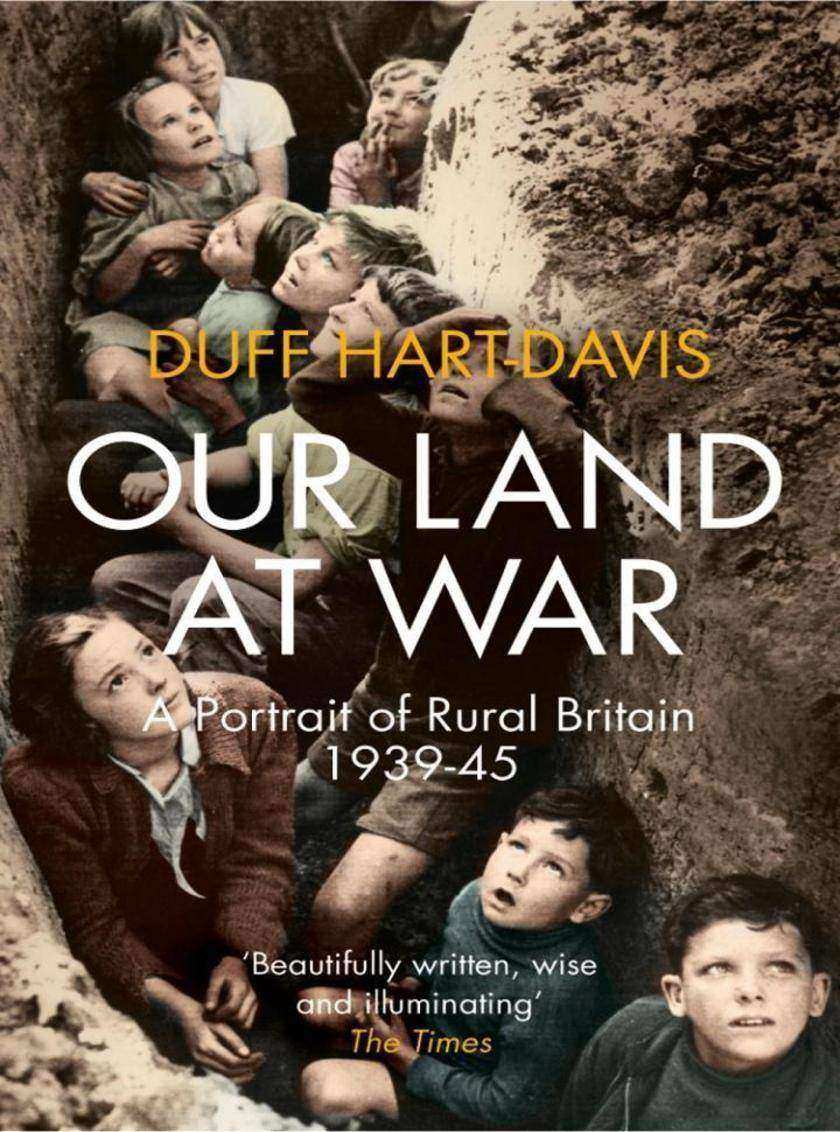
Our Land at War: A Portrait of Rural Britain 1939–45
¥73.58
A rich account of the impact of the Second World War on the lives of people living in the farms and villages of Britain. On the outbreak of war, the countryside was invaded by service personnel and evacuee children by the thousand; land was taken arbitrarily for airfields, training grounds and firing ranges, and whole communities were evicted. Prisoner-of-war camps brought captured enemy soldiers to close quarters, and as horses gave way to tractors and combines farmers were burdened with aggressive new restrictions on what they could and could not grow. Land Girls and Lumber Jills worked in fields and forests. Food – or the lack of it – was a major preoccupation and rationing strictly enforced. And although rabbits were poached, apples scrumped and mushrooms gathered, there was still not enough to eat. Drawing from diaries, letters, books, official records and interviews, Duff Hart Davis revisits rural Britain to describe how ordinary people survived the war years. He tells of houses turned over to military use such as Bletchley and RAF Medmenham as well as those that became schools, notably Chatsworth in Derbyshire. Combining both hardship and farce, the book examines the profound changes war brought to Britain’s countryside: from the Home Guard, struggling with the provision of ludicrous equipment, to the role of the XII Corps Observation Unit. whose task was to enlarge rabbit warrens and badger setts into bunkers for harassing the enemy in the event of a German invasion; to the unexpected tenderness shown by many to German and Italian prisoners-of-war at work on the land. Fascinating, sad and at times hilarious, this warm-hearted book tells great stories – and casts new light on Britain during the war.
The Slow Fix: Why Quick Fixes Don’t Work (extract)
¥9.71
This is a free extract taken from the full version of THE SLOW FIX by Carl Honoré. What do we do when things go wrong in a fast world? Many of us go for the quick fix that delays the problem rather than solving it. To make real progress we need real solutions – we need to take time for THE SLOW FIX. People have long been in search of a quick fix. Truth is, it doesn’t work. The problems facing us today are bigger and more urgent than ever before and we need to learn to start fixing things properly, rather than settling for short-term solutions. The Slow Fix offers real, life-changing solutions to tackling these problems and extends the movement defined by Carl Honore in his global bestseller, In Praise of Slow, to offer a recipe for problem-solving that can be applied to every walk of life, from business and politics to relationships, education and health reform.
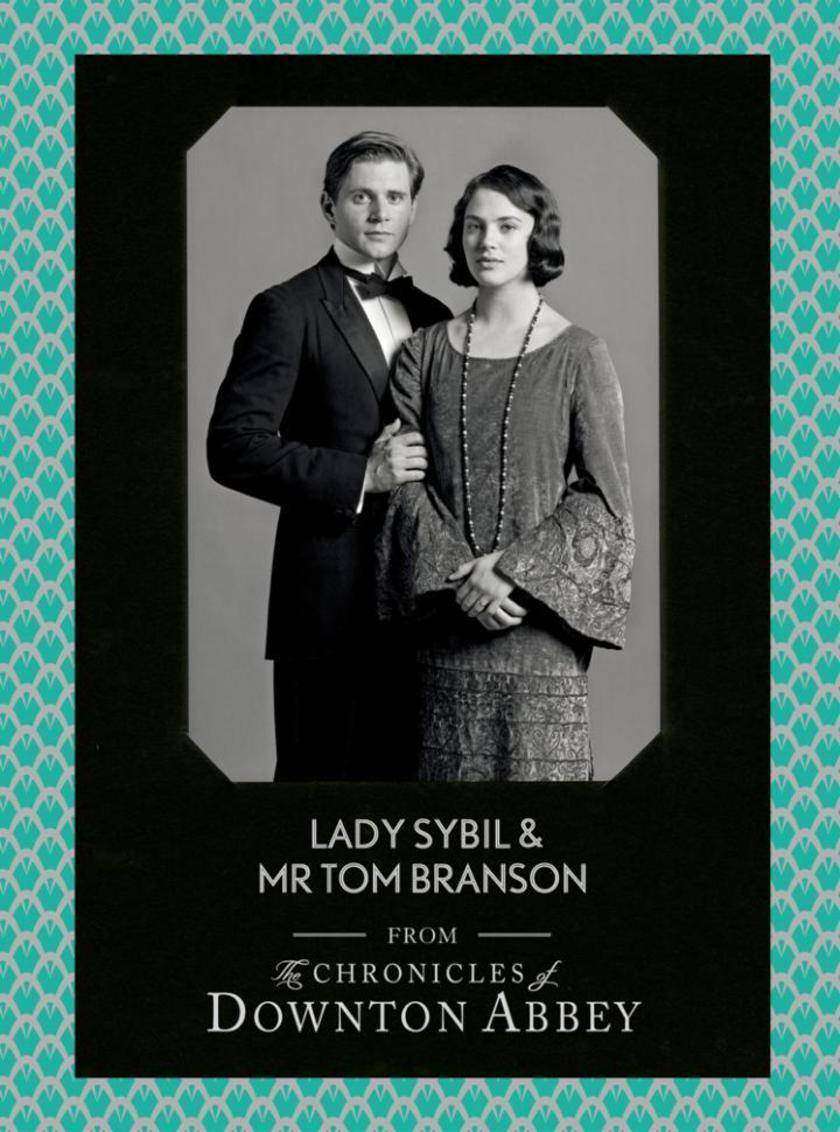
Lady Sybil and Mr Tom Branson (Downton Abbey Shorts, Book 4)
¥11.77
This richly illustrated short, extracted from the official book The Chronicles of Downton Abbey, focuses on the characters individually, examining their motivations, their actions and the inspirations behind them. Forwarded by Downton Abbey creator Julian Fellowes. On the face of it, the young newlyweds Sybil and Tom hope to live an unobtrusive, quiet existence in Dublin as ‘Mr and Mrs Branson’, happily waiting for the arrival of their baby. But as the gossip back at Downton Abbey shows, nothing of their way of life is normal. An earl’s daughter and a chauffeur-turned-Irish-revolutionary cannot expect an uneventful life together. ‘She doesn’t want Tom to alter,’ says Jessica Brown Findlay, who plays Sybil, ‘she loves him for his fire and passion, and his desire to change things.’ But when they come home she doesn’t want to cause unnecessary fuss – she adores her family and respects their desire to live as they wish. Unlike Tom, she sees no harm in it. Trying to keep harmony is almost more than she can bear. Purchase this ebook short and the others in the series to get closer still to the characters at Downton Abbey and to understand more about their social context – from the changing role of the aristocracy to fashion and beauty, American Anglophiles, the Suffragette movement and life below stairs in a big country house like Downton. Search for The Chronicles of Downton Abbey to purchase all shorts combined.
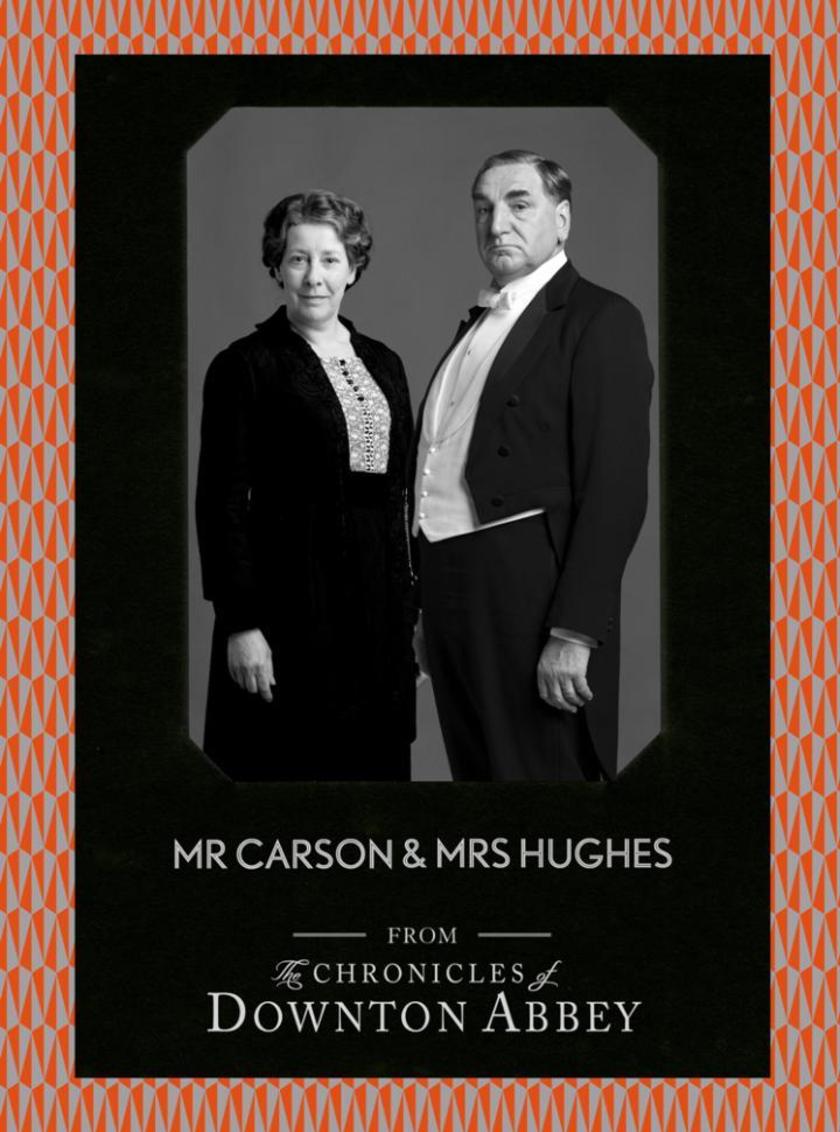
Mr Carson and Mrs Hughes (Downton Abbey Shorts, Book 7)
¥11.77
This richly illustrated short, extracted from the official book The Chronicles of Downton Abbey, focuses on the characters individually, examining their motivations, their actions and the inspirations behind them. Forwarded by Downton Abbey creator Julian Fellowes. It is a strange life for the likes of Carson and Mrs Hughes, sitting between the family and the servants and never completely belonging to either group. It’s easy to understand why the two of them seek refuge in each other, even in their own rather stilted fashion. ‘Carson comes from a family of soldiers and servants,’ says Julian Fellowes. ‘His grandfather was a head groom and so he’s middle-middle class – they certainly weren’t scrabbling in the gutter for food.’ Mrs Hughes gave up the idea of marriage and a family for her career as Downton’s housekeeper. This does not mean she was without ambition: a career in service was something to be proud of; the job was steady, she had respect from her colleagues and she could look forward to a reasonably comfortable retirement provided by the Downton Abbey estate, if she served the family for many years. Purchase this ebook short and the others in the series to get closer still to the characters at Downton Abbey and to understand more about their social context – from the changing role of the aristocracy to fashion and beauty, American Anglophiles, the Suffragette movement and life below stairs in a big country house like Downton. Search for The Chronicles of Downton Abbey to purchase all shorts combined.
The Suicide Raid
¥9.71
This is Corran Purdon’s story, one of five true-life recollections from the Second World War in Tales From The Special Forces Club. The Special Forces Club is a fabled gentlemen’s club, based in the heart of London. It has a closely guarded secret: you have to be a genuine hero to be a member. Corran Purdon was a gung-ho officer in the Ulster Rifles who thirsted for action. He would volunteer for a new unit, requested by Churchill: the British Commandos. Corran was to fight in ‘The Greatest Raid of All’: the destruction of the port of St Nazaire in France. The volunteers knew it was fraught with risks. This is his story.

Rae’s Story (GI Brides Shorts, Book 4)
¥9.71
This is Rae’s story, one of four true stories from the book GI Brides. ‘Hey, baby, how about you and me get out of here?’ the GI asked Rae. But even if he had been Clark Gable, she wouldn’t have given him a second look. He was a Yank, and therefore not to be trusted. After being bombed out of her home in North London, tomboy Rae joins the ATS and is sent to work welding tanks near Nottingham. Despite her dislike of ‘Yanks’, a GI called Raymond wears down her resistance and she agrees to marry him. After the war, she reluctantly follows him to rural Pennsylvania, where she soon discovers his dark secret. Rae’s story is extracted from GI Brides, written by the bestselling authors of The Sugar Girls. It tells the true stories of four of the 70,000 British women who crossed the Atlantic for love after the Second World War.

The Irish Are Coming
¥80.25
In the sequel to his bestselling JFK in Ireland, the Emerald Isle’s favourite son delves into his country’s past to celebrate the Irish people who through their skills and endeavours helped make the British Isles great. In ‘The Irish Are Coming’ Ryan Tubridy takes a journey into Ireland’s past to unearth the many amazing, and altogether fascinating, contributions the Irish have made to everyday British life; whether it be making us laugh (Graham Norton), thrilling us with their acting (Peter O’Toole), or dazzling us with their audacious adventuring (Earnest Shackleton). Just as Stuart Maconie has celebrated in his own unique way all that is great about his North of England roots, so Ryan Tubridy makes a passionate case for the magnificent contribution Ireland has made to its nearest neighbour.
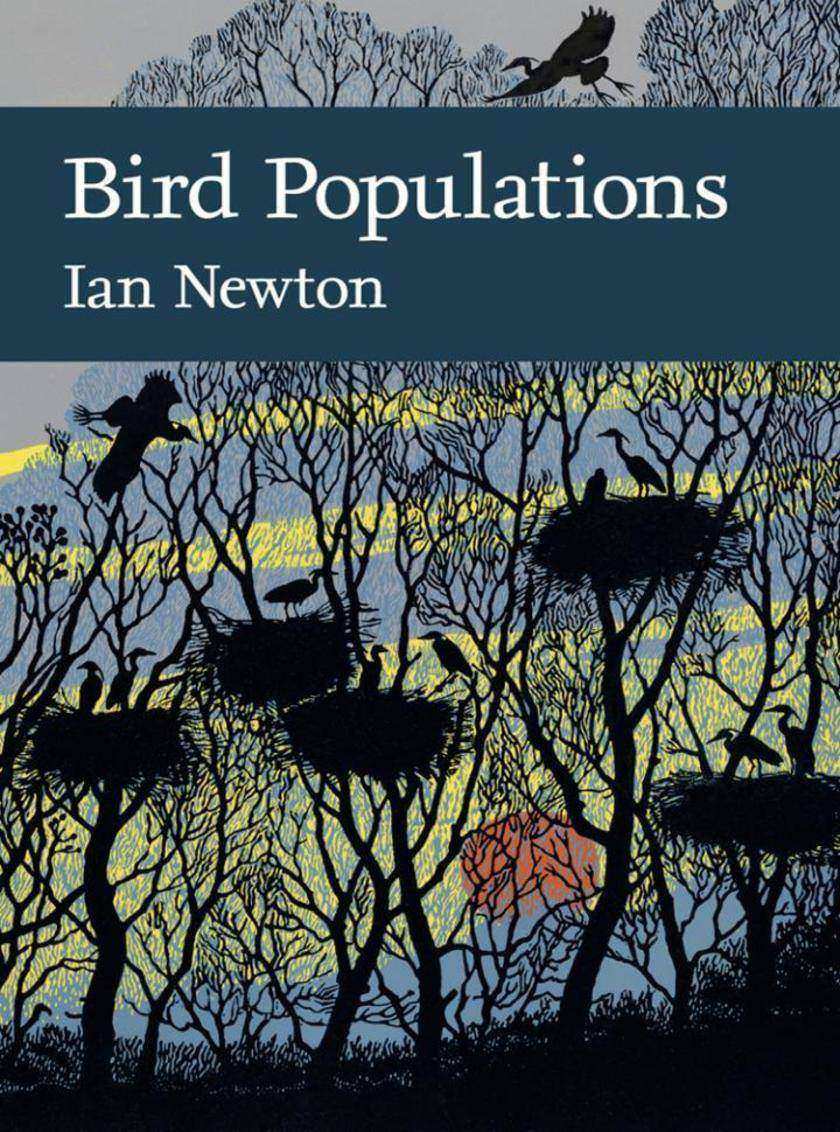
Bird Populations (Collins New Naturalist Library, Book 124)
¥229.16
Earlier naturalists formed the impression that bird numbers remained more or less stable through time. In the years since these words were written, however, changes have occurred in the landscapes of the British Isles and in the seas around our coasts, causing bird populations to fluctuate in an unprecedented way. In Ian Newton’s latest New Naturalist volume, he explores bird populations and why their numbers vary in the way they do, from year to year or from place to place. He addresses the various factors that we know limit bird numbers – food supplies and other resources, competitors, predators, parasites and pathogens, and various human impacts. The combination of a rapidly expanding human population, a predominantly utilitarian attitude to land, central government policy on land use, and increasing mechanisation have combined to promote more massive changes in land use – and hence in bird habitats – in recent decades than at any comparable period previously. These developments have in turn brought huge changes in bird populations, as some species dependent on the old landscapes declined, and others benefiting from the changes increased. Over the same period, changing public attitudes to wildlife, protective legislation and a growing network of nature reserves allowed previously scarce bird species to recover from past onslaughts, while climate warming has promoted further changes. In this seminal new work, Ian Newton sets out to explain why different bird species are distributed in the numbers that they are, and have changed over the years in the way that they have. He emphasises the factors that influence bird numbers, rather than the numbers themselves, thus providing a much-needed overview which is necessary if we are to successfully manage bird populations, whether for conservation reasons, for sustainable hunting or for crop protection. The continued monitoring of bird numbers can also alert us to impending environmental problems. In addition, the regular watching and study of birds now provides a source of recreation and pleasure for very large numbers of people, who would find a world with fewer birds a poorer place.
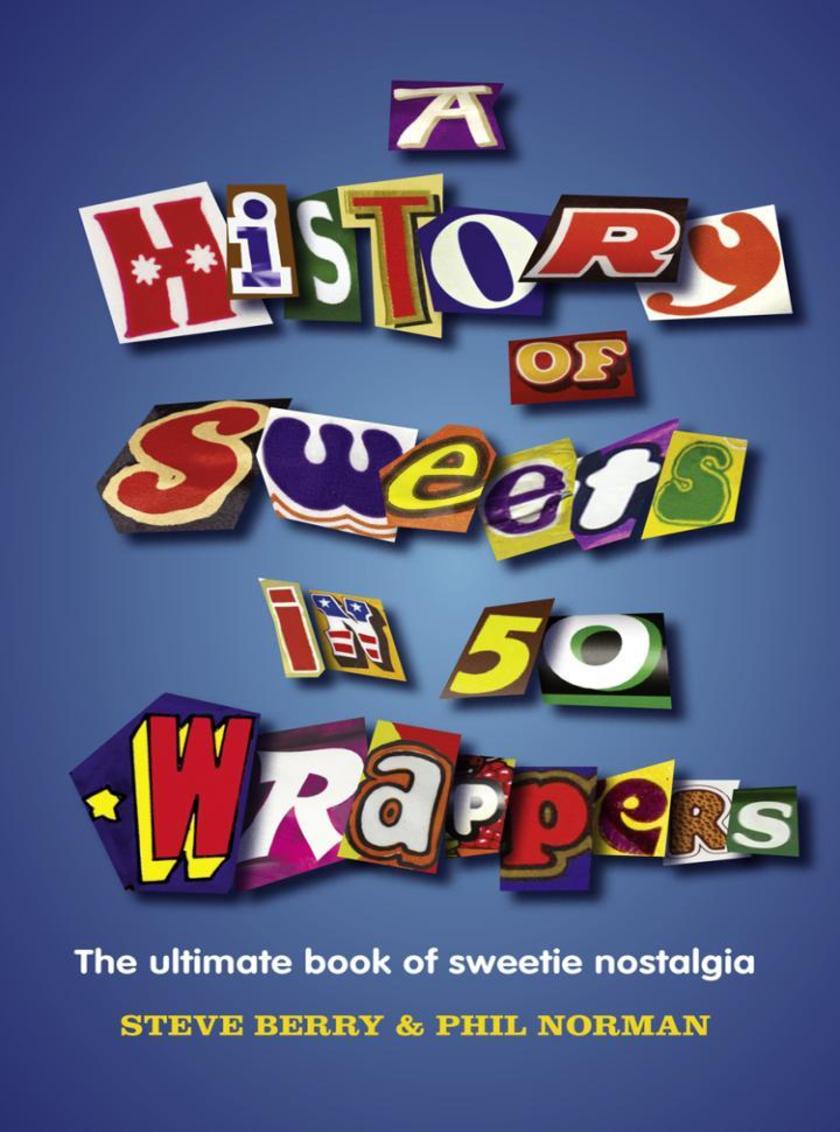
A History of Sweets in 50 Wrappers
¥15.60
A super-sweet guide to all your favourite sweets from years gone by. A History of Sweets in 50 Wrappers is a colourful and comical history of sweets and chocolates. If you ever dreamt of being the Milkybar Kid, if you remember when Snickers were Marathons and Double Deckers had raisins in them, if you ever checked the colour of your next Fruit Pastille before offering it out, this book is for you. It will lead you down memory lane until you reach the corner shop and load up a 10p mix-up bag. Fully illustrated, with hundreds of classic wrappers and adverts, A History of Sweets in 50 Wrappers is packed full of memories, fun facts, historical research … … and lots and lots of sweets!
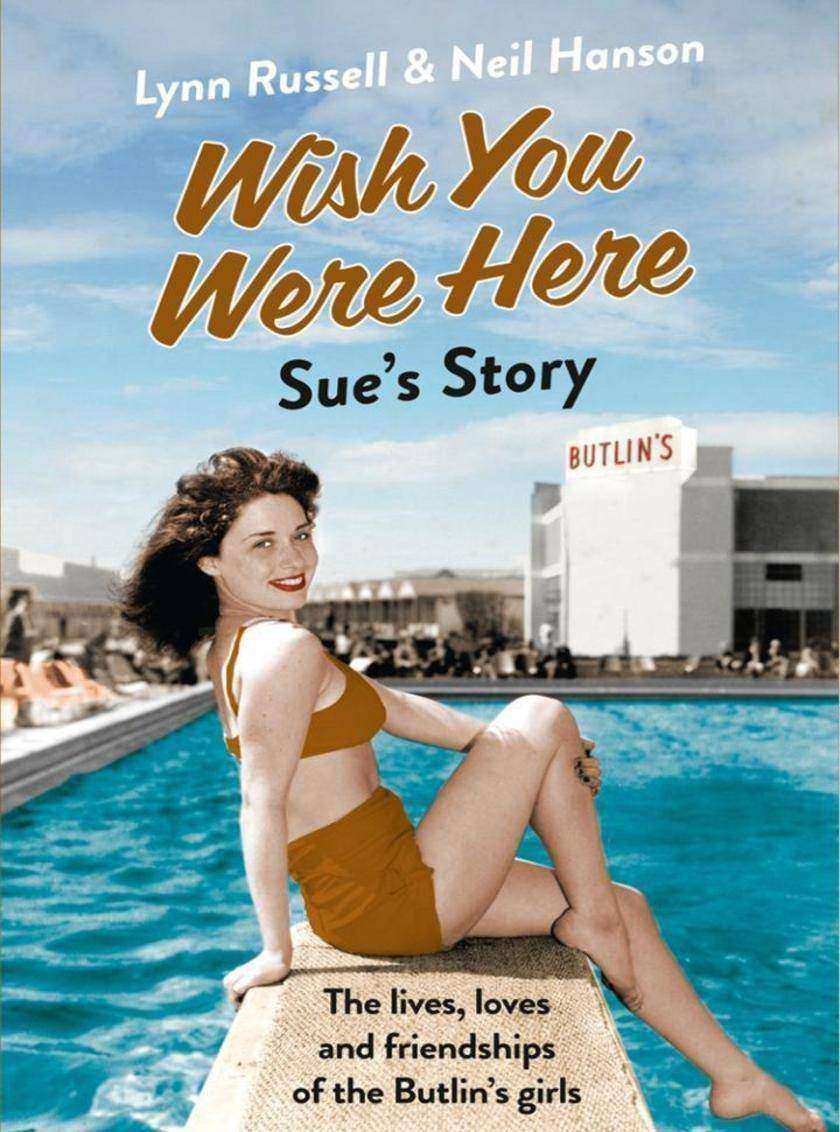
Sue’s Story (Individual stories from WISH YOU WERE HERE!, Book 5)
¥11.77
One of seven touching true stories from Wish You Were Here!, the tale of Butlin’s holiday camps. ‘When I got to the camp I felt as if I’d suddenly walked into Utopia – it was so colourful, so warm, so friendly. There were lights across the roads, there were banners fluttering in the breeze… There seemed to be laughter coming from every building.’ With grey post-WWII skies hanging low over Britain, factories lining the streets and smoke stacks dotting the horizon, there was one way that ordinary families could escape: the ever-cheerful holiday camps of Butlin’s. When Billy Butlin founded his holiday camps in 1936, they were bastions of community spirit and havens of luxury. Here, for one week, wives and mothers were freed from the toil and drudgery of housework, children ran free through the grounds, fathers and husbands hung up their work clothes. Ever-helpful redcoats were on hand all hours of the day, dinner halls ready with plentiful food for old and young alike, bars stocked to quench any level of thirst, ballrooms waiting to be flooded with shiny shoes, rustling dresses and peals of laughter. And, as the sun went down on another exhausting, happy day, a chorus line was ready to sing holidaymakers back to their beds. Rich in period detail and highly evocative, Wish You Were Here! follows the lives of seven of the camps’ key figures through the highs and lows of the holiday season: from redcoats searching for stardom to young families who returned year after year, to pensioners who rediscovered an inner youth. The laughter and tears, the loves and losses, and the fun and friendships that have lasted a lifetime – it's all here. Funny, moving and heartwarming, they are tales of swimming pools and sing-a-longs, Glamorous Grannies and bicycle rides, and of a community spirit that burned brightly in a much-loved British institution.
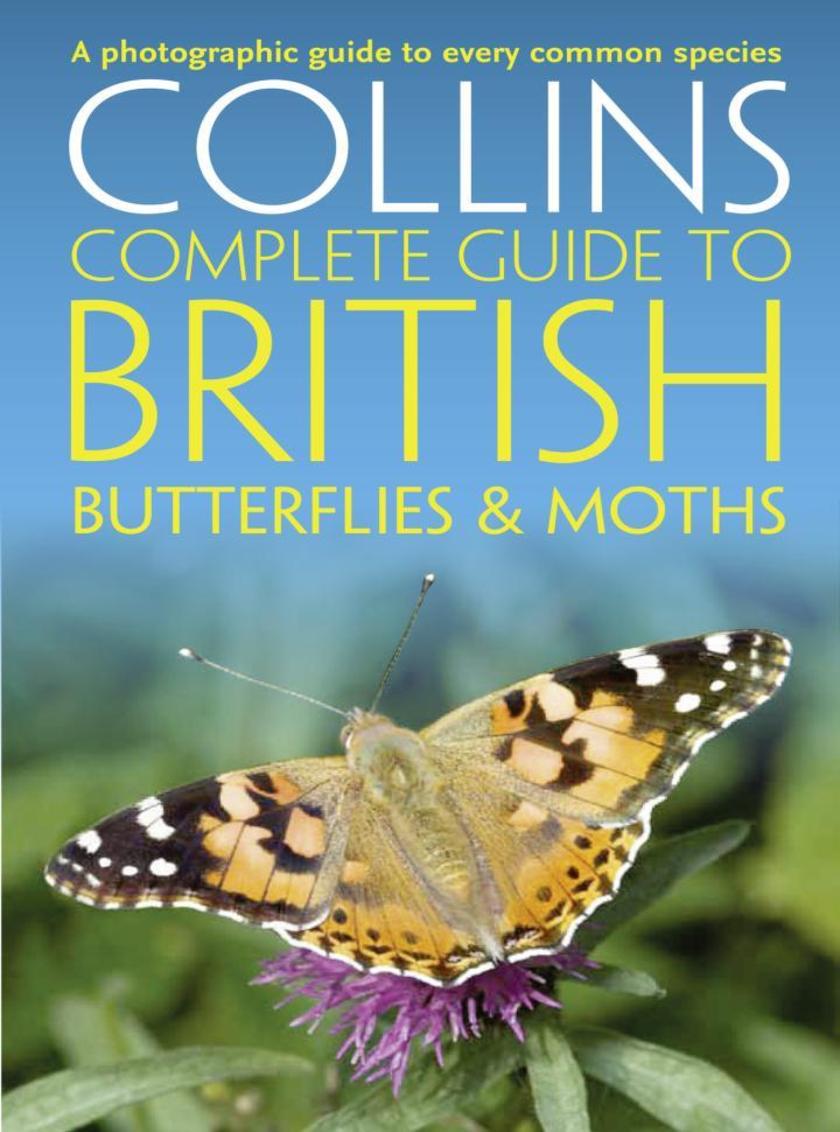
British Butterflies and Moths (Collins Complete Guides)
¥147.35
A comprehensive and fully illustrated guide, this book is the definitive photographic reference guide for anyone interested in butterflies and moths found in Britain and Ireland. Every species that occurs regularly in Britain and Ireland is included, along with a section dealing with the ‘rarest of the rare’ – extinct species or very rare immigrants. There follows the main section of the book, which covers our larger moths; every species that occurs regularly in Britain and Ireland is mentioned.
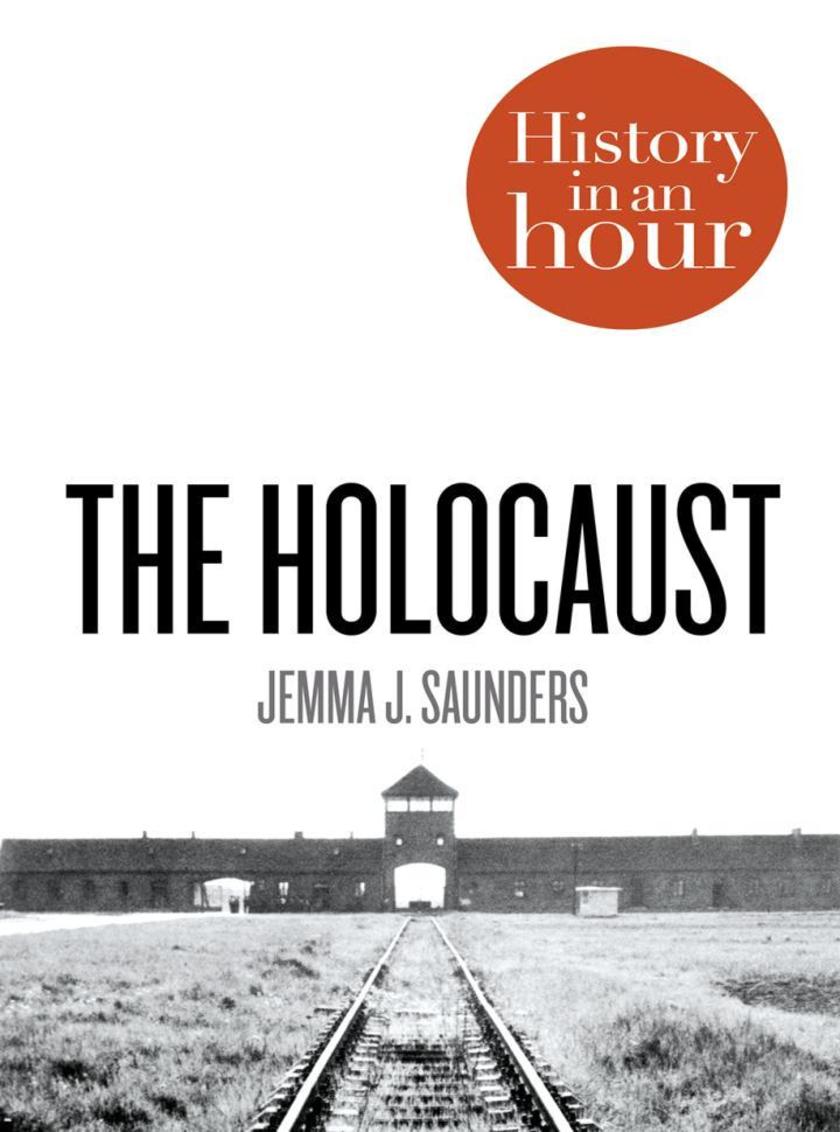
The Holocaust: History in an Hour
¥22.76
Love history? Know your stuff with History in an Hour. The Holocaust, in which 11 million people died, was the largest atrocity of the 20th century and perhaps the hardest to understand. Approximately 6 million Jews and 5 million others including Roma people, Poles, Russian prisoners of war, political prisoners, homosexuals, people of colour, Jehovah's Witnesses, and various other minorities were first persecuted and then murdered. How, both morally and logistically, had this came to happen? From received sentiments of anti-Semitism at the beginning of the 20th century, through the rise of Hitler and the Nazi party, to the Nuremberg Laws of 1935 and finally Second World War, the victimisation of these minorities intensified beyond precedent. With the complicity of a nation hatred became policy. Under the control of sadists, bureaucrats and even ordinary soldiers, irrational acts were then enacted on an industrial scale, and with the use of concentration camps, Western Europe witnessed its most shocking treatment of humanity in modern history. Love history? Know your stuff with History in an Hour…


