


 购物车
购物车 个人中心
个人中心
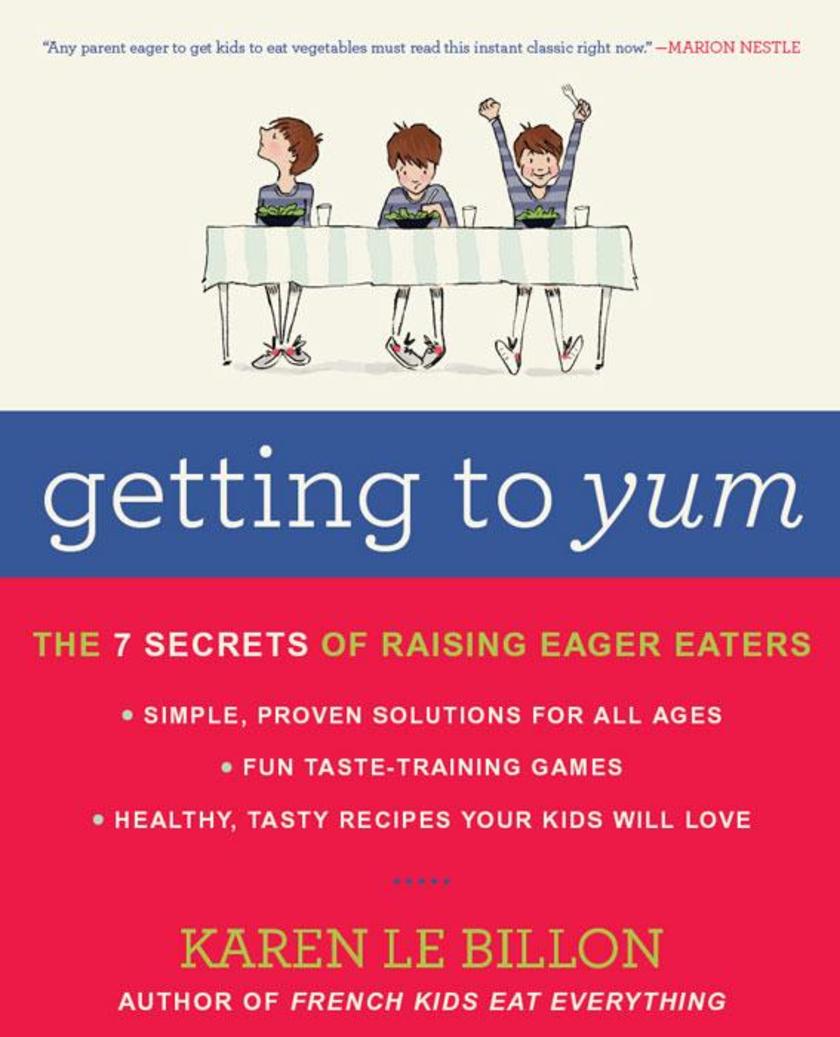
Getting to YUM
¥121.80
The science of Taste Training will take your kids from "yuck" to "yum!" Teach your kids to eat, just as you teach them to read Mealtimes with kids are often a battleground, with parents trying to force one more bite and kids resisting and protesting. But it doesn't need to be this way. Getting to YUM guides parents in teaching their children—whether babies, toddlers, or big kids—to enjoy eating all kinds of foods. Tested by families across North America, this new taste-training method prevents and cures picky eating while putting the fun back into food! This fun, easy-to-use book includes: The seven secrets of successful taste training. Fun games and experiments based on hands-on education and the latest scientific research. 85 healthy, easy, tasty recipes for babies, toddlers, young children, teenagers—and even adults! A unique flavor ladder approach that teaches kids to love eating a wide range of foods. Real-life success stories from families who have used these techniques to train good eaters for life!
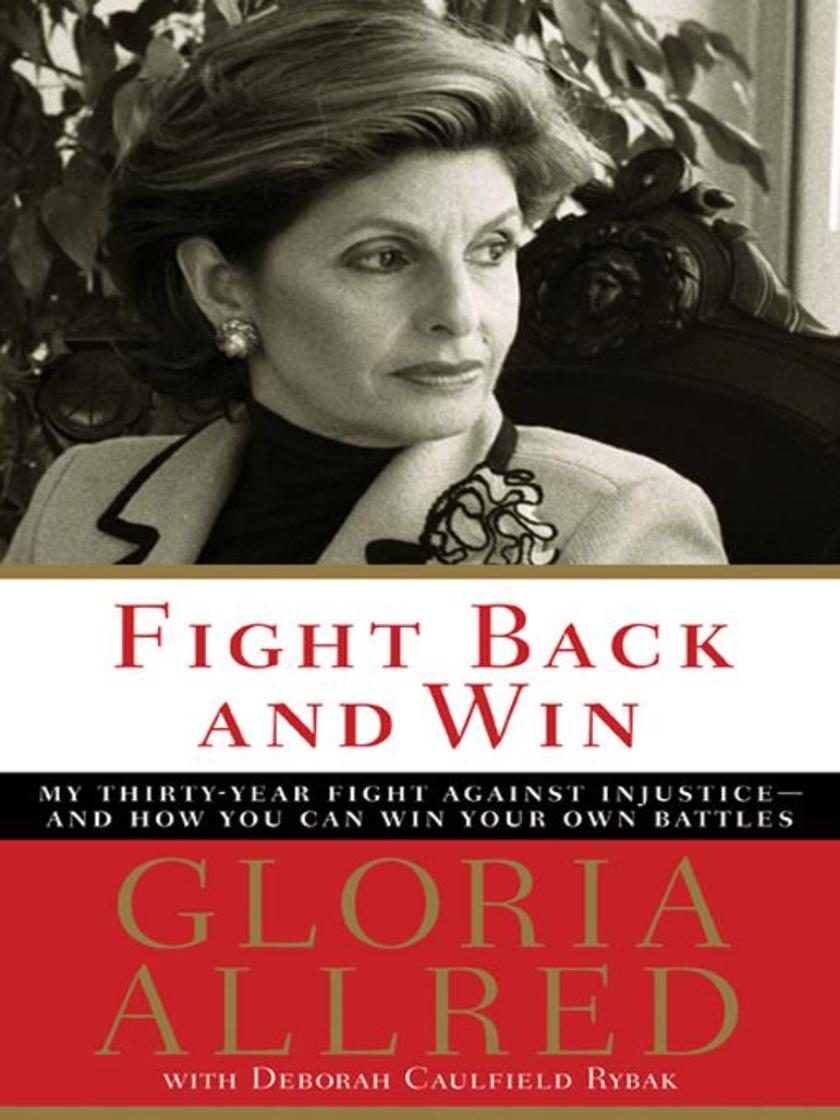
Fight Back and Win
¥88.33
Voted by her peers as one of the best lawyers in America, and described by Time magazine as "one of the nation's most effective advocates of family rights and feminist causes," Allred has devoted her career to fighting for civil rights and has won hundreds of millions of dollars for victims of abuse. She has taken on countless institutions to promote equality, including the Boy Scouts, the Friars Club, and the United States Senate. And as the attorney for numerous high-profile clients including Nicole Brown Simpson's family, actress Hunter Tylo, and Amber Frey, Scott Peterson's girlfriend Allred has helped victims assert and protect their rights. Throughout her memoir, Allred offers colorful sometimes shocking examples of self-empowerment from her personal and professional life. Presenting nearly fifty of her most memorable cases, Allred takes us deep inside the justice system to show how it's possible to win even in the face of staggering odds. Her inspiring true stories serve to remind us that winning justice depends on the righ-teousness of the cause and an individual's willingness to stand up, speak out, and fight back. Fight Back and Win is a powerful testament to Gloria Allred's trailblazing career and the battles she has fought alongside countless brave individuals to win justice for us all.
HarperCollins e-books
¥110.77
In this highly acclaimed translation, Stephen Mitchell conveys in English the simplicity, dignity and powerful earthiness of the original Hebrew. More than just interpreting it, he also separates stories that were combined by scribes centuries after they were written, explaining their sources and omitting all verses that are recognized as scribal additions. Like removing coat after coat of lacquer from a once-vibrant masterpiece, this allows readers to appreciate the clarity of the original tales.Genesis is an extraordinarily beautiful book that is accessible in a way that no other translation has ever been. It will shed new light on readers' understanding of this seminal work of sacred *ure.

The Portable Pediatrician, Second Edition
¥143.95
Dr. Laura Nathanson wrote The Portable Pediatrician to help parents find the joy in parenting and gain the confidence to quickly and easily assess their child's development, medical symptoms, and behavioral problems. Parents can't always visit their pediatrician every time they have a question, but fortunately with this book they have the next best thing.The Portable Pediatrician, one of the few child-care books written by a practicing pediatrician, offers authoritative and practical advice on: Keeping up with, or even one step ahead of, your child's rapidly changing needs Setting limits before the one year birthday Planning the arrival of the next baby in the family Coping with your own as well as with your child's separation anxiety Dealing with the four I's: illnesses, injuries, immunizations, and insurance coverage Getting prompt medical attention for serious crises -- and what to do in the meantime Preventing childhood obesity and eating disorders later Confronting complex behavior and medical problems, including ADD, autism, asthma, oppositional behavior (including potty resistance)
Mothers' Miracles
¥90.79
The authors of Christmas Miracles deliver true stories that show just how enduring a mother's remarkable love can be.
Guarding the Moon
¥95.16
The author of the critically acclaimed, award winning Weetzie Bat books offers a compelling celebration of the first year of her child's life. Guarding the Moon chronicles the joys and terrors of motherhood, from the early stages of the author's pregnancy through her baby's first birthday. This unique but far reaching story makes for a gem of a book.

Fifty Things You Need To Know About British History
¥72.40
What are the 50 key events you need to understand to grasp British history? If you could choose the 50 things that define British history, events of significance not only in themselves, but in their importance to wider themes running through our past, what would they be? Hugh Williams has made that selection, and the result is a fascinating overview of Britain’s past. He refines British history into a series of key themes that represent a crucial strand in our history, and pinpoints the seminal events within those strands - Roots, from the Roman invasion to Britain’s entry into the Common Market; Fight, Fight and Fight Again, from the Battle of Agincourt to the Falklands War; The Pursuit of Liberty, from the Magna Carta through the Glorious Revolution to the foundation of the NHS; Home and Abroad, from Sir Francis Drake and Clive of India to the arrival of the SS Empire Windrush; and All Change, from Chaucer and the English language to the invention of the jet engine. With great clarity, simplicity and a zest for the marvellous stories that underpin many of these events, Hugh Williams explains the linkage between each one and its importance in the progress of British history as a whole. Along the way, he has some fascinating tales to tell, making this a highly enjoyable read as well as a perceptive insight into our shared past, and vital for anyone who wants quickly and enjoyably to grasp the essential facts about Britain’s history.
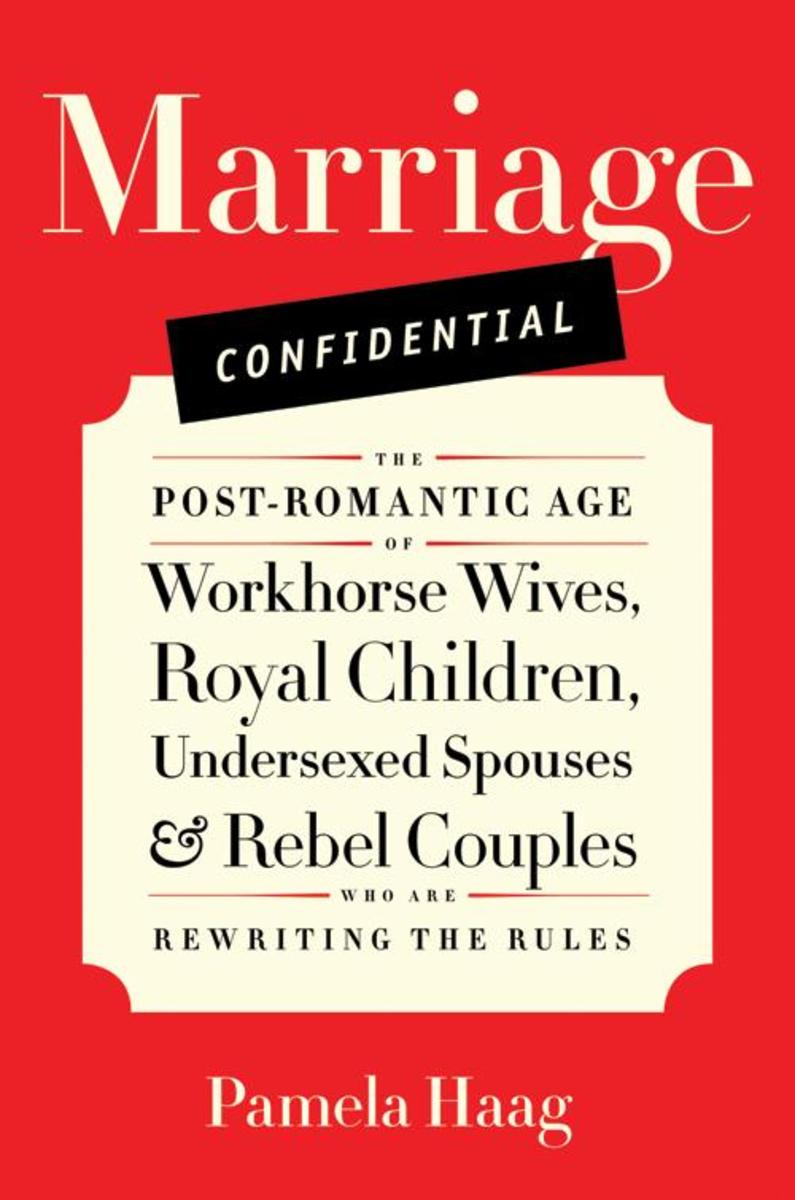
Marriage Confidential
¥90.77
Pamela Haag has written the generational "big book" on modern marriage, a mesmerizing, sometimes salacious look at the semi-happy ambivalence lurking just below the surface of many marriages today. The spouses may rarely fight they may maintain a sincere affection for each other but one or both may harbor a melancholy sense that something important is missing. Remarkably, this side of the marriage story hasn't been told or analyzed until now.Meticulously researched and injected with insightful firsthand accounts and welcome doses of humor, Marriage Confidential articulates for a generation that grew up believing they would "have it all" why they have ended up disenchanted. Haag introduces us to contemporary marriages where spouses act more like life partners than lovers; children occupy an uncontested position at the center of the marital relationship; and even the romantic staples of sexual fidelity and passion are assailed from all sides so much so that spouses can end up having affairs online almost by accident.Blending tales from the front lines of matrimony with cultural history, surveys, and research covert-ops (such as joining an online affair-finding site and posting a personal ad in the New York Review of Books), Haag paints a detailed picture of the state of marriage today. And to show what's possible as well as what's melancholy in our post-romantic age, Haag seeks out marriages with a twist rebels who are quietly brainstorming and evolving the *s around career, money, social life, child rearing, and sex.Provocative but sympathetic, forward-thinking and bold, here, at last, is a manifesto for living large in marriage.
The Reluctant Parting
¥90.77
Now in paperback, The Reluctant Parting is a poignant look at the New Testament exploring the forgotten question of intention and identity in Christianity's core writings– How did Jesus's followers stop being Jewish without meaning toWhile other books have demonstrated the "Jewishness" of Jesus, none have grappled with the implications of the New Testament authors' relationship to their own Judaism. The Christian New Testament has led a life never imagined by its Jewish sectarian authors. Through lively and accessible scholarship, Galambush reveals the anguish of the early Christians as they first struggled with, and then left behind, the larger Jewish community. She illuminates the human drama of the split between Jews and Christians, revealing a deep loss at the heart of Christian tradition that continues to cry out for reconciliation between Christianity and the Judaism it so painfully left. Not just another well–credentialed scholar, Galambush is uniquely positioned as both a convert to Judaism and a former associate pastor to identify what is at stake for Jews as well as for Christians. The book's deeply empathic portrayal of the early Christians' struggle with their Jewish identity will allow it to serve as a resource for Jews and Christians alike.
HarperCollins e-books
¥121.80
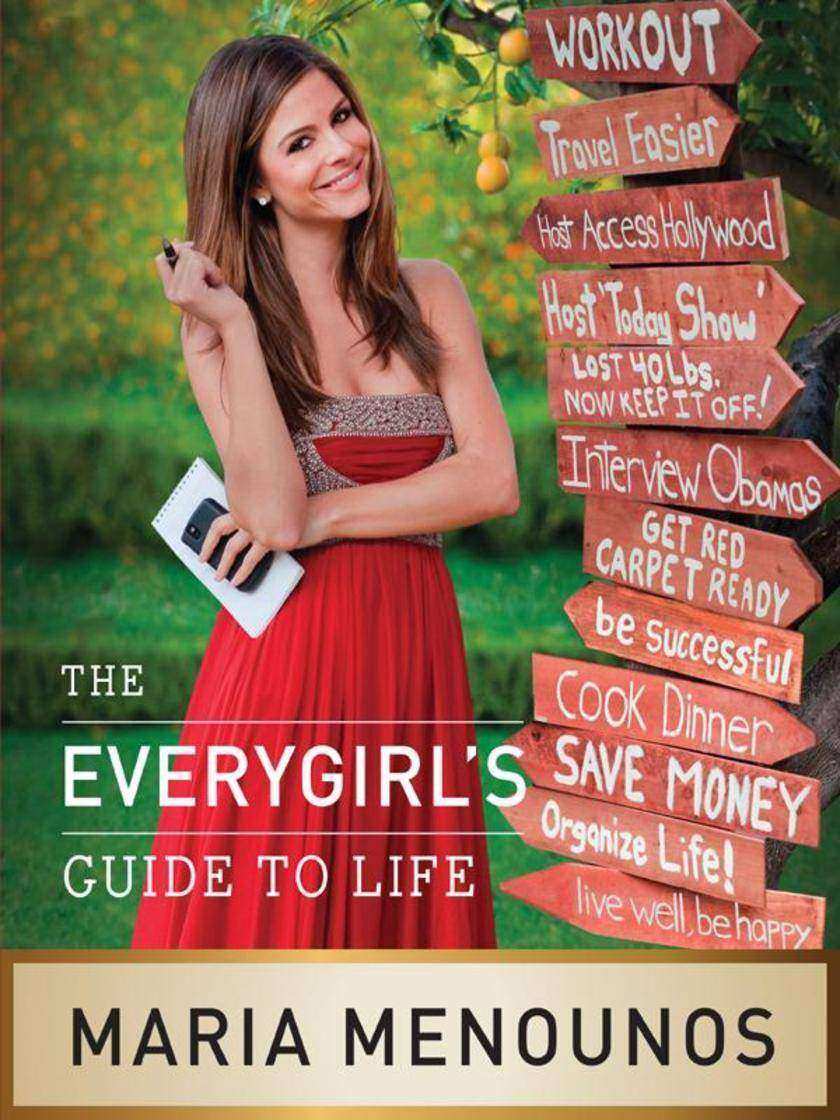
Raised by working-class immigrant parents and later exposed to Hollywood's most elite experts in every field, Access Hollywood's, Today's, and Nightly News's reporter Maria Menounos reveals her EveryGirl secrets on everything: her systems to organize life, manage time, and ascend the ladder of success; her lazy woman's workout; her weight-loss tips (how she lost forty pounds and kept it off); and her guide to styling yourself like the stars a self-proclaimed EveryGirl, Maria often does her own hair and makeup for celebrity events.In The EveryGirl's Guide to Life, Maria shares personal experiences and photos from her life and professional journey as well as the various mantras, mottos, and philosophies she's adopted from the world's most impressive women. She gives advice on health, career, relationships, renovations, recreation, and more. From your carpet to the red carpet, Maria teaches the EveryGirl on a budget how to do it all, while living a healthier and happier life.
The President's Devotional
¥105.17
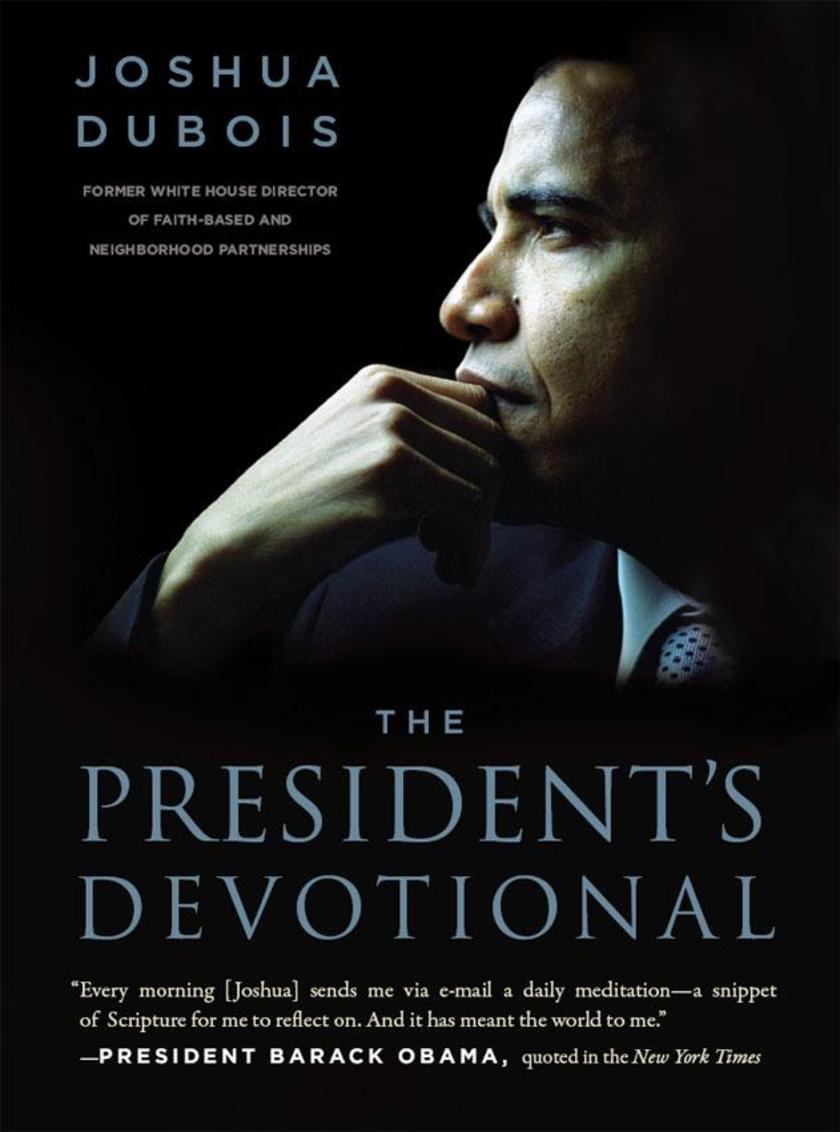
In the heat of Barack Obama's first presidential campaign, staff member DuBois recognized the wear and tear on his boss and asked the senator if he could e-mail a devotional to him each day. When Obama responded positively, DuBois prepared a short e-mail for the future president to read first thing every morning, short snippets of *ure, inspirational stories, quotes, and prayers to provide counsel, encouragement, and inspiration, which the president himself has stated meant the world to him.Through his years of working closely with the president, DuBois learned many life-changing lessons as well as gained an inside view on the faith and values of President Obama. DuBois now provides 365 of the best readings and prayers he sent the president; in addition, each month DuBois offers a longer meditation on the spiritual lessons he learned by accompanying the president as he faced many historic moments and challenges two elections, meeting Billy Graham, the Sandy Hook shootings, and more. By spending time each day with The President's Devotional, we are reminded what is most important in life, that we are not alone in our efforts, and what our true mission is in the world.
Got What It Takes?
¥83.93
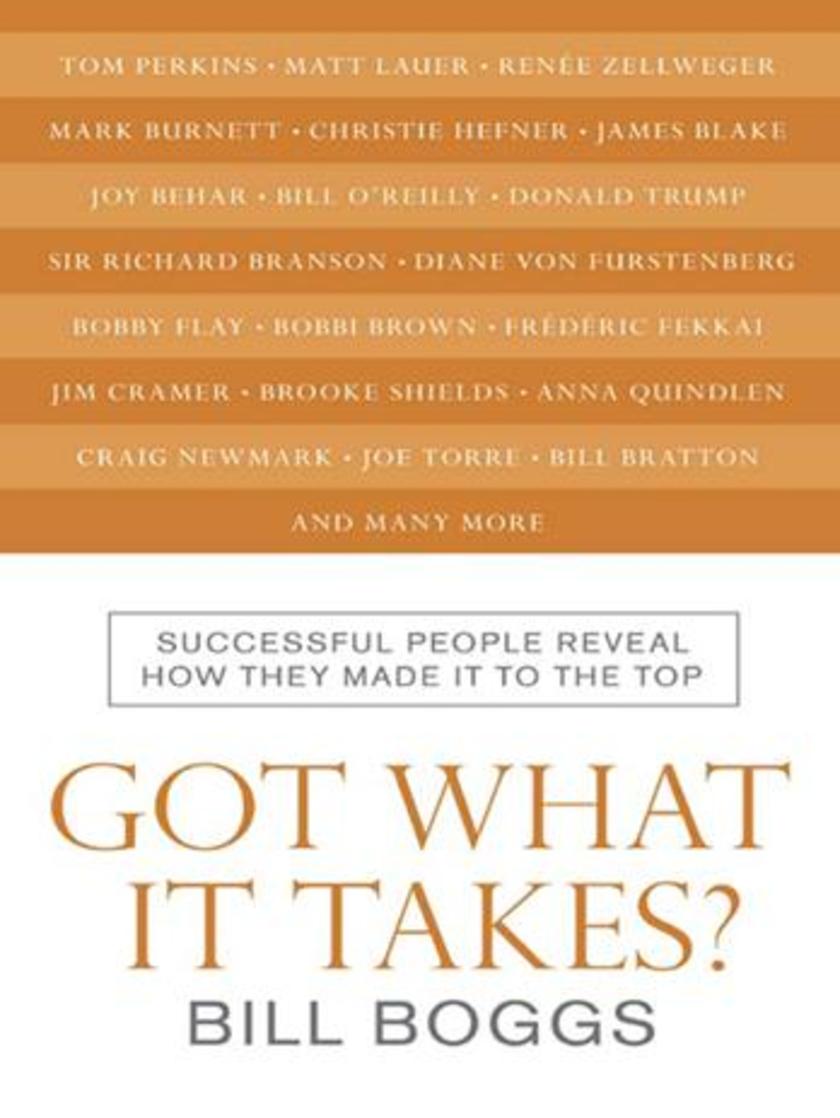
Beyond talent, what factors have determined and defined the careers of well-known individualsTrainingRisk-takingLuckEmmy Award-winning interviewer Bill Boggs shares success secrets he uncovered in candid conversations with 44 leaders in entertainment and the arts, sports, fashion, the business world, and more, including: Mark Burnett, Craig Newmark (Craigslist.com), Matt Lauer, Anna Quindlen, Rene Zellweger, Sir Richard Branson, Bobby Flay, Brooke Shields, Diane von Furstenberg, Norman Lear, Donald Trump, and Joe Torre, among others. They reveal crucial influences, how they deal with adversity and stress, and the choices they made that helped them to prevail in their careers and in their lives. This is an inside view of what makes the most successful people tick and a lessons-in-life career guide from accomplished stars at the top of their game.
HarperCollins e-books
¥145.69
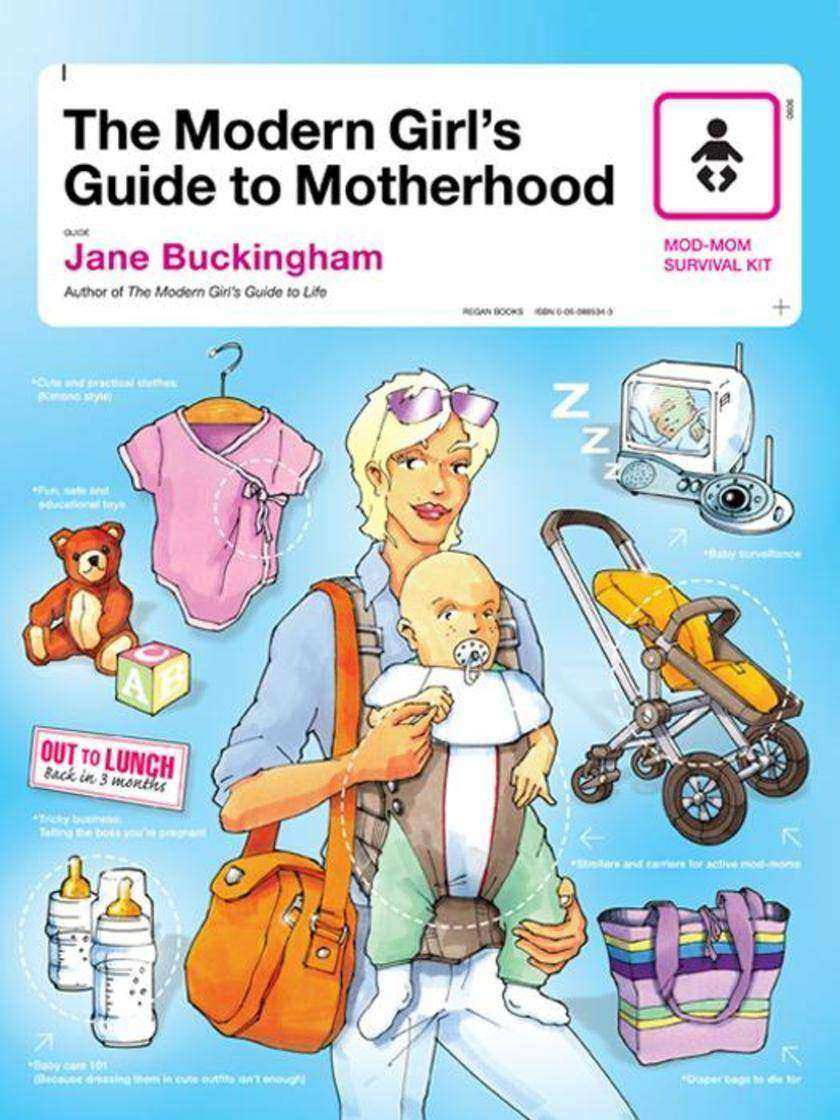
From the author of the bestselling The Modern Girl's Guide to Life comes a must-have book for the young mom, including best-kept secrets, practical advice, and multiple solutions for problems from birth to age four Just when you thought you could cook (hey, one meal counts), clean (if the queen was coming), and seduce a man (well, long enough to get married), life throws you a curveball that makes all of your previous ineptitudes in life pale in comparison. With the appearance of one little extra line on a pregnancy test, you're thrown into a world of covering up leaks on shirts and taking a pacifier away from a two-year-old who has the grip of a pit bull.In this funny, smart, and honest book, Jane Buckingham cuts through the clutter to give you simple information and practical advice for navigating the different stages of motherhood. From how to get your child to sleep and how to wean, to how to get him off the pacifier and how to stop his tantrums, this book will help moms feel in the know and in control! Some of Buckingham's favorite tips: If your baby has a hard time feeding because of a stuffy nose, turn on the shower to steam up the bathroom and feed her there. Put your children's paints in an empty egg carton -- it's the perfect size, and there's no mess to clean up when you're done. Use an old raincoat with the arms cut off as a smock. You should buy a new car seat, rather than borrowing a friend's old car seat, as there are constant safety upgrades. Also, be sure you are the person registered to that car seat (send in that registration card!) so that you'll be notified in case of a recall. Keep the three-day rule in mind: Almost any bad habit can be broken in three days. Granted, they may be tough, torturous days, but you can do it! The Modern Girl's Guide to Motherhood helps modern moms do it all with love, style, and flair!
HarperCollins e-books
¥145.91
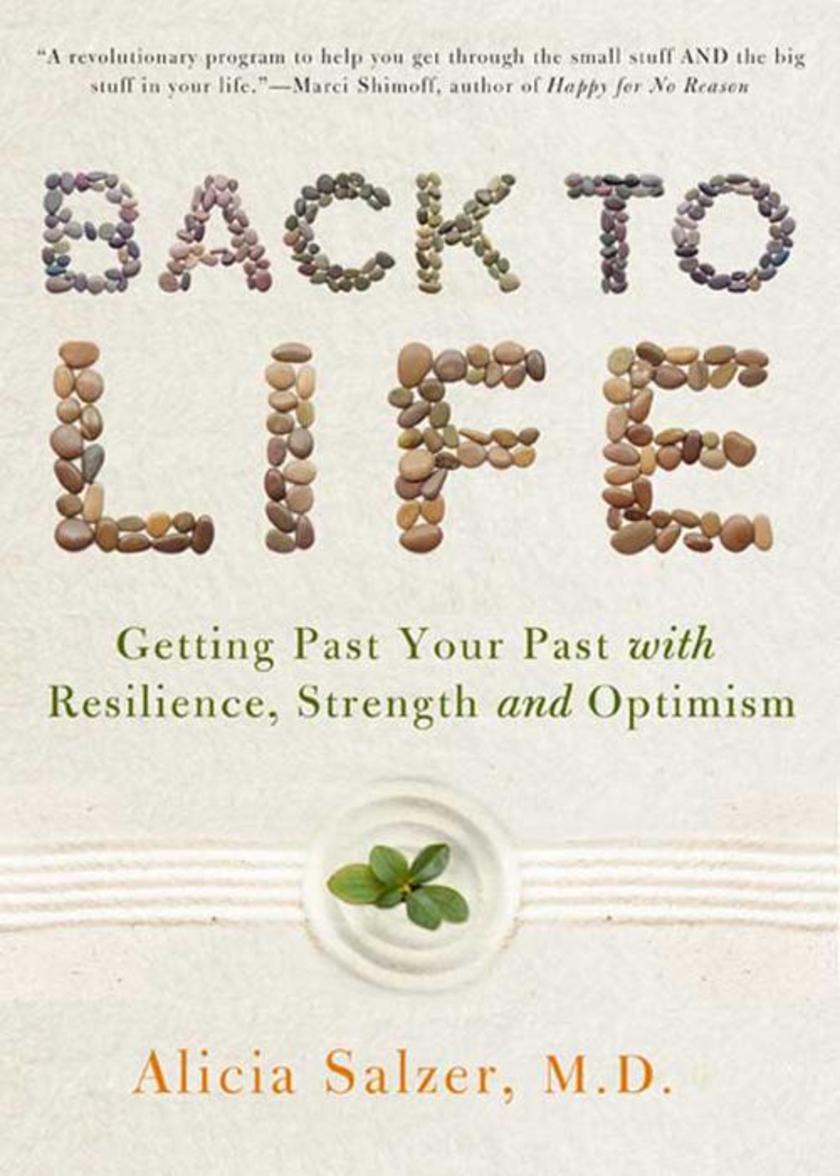
Back to Life is a feel-good approach to overcoming that lets you try on the skills of the heroes you most admire. From icons of survival like Rosa Parks and Nelson Mandela to contemporary heroes like Michael J. Fox and Elizabeth Edwards, this book allows you to see what resilient survivors actually do when they feel lousy.This is a revolutionary approach to feeling better, rooted in the science of positive psychology and resilience theory, and would help anyone get a dose of soul food into their emotional diet; but these techniques are specially tailored to those trying to overcome traumas big and small from Big-T Traumas, such as combat, abuse, and bereavement, to challenges one might think of as little-t traumas, like breakups, betrayals, job loss, health problems, and financial hardships. After years of working in the trenches of psychiatry, it became clear to Dr. Alicia Salzer that we needed some new methods to help people overcome, since the old methods often proved too painful for many to bear. It's all about being in the present and focusing on the future no retelling and revisiting the past, no opening Pandora's box, no picking at old scabs. Back to Life is a creative and empowering way to learn the habits of resilient survivors while getting to know what you stand for, what makes you happy, and what emotions you need in your diet in order to thrive. In this book you will create a "holistic pillbox" of ten stones each symbolizing a healthy new way of coping that you can utilize when your past rears its head.The truth is, there have always been people in our midst who remain positive and passionate despite enormous challenges while others just get stuck. This is the secret playbook of those people, and it's full of accessible and fun exercises to help you try on the rose-colored glasses of those survivors we so admire.
Avon
¥84.16
Alexandra Stoddard, world famous interior decorator, author and lecturer, originally opened the eyes of millions to the beauty and grace of simplicity in her phenomenal bestseller Living a Beautiful Life and the books that followed. Now, in Making Choices, she teaches us to widen our horizons by helping us feel the pleasure, satifaction, and joy of creative decision making and self-reliance and to discover our inner being, our own destiny, the lifestyle that is ours, and the art of living in the light of self-expression and fulfillment.
Femininity Lost and Regained
¥60.92
The author of the phenomenal bestsellers He and She discusses the importance of regaining the feminine dimension in our lives. According to Johnson, regaining the power of feminine feeling and value is critical to the development of human peace and consciousness.
The Gift of Failure
¥90.51
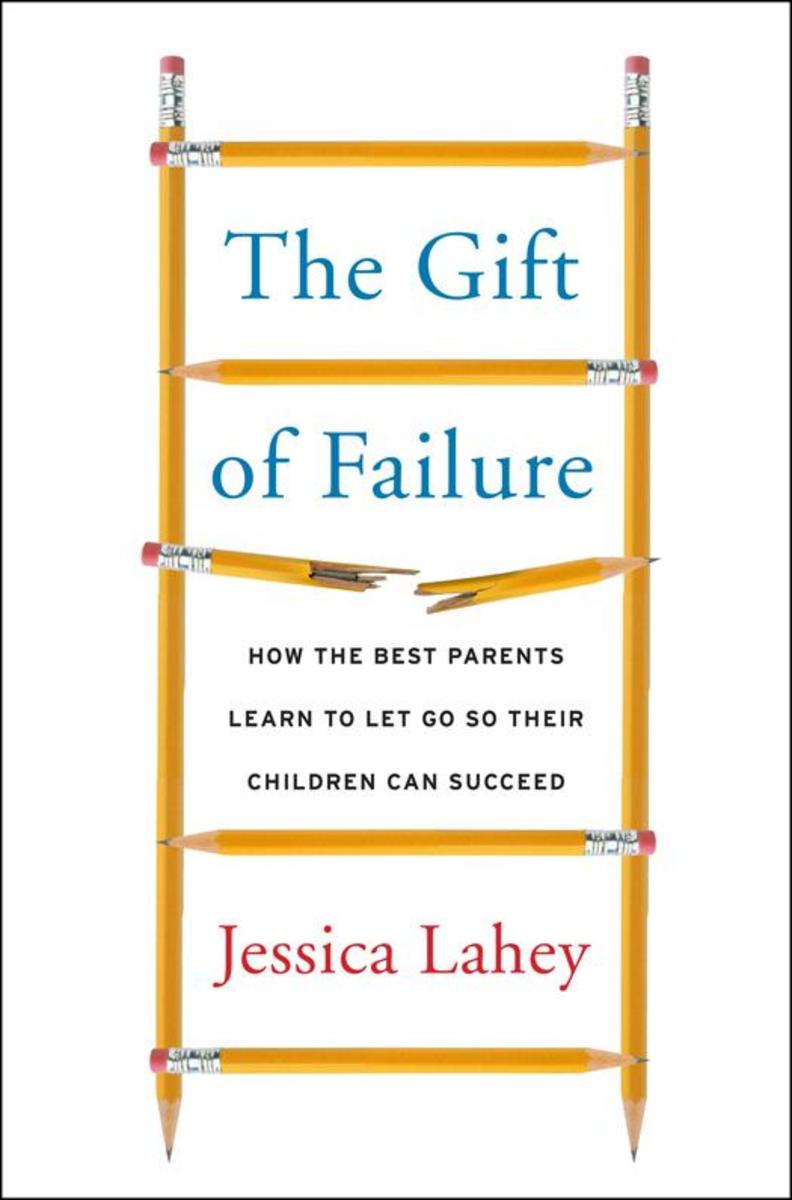
NEW YORK TIMES BESTSELLERIn the tradition of Paul Tough's How Children Succeed and Wendy Mogel's The Blessing of a Skinned Knee, this groundbreaking manifesto focuses on the critical school years when parents must learn to allow their children to experience the disappointment and frustration that occur from life's inevitable problems so that they can grow up to be successful, resilient, and self-reliant adults. Modern parenting is defined by an unprecedented level of overprotectiveness: parents who rush to school at the whim of a phone call to deliver forgotten assignments, who challenge teachers on report-card disappointments, mastermind children's friendships, and interfere on the playing field. As teacher and writer Jessica Lahey explains, even though these parents see themselves as being highly responsive to their children's well-being, they aren't giving them the chance to experience failure - or the opportunity to learn to solve their own problems. Overparenting has the potential to ruin a child's confidence and undermine their education, Lahey reminds us. Teachers don't just teach reading, writing, and arithmetic. They teach responsibility, organization, manners, restraint, and foresight - important life skills children carry with them long after they leave the classroom. Providing a path toward solutions, Lahey lays out a blueprint with targeted advice for handling homework, report cards, social dynamics, and sports. Most importantly, she sets forth a plan to help parents learn to step back and embrace their children's failures. Hard-hitting yet warm and wise, The Gift of Failure is essential for parents, educators, and psychologists nationwide who want to help children succeed.
HarperCollins e-books
¥94.10
Based on scientific research, this groundbreaking study from the frontiers of psychology and medicine offers startling new insight into the healing powers and medical benefits of forgiveness. Through vivid examples (including his work with victims from both sides of Northern Ireland's civil war), Dr. Fred Luskin offers a proven nine-step forgiveness method that makes it possible to move beyond being a victim to a life of improved health and contentment.
When a Parent Has Cancer
¥94.10
At some point in our lives, many of us will face the crisis of an unexpected illness. For parents, the fear, anxiety and confusion resulting from a cancer diagnosis can be particularly devastating. When A Parent Has Cancer is a book for families written from the heart of experience. A mother, physician, and cancer survivor, Dr Wendy Harpham offers clear, direct, and sympathetic advice for parents challenged with the task of raising normal, healthy children while they struggle with a potentially life threatening disease. Dr Harpham lays the groundwork of her book with specific plans for helping children through the upheaval of a parent's diagnosis and treatment, remission and recovery, and if necessary, confronting the possibility of death. She emphasises the importance of being honest with children about the gravity of the illness, while assuring them that their basic needs will always be met. Included is Becky and the Worry Cup, an illustrated children's book that tells the story of a seven year old girl's experiences with her mother's cancer.
Courage
¥83.03
New York Times bestselling author Debbie Ford offers her most personal, powerful, and practical work to date a proven process for overcoming insecurity and fear and unlocking the courage that resides within.Every day we are confronted with hundreds of choices that either make us feel confident and strong or rob us of the things we desire the most. When we lack confidence, we feel unworthy of having what we want, of speaking the truth, of making decisions that improve our lives. When we feel weak, helpless, or powerless, we lack the strength to ward off the thoughts of defeat, negativity, and fear that fill our minds and prevent us from moving forward and living in harmony with our deepest desires.For decades, Debbie Ford has been helping people break free from the emotional baggage that has held them hostage. In Courage, Debbie Ford provides a life-altering path to discovering confidence and authentic self-expression. By learning to accept all of who we are, including our histories, our flaws, our misgivings, our weaknesses, and our fears, we discover that what keeps us stuck and feeling weak is nothing more than an illusion of the past. By showing us how to be confident, stand in our strength, and feel great about ourselves, a new self emerges with the power to accomplish anything. Introducing seven guiding principles, Ford expertly leads readers out of the common pitfalls of fear and insecurity and into the strength, power, and freedom of a courage that has been present all along.
Parenthood by Proxy
¥77.49
Following her previous New York Times bestsellers, Dr.Laura Schlessinger, the conscience of talk radio, now addresses an issue near and dear to her heart: the stupid things parents do to mess up their children. Never one to shy away from tough truths, Dr. Laura marshals compelling evidence for the widespread neglect of America's children and convincingly condemns the numerous rationalizations to excuse it. These are just a few of her hard-hitting points: Don't Have Them If You Won't Raise Them: "The cavalier manner in which our society treats child care, not as a matter of intimacy and love, but as a matter of convenience and economics, is deeply destructive to our children's sense of attachment, identity, and importance." Dads Need Not Apply: "Single motherhood may be more acceptable to society, but it is not acceptable to children; nor is it in their best interest." Brave New Baby: "In our society, reproductive freedom means anyone can decide to create a life by any means with no, and I mean no, consideration of what is in the best interest of that new human being." Spare the Rod: "Children without discipline often become adults with tempertantrums, defiance, rage, depression, anxiety, poor school and work adjustment, drug and alcohol abuse." Stupid Things Parents Do to Mess Up Their Kids covers all aspects of parenting and also tackles such cultural and societal concerns as abortion, modern sexuality, drug and alcohol use, violence, discipline, and a child's right to privacy.


