


 购物车
购物车 个人中心
个人中心
As mentiras mais contadas:E que todo mundo engole
¥8.18
As mentiras que as pessoas mais contam pra gente... E que a gente mais conta pra elas.Conhe?a as mentiras mais contadas em nosso cotidiano. Veja se você já escutou ou disse alguma dessas mentiras.

Cei care pleac? ?i cei ce r?m?n. Al treilea volum din tetralogia napolitan?
¥73.49
Al treilea volum din Tetralogia Napolitan? ?n lini?tea cea mai deplin? sau ?n mijlocul evenimentelor tumultuoase, atunci c?nd ne sim?im ?n siguran?? sau ?n pericol, c?nd suntem nevinova?i sau imorali, suntem o mul?ime format? din ceilal?i. Iar aceast? mul?ime e cu siguran?? o binecuv?ntare pentru literatur?.?Elena Ferrante ?n al treilea roman al Tetralogiei Napolitane, Elena ?i Lila, cele dou? fete cu care cititorii au f?cut cuno?tin?? ?n Prietena mea genial?, au devenit femei.Lila ?i-a p?r?sit so?ul ?i confortul material, iar acum munce?te ?n condi?ii foarte dure. Elena a studiat la ?coala Normal? din Pisa ?i a publicat un roman de succes, care i-a deschis u?ile saloanelor selecte. Am?ndou? au refuzat s? se complac? ?ntr-o via?? plin? de nefericire, ignoran?? ?i supunere, ?mbr??i??nd ?n schimb numeroasele oportunit??i ale anilor ’70. ?n continuare le leag? o prietenie profund?, de nezdruncinat.?nc? de la apari?ia romanului?Prietena mea genial?, care deschide?Tetralogia Napolitan?, faima Elenei Ferrante a crescut enorm. Este considerat? una dintre autoarele contemporane cele mai conving?toare, o stilist? des?v?r?it?, cu o intui?ie artistic? ie?it? din comun, care a c??tigat admira?ia mai multor scriitori celebri – Jhumpa Lahiri, Elizabeth Strout, Claire Messud – ?i a unor critici importan?i: James Wood, John Freeman, Eugenia Williamson etc. Dar f?r? ?ndoial?, primirea cea mai c?lduroas? a avut-o din partea cititorilor, care au descoperit o autoare care vorbe?te ?ntr-un stil plin de frumuse?e ?i for?? despre sentimentul de apartenen?? la un loc, despre rela?iile umane, dragoste, familie ?i prietenie.

A félelem íze
¥82.57
关于A félelem íze这本书的详细讲解

Como deixar um homem aos seus pés
¥8.18
Que mulher n?o gosta de ter o homem aos seus pés? De manipulá-lo, de fazê-lo de gato e sapato?Quanto mais o homem estiver sob o nosso controle, melhor para a nossa vaidade e auto-estima, e claro: menores as chances do safado nos fazer sofrer.
10 Pequenas lendas urbanas
¥7.63
Cole??o com 10 narrativas curtas sobre lendas urbanas. Esta cole??o contém as seguintes lendas:A loira do banheiro O velho do saco O corpo-seco O roubo do rim A mulher de branco O lobisomem A brincadeira do copo O quadro da crian?a chorando Agulhas no cinema O vídeo da loira batutaribeiro.com.br
Возвращение к здоровью - Руководство по основам исцеления - Психология. НПСИ. Зд
¥0.01
Книга всемирно известного российского психотерапевта и психолога посвящена здоровью. А точнее, системе нейропрограммирования психосоматических исцелений (системе НПСИ), разработанной не просто психотерапевтом высшей в Европе и мире квалификации, но человеком, который сам себя излечил от сонма как бы неизлечимых современной медициной болезней. Для психотерапевтов, практических психологов, консультантов, коучей, врачей, педагогов, а также всех, кто хотел бы сделать свою жизнь полноценной, цельной, осмысленной, неизбывно интересной и просто приятной… Издательство Animedia Company желает вам приятного чтения.

Мы родом из Страшного Детства или как стать хозяином своего прошлого
¥0.01
В этой книге – второй из новой серии ?Коды вашей судьбы? – известного психолога, одного из лидеров отечественного и мирового нейролингвистического программирования, психотерапевта высшей в Европе квалификации, описывается то, что смело можно назвать основополагающей теорией и практикой нейропрограммирования своей судьбы и жизнедеятельности. Подробно, в доступной и популярной форме рассказывается о сценариях и сценаристах наших судеб о психопатологиях прошлого и возможного будущего, а также о психологическом времени нашей судьбы. Детально описываются психотехнологии преодоления патологических последствий трудного детства, психотерапии Внутреннего ребенка, избавления от импринтов и психотравм, экологизации собственного будущего, оптимизации психологических временных ориентаций и улучшения Линий Времени. Для психологов, психотерапевтов, консультантов, коучеров и педагогов, но более всего – для всех, кто интересуется психотехнологиями личностных изменений и действительно желает исправить собственную (пока еще Хромую) судьбу, избавиться от последствий Страшного детства и стать хозяином своего прошлого, настоящего и будущего.
The Successful Author Mindset: A Handbook for Surviving the Writer’s Journey
¥57.14
Being a writer is not just about typing. It’s also about surviving the roller-coaster of the creative journey. Self-doubt, fear of failure, the need for validation, perfectionism, writer’s block, comparisonitis, overwhelm, and much more. When you’re going through these things, it can feel like you’re alone. But actually, they are part of the creative process, and every author goes through them too. This book collects the mindset issues that writers experience, that I have been through myself over the last ten?years and that perhaps you will experience at different times on the creative journey. Each small chapter tackles a possible issue and then offers an antidote, so that you can dip in and out over time. It includes excerpts from my own personal journals as well as quotes from well-known writers. I hope it helps you on the road to becoming a successful author. The book includes: Part 1: Mindset Aspects of Creativity and Writing Self-doubt and imposter syndrome Need for validation Fear of?failure Fear of rejection and criticism Your inner critic Fear of judgment Perfectionism Writer’s block and procrastination “I’m not creative. I don’t have any ideas” “My writing isn’t original” “Why write? There are too many books in the world already” “I don’t have the time or self-discipline to write” “I’m not finding writing much fun. It’s hard work.” “I keep starting things and not finishing them” Dealing with friends, family and writer’s groups “How do I find my voice?” Comparisonitis or “Everyone is better than me” Part 2: Mindset Aspects after Publishing Anti-climax and creative dissatisfaction What is your definition of success? What happens when you tell people that you’re an author? “I’m overwhelmed” Dealing with fans, authenticity and drawing the line Haters gonna hate Ambition, fame and fortune Giving up Part 3: Tips for Success on the Author Journey Know thyself Understand and hone your creative process Develop professional habits Manage professional relationships Take control of your writing career Find your community Keep learning Schedule rest and take time off Think long term. Create a body of work
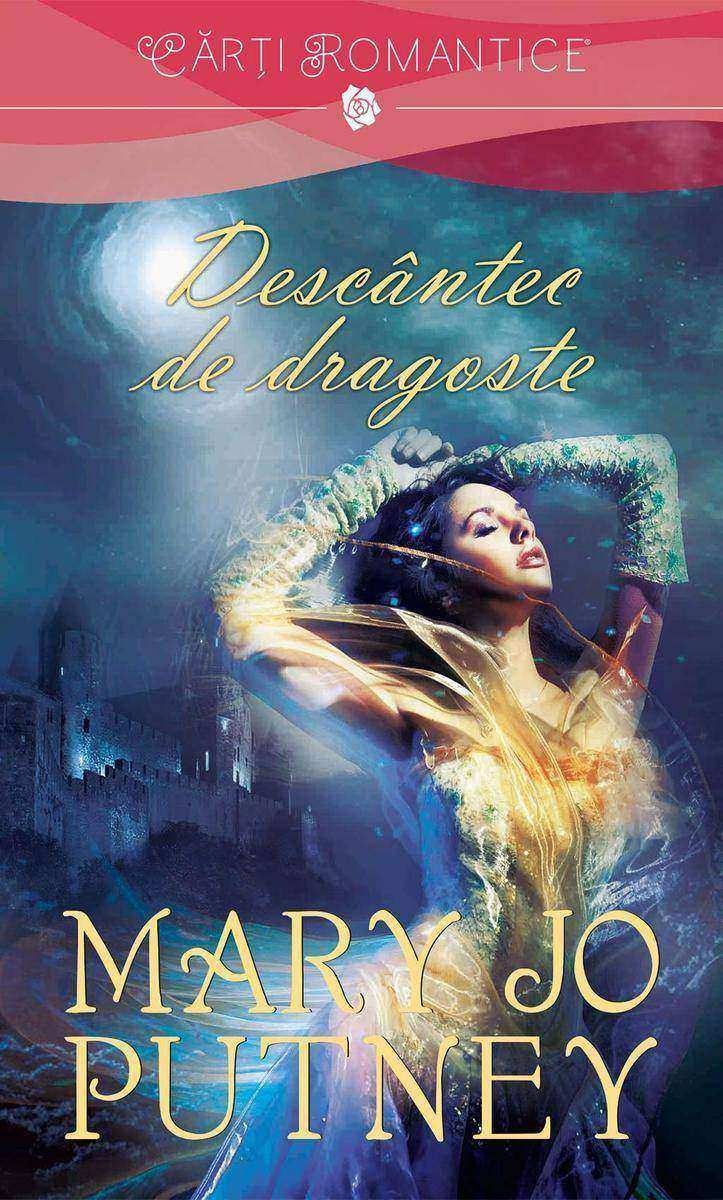
Desc?ntec de dragoste
¥7.36
Jack Langdon, Lord Frayne, trateaz? cu foarte mult? seriozitate onoarea str?vechii sale familii ?i,icircn acela?i timp, ascunde un secret pe care icircl consider? ru?inos: darul de vr?jitor, pe care a fost icirc nv??at s?-l reprime ?i s?-l resping?. Cacirc nd un accident icirc;l aduce pe Jack icirc;n pragul mor?ii, unica lui ?ans? de supravie?uire este Abigail Barton, o vindec?toare talentat?. Abigail trebuie s? icirc;?i asume un mare risc pentru a-i salva via?a lordului Frayne, a?a c? va cere icircn schimb un pre? pe m?sur?: c?s?toria cu Jack. Acesta nu icirc nt acirc rzie s? accepte ?i curacirc;nd se simte atras de sincera lui so?ie, al c?rei farmec este la fel de puternic ca ?i trezirea propriilor abilit??i magice la racirc;ndul ei, Abigail este impresionat? de sensibilitatea ?i bl acirc nde?ea lui Jack. Cunoscacirc nd icirc ns? prea bine ura acestuia fa?? de magie, hot?r??te s? tr?iasc? desp?r?it? de el dup? conceperea copilului pe care ?i-l dorise at acirc;t de mult, pentru ca Jack s? icirc ?i poat? p?stra reputa?ia, iar ea s? icirc ?i poat? îndeplini menirea de vindec?toare. Cu toate acestea, iubirea care se na?te icirc;ntre ei se dovede?te a fi cea mai misterioas? ?i mai seduc?toare for?? pe care au cunoscut-o vreodat?.
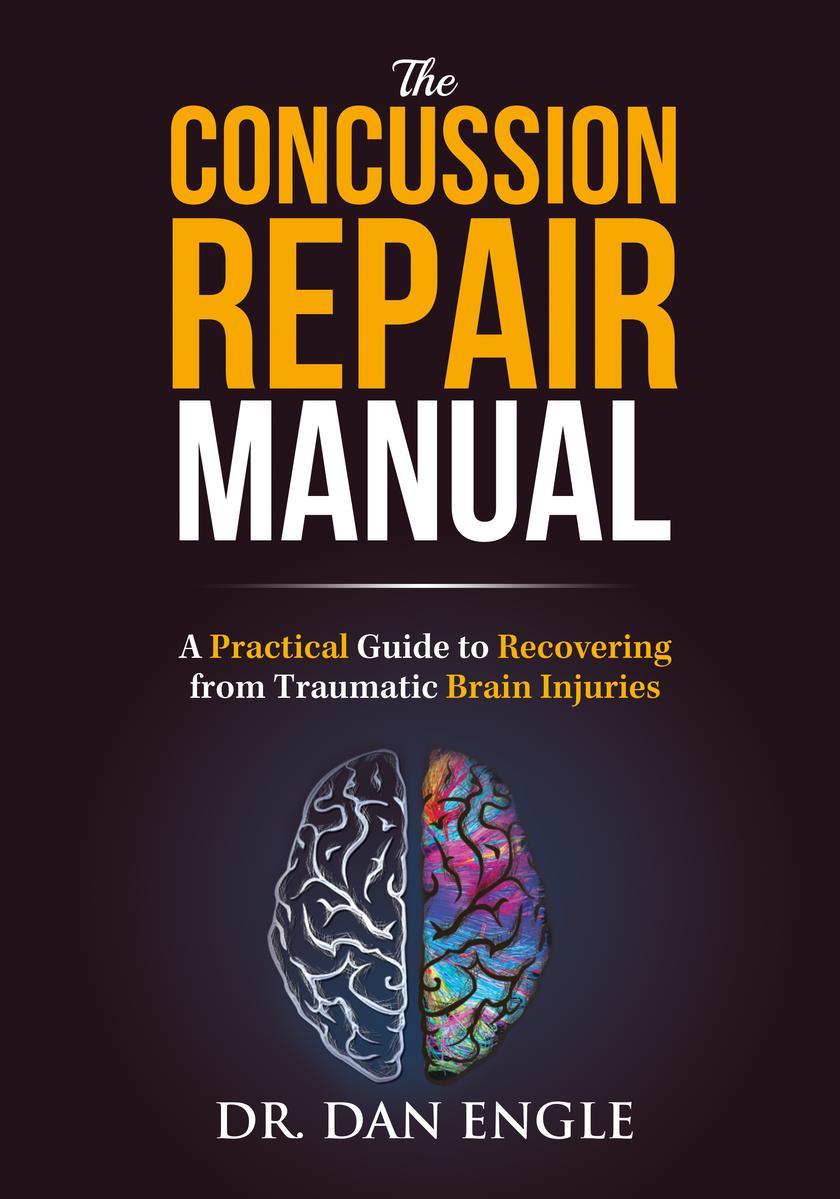
The Concussion Repair Manual: A Practical Guide to Recovering from Traumatic Bra
¥81.50
Concussion -- the biggest name in today's high-impact sports. As more and more high profile athletes come forward to share their stories of invisible suffering after head injuries, we as a culture are finally acknowledging this silent epidemic. The Concussion Repair Manual is written as a user’s guide for those suffering after head traumas and those that support them. ?It is one-part “textbook,” packed with the leading research on medical technologies for healing the injured brain, and one-part “workbook,” offering a step-by-step method for making and tracking a personalized recovery regimen. Dr. Dan Engle's background and passion for concussion repair stem from a three-decade investigation into the many modalities for healing his own traumas. ?When the usual medical treatments didn’t help, he explored what was possible, found what worked and put them into this manual - "the best of the best" in the medical arena for recovering from sports related head injury. Reviews "A game changer. This book is the most useful piece of literature I have ever read on concussion." - Matt Cook, MDFounder, BioReset Medical "(This) book can also be used as a simple tool to get smarter and think better, even if you haven't had a concussion. Whether you are a physician, a patient or simply an optimal health seeker, this book is a must-have for your personal health library." - Ben Greenfield, Human Performance Consultant, BenGreenfieldFitness.com "Dan's CRM is required reading for concussion patients, their caregivers, and all allied healthcare practitioners who care for these patients. There is a better way and this is it. "- Scott Sherr MD, Founder, Integrative HBOT, Head of Protocol and Innovation at Hyperbaric Medical Solutions, @hmsHBOT About the Author Dr. Dan Engle is Board Certified in Psychiatry and Neurology, with a clinical practice that combines functional medicine, integrative psychiatry, neuro-cognitive restoration and peak performance methods. He lectures and consults globally and is the medical advisor to Onnit Labs, the True Rest Float Centers and several international treatment centers using indigenous plant medicines for healing and recovery.

Via?a e u?oar?, nu-?i face griji
¥65.32
ntoars din Irlanda, Diane este hotrt s nceap o via nou la Paris. Cu ajutorul prietenului su, Félix, redeschide cafeneaua literar Oamenii fericii citesc i beau cafea“, oaza ei de linite. Acolo l ntlnete pe Olivier. Un brbat blnd i atent, care nelege refuzul ei de a deveni din nou mam, dup pierderea cumplit pe care a suferito.Dar o ntmplare neateptat o bulverseaz pe Diane i i spulber toate certitudinile.Va avea ea oare curajul de ai construi un nou cmin"Talentul de povestitoare al lui Agnès MartinLugand este incontestabil cunoate n profunzime alfabetul complicat al iubirii." - Le Figaro"Agnès MartinLugand are un sim nnscut al povestirii." - L'Express
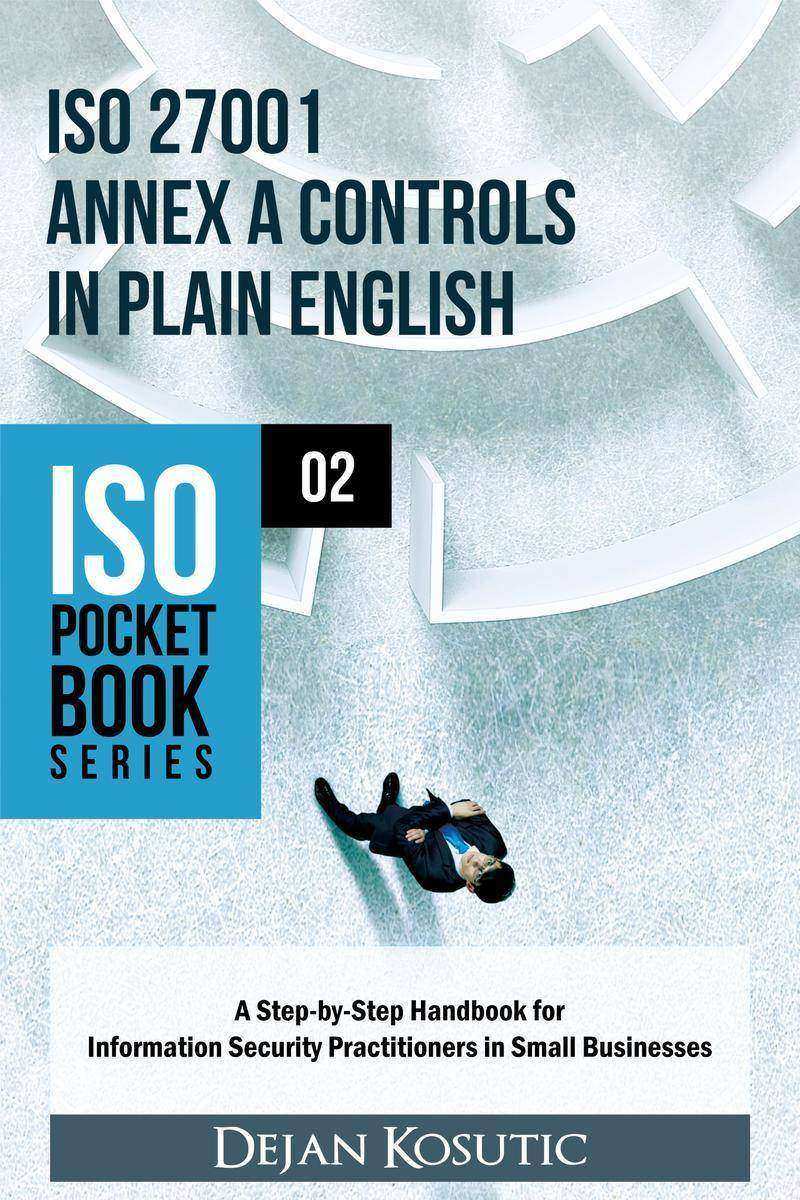
ISO 27001 Annex A Controls in Plain English
¥81.67
In this book, Dejan Kosutic, author and experienced information security consultant, is giving away his practical know-how on ISO 27001 security controls. No matter if you are new or experienced in the field, this book teaches you everything you need to know about security controls. ISO 27001 Annex A Controls in Plain English is written primarily for beginners to ISO 27001, and for people with moderate knowledge about Annex A of the standard and the 114 security controls that are found in the Annex. It is structured in such a way that someone with no prior experience or knowledge about information security can quickly understand what they are all about; however, if you do have experience with ISO 27001, but feel that you still have gaps in your knowledge, you’ll also find this book very helpful. Kosutic uses plain English to explain everything you need to know about security controls in ISO 27001, as well as the differences between the controls in Annex A of ISO 27001 and in ISO 27002. Also, you will learn everything about the crucial link between risk management and security controls, and get a complete overview of Annex A controls starting from the introduction, structuring of the documentation, and instructions on how to write detailed information security policies, all the way to the requirements for compliance. Written in simple language and avoiding the technical jargon, ISO 27001 Annex A Controls in Plain English is the right book to start learning about the subject.

50 Melhores piadas de Jo?ozinho
¥8.18
Divirta-se com as 50 melhores piadas do menino Jo?ozinho, o aluno mais levado na escola, que gosta de brincar com os professores e tirar sarro de todo mundo, até dos próprios pais.Contém linguagem inadequada para menores de 18 anos.

Hogyan készíts eredményes Facebook hirdetéseket?
¥143.72
Fent van a ce?ged a Facebookon, de nem jo?nnek az eredme?nyek? Hirdetsz, de nem vagy ele?g sikeres? Szeretne?d felpo?rgetni?a Facebook-hirdete?seid hate?konysa?ga?t? A Facebook egy nagyon o?sszetett hirdete?si rendszer. To?bb, mint 500 fe?le hirdete?sce?lza?si bea?lli?ta?s, valamint 15 hirdete?sle?trehoza?si leheto?se?g a?ll rendelkeze?su?nkre. Nem ko?nnyu? eldo?nteni melyiket haszna?ljuk, hiszen gyakran csak apro? ku?lo?nbse?gek va?lasztja?k el o?ket egyma?sto?l.?Ra?ada?sul sokszor a siker nem is a technikai tuda?son mu?lik, hanem azon,?hogyan e?pu?l be a marketing folyamatok ko?ze? ez az eszko?z. Erro?l szo?l ez a ko?nyv.A segi?tse?ge?vel nem csak a hirdete?si rendszer tru?kkjeit ismered meg, hanem azokat a mo?dszereket, strate?gia?kat, amik tu?lmutatnak a Facebookon, e?s amik ta?mogatnak abban, hogy me?g eredme?nyesebbe? tedd az online marketingedet. "Atto?l tartok a Ricsi tu?l?sok informa?cio?t?i?rt bele a ko?nyvbe, eze?rt az emberek nem fognak jelentkezni a ke?pze?seire. Aki elolvassa, le?trehozhatja?vagy jelento?sen javi?thatja a saja?t social marketing strate?gia?ja?t. E?n ma?r megtettem!” Damjanovich Nebojsa, senpai.hu ?Ma ma?r egyre nehe- zebb sze?les ko?rnek organikusan eljuttatni egy-egy posztot, eze?rt hirdete?sekre van szu?kse?g. Me?gpedig jo?l megtervezett Facebook-hirdete?sekre. Ezt ja?rja ko?ru?l Richa?rd alapossa?ggal e?s folyamatszemle?lettel, ugyanakkor ko?nnyed sti?lusban. Ko?nyve a Budapesti Metropolitan Egyetem digita?lis marketing executive MBA ke?pze?se?n is fontos alapirodalom lesz.”Dr. Papp-Va?ry A?rpa?d, a Budapesti Metropolitan Egyetem a?ltala?nos rektorhelyettese, a ?ma?rkadoktor” ?Le?vai Ricsi megmutatja, hogyan kell meg fogni e?s nem ereszteni a vevo?idet, aka?r itthoni, aka?r ku?lfo?ldi piacra ce?lzol. E?s Ricsi bo?kezu? az informa?cio?val, hiszen Magyarorsza?gon o? publika?l a legto?bbet Facebook-marketingro?l. E?s ha annyi mindent megoszt ingyen, ke?pzeld, milyen titkokat tartogat Neked a ko?nyve?ben! Szo?val, u?j vevo?k, nagy te?telben, diszkont a?ron – e?rdekel?”Wolf Ga?bor, Marketing Commando U?gy e?rzed, itt az ideje, hogy a Facebook-hirdete?seid igaza?n eredme?nyesek legyenek?Ez a ko?nyv ebben segi?t. Fordi?tsd a saja?t ce?ged java?ra a benne rejlo? informa?cio?kat!
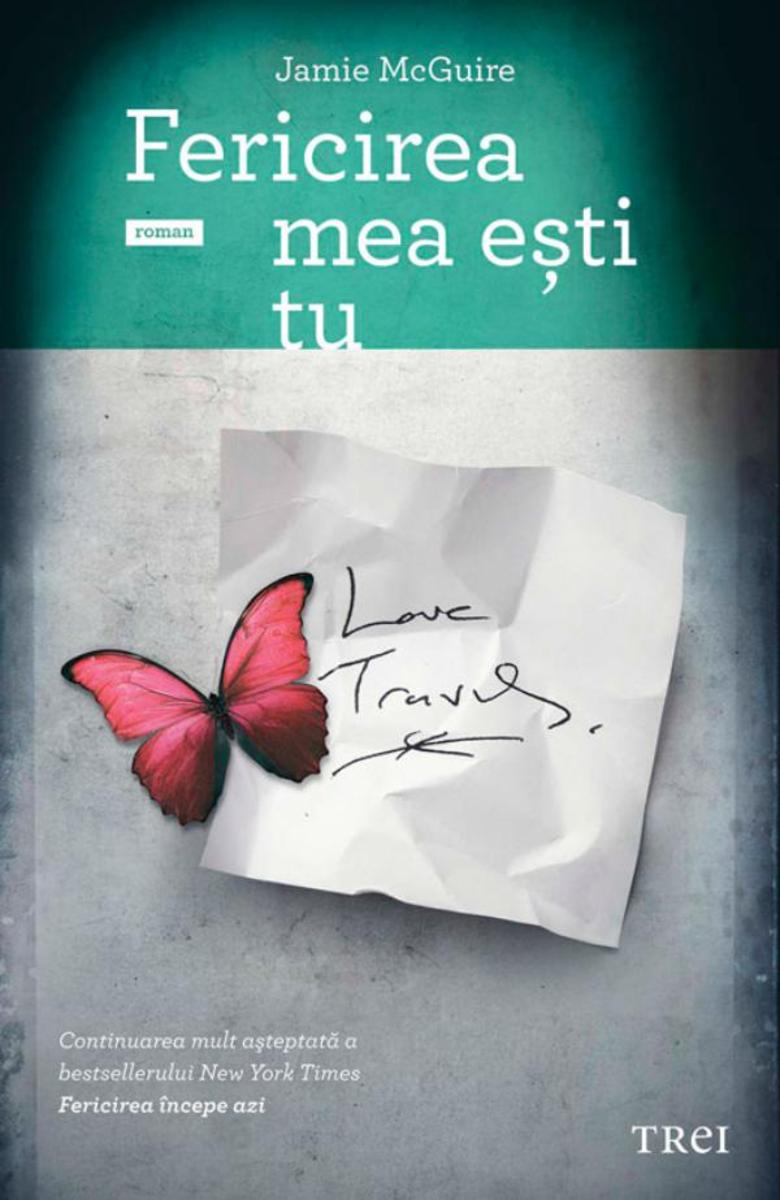
Fericirea mea e?ti tu
¥81.67
Continuarea mult a?teptat? a bestsellerului Fericirea ?ncepe aziAfl? ce este ?n mintea b?rba?ilor!Travis Maddox a ?nv??at dou? lucruri de la mama sa ?nainte ca aceasta s? moar?: Iube?te mult. Lupt? ?i mai mult pentru iubirea ta.?n Fericirea mea e?ti tu, via?a lui Travis e plin? de femei care vin ?i pleac?, de jocuri de noroc ilicite ?i de violen??. ?ns? tocmai c?nd Travis se consider? invincibil, Abby Abernathy ?l pune la p?m?nt.Fiecare poveste are dou? versiuni. ?n Fericirea ?ncepe azi, Abby vorbe?te ?n numele ei. Acum e timpul s? citim povestea prin ochii lui Travis.?Travis e un tip impulsiv. ?ncerc?nd s? scriu din punctul lui de vedere, am ?tiut c? nu puteam s? spun povestea din nou, pur ?i simplu. Mi-am ?ndreptat aten?ia asupra perioadei c?nd Abby ?i Travis nu erau ?mpreun?, pentru ca romanul s? aduc? lucruri noi ?i am sentimentul c? am reu?it s? fac ce mi-am propus.“ – Jamie Mcguire?Fericirea mea e?ti tu are avantajul c? vine dup? o poveste emo?ionant?, pe care o completeaz?, ?i c? are un epilog ingenios, ce surprinde un instantaneu din via?a lui Travis ?i a lui Abby ?n viitor.“ – Reading, Eating Dreaming?Travis Maddox continu? s? lupte pentru ceea ce iube?te. Ce ?i-ai putea dori mai mult de la un b?rbat?“ – Bookwhisperer Reviews?Am f?cut o adev?rat? pasiune pentru personajele acestui roman.“ – The Daily Quirk
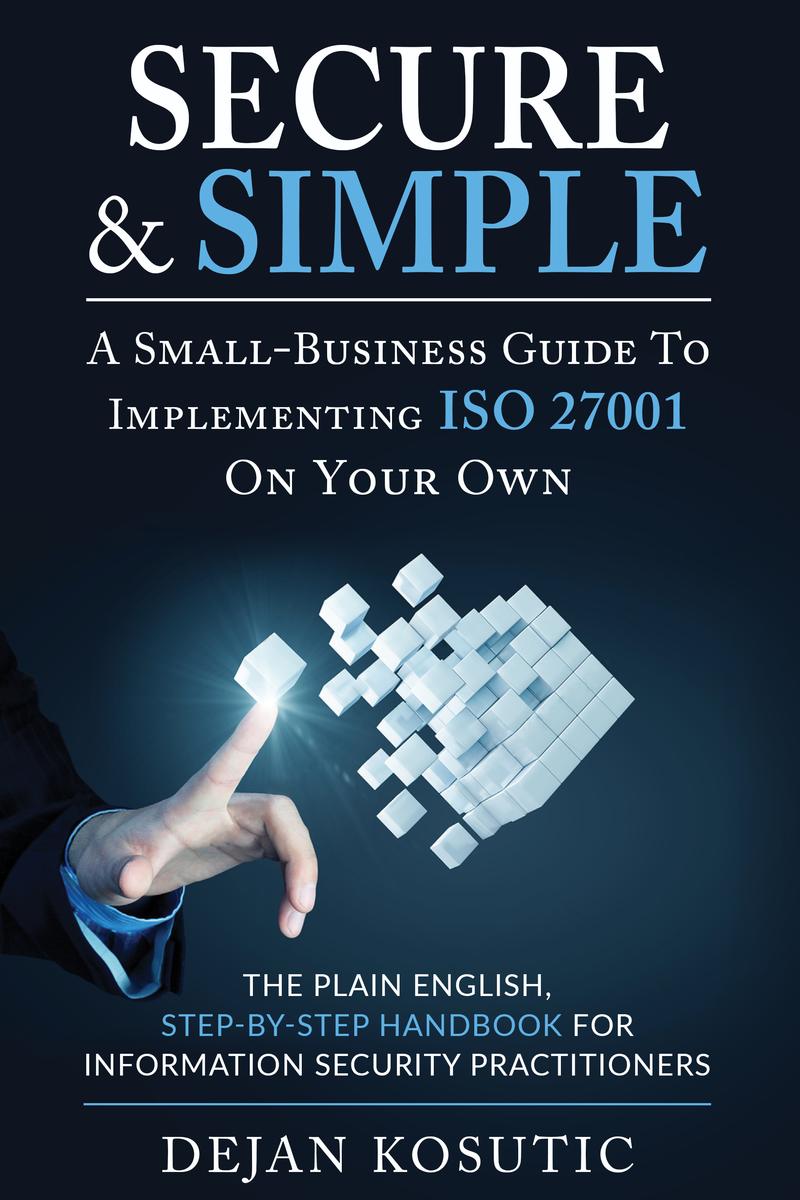
Secure & Simple – A Small-Business Guide to Implementing ISO 27001 On Your Own
¥326.92
Secure Simple Dejan Kosutic, an author and experienced information security consultant, is giving away all his practical know-how on successful ISO 27001 implementation. Whether you’re new or experienced in the field, this book gives you everything you will ever need to implement ISO 27001 on your own. Dejan provides examples of implementing the standard in small and medium-sized organizations (i.e. companies with up to 500 employees). It is written primarily for beginners in the field and for people with moderate knowledge of ISO 27001. Even if you do have experience with the standard, but feel that there are gaps in your knowledge, you’ll find this book very helpful. Secure Simple is the definitive guide for implementing and maintaining the most popular information security standard in the world. The author leads you, step-by-step, from an introduction to ISO 27001 to the moment your company passes the certification audit. During that journey you will learn: The most common ISO 27001 myths, like “The standard requires xyz;” “We’ll let the IT department handle it;” “We’ll implement it in a couple of months;” and others.How to convince your top management to implement ISO 27001. “If you think that your management loves to listen to your great idea about a new firewall, or the perfect tool you've discovered for handling incidents, you're wrong – they just don't care.” This book will help you speak the language they want to hear.How to write the Risk Assessment Methodology plus other policies and procedures.How to identify potential risks.“Employees (and the organization as a whole) are usually aware of only 25 to 40% of risks – therefore, a thorough and systematic process needs to be carried out…” Learn how to identify all potential risks that could endanger the confidentiality, integrity, and availability of organization’s information.What are the most important steps in order to prepare a company for the certification, and much more. Written in plain English with a lot of practical examples, charts and diagrams, it is the only book you’ll need on the subject of ISO 27001 implementation.

Un pact cu diavolul
¥7.36
A fost poreclit Contele Diavol – un b?rbat cu spirit nesupus, acuzat de crim?, crescut pe str?zile periculoase ale Londrei ?i care nu-?i mai aminte?te nimic despre trecutul lui. Orice domni?oar? bine educat? ?tie c? risc? mai mult dec?t reputa?ia atunci c?nd ??i asociaz? numele cu frumosul Lucian Langdon, ?ns? Lady Catherine Mabry nu are alt? solu?ie. Ar face orice pentru a-i proteja pe oamenii pe care ?i iube?te… chiar ?i s? ajung? la o ?n?elegere cu ?nsu?i diavolul. Lucian vrea s? fie respectat ?i, mai presus de asta, ??i dore?te o so?ie. Problema este c? aleasa lui nu cunoa?te eticheta pe care trebuie s? o respecte ?n mijlocul aristocra?iei ?i nu e acceptat? de ?nalta societate. Catherine ?l poate ajuta pe Lucian s? dob?ndeasc? tot ce-?i dore?te. Dar pre?ul pe care ?l cere ea ?n schimb le poate pune chiar vie?ile ?n pericol. Atunci c?nd primejdia le d? t?rcoale, cei doi se descoper? cu adev?rat: Lucian se dovede?te a fi un b?rbat incredibil de pasional, iar Catherine, o femeie de un curaj nem?surat. Pe m?sur? ce ies la iveal? secrete din trecutul lui ?ntunecat, Lucian ajunge s? pun? sub semnul ?ntreb?rii toate lucrurile pe care le considera adev?rate, inclusiv dorin?ele propriei inimi.

Rebel Faerie
¥40.79
The fae world’s biggest secret has been revealed … Having escaped an Unseelie prince and a world of shadows, Emerson and Calla are now hunted by the Guild of Guardians. On the run, constantly trying to remain one step ahead, they must figure out how to find and rescue everyone the Guild has taken from them. Then, in an unprecedented move, Unseelie Prince Roarke breaks the fae realm’s most important rule. Now two worlds stand on the brink of war. Caught in the middle between guardians and Prince Roarke’s forces, Em knows her Griffin Ability is powerful enough to stop them both. But as she masters control of her unique magic, Em is confronted with a question: how far is too far when you possess the kind of power she was born with? Can she step back from the line that shouldn’t be crossed, or will she end up losing herself before finding those she loves? Join Emerson and her companions in this race to save two worlds and the people they love in the final Creepy Hollow adventure!

Сказки про детей. Продолжение Иллюстрированное издание
¥15.18
Представляем вам второй том полюбившихся многим ?Сказок про детей? от Алексея Лукшина, автора, уже известного вам по ?Сказкам Дружного леса?. Главные герои книги — дети, которые попадают в иногда забавные, а иногда и сложные ситуации, делая из них правильные выводы и усваивая важные жизненные уроки. Издательство Animedia Company желает вам приятного чтения.
Out of the Fog Moving from Confusion to Clarity After Narcissistic Abuse
¥81.67
Lying. Cheating. Manipulating.?Will they ever change??What will it take to get through to them??They apologized, but will this time be different...or will they just get better at hiding what they are up to??This book will help you get out of the fog of confusion and into the clarity that you are looking for.?FOG is an acronym that stands for "Fear, Obligation, and Guilt." These three emotions are often at the core of manipulation, and are often how narcissists, sociopaths, and other types of emotional manipulators go about controlling their targets.?However, this type of destructive manipulation isn't just limited to narcissists and sociopaths.?There is no shortage of people with well-intended bad advice out there who unintentionally fall into the FOG as well, and push targets of abuse into keeping the relationship going.?The FOG is one of the main reasons that people stay "stuck" in abusive relationships for so long, why they continue to get involved with abusive people, why they feel that they are the problem, and why they tend to feel that the abuse is somehow their fault.?When a person is being manipulated they have a hard time figuring out who has the problem, what is normal, what is problematic, and if their wants, needs, and feelings are valid. The disasterous effects of being lost in the FOG are confusion, crazymaking, people pleasing, and an erosion of boundaries.?What makes this well-intended bad advice so damaging is that, on the surface, it seems like good advice--especially if it's coming from people who seem to have our best interests in mind, such as friends, family, church members, support group members, or a therapist.?Some examples of this well-intended bad advice that comes from other people is:?"Who are you to judge?" "No one is perfect." "You need to forgive them." "She's your mother, you need to have a relationship with her...she's not getting any younger you know." "Commitment is forever."?What can be so crazymaking for targets is that they are often getting two very different messages. On one hand, they are told that they need to work towards a solution, and on the other, they are told that need to leave a partner who lies, cheats, steals, hits, yells, or belittles them.?This book compares and contrasts of these concepts so that targets of any type of manipulation and abuse can make a more empowered decision.?Some of the concepts covered are:?Who are You to Judge vs. Being DiscerningNo One is Perfect vs. Tolerating AbuseYou Need to Forgive Them vs. Keeping Yourself SafeA Parent vs. A PredatorCommitment vs. CodependencySelf-love vs. SelfishnessA Person Acting the Part vs. A Person Actually ChangingGut Instincts vs. HypervigilanceA Friend vs. Someone Being FriendlyCaring vs. CaretakingBeing in Love With Them vs. Being in Love With Who They Pretended to BeWorkable Behavior vs. Deal BreakersAcceptance vs. AllowanceGoing Through So Much Together vs. Being Put Through So Much By ThemSincerity vs. IntensityHealthy Bonding vs. Trauma BondingInsincere Remorse vs. Sincere RemorseReacting vs. Responding...and many more.
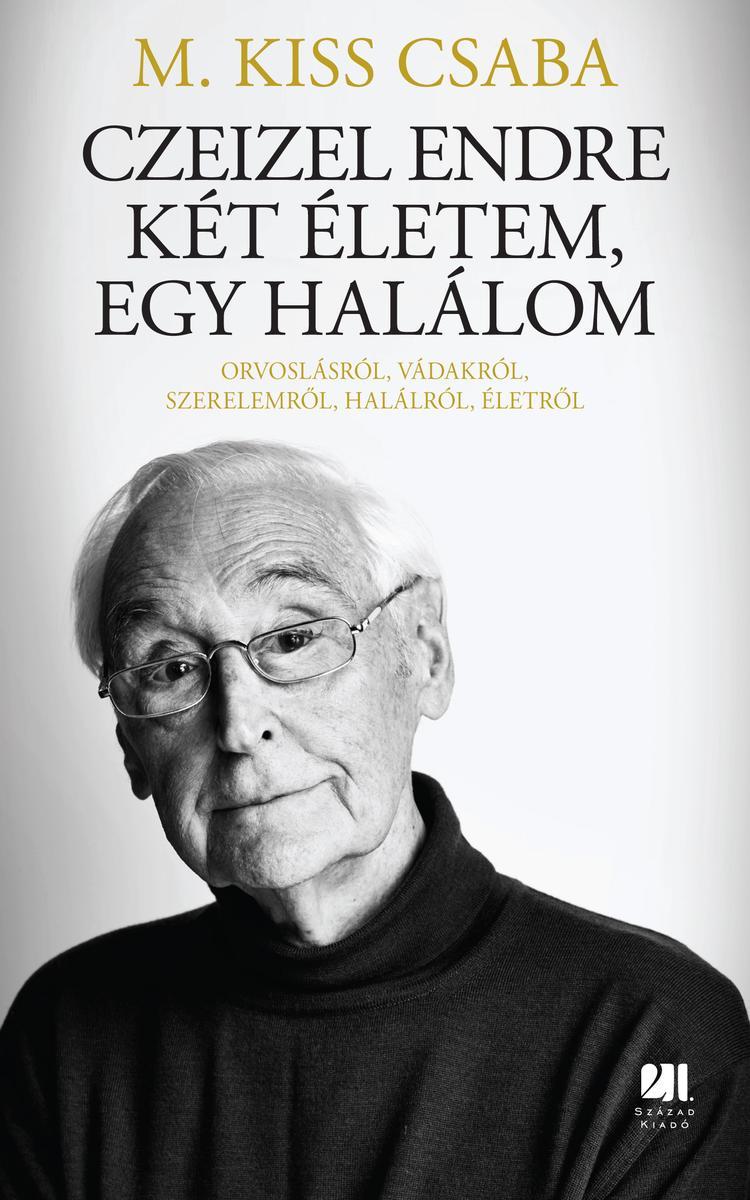
Czeizel Endre Két életem, egy halálom
¥79.95
Aki a halállal néz farkasszemet, nem akar sem szépíteni, sem eltitkolni semmit. ?gy, az olvasó, aki meg akarja ?rizni magában az egyik legnépszer?bb magyar tudósról, orvosról, tévésztárról - Czeizel Endrér?l - alkotott idealizált képét, ne kezdjen bele ebbe a k?nyvbe! Mert Czeizel Endre nem az, akinek sokan hiszik. 79 évesen rákbetegsége végs? stádiumba jutott, így megkísérelte lezárni ügyeit és elbúcsúzni az ?t szeret?kt?l.


