


 购物车
购物车 个人中心
个人中心
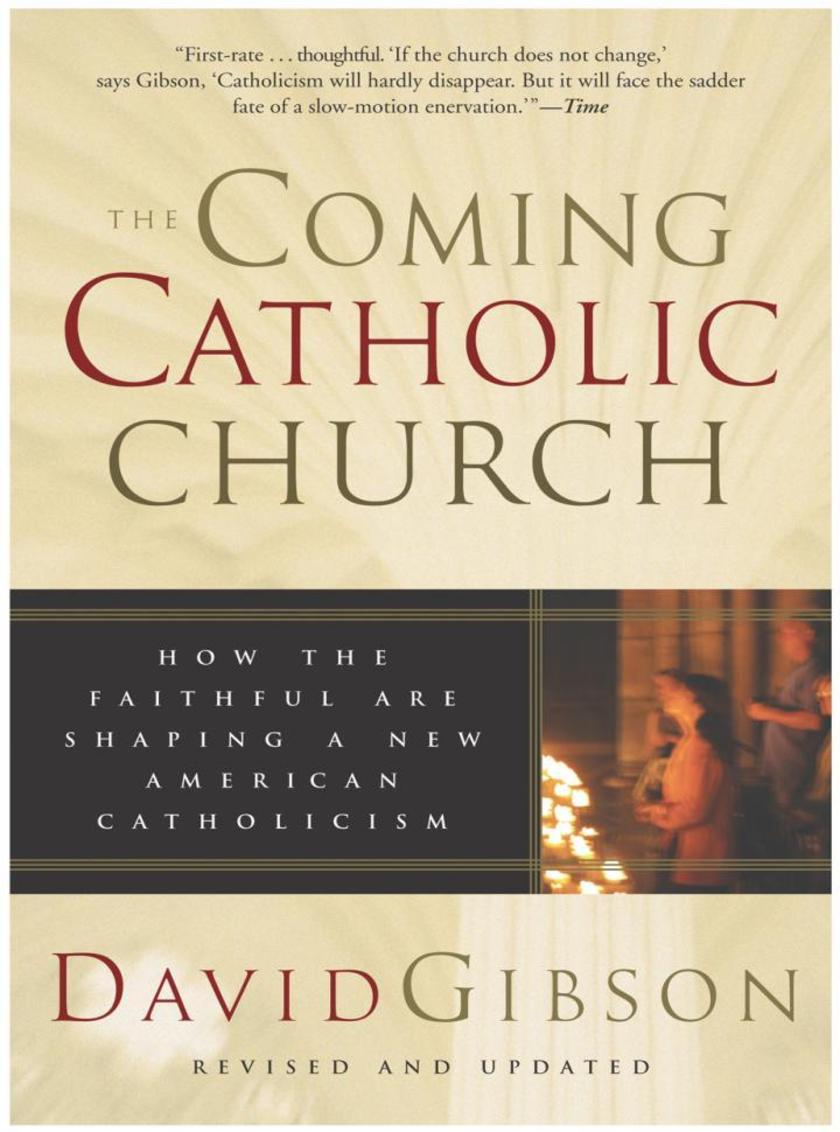
The Coming Catholic Church
¥83.93
Rather than chronicling the well-reported sexual abuse scandal or advocating a particular reform agenda, David Gibson shows how the crisis in the church is unleashing forces that will change American Catholicism forever.

Opposites Attract
¥101.00
Does your partner want to go out on Friday nights when you prefer to curl up at home with a movieDoes your neat-freak boyfriend always want to clean up your cluttered officeDoes your wife want to plan trips six months in advance while you're a fly-by-the-seat-of-your-pants kind of personThe truth is, opposites attract. People who are different from each other in fundamental ways often catch each other's attention. We are attracted to the very qualities we wish we had ourselves. A shy person looks for a mate who is outgoing and gregarious to provide a social circle, and the outgoing person may need to be with someone who won't compete with him for attention. It seems like the perfect match that is, until those very differences that originally attracted us start to drive us crazy. But these differences don't have to drive couples apart. Renee Baron, a marriage and family therapist with more than twenty-five years of experience, uses the Myers-Briggs Type Indicator to provide a practical program for learning to appreciate our differences, rather than fight over them. The MBTI is the most widely used personality indicator in the world. By discovering your innate personality preferences and those of your partner, you can stop having the same fights over and over again and start appreciating the gifts each of you offers to the relationship.

The New Basics
¥94.10
Dr. Michel Cohen, named by the New York Post as the hip, "must-have" pediatrician, has an important message for parents: Don't worry so much. In an easy-reference alphabetical format, The New Basics clearly lays out the concerns you may face as aparent and explains how to solve them -- without fuss, without stress, and without harming your child by using unnecessary medicines or interventions.With sensitivity and love, Dr. Michel describes proven techniques for keeping your children healthy and happy without driving yourself crazy. He will show you how to set positive habits for sleeping and eating and how to treat ailments early and effectively. You'll learn when antibiotics are helpful and when they can be harmful. If you're having trouble breast feeding, pumping, or bottle weaning, Dr. Michel has the advice to set you back on track. If after several months your baby is still not sleeping through the night, The New Basics will provide you with tried-and-true methods to help ease this difficult transition for babies and parents.Dr. Michel recognizes that you're probably asking the same questions his own patients' parents frequently ask, so he includes a section called "Real Questions from Real Parents" throughout the book. You'll find important answers about treating asthma, head injuries, fevers, stomach bugs, colic, earaches, and other ailments. More than just a book on how to care for your child's physical well-being, The New Basics also covers such parenting challenges as biting, hitting, ADD, separation anxiety, how to prevent the terrible twos (and threes and fours ...), and preparing your child for a new sibling.

Teach Your Children Well
¥94.10
Psychologist Madeline Levine brings together cutting-edge research and thirty years of clinical experience to explode once and for all the myth that good grades, high test scores, and college acceptances should define the parenting endgame.Parents, educators, and the media wring their hands about the plight of America's children and teens soaring rates of emotional problems, limited coping skills, disengagement from learning and yet there are ways to reverse these disheartening trends. Teach Your Children Well acknowledges that every parent wants successful children. However, until we are clearer about our core values and the parenting choices that are most likely to lead to authentic, and not superficial, success, we will continue to raise exhausted, externally driven, impaired children who believe they are only as good as their last performance. Real success is always an inside job, argues Levine, and is measured not by today's report card but by the people our children become fifteen or twenty years down the line.Refusing to be diverted by manufactured controversies such as "tiger moms versus coddling moms," Levine confronts the real issues behind the way we push some of our kids to the breaking point while dismissing the talents and interests of many others. She shows us how to shift our focus from the excesses of hyperparenting and the unhealthy reliance on our children for status and meaning to a parenting style that concentrates on both enabling academic success as well as developing a sense of purpose, well-being, connection, and meaning in our children's lives.Teach Your Children Well is a call to action. And while it takes courage to make the changes we believe in, the time has come, says Levine, to return our overwrought families to a healthier and saner version of themselves.

I'll Quit Tomorrow
¥88.56
This bestselling recovery classic has helped untold thousands of alcoholics onto the road to recovery. Written by the founder of the Johnson Institute in Minneapolis, one of the country's most successful training programs for treatment providers, I'll Quit Tomorrow present the concepts and methods that have brought new hope to alcoholics and their families, friends, and employers. Abstinence is not the only objective of Johnson's breakthrough methods -- his therapy aims at restoring the ego strength of the victim to assure permanent recovery. Johnson outlines a dynamic plan of intervention and treatment that will block the progress of alcoholism and lead to a richer, more productive life.

When Someone You Love Needs Nursing Home, Assisted Living, or In-Home Care
¥95.16
When an aging family member needs some extra help and care, whether a parent, spouse, sibling, or friend, this is the book to get. It delivers bottom-line, no-nonsense, practical information for every stage of need, from the earliest signs of illness, through the nursing home, and beyond.Written by two distinguished psychologists with specialties in eldercare counseling and research, this frank, friendly, time-tested guide is meticulously organized to provide answers, dispel myths, anticipate needs, and help you learn strategies for dealing with every aspect of in-home and facility care, including caring for the caregiver in the process. Also includes checklists, phone and Internet lists, budget worksheets, questionnaires, and a detailed index.
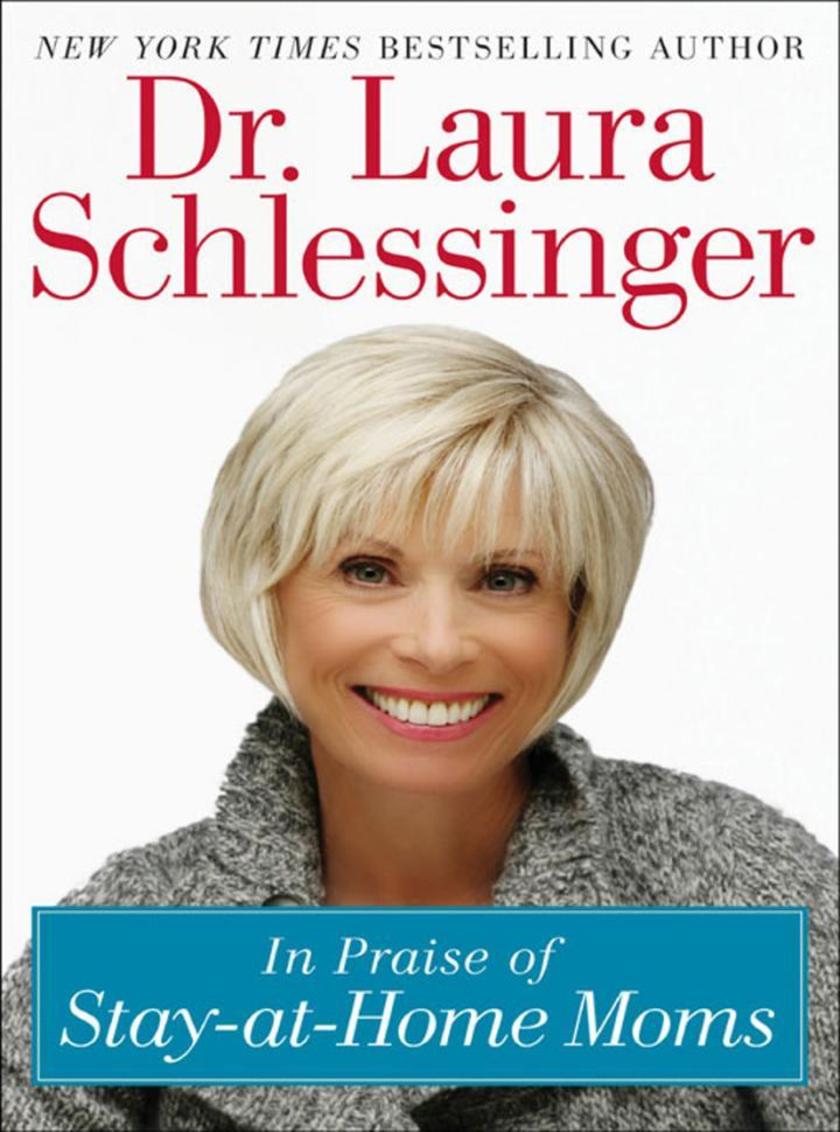
In Praise of Stay-at-Home Moms
¥77.49
They number in the millions and they are incredibly important to families and to our society, yet they are underappreciated, little respected, and even controversial.Who are theyThey are the stay-at-home moms.These are women who know in their hearts that staying home to raise their children is the right choice for the whole family. Some do it from the outset of their marriages, while others make the difficult transition from career-driven women to homemakers. Either way, it is a choice that is incredibly rich and rewarding, not to mention challenging.Now Dr. Laura, building on principles developed during her long career as a licensed marriage and family therapist, provides a wealth of advice and support, as well as compassion and inspiration, to women as they navigate the wonders and struggles of being stay-at-home moms. Learn how: to hold your head high and deal with naysayers; to see the benefits of being home not only for your children but also for your marriage; to understand the changes you see in yourself; to realize that the sacrifices you endure now will make for lasting bonds and a stronger family, in addition to a more cohesive community. In Praise of Stay-at-Home Moms is a special book, a profound and unique understanding of how important it is for mothers to raise their own children.

The Great Theft
¥83.03
Despite President George W. Bush's assurances that Islam is a peaceful religion and that all good Muslims hunger for democracy, confusion persists and far too many Westerners remain convinced that Muslims and terrorists are synonymous. In the aftermath of the attacks of 9/11, the subsequent wars in Afghanistan and Iraq, and the recent bombings in London, an unprecedented amount of attention has been directed toward Islam and the Muslim world. Yet, even with this increased scrutiny, most of the public discourse regarding Islam revolves around the actions of extremist factions such as the Wahhabis and al-Qa'ida. But what of the Islam we don't hear about?As the second-largest and fastest-growing religion in the world, Islam is deemed by more than a billion Muslims to be a source of serenity and spiritual peace, and a touchstone for moral and ethical guidance. While extremists have an impact upon the religion that is wildly disproportionate to their numbers, moderates constitute the majority of Muslims worldwide. It is this rift between the quiet voice of the moderates and the deafening statements of the extremists that threatens the future of the faith.In The Great Theft, Khaled Abou El Fadl, one of the world's preeminent Islamic scholars, argues that Islam is currently passing through a transformative period no less dramatic than the movements that swept through Europe during the Reformation. At this critical juncture there are two completely opposed worldviews within Islam competing to define this great world religion. The stakes have never been higher, and the future of the Muslim world hangs in the balance.Drawing on the rich tradition of Islamic history and law, The Great Theft is an impassioned defense of Islam against the encroaching power of the extremists. As an accomplished Islamic jurist, Abou El Fadl roots his arguments in long-standing historical legal debates and delineates point by point the beliefs and practices of moderate Muslims, distinguishing these tenets from the corrupting influences of the extremists. From the role of women in Islam to the nature of jihad, from democracy and human rights to terrorism and warfare, Abou El Fadl builds a vital vision for a moderate Islam. At long last, the great majority of Muslims who oppose extremism have a desperately needed voice to help reclaim Islam's great moral tradition.

Why Good People Do Bad Things
¥83.03
Discover a Life Filled with Passion, Meaning, and Purpose New York Times bestselling author Debbie Ford leads us into the heart of the duality that unknowingly operates within each one of us. Providing the tools to end self-sabotage, Ford ultimately knocks down the fade of the false self and shows us how to heal the split between light and dark and live the authentic life within our reach.

Creating a Charmed Life
¥88.56
How Does She Do ItWe all know-and envy-women who appear to live "charmed" lives. They seem to unhurriedly and effortlessly manage the whirlwind of their busy lives with grace and poise. Good things happen to them, and their lives are filled with serendipity, joy, and prosperity. But it's not a matter of luck, according to Victoria Moran; a charmed life isn't something that happens to you-it's something you create! In Creating a Charmed Life, Victoria Moran unveils practical, spiritual secrets for expanding your capacity to love, know, and experience a fuller, richer life. Her insight, humor, and unassailable wisdom shine through each page to illuminate the magic in all our lives.Relish the calmCreate miraclesNurture your dreamsSavor simplicityInvite adventureNourish your spirit

You'll See It When You Believe It
¥94.10
Dr. Wayne W. Dyer, psychotherapist, lecturer, and world'famous author of the phenomenal bestseller, Your Erroneous Zones, now takes us to new plateaus of selfawareness in his most powerful book yet. You'll See It When You Believe It will show you how, by tapping the truly amazing power that lies within you, you can direct the course of your own destiny. Using examples from his own highly successful experiences, Wayne Dyer will convince you that, with his proven techniques, you can make your most impossible dreams come true. Believe that you have the power to: Make your life anything you wish it to be; Set real goals and achieve them; Turn obstacles into opportunities; Rid yourself of guilt and inner turmoil; Develop a strong inner confidence; Dramatically improve relationships; Choose a life of abundance; Spend every day doing the things you love to do.

HarperCollins e-books
¥147.25
Avery Johnson is a coach, a teacher, and sometimes even a preacher, but most of all, he is a motivator, driving his team with the same fiery passion that allowed him to earn his championship credentials as an NBA player. Growing up in New Orleans's Lafitte Housing Project, he was never the biggest, fastest, or strongest, but by the strength of his will and character, he persevered. Now he offers the lessons he learned on his journey from the bottom of the bayou to the heights of success in this inspiring book. Aspire Higher is the essential game plan for reaching your goals. Johnson begins by outlining what it takes to get to the top: determination and discipline provide the foundation that allows you to make the right decisions, on the basketball court or in the boardroom. The goal isn't just to be successful, however; it's also about caring for other people along the way. I care about you more than I care about winning, Johnson often tells his players.Avery Johnson's personal and professional experiences illuminate crucial lessons, inspiring readers just as he has inspired teammates and players. His spirited message is for anyone looking for the tools and secrets of success in business, school, sports, and more anyone looking to aspire higher.
HarperOne
¥116.25
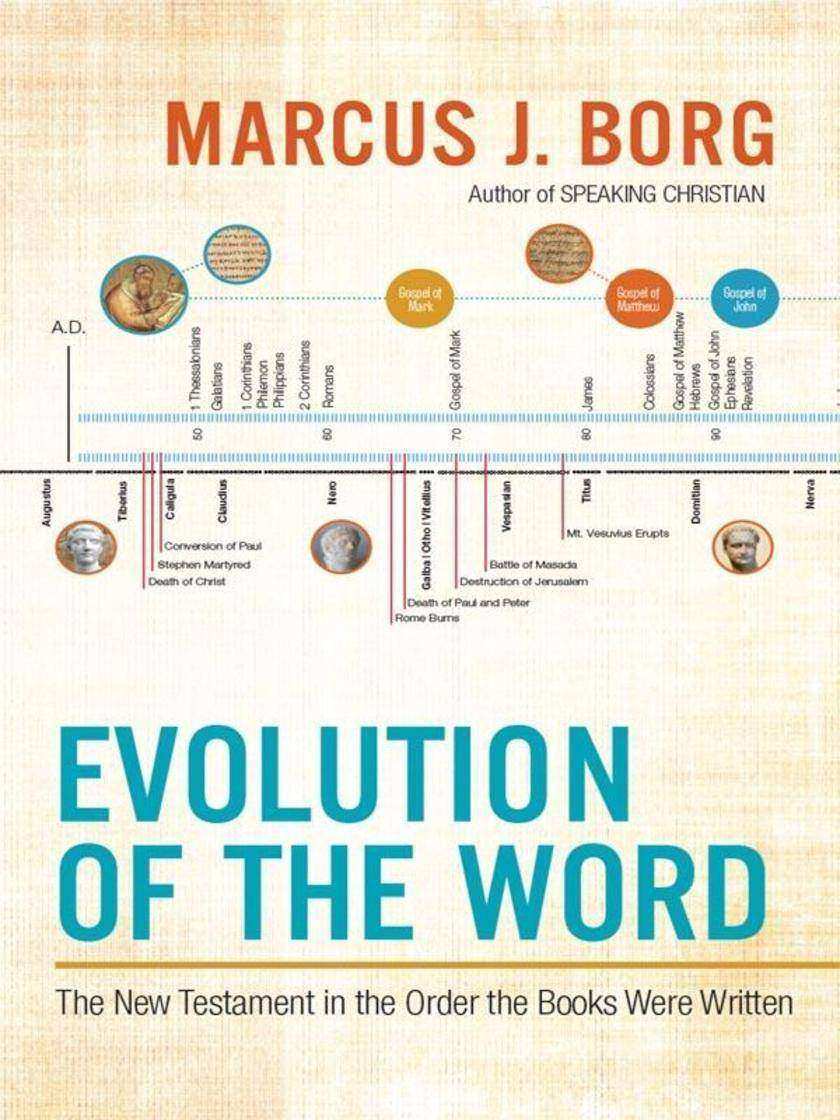
Everyone knows the New Testament begins with the Gospel of Matthew, but how many know Matthew was actually one of the later books to be written(It wasn't even the first Gospel!) But Evolution of the Word is not your typical New Testament.Marcus J. Borg, esteemed Bible scholar and bestselling author, shakes up the order of the New Testament as we know it by putting the books in a completely new order the order in which they were written. By doing so, Evolution of the Word allows us to read these documents in their historical context. For the first time, see how the core ideas of Christianity took shape and developed over time.Borg surveys what we know of the Jewish community of Jesus followers who passed on their stories orally. Into this context emerges the apostle Paul, whose seven authentic letters become the first collected writings that would later become the New Testament. Borg offers helpful introductions for each book so that as we read through these biblical documents, spanning over a century in time, we see afresh what concerns and pressures shaped this movement as it evolved into a new religion.In this groundbreaking format, Borg reveals how a radical and primitive apocalyptic Jewish faith slowly became more comfortable with the world, less Jewish, and more pre- occupied with maintaining power and control. Evolution of the Word promises to change forever how we think about this historic work.
Gossip
¥84.16
The critically acclaimed author of Good-bye and Amen, Leeway Cottage, and More Than You Know returns with a sharply perceptive and emotionally resonant novel about all the ways we talk about one another, the sometimes fine line between showing concern and doing damage, and the difficulty of knowing the true obligations of friendshipGossipBeth Gutcheon "Did you know that the origin of the word gossip in English is 'god-sibling'It's the talk between people who are godparents to the same child, people who have a legitimate loving interest in the person they talk about. It's talk that weaves a net of support and connection beneath the people you want to protect."Loviah "Lovie" French owns a small, high-end dress shop on Manhattan's Upper East Side. Renowned for her taste and discretion, Lovie is the one to whom certain women turn when they need "just the thing" for major life events baptisms and balls, weddings and funerals or when they just want to dish in the dressing room. Among the people who depend on Lovie's confidence are her two best friends since boarding school: Dinah Wainwright and Avis Metcalf. Outspoken and brimming with confidence, Dinah made a name for herself as a columnist covering the doings of New York's wealthiest and most fabulous. Shy, proper Avis, in many ways Dinah's opposite, rose to prominence in the art world with her quiet manners, hard work, and precise judgment. Despite the deep affection they both feel for Lovie, they have been more or less allergic to each other since a minor incident decades earlier that has been remembered and resented with what will prove to be unimaginable consequences. These uneasy acquaintances become unwillingly bound to each other when Dinah's favorite son and Avis's only daughter fall in love and marry. On the surface, Nick and Grace are the perfect match a playful, romantic, buoyant, and beautiful pair. But their commitment will be strained by time and change: career setbacks, reckless choices, the birth of a child, jealousies, and rumor. At the center of their orbit is Lovie, who knows everyone's secrets and manages them as wisely as she can. Which is not wisely enough, as things turn out a fact that will have a shattering effect on all their lives.An astute chronicler of everything that makes us human, Beth Gutcheon delivers her most powerful and emotionally devastating novel to date. Gossip is a tale of intimacy and betrayal, trust and fidelity, friendship, competition, and motherhood that explores the myriad ways we use and abuse "information" about others be it true, false, or imagined to sustain, and occasionally destroy, one another.
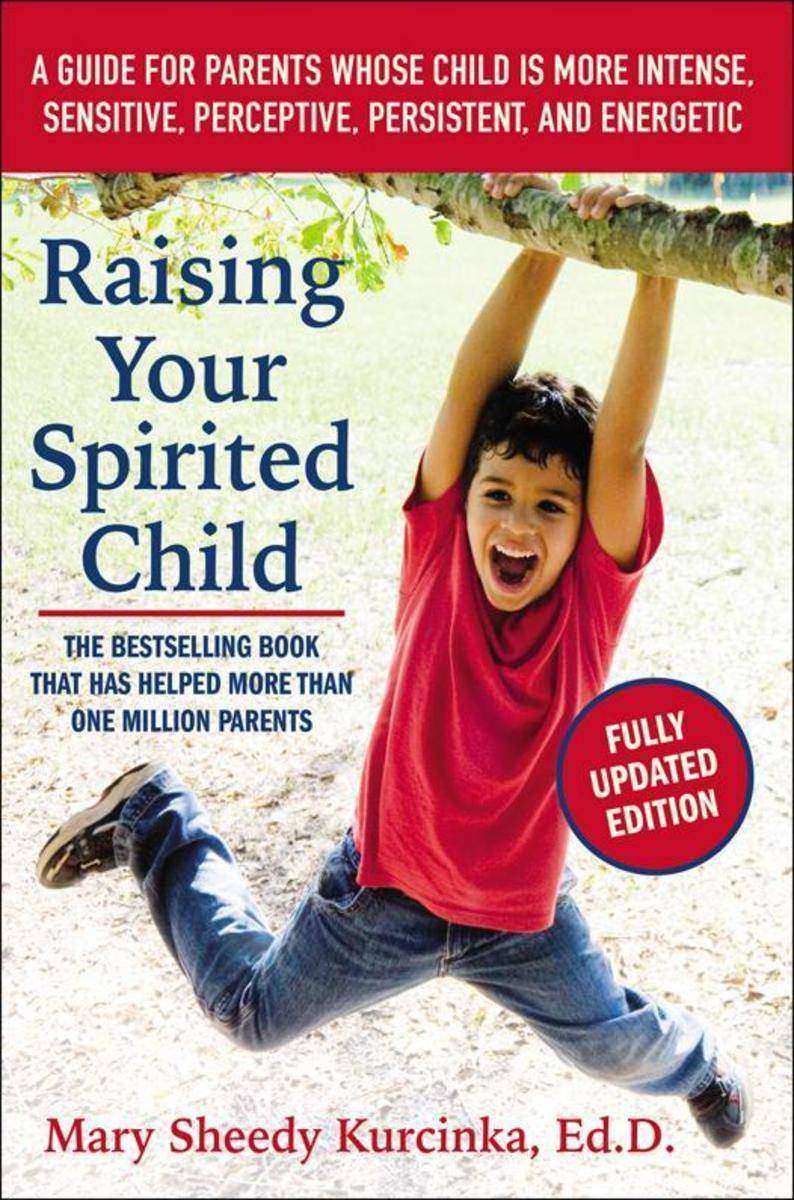
Raising Your Spirited Child, Third Edition
¥106.31
The spirited child—often called "difficult" or "strong willed"—possesses traits we value in adults yet find challenging in children. Research shows that spirited children are wired to be "more"; by temperament, they are more intense, sensitive, perceptive, persistent, and more uncomfortable with change than the average child. In this newly revised third edition of the award-winning classic, Dr. Mary Sheedy Kurcinka provides vivid examples of real-life challenges and a refreshingly positive viewpoint. Within these pages you will find: New strategies for managing intensity levels—not just the spirited child's, but yours too A simple, four-step program for peaceful bedtimes, mealtimes, holidays, and many other commonly challenging situations A focus on your child's strengths Steps for teaching your child how to be a problem solver and how to work with others Updated guidance on establishing clear limits And more! Charts and quick tips make this newly updated edition an indispensable guide for fostering a supportive, encouraging, and loving environment for children.
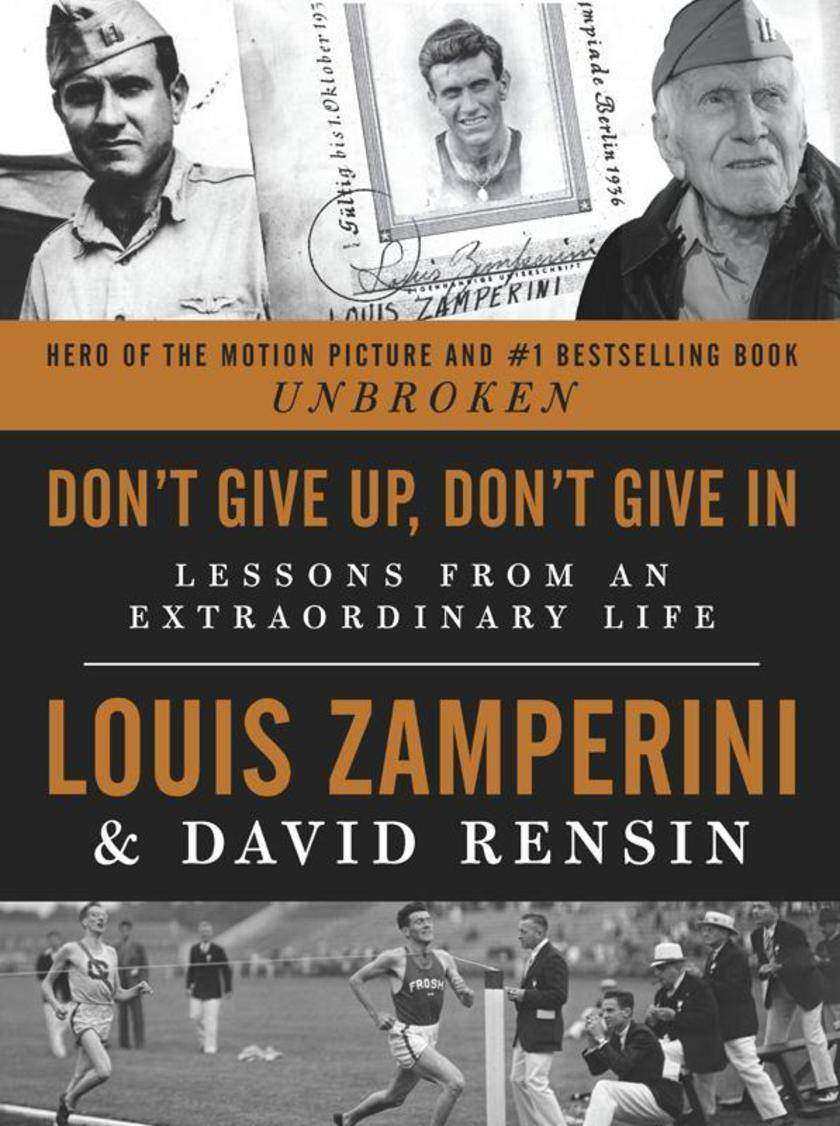
Dey Street Books
¥95.11
Champion. Survivor. Hero. Legend. Completed just two days before Louis Zamperini's death at age 97, Don't Give Up, Don't Give In shares a lifetime of wisdom, insight, and humor from one of America's most inspiring lives. Zamperini's story has touched millions through Laura Hillenbrand's biography Unbroken, soon to be a major motion picture directed by Angelina Jolie. Now, in his own words, Louis Zamperini reveals, with warmth and great charm, the essential values and lessons that sustained him throughout his remarkable journey. He was a youthful troublemaker from California who turned his life around to become a 1936 Olympian and a world-class miler at the University of Southern California. Putting aside his superstar track career, Louis Zamperini volunteered for the army before Pearl Harbor and was thrust into the violent combat of World War II as a B-24 bombardier. While on a rescue mission, his plane went down in the middle of the Pacific Ocean, where he survived, against all odds, drifting two thousand miles in a small raft for forty-seven days. His struggle was only beginning: Zamperini was captured by the Japanese and, for more than two years, he courageously endured torture and psychological abuse in a series of prisoner-of-war camps. He returned home to face more dark hours, but in 1949 Zamperini's life was transformed by a spiritual rebirth that would guide him through the next sixty-five years of his long and happy life. Cowritten with longtime collaborator David Rensin, Louis Zamperini's Don't Give Up, Don't Give In is an extraordinary last testament that captures the wisdom of a life lived to the fullest. A son of Italian immigrants, Louis Zamperini (1917–2014) was a U.S. Olympic runner, World War II bombardier, and POW survivor. After the war, he returned to the United States to found the Victory Boys Camp for at-risk youth and became an inspirational speaker. Zamperini's story was told in his 2003 autobiography Devil at My Heels, as well as in Laura Hillenbrand's 2010 biography Unbroken. David Rensin worked closely with Louis Zamperini for many years and cowrote Devil at My Heels, as well as fifteen other books, including five New York Times bestsellers.

Say What You Mean and Mean What You Say!
¥73.71
Parents have it tough. Kids have it tough, too. And few people are in a better position to guide readers through these tough times than Judge Glenda Hatchett. As chief presiding judge of one of the largest juvenile court systems in the country, she gained a front-row perspective on the hot-button social issues of our time -- including drug and alcohol abuse, truancy, date rape, and school violence. As presiding judge on the hit television series Judge Hatchett, she continues to build bridges between parents and their lost, angry, and alienated teens. And, as a parent, she's turned her professional experiences to personal advantage, helping her own children navigate through some of the more difficult dilemmas facing young people today.Using her experiences as a judge and a parent, Judge Hatchett shares with readers seven simple strategies to becoming more involved in a child's life and maintaining a strong relationship. Including concrete examples and illuminating anecdotes, Judge Hatchett says what she means and means what she says in this essential guide to raising safe, smart, and successful children ... even in the tough times.
Beginning to Heal
¥77.49
There's nothing as wonderful as starting to heal, waking up in the morning and knowing that nobody can hurt you if you don't let them.Beginning to Heal offers hope and guidance for all survivors starting the healing journey. No matter how great your pain today, you can not only heal but thrive. Based on the authors' bestseller The Courage to Heal, this Revised Edition of Beginning to Heal takes you through the key stages of the healing process, from crisis times to breaking the silence, grief, and anger, to resolution and moving on. It includes inspirational highlights, clear explanations, practical suggestions, and compelling accounts of survivors' pain, their strength, and their triumphs.

The Mother-Daughter Book Club Rev Ed.
¥84.16
Newly revised and updated! The tenth anniversary edition of the inspirational book that has brought countless mothers and daughters closer together! The Mother-Daughter Book Club is the story of a group of mothers and their daughters, and how their relationships were strengthened and changed by starting a monthly reading club. But it is also a practical step-by-step guide filled with stories, anecdotes, and reading lists that will inspire parents to start reading clubs of their own.Shireen Dodson's message is a powerful one: Reading, learning, and sharing ideas can help nourish a daughter's confidence, strength, spirit, and independence. A reading club offers a mother the opportunity to enjoy her daughter's burgeoning mind as she moves toward womanhood. The Mother-Daughter Book Club is not merely about books. It is about mothers and daughters, girls and women, and how reading and talking enriches our relationships with one another.

The Alpha Woman Meets Her Match
¥83.03
For the first time ever: a liberating guide to life and love that tells successful women that they can find the right partner without having to change or settle and then shows them how to do itIn the twenty-first century, women are outpacing men in education and career advancement. Yet amazingly, successful women are constantly being told that their professional achievements might doom their chances of marriage and family. Don't believe the alarmist, negative hype, advises top relationship therapist Dr. Sonya Rhodes. Data show that today's Alpha women ambitious, self-assured, and hardworking are hardly fated to be spinsters. On the contrary, by rethinking outmoded gender roles, women can have better relationships than ever before. A clinical psychologist with more than thirty years' experience, Dr. Rhodes shares her secrets to helping women triumph in love by finding men who will appreciate and complement their strengths.Challenging gender stereotypes associated with the terms Alpha and Beta, she advises the Alpha woman to look past the overly competitive, domineering Alpha male for a man who is not threatened by her strengths but is communicative, responsible, and collaborative. Just as Alpha women aren't demanding bitches, Beta men aren't passive wimps. Demonstrating that nearly everyone is a combination of both qualities, Dr. Rhodes includes a comprehensive test to help readers define where they (and their partners) are on the Alpha-Beta spectrum. This tool will give women more options and help them make better choices.More than just offering advice about romance, The Alpha Woman Meets Her Match explores the dramatic shifts in our culture, and how these can bring women greater empowerment in both their love lives and their careers.

Plain and Simple
¥88.56
"I had an obsession with the Amish. Plan and simple. Objectively it made no sense. I, who worked hard at being special, fell in love with a people who valued being ordinary." So begins Sue Bender's story, the captivating and inspiring true story of a harried urban Californian moved by the beauty of a display of quilts to seek out and live with the Amish. Discovering lives shaped by unfamiliar yet comforting ideas about time, work, and community, Bender is gently coaxed to consider, "Is there another way to lead a good life?" Her journey begins in a New York men's clothing store. There she is spellbound by the vibrant colors and stunning geometric simplicity of the Amish quilts "spoke directly to me," writes Bender. Somehow, "they went straight to my heart." Heeding a persistent inner voice, Bender searches for Amish families willing to allow her to visit and share in there daily lives. Plain and Simple vividly recounts sojourns with two Amish families, visits during which Bender enters a world without television, telephone, electric light, or refrigerators; a world where clutter and hurry are replaced with inner quiet and calm ritual; a world where a sunny kitchen "glows" and "no distinction was made between the sacred and the everyday." In nine interrelated chapters--as simple and elegant as a classic nine-patch Amish quilt--Bender shares the quiet power she found reflected in lives of joyful simplicity, humanity, and clarity. The fast-paced, opinionated, often frazzled Bender returns home and reworks her "crazy-quilt" life, integrating the soul-soothing qualities she has observed in the Amish, and celebrating the patterns in the Amish, and celebrating the patterns formed by the distinctive "patches" of her own life. Charmingly illustrated and refreshingly spare, Plain and Simple speaks to the seeker in each of us.


