


 购物车
购物车 个人中心
个人中心
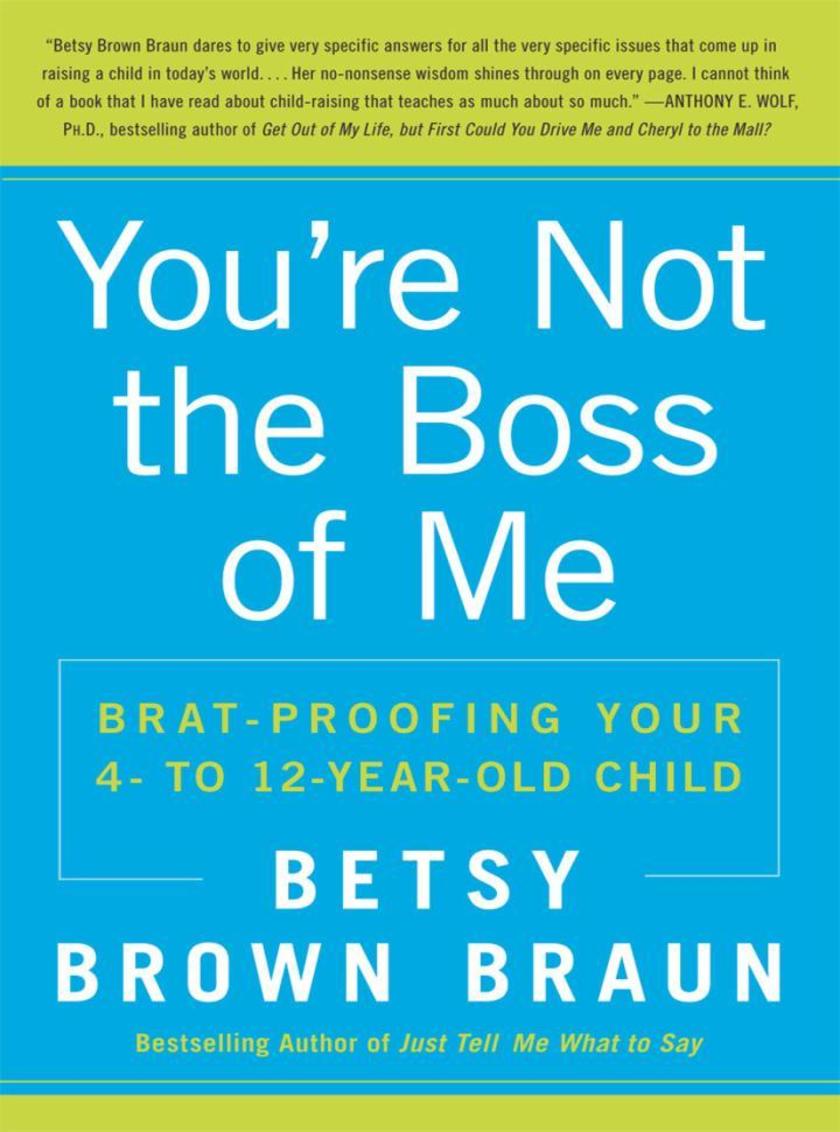
You're Not the Boss of Me
¥88.56
"Save me! My child is acting like a brat!"What parent hasn't thought her child was a brat at one point or anotherWhether your child really is a brat, is at risk of becoming one, or is simply trying to grow up in a world filled with temptations and distractions, you'll love this book! It's the ultimate hands-on guide to cultivating character traits that are tried-and-true "bratbusters." Full of no-nonsense, practical "Tips and Scripts," You're Not the Boss of Me offers just the help you need to deal with many of the more challenging behaviors typical of four- to twelve-year-olds. With Betsy Brown Braun's humorous, supportive, and authoritative voice as a guide, navigating some of the most exasperating aspects of these formative years with confidence and laying the groundwork for your child's future just got a whole lot easier! It's All Here What to Say and Do to Help Your Child: Get Over the Gimmes Tell the Truth Be Self-Reliant Develop Empathy Show Gratitude Be Respectful Take Responsibility Be Independent Exercise Humor and Not Be Spoiled!
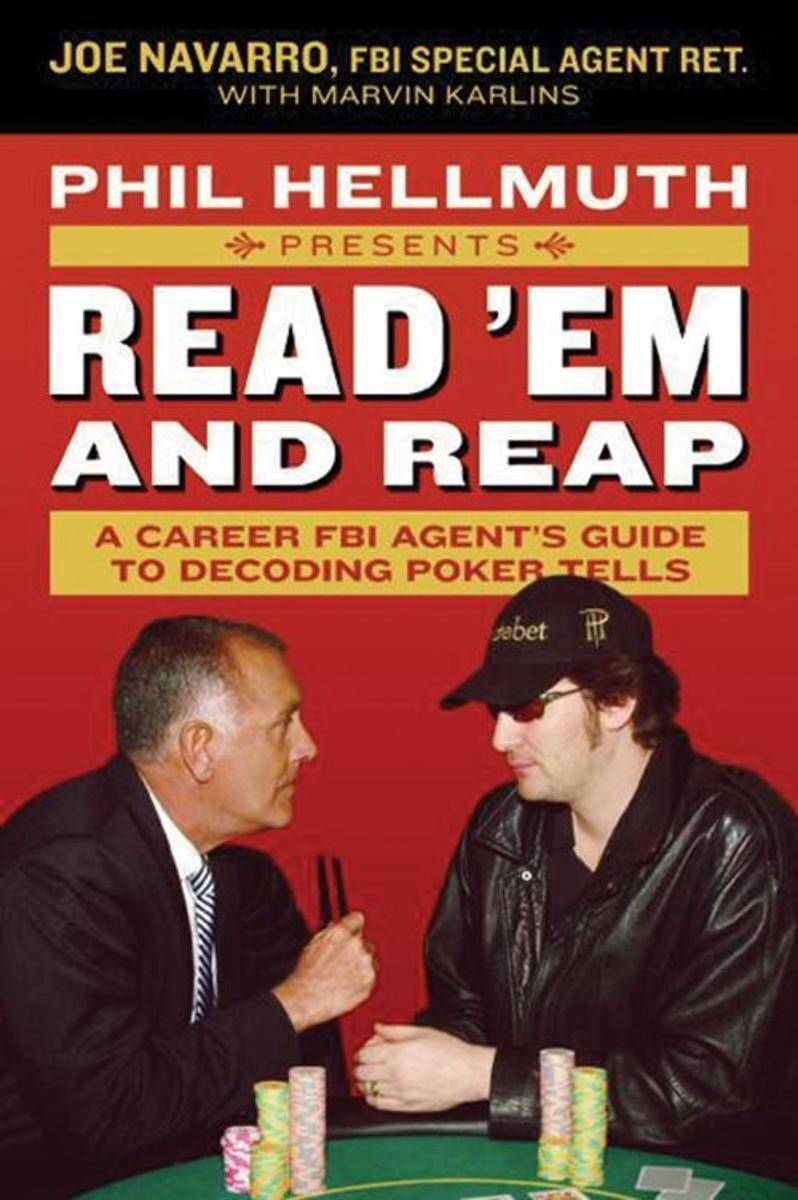
Phil Hellmuth Presents Read 'Em and Reap
¥106.31
very great player knows that success in poker is part luck, part math, and part subterfuge. While the math of poker has been refined over the past 20 years, the ability to read other players and keep your own "tells" in check has mostly been learned by trial and error.But now, Joe Navarro, a former FBI counterintelligence officer specializing in nonverbal communication and behavior analysis or, to put it simply, a man who can tell when someone's lying offers foolproof techniques, illustrated with amazing examples from poker pro Phil Hellmuth, that will help you decode and interpret your opponents' body language and other silent tip-offs while concealing your own. You'll become a human lie detector, ready to call every bluff and the most feared player in the room.

Mysteries of the Dark Moon
¥106.61
Exploring the mystery, wisdom, and power of the dark phase of the moon's cycle--a lunar-based model for moving through the dark times in our lives with understanding, consciousness, and faith in renewal.The moon's dark phase has traditionally been a time of fear and superstition, a time associated with death and isolation. The mythical embodiment of these fears is the Dark Goddess. Known around the world by many names--Lilith, Kali, Hecate, and Morgana--the archetypal Dark Goddess represents death, sexuality, and the unconscious--the little understood, often feared aspects of life.Demetra George combines psychological, mythical, and spiritual perspective on the shadowy, feminine symbolism of the dark moon to reclaim the darkness from oppressive, fear-based images. George offers rites for rebirth and transformation that teach us to tap into the power of our dark times, maximizing the potential for renewal inherent in our inevitable periods of loss, depression, and anger.
A Year with Aslan
¥151.10
For more than fifty years, the world C. S. Lewis created in Narnia has captured our hearts and imaginations. Both children and adults have discovered that rereading the books leads to entirely new experiences and insights. In the midst of these breathtaking stories of adventure, betrayal, and discovery in a magical land are profound messages about the true meaning of life. Whether it is Eustace struggling with his dragon skin, Digory debating obedience to Aslan versus saving his mother, or Edmund facing his shame after his rescue from the White Witch, the questions and dilemmas facing the characters are surprisingly relevant to us today. By pondering the world of Narnia, we better understand our own.In the first book of its kind, A Year with Aslan offers 365 of the most thought-provoking passages from all seven books, paired with reflective questions that get at the heart of what matters most. An unprecedented way to experience the magic of Narnia every day of the year, A Year with Aslan allows us all to go "Further up and further in!"
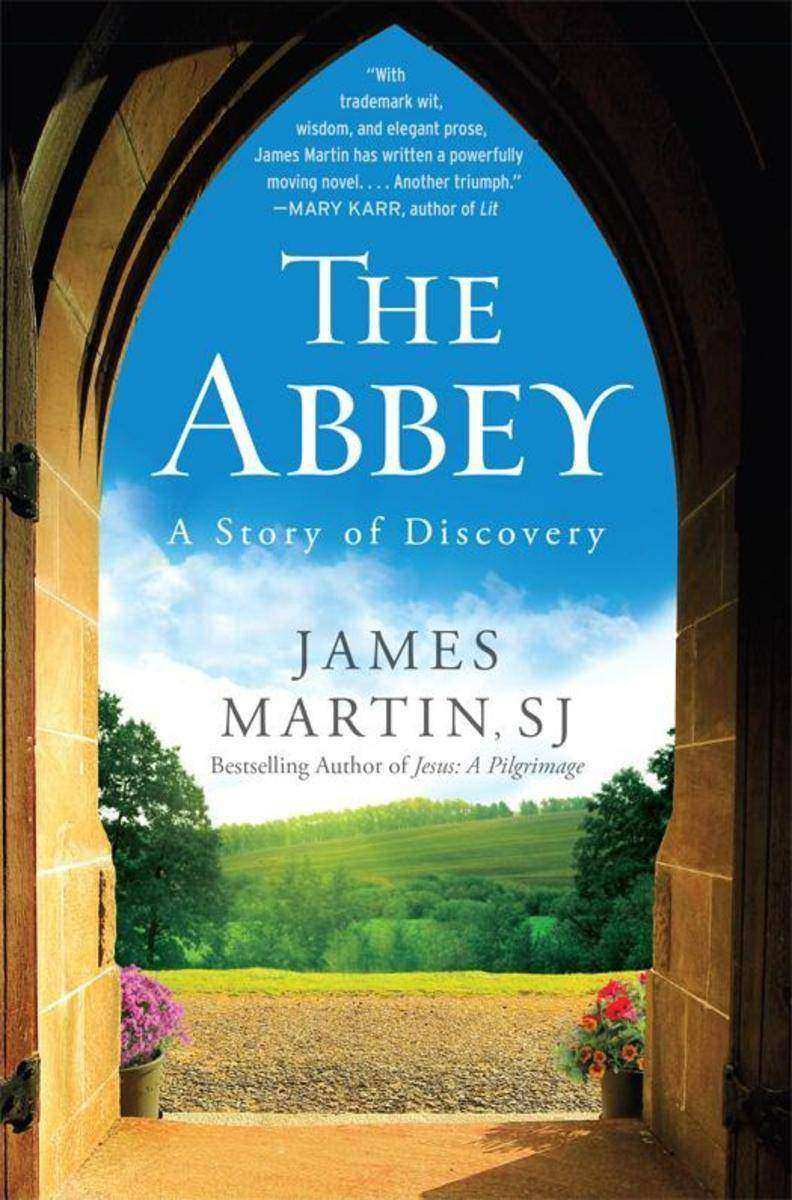
The Abbey
¥83.92
A divorced single mom, Anne can sometimes barely cope with life and struggles to make sense of the death of her young son.A former architect who had a promising career, Mark works as a handyman and wonders how his life got off track.The abbot of the Abbey of Saints Philip and James, Father Paul sometimes questions how to best live a life that secludes him so thoroughly from the world.At a Pennsylvania abbey, this unlikely trio will discover the answers they seek a miracle of hope and understanding that bears witness to the surprising power of God to bring healing and wholeness to our lives.In his debut novel, James Martin, SJ, provides a window into the spiritual journeys of three people seeking direction. As he did in his previous bestsellers Jesus: A Pilgrimage, Between Heaven and Mirth, and The Jesuit Guide to (Almost) Everything Martin once again crafts a book that incarnates deep spiritual wis-dom while being accessible and full of humor and grace. Through the characters' struggles, we see firsthand how God uses our worries, questions, and even anger to help us become whole.

What Mama Taught Me
¥84.16
Millions of viewers of Tony Brown's Journal, the longest-running series on PBS, know Tony Brown as an advocate for self-reliance and self-enrichment. Now, in his most personal book yet, he introduces us to the woman who brought him up and taught him the seven core values he lives by to this day: reality, knowledge, race, history, truth, patience, and love. What Mama Taught Me states that only by understanding one's place in the world can one become free in mind and spirit, which is the path to true success. Brown argues that by following other people's rules, we betray ourselves and our desires, resulting in a vicious cycle of disconnection, unhappiness, and spiritual death. Enhanced by the homespun storytelling he heard as a child, this is Brown's personal recipe for achievement, imparting values that provide a blueprint for reaching success and happiness -- on one's own terms.
Love Wins Companion
¥78.32
For those looking to go deeper with Rob Bell's bestselling pioneering book Love Wins, this companion offers: Insights and commentary by theologians, Bible scholars, scientists, and pastors Deep analysis of all relevant Bible passages on heaven, hell, and salvation Detailed chapter summaries, discussion questions, and Bible studies for individuals, groups, and classes Excerpts from works throughout Christian history illustrating the variety of teachers also debating the issues Bell wrestles with New material by Bell on his mission for the book and how people can take the next step

I Love You Rituals
¥88.56
I Love You Rituals offers more than seventy delightful rhymes and games that send the message of unconditional love and enhance children's social, emotional, and school success.Winner of a 1999 Parent's Guide Children's Media Award, these positive nursery rhymes, interactive finger plays, soothing games, and physically active can be played with children from infancy through age eight. In only minutes a day, these powerful rituals: Prime a child's brain for learning Help children cope with change Enhance attention, cooperation, and self-esteem Help busy families stay close Affirm the parent-child bond that insulates children from violence, peer pressure, and drugs, and much more. Easy to learn and especially effective in stressful situations, I Love You Rituals gives parents, grandparents, caregivers, and teachers inspiring tools to help children thrive.

Letting Go (Fifth Edition)
¥84.16
For more than a decade Letting Go has provided hundreds of thousands of parents with valuable insights, information, comfort, and guidance throughout the emotional and social changes of their children's college years from the senior year in high school through college graduation. Based on real-life experience and recommended by colleges and universities around the country, this indispensable book has been updated and revised, offering even more compassionate, practical, and up-to-the-minute information. When should parents encourage independenceWhen should they interveneWhat issues of identity and intimacy await studentsWhat are normal feelings of disorientation and loneliness for students and for parentsWhat is different about today's college environmentWhat new concerns about safety, health and wellness, and stress will affect incoming classes?

When Your Kid Goes to College
¥85.05
"During the summer before he went to college, he was obnoxious; he said, 'There's a reason I'm acting this way; it will make it easier for you to have me leave.'""When she was packing to leave, she was completely preoccupied with how many sheets and towels to take. I was thinking, 'My kid is leaving home forever, and life is taken up with minutiae.'"It's an emotional rollercoaster, a combination of missing him and feeling happy and excited for him."New BeginningsYou've taught them how to do their laundry, brought them a year's supply of toothpaste and shampoo, and lectured them on the do's and dont's of life beyond your home. The time has come for your child to leave for college -- but are you prepared to say goodbye?Written by a mother who survived the perils of packing her own child off to school, When Your Kid Goes to College provides supportive, reassuring, and helpful tips for handling this inevitable but difficult separation. Comprehensive and accessible, this practical guide includes info on: Teaching your child how to live on his own, from balancing a checkbook to dealing with a roomate. The difference between financial and emotioanl dependence -- and how to keep them separate. Helping your spouse, younger children, and even pets deal with the transition when your child leaves -- and when she returns. How to fill -- and even enjoy -- the hole that your child's absence leaves. Saying goodbye isn't the end of the world; it's the beginning of an exciting new one for your child-and you!

Stepping Out Within
¥53.88
Stepping Out Within by Robert W. Olsen has de*ive copy which is not yet available from the Publisher.
Today's Moms
¥95.39
Two producers of Today share their experiences and wisdom on baby's first year, along with priceless advice and anecdotes from the anchors and experts on America's number-one morning show.Being a new mother can be extremely nerve-racking and exhausting, and many moms find parenting advice, comfort, and humor on the Today show. Now all that advice and more is collected in Today's Moms, a one-stop guide to everything a new mother needs to know about her baby's first year, from the best breastfeeding products to reclaiming fun and intimacy with her partner after the baby. Full of behind-the-scenes stories with moms and experts, Today's Moms provides the most up-to-date news and information with easy, entertaining ways to help mothers keep their sanity. And it's all medically reviewed by NBC medical experts Dr. Nancy Snyderman and Dr. Tanya Benenson.Contributors include Meredith Vieira, Ann Curry, Matt Lauer, Al Roker, Kathie Lee Gifford, and many others. Written in a friendly and accessible tone, with straightforward, honest advice and expert information, Today's Moms will help all moms feel more confident about their first year of motherhood.
Complete Confidence Updated Edition
¥99.65
Confident people react positively and successfully to life's problems and challenges. Those who lack confidence often view themselves as victims blaming others or bingeing on drugs, sex, food, or alcohol to mask their feelings of shame or worthlessness.In Complete Confidence, renowned psychotherapist Dr. Sheenah Hankin points the way to a confident life free of self-criticism, anxiety, and immature anger. Her Winning Hand of Comfort technique is a clear, concise, and powerful pre*ion for dealing with everyday situations from resolving conflicts to ending unhealthy habits like overeating, complaining, and procrastinating. This essential handbook will teach you how to retrain your brain to manage your emotions and put your problems into perspective. You will learn how to calm down, clarify your thinking, challenge your blame habit, comfort your negative feelings, and achieve confidence. That is Dr. Hankin's promise.

Motherless Mothers
¥95.39
When Hope Edelman, author of the New York Times bestseller Motherless Daughters, became a parent, she found herself revisiting the loss of her mother in ways she had never anticipated. Now the mother of two young girls, Edelman set out to learn how the loss of a mother to death or abandonment can affect the ways women raise their own children. In Motherless Mothers, Edelman uses her own story as a prism to reveal the unique anxieties and desires that these women experience as they raise their children without the help of a living maternal guide. In an impeccably researched, luminously written book enriched by the voices of the mothers themselves and filled with practical insight and advice from experienced professionals she examines their parenting choices, their triumphs, and their fears, and offers motherless mothers the guidance and support they want and need.
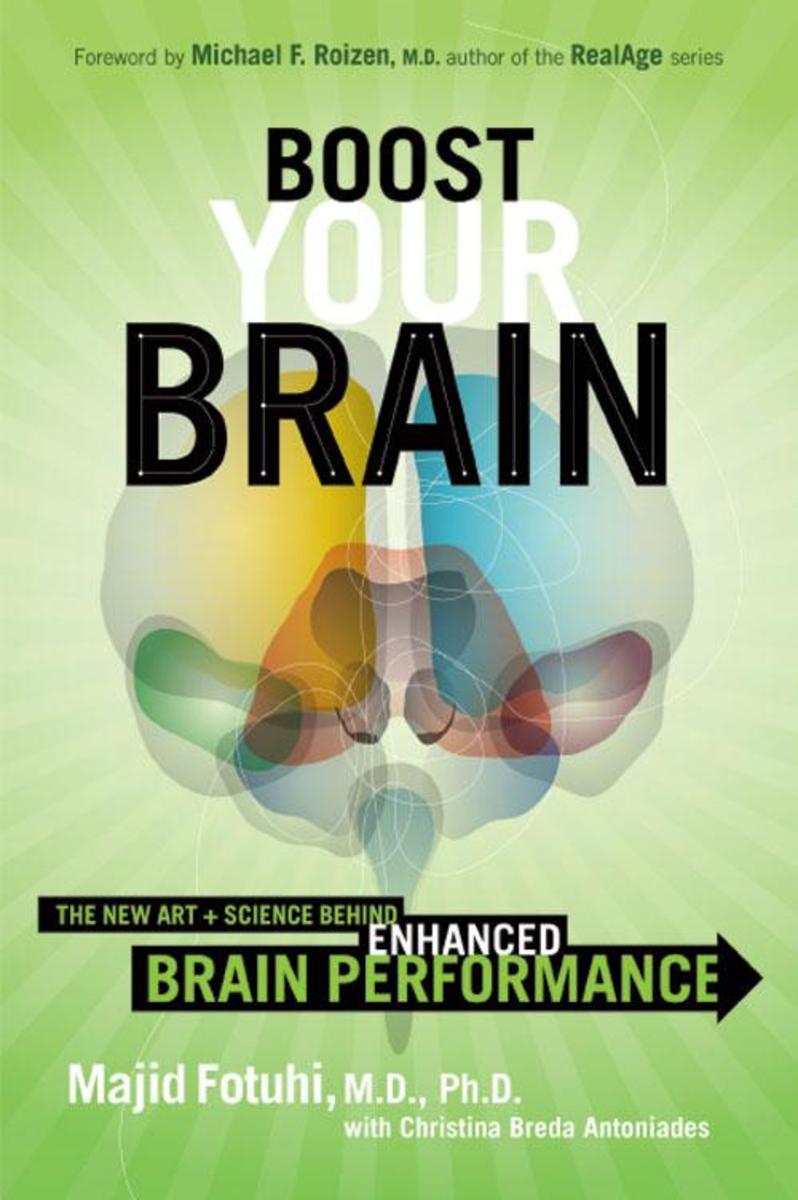
Boost Your Brain
¥88.56
The human brain can actually grow and a bigger brain means better memory, creativity, speed of learning, and ability to concentrate.In Boost Your Brain, Majid Fotuhi, M.D., Ph.D., guides you through the innovative brain fitness program that he has developed for his patients at the NeurExpand Brain Center, an institute dedicated to helping people quickly sharpen their brain performance. You start the program with an assessment of your current brain health and then are given specific brain-fit strategies proven to promote brain acuity and longevity, detailing the latest scientific evidence behind each. Concrete advice is given on how to spur new cell growth, which foods help to build new synapses, what creates brain reserve, and more. Dr. Fotuhi also highlights key behaviors to avoid explaining, for example, how one common sleep disorder can shrink your brain's memory and attention centers by as much as 18 percent!Dr. Fotuhi brings together the latest brain science discoveries about neuroplasticity, which show not only that the size of the brain can be increased within a matter of weeks resulting in better focus, memory, and creativity but that the increase can be scientifically measured. Boost Your Brain is the only book that uses groundbreaking advances in neuroscience to present a clear explanation and pre*ive plan for how to access the benefits of significantly enhanced brain performance at any age.
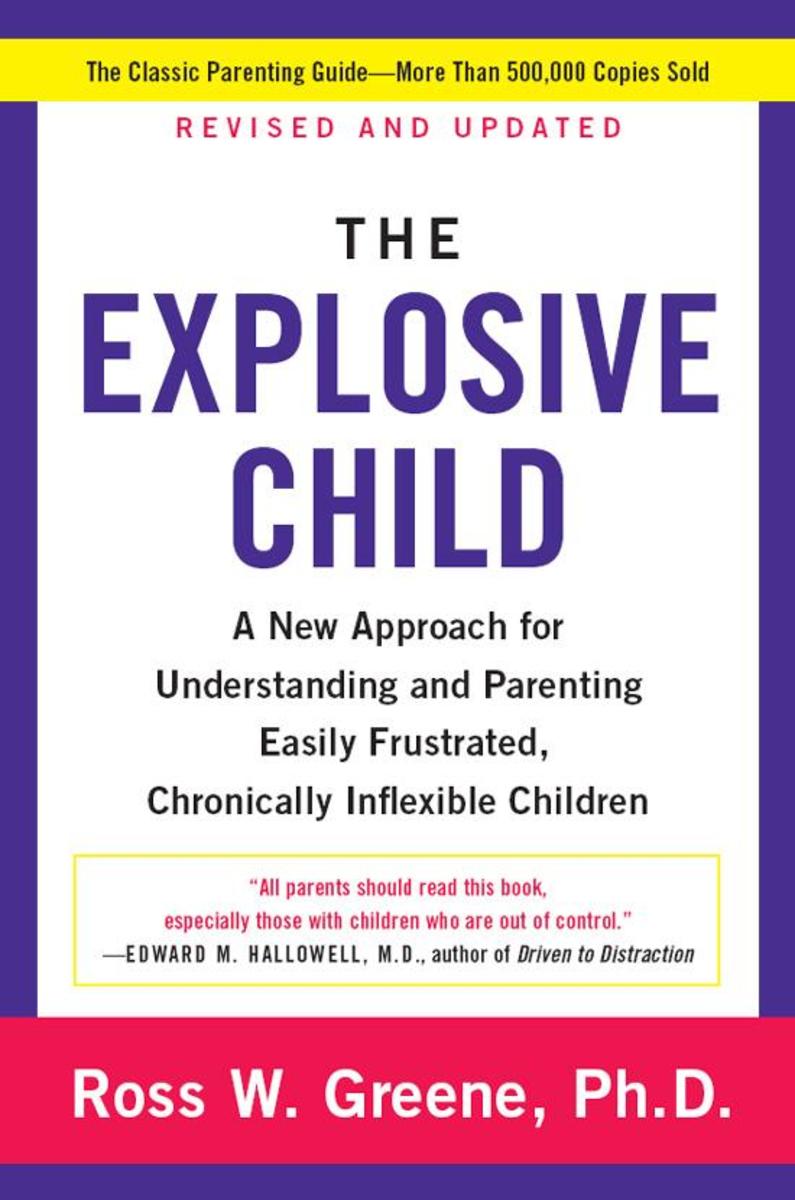
The Explosive Child
¥99.65
Screaming, swearing, crying, hitting, kicking, spitting, biting...these are some of the challenging behaviors we see in kids who are having difficulty meeting our expectations. These behaviors often leave parents feeling frustrated, angry, overwhelmed, and desperate for answers. In this fully revised and updated book, Dr. Ross Greene helps you understand why and when your child does these things and how to respond in ways that are nonpunitive, nonadversarial, humane, and effective.Dr. Greene describes how best to: Understand the factors that contribute to challenging episodes. Identify the specific situations in which challenging episodes are likely to occur. Reduce or eliminate challenging episodes by solving the problems that cause them. Solve problems collaboratively (rather than unilaterally) and proactively (rather than reactively). Help your child develop the skills to be more flexible, solve problems, and handle frustration more adaptively. Reduce hostility and antagonism between you and your child. With Dr. Greene's practical, expert guidance, you and your child will forge a new relationship based on communication and mutual respect.
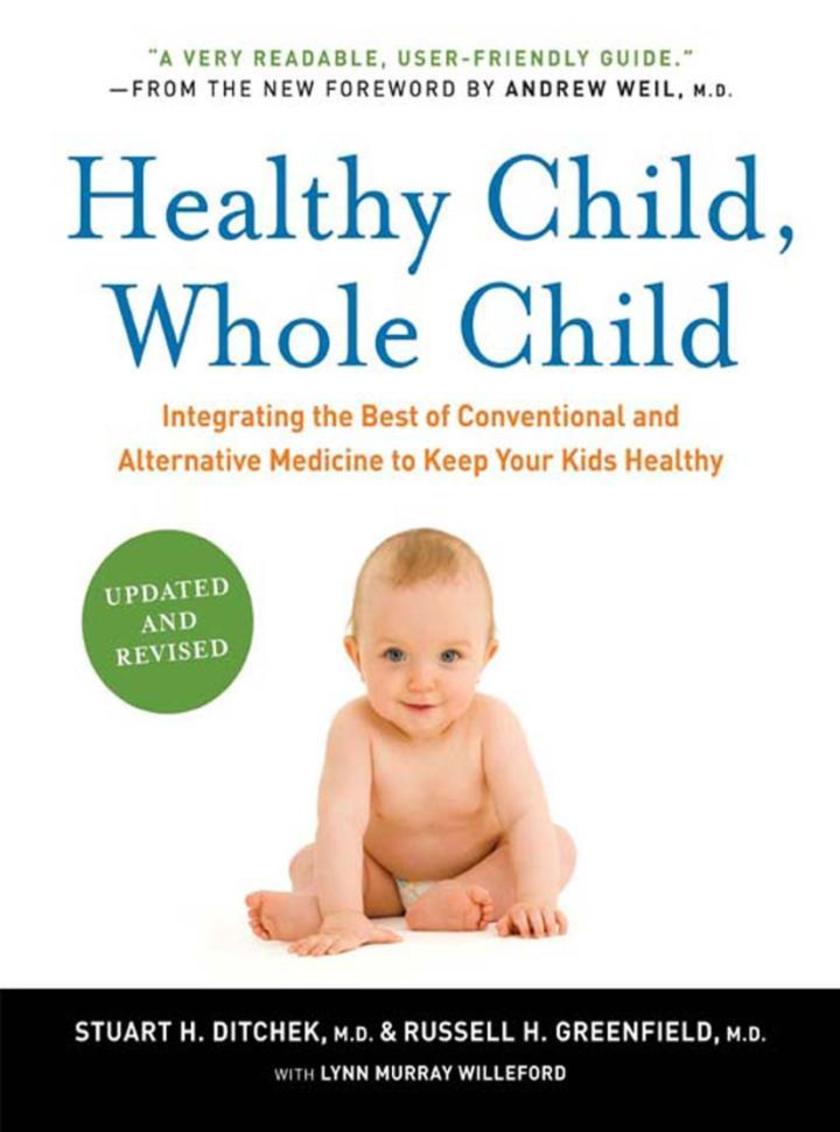
Healthy Child, Whole Child
¥101.00
Should you give your child nutritional supplementsAre vaccinations safeWhy are more and more children becoming couch potatoesIn Healthy Child, Whole Child, doctors Stuart H. Ditchek and Russell H. Greenfield answer these questions and more, offering authoritative, cutting-edge information on all aspects of children's health and wellness. Taking the position that conventional and alternative approaches to pediatric care are not mutually exclusive, they provide the newest science and most up-to-date information on: The 6 myths (and one true statement) about vaccinations The 10 powerhouse foods for your kids The 7 questions you need to ask to find out if your child is overweight The 16 herbs that are safe and effective for children How to receive more integrative care from your current pediatricianAnd more!
On Your Mark, Get Set, Grow!
¥88.56
Recognizing a need for puberty education books for younger children, award-winning author Lynda Madaras published Ready, Set, Grow!: A "What's Happening to My Body?" Book for Younger Girls in 2003 to widespread acclaim. Now, in her uniquely straightforward, warm, and funny style, Madaras introduces On Your Mark, Get Set, Grow!: A "What's Happening to My Body?" Book for Younger Boys.Responding to real-life questions and concerns from younger boys about their changing bodies, Madaras covers a wide range of topics at a reading and understanding level that's just right for them: the growth of sex organs, body hair, and facial hair; weight and height spurts; the unwelcome appearance of acne and body odor; shaving; circumcision; erections and ejaculation; feelings about puberty; and bullying.

100 Simple Secrets of Happy Families
¥67.09
The Simple Science of a Happy FamilyFrom raising children to getting along with in-laws, what do people with close and loving families do differently than those with strained or unfulfilling relationshipsSociologists, therapists, and psychiatrists have spent entire careers investigating the ins and outs of family dynamics, yet their findings are inaccessible to ordinary people, hidden in obscure journals to be shared with other experts. Now, David Niven, the international bestselling author of The 100 Simple Secret series has collected the most current and significant data from more than a thousand of the best scientific studies on families and then spelled out the findings in plain English.The advice is based not on one person's unique experiences or opinions, but offers for the first time the research of noted scientists studying average American families. These findings have been boiled down to one hundred essential ways to find and maintain love, joy, and satisfaction in all family relationships. Each statistic is accompanied by a true story about a real family showing the results in action.Don't Forget the Past: Parents who share stories of family history with their children create higher levels of concern for family members and increase the likelihood of their children's happiness.No Price Tag: Once basic necessities are met, the increasing economic status of one's family has zero effect on the likelihood of feeling satisfied with life.Let Every Opinion Be Heard: Senior citizens having trouble living in their own homes are 84 percent more likely to be satisfied with their housing situation if they feel as if their concerns are an important part of selecting a new home or facility.The Greatest Gift: Life satisfaction is 72 percent more likely among those who feel content with their family life.
Mars and Venus in Love
¥90.77
Straight from the heart -- real-life couples share inspiring, edifying stories of Mars and Venus in love.Millions of readers have learned about relationships from John Gray's previous bestsellers, such as Men Are from Mars, Women Are from Venus, Mars and Venus on a Date; and Mars and Venus in the Bedroom. Inspired by this enthusiasm, Gray asked a number of readers to share their own stories of how they've put his principles to work in their relationships. The result is this amazing collection of first-person accounts-along with Gray's own enlightening commentary-that will have you laughing, crying, and nodding in recognition.Gray's contributors answer such questions as: What problems have you had in your relationship, and how have you overcome themWhat special things do you and your partner do for each otherHow do you best communicate with each otherHow do you practice what you've learnedHow does your love feel different now from how it felt beforeTheir answers illustrate more eloquently than any textbook how to use Gray's advice and counsel to create your own fulfilling, healthy, and loving relationships.
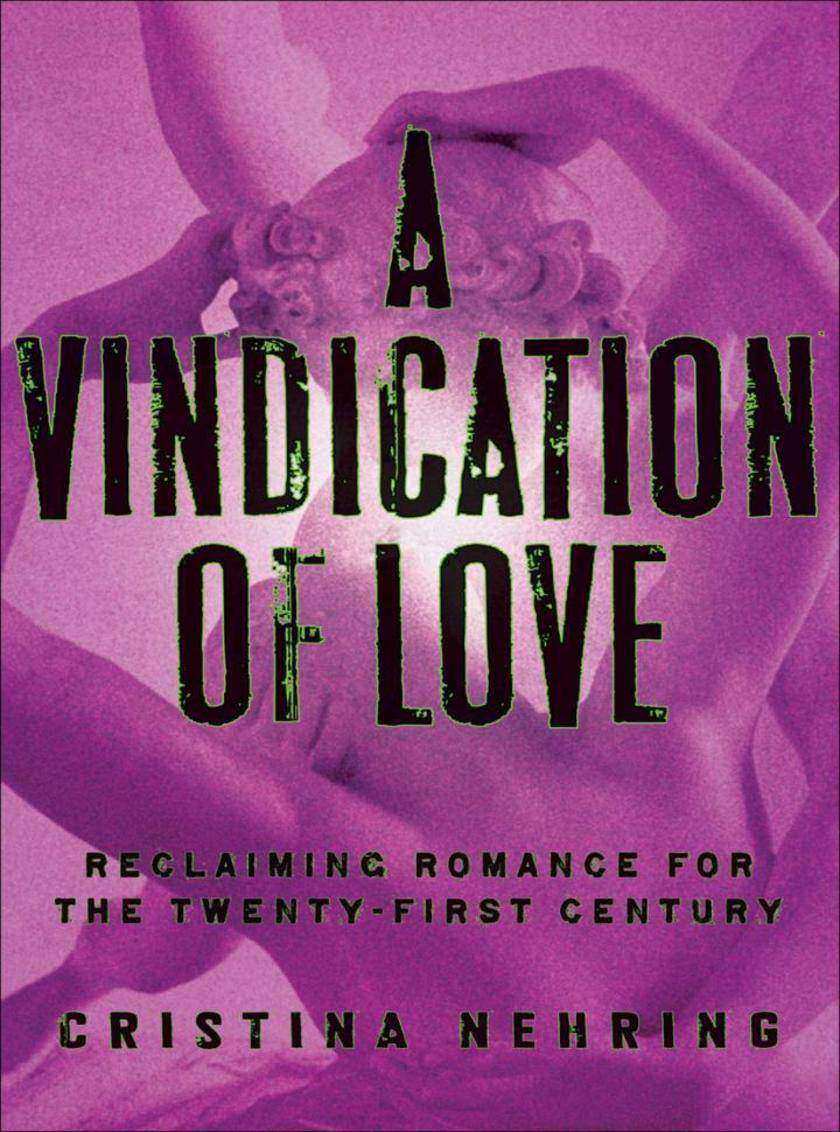
A Vindication of Love
¥90.73
A thinking person’s “guide” that makes the case for love in an age both cynical about and fearful of strong passion. Bold and challenging, A Vindication of Love has inspired praise and controversy, and brilliantly reinvigorated the romance debate. A perfect choice for readers of Alain de Botton’s How Proust Can Change Your Life and Pierre Bayard’s How to Talk About Books You Haven’t Read.


