


 购物车
购物车 个人中心
个人中心
The Wisdom of Tenderness
¥83.03
A Stirring Invitation to Accept God's Unfathomable Tenderness

Stage II Relationships
¥84.16
Offers clear and practical techniques for couples and families who have faced the issue of addiction and are now striving to bring health and vitality to their relationships.

Inner Bonding
¥95.11
Inner bonding is the process of connecting our adult thoughts with our instinctual, gut feelings the feelings of the inner child so that we can minimize painful conflict within ourselves. Free of inner conflict, we feel peaceful, open to joy, and open to giving and receiving love.Margaret Paul, coauthor of Healing Your Aloneness, explores how abandonment of the inner child leads to increasingly negative and destructive feelings of low self-worth, codepenclence, addiction, shame, powerlessness, and withdrawal from relationships. Her breakthrough inner bonding process teaches us to heal past wounds through reparenting and clearly demonstrates how we can learn to parent in the present. Real-life examples illustrate the dynamics of the healing process and show the benefits we can expect in every facet of our lives and in all our relationships.Inner Bonding provides the tools we need to forge and maintain the inner unity that makes our family, sexual, work, and social relationships productive, honest, and joyful.
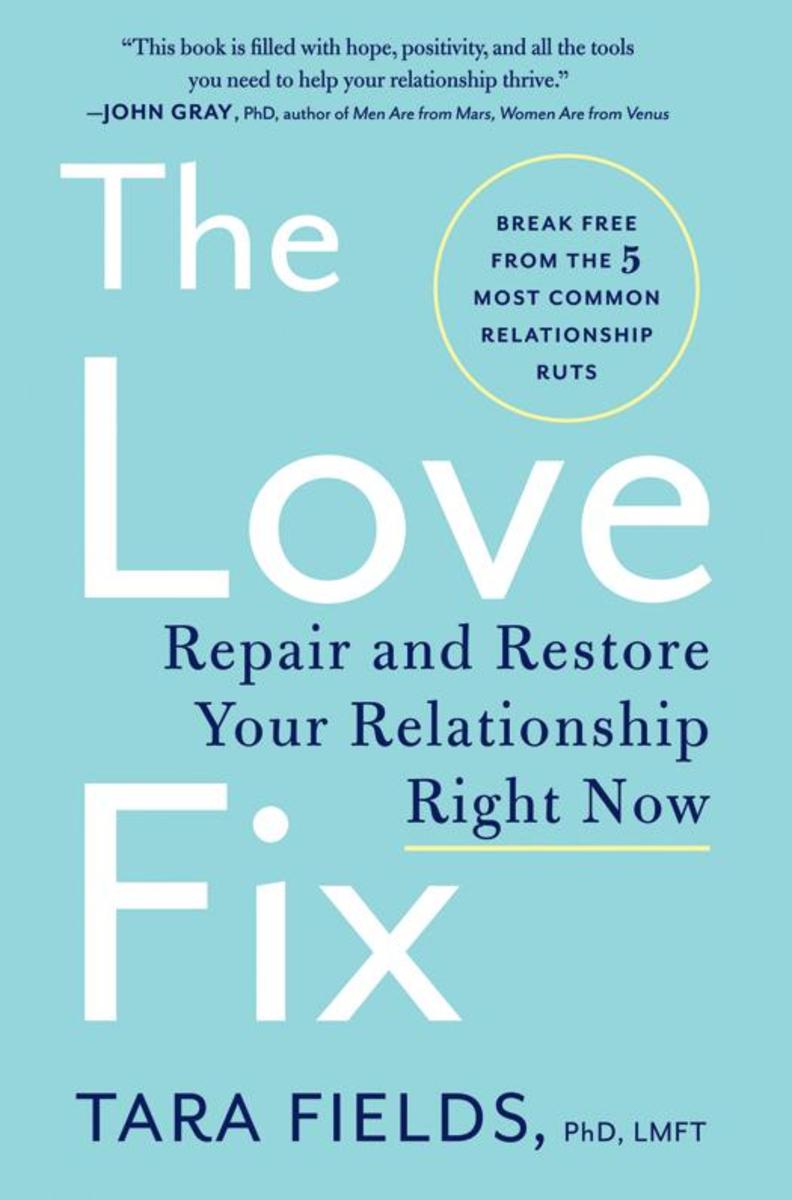
The Love Fix
¥94.10
Find your way back to a happy, satisfying relationshipAll couples argue, but how do some couples get to what seems like the point of no returnLicensed marriage and family therapist Dr. Tara Fields has spent more than twenty-eight years working with couples, and she has discovered that there are five common conflict loops that couples fall into and three steps to getting past having the same fights over and over again and onward to building a relationship where each partner feels heard, understood, respected, and loved. These steps include: Recognizing the conflict loop at play Exploring past and present fears Creating opportunities to get in touch with the deepest needs of both partners in order to find new gratitude, respect, and trust Change comes with awareness. When you're present in the moment, conflict with your partner can become an opportunity to work through unresolved issues and to learn more about each other; it can even become a way to grow closer. In The Love Fix, Fields shares her tested and proven tools to help build stronger relationships, including: Insight from real couples who have repaired their relationships Self-assessment quizzes to get to the root of the problem Practical 3-Minute Fixes you can start using immediately HEARTwork exercises to help you dig deeper in order to reconnect It's never too late to reignite your passion and to restore the love between you and your partner. Stop rehashing the same issues, figure out what you're really fighting about, and start enjoying a happier, stronger relationship today.
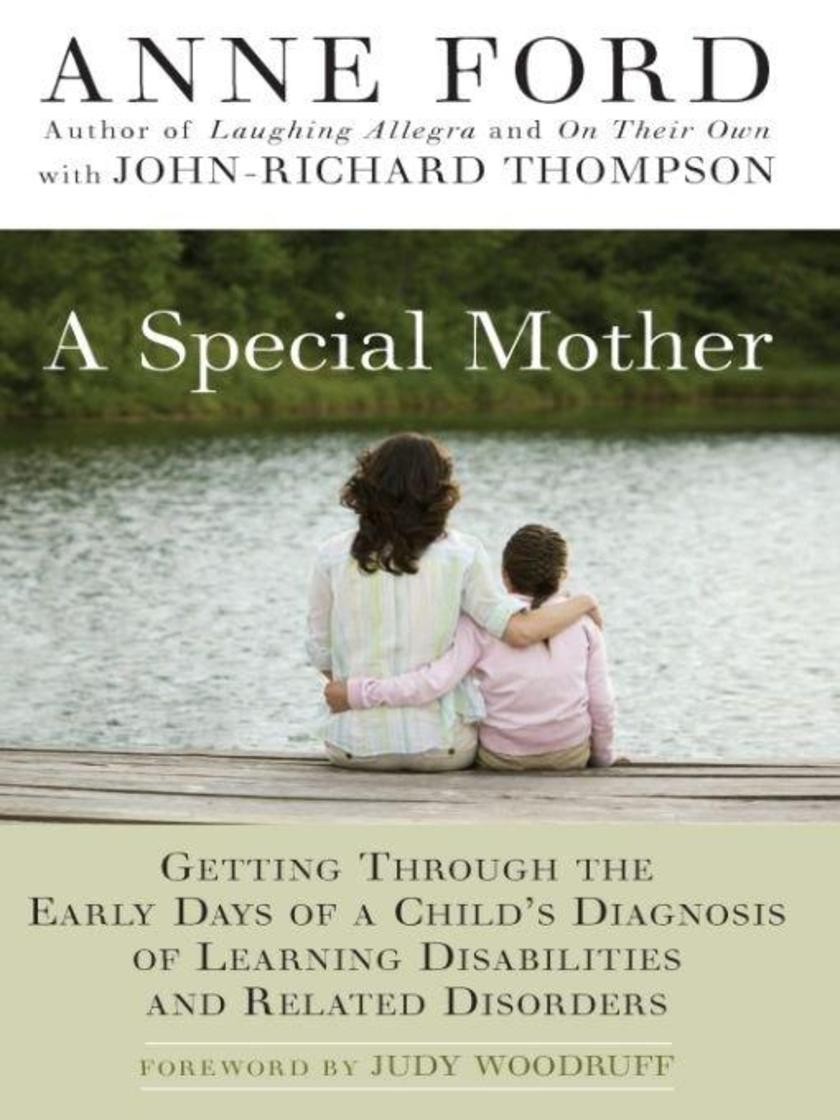
A Special Mother
¥95.39
All mothers experience worries and fears about their children, but none can compare with the early days when a mother feels something's not quite right. Anne Ford knows the feeling. She's had it herself, having raised a daughter with severe learning disabilities, and has gone on to share experiences with others during her many years as a volunteer with the National Center for Learning Disabilities.To bring comfort, support, and hard information to mothers-and fathers, too-in the early period surrounding the diagnosis, here is the book that Anne wishes she'd had years ago when she first received the news about her daughter and didn't know where to turn for the practical and emotional help she desperately needed.Filled with essential advice and the voices of other mothers whose children have LD and related disorders such as Asperger's and ADHD, A Special Mother lets parents know they are not alone and that they can help their child to thrive. This invaluable book addresses such matters as:Understanding Learning Disabilities and Related Disorders What Should You Do FirstInterpreting Evaluation Results Resolving Disputes Special Fathers: They Are Out ThereThe Social Side of LDAdvocacy vs. Obsession How Are You Doing?: Taking Care of Yourself
Working Mothers 101
¥72.99
Motherhood comes naturally.Working motherhood doesn't. So admit it. You need some help. Though there's not a full-time nanny inside this book, there's information on how to find one. This is the book for you if you can't spare even five minutes to use your common sense. It's all laid out for you in how-to, when-to lists and plenty of stories from mothers like you that will help you get it all together.Well . . . as together as it's ever going to be. Here's where you'll learn everything you need to get your life in order: How to create a home where people actually hang up their jackets What to do with all those indispensable spelling tests and toddler works of art How to decide which type of child care is best for you at any given moment How to sort out the times you really have to be at your child's school How a time-crazed mother can make, keep and entertain friends How to sign up for and transport children to after-school activities, sports, music lessons and play dates when you can't be at any of them What to tell your boss when you don't want to travel so much The lost art of raising respectful children The best way to date your husband The first rule of convenience for birthday parties Eleven ways to take care of yourself without taking any extra time And, finally, delegating responsibilities you thought were yours and yours alone This practical strategy is for the millions of working mothers struggling to make it all work.Don't let your guilt slow you down. Katherine Wyse Goldman interviewed hundreds of mothers to come up with the tips, plans of action and decisions that have worked for career women around the country. Here's everything you need when you want to get control of your time, your life and your future. Here's how to make your home run as smoothly as a Fortune 500 corporation.
The Modern Jewish Mom's Guide to Shabbat
¥95.16
Bringing the family together every Friday night for the Shabbat meal has helped many families connect with each other, even as children grow into their teens and beyond. Having experienced the joys of Shabbat and witnessed how it has brought her family together, Meredith L. Jacobs now brings us THE MODERN MOM'S GUIDE TO SHABBAT. Written in conversational style from one modern Jewish mom to another, THE MJM'S GUIDE will be funny and warm, brightly colored and easy to read, filled with delicious, easy recipes and family art projects, while also challenging readers with summaries of the weekly Torah portion and suggested family discussion topics, compelling readers to include discussion in their dinner as a vehicle for connecting with their children–both teaching and learning from them. It will be informative and accessible throughout. Shabbat is a wonderful way to ensure that in this day of ridiculous schedules and pressures, that we have at least one meal per week together as a family. Shabbat is the time we turn the outside world away and connect with each other. Unlike other holidays, Shabbat is not once a year, it's once a week, giving us fifty–two chances a year to connect with our children. Whether you are reform, conservative, or modern orthodox, newly converted or non–Jewish in an inter–faith marriage, THE MODERN JEWISH MOM'S GUIDE TO SHABBAT will teach us about traditions, making new ones, and most importantly, how to connect with our children.
Friend or Frenemy?
¥83.93
How do you finally break free from a fair-weather bud who flees the scene as soon as a new guy comes aroundHow do you know which friends make it into your framilyWith tips for making and breaking, maintaining and sustaining your friendships, plus stories from real women, Friend or Frenemyexplores how great friends get us through hard times and dishes out advice about dumping the users, losers, and abusers. In this era of instant communication, relationships are not necessarily easier. Friend or Frenemyalso looks at how texting, MySpacing, and other modes of instant communication are oh-so-convenient but sometimes make it harder to make meaningful connections.With tons of wit and loads of charm, Lavinthal and Rozler are sure to get you thinking about friendship as if for the first time reminding us why our BFFs are often the most important people in our lives.
When Children Grieve
¥94.10
To watch a child grieve and not know what to do is a profoundly difficult experience for parents, teachers, and caregivers. Yet, there are guidelines for helping children develop a lifelong, healthy response to loss.In When Children Grieve, the authors offer a cutting-edge volume to free children from the false idea of "not feeling bad" and to empower them with positive, effective methods of dealing with loss.There are many life experiences that can produce feelings of grief in a child, from the death of a relative or a divorce in the family to more everyday experiences such as moving to a new neighborhood or losing a prized possession. No matter the reason or degree of severity, if a child you love is grieving, the guidelines examined in this thoughtful book can make a difference.

The Vitamin E Factor
¥84.16
It is too early to conclude that vitamin E has all the beneficial effects attributed to it, but even if only 25% of current expectations were to be fulfilled, vitamin E would become an important weapon against a range of chronic diseases.The book is not simply scientific and education but also a please to read.
The Heart of Addiction
¥83.03
Nobody has had an answer for why people with addictions continue to repeat them -- until now.For more than twenty years, distinguished psychiatrist Dr. Lance Dodes has been successfully helping people master their addictions -- alcoholism, compulsive gambling, smoking, sexual addiction, and more with a radical approach. Dr. Dodes describes how all addictions have, at their heart, unrecognized emotional factors that explain: Why we feel the impulse Why we feel it when we do What alternatives (really) work in that critical moment In this refreshing book filled with compelling case studies, Dr. Dodes debunks several such widely accepted myths as:Addictions are fundamentally a physical problem. People with addictions are different from other people. You have to hit bottom before you can get well. You are wasting your time if you ask "why" you have an addiction.
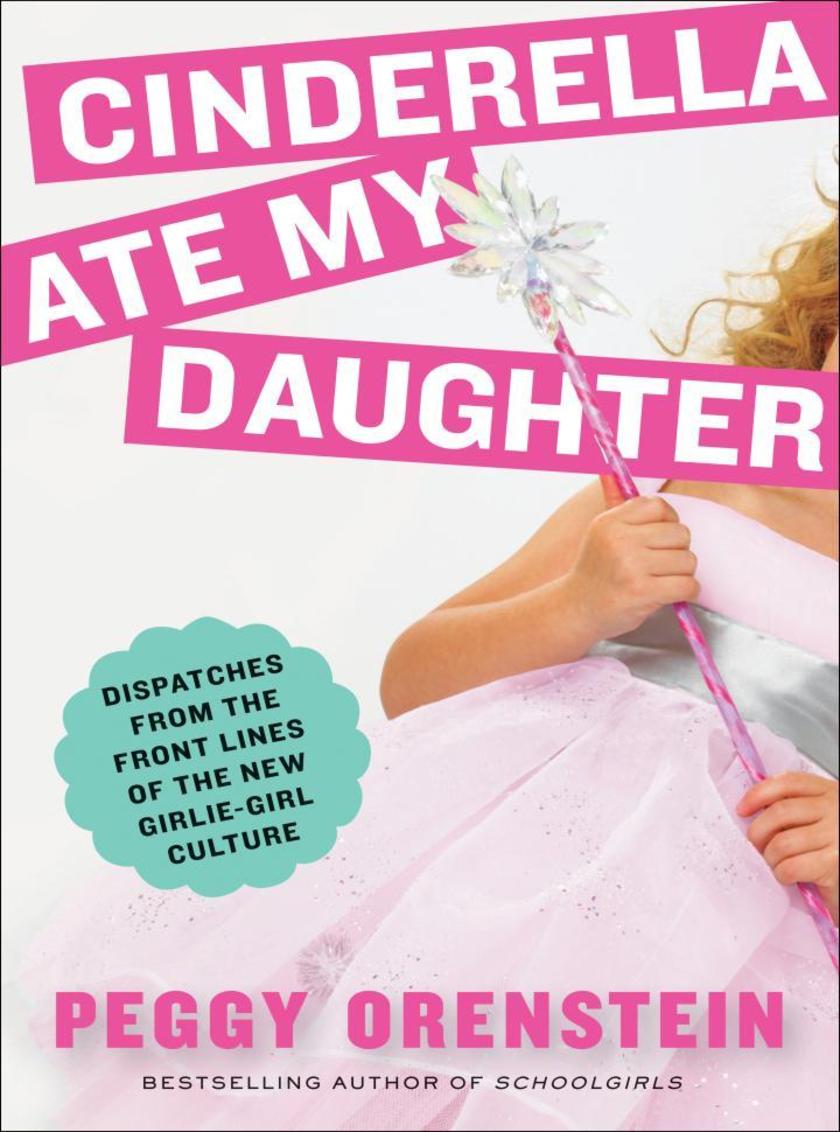
Cinderella Ate My Daughter
¥88.56
The acclaimed author of the groundbreaking bestseller Schoolgirls reveals the dark side of pink and pretty: the rise of the girlie-girl, she warns, is not that innocent. Pink and pretty or predatory and hardened, sexualized girlhood influences our daughters from infancy onward, telling them that how a girl looks matters more than who she is. Somewhere between the exhilarating rise of Girl Power in the 1990s and today, the pursuit of physical perfection has been recast as a source the source of female empowerment. And commercialization has spread the message faster and farther, reaching girls at ever-younger ages.But, realistically, how many times can you say no when your daughter begs for a pint-size wedding gown or the latest Hannah Montana CDAnd how dangerous is pink and pretty anyway especially given girls' successes in the classroom and on the playing fieldBeing a princess is just make-believe, after all; eventually they grow out of it. Or do theyDoes playing Cinderella shield girls from early sexualization or prime them for itCould today's little princess become tomorrow's sexting teenAnd what if she doesWould that make her in charge of her sexuality or an unwitting captive to it?Those questions hit home with Peggy Orenstein, so she went sleuthing. She visited Disneyland and the international toy fair, trolled American Girl Place and Pottery Barn Kids, and met beauty pageant parents with preschoolers tricked out like Vegas showgirls. She dissected the science, created an online avatar, and parsed the original fairy tales. The stakes turn out to be higher than she or we ever imagined: nothing less than the health, development, and futures of our girls. From premature sexualization to the risk of depression to rising rates of narcissism, the potential negative impact of this new girlie-girl culture is undeniable yet armed with awareness and recognition, parents can effectively counterbalance its influence in their daughters' lives.Cinderella Ate My Daughter is a must-read for anyone who cares about girls, and for parents helping their daughters navigate the rocky road to adulthood.
The Rabbi and the Hit Man
¥94.10
A fascinating true-crime narrative about the first rabbi ever accused of murder and what the case says about the role of clergy in America.On the evening of November 1, 1994, Rabbi Fred Neulander returned home to find his wife, Carol, facedown on the living room floor, blood everywhere. He called for help, but it was too late. Two trials and eight years later, the founder of the largest reform synagogue in southern New Jersey became the first rabbi ever convicted of murder and sentenced to life in prison.In a gripping examination of the misuses of the pulpit and the self-delusions of power, Arthur J. Magida paints a devastating portrait of a manipulative man who used his position of trust in the temple to attract several mistresses -- and to befriend a lonely recovering alcoholic, whom he convinced to kill his wife "for the good of Israel."The Rabbi and the Hit Man straddles the juncture of faith and trust, and confronts issues of sex, narcissism, arrogance, and adultery. It is the definitive account of a charismatic clergyman who paid the ultimate price for ignoring his own words of wisdom: "We live at any moment with our total past ... What we do will stay with us forever."
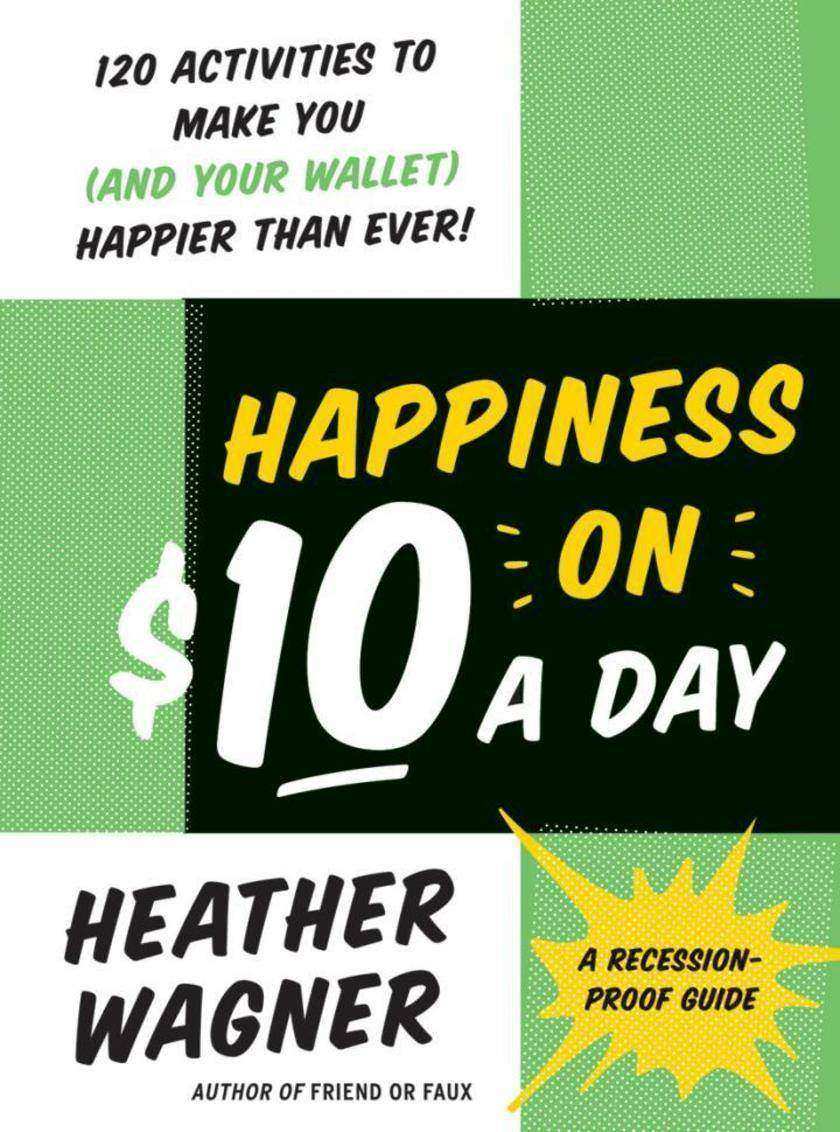
Happiness on $10 a Day
¥56.15
Money might buy happiness . . . but what if you're on a budget?Forget the $300 therapy bills, the 197 secrets of happy people, the 18 steps to contentment. Happiness on $10 a Day is all you need to rediscover your joie de vivre without breaking the bank. Whether you're into schadenfreude, mooching, or just good old-fashioned fun, this wallet-friendly guidebook offers dozens of contentment-inducing activities. Along the way, handy icons help you find the right activity for your mood and finances.Feeling dramaticTry harassing a telemarketer.Craving cute animalsStalk a puppy.Need a party themeThrow a celebrity sex tape screening.Totally brokeTime for a pub crawl pyramid scheme!Free!Winter or summer, city or country, alone or with friends, you don't need a trust fund to find delight in daily life. If you've got a sense of adventure, a love of mischief, and $10 to buy this book, what are you waiting for?
Raising Twins
¥112.23
Raising Twins guides you through the physical, emotional, and cognitive developmental differences and challenges specific to twins. Straightforward and reassuring, this book addresses the key issues that impact twins from babyhood all the way through adolescence: Sharing and comparisons Competition and rivalry The "secret language" of twins The good twin/bad twin myth Teen-specific issues like dating and applying for college And much more including lively, candid discussions with twins and their parents
Good Kids, Bad Habits
¥129.07
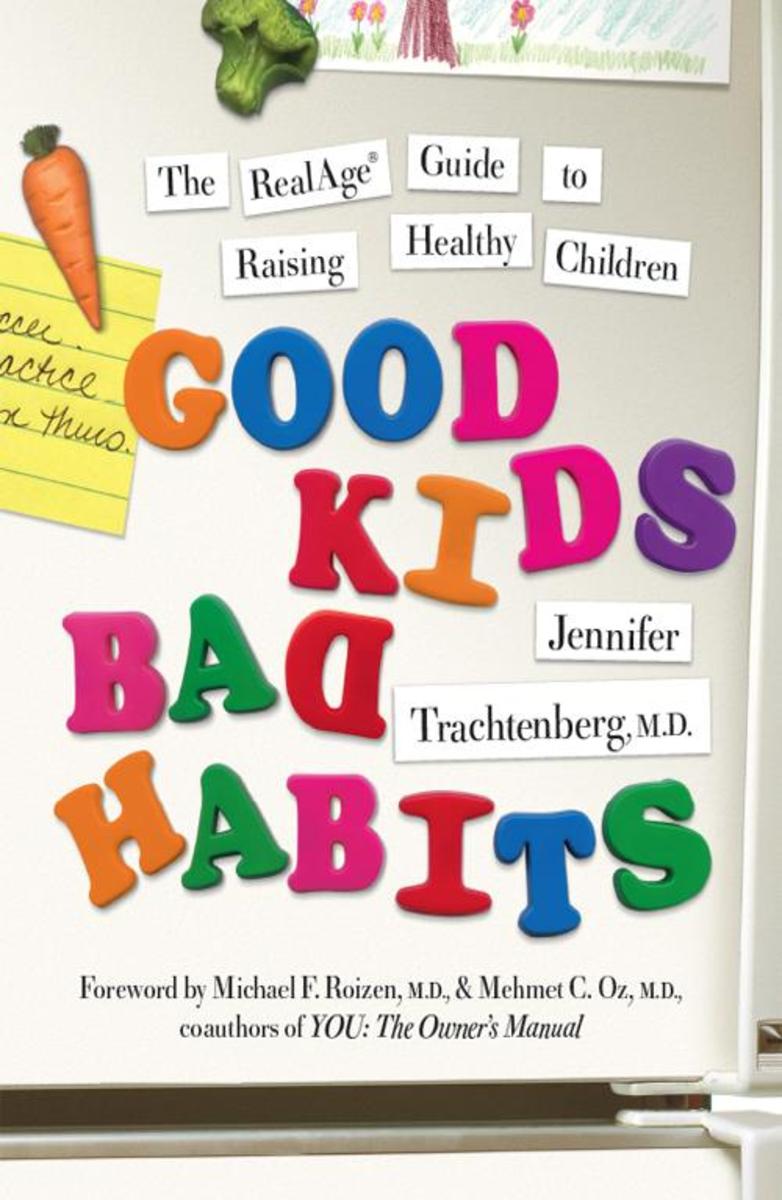
When kids start going on TV binges or devouring fistfuls of cookies, it's easy to say, "They'll grow out of it." More likely, they're acquiring bad habits that could lead to childhood obesity and chronic adult diseases, from diabetes and depression to heart trouble and osteoporosis. But by making simple changes now, you can help your children avoid these problems later. Good Kids, Bad Habits supplies the tools you need, starting with the unique RealAge Healthy Kids Test. Based on the proven RealAge Test, which measures biological not calendar age, the Healthy Kids Test reveals where children are doing fine and where they're headed for health trouble. Regardless of the problem from sleeplessness to video-game addiction Dr. Jen has seen and solved it all, working with parents and kids together. Her insightful tips, preventive steps, and kid smarts, learned from working with thousands of children, make this book invaluable. It will help your kids grow into the healthiest adults they can be while still allowing them to be kids.
Mean Mothers
¥139.90
An exploration of the darker side of maternal behavior drawn from scientific research, psychology, and the real-life experiences of adult daughters, Mean Mothers sheds light on one of the last cultural taboos: what happens when a woman doesn't or can't love her daughter.Mean Mothers reveals the multigenerational thread that often runs through these stories many unloving mothers are the daughters of unloving or hypercritical women and explores what happens to a daughter's sense of self and to her relationships when her mother is emotionally absent or even cruel. But Mean Mothers is also a narrative of hope, recounting how daughters can get past the legacy of hurt to become whole within and to become loving mothers to the next generation of daughters. The personal stories of unloved daughters and sons and those of the author herself, are both unflinching and moving, and bring this most difficult of subjects to life.Mean Mothers isn't just a book for daughters who've had difficult or impossible relationships with their mothers. By exposing the myths of motherhood that prevent us from talking about the women for whom mothering a daughter is fraught with ambivalence, tension, or even jealousy, Mean Mothers also casts a different light on the extraordinary influence mothers have over their female children as well as the psychological complexity and emotional depth of the mother-daughter relationship.
The Fragile Bond
¥129.12
Focusing on the author's own marriage and on a group of case studies, this book vividly illustrates the obstacles married couples face today and offers help in overcoming them.
Better Single Than Sorry
¥77.49
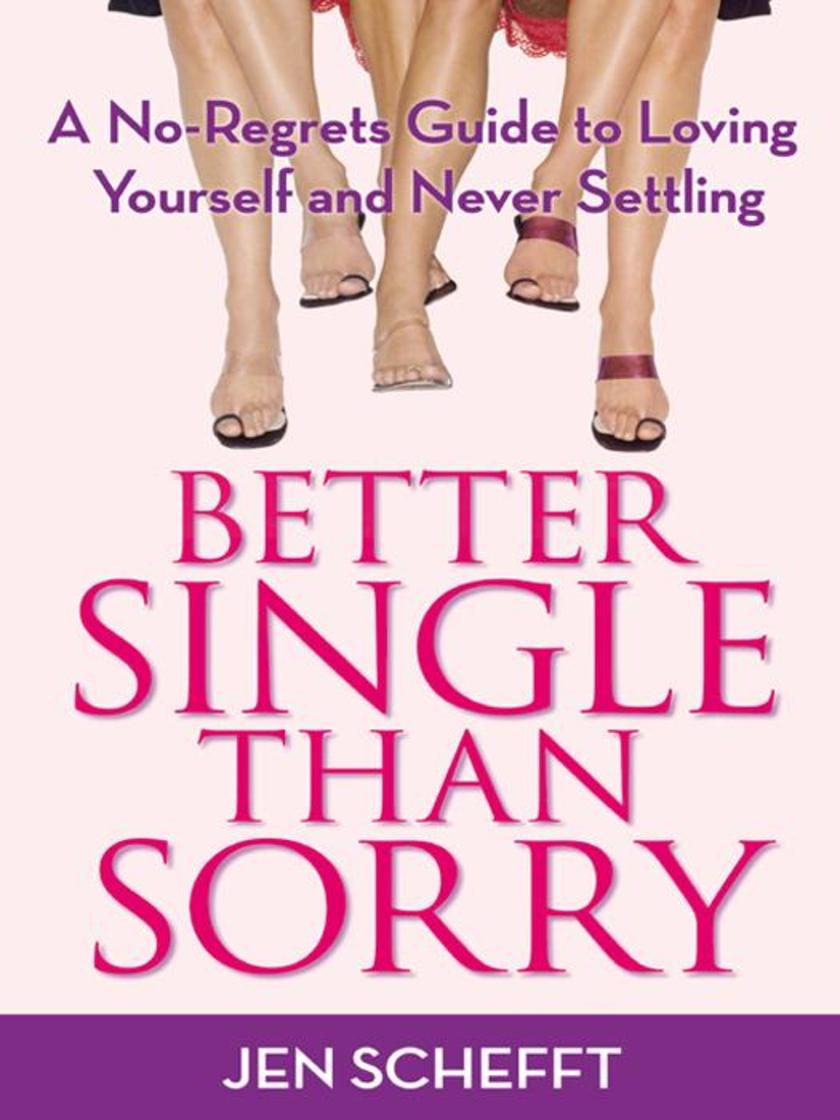
Let's be honest. No woman really wants to be alone for the rest of her life. But does being alone mean you're doomed to be miserable foreverDefinitely not! And does being single have to equal lonelyNo way! You can have the best time of your life when you're single, but you wouldn't know that from our relationship obsessed society, where celebrity magazines devote the majority of their content to who's dating whom and the wedding industry is a $100-billion business. Yet more than a third of marriages end in divorce, and countless other couples languish in unions that shouldn't have happened in the first place.Don't become a statistic love yourself and never settle!Jen Schefft knows that better than almost anyone. In 2003, she got engaged in front of millions of people on television's The Bachelor, only to see it end nine months later when the relationship just wasn't right anymore. A year later, she turned down an engagement on The Bachelorette, and the backlash was relentless. She was labeled a "spinster" by a celebrity magazine, and a noted national talk-show host remarked that she would be "a bachelorette for the rest of her life."This is a terrible message to send to the millions of sensational single women out there, and in Better Single Than Sorry Schefft makes it her mission to let women know that it's better to be single than to be in a relationship that doesn't make you happy. With testimonials from women of all ages single, married, in committed relationships, with children (even single moms) and without this book tells you how to let go of your fear of being alone and how to love yourself and never settle for a relationship that is anything less than you deserve.Written in a conversational style, as if talking with your best friend, Schefft helps you navigate the pressures of a culture that places an unhealthy importance on being in a relationship and shows you how to find happiness in work, home, and the simple pleasures of everyday life. Above all, she shows you how it's far, far better to be single than sorry. Being single is a time to have fun, learn new things, grow, and blossom not a time to feel desperate or depressed, so cherish it!
Toxic In-Laws
¥95.39
Susan Forward's practical and powerful book will help couples cope with terrible and toxic in–laws. Toxic in–laws are in–laws who create genuine chaos through various assaults––aggressive or subtle––on you and your marriage. Toxic–in laws come in a wide variety of guises, " The Critics.; ", who tell you what you're doing wrong, "The Controllers.;", who try to run you and your partner's life, " The Engulfers.;", who make incessant demands on your time, " The Masters of Chaos.;", who drain you and your partner with their problems, and, " The Rejecters.;", who let you know they don't want you as part of their family. Susan Forward draws on real–life voices and stories of both women and men struggling to free themselves from the frustrating, hurtful and infuriating relationships with their toxic in–laws. Dr. Forward offers you highly effective communication and behavioral techniques for getting through to partners who won't or can't stand up to their parents. Next, she lays out accessible and practical ways to reclaim you marriage from your in–laws. She shows you what to say, what to do and what limits to set. If you follow these strategies, you may not turn toxic in–laws into the in–laws of your dreams, but you will find some peace in your relationship with them.
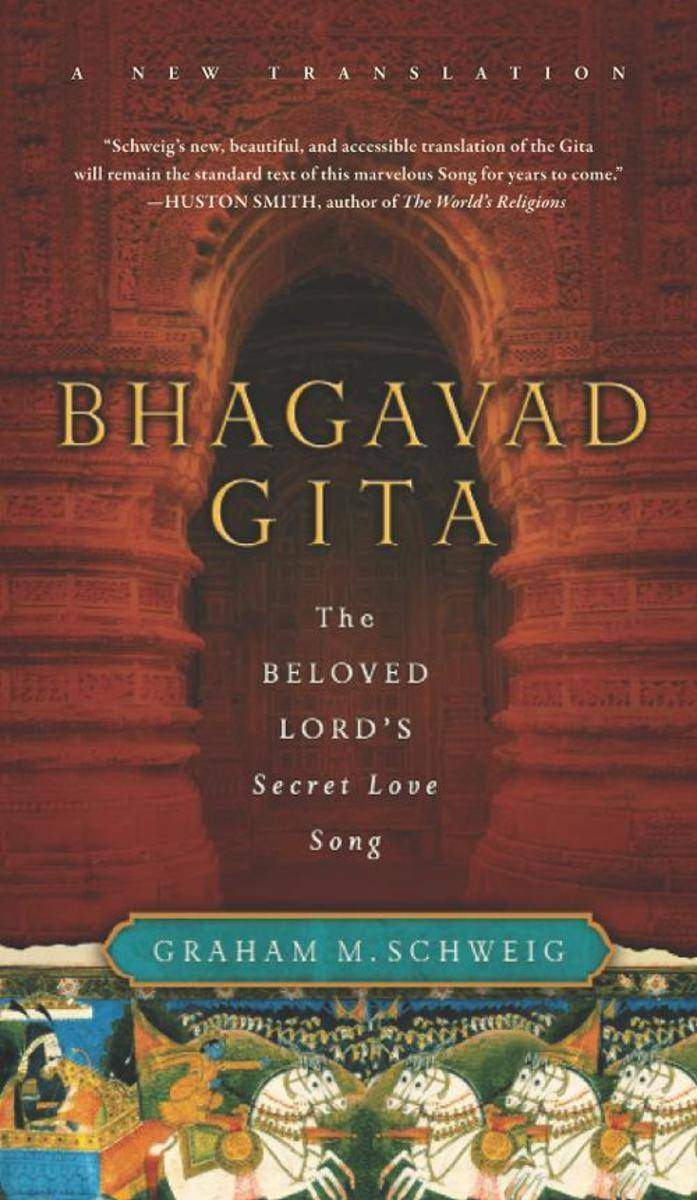
Bhagavad Gita
¥94.10
The Bhagavad Gita is often regarded as the Bible of India. With a gripping story and deeply compelling message, it is unquestionably one of the most popular sacred texts of Asia and, along with the Bible and the Qur'an, one of the most important holy *ures in the world. Part of an ancient Hindu epic poem, the dialogue of the Bhagavad Gita takes place on a battlefield, where a war for the possession of a North Indian kingdom is about to ensue between two noble families related by blood. The epic's hero, young Prince Arjuna, is torn between his duty as a warrior and his revulsion at the thought of his brothers and cousins killing each other over control of the realm. Frozen by this ethical dilemma, he debates the big questions of life and death with the supreme Hindu deity Krishna, cleverly disguised as his charioteer. By the end of the story, Eastern beliefs about mortality and reincarnation, the vision and practice of yoga, the Indian social order and its responsibilities, family loyalty, spiritual knowledge, and the loftiest pursuits of the human heart are explored in depth. Explaining the very purpose of life and existence, this classic has stood the test of twenty-three centuries. It is presented here in a thoroughly accurate, illuminating, and beautiful translation that is sure to become the standard for our day.


