


 购物车
购物车 个人中心
个人中心
Run to the Mountain
¥99.65
When Thomas Merton died accidentally in Bangkok in 1968, the beloved Trappist monk's will specified that his personal diaries not be published for 25 years -- presumably because they contained his uncensored thoughts and feelings. Now, a quarter of a century has passed since Merton's death, and the journals are the last major piece of writing to appear by the 20th century's most important spiritual writer.The first of seven volumes, Run to the Mountain offers an intimate glimpse at the inner life of a young, pre-monastic Merton. Here readers will witness the insatiably curious graduate student in New York's Greenwich Village give way to the tentative spiritual seeker and brilliant writer. Merton playfully lists everything from his favorite lines of poetry and songs to the things he most loves and hates.Thomas Merton was an inveterate diarist; his journals offer a complete and candid look at the rich transformations of his adult life. As Brother Patrick Hart, general editor of the series notes, "Perhaps his best writing can be found in the journals, where he was expressing what was deepest in his heart with no thought of censorship. With their publication we will have as complete a picture of Thomas Merton as we can hope to have."
A Time to Grieve
¥94.10
A collection of truly comforting, down-to-earth thoughts and meditations -- including the authentic voices of survivors -- for anyone grieving the loss of a loved one.
Power Through Constructive Thinking
¥95.39
One of the First Books to Demonstrate the Power of Positive Thoughts Fresh with contemporary relevance, this classic of positive thinking from one of the world's greatest motivational writers offers stirring insights on self-transformation. Based on Emmet Fox's simple message that thoughts are things and all potential rests in their creative and constructive use, these thirty-one inspiring essays show how to have it all health, success, happiness, and a liberated spirit through the power of constructive thought. First published in 1940, Power Through Constructive Thinking has been a never-failing source of strength and renewal for generations of readers.
100 Simple Secrets of the Best Half of Life
¥83.03
Practical advice on how to thrive in the second half of your life, based on scientific studies. The sixth book in the bestselling 100 Simple Secrets series. What do people who relish the second half of their lives do differently than those who dread getting olderSociologists, therapists and psychiatrists have spent entire careers investigating the ins and outs of successful aging, yet their findings are inaccessible to ordinary people, hidden in obscure journals to be shared with other experts. Now the international bestselling author of The 100 Simple Secrets series has collected the most current and significant data from more than a thousand of the best scientific studies on the second half of life. These findings have been boiled down to one hundred essential ways to find and maintain joy, health, and satisfaction every day of your life. Each one is accompanied by a true story showing the results in action. The Baby Boomers are hitting retirement age. This upbeat, light approach will appeal to the enormous market of citizens grappling with the effects of becoming 'senior', looking to discover the positive benefits of aging beyond discount tickets at the movie theatre. Books about aging well continue to sell year in and year out. The Simple Secrets approach will stand out among the heavier self-help/psychology titles and will without a doubt become an affordable impulse and gifty mainstay in this category. A good inexpensive gift for parents and grandparents.
10-Minute Life Lessons for Kids
¥71.94
52 playful and easy to understand activites to hhelp parents teach children moral lessons that they won't forget A child says, "I hear and I forget, I see and I remember, I do and I understand." 10-Minute Life Lessons for Kids is a book about seeing and doing--a book that gives parents the ability to teach the powerful principles of honesty, trust, generosity, love, and other values. Children will discover the objectives themselves as they actively participate in fun games and activities. The games can be done in any order, with very little planning and with very few supplies--just common objects most people have around the house like toothpicks, string, pennies, or an apple. Some can be done while riding in the car, and others can be expanded to fill a whole evening with family fun. The activities in 10-Minute Life Lessons for Kids will not only create cozy and enjoyable moments of family togetherness, they will have a lasting impact on your growing child.
The 100 Simple Secrets of Happy People
¥77.49
Scientists and academics have spent entire careers investigating what makes people happy. But hidden in obscure scholarly journals and reports, their research is all too often inaccessible to ordinary people. Now the bestselling author of the 100 Simple Secrets series distills the scientific findings of over a thousand of the most important studies on happiness into easy-to-digest nuggets of advice. Each of the hundred practices is illustrated with a clear example and illuminated by a straightforward explanation of the science behind it to show you how to transform a ho-hum existence into a full and happy life. Believe in yourself: Across all ages, and all groups, a solid belief in one's own abilities increases life satisfaction by about 40 percent, and makes us happier both in our home lives and in our work lives. Turn off your TV: Watching too much TV can triple our hunger for more possessions, while reducing our personal contentment by about 5 percent for every hour a day we watch.
Win the Crowd
¥94.10
Would You Like to Become More Commanding, Convincing, And Charismatic?In this book, Steve Cohen, master magician and star of the long-running Chamber Magic show in New York City, will reveal the secrets of all great showmen and magicians how to persuade, influence, and charm, and ultimately accomplish the things you've always wanted to do. As Cohen writes, "You'll discover how to take over a room, read people, and build anticipation to a feverish pitch so people are burning to hear what you have to say."Win the Crowd will teach you Steve Cohen's Maxims of Magic, simple rules you can use to take charge of practically any situation, from on-the-job disagreements to dating to important cocktail parties. The Maxims of Magic will wash away insecurities and hesitations, and replace them with confidence, poise, and leadership. What's more, Steve Cohen will show you: How to Create a Magic Moment. Capturing people's imaginations and attention so they listen carefully to every word you say. How to Command a Room. Showing everyone in the room that you are speaking right to them, making them all feel unique and completely focused on you. How to Read People. Learning to sense what people are feeling and thinking as you speak, what they want from you, and how to make them feel like they are getting it. Misdirection. The most important trick in all of magic getting inside people's heads, and directing what they are thinking at every minute. When you strip away the sleight of hand tricks, magicians are essentially masters of attracting and holding attention and impressing audiences, exactly the psychological secrets you need to be successful in life and business.
The Great Omission
¥95.11
The last command Jesus gave the church before he ascended to heaven was the Great Commission, the call for Christians to "make disciples of all the nations." But Christians have responded by making "Christians," not "disciples." This, according to brilliant scholar and renowned Christian thinker Dallas Willard, has been the church's Great Omission."The word disciple occurs 269 times in the New Testament," writes Willard. "Christian is found three times and was first introduced to refer precisely to disciples of Jesus. . . . The New Testament is a book about disciples, by disciples, and for disciples of Jesus Christ. But the point is not merely verbal. What is more important is that the kind of life we see in the earliest church is that of a special type of person. All of the assurances and benefits offered to humankind in the gospel evidently presuppose such a life and do not make realistic sense apart from it. The disciple of Jesus is not the deluxe or heavy-duty model of the Christian -- especially padded, textured, streamlined, and empowered for the fast lane on the straight and narrow way. He or she stands on the pages of the New Testament as the first level of basic transportation in the Kingdom of God."Willard boldly challenges the thought that we can be Christians without being disciples, or call ourselves Christians without applying this understanding of life in the Kingdom of God to every aspect of life on earth. He calls on believers to restore what should be the heart of Christianity -- being active disciples of Jesus Christ. Willard shows us that in the school of life, we are apprentices of the Teacher whose brilliance encourages us to rise above traditional church understanding and embrace the true meaning of discipleship -- an active, concrete, 24/7 life with Jesus.
Liberating the Gospels
¥90.77
In this boldest book since Rescuing the Bible from Fundamentalism, Bishop John Shelby Spong offers a compelling view of the Gospels as thoroughly Jewish tests.Spong powerfully argues that many of the key Gospel accounts of events in the life of Jesus from the stories of his birth to his physical resurrection are not literally true. He offers convincing evidence that the Gospels are a collection of Jewish midrashic stories written to convey the significance of Jesus. This remarkable discovery brings us closer to how Jesus was really understood in his day and should be in ours.
How Could You Do That?!
¥78.55
How Could You Do That?! illustrates Dr. Laura Schlessinger's philosophy of personal responsibility through her usually provocative but always stimulating moral dialogues with callers about everyday ethical dilemmas.In her lively pull-no-punches style, Dr. Laura takes on the moral dilemmas of our time: from the mindless pursuit of pleasure and immediate gratification to taking the easy way out when those actions produce ugly or uncomfortable life-altering consequences. She demonstrates in no uncertain terms that personal values are never someone else's reponsibility but your own, and why choosing not to honor them actually compounds unhappiness. Finally she explains that by disciplining self-indulgence and rising above temptation we can discover the infinite pleasures, the true happiness, of the moral high ground.Dr. Laura delivers not only a compelling argument for an ethical approach to life but also an invaluable inspiration to rebuilding character, conscience, and courage. Here is a work that can make a genuine difference in the quality of your own life and the lives of those we love.
Stop Whining, Start Living
¥77.49
Living life is about action: courageous, benevolent, worthy, Wise, and productive action. Start living with some help from Dr. Laura Schlessinger.Dr. Laura Schlessinger agrees that there are things worth whining about. A certain amount of whining allows for venting of reasonable pain, disappointment, fear, frustration, or rage. However, staying stuck in whining mode can become a lifelong problem. This is where Dr. Laura steps in with Stop Whining, Start Living to help folks conquer the temptation to retreat from living life to the fullest.Illustrated by calls and letters from members of Dr. Laura's huge international audience, Stop Whining, Start Living features testimonials from real people facing real challenges. These folks have benefited enormously from Dr. Laura's powerful lessons.Stop Whining, Start Living gives readers the jump start they need to break out of reactive mode and get proactive, moving in the direction of a joyful, meaningful, fulfilling, and purposeful future. Everyone can use a kick in the pants sometimes, and Dr. Laura, who "preaches, teaches, and nags" to millions every day on her radio program, is here to deliver it!
Stress Free for Good
¥88.56
Ten Minutes to Learn One Minute to Practice Ten Seconds to WorkImagine if you could . . . Radically reduce stress Increase your physical vitality Improve your quality of life Now you can. We live in an age of stress. Each day at work and at home as we struggle to take care of the basics, constant stress significantly affects our ability to lead healthy and happy lives. We struggle with stomach pain, headaches, mood swings, fatigue, depression, high blood pressure, and even heart failure. Not only does stress damage our physical and emotional well-being, but our relationships and productivity suffer as well. What, if anything, can we do to stop this cycleThere is a multitude of books, magazine features, TV programs, videotapes, meditation classes, and seminars, all aimed at stopping stress. But until now there has never been a scientifically based program that not only starts working within seconds but also creates a foundation to help remove stress and the symptoms associated with it from your life for good. Dr. Fred Luskin and Dr. Kenneth R. Pelletier spent years at the Stanford University School of Medicine developing ten proven skills for eliminating the stress, anxiety, and pain that occur in daily life. Delivering skills that have been honed and tested among a diverse group of Americans, Stress Free for Good is easy to use and starts working immediately. Offering more than just the promise of breaking even and eliminating daily stress, these ten skills provide a foundation for living a healthier and happier life. This is not only a practical and accessible guide to conquering the stress in our lives once and for all, it is also the last stress aid you will ever need.
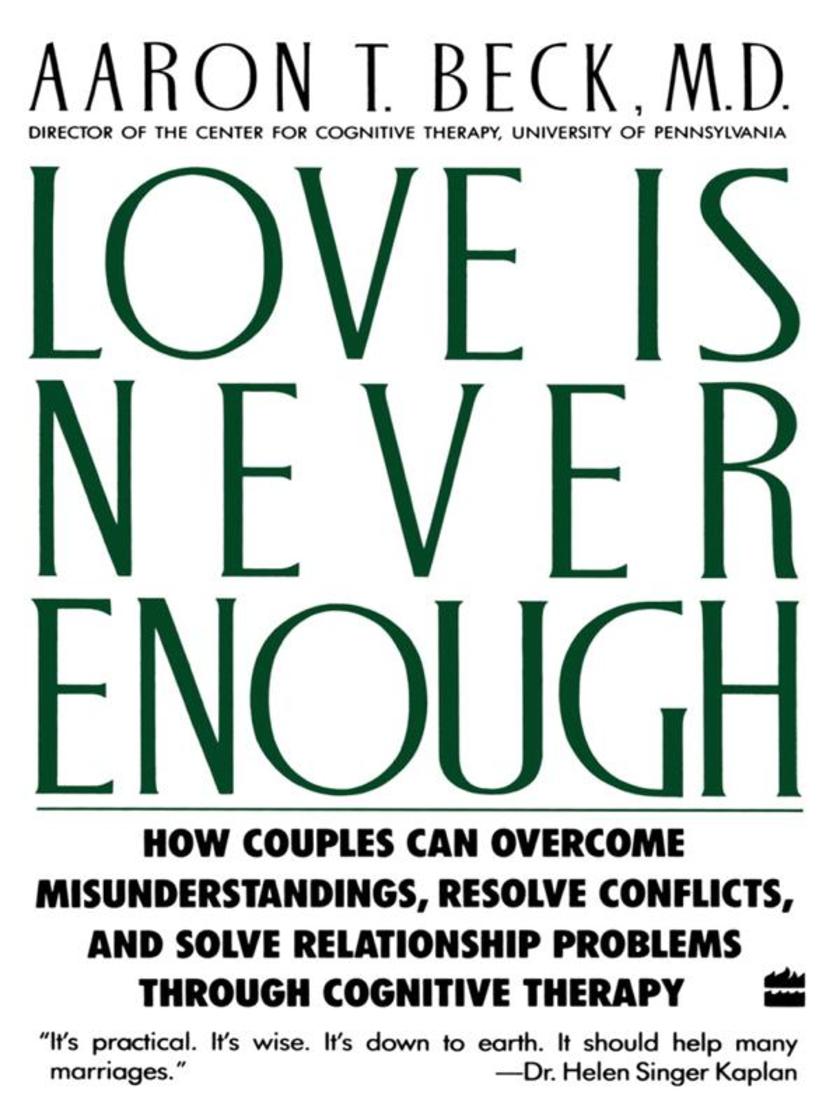
Love Is Never Enough
¥83.03
With eloquence and accessibility, Dr. Aaron T. Beck analyzes the actual dialogue of troubled couples to illuminate the most common problems in marriage--the power of negative thinking, disillusionment, rigid rules and expectations, and miscommunication.
Addiction and Grace
¥90.77
Addiction and Grace offers an inspiring and hope–filled vision for those who desire to explore the mystery of who and what they really are. May examines the "processes of attachment" that lead to addiction and describes the relationship between addiction and spiritual awareness. He also details the various addictions from which we can suffer, not only to substances like alcohol and drugs, but to work, sex, performance, responsibility, and intimacy. Drawing on his experience as a psychiatrist working with the chemically dependent, May emphasizes that addiction represents an attempt to assert complete control over our lives. Addiction and Grace is a compassionate and wise treatment of a topic of major concern in these most addictive of times, one that can provide a critical yet hopeful guide to a place of freedom based on contemplative spirituality.
The Courage To Be a Single Mother
¥84.16
Putting the Pieces Back TogetherStep One: I Do Love MyselfStep Two: I Know What I WantStep Three: My Family Is Still WholeStep Four: I Can Choose Who I AmFour simple steps. A world of truth. At last, a source of compassion and support for divorced mothers facing the realities of raising children when their lives are at their most vulnerable and their self-images at their most fragile. Filled with more than a book on coping -- it is a source of understanding, encouragement, and strength that will help single women to nurture their children, resurrect their spirits, and create the life they want.
The Gospel According to Dogs
¥67.09
Bestselling author of The Gospel According to Peanuts Robert Short reveals what man's best friend can teach us about life. Dogs do much more than just keep us company and give us love and attention they are models for how we can live better lives as humans. From humility and obedience to singleness of purpose and unconditional love, Short shows us how we can learn from the remarkable qualities of dogs. Using examples from more than forty classic comic strips, including Peanuts, Blondie, Family Circus, Luann, Mother Goose Grimm, Fred Basset, and more, as well as charming photographs of real dogs, The Gospel According to Dogs is a delight-fully entertaining book for dog lovers, comic enthusiasts, and anyone looking for reassuring wisdom for the good life.
Journey to the Heart
¥90.77
In the spirit of her bestselling The Language of Letting Go, one of America's most beloved inspirational writers guides us on a sacred journey as we learn to expand our creativity, embrace our powers, and open our hearts.Writing with the same warmth, honesty, and compassion that has attracted such a loyal following, Melody Beattie now charts a new path toward spiritual growth and renewal. In 365 insightful and delightfully warm daily reflections, Journey to the Heart will inspire us all to discover our true purpose in the world and learn to connect even more deeply with ourselves, the creative force, and the magic and mystery in the world around and within us.
Closing the Deal
¥84.16
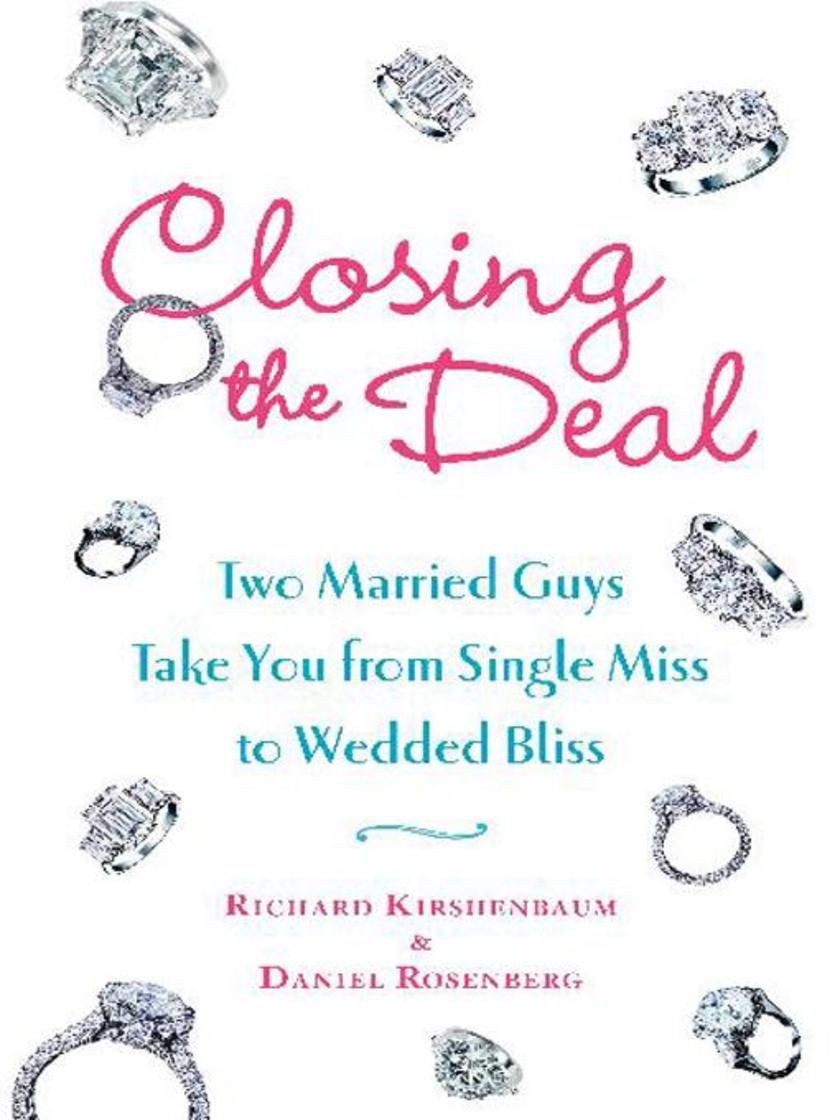
In this hip and utterly indispensable guide, two happily married husbands and regular guys reveal the secrets to getting a man down on bended knee -- his most uncomfortable position.Over the years, Richard Kirshenbaum and Daniel Rosenberg have dispensed loads of successful relationship advice to friends, colleagues, and relatives, who then pushed the ex-bachelors to share their lessons with the masses of future brides who need help taking their existing relationships to the next level. These guys have been there and know what it takes to get even the biggest commitment phobes to take the plunge.Closing the Deal will help you make a realistic assessment of your relationship and offers a fresh perspective on how your man's mind works. You'll find a new way to drive your relationship toward marriage without resorting to game playing.The authors promote the importance of truth telling, self-positioning, and the artful use of marketing tactics to reel in your man. You don't have to be the prettiest, thinnest, or richest woman to close the deal -- there is an art to it!Closing the Deal is not about outsmarting your man to the altar -- it's about learning to understand him. Richard and Daniel explain that no matter how much a guy may love his significant other, Change is the Enemy, so wannabe brides everywhere must convince their boyfriends that marriage is man's best friend. Closing the Deal will show you how to do just that.To help future brides build their matrimonial muscles and monitor their progress, Richard and Daniel include quizzes and real-life scenarios and throw in a glossary for extra clarification.Honest and supportive, funny and straightforward, these ideal big brothers offer a sure cure for the wedding-bell blues.
Embracing Fear
¥78.32
It's Time to Take Back Your Life Fear takes many forms dread panic anxiety self consciousness superstition and negativity and manifests itself in many ways avoidance procrastination judgment control and agitation to name just a few. Whether we are afraid of the dark or being alone of failure or commitment of public speaking or flying fear dominates our lives affecting nearly every decision we make. Combining compelling stories from the author's twenty five year practice examples from his own struggles with addiction and depression and practical exercises and tools Embracing Fear does not pretend to teach the impossible and eliminate fear but rather shows us that once we understand it we can live beyond its tyrannical control. Instead of repressing or ignoring the voices of panic and dread we learn that it is only through facing exploring accepting and responding to fear that we free ourselves from its paralyzing grip.
The Eyes of the Heart
¥77.49
From critically acclaimed author and Pulitzer Prize runner-up Frederick Buechner comes another powerfully honest memoir, The Eyes of the Heart. Full of poinant insights into his most personal relationships, this moving account traces how the author was shaped as much by his family's secrets as by its celebrations.Within the innermost chambers of his consciousness, Buechner, in his characteristically self-searching style, explores the mysteries and truths behind his deepest connections to family, friends, and mentors. Extraordinarily moving, this memoir follows not chronology but the converging paths of Buechner's imagination and memory.Buechner invites us into his library-his own Magic Kingdom, Surrounded by his beloved books and treasures, we discover how they serve as the gateway to Buechner's mind and heart. He draws the reader into his recollections, moving seamlessly from reminiscence to contemplation. Buechner recounts events such as the tragic suicide of his father and its continual fallout on his life, intimate and little-known details about his deep friendship with the late poet James Merrill, and his ongoing struggle to understand the complexities of his relationship to his mother.This cast of characters comprised of Buechner's relatives and loved ones is brought to vibrant life by his peerless writing and capacity to probe the depths of his own consciousness. Buechner visits his past with an honest eye and a heart open to the most painful and life-altering of realizations. heartbreaking and enlightening, The Eyes of the Heart is a treasure for any who have ever pondered the meaning and mystery of their own past.As "one of our finest writers," according to author Annie Dillard, Frederick Buechner provides yet another chapter in the tale of his life in this gripping memoir tracing the complicated roots and path of his inner life and family, with their multitude of intersections." The Eyes of the Heart stands as a touching testimonial to the significance of kinship to the author as well as to the legions of readers who have come to regard him as one of their own.
HarperCollins e-books
¥110.77
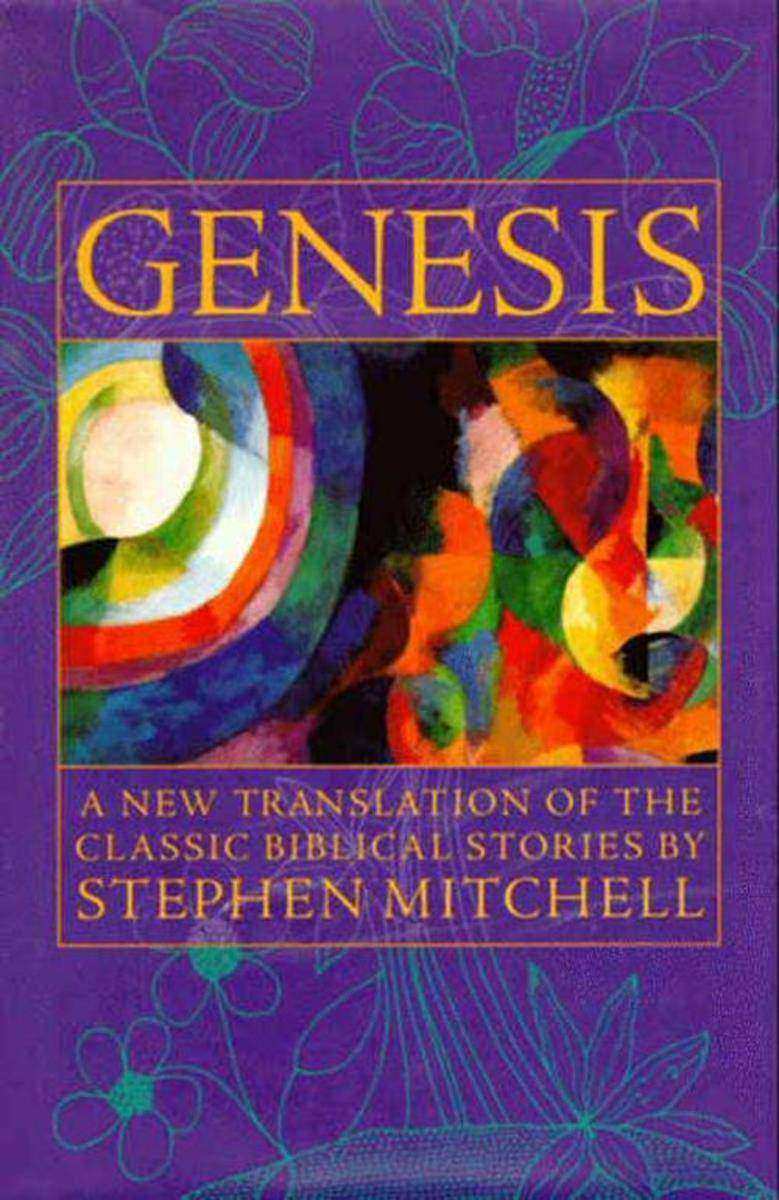
In this highly acclaimed translation, Stephen Mitchell conveys in English the simplicity, dignity and powerful earthiness of the original Hebrew. More than just interpreting it, he also separates stories that were combined by scribes centuries after they were written, explaining their sources and omitting all verses that are recognized as scribal additions. Like removing coat after coat of lacquer from a once-vibrant masterpiece, this allows readers to appreciate the clarity of the original tales.Genesis is an extraordinarily beautiful book that is accessible in a way that no other translation has ever been. It will shed new light on readers' understanding of this seminal work of sacred *ure.


