


 购物车
购物车 个人中心
个人中心
HarperCollins e-books
¥94.10
Based on scientific research, this groundbreaking study from the frontiers of psychology and medicine offers startling new insight into the healing powers and medical benefits of forgiveness. Through vivid examples (including his work with victims from both sides of Northern Ireland's civil war), Dr. Fred Luskin offers a proven nine-step forgiveness method that makes it possible to move beyond being a victim to a life of improved health and contentment.
When a Parent Has Cancer
¥94.10
At some point in our lives, many of us will face the crisis of an unexpected illness. For parents, the fear, anxiety and confusion resulting from a cancer diagnosis can be particularly devastating. When A Parent Has Cancer is a book for families written from the heart of experience. A mother, physician, and cancer survivor, Dr Wendy Harpham offers clear, direct, and sympathetic advice for parents challenged with the task of raising normal, healthy children while they struggle with a potentially life threatening disease. Dr Harpham lays the groundwork of her book with specific plans for helping children through the upheaval of a parent's diagnosis and treatment, remission and recovery, and if necessary, confronting the possibility of death. She emphasises the importance of being honest with children about the gravity of the illness, while assuring them that their basic needs will always be met. Included is Becky and the Worry Cup, an illustrated children's book that tells the story of a seven year old girl's experiences with her mother's cancer.

Parenting with Pride Latino Style
¥72.70
From a distinguished psychologist, mother, and Latina, Parenting with Pride Latino Style offers the first bicultural child-rearing approach for Latino parents. This groundbreaking book supports families in raising their children with time-honored Hispanic values while incorporating the best that North America has to offer. Dr. Vazquez's unique parenting method, the New Traditionalism (El Nuevo Tradicionalismo), preserves classic Latino ideals, such as pride, family loyalty, and courtesy, while helping parents revise their traditional authoritarian child-rearing style, blending the best of Latino and American cultures and dramatically reducing cultural conflict in the family. Her seven steps to successful parenting are grounded in the acronym ORGULLO ("pride"): O: Organize your feelings R: Respect your child's feelings G: Guide and teach your child; do not dictate U: Update your media awareness often L: Love your child for who she or he is L: Listen to your child O: Open the communication channels -- and keep them open Self-assessments and reflection exercises help parents resolve the dilemmas produced when two cultures combine. Detailed examples show how to use these methods immediately in daily life -- from family relationships to children's friendships to school issues. Clear, compassionate, and based on Dr. Vazquez's personal experience as a Latina professional and parent, Parenting with Pride Latino Style is the one book that enables contemporary Latino parents to pass on their rich cultural heritage to their children -- and to future generations as well.
HarperCollins e-books
¥112.23
New York Times bestselling authors and journalists Cokie and Steve Roberts share their Passover traditions in this engaging version of the Haggadah for couples and families of mixed faiths. When they met more than forty years ago, Cokie and Steve Roberts found common ground in their shared values, despite their different religious beliefs. Choosing to honor both of their faiths and traditions, they began hosting a Passover Seder that has evolved from a small family gathering to a veritable event celebrated with loved ones from all walks of life.Based on the time-honored Haggadah the text read throughout the evening that gives order to the ritual meal Our Haggadah is a practical guide for interfaith families, whether they're celebrating their very first Passover or starting a new tradition. Originally composed on a typewriter and stapled together, Our Haggadah has been the Roberts family's handbook for each Seder and comes from years of adapting and expanding their Seders to welcome all who wish to take part in the celebration. From finding a Seder plate to preparing traditional and nontraditional foods, from the customary prayers to new ways for guests to participate, Cokie and Steve share their special approach to the holiday and the lessons they've learned over the years as an interfaith couple.
Courage
¥83.03
New York Times bestselling author Debbie Ford offers her most personal, powerful, and practical work to date a proven process for overcoming insecurity and fear and unlocking the courage that resides within.Every day we are confronted with hundreds of choices that either make us feel confident and strong or rob us of the things we desire the most. When we lack confidence, we feel unworthy of having what we want, of speaking the truth, of making decisions that improve our lives. When we feel weak, helpless, or powerless, we lack the strength to ward off the thoughts of defeat, negativity, and fear that fill our minds and prevent us from moving forward and living in harmony with our deepest desires.For decades, Debbie Ford has been helping people break free from the emotional baggage that has held them hostage. In Courage, Debbie Ford provides a life-altering path to discovering confidence and authentic self-expression. By learning to accept all of who we are, including our histories, our flaws, our misgivings, our weaknesses, and our fears, we discover that what keeps us stuck and feeling weak is nothing more than an illusion of the past. By showing us how to be confident, stand in our strength, and feel great about ourselves, a new self emerges with the power to accomplish anything. Introducing seven guiding principles, Ford expertly leads readers out of the common pitfalls of fear and insecurity and into the strength, power, and freedom of a courage that has been present all along.
An Ounce of Prevention
¥72.99
Most parents understand the importance of prevention when it comes to the physical health and safety of their children. But what many parents don't realize is that it is also possible to use preventive measures for emotional and behavorial problems. As child psychologist Dr. Lawrence E. Shapiro explains in this provacative new book, parents tend to start paying attention only after actual symptoms begin to develop. Yet many problems can be addressed long before symptoms appear-if parents know just what to look for. Preventing emotional problems is much easier than treating them after they have already become disruptive to a child's life.In An Ounce of Prevention, Dr.Shapiro presents a variety of imaginative, highly successful strategies for handling the pivotal moments in every child's emotional developmentm, from the infant and toddler years through the grad school and teenage years. He helps you understand whether your child is at risk for specific problems and what you can do to reduce the risk. Dr.Shapiro offers advice for parents on such subjects as depression, underachievement, shyness, eating disorders, fallout from divorce, ADHD, and much more.Some of the suggestions will seem like common sense. Teaching your child good eating habits from a very young age will prevent eating disorders in adolescence. Helping a shy child make a phone call to a new friend will prevent social alienation in the teen years. But other recommendations may be surprising. Fearful babies should not be coddled if they outgrow their hypersensitivity. Toddlers should not be overly praised if you want them to as strive for success later in childhood. Parents should become more involved in their teenagers' education even when their teens are pulling away.Filled with wonderful examples and lots of concrete advice, this book presents all the skills you need to hlep your child become more resilient when confronted with many problems that face today's children and teens. Provide "an ounce of prevention" every day. It will make a difference in your child's happines-and yours.
The Gospel According to Dogs
¥67.09
Bestselling author of The Gospel According to Peanuts Robert Short reveals what man's best friend can teach us about life. Dogs do much more than just keep us company and give us love and attention they are models for how we can live better lives as humans. From humility and obedience to singleness of purpose and unconditional love, Short shows us how we can learn from the remarkable qualities of dogs. Using examples from more than forty classic comic strips, including Peanuts, Blondie, Family Circus, Luann, Mother Goose Grimm, Fred Basset, and more, as well as charming photographs of real dogs, The Gospel According to Dogs is a delight-fully entertaining book for dog lovers, comic enthusiasts, and anyone looking for reassuring wisdom for the good life.
Journey to the Heart
¥90.77
In the spirit of her bestselling The Language of Letting Go, one of America's most beloved inspirational writers guides us on a sacred journey as we learn to expand our creativity, embrace our powers, and open our hearts.Writing with the same warmth, honesty, and compassion that has attracted such a loyal following, Melody Beattie now charts a new path toward spiritual growth and renewal. In 365 insightful and delightfully warm daily reflections, Journey to the Heart will inspire us all to discover our true purpose in the world and learn to connect even more deeply with ourselves, the creative force, and the magic and mystery in the world around and within us.

Mars and Venus Starting Over
¥90.51
Is it possible to find love again after a breakup, death, or divorce?At the end of a relationship, it can sometimes feel like the end of the world. Devastation, loneliness, and bitterness are some emotions that exist due to a breakup, divorce, or the loss of a loved one. But with the help of this compassionate guide, Dr. John Gray expresses that you will survive and tells you how to find love again.While the process of healing is similar with both sexes, there are distinct differences between the ways men and women heal their bruised hearts. In Mars and Venus Starting Over, Dr. Gray offers gender-specific advice on how to: Deal with pain Find forgiveness Discover the strength to let go Rebuild confidence Rise to the challenge of finding fulfillment again Filled with gentle guidance, healing practices, and compassionate wisdom, Mars and Venus Starting Over will help men and women explore the meaning of loss, find their way through the healing process, and discover the secret to moving on.
I Am a Woman Finding My Voice
¥90.77
This celebration of womanhood, with a foreword by Dr. Joan Borysenko, delights in the joy of the feminine soul. In a time when it might not be politically correct to speak of such a uniquely feminine soul, Quinn takes the position that finding one's own authentic voice is imperative if we are to value a universal livelihood of love and community.
Owning Your Own Shadow
¥88.56
A bestselling author shows how we can reclaim and make peace with the shadow side of our personality.
The Secret of the Shadow
¥83.03
The #1 New York Times bestselling author shows how our most self-defeating thought can become blueprints for a fulfilling, rewarding life.
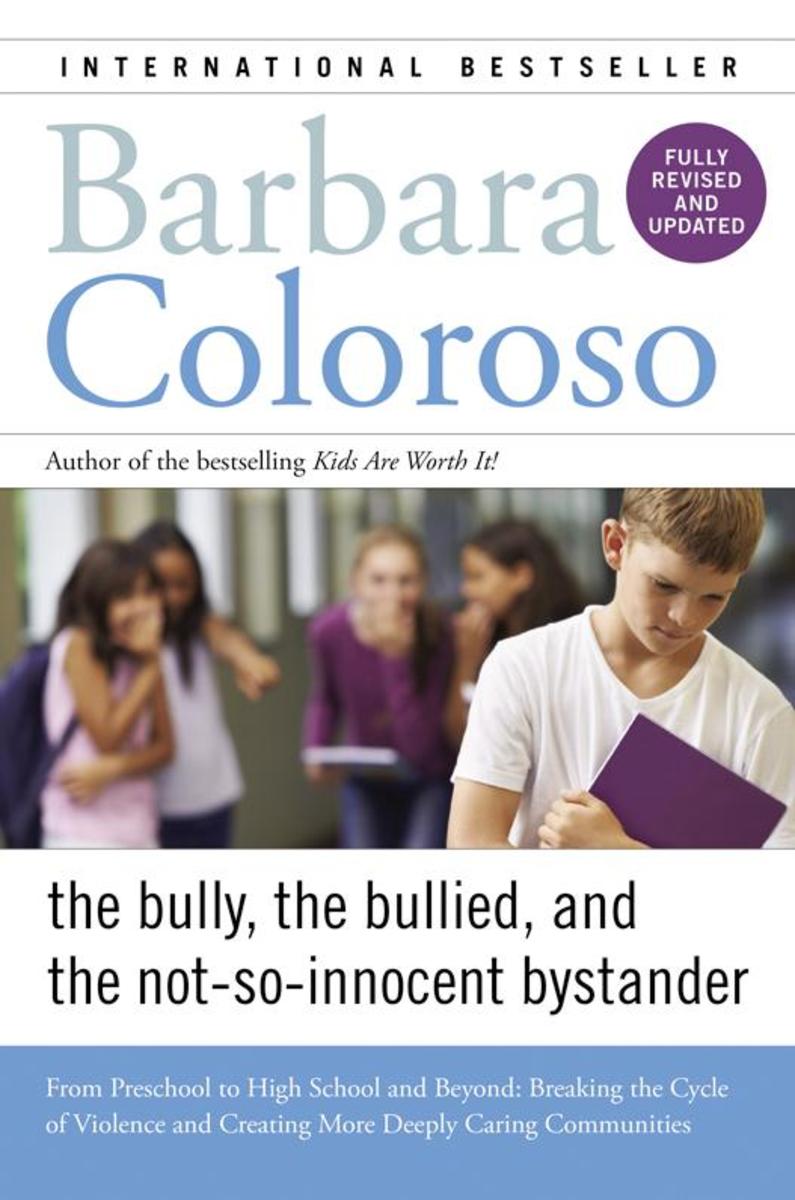
The Bully, the Bullied, and the Bystander
¥83.03
It's the deadliest combination going: bullies who terrorize, bullied kids who are afraid to tell, bystanders who watch, and adults who see the incidents as a normal part of childhood. All it takes to understand that this is a recipe for tragedy is a glance at headlines across the country. In this updated edition of The Bully, the Bullied, and the Bystander, which includes a new section on cyberbullying, one of the world's most trusted parenting educators gives parents, caregivers, educators and most of all, kids the tools to break the cycle of violence.Drawing on her decades of work with troubled youth, and her wide experience in the areas of conflict resolution and reconciliatory justice, Barbara Coloroso explains: The three kinds of bullying, and the differences between boy and girl bullies Four abilities that protect your child from succumbing to bullying Seven steps to take if your child is a bully How to help the bullied child heal and how to effectively discipline the bully How to evaluate a school's antibullying policy And much more This compassionate and practical guide has become the groundbreaking reference on the subject of bullying.
The Great Omission
¥95.11
The last command Jesus gave the church before he ascended to heaven was the Great Commission, the call for Christians to "make disciples of all the nations." But Christians have responded by making "Christians," not "disciples." This, according to brilliant scholar and renowned Christian thinker Dallas Willard, has been the church's Great Omission."The word disciple occurs 269 times in the New Testament," writes Willard. "Christian is found three times and was first introduced to refer precisely to disciples of Jesus. . . . The New Testament is a book about disciples, by disciples, and for disciples of Jesus Christ. But the point is not merely verbal. What is more important is that the kind of life we see in the earliest church is that of a special type of person. All of the assurances and benefits offered to humankind in the gospel evidently presuppose such a life and do not make realistic sense apart from it. The disciple of Jesus is not the deluxe or heavy-duty model of the Christian -- especially padded, textured, streamlined, and empowered for the fast lane on the straight and narrow way. He or she stands on the pages of the New Testament as the first level of basic transportation in the Kingdom of God."Willard boldly challenges the thought that we can be Christians without being disciples, or call ourselves Christians without applying this understanding of life in the Kingdom of God to every aspect of life on earth. He calls on believers to restore what should be the heart of Christianity -- being active disciples of Jesus Christ. Willard shows us that in the school of life, we are apprentices of the Teacher whose brilliance encourages us to rise above traditional church understanding and embrace the true meaning of discipleship -- an active, concrete, 24/7 life with Jesus.
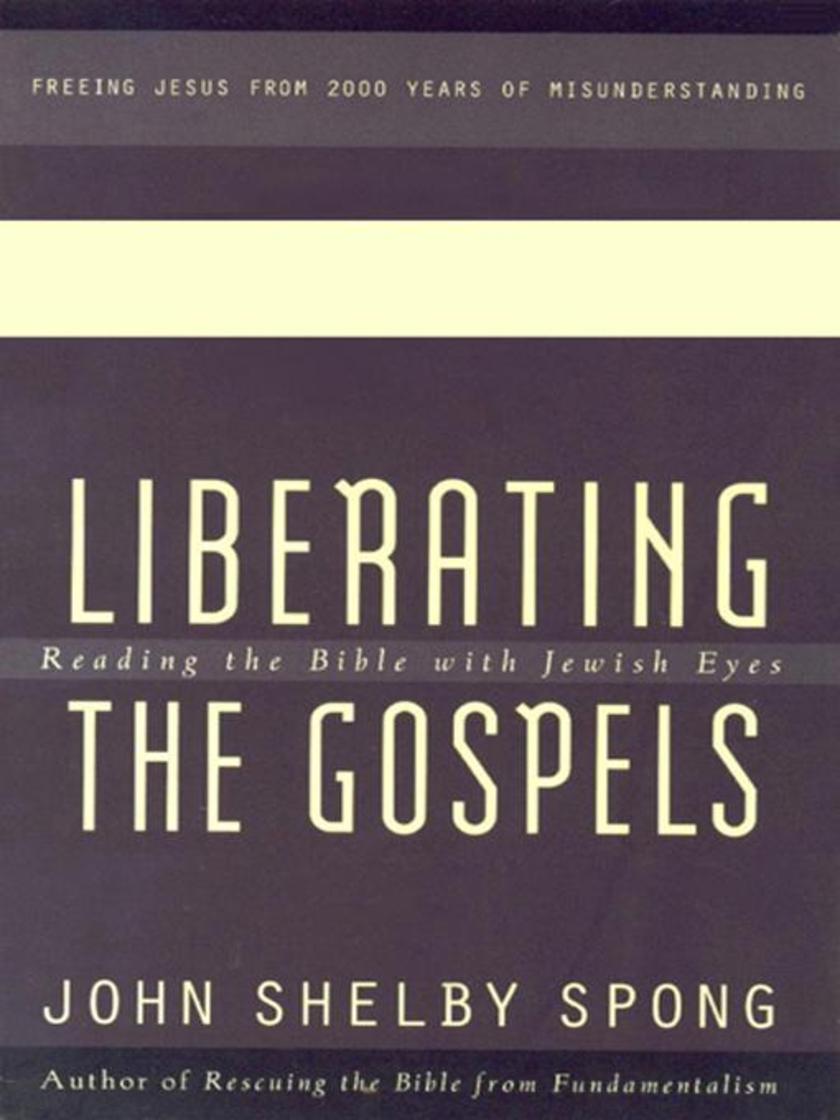
Liberating the Gospels
¥90.77
In this boldest book since Rescuing the Bible from Fundamentalism, Bishop John Shelby Spong offers a compelling view of the Gospels as thoroughly Jewish tests.Spong powerfully argues that many of the key Gospel accounts of events in the life of Jesus from the stories of his birth to his physical resurrection are not literally true. He offers convincing evidence that the Gospels are a collection of Jewish midrashic stories written to convey the significance of Jesus. This remarkable discovery brings us closer to how Jesus was really understood in his day and should be in ours.
Scambusters!
¥90.77
Scambusters! is a working manual senior citizens can use to defend themselves against the most common scams aimed at the elderly. It provides readers with a comprehensive approach to identifying scams in the making, and shows them specific prevention tools and how to use them. Inside, you'll find step-by-step instructions, helpful anecdotes, and references to dozens of consumer organizationals and government agencies devoted to thwarting swindlers. Weather buying mutual funds, repairing a car, purchasing drugs from online pharmacies, or taking out loans on your home, Scambusters! will protect seniors when they need it.
Run to the Mountain
¥99.65
When Thomas Merton died accidentally in Bangkok in 1968, the beloved Trappist monk's will specified that his personal diaries not be published for 25 years -- presumably because they contained his uncensored thoughts and feelings. Now, a quarter of a century has passed since Merton's death, and the journals are the last major piece of writing to appear by the 20th century's most important spiritual writer.The first of seven volumes, Run to the Mountain offers an intimate glimpse at the inner life of a young, pre-monastic Merton. Here readers will witness the insatiably curious graduate student in New York's Greenwich Village give way to the tentative spiritual seeker and brilliant writer. Merton playfully lists everything from his favorite lines of poetry and songs to the things he most loves and hates.Thomas Merton was an inveterate diarist; his journals offer a complete and candid look at the rich transformations of his adult life. As Brother Patrick Hart, general editor of the series notes, "Perhaps his best writing can be found in the journals, where he was expressing what was deepest in his heart with no thought of censorship. With their publication we will have as complete a picture of Thomas Merton as we can hope to have."
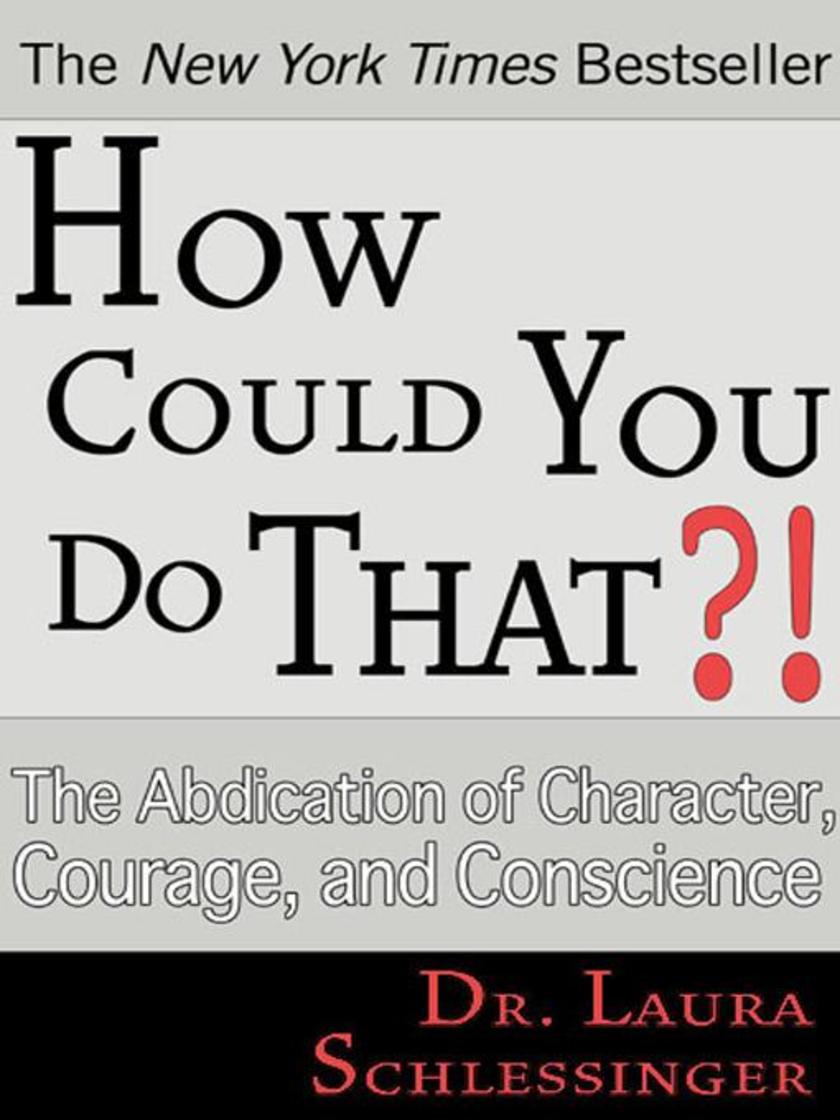
How Could You Do That?!
¥78.55
How Could You Do That?! illustrates Dr. Laura Schlessinger's philosophy of personal responsibility through her usually provocative but always stimulating moral dialogues with callers about everyday ethical dilemmas.In her lively pull-no-punches style, Dr. Laura takes on the moral dilemmas of our time: from the mindless pursuit of pleasure and immediate gratification to taking the easy way out when those actions produce ugly or uncomfortable life-altering consequences. She demonstrates in no uncertain terms that personal values are never someone else's reponsibility but your own, and why choosing not to honor them actually compounds unhappiness. Finally she explains that by disciplining self-indulgence and rising above temptation we can discover the infinite pleasures, the true happiness, of the moral high ground.Dr. Laura delivers not only a compelling argument for an ethical approach to life but also an invaluable inspiration to rebuilding character, conscience, and courage. Here is a work that can make a genuine difference in the quality of your own life and the lives of those we love.
Stop Whining, Start Living
¥77.49
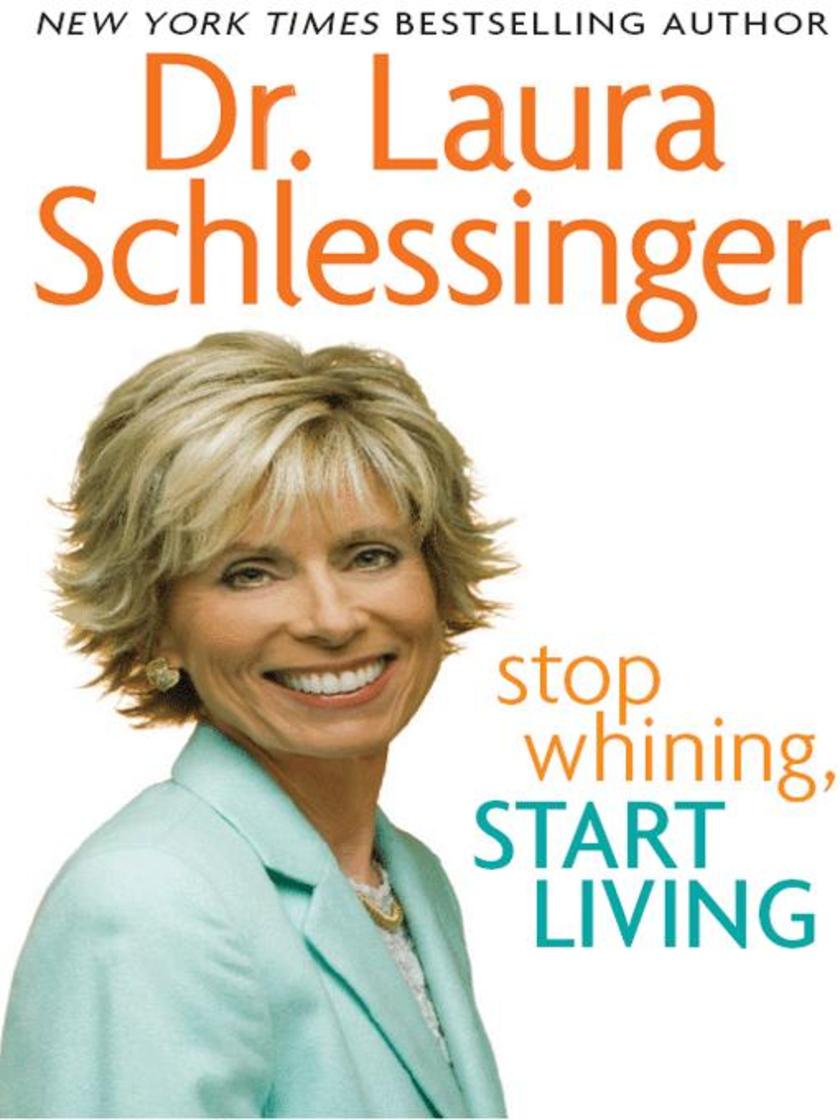
Living life is about action: courageous, benevolent, worthy, Wise, and productive action. Start living with some help from Dr. Laura Schlessinger.Dr. Laura Schlessinger agrees that there are things worth whining about. A certain amount of whining allows for venting of reasonable pain, disappointment, fear, frustration, or rage. However, staying stuck in whining mode can become a lifelong problem. This is where Dr. Laura steps in with Stop Whining, Start Living to help folks conquer the temptation to retreat from living life to the fullest.Illustrated by calls and letters from members of Dr. Laura's huge international audience, Stop Whining, Start Living features testimonials from real people facing real challenges. These folks have benefited enormously from Dr. Laura's powerful lessons.Stop Whining, Start Living gives readers the jump start they need to break out of reactive mode and get proactive, moving in the direction of a joyful, meaningful, fulfilling, and purposeful future. Everyone can use a kick in the pants sometimes, and Dr. Laura, who "preaches, teaches, and nags" to millions every day on her radio program, is here to deliver it!
Stress Free for Good
¥88.56
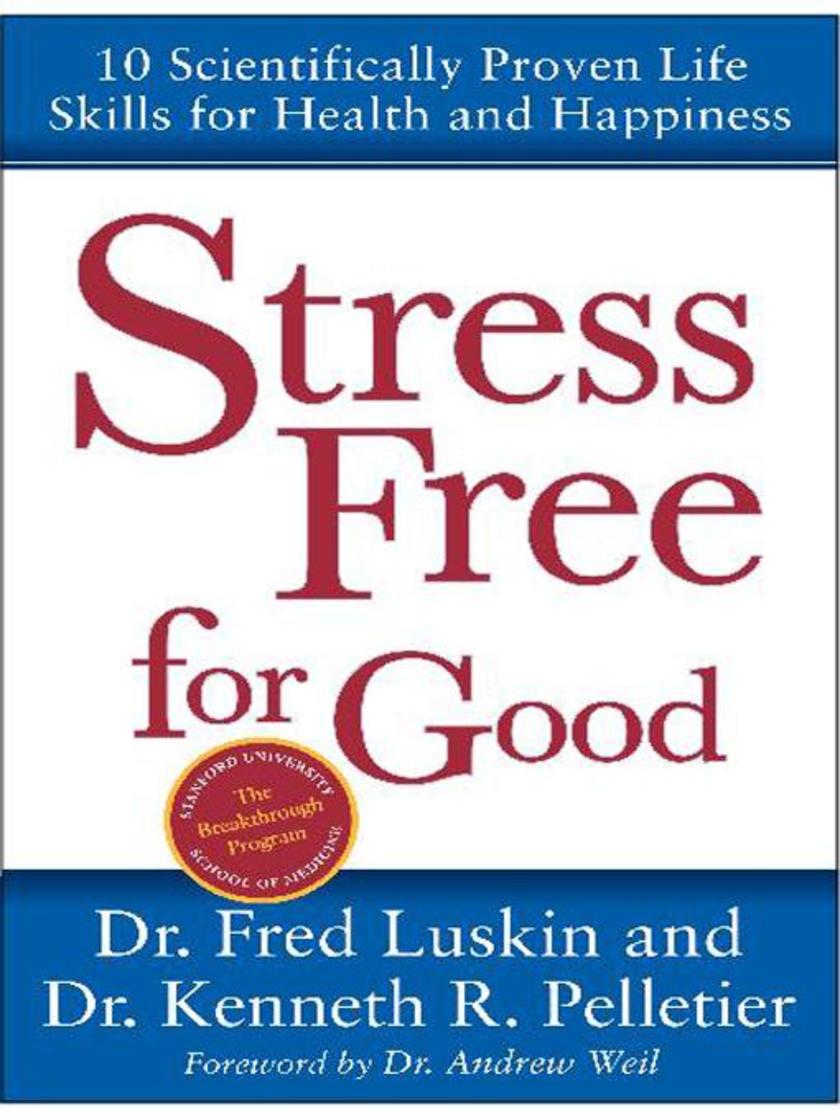
Ten Minutes to Learn One Minute to Practice Ten Seconds to WorkImagine if you could . . . Radically reduce stress Increase your physical vitality Improve your quality of life Now you can. We live in an age of stress. Each day at work and at home as we struggle to take care of the basics, constant stress significantly affects our ability to lead healthy and happy lives. We struggle with stomach pain, headaches, mood swings, fatigue, depression, high blood pressure, and even heart failure. Not only does stress damage our physical and emotional well-being, but our relationships and productivity suffer as well. What, if anything, can we do to stop this cycleThere is a multitude of books, magazine features, TV programs, videotapes, meditation classes, and seminars, all aimed at stopping stress. But until now there has never been a scientifically based program that not only starts working within seconds but also creates a foundation to help remove stress and the symptoms associated with it from your life for good. Dr. Fred Luskin and Dr. Kenneth R. Pelletier spent years at the Stanford University School of Medicine developing ten proven skills for eliminating the stress, anxiety, and pain that occur in daily life. Delivering skills that have been honed and tested among a diverse group of Americans, Stress Free for Good is easy to use and starts working immediately. Offering more than just the promise of breaking even and eliminating daily stress, these ten skills provide a foundation for living a healthier and happier life. This is not only a practical and accessible guide to conquering the stress in our lives once and for all, it is also the last stress aid you will ever need.
Love Is Never Enough
¥83.03
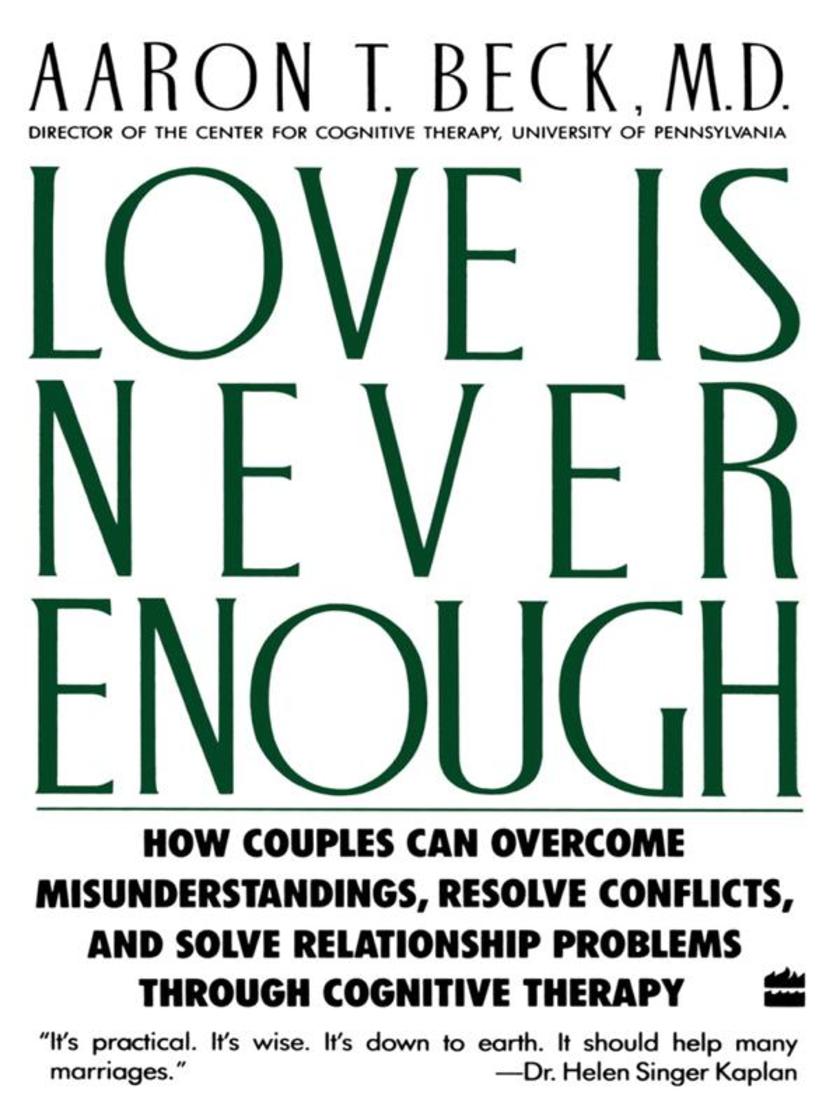
With eloquence and accessibility, Dr. Aaron T. Beck analyzes the actual dialogue of troubled couples to illuminate the most common problems in marriage--the power of negative thinking, disillusionment, rigid rules and expectations, and miscommunication.


