


 购物车
购物车 个人中心
个人中心
The Pregnant Woman's Comfort Book
¥95.16
With the wit, humor, and style that have made her Comfort Book series so popular, new mother Jennifer Louden brings her expertise to the wonderful world of pregnancy. From the blissful moments to the panic attacks, Louden guides women through the precarious emotional terrain of pregnancy and early motherhood with exercises, tips, and advice on a range of subjects including: your changing body image and self-esteem fears about your relationship with your partner a rational approach to eating (and eating and eating) dream exploration and the creation of a pregnancy comfort journal the joyous--and chaotic first months of motherhood and much more! This insightful, practical, and very comforting guide will speak to first-time and experienced mothers alike with this simple but vital message: taking care of yourself during pregnancy lays the groundwork for healthy and happy motherhood.
Still
¥101.00
In the critically acclaimed memoir Girl Meets God, Lauren F. Winner chronicled her sojourn from Judaism to Christianity. Now, in Still: Notes on a Mid-Faith Crisis, Winner describes how experiences of loss and failure unexpectedly slam her into a wall of doubt and spiritual despair: My belief has faltered, my sense of God’s closeness has grown strained, my efforts at living in accord with what I take to be the call of the gospel have come undone.”Witty, relatable, and fiercely honest, Winner lays bare her experience of what she calls the middle” of the spiritual life. In elegant and spare prose, she explores why in the midst of the overwhelming anxiety, loneliness, and boredom of her deepest questioning about where (or if) God is the Christian story still explains who she is better than any other story she’s ever known. Still is an absorbing meditation combining literary grace with spiritual wisdom. It is sure to resonate with anyone looking to sustain a spiritual life in the midst of real life.
Making All Things New
¥88.56
"During the past few years, various friends have asked me, 'What do you mean when you speak about the spiritual life?' Every time this question has come up, I have wished I had a small and simple book which could offer the beginning of a response. I have felt that there was a place for a text that could be read within a few hours and could not only explain what the spiritual life is but also create a desire to live it. This feeling caused me to write Making All Things New..." "The beginning of the spiritual life is often difficult not only because the powers which cause us to worry are so strong but also because the presence of God's Spirit seems barely noticeable. If, however, we are willing to live a life of prayer and practice the disciplines of solitude and community, a new hunger will make itself known. This new hunger is the first sign of God's presence. When we remain attentive to this divine presence, we will be led always deeper into the kingdom. There, to our joyful surprise, we will discover that the power of our worries is weakening and all things are being made new."- -from Making All Things New
The Miracles of Exodus
¥96.50
The Real Story of the ExodusColin Humphreys, a world-renowned Cambridge University scientist, reveals for the first time the concrete, scientific truth behind the Exodus miracles. The Burning Bush: Caused by a volcanic vent that opened up under the bush. Crossing the Red Sea: The water was pushed back by a very strong wind blowing all night. This is a known physical phenomenon called wind setdown. The details given in the Bible mean we can pinpoint where the Red Sea crossing occurred. Drowning Pharaoh's Army: When the very strong wind suddenly stopped blowing, the water rushed back in the form of a rapidly returning "bore" wave, sweeping Pharaoh's army into the sea. Mount Sinai: The real Mount Sinai is in present-day Saudi Arabia, not the Sinai Desert as is generally assumed.
From Diapers to Dating
¥95.39
This widely recommended parenting guide offers a wealth of practical techniques to help you identify and communicate your own values about sexuality to your children, infants to age twelve. In this revised edition, acclaimed parenting educator Debra Haffner covers the latest research and addresses issues of timely concern, including Internet safety. The book includes: "Values Exercises" to help you identify and communicate your beliefs to your children "Special Issues" to advise you on discussing difficult topics "Teachable Moments" to help you recognize opportunities or entry points into a discussion of important issues. "I believe it is up to you and your partner to decide on the messages and values you want to give your child about sexuality," Haffner writes. "It is your right and your responsibility to share them with your child."
Twins! 2e
¥106.61
Twins! is a comprehensive guide for all parents preparing for a multiple birth. It is filled with practical advice from specialists who work with expectant mothers and their twins every day.From the moment the expectant mom knows she's getting more than she expected, Twins! provides complete information on pregnancy, birth, and the postpartum experience: Your relationship with your practitioner Pre-pregnancy planning Fetal and embryonic development Healthy weight gain for expectant mothers Once the babies are born, Twins! sees the whole family through the exciting and challenging first year, examining such issues as: Sleeping and feeding schedules Your babies as individuals Redefining the family and supporting the needs of other children Survival tips for extra-busy parents Insightful roundtable discussions with other parents of twins New in this second edition: Complimentary medical practices, including acupuncture, supplements and herbs as well as current safety guidelines for the use of pre*ion and over-the-counter medications 3-D ultrasound images of developing twins What parents need to know about immunizations and their safety An up-to-date resource guide to twin-specific organizations, periodicals, and Internet links And much more! Twins! gives you all the information you need to have a safe and sound twin pregnancy so you can concentrate on the joy of raising happy, healthy children.Congratulations!
Don't Just Do Something, Sit There
¥83.03
Get away from doing and into being with this lively, down-to-earth guide to your own meditation retreat by beloved mindfulness meditation teacher Sylvia Boorstein. Presenting what Jon Kabat-Zinn has called "endearingly personal mindfulness wisdom," she offers a three-day retreat plan accompanied by timeless lessons -- always grounded in real life -- on how anyone can achieve calm, clarity and joy through meditation practices.
Gifts of the Spirit
¥112.23
Drawing on the wisdom of teacher from the world's great religious traditions, including Robert Thurman, Sharon Salzberg, Ram Dass, Mother Mary Clare Vincent, Joan Halifax, and Rabbi Jonathan Omer-Man, Gifts of the Spirit deepens our appreciation of such everyday routines as waking up, eating, and working, as well as the abundant rewards of enjoying music, gardening, walking, and being with others. Vivid de*ions of rituals from around the world help us find new spiritual meaning in life's key passages. Discover everyday spiritual riches through: Zen arts of cooking and eating Jewwish and Native American coming-of-age rituals Bedouin rules of hospitality and friendship Mindful approached to pregnancy and birth Ancient Christian practices that nurture the dying Shaker philosophies of daily work and craft The Buddhist way to a peaceful night's sleep
What Brothers Think, What Sistahs Know
¥79.16
From the author of The Sistahs' Rules and her husband comes a Men Are from Mars, Women Are from Venus for African Americans.Denene Millner's sassy, shrewd reaction to The Rules became a bestseller. The Sistahs' Rules spent six months on the BlackBoard list. Then, proving the value of her own advice about dating and mating, Denene married Brother Mr. Right, Nick Chiles. Once she'd laid claim to his heart, she took a really long look at his head to find out what his words and actions really meant. Together they decided to go boldly where few couples dare: inside the minds of a sistah and a brotha to reveal the real deal on what Black men think of commitment, monogamy, and other mysteries--and what sistahs know about staying true to themselves.What Brothers Think, What Sistahs Know is the first book for African Americans that decodes the inscrutable ways of the opposite sex. In this funny, honest, provocative book, Millner and Chiles step across the great divide to create--once and for all--real understanding between sistahs and brothers. They give the real deal on:* The perfect date* Why brothers think all sistahs are angry* Why so many men could run down Michael Johnson in an effort to escape commitment* Whether it's fair for sistahs to scream when brothers chase white girls* Why good sex matters What Brothers Think, What Sistahs Know covers everything from first dates to lasting commitments, from myths and misunderstandings between brothas and sistahs to the kind of communication that fosters love and respect. It reveals, for the very first time, the motivations and fears coursing through that warm-blooded animal on the other side of the bed.
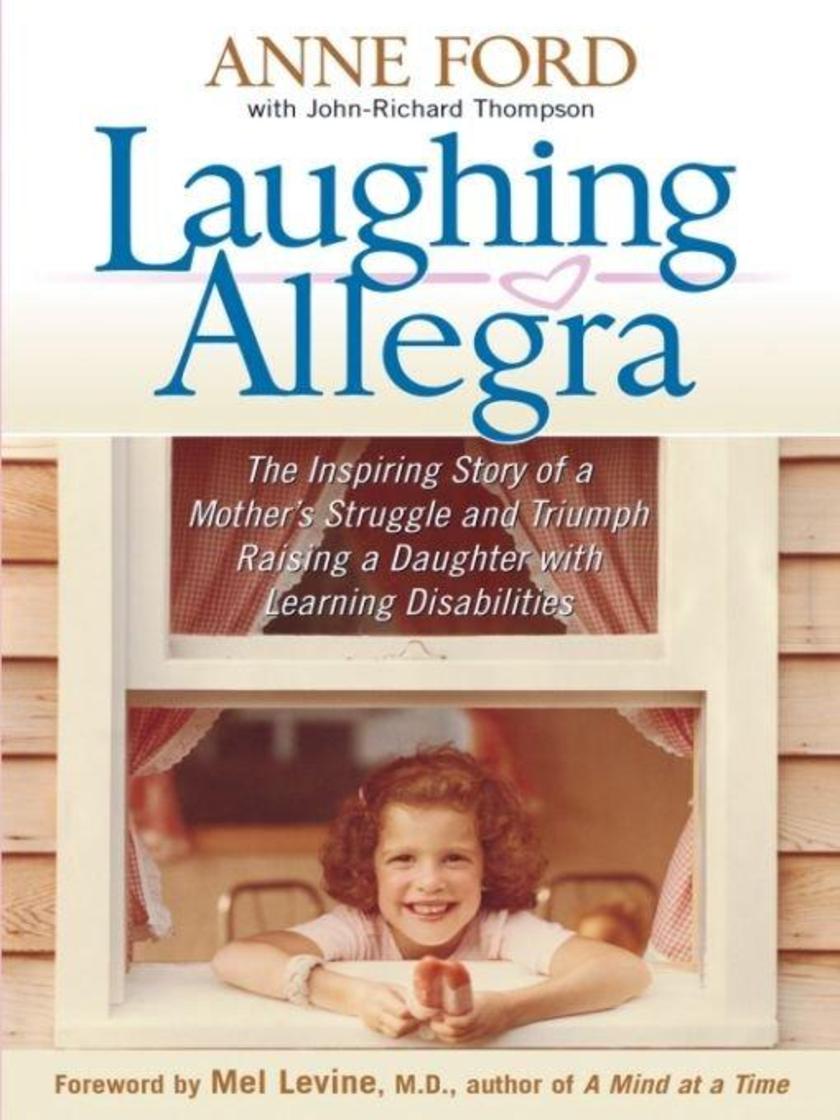
Laughing Allegra
¥93.88
When Anne Ford, great-granddaughter of Henry Ford, learned that her four-year-old daughter Allegra’s “differences” were the result of severe learning disabilities, she faced a challenge that neither money nor position could ease. Desperate for answers, Anne sought out doctors, teachers, counselors, and others who could help her build a support network for herself and her daughter, while fighting the many common misconceptions and myths about learning disabilities. Now, in this fiercely honest and compelling memoir, Anne tells her story, writing movingly of her feelings as the mother of a learning disabled child. “I grew to accept that life is filled with uncertainty and that answers to the most simple, yet profound, questions such as ‘What is wrong with my daughter?’ can be elusive. I learned to be self-reliant in ways I never had before. I learned that every spark of optimism and hope was something to be nurtured and treasured because sometimes they were the only comfort available. And I learned that worry had entered my life.” In time, Anne Ford saw her daughter grow into a vibrant, loving, and independent adult with a passion for ice skating and a commitment to help other disabled children. Allegra Ford, now 32, lives independently and supported this book’s publication so “it could help other kids.” Anne’s experience led her to become a tireless activist on behalf of children and families faced with LD, including her service as Chairman of the Board of the National Center for Learning Disabilities from 1989 to 2001, and the writing of this book with John-Richard Thompson, an award-winning playwright and novelist. In addition to Anne’s personal story, Laughing Allegra includes four invaluable special sections: ?Answers to the most commonly asked questions about LD ?A resource guide on where to find help ?A discussion from a mother’s perspective on the challenges of homework, money, relationships, the work- place, and planning as the LD child and parents age ?A section on “Siblings and Secrets,” new in this paperback edition, inspired by Anne’s conversations with readers during her hardcover book tour.
100 Simple Secrets of Great Relationships
¥77.49
What are the essential qualities of a great relationshipWhat do people in healthy and happy relationships do differentlyScientists and academics have spent entire careers investigating the nature of relationships, dating, and marriage, yet their findings are inaccessible to ordinary people, hidden in obscure journals read only by other academics. Now the bestselling author of the 100 Simple Secrets series has collected the most current and significant data from more than a thousand studies on relationships and spells out the key findings in plain English. The advice is not based on one person's unique experiences or opinions, but offers for the first time the research of noted scientists studying the lives and loves of average Americans. Each of the findings is accompanied by a true story that shows the results in action. Love is hard to calculate: Researchers have proven that a partner's age, income, education, and religion are unrelated factors in the likelihood of relationship satisfaction. Always trying to win can lead to a major loss: People who feel a sense of competition with their partner are 37 percent less likely to feel that their relationship is satisfying. leave the past in the past: More than 40 percent of people report that jealousy over a previous relationship is a source of conflict in their current relationship.
Stress Relief for Disasters Great and Small
¥72.70
This valuable pre*ive guide, organized by timeline, addresses such questions as: How can we tell when the normal becomes abnormalWhen should we worryHow do we know what's coming nextDr. Witkin provides both strategies and support for the unique, acute anxiety and chronic emotional and physical fall-out that results from trauma, whether caused by the events of 9/11 or the loss of a loved one. She emphasizes that the process is the same for any type of disaster, and spells out what she calls the sequence of recovery after disaster knowing what to do and what feelings to expect and when. Most important, Stress Relief includes more than 80 specific pre*ions to help you help yourself and others, from day one to year one and beyond.
She's Had a Baby
¥72.93
She's had the Baby, you're a daddy -- now whatJames Barron draws on his own experience, the experiences of countless others, and on insights from mothers on what they think new fathers should know to offer advice on balancing the demands of being a good father and a good husband, from the infant through the toddler years. He includes tips on: recapturing the romantic days of just the two of you vacationing with toddlers distinguishing between needing to call the pediatrician and pestering the pediatrician having sex while your 1-1/2 year-old is in the house Hardly a standard child-rearing book, She's Had a Baby doesn't diagnose allergies or suggest developmentally appropriate toys. Rather, in bite-sized observations, Barron champions the joys and anxieties of daddyhood, while helping a man to cope with the ups and downs a relationship can go through during this time.
The Mocha Manual to Turning Your Passion into Profit
¥95.39
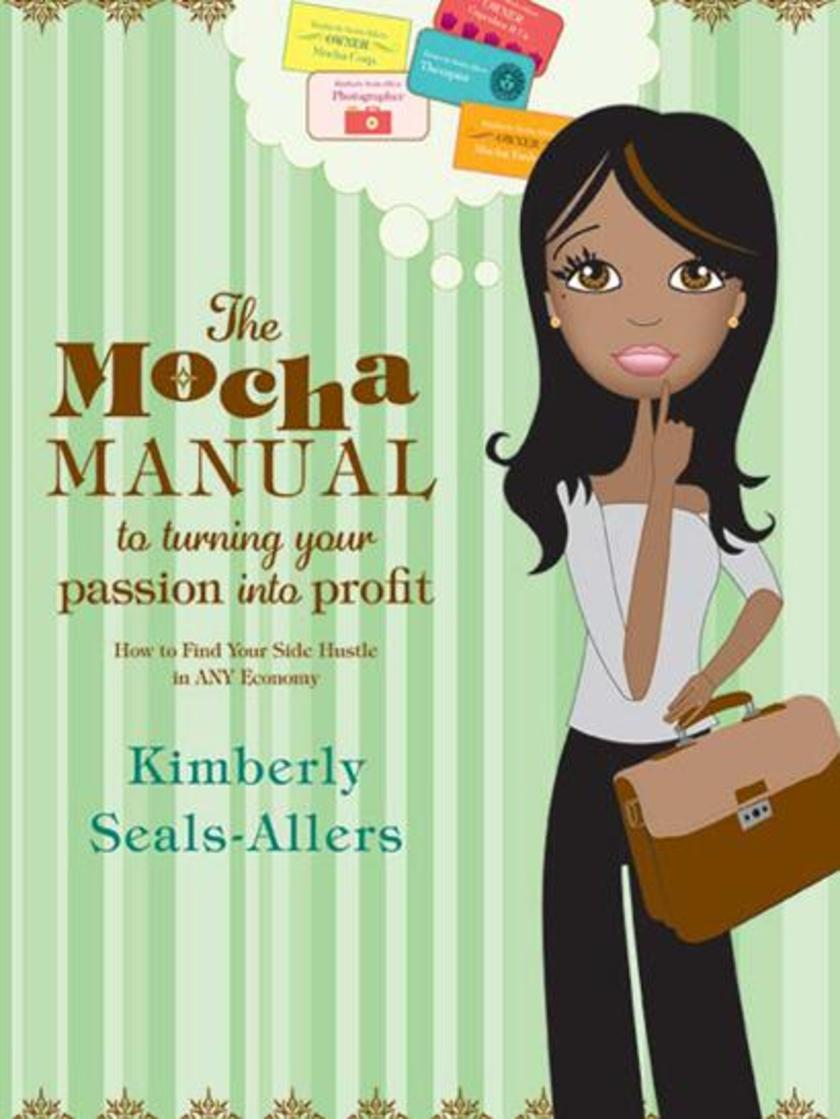
Who among us haven't dreamed of turning our passion into an income-producingenterpriseWhether it's arranging flowers, creating our own beauty products, or taking care of children, we all have our special talents. But how do you turn your hobbies into something more lucrativeAnd when would you ever find the time?In an uncertain economy, there is no better time than now to get started and The Mocha Manual to Turning Your Passion into Profit offers the step-by-step answers you need to turn your ideas into a business plan and your business plan into a bona fide business. Whether Kimberly Seals-Allers, an entrepreneur herself, is directing you toward resources that will tell you which licenses you need to get started or advising you on how to pick an accountant once your business starts to grow, you can count on her counsel to be clear, concise, and inspiring. Her wisdom on everything from marketing ideas to managing employees is combined with advice and anecdotes from everyday women who have founded companies ranging from small IT consulting businesses to massive operations such as Carol's Daughter. Whether you want to quit your job and start your own company or supplement your existing income with a "side hustle," this inspiring book is for you.
Seven Life Lessons of Chaos
¥83.03
If you have ever felt your life was out of control and headed toward chaos,science has an important message: Life is chaos, and that's a very exciting thing!In this eye-opening book, John Briggs and F. David Peat reveal sevenenlightening lessons for embracing the chaos of daily life.Be Creative:engage with chaos to find imaginative new solutions and live more dynamicallyUse Butterfly Power:let chaos grow local efforts into global resultsGo With the Flow:use chaos to work collectively with othersExplore What's Between:discover life's rich subtleties and avoid the traps of stereotypesSee the Art of the World:appreciate the beauty of life's chaosLive Within Time:utilize time's hidden depthsRejoin the Whole:realize our fractal connectedness to each other and the worldLife is impossible to control--instead of fighting this truth, Seven Life Lessons of Chaos shows you how to accept, celebrate, and use it to live life to its fullest.
On Their Own
¥93.88
An indispensable guide to the special challenges faced by parents of learning-disabled children as they enter adulthood, by the author of Laughing Allegra, a leading activist and parent of an adult child with LD.In 2003 Anne Ford (great-granddaughter of Henry Ford) published Laughing Allegra, about the struggles of raising her learning-disabled daughter, and received a flood of letters from parents of children with LD, ADD, and ADHD, many expressing concerns about what to do as their children age.On Their Own is an invaluable road map to ease these parents' fears and answer their questions, especially the one that haunts them daily: Will or can their child be on their own, and howIn a candid, sympathetic style, laced with real-life stories, the book covers such topics as: Social skills and dating Staying healthy Sibling relationships Interaction with employers and co-workers Job hunting Finding the right college or trade school Estate planning Also included are a comprehensive resource guide and exclusive interviews with prominent professionals who have surmounted their learning disabilities: CEO's Sir Richard Branson, John Chambers, David Neeleman, and Charles Schwab, and former governor Gaston Caperton.
How to Talk So Teens Will Listen and Listen So Teens Will Talk
¥94.10
The renowned #1 New York Times bestselling authors share their advice and expertise with parents and teens in this accessible, indispensable guide to surviving adolescence.Adele Faber and Elaine Mazlish transformed parenting with their breakthrough, bestselling books Siblings Without Rivalry and How to Talk So Kids Will Listen; Listen So Kids Will Talk. Now, they return with this essential guide that tackles the tough issues teens and parents face today.Filled with straightforward advice and written in their trademark, down-to-earth style sure to appeal to both parents and teens, this all-new volume offers both innovative, easy-to-implement suggestions and proven techniques to build the foundation for lasting relationships. From curfews and cliques to sex and drugs, it gives parents the tools to help their children safely navigate the often stormy years of adolescence.
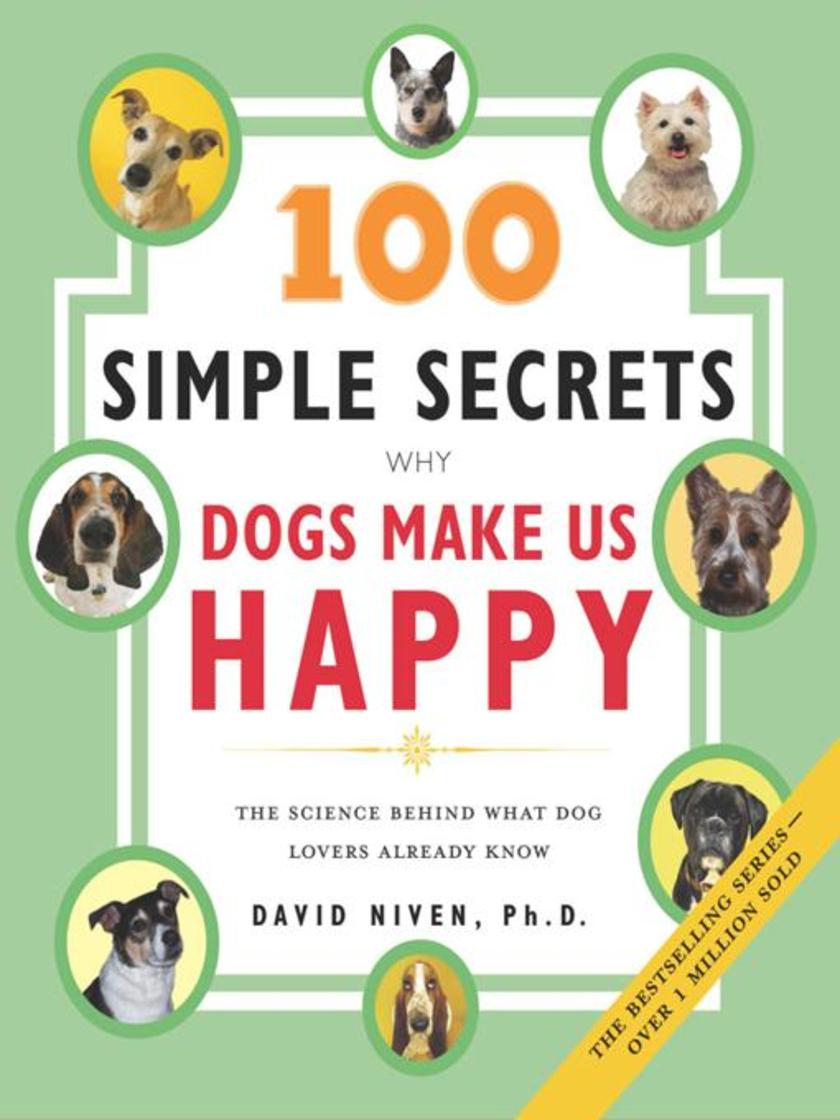
100 Simple Secrets Why Dogs Make Us Happy
¥67.09
Why do people who have dogs live happier, longer, and more fulfulling livesSociologists and veterinarians have spent years investigating the positive effects that dogs have on people's health and happiness yet their findings are inaccessible to ordinary people, hidden in obscure journals to be shared with other experts. Now the international bestselling author of the 100 Simple Secrets series has collected the most current and significant data from more than a thousand of the best scientific studies on the profound relationship between humans and our canine companions. These findings have been boiled down to the one hundred essential ways dogs positively impact our lives. Each fact is accompanied by a inspiring true story. If you love your dog, and science tells us that you do, this book will inspire and entertain. Communicate Better: It sounds odd to say a creature that communicates with barking and body language can have such a profound effect on human communication. But by providing a common point of reference and concern, dogs help us to feel a connection to other humans. That connection makes us feel more comfortable communicating with each other. When meeting a new person, the presence of a dog reduces the time before people feel comfortable while talking with each other by 45 percent. Live Longer: There is perhaps no better gift that dogs offer us humans than this simple fact. People who care for a dog live longer, healthier lives than those who do not. On average, people who cared for dogs during their lives lived 3 years longer than people who never had a dog. No Monkey Business: Primates are genetically more similar to humans than any other creature. But try to tell a chimpanzee something and you will be hard pressed to get your message across. Dogs are uniquely attuned to the messages we send. Dogs study humans and have evolved to build social skills that help them to function around us. Dogs are 52 percent more likely to follow human cues such as pointing toward a source of food than are primates. Around the Block: Good habits are often misunderstood as difficult or unpleasant chores. But there is tremendous value in the simple act of taking a walk. Walking not only burns calories, it also decreases stress. Having a dog means regularly talking walks it's something you do for your dog but in truth your dog is doing for you. Dog owners walk 79 percent farther in an average week than non–dog owners.
Eight Lessons for a Happier Marriage
¥71.72
Applying the methods and ideas espoused in his popular book Choice Theory, world-renowned psychiatrist and relationship expert Dr. William Glasser, along with his wife, Carleen, offers a practical guide to an enduring, satisfying, successful marriage. Eight Lessons for a Happier Marriage showcases eight real-life histories of troubled couples and presents simple, practical solutions to overcoming the pitfalls illustrated therein. Keeping love alive and strong is not as difficult as you think; let the Glassers and this indispensable book show you how!
The Mozart Effect for Children
¥95.39
In his groundbreaking book, The Mozart Effect, Don Campbell revealed the enormous healing powers of classical music. Now he shows you how to help the children in your life experience the same benefits.You don't have to be an expert on classical music to use this wise and compassionate book. Focusing each chapter on a particular age -- from prenatal through age ten -- Don Campbell explains how music is the perfect tool to improve children's language, movement, and social skills at home, school, and play. He presents dynamic, inventive ways to invigorate a child's imagination, and supplies simple exercises, musical menus, and entertaining games that will improve your child's memory. At once practical and profound, The Mozart Effect for Children is an invaluable resource for all parents and educators who want to help their children imagine, achieve, and grow in every aspect of their lives.
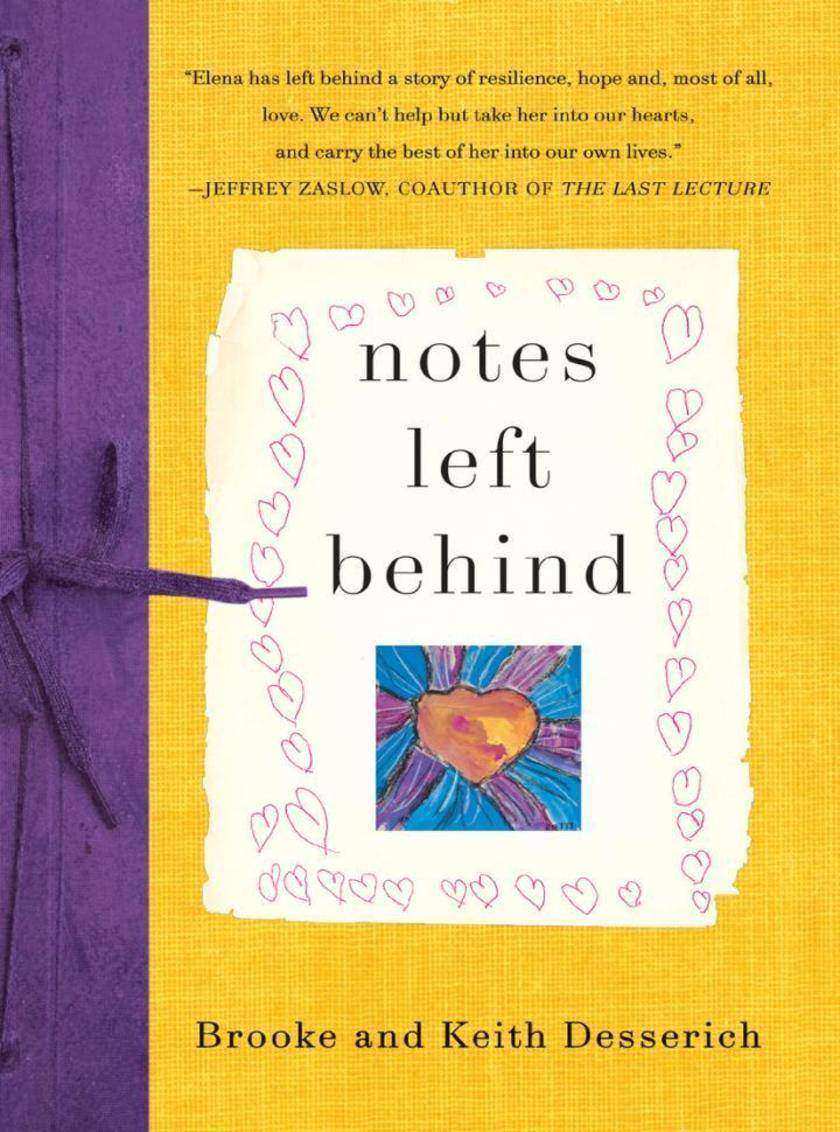
Notes Left Behind
¥88.56
Elena Desserich dreamed of becoming a teacher. Although her time on this earth was far too short to fulfill her dream, she left behind an enlightening lesson plan on life. Wise beyond her years, Elena never stopped teaching those around her to appreciate the miracle of everyday living even as the innocent six-year-old battled a rare form of brain cancer. Through personal and candid journal entries written as a remembrance for Elena's younger sister, Brooke and Keith Desserich share their emotional journey as they negotiated their contradictory impulses to fight Elena's cancer at all costs and realized the inevitable outcome. Page by page, this journal is a reminder to parents everywhere to appreciate and savor every precious moment they have with their own children.Notes Left Behind tells a story of humility and inspiration. From the time of her diagnosis, Elena accomplished a truly spectacular series of wishes, big and small, that she alone created, from riding in a horse-drawn carriage to painting a masterpiece that would hang in an art museum. Her life motivated the creation of the foundation that today helps children everywhere in their fight against cancer. Included in the pages of this book are Elena's private messages that she secretly hid around her home, knowing her family would find them when she was gone. These notes show us how even during the darker moments of life, it is possible to find hope and encouragement through selfless love.


