


 购物车
购物车 个人中心
个人中心
Avon
¥84.16
Alexandra Stoddard, world famous interior decorator, author and lecturer, originally opened the eyes of millions to the beauty and grace of simplicity in her phenomenal bestseller Living a Beautiful Life and the books that followed. Now, in Making Choices, she teaches us to widen our horizons by helping us feel the pleasure, satifaction, and joy of creative decision making and self-reliance and to discover our inner being, our own destiny, the lifestyle that is ours, and the art of living in the light of self-expression and fulfillment.
Organizing the Disorganized Child
¥77.49
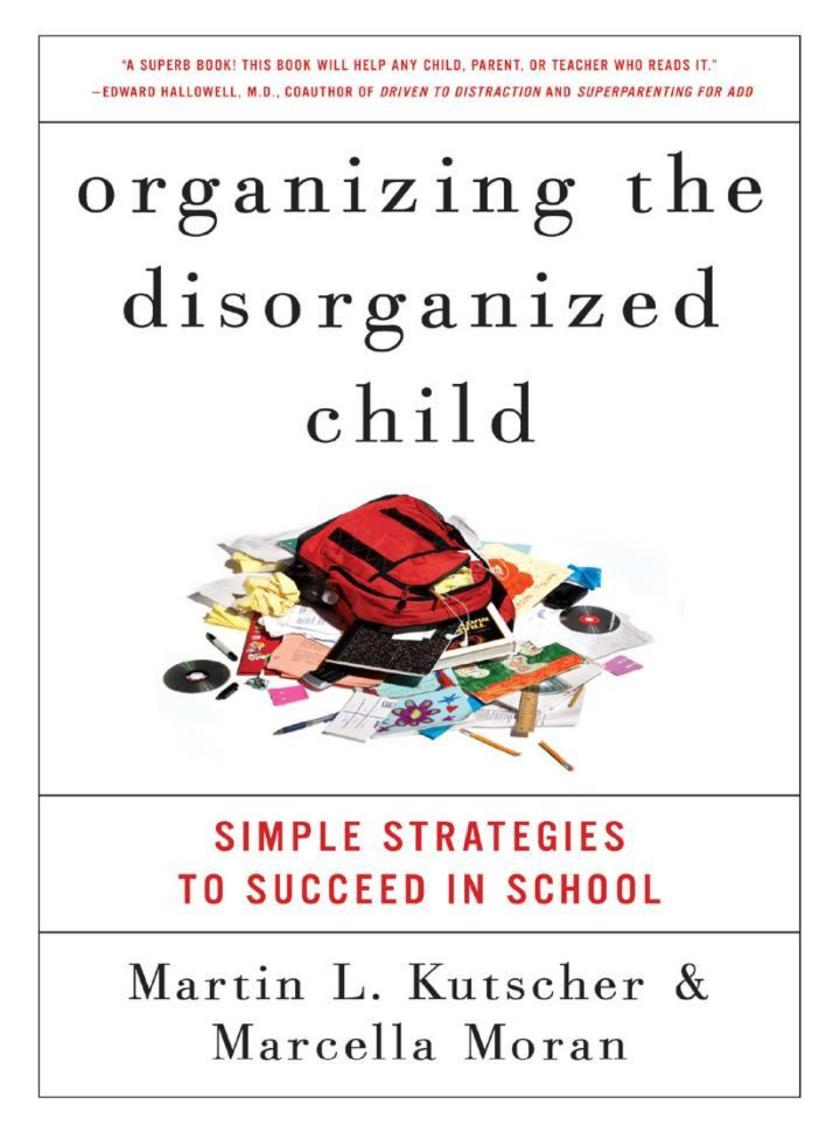
Organizing the Disorganized Child explains: How to solve the messy-backpack problem (page 28). Step-by-step tips to help your child improve study skills (page 96). Which school supplies work best for different types of children (page 26). Methods for note taking (page 99). Techniques for time management (page 72). Strategies to refine morning and nighttime routines that will help the entire family (page 128).
Second Acts
¥84.16
Second Acts is a guide to reinventing your life. Whether you wish to change careers, move to a more desirable part of the country, start a business, write a novel, or drop everything to pursue a life dream, Stephen Pollan offers a powerful message ofhope and guidance that has benefited his own clients.Through a series of exercises, you will develop a comprehensive "*" for your second act a step-by-step action plan that will lead you to the life you've always wanted.
Divorce Wars
¥90.77
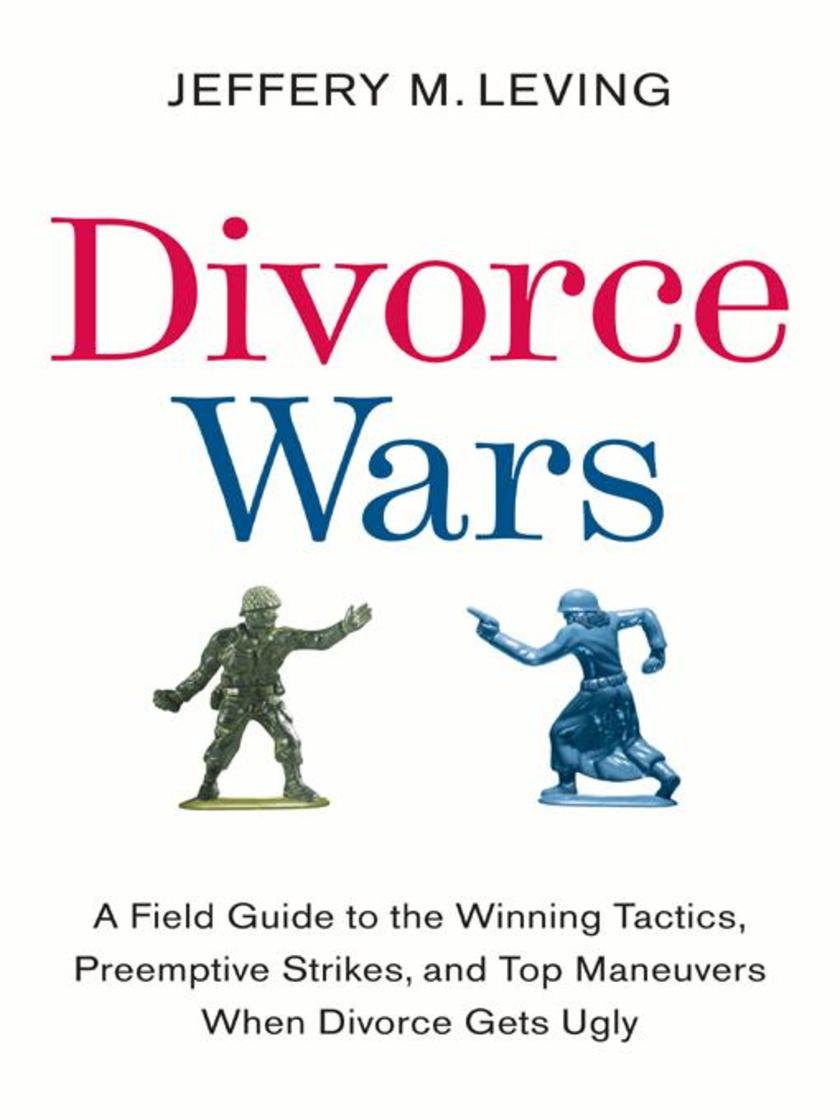
Think the worst won't happen to youDivorce can turn even the most sensible and perfectly nice people into malicious cutthroats. And while divorce is never easy, it can get downright nasty if your spouse wants to turn the process into the ffifiight of his or her life. Whether your spouse is vengeful, abusive, money-hungry, or just plain angry, a divorce can become prolonged, costly, and psychologically and emotionally damaging to your children.Here, Jeffery M. Leving, one of America's most prominent and experienced divorce lawyers, shows you how to win any divorce fair and square, even when your spouse brings out the heavy artillery.By giving real-life examples, Leving provides essential advice on everything from picking the right lawyer and devising a winning settlement strategy to getting the most from your day in court and dealing with an ex-spouse. Divorce Wars will help ensure you are acting wisely and effectively at every stage of the process, and will help you and your children survive even the most painful and difffiicult divorce.
A History Of The Wife
¥88.56
How did marriage, considered a religious duty in medieval Europe, become a venue for personal fulfillment in contemporary AmericaHow did the notion of romantic love, a novelty in the Middle Ages, become a prerequisite for marriage todayAnd, if the original purpose of marriage was procreation, what exactly is the purpose of marriage for women nowCombining "a scholar's rigor and a storyteller's craft"(San Jose Mercury News), distinguished cultural historian Marilyn Yalom charts the evolution of marriage in the Judeo Christian world through the centuries and shows how radically our ideas about marriage have changed. For any woman who is, has been, or ever will be married, this intellectually vigorous and gripping historical analysis of marriage sheds new light on an institution most people take for granted, and that may, in fact, be experiencing its most convulsive upheaval since the Reformation.
Marriage Confidential
¥90.77
Pamela Haag has written the generational "big book" on modern marriage, a mesmerizing, sometimes salacious look at the semi-happy ambivalence lurking just below the surface of many marriages today. The spouses may rarely fight they may maintain a sincere affection for each other but one or both may harbor a melancholy sense that something important is missing. Remarkably, this side of the marriage story hasn't been told or analyzed until now.Meticulously researched and injected with insightful firsthand accounts and welcome doses of humor, Marriage Confidential articulates for a generation that grew up believing they would "have it all" why they have ended up disenchanted. Haag introduces us to contemporary marriages where spouses act more like life partners than lovers; children occupy an uncontested position at the center of the marital relationship; and even the romantic staples of sexual fidelity and passion are assailed from all sides so much so that spouses can end up having affairs online almost by accident.Blending tales from the front lines of matrimony with cultural history, surveys, and research covert-ops (such as joining an online affair-finding site and posting a personal ad in the New York Review of Books), Haag paints a detailed picture of the state of marriage today. And to show what's possible as well as what's melancholy in our post-romantic age, Haag seeks out marriages with a twist rebels who are quietly brainstorming and evolving the *s around career, money, social life, child rearing, and sex.Provocative but sympathetic, forward-thinking and bold, here, at last, is a manifesto for living large in marriage.
The Reluctant Parting
¥90.77
Now in paperback, The Reluctant Parting is a poignant look at the New Testament exploring the forgotten question of intention and identity in Christianity's core writings– How did Jesus's followers stop being Jewish without meaning toWhile other books have demonstrated the "Jewishness" of Jesus, none have grappled with the implications of the New Testament authors' relationship to their own Judaism. The Christian New Testament has led a life never imagined by its Jewish sectarian authors. Through lively and accessible scholarship, Galambush reveals the anguish of the early Christians as they first struggled with, and then left behind, the larger Jewish community. She illuminates the human drama of the split between Jews and Christians, revealing a deep loss at the heart of Christian tradition that continues to cry out for reconciliation between Christianity and the Judaism it so painfully left. Not just another well–credentialed scholar, Galambush is uniquely positioned as both a convert to Judaism and a former associate pastor to identify what is at stake for Jews as well as for Christians. The book's deeply empathic portrayal of the early Christians' struggle with their Jewish identity will allow it to serve as a resource for Jews and Christians alike.
Supersurvivors
¥88.56
The key to how ordinary people accomplish extraordinary things after traumatic upheavalMany people suffer trauma in their lifetime. While some experience serious psychological consequences, like post-traumatic stress disorder and other afflictions, many are able to move on and overcome trauma's effects. Then there are those rare individuals who, in the aftermath of great tragedy and turmoil, reassess their priorities, redirect their focus, and accomplish extraordinary feats they break records, win awards, and meet the seemingly unattainable goals they set for themselves.These are the supersurvivors. A leukemia sufferer who won an Olympic gold medal, a blind man who rowed across the Atlantic, a woman who survived genocide in Rwanda and went on to become a President Obama appointee: these are among the extraordinary men and women who moved beyond mere resilience. They radically deviated on their life path, transforming the worst thing to happen to them into their best success.Renowned psychology researchers David B. Feldman and Lee Daniel Kravetz interviewed dozens of men and women to understand how these individuals pushed beyond their experiences to attain greatness. We discover why certain delusions can be healthy, why forgiveness is good for the body, and why reflecting on death can lead to a better life. And, perhaps counterintuitively, we learn how positive thinking is not always a strategy toward the good. Feldman and Kravetz weave the narratives of these supersurvivors with the latest scientific findings and clinical experience to elucidate how we can learn from their inspiring stories, offering hope that tragedy does not have to cause us to shrink from a full and adventurous life. Supersurvivors is sure to reset our thinking about how we deal with all our challenges, no matter who we are or what we have endured.
The Committed Marriage
¥88.56
In our turbulent world, it sometimes seems difficult to forge and maintain the bonds of a committed, loving relationship. In The Committed Marriage, Rebbetzin Esther Jungreis, esteemed teacher, counselor, and matchmaker, helps even the most pressured modern couples find harmony and unity, guided by the timeless wisdom of the Torah. Starting with the first stagesof finding a soul mate, and continuing through the challenge of learning to communicate with compassion and understanding, whether debating parenting issues or how to grow old in harmony, these real-life success stories reflect the practicality and endurance of traditional values. The anecdotes and true-life stories will speak to your heart and mind, while the Rebbetzin's faith and depth of understanding will inspire you and strengthen your marriage.
Femininity Lost and Regained
¥60.92
The author of the phenomenal bestsellers He and She discusses the importance of regaining the feminine dimension in our lives. According to Johnson, regaining the power of feminine feeling and value is critical to the development of human peace and consciousness.
Getting to YUM
¥121.80
The science of Taste Training will take your kids from "yuck" to "yum!" Teach your kids to eat, just as you teach them to read Mealtimes with kids are often a battleground, with parents trying to force one more bite and kids resisting and protesting. But it doesn't need to be this way. Getting to YUM guides parents in teaching their children—whether babies, toddlers, or big kids—to enjoy eating all kinds of foods. Tested by families across North America, this new taste-training method prevents and cures picky eating while putting the fun back into food! This fun, easy-to-use book includes: The seven secrets of successful taste training. Fun games and experiments based on hands-on education and the latest scientific research. 85 healthy, easy, tasty recipes for babies, toddlers, young children, teenagers—and even adults! A unique flavor ladder approach that teaches kids to love eating a wide range of foods. Real-life success stories from families who have used these techniques to train good eaters for life!
An Ounce of Prevention
¥72.99
Most parents understand the importance of prevention when it comes to the physical health and safety of their children. But what many parents don't realize is that it is also possible to use preventive measures for emotional and behavorial problems. As child psychologist Dr. Lawrence E. Shapiro explains in this provacative new book, parents tend to start paying attention only after actual symptoms begin to develop. Yet many problems can be addressed long before symptoms appear-if parents know just what to look for. Preventing emotional problems is much easier than treating them after they have already become disruptive to a child's life.In An Ounce of Prevention, Dr.Shapiro presents a variety of imaginative, highly successful strategies for handling the pivotal moments in every child's emotional developmentm, from the infant and toddler years through the grad school and teenage years. He helps you understand whether your child is at risk for specific problems and what you can do to reduce the risk. Dr.Shapiro offers advice for parents on such subjects as depression, underachievement, shyness, eating disorders, fallout from divorce, ADHD, and much more.Some of the suggestions will seem like common sense. Teaching your child good eating habits from a very young age will prevent eating disorders in adolescence. Helping a shy child make a phone call to a new friend will prevent social alienation in the teen years. But other recommendations may be surprising. Fearful babies should not be coddled if they outgrow their hypersensitivity. Toddlers should not be overly praised if you want them to as strive for success later in childhood. Parents should become more involved in their teenagers' education even when their teens are pulling away.Filled with wonderful examples and lots of concrete advice, this book presents all the skills you need to hlep your child become more resilient when confronted with many problems that face today's children and teens. Provide "an ounce of prevention" every day. It will make a difference in your child's happines-and yours.
What Mama Couldn't Tell Us About Love
¥84.16
"Mama," writes Brenda Richardson, "you taught me how a black woman could survive and prevail in this world...but because you never learned yourself, you couldn't tell me how to make love work...I don't mean any disrespect, Mama, but...now I have children of my own. And in a loud revolutionary voice, I declare to the universe: the pain stops here." Clinical psychologist Dr. Brenda Wade and coauthor Brenda Richardson ask their African American sisters to consider this question: "What lessons about love and intimacy were passed down from your foremothers to you?" In this provocative rethinking of the African American woman's experience, the authors suggest that African American women share an emotional legacy that began when their ancestors were dragged in chains to the "New" World and continued as their descendants suffered through the violence and humiliation of the Jim Crow period and later racism. Indeed, they argue, the long shadow cast by these historical events impacts romantic practice, lives can be transformed once there is a true understanding of the power of inherited beliefs. What Mama Couldn't Tell Us About Love shows how important it is to grieve and make peace with this brutal history. As you will see in this remarkable uplifting book, it is possible to use the positive messages inherent in the African American experience to create a better life. Learn from the "Sisters Spirits"--well-known African Americans whose stories enliven these pages--as you move toward emotional freedom. Listen to the words of the spirituals interspersed in the text, enhance the coping skills and strengths your forebears harnessed to help them survive and prevail, and believe that emotional emancipation is your birthright. Mama may not have told you all this in so many words--but there is no doubt that she would want to see you take these last steps toward freedom and abundant love.
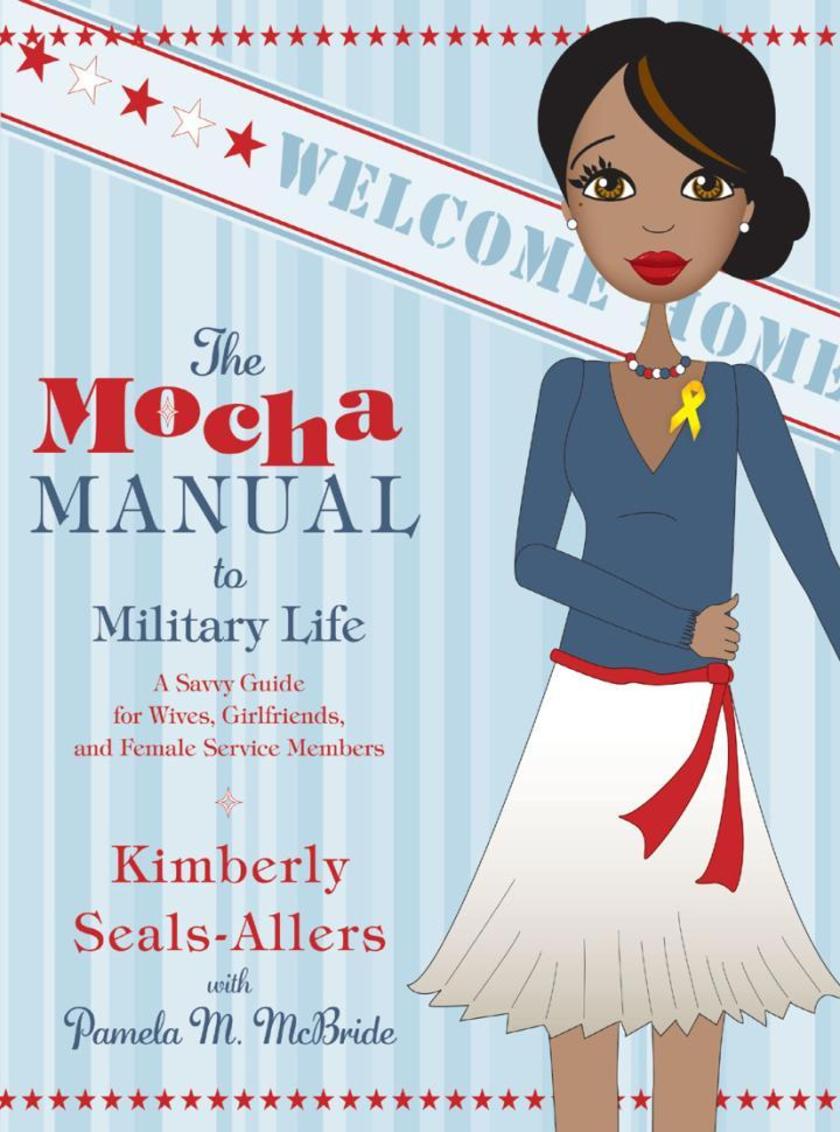
The Mocha Manual to Military Life
¥90.77
From Kimberly Seals-Allers, the creator of the Mocha Manual series, and coauthor Pamela McBride, a seasoned military wife, comes the ultimate guide to life, love, and logistics for military spouses, girlfriends, and female service members. Whether you're just beginning to date a military man and pondering the ins and outs of a long-distance relationship as he moves from base to base or you're a newly wed military wife, The Mocha Manual to Military Life has a host of tips for optimizing your romance. Beyond matters of the heart, the book also offers advice on everything from how to thrive during deployment to how to master military protocol to how to best build friendships among military wives. Accessible and witty, The Mocha Manual to Military Life is a fresh and timely must-read for all women but particularly African American and Latina women affected by military service. Written in the same informative tone as the other books in the Mocha Manual series, with sidebars and testimony from women who have experience navigating military life, this book is sure to be essential reading for all women engaged in some form or fashion with the military.
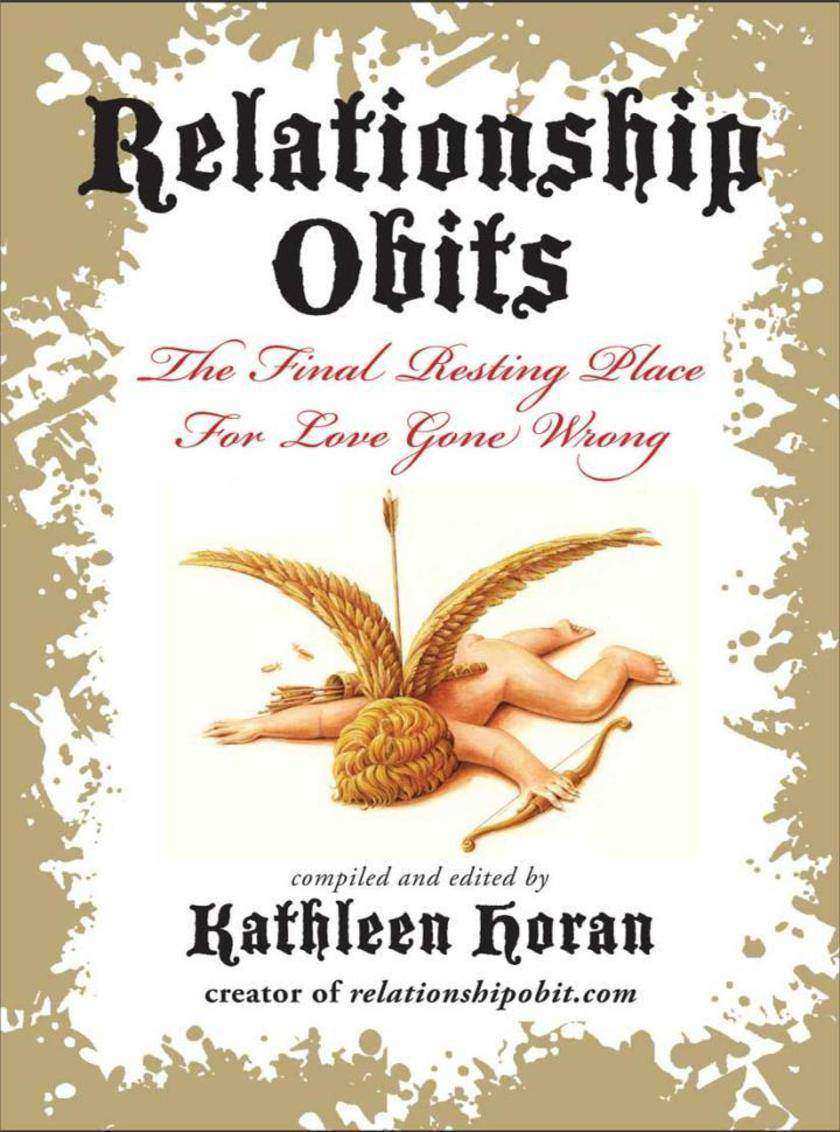
Relationship Obits
¥83.03
Because We All Have a Relationship We Need to Put to Rest From your basic lying, cheating, no-good scum to those relationships that were doomed from the start (they were married to different people), to a man who faked his death, Relationship Obits is a voyeuristic romp through the unexplored underbelly of love and life. Kathleen Horan founded relationshipobit.com when a big breakup was followed two weeks later by the death of her father. Writing her father's obituary made her wonder what it would be like to write one for the end of her relationship. The Web site was born and thousands began to put their love to rest online. This collection is at times hilarious, raw, shocking, and poignant a true celebration of love in all its manifestations.
A Year of Living Consciously
¥83.03
Embrace Each DayWe all want to live authentic, self-aware, and successful lives. How do we go about itWhere do we beginIn a daily map full of wisdom, inspirational quotes, and transformational exercises, bestselling author and psychotherapist Gay Hendricks sets us on a fantastic journey to personal and relationship success. In bite-size portions, Hendricks encourages understanding, self-awareness, and honesty-all vital elements in a conscious life. A Year of Living Consciously teaches us to relish the journey that results in greater self-esteem and emotional literacy, achievements that can only come from leading an examined life. Quotes from historical and literary figures reinforce the timeless importance of honesty and self-knowledge. By helping us see, comprehend, and ultimately embrace the secrets we often hide from ourselves. A Year of Living Consciously brings us into accord to create clearer understanding, genuine change, and self-realization.
Parenting Through Crisis
¥84.16
In this companion to her bestselling Kids are Worth It!, parenting educator Barbara Coloroso shows how parents can help children find a way through grief and sorrow during the difficult times of death, illness, divorce, and other upheavals. She offers concrete, compassionate ideas for supporting children as they navigate the emotional ups and downs that accompany loss, assisting them in developing their own constructive ways of responding to what life hands them. At the heart of her approach is what she calls the T.A.0. of Family -- Time, Affection, and Optimism -- coupled with her deep understanding of how people move through grief. Barbara Coloroso's clear answers to difficult questions are enriched by uplifting humor and insightful anecdotes from her own experiences as a Franciscan nun, mother of three, and her thirty years as a parenting educator. With this Guide in hand, parents can feel assured that they are responding with wisdom and love when children need them most.

Live Like a Hot Chick
¥94.10
You are a hot chick; Now start living like one!Jodi Lipper and Cerina Vincent are back to give you the savvy self-assurance you need to find the perfect balance between work and play. You are a Hot Chick (an empowered, confident woman) who deserves every juicy bit of goodness that life has to offer. Lipper and Vincent help you conquer insecurities and replace them with a positive body image, balanced diet, and smart exercise plan; teach you how to be powerful and feminine (at work) no matter what you do for a living; inspire you to let your hair down and kick up your four-inch heels by creating a heyday that is daring, bold, and unforgettable; and, finally, how to balance it all. Live Like a Hot Chick will motivate you to go out there and get the absolute best that life has to offer, which is exactly what a Hot Chick like you deserves.
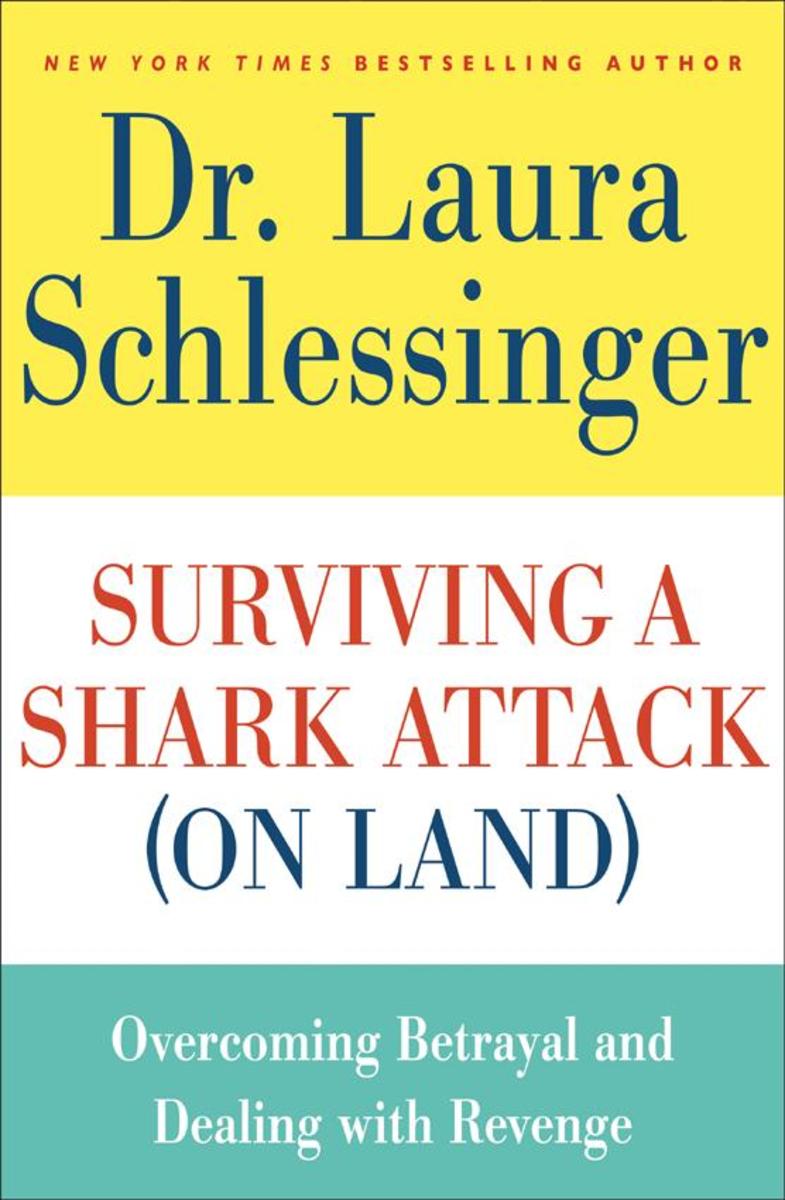
Surviving a Shark Attack (On Land)
¥83.92
With her trademark no-nonsense approach and building on the principles developed during her long career as a licensed therapist, New York Times bestselling author Dr. Laura shows readers how to survive enemies traitors, backstabbers, and saboteurs at work and at home. In her previous New York Times bestsellers, author and renowned radio host Dr. Laura Schlessinger has helped countless men and women become better husbands, wives, parents, and people. She's helped them cope with grief; encouraged them to be moral, compassionate, and considerate individuals; shown them how to handle adversity; and set them on the path to understanding and living happy, well-adjusted lives.Now, in this long-awaited book, Dr. Laura turns to an emotionally explosive subject that has touched all our lives: betrayal and the desire for revenge. And for the first time, she shares her own personal experiences with betrayal, humiliation, and pain, which have led her to a powerful desire for revenge. Intimate and honest, Dr. Laura connects with her readers as never before and puts this subject into context: I concluded that betrayals are frightening, destructive, painful, humiliating, demoralizing, and so very, very hard to repair. Betrayals undermine people, relationships (marriages and families), institutions (churches, schools, businesses, government, politics) everything. The entire fabric of humanity depends upon people depending upon each other for their word, honesty, and loyalty. Millions of Dr. Laura's listeners struggle with the idea of taking revenge and how to accept when it cannot be achieved. For many who have been betrayed, justice may never be served, she reminds us. Empathetic yet never saccharine, direct yet never harsh, Dr. Laura encourages readers to explore their feelings and learn to get beyond them, supplying tools they can use to achieve fulfilling, contented lives free of rancor and the need to settle scores.Powerful and thought-provoking, Surviving a Shark Attack (on Land) gives readers the emotional defenses they need to overcome the worst life will throw at them, whether it's a cheating spouse, a lying sibling, or a ruthless colleague.
Mothers' Miracles
¥90.79
The authors of Christmas Miracles deliver true stories that show just how enduring a mother's remarkable love can be.
Guarding the Moon
¥95.16
The author of the critically acclaimed, award winning Weetzie Bat books offers a compelling celebration of the first year of her child's life. Guarding the Moon chronicles the joys and terrors of motherhood, from the early stages of the author's pregnancy through her baby's first birthday. This unique but far reaching story makes for a gem of a book.


