


 购物车
 个人中心


Hecyra (The Step-Mother)
¥14.03
Publius Terentius Afer is better known to us as the Roman playwright, Terence.Much of his life, especially the early part, is either unknown or has conflicting sources and accounts.His birth date is said to be either 185 BC or a decade earlier: 195 BC. His place of birth is variously listed as in, or, near Carthage, or, in Greek Italy to a woman taken to Carthage as a slave. It is suggested that he lived in the territory of the Libyan tribe that the Romans called Afri, near Carthage, before being brought to Rome as a slave. Probability suggests that it was there, in North Africa, several decades after the destruction of Carthage by the Romans in 146 BC, at the end of the Punic Wars, that Terence spent his early years.One reliable fact is that he was sold to P. Terentius Lucanus, a Roman senator, who had him educated and, impressed by his literary talents, freed him.These writing talents were to ensure his legacy as a playwright down through the millennia. His comedies, partially adapted from Greek plays of the late phases of Attic Comedy, were performed for the first time around 170-160 BC. All six of the plays he has known to have written have survived.Indeed, thanks to his simple conversational Latin, which was both entertaining and direct, Terence's works were heavily used by monasteries and convents during the Middle Ages and The Renaissance. Scribes often learned Latin through the copious copying of Terence's texts. Priests and nuns often learned to speak Latin through re-enactment of Terence's plays. Although his plays often dealt with pagan material, the quality and distinction of his language promoted the copying and preserving of his text by the church. This preservation enabled his work to influence a wide spectrum of later Western drama.When he was 25 (or 35 depending on which year of birth you ascribe too), Terence travelled to Greece but never returned. It has long been assumed that he died at some point during the journey.Of his own family nothing is known, except that he fathered a daughter and left a small but valuable estate just outside Rome.His most famous quotation reads: "e;Homo sum, humani nihil a me alienum puto"e;, or "e;I am human, and I think nothing human is alien to me."e;
Libation Bearers - from The Oresteia Trilogy. Of all the gods only death does no
¥11.67
schylus is often regarded as the father of Greek tragedy; he moved play writing from the simple interaction of a single character and a chorus to one where many characters interact and thereby create more dynamic and dramatic situations. schylus, was the son of Euphorion, and a scion of a Eupatrid or noble family. He was born at Eleusis 525 B.C., or, as the Greeks calculated time, in the fourth year of the 63rd Olympiad. He first worked at a vineyard and whilst there claimed to have been visited by Dionysis in a dream and told to turn his attention to the tragic art. It was a dream that would deliver a rich and incredible legacy through his writing talents. His earliest tragedy, composed when he was twenty-six years of age, failed to win the fabled Dionysia, (a revered festival of theatre) and it was not until fifteen years later that he gained this victory in 484BC going on to win it again in 472 BC (for The Persians), 467 BC (for Seven Against Thebes) and 463 BC (for The Suppliants). schylus was also known for his military skills and was ready to fight in defence of Athens whenever the call was made. He and his brother, Cynegeirus, fought against Darius's invading Persian army at the Battle of Marathon in 490 BCE and, although the Greeks won against overwhelming odds, Cynegeirus died in the battle, which had a naturally had a profound effect on schylus. He made several visits to the important Greek city of Syracuse in Sicily at the invitation of the tyrant Hieron, and it is thought that he also travelled extensively in the region of Thrace. His writing continued to be the envy of others. With the series of plays of which Seven Against Thebes was a part, his supremacy was undisputed. He was the "e;father of tragedy."e; schylus made many changes to dramatic form. The importance of the chorus was demoted and a second added to give prominence to the dialogue and making that interchange the leading feature of the play. He removed all deeds of bloodshed from the public view, and in their place provided various spectacular elements, improving the costumes, making the masks more expressive and convenient, and probably adopting the cothurnus to increase the stature of the performers. Finally, he established the custom of contending for the prize with trilogies, an inter-connecting set of three independent dramas. The closing years of the life of schylus were mainly spent in Sicily, which he had first visited soon after his defeat at the Dionysia by Sophocles. schylus returned to Athens to produce his Orestean trilogy, probably the finest of his works, although the Eumenides, the last of the three plays, revealed so openly his aristocratic tendencies that he became extremely unpopular, and returned to Sicily for the last time in 458 BCE and it was there that he died, while visiting the city of Gela in 456 or 455 BCE.
Much Ado About Nothing - Some Cupid kills with arrows, some with traps.
¥11.67
The life of William Shakespeare, arguably the most significant figure in the Western literary canon, is relatively unknown. Shakespeare was born in Stratford-upon-Avon in 1565, possibly on the 23rd April, St. George's Day, and baptised there on 26th April. Little is known of his education and the first firm facts to his life relate to his marriage, aged 18, to Anne Hathaway, who was 26 and from the nearby village of Shottery. Anne gave birth to their first son six months later. Shakespeare's first play, The Comedy of Errors began a procession of real heavyweights that were to emanate from his pen in a career of just over twenty years in which 37 plays were written and his reputation forever established. This early skill was recognised by many and by 1594 the Lord Chamberlain's Men were performing his works. With the advantage of Shakespeare's progressive writing they rapidly became London's leading company of players, affording him more exposure and, following the death of Queen Elizabeth in 1603, a royal patent by the new king, James I, at which point they changed their name to the King's Men. By 1598, and despite efforts to pirate his work, Shakespeare's name was well known and had become a selling point in its own right on title pages. No plays are attributed to Shakespeare after 1613, and the last few plays he wrote before this time were in collaboration with other writers, one of whom is likely to be John Fletcher who succeeded him as the house playwright for the King's Men. William Shakespeare died two months later on April 23rd, 1616, survived by his wife, two daughters and a legacy of writing that none have since yet eclipsed.
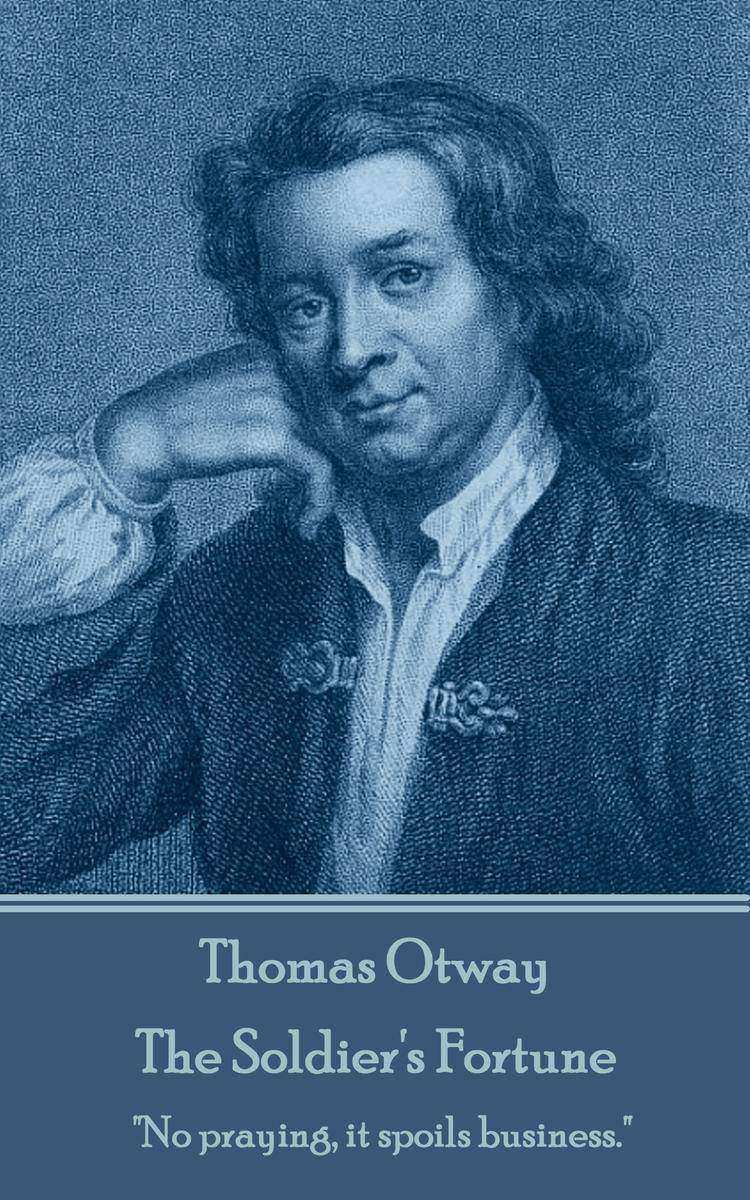
Soldier's Fortune - No praying, it spoils business.
¥21.09
Thomas Otway was born on March 3rd, 1652 at Trotton near Midhurst. He was educated at Winchester College before entering Christ Church, Oxford, in 1669 as a commoner. For reasons unknown he left without a degree in 1672 but what is known is that Oxford create a passion in him for books. Travelling to London that same year he met and obtained work as an actor from the playwright Aphra Behn. He was cast as the old king in her play, Forc'd Marriage but on his debut he had such a severe attack of stage fright that his acting career finished there and then. His career now turned to writing plays and it was a career that was to prove of immense worth to the literary canon of England. In 1675, Otway's first play, Alcibiades was first performed. It is a tragedy, written in heroic verse, saved from absolute failure only by the actors. In his play Don Carlos, Prince of Spain (1676) Otway made the leap to the front rank of playwrights and quickly followed it in 1677 with two plays adapted from French sources; Titus and Berenice, and the Cheats of Scapin followed in 1678 Otway by an original comedy, Friendship in Fashion, which continued his run of very successful plays. In February 1680, the first of Otway's two tragic masterpieces, The Orphan, or The Unhappy Marriage, was performed followed by an indifferent comedy, The Soldier's Fortune (1681), and 1682 perhaps his best work, Venice Preserv'd, or A Plot Discover'd. The play won instant success. However, in the last few years of his life poverty ensnared Otway. The success of his earlier plays had finished with Venice Preserv'd and the downward slope was both precipitous and destructive. Thomas Otway, aged 33, died in the most awful poverty on April 14th, 1685 and was buried two days later on April 16th, in the churchyard of St. Clement Danes.
King Lear
¥17.56
William Shakespeare was born in Stratford-upon-Avon in late April 1565 and baptised there on 26th April. He was one of eight children. Little is known about his life but what is evident is the enormous contribution he has made to world literature. His writing was progressive, magnificent in scope and breathtaking in execution. His plays and sonnets helped enable the English language to speak with a voice unmatched by any other. William Shakespeare died on April 23rd 1616, survived by his wife and two daughters. He was buried two days after his death in the chancel of the Holy Trinity Church. The epitaph on the slab which covers his grave includes the following passage, Good friend, for Jesus's sake forbear, To dig the dust enclosed here. Blessed me the man that spares these stones, And cursed be he that moves my bones. Here we publish his tragedy from 1605 'King Lear'.
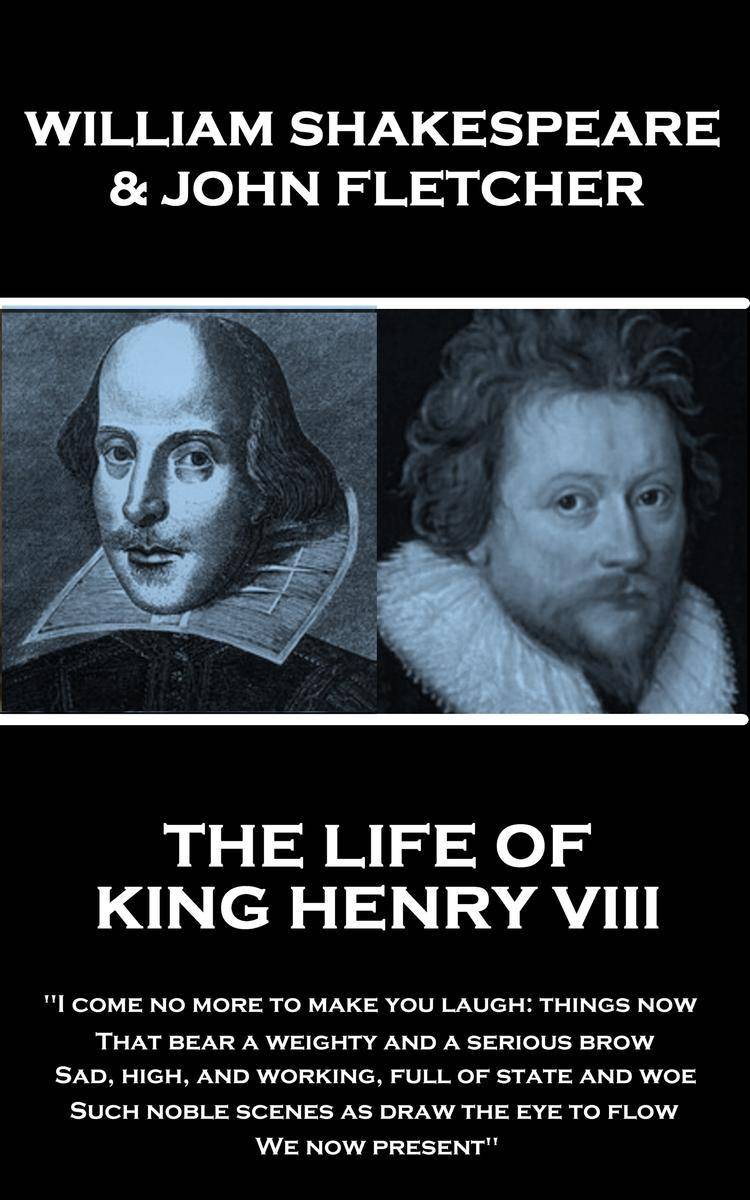
Life of King Henry the Eighth
¥23.45
William Shakespeare was born in Stratford-upon-Avon in late April 1565 and baptised there on 26th April. He was one of eight children.Little is known about his life but what is evident is the enormous contribution he has made to world literature.His writing was progressive, magnificent in scope and breathtaking in execution.Shakespeare's plays and sonnets helped enable the English language to speak with a voice unmatched by any other.William Shakespeare died on April 23rd 1616, survived by his wife and two daughters. He was buried two days after his death in the chancel of the Holy Trinity Church. The epitaph on the slab which covers his grave includes the following passage.Good friend, for Jesus's sake forbear,To dig the dust enclosed here.Blessed me the man that spares these stones,And cursed be he that moves my bones.John Fletcher was born in December, 1579 in Rye, Sussex. He was baptised on December 20th.As can be imagined details of much of his life and career have not survived and, accordingly, only a very brief indication of his life and works can be given.Young Fletcher appears at the very young age of eleven to have entered Corpus Christi College at Cambridge University in 1591. There are no records that he ever took a degree but there is some small evidence that he was being prepared for a career in the church.However what is clear is that this was soon abandoned as he joined the stream of people who would leave University and decamp to the more bohemian life of commercial theatre in London.The upbringing of the now teenage Fletcher and his seven siblings now passed to his paternal uncle, the poet and minor official Giles Fletcher. Giles, who had the patronage of the Earl of Essex may have been a liability rather than an advantage to the young Fletcher. With Essex involved in the failed rebellion against Elizabeth Giles was also tainted.By 1606 John Fletcher appears to have equipped himself with the talents to become a playwright. Initially this appears to have been for the Children of the Queen's Revels, then performing at the Blackfriars Theatre.Fletcher's early career was marked by one significant failure; The Faithful Shepherdess, his adaptation of Giovanni Battista Guarini's Il Pastor Fido, which was performed by the Blackfriars Children in 1608.By 1609, however, he had found his stride. With his collaborator John Beaumont, he wrote Philaster, which became a hit for the King's Men and began a profitable association between Fletcher and that company. Philaster appears also to have begun a trend for tragicomedy. By the middle of the 1610s, Fletcher's plays had achieved a popularity that rivalled Shakespeare's and cemented the pre-eminence of the King's Men in Jacobean London. After his frequent early collaborator John Beaumont's early death in 1616, Fletcher continued working, both singly and in collaboration, until his own death in 1625. By that time, he had produced, or had been credited with, close to fifty plays.
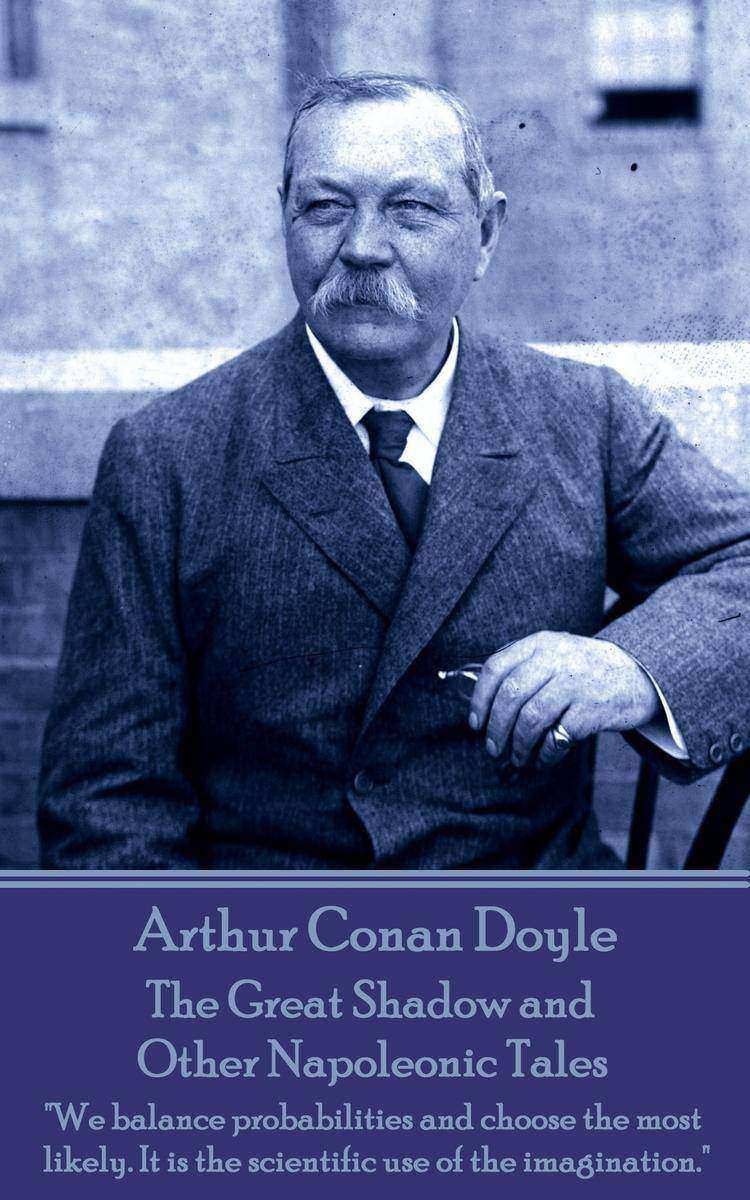
Great Shadow and Other Napoleonic Tales
¥15.21
If ever a writer needed an introduction Arthur Conan Doyle would not be considered that man. After all, Sherlock Holmes is perhaps the foremost literary detective of any age. Add to this canon his stories of science fiction and his poems, his historical novels, his plays, his political campaigning, his efforts in establishing a Court of Appeal and there is little room for anything else. Except he was also an exceptional writer of short stories of the horrific and macabre. Something very different from what you might expect. Born in Arthur Conan Doyle was born on 22 May 1859 at 11 Picardy Place, Edinburgh, Scotland. From 1876 - 1881 he studied medicine at the University of Edinburgh following which he was employed as a doctor on the Greenland whaler Hope of Peterhead in 1880 and, after his graduation, as a ship's surgeon on the SS Mayumba during a voyage to the West African coast in 1881. Arriving in Portsmouth in June of that year with less than GBP10 (GBP700 today) to his name, he set up a medical practice at 1 Bush Villas in Elm Grove, Southsea. The practice was initially not very successful. While waiting for patients, Conan Doyle again began writing stories and composed his first novel The Mystery of Cloomber. Although he continued to study and practice medicine his career was now firmly set as a writer. And thereafter great works continued to pour out of him.
Timon of Athens - Like madness is the glory of this life.
¥11.67
The life of William Shakespeare, arguably the most significant figure in the Western literary canon, is relatively unknown. Shakespeare was born in Stratford-upon-Avon in 1565, possibly on the 23rd April, St. George's Day, and baptised there on 26th April. Little is known of his education and the first firm facts to his life relate to his marriage, aged 18, to Anne Hathaway, who was 26 and from the nearby village of Shottery. Anne gave birth to their first son six months later. Shakespeare's first play, The Comedy of Errors began a procession of real heavyweights that were to emanate from his pen in a career of just over twenty years in which 37 plays were written and his reputation forever established. This early skill was recognised by many and by 1594 the Lord Chamberlain's Men were performing his works. With the advantage of Shakespeare's progressive writing they rapidly became London's leading company of players, affording him more exposure and, following the death of Queen Elizabeth in 1603, a royal patent by the new king, James I, at which point they changed their name to the King's Men. By 1598, and despite efforts to pirate his work, Shakespeare's name was well known and had become a selling point in its own right on title pages. No plays are attributed to Shakespeare after 1613, and the last few plays he wrote before this time were in collaboration with other writers, one of whom is likely to be John Fletcher who succeeded him as the house playwright for the King's Men. William Shakespeare died two months later on April 23rd, 1616, survived by his wife, two daughters and a legacy of writing that none have since yet eclipsed.
Richard II - I wasted time, and now doth time waste me.
¥11.67
The life of William Shakespeare, arguably the most significant figure in the Western literary canon, is relatively unknown. Shakespeare was born in Stratford-upon-Avon in 1565, possibly on the 23rd April, St. George's Day, and baptised there on 26th April. Little is known of his education and the first firm facts to his life relate to his marriage, aged 18, to Anne Hathaway, who was 26 and from the nearby village of Shottery. Anne gave birth to their first son six months later. Shakespeare's first play, The Comedy of Errors began a procession of real heavyweights that were to emanate from his pen in a career of just over twenty years in which 37 plays were written and his reputation forever established. This early skill was recognised by many and by 1594 the Lord Chamberlain's Men were performing his works. With the advantage of Shakespeare's progressive writing they rapidly became London's leading company of players, affording him more exposure and, following the death of Queen Elizabeth in 1603, a royal patent by the new king, James I, at which point they changed their name to the King's Men. By 1598, and despite efforts to pirate his work, Shakespeare's name was well known and had become a selling point in its own right on title pages. No plays are attributed to Shakespeare after 1613, and the last few plays he wrote before this time were in collaboration with other writers, one of whom is likely to be John Fletcher who succeeded him as the house playwright for the King's Men. William Shakespeare died two months later on April 23rd, 1616, survived by his wife, two daughters and a legacy of writing that none have since yet eclipsed.
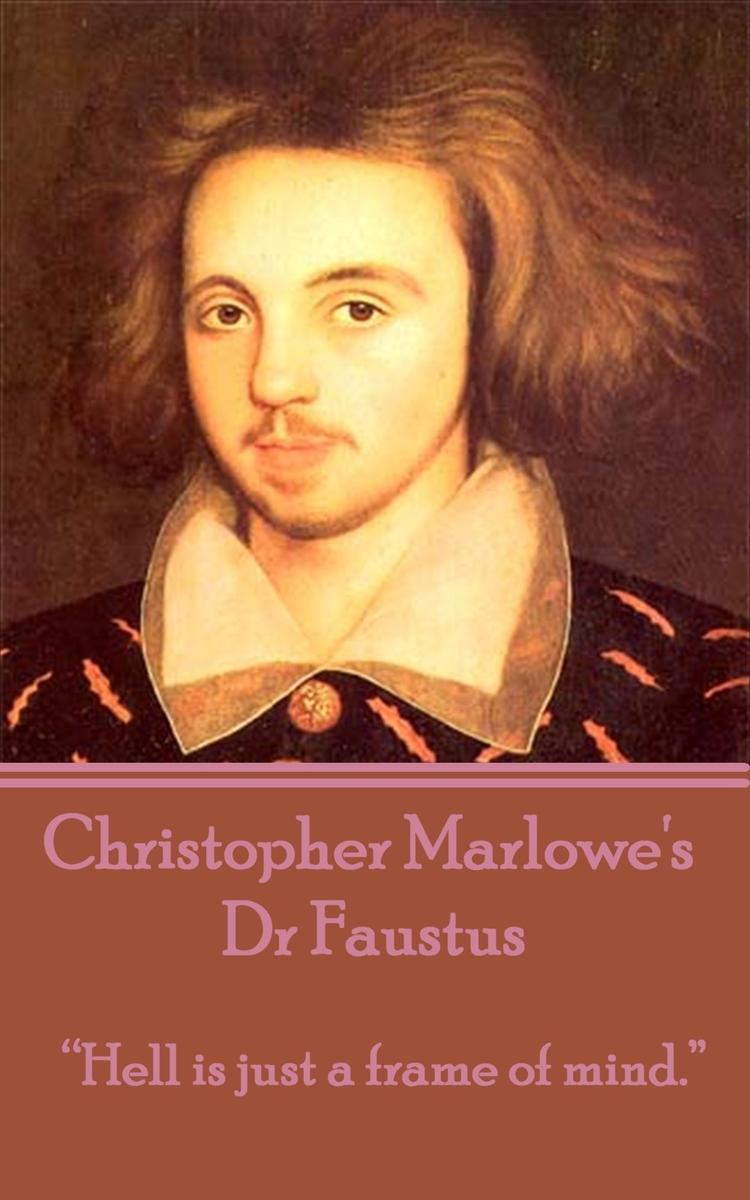
Dr Faustus - Hell is just a frame of mind.
¥9.32
In this foundational classic play, Christopher Marlowe beautifully retells the legend of Doctor Faustus in a masterful combination of verse and prose. The celebrated moral of the play is about how excessive ambition and unlimited lust for knowledge and power lead to self-destruction and damnation. The protagonist in the story is a talented lower-class man who is obsessed with the study of sciences and the secrets of life. His excessive academic ambition and his reliance solely on logic and reason lead him to cogitate about the nature of the world and its existence and to question the utility of the "e;doctrine of Divinity."e; Unsatisfied with the knowledge that pure and experimental sciences can offer, he eventually decides to explore the curious world of Black Magic. Through the recital of a strange incantation, Faustus succeeds in summoning a devil called Mephistopheles who informs him that he will only obey his orders once a pact is signed between Faustus and the devil's master: Lucifer. The pact is signed by Faustus' own blood and stipulates that in return of Mephistopheles' services, which unexpectedly turn to be unworthy by the end, he must give his soul over to Lucifer. The denouement of the play opens the floor for different speculations about Faustus' damnation or salvation.

悲惨世界(五卷之第五卷)(英语文库)
¥16.99
本书作为我社“*经典英语文库”第14辑中的一种,精选法国著名作家维克多·雨果的经典作品《悲惨世界 (五卷之第五卷)》(前四卷已出)。作品讲述了主人公土伦苦刑犯冉·阿让(Jean Valjean)的个人经历,并融了法国的历史、革命、战争、道德哲学、法律、正义、宗教信仰。《悲惨世界》以冉·阿让出狱后的种种经历贯穿全书,深刻反映了时代的问题。雨果在作品中融了从拿破仑在滑铁卢的失败到反对“七月王朝”的人民起义这一阶段的历史,反映了当时的社会生活和政治状况。作品不仅描述了获释犯人冉·阿让和流浪妇女芳汀的不幸生活以及芳汀的私生女柯赛特的悲惨遭遇,而且揭示了当时社会中勤劳善良的劳动人民却受歧视和压迫的不公平命运。雨果还在作品中揭露了当时残酷不公的法典和秩序,猛烈抨了那种人们饿死可以而偷面包却要坐牢的社会制度,谴责了那些安于现状和铁石心肠的市民在面对处于困境中的他人时的那种袖手旁观的冷漠态度。
莎士比亚戏剧典藏:威尼斯商人
¥12.99
《威尼斯商人》 是莎士比亚早期的重要作品,是一部具有极大讽刺性的喜剧。主要讲述了威尼斯商人安东尼奥为了帮助好友巴萨尼奥成婚,向犹太人高利贷者夏洛克借了三千金币。夏洛克因为安东尼奥借给别人钱不要利息,影响了他的生意,又侮辱过他,所以借机报复,在借约上戏言三个月期满还不上钱,就从安东尼奥身上割下一磅肉抵债。安东尼奥因船失事,不能如期还钱,夏洛克就提起公诉,要安东尼奥履行借约。 为救安东尼奥的性命,巴萨尼奥的未婚妻鲍西亚假扮律师,利用智慧巧妙地让夏洛克无法执行割一磅肉而败诉,害人不成反而失去财产。
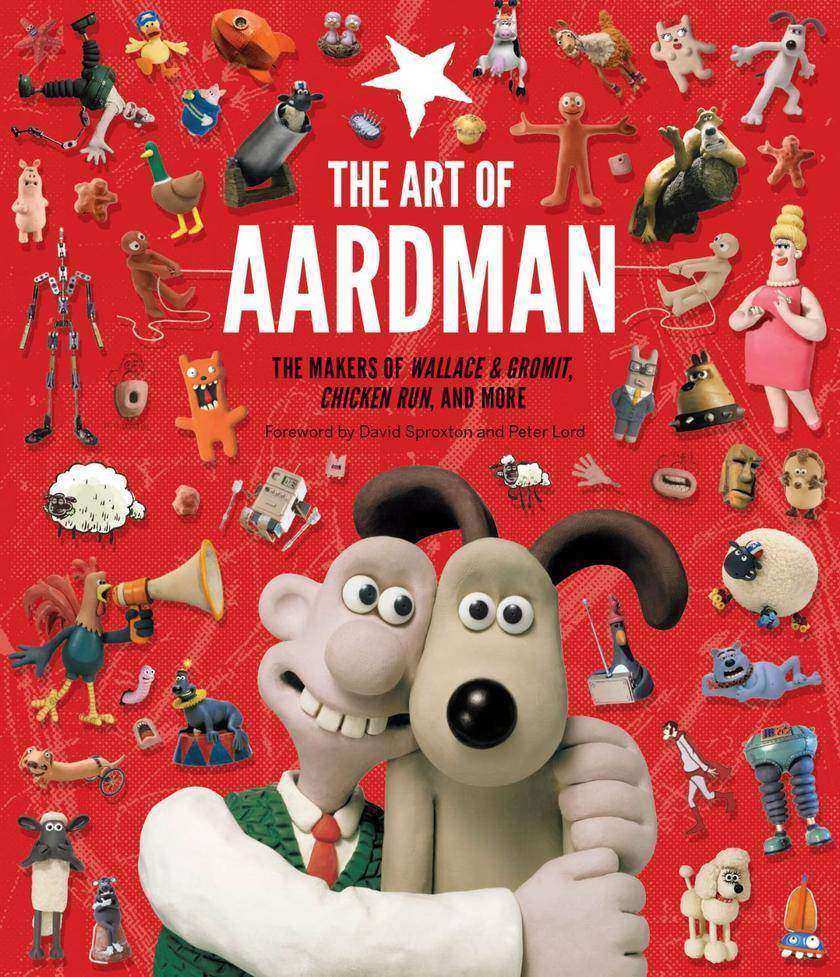
Art of Aardman - The Makers of Wallace & Gromit, Chicken Run, and More
¥188.25
See the iconic, energetic art of Aardman Animations like never before! The Art of Aardman takes readers on an unforgettable, behind-the-scenes journey through the studio's archives. This collection features original character sketches and never-before-seen concept art, offering a unique look inside the studio that created Chicken Run, Morph, and, of course, Wallace & Gromit. Kicking things off with forewords from founders Peter Lord and David Sproxton, this celebration of all-things Aardman is a must-have for all animation fans.

Art of Planes
¥305.97
In Disney's Planes and Planes: Fire and Rescue, the big-hearted crop duster Dusty Crophopper is full of dreams. In the first film, he overcomes his fear of heights to win the Wings Around The Globe Rally. In the second, Dusty learns his damaged engine will keep him from racing, but he finds the true hero within himself working alongside firefighting aircraft on a courageous wildfire air attack team.The Art of Planes explores the beautiful concept art that went into the development of these two inspiring stories, including colorscripts, storyboards, character studies, sculpts, background art, and more. Insider insights from the films' artists and filmmakers, a preface by directors Bobs Gannaway and Klay Hall, and a foreword by Chief Creative Officer John Lasseter offer an invaluable and fascinating glimpse into the creative thinking involved in the making of these companion films.Copyright ©2014 Disney Enterprises, Inc. All rights reserved.
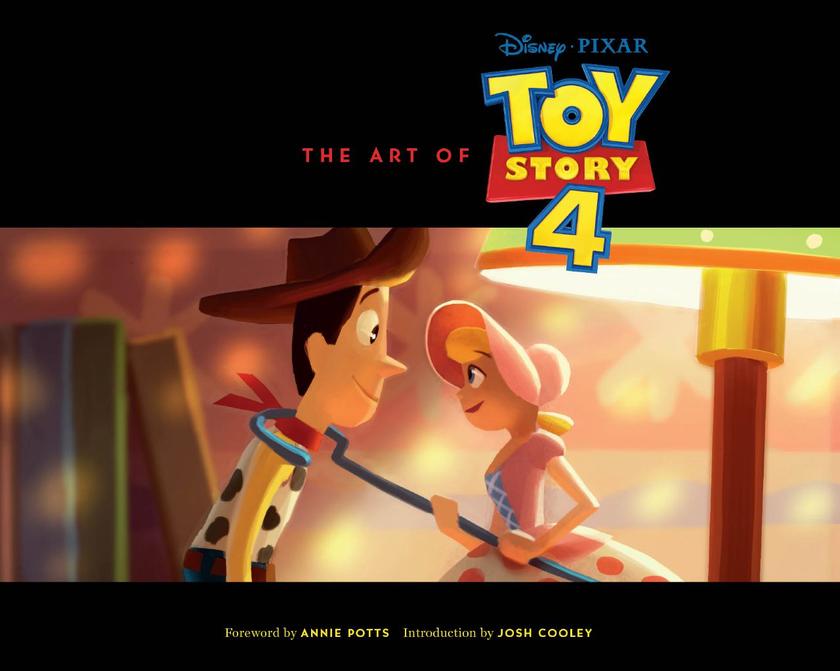
Art of Toy Story 4
¥282.43
With a story that's spanned more than 20 years, the adventures of Woody, Buzz Lightyear, and the gang have captured the hearts of millions. The Art of Toy Story 4 invites readers to explore the next installment of Pixar's beloved franchise through never-before-seen concept art, character studies, process animation, storyboards, colorscripts, and more. Featuring exclusive interviews with the production team on the making of the film and insights into their creative vision, The Art of Toy Story 4 reveals the vivid imagination that brought this story to life.Copyright 2019 Disney Enterprises, Inc. and Pixar. All rights reserved.
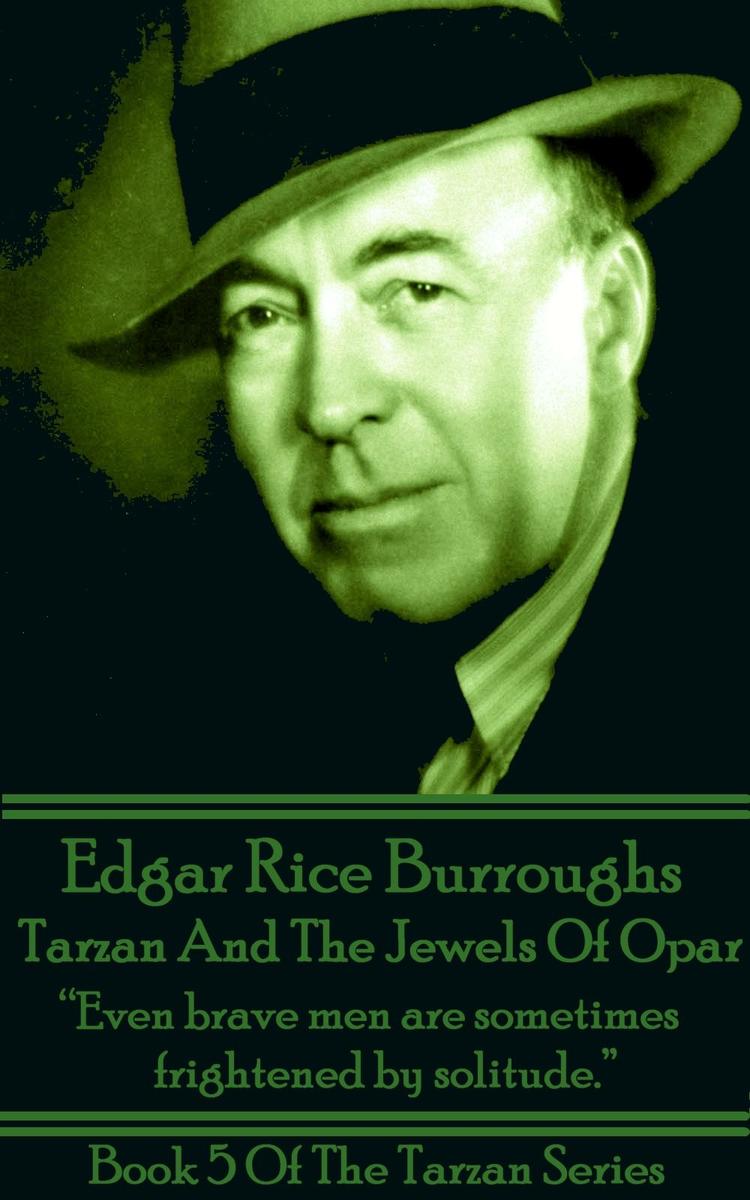
Tarzan And The Jewels Of Opar - Even brave men are sometimes frightened by solit
¥35.22
Edgar Rice Burroughs was born on September 1, 1875, in Chicago, Illinois. His early career was unremarkable. After failing to enter West Point he enlisted in the 7th Calvary but was discharged after heart problems were diagnosed. A series of short term jobs gave no indication as to a career path but finally, in 1911, married and with two young children, he turned his hand to writing. He aimed his works squarely at the very popular pulp serial magazines. His first effort 'Under The Moons Of Mars' ran in Munsey's Magazine in 1912 under the pseudonym Norman Bean. With its success he began writing full time. A continuing theme of his work was to develop series so that each character had ample opportunities to return in sequels. John Carter was in the Mars series and there was another on Venus and one on Pellucidar among others. But perhaps the best known is Tarzan. Indeed Burroughs wanted so much to capitalise upon the brand that he introduced a syndicated Tarzan comic strip, movies and merchandise. He purchased a large ranch north of Los Angeles, California, which he named "e;Tarzana."e; The surrounding communities outside the ranch voted in 1927 to adopt the name as their own. By 1932 Burroughs set up his own company to print his own books. Here we publish the fifth in the Tarzan series 'Tarzan & the Jewels of Opar'. Another cultural classic.
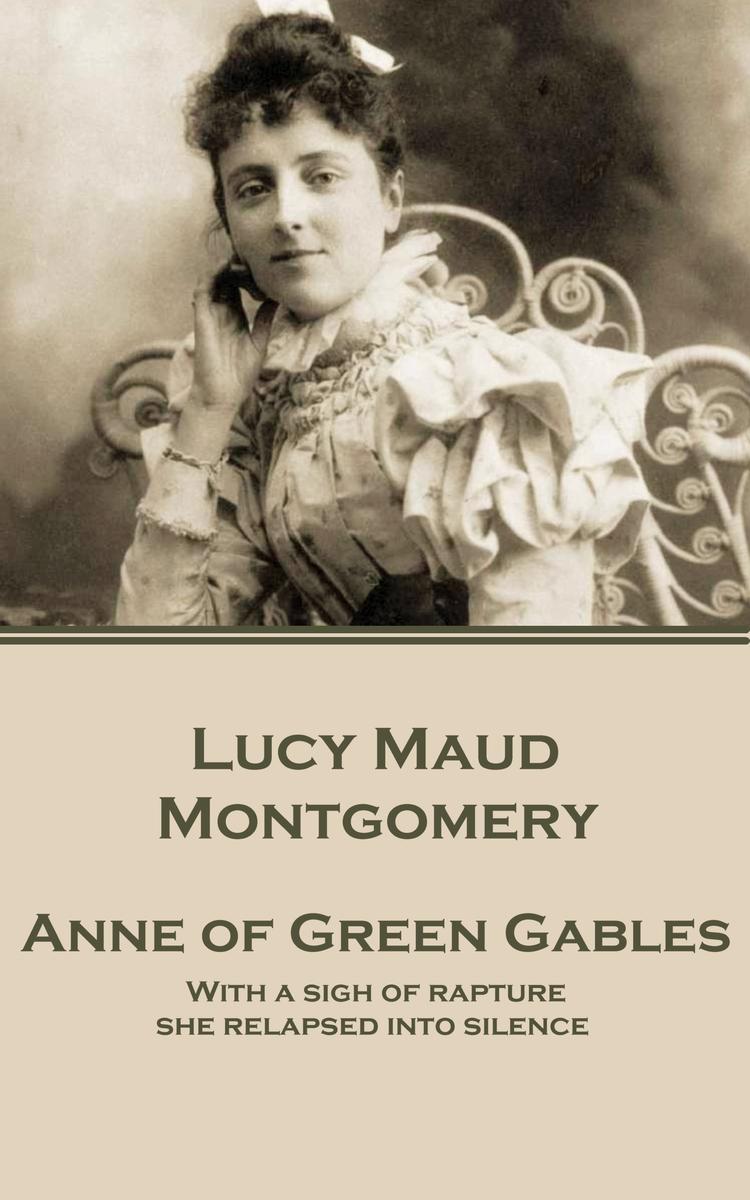
Anne of Green Gables - With a sigh of rapture she relapsed into silence.
¥23.45
Lucy Maud Montgomery was born in Clifton, Prince Edward Island, Canada, on November 30, 1874. Her mother died when she was a toddler and her devastated father asked her grandparents to raise her. Her childhood years in Cavendish were very lonely. Lucy's solution at this early age was to create imaginary worlds and people them with imaginary friends. Her creativity was beginning to establish itself in her life. With her studying days over Lucy began a career as a teacher and worked at various Prince Edward Island schools. It was soon obvious to her that she did not enjoy teaching but the benefit was that it gave her time to write. That was now her real passion. Much of her early career was spent writing short stories. Indeed in the decade from 1897 magazines and newspapers published over 100 stories from the prolific young writer. In 1908, Lucy published her first book, the classic, Anne of Green Gables. It was an immediate success and quickly established her career. During her lifetime, Lucy published 20 novels, 530 short stories, 500 poems, and 30 essays. Aware of her fame, by 1920 Lucy began editing and recopying her journals, reframing her life as she wanted it remembered. Lucy Maud Montgomery died on April 24, 1942 in Toronto. A note was found beside her bed, "e;I have lost my mind by spells and I do not dare think what I may do in those spells. May God forgive me and I hope everyone else will forgive me even if they cannot understand. My position is too awful to endure and nobody realizes it. What an end to a life in which I tried always to do my best."e; The official cause of death was a coronary thrombosis.
12 Years A Slave - The original story behind the Oscar Winning Best Picture.
¥21.09
Twelve Years A Slave is subtitled Narrative of Solomon Northup, citizen of New York, kidnapped in Washington city in 1841, and rescued in 1853 from a cotton plantation near the Red River in Louisiana. This subtitle accurately describes the book which is entirely based on the true story of Solomon Northup as told to and edited by David Wilson. The book was published in 1853 and became a bestseller following Uncle Tom's Cabin which was set in the same kind of Louisiana cotton plantation that some of Twelve Years A Slave is set, but the book subsequently faded until the sixties and is now universally acclaimed following the award winning film. Solomon was born in 1808 to a father who had been a slave to the Northup family of Rhode Island but then freed and grew up in Minerva New York State. He married Anne who he had three children with and worked as a raftsmen, farmer and fiddle player. He gained a good reputation as a fiddle player and was tricked accepting an engagement that led to his kidnap and was subsequently taken to a slave market in Washington D.C. and then by ship to New Orleans in horrific conditions that resulted in the death of one of his fellow travellers. The injustice and indignity he suffered under a range of masters, some of whom beat him badly for alleging he was a free man, is accurately recounted in this truly remarkable story which relates the misery and inhumane treatment that so many slaves received in the South by their white masters. Finally through a Canadian abolitionist Solomon's plight was communicated to his family who struggled to locate him as no one knew him by his real name and he was being sold by one master to another but finally after 12 long years he was a free man again and reunited with his family. Whether you see the film or not, do not miss this unique and compelling narrative that captures the intensity of events, the characters and locations of Solomon Northup's enslavement.
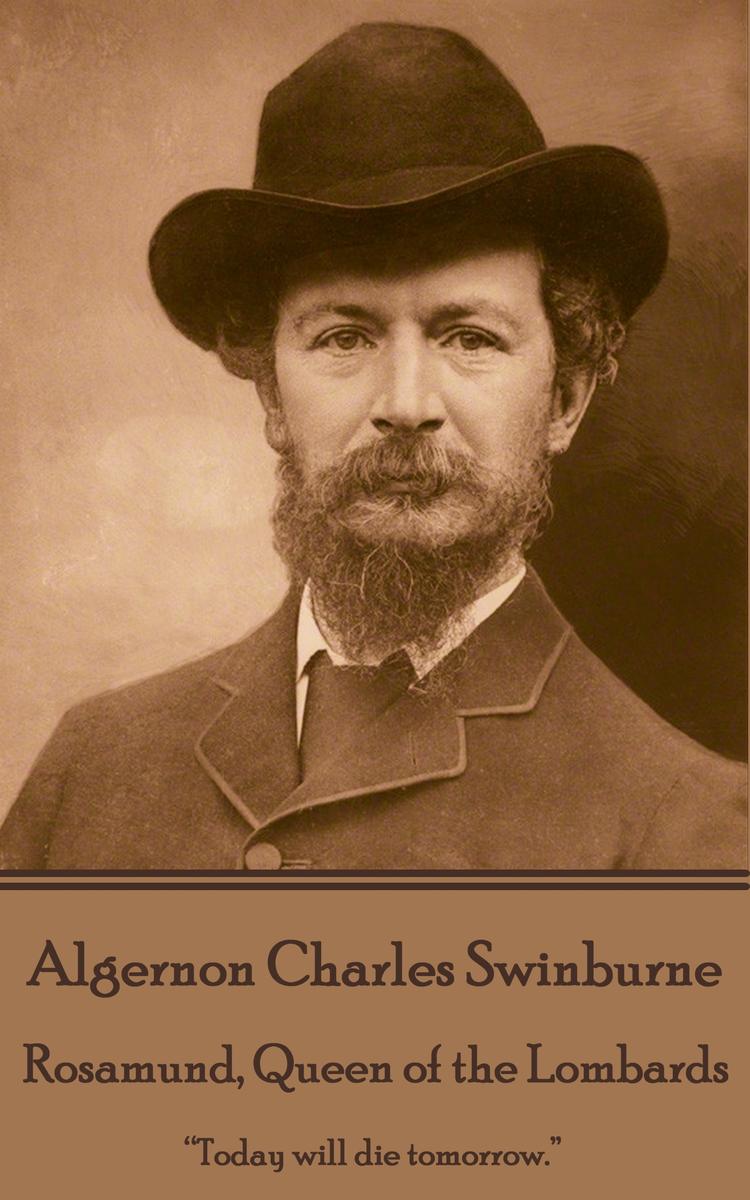
Rosamund, Queen of the Lombards - Today will die tomorrow.
¥14.03
Algernon Charles Swinburne was born on April 5th, 1837, in London, into a wealthy Northumbrian family. He was educated at Eton and at Balliol College, Oxford, but did not complete a degree. In 1860 Swinburne published two verse dramas but achieved his first literary success in 1865 with Atalanta in Calydon, written in the form of classical Greek tragedy. The following year "e;Poems and Ballads"e; brought him instant notoriety. He was now identified with "e;indecent"e; themes and the precept of art for art's sake. Although he produced much after this success in general his popularity and critical reputation declined. The most important qualities of Swinburne's work are an intense lyricism, his intricately extended and evocative imagery, metrical virtuosity, rich use of assonance and alliteration, and bold, complex rhythms. Swinburne's physical appearance was small, frail, and plagued by several other oddities of physique and temperament. Throughout the 1860s and 1870s he drank excessively and was prone to accidents that often left him bruised, bloody, or unconscious. Until his forties he suffered intermittent physical collapses that necessitated removal to his parents' home while he recovered. Throughout his career Swinburne also published literary criticism of great worth. His deep knowledge of world literatures contributed to a critical style rich in quotation, allusion, and comparison. He is particularly noted for discerning studies of Elizabethan dramatists and of many English and French poets and novelists. As well he was a noted essayist and wrote two novels. In 1879, Swinburne's friend and literary agent, Theodore Watts-Dunton, intervened during a time when Swinburne was dangerously ill. Watts-Dunton isolated Swinburne at a suburban home in Putney and gradually weaned him from alcohol, former companions and many other habits as well. Much of his poetry in this period may be inferior but some individual poems are exceptional; "e;By the North Sea,"e; "e;Evening on the Broads,"e; "e;A Nympholept,"e; "e;The Lake of Gaube,"e; and "e;Neap-Tide."e; Swinburne lived another thirty years with Watts-Dunton. He denied Swinburne's friends access to him, controlled the poet's money, and restricted his activities. It is often quoted that 'he saved the man but killed the poet'. Algernon Charles Swinburne died on April 10th, 1909 at the age of seventy-two.
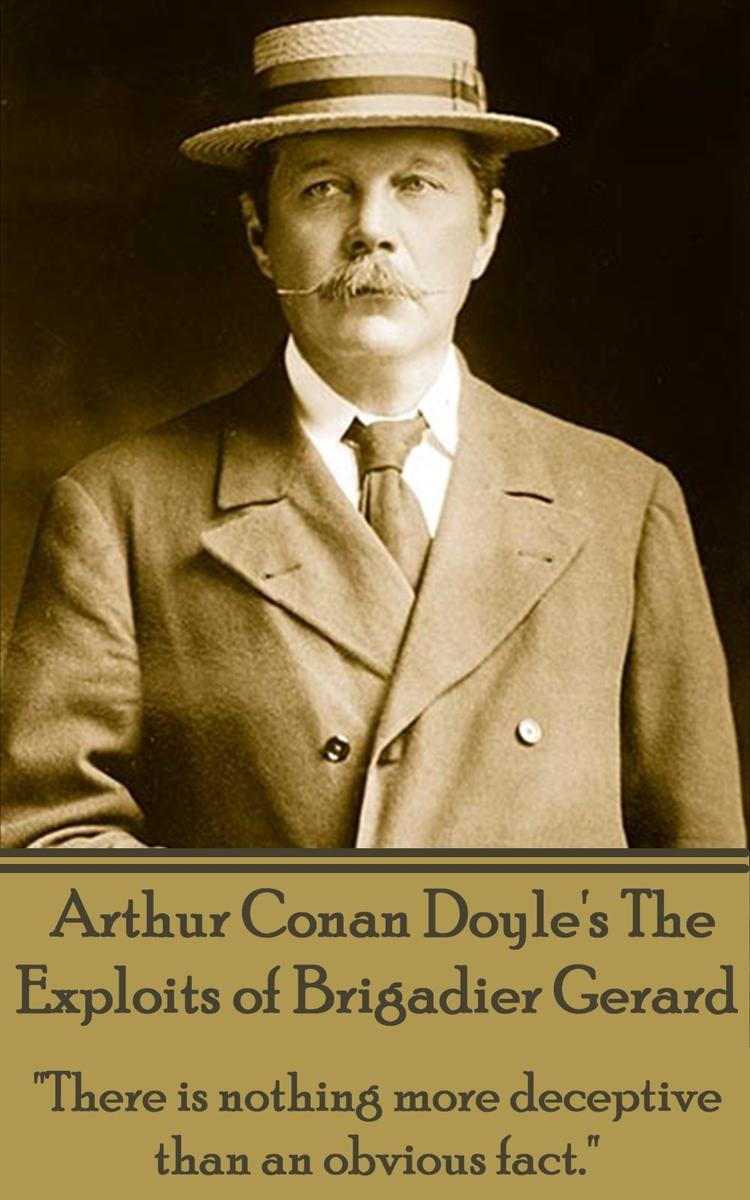
Exploits of Brigadier Gerard - There is nothing more deceptive than an obvious f
¥29.33
If ever a writer needed an introduction Arthur Conan Doyle would not be considered that man. After all, Sherlock Holmes is perhaps the foremost literary detective of any age. Add to this canon his stories of science fiction and his poems, his historical novels, his political campaigning, his efforts in establishing a Court Of Appeal and there is little room for anything else. Born in Arthur Conan Doyle was born on 22 May 1859 at 11 Picardy Place, Edinburgh, Scotland. From 1876 - 1881 he studied medicine at the University of Edinburgh following which he was employed as a doctor on the Greenland whaler Hope of Peterhead in 1880 and, after his graduation, as a ship's surgeon on the SS Mayumba during a voyage to the West African coast in 1881. Arriving in Portsmouth in June of that year with less than GBP10 (GBP700 today to his name, he set up a medical practice at 1 Bush Villas in Elm Grove, Southsea. The practice was initially not very successful. While waiting for patients, Conan Doyle again began writing stories and composed his first novel The Mystery of Cloomber. Although he continued to study and practice medicine his career was now firmly set as a writer. And thereafter great works continued to pour out of him. Here we one of those pieces for which his fame does not spread quite so far but which is an essential part of his work - 'The Exploits of Brigadier Gerard'.
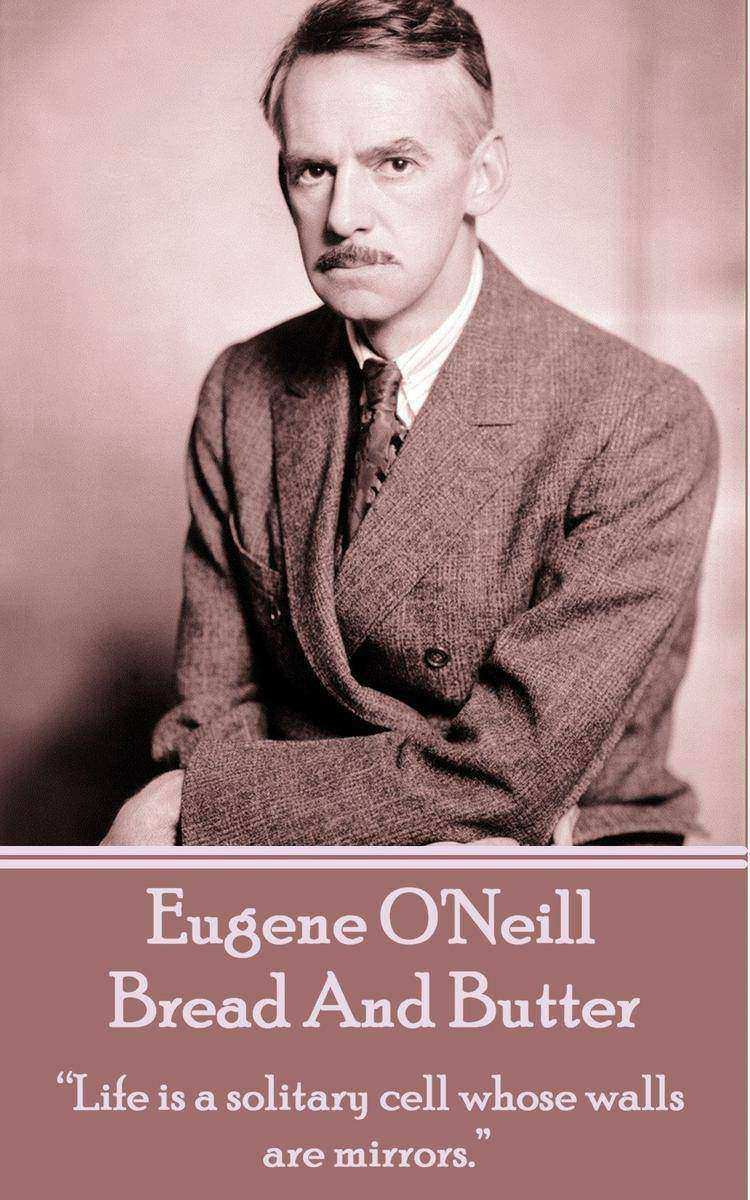
Bread And Butter - Life is a solitary cell whose walls are mirrors.
¥23.45
Eugene Gladstone O'Neill was born on October 16, 1888 in a hotel bedroom in what is now Times Square, New York. Much of his childhood was spent in the comfort of books at boarding schools whilst his actor father was on the road and his Mother contended with her own demons. He spent only a year at University - Princeton - and various reasons have been given for his departure. However whatever his background and education denied or added to his development it is agreed amongst all that he was a playwright of the first rank and possibly America's greatest. His introduction of realism into American drama was instrumental in its development and paved a path for many talents thereafter. Of course his winning of both the Pulitzer Prize (4 times) and the Nobel Prize are indicative of his status. His more famous and later works do side with the disillusionment and personal tragedy of those on the fringes of society but continue to build upon ideas and structures he incorporated in his early one act plays. Eugene O'Neill suffered from various health problems, mainly depression and alcoholism. In the last decade he also faced a Parkinson's like tremor in his hands which made writing increasingly difficult. But out of such difficulties came plays of the calibre of The Iceman Cometh, Long Day's Journey Into Night, and A Moon for the Misbegotten. Eugene O'Neill died in Room 401 of the Sheraton Hotel on Bay State Road in Boston, on November 27, 1953, at the age of 65. As he was dying, he whispered his last words: "e;I knew it. I knew it. Born in a hotel room and died in a hotel room."e;


