


 购物车
购物车 个人中心
个人中心

剥头皮很有趣!: 第1部分:使用Heikin Ashi图表进行快速交易
¥3.60
剥头皮很有趣!: 第1部分:使用Heikin Ashi图表进行快速交易

Japanese Folktales The Great Festival of The New Year
¥8.09
Little Good Boy had just finished eating the last of five rice cakes called "dango," that had been strung on a skewer of bamboo and dipped in soy sauce, when he said to his little sister, called Chrysanthemum: "O-Kiku, it is soon the great festival of the New Year." "What shall we do then?" asked little O-Kiku, not clearly remembering the festival of the previous year. Thus questioned, Yoshi-san had his desired opening to hold forth on the coming delights, and he replied: "Men will come the evening before the great feast-day and help Plum-blossom, our maid, to clean all the house with brush and broom. Others will set up the decoration in front of our honored gateway. They will dig two small holes and plant a gnarled, black-barked father-pine branch on the left, and the slighter reddish mother-pine branch on the right. They will then put with these the tall knotted stem of a bamboo, with its smooth, hard green leaves that chatter when the wind blows. Next they will take a grass rope, about as long as a tall man, fringed with grass, and decorated with zigzag strips of white paper.
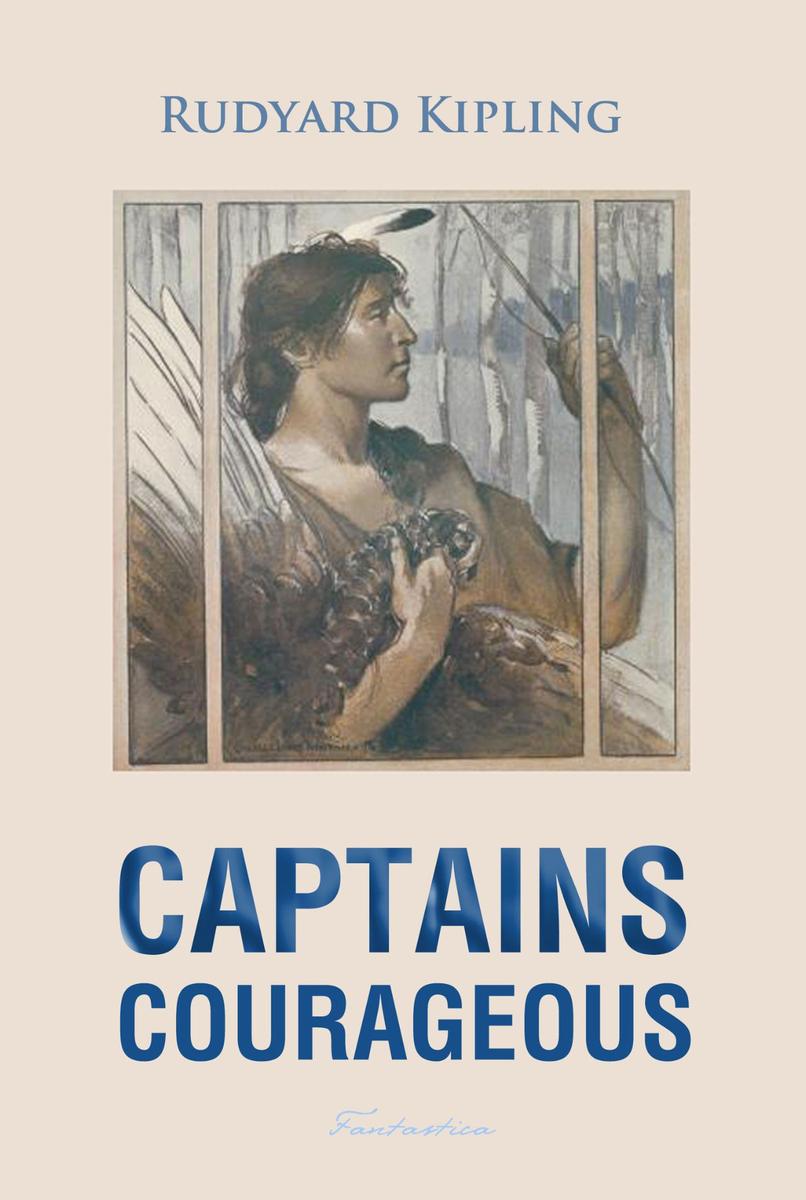
Captains Courageous
¥40.79
Harvey Cheyne washed overboard from a transatlantic steamship and rescued by fishermen off the Grand Banks of Newfoundland, the young Harvey Cheyne can neither persuade them to take him quickly to port, nor convince them that his is the son of a wealthy railroad magnate. Disko Troop, captain of the We're Here, offers him a job as part of the crew until they return to port. With no other choice, Harvey accepts.
K.V. Dominic Criticism and Commentary:Essential Readings Companion
¥48.74
Peek inside the mind one of Contemporary India's most influential poets Inside this book you'll find Dr. Ramesh Chandra Mukhopadhyaya, one of the most erudite philosopher-critics of India, brilliantly evaluating his compatriot English poet K.V. Dominic. Among the contemporary English poets of India, Dr. K.V. Dominic has established an unchallengeable position of his own. Through his poetry collections Winged Reason, Write Son, Write, Multicultural Symphony, Contemporary Concerns and Beyond, and K.V. Dominic: Essential Readings and Study Guide, Dominic has beautifully portrayed themes of environmental, social, political, and humanitarian concerns. Mukhopadhyaya, with his unique style, critically and philosophically studies not only Dominic's poetry, but also the poet himself as a person with his background of family, town, state, and country. Being a master of Indian as well as western philosophy, Mukhopadhyaya digs out the philosophic thoughts lying hidden in many of the poems. In addition, his depth in English and Sanskrit literature has enabled him to make comparisons of Dominic's poems to those of the legends. "Dominic's poetry reflects India. This is the base of the study by Mukhopadhyaya who has taught literature and authored books. He finds Dominic's poetry irresistible. I add that Mukhopadyaya's book is enlightening and also irresistible. His study is a compassionate painting of Dominic's poetry with the shades that are eternal." --Dr. Stephen Gill, Canadian poet and novelist "Dr. Mukhopadhyaya's critique is a remarkable contribution to Dominic's poetry, as it is systematically written with philosophical explications and comparisons to great legends as well as classical poets of the East and the West. Indeed an important addition to the existing works on this major literary figure." --Dr. Rob Harle, Australian poet, author and artist "More than merely an analysis of Dominic's poems, this book is an insight into the vibrant philosophy experienced by the Indian mind that has amalgamated both the perennial bliss and the painful vicissitudes of life to foster sublime and universal notions of life. As the volume reveals the personality of the poet, it invites attention to the authenticity of the impersonal theory of poetry." --Dr. S. Kumaran, Indian critic, scholar and academician, author of Philosophical Musings for a Meaningful Life: An Analysis of K.V. Dominic's Poems Learn more at www.profkvdominic.com From Modern History Press www.ModernHistoryPress.com
Top Numerical Methods With Matlab For Beginners!
¥24.44
Top Numerical Methods With Matlab For Beginners!

In the Mountains: A novel written by Elizabeth von Arnim
¥28.61
In the Mountains: A novel written by Elizabeth von Arnim
New year`s milk
¥9.56
New year`s milk

What I Learned at Dartmouth, The $300,000 Education
¥32.62
What I Learned at Dartmouth, The $300,000 Education
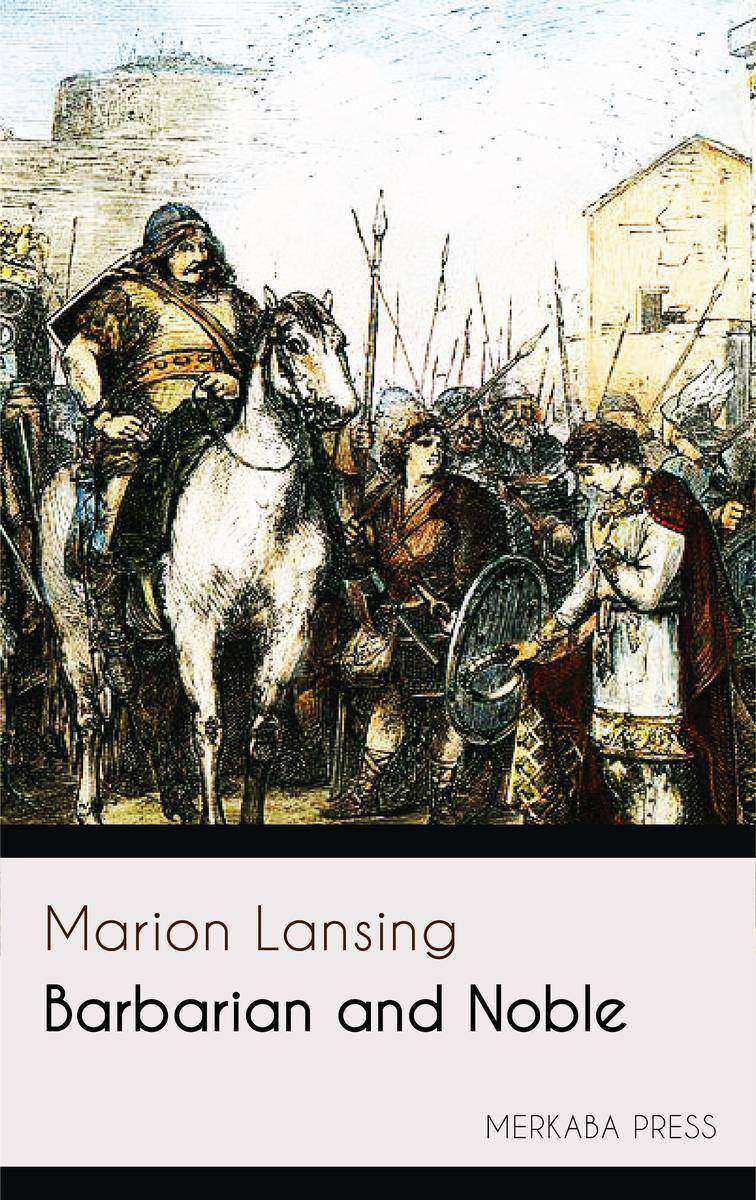
Barbarian and Noble
¥8.09
Barbarian and Noble
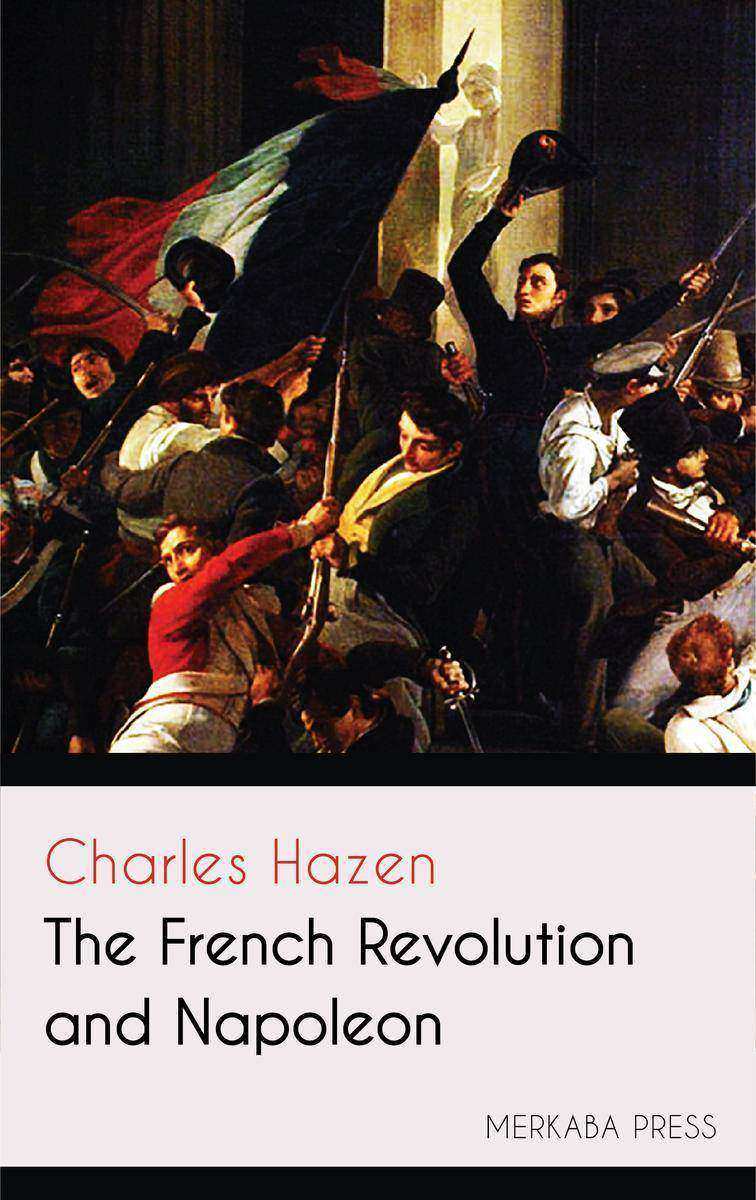
The French Revolution and Napoleon
¥8.09
The French Revolution and Napoleon

Cleopatra
¥8.09
Cleopatra
Princess Rosette and Other Fairy Tales
¥40.79
Once upon a time there lived a King and Queen who had two beautiful sons and one little daughter, who was so pretty that no one who saw her could help loving her. When it was time for the christening of the Princess, the Queen—as she always did—sent for all the fairies to be present at the ceremony, and afterwards invited them to a splendid banquet...
Huntingtower
¥40.79
The Scottish local community mobilises to uncover and thwart the conspiracy against a Russian woman, and to defend the neutrality of Scotland against the Russian Bolshevik agents.
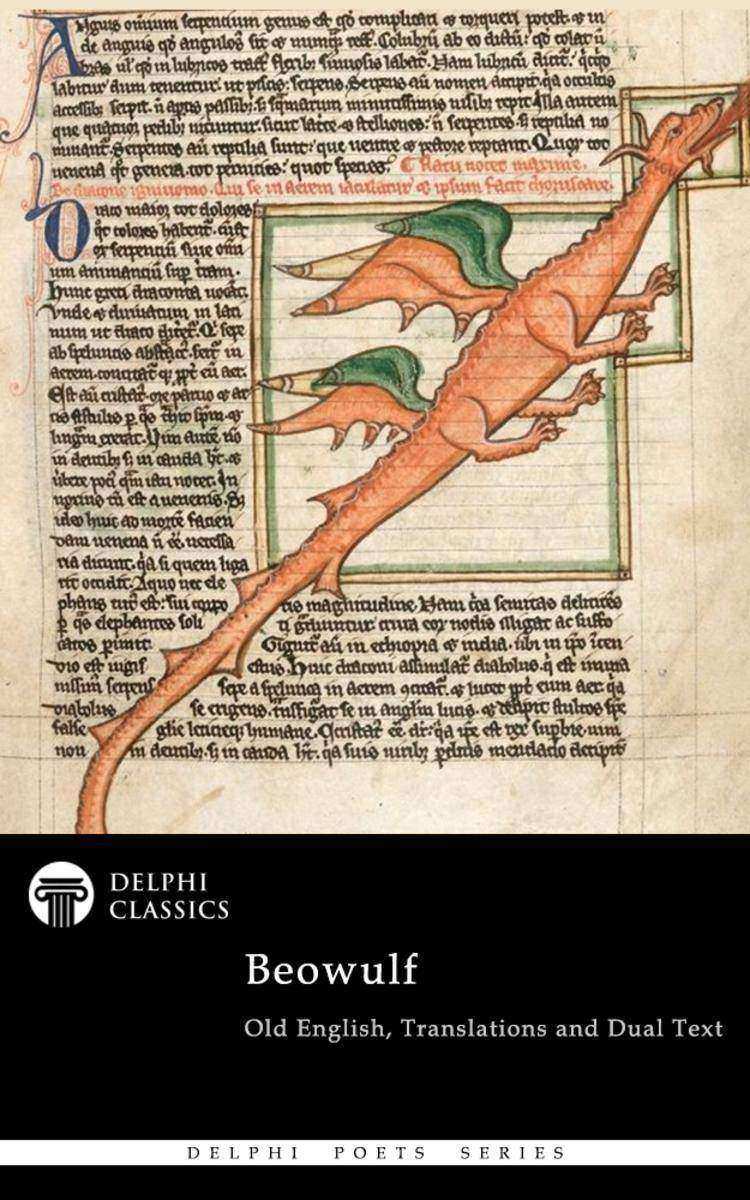
Complete Beowulf - Old English Text, Translations and Dual Text (Illustrated)
¥16.27
A masterpiece of Old English literature, the alliterative epic poem ‘Beowulf’ was written between the 8th and 11th century and narrates the eponymous hero’s battles against the monster Grendel, Grendel’s avenging mother and finally a terrifying dragon that threatens Beowulf’s homeland. Blending myth with history, ‘Beowulf’ celebrates the endurance of the human spirit in the perilous world of the Dark Ages. The Delphi Poets Series offers readers the works of literature's finest poets, with superior formatting. This volume presents multiple translations, the original Old English text, special Dual Text feature and beautiful illustrations. (Version 1) * Beautifully illustrated with images relating to ‘Beowulf’ and the Beowulf Poet’s times * Concise introduction to the epic poem * Images of how the poem was first printed, giving your eReader a taste of the original text * Features Francis Barton Gummere's celebrated translation in imitative metre, widely acknowledged as capturing the alliterative pattern of the original Old English text * Includes Gummere's original footnotes to aid comprehension of difficult phrases and sections * Also features William Morris’ well-regarded translation * A translation and the original text of the contemporary fragment THE ATTACK ON FINNSBURG * Excellent formatting of the poetry texts * Easily locate the sections you want to read * Includes the original Old English text * Provides a special dual modern English and Old English text, allowing readers to compare small sections of five lines each – ideal for students * Scholarly ordering of texts into chronological order and literary genres Please visit www.delphiclassics.com to browse through our range of exciting titles CONTENTS: The Translations BEOWULF: BRIEF INTRODUCTION FRANCIS BARTON GUMMERE’S TRANSLATION WILLIAM MORRIS’ TRANSLATION The Old English Text THE OLD ENGLISH TEXT The Dual Text CONTENTS OF THE DUAL TEXT Please visit www.delphiclassics.com to browse through our range of exciting titles
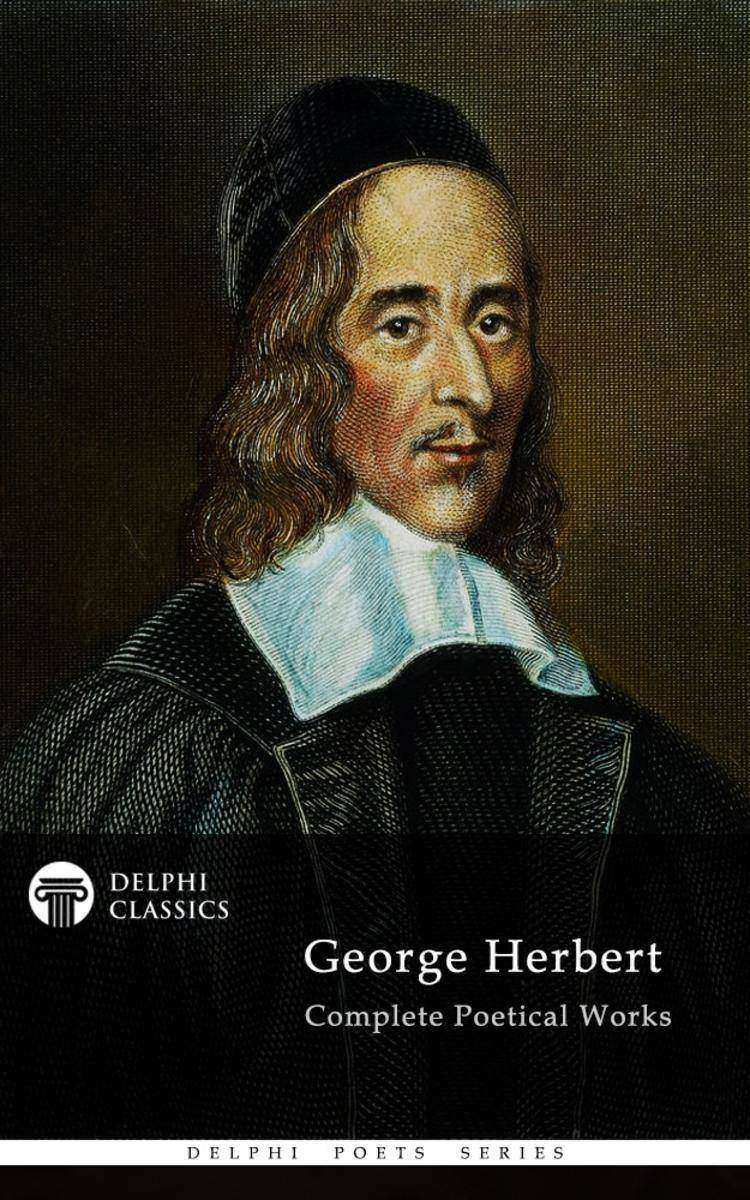
Delphi Complete Works of George Herbert
¥16.27
Regarded as the most gifted devotional lyricist of British poetry, George Herbert was associated with the metaphysical poets, producing deeply influential verses in the early seventeenth century. The Delphi Poets Series offers readers the works of literature's finest poets, with superior formatting. This volume presents Herbert’s complete poetical works, with beautiful illustrations and the usual Delphi bonus material. (Version 1) * Beautifully illustrated with images relating to Herbert's life and works * Concise introductions to the poetry and other works * Images of how the poetry books were first printed, giving your eReader a taste of the original texts * Excellent formatting of the poems * Special chronological and alphabetical contents tables for the poetry * Easily locate the poems you want to read * Includes rare translations of Herbert's Latin and Greek verses (translated by Alexander B. Grosart and Richard Wilton) – first time in digital print * Features the first biography on the poet by Izaak Walton - discover Herbert's fascinating life * Scholarly ordering of texts into chronological order and literary genres Please visit www.delphiclassics.com to browse through our range of exciting titles CONTENTS: The Life and Poetry of George Herbert BRIEF INTRODUCTION: GEORGE HERBERT TABLE OF CONTENTS FOR THE POETRY The Poems LIST OF POEMS IN CHRONOLOGICAL ORDER LIST OF POEMS IN ALPHABETICAL ORDER The Biography THE LIFE OF MR. GEORGE HERBERT by Izaak Walton Please visit www.delphiclassics.com to browse through our range of exciting titles
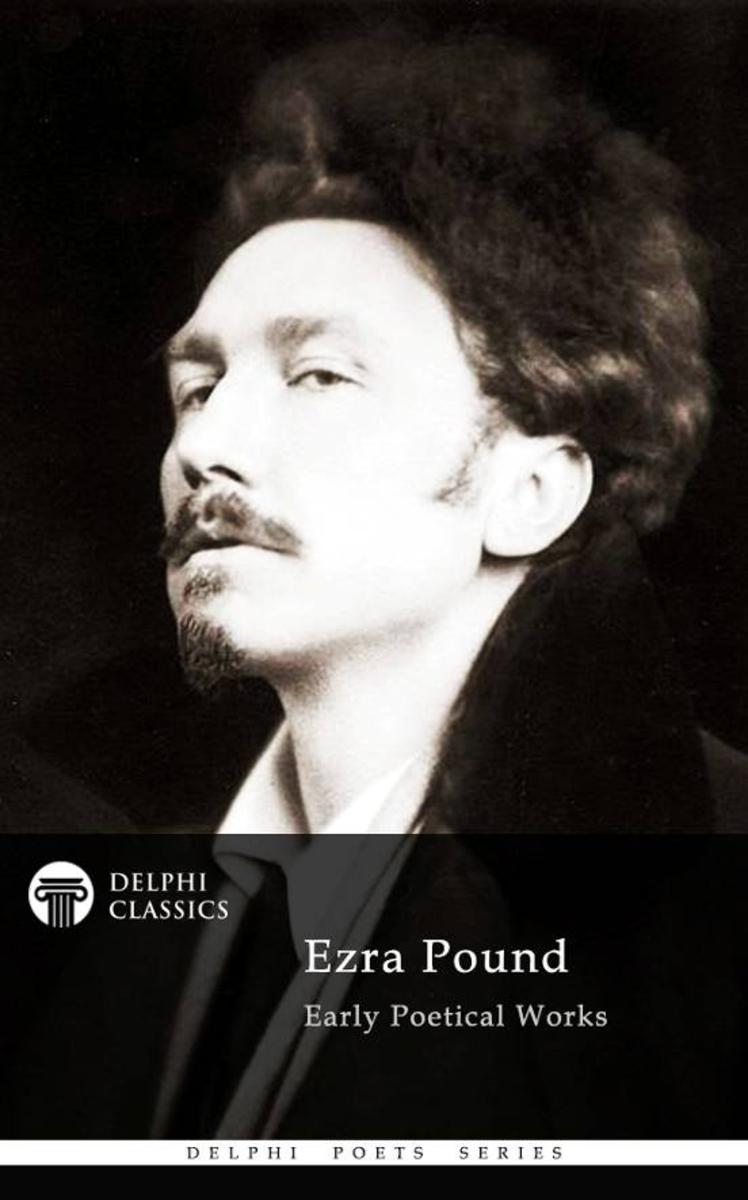
Delphi Poetical Works of Ezra Pound
¥16.27
American poet and critic, Ezra Pound was a major figure of the modernist movement, whose poetry collections and development of Imagism advocated clarity, precision and economy of language. The Delphi Poets Series offers readers the works of literature's finest poets, with superior formatting. This comprehensive volume presents Pound’s early poetical works, with beautiful illustrations and the usual Delphi bonus material. (Version 1) * Beautifully illustrated with images relating to Pound's life and works * Concise introductions to the poetry collections and other works * Images of how the poetry books were first printed, giving your eReader a taste of the original texts * Rare poetry collections appearing in digital print for the first time * Excellent formatting of the poems * Special chronological and alphabetical contents tables for the poetry * Easily locate the poems you want to read * Features the rare translations of ‘Noh’ Japanese dramas, first time in digital print * Includes a selection of Pound's non-fiction * Scholarly ordering of texts into chronological order and literary genres Please note: this is the most complete collection possible of Pound’s poetry in the US, due to copyright. When more texts enter the public domain, they will be added to the collection as a free update. Please visit www.delphiclassics.com to browse through our range of exciting titles CONTENTS: The Poetry Collections HILDA’S BOOK A LUME SPENTO A QUINZAINE FOR THIS YULE PERSONAE EXULTATIONS THE SPIRIT OF ROMANCE CANZONI THE SONNETS AND BALLATE OF GUIDO CAVALCANTI RIPOSTES CATHAY LUSTRA ARNAUT DANIEL PAVANNES AND DIVISIONS QUIA PAUPER AMAVI HUGH SELWYN MAUBERLEY UMBRA UNPUBLISHED VERSES The Poems LIST OF POEMS IN CHRONOLOGICAL ORDER LIST OF POEMS IN ALPHABETICAL ORDER The Poetical Dramas ‘NOH’, OR, ACCOMPLISHMENT: A STUDY OF THE CLASSICAL STAGE OF JAPAN The Prose INSTIGATIONS OF EZRA POUND Translation of ‘THE NATURAL PHILOSOPHY OF LOVE’ by Remy de Gourmont Please visit www.delphiclassics.com to browse through our range of exciting titles

Can You Forgive Her?
¥40.79
The novel follows three parallel stories of courtship and marriage and the decisions of three strong women: Alice Vavasor, her cousin Glencora Palliser, and her aunt Arabella Greenow. Early on, Alice asks the question: What should a woman do with her life? This theme repeats itself in the dilemmas faced by the other women in the novel. Lady Glencora and her husband Plantagenet Palliser recur in the remainder of the Palliser series.
Writers Editors Critics (WEC):Vol. 7, No. 1 (March 2017)
¥48.74
Writers Editors Critics (WEC) An International Biannual Refereed Journal of English Language and Literature Volume 7 Number 1 (March 2017) ISSN: 2231 - 198X RESEARCH PAPERS The Confessional Voice and Rebellious Cry of Kamala Das as Visualized in her Poetical Works: A Brief Analysis - S. Chelliah The Philosopher-Scientist A. P. J. Abdul Kalam and his World View: A Study - J. Pamela Artificial Intelligence and the Instrumental Marvellous in Isaac Asimov's Foundation Novels - Lekshmi R. Nair Return to Wholeness: The Landscape of Willa Cather's O Pioneers! - Vikas Bhardwaj Nation and Identity Defined through Bodies: A Study of Bapsi Sidhwa's Ice Candy Man - Sonia Soni Ramesh K. Srivastava's "Under the Lamp": A Study - Shipra G. Vashishtha Reinventing Roots in Esther David's Book of Rachel - Giftsy Dorcas E. A Critical Reading of Authentic Existence in Claude Mckay's Banana Bottom - S. Khethzi Kerena "Write My Son, Write": An Aesthetic and Spiritual Reflection of World by K V Dominic - Laxmi R. Chaughaan Nandini's Sita: A Deep Dive to Every Woman's Journey - Arti Chandel Lives on Pyre: A Socio-realistic Portrayal in D.C. Chambial's The Cargoes of the Bleeding Hearts - Parthajit Ghosh& Dr. Madhu Kamra An Evolution of His Demography: A Socio-cultural Flow in the Fictional World of Manoj Das - Suresh Bera & Somali Gupta Maya Angelou's Shaker, Why Don't You Sing?: a Paroxysm of Confession - Ishita Pramanik & Dr. Shukla Banerjee REVIEW ARTICLES Eco-critical Perspectives in K. V. Dominic & Pamela Jeyaraju's (eds.) Environmental Literature: Research Papers and Poems - S. Barathi T. V. Reddy's Melting Melodies: An Analysis - P. Bayapa Reddy Critical Evaluation of T. V. Reddy's Melting Melodies - Dwarakanath H. Kabadi BOOK REVIEWS T. V. Reddy's Golden Veil: A Collection of Poems - Patricia Prime Ramesh K. Srivastava's My Father's Bad Boy--An Autobiography - Smita Das O. P. Arora's Whispers in the Wilderness: A Collection of Poems - Patricia Prime Vijay Kumar Roy's Realm of Beauty and Truth: A Collection of Poems - Sugandha Agarwal GENERAL ESSAYS Regional Integration in South Asia: A Nepalese Perspective - Shreedhar Gautam Role of Information Library Network (INFLIBNET) in Checking Plagiarism in Indian Universities - P. K. Suresh Kumar Sojourn in Forests - Ramesh Chandra Mukhopadhyaya The Commonplace Economic Thoughts of a Seventy Five Years Old Lady - Mousumi Ghosh INTERVIEW Conversation with Subodh Sarkar - Jaydeep Sarangi SHORT STORIES Perils of Simplicity - Ramesh K. Srivastava The Melody Queen - Jayanti M. Dalal (Trans. Dr. Rajshree Parthivv Trivedi) A Strange Reunion --- Chandramoni Narayanaswamy Is Human Life Precious than Animal's? - K. V. Dominic Psychological Effect - Manas Bakshi POEMS Regain the Vision - T. V. Reddy Down the Memory Lane - T. V. Reddy Memories - T. V. Reddy Patiently I Saw - D. C. Chambia

Cryptocurrency 101
¥81.67
Cryptocurrency 101

Tharos: The Origin
¥32.62
Tharos: The Origin

Memories Are Made of This: The Ultimate Retro Pop Quiz: 50's, 60's, 70's, 80's &
¥85.76
Memories Are Made of This: The Ultimate Retro Pop Quiz: 50's, 60's, 70's, 80's & 90's


