


 购物车
购物车 个人中心
个人中心
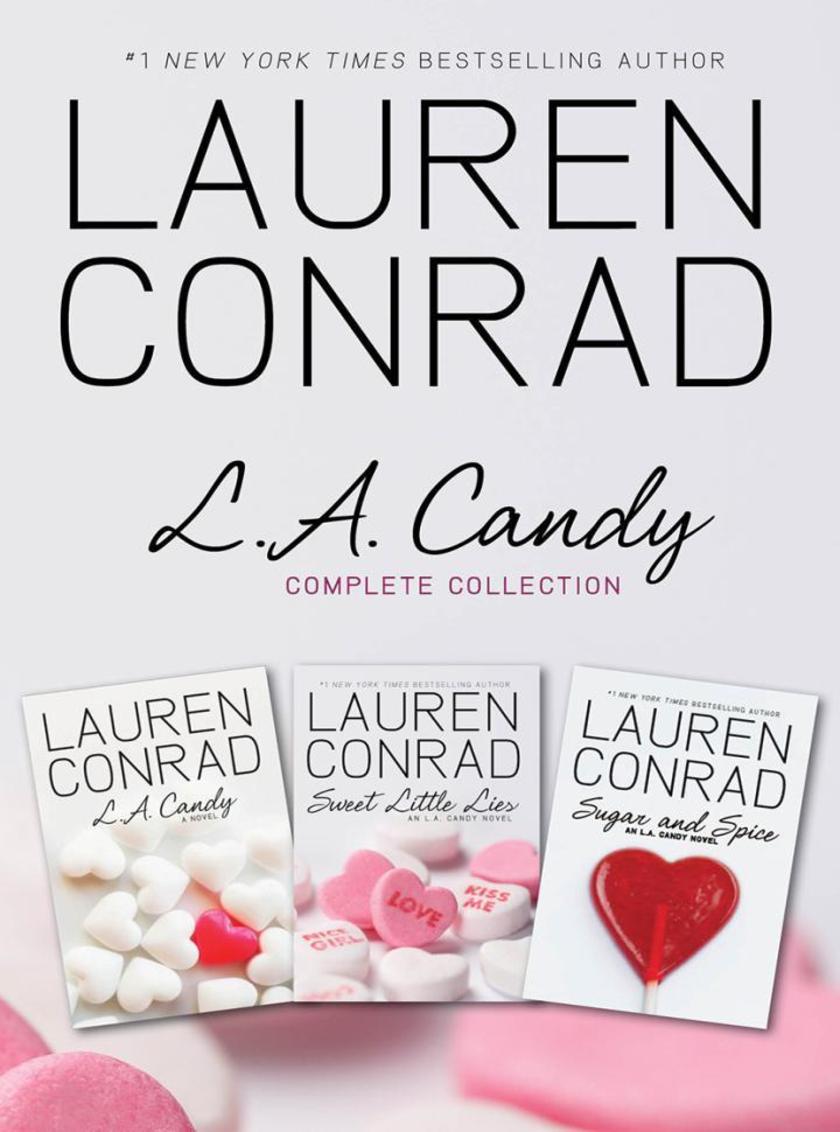
L.A. Candy Complete Collection
¥305.30
The L.A. Candy trilogy is a fast-paced, fun, and realistic depiction of coming of age in Hollywood while starring in a reality TV show—written by a star who's experienced it all firsthand: Lauren Conrad, of MTV's #1 show The Hills. This #1 New York Times bestselling series provides a scandalous peek into the life of new reality celebrity Jane Roberts while dishing Hollywood gossip and drama at every turn.Includes:L.A. Candy Sweet Little Lies: An L.A. Candy Novel Sugar and Spice: An L.A. Candy Novel

The Hidden Prince
¥54.42
The city of Skyvale is in trouble. Magic use is rampant. Crime is spreading. Told from the perspective of Tobiah, the crown prince with a dangerous secret, and set two years before the heart-racing action of The Orphan Queen, this 100-page digital novella brings to life one of Jodi Meadows's most beloved characters.Tobiah Pierce knows he is a spoiled, sheltered prince, and he's tired of it. His only chance for freedom is if his cousin, James Rayner, passes the trials to be one of his bodyguards. But when Tobiah takes a rare opportunity to escape a courtly celebration and he witnesses a horrible—and magical—crime, he must make a momentous decision: return to the ignorance and comfort of the palace, or risk everything to discover the truth?The Hidden Prince is the first of four prequel novellas that offer existing fans a deeper insight into a favorite character and the complex city of Skyvale, while new readers will find a stunning introduction to this rich world and the heart-pounding fantasy of the Orphan Queen series.Epic Reads Impulse is a digital imprint with new releases each month.
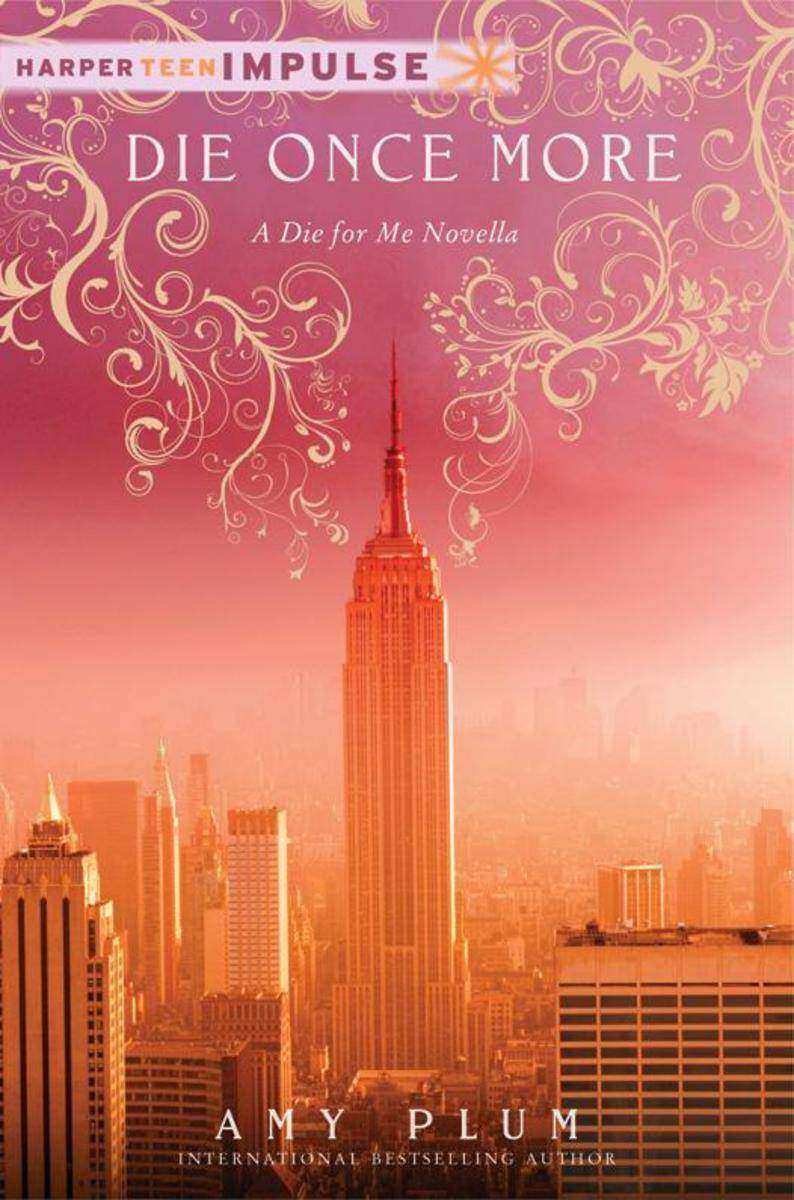
Die Once More
¥10.71
This one-hundred-page novella picks up where the international bestselling Die for Me trilogy ended and follows the eternally irresistible Jules Marchenoir as he leaves Paris behind for a fresh start in New York City.Jules is a revenant—an undead being whose fate forces him to sacrifice himself over and over again to save human lives. He's spent the last century flirting his way through Paris and, most recently, falling in love with his best friend's girlfriend. Loyalty and heartbreak have led him to choose a new life in NYC.Separated from his friends and his home, Jules is adrift in this dangerous new world, facing unknown enemies . . . until he meets a revenant named Ava. Though the battle for France has been won, an epic war between good and evil has just begun in the Big Apple, and Ava needs Jules's help to uncover the key to an American victory. Jules finds himself in the same position he crossed an ocean to escape: at risk of losing his immortal existence as well as his heart.Epic Reads Impulse is a digital imprint with new releases each month.
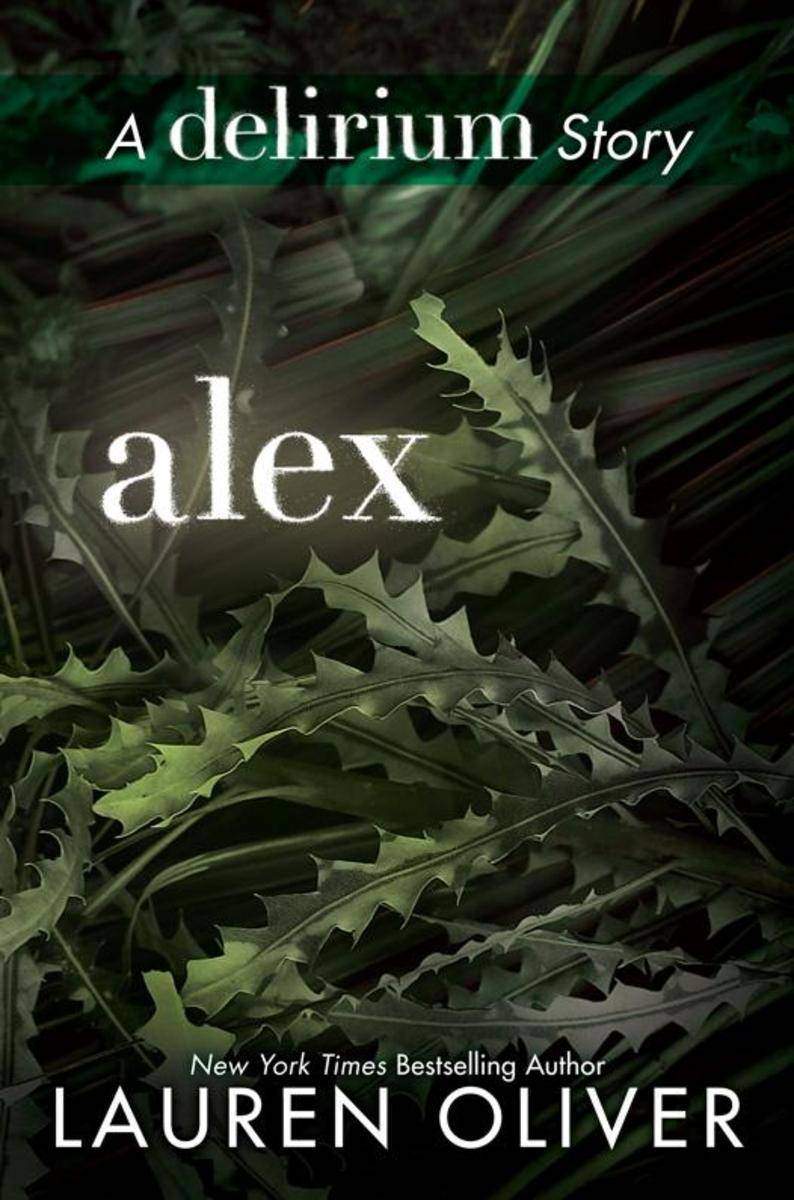
Alex
¥65.33
This captivating digital original story set in the world of Lauren Oliver's New York Times bestselling Delirium series focuses on Alex, Lena's first love. When Alex sacrificed himself to save Lena, he thought he was committing himself to certain death, but what he got was almost worse. Imprisoned and tortured by the guards, his mind forces him to relive a past he would rather forget. But in the dark he grows stronger. Both hopeful and terrified, he fights to find his way back to her and the love he still clings to. In this digital story that will appeal to fans of Delirium and welcome new admirers to its world, readers will learn of Alex's time after the events of Delirium, as well as the dark past that he has tried to forget.
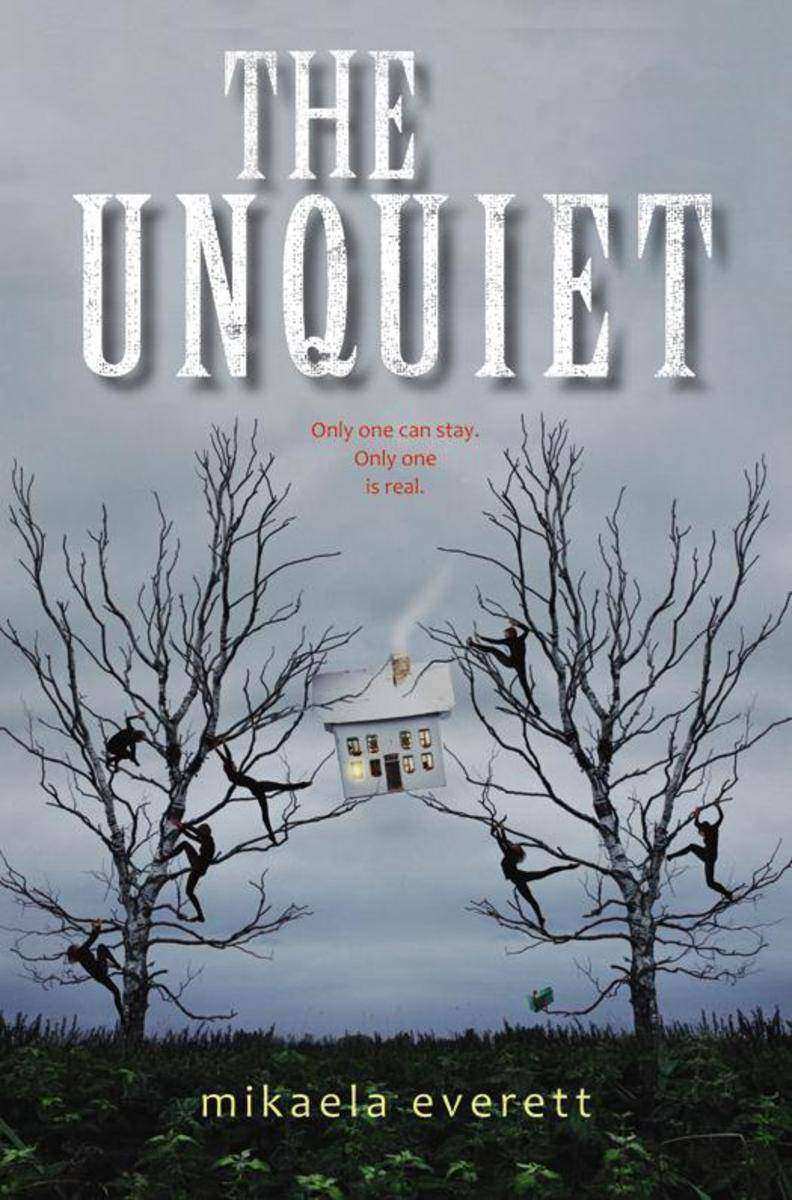
The Unquiet
¥101.00
For most of her life, Lirael has been training to kill—and replace—a duplicate version of herself on a parallel Earth. She is the perfect sleeper-soldier. But she's beginning to suspect she is not a good person. Fans of eerily futuristic and beautifully crafted stories such as Never Let Me Go, Orphan Black, and Fringe will find themselves haunted by this unsettling debut.The two Earths are identical in almost every way. Two copies of every city, every building, even every person. But the people from the second Earth know something their duplicates do not—two versions of the same thing cannot exist. They—and their whole planet—are slowly disappearing. Lira has been trained mercilessly since childhood to learn everything she can about her duplicate, to be a ruthless sleeper-assassin who kills that other Lirael and steps seamlessly into her life.An intricate, literary stand-alone from an astonishing new voice, The Unquiet takes us deep inside the psyche of a strong teenage heroine struggling with what she has been raised to be and who she really is.

Bridget Wilder: Spy-in-Training
¥39.24
Middle school meets Mission Impossible in this hilarious spy series for fans of Chris Rylander, Stuart Gibbs, and Ally Carter about a girl whose life is turned upside down when she discovers her father is a superspy.Up until Bridget’s birthday the most exciting moment in her life was when Dale Tookey maybe, sort of, smiled at her one time. But that was before—before she found a mysterious present at her doorstep, before she was transported to a covert CIA agency called Section 23, and before she became Bridget Wilder: Spy-in-Training. Now Bridget’s busting boys out of detention, being chauffeured by a talking car, and infiltrating the popular girls’ clique to steal secret codes, all while undercover as a semi-awkward middle school girl. But will she be able to keep up with her new action-packed life?It is no secret—Bridget Wilder: Spy-in-Training is the start of an explosive new series packed with gadgets, humor, and best of all: girl power.
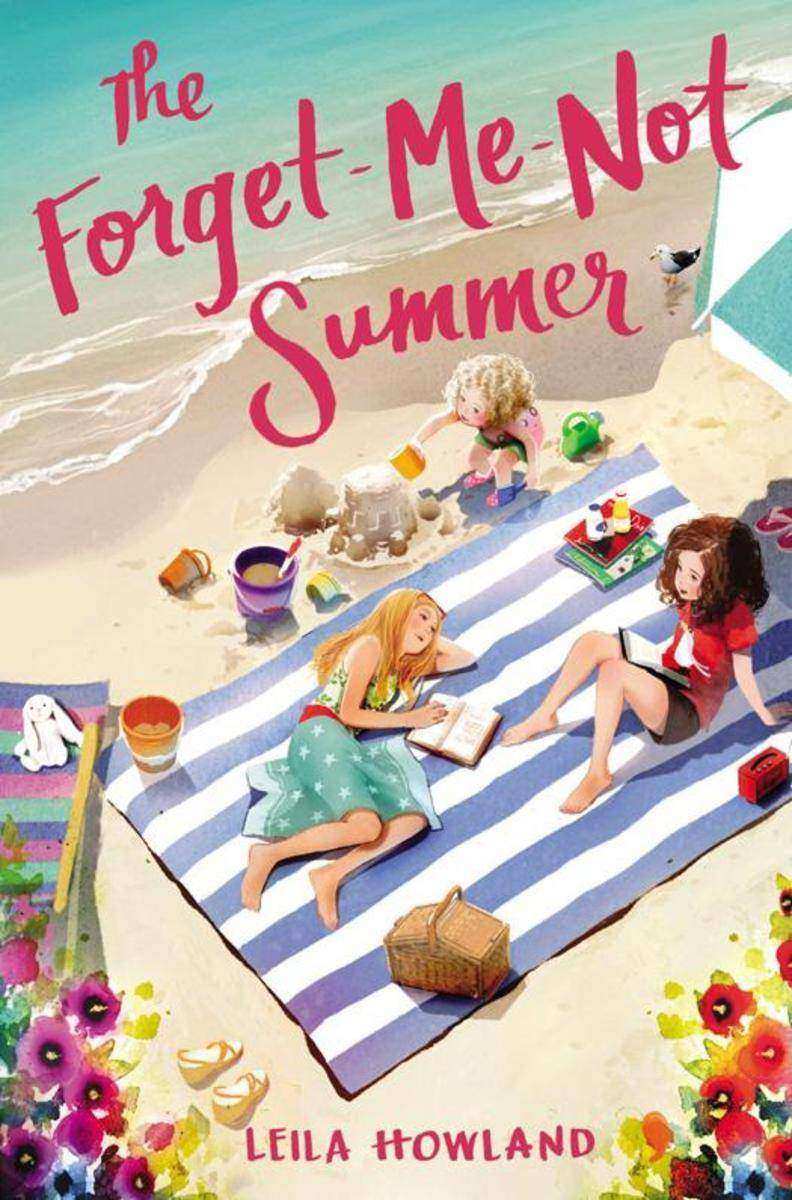
The Forget-Me-Not Summer
¥44.25
This charming story about the summer three California sisters spend on Cape Cod is perfect for fans of The Penderwicks and The Mother-Daughter Book Club. Full of moments both humorous and reflective, The Forget-Me-Not Summer is a story about three girls facing their fears, adjusting to change, and learning how to band together as the strongest version of themselves: sisters.Though Marigold, Zinnia, and Lily Silver couldn't be more different, they're all excited about their various plans for summer vacation. Twelve-year-old Marigold is hoping to get her first kiss from her big crush, while Zinnia, eleven, will most likely spend her time in Marigold's shadow. And little five-year-old Lily, though angelic, has a knack for stirring up mischief wherever she goes.But any expectation of summer fun comes crashing down when the sisters' parents send them to Cape Cod to visit their aunt Sunny. Small-town life is not what these L.A. girls had in mind. They must adjust, however, to things like sharing a room and living without a TV. With the help of Aunt Sunny's zany disposition and yummy brownies, though, the girls are quickly won over, and before Marigold, Zinnie, and Lily know it, they're cracking lobster shells at clambakes, making new friends, and even organizing a local talent show.
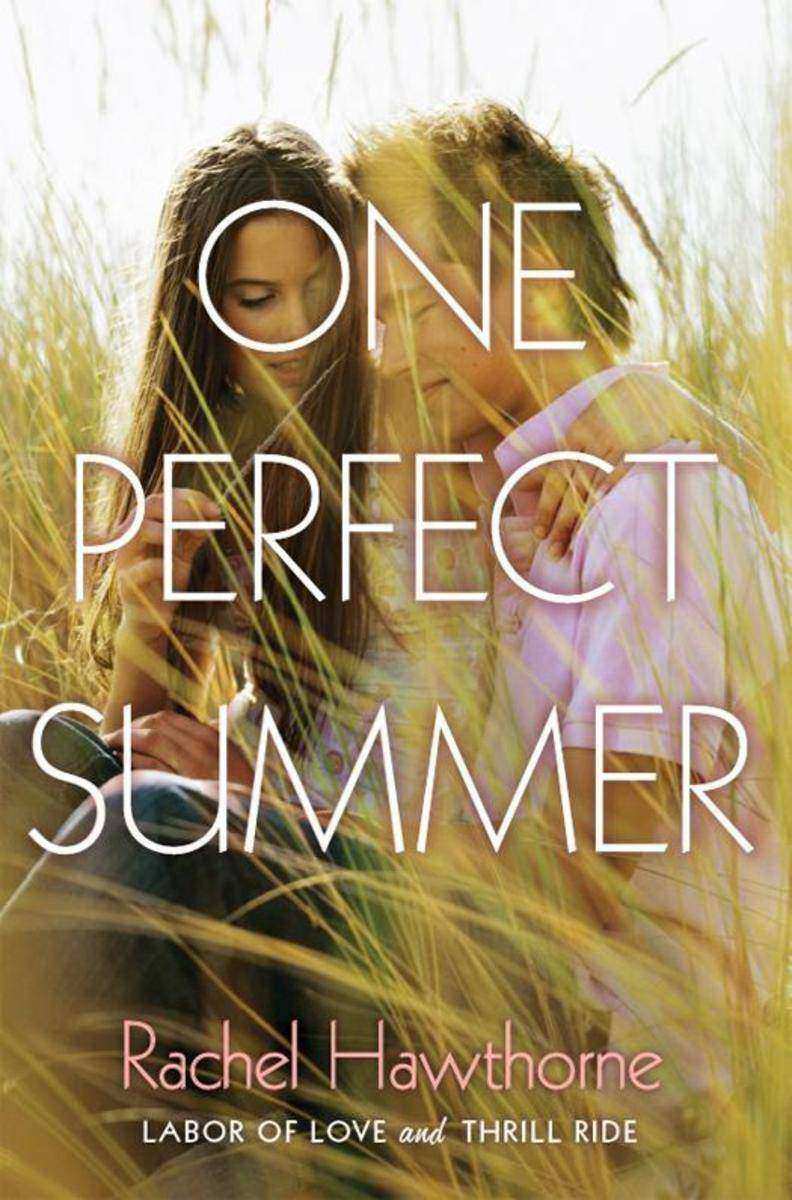
One Perfect Summer
¥55.33
Perfect for fans of Lauren Barnholdt and Susane Colasanti, this sun-soaked pairing of Rachel Hawthorne's beach reads Labor of Love and Thrill Ride brings a fresh feel to two summer favorites.In Labor of Love, Dawn joins a volunteer trip to New Orleans, hoping to forget about boys (her cheating ex Drew, in particular) for the summer. But when a fortune teller predicts she'll meet the man of her dreams on this trip, Dawn has to decide if she believes in the destiny of true love, or if she's just headed for another heartbreak.In Thrill Ride, Megan has landed the perfect summer job at an amusement park far away from home. The only problem is she'll also be far away from her boyfriend. But surely true love can survive three months apart. And Megan can resist her incredibly hot coworker . . . right?Value priced with a great new cover, this combined edition will have readers (re)discovering Rachel Hawthorne.
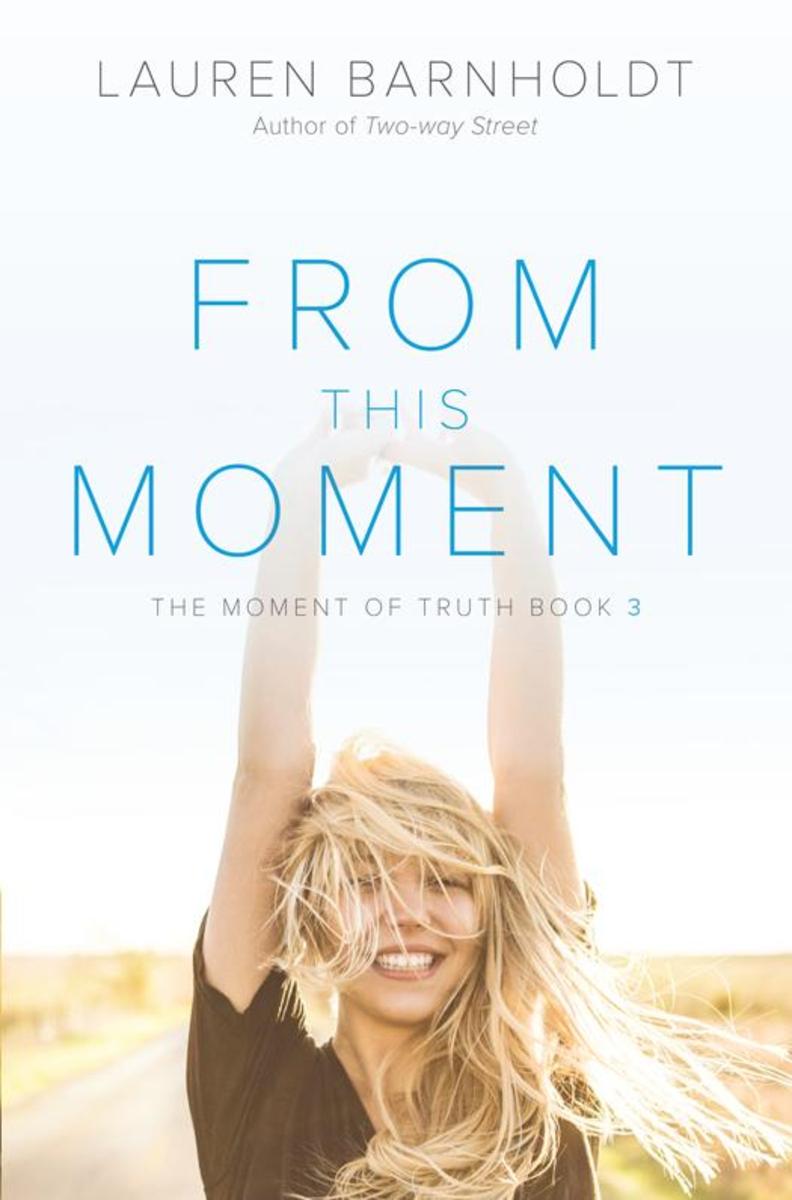
From This Moment
¥55.33
Each book in The Moment of Truth trilogy is told from the perspective of former best friends Lyla, Aven, and Quinn. When they were freshman, they wrote emails to themselves about one thing they hoped to accomplish before they graduate. Over the course of the series, which takes place on their senior trip, each girl tackles that email all while learning about life, love, and the truth about the fight that ended their perfect friendship.In the final book, Aven must decide if, when it comes to deciding between friendship and true love, she is able to listen to her heart. For the past four years she has shared everything with her best friend, Liam . . . except for the secret she knows would ruin their friendship. The one about how she's loved him since the first time they met.But now everything is about to change.With the end of high school drawing near, and the seniors headed to Florida for a class trip, Aven is determined to tell Liam the truth. Even though he already has a girlfriend. Even though Aven's finally met a great guy who likes her back. Even though Liam reciprocating her feelings is as terrifying as him rejecting her. Because no matter what he says, Aven knows that once the truth is out, things will never be the same.
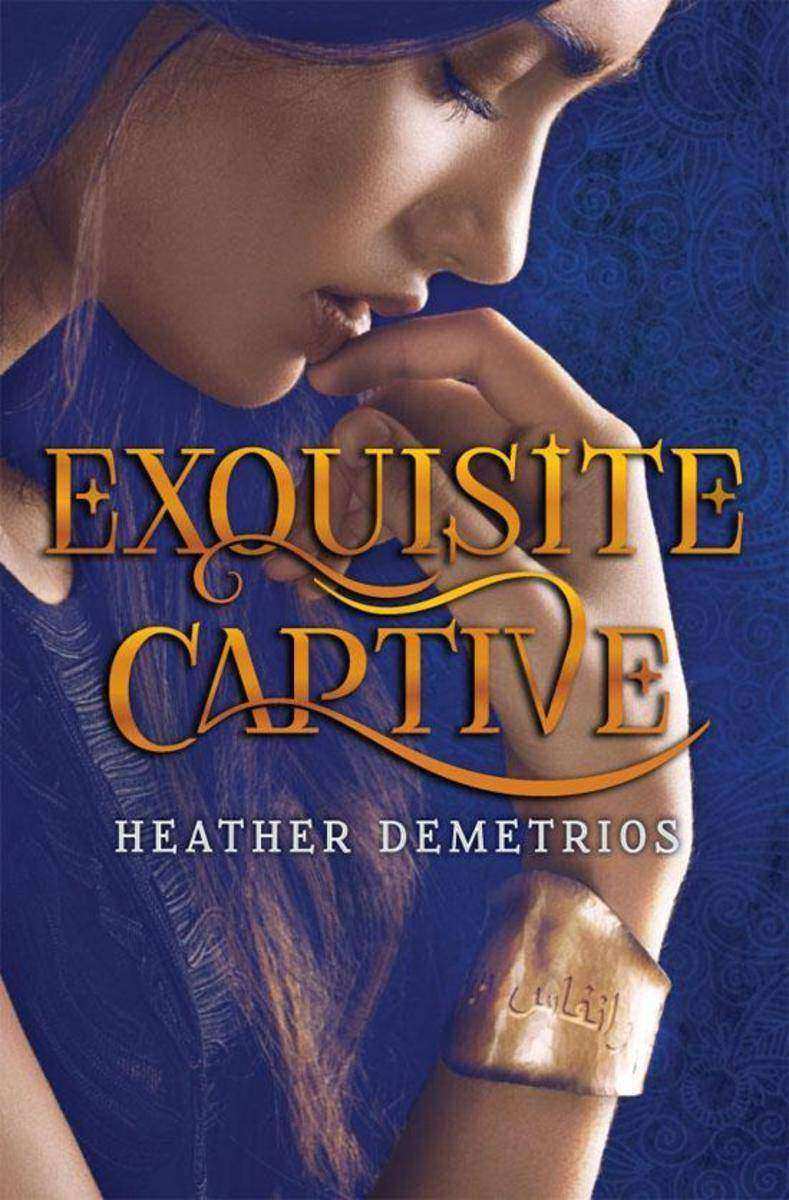
Exquisite Captive
¥55.33
For fans of Laini Taylor’s Daughter of Smoke and Bone series and Leigh Bardugo’s Grisha Trilogy comes the first book in the Dark Caravan Cycle, a modern fantasy-adventure trilogy about a gorgeous, fierce eighteen-year-old jinni who is pitted against two magnetic adversaries, both of whom want her—and need her—to make their wishes come true.Nalia is a jinni of tremendous ancient power, the only survivor of a coup that killed nearly everyone she loved. Now in hiding on the dark caravan—the lucrative jinni slave trade between Arjinna and Earth, where jinn are forced to grant wishes and obey their human masters’ every command—she’d give almost anything to be free of the golden shackles that bind her to Malek, her handsome, cruel master, and his lavish Hollywood lifestyle. Enter Raif, the enigmatic leader of Arjinna’s revolution and Nalia’s sworn enemy. He promises to release Nalia from her master so she can return to her ravaged homeland and free her imprisoned brother. There’s just one catch: for Raif’s unbinding magic to work, Nalia must gain possession of her bottle . . . and convince the dangerously persuasive Malek that she truly loves him.
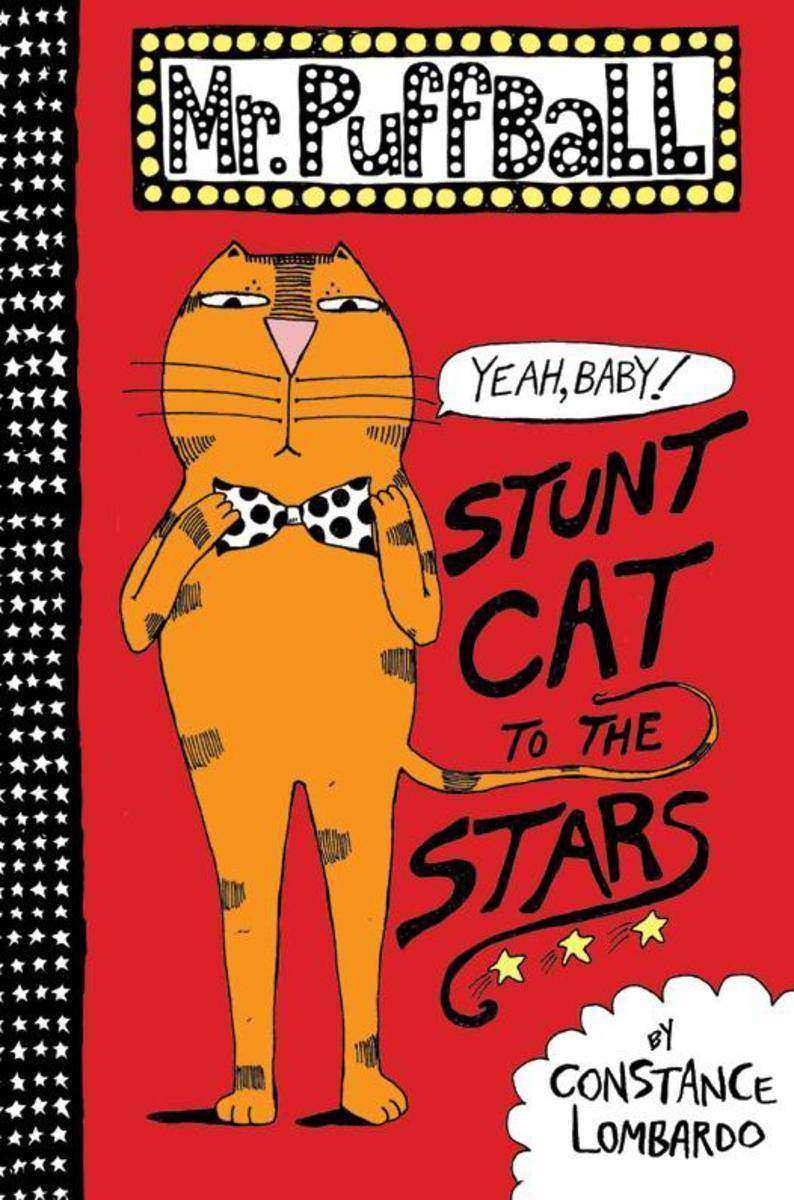
Mr. Puffball: Stunt Cat to the Stars
¥72.93
In this hilarious illustrated adventure meet Mr. Puffball, a medium-size feline with a big dream! With amazing humor that appeals to both kids and adults as well as funny illustrations throughout the story, Mr. Puffball: Stunt Cat to the Stars is perfect for dreamers, movie buffs, and fans of Timmy Failure and Stick Dog.He's a hero for today. Or possibly tomorrow. He's a cat. He's awesome. And . . . wait for it . . . he's going to Hollywood to become a famous movie star! Follow Mr. Puffball on his trip cross-country. (Look at all the postcards to Mom!) See him stumble upon Hobowood! (Not as glamorous as Hollywood, but full of beans.) Watch him land at last in Hollywood, where he meets a cast of thousands (or at least half a dozen) and catapults himself into the next best thing to being a famous movie star: working as a stunt cat to his movie star hero, El Gato!
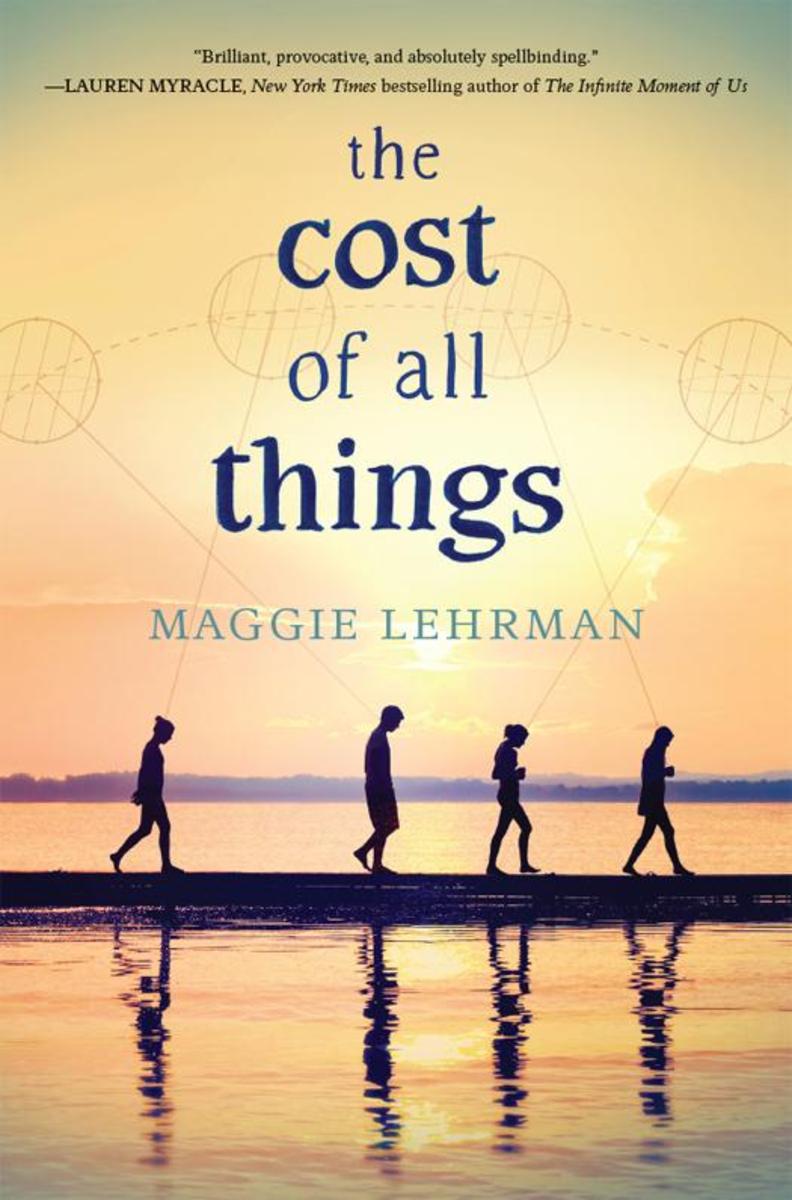
The Cost of All Things
¥101.00
Eternal Sunshine of the Spotless Mind meets We Were Liars in this thought-provoking and brilliantly written debut that is part love story, part mystery, part high-stakes drama.What would you pay to cure your heartbreakBanish your sadnessTransform your looksThe right spell can fix anything…. When Ari's boyfriend Win dies, she gets a spell to erase all memory of him. But spells come at a cost, and this one sets off a chain of events that reveal the hidden—and sometimes dangerous—connections between Ari, her friends, and the boyfriend she can no longer remember.Told from four different points of view, this original and affecting novel weaves past and present in a suspenseful narrative that unveils the truth behind a terrible tragedy.
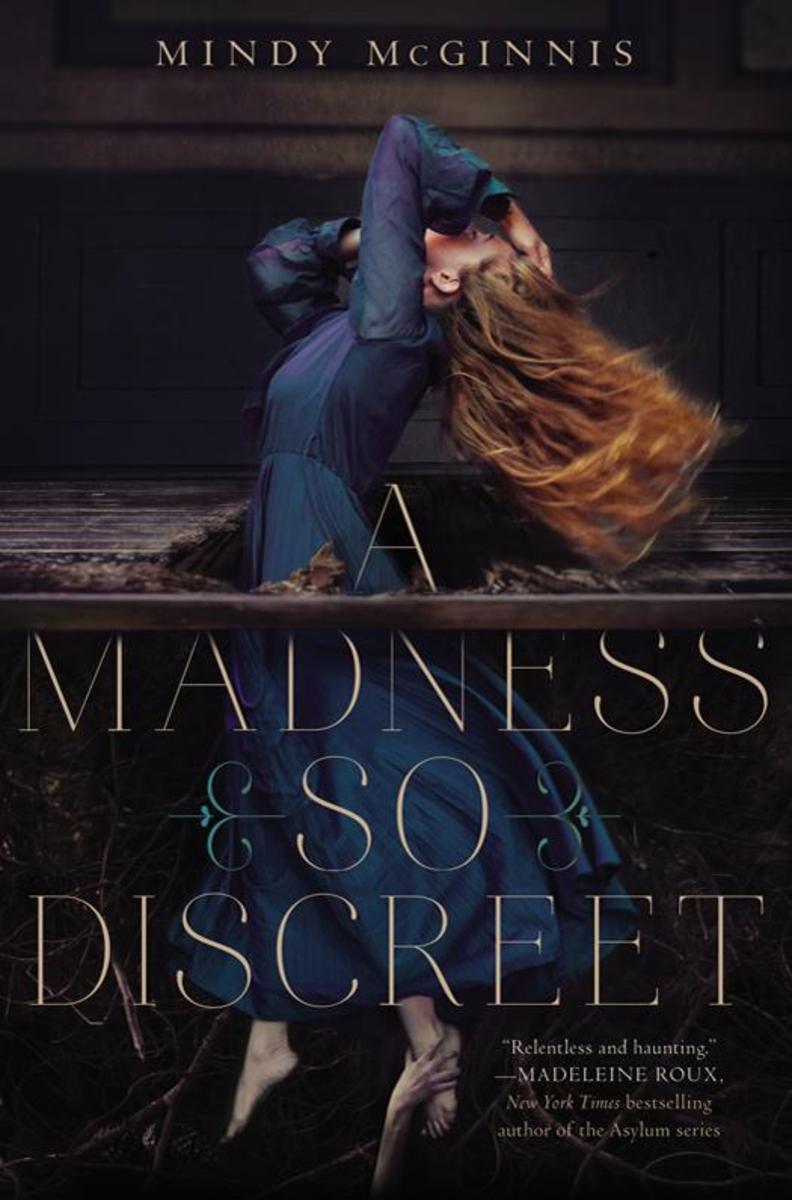
A Madness So Discreet
¥55.33
Mindy McGinnis, the acclaimed author of Not a Drop to Drink and In a Handful of Dust, combines murder, madness, and mystery in a beautifully twisted gothic historical thriller perfect for fans of novels such as Asylum and The Diviners as well as television's True Detective and American Horror Story.Grace Mae is already familiar with madness when family secrets and the bulge in her belly send her to an insane asylum—but it is in the darkness that she finds a new lease on life. When a visiting doctor interested in criminal psychology recognizes Grace's brilliant mind beneath her rage, he recruits her as his assistant. Continuing to operate under the cloak of madness at crime scenes allows her to gather clues from bystanders who believe her less than human. Now comfortable in an ethical asylum, Grace finds friends—and hope. But gruesome nights bring Grace and the doctor into the circle of a killer who will bring her shaky sanity and the demons in her past dangerously close to the surface.
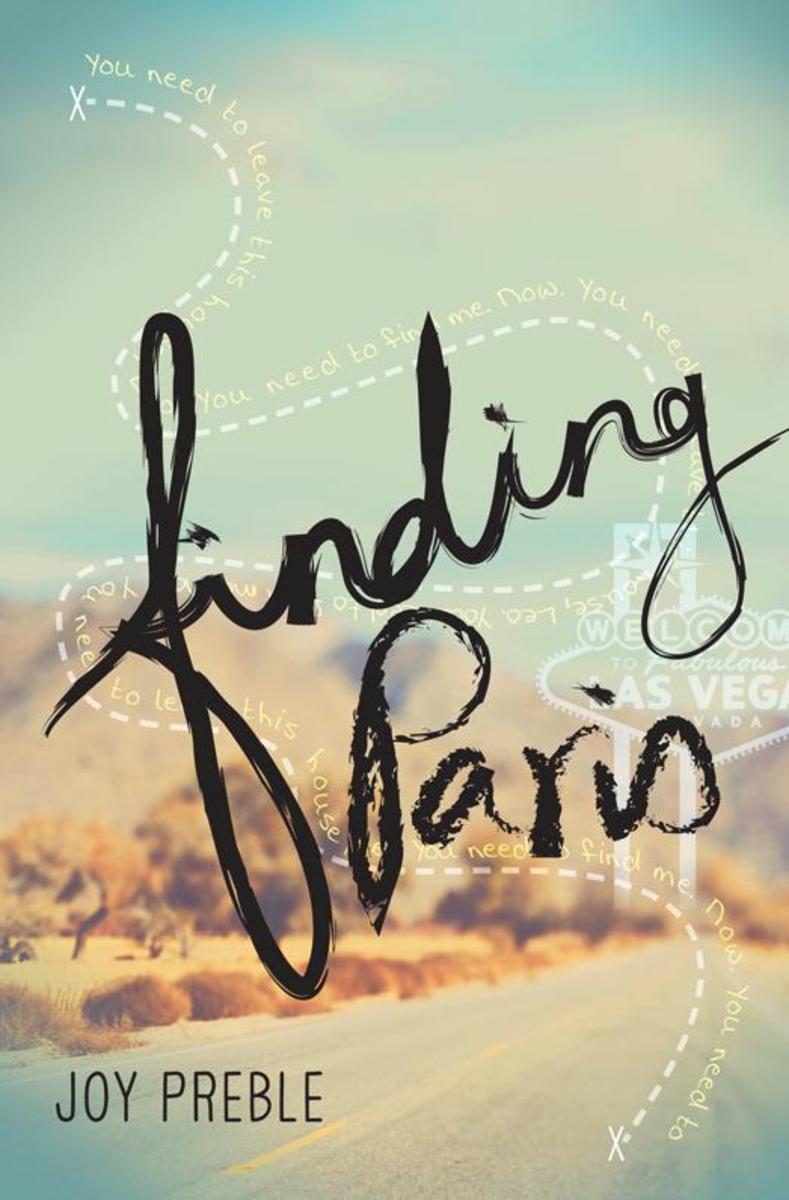
Finding Paris
¥101.00
An evocative and compelling story of two sisters who would do anything for each other—perfect for fans of Thirteen Reasons Why and Speak. Joy Preble's stirring new novel explores the lengths to which sisters go to protect each other, and the winding road that brings two strangers into each other's lives.Sisters Leo and Paris Hollings have only ever had each other to rely on. They can't trust their mother, who hops from city to city and from guy to guy, or their gambler stepfather, who's moved them all to Las Vegas. It's just the two of them: Paris, who's always been the dreamer, and Leo, who has a real future in mind—going to Stanford, becoming a doctor, falling in love. But Leo isn't going anywhere right now, except driving around Vegas all night with her sister.Until Paris ditches Leo at the Heartbreak Hotel Diner, where moments before they had been talking with physics student Max Sullivan. Outside, Leo finds a cryptic note from Paris—a clue. Is it some kind of gameWhere is Paris, and why has she disappearedWhen Leo reluctantly accepts Max's offer of help, the two find themselves following a string of clues through Vegas and beyond. But the search for the truth is not a straight line. And neither is the path to secrets Leo and Max hold inside.
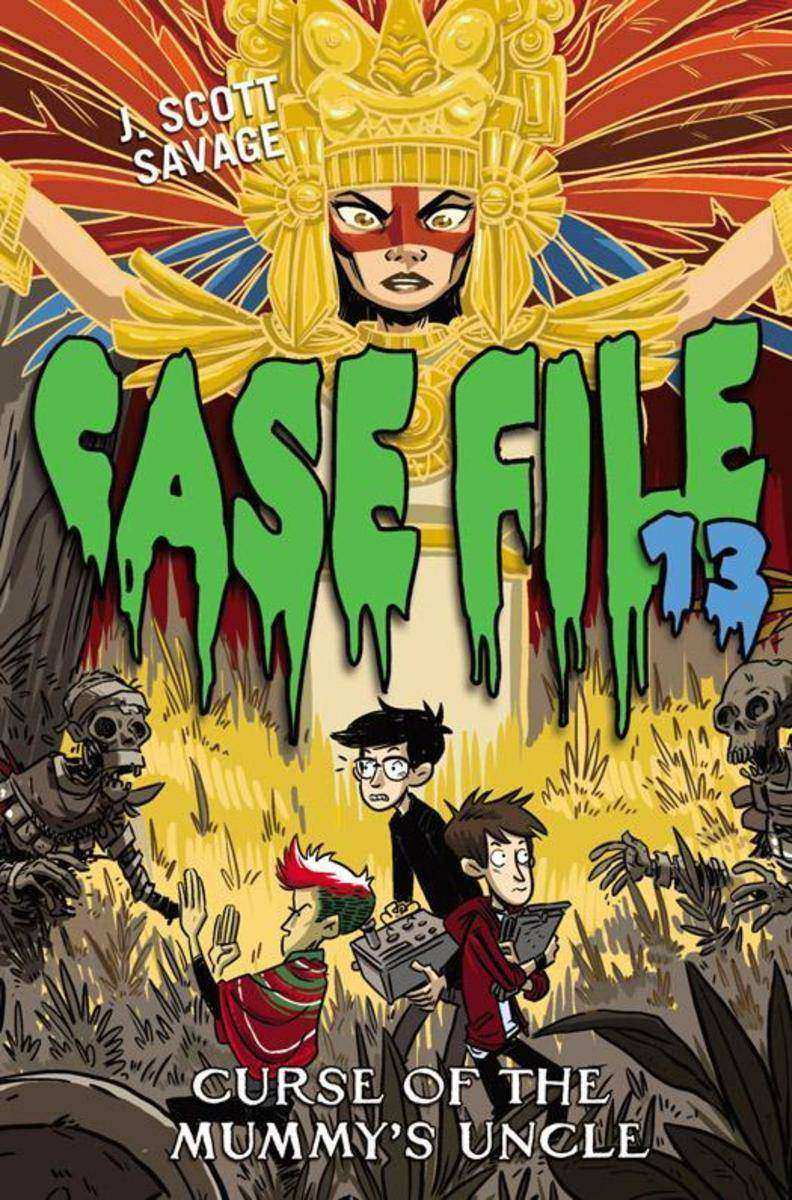
Case File 13 #4: Curse of the Mummy's Uncle
¥44.85
With thrills, chills, and laughs on every page, this fourth book in the tween series "sure to please young readers looking for a thrill" (Kirkus Reviews, starred review) follows three monster-obsessed best friends on a trip to a haunted Mexican pyramid.The Three Monsterteers—Nick, Carter, and Angelo—have defeated the Zombie King, taken down a mad scientist, and even squared off with their own evil twins. But all that pales in comparison to the trio's latest monster mystery, which begins with a family trip to Mexico to explore some forgotten Mayan pyramids alongside a group of archaeologists. When the boys arrive at the archaeological site, they learn of a previous expedition that vanished into these very pyramids fifty years ago. Angelo is convinced that aliens must have been involved, but Nick starts to suspect that the disappearance had more to do with an ancient Mayan curse—one that may still hang over the ruins today. Using their knowledge of real Mayan mythology, the three friends must unravel the secret history of the curse—before someone very close to Nick ends up trapped in the underworld forever.With the same "mix of creepy chills and laugh-out-loud humor" that made bestselling author James Dashner call Zombie Kid "the perfect book," this fourth book in the Case File 13 series will leave you rolling in your tomb.
Queen Song
¥65.33
In this 55-page prequel novella set in the Red Queen world, Queen Coriane, first wife of King Tiberias, keeps a secret diary—how else can she ensure that no one at the palace will use her thoughts against herCoriane recounts her heady courtship with the crown prince, the birth of a new prince, Cal, and the potentially deadly challenges that lay ahead for her in royal life.
Radiant
¥10.83
From New York Times bestselling author Cynthia Hand comes a riveting original novella (available only as an ebook) set in the world of the Unearthly series.Clara is desperate to get away—from the memories that haunt her in Wyoming and the visions of a future she isn't ready to face—and spending the summer in Italy with her best friend, Angela, should be the perfect escape. . . .For as long as she can remember, Angela has been told that love is dangerous, that she must always guard her heart. But when she met Phen two years ago she was determined to be with him, no matter the costs. Now she must decide whether she can trust Clara with her secret, or if telling her the truth will risk everything she cares about.Alternating between Angela and Clara's perspectives, Radiant chronicles the unforgettable summer that will test the bounds of their friendship and change their lives forever.Epic Reads Impulse is a digital imprint with new releases each month.

Four: The Son
¥54.42
Complete your Divergent library with the Four stories!Fans of the Divergent series by #1 New York Times bestselling author Veronica Roth will be thrilled by "Four: The Son," the third of four stories, each between fifty and seventy-five pages long, set in the world of Divergent and told from Tobias's perspective.In "The Son," Tobias struggles to find a place in the hierarchy of the Dauntless. He also begins to suspect that a foul plan may be brewing within the Dauntless leadership and discovers a truth about his past that could greatly affect his future.
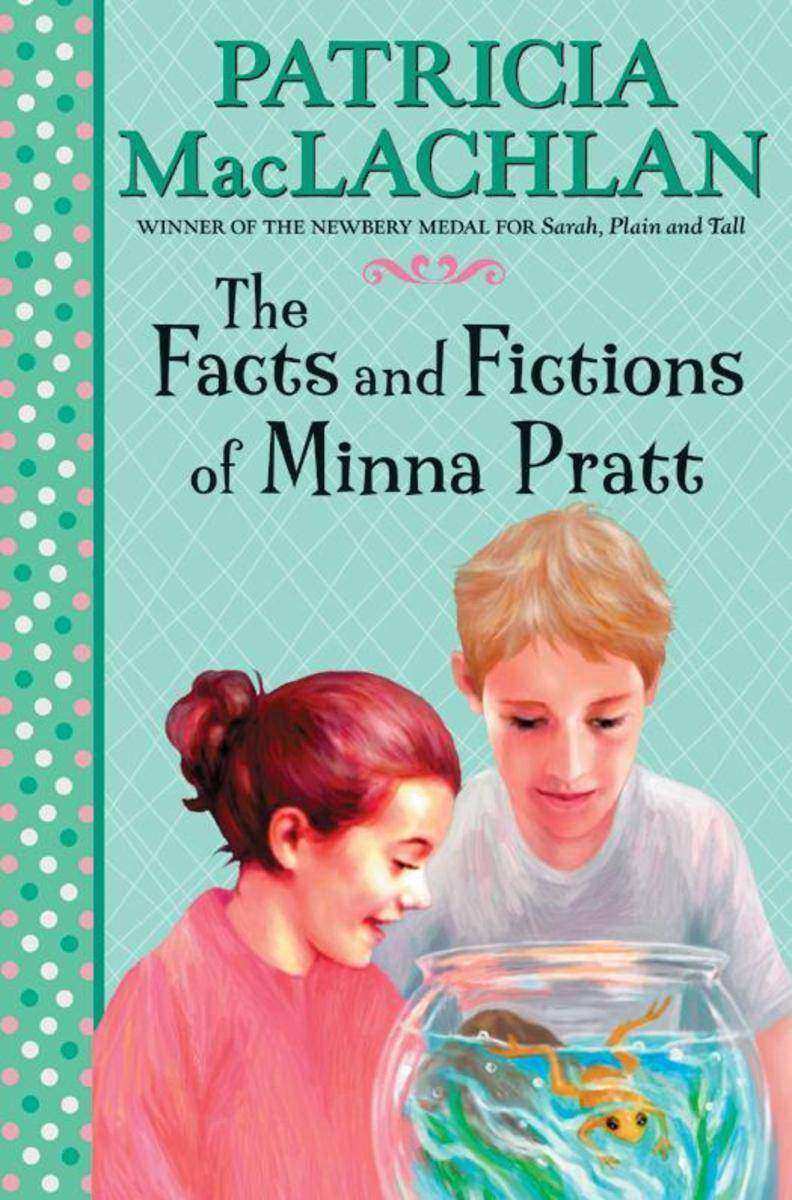
The Facts and Fictions of Minna Pratt
¥39.24
Minna wishes for many things. She wishes she understood the quote taped above her mother's typewriter:Fact and fiction are different truths. She wishes her mother would stop writing long enough to really listen to her. She wishes her house were peaceful and orderly like her friend Lucas's. Most of all, she wishes she could find a vibrato on her cello and play Mozart the way he deserves to be played.Minna soon discovers that some things can't be found-they just have to happen. And as she waits for her vibrato to happen, Minna begins to understand some facts and fictions about herself.
Unclaimed Treasures
¥98.08
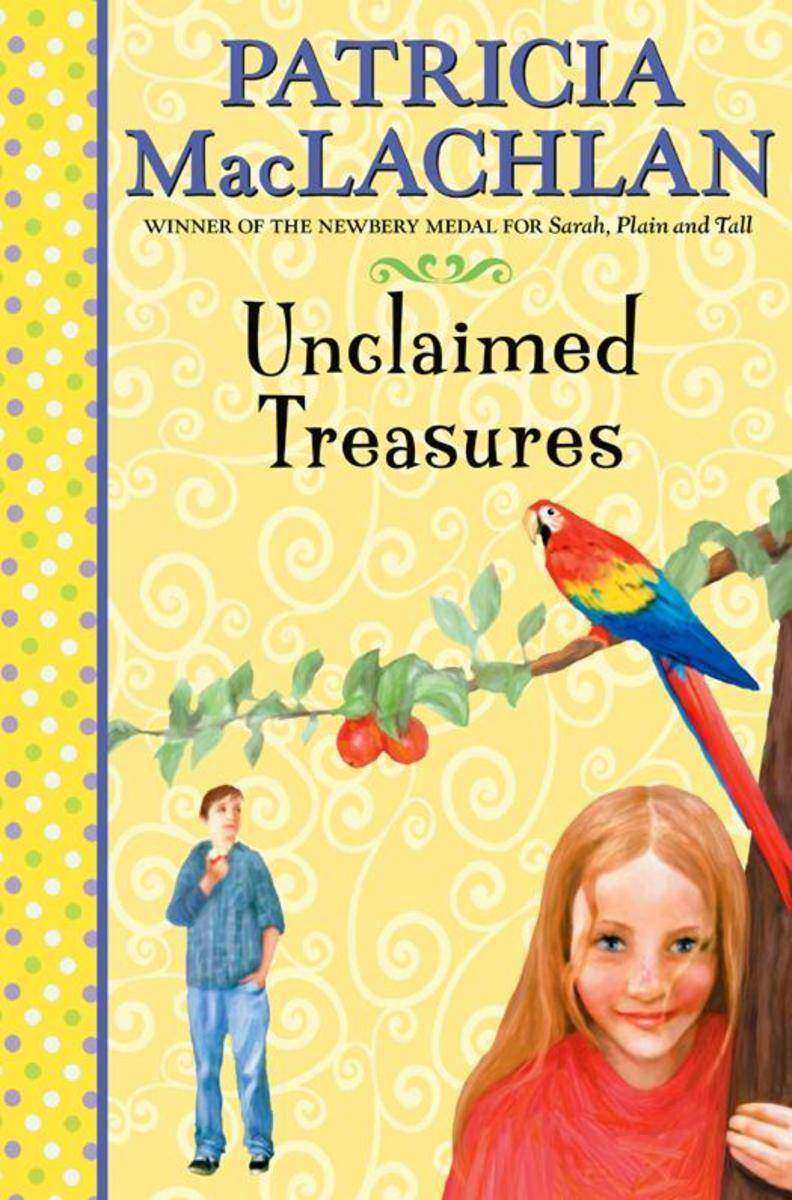
Willa does fall in love, but it isn't at all the way she dreamed it would be. And just what is extraordinaryWilla and twin brother Nicky's mother is going to have a baby-how ordinary. Their friend Horace's mother has left to"seek her fortune."That, Willa thinks, is extraordinary. Willa is on the verge of learning something important. And by the end of the long summer, Willa, Nicky, and Horace each do something extraordinary and unforgettable.
Warriors: Dovewing's Silence
¥86.22
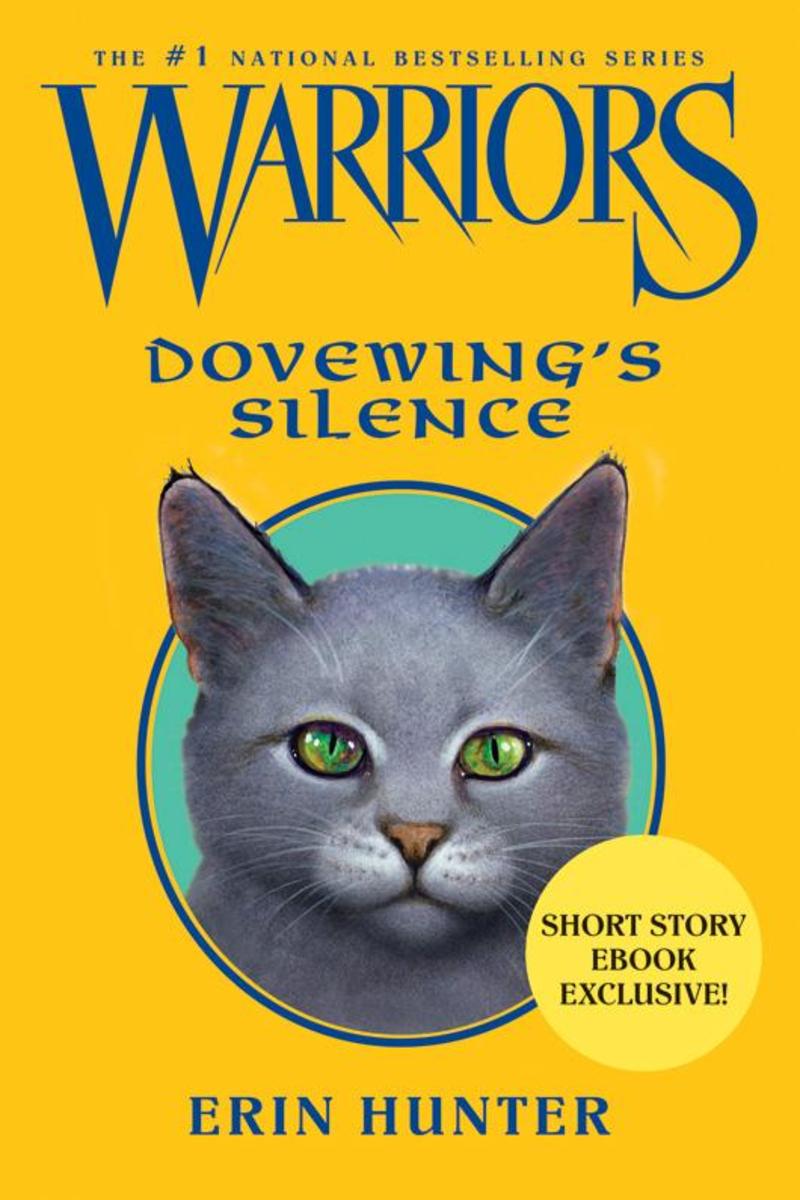
In this seventy-page novella from the world of Erin Hunter's #1 nationally bestselling Warriors series, discover what happened to Dovewing after the events of the fourth Warriors arc, Omen of the Stars.The Dark Forest has been defeated—but Dovewing's powers are gone. Will she able to adjust to life as an ordinary warrior?Warriors: Dovewing's Silence also includes a teaser to Warriors Super Edition: Bramblestar's Storm.


