


 购物车
购物车 个人中心
个人中心

Undone
¥54.42
Riveting and romantic, Undone: An Unraveling Novella contains three short stories set in the world of Unraveling, the first book in the gripping sci-fi duology by Elizabeth Norris.Before Ben Michaels saved Janelle Tenner's life, Janelle saved Ben when he stumbled through an interuniverse portal into a completely new world. That day, he fell in love with the girl of his dreams. And he never forgot her.Through three stories told from Ben's point of view, learn how Ben and his friends discovered their ability to travel between worlds, how Ben first met Janelle, and how he pined for her for years before he actually got the chance to meet her, save her life, and capture her heart. And find out what happens to Ben between the cliff-hanger conclusion of Elizabeth Norris's Unraveling and the beginning of its heart-stopping sequel, Unbreakable.Epic Reads Impulse is a digital imprint with new releases each month.
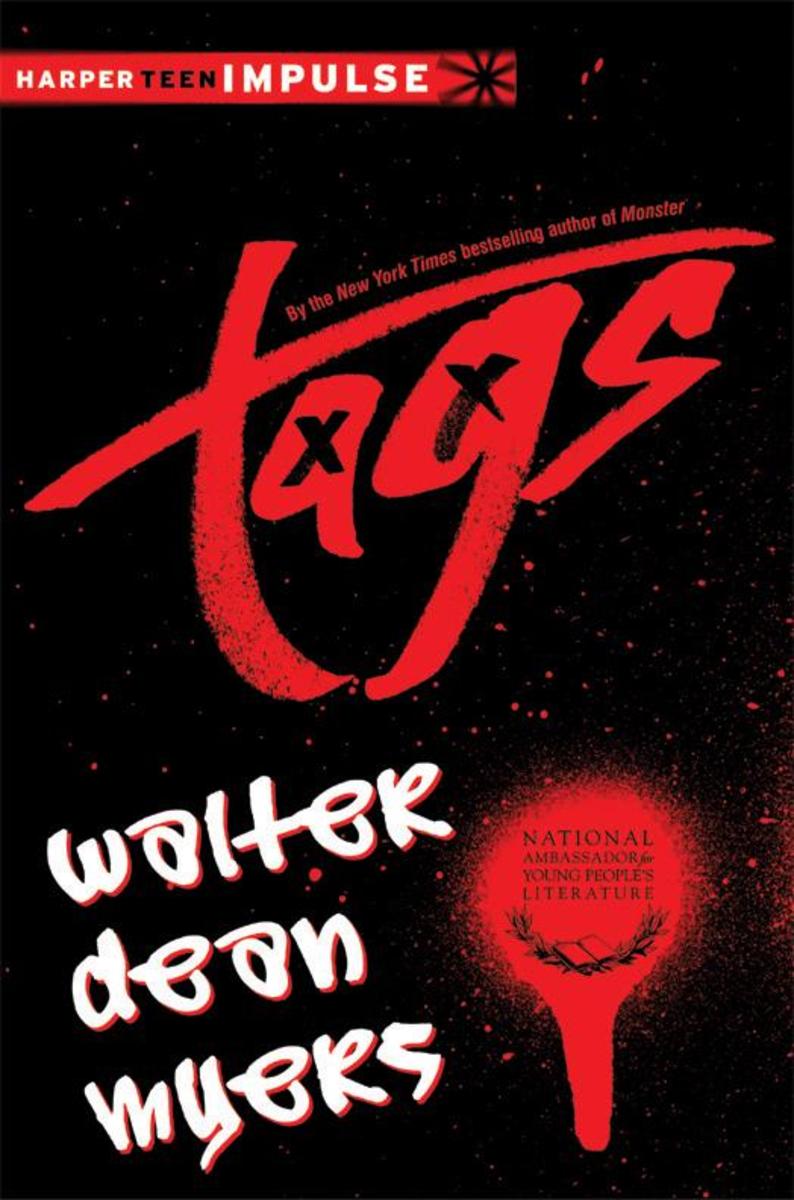
Tags
¥21.51
From Walter Dean Myers, the New York Times bestselling author of Monster, comes this 20-page one-act play. Tags is a look at life and death in New York City, complete with a shocking end.Four New York City teens are shot down in the prime of life. They move through limbo, re-creating their distinctive tags in a Harlem walk-up so that they can "live" forever. But what's the pointHow can you think of living forever if you're already dead?Walter Dean Myers was the New York Times bestselling author of Monster, the winner of the first Michael L. Printz Award; a former National Ambassador for Young People's Literature; and an inaugural NYC Literary Honoree. Myers received every single major award in the field of children's literature. He was the author of two Newbery Honor Books and six Coretta Scott King Awardees. He was the recipient of the Margaret A. Edwards Award for lifetime achievement in writing for young adults, a three-time National Book Award Finalist, as well as the first-ever recipient of the Coretta Scott King–Virginia Hamilton Award for Lifetime Achievement.Epic Reads Impulse is a digital imprint with new releases each month.
Proxy
¥10.71
Proxy is an action-packed introduction to a world like nothing readers have seen before, and it sets a spark to the powder keg that will explode in Mindee Arnett's sci-fi thriller Avalon.If you need something stolen from any star system in the Confederation, you need look no further than the Shades. Jeth Seagrave and his band of teenage mercenaries have been making a name for themselves for being able to steal anything—and for disappearing before anyone is the wiser. Their latest job, a jewel heist on Grakkus, should be no different. But when Jeth's boss replaces a key member of his crew just before takeoff, and Jeth discovers a betrayal within his own ranks, he begins to suspect that not everyone is going to be coming back from his job alive.Epic Reads Impulse is a digital imprint with new releases each month.

No Place to Fall
¥101.00
The Sky Is Everywhere meets This Lullaby in a sexy and poignant debut novel about family, friendships, and first romance.Amber Vaughn is a good girl. She sings solos at church, babysits her nephew after school, and spends Friday nights hanging out at the house of her best friend, Devon. But when she learns about an audition at a prestigious arts school, Amber decides that her dream—to sing on bigger stages—could also be her ticket to a new life. Devon’s older brother, Will, helps Amber prepare for her one chance to try out. The more time Will and Amber spend together, the more complicated their relationship becomes . . . and Amber starts to wonder if she’s such a good girl, after all.Then, in an afternoon, the bottom drops out of her family’s world—and Amber is faced with an impossible choice between her promise as an artist and the people she loves. Amber always thought she knew what a good girl would do. But between right and wrong, there’s a whole world of possibilities.

Playing Keira
¥21.73
From a breakthrough voice in YA fiction comes a captivating digital-original 50-page short story starring a supporting character from the novel You Look Different in Real Life.The premise was simple: Five kids living their real lives, with a new movie about them every five years. But that was before Keira's mother walked out and the cameras captured every heartbreaking detail for the world to see. Now Keira doesn't even know what "real life" means—she only knows how to pretend to be herself.Then she meets Garrett on a bus to New York City. At first, Keira creates a fictional identity and enjoys the freedom of being someone totally different. But as their brief connection turns into something more, Keira starts to see what life could be like if she just stopped pretending and accepted the person she really is.Jennifer Castle's pitch-perfect teen voices and sharp insights—together with a teaser to You Look Different in Real Life—make this story a must-read, especially for fans of Sarah Dessen.Epic Reads Impulse is a digital imprint with new releases each month.
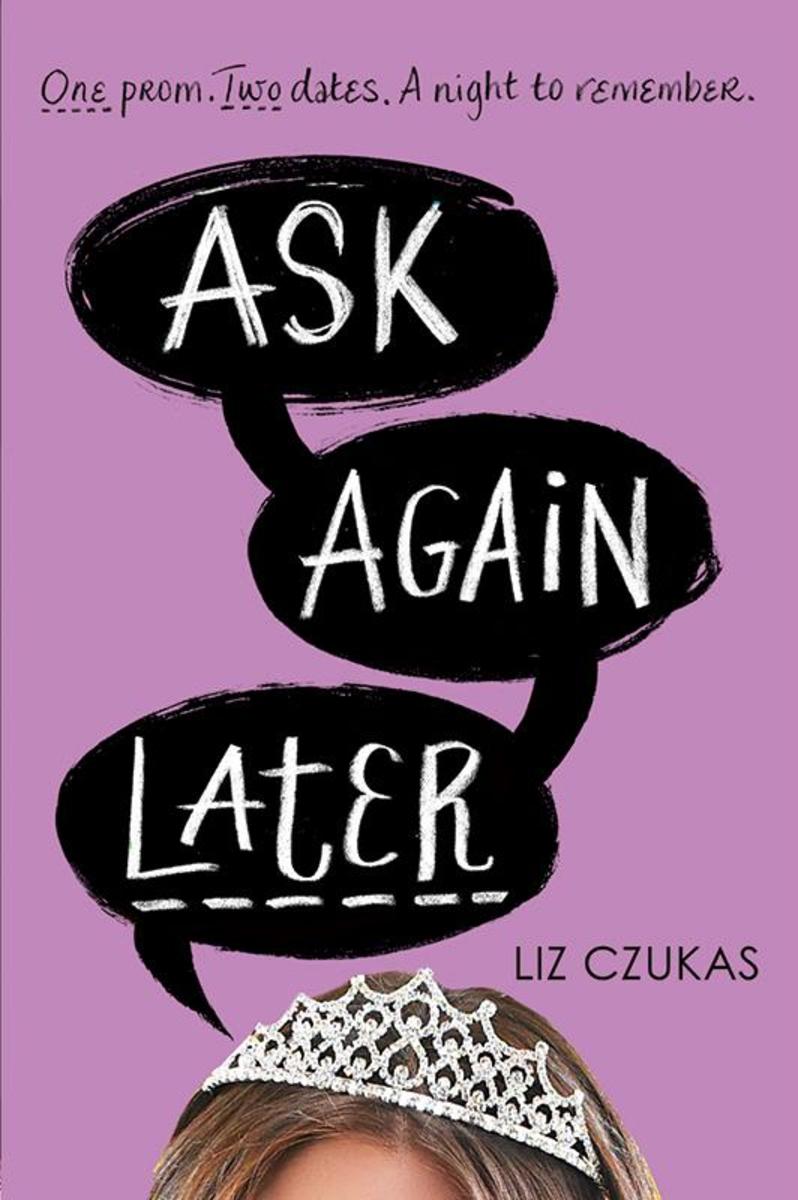
Ask Again Later
¥55.33
Sixteen Candles meets Sliding Doors in this hilariously charming and irreverent YA debut. Fans of realistic teen fiction like Lauren Barnholdt's Two-Way Street and Sarah Mlynowski's Ten Things We Did (And Probably Shouldn't Have) will love Ask Again Later's pitch-perfect tale of prom night drama—with a twist.Heart LaCoeur has zero interest in a messy high-school romance, no matter what her name suggests. That's why she's decided to avoid prom angst by going with a group of single friends. And that's why, when two surprise prom invites derail her brilliant plan, Heart takes the only foolproof, drama-free solution: a coin flip—that somehow gives her the chance to live out both prom nights. Heads or tails, where they both end up might be the most surprising thing of all. . . .
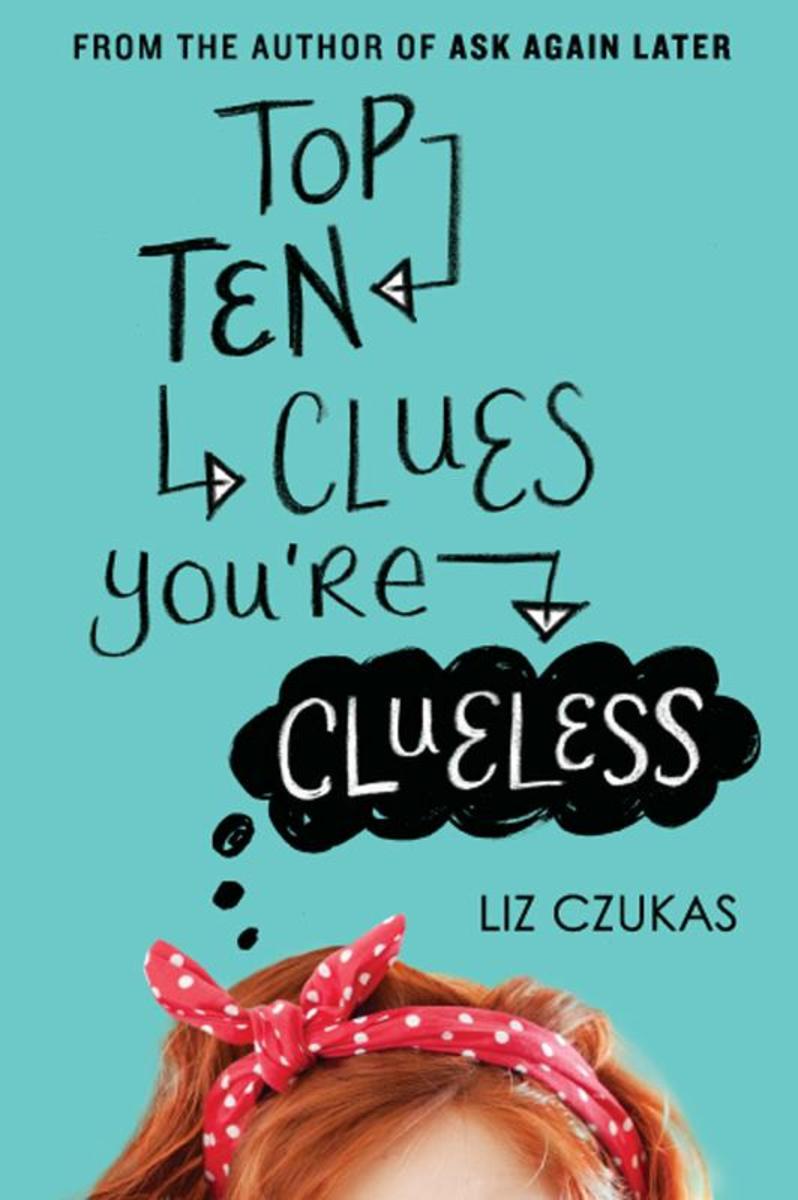
Top Ten Clues You're Clueless
¥55.33
Top Five Things That Are Ruining Chloe's Day5) Working the 6:30 a.m. shift at GoodFoods Market4) Crashing a cart into a customer's car right in front of her snarky coworker Sammi3) Trying to rock the "drowned rat" look after being caught in a snowstorm2) Making zero progress with her crush, Tyson (see #3)1) Being accused—along with her fellow teenage employees— of stealing upwards of $10,000Chloe would rather be anywhere than locked in work jail (aka the break room) with five of her coworkers . . . even if one of them is Tyson. But if they can band together to clear their names, what looks like a total disaster might just make Chloe's list of Top Ten Best Moments.
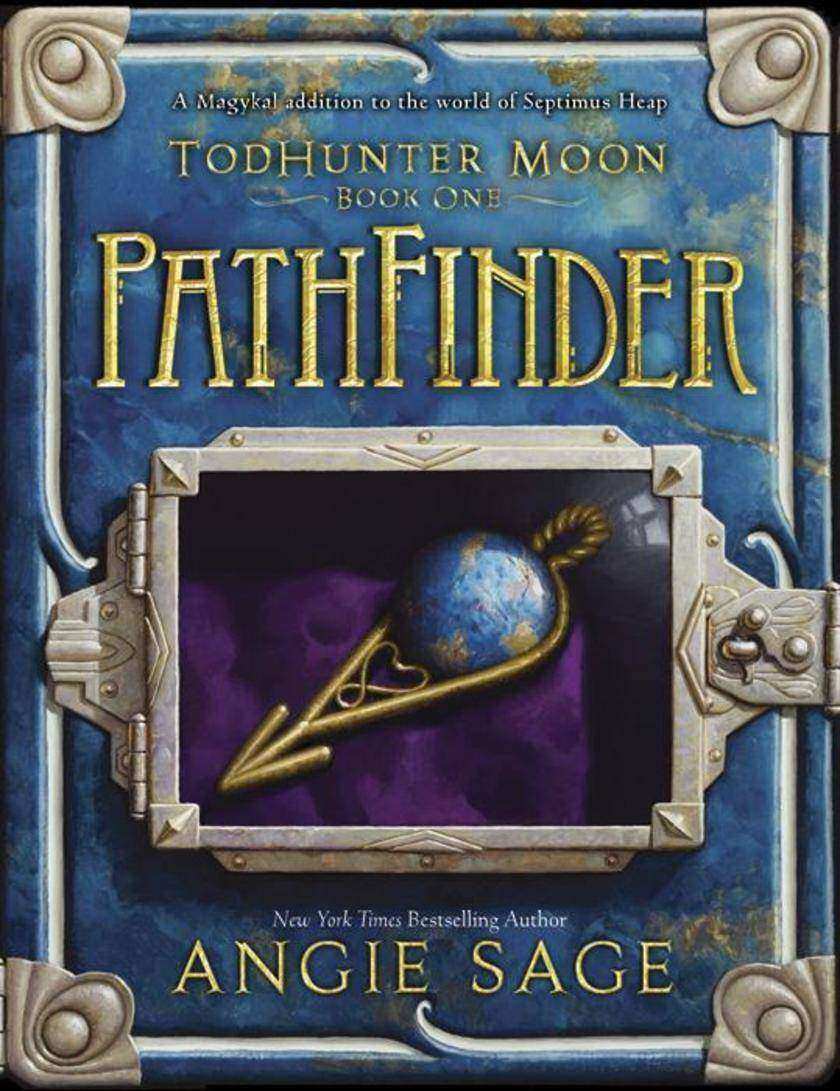
TodHunter Moon, Book One: PathFinder
¥44.25
Introducing Alice TodHunter Moon, a Magykal addition to the world of Septimus Heap! Perfect for both established fans of the Septimus Heap series and readers coming to the world of Septimus Heap for the first time, PathFinder is the first book in the Septimus Heap spin-off series, TodHunter Moon.Taking place seven years after the events of the original Septimus Heap series, PathFinder tells the story of Alice TodHunter Moon, a young PathFinder who leaves her seaside village in search of her friend Ferdie. Rumor has it that Ferdie has been taken by mysterious creatures called Garmin under orders from the malevolent Lady.Full of Angie Sage's characteristic humor and heart, PathFinder introduces a new cast of young characters—and a new kind of Magyk. All the beloved characters from Septimus Heap are here, too—Tod receives help from ExtraOrdinary Wizard Septimus Heap, ex–ExtraOrdinary Wizard Marcia Overstrand, and Alchemist Simon Heap. A great addition to any fantasy reader's library!

Under the Spotlight
¥56.08
After an embarrassing stint on a reality-TV music competition years ago, Riley vowed never to sing again. Now she's behind the scenes, working at the prestigious Sound Sync recording studio, and life is looking up. But then Garrett Jamieson, the oldest brother in the famous Jamieson brothers band, crashes into her world.Garrett has hit rock bottom, and he is desperate to reinvent himself. After calling in a few favors, he ends up working at Sound Sync to learn the ropes of record producing from the industry's best. And he can't believe his luck when he discovers that Riley has been keeping a secret—she is an amazing singer. By producing her album, he's sure to top the record charts again. But Garrett is forced to use every trick in his arsenal to persuade the sassy girl to record.Riley refuses to sing—or even entertain the thought of it—and sparks fly as Garrett finally meets his match. But in the heat of the moment, one stolen kiss changes everything. Will Riley be the first person to finally rein Garrett in, or will Garrett succeed in getting Riley back under the spotlight?
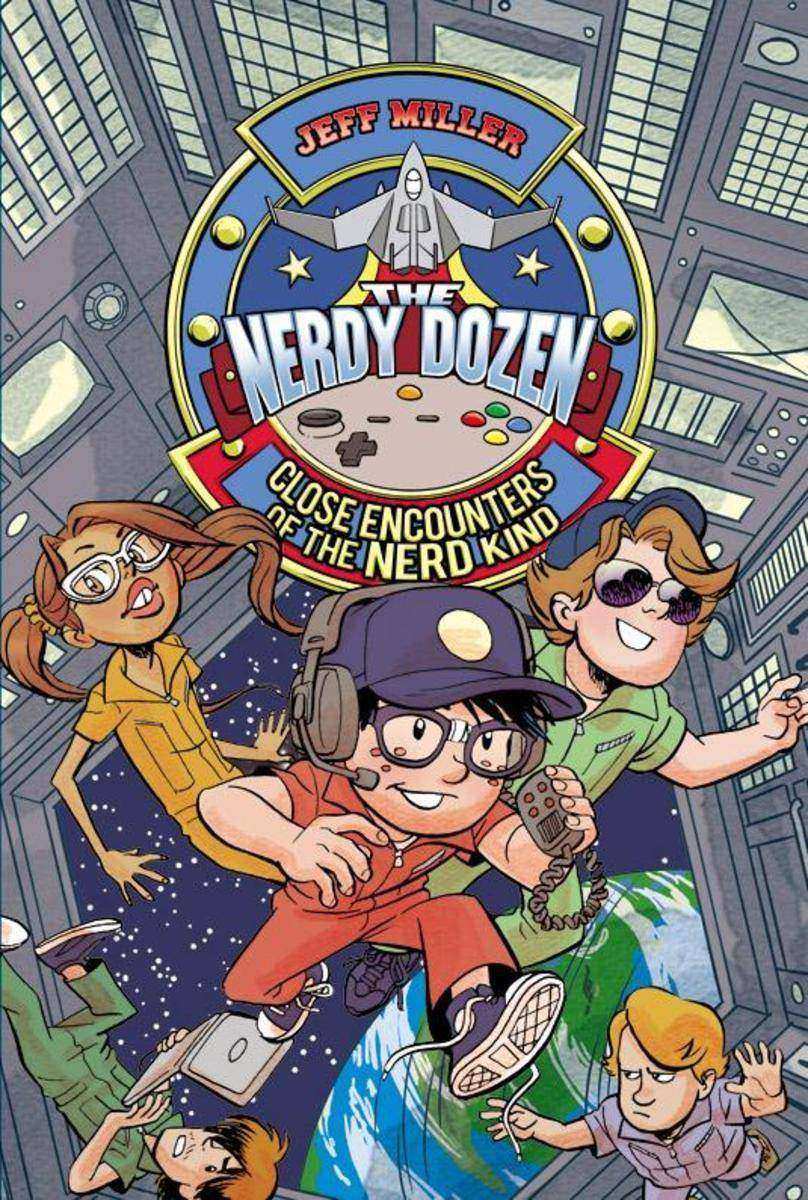
The Nerdy Dozen #2: Close Encounters of the Nerd Kind
¥39.24
In this exciting sequel to The Nerdy Dozen, Neil Andertol and his gang of dorky gamers are once again called on to fly a top-secret mission—one that is literally out of this world. This time, rescuing mankind means heading into outer space. A top-secret spacecraft has been stolen, and NASA needs the best pilots in the universe to get it back—the Nerdy Dozen. It's a race against time to stop an earth-shattering disaster. Can the twelve geeks save the day again—or will it be game over?

Monstrous
¥44.25
Reminiscent of Frankenstein and tales by the Brothers Grimm, this debut novel stands out as a compelling, original story that has the feel of a classic.The city of Bryre suffers under the magic of an evil wizard. Because of his curse, girls sicken and disappear without a trace, and all live in fear. No one is allowed outside after dark. Night is when Kymera comes to the city, with a cloak disguising her wings, the bolts in her neck, and her spiky tail. Her mission is to rescue the girls of Bryre. Despite Kym's caution in going secretively, a boy named Ren sees and befriends her . . . but what he knows will change her world forever.

The Shattered Mountain
¥54.42
A powerful 50-page digital-only novella set in the world of Rae Carson's acclaimed and epic fantasy The Girl of Fire and Thorns. A teenage girl must fight to survive when her village is destroyed by enemy sorcerers.While Princess Elisa was being forced across the desert by a band of rebel kidnappers, her future handmaiden—and best friend—Mara, was fighting for survival as enemy sorcerers destroyed the countryside. This is Mara's story.Mara is finally going to escape. She is in love. And even her harsh, controlling, volatile father cannot keep her from running off with the boy who makes her feel beautiful. But on the day she and Julio plan to leave their desert village, the enemy sorcerers attack, burning it to the ground. The only survivors are a handful of children, and seventeen-year-old Mara has no choice but to lead them. She must make it through the mountains to the rumored rebel camp and protect the children following her. She might lose everything—and everyone—she's ever loved, but what she finds will lead her down a path that will change the world. Told from Mara's point-of-view, The Shattered Mountain is an alternate perspective of the beginning of the acclaimed The Girl of Fire and Thorns.
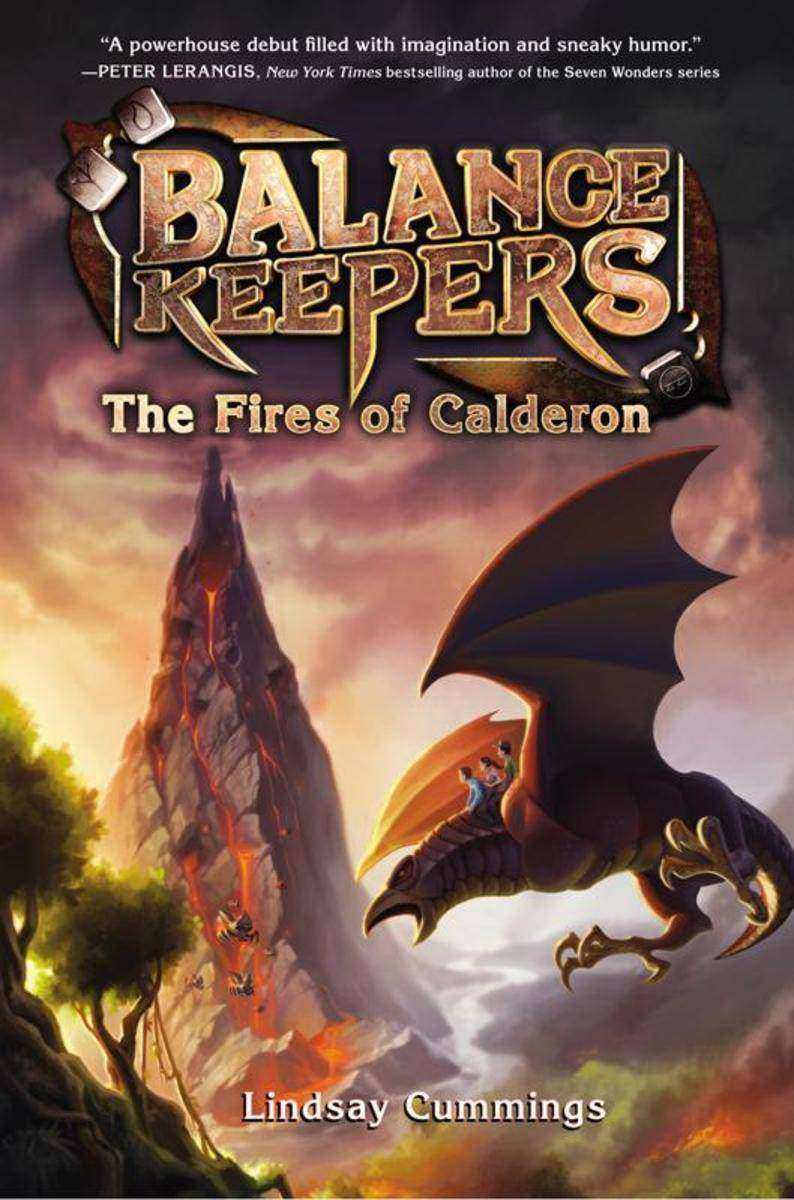
Balance Keepers, Book 1: The Fires of Calderon
¥39.24
The Fires of Calderon?is Book One in Lindsay Cummings’s epic Balance Keepers series. These exciting fantasy-adventure books are full of magic, mystery, friendship, and humor, and are perfect for fans of books like Brandon Mull’s?The Candy Shop War?or the Unwanteds series by Lisa McMann.Bestselling author of the Skeleton Creek series Patrick Carman describes?The Fires of Calderon?as “fast paced and packed with adventure,” and Peter Lerangis, bestselling author of the Seven Wonders series, says, “Wow!”With themes of friendship, self-discovery, and courage; both boy and girl main characters; fierce creatures to battle; a mystery to solve; and a boarding school that could be described as Hogwarts Underground, there’s something for every reader to enjoy in this contemporary—and fantastically imaginative—spin on the classic?A Journey to the Centre of the Earth.When eleven-year-old Albert Flynn follows a mysterious map deep into the woods, and then?under?the woods, he discovers he’s a Balance Keeper—someone with special magical skills for keeping harmony in fantastical underground worlds. Together with his teammates Leroy and Birdie, Albert must master his magical talents in time to stop the fires in the Calderon Realm from destroying New York City above.
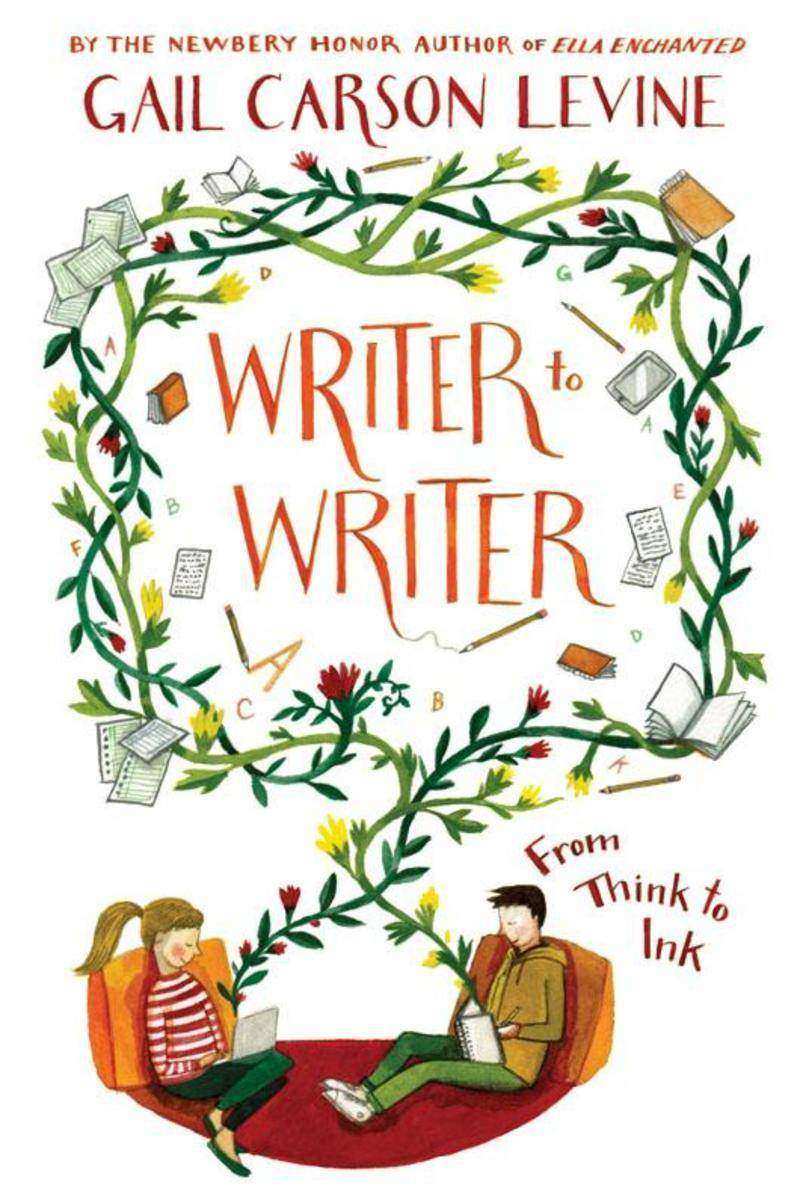
Writer to Writer
¥44.73
Bestselling author of Ella Enchanted and fairy-tale master Gail Carson Levine shares her secrets of great writing in this companion to the popular Writing Magic.Have you ever wanted to captivate readers with a great opening, create spectacular and fantastical creatures, make up an entire country, realize a dastardly villain, write an epic love story, or make your characters leap off the pageIf you answered yes to any of these questions, Gail Carson Levine can help you achieve your goals.Newbery Honor author Gail Carson Levine offers a behind-the-scenes take on writing and teaches you how to become a world-class author. Drawing from her popular blog, Gail answers readers' fiction- and poetry-writing questions and dives into how to make a story come alive. If you're interested in writing prose and poetry or just want to be a better and more rounded writer, this book will help you on your creative journey.With her trademark humor and vast writing knowledge, Gail Carson Levine reveals the tricks of her trade, writer to writer.Supports the Common Core State Standards
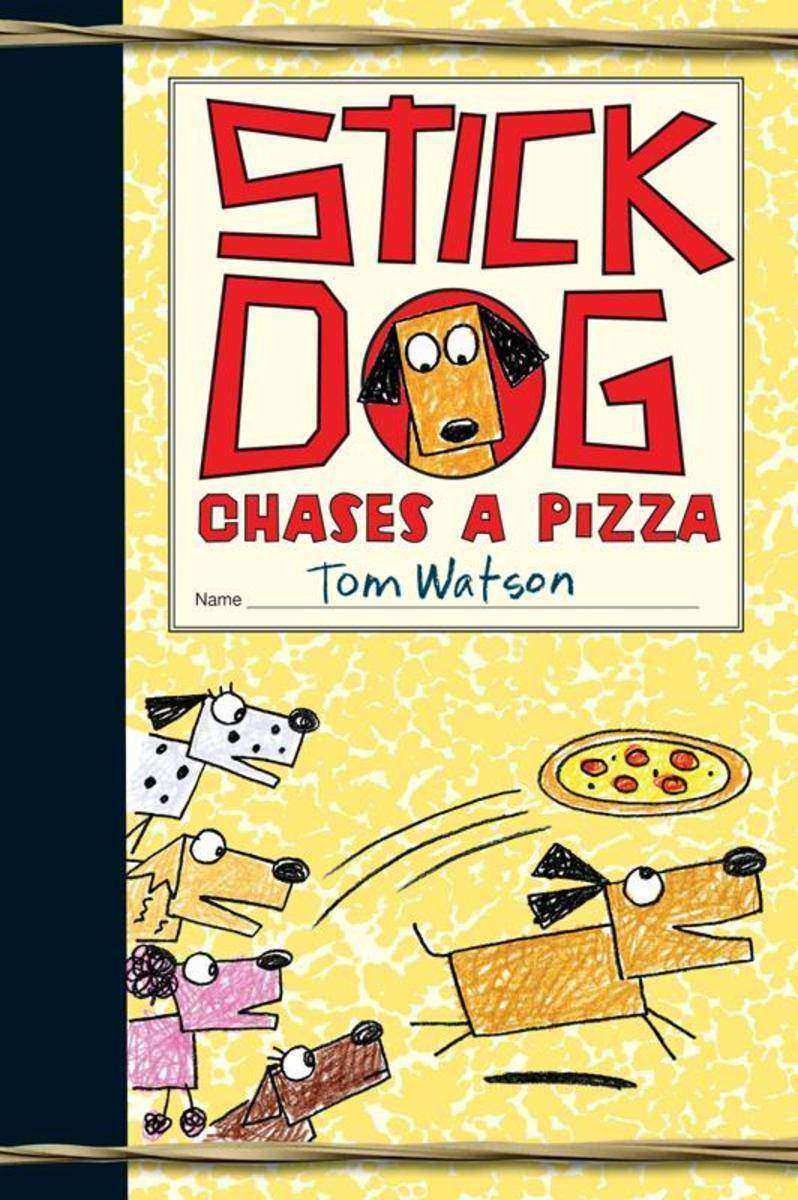
Stick Dog Chases a Pizza
¥72.71
In Stick Dog Chases a Pizza, Tom Watson's hilarious follow-up to Stick Dog and Stick Dog Wants a Hot Dog, Stick Dog returns with the same crazy crew. This time these canine friends have discovered a newfangled flavor—and it's even more delicious than hamburgers and hot dogs. It's pizza! And they won't be satisfied until they get some slices of their own. But it won't be that easy. There's a kitten to rescue, a plan to make, and the messiest—and most dangerous—game of catch they've ever played. Pizza is on the menu, but only if their mission succeeds. Perfect for fans of Big Nate, Diary of a Wimpy Kid, and the previous Stick Dog books.
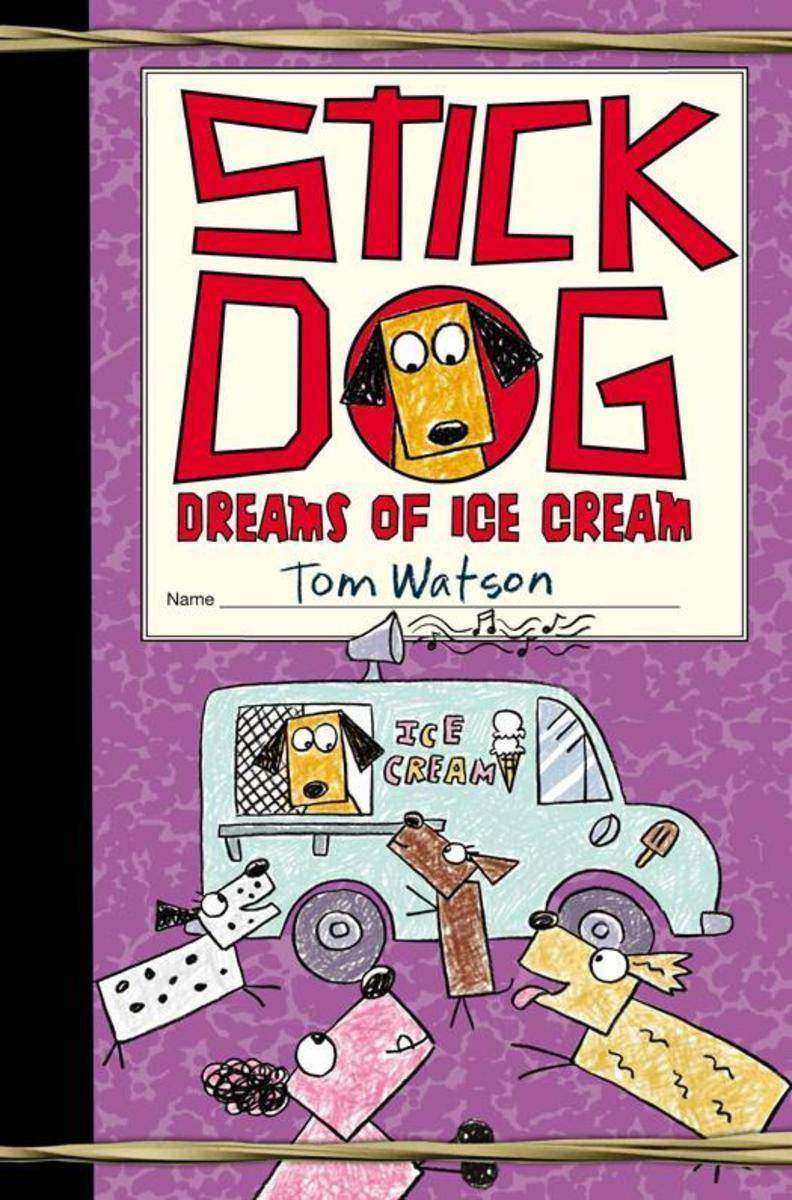
Stick Dog Dreams of Ice Cream
¥72.71
The Stick Dog series continues in author-illustrator Tom Watson's hilarious Stick Dog Dreams of Ice Cream. In the follow-up to Stick Dog, Stick Dog Wants a Hot Dog, and Stick Dog Chases a Pizza, Stick Dog and his pals are back, but this time the temperature is rising and they're all feeling the heat. They need cold, cold ice cream on this hot, hot day. It will take all of Stick Dog's smarts to guide his friends to a scrumptious ice cream feast. They'll battle a water-attacking machine, discover rainbow puddles, and chase the strangest, loudest truck they've ever seen. But there's a looming threat to their mission—Stick Dog gets spotted by a human. And the police are on his tail. If he's captured, Stick Dog may never see his friends again. If he escapes, it's ice cream for everyone. Perfect for fans of Big Nate, Diary of a Wimpy Kid, and the previous Stick Dog books.
Prisoner of Night and Fog
¥55.33
A gripping historical thriller set in 1930s Munich, Prisoner of Night and Fog is the evocative story of an ordinary girl faced with an extraordinary choice in Hitler's Germany. Fans of Code Name Verity will love this novel full of romance, danger, and intrigue!Gretchen Müller grew up in the National Socialist Party under the wing of her uncle Dolf—who has kept her family cherished and protected from that side of society ever since her father sacrificed his life for Dolf's years ago. Dolf is none other than Adolf Hitler. And Gretchen follows his every command.When she meets a fearless and handsome young Jewish reporter named Daniel Cohen, who claims that her father was actually murdered by an unknown comrade, Gretchen doesn't know what to believe. She soon discovers that beyond her sheltered view lies a world full of shadowy secrets and disturbing violence. As Gretchen's investigations lead her to question the motives and loyalties of her dearest friends and her closest family, she must determine her own allegiances—even if her choices could get her and Daniel killed.

Conspiracy of Blood and Smoke
¥101.00
Acclaimed author Anne Blankman returns to the shadowy and dangerous world of 1930s Germany in this thrilling sequel to Prisoner of Night and Fog, perfect for fans of Code Name Verity.The girl known as Gretchen Whitestone has a secret: She used to be part of Adolf Hitler's inner circle. More than a year after she made an enemy of her old family friend and fled Munich, she lives in England, posing as an ordinary German immigrant, and is preparing to graduate from high school. Her love, Daniel, is a reporter in town. For the first time in her life, Gretchen is content.But then Daniel gets a telegram that sends him back to Germany, and Gretchen's world turns upside down. When she receives word that Daniel is wanted for murder, she has to face the danger she thought she'd escaped—and return to her homeland. Gretchen must do everything she can to avoid capture, even though saving Daniel will mean consorting with her former friends, the Nazi elite. And as they work to clear Daniel's name, Gretchen and Daniel discover a deadly conspiracy stretching from the slums of Berlin to the Reichstag itself. Can they dig up the explosive truth and get out in time—or will Hitler discover them first?

A Thousand Pieces of You
¥55.33
Cloud Atlas meets Orphan Black in this epic dimension-bending trilogy by New York Times bestselling author Claudia Gray about a girl who must chase her father's killer through multiple dimensions.Marguerite Caine's physicist parents are known for their groundbreaking achievements. Their most astonishing invention, called the Firebird, allows users to jump into multiple universes—and promises to revolutionize science forever. But then Marguerite's father is murdered, and the killer—her parent's handsome, enigmatic assistant Paul— escapes into another dimension before the law can touch him.Marguerite refuses to let the man who destroyed her family go free. So she races after Paul through different universes, always leaping into another version of herself. But she also meets alternate versions of the people she knows—including Paul, whose life entangles with hers in increasingly familiar ways. Before long she begins to question Paul's guilt—as well as her own heart. And soon she discovers the truth behind her father's death is far more sinister than she expected.A Thousand Pieces of You explores an amazingly intricate multi-universe where fate is unavoidable, the truth elusive, and love the greatest mystery of all.
Maybe One Day
¥56.08
In the tradition of The Fault in Our Stars, critically acclaimed author Melissa Kantor masterfully captures the joy of friendship, the agony of loss, and the unique experience of being a teenager in this poignant new novel about a girl grappling with her best friend's life-threatening illness. A person's whole life, she's lucky to have one or two real friends. Friends who are like family… For Zoe, that someone is Olivia. So when Olivia is diagnosed with leukemia, Zoe is determined to put on a brave face and be positive for her best friend.Even when she isn't sure what to say. Even when Olivia misses months of school. Even when Zoe starts falling for Calvin, Olivia's crush. The one thing that keeps Zoe moving forward is knowing that Olivia will beat this, and everything will go back to the way it was before. It has to. Because the alternative is too terrifying for her to even imagine.

Better Than Perfect
¥101.00
From the acclaimed author of Maybe One Day, Melissa Kantor, comes a poignant coming-of-age story that skillfully captures the singular experience of being a teenage girl. This beautifully woven tale will appeal to fans of Jenny Han and Sarah Dessen.Juliet Newman has it all. A picture-perfect family; a handsome, loving boyfriend; and a foolproof life plan: ace her SATs, get accepted into Harvard early decision, and live happily ever after.But when her dad moves out and her mom loses it, Juliet begins questioning the rules she's always lived by. And to make everything even more complicated there's Declan, the gorgeous boy who makes her feel alive and spontaneous—and who's totally off-limits. Torn between the life she always thought she wanted and one she never knew was possible, Juliet begins to wonder: What if perfect isn't all it's cracked up to be?


