


 购物车
 个人中心

Fire under the Ashes
¥370.82
In Fire under the Ashes, John Donoghue recovers the lasting significance of the radical ideas of the English Revolution, exploring their wider Atlantic history through a case study of Coleman Street Ward, London. Located in the crowded center of seventeenth-century London, Coleman Street Ward was a hotbed of political, social, and religious unrest. There among diverse and contentious groups of puritans a tumultuous republican underground evolved as the political means to a more perfect Protestant Reformation. But while Coleman Street has long been recognized as a crucial location of the English Revolution, its importance to events across the Atlantic has yet to be explored.Prominent merchant revolutionaries from Coleman Street led England's imperial expansion by investing deeply in the slave trade and projects of colonial conquest. Opposing them were other Coleman Street puritans, who having crossed and re-crossed the ocean as colonists and revolutionaries, circulated new ideas about the liberty of body and soul that they defined against England's emergent, political economy of empire. These transatlantic radicals promoted social justice as the cornerstone of a republican liberty opposed to both political tyranny and economic slavery-and their efforts, Donoghue argues, provided the ideological foundations for the abolitionist movement that swept the Atlantic more than a century later.
Notebooks, English Virtuosi, and Early Modern Science
¥370.82
In Notebooks, English Virtuosi, and Early Modern Science, Richard Yeo interprets a relatively unexplored set of primary archival sources: the notes and notebooks of some of the leading figures of the Scientific Revolution. Notebooks were important to several key members of the Royal Society of London, including Robert Boyle, John Evelyn, Robert Hooke, John Locke, and others, who drew on Renaissance humanist techniques of excerpting from texts to build storehouses of proverbs, maxims, quotations, and other material in personal notebooks, or commonplace books. Yeo shows that these men appreciated the value of their own notes both as powerful tools for personal recollection, and, following Francis Bacon, as a system of precise record keeping from which they could retrieve large quantities of detailed information for collaboration.?The virtuosi of the seventeenth century were also able to reach beyond Bacon and the humanists, drawing inspiration from the ancient Hippocratic medical tradition and its emphasis on the gradual accumulation of information over time. By reflecting on the interaction of memory, notebooks, and other records, Yeo argues, the English virtuosi shaped an ethos of long-term empirical scientific inquiry.
Political Descent
¥370.82
Historians of science have long noted the influence of the nineteenth-century political economist Thomas Robert Malthus on Charles Darwin. In a bold move, Piers J. Hale contends that this focus on Malthus and his effect on Darwin's evolutionary thought neglects a strong anti-Malthusian tradition in English intellectual life, one that not only predated the 1859 publication of the Origin of Species but also persisted throughout the Victorian period until World War I. Political Descent reveals that two evolutionary and political traditions developed in England in the wake of the 1832 Reform Act: one Malthusian, the other decidedly anti-Malthusian and owing much to the ideas of the French naturalist Jean Baptiste Lamarck. These two traditions, Hale shows, developed in a context of mutual hostility, debate, and refutation. Participants disagreed not only about evolutionary processes but also on broader questions regarding the kind of creature our evolution had made us and in what kind of society we ought therefore to live. Significantly, and in spite of Darwin's acknowledgement that natural selection was "e;the doctrine of Malthus, applied to the whole animal and vegetable kingdoms,"e; both sides of the debate claimed to be the more correctly "e;Darwinian."e; By exploring the full spectrum of scientific and political issues at stake, Political Descent offers a novel approach to the relationship between evolution and political thought in the Victorian and Edwardian eras.
Streets of San Francisco
¥370.82
During the Sixties the nation turned its eyes to San Francisco as the city's police force clashed with movements for free speech, civil rights, and sexual liberation.?These conflicts on the street forced Americans to reconsider the role of the police officer in a democracy. In The Streets of San Francisco Christopher Lowen Agee explores the surprising and influential ways in which San Francisco liberals answered that question, ultimately turning to the police as partners, and reshaping understandings of crime, policing, and democracy.The Streets of San Francisco uncovers the seldom-reported, street-level interactions between police officers and San Francisco residents and finds that police discretion was the defining feature of mid-century law enforcement.?Postwar police officers enjoyed great autonomy?when dealing with North Beach beats, African American gang leaders,?gay and lesbian bar owners, Haight-Ashbury hippies, artists who created sexually explicit works, Chinese American entrepreneurs, and a wide range of other San Franciscans. Unexpectedly, this police independence grew into a source of both concern and inspiration for the thousands of young professionals streaming into the city's growing financial district.?These young professionals ultimately used the issue of police discretion to forge a new cosmopolitan liberal coalition that incorporated both marginalized San Franciscans and rank-and-file police officers. The success of this model in San Francisco resulted in the rise of cosmopolitan liberal coalitions throughout the country, and today, liberal cities across America ground themselves in similar understandings of democracy, emphasizing both broad diversity and strong policing.

Ministry of Presence
¥370.82
Most people in the United States today no longer live their lives under the guidance of local institutionalized religious leadership, such as rabbis, ministers, and priests; rather, liberals and conservatives alike have taken charge of their own religious or spiritual practices. This shift, along with other social and cultural changes, has opened up a perhaps surprising space for chaplains-spiritual professionals who usually work with the endorsement of a religious community but do that work away from its immediate hierarchy, ministering in a secular institution, such as a prison, the military, or an airport, to an ever-changing group of clients of widely varying faiths and beliefs.In?A Ministry of Presence, Winnifred Fallers Sullivan explores how chaplaincy works in the United States-and in particular how it sits uneasily at the intersection of law and religion, spiritual care, and government regulation. Responsible for ministering to the wandering souls of the globalized economy, the chaplain works with a clientele often unmarked by a specific religious identity, and does so on behalf of a secular institution, like a hospital. Sullivan's examination of the sometimes heroic but often deeply ambiguous work yields fascinating insights into contemporary spiritual life, the politics of religious freedom, and the never-ending negotiation of religion's place in American institutional life.
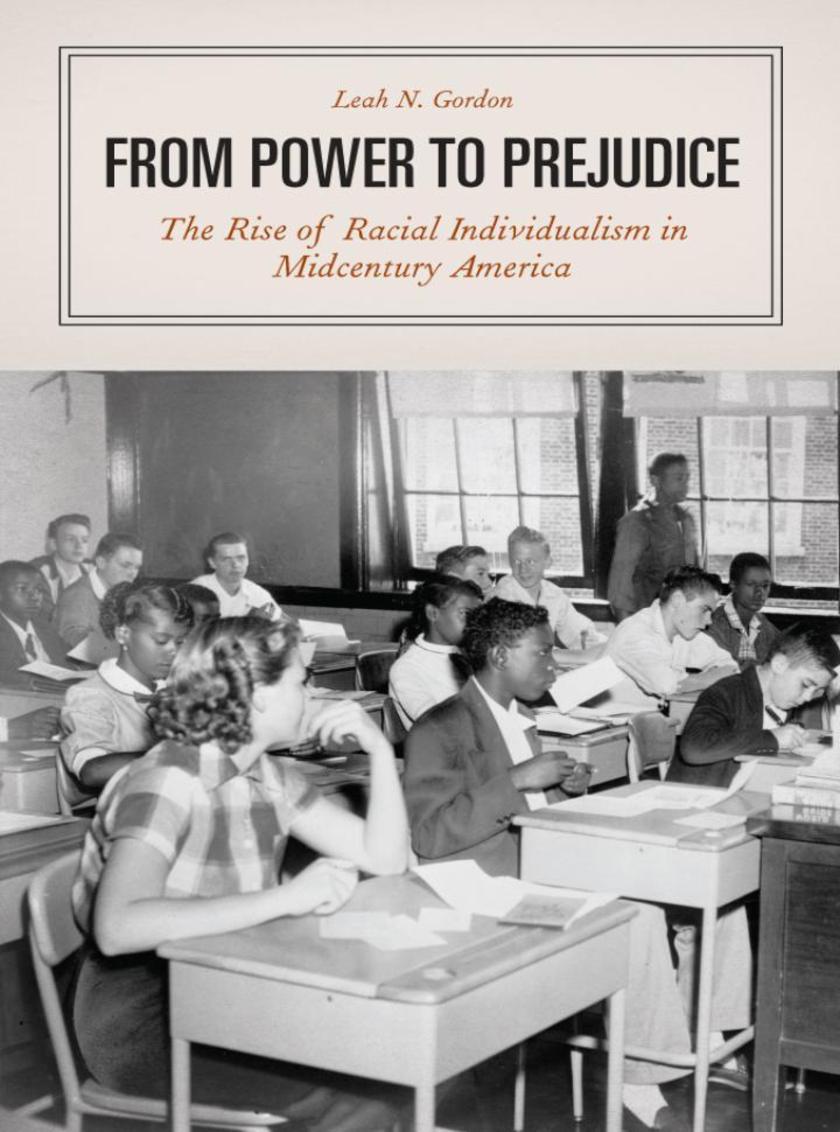
From Power to Prejudice
¥370.82
Americans believe strongly in the socially transformative power of education, and the idea that we can challenge racial injustice by reducing white prejudice has long been a core component of this faith. How did we get hereIn this first-rate intellectual history, Leah N. Gordon jumps into this and other big questions about race, power, and social justice.To answer these questions, From Power to Prejudice examines American academia-both black and white-in the 1940s and '50s. Gordon presents four competing visions of ?"e;the race problem"e; and documents how an individualistic paradigm, which presented white attitudes as the source of racial injustice, gained traction. A number of factors, Gordon shows, explain racial individualism's postwar influence: individuals were easier to measure than social forces; psychology was well funded; studying political economy was difficult amid McCarthyism; and individualism was useful in legal attacks on segregation. Highlighting vigorous midcentury debate over the meanings of racial justice and equality, From Power to Prejudice reveals how one particular vision of social justice won out among many contenders.
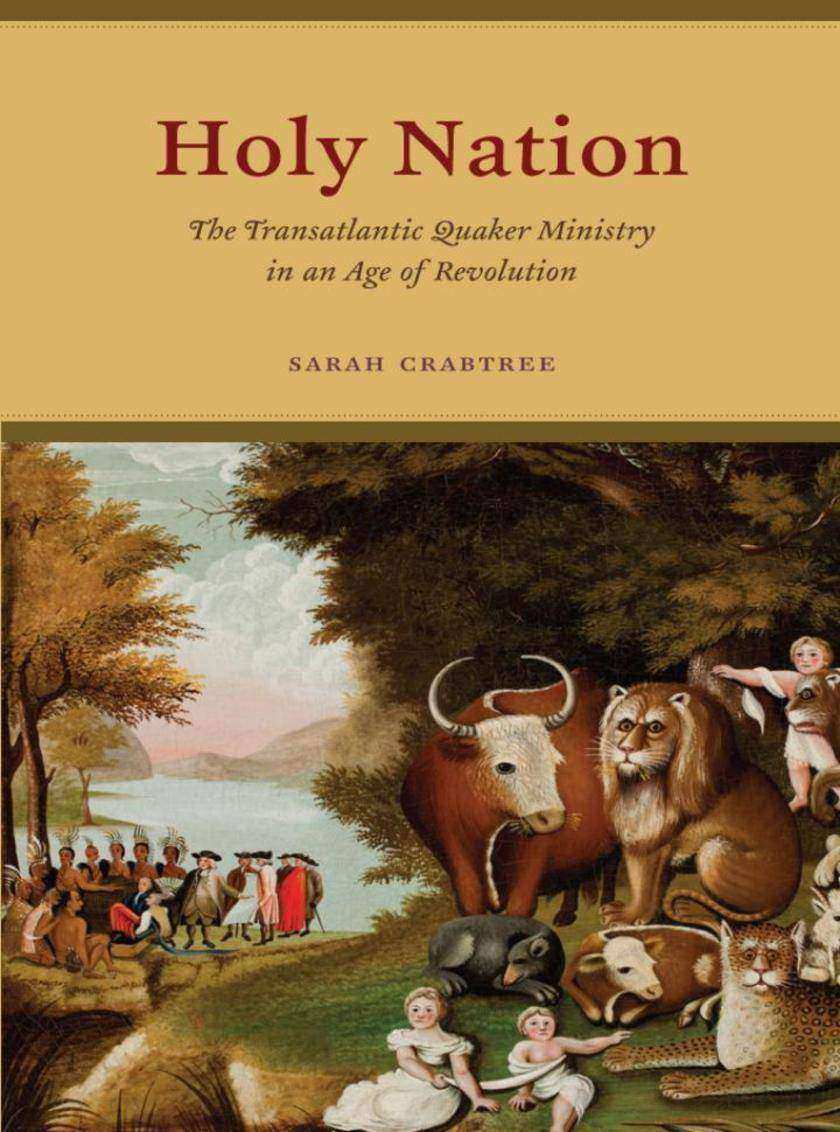
Holy Nation
¥370.82
Early American Quakers have long been perceived as retiring separatists, but in Holy Nation Sarah Crabtree transforms our historical understanding of the sect by drawing on the sermons, diaries, and correspondence of Quakers themselves. Situating Quakerism within the larger intellectual and religious undercurrents of the Atlantic World, Crabtree shows how Quakers forged a paradoxical sense of their place in the world as militant warriors fighting for peace. She argues that during the turbulent Age of Revolution and Reaction, the Religious Society of Friends forged a "e;holy nation,"e; a transnational community of like-minded believers committed first and foremost to divine law and to one another. Declaring themselves citizens of their own nation served to underscore the decidedly unholy nature of the nation-state, worldly governments, and profane laws. As a result, campaigns of persecution against the Friends escalated as those in power moved to declare Quakers aliens and traitors to their home countries.Holy Nation convincingly shows that ideals and actions were inseparable for the Society of Friends, yielding an account of Quakerism that is simultaneously a history of the faith and its adherents and a history of its confrontations with the wider world. Ultimately, Crabtree argues, the conflicts experienced between obligations of church and state that Quakers faced can illuminate similar contemporary struggles.
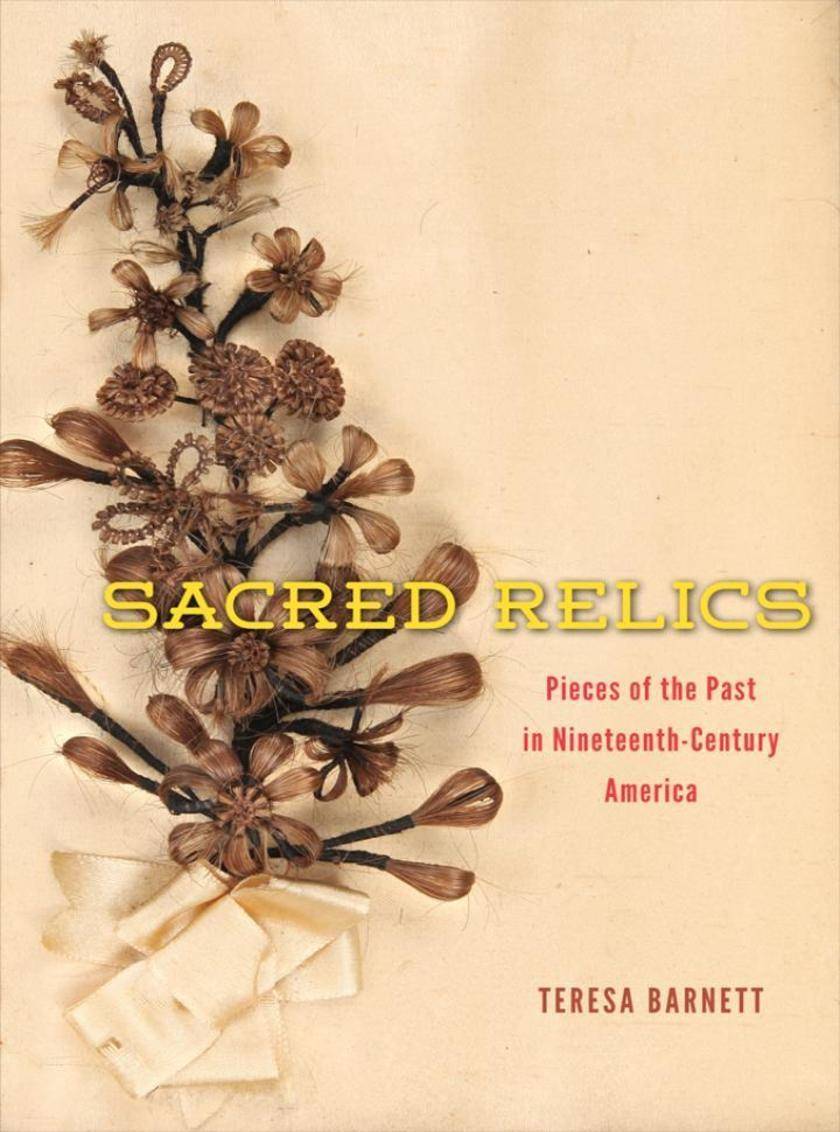
Sacred Relics
¥329.62
A piece of Plymouth Rock. A lock of George Washington's hair. Wood from the cabin where Abraham Lincoln was born. Various bits and pieces of the past-often called "e;association items"e;-may appear to be eccentric odds and ends, but they are valued because of their connections to prominent people and events in American history. Kept in museum collections large and small across the United States, such objects are the touchstones of our popular engagement with history.In Sacred Relics, Teresa Barnett explores the history of private collections of items like these, illuminating how Americans view the past. She traces the relic-collecting tradition back to eighteenth-century England, then on to articles belonging to the founding fathers and through the mass collecting of artifacts that followed the Civil War. Ultimately, Barnett shows how we can trace our own historical collecting from the nineteenth century's assemblages of the material possessions of great men and women.
Argument and the Action of Plato's Laws
¥265.87
The posthumous publication of The Argument and the Action of Plato's "e;Laws"e; was compiled shortly before the death of Leo Strauss in 1973. Strauss offers an insightful and instructive reading through careful probing of Plato's classic text."e;Strauss's The Argument and the Action of Plato's 'Laws' reflects his interest in political thought, his dogged method of following the argument of the Laws step by step, and his vigorous defense of this dialogue's integrity in respect to the ideals of the Republic."e;-Cross Currents"e;The unique characteristics of this commentary on the Laws reflect the care and precision which were the marks of Professor Strauss's efforts to understand the complex thoughts of other men."e;-Allan D. Nelson, Canadian Journal of Political Science"e;Thorough and provocative, an important addition to Plato scholarship."e;-Library Journal"e;The major purpose of the commentary is to provide a reading of the dialogue which displays its structural arrangement and the continuity of the argument."e;-J. W. Dy, Bibliographical Bulletin of Philosophy"e;The reader of Strauss's book is indeed guided closely through the whole text."e;- M. J. Silverthorne, The Humanities Association ReviewLeo Strauss (1899-1973) was the Robert Maynard Hutchins Distinguished Service Professor Emeritus of political science at the University of Chicago.
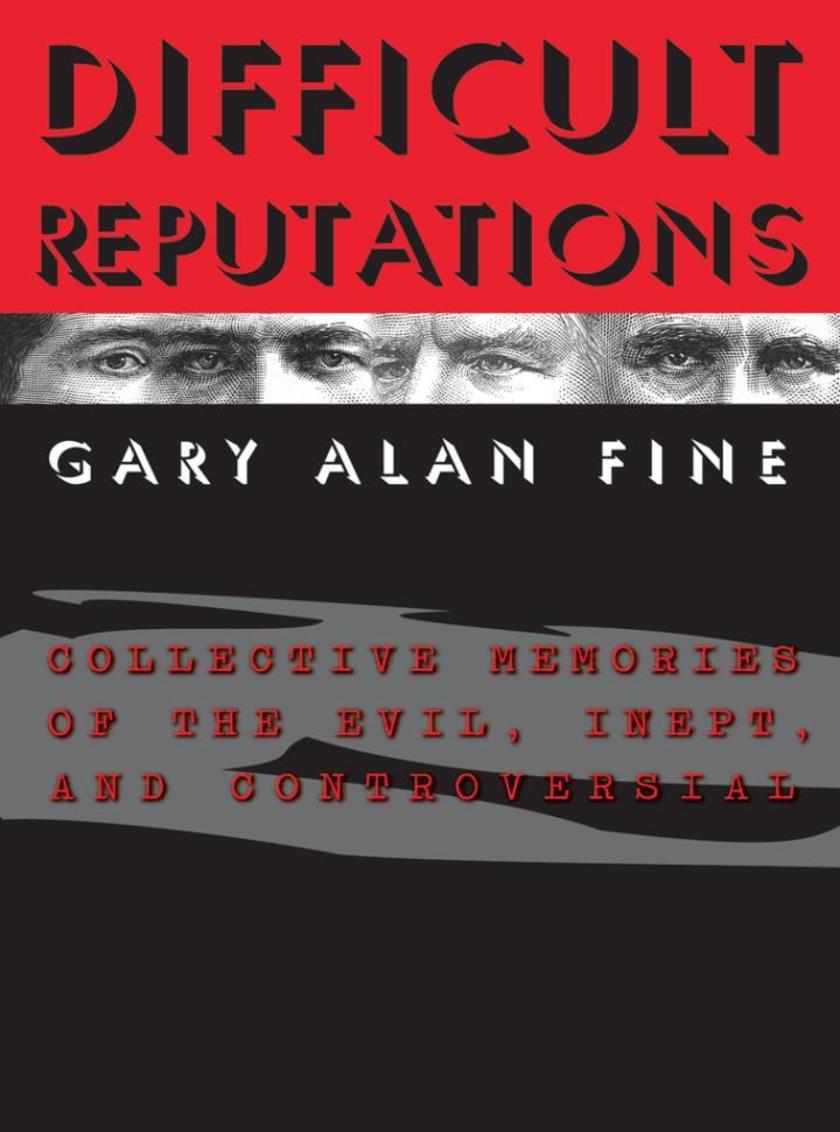
Difficult Reputations
¥253.10
We take reputations for granted. Believing in the bad and the good natures of our notorious or illustrious forebears is part of our shared national heritage. Yet we are largely ignorant of how such reputations came to be, who was instrumental in creating them, and why. Even less have we considered how villains, just as much as heroes, have helped our society define its values.Presenting essays on America's most reviled traitor, its worst president, and its most controversial literary ingnue (Benedict Arnold, Warren G. Harding, and Lolita), among others, sociologist Gary Alan Fine analyzes negative, contested, and subcultural reputations. Difficult Reputations offers eight compelling historical case studies as well as a theoretical introduction situating the complex roles in culture and history that negative reputations play.Arguing the need for understanding real conditions that lead to proposed interpretations, as well as how reputations are given meaning over time, this book marks an important contribution to the sociologies of culture and knowledge.
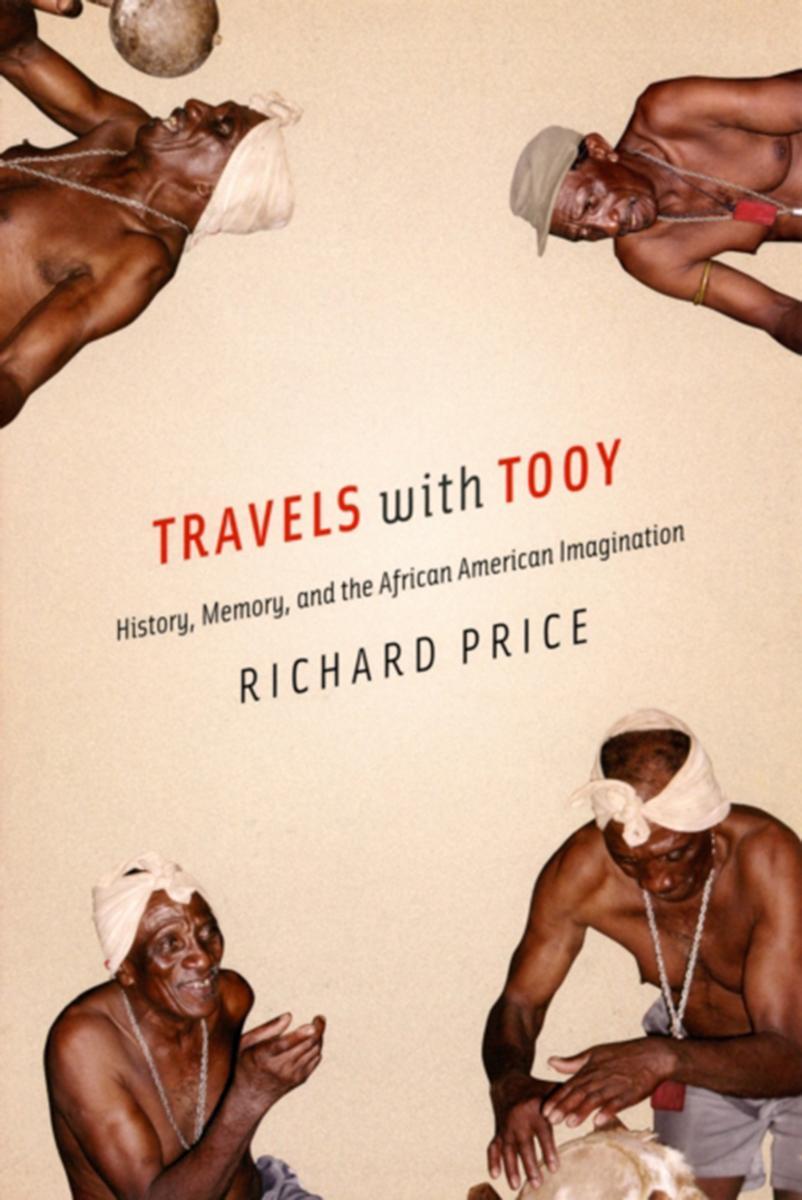
Travels with Tooy
¥265.87
At first glance, the rough shantytowns that ring Cayenne, where Haitian, Brazilian, Guyanese, and Suriname migrants live cheek by jowl, might seem the least likely of places to meet a fellow intellectual. And yet . . . The poverty that threatens to crush the spirit of both the hardworking and the unemployed can leave largely untouched the richness of the imagination. Amidst the mud and stench and random violence, Tooy—captain of the Saramakas of Cayenne—runs a household in which spiritual and rhetorical gifts abound. I’ve felt privileged to play a part in it during the past seven years.

O, How the Wheel Becomes It!
¥123.61
The first novel Anthony Powell published following the completion of his epic A Dance to the Music of Time, O, How the Wheel Becomes It! fulfills perhaps every author's fantasy as it skewers a conceited, lazy, and dishonest critic. A writer who avoids serving in World War II and veers in and out of marriage, G. F. H. Shadbold ultimately falls victim to the title's spinning-and righteous-emblem of chance. Sophisticated and a bit cruel, Wheel's tale of posthumous vengeance is, nonetheless, irresistible.Written at the peak of the late British master's extraordinary literary career, this novel offers profound insight into the mind of a great artist whose unequaled style, ear for dialogue, and eye for irony will delight devotees and new readers alike.
The Paradoxes of Integration
¥200.12
Tali Mendelberg and Janelle . In 1999, while at Princeton University, Tali and I started talking about race and social environments. At the time I was writing about how suburban social contexts influence civic participation, and she suggested it might be interesting to examine their impact on racial attitudes. This piqued my interest, and, working together, we published a paper examining how economic and racial contexts shaped whites' racial attitudes. A year later, while at Yale University, Janelle and I began to wonder if these same effects might be evident among minority populations as well. As an undergraduate at UCLA, Janelle had worked as a researcher on the Multi-City Study of Urban Inequality (MCSUI) and told me the data might be a great source for testing some hypotheses about interminority attitudes. Working together, we later published a paper using the Los Angeles portion of the MCSUI study. I am greatly indebted to both Tali and Janelle for helping me first engage this difficult topic and work through many core issues in this analysis.
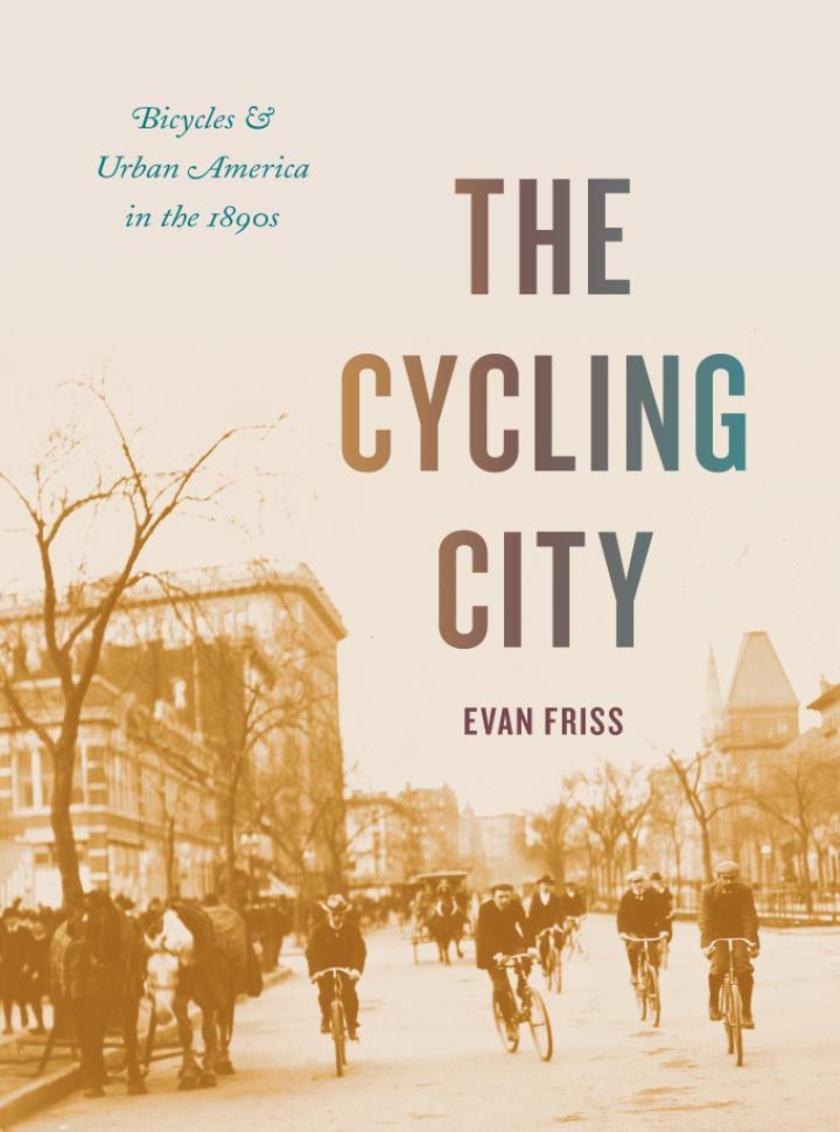
Cycling City
¥265.87
Cycling has experienced a renaissance in the United States, as cities around the country promote the bicycle as an alternative means of transportation. In the process, debates about the nature of bicycles-where they belong, how they should be ridden, how cities should or should not accommodate them-have played out in the media, on city streets, and in city halls. Very few people recognize, however, that these questions are more than a century old.The Cycling City?is a sharp history of the bicycle's rise and fall in the late nineteenth century. In the 1890s, American cities were home to more cyclists, more cycling infrastructure, more bicycle friendly legislation, and a richer cycling culture than anywhere else in the world.Evan Friss unearths the hidden history of the cycling city, demonstrating that diverse groups of cyclists managed to remap cities with new roads, paths, and laws, challenge social conventions, and even dream up a new urban ideal inspired by the bicycle. When cities were chaotic and filthy, bicycle advocates imagined an improved landscape in which pollution was negligible, transportation was silent and rapid, leisure spaces were democratic, and the divisions between city and country were blurred. Friss argues that when the utopian vision of a cycling city faded by the turn of the century, its death paved the way for today's car-centric cities-and ended the prospect of a true American cycling city ever being built.
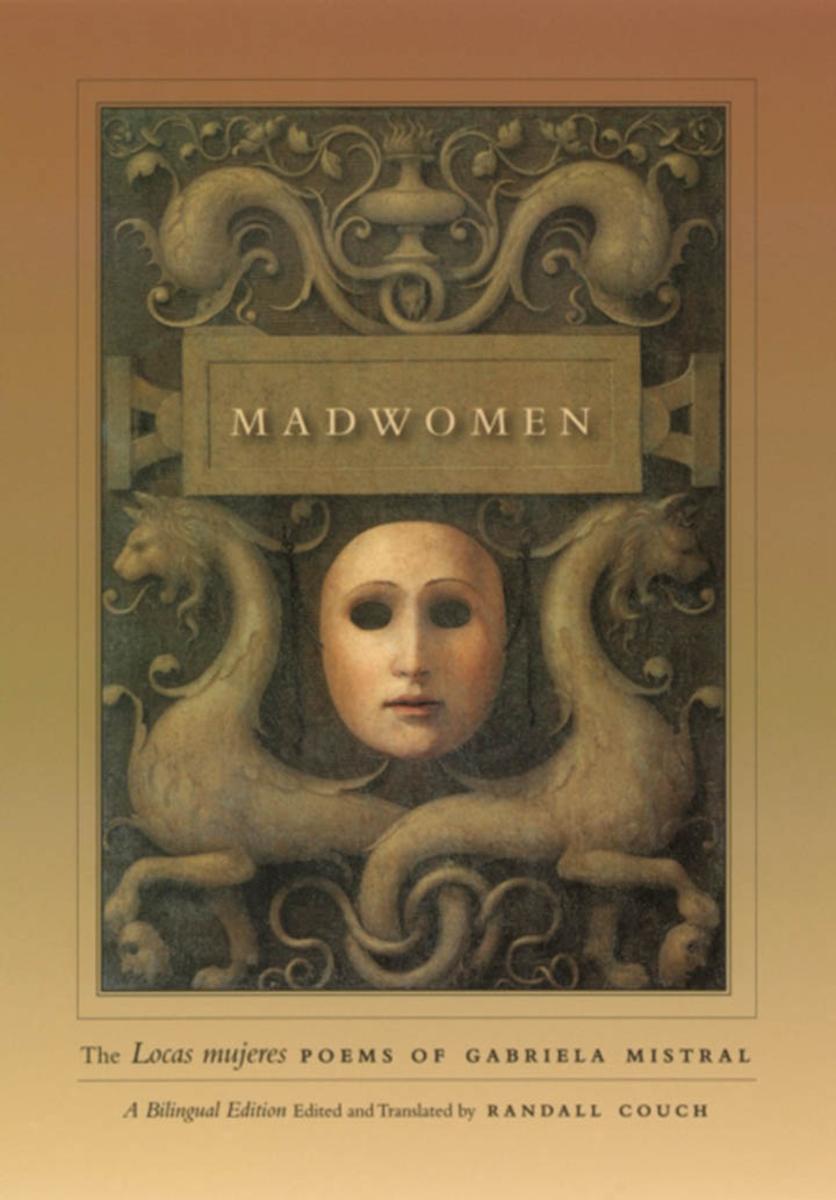
Madwomen
¥200.12
A schoolteacher whose poetry catapulted her to early fame in her native Chile and an international diplomat whose boundary-defying sexuality still challenges scholars, Gabriela Mistral (1889-1957) is one of the most important and enigmatic figures in Latin American literature of the last century. The Locas mujeres poems collected here are among Mistral's most complex and compelling, exploring facets of the self in extremis-poems marked by the wound of blazing catastrophe and its aftermath of mourning. From disquieting humor to balladlike lyricism to folkloric wisdom, these pieces enact a tragic sense of life, depicting "e;madwomen"e; who are anything but mad. Strong and intensely human, Mistral's poetic women confront impossible situations to which no sane response exists. This groundbreaking collection presents poems from Mistral's final published volume as well as new editions of posthumous work, featuring the first English-language appearance of many essential poems. Madwomen promises to reveal a profound poet to a new generation of Anglophone readers while reacquainting Spanish readers with a stranger, more complicated "e;madwoman"e; than most have ever known.
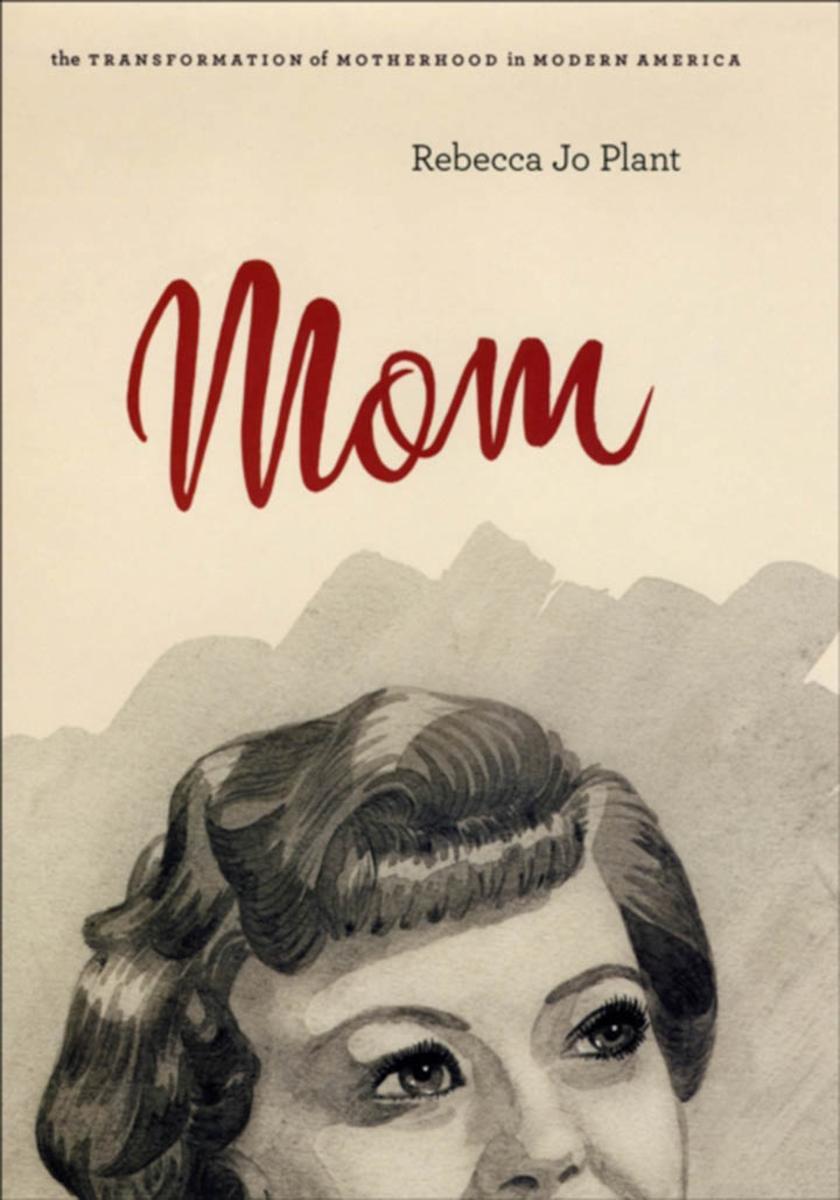
Mom
¥165.81
In the early twentieth century, Americans often waxed lyrical about "Mother Love," signaling a conception of motherhood as an all-encompassing identity, rooted in self-sacrifice and infused with social and political meaning. By the 1940s, the idealization of motherhood had waned, and the nation's mothers found themselves blamed for a host of societal and psychological ills. In Mom, Rebecca Jo Plant traces this important shift by exploring the evolution of maternalist politics, changing perceptions of the mother-child bond, and the rise of new approaches to childbirth pain and suffering.Plant argues that the assault on sentimental motherhood came from numerous quarters. Male critics who railed against female moral authority, psychological experts who hoped to expand their influence, and women who strove to be more than wives and mothers-all for their own distinct reasons-sought to discredit the longstanding maternal ideal. By showing how motherhood ultimately came to be redefined as a more private and partial component of female identity, Plant illuminates a major reorientation in American civic, social, and familial life that still reverberates today.
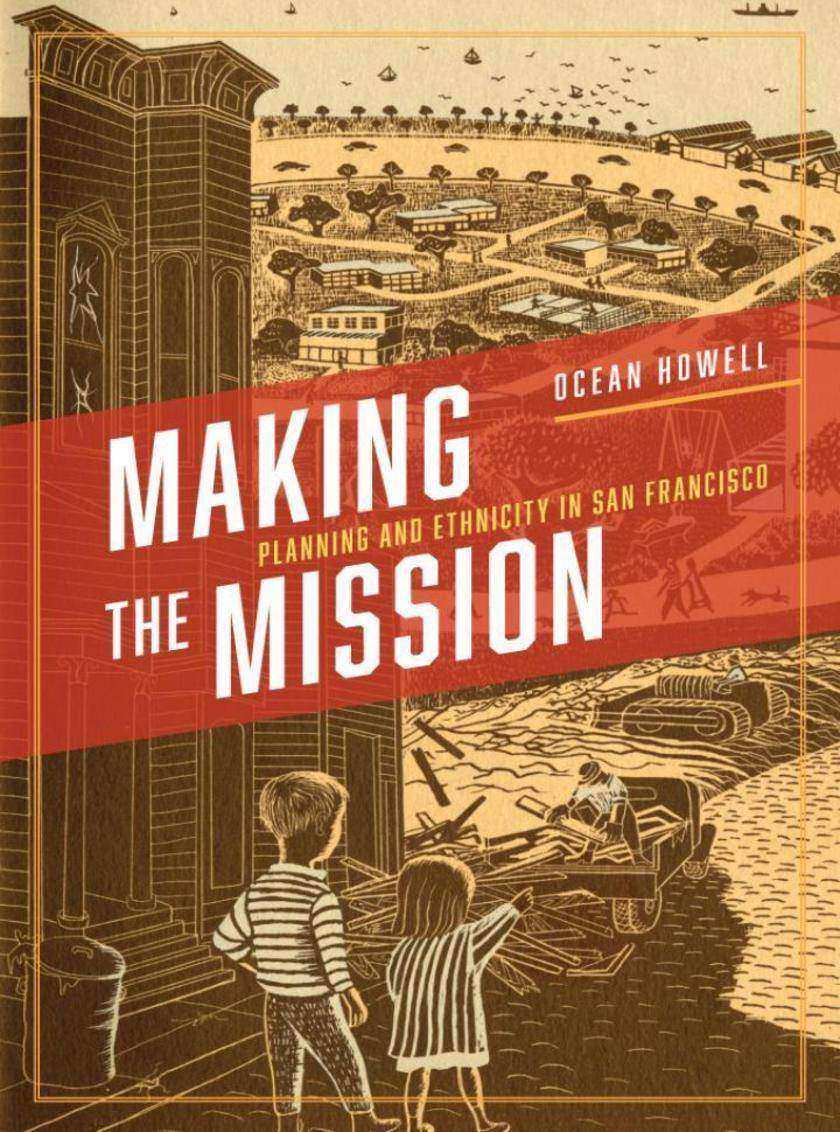
Making the Mission
¥294.30
In the aftermath of the 1906 San Francisco earthquake, residents of the city's iconic Mission District bucked the city-wide development plan, defiantly announcing that in their neighborhood, they would be calling the shots. Ever since, the Mission has become known as a city within a city, and a place where residents have, over the last century, organized and reorganized themselves to make the neighborhood in their own image.In Making the Mission, Ocean Howell tells the story of how residents of the Mission District organized to claim the right to plan their own neighborhood and how they mobilized a politics of place and ethnicity to create a strong, often racialized identity-a pattern that would repeat itself again and again throughout the twentieth century. Surveying the perspectives of formal and informal groups, city officials and district residents, local and federal agencies, Howell articulates how these actors worked with and against one another to establish the very ideas of the public and the public interest, as well as to negotiate and renegotiate what the neighborhood wanted. In the process, he shows that national narratives about how cities grow and change are fundamentally insufficient; everything is always shaped by local actors and concerns.
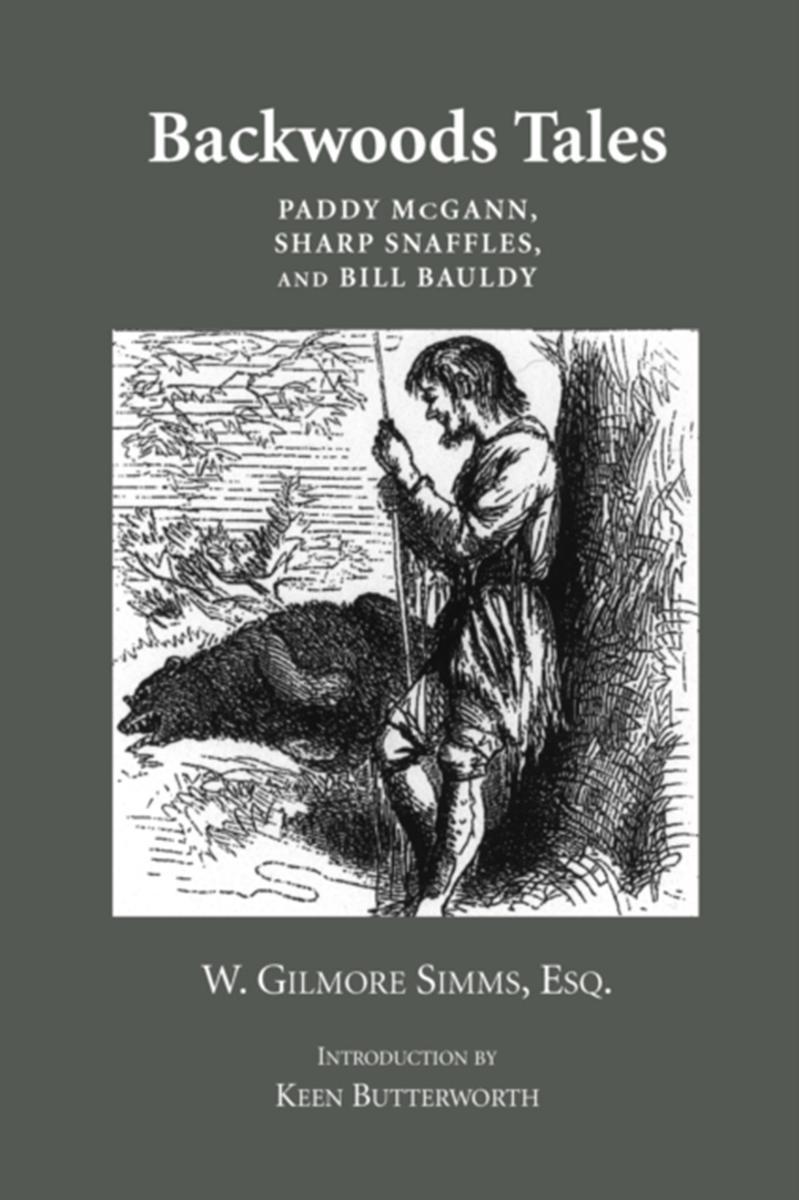
Backwoods Tales: Paddy McGann, Sharp Snaffles, and Bill Bauldy
¥299.50
The University of Arkansas Press edition of the Selected Fiction of William Gilmore Simms has as its aim to publish the major novels and short fiction in reliable texts, together with scholarly introductions, annotations, and other matter useful to scholars, critics, and teachers of Simms's work. The edition includes novels in the Border Romances series and the Revolutionary War series, together with writings that treat warfare with Native Americans and selections from Simms's short fiction. The scope of these writings is wide, capturing the American frontier in its westward advance across the Appalachian Mountains to the Mississippi River during the early and mid-nineteenth century.
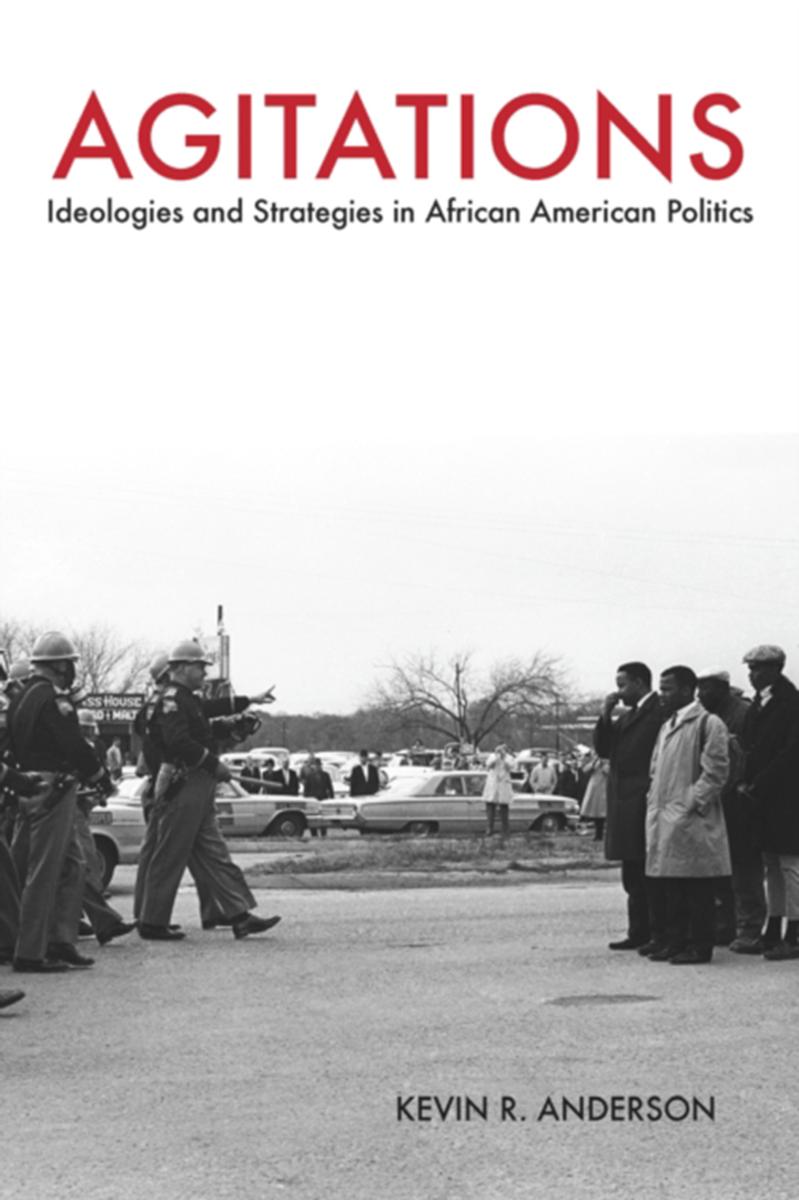
Agitations
¥261.83
Not Without Honor threads together the stories of three American POWs-Carano; his buddy Bill Blackmon, who was also at Stalag 17 b; and John C. Bitzer, who survived the brutal "e;Death March"e; from northern Germany to liberation in April 1945. At times the journal reads like a thriller as he records air battles and escape attempts. Yet in their most gripping accounts, these POWs ruminate on psychological survival. The sense of community they formed was instrumental to their endurance. This compelling book allows the reader to journey with these young men as they bore firsthand witness to the best and worst of human nature.
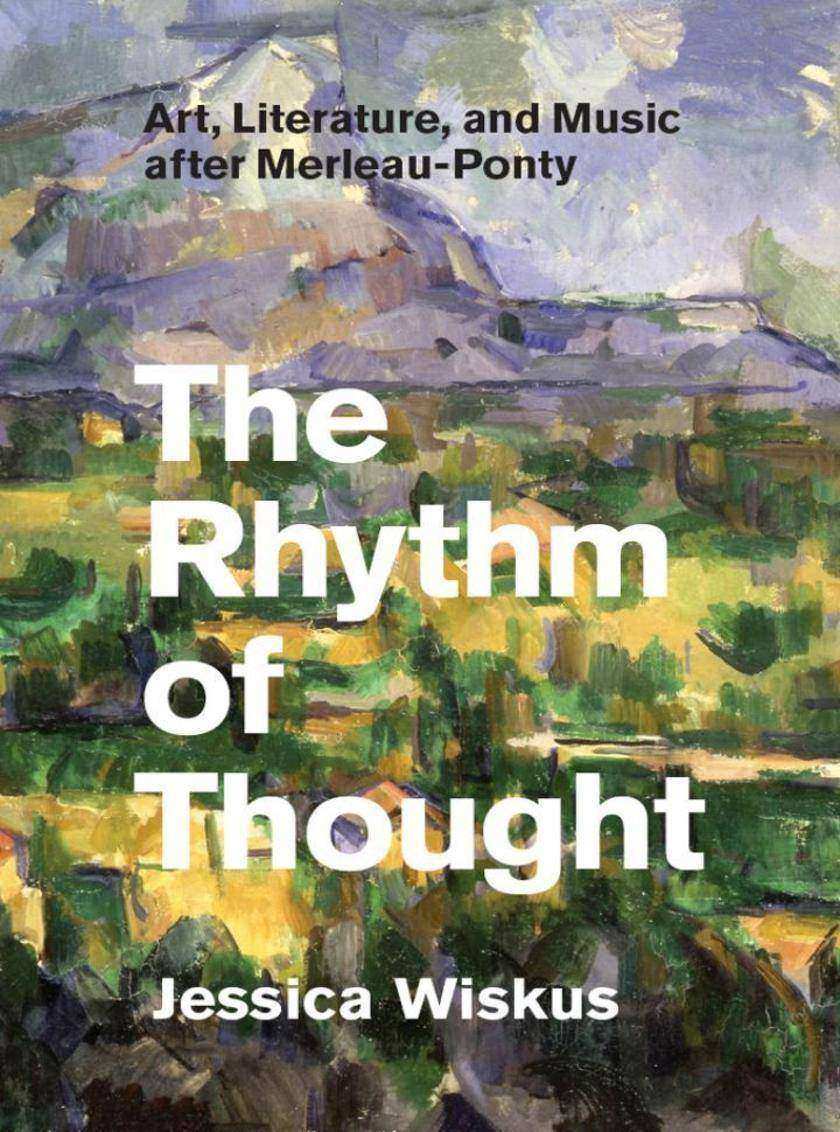
Rhythm of Thought
¥170.69
Between present and past, visible and invisible, and sensation and idea, there is resonance-so philosopher Maurice Merleau-Ponty argued and so Jessica Wiskus explores in The Rhythm of Thought. Holding the poetry of Stephane Mallarme, the paintings of Paul Cezanne, the prose of Marcel Proust, and the music of Claude Debussy under Merleau-Ponty's phenomenological light, she offers innovative interpretations of some of these artists' masterworks, in turn articulating a new perspective on Merleau-Ponty's philosophy.?More than merely recovering Merleau-Ponty's thought, Wiskus thinks according to it. First examining these artists in relation to noncoincidence-as silence in poetry, depth in painting, memory in literature, and rhythm in music-she moves through an array of their artworks toward some of Merleau-Ponty's most exciting themes: our bodily relationship to the world and the dynamic process of expression. She closes with an examination of synesthesia as an intertwining of internal and external realms and a call, finally, for philosophical inquiry as a mode of artistic expression. Structured like a piece of music itself, The Rhythm of Thought offers new contexts in which to approach art, philosophy, and the resonance between them.

Jane Austen's Names
¥170.69
In Jane Austen's works, a name is never just a name. In fact, the names Austen gives her characters and places are as rich in subtle meaning as her prose itself. Wiltshire, for example, the home county of Catherine Morland in Northanger Abbey, is a clue that this heroine is not as stupid as she seems: according to legend, cunning Wiltshire residents caught hiding contraband in a pond capitalized on a reputation for ignorance by claiming they were digging up a "e;big cheese"e;-the moon's reflection on the water's surface. It worked.In Jane Austen's Names, Margaret Doody offers a fascinating and comprehensive study of all the names of people and places-real and imaginary-in Austen's fiction. Austen's creative choice of names reveals not only her virtuosic talent for riddles and puns. Her names also pick up deep stories from English history, especially the various civil wars, and the blood-tinged differences that played out in the reign of Henry VIII, a period to which she often returns. Considering the major novels alongside unfinished works and juvenilia, Doody shows how Austen's names signal class tensions as well as regional, ethnic, and religious differences. We gain a new understanding of Austen's technique of creative anachronism, which plays with and against her skillfully deployed realism-in her books, the conflicts of the past swirl into the tensions of the present, transporting readers beyond the Regency.Full of insight and surprises for even the most devoted Janeite, Jane Austen's Names will revolutionize how we read Austen's fiction.


