


 购物车
购物车 个人中心
个人中心
The Letters of Robert Louis Stevenson
¥8.09
According to Wikipedia: "Robert Louis (Balfour) Stevenson ( 1850 - 1894), was a Scottish novelist, poet, and travel writer, and a leading representative of Neo-romanticism in English literature. He was the man who "seemed to pick the right word up on the point of his pen, like a man playing spillikins", as G. K. Chesterton put it. He was also greatly admired by many authors, including Jorge Luis Borges, Ernest Hemingway, Rudyard Kipling, Vladimir Nabokov, and J. M. Barrie. Most modernist writers dismissed him, however, because he was popular and did not write within their definition of modernism. It is only recently that critics have begun to look beyond Stevenson's popularity and allow him a place in the canon."
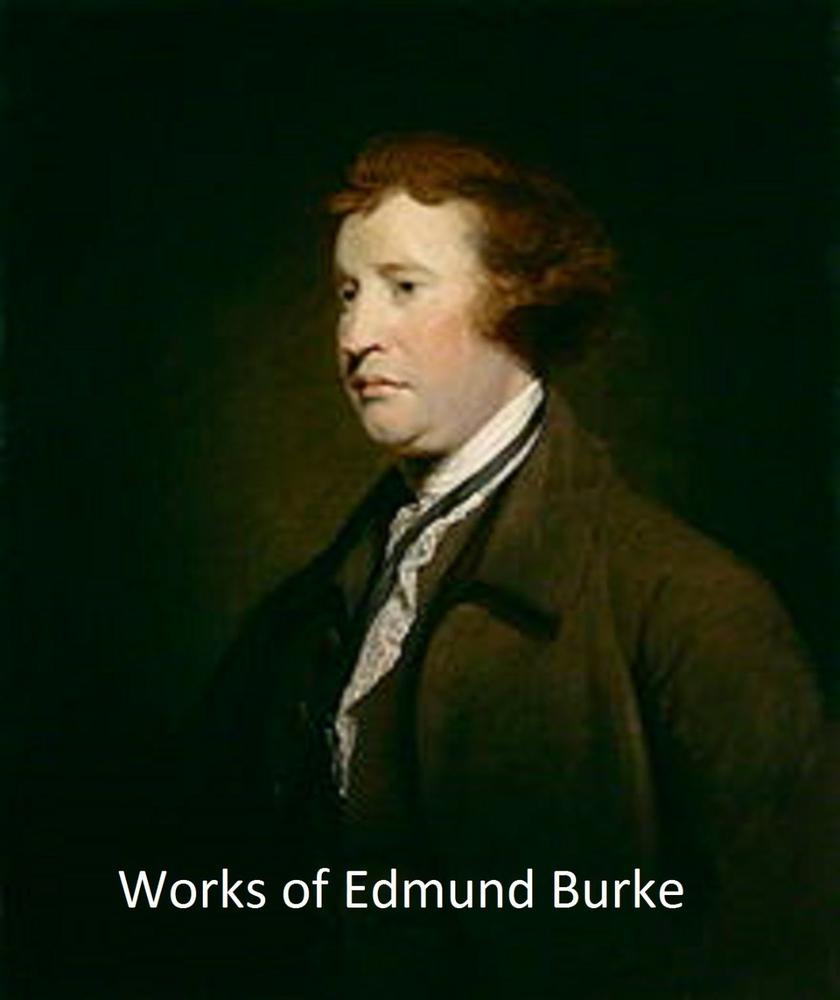
Works of Edmund Burke
¥8.09
Edition first published in 1887. According to Wikipedia: "Edmund Burke (1729-1797) was an Irish statesman, author, orator, political theorist, and philosopher, who served for many years in the British House of Commons as a member of the Whig party. He is mainly remembered for his support of the American colonies in the dispute with King George III and Great Britain that led to the American Revolution and for his strong opposition to the French Revolution... Burke also published philosophical works on aesthetics and founded the Annual Register, a political review. He is often regarded by conservatives as the Father of Anglo-American conservatism."
Appreciations
¥8.09
Essays on Style, Wordsworth, Coleridge, Lamb, Sir Thomas Brown, Love's Labours Lost, Measure for Measure, Shakespeare's English Kings, Dante Rossetti, and Feuillet's La Morte. According to Wikipedia: "Walter Horatio Pater (4 August 1839 - 30 July 1894) was an English essayist and critic of art and literary critic....his study of "Aesthetic Poetry" appeared in the Fortnightly Review, to be succeeded by essays on Leonardo da Vinci, Sandro Botticelli, Pico della Mirandola and Michelangelo. These, with other similar studies, were collected in his Studies in the History of the Renaissance in 1873. Pater, now at the centre of a small but interesting circle in Oxford, gained respect in London and elsewhere, numbering the Pre-Raphaelites among his friends.... by the time his philosophical novel Marius the Epicurean appeared, he had gathered quite a following. This, his chief contribution to literature, was published early in 1885. In it Pater displays, with fullness and elaboration, his ideal of the aesthetic life, his cult of beauty as opposed to bare asceticism, and his theory of the stimulating effect of the pursuit of beauty as an ideal of its own. The principles of what would be known as the Aesthetic movement were partly traceable to Pater and his effect was particularly felt on one of the movement's leading proponents, Oscar Wilde, a former student of Pater at Oxford. In 1887 he published Imaginary Portraits, a series of essays in philosophic fiction; Appreciations, with an Essay on Style was published in 1889 with a revised second edition in 1890; in 1893, Plato and Platonism; and in 1894, The Child in the House. His Greek Studies and his Miscellaneous Studies were collected posthumously in 1895; his romance Gaston de Latour appeared posthumously in 1896; and his essays from The Guardian were privately printed in 1897."
Memoir of Fleeming Jenkin
¥8.09
Biography by the author of Treasure Island. According to Wikipedia: "Henry Charles Fleeming Jenkin (25 March 1833 - 12 June 1885) was Professor of Engineering at the University of Edinburgh, remarkable for his versatility. Known to the world as the inventor of telpherage, he was an electrician and cable engineer, a lecturer, linguist, critic, actor, dramatist and artist."
Thoughts on Man
¥8.09
According to Wikipedia: "William Godwin (3 March 1756 – 7 April 1836) was an English journalist, political philosopher and novelist. He is considered one of the first exponents of utilitarianism, and one of the first modern proponents of anarchism. Godwin is most famous for two books that he published within the space of a year: An Enquiry Concerning Political Justice, an attack on political institutions, and Things as They Are or The Adventures of Caleb Williams, which attacks aristocratic privilege, but also is virtually the first mystery novel. Based on the success of both, Godwin featured prominently in the radical circles of London in the 1790s. In the ensuing conservative reaction to British radicalism, Godwin was attacked, in part because of his marriage to the pioneering feminist writer Mary Wollstonecraft in 1797 and his candid biography of her after her death; their child, Mary Godwin (later Mary Shelley) would go on to author Frankenstein and marry the poet Percy Bysshe Shelley. Godwin wrote prolifically in the genres of novels, history and demography throughout his lifetime."
Autobiography of Anthony Trollope
¥8.09
Life of the prolific English novelist. According to Wikipedia: "Anthony Trollope ( 1815 – 1882 ) became one of the most successful, prolific and respected English novelists of the Victorian era. Some of Trollope's best-loved works, known as the Chronicles of Barsetshire, revolve around the imaginary county of Barsetshire; he also wrote penetrating novels on political, social, and gender issues and conflicts of his day. Trollope has always been a popular novelist. Noted fans have included Sir Alec Guinness (who never travelled without a Trollope novel), former British Prime Ministers Harold Macmillan and Sir John Major, economist John Kenneth Galbraith, American novelists Sue Grafton and Dominick Dunne and soap opera writer Harding Lemay. Trollope's literary reputation dipped somewhat during the last years of his life, but he regained the esteem of critics by the mid-twentieth century. "Of all novelists in any country, Trollope best understands the role of money. Compared with him even Balzac is a romantic." — W. H. Auden"
The Art of Writing
¥8.09
Long essay that begins: "There is nothing more disenchanting to man than to be shown the springs and mechanism of any art. All our arts and occupations lie wholly on the surface; it is on the surface that we perceive their beauty, fitness, and significance; and to pry below is to be appalled by their emptiness and shocked by the coarseness of the strings and pulleys. In a similar way, psychology itself, when pushed to any nicety, discovers an abhorrent baldness, but rather from the fault of our analysis than from any poverty native to the mind."
Washington Irving by Henry W. Boynton by Washington Irving - Delphi Classics (Il
¥8.09
This eBook features the unabridged text of ‘Washington Irving by Henry W. Boynton by Washington Irving - Delphi Classics (Illustrated)’ from the bestselling edition of ‘The Complete Works of Washington Irving’. Having established their name as the leading publisher of classic literature and art, Delphi Classics produce publications that are individually crafted with superior formatting, while introducing many rare texts for the first time in digital print. The Delphi Classics edition of Irving includes original annotations and illustrations relating to the life and works of the author, as well as individual tables of contents, allowing you to navigate eBooks quickly and easily. eBook features: * The complete unabridged text of ‘Washington Irving by Henry W. Boynton by Washington Irving - Delphi Classics (Illustrated)’ * Beautifully illustrated with images related to Irving’s works * Individual contents table, allowing easy navigation around the eBook * Excellent formatting of the text Please visit www.delphiclassics.com to learn more about our wide range of titles
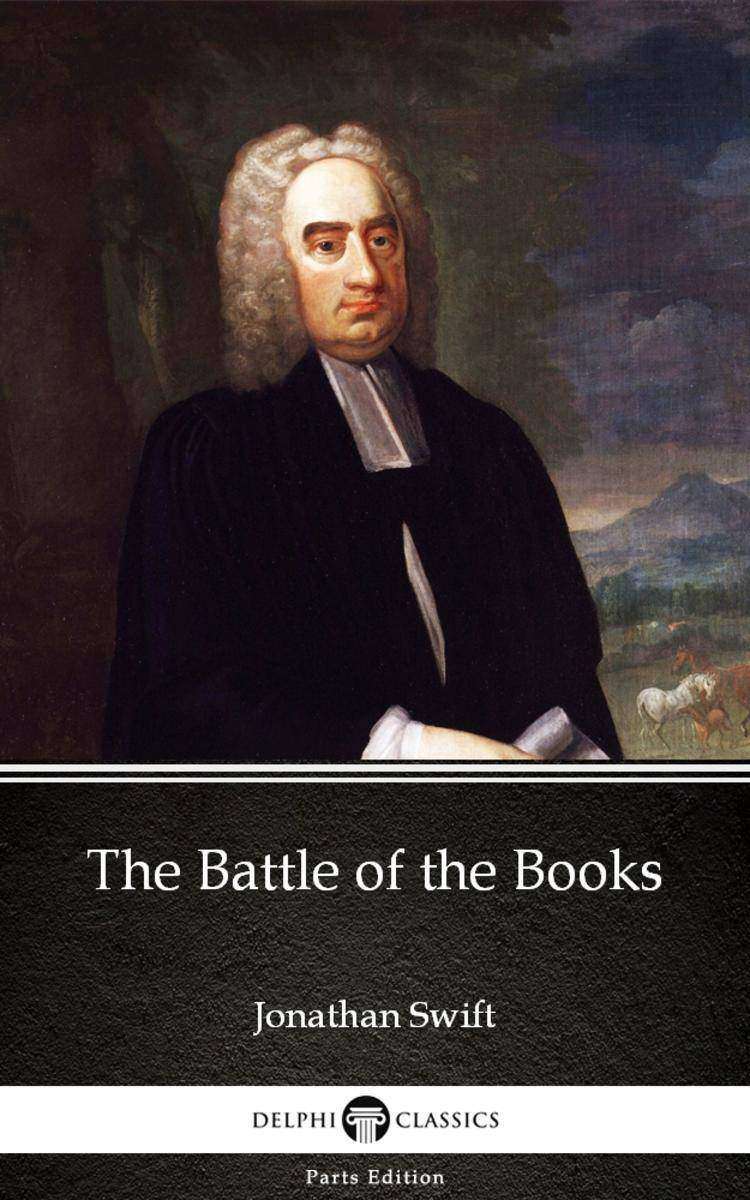
The Battle of the Books by Jonathan Swift - Delphi Classics (Illustrated)
¥8.09
This eBook features the unabridged text of ‘The Battle of the Books by Jonathan Swift - Delphi Classics (Illustrated)’ from the bestselling edition of ‘The Complete Works of Jonathan Swift’. Having established their name as the leading publisher of classic literature and art, Delphi Classics produce publications that are individually crafted with superior formatting, while introducing many rare texts for the first time in digital print. The Delphi Classics edition of Swift includes original annotations and illustrations relating to the life and works of the author, as well as individual tables of contents, allowing you to navigate eBooks quickly and easily. eBook features: * The complete unabridged text of ‘The Battle of the Books by Jonathan Swift - Delphi Classics (Illustrated)’ * Beautifully illustrated with images related to Swift’s works * Individual contents table, allowing easy navigation around the eBook * Excellent formatting of the text Please visit www.delphiclassics.com to learn more about our wide range of titles

Waking the Lion:Inside Writing (1984 to 2017)
¥24.44
American futurist poet and playwright Mark Antony Rossi has selected essays, notes and interviews from the past thirty three years of writing covering poetry, short fiction and drama. A short book of instruction and discovery meant to help fellow writers.
Paradise Lost
¥8.09
This Tribeca Press edition includes the full original text as well as an easy to use interactive table of contents.
A Short History of the Short Story:Western and Asian Traditions
¥32.29
Worldwide Appreciation of the Short Story Form Spans Cultures and Centuries! In this concise volume, Gulnaz Fatma traces the short story from its origins in fables, ancient poetry, and tales such as The Arabian Nights, to its modern form in the early American stories of Irving, Poe, and Hawthorne, and then through the twentieth century and throughout the world. The elements of what makes a short story are presented along with a discussion of the difficulties in defining the genre. The short story's relation to the novel as well as its uniqueness as its own form are deftly presented. While the American and European traditions of the short story take up much of this book, the final chapter is a thorough presentation of the short story's development in India. Anyone interested in the short story--teachers, students, writers, and readers--will find this volume informative, thoughtful, and a welcome addition to our understanding of one of literature's most dynamic forms. Gulnaz Fatma is an Indian writer and author. She is a research scholar in the Department of English at Aligarh Muslim University in Aligarh, India. "As a fiction writer who has also taught the short story form, I was impressed by the thoroughness and insight presented in this concise book. Fatma's broad exploration of the short story form is backed by numerous supporting examples and her chapter on the short story in India will introduce many readers to that country's own literary gems." --Tyler R. Tichelaar, Ph.D. and author of the award-winning Narrow Lives From the World Voices Series www.ModernHistoryPress.com Literary Criticism: Short Stories Literary Criticism: Asian - General

Armed Combat: Defending yourself against hand-held weapons
¥61.83
Overhead block, upward stab, step-through lunge, bayonet slash; knife fighting, handgun shooting, sword play. If your enemy is armed, you need to know how to deal with him. SAS and Elite Forces Guide Armed Combat teaches a huge range of armed close combat techniques, including tips on fighting stances and postures, movement and evasions, quick draws, parries, fend-offs, blocks, cuts, thrusts, strikes, and stabs. Our expert author will teach you how to tackle single opponents and groups using blunt weapons, blades, firearms, and improvised weapons. Presented in an easy to follow format, SAS and Elite Forces Guide Armed Combat is divided into separate chapters covering fighting skills mindset, what to attack and where to defend, blunt weapons, sharp and pointed weapons, firearms, unarmed techniques, training drills, and improvised techniques. The author also offers plenty of short, handy tips on key topics such as bayonet training, quick draw techniques, copying with injury and dirty tricks. Written in easy-to-understand steps and accompanied with more than 150 black-and-white illustrations, SAS and Elite Forces Guide Armed Combat guides the reader through everything they need to know to overcome an armed aggressor in any hand-to-hand combat situation.
Uncle's Dream
¥40.79
A tale of a provincial family desperate to better itself through a marriage of their daughter. The old man is almost forced into a wedding that is expected to last for a short period before he dies and leaves his fortune to the young girl. But not everything is going as planned. The story provides an brilliant insight into the desperation, psychology, gossip, and rivalry of provincial merchants trying to better their position in life.
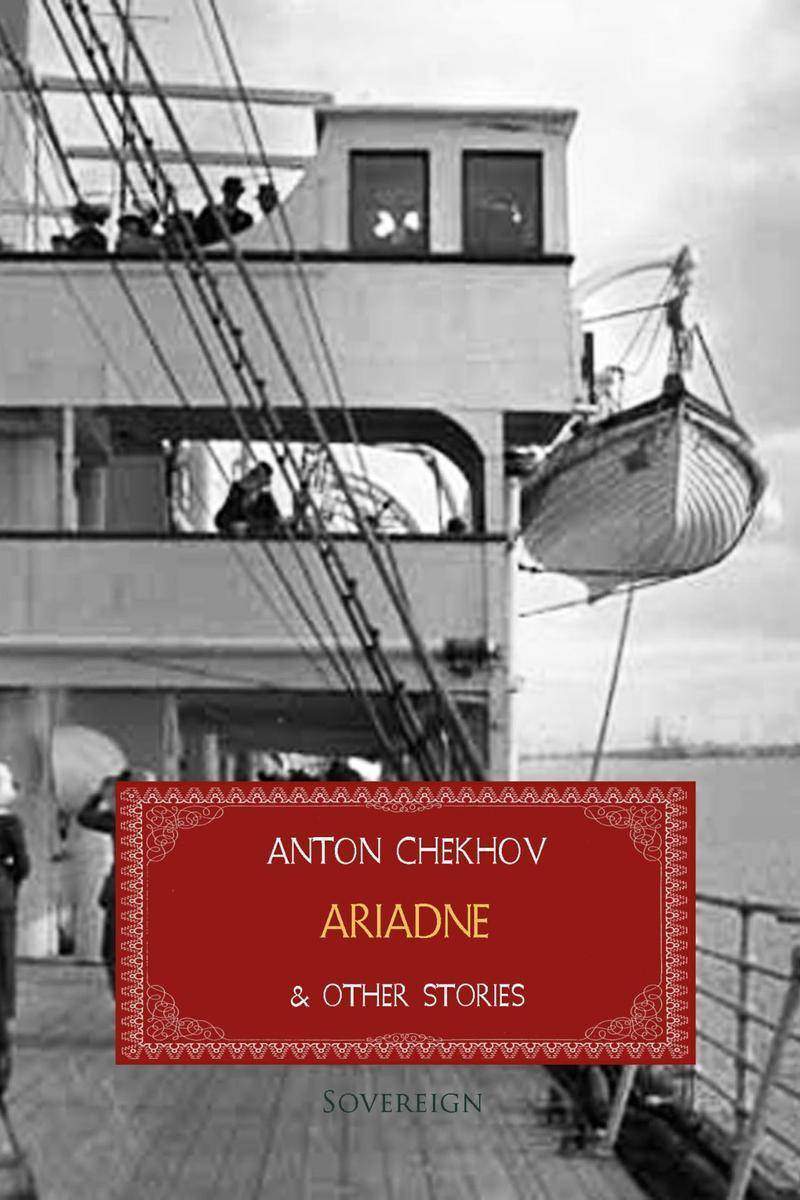
Ariadne and Other Stories
¥40.79
In Ariadne, we meet Ivan Shamokhin on a steamer bound for Sebastopol. Ivan tells the story of his helpless love for Ariadne, a beautiful but cold young woman. Ariadne is selfish, her whole life is style and surface. Ivan becomes her lover, and with his money almost gone and his life destroyed he is still attached to Ariande. Other Stories in this volume include: The Kiss, A Problem, Terror, Anna on the neck, Not Wanted, Typhus, Misfortune, A Trifle from Life.
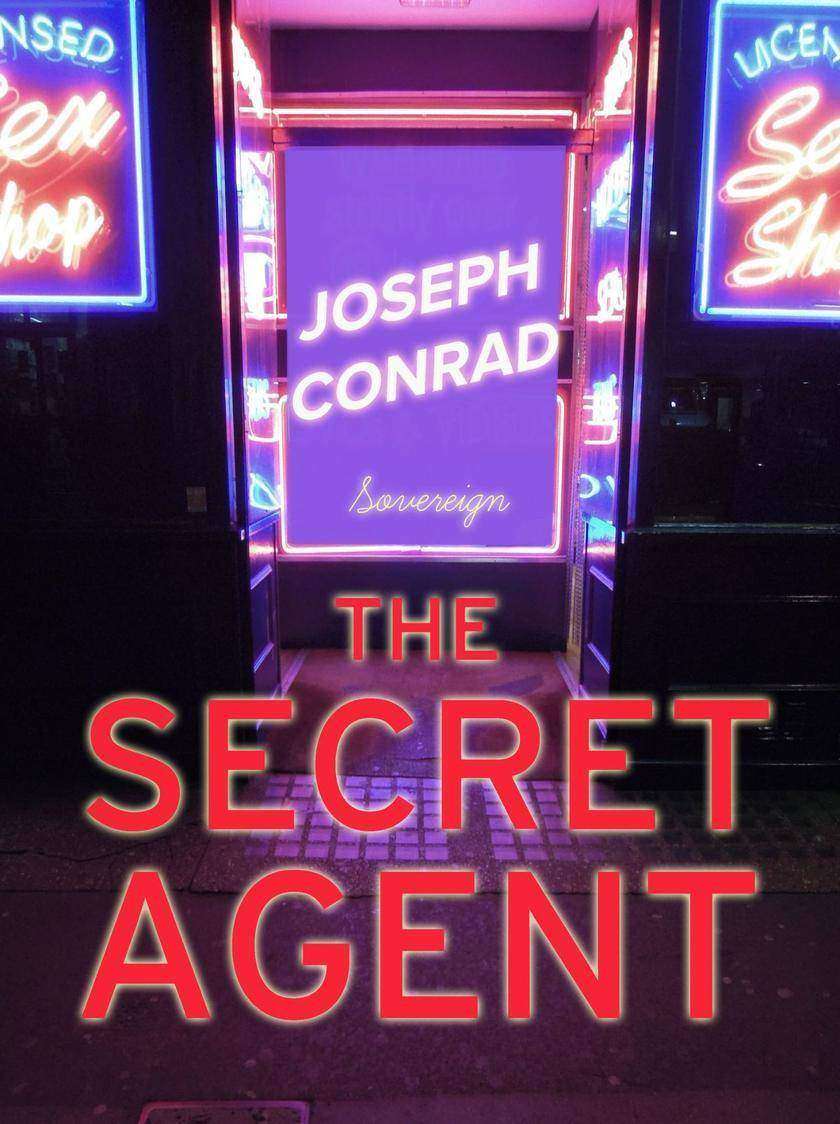
The Secret Agent
¥40.79
A member of an anarchist cell and a secret agent Mr. Verloc is ordered to carry out a terrorist attack on Greenwich Observatory by a bomb explosion. The novel is set in London and follows lives of Verloc, who also owns a sex shop, and his friends, a group of anarchists, largely ineffectual as terrorists, yet well known to the police.
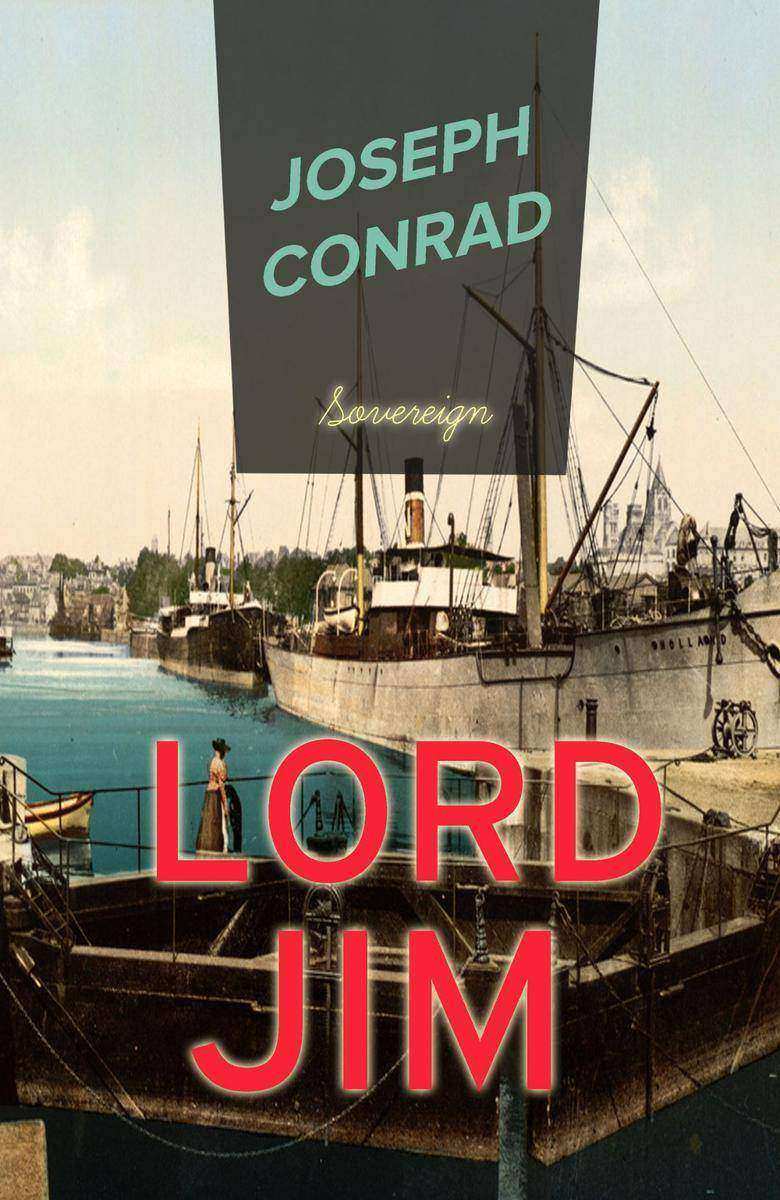
Lord Jim
¥40.79
Jim, a young British seaman, joins his captain and other crew members in abandoning their sinking ship full of passengers. A few days later, they are picked up, and the passengers are later also saved. The reprehensible actions of the crew are exposed. The other participants evade the judicial court of inquiry, leaving Jim to the court alone.
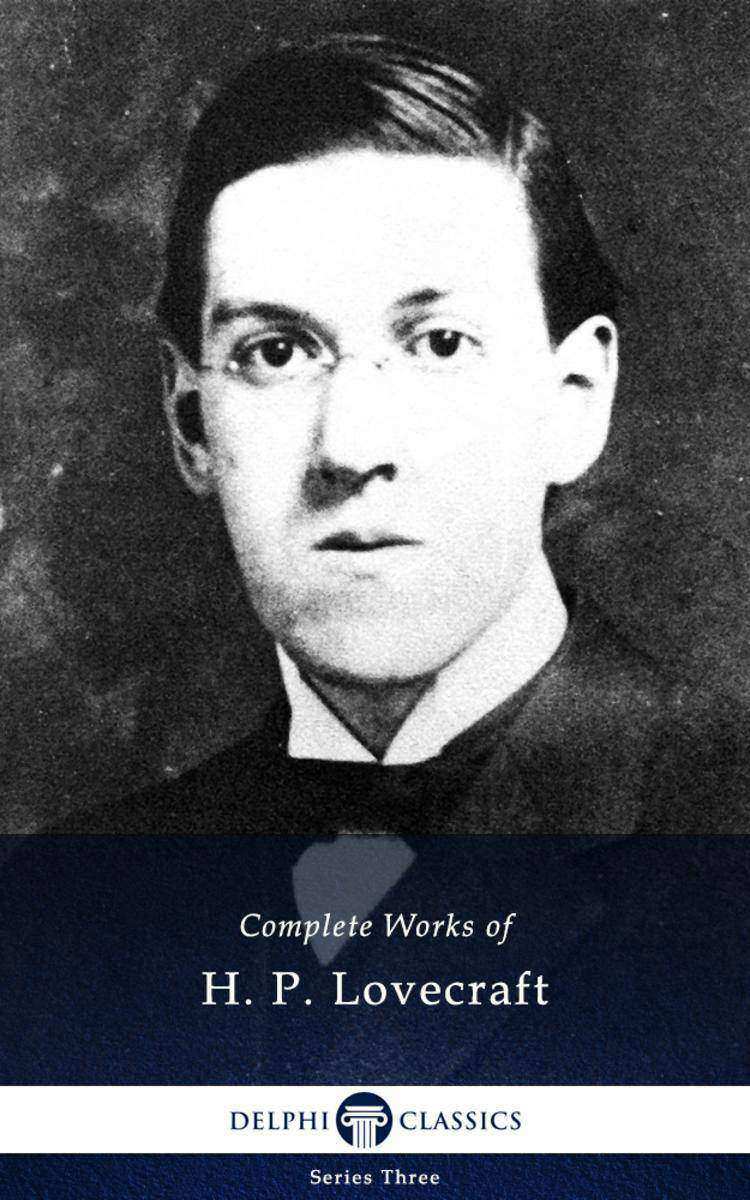
Delphi Complete Works of H. P. Lovecraft (Illustrated)
¥16.27
This eBook presents the complete fictional works of H. P. Lovecraft, with beautiful illustrations, rare texts and the usual Delphi bonus material. (Version 2) * Beautifully illustrated with images relating to Lovecraft's life and works * Brief introduction to master short story writer * Over 100 short stories, including rare collaborations * Excellent formatting of the texts * Special chronological and alphabetical contents tables for the short stories * Easily locate the tales you want to read * A selection of some of Lovecrafts greatest poetry * Includes Lovecraft's memoirs a range of autobiographical writings collected form the authors letters and journals * Scholarly ordering of texts into chronological order and literary genres Please note: due to copyright restrictions, the short stories that Lovecraft wrote with C. M. Eddy, Jr. cannot appear in this collection. Please visit www.delphiclassics.com to browse our range of exciting titles CONTENTS: H. P. Lovecraft: Brief Introduction The Short Stories The Little Glass Bottle The Secret Cave The Mystery of the Grave-Yard The Mysterious Ship The Beast in the Cave The Alchemist The Tomb Dagon A Reminiscence of Dr. Samuel Johnson Sweet Ermengarde Polaris The Green Meadow Beyond the Wall of Sleep Memory Old Bugs The Transition of Juan Romero The White Ship The Doom That Came to Sarnath The Statement of Randolph Carter The Terrible Old Man The Tree The Cats of Ulthar The Temple Facts Concerning the Late Arthur Jermyn and His Family The Street Poetry and the Gods Celepha?s From Beyond Nyarlathotep The Picture in the House The Crawling Chaos Ex Oblivione The Nameless City The Quest of Iranon The Moon-Bog The Outsider The Other Gods The Music of Erich Zann Herbert West Reanimator Hypnos What the Moon Brings Azathoth The Horror at Martins Beach The Hound The Lurking Fear The Rats in the Walls The Unnamable The Festival Under the Pyramids The Shunned House The Horror at Red Hook He In the Vault The Descendant Cool Air The Call of Cthulhu Two Black Bottles Pickmans Model The Silver Key The Strange High House in the Mist The Dream-Quest of Unknown Kadath The Case of Charles Dexter Ward The Colour Out of Space The Very Old Folk The Thing in the Moonlight The Last Test The History of the Necronomicon The Curse of Yig Ibid The Dunwich Horror The Electric Executioner The Mound Medusas Coil The Whisperer in Darkness At the Mountains of Madness The Shadow Over Innsmouth (Draft) The Shadow Over Innsmouth The Trap The Dreams in the Witch House The Man of Stone The Horror in the Museum Through the Gates of the Silver Key Winged Death Out of the Aeons The Thing on the Doorstep The Evil Clergyman The Horror in the Burying-Ground The Hoard of the Wizard-Beast The Slaying of the Monster The Book The Tree on the Hill The Battle that Ended the Century The Shadow out of Time Till A the Seas Collapsing Cosmoses The Challenge from Beyond The Disinterment The Diary of Alonzo Typer The Haunter of the Dark In the Walls of Eryx The Night Ocean LIST OF SHORT STORIES IN CHRONOLOGICAL ORDER LIST OF SHORT STORIES IN ALPHABETICAL ORDER The Poetry LIST OF POEMS IN CHRONOLOGICAL ORDER LIST OF POEMS IN ALPHABETICAL ORDER The Memoirs LIST OF AUTOBIOGRAPHICAL WORKS Please click here to browse our other titles
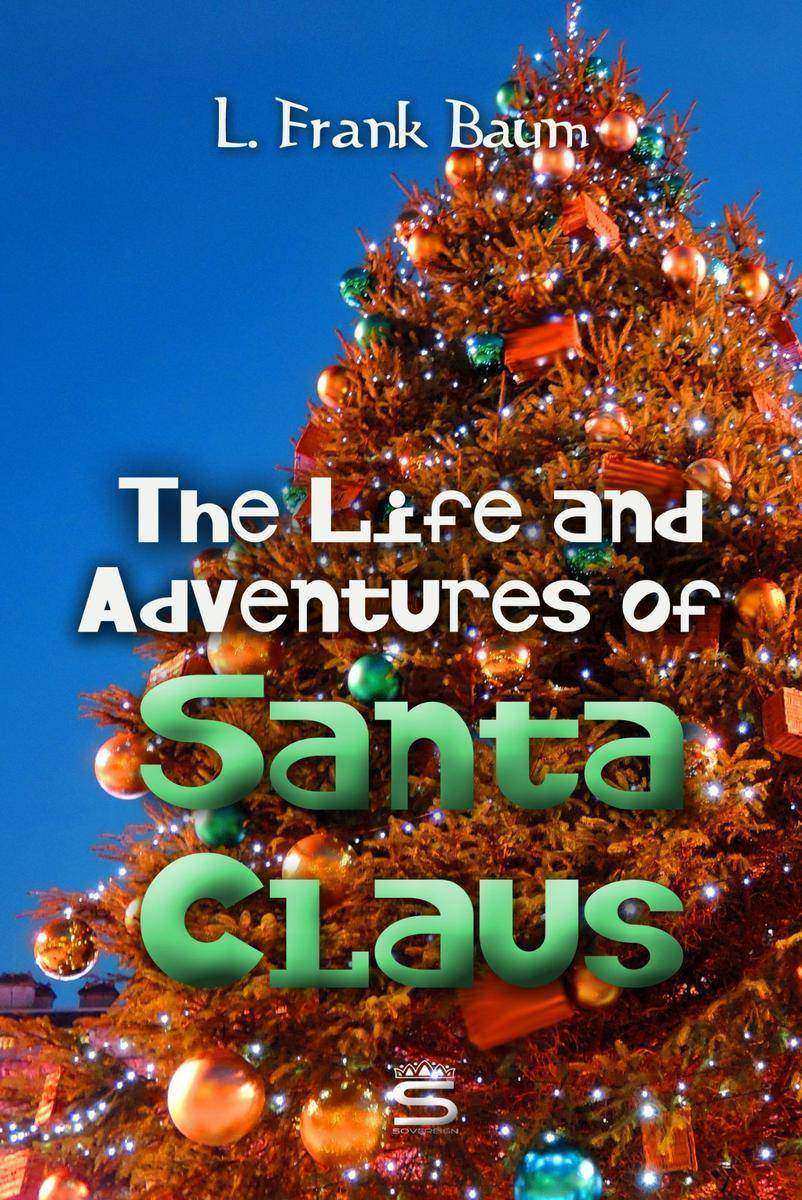
The Life and Adventures of Santa Claus
¥40.79
Santa Claus, as a baby is found in the Forest of Burzee and placed in the care of the lioness Shiegra. The Wood Nymph, Necile, breaks the law of the forest and takes the baby because she desires to raise a child of her own as mortals do. Necile calls him Claus, meaning little one in the old Burzee language.
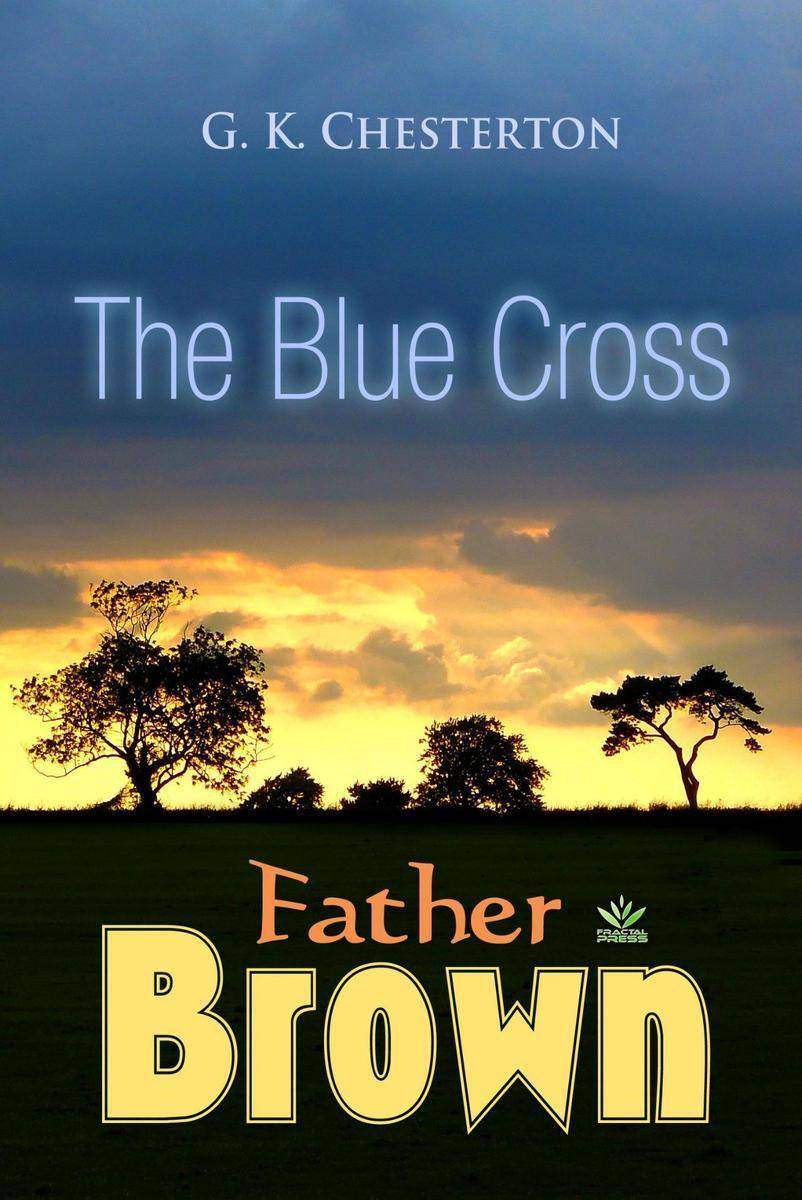
The Blue Cross
¥40.79
Farther Brown may be walking into a trap when he tries to save his soul as his precious Blue Cross is targeted by the notorious criminal Flambeau.
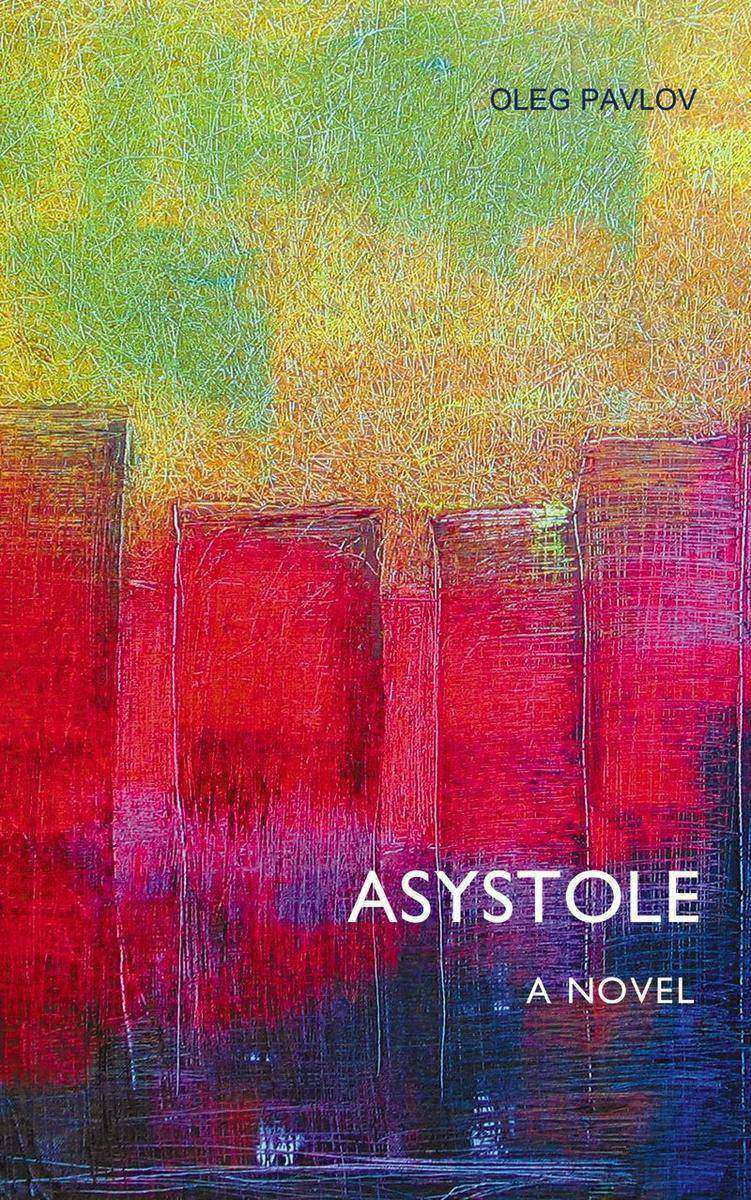
Asystole
¥90.03
From the first pages it becomes apparent that Asystole is a novel about love of life in its purest, instinctive and intimate form. It’s also a novel about human faith in its existence and a desire to experience this love. Author Oleg Pavlov places his character – a boy who grows to be a man and is clearly personified by the writer’s own outlook on life – in impossible and familiar circumstances, impossible not to relate to. An adult is shaped in childhood. Chaotic, anxious and at the same time withdrawn narration seems to have no direction and no resolution. Except that the life of the people, who are in fact children of a broken destiny, is real and not much needs to be said to make it our own. Laconic and ‘to the point’ observations of Pavlov’s protagonist as he goes, are chilling at times. They pierce through flesh right to the bone – the quality only the naked truth can have. Asystole is moreover about the by-stander effect, about a disconnected and malfunctioning society and a struggle of one not to merge into the faceless mass of many. Modern, deeply thought through and heartfelt, this novel is an examination of the physics of human soul. Pavlov’s Universe has a special arrangement – if it was up to him, humans wouldn’t be allowed in it, for the privilege of being human requires living up to the title.


