


 购物车
购物车 个人中心
个人中心
Lewis Hamilton: My Story
¥73.58
Lewis Hamilton’s explosive arrival on the Formula 1 scene has made front-page headlines. In My Story, for the first time Lewis opens up about his stunning debut season in grand prix racing, as well as his dad Anthony, his home life and his early years. The only book with the real story, as told by Lewis. In his first season in F1, Lewis Hamilton thrilled the world of motor racing by finishing on the podium in his first nine consecutive races – the first driver to do so in the sport's 57-year history – and drove to victories in Canada, America, Hungary and Japan. But bare statistics alone do scant justice to the amazing impact Lewis Hamilton has had on the sporting landscape. My Story gives the real account from Lewis himself, as he sets the record straight about his colourful life on and off the track. Given a grounded upbringing by his dedicated father in unremarkable Stevenage, Lewis tells about how he first tried out go-karting while on a cut-price family holiday in Ibiza. In his book he gives the real version of events at a motor sport dinner where, as a nine-year-old wearing a borrowed suit, he approached McLaren team boss Ron Dennis with the immortal words that were to change his life forever. He rose rapidly through the Junior and Formula ranks, dominating every series with his raw speed and canny race craft. Here Lewis candidly recalls those key moments that shaped his career and went some way towards compensating for the sacrifices made by his father Anthony in getting his son to the top. Lewis also charts how he got into the sport and was signed up by Ron Dennis, what motivates him, who are his closest friends, how he copes with the constant travelling, and the physical and mental challenges of driving a state-of-the-art Formula 1 car. He looks back in detail at the 2007 World Championship – the race wins, the frightening crash in Germany, his intense rivalry with team-mate Fernando Alonso, his special relationship with Ron Dennis, and the furore over the Ferrari allegations – right up to the dramatic last race of the season in Brazil.
Provided You Don’t Kiss Me: 20 Years with Brian Clough
¥72.40
‘One day you’ll write a book about this club. Or, more to the point, about me. So you may as well know what I’m thinking and save it up for later when it won’t do any harm to anyone.’ Brian Clough’s twenty years as Nottingham Forest manager were an unpredictable mixture of success, failure, fall-outs and alcoholism. Duncan Hamilton, initiated as a young journalist into the Brian Clough empire, was there to see it all. In this strikingly intimate biography – William Hill Sports Book of the Year 2007 – Hamilton paints a vivid portrait of one of football’s greatest managers: from Nottingham Forest’s double European Cup triumph to the torturous breakdown of relations at the club and Clough’s descent into alcoholism. Sad, joyous and personal, Hamilton’s account of life with Brian Clough is a touching tribute to a brilliant man.
Memories, Dreams and Reflections
¥72.40
This book is a more personal history than has ever before been written by or about Marianne Faithfull. Anecdotal, conversational, intimate and revealing, this is her no-holds-barred account of her life, her friends, her triumphs and mistakes. A decade after the publication of ‘Faithfull’, one of the most acclaimed rock autobiographies of all time, Marianne Faithfull is back, vowing periodically leave her wicked ways behind and grow up, but finding that somehow strange things keep happening. A wry observer of her slightly off-kilter world, Marianne muses nostalgically about afternoons languishing on Moroccan cushions at George and Pattie's, getting high and listening to new songs. She fondly recalls the outlandish antics of her Beat friends Allen Ginsberg and William Burroughs; is frequently baffled at her image in the press (opening the paper to read of her own demise: 'Sixties Star in Death Plunge'); terrified by the curse sent by Kenneth Anger; mortified by her history of reckless behaviour; not to mention her near-death experience in Singapore while looking for an opium den. Marianne peoples her anecdotal memoir with legendary characters one can imagine only Marianne assembling around her, both the eccentric and the beautiful, from Henrietta Moraes and Donatella Versace to Sofia Coppola, Juliette Greco, and Yves St. Laurent's dog. Here is Marianne on the dark side of the sixties and the bright side of the nineties, which saw her collaborating with the likes of Blur and Jarvis Cocker; compelling recollections of an unconventional childhood in her father's orgiastic literary commune to a hilariously decadent few days at Lady Caroline Blackwood's deathbed. Here she is her blossoming movie career, on her records as subliminal autobiography. This is as intimate a portrait as we've ever had of Marianne, as she meditates on sex and drugs, confronts her alter-ego, the Fabulous Beast, and faces her own mortality in her battle with breast cancer. Since her last book Marianne has, in her own words, 'made quite a few records, gone on many tours, tried to play it straight, and… Well, the rest is the subject of this book.'

Two More Sleeps
¥9.71
This is the heart-breaking tale of Angell, a young girl desperately loved but inadequately cared for by her troubled mother Nicki. Abandoned and left barely clothed beneath a park bench on a freezing cold day in winter, the bewildered child is rescued by police and passed into the loving and compassionate care of the Lewis family. But when foster carer Rosie takes Angell into her home and heart, she wonders whether Angell’s mother will ever return for her daughter? Or will Angell be destined to spend the rest of her childhood in care?
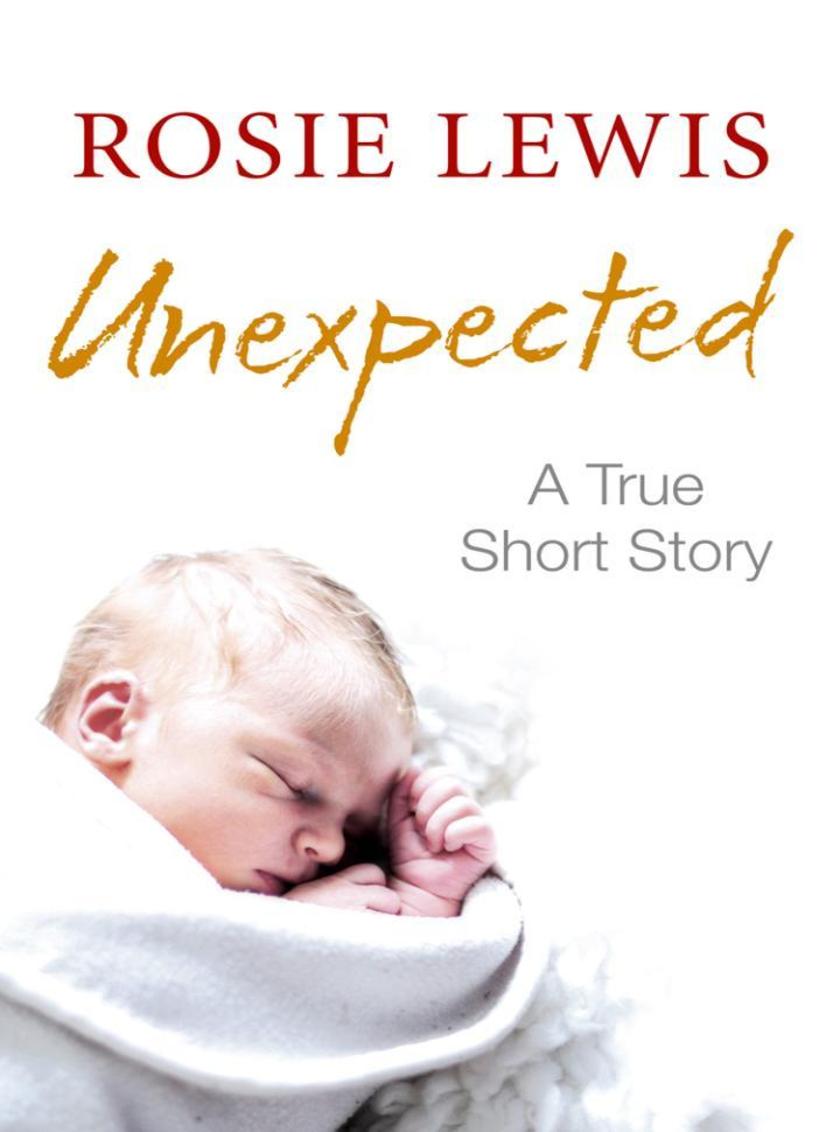
Unexpected: A True Short Story
¥9.71
A dramatic and heartwarming story from foster carer, Rosie Lewis. Ellen, a 28-year-old office worker is so shocked by the sudden birth of her baby that she abandons the newborn in hospital. Foster carer Rosie Lewis begins visiting baby Hope in hospital, then a week later she is released into her care. At first Rosie struggles to understand how any mother could abandon a small baby, but when Ellen begins daily visits with Hope, Rosie sees a young woman traumatised by a dark secret. Rosie wants to help the young woman and the baby in her care and must fight to bring them together.
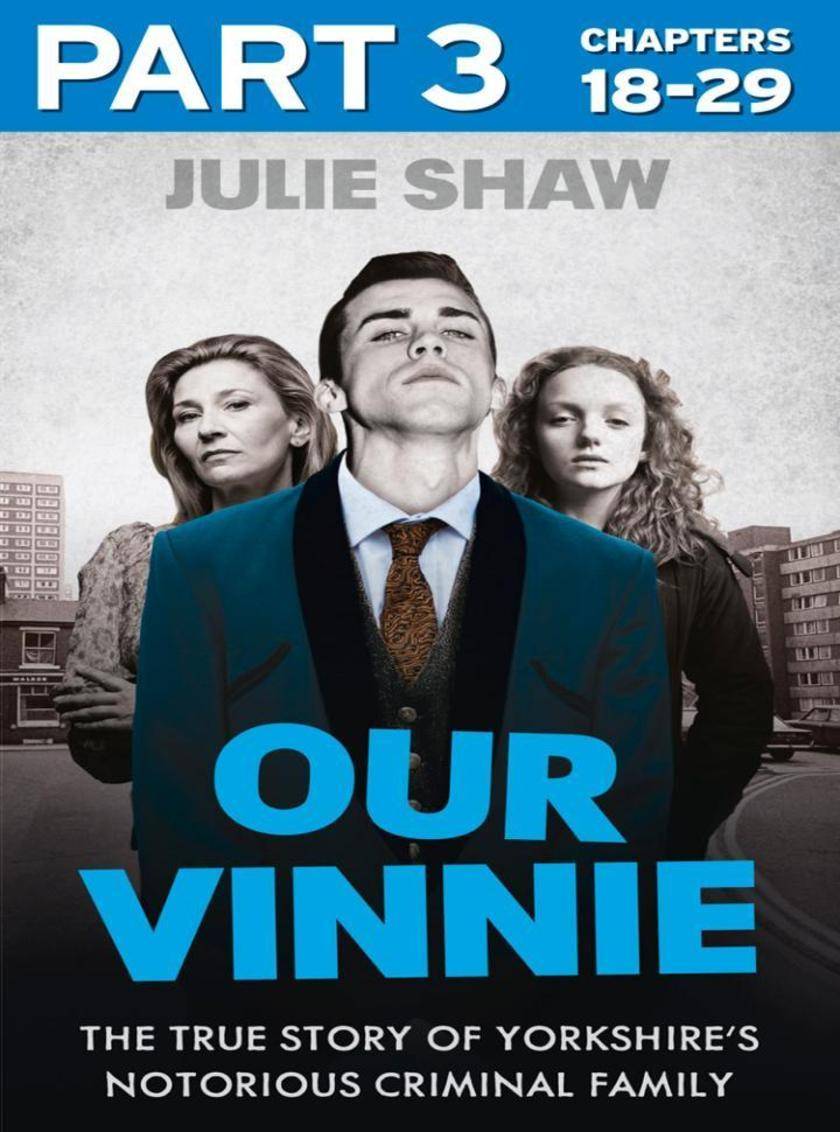
Our Vinnie - Part 3 of 3
¥18.93
Our Vinnie can either be read as a full-length eBook or in 3 serialised eBook-only parts. This is PART 3 of 3. You can read Part 3 one week ahead of the full-length eBook and paperback. The infamous Canterbury Estate in Bradford, a hotbed of crime, drink and drugs, was a law unto itself in the ’70s. So when one of their own was wronged in any way, the community always had its own way of dealing with it. The first title in a series of gritty family sagas, Our Vinnie accounts the dramatic true story of a brother’s determination to avenge his younger sister’s rape. Josie was just 11 when her Vinnie, then 14, was taken away to a detention centre. Distraught by his absence and left alone with indifferent parents, when she escapes from one of their rows she naively enters the house of a neighbour, Melvin, who – horrifically – leads her upstairs and overpowers her. Convinced by her friend Carol, Josie tells her sister Lyndsey about the rape but, with Vinnie out of the picture, Lyndsey uses the information for her own ends. When Vinnie returns, hardened by years inside the system, his outrage on discovering the truth is severe. And with new abuses continually coming to light, a cataclysmic series of violent events begins to spiral out of control… Dramatic and shocking, Our Vinnie is an unbelievable page-turner, documenting a community forsaken by society, and one brother’s unrelenting determination to take justice into his own hands.

My Mam Shirley - Part 3 of 3
¥18.93
My Mam Shirley can either be read as a full-length eBook or in 3 serialised eBook-only parts. This is PART 3 of 3. You can read Part 3 one week ahead of the full-length eBook and paperback.

I Blame The Hormones
¥9.71
I Blame the Hormones follows the story of one woman battling long-term depression, her determination to root out the cause, and her ultimate discovery which freed her from its prison. Caroline Church suffered from a depression so chronic she experienced hallucinations, delusions and even suicidal inclinations. Yet through exploring the correlation between her depressive episodes and the basic elements of female nature, over many years she discovered that what she thought was a mental disorder was actually due to a hormonal imbalance. And the best bit? She learnt what she could do and take to control it. Shocking, vivid, and a must read for women, their partners and healthcare professionals alike, I Blame the Hormones is the uplifting memoir of Caroline’s journey to pull herself through despite all the odds.

The 13th Gift: Part One (HarperTrue Life – A Short Read)
¥9.71
A true Christmas story of a family suffering their darkest moments finding strength and love from a surprise Christmas miracle. December 1999: It was the Christmas season, but Joanne Smith was numb. She wished she could just go to sleep and wake up on December 26. No singing. No laughter. No shopping. She typically enjoyed the holidays, but this year she couldn’t celebrate. Her beloved husband of almost twenty years had died two months previously. What had once been a happy home was now devastated, leaving her and her three children drowning in grief. Until they were thrown a lifeline. Twelve days before Christmas, Jo was in the midst of rushing her kids to school, when she discovered a poinsettia sitting on her doorstep with a card, signed cryptically by her “true friends.” That seemingly small gift was the turning point for the Smith family, as over the course of the twelve days of Christmas, a new gift arrived daily. The mystery of the Christmas presents – specifically, the generosity and kindness behind them – worked its magic on the Smiths as the family knitted back together. They rose out of their grief and latched onto the hope they suddenly felt again: that with love, with community, and with family, even the most broken hearts can be mended.
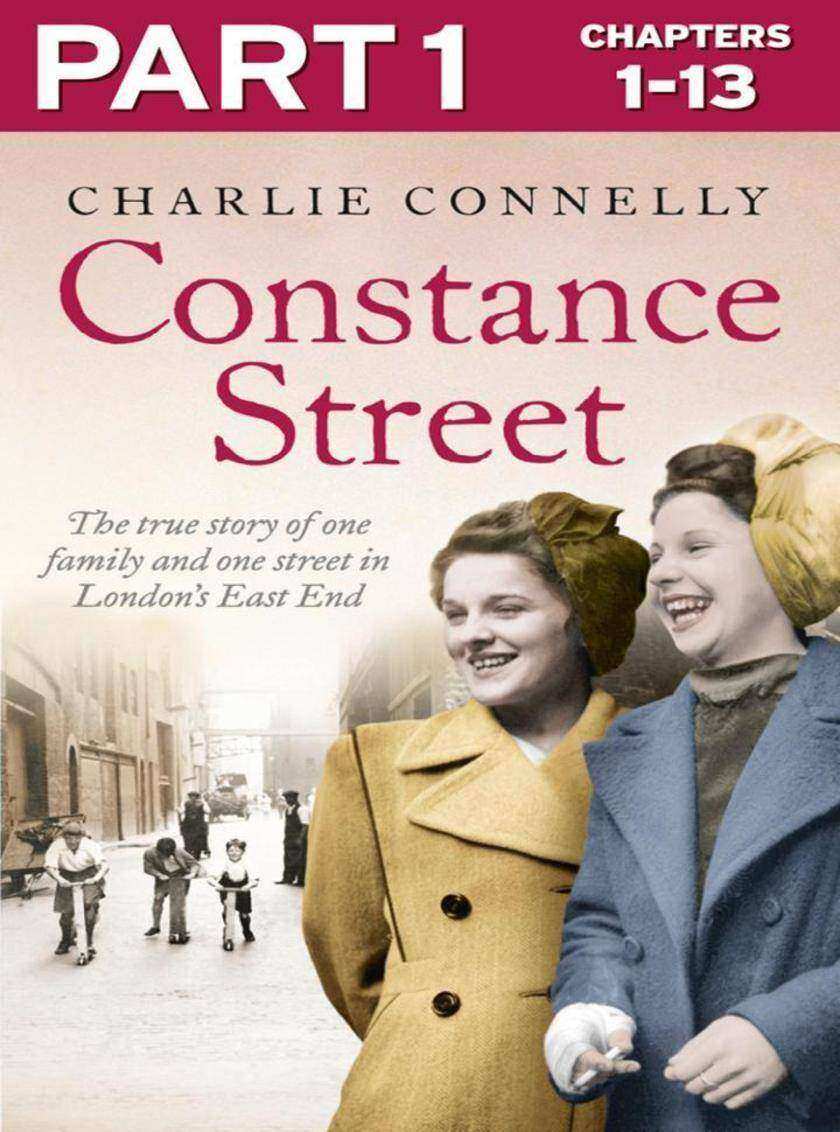
Constance Street: Part 1 of 3
¥36.50
One forgotten street, 12 unforgettable women. ‘’Ang on boy, Joan’s got sumfink to show yer.’ She rummaged in a drawer for a moment, pulled out a piece of paper and handed it to me. ‘Constance Street,’ she said. ‘As I remember it.’ Through the story of one street – Constance Street – we hear the true life tales of a tight knit group of working class women in the East End of London set against a backdrop of war, hardship and struggle. It’s a story of matriarchy and deep family ties, of a generation that was scattered away from the street during the blitz bombings, but which maintained the ties of that street for decades afterwards. Set in an area of East London called Silvertown, a once thriving docking community that at the turn of the 20th century was the industrial heartland of the south of England; the story focuses on the lives of 12 incredible women and their struggle to survive amidst the chaos of the war years. We have Nellie Greenwood, the author’s great grandmother who runs a laundry in Silvertown which becomes the focal point of the community. In 1917 a munitions factory in Silvertown explodes flattening much of the surrounding area and causing extensive damage to Constance Street – Nellie’s daughter is blown from her crib but miraculously survives. Deciding to open the laundry as a field hospital for the injured, Nellie and the women on the street come together to tend the wounded, the sick and the emotionally shattered as they cope with the aftermath of not just one but two world wars. Through the Great War, the roaring Twenties, the Depression and then the unimaginable – the outbreak of a second world war – Nellie and the street survive with love, laughter and friendships that bind the community together. But just as this incredible group of women live through the worst, the unthinkable happens. On 7 September 1940, Constance Street is no more. Following in the footsteps of Farewell to the East End by Jennifer Worth and The Sugar Girls, Constance Street is a life-affirming, heart-warming read that reminds us of a time when people pulled together.
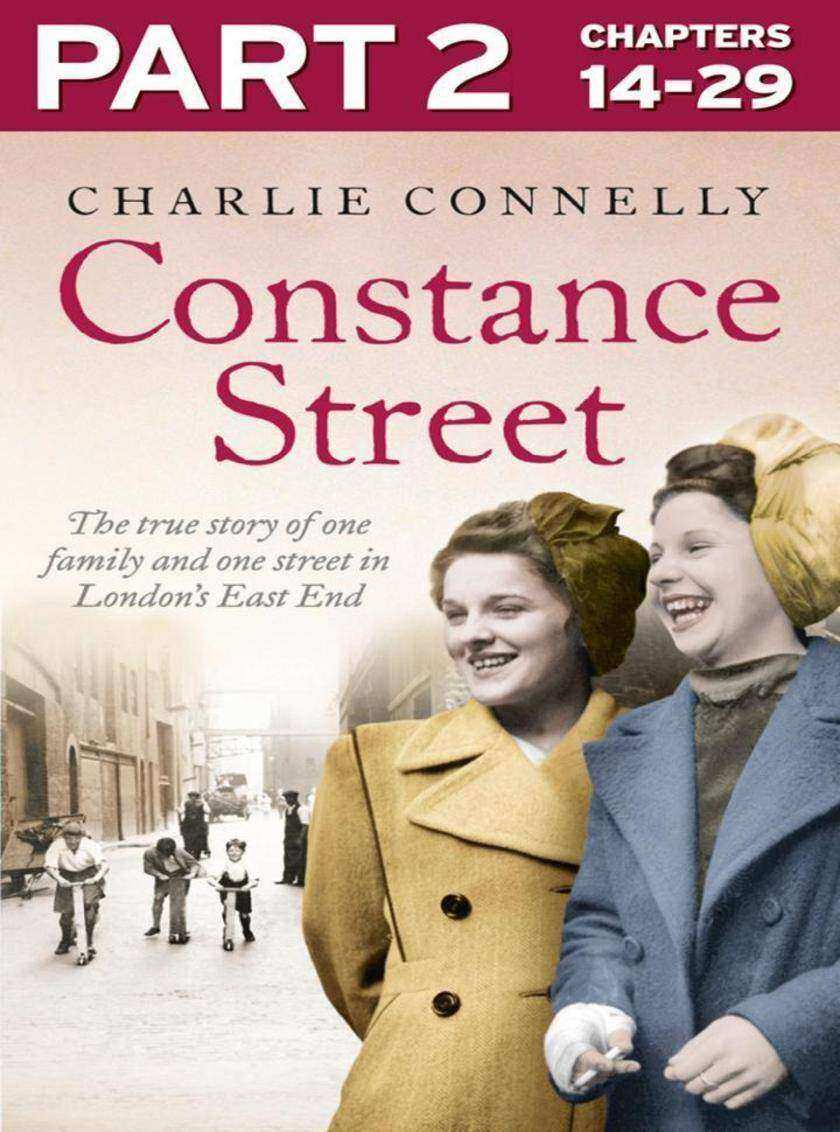
Constance Street: Part 2 of 3
¥36.50
Constance Street can either be read as a full-length eBook or in 3 serialised eBook-only parts. This is PART 2 of 3. You can read Part 2 one week ahead of release of the full-length eBook and paperback. One forgotten street, 12 unforgettable women. Through the story of one street – Constance Street – we hear the true life tales of a tight knit group of working class women in the East End of London set against a backdrop of war, hardship and struggle. It’s a story of matriarchy and deep family ties, of a generation that was scattered away from the street during the blitz bombings, but which maintained the ties of that street for decades afterwards. Set in an area of East London called Silvertown, a once thriving docking community that at the turn of the 20th century was the industrial heartland of the south of England; the story focuses on the lives of 12 incredible women and their struggle to survive amidst the chaos of the war years. We have Nellie Greenwood, the author’s great grandmother who runs a laundry in Silvertown which becomes the focal point of the community. In 1917 a munitions factory in Silvertown explodes flattening much of the surrounding area and causing extensive damage to Constance Street – Nellie’s daughter is blown from her crib but miraculously survives. Deciding to open the laundry as a field hospital for the injured, Nellie and the women on the street come together to tend the wounded, the sick and the emotionally shattered as they cope with the aftermath of not just one but two world wars. Through the Great War, the roaring Twenties, the Depression and then the unimaginable – the outbreak of a second world war – Nellie and the street survive with love, laughter and friendships that bind the community together. But just as this incredible group of women live through the worst, the unthinkable happens. On 7 September 1940, Constance Street is no more. Following in the footsteps of Farewell to the East End by Jennifer Worth and The Sugar Girls, Constance Street is a life-affirming, heart-warming read that reminds us of a time when people pulled together.

Care for Your Kitten (RSPCA Pet Guide)
¥31.59
ublished in association with the RSPCA, the UK’s leading animal welfare charity, this practical family guide is full of expert advice on how to choose a kitten and how best to look after it. If you already own or are planning to buy a kitten this easy-to-use introductory guide is a must. Clearly illustrated with colour photographs throughout, it covers all aspects of daily care including housing, feeding, handling, hygiene, grooming, health and first aid. Published in association with the experts at the RSPCA, this book will help you ensure that you are giving your kitten the best possible start in life.
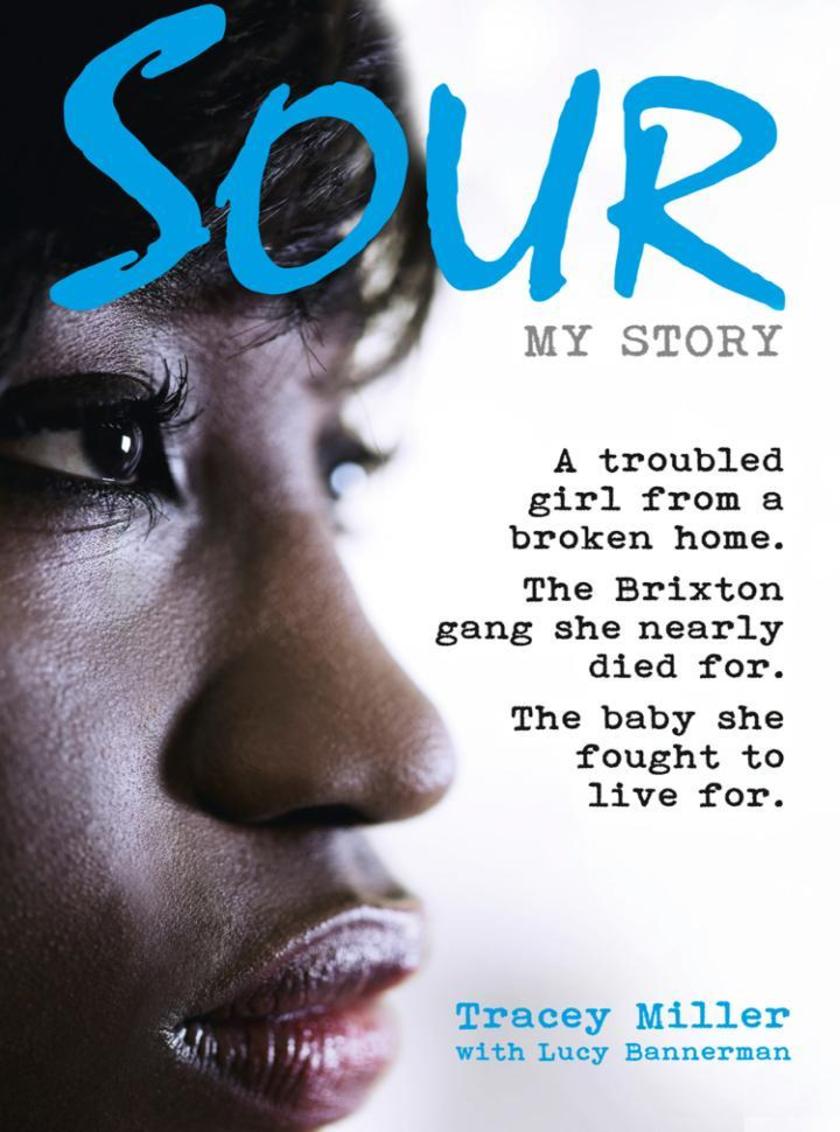
Sour: My Story
¥61.51
They call me Sour. The opposite of sweet. Shanking, stabbing, steaming, robbing, I did it all, rolling with the Man Dem. I did it because I was bad. I did it because I had heart. And the reason I reckon I got away with it for so long? Because I was a girl. SOUR is the true story of a former Brixton gang girl, drug dealer and full-time criminal. A member of the Younger 28s, a notorious gang that terrorised the postcodes around Brixton in the 90s, Sour escapes a troubled family life to immerse herself in the street life of likking and linking. She never leaves her house without a knife. At the age of fifteen, she stabs an innocent man in the street, earning her unrivalled respect and ‘Top-Dog’ status amongst her crew. She believes she is invincible. But the consequences of her actions are soon to catch up with her. Waking for the second time in two weeks in a hospital bed, to the news that she is pregnant, she realises it’s time to turn her life around. Motherhood will be a rude awakening, but it may also be her saving grace. Told with raw emotions and ferocious honesty, this is the real, on-the-record, story of one woman’s descent down the rabbit hole of gangland, and her efforts, as a daughter, mother and girlfriend, to claw herself out.
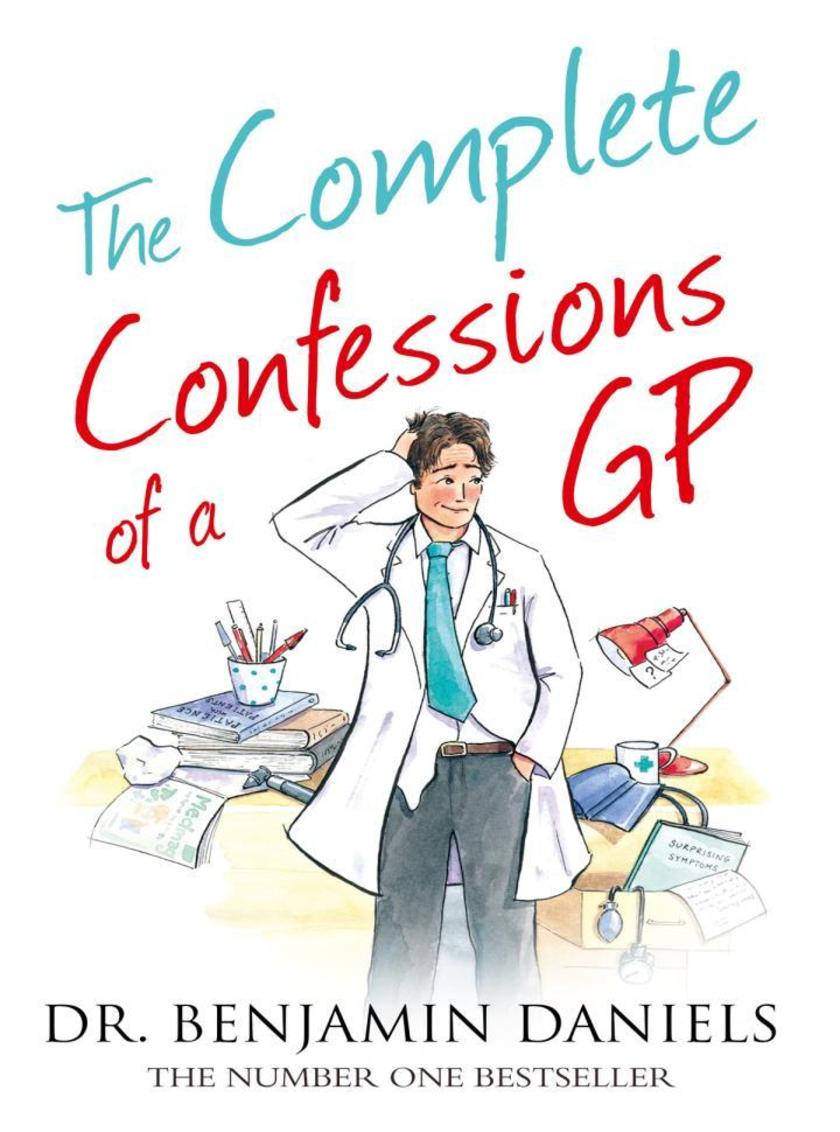
The Complete Confessions of a GP (The Confessions Series)
¥34.14
Confessions of a GP and Further Confessions of a GP together in one volume. Benjamin Daniels is angry. He is frustrated, confused, baffled and, quite frequently, very funny. He is also a GP. These are his confessions.
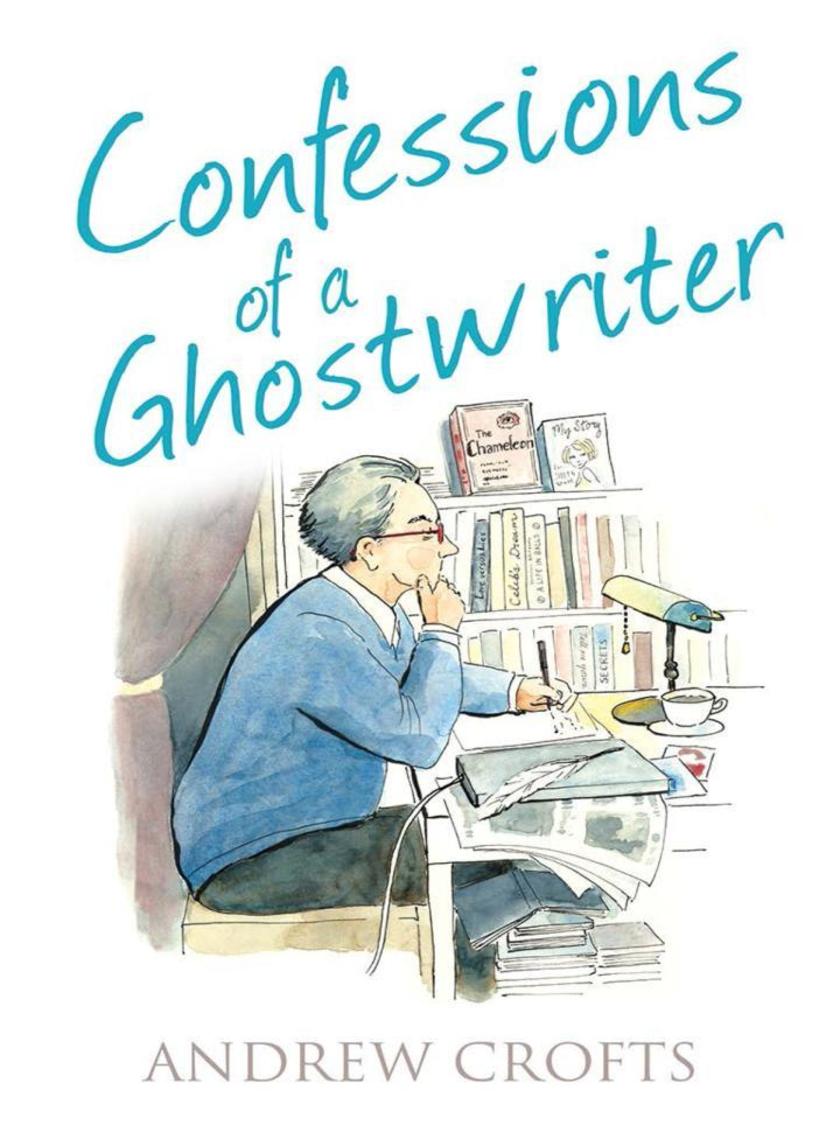
Confessions of a Ghostwriter (The Confessions Series)
¥34.14
HE’S WRITTEN MORE THAN 80 BOOKS. HE’S SOLD MILLIONS OF COPIES ACROSS THE WORLD. HE IS THE MAN BEHIND A DOZEN SUNDAY TIMES TOP 10 HITS, SPENDING OVER 120 WEEKS IN THE BESTSELLER CHARTS. BUT YOU PROBABLY HAVEN’T HEARD OF HIM. Andrew Crofts is a ghostwriter, an author for hire, employed to write other people’s stories – everyone from film stars to footballers, hitmen to hookers, world leaders to abused children. Ghostwriters are confidantes to the most famous people on earth, and they help give a voice to some of the most vulnerable and inspiring. They dip their toes into every corner of life, and inhabit worlds that are both shadowy and glamorous. They are the ones who write the books that top the bestseller charts. Andrew is one of the world’s most sought-after ghosts. In this book he confesses the truth about ghosting; how it feels to be an invisible author, to be given first class tickets to travel anywhere and permission to ask whatever questions you like. Confessions of a Ghostwriter gives an unrivalled peek into private worlds that few others gain admission to.

Triumph Over Adversity 3-in-1 Collection
¥182.66
For the first time, Casey Watson’s The Girl Without a Voice, Torey Hayden’s Beautiful Child and Mary MacCracken’s Lovey are combined in an exclusive e-book bundle. Discover the moving stories of three inspirational teachers as they try to pull their students out of the darkness. The Girl Without a Voice is the shocking story from bestselling author and foster carer Casey Watson. Thirteen-year-old Imogen joins Casey’s class and suffers from selective mutism – although her grandparents insist they have no idea why. Not content with the explanation that Imogen is just playing up, Casey starts digging and it’s not long before she starts to discover a very different side to Imogen’s character. After months of silence, Imogen utters her first, terrified, words to Casey: ‘I thought she was going to burn me.’ Internationally bestselling author Torey Haydon returns with Beautiful Child, a stunning and poignant account of an extraordinary teacher's determination never to abandon a child in need. Seven-year-old Venus Fox never spoke or listened. Yet an accidental playground 'bump' would release a rage frightening to behold. The school year that followed would prove to be one of the most trying, perplexing, and ultimately rewarding of Torey's career, as she struggled to reach a silent child in obvious pain. Mary MacCracken’s deeply moving memoir Lovey is the account of eight-year-old Hannah, who joins Mary’s class and retires to a cupboard, refusing to come out. Howling almost non-stop she was displaying the worst symptoms that Mary had ever seen. How could Mary help a child who had been shut up in closets and treated like an animal? How could she reach this lost girl?
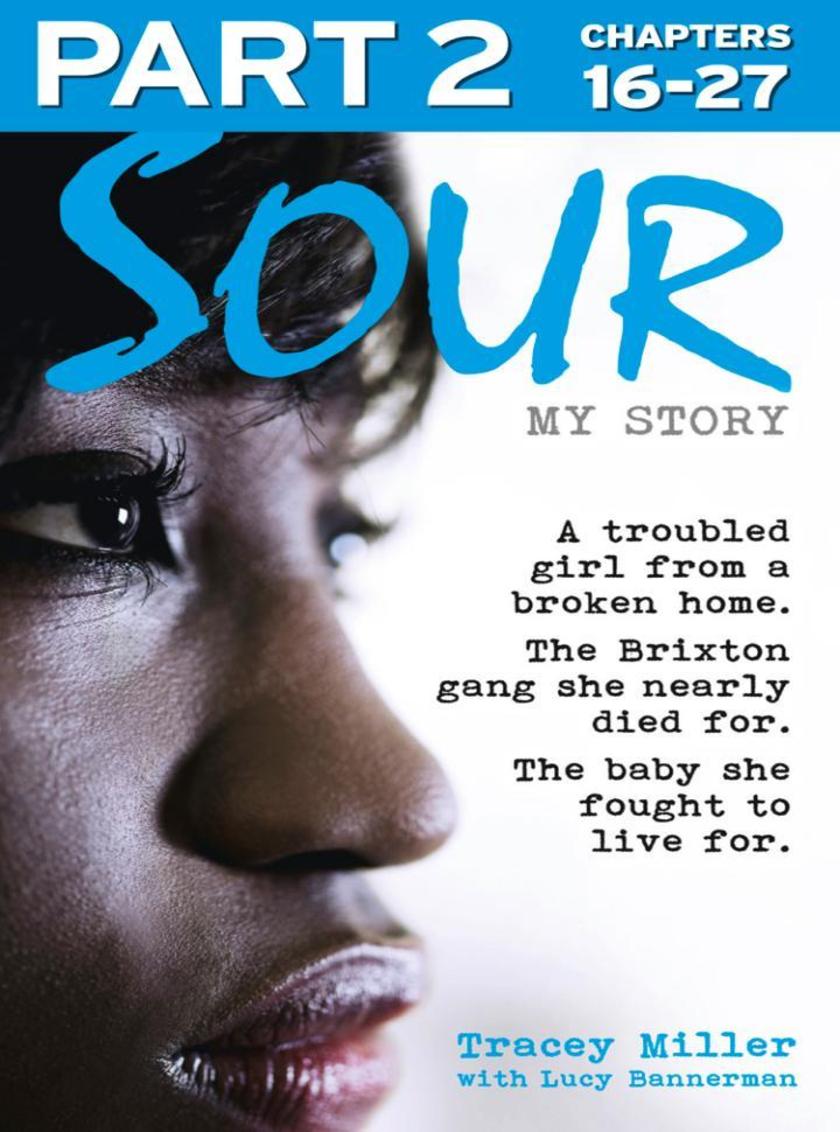
Sour: My Story - Part 2 of 3
¥40.52
Sour can either be read as a full-length eBook or in 3 serialised eBook-only parts. This is PART 1 of 3. They call me Sour. The opposite of sweet. Shanking, stabbing, steaming, robbing, I did it all, rolling with the Man Dem. I did it because I was bad. I did it because I had heart. And the reason I reckon I got away with it for so long? Because I was a girl. SOUR is the true story of a former Brixton gang girl, drug dealer and full-time criminal. A member of the Younger 28s, a notorious gang that terrorised the postcodes around Brixton in the 90s, Sour escapes a troubled family life to immerse herself in the street life of likking and linking. She never leaves her house without a knife. At the age of fifteen, she stabs an innocent man in the street, earning her unrivalled respect and ‘Top-Dog’ status amongst her crew. She believes she is invincible. But the consequences of her actions are soon to catch up with her. Waking for the second time in two weeks in a hospital bed, to the news that she is pregnant, she realises it’s time to turn her life around. Motherhood will be a rude awakening, but it may also be her saving grace. Told with raw emotions and ferocious honesty, this is the real, on-the-record, story of one woman’s descent down the rabbit hole of gangland, and her efforts, as a daughter, mother and girlfriend, to claw herself out.
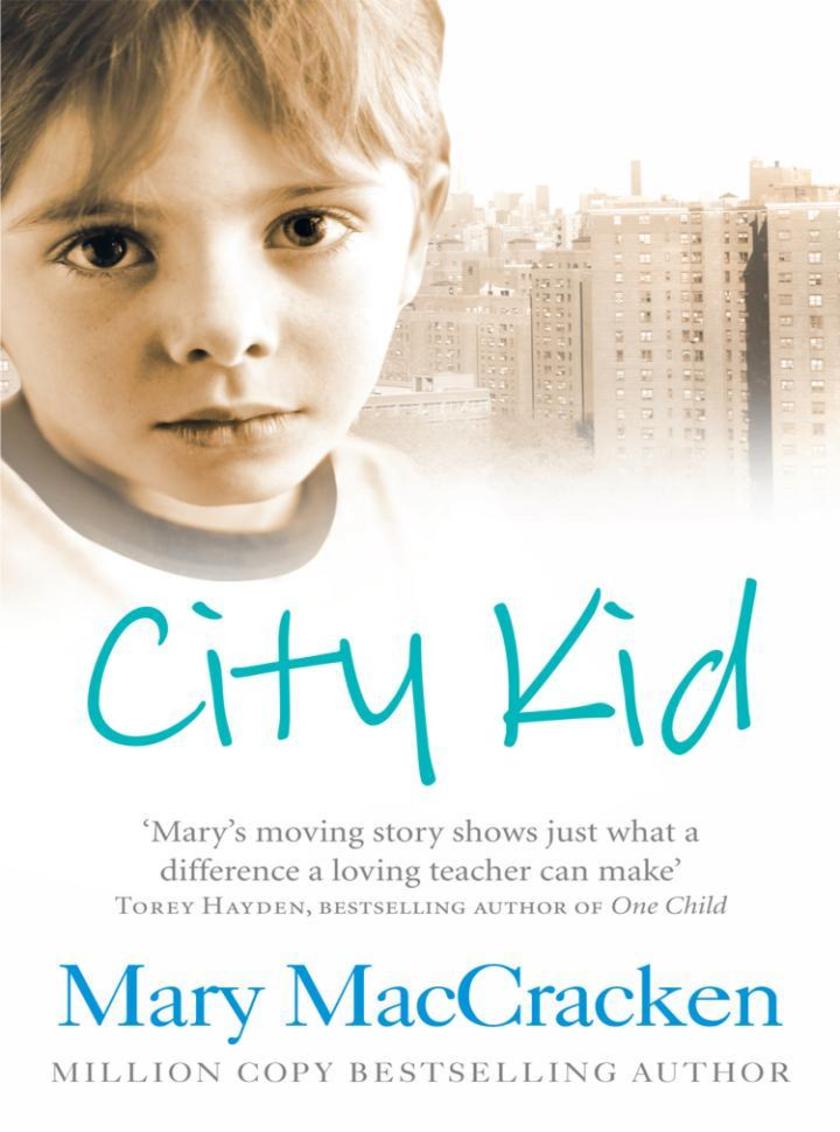
City Kid
¥58.86
From the author of international bestsellers A Circle of Children and Lovey comes an inspiring true story of a gifted teacher’s determination to understand the ‘rotten’ city kid everyone has given up on. Sitting quiet and withdrawn at a battered school desk, Luke had the looks of a shy angel – and a past that special needs teacher Mary MacCracken could barely believe. Already Luke had been picked up 24 times by the police. He’d set over a dozen major fires, and had a staggering record of thefts. No adult could reach him, no teacher could control him, and no policeman could cow him. All this – and Luke was only seven and a half years old. Trying to help Luke was Mary MacCracken’s job – and a seemingly impossible challenge. This is the remarkable story of how the impossible came true.
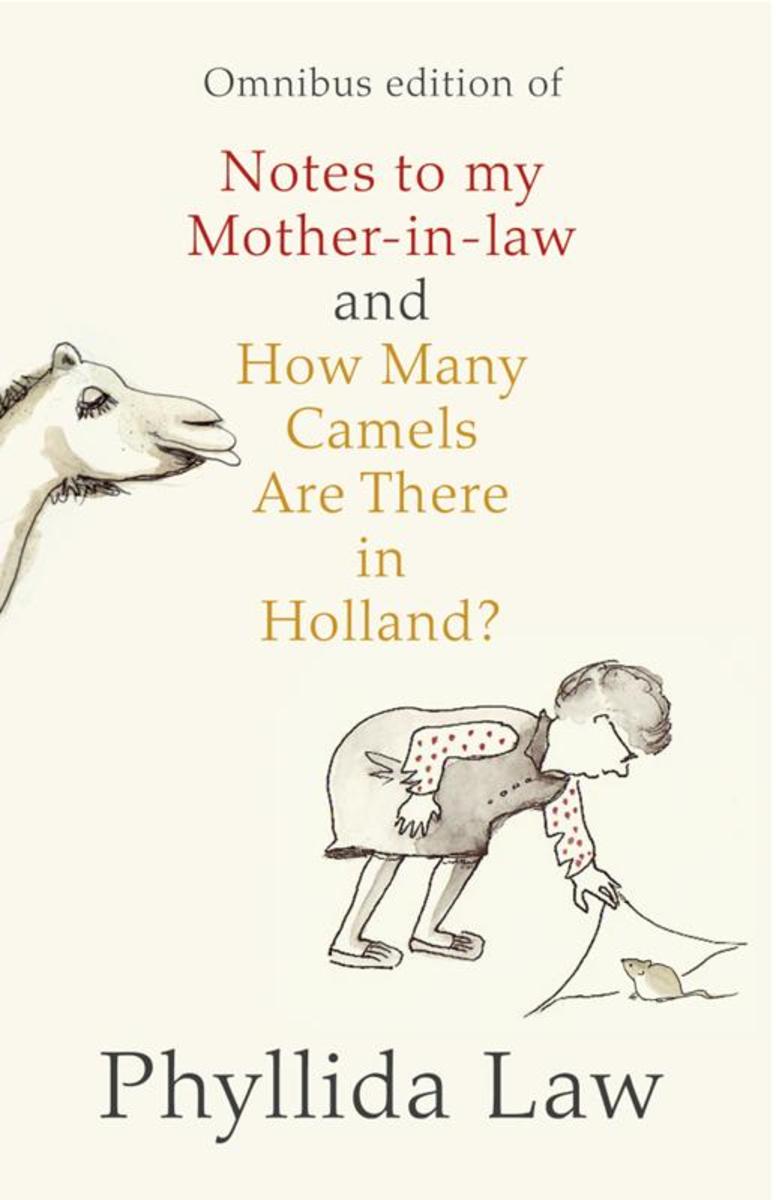
Notes to my Mother-in-Law and How Many Camels Are There in Holland?
¥95.75
A single-volume edition of two hugely charming and funny memoirs of family life – ‘Notes to my Mother-in-Law’ and ‘How Many Camels Are There in Holland?’ – by the inimitable Phyllida Law. Phyllida Law’s treasured mother-in-law Annie was the lynchpin of the entire family, so when they realised she was growing ever more deaf the only solution was for Phyllida to note down all the day’s gossip for Annie to read. When her own mother Mego – always deliciously dotty – was diagnosed with dementia late in her life, Phyllida devoted herself to Mego’s care, on hand to keep the cottage tidy and prepare a medicinal G&T. And all the while Phyllida had to manage her busy acting career and bring up her own daughters, the actresses Emma and Sophie Thompson. Complete with wonderful new material from Phyllida, Emma and Sophie, this single-volume edition of Phyllida Laws’s two enchanting memoirs of family life – ‘Notes to my Mother-in-Law’ and ‘How Many Camels Are There in Holland?’ – is a tender and sweetly comic story of mothers, daughters, a malfunctioning hearing aid and a most peculiar question about camels …
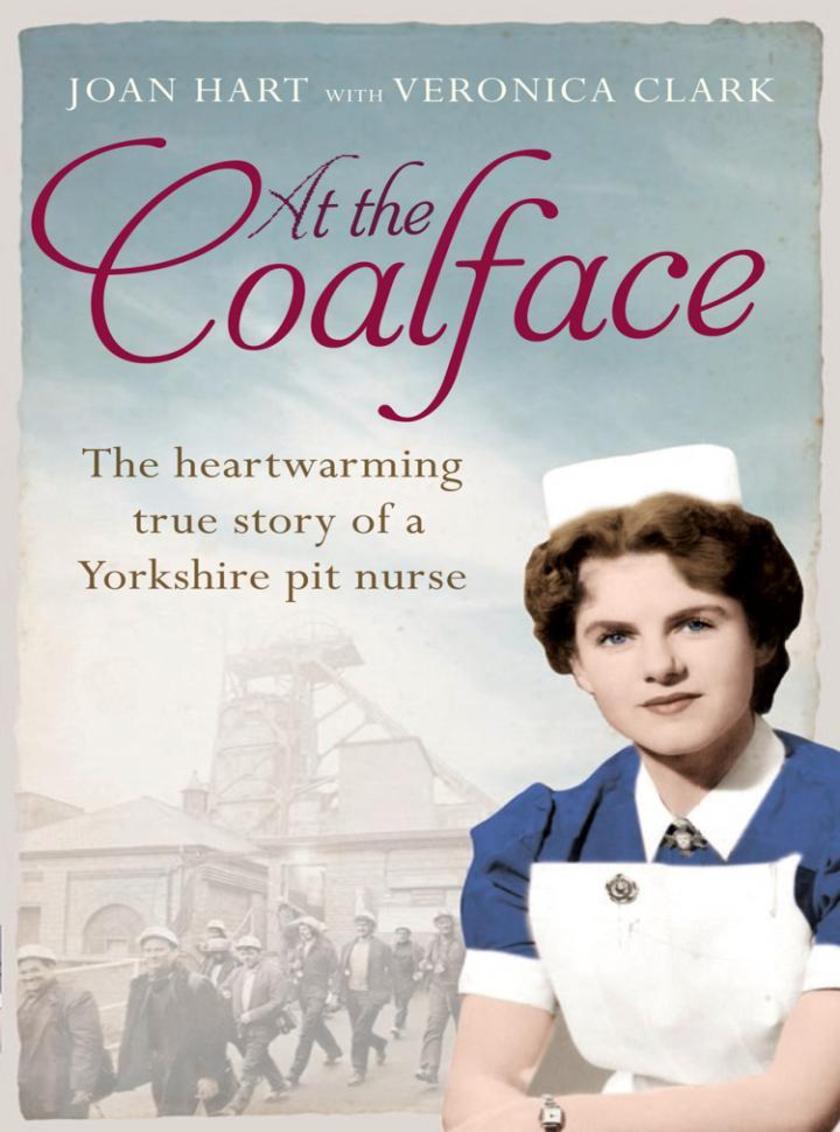
At the Coalface: The memoir of a pit nurse
¥58.86
A heart-warming story of a woman who devoted her life to helping others. This is the memoir of Joan, who started nursing in the 1940s and whose experiences took her into the Yorkshire mining pits and through the tumult of the 1984-85 miners’ strike. Joan Hart always knew what she wanted to do with her life. Born in South Yorkshire in 1932, she started her nursing training when she was 16, the youngest age girls could do so at the time. She continued working after she married and her work took her to London and Doncaster, caring for children and miners. When she took a job as a pit nurse in Doncaster in 1974, she found that in order to be accepted by the men under her care, she would have to become one of them. Most of the time rejecting a traditional nurse’s uniform and donning a baggy miner’s suit, pit boots, a hardhat and a headlamp, Joan resolved always to go down to injured miners and bring them out of the pit herself. Over 15 years Joan grew to know the miners not only as a nurse, but as a confidante and friend. She tended to injured miners underground, rescued men trapped in the pits, and provided support for them and their families during the bitter miners’ strike which stretched from March 1984 to 1985. Moving and uplifting, this is a story of one woman’s life, marriage and work; it is guaranteed to make readers laugh, cry, and smile.
At the Coalface: Part 1 of 3: The memoir of a pit nurse
¥33.75
A heart-warming story of a woman who devoted her life to helping others. This is the memoir of Joan, who started nursing in the 1940s and whose experiences took her into the Yorkshire mining pits and through the tumult of the 1984-85 miners’ strike. Joan Hart always knew what she wanted to do with her life. Born in South Yorkshire in 1932, she started her nursing training when she was 16, the youngest age girls could do so at the time. She continued working after she married and her work took her to London and Doncaster, caring for children and miners. When she took a job as a pit nurse in Doncaster in 1974, she found that in order to be accepted by the men under her care, she would have to become one of them. Most of the time rejecting a traditional nurse’s uniform and donning a baggy miner’s suit, pit boots, a hardhat and a headlamp, Joan resolved always to go down to injured miners and bring them out of the pit herself. Over 15 years Joan grew to know the miners not only as a nurse, but as a confidante and friend. She tended to injured miners underground, rescued men trapped in the pits, and provided support for them and their families during the bitter miners’ strike which stretched from March 1984 to 1985. Moving and uplifting, this is a story of one woman’s life, marriage and work; it is guaranteed to make readers laugh, cry, and smile.


