


 购物车
购物车 个人中心
个人中心

Blood-Dark Track: A Family History
¥66.22
From the bestselling and PEN/Faulkner Award-winning author of Netherland, a fascinating, personal, and beautifully crafted family history. Joseph O'Neill's grandfathers--one Turkish, one Irish--were both imprisoned for suspected subversion during the Second World War. The Irish grandfather, a handsome rogue from a family of small farmers, was an active member of the IRA. O'Neill's other grandfather, a debonair hotelier from the tiny and threatened Turkish Christian minority, was interned by the British in Palestine on suspicion of being an Axis spy. With intellect, compassion, and grace, O'Neill sets the stories of these individuals against the history of the last century's most inhuman events.
Banco: The Further Adventures of Papillon
¥57.09
Here at last is the sensational sequel to "Papillon" - the great story of escape and adventure that took the world by storm. "Banco" continues the adventures of Henri Charriere - nicknamed 'Papillon' - in Venezuela, where he has finally won his freedom after thirteen years of escape and imprisonment. Despite his resolve to become an honest man, Charriere is soon involved in hair-raising exploits with goldminers, gamblers, bank-robbers and revolutionaries - robbing and being robbed, his lust for life as strong as ever. He also runs night-clubs in Caracas until an earthquake ruins him in 1967 - when he decides to write the book that brings him international fame. Henri Charriere died in 1973 at the age of 66.
Little Labours
¥73.67
AN OBSERVER BOOK OF THE YEAR A droll and dazzling compendium of observations, stories, lists, and brief essays about babies. ‘Beguiling … A wunderkabinett of baby-related curios … A peculiar book, and astonishing in its effect.’ Boston Globe One August day, a baby was born, or as it seemed to Rivka Galchen, a puma moved into her apartment. Her arrival felt supernatural, she seemed to come from another world. And suddenly, the world seemed ludicrously, suspiciously, adverbially sodden with meaning. But Galchen didn’t want to write about the puma. She had never been interested in babies, or in mothers before. Now everything seemed directly related to them and she specifically wanted to write about other things because it might mean she was really, covertly, learning something about babies, or about being near babies. The result is Little Labours, a slanted enchanted miscellany. Galchen writes about babies in art (with wrongly shaped head) and babies in literature (rarer than dogs or abortions, often monstrous); about the effort of taking a passport photo for a baby not yet able to hold up her head and the frightening prevalence of orange as today’s chic colour for baby gifts; about Frankenstein as a sort of baby and a baby as a sort of Godzillas. In doing so she opens up an odd and tender world of wonder.

Hotel Tiberias: A Tale of Two Grandfathers
¥77.01
Part history, part travel journal and part autobiography, ‘Hotel Tiberias’ is a journey of many layers and resonances, as Sebastian Hope follows the tumultuous story of his family’s hotel in Palestine.
Groomed: Part 1 of 3: Danger lies closer than you think
¥28.45
It’s late on Friday night when Casey’s mobile starts to ring. She is expecting it to be her daughter Riley. But it isn’t Riley. It’s a woman from the Emergency Duty Team. So begins Casey and Mike’s latest fostering challenge – a fifteen-year-old girl called Keeley who’s run away from her long-term foster home 25 miles away. The Jonathan Ross Show has just started when Casey gets the call. She thinks it will be Riley – telling her that her favourite actor is going to be on TV. But it’s something far more urgent: a fifteen-year-old girl who has run away from her foster family and accused her foster father of sexual abuse. The family deny in vehemently, but such an allegation can never be taken lightly, so a new home must be found for Keeley. Keeley is polite, but she’s sharp, and she has all the hallmarks of a child who has been in the system a long time, and knows how to play it. Whether the allegation is true or not, Casey knows there will be no winners here. If it is true, then a young girl’s life has been torn asunder. If not, then the heartache for the family will only be surpassed by the bleak outlook for Keeley. In the short term, it’s a case of providing a safe, supportive home for a vulnerable child. But with the dangerous world of the internet at her disposal, it seems this strong-minded youngster has her own ideas of where that safe place should be…
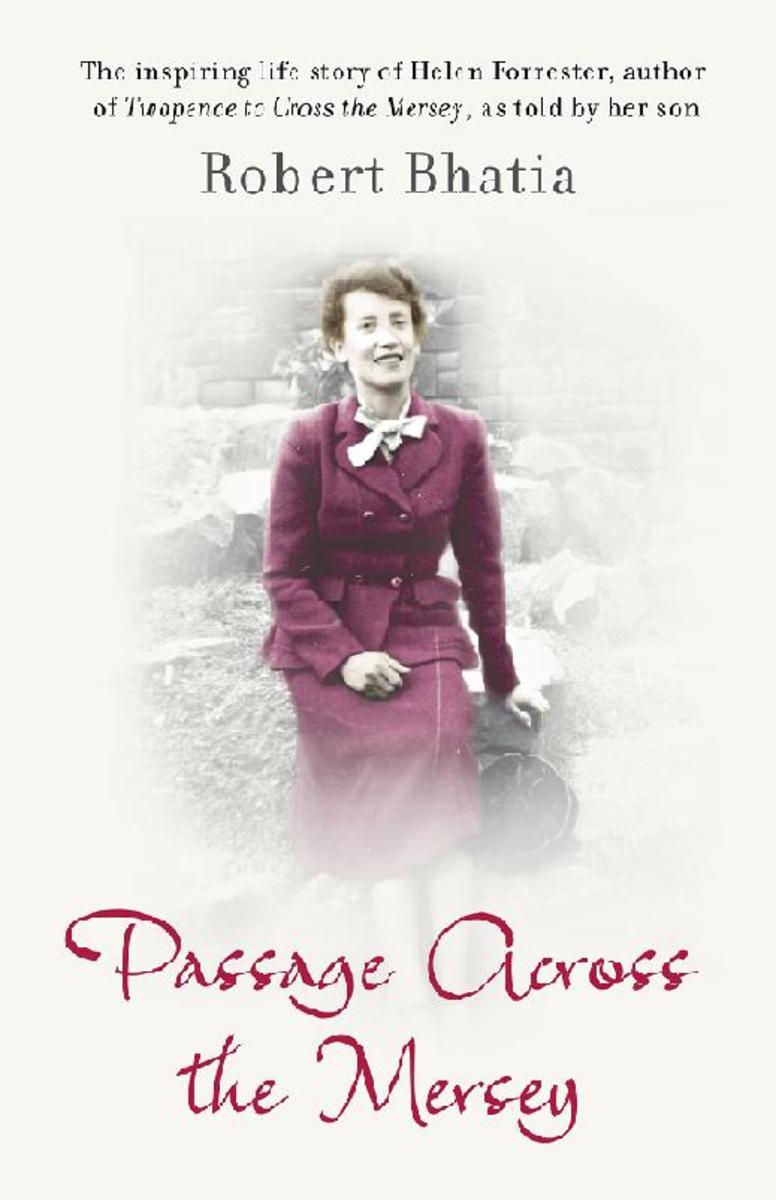
Passage Across the Mersey
¥66.22
The remarkable story of Helen Forrester, author of Twopence to Cross the Mersey, and how she turned tragedy to triumph. When Helen Forrester’s father went bankrupt in the 1930’s, she and her six siblings fell from a comfortable middle-class existence into wretched poverty. Later in life, Helen wrote a ground-breaking series of memoirs, starting with Twopence to Cross the Mersey, which told the harrowing account of her family’s struggles in Depression-era Liverpool. It was a story filled with tragedy and small triumphs but many readers wondered what happened to Helen when she grew up; what became of the fragile young girl who had so much responsibility heaped on her shoulders? Now for the first time, her son Robert recounts the unexpected life that Helen went on to live; of the remarkable love story with a young man from a background a million miles away from everything a Lancashire Lass like Helen would have known and of the astonishing lengths she went to in order to achieve happiness. Full of new revelations and fascinating detail never before revealed, Passage Across the Mersey is a story of an extraordinary woman, and of the journey that took her thousands of miles from the place she called home…
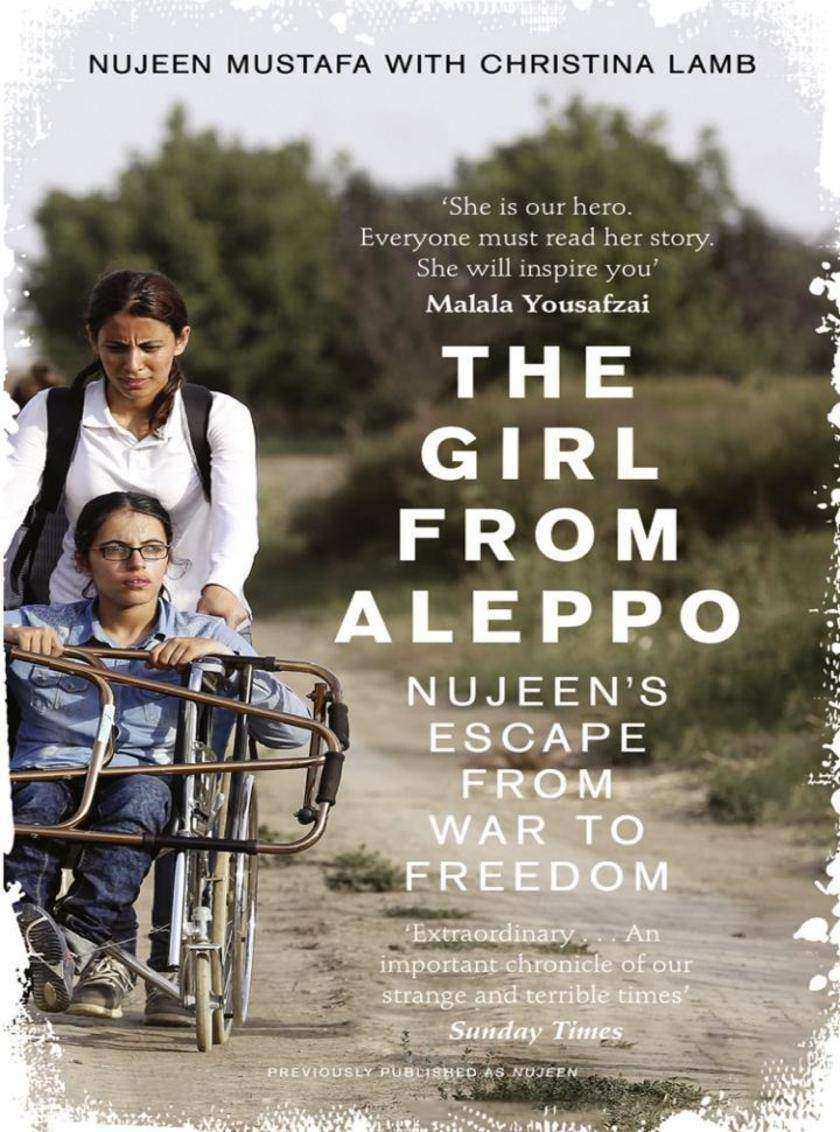
The Girl From Aleppo: Nujeen’s Escape From War to Freedom
¥66.22
Previously published as ‘Nujeen’ The story that is inspiring the world. Read about Nujeen who escaped the hell of war in Aleppo and travelled to Europe in a wheelchair. ‘She is our hero. Everyone must read her story. She will inspire you’ MALALA YOUSAFZAI Nujeen Mustafa has cerebral palsy and cannot walk. This did not stop her braving inconceivable odds to travel in her wheelchair from Syria in search of a new life. Sharing her full story for the first time, Nujeen recounts the details of her childhood and disability, as well as the specifics of her harrowing journey across the Mediterranean to Greece and finally to Germany to seek an education and the medical treatment she needs. Nujeen's story has already touched millions and in this book written with Christina Lamb, bestselling co-author of ‘I Am Malala’, she helps to put a human face on a global emergency. Trapped in a fifth floor apartment in Aleppo and unable to go to school, she taught herself to speak English by watching US television. As civil war between Assad's forces and ISIS militants broke out around them, Nujeen and her family fled first to her native Kobane, then Turkey before they joined thousands of displaced persons in a journey to Europe and asylum. She wanted to come to Europe, she said, to become an astronaut, to meet the Queen and to learn how to walk. In her strong, positive voice, Nujeen tells the story of what it is really like to be a refugee, to have grown up in a dictatorship only for your life to be blighted by war; to have left a beloved homeland to become dependent on others. It is the story of our times told through the incredible bravery of one remarkable girl determined to keep smiling.
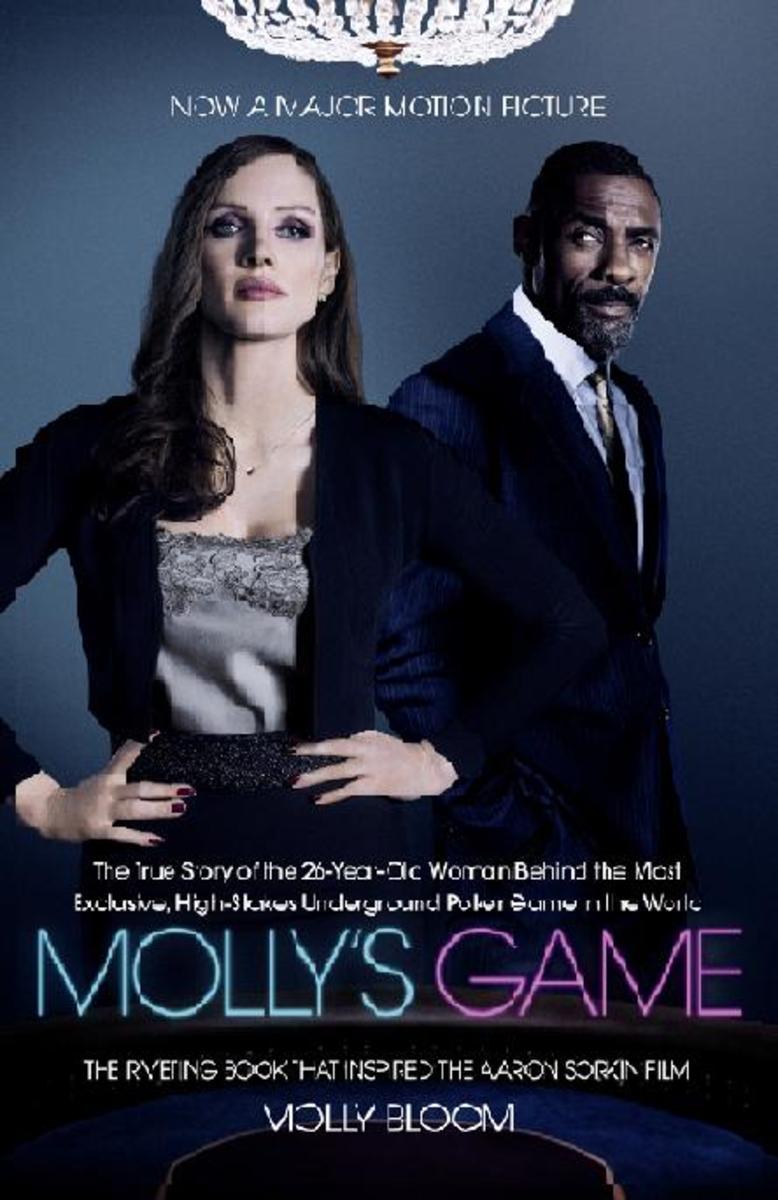
Molly’s Game: The Riveting Book that Inspired the Aaron Sorkin Film
¥66.22
A SUNDAY TIMES BESTSELLER NOW A MAJOR MOTION PICTURE WRITTEN AND DIRECTED BY AARON SORKIN, AND STARRING JESSICA CHASTAIN, IDRIS ELBA, KEVIN COSTNER AND MICHAEL CERA The true story of the 26-year-old woman behind the most exclusive, high-stakes underground poker game in the world When Molly Bloom was a little girl in a small Colorado town, she dreamed of a life without rules and limits, a life where she didn’t have to measure up to anyone or anything – where she could become whatever she wanted. She ultimately got more than she ever could have bargained for. In Molly’s Game, she takes you through her adventures running an exclusive private poker game catering to Hollywood royalty like Leonardo DiCaprio and Ben Affleck, athletes, billionaires, politicians and financial titans. With rich detail, Molly describes a world of glamour, privilege and secrecy in which she made millions, lived the high life and fearlessly took on the Russian and Italian mobs – until she met the one adversary she could not outsmart: the United States government.
The True Story of the Novel (Text Only)
¥76.91
Margaret Anne Doody is Andrew W Mellon Professor of Humanities at Vanderbilt University, USA. She is the author of several books, including the novel Aristotle Detective and a biography of Frances Burney.

Groomed: Part 2 of 3: Danger lies closer than you think
¥28.45
It’s late on Friday night when Casey’s mobile starts to ring. She is expecting it to be her daughter Riley. But it isn’t Riley. It’s a woman from the Emergency Duty Team. So begins Casey and Mike’s latest fostering challenge – a fifteen-year-old girl called Keeley who’s run away from her long-term foster home 25 miles away. The Jonathan Ross Show has just started when Casey gets the call. She thinks it will be Riley – telling her that her favourite actor is going to be on TV. But it’s something far more urgent: a fifteen-year-old girl who has run away from her foster family and accused her foster father of sexual abuse. The family deny in vehemently, but such an allegation can never be taken lightly, so a new home must be found for Keeley. Keeley is polite, but she’s sharp, and she has all the hallmarks of a child who has been in the system a long time, and knows how to play it. Whether the allegation is true or not, Casey knows there will be no winners here. If it is true, then a young girl’s life has been torn asunder. If not, then the heartache for the family will only be surpassed by the bleak outlook for Keeley. In the short term, it’s a case of providing a safe, supportive home for a vulnerable child. But with the dangerous world of the internet at her disposal, it seems this strong-minded youngster has her own ideas of where that safe place should be…
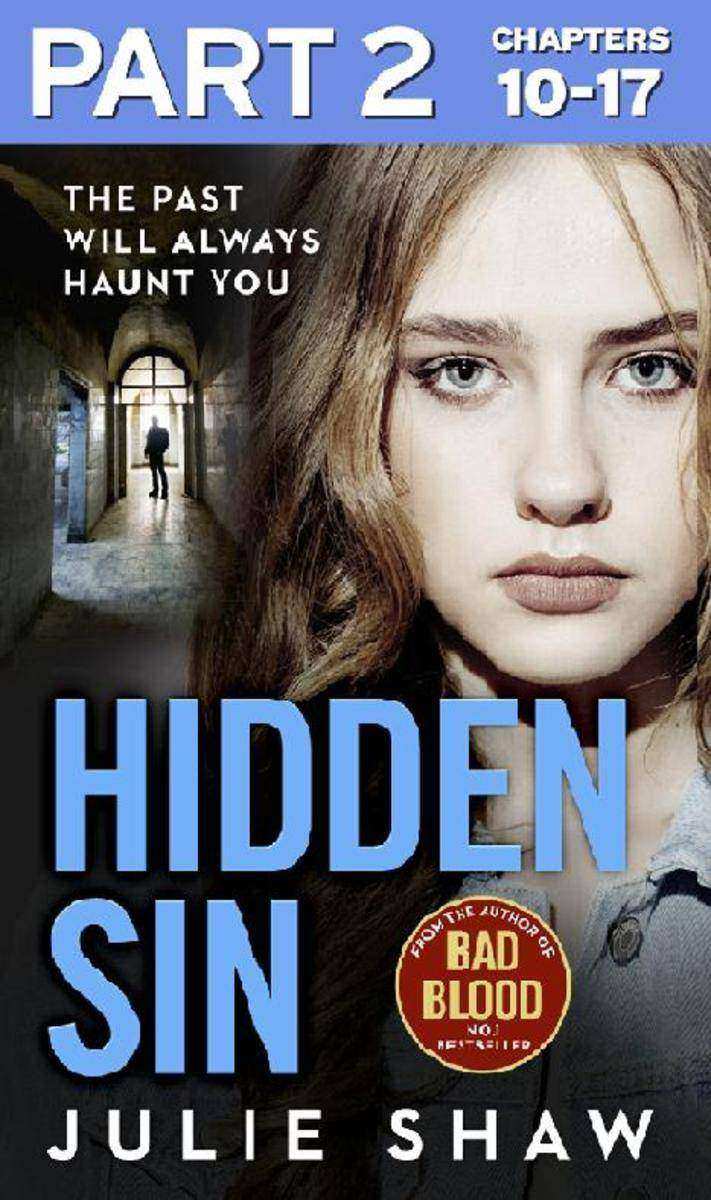
Hidden Sin: Part 2 of 3: When the past comes back to haunt you
¥23.45
The explosive sequel to #1 Sunday Times bestseller Bad Blood. Set 18 years later, Hidden Sin is the story of Joey, his girlfriend Paula and Rasta Mo, the man he is to discover is his dad. Joey Parker is a young man with big dreams. Almost eighteen, he’s desperate to escape the shackles of his window cleaning round, so when’s offered the chance to try out as a drummer in a local Blondie tribute band he jumps at the chance. But it isn’t just the music that moves him. It’s also the fact that Paula Foster is the lead singer. The daughter of his mum’s old mate, Josie, she was once a childhood friend. They’ve not seen each other in years, and their mutual attraction is immediate. Meanwhile, notorious local drug overlord, Rasta Mo, has recently returned to Bradford after a spell inside and years in Marbella. He is instantly enamored with the good-looking drummer he discovers is his son. He decides that his new club is in need of a house band – and so begins his attempts to woo him. This book charts a journey between two men into a future neither visualized. And, in Joey’s case, into a dangerous criminal world he’s never known. And, while his mother and step-father can only look on in horror as Joey potentially becomes the one thing she’s always dreaded – his father’s son. Joey is oblivious to who Mo is. The truth has always been hidden from him. All he cares about is that his and Paula’s dreams are all starting to come true. But will the cost of achieving them be too high to pay?
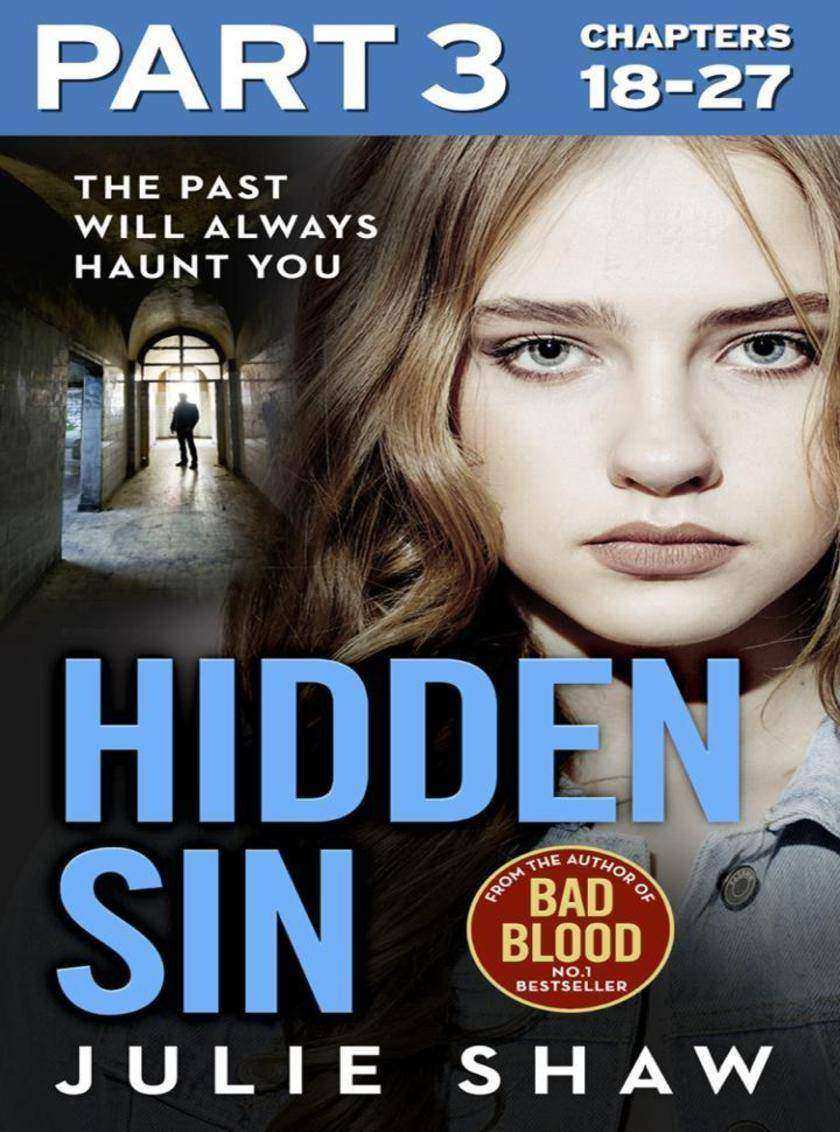
Hidden Sin: Part 3 of 3: When the past comes back to haunt you
¥28.45
The explosive sequel to #1 Sunday Times bestseller Bad Blood. Set 18 years later, Hidden Sin is the story of Joey, his girlfriend Paula and Rasta Mo, the man he is to discover is his dad. Joey Parker is a young man with big dreams. Almost eighteen, he’s desperate to escape the shackles of his window cleaning round, so when’s offered the chance to try out as a drummer in a local Blondie tribute band he jumps at the chance. But it isn’t just the music that moves him. It’s also the fact that Paula Foster is the lead singer. The daughter of his mum’s old mate, Josie, she was once a childhood friend. They’ve not seen each other in years, and their mutual attraction is immediate. Meanwhile, notorious local drug overlord, Rasta Mo, has recently returned to Bradford after a spell inside and years in Marbella. He is instantly enamored with the good-looking drummer he discovers is his son. He decides that his new club is in need of a house band – and so begins his attempts to woo him. This book charts a journey between two men into a future neither visualized. And, in Joey’s case, into a dangerous criminal world he’s never known. And, while his mother and step-father can only look on in horror as Joey potentially becomes the one thing she’s always dreaded – his father’s son. Joey is oblivious to who Mo is. The truth has always been hidden from him. All he cares about is that his and Paula’s dreams are all starting to come true. But will the cost of achieving them be too high to pay?
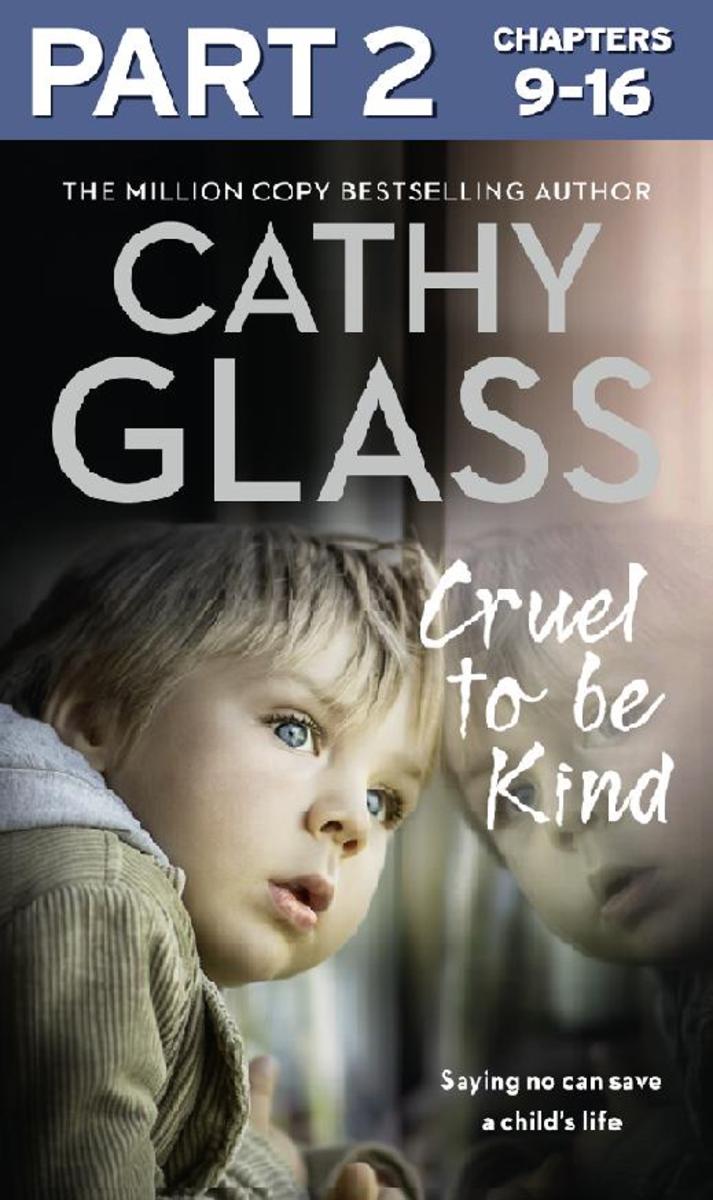
Cruel to Be Kind: Part 2 of 3: Saying no can save a child’s life
¥23.45
Cruel To Be Kind is the true story of Max, aged 6. He is fostered by Cathy while his mother is in hospital with complications from type 2 diabetes. Cruel To Be Kind is the true story of Max, aged 6. He is fostered by Cathy while his mother is in hospital with complications from type 2 diabetes. Fostering Max gets off to a bad start when his mother, Caz, complains and threatens Cathy even before Max has moved in. Cathy and her family are shocked when they first meet Max. But his social worker isn’t the only one in denial; his whole family are too.
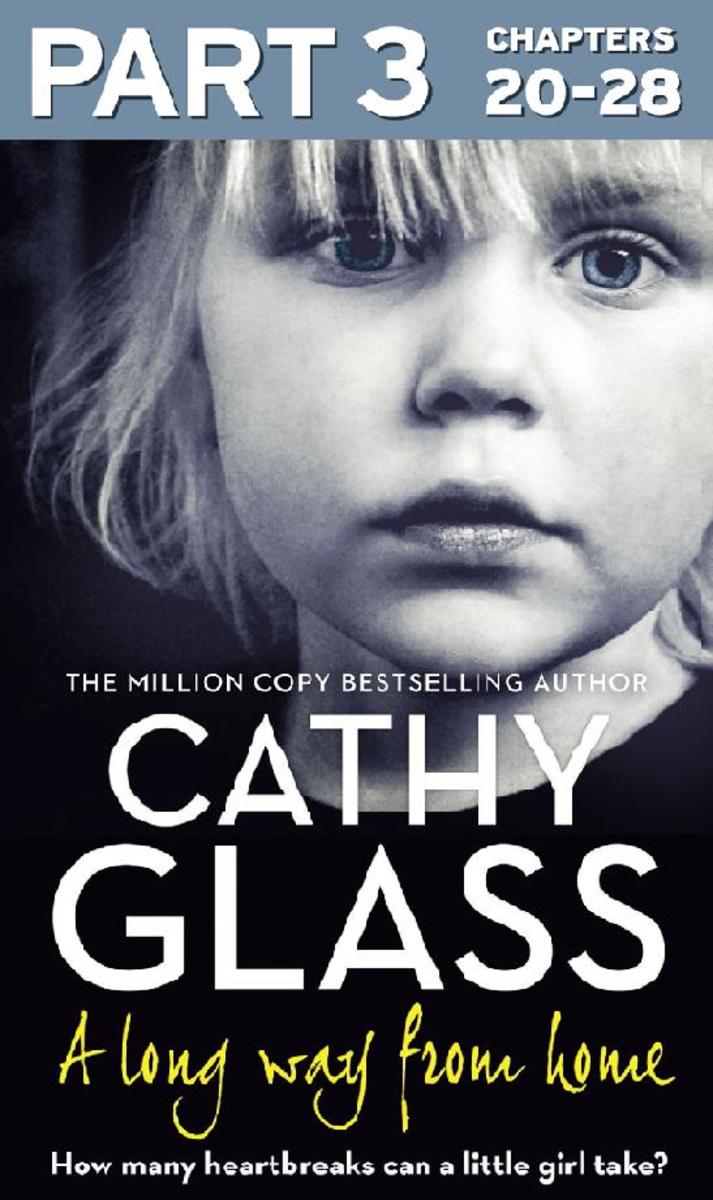
A Long Way from Home: Part 3 of 3
¥28.45
The true story of 2 year-old Anna, abandoned by her natural parents, left alone in a neglected orphanage. Elaine and Ian had travelled half way round the world to adopt little Anna. She couldn’t have been more wanted, loved and cherished. So why was she now in foster care and living with me? It didn’t make sense. Until I learned what had happened. … Dressed only in nappies and ragged T-shirts the children were incarcerated in their cots. Their large eyes stared out blankly from emaciated faces. Some were obviously disabled, others not, but all were badly undernourished. Flies circled around the broken ceiling fans and buzzed against the grids covering the windows. The only toys were a few balls and a handful of building bricks, but no child played with them. The silence was deafening and unnatural. Not one of the thirty or so infants cried, let alone spoke.
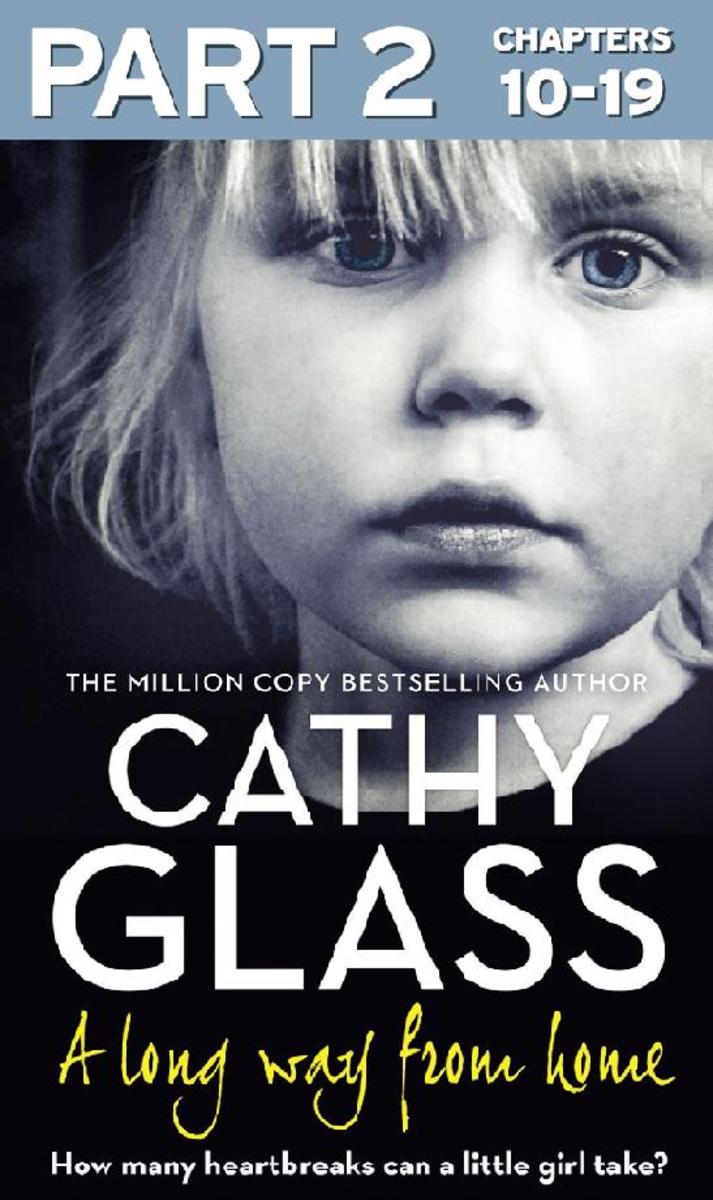
A Long Way from Home: Part 2 of 3
¥28.45
The true story of 2 year-old Anna, abandoned by her natural parents, left alone in a neglected orphanage. Elaine and Ian had travelled half way round the world to adopt little Anna. She couldn’t have been more wanted, loved and cherished. So why was she now in foster care and living with me? It didn’t make sense. Until I learned what had happened. … Dressed only in nappies and ragged T-shirts the children were incarcerated in their cots. Their large eyes stared out blankly from emaciated faces. Some were obviously disabled, others not, but all were badly undernourished. Flies circled around the broken ceiling fans and buzzed against the grids covering the windows. The only toys were a few balls and a handful of building bricks, but no child played with them. The silence was deafening and unnatural. Not one of the thirty or so infants cried, let alone spoke.
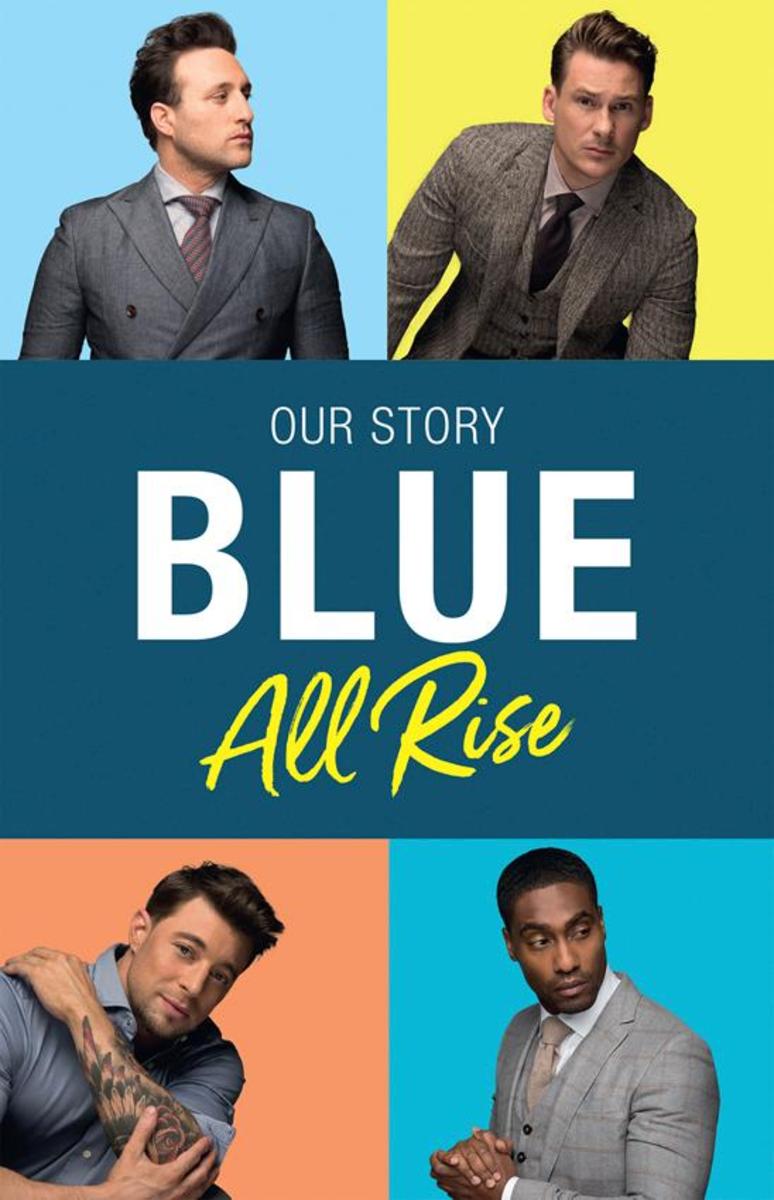
Blue: All Rise: Our Story
¥139.99
For the first time, more than 15 years after four boys from London were first thrown together to form what would go on to become one of the most successful and infamous groups of the boyband era, Lee, Antony, Duncan and Simon tell their full, no-holds-barred story in their own inimitable words. Blue first rose to fame and mega-stardom in 2001. With 3 UK Number 1 Platinum-selling albums, 2 Brit Awards and 16 million records to their name, they quickly became the crushes of choice for the noughties generation. But their tendency to say exactly what they think, wear their hearts on their sleeves and court controversy (usually unintentionally) has meant that they’ve rarely left the limelight, or public hearts and minds, since. Blue: All Rise: Our Story is the boys’ intimate tell-all account charting the highs and the lows of their incredible career, the stories behind the headlines, and our favourite face-palm-worthy Blue moments. With explosive new reveals, never-before-seen photos, and all the latest updates – including Simon’s engagement and his struggle with depression, Lee’s brush with cancer, Duncan’s devastation at the passing away of his best friend, original It Girl Tara Palmer-Tomkinson, and how Antony’s adapting to fatherhood all over again, this is the story every 2000s teen has been waiting for, from four lads who’ve come out the other side older, wiser and closer than ever.

A Clear Blue Sky: A remarkable memoir about family, loss and the will to overcom
¥66.22
THE SPORTS BOOK OF THE YEAR Daily Mail As a young boy of eight, Jonny Bairstow was dealt a cruel blow. His father David ‘Bluey’ Bairstow, the combative and very popular wicketkeeper and captain of Yorkshire, took his own life at the age of forty-six. David left behind Jonny, Jonny’s sister Becky and half-brother Andy, and his wife Janet, who had recently been diagnosed with cancer at the time of his death. From these incredibly tough circumstances, Jonny and his family strived to find an even keel and come to terms with the loss of their father and husband. Jonny found his way through his dedication to sport. He was a gifted and natural athlete, with potential careers ahead of him in rugby and football, but he eventually chose cricket and came to build a career that echoed his father’s, eventually reaching the pinnacle of the sport and breaking the record for most Test runs in a year by a wicketkeeper. Written with multiple-award-winning writer Duncan Hamilton, this is an incredible story of triumph over adversity and a memoir with far-reaching lessons about determination and the will to overcome.
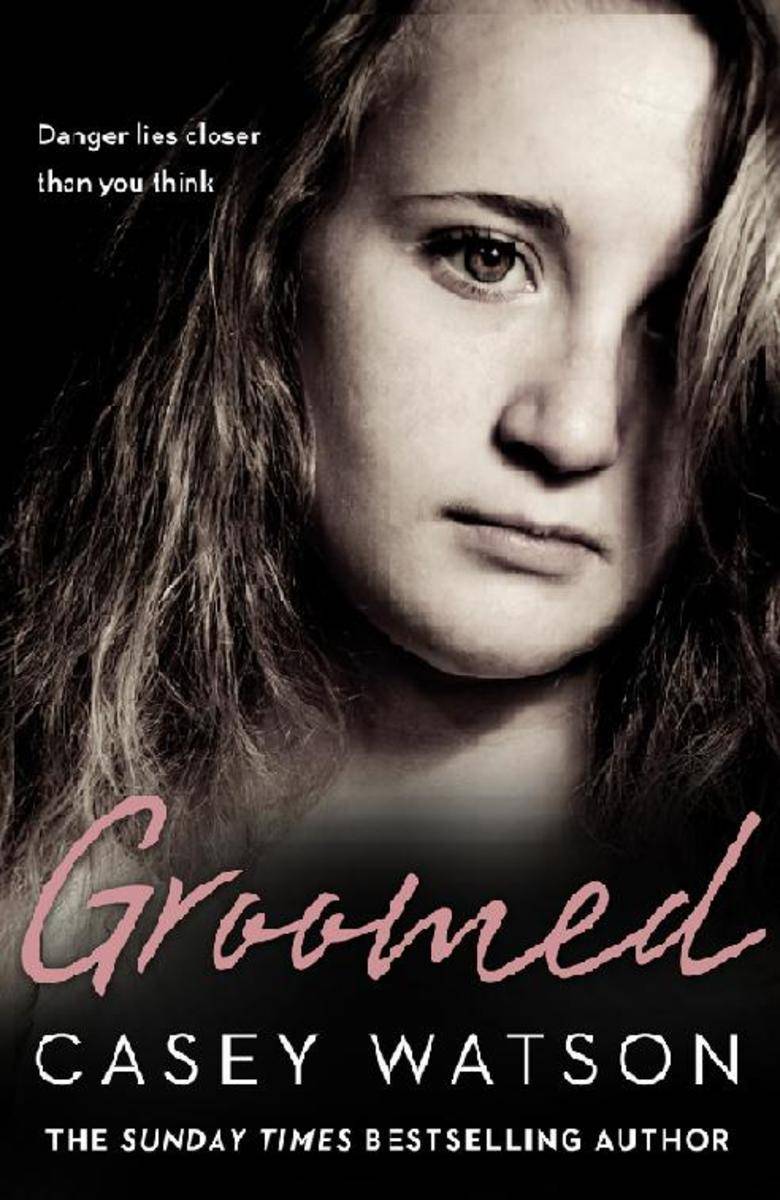
Groomed: Danger lies closer than you think
¥61.51
It’s late on Friday night when Casey’s mobile starts to ring. She is expecting it to be her daughter Riley. But it isn’t Riley. It’s a woman from the Emergency Duty Team. So begins Casey and Mike’s latest fostering challenge – a fifteen-year-old girl called Keeley who’s run away from her long-term foster home 25 miles away. The Jonathan Ross Show has just started when Casey gets the call. She thinks it will be Riley – telling her that her favourite actor is going to be on TV. But it’s something far more urgent: a fifteen-year-old girl who has run away from her foster family and accused her foster father of sexual abuse. The family deny in vehemently, but such an allegation can never be taken lightly, so a new home must be found for Keeley. Keeley is polite, but she’s sharp, and she has all the hallmarks of a child who has been in the system a long time, and knows how to play it. Whether the allegation is true or not, Casey knows there will be no winners here. If it is true, then a young girl’s life has been torn asunder. If not, then the heartache for the family will only be surpassed by the bleak outlook for Keeley. In the short term, it’s a case of providing a safe, supportive home for a vulnerable child. But with the dangerous world of the internet at her disposal, it seems this strong-minded youngster has her own ideas of where that safe place should be…
The Goldberg Variations
¥68.57
From football hooligan to opera singer, from the Cockney Reds to Catullus, from a hectic household to tranquility of spirit, Mark Glanville has travelled many paths, been many people – this is his remarkable story.
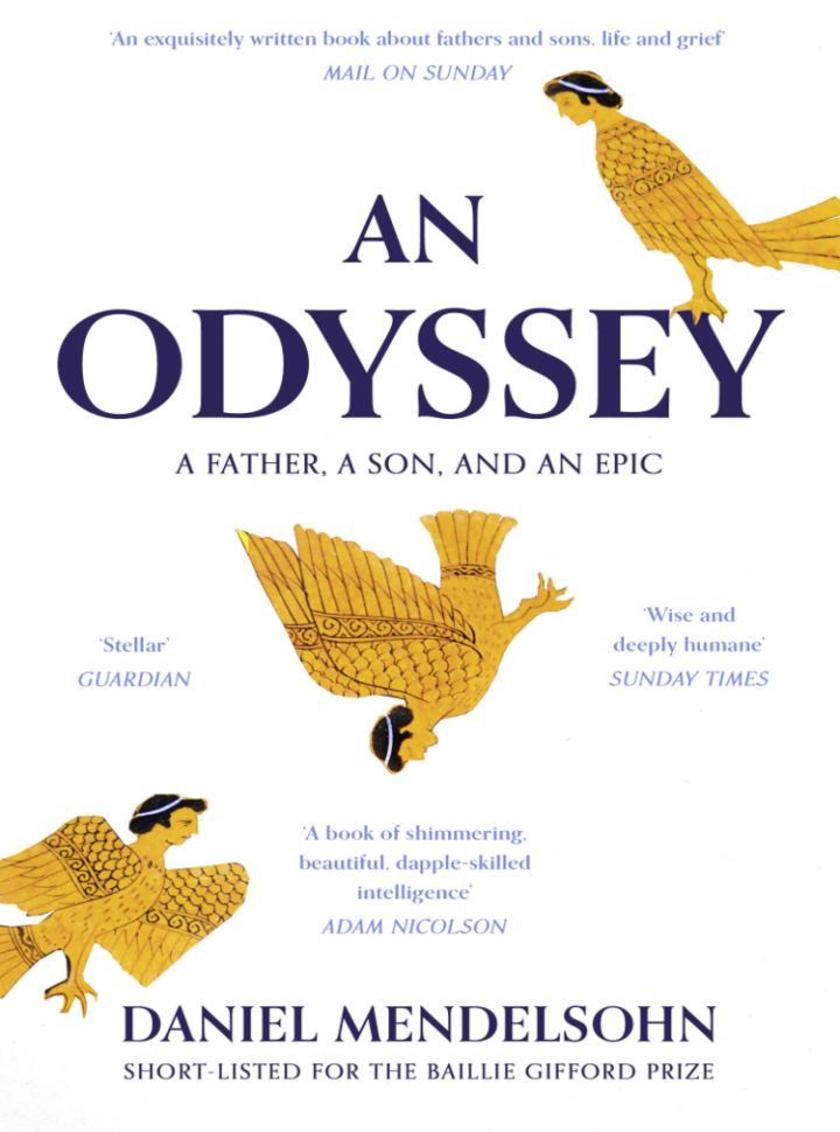
An Odyssey: A Father, A Son and an Epic: SHORTLISTED FOR THE BAILLIE GIFFORD PRI
¥73.58
SHORTLISTED FOR THE BAILLIE GIFFORD PRIZE 2017 SHORTLISTED FOR THE LONDON HELLENIC PRIZE 2017 WINNER OF THE PRIX M?DITERRAN?E 2018 From the award-winning, best-selling writer: a deeply moving tale of a father and son’s transformative journey in reading – and reliving – Homer’s epic masterpiece. When eighty-one-year-old Jay Mendelsohn decides to enrol in the undergraduate seminar on the Odyssey that his son Daniel teaches at Bard College, the two find themselves on an adventure as profoundly emotional as it is intellectual. For Jay, a retired research scientist who sees the world through a mathematician’s unforgiving eyes, this return to the classroom is his ‘one last chance’ to learn the great literature he’d neglected in his youth – and, even more, a final opportunity to understand his son. But through the sometimes uncomfortable months that follow, as the two men explore Homer’s great work together – first in the classroom, where Jay persistently challenges his son’s interpretations, and then during a surprise-filled Mediterranean journey retracing Odysseus’ legendary voyages – it becomes clear that Daniel has much to learn, too. For Jay’s responses to both the text and the travels gradually uncover long-buried secrets that allow the Daniel to understand his difficult father at last. As this intricately woven memoir builds to its wrenching climax, Mendelsohn’s narrative comes to echo the Odyssey itself, with its timeless themes of deception and recognition, marriage and children, the pleasures of travel and the meaning of home. Rich with literary and emotional insight, An Odyssey is a renowned writer’s most revelatory entwining yet of personal narrative and literary exploration.
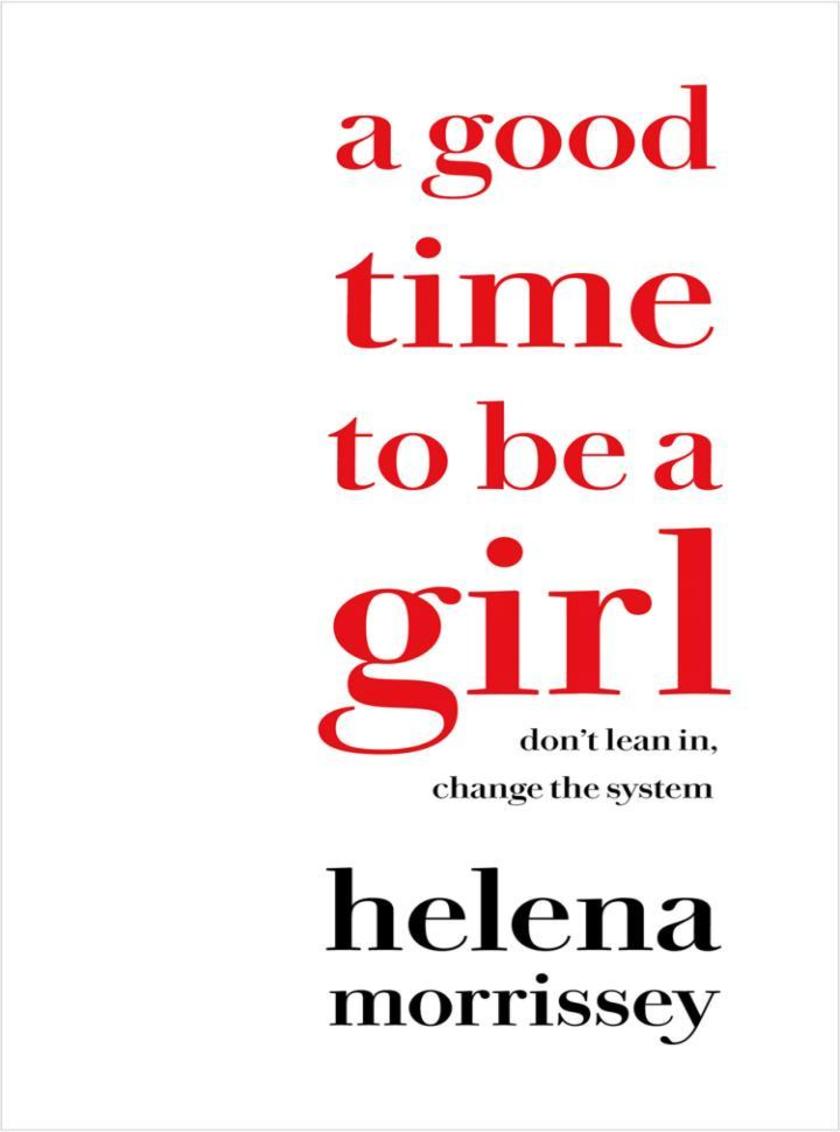
A Good Time to be a Girl: Don’t Lean In, Change the System
¥110.46
Five years have passed since women were exhorted to ‘Lean In’. Over that time, the world has transformed beyond all expectations. But why should anyone ‘lean in’ to a patriarchal system that is out of date? Why not change it entirely for the good of us all? In A Good Time to be a Girl, Helena Morrissey sets out how we might achieve the next big breakthrough towards a truly inclusive modern society. Drawing on her experience as a City CEO, mother of nine, and founder of the influential 30% Club which campaigns for gender-balanced UK company boards, her manifesto for new ways of working, living, loving and raising families is for everyone, not just women. Making a powerful case for diversity and difference in any workplace, she shows how, together, we can develop smarter thinking and broader definitions of success. Gender balance, in her view, is an essential driver of economic prosperity and part of the solution to the many problems we face today. Her approach is not aimed merely at training a few more women in working practices that have outlived their usefulness. Instead, this book sets out a way to reinvent the game – not at the expense of men but in ways that are right and relevant for a digital age. It is a powerful guide to success for us all.


