


 购物车
购物车 个人中心
个人中心

Being Wagner: The Triumph of the Will
¥73.58
The perfect introduction to the Master. One hundred and thirty-five years after his death, Richard Wagner’s music dramas stand at the centre of the culture of classical music. They have never been more popular, nor so violently controversial and divisive. As a man, he was a walking contradiction: aggressive, flirtatious, disciplined, capricious, heroic, visionary and poisonously anti-Semitic. His ten great mature masterpieces constitute an unmatched body of work, created against a backdrop of poverty, revolution, violent controversy, critical contempt and hysterical hero-worship. His work often dealt with myth, but his own life had the character of a fable. At one point, in his early fifties, desperately poor after a life of heroic productivity, he had four lengthy operas written with no hope of seeing them done, when, as if in a fairy-tale, he was rescued by a beautiful young king with limitless wealth. When one of those works, Tristan and Isolde, was at last performed, it revolutionised classical music at a stroke. Wagner went on to create The Ring of the Nibelung: a vast epic in four massive segments, ushering gods and dwarves, heroes and thugs, dragons and rainbows onto the stage. This was the apotheosis of German art as he saw it, so extreme in its demands that he had to train a generation of singers and players to perform it, and erect a custom-built theatre to house it. Wagner died, exhausted, after creating one final piece – Parsifal – that seems to point to an even more radical new future for music. Simon Callow plunges the reader headlong into Wagner’s world, examining the intellectual and artistic climate in which Wagner, a composer like no other who ever lived, extreme in everything, creator of perhaps the most sublime and most troubling body of work in the history of music.
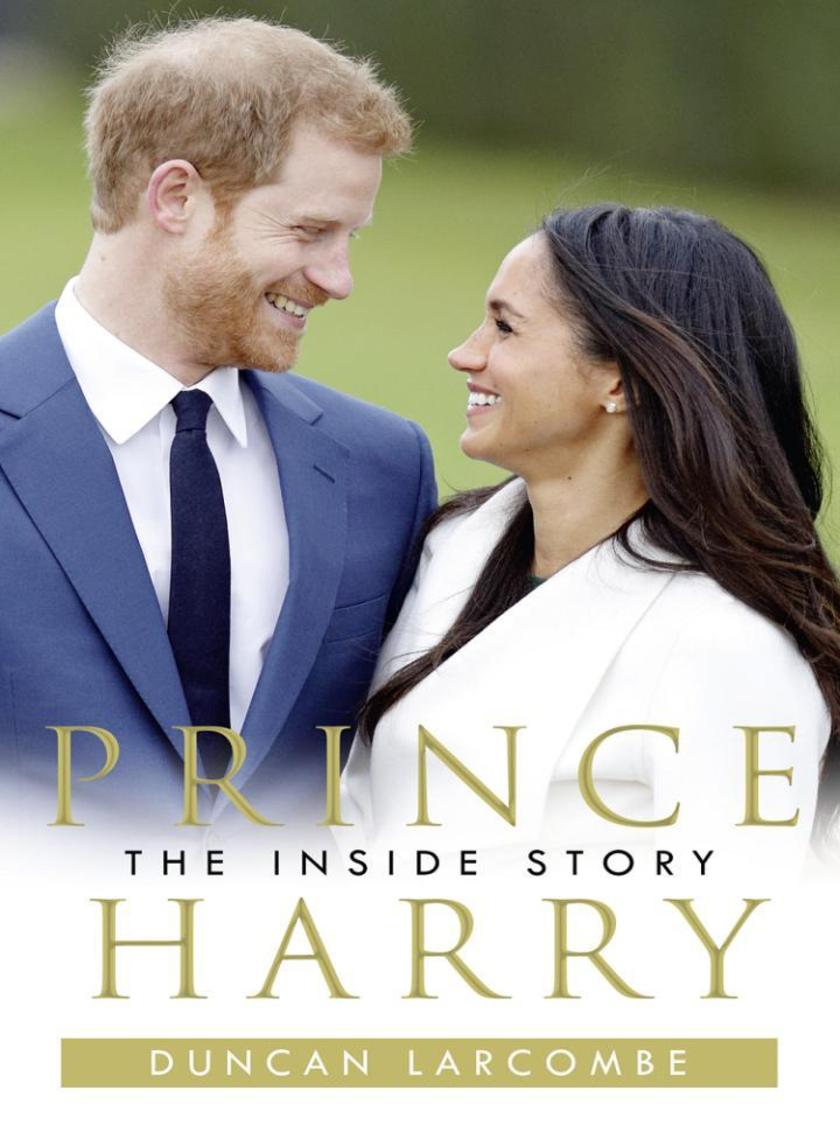
Prince Harry: The Inside Story
¥66.22
Prince Henry of Wales has emerged as the unexpected jewel in the crown of the modern British monarchy. Despite his unruly antics, for which he’s made headlines all over the world, Harry’s popularity rivals that of the Queen herself. Heartthrob and loveable rogue, he has won the public’s heart Duncan Larcombe’s insightful and highly entertaining biography of the rebellious royal recalls Harry’s Eton days, his military career and his tempestuous love life. Despite a string of exploits (not forgetting the notorious Nazi fancy dress incident), Harry has a mysterious gift. With a twinkle in his eye and natural charm in abundance, he can seemingly withstand even the most scandalous of media storms. Since his military career has ended, all eyes are on Harry wondering what life, career and love have in store for the maverick prince. This is the inside story of how the cheeky teenager has grown and matured into a respected soldier, charitable fundraiser and national figurehead who still retains his reputation as the most entertaining resident of Buckingham Palace.
One More Kilometre and We’re in the Showers
¥85.74
An entertaining social and cultural history of cycling in post-war Europe seen through the eyes of a veteran racing cyclist. Written with great literary and historical relish, One More Kilometre examines the spread of cycling's popularity, how it developed into a sport and how the bicycle has changed people's lives -- all viewed through the eyes of a seasoned 56-year-old racing cyclist/art critic who keeps eleven racing cycles in his garden shed and who never cycles less than 10,000 miles a year. The book starts with the 1950s, regarded as the golden age of cycling, and when the author, 'an unhappy communist child', first discovered cycling and its emancipating powers. Progressing through four decades of cycling social history, the author will examine cycling as a Continental phenomenon, the rise and fall of the Tour de France; the lives of the great 'trackmen'; cycling in its domestic form, cycling for fun, the ever-popular British cycling clubs -- some of which are over one hundred years old and are home to many fellow eccentrics, fanatics and old-timers, like the author's friend, 'the Yorkshire junior road race champion of 1954, now living in a caravan, crippled and penniless with his much younger companion a taxidermist -- beautiful and cruel'. One More Kilometre is a lovely blend of personal anecdote, serious history and informed obsession, combining gentle humour, personal reminiscence and good history into a beguiling whole.
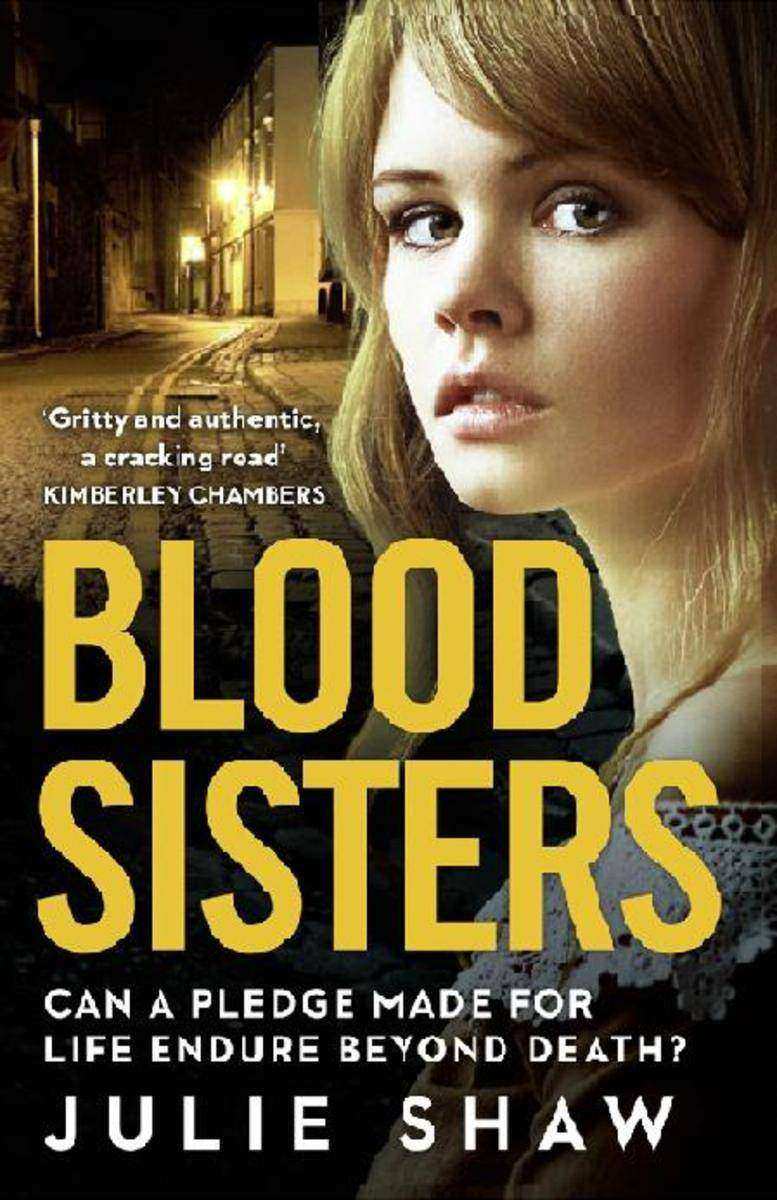
Blood Sisters: Can a pledge made for life endure beyond death?
¥58.86
It’s 1983 and best friends Vicky and Lucy swear that they will always be there for each other, that they’ll never let anyone come between them. But fast forward 4 years and life on the Canterbury Estate has gotten very messy. Lucy has fallen for local policeman’s son, Jimmy. And Vicky is madly in love with Paddy, the charming but ruthless local bad boy. The boys are bitter enemies and determined to keep the two girls apart. But then Vicky is accused of murder, and even her drug-dealer boyfriend wants her mouth shut, permanently. Maybe Lucy is the only one who can save her… Love, murder, revenge. Who can you really trust when there’s blood on your hands?
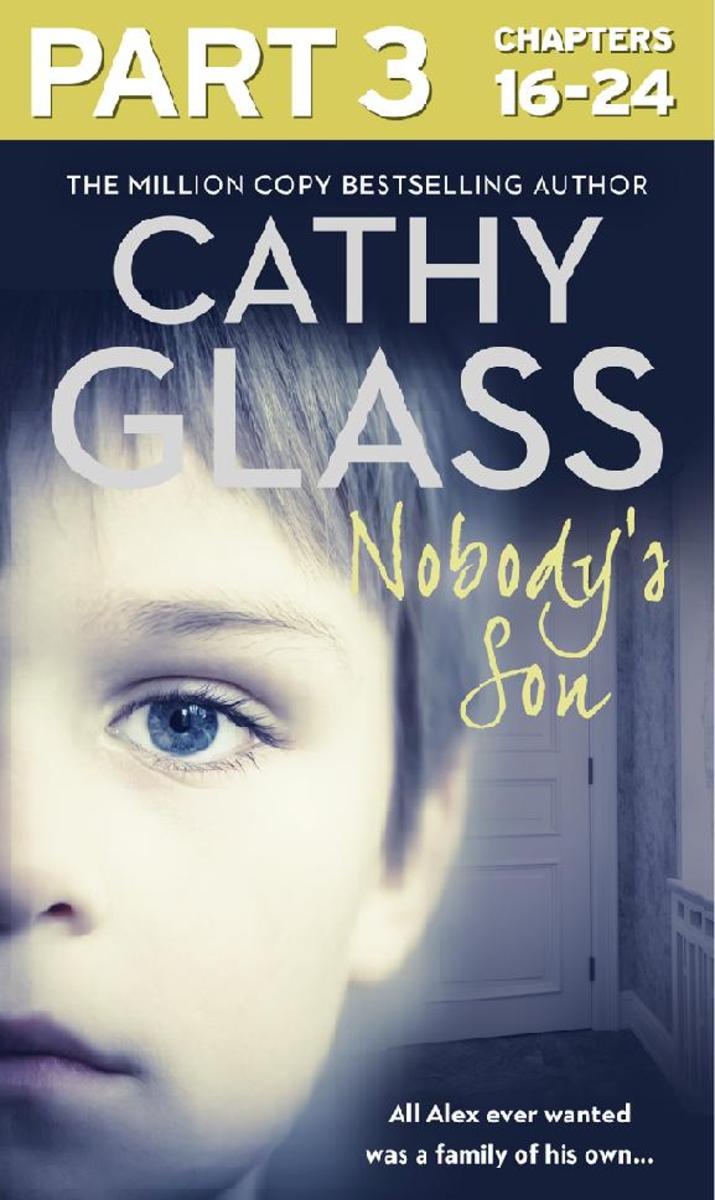
Nobody’s Son: Part 3 of 3: All Alex ever wanted was a family of his own
¥20.60
Born in a prison and removed from his drug-dependent mother, rejection is all that 7-year-old Alex knows. When Cathy is asked to foster little Alex, aged 7, her immediate reaction is: Why can’t he stay with his present carers for the last month? He’s already had many moves since coming into care as a toddler and he’ll only be with her a short while before he goes to live with his permanent adoptive family. But the present carers are expecting a baby and the foster mother isn’t coping, so Alex goes to live with Cathy. He settles easily and is very much looking forward to having a forever family of his own. The introductions and move to his adoptive family go well. But Alex is only with them for a week when problems begin. What happens next is both shocking and upsetting, and calls into question the whole adoption process.
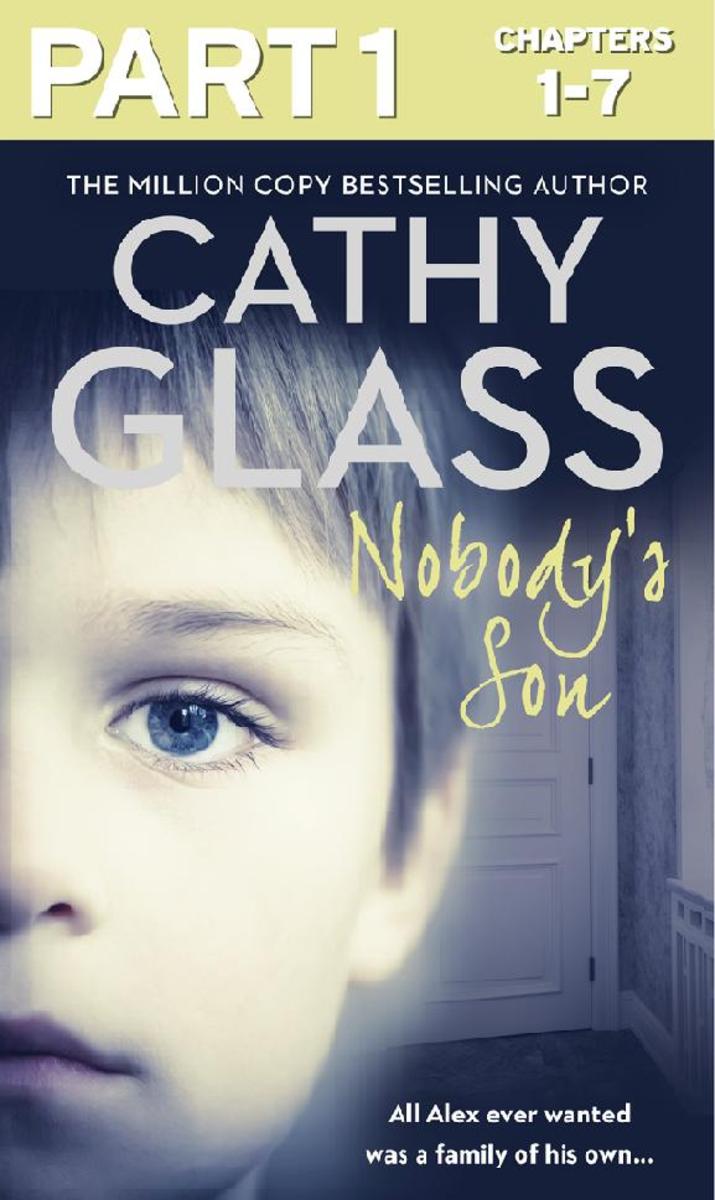
Nobody’s Son: Part 1 of 3: All Alex ever wanted was a family of his own
¥21.97
Born in a prison and removed from his drug-dependent mother, rejection is all that 7-year-old Alex knows. When Cathy is asked to foster little Alex, aged 7, her immediate reaction is: Why can’t he stay with his present carers for the last month? He’s already had many moves since coming into care as a toddler and he’ll only be with her a short while before he goes to live with his permanent adoptive family. But the present carers are expecting a baby and the foster mother isn’t coping, so Alex goes to live with Cathy. He settles easily and is very much looking forward to having a forever family of his own. The introductions and move to his adoptive family go well. But Alex is only with them for a week when problems begin. What happens next is both shocking and upsetting, and calls into question the whole adoption process.
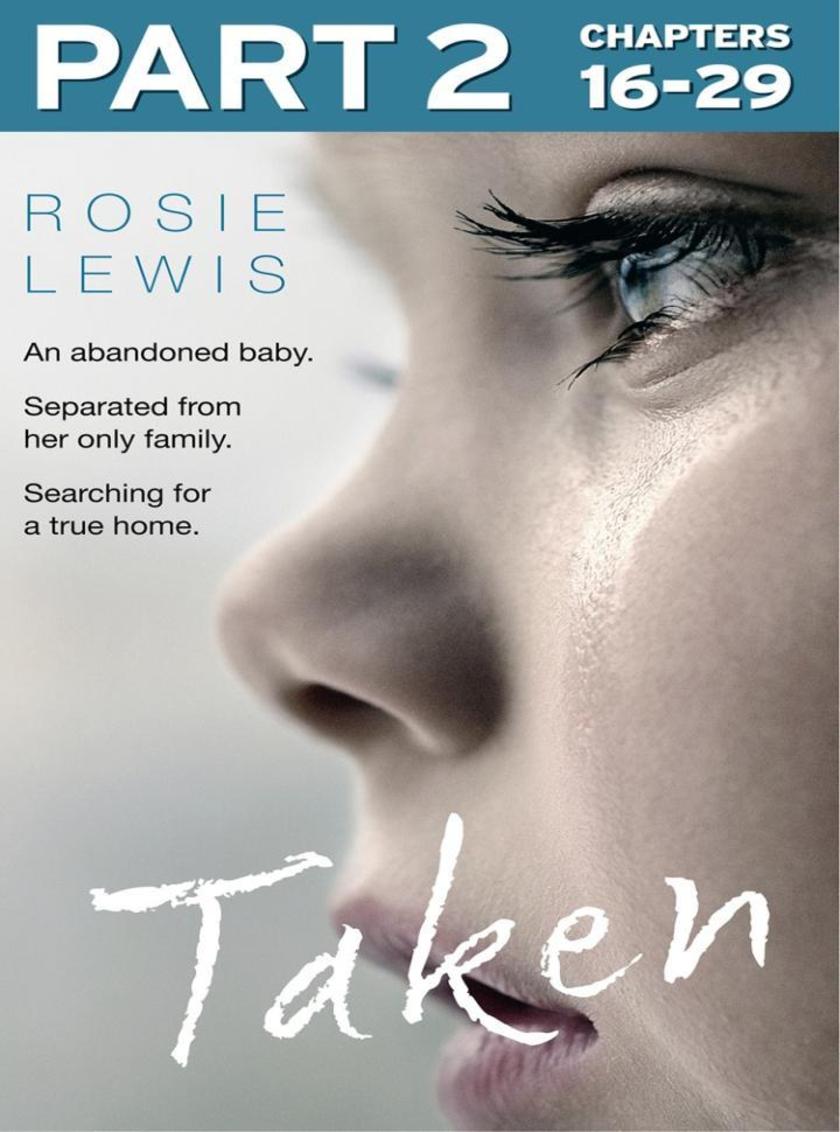
Taken: Part 2 of 3
¥24.33
Experienced foster carer, Rosie Lewis, takes on the heart-breaking case of Megan, a baby born with a drug addiction and a cleft palate. Addicted to drugs from birth because of her mother’s substance abuse during pregnancy, new-born Megan is taken into Rosie’s loving care. Rosie is supposed to help Megan find her new permanent home, but it turns out that Megan has already found her ‘forever mummy’ in Rosie. Rosie grows incredibly attached to Megan and applies to adopt her, but the system refuses her in favour of a young couple and Rosie is devastated. Against all her instincts, Rosie does her job and prepares Megan for her new ‘forever family’, but everything about Megan leaving feels wrong. When Rosie learns a few months later that Megan’s adoption has broken down, she is saddened but also filled with hope – will this little girl be allowed to return to her true ‘forever home’?

The Poems of Catullus
¥27.17
Gaius Valerius Catullus was a Latin poet of the late Roman Republic. His surviving works are still read widely, and continue to influence poetry and other forms of art.Daisy Dunn was born in London in 1987 and read Classics at the University of Oxford, before winning a scholarship to the Courtauld and completing a doctorate in Classics and History of Art at University College London. She writes and reviews for many publications, including The Daily Telegraph, Evening Standard, and Standpoint, and is editor of Argo, a Greek culture magazine. She was longlisted for the 2015 Notting Hill Editions Essay Prize. ‘Catullus’ Bedspread’ is her first book.
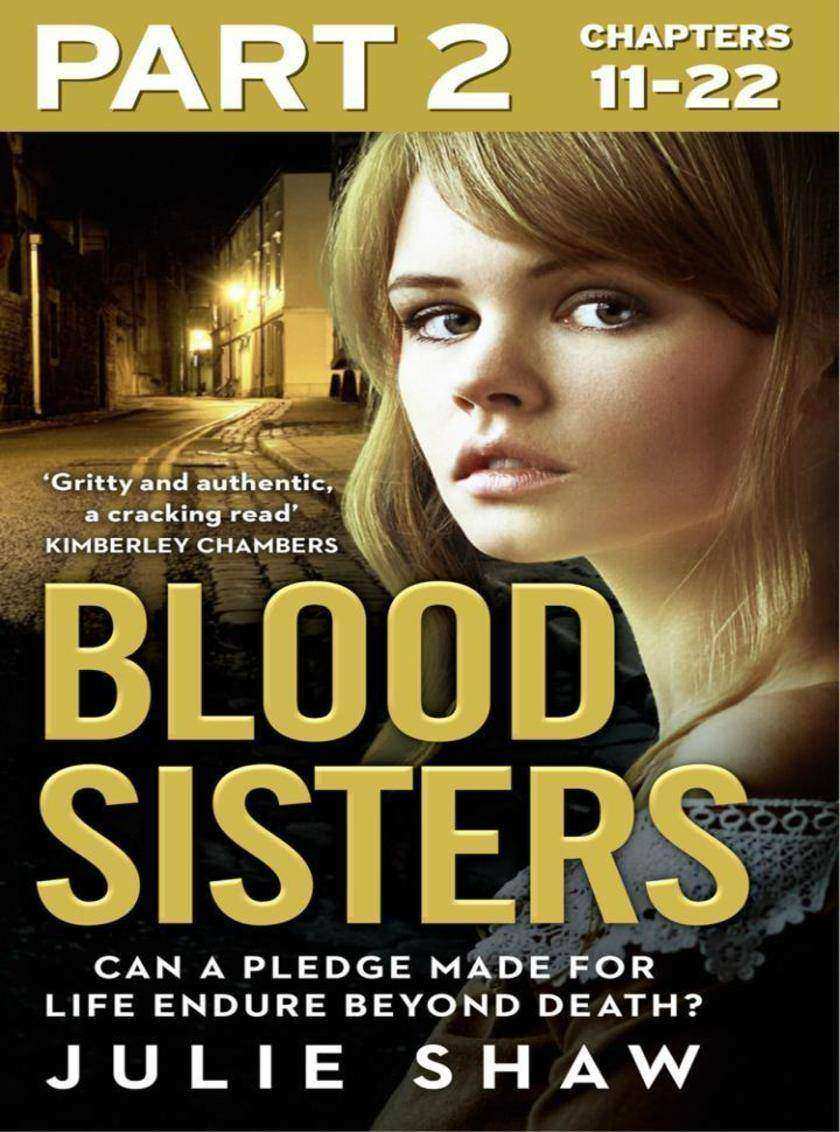
Blood Sisters: Part 2 of 3: Can a pledge made for life endure beyond death?
¥23.45
It’s 1983 and best friends Vicky and Lucy swear that they will always be there for each other, that they’ll never let anyone come between them. But fast forward 4 years and life on the Canterbury Estate has gotten very messy.
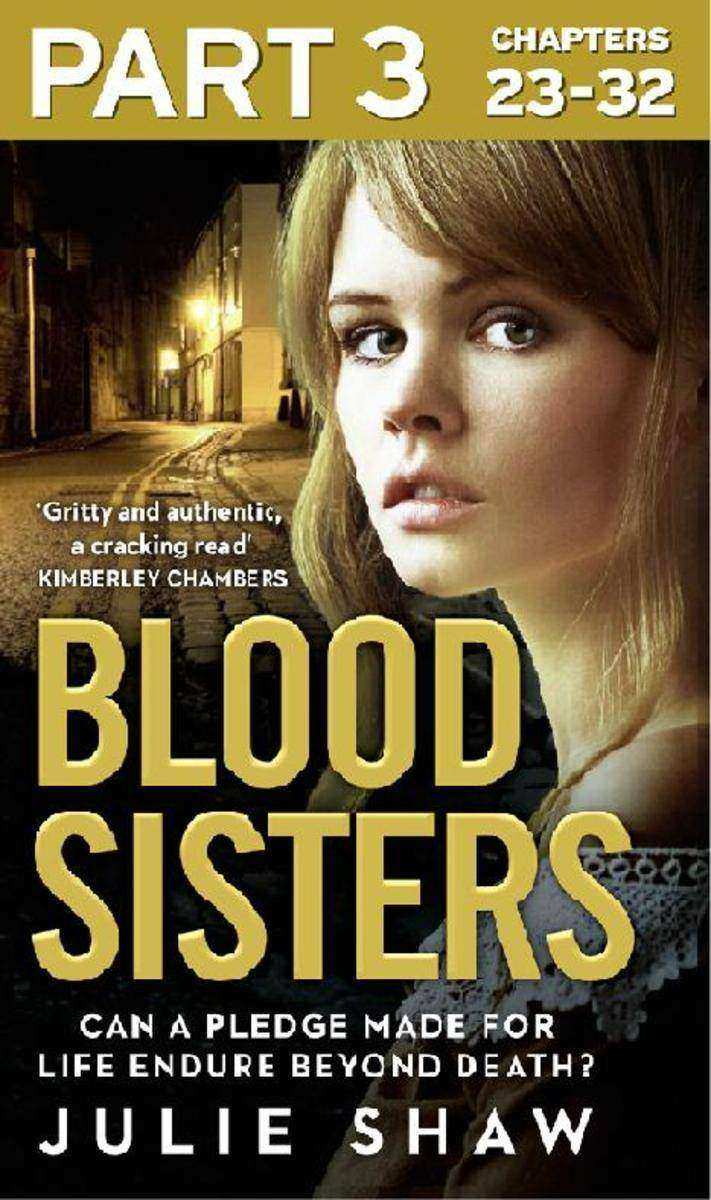
Blood Sisters: Part 3 of 3: Can a pledge made for life endure beyond death?
¥23.45
It’s 1983 and best friends Vicky and Lucy swear that they will always be there for each other, that they’ll never let anyone come between them. But fast forward 4 years and life on the Canterbury Estate has gotten very messy.
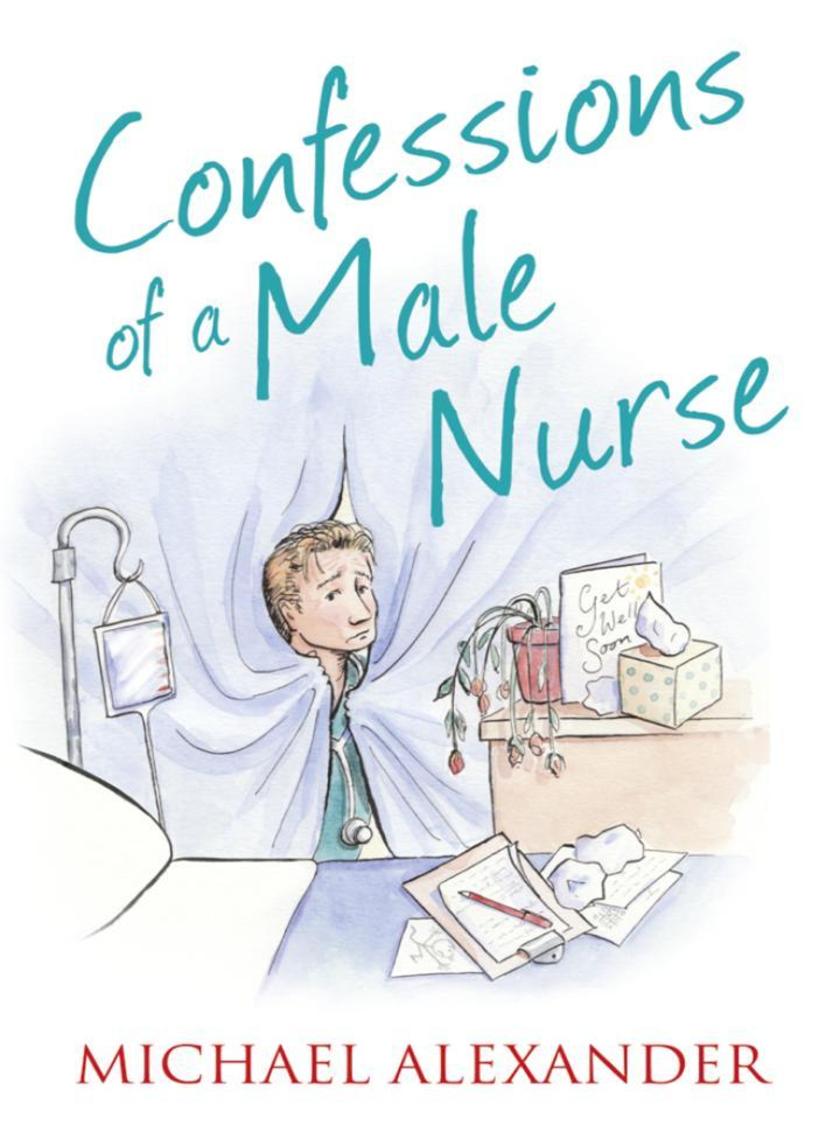
Confessions of a Male Nurse (The Confessions Series)
¥56.90
From the people who brought you the bestselling Confessions of a Gp. From stampeding nudes to inebriated teenagers, young nurse Michael Alexander never really knew what he was getting himself into. But now, sixteen years since he was first launched into his nursing career - as the only man in a gynaecology ward - he's pretty much dealt with everything: body parts that come off in his hands; teenagers with phantom pregnancies; doctors unable to tell the difference between their left and right; violent drunks; singing relatives; sexism. . .and a whole lot of nudity. Confessions of a Male Nurse is a touching, shocking and frequently hilarious account of one man's life in nursing.
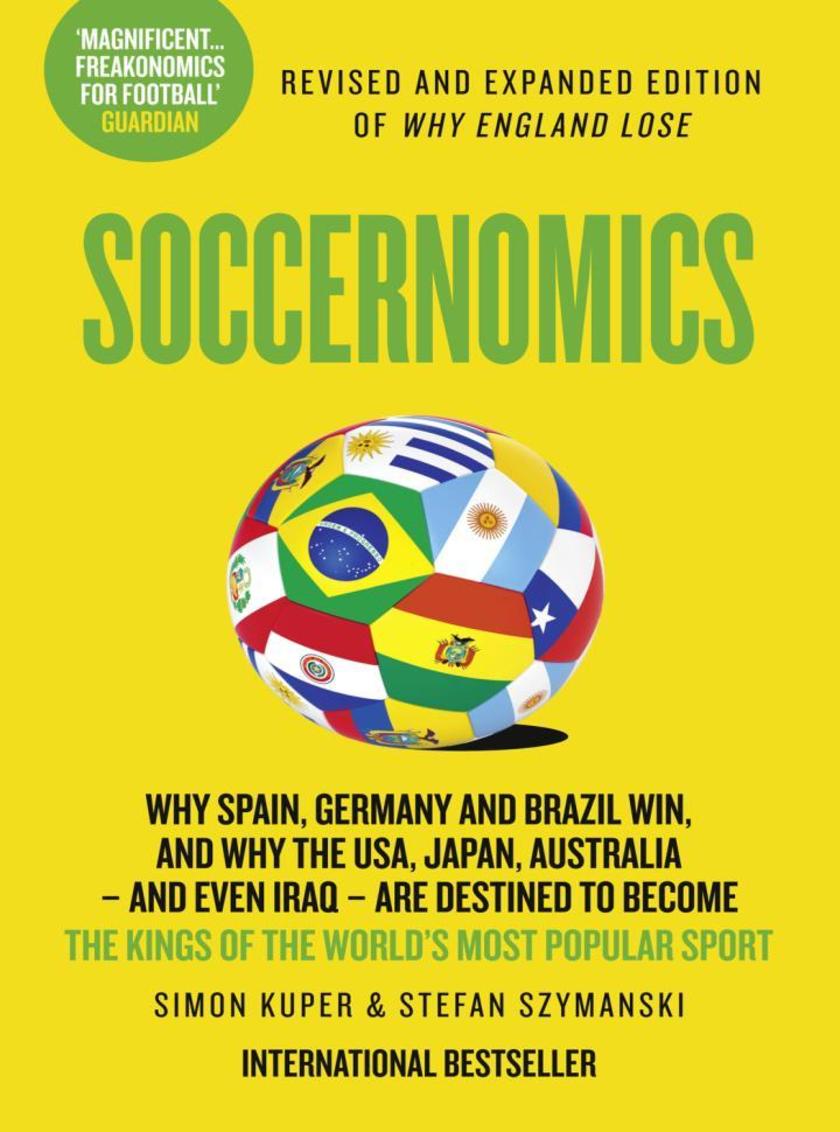
Soccernomics
¥68.67
At last, football has its answer to Freakonomics, The Tipping Point and The Undercover Economist. Why do England lose?” “Why do Germany & Brazil Win?” “How have Spain conquered the World?” "Penalties - what are they good for?" “What is the price on achieving success and the true cost of failure?” These are questions every football fan has asked. Soccernomics (previously published as Why England Lose) answers them. Written with an economist's brain and a football writer's skill, it applies high-powered analytical tools to everyday football topics. Soccernomics isn't in the first place about money. It's about looking at data in new ways. It's about revealing counterintuitive truths about football. It explains all manner of things about the game which newspapers just can't see. It all adds up to a new way of looking at football, beyond clichés about "The Magic of the FA Cup", "England's Shock Defeat" and "Newcastle's New South American Star". No training in economics is needed to read Soccernomics but the reader will come out of it with a better understanding not just of football, but of how economists think and what they know.
Humble Pie
¥12.56
Everyone thinks they know the real Gordon Ramsay: rude, loud, driven, stubborn. But this is his real story… In this fast-paced, bite-sized edition of his bestselling autobiography Ramsay tells the real story of how he became the world’s most famous and infamous chef: his difficult childhood, his brother’s heroin addiction, his failed first career as a footballer, his fanatical pursuit of gastronomic perfection and his TV persona - all the things that have made him the celebrated culinary talent and media powerhouse that he is today. Gordon talks frankly about: ? his tough childhood: his father’s alcoholism and violence and the effects on his relationships with his mother and siblings ? his first career as a footballer: how the whole family moved to Scotland when he was signed by Glasgow Rangers at the age of fifteen, and how he coped when his career was over due to injury just three years later ? his brother’s heroin addiction. ? Gordon’s early career: learning his trade in Paris and London; how his career developed from there: his time in Paris under Albert Roux and his seven Michelin-starred restaurants. ? kitchen life: Gordon spills the beans about life behind the kitchen door, and how a restaurant kitchen is run in Anthony Bourdain-style. ? and how he copes with the impact of fame on himself and his family: his television career, the rapacious tabloids, and his own drive for success.
Manhood for Amateurs
¥81.03
Michael Chabon, author of WONDER BOYS and the Pulitzer Prize-wining THE AMAZING ADVENTURES OF KAVALIER & CLAY, has written an autobiographical narrative as inventive, beautiful and powerful as his novels. In these insightful, provocative, slyly interlinked essays, one of our most brilliant and humane writers presents his autobiography and vision of life in the way so many of us experience our own: as a series of reflections, regrets and re-examinations, each sparked by an encounter, in the present, that holds some legacy of the past. What does it mean to be a man today? Chabon invokes and interprets and struggles to reinvent for us, with characteristic warmth and lyric wit, the personal and family history that haunts him even as it goes on being written every day. As a son, a husband and above all as a father of four young children, Chabon’s memories of childhood, of his parents’ marriage and divorce, of moments of painful adolescent comedy and giddy encounters with the popular art and literature of his own youth, are like a theme played – on different instruments, with a fresh tempo and in a new key – by the mad quartet of which he now finds himself co-conductor.
Child of the North
¥54.25
A fascinating insight into the life of one of the country's bestselling and best-loved authors, marrying her work with her extraordinary life, and looking at her rise to fame and fortune against all the odds. ‘Everything I have touched in my life figures in my books. Every single book I write has something that has happened to me or my family or to my friends.’ Josephine Cox was born in Blackburn during its decline as the cotton-weaving capital of the world. Life was hard but characterful, the joys and tragedies of her youth later inspiring her multi-million selling novels. One of ten children, Josephine knew poverty, hunger and charity. Between births, her mother worked in the cotton mills, her father on the roads. Sleeping up to six in a bed, her family lived in the tightly packed, working-class terraces of Blackburn. But Josephine never felt victimised or shamed. Transforming their closed-in community into one that inspired ‘another kind of love, a deep sense of belonging’ were the characters Josephine writes about in her novels with such fondness and feeling. But alas reality was not always so easy. Hand in hand with poverty came deprivation and domestic difficulties. At the end of her tether, Jo’s mother gathered her children around her in the bus station one day and announced they were leaving Blackburn. Josephine was fourteen years old. Not only did she lose her friends, she also lost her brothers too who were left behind. ‘Belonging to a street, to a place, to a family, is the most important thing.’ Out of this tremendous loss, Josephine’s novels were born.
Chopin
¥80.25
A new edition of Adam Zamoyski’s definitive biography of Chopin, first published in 1979 and unavailable in English for many years. Few composers elicit such strong emotions as Chopin. Few have been more revered and cherished. And few have had so much sentimental nonsense written about them. Published to coincide with the bicentenary of Chopin's birth, Adam Zamoyski's compelling new biography cuts through the mass of anecdote and myth that has sprung up around the composer's life and the ebullient and striking personalities of Romantic Paris among whom he lived, including Liszt, Berlioz, Victor Hugo and George Sand, in search of the real Chopin. Zamoyski brings to the subject an unrivalled knowledge of the historical, social and cultural background of the composer's native Poland as well as of the France in which he spent most of his creative life. He has scoured the archives of Warsaw, Krakow, Paris and London in his quest for the truth, and has based his account exclusively on primary sources and contemporary accounts. The result is a biography of authority, perception and wit. Chopin emerges from the sugary romantic mist in which he has been shrouded as a real, palpable personality, a man of intelligence and humour; in music an innovator of genius; in business a feckless spendthrift; in love hesitant and tender; in friendship passionately loyal but often intolerably exacting. Through a close reading of his letters and the use of everyday detail, Zamoyski draws the reader into the private world of this most complicated and reticent of men - 'a man made for intimacy', as the poet Heinrich Heine called him - and reveals the real passions, suffering and ultimate tragedy of his life.
The Boy Who Harnessed the Wind
¥66.22
When William Kamkwamba was just 14 years old his parents told him that he must leave school and come and work on the family farm as they could no longer afford to $80 a year tuition fees. This is the story of his refusal to give up on learning and reading. A story of passion, determination and remarkable achievements. Malawi is a country battling Aids, drought and famine, and in 2002, a season of floods, followed by the most severe famine in fifty years, brought it to its knees. Like the majority of the population, William's family were farmers. They were totally reliant of the maize crop. By the end of 2001, after many lean and difficult years, there was no more crop. They were running out of food - had nothing to sell - and had months until they would be able to harvest their crop again. Forced to leave school at 14 years old, with no hope of raising the funds to go again, William resorted to borrowing books from the small local library to continue his education. One day, browsing the titles, he picked up a book about energy, with a picture of a wind turbine on the front cover. Fascinated by science and electricity, but knowing little more about the technology, William decided to build his own. Ridiculed by those around him, and exhausted from his work in the fields every day, and using nothing more than bits of scrap metal, old bicycle parts and wood from the blue gum tree, he slowly built his very own windmill. This windmill has changed the world in which William and his family live. Only 2 per cent of Malawi has electricity; William's windmill now powers the lightbulbs and radio for his compound. He has since built more windmills for his school and his village. When news of William's invention spread, people from across the globe offered to help him. Soon he was re-enrolled in college and travelling to America to visit wind farms. This is his incredible story. William's dream is that other African's will learn to help themselves - one windmill and one light bu
Barefoot in Mullyneeny: A Boy’s Journey Towards Belonging
¥73.58
Bryan Gallagher's reminiscences of the Ireland of his youth, first heard on Radio 4's 'Home Truths', transport you to a world of boyhood pranks, playground politics and the confusion of growing up in a land that is every bit as magical and captivating as the stories he has to tell. Barefoot in Mullyneeny is Bryan Gallagher's evocative tale of a childhood remembered through the people and landscape of Fermanagh, near the beautiful shores of Lough Erne in Ireland. Bryan chronicles a time when all the big boys went to school in bare feet and secretly watched the Saturday night bands and dances in halls lit by Tilley lamps; where it was known to be nothing less than the biblical truth that if you put a horse-hair across the palm of your hand when you were about to be punished at school, the cane would split in two. Gallagher's writing will touch the hearts of those who long for the innocence of childhood and the simplicity of an era long past. Whether relating tales of murderous bicycle chases through the darkened streets of Cavan, of ghosts and fairy forts or the anguish of emigration, this remarkable memoir vividly recreates life in rural Ireland in the 1940s and 50s. For those who thought that life in Ireland was one of the poverty and misery of James Joyce or Frank McCourt, Barefoot in Mullyneeny offers a view of the Ireland of yesteryear that combines the touching, homely nostalgia of Nigel Slater's Toast and Laurie Lee's Cider with Rosie with a humorous optimism that is unmistakably Ireland at its best.
Notes to my Mother-in-Law
¥58.86
‘My mother-in-law Annie lived with us for 17 years and was picture-book perfect.’ It took a while before the family realised that Annie was increasingly (as she would put it) 'Mutt and Jeff'. So Phyllida began to write out the day's gossip at the kitchen table, putting her notes by Annie's bed before going to hers. One night as heer husband wandered off to bed he muttering darkly that she spent so much time each evening writing to Annie she could have written a book. 'And illustrated it!' Here it is. It is a book full of the delights of a warm and loving household. Of Boot the Cat being sick after over-indulging in spiders; the hunt for cleaning products from the dawn of time; persistently and mysteriously malfunctioning hearing aids; an unusual and potentially hilarious use for a clove of garlic; and the sad disappearance of coconut logs from the local sweetshop. It's about the special place at the heart of a home held by a woman born in another age. Who polished the brass when it was 'looking red at her'. Who still bore a scar on her hands from being hit by her employer when, as a young woman, she was in service. Who could turn the heel of a sock and the collar of a shirt, and make rock-cakes, bread pudding and breast of lamb with barley.
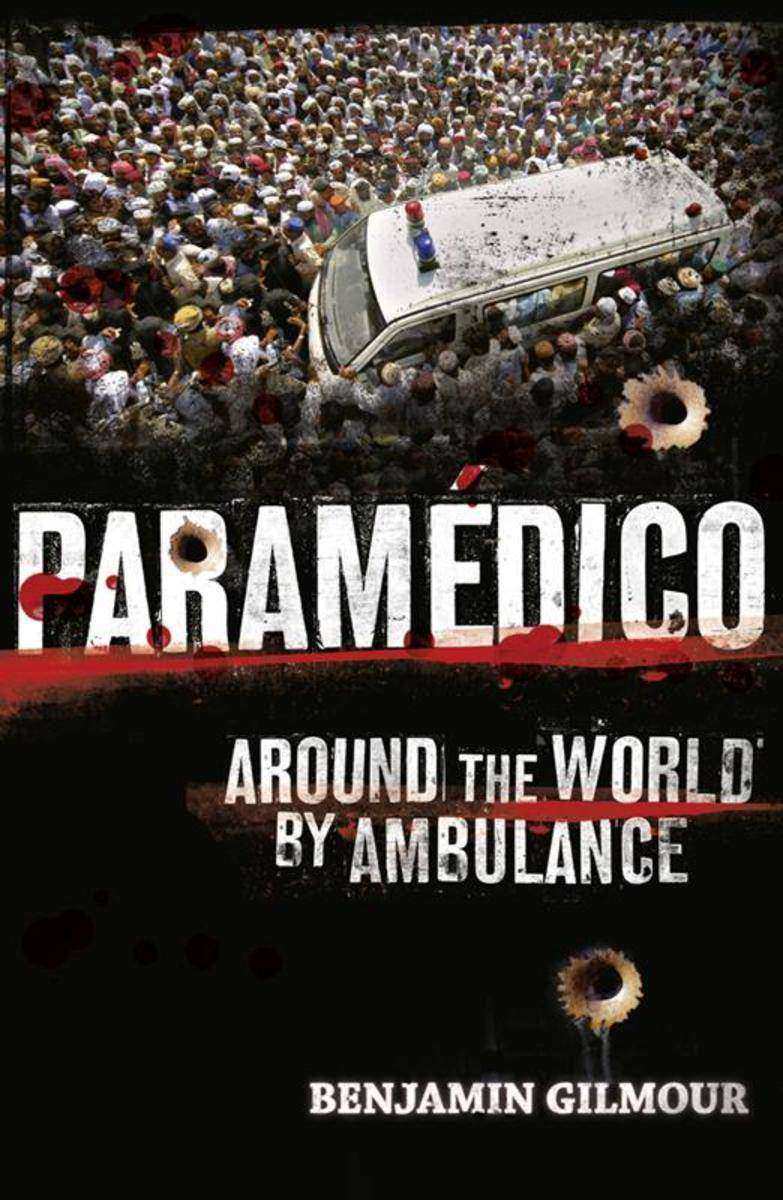
Paramédico
¥66.22
Around the world by ambulance. Paramédico is a brilliant collection of adventures by Australian paramedic Benjamin Gilmour as he works and volunteers on ambulances around the world. From England to Mexico, and Iceland to Pakistan, Gilmour takes us on an extraordinary thrill-ride with his wild coworkers. Along the way he learns a few things, too, and shows us not only how precious life truly is, but how to passionately embrace it. Now an acclaimed feature-length documentary movie.
The Times Great Irish Lives
¥67.49
For the first time, The Times brings together a unique collection of obituaries of Ireland's most distinguished individuals from the last two centuries.


