


 购物车
购物车 个人中心
个人中心
Articulating the World
¥247.21
Naturalism as a guiding philosophy for modern science both disavows any appeal to the supernatural or anything else transcendent to nature, and repudiates any philosophical or religious authority over the workings and conclusions of the sciences. A longstanding paradox within naturalism, however, has been the status of scientific knowledge itself, which seems, at first glance, to be something that transcends and is therefore impossible to conceptualize within scientific naturalism itself.?In Articulating the World, Joseph Rouse argues that the most pressing challenge for advocates of naturalism today is precisely this: to understand how to make sense of a scientific conception of nature as itself part of nature, scientifically understood. Drawing upon recent developments in evolutionary biology and the philosophy of science, Rouse defends naturalism in response to this challenge by revising both how we understand our scientific conception of the world and how we situate ourselves within it.
Masters of Uncertainty
¥247.21
Though we commonly make them the butt of our jokes, weather forecasters are in fact exceptionally good at managing uncertainty. They consistently do a better job calibrating their performance than stockbrokers, physicians, or other decision-making experts precisely because they receive feedback on their decisions in near real time. Following forecasters in their quest for truth and accuracy, therefore, holds the key to the analytically elusive process of decision making as it actually happens.In Masters of Uncertainty, Phaedra Daipha develops a new conceptual framework for the process of decision making, after spending years immersed in the life of a northeastern office of the National Weather Service. Arguing that predicting the weather will always be more craft than science, Daipha shows how forecasters have made a virtue of the unpredictability of the weather. Impressive data infrastructures and powerful computer models are still only a substitute for the real thing outside, and so forecasters also enlist improvisational collage techniques and an omnivorous appetite for information to create a locally meaningful forecast on their computer screens. Intent on capturing decision making in action, Daipha takes the reader through engrossing firsthand accounts of several forecasting episodes (hits and misses) and offers a rare fly-on-the-wall insight into the process and challenges of producing meteorological predictions come rain or come shine. Combining rich detail with lucid argument, Masters of Uncertainty advances a theory of decision making that foregrounds the pragmatic and situated nature of expert cognition and casts into new light how we make decisions in the digital age.

Iberian Imperialism and Language Evolution in Latin America
¥329.62
As rich as the development of the Spanish and Portuguese languages has been in Latin America, no single book has attempted to chart their complex history. Gathering essays by sociohistorical linguists working across the region, Salikoko S. Mufwene does just that in this book. Exploring the many different contact points between Iberian colonialism and indigenous cultures, the contributors identify the crucial parameters of language evolution that have led to today's state of linguistic diversity in Latin America.?The essays approach language development through an ecological lens, exploring the effects of politics, economics, cultural contact, and natural resources on the indigenization of Spanish and Portuguese in a variety of local settings. They show how languages adapt to new environments, peoples, and practices, and the ramifications of this for the spread of colonial languages, the loss or survival of indigenous ones, and the way hybrid vernaculars get situated in larger political and cultural forces. The result is a sophisticated look at language as a natural phenomenon, one that meets a host of influences with remarkable plasticity. ?

Comparative Approach in Evolutionary Anthropology and Biology
¥353.16
Comparison is fundamental to evolutionary anthropology. When scientists study chimpanzee cognition, for example, they compare chimp performance on cognitive tasks to the performance of human children on the same tasks. And when new fossils are found, such as those of the tiny humans of Flores, scientists compare these remains to other fossils and contemporary humans. Comparison provides a way to draw general inferences about the evolution of traits and therefore has long been the cornerstone of efforts to understand biological and cultural diversity. Individual studies of fossilized remains, living species, or human populations are the essential units of analysis in a comparative study; bringing these elements into a broader comparative framework allows the puzzle pieces to fall into place, creating a means of testing adaptive hypotheses and generating new ones.?With this book, Charles L. Nunn intends to ensure that evolutionary anthropologists and organismal biologists have the tools to realize the potential of comparative research. Nunn provides a wide-ranging investigation of the comparative foundations of evolutionary anthropology in past and present research, including studies of animal behavior, biodiversity, linguistic evolution, allometry, and cross-cultural variation. He also points the way to the future, exploring the new phylogeny-based comparative approaches and offering a how-to manual for scientists who wish to incorporate these new methods into their research.

Securing Approval
¥265.87
Among the most momentous decisions that leaders of a state are called upon to make is whether or not to initiate warfare. How their military will fare against the opponent may be the first consideration, but not far behind are concerns about domestic political response and the reaction of the international community.Securing Approval makes clear the relationship between these two seemingly distinct concerns, demonstrating how multilateral security organizations like the UN influence foreign policy through public opinion without ever exercising direct enforcement power. While UN approval of a proposed action often bolsters public support, its refusal of endorsement may conversely send a strong signal to domestic audiences that the action will be exceedingly costly or overly aggressive. With a cogent theoretical and empirical argument, Terrence L. Chapman provides new evidence for how multilateral organizations matter in security affairs as well as a new way of thinking about the design and function of these institutions.
Birth of Territory
¥247.21
Territory is one of the central political concepts of the modern world and, indeed, functions as the primary way the world is divided and controlled politically. Yet territory has not received the critical attention afforded to other crucial concepts such as sovereignty, rights, and justice. While territory continues to matter politically, and territorial disputes and arrangements are studied in detail, the concept of territory itself is often neglected today. Where did the idea of exclusive ownership of a portion of the earth's surface come from, and what kinds of complexities are hidden behind that seemingly straightforward definitionThe Birth of Territory provides a detailed account of the emergence of territory within Western political thought. Looking at ancient, medieval, Renaissance, and early modern thought, Stuart Elden examines the evolution of the concept of territory from ancient Greece to the seventeenth century to determine how we arrived at our contemporary understanding. Elden addresses a range of historical, political, and literary texts and practices, as well as a number of key players-historians, poets, philosophers, theologians, and secular political theorists-and in doing so sheds new light on the way the world came to be ordered and how the earth's surface is divided, controlled, and administered.
American Allegory
¥247.21
"e;Perhaps,"e; wrote Ralph Ellison more than seventy years ago, "e;the zoot suit contains profound political meaning; perhaps the symmetrical frenzy of the Lindy-hop conceals clues to great potential power."e; As Ellison noted then, many of our most mundane cultural forms are larger and more important than they appear, taking on great significance and an unexpected depth of meaning. What he saw in the power of the Lindy Hop-the dance that Life magazine once billed as "e;America's True National Folk Dance"e;-would spread from black America to make a lasting impression on white America and offer us a truly compelling means of understanding our culture. But with what hidden implications?In American Allegory, Black Hawk Hancock offers an embedded and embodied ethnography that situates dance within a larger Chicago landscape of segregated social practices. Delving into two Chicago dance worlds, the Lindy and Steppin', Hancock uses a combination of participant-observation and interviews to bring to the surface the racial tension that surrounds white use of black cultural forms. Focusing on new forms of appropriation in an era of multiculturalism, Hancock underscores the institutionalization of racial disparities and offers wonderful insights into the intersection of race and culture in America.

Knowledge of Nature and the Nature of Knowledge in Early Modern Japan
¥370.82
Between the early seventeenth and the mid-nineteenth century, the field of natural history in Japan separated itself from the discipline of medicine, produced knowledge that questioned the traditional religious and philosophical understandings of the world, developed into a system (called honzogaku) that rivaled Western science in complexity-and then seemingly disappeared. Or did itIn The Knowledge of Nature and the Nature of Knowledge in Early Modern Japan, Federico Marcon recounts how Japanese scholars developed a sophisticated discipline of natural history analogous to Europe's but created independently, without direct influence, and argues convincingly that Japanese natural history succumbed to Western science not because of suppression and substitution, as scholars traditionally have contended, but by adaptation and transformation.?The first book-length English-language study devoted to the important field of honzogaku, The Knowledge of Nature and the Nature of Knowledge in Early Modern Japan will be an essential text for historians of Japanese and East Asian science, and a fascinating read for anyone interested in the development of science in the early modern era.
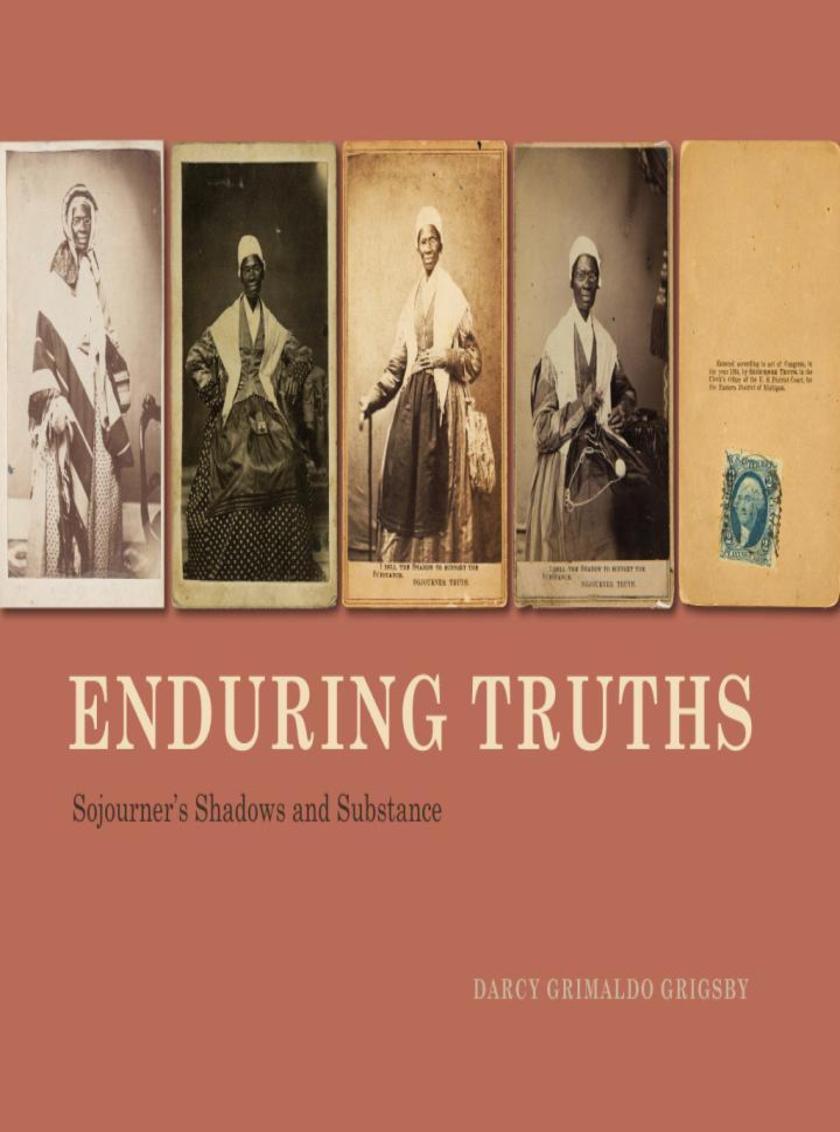
Enduring Truths
¥370.82
Runaway slave Sojourner Truth gained fame in the nineteenth century as an abolitionist, feminist, and orator and earned a living partly by selling photographic carte de visite portraits of herself at lectures and by mail. Cartes de visite, similar in format to calling cards, were relatively inexpensive collectibles that quickly became a new mode of mass communication. Despite being illiterate, Truth copyrighted her photographs in her name and added the caption "e;I Sell the Shadow to Support the Substance. Sojourner Truth."e;Featuring the largest collection of Truth's photographs ever published,?Enduring Truths?is the first book to explore how she used her image, the press, the postal service, and copyright laws to support her activism and herself. Darcy Grimaldo Grigsby establishes a range of important contexts for Truth's portraits, including the strategic role of photography and copyright for an illiterate former slave; the shared politics of Truth's cartes de visite and federal banknotes, which were both created to fund the Union cause; and the ways that photochemical limitations complicated the portrayal of different skin tones. Insightful and powerful,?Enduring Truths?shows how Truth made her photographic portrait worth money in order to end slavery-and also became the strategic author of her public self.

Medieval Misogyny and the Invention of Western Romantic Love
¥288.41
Until now the advent of Western romantic love has been seen as a liberation from-or antidote to-ten centuries of misogyny. In this major contribution to gender studies, R. Howard Bloch demonstrates how similar the ubiquitous antifeminism of medieval times and the romantic idealization of woman actually are.Through analyses of a broad range of patristic and medieval texts, Bloch explores the Christian construction of gender in which the flesh is feminized, the feminine is aestheticized, and aesthetics are condemned in theological terms. Tracing the underlying theme of virginity from the Church Fathers to the courtly poets, Bloch establishes the continuity between early Christian antifeminism and the idealization of woman that emerged in the twelfth and thirteenth centuries. In conclusion he explains the likely social, economic, and legal causes for the seeming inversion of the terms of misogyny into those of an idealizing tradition of love that exists alongside its earlier avatar until the current era.This startling study will be of great value to students of medieval literature as well as to historians of culture and gender.

Emptiness
¥288.41
For many Christians in America, becoming filled with Christ first requires being empty of themselves-a quality often overlooked in religious histories. In Emptiness, John Corrigan highlights for the first time the various ways that American Christianity has systematically promoted the cultivation of this feeling. ?Corrigan examines different kinds of emptiness essential to American Christianity, such as the emptiness of deep longing, the emptying of the body through fasting or weeping, the emptiness of the wilderness, and the emptiness of historical time itself. He argues, furthermore, that emptiness is closely connected to the ways Christian groups differentiate themselves: many groups foster a sense of belonging not through affirmation, but rather avowal of what they and their doctrines are not. Through emptiness, American Christians are able to assert their identities as members of a religious community.Drawing much-needed attention to a crucial aspect of American Christianity, Emptiness expands our understanding of historical and contemporary Christian practices.?
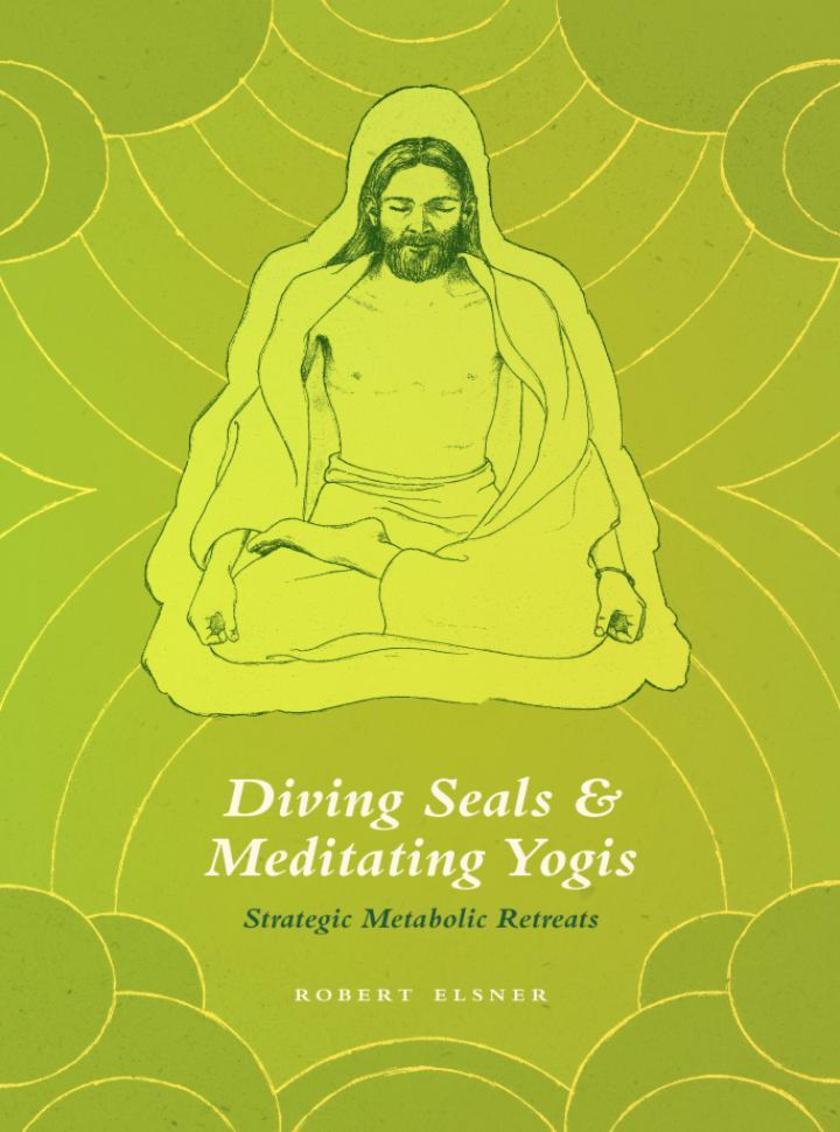
Diving Seals and Meditating Yogis
¥265.87
The comparative physiology of seemingly disparate organisms often serves as a surprising pathway to biological enlightenment. How appropriate, then, that Robert Elsner sheds new light on the remarkable physiology of diving seals through comparison with members of our own species on quests toward enlightenment: meditating yogis.As Elsner reveals, survival in extreme conditions such as those faced by seals is often not about running for cover or coming up for air, but rather about working within the confines of an environment and suppressing normal bodily function. Animals in this withdrawn state display reduced resting metabolic rates and are temporarily less dependent upon customary levels of oxygen. For diving seals-creatures especially well-adapted to prolonged submergence in the ocean's cold depths-such periods of rest lengthen dive endurance. But while human divers share modest, brief adjustments of suppressed metabolism with diving seals, it is the practiced response achieved during deep meditation that is characterized by metabolic rates well below normal levels, sometimes even approaching those of non-exercising diving seals. And the comparison does not end here: hibernating animals, infants during birth, near-drowning victims, and clams at low tide all also display similarly reduced metabolisms.By investigating these states-and the regulatory functions that help maintain them-across a range of species, Elsner offers suggestive insight into the linked biology of survival and well-being.

Gravity's Ghost and Big Dog
¥247.21
Gravity's Ghost and Big Dog brings to life science's efforts to detect cosmic gravitational waves. These ripples in space-time are predicted by general relativity, and their discovery will not only demonstrate the truth of Einstein's theories but also transform astronomy. Although no gravitational wave has ever been directly detected, the previous five years have been an especially exciting period in the field. Here sociologist Harry Collins offers readers an unprecedented view of gravitational wave research and explains what it means for an analyst to do work of this kind.?Collins was embedded with the gravitational wave physicists as they confronted two possible discoveries-"e;Big?Dog,"e; fully analyzed in this volume for the first time, and the "e;Equinox Event,"e; which was first chronicled by Collins in Gravity's Ghost. Collins records the agonizing arguments that arose as the scientists worked out what they had seen and how to present it to the world, along the way demonstrating how even the most statistical of sciences rest on social and philosophical choices. Gravity's Ghost and Big Dog draws on nearly fifty years of fieldwork observing scientists at the American Laser Interferometer Gravitational Wave Observatory and elsewhere around the world to offer an inspired commentary on the place of science in society today.
Organizing Locally
¥206.01
We love the local. From the cherries we buy, to the grocer who sells them, to the school where our child unpacks them for lunch, we express resurgent faith in decentralizing the institutions and businesses that arrange our daily lives. But the fact is that huge, bureaucratic organizations often still shape the character of our jobs, schools, the groceries where we shop, and even the hospitals we entrust with our lives. So how, exactly, can we work small, when everything around us is so big, so global and standardizedIn Organizing Locally, Bruce Fuller shows us, taking stock of America's rekindled commitment to localism across an illuminating range of sectors, unearthing the crucial values and practices of decentralized firms that work.?Fuller first untangles the economic and cultural currents that have eroded the efficacy of-and our trust in-large institutions over the past half century. From there we meet intrepid leaders who have been doing things differently. Traveling from a charter school in San Francisco to a veterans service network in Iowa, from a Pennsylvania health-care firm to the Manhattan branch of a Swedish bank, he explores how creative managers have turned local staff loose to craft inventive practices, untethered from central rules and plain-vanilla routines. By holding their successes and failures up to the same analytical light, he vividly reveals the key cornerstones of social organization on which motivating and effective decentralization depends. Ultimately, he brings order and evidence to the often strident debates about who has the power-and on what scale-to structure how we work and live locally.Written for managers, policy makers, and reform activists, Organizing Locally details the profound decentering of work and life inside firms, unfolding across postindustrial societies. Its fresh theoretical framework explains resurging faith in decentralized organizations and the ingredients that deliver vibrant meaning and efficacy for residents inside. Ultimately, it is a synthesizing study, a courageous and radical new way of conceiving of American vitality, creativity, and ambition.?

Top Student, Top School?
¥229.55
Most of us think that valedictorians can write their own ticket. By reaching the top of their class they have proven their merit, so their next logical step should be to attend the nation's very best universities. Yet in Top Student, Top School?, Alexandria Walton Radford, of RTI International, reveals that many valedictorians do not enroll in prestigious institutions. Employing an original five-state study that surveyed nine hundred public high school valedictorians, she sets out to determine when and why valedictorians end up at less selective schools, showing that social class makes all the difference.?Radford traces valedictorians' paths to college and presents damning evidence that high schools do not provide sufficient guidance on crucial factors affecting college selection, such as reputation, financial aid, and even the application process itself. Left in a bewildering environment of seemingly similar options, many students depend on their parents for assistance-and this allows social class to rear its head and have a profound impact on where students attend. Simply put, parents from less affluent backgrounds are far less informed about differences in colleges' quality, the college application process, and financial aid options, which significantly limits their child's chances of attending a competitive school, even when their child has already managed to become valedictorian.?Top Student, Top Schoolpinpoints an overlooked yet critical juncture in the education process, one that stands as a barrier to class mobility. By focusing solely on valedictorians, it shows that students' paths diverge by social class even when they are similarly well-prepared academically, and this divergence is traceable to specific failures by society, failures that we can and should address.Watch an interview of Alexandria Walton Radford discussing her book here:?http://www.youtube.com/watch?v=F81c1D1BpY0

Not Tonight
¥229.55
Pain. Vomiting. Hours and days spent lying in the dark. Migraine is an extraordinarily common, disabling, and painful disorder that affects over 36 million Americans and costs the US economy at least $32 billion per year. Nevertheless, it is frequently dismissed, ignored, and delegitimized.In?Not Tonight, Joanna Kempner argues that this general dismissal of migraine can be traced back to the gendered social values embedded in the way we talk about, understand, and make policies for people in pain. Because the symptoms that accompany headache disorders-like head pain, visual auras, and sensitivity to sound-lack an objective marker of distress that can confirm their existence, doctors rely on the perceived moral character of their patients to gauge how serious their complaints are. Kempner shows how this problem plays out in the history of migraine, from nineteenth-century formulations of migraine as a disorder of upper-class intellectual men and hysterical women to the influential concept of "e;migraine personality"e; in the 1940s, in which women with migraine were described as uptight neurotics who withheld sex, to contemporary depictions of people with highly sensitive "e;migraine brains."e;?Not Tonight?casts new light on how cultural beliefs about gender, pain, and the distinction between mind and body influence not only whose suffering we legitimate, but which remedies are marketed, how medicine is practiced, and how knowledge about disease is produced.

Riotous Flesh
¥229.55
Nineteenth-century America saw numerous campaigns against masturbation, which was said to cause illness, insanity, and even death. Riotous Flesh explores women's leadership of those movements, with a specific focus on their rhetorical, social, and political effects, showing how a desire to transform the politics of sex created unexpected alliances between groups that otherwise had very different goals.As April R. Haynes shows, the crusade against female masturbation was rooted in a generally shared agreement on some major points: that girls and women were as susceptible to masturbation as boys and men; that "e;self-abuse"e; was rooted in a lack of sexual information; and that sex education could empower women and girls to master their own bodies. Yet the groups who made this education their goal ranged widely, from "e;ultra"e; utopians and nascent feminists to black abolitionists. Riotous Flesh explains how and why diverse women came together to popularize, then institutionalize, the condemnation of masturbation, well before the advent of sexology or the professionalization of medicine.

Peak Oil
¥229.55
In recent years, the concept of "e;peak oil"e;-the moment when global oil production peaks and a train of economic, social, and political catastrophes accompany its subsequent decline-has captured the imagination of a surprisingly large number of Americans, ordinary citizens as well as scholars, and created a quiet, yet intense underground movement.In Peak Oil, Matthew Schneider-Mayerson takes readers deep inside the world of "e;peakists,"e; showing how their hopes and fears about the postcarbon future led them to prepare for the social breakdown they foresee-all of which are fervently discussed and debated via websites, online forums, videos, and novels. By exploring the worldview of peakists, and the unexpected way that the fear of peak oil and climate change transformed many members of this left-leaning group into survivalists, Schneider-Mayerson builds a larger analysis of the rise of libertarianism, the role of oil in modern life, the political impact of digital technologies, the racial and gender dynamics of post-apocalyptic fantasies, and the social organization of environmental denial.

Why Washington Won't Work
¥229.55
Polarization is at an all-time high in the United States. But contrary to popular belief, Americans are polarized not so much in their policy preferences as in their feelings toward their political opponents: To an unprecedented degree, Republicans and Democrats simply do not like one another. No surprise that these deeply held negative feelings are central to the recent (also unprecedented) plunge in congressional productivity. The past three Congresses have gotten less done than any since scholars began measuring congressional productivity.?In Why Washington Won't Work, Marc J. Hetherington and Thomas J. Rudolph argue that a contemporary crisis of trust-people whose party is out of power have almost no trust in a government run by the other side-has deadlocked Congress. On most issues, party leaders can convince their own party to support their positions. In order to pass legislation, however, they must also create consensus by persuading some portion of the opposing party to trust in their vision for the future. Without trust, consensus fails to develop and compromise does not occur. Up until recently, such trust could still usually be found among the opposition, but not anymore. Political trust, the authors show, is far from a stable characteristic. It's actually highly variable and contingent on a variety of factors, including whether one's party is in control, which part of the government one is dealing with, and which policies or events are most salient at the moment.Political trust increases, for example, when the public is concerned with foreign policy-as in times of war-and it decreases in periods of weak economic performance. Hetherington and Rudolph do offer some suggestions about steps politicians and the public might take to increase political trust. Ultimately, however, they conclude that it is unlikely levels of political trust will significantly increase unless foreign concerns come to dominate and the economy is consistently strong.
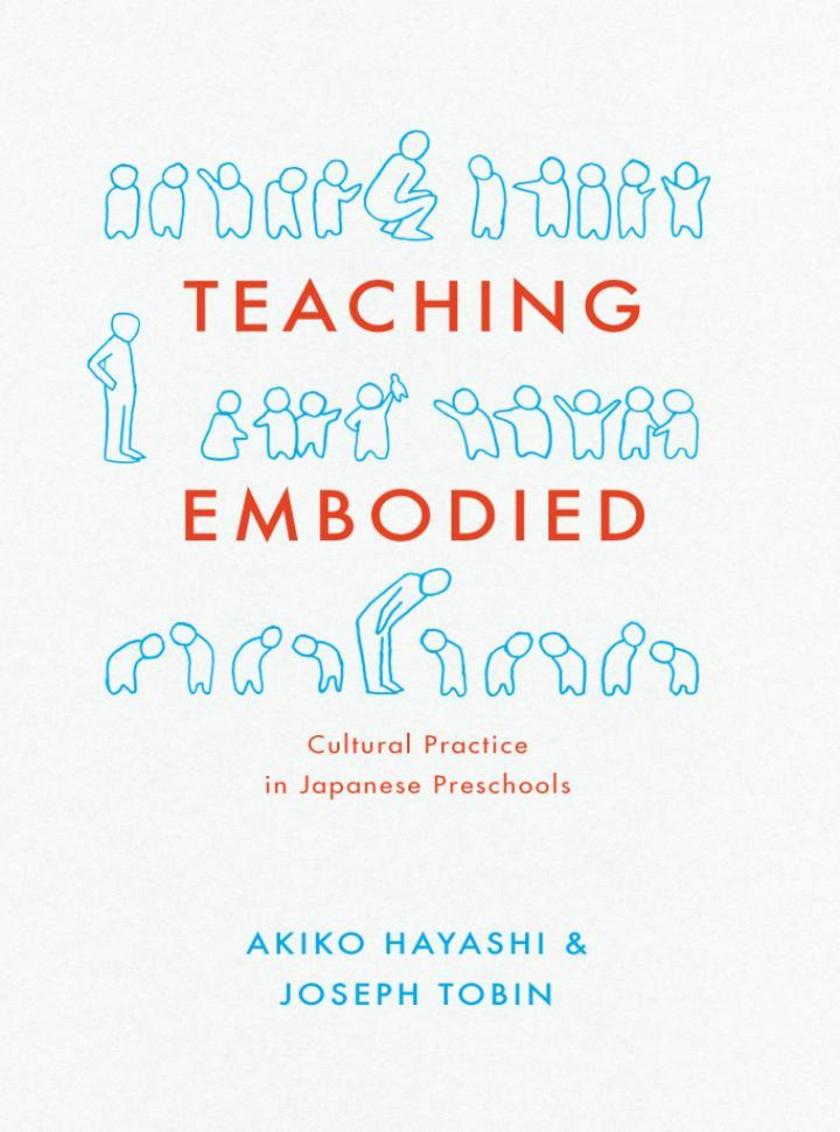
Teaching Embodied
¥247.21
When we look beyond lesson planning and curricula-those explicit facets that comprise so much of our discussion about education-we remember that teaching is an inherently social activity, shaped by a rich array of implicit habits, comportments, and ways of communicating. This is as true in the United States as it is in Japan, where Akiko Hayashi and Joseph Tobin have long studied early education from a cross-cultural perspective. Taking readers inside the classrooms of Japanese preschools, Teaching Embodied explores the everyday, implicit behaviors that form a crucially important-but grossly understudied-aspect of educational practice.?Akiko Hayashi and Joseph Tobin embed themselves in the classrooms of three different teachers at three different schools to examine how teachers act, think, and talk. Drawing on extended interviews, their own real-time observations, and hours of video footage, they focus on how teachers embody their lessons: how they use their hands to gesture, comfort, or discipline; how they direct their posture, gaze, or physical location to indicate degrees of attention; and how they use the tone of their voice to communicate empathy, frustration, disapproval, or enthusiasm. Comparing teachers across schools and over time, they offer an illuminating analysis of the gestures that comprise a total body language, something that, while hardly ever explicitly discussed, the teachers all share to a remarkable degree. Showcasing the tremendous importance of-and dearth of attention to-this body language, they offer a powerful new inroad into educational study and practice, a deeper understanding of how teaching actually works, no matter what culture or country it is being practiced in.?
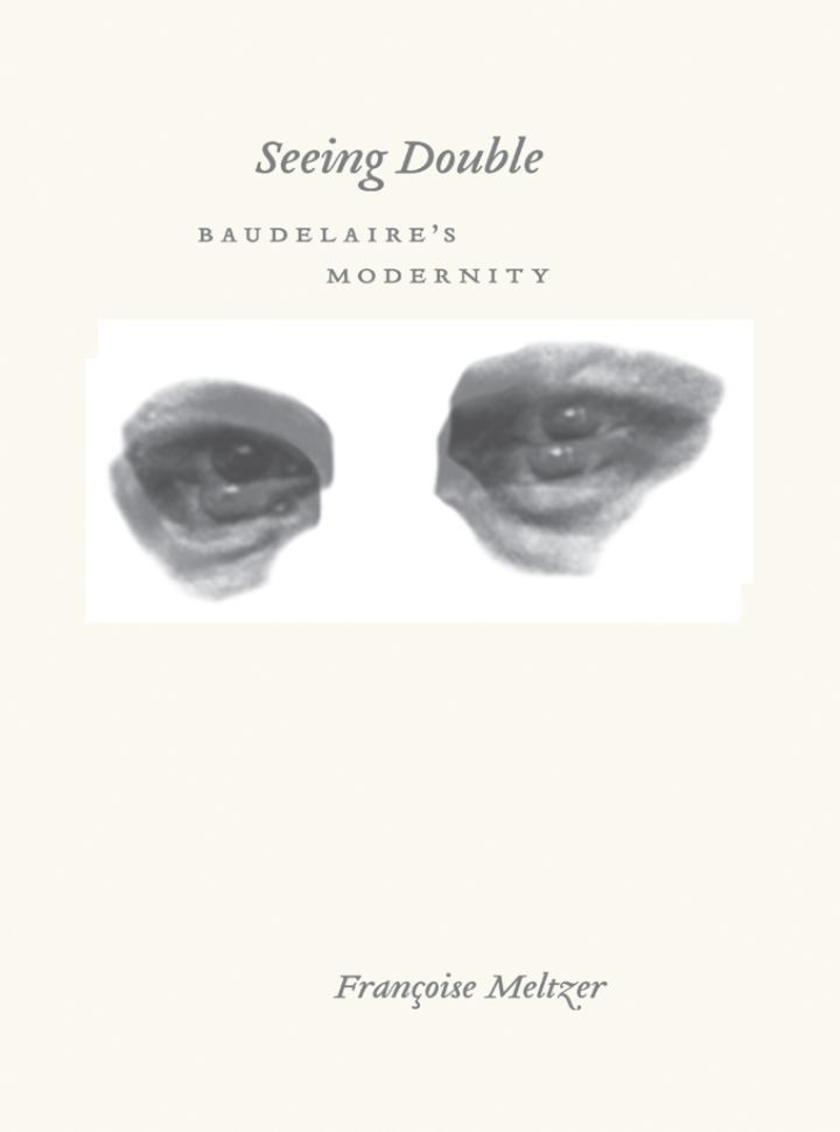
Seeing Double
¥447.34
The poet Charles Baudelaire (1821-1867) has been labeled the very icon of modernity, the scribe of the modern city, and an observer of an emerging capitalist culture. Seeing Double reconsiders this iconic literary figure and his fraught relationship with the nineteenth-century world by examining the way in which he viewed the increasing dominance of modern life. In doing so, it revises some of our most common assumptions about the unresolved tensions that emerged in Baudelaire's writing during a time of political and social upheaval.Franoise Meltzer argues that Baudelaire did not simply describe the contradictions of modernity; instead, his work embodied and recorded them, leaving them unresolved and often less than comprehensible. Baudelaire's penchant for looking simultaneously backward to an idealized past and forward to an anxious future, while suspending the tension between them, is part of what Meltzer calls his "e;double vision"e;-a way of seeing that produces encounters that are doomed to fail, poems that can't advance, and communications that always seem to falter. In looking again at the poet and his work, Seeing Double helps to us to understand the prodigious transformations at stake in the writing of modern life.


