


 购物车
购物车 个人中心
个人中心
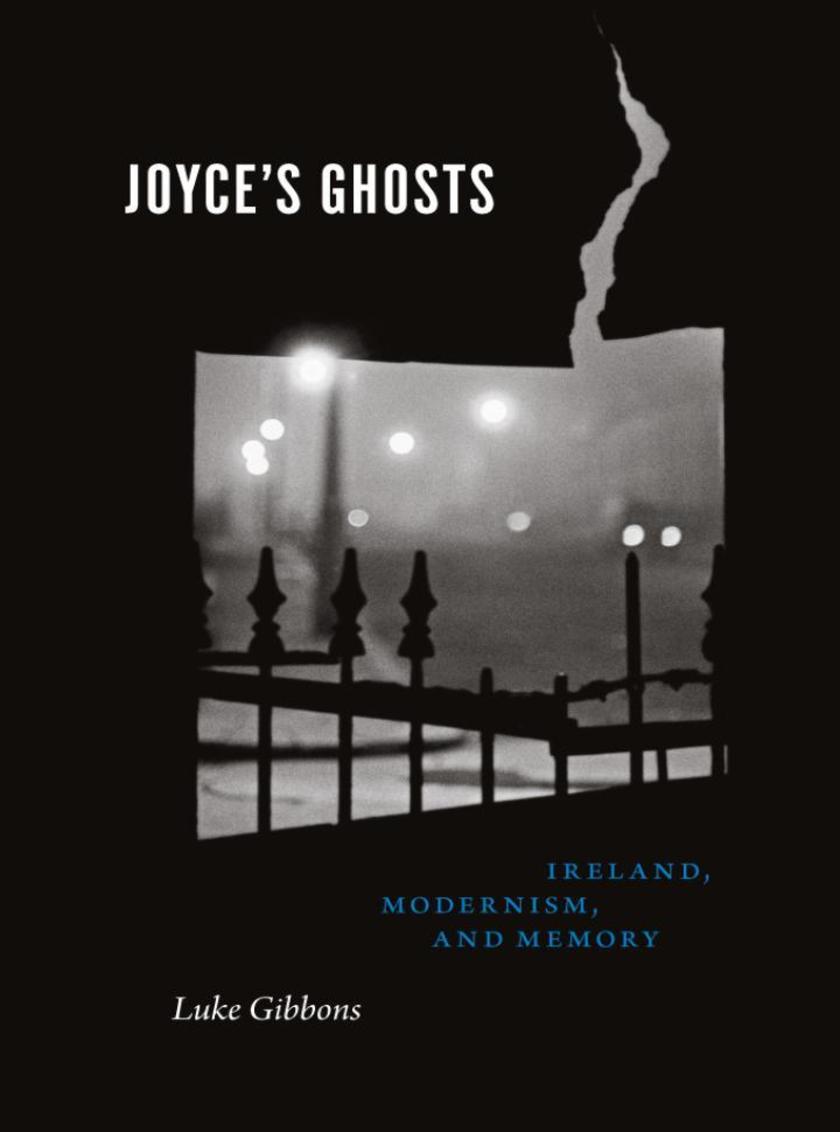
Joyce's Ghosts
¥294.30
For decades, James Joyce's modernism has overshadowed his Irishness, as his self-imposed exile and association with the high modernism of Europe's urban centers has led critics to see him almost exclusively as a cosmopolitan figure.In Joyce's Ghosts, Luke Gibbons mounts a powerful argument that this view is mistaken: Joyce's Irishness is intrinsic to his modernism, informing his most distinctive literary experiments. Ireland, Gibbons shows, is not just a source of subject matter or content for Joyce, but of form itself. Joyce's stylistic innovations can be traced at least as much to the tragedies of Irish history as to the shock of European modernity, as he explores the incomplete project of inner life under colonialism. Joyce's language, Gibbons reveals, is haunted by ghosts, less concerned with the stream of consciousness than with a vernacular interior dialogue, the "e;shout in the street,"e; that gives room to outside voices and shadowy presences, the disruptions of a late colonial?culture in crisis.Showing us how memory under modernism breaks free of the nightmare of history, and how in doing so it gives birth to new forms, Gibbons forces us to think anew about Joyce's achievement and its foundations.

Power to Die
¥294.30
The history of slavery in early America is a history of suicide. On ships crossing the Atlantic, enslaved men and women refused to eat or leaped into the ocean. They strangled or hanged themselves. They tore open their own throats. In America, they jumped into rivers or out of windows, or even ran into burning buildings. Faced with the reality of enslavement, countless Africans chose death instead.In The Power to Die, Terri L. Snyder excavates the history of slave suicide, returning it to its central place in early American history. How did people-traders, plantation owners, and, most importantly, enslaved men and women themselves-view and understand these deaths, and how did they affect understandings of the institution of slavery then and nowSnyder draws on ships' logs, surgeons' journals, judicial and legislative records, newspaper accounts, abolitionist propaganda and slave narratives, and many other sources to build a grim picture of slavery's toll and detail the ways in which suicide exposed the contradictions of slavery, serving as a powerful indictment that resonated throughout the Anglo-Atlantic world and continues to speak to historians today.
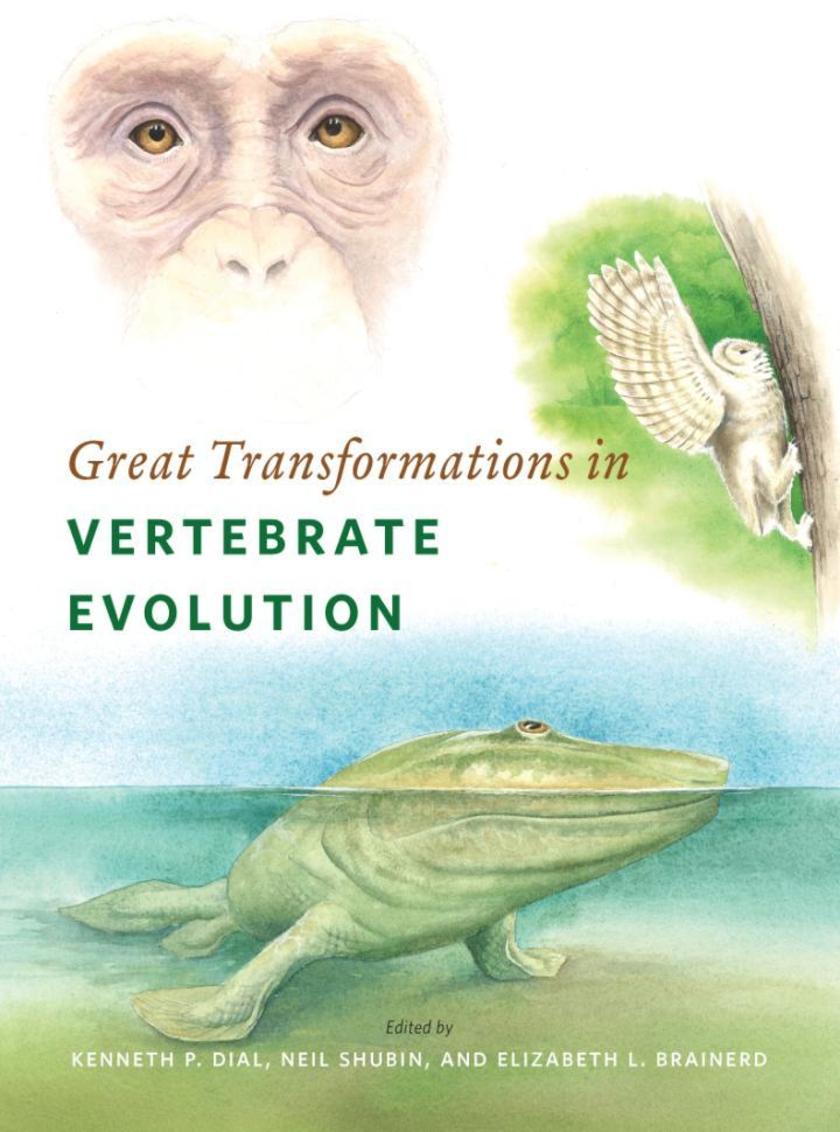
Great Transformations in Vertebrate Evolution
¥294.30
How did flying birds evolve from running dinosaurs, terrestrial trotting tetrapods evolve from swimming fish, and whales return to swim in the seaThese are some of the great transformations in the 500-million-year history of vertebrate life. And with the aid of new techniques and approaches across a range of fields-work spanning multiple levels of biological organization from DNA sequences to organs and the physiology and ecology of whole organisms-we are now beginning to unravel the confounding evolutionary mysteries contained in the structure, genes, and fossil record of every living species.This book gathers a diverse team of renowned scientists to capture the excitement of these new discoveries in a collection that is both accessible to students and an important contribution to the future of its field. Marshaling a range of disciplines-from paleobiology to phylogenetics, developmental biology, ecology, and evolutionary biology-the contributors attack particular transformations in the head and neck, trunk, appendages such as fins and limbs, and the whole body, as well as offer synthetic perspectives. Illustrated throughout, Great Transformations in Vertebrate Evolution not only reveals the true origins of whales with legs, fish with elbows, wrists, and necks, and feathered dinosaurs, but also the relevance to our lives today of these extraordinary narratives of change.
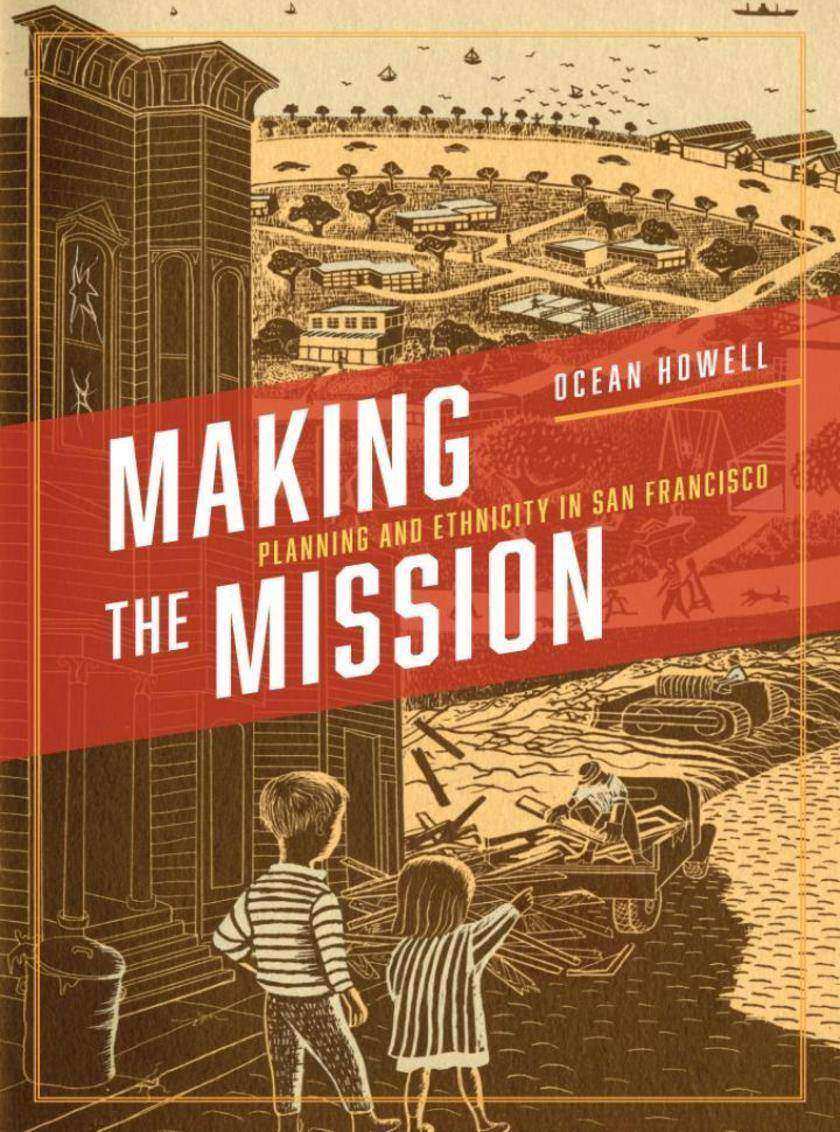
Making the Mission
¥294.30
In the aftermath of the 1906 San Francisco earthquake, residents of the city's iconic Mission District bucked the city-wide development plan, defiantly announcing that in their neighborhood, they would be calling the shots. Ever since, the Mission has become known as a city within a city, and a place where residents have, over the last century, organized and reorganized themselves to make the neighborhood in their own image.In Making the Mission, Ocean Howell tells the story of how residents of the Mission District organized to claim the right to plan their own neighborhood and how they mobilized a politics of place and ethnicity to create a strong, often racialized identity-a pattern that would repeat itself again and again throughout the twentieth century. Surveying the perspectives of formal and informal groups, city officials and district residents, local and federal agencies, Howell articulates how these actors worked with and against one another to establish the very ideas of the public and the public interest, as well as to negotiate and renegotiate what the neighborhood wanted. In the process, he shows that national narratives about how cities grow and change are fundamentally insufficient; everything is always shaped by local actors and concerns.
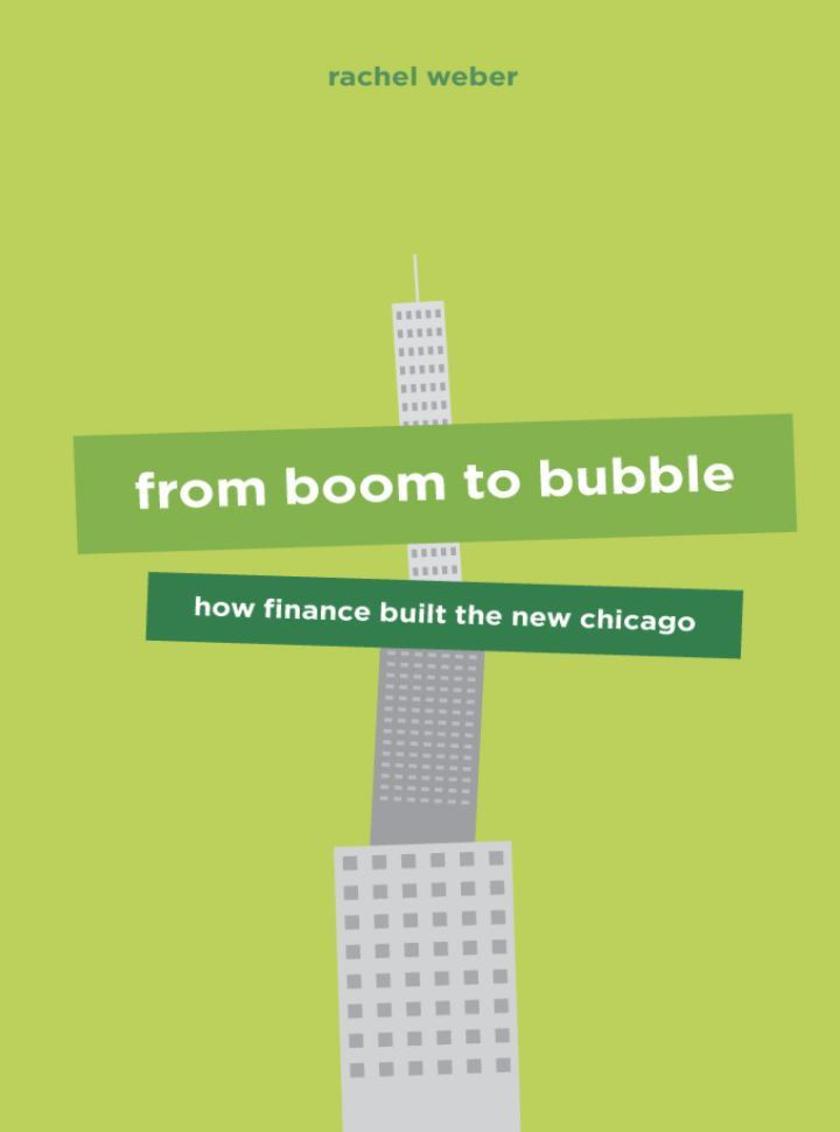
From Boom to Bubble
¥294.30
During the Great Recession, the housing bubble took much of the blame for bringing the American economy to its knees, but commercial real estate also experienced its own boom-and-bust in the same time period. In Chicago, for example, law firms and corporate headquarters abandoned their historic downtown office buildings for the millions of brand-new square feet that were built elsewhere in the central business district. What causes construction booms like this, and why do they so often leave a glut of vacant space and economic distress in their wake?In From Boom to Bubble, Rachel Weber debunks the idea that booms occur only when cities are growing and innovating. Instead, she argues, even in cities experiencing employment and population decline, developers rush to erect new office towers and apartment buildings when they have financial incentives to do so. Focusing on the main causes of overbuilding during the early 2000s, Weber documents the case of Chicago's "e;Millennial Boom,"e; showing that the Loop's expansion was a response to global and local pressures to produce new assets. An influx of cheap cash, made available through the use of complex financial instruments, helped transform what started as a boom grounded in modest occupant demand into a speculative bubble, where pricing and supply had only tenuous connections to the market. Innovative and compelling, From Boom to Bubble is an unprecedented historical, sociological, and geographic look at how property markets change and fail-and how that affects cities.

Divergent Series Ultimate Four-Book Collection 分歧者系列(套装共4册)
¥294.43
Available together for the first time—all three books in the #1?New York Times?bestselling Divergent trilogy, plus the companion volume told from the perspective of the immensely popular character Tobias. Perfect for established fans who want to own the full Divergent library or readers new to the series, this ebook bundle includes?Divergent,?Insurgent,?Allegiant, and?Four: A Divergent Collection.Divergent: One choice can transform you. Veronica Roth's #1?New York Times?bestselling debut is a gripping dystopian tale of electrifying choices, powerful consequences, unexpected romance, and a deeply flawed "perfect society."Insurgent: One choice can destroy you. Veronica Roth's second #1?New York Times?bestseller continues the dystopian thrill ride. As war surges in the factions all around her, Tris attempts to save those she loves—and herself—while grappling with haunting questions of grief and forgiveness, identity and loyalty, politics and love.Allegiant: The explosive conclusion to Veronica Roth's #1?New York Times?bestselling Divergent trilogy reveals the secrets of the dystopian world that has captivated millions of readers.Four: A Divergent Collection: A companion volume to the worldwide bestselling Divergent series, told from the perspective of Tobias. The four pieces included—"The Transfer," "The Initiate," "The Son," and "The Traitor"—plus three additional exclusive scenes, give readers a fascinating glimpse into the history and heart of Tobias, and set the stage for the epic saga of the Divergent trilogy.
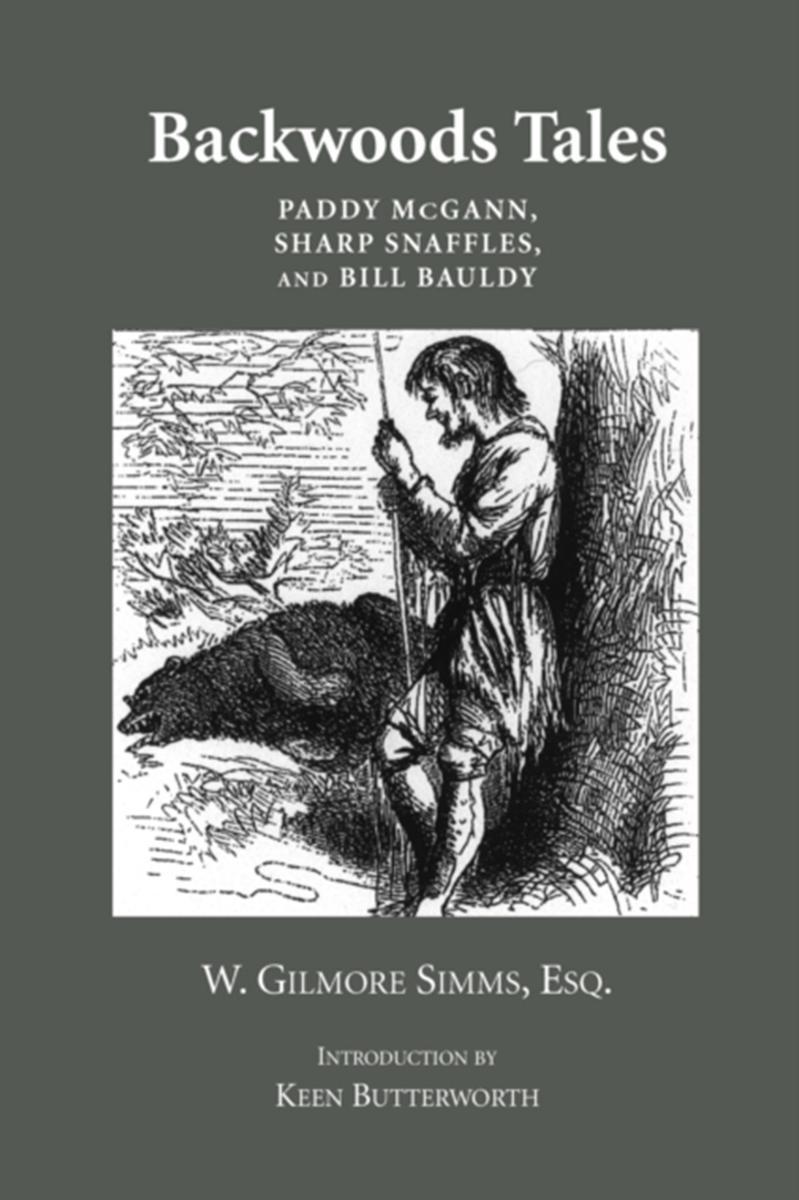
Backwoods Tales: Paddy McGann, Sharp Snaffles, and Bill Bauldy
¥299.50
The University of Arkansas Press edition of the Selected Fiction of William Gilmore Simms has as its aim to publish the major novels and short fiction in reliable texts, together with scholarly introductions, annotations, and other matter useful to scholars, critics, and teachers of Simms's work. The edition includes novels in the Border Romances series and the Revolutionary War series, together with writings that treat warfare with Native Americans and selections from Simms's short fiction. The scope of these writings is wide, capturing the American frontier in its westward advance across the Appalachian Mountains to the Mississippi River during the early and mid-nineteenth century.
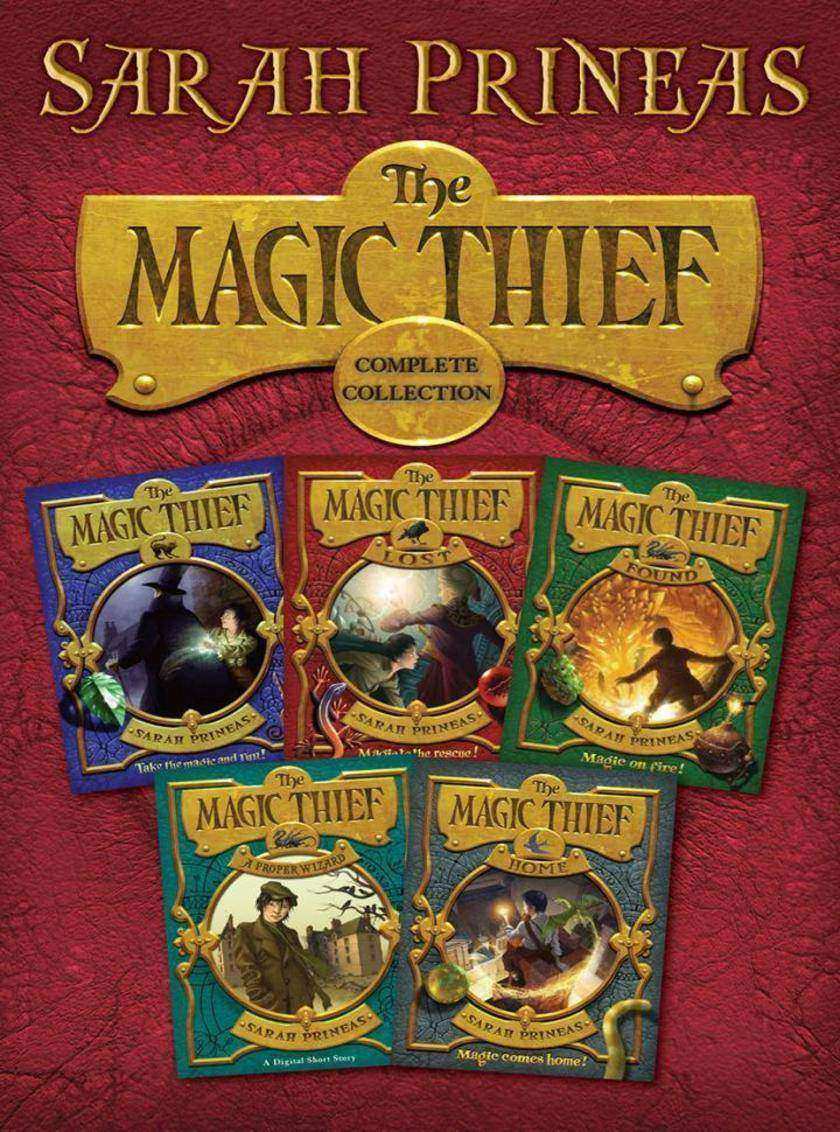
The Magic Thief Complete Collection
¥302.05
In a city that runs on a dwindling supply of magic, a young boy is drawn into a life of wizardry and adventure. Author Sarah Prineas works her own spells as she transports us to an extraordinary world where cities are run on living magic and even a thief can become a wizard's apprentice. Diana Wynne Jones, author of Howl's Moving Castle, praised this middle grade fantasy series filled with magic and wonder, saying of the first, "I couldn't put it down. Wonderful, exciting stuff." This collection contains all four novels in the series, plus the digital original novella The Magic Thief: A Proper Wizard.The Magic Thief: Conn should have dropped dead the day he picked Nevery's pocket and touched the wizard's locus magicalicus, a stone used to focus magic and work spells. But for some reason he did not. Nevery finds that interesting, and he takes Conn as his apprentice on the provision that the boy find a locus stone of his own. But Conn has little time to search for his stone between wizard lessons and helping Nevery discover who—or what—is stealing the city of Wellmet's magic.The Magic Thief: Lost: Conn may only be a wizard's apprentice, but even he knows it's dangerous to play with fire . . . especially around magic. But Conn is drawn to the murmurs he hears every time he sets off an explosion—something is trying to talk to him, to warn him. When none of the wizards listen, Conn takes matters into his own hands. His quest to protect everything he loves brings him face-to-face with a powerful sorcerer-king and a treachery beyond even his vivid imagination.The Magic Thief: Found: Sneaking out of prison isn't easy, unless you are a thief, or a wizard. Luckily, Conn is both! Trouble is, once he's out, where does he goHis home is a pile of rubble since he blew it up doing magic. His master, the wizard Nevery, is not happy with him. Worst of all, Conn's been exiled, and staying in the city will mean his death.The Magic Thief: A Proper Wizard: When Verent, a young apprentice from neighboring Danivelle, comes to Wellmet to ask for Conn's help with his city's magical problems, he is less than impressed with Conn. Will Verent be able to overcome his misgivings about Conn in order to help his townAnd with Conn's help, will Verent become a proper wizard?The Magic Thief: Home: Duchess Rowan has promoted Conn to ducal magister, but the other wizards see him only as a thief. But something sinister is brewing, as magicians' locus stones are being stolen and magical spells are going awry. As Conn faces old enemies and powerful magical forces, is he strong enough to save the city he calls home?
L.A. Candy Complete Collection
¥305.30
The L.A. Candy trilogy is a fast-paced, fun, and realistic depiction of coming of age in Hollywood while starring in a reality TV show—written by a star who's experienced it all firsthand: Lauren Conrad, of MTV's #1 show The Hills. This #1 New York Times bestselling series provides a scandalous peek into the life of new reality celebrity Jane Roberts while dishing Hollywood gossip and drama at every turn.Includes:L.A. Candy Sweet Little Lies: An L.A. Candy Novel Sugar and Spice: An L.A. Candy Novel
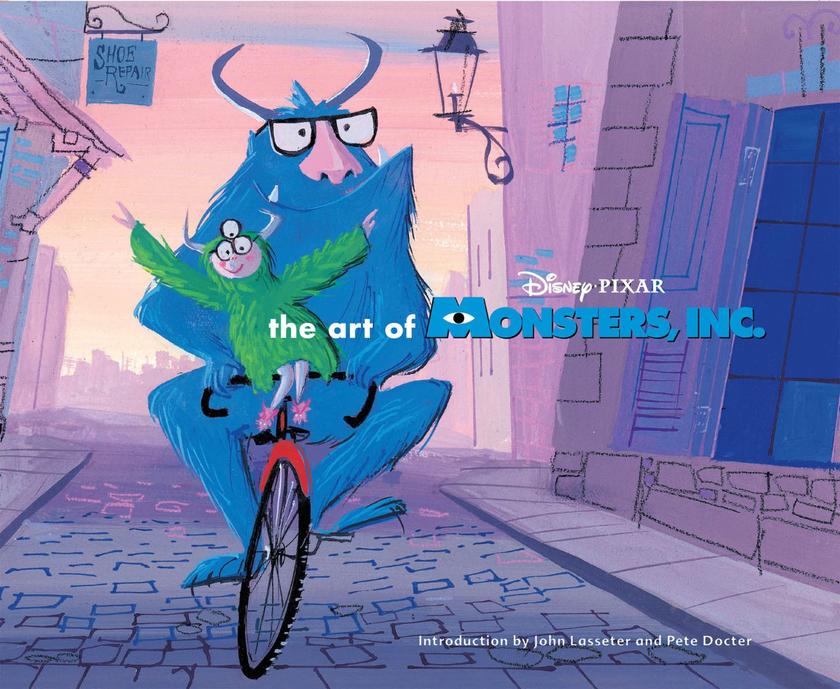
Art of Monster, Inc.
¥305.97
The Art of Monsters, Inc. opens the door into Pixar's colorful archives of concept art and to the endearing story of Monsters, Inc. Since the very first bedtime, children around the world have known that once their parents tuck them into bed and shut off the light, monsters lie waiting behind closet doors, ready to emerge. But what they don't realize is that these monsters scare children because they have to. It's their job. This superb film from Pixar Studios, the people who brought you Toy Story, A Bug's Life, and Toy Story 2, reveals the truth about monsters with the brilliant techniques that have earned them their reputation as a ground-breaking animation studio. This incredible body of artwork was commissioned from the top artists, illustrators, and animators in the industry and from it the ultimate visual approach of the film was defined. From sketches scribbled on napkins and quickly inked marker drawings, to finished oil paintings and fabulous pastel color scripts, this behind-the-scenes artwork reveals the elaborate creative process behind a blockbuster film.
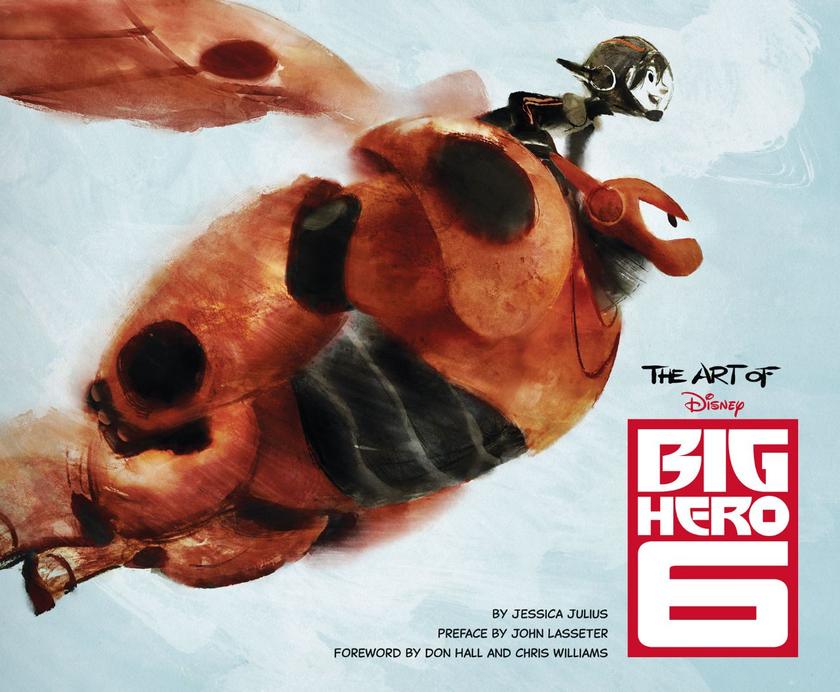
Art of Big Hero 6
¥305.97
Walt Disney Animation Studios' Big Hero 6 is the story of Hiro Hamada, a brilliant robotics prodigy who must foil a criminal plot that threatens to destroy the fast-paced, high-tech city of San Fransokyo. This new title in our popular The Art of series, published to coincide with the movie's U.S. release, features concept art from the film's creation—including sketches, storyboards, maquette sculpts, colorscripts, and much more—illuminated by quotes and interviews with the film's creators. Fans will love the behind-the-scenes insights into Disney's newest action comedy adventure.Copyright ?2014 Disney Enterprises, Inc. All rights reserved.
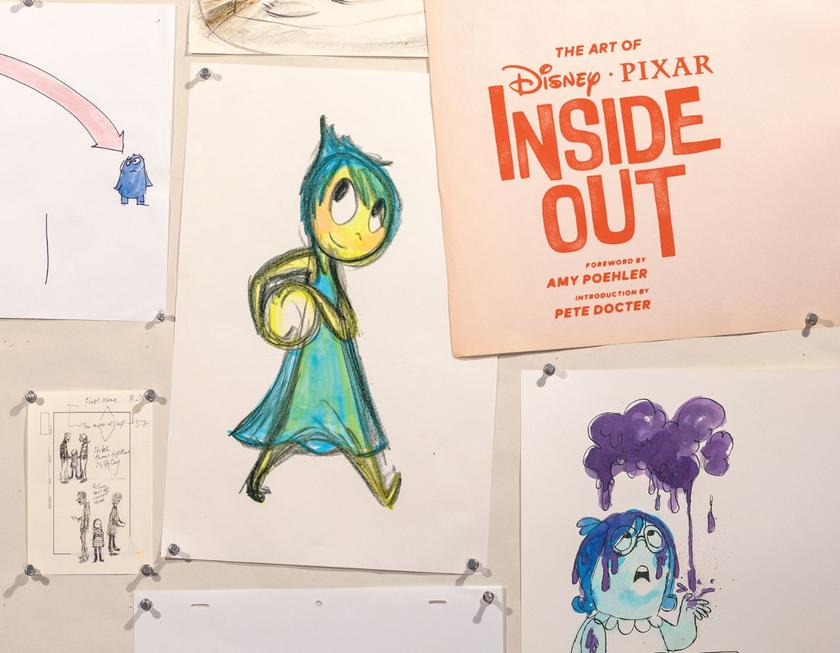
Art of Inside Out
¥305.97
From an adventurous balloon ride above the clouds to a monster-filled metropolis, Academy Award(R)-winning director Pete Docter ("e;Monsters, Inc.,"e; "e;Up"e;) has taken audiences to unique and imaginative places. In Disney*;Pixar's original movie "e; Inside Out,"e; he will take us to the most extraordinary location of allinside the mind.Growing up can be a bumpy road, and it's no exception for Riley, who is uprooted from her Midwest life when her father starts a new job in San Francisco. Like all of us, Riley is guided by her emotions Joy, Fear, Anger, Disgust, and Sadness. The emotions live in Headquarters, the control center inside Riley's mind, where they help advise her through everyday life. As Riley and her emotions struggle to adjust to a new life in San Francisco, turmoil ensues in Headquarters. Although Joy, Riley's main and most important emotion, tries to keep things positive, the emotions conflict on how best to navigate a new city, house and school.In this groundbreaking and illuminating film, Pixar Animation Studios examines the extraordinary depths of the mind and the powers of emotion and imagination. The Art of Inside Out provides an exclusive look into the artistic exploration that went into the making of this vibrant film. Featuring concept artincluding sketches, collages, color scripts, and much moreand opening with a foreword by actress Amy Poehler and introduction by the film's writer and director Pete Docter, this is the ultimate behind-the-scenes experience of the making of this landmark film.Copyright 2015 Disney Enterprises, Inc. and Pixar. All rights reserved.
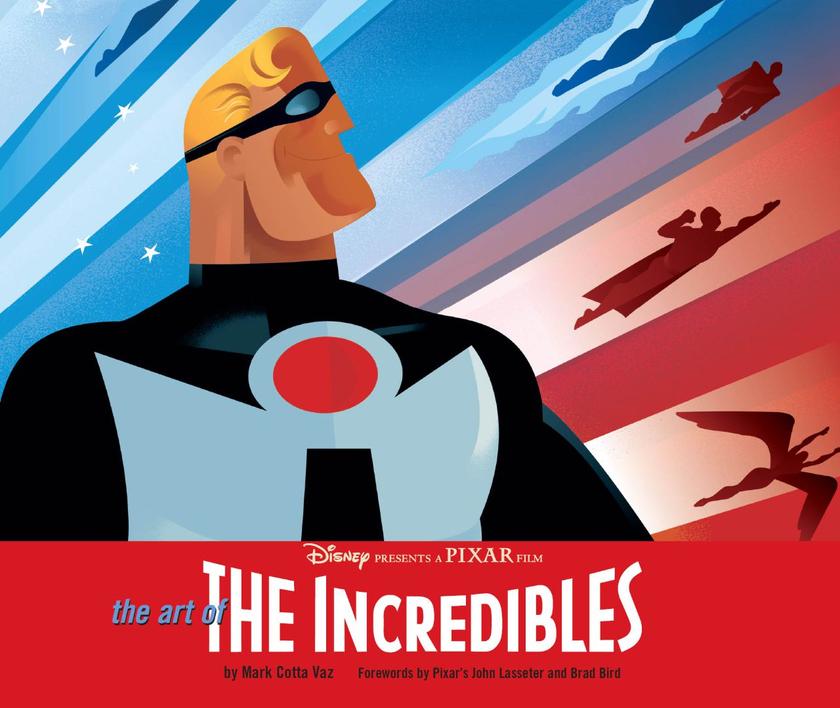
Art of The Incredibles
¥305.97
From Pixar Animation Studios, the Academy Awardwinning studio that brought us such blockbusters as Toy Story, Monsters, Inc., and Finding Nemo, comes The Incredibles, a hilarious, action-packed story of a family of superheroes living an underground suburban existence. The sleekly designed settings and characters were conceptualized and developed by writer/director Brad Bird and Pixar's creative team of artists, illustrators, and designers, resulting in a celluloid sensation rich with detail. The Art of The Incredibles celebrates their talent, featuring concept and character sketches, storyboards, and lighting studies, and invites readers into the elaborate creative process of animation through interviews with all the key players at Pixar.
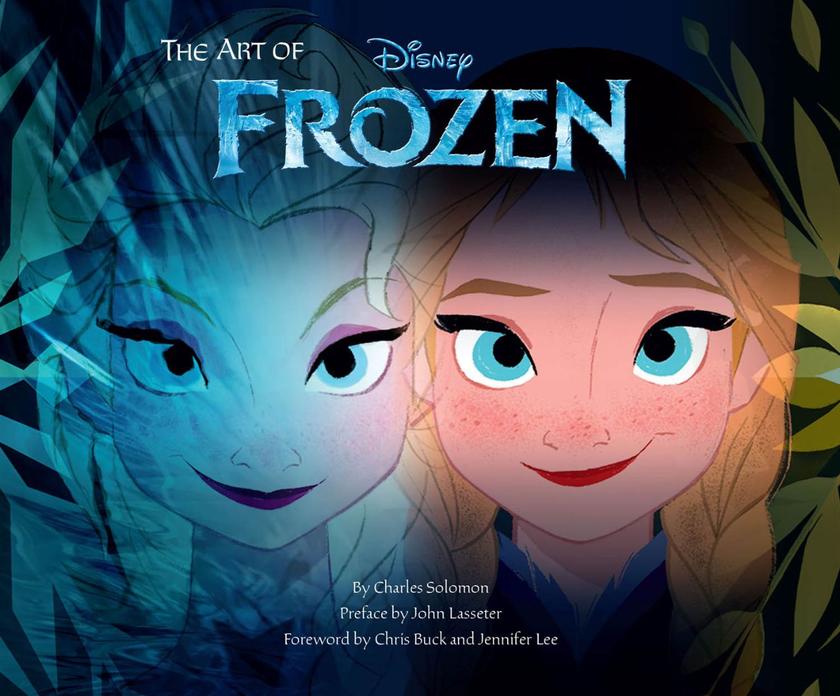
Art of Frozen
¥305.97
In Walt Disney Animation Studios upcoming film, Frozen, the fearless optimist Anna sets off on an epic journeyteaming up with rugged mountain man Kristoffto find her sister Elsa, whose icy powers have trapped the kingdom of Arendelle in eternal winter. Encountering Everest-like conditions, Anna and Kristoff battle the elements in a race to save the kingdom. The Art of Frozen features concept art from the making of the filmincluding character studies and sculpts, color scripts, storyboards, and morealongside interviews with the film's artists about the making of this comedy-adventure. Disney
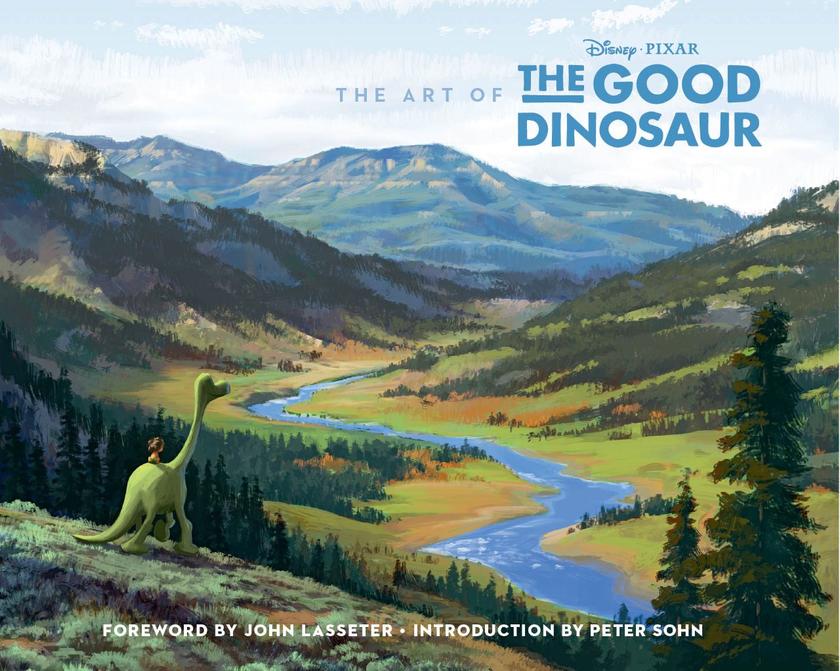
Art of the Good Dinosaur
¥305.97
What if the asteroid that forever changed life on Earth missed the planet completely and dinosaurs never became extinct? The Good Dinosaur expands on that premise in a humorous and exciting original story about Arlo, a lively Apatosaurus with a big heart. Showcasing the stunning artwork from the film's creationincluding sketches, storyboards, maquette sculpts, colorscripts, and much moreThe Art of The Good Dinosaur offers the ultimate behind-the-scenes look at the research and design that went into the making of this innovative film.Copyright 2015 Disney Enterprises, Inc. and Pixar. All rights reserved.
Art of Incredibles 2
¥305.97
From Pixar's upcoming film Incredibles 2, this making-of book is a dive back into the beloved world of the Incredibles. The Art of Incredibles 2 explores Pixar's highly anticipated sequel through colorful artwork, energetic character sketches, intriguing storyboards, and spellbinding colorscripts.Featuring gorgeous production art and interesting details from the production team about the making of the film, The Art of Incredibles 2 overflows with insights into the artistic process behind Pixar's engaging creative vision.Copyright 2018 Disney Enterprises, Inc. and Pixar. All rights reserved.
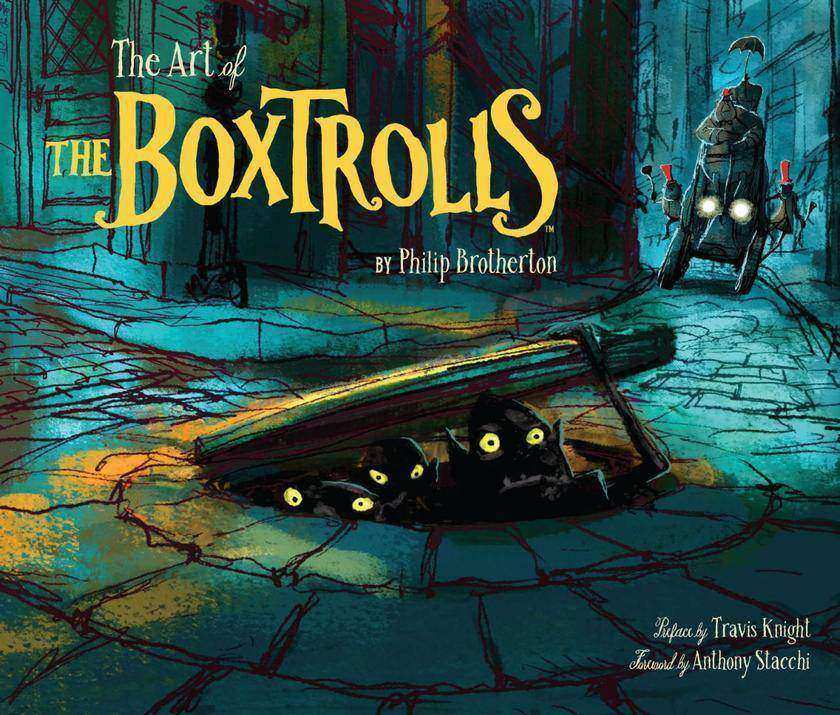
Art of The Boxtrolls
¥305.97
LAIKA, the studio behind the hit films Coraline and ParaNorman, introduces audiences to a new breed of family: the Boxtrolls, a community of quirky, mischievous creatures who have lovingly raised an orphaned human boy named Eggs in the amazing cavernous home they've built beneath the streets of Cheesebridge. When the town's villain, Archibald Snatcher, comes up with a plot to get rid of the Boxtrolls, Eggs decides to venture above ground where he meets and teams up with fabulously feisty Winnie to devise a daring plan to save Eggs' family. The Art of The Boxtrolls features the amazingly detailed artwork that went into this film's creation, including character sketches, puppets, textiles, set dressing, and 3-D printed facial models, alongside the story of the film's development.
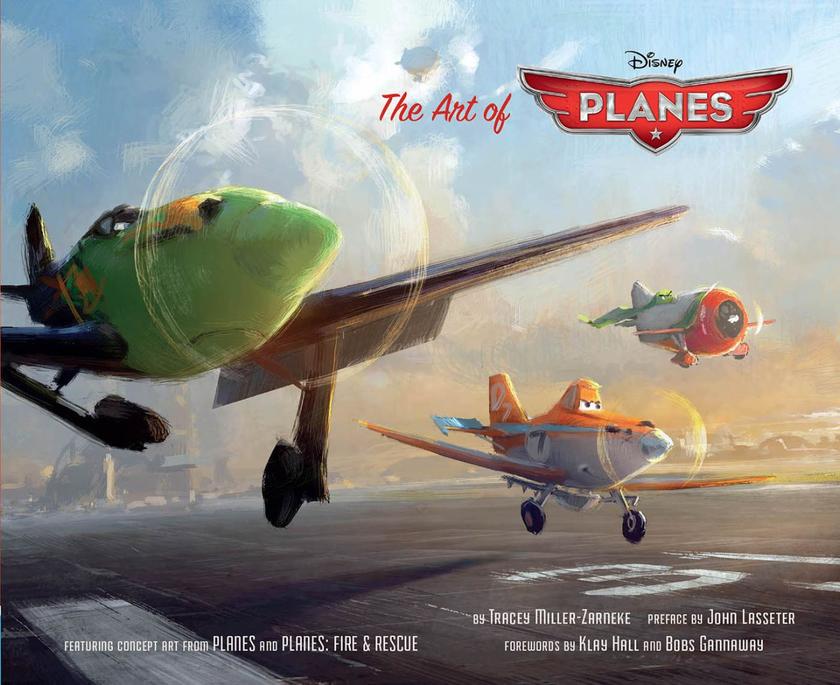
Art of Planes
¥305.97
In Disney's Planes and Planes: Fire and Rescue, the big-hearted crop duster Dusty Crophopper is full of dreams. In the first film, he overcomes his fear of heights to win the Wings Around The Globe Rally. In the second, Dusty learns his damaged engine will keep him from racing, but he finds the true hero within himself working alongside firefighting aircraft on a courageous wildfire air attack team.The Art of Planes explores the beautiful concept art that went into the development of these two inspiring stories, including colorscripts, storyboards, character studies, sculpts, background art, and more. Insider insights from the films' artists and filmmakers, a preface by directors Bobs Gannaway and Klay Hall, and a foreword by Chief Creative Officer John Lasseter offer an invaluable and fascinating glimpse into the creative thinking involved in the making of these companion films.Copyright ©2014 Disney Enterprises, Inc. All rights reserved.
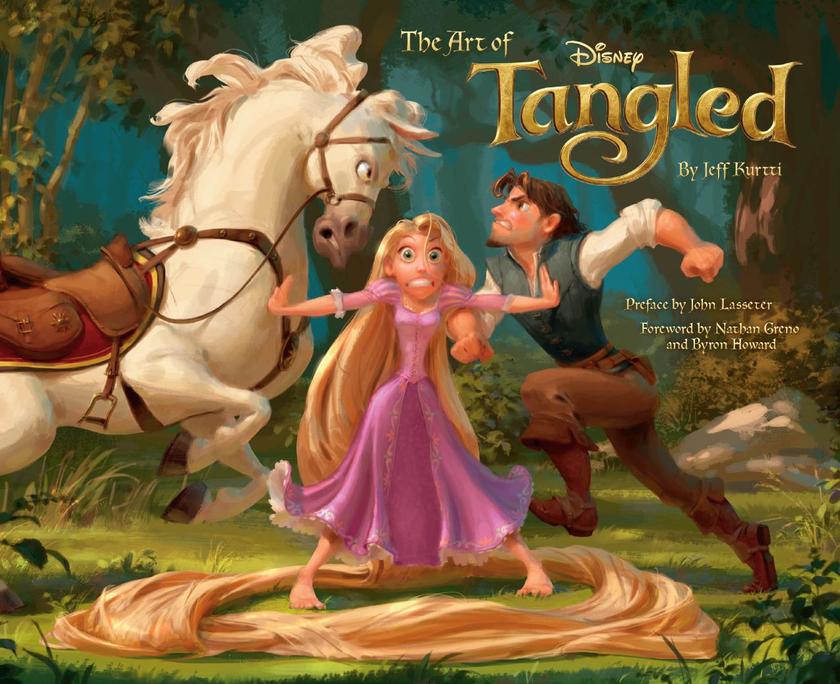
Art of Tangled
¥305.97
A lighthearted twist on Rapunzel, the beloved fairy tale from the Brothers Grimm, Tangled brims with thrilling adventure, a distinctive cast of characters, a daring heroine, and, of course, seventy feet of golden hair. Featuring the stunning concept art behind the newest Disney masterpiece, The Art of Tangled also includes a preface by John Lasseter, a foreword by Directors Nathan Greno and Byron Howard, and interviews with the artists, animators, and production team—including Art Director David Goetz—that shed light on the history and artistry of this landmark film.
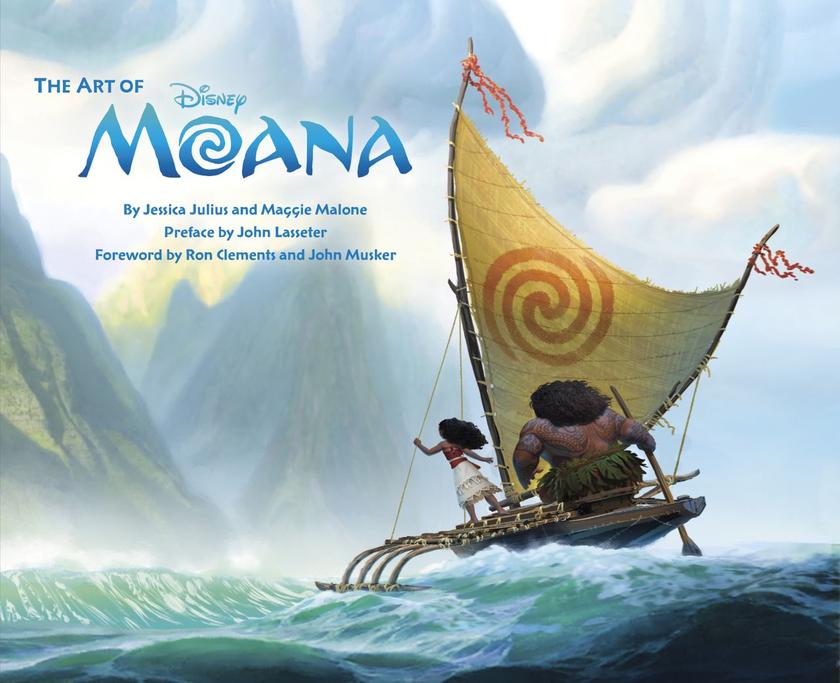
Art of Moana
¥305.97
The Art of Moana is the latest title in our exceptional series showcasing artwork from the creation of Walt Disney Animations' latest releases. Three thousand years ago, the greatest sailors in the world ventured across the Pacific, discovering the many islands of Oceania. But then, for a millennium, their voyages stoppedand no one today knows why. From Walt Disney Animation Studios, Moana is a CG-animated adventure about a spirited teenager who sails out on a daring mission to prove herself a master wayfinder and fulfill her ancestors' unfinished quest. During her journey, Moana meets the once-mighty demi-god Maui and together they traverse the open ocean on an action-packed adventure, encountering enormous fiery creatures and impossible odds. The stunning artwork in this behind-the-scenes book includes character designs, storyboards, colorscripts, and much more.Copyright 2016 Disney Enterprises, Inc. All Rights Reserved
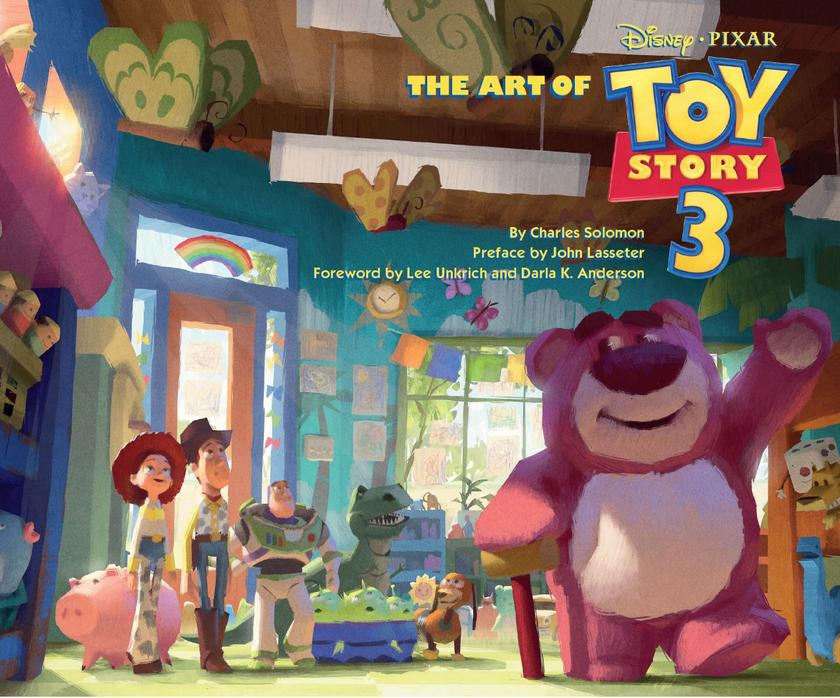
Art of Toy Story 3
¥305.97
Disney/Pixar's Toy Story 3 takes viewers back to the story that started it all. Woody, Buzz, Jessie, Mr. and Mrs. Potato Head, Rex, Slinky Dog, and Hammalongside a surprising cast of new toysreturn to the big screen for a comical new adventure in Disney Digital 3D. In The Art of Toy Story 3 internationally renowned animation historian Charles Solomon takes readers through the technical challenges, triumphs, and emotional hurdles that faced the Pixar team as they developed the toys' adventure. The Art of Toy Story 3 includes an extended introduction showcasing the story and visual development behind the first two films, as well as a gallery of over 250 pieces of concept art. Featuring storyboards, character studies, color keys, reference photos, environment art, and a special color scripts by art director Daisuke Tsutsumi, this ebook provides a memorable narrative of the entire Toy Story trilogy.


