


 购物车
购物车 个人中心
个人中心

Complete Works of Pliny the Elder
¥16.27
Complete Works of Pliny the Elder
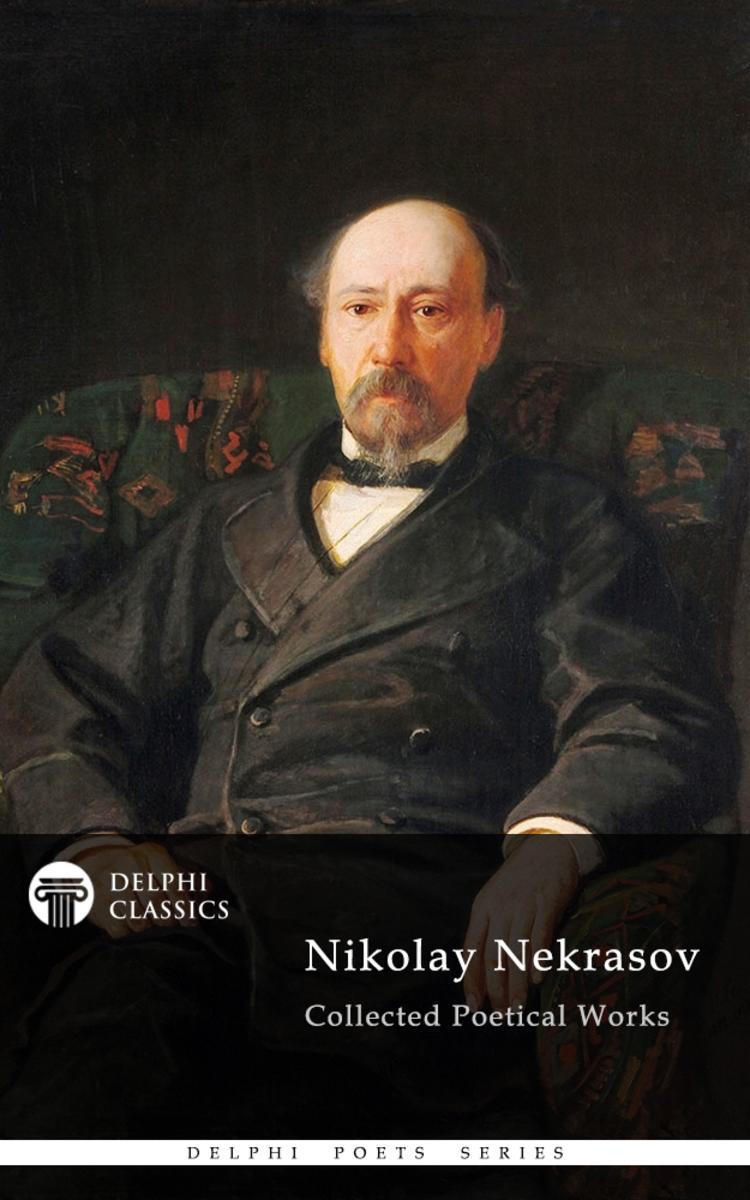
Delphi Collected Poetical Works of Nikolay Nekrasov (Illustrated)
¥16.27
Nikolay Nekrasov was a Russian poet, critic and publisher, whose deeply compassionate poems about peasant Russia made him the hero of liberal and radical circles of the intelligentsia. He is credited with introducing into Russian poetry ternary meters and the technique of dramatic monologue; working as the editor of several literary journals, Nekrasov was also singularly successful and influential, launching the career of Leo Tolstoy. The Delphi Poets Series offers readers the works of literature's finest poets, with superior formatting. This volume presents Nekrasov’s complete poetical works, with beautiful illustrations and the usual Delphi bonus material. (Version 1) * Beautifully illustrated with images relating to Nekrasov's life and works* Concise introduction to Nekrasov’s life and poetry* Excellent formatting of the poems* Rare poems translated by Juliet M. Soskice, first time in digital print* Includes Nekrasov’s epic poem WHO CAN BE HAPPY AND FREE IN RUSSIA?, translated by Juliet M. Soskice* Special chronological and alphabetical contents tables for the poetry* Easily locate the poems you want to read* Features a bonus biography - discover Nekrasov's literary life* Scholarly ordering of texts into chronological order and literary genres Please visit www.delphiclassics.com to see our wide range of poet titles CONTENTS: The Life and Poetry of Nikolay NekrasovINTRODUCTION: NIKOLAY NEKRASOVPOEMS OF NIKOLAY NEKRASOVWHO CAN BE HAPPY AND FREE IN RUSSIA? The PoemsLIST OF POEMS IN CHRONOLOGICAL ORDERLIST OF POEMS IN ALPHABETICAL ORDER The BiographyNICHOLAS NEKRASOV: A SKETCH OF HIS LIFE by David Soskice Please visit www.delphiclassics.com to browse through our range of poetry titles or buy the entire Delphi Poets Series as a Super Set
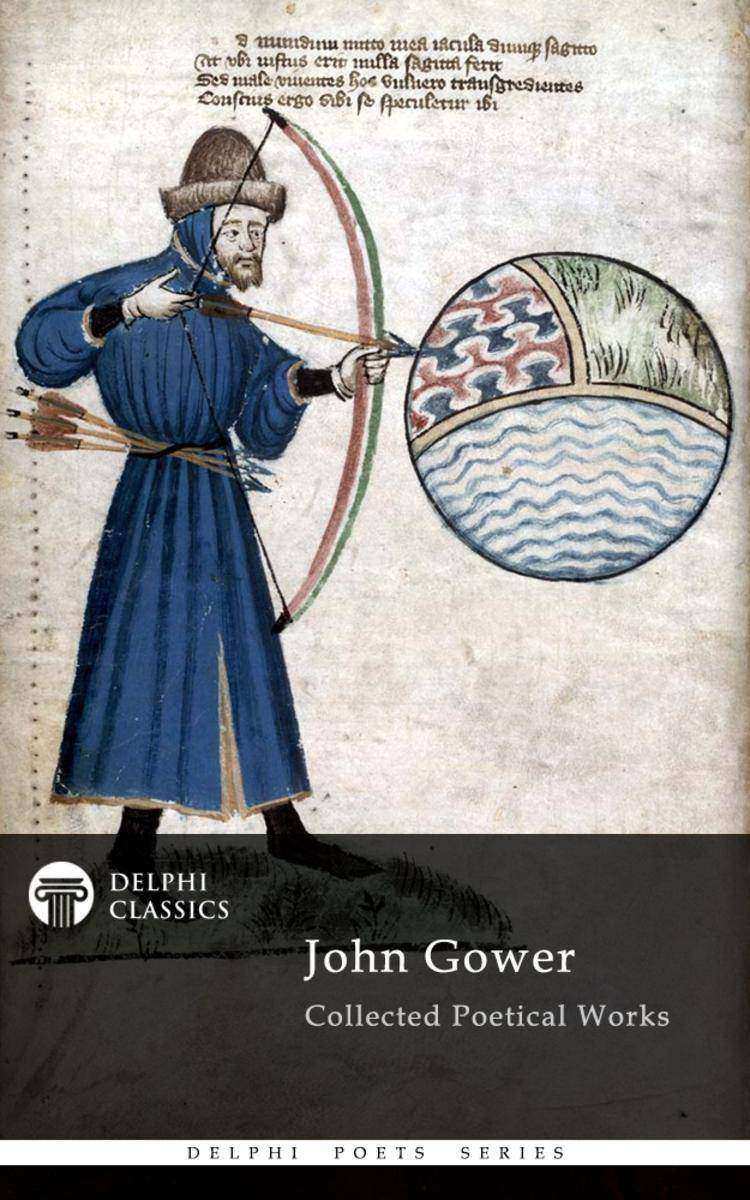
Delphi Collected Poetical Works of John Gower (Illustrated)
¥16.27
The contemporary and personal friend of Geoffrey Chaucer, the English poet John Gower produced works in the tradition of courtly love and moral allegory. ‘Confessio Amantis’, Gower’s greatest English poem, is a collection of exemplary tales of love, whereby Venus’ priest, Genius, instructs the poet, Amans, in the art of both courtly and Christian love. The stories derive from classical and medieval sources and are told with a tender, restrained narrative style. The Delphi Poets Series offers readers the works of literature's finest poets, with superior formatting. This volume presents Gower’s complete English works, with related illustrations and the usual Delphi bonus material. (Version 1) * Beautifully illustrated with images relating to Gower's life and works* Concise introduction to Gower’s life and poetry* Images of how the poetry books were first printed, giving your eReader a taste of the original texts* Excellent formatting of the poems* Easily locate the poems you want to read* Includes G. C. Macaulay’s 1901 text of ‘Confessio Amantis’, with line numbers* Macaulay’s seminal biography - discover Gower's medieval world Please visit www.delphiclassics.com to see our wide range of poet titles CONTENTS: The Life and Poetry of John GowerBrief Introduction: John Gower by Sidney LeeConfessio AmantisTo King Henry IV: In Praise of Piece The BiographyLife of Gower by G. C. Macaulay Please visit www.delphiclassics.com to browse through our range of poetry titles or buy the entire Delphi Poets Series as a Super Set
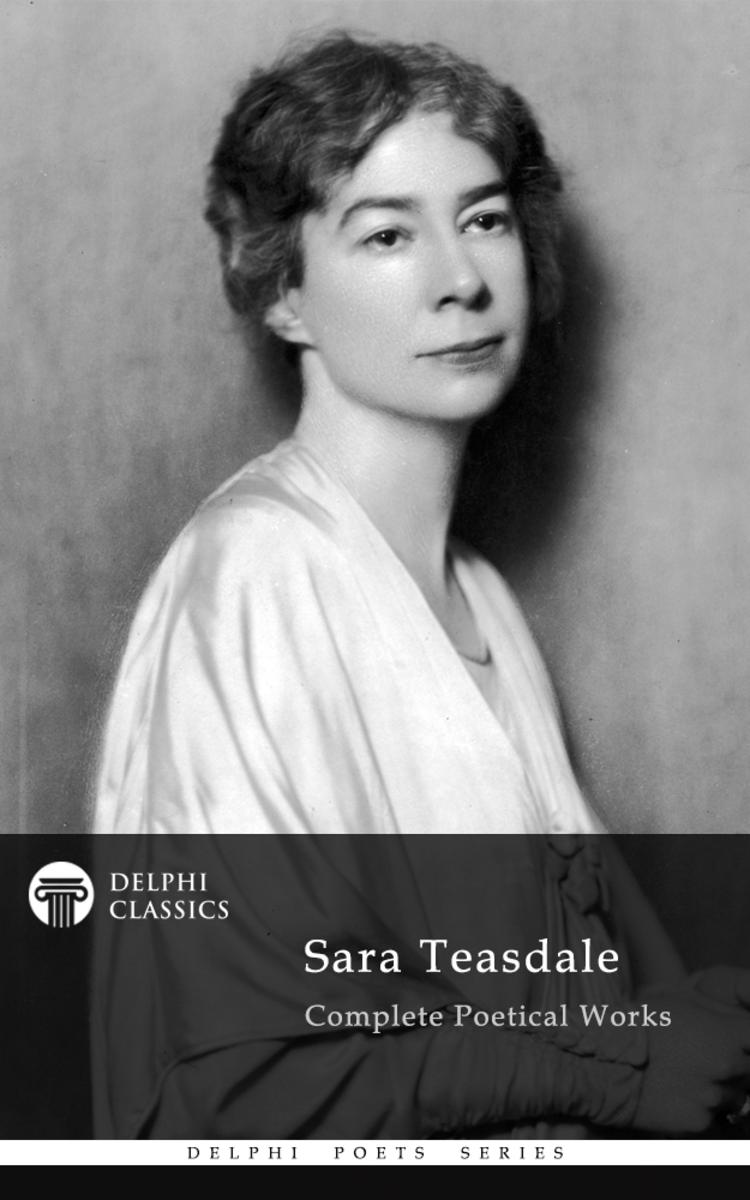
Delphi Complete Poetical Works of Sara Teasdale (Illustrated)
¥16.27
Winner of the first Pulitzer Prize for poetry, the American poet Sara Teasdale composed short, personal lyrics, noted for their classical simplicity and quiet intensity. In 1918 she won the Columbia University Poetry Society prize (forerunner of the Pulitzer Prize for poetry) and the annual prize of the Poetry Society of America for her pioneering collection of verse, ‘Love Songs’. The Delphi Poets Series offers readers the works of literature's finest poets, with superior formatting. This volume presents Teasdale’s complete poetical works, with related illustrations and the usual Delphi bonus material. (Version 1) * Beautifully illustrated with images relating to Teasdale's life and works* Concise introduction to Teasdale’s life and poetry* Images of how the poetry books were first printed, giving your eReader a taste of the original texts* Excellent formatting of the poems* Special chronological and alphabetical contents tables for the poetry* Easily locate the poems you want to read* Features Teasdale's last three poetry collections for the first time in digital publishing* Teasdale's last poetry collection, her masterpiece ‘Strange Victory’* Scholarly ordering of texts into chronological order and literary genres Please visit www.delphiclassics.com to see our wide range of poet titles CONTENTS: The Life and Poetry of Sara TeasdaleBrief Introduction: Sara TeasdaleSonnets to Duse and Other Poems, 1907Helen of Troy and Other Poems, 1911Rivers to the Sea, 1915Love Songs, 1917Flame and Shadow, 1920Dark of the Moon, 1926Stars To-night, 1930Strange Victory, 1933 The PoemsList of Poems in Chronological OrderList of Poems in Alphabetical Order Please visit www.delphiclassics.com to browse through our range of poetry titles or buy the entire Delphi Poets Series as a Super Set
Tom Sawyer Kalandjai
¥16.27
O ilustrare elocvent a poziiei pe care poetul Vasko Popa o ocup, la ora actual, pe plan mondial, este faptul c Barack Obama, n campania sa electoral pentru preedenia SUA (pe care a i ctigat-o), a afirmat, n 27 octombrie 2008, pe blogul Fundaiei internaionale Harriet, c poetul su preferat este Vasko Popa cu volumul Cutia mic, fiindc Vasko Popa: Este contient i responsabil de lumea n care triete i de propriul sine“. Nici John McCain nu s-a dus prea departe, preferndu-l pe confratele lui Vasko i, pn la un punct, modelul su – Henri Michaux. Aceasta este partea bun i frumoas a lucrurilor, care se datoreaz celor doi stlpi de susinere internaional a lui Vasko Popa, de aducere permanent a poeziei lui Popa n spaiul vast, universal, al limbii engleze: Anne Pennington, traductoarea i prietena familiei Popa (ale crei traduceri, i dup moartea ei, sunt, n continuare publicate), dar mai ales Charles Simic, unul din poeii americani de frunte, de origine srb (a emigrat n SUA la aisprezece ani), ctigtorul Premiului Pulitzer n anul 1991, i care n-a ncetat nici o clip s susin destinul de poet universal al lui Vasko Popa. De cealalt parte ns, politicul a jucat i n cazul lui Popa, ca i n cazul altor lideri, fie ei i formatori de opinie poetica, un rol nefast...“Liubia Raichici

Erosonete ?n transpunerea lui ?erban Foar??
¥16.27
E poate ciudat s spun despre o carte ca asta c e o plcere, dar e o plcere. E cu boala i da, e cu moartea, i nu-i vine s-o citeti pn cnd ncepi s-o citeti i ncep s te prind sarcasmele, luciditatea, melancolia tioas, simul luptei i profesionismul poetului; iadul organelor i-a ascuit lui Geacr instinctele i toat energia i s-a strns n minte ca un pumn care lovete, i nu numai s se apere, s atace.Din fericire, cartea e nu numai iad, e i revenirea printre cei vii; doar c ei n-au nicio idee ce nseamn s trieti: cafeaua de diminea/ dup atta timp/ e ca solveig (peer gynt).“ – Dan Sociu
Alchimia fericirii
¥16.27
vine un tractor, un T 82.5 din Bielorusia,nimeni din cei prezen?i nu am mai v?zut a?a ceva –un tractor care s? planteze cartofi,ne apropiem cu fric? de el,femeile se tem s? urce ?n locurile de unde s? pun? cartofii ?ntr?un tub,le apuc? panica, iau ?n m?ini c?te o sap??i zic c? mai bine planteaz? cu propriile m?ini,e prea periculos acest tractor,nu ?tie nimeni cum merge,e dintr-un alt viitor,tractorul ?sta e un fel de monstru Frankenstein,?l atingem ?i apoi fugim de l?ng? el speria?i
Kiss for Cinderella
¥16.38
Sir James Matthew Barrie, 1st Baronet, OM, was born in Kirriemuir, Angus the ninth of ten children on May 9th, 1860. From early formative experiences, Barrie knew that he wished to follow a career as an author. His family wished otherwise and sought to persuade him to choose a profession, such as the ministry. The compromise was that he would attend university to study literature at the University of Edinburgh. He graduated with an M.A. on April 21st, 1882. His first job was as a staff journalist for the Nottingham Journal. The London editor of the St. James's Gazette "e;liked that Scotch thing"e; in Barrie's short stories about his mother's early life. They also served as the basis for his first novels. Barrie though was increasingly drawn to working in the theatre. His first play, a biography of Richard Savage, was only performed once and critically panned. Undaunted he immediately followed this with Ibsen's Ghost in 1891, a parody of Ibsen's plays Hedda Gabler and Ghosts. Barrie's third play, Walker, London, in 1892 led to an introduction to his future wife, a young actress by the name of Mary Ansell. The two became friends, and she helped his family to care for him when he fell very ill in 1893 and 1894. Barrie proposed and they were married, in Kirriemuir, on July 9th, 1894. By some accounts the relationship was unconsummated and indeed the couple had no children. The story of Peter Pan had begun to formulate when Barrie became acquainted with the Llewelyn Davis family in 1897, meeting George, Jack and baby Peter with their nanny in London's Kensington Gardens. In 1901 and 1902, Barrie had back-to-back theatre successes with Quality Street and The Admirable Crichton. The character of "e;Peter Pan"e; first appeared in The Little White Bird in 1902. This most famous and enduring of his works; Peter Pan, or The Boy Who Wouldn't Grow Up had its first stage performance on December 27th, 1904. Peter Pan would overshadow everything written during his career. He continued to write for the rest of his life contributing many other fine and important works. Sir James Matthew Barrie, 1st Baronet, OM, died of pneumonia on June 19th,1937 and was buried at Kirriemuir next to his parents and two of his siblings.
Countess Cathleen - 'She'd sleep that trouble away-''
¥16.38
William Butler Yeats (1865 - 1939) is best described as Ireland's national poet in addition to being one of the major twentieth-century literary figures of the English tongue. To many literary critics, Yeats represents the 'Romantic poet of modernism,' which is quite revealing about his extraordinary style that combines between the outward emphasis on the expression of emotions and the extensive use of symbolism, imagery and allusions. Yeats also wrote prose and drama and established himself as the spokesman of the Irish cause. His fame was greatly boosted mainly after he received the Nobel Prize in Literature in 1923. His life was marked by his many love stories, by his great interest in oriental mysticism and occultism as well as by political engagement since he served as an Irish senator for two terms. Today, although William Butler Yeats's contribution to literary modernism and to Irish nationalism remains incontestable.
What Every Woman Knows - Always be a little kinder than necessary
¥16.38
Sir James Matthew Barrie, 1st Baronet, OM, was born in Kirriemuir, Angus the ninth of ten children on May 9th, 1860. From early formative experiences, Barrie knew that he wished to follow a career as an author. His family wished otherwise and sought to persuade him to choose a profession, such as the ministry. The compromise was that he would attend university to study literature at the University of Edinburgh. He graduated with an M.A. on April 21st, 1882. His first job was as a staff journalist for the Nottingham Journal. The London editor of the St. James's Gazette "e;liked that Scotch thing"e; in Barrie's short stories about his mother's early life. They also served as the basis for his first novels. Barrie though was increasingly drawn to working in the theatre. His first play, a biography of Richard Savage, was only performed once and critically panned. Undaunted he immediately followed this with Ibsen's Ghost in 1891, a parody of Ibsen's plays Hedda Gabler and Ghosts. Barrie's third play, Walker, London, in 1892 led to an introduction to his future wife, a young actress by the name of Mary Ansell. The two became friends, and she helped his family to care for him when he fell very ill in 1893 and 1894. Barrie proposed and they were married, in Kirriemuir, on July 9th, 1894. By some accounts the relationship was unconsummated and indeed the couple had no children. The story of Peter Pan had begun to formulate when Barrie became acquainted with the Llewelyn Davis family in 1897, meeting George, Jack and baby Peter with their nanny in London's Kensington Gardens. In 1901 and 1902, Barrie had back-to-back theatre successes with Quality Street and The Admirable Crichton. The character of "e;Peter Pan"e; first appeared in The Little White Bird in 1902. This most famous and enduring of his works; Peter Pan, or The Boy Who Wouldn't Grow Up had its first stage performance on December 27th, 1904. Peter Pan would overshadow everything written during his career. He continued to write for the rest of his life contributing many other fine and important works. Sir James Matthew Barrie, 1st Baronet, OM, died of pneumonia on June 19th,1937 and was buried at Kirriemuir next to his parents and two of his siblings.

Florentine Tragedy - Always forgive your enemies; nothing annoys them so much.
¥16.38
Oscar Fingal O'Flahertie Wills Wilde was born on the 16th October 1854 in Dublin Ireland. The son of Dublin intellectuals Oscar proved himself an outstanding classicist at Dublin, then at Oxford. With his education complete Wilde moved to London and its fashionable cultural and social circles. With his biting wit, flamboyant dress, and glittering conversation, Wilde became one of the most well-known personalities of his day. His only novel, The Picture of Dorian Gray was published in 1890 and he then moved on to writing for the stage with Salome in 1891. His society comedies produced enormous hits and turned him into one of the most successful writers of late Victorian London. Whilst his masterpiece, The Importance of Being Earnest, was on stage in London, Wilde had the Marquess of Queensberry, the father of his lover, Lord Alfred Douglas, prosecuted for libel. The trial unearthed evidence that caused Wilde to drop his charges and led to his own arrest and trial for gross indecency. He was convicted and imprisoned for two years' hard labour. It was to break him. On release he left for France, There he wrote his last work, The Ballad of Reading Gaol in 1898. He died destitute in Paris at the age of forty-six sipping champagne a friend had brought with the line 'Alas I am dying beyond my means'.
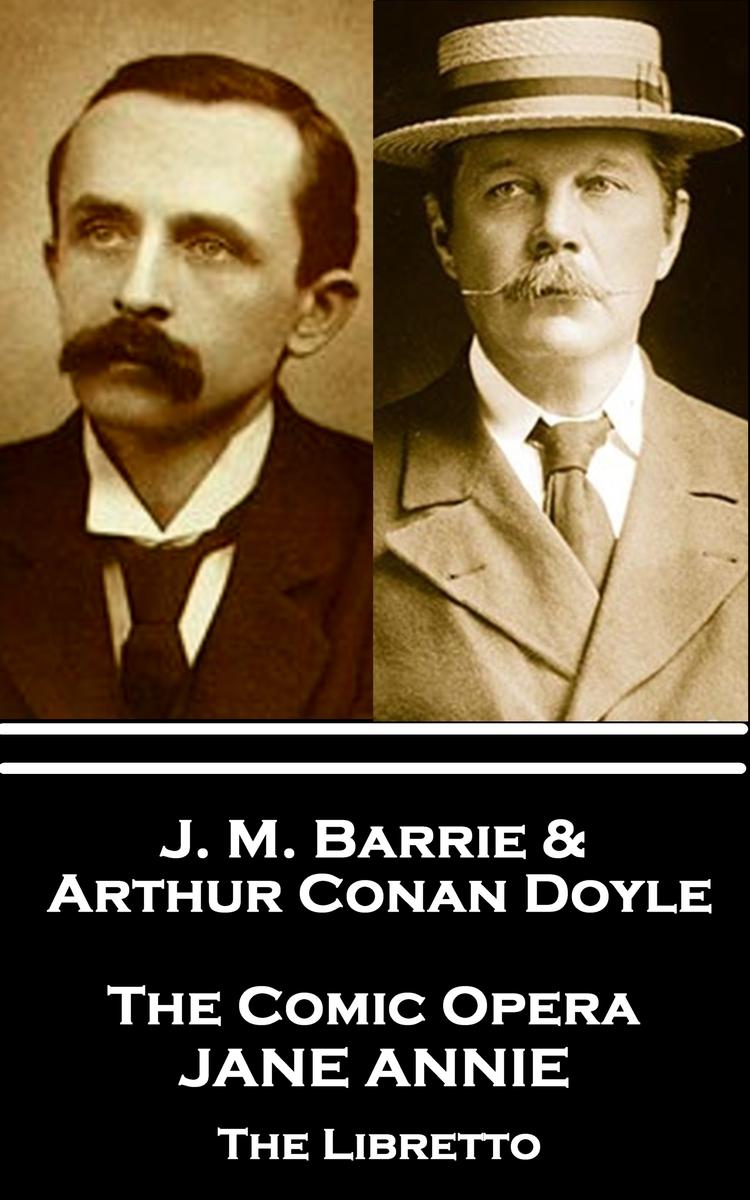
Jane Annie - Or, The Good Conduct Prize. A Comic Opera in Two Acts
¥16.38
Sir James Matthew Barrie, 1st Baronet, OM, was born in Kirriemuir, Angus the ninth of ten children on May 9th, 1860. From early formative experiences, Barrie knew that he wished to follow a career as an author. His family wished otherwise and sought to persuade him to choose a profession, such as the ministry. The compromise was that he would attend university to study literature at the University of Edinburgh. He graduated with an M.A. on April 21st, 1882. His first job was as a staff journalist for the Nottingham Journal. The London editor of the St. James's Gazette "e;liked that Scotch thing"e; in Barrie's short stories about his mother's early life. They also served as the basis for his first novels. Barrie though was increasingly drawn to working in the theatre. His first play, a biography of Richard Savage, was only performed once and critically panned. Undaunted he immediately followed this with Ibsen's Ghost in 1891, a parody of Ibsen's plays Hedda Gabler and Ghosts. Barrie's third play, Walker, London, in 1892 led to an introduction to his future wife, a young actress by the name of Mary Ansell. The two became friends, and she helped his family to care for him when he fell very ill in 1893 and 1894. Barrie proposed and they were married, in Kirriemuir, on July 9th, 1894. By some accounts the relationship was unconsummated and indeed the couple had no children. The story of Peter Pan had begun to formulate when Barrie became acquainted with the Llewelyn Davis family in 1897, meeting George, Jack and baby Peter with their nanny in London's Kensington Gardens. In 1901 and 1902, Barrie had back-to-back theatre successes with Quality Street and The Admirable Crichton. The character of "e;Peter Pan"e; first appeared in The Little White Bird in 1902. This most famous and enduring of his works; Peter Pan, or The Boy Who Wouldn't Grow Up had its first stage performance on December 27th, 1904. Peter Pan would overshadow everything written during his career. He continued to write for the rest of his life contributing many other fine and important works. Sir James Matthew Barrie, 1st Baronet, OM, died of pneumonia on June 19th,1937 and was buried at Kirriemuir next to his parents and two of his siblings.
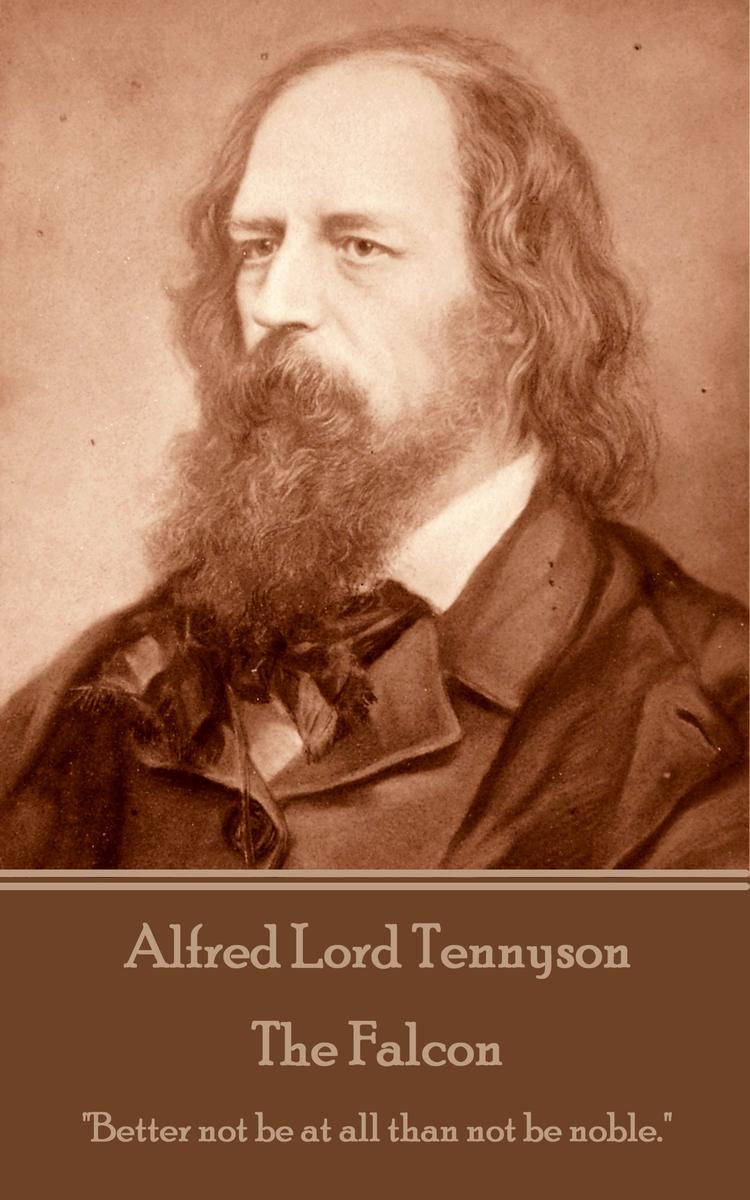
Falcon - Better not be at all than not be noble.
¥16.38
Alfred Tennyson was born on August 6th, 1809, in Somersby, Lincolnshire, the fourth of twelve children. Most of Tennyson's early education was under the direction of his father, although he did spend four unhappy years at a nearby grammar school. He left home in 1827 to join his elder brothers at Trinity College, Cambridge, more to escape his father than a desire for serious academic work. At Trinity he was living for the first time among young men of his own age who knew little of his problems. He was delighted to make new friends; he was handsome, intelligent, humorous, a gifted impersonator and soon at the center of those interested in poetry and conversation. That same year, he and his brother Charles published Poems by Two Brothers. Although the poems in the book were of teenage quality, they attracted the attention of the "e;Apostles,"e; a select undergraduate literary club led by Arthur Hallam. The "e;Apostles"e; provided Tennyson with friendship and confidence. Hallam and Tennyson became the best of friends; they toured Europe together in 1830 and again in 1832. Hallam's sudden death in 1833 greatly affected the young poet. The long elegy In Memoriam and many of Tennyson's other poems are tributes to Hallam. In 1830, Tennyson published Poems, Chiefly Lyrical and in 1832 he published a second volume entitled simply Poems. Some reviewers condemned these books as "e;affected"e; and "e;obscure."e; Tennyson, stung by the reviews, would not publish another book for nine years. In 1836, he became engaged to Emily Sellwood. When he lost his inheritance on a failed investment in 1840, the engagement was cancelled. In 1842, however, Tennyson's Poems [in two volumes] was a tremendous critical and popular success. In 1850, with the publication of In Memoriam, Tennyson's reputation was pre-eminent. He was also selected as Poet Laureate in succession to Wordsworth and, to complete a wonderful year, he married Emily Sellwood. At the age of 41, Tennyson had established himself as the most popular poet of the Victorian era. The money from his poetry [at times exceeding 10,000 pounds per year] allowed him to purchase a home in the country and to write in relative seclusion. His appearance-a large and bearded man, he regularly wore a cloak and a broad brimmed hat-enhanced his notoriety. In 1859, Tennyson published the first poems of Idylls of the Kings, which sold more than 10,000 copies in a fortnight. In 1884, he accepted a peerage, becoming Alfred Lord Tennyson. On October 6th, 1892, an hour or so after midnight, surrounded by his family, he died at Aldworth. It is said that the moonlight was streaming through the window and Tennyson himself was holding open a volume of Shakespeare. He was buried in Westminster Abbey.
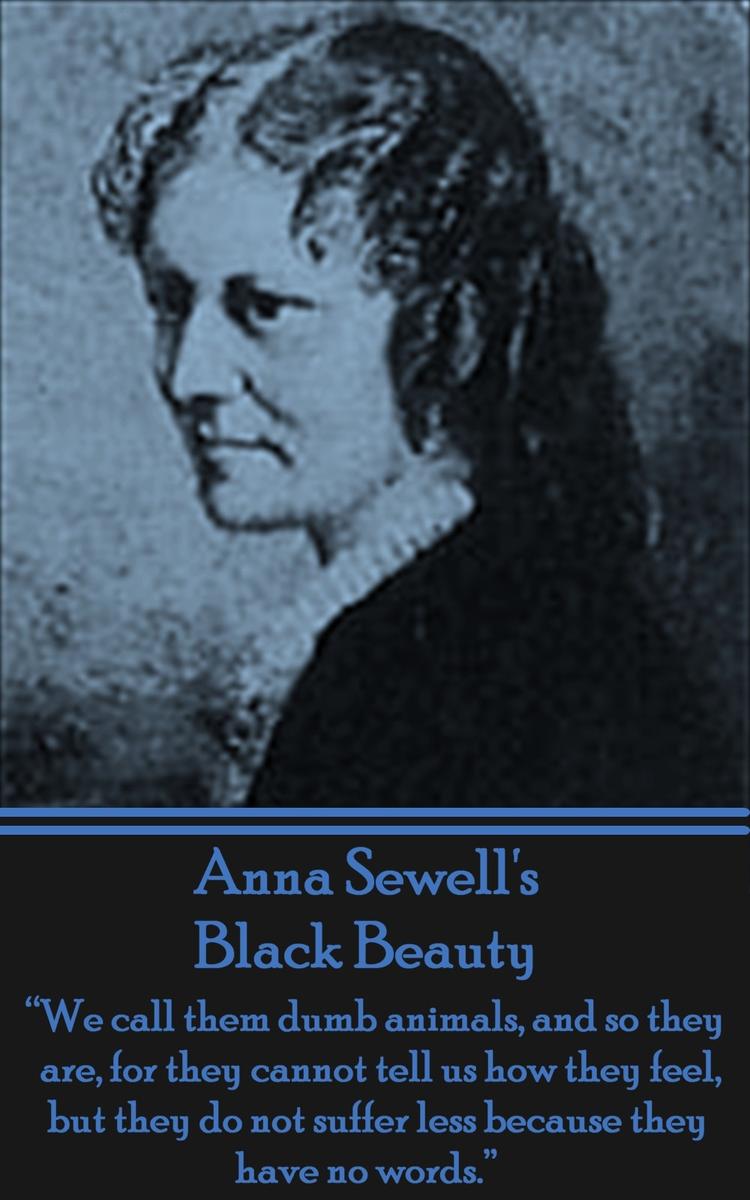
Black Beauty - We call them dumb animals, and so they are
¥16.38
Anna Sewell's only published novel, Black Beauty, is an extraordinary classic that deals with animal life and focuses on the importance of good animal treatment. The idea of writing a book about animal rights has been inspired by Sewell's own physical disability which has made her dependent on horse-drawn transportation. The narrator in Black Beauty is himself a personified horse who tells his life story and describes the world through his own lenses. Sewell says that the objective of writing the novel is to sensitize people to the sufferings of "e;working animals"e; and she has actually succeeded in fostering legislation protecting horses and in influencing public attitudes towards animal pain. Black Beauty's life crucially changes when he is taken from a country farm to pull cabs in the city of London. The different ordeals that he has to go through often contain a moral lesson that teaches kindness and sympathy not only for the poor animals, but also between human beings themselves. Indeed, the novel does not miss to cover the hardships of London taxi drivers either. Generally, Sewell's seminal classic has had a great influence on other writers of animal stories and has opened up new windows of discovering animal life.
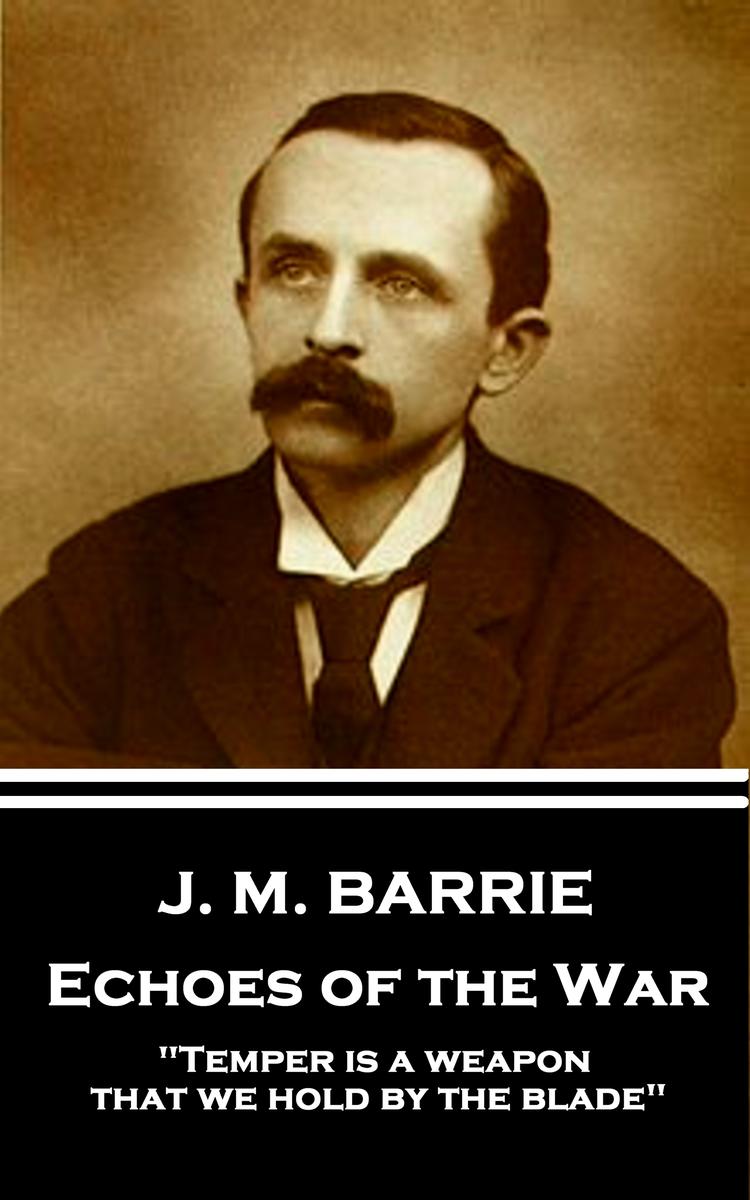
Echoes of the War - Temper is a weapon that we hold by the blade
¥16.38
Sir James Matthew Barrie, 1st Baronet, OM, was born in Kirriemuir, Angus the ninth of ten children on May 9th, 1860. From early formative experiences, Barrie knew that he wished to follow a career as an author. His family wished otherwise and sought to persuade him to choose a profession, such as the ministry. The compromise was that he would attend university to study literature at the University of Edinburgh. He graduated with an M.A. on April 21st, 1882. His first job was as a staff journalist for the Nottingham Journal. The London editor of the St. James's Gazette "e;liked that Scotch thing"e; in Barrie's short stories about his mother's early life. They also served as the basis for his first novels. Barrie though was increasingly drawn to working in the theatre. His first play, a biography of Richard Savage, was only performed once and critically panned. Undaunted he immediately followed this with Ibsen's Ghost in 1891, a parody of Ibsen's plays Hedda Gabler and Ghosts. Barrie's third play, Walker, London, in 1892 led to an introduction to his future wife, a young actress by the name of Mary Ansell. The two became friends, and she helped his family to care for him when he fell very ill in 1893 and 1894. Barrie proposed and they were married, in Kirriemuir, on July 9th, 1894. By some accounts the relationship was unconsummated and indeed the couple had no children. The story of Peter Pan had begun to formulate when Barrie became acquainted with the Llewelyn Davis family in 1897, meeting George, Jack and baby Peter with their nanny in London's Kensington Gardens. In 1901 and 1902, Barrie had back-to-back theatre successes with Quality Street and The Admirable Crichton. The character of "e;Peter Pan"e; first appeared in The Little White Bird in 1902. This most famous and enduring of his works; Peter Pan, or The Boy Who Wouldn't Grow Up had its first stage performance on December 27th, 1904. Peter Pan would overshadow everything written during his career. He continued to write for the rest of his life contributing many other fine and important works. Sir James Matthew Barrie, 1st Baronet, OM, died of pneumonia on June 19th,1937 and was buried at Kirriemuir next to his parents and two of his siblings.
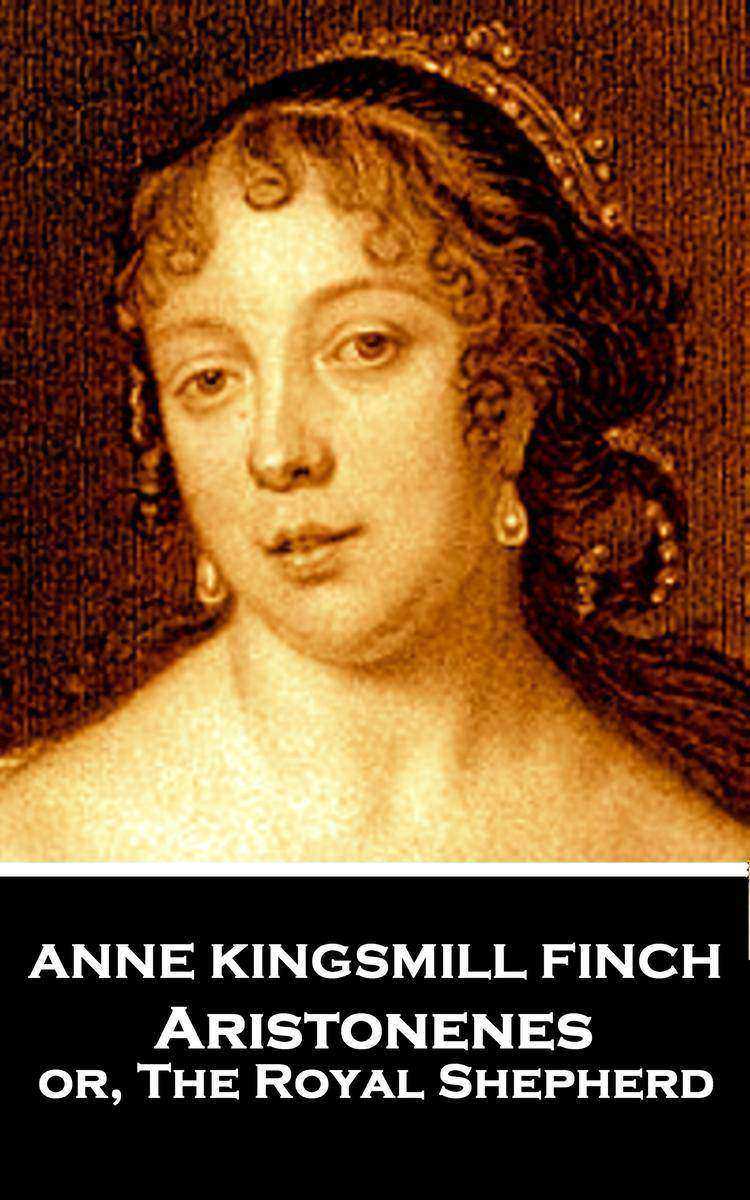
Aristonenes - or, The Royal Shepherd
¥16.38
Anne Kingsmill was born in April 1661 (an exact date is not known) in Sydmonton, Hampshire.Throughout her life Anne was involved in several Court cases that dragged on for years. These involved both a share of her parents estate for her education and later her and her husband's share of an inheritance.In 1682, Anne became a maid of honour to Mary of Modena (wife of James, Duke of York, later King James II) at St James's Palace.Anne's interest in poetry began at the palace, and she started writing her own verse. The Court however was no place for a woman to display any poetic efforts. Woman were not considered suitable for such literary pursuits.At court, Anne met Colonel Heneage Finch. A courtier as well as a soldier. The couple married on 15th May 1684.
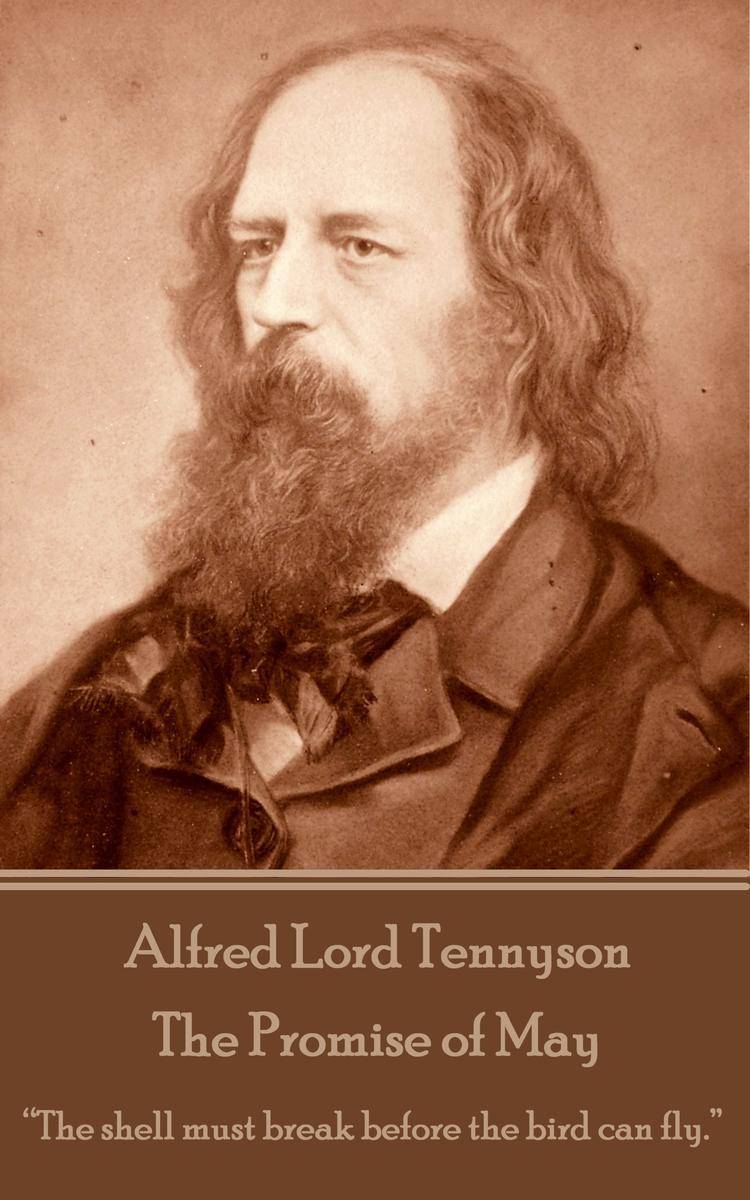
Promise of May - The shell must break before the bird can fly.
¥16.38
Alfred Tennyson was born on August 6th, 1809, in Somersby, Lincolnshire, the fourth of twelve children. Most of Tennyson's early education was under the direction of his father, although he did spend four unhappy years at a nearby grammar school. He left home in 1827 to join his elder brothers at Trinity College, Cambridge, more to escape his father than a desire for serious academic work. At Trinity he was living for the first time among young men of his own age who knew little of his problems. He was delighted to make new friends; he was handsome, intelligent, humorous, a gifted impersonator and soon at the center of those interested in poetry and conversation. That same year, he and his brother Charles published Poems by Two Brothers. Although the poems in the book were of teenage quality, they attracted the attention of the "e;Apostles,"e; a select undergraduate literary club led by Arthur Hallam. The "e;Apostles"e; provided Tennyson with friendship and confidence. Hallam and Tennyson became the best of friends; they toured Europe together in 1830 and again in 1832. Hallam's sudden death in 1833 greatly affected the young poet. The long elegy In Memoriam and many of Tennyson's other poems are tributes to Hallam. In 1830, Tennyson published Poems, Chiefly Lyrical and in 1832 he published a second volume entitled simply Poems. Some reviewers condemned these books as "e;affected"e; and "e;obscure."e; Tennyson, stung by the reviews, would not publish another book for nine years. In 1836, he became engaged to Emily Sellwood. When he lost his inheritance on a failed investment in 1840, the engagement was cancelled. In 1842, however, Tennyson's Poems [in two volumes] was a tremendous critical and popular success. In 1850, with the publication of In Memoriam, Tennyson's reputation was pre-eminent. He was also selected as Poet Laureate in succession to Wordsworth and, to complete a wonderful year, he married Emily Sellwood. At the age of 41, Tennyson had established himself as the most popular poet of the Victorian era. The money from his poetry [at times exceeding 10,000 pounds per year] allowed him to purchase a home in the country and to write in relative seclusion. His appearance-a large and bearded man, he regularly wore a cloak and a broad brimmed hat-enhanced his notoriety. In 1859, Tennyson published the first poems of Idylls of the Kings, which sold more than 10,000 copies in a fortnight. In 1884, he accepted a peerage, becoming Alfred Lord Tennyson. On October 6th, 1892, an hour or so after midnight, surrounded by his family, he died at Aldworth. It is said that the moonlight was streaming through the window and Tennyson himself was holding open a volume of Shakespeare. He was buried in Westminster Abbey.

Ус? ми трохи дивакуват?
¥16.92
Nova zbirka poezije ?arka Pai?a otkriva izvanredan autorov poetski svijet u kojem se na najneposredniji i najjasniji na?in spajaju njegova filozofska razmi?ljanja, post-punk poetika i jasna eti?ka komponenta. Poezija ?arka Pai?a ipak prije svega i nadasve progovara o slobodi i ?e?nji za njom, a Pai? u stihovima daje inovativne, sna?ne slike i ?itatelja ostavlja da nad stihovima razmi?lja, da im se vra?a i da ih iznova ?ita i citira.
Пробуй, не зупиняйся
¥16.92
Oblik du?e Gordane Beni? nije mjesto nikakve zatvorenosti, nego otvorenosti i gostoljubivosti za svjetlost, koja u oniri?kome transu donosi i sjaj i tamu prapo?etka. To je - kako pi?e autorica - jo? uvijek ?isto mjesto na?ega velikoga i??ekivanja, to je mjesto gdje i du?a slobodno bira i svoje no?ne zvijezde i svoje danje puteljke, svoje oblike putuju?i kroz nimalo joj sklonu stvarnost, stvarnost koja doslovno, sada ?u napisati ono obe?ano o poni?enju - poni?ava sve tragove ljudskoga duha izvan op?eprihva?ene znanstveno/tehni?ke matrice i umjetnosti u periodu vlastite industrijalizacije i poodmakle desupstancijalizacije. Pjesni?ki dar kojim Gordana Beni? danas podaruje hrvatsko pjesni?tvo vrijedan je i vi?e nego po?tovanja. Stoga nam ne preostaje ni?ta ino nego ?ekati njezine sljede?e, koliko mudre toliko i odmetni?ke, rebelijanske knjige - ne da bi najavljena pentalogija dobila svoje kona?no izdanje, pa tako mogla biti akademski i ino uskladi?tena (?itaj: umrtvljena) kao jo? jedan ambiciozan pjesni?ki projekt hrvatskoga pjesni?tva, nego da sve oko sebe bar jednom u no?i i danu pogledamo u punoj, nezakrivenoj svjetlosti. Delimir Re?icki

悲惨世界(五卷之第五卷)(英语文库)
¥16.99
本书作为我社“*经典英语文库”第14辑中的一种,精选法国著名作家维克多·雨果的经典作品《悲惨世界 (五卷之第五卷)》(前四卷已出)。作品讲述了主人公土伦苦刑犯冉·阿让(Jean Valjean)的个人经历,并融了法国的历史、革命、战争、道德哲学、法律、正义、宗教信仰。《悲惨世界》以冉·阿让出狱后的种种经历贯穿全书,深刻反映了时代的问题。雨果在作品中融了从拿破仑在滑铁卢的失败到反对“七月王朝”的人民起义这一阶段的历史,反映了当时的社会生活和政治状况。作品不仅描述了获释犯人冉·阿让和流浪妇女芳汀的不幸生活以及芳汀的私生女柯赛特的悲惨遭遇,而且揭示了当时社会中勤劳善良的劳动人民却受歧视和压迫的不公平命运。雨果还在作品中揭露了当时残酷不公的法典和秩序,猛烈抨了那种人们饿死可以而偷面包却要坐牢的社会制度,谴责了那些安于现状和铁石心肠的市民在面对处于困境中的他人时的那种袖手旁观的冷漠态度。

莎士比亚传(英语文库)
¥16.99
本书作为我社“经典英语文库”第15辑中的一种,精选由法国著名作家维克多·雨果的作品《莎士比亚传》。这部“莎传”,又名《论莎士比亚》。这部书被视为“一部文艺评论专著”。实际是作者借分析莎翁表达自己的浪漫主义理想,作者是法国重要之浪漫主义大师,所以他认定莎翁也是这样的浪漫主义者。这是一代文豪用其“大心”去领悟另一代文豪的“大心”。这才是真正的“大手笔”,中文叫做“如缘巨笔”。透过书中汪洋恣肆、慧眼独具的文字,我们读到的不止是莎翁,更是整个的西洋文明,几千年传承而下之西洋人的“精神世界”。


