


 购物车
购物车 个人中心
个人中心
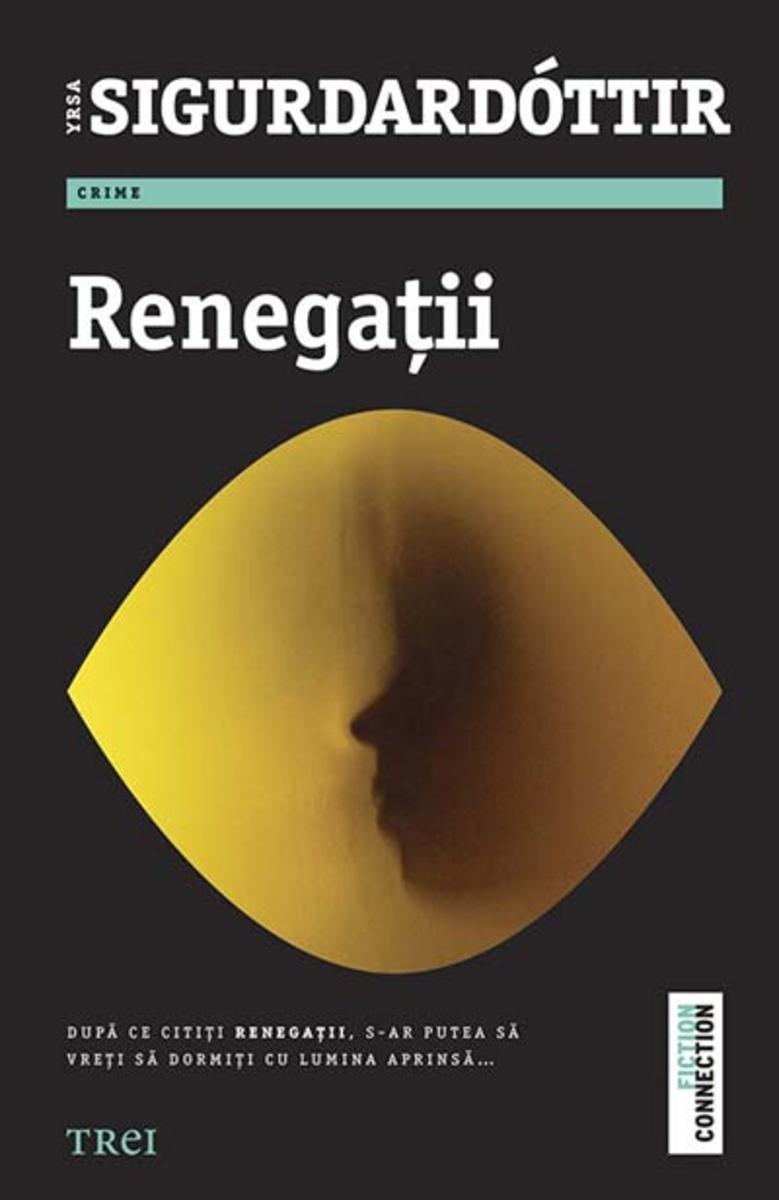
Renega?ii
¥73.49
The School of Life ofer soluii revoluionare prin care putem s ne nsuim tezaurul comun al cunoaterii umane.“ Independent on Sunday Seria Lecii de via din The School of Life alege cte un mare gnditor i pune accentul pe acele idei ale sale care au o nsemntate profund pentru noi, cei de astzi. Crile din aceast serie demonstreaz c voci importante din trecut nc au lucruri fundamentale de transmis generaiilor actuale. Sren Kierkegaard a fost un filosof danez, teolog, poet, critic social i autor religios. S-a nscut n 1813 la Copenhaga. Opera sa filosofic evideniaz primatul individului concret i importana alegerii personale i a angajamentului. Critic acerb al gnditorilor idealiti contemporani cu el, Kierkegaard este considerat primul filosof existenialist. Vei gsi aici fragmente din cele mai importante lucrri ale sale.
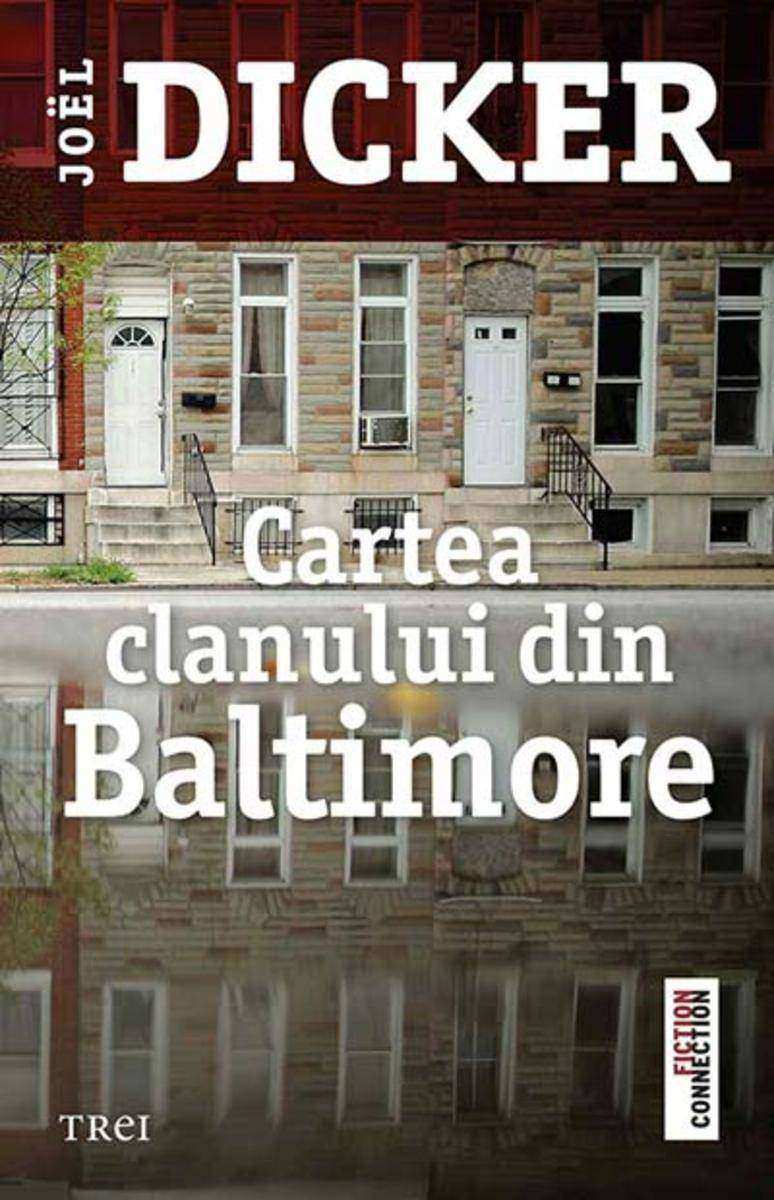
Cartea clanului din Baltimore
¥81.67
Inima te ?n?eap?, stomacul devine rebel, urechile ?iuie, tremuri de furie sau de nervi. Emo?iile clocotesc ?i e?ti ve?nic stresat. Pe ne?tiute, organismul se fr?nge sub aceast? presiune: apar palpita?iile, respiri mai greu, transpiri mai des ?i acuzi tulbur?ri gastrointestinale. Evit?nd capcana explica?iilor simpliste, de tipul ?bolile de inim? sunt efectul ambi?iei ?i agita?iei", cartea de fa?? prezint? un model complex, bio-psiho-social, ?n care stresul emo?ional este v?zut nu doar ca factor de ?mboln?vire sau agravare a bolii, dar ?i ca efect adesea ignorat al afec?iunii somatice. Organizat pe diverse grupe de organe (inima, pielea, organele genitale, vocea, aparatul locomotor etc.), volumul ofer? clarific?rile medicale ?i psihologice necesare, dar ?i m?suri terapeutice eficiente – de la procedee de relaxare ?i somatoterapie la tehnici cognitiv-comportamentele pentru re?ncadrarea bolii, reintegrarea la locul de munc? ?i mai buna gestionare a emo?iilor. Cartea se adreseaz? at?t publicului larg (bolnavi ?i apar?in?tori), c?t ?i medicilor ?i psihologilor clinicieni.
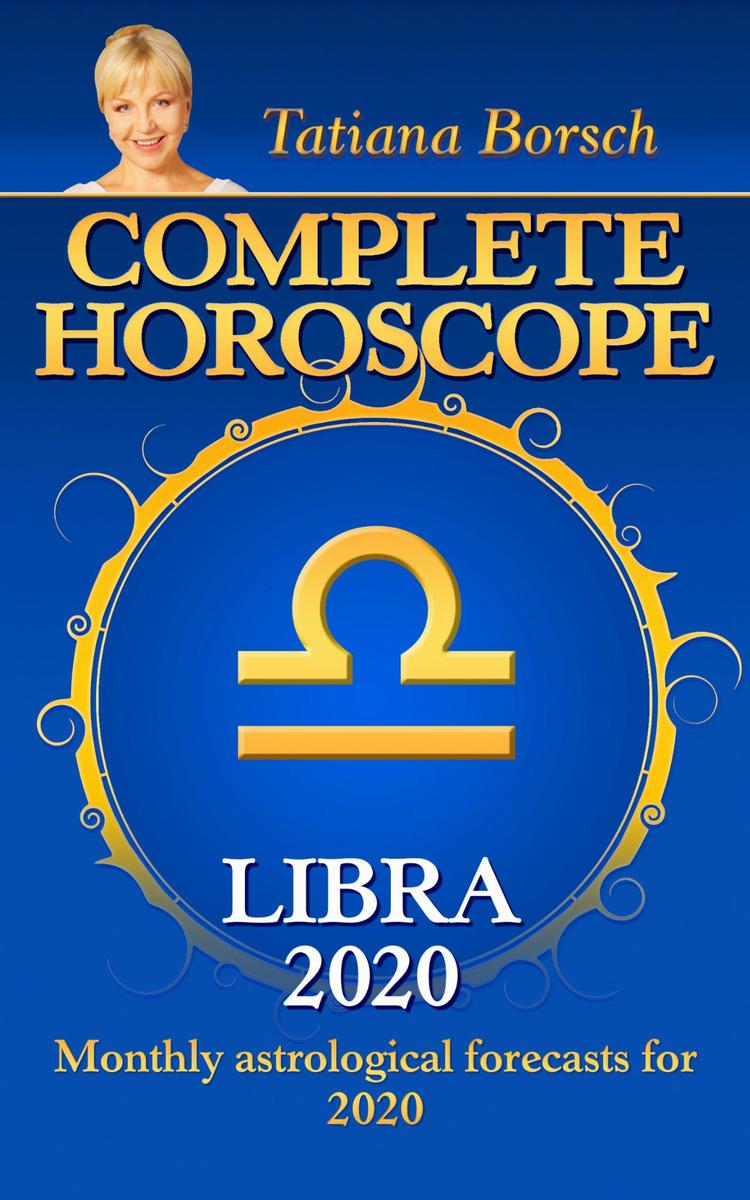
Complete Horoscope LIBRA 2020: Astrological forecasts for 2020
¥28.20
n the Complete Horoscope: LIBRA 2020, leading astrologer Tatiana Borsch shares with you her forecasts on major everyday issues; career and business, finances, family and romantic relationships and health. In her look ahead to 2020 for Libra, Borsch includes a general annual forecast for Leo and a detailed monthly forecast that helps you to recognize auspicious occasions, to seize good luck, to avoid trouble and resolve conflicts, to organize personal affairs and to achieve professional success. Also included is a Zodiac compatibility guide to help you with relationships that are happy and not so happy. This Complete Horoscope LIBRA 2020 features guidance from the astrologer and gives you an insight into what lies in store for you in the turbulent year of the metal rat. ABOUT THE AUTHOR Tatiana Borsch is a well-known Russian astrologer and the author of twenty-eight astrological almanacs and horoscopes. She has prepared a general forecast for each sign of the Zodiac every year since1992. She currently lives and works in Moscow where she writes astrological columns for popular Russian publications and is the founder and director of the AstraArt television company.


