


 购物车
购物车 个人中心
个人中心
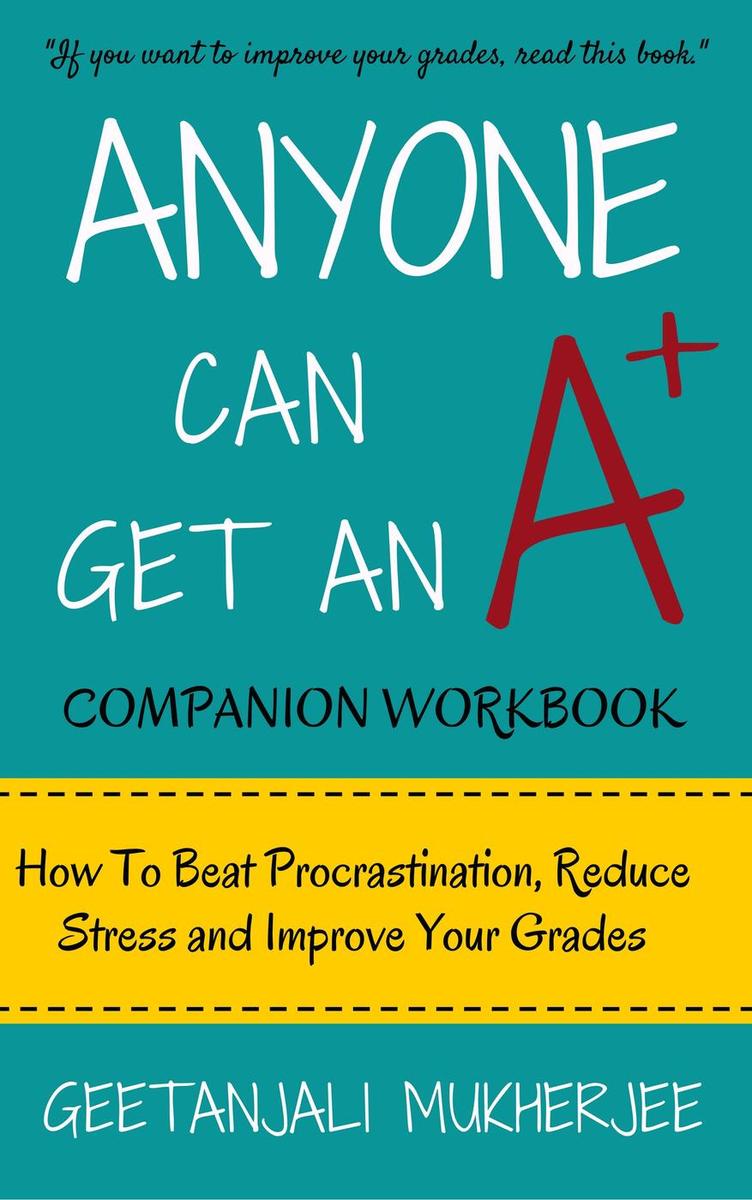
Anyone Can Get An A+ Companion Workbook
¥24.44
COMPANION WORKBOOK TO ANYONE CAN GET AN A+ Are you preparing for a competitive standardized test or struggling in school or college? Do you want to spend less time studying and still get good grades? Do you need to raise your GPA? Studying for tests and exams can be stressful, not just for students, but also for teachers and parents. Grades in school exams and standardized tests can seem to determine your entire future, and yet many students are not able to get the grades they think they need to succeed.? Anyone Can Get An A+ is a conversational, down-to-earth guide for high school and college students on how to maximize their learning and get the grades they want. The book draws on research from the fields of psychology and neuroscience, and gives students practical advice that they can implement right away, to overcome procrastination, make the most of their study time and improve their grades significantly.? This companion workbook to Anyone Can Get An A+ contains more than 120 exercises to help you implement and personalize the advice in the book. Use this workbook as a personalized study skills workshop, building better study habits and routines as you progress through each chapter. This is a companion workbook because it complements Anyone Can Get An A+; you don’t need to have read the book to proceed through the workbook or benefit from its advice. The sections presented in this book follow the chronology of the original book, in a summarized and condensed format. In this book, you will learn:? ?How best to prepare for exams? ?What is the top mistake most students make when doing exam preparation and how to avoid it? ?How to overcome procrastination and use your study time wisely? ?How to break down larger assignments into smaller chunks? ?How to write a paper? ?How to use small segments of time effectively? ?How to study math and other technical subjects ?How to prepare for standardized tests?
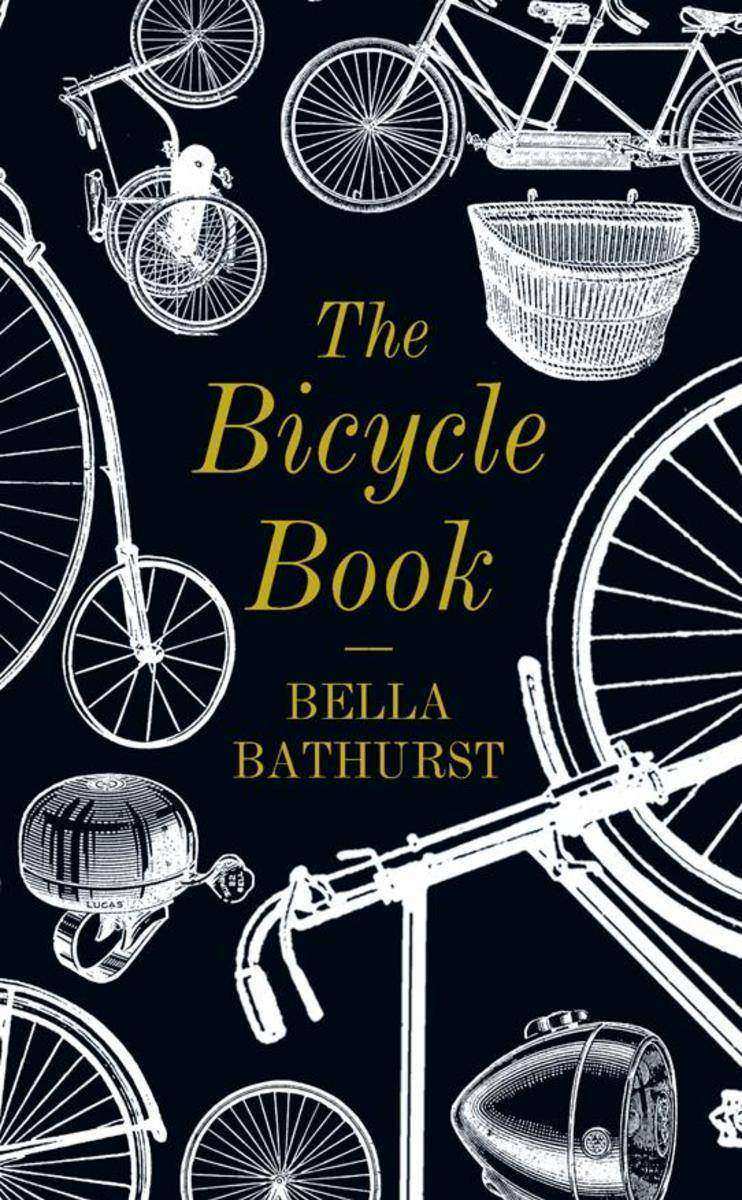
The Bicycle Book
¥72.40
A rip-roaring narrative celebration of the 21st century’s great transport success story: the bicycle. Millions of us now cycle, some obsessively, and this glorious concoction of history, anecdote, adventure and lycra-clad pedalling is the perfect read for two-wheelers of all kinds. ‘At last – a bicycle book for the rest of us…. A book for the sort of cyclist who likes cycling and reading and stories.’ Guardian Two wheels. A frame. Two pedals. What could be simpler than a bicycle? And yet the bike continues to inspire a passionate following. Since the millennium its use in Britain has doubled, and then doubled again. Thousands now cycle to work, with more and more taking it up every day. Acclaimed author Bella Bathurst takes us on a journey through cycling’s best stories and strangest incarnations, from the bicycle as a weapon of warfare to the secret life of couriers and the alchemy of framebuilding. With a cast of characters including the woman who watercycled across the Channel, the man who raced India’s Deccan Queen train and several of today’s top cyclists, she offers us a brilliantly engaging portrait of cycling’s past, present and world-conquering future.
Mr Good Enough: The case for choosing a Real Man over holding out for Mr Perfect
¥73.58
Lori Gottlieb suggests the unthinkable: what if she, and single women everywhere, need to stop chasing the elusive Mr Perfect and instead opt for Mr Good Enough? Embarking on her own journey to find the ideal partner, Lori explores a prevalent issue facing women today - how do you reconcile a strong desire for a husband and family without wanting to settle for anything less than the perfect package…? After interviewing a range of people from behavioural therapists to marriage counsellors, neuropsychologists to divorce lawyers, as well as single and married men and women from their twenties right up to their sixties, Lori is well placed to offer an answer Mr Good Enough is this year's intelligent, eye-opening insight into modern relationships - a fast, funny read which 'might just be a formula for marital bliss' The Times


