


 购物车
购物车 个人中心
个人中心
A Life In Orbit
¥24.44
In my first book of poetry and prose, The Learning Process, Iexplored many themes. For my second book, A Life in Orbit, Idetermined to try something novel and new: a biography in verse. Itwas a daunting project because I had to revisit my past andtranslate my thoughts and memories into a discipline of words,lines and verses. I was handicapped to an extent by the restraintsimposed by the narrative style. I had to write truthfully, andwithout embellishment in four-line stanzas, within the time spanand framework of eleven periods of my life. These periods variedboth dramatically and traumatically, but I averaged around fortyverses for each period. This book dates from 1932 to 2012. Thecharacters include my parents, siblings, relatives, friends,teachers at school and university, teaching associates, travellingcompanions, poets, personal friends, as well as personalities andpolitical figures of the times. I have suffered, but I have alsotriumphed. Here is my story in prose. Ken W. Simpson was brought upin South Camberwell, a Melbourne suburb in the Australian state ofVictoria. He taught art and crafts in technical schools for fifteenyears before retiring. "I began writing short stories until Idiscovered my love for poetry." His first book The Learning Processwas published by Strategic two years ago. He lives with his familyin Lysterfield, suburban Melbourne. Publisher's website:http://sbpra.com/KenWSimpson
Awake (Are We?)
¥24.44
Eleven years on from the Great War, Lord Connor finds himselfonce more thrown into the depth of battle. This time his journeytakes him and his friends Will, Jasmine and Kustos into thenon-returnable world of Judgment. Here they face once more theirnemesis Volnar who somehow managed to escape his eternalpunishment. Advised by , a native of Judgment, the quartetsplit up in search of Hunter and Armon who they believe can helpthem defeat the Dark Lord once and for all. Each expedition isfilled with danger and both Connor and Will call upon new skillsand friendships to aid them through the ordeal to face the finalshowdown About the Author: Marty Connor and Rosie J May live inPortsmouth, England. Marty is an IT administrator and Rosie is aSenior Technology Project Manager. Marty was motivated to write theAwake series to honor the lives of his grandparents. This is thethird book in the saga. The next two installments continue with theadventure, and finally bring the story to its conclusion.Publisher's Website: http://sbpra.com/MartyConnor Author's Website:www.awake-are-we.com
Mr Good Enough: The case for choosing a Real Man over holding out for Mr Perfect
¥73.58
Lori Gottlieb suggests the unthinkable: what if she, and single women everywhere, need to stop chasing the elusive Mr Perfect and instead opt for Mr Good Enough? Embarking on her own journey to find the ideal partner, Lori explores a prevalent issue facing women today - how do you reconcile a strong desire for a husband and family without wanting to settle for anything less than the perfect package…? After interviewing a range of people from behavioural therapists to marriage counsellors, neuropsychologists to divorce lawyers, as well as single and married men and women from their twenties right up to their sixties, Lori is well placed to offer an answer Mr Good Enough is this year's intelligent, eye-opening insight into modern relationships - a fast, funny read which 'might just be a formula for marital bliss' The Times
The Bicycle Book
¥72.40
A rip-roaring narrative celebration of the 21st century’s great transport success story: the bicycle. Millions of us now cycle, some obsessively, and this glorious concoction of history, anecdote, adventure and lycra-clad pedalling is the perfect read for two-wheelers of all kinds. ‘At last – a bicycle book for the rest of us…. A book for the sort of cyclist who likes cycling and reading and stories.’ Guardian Two wheels. A frame. Two pedals. What could be simpler than a bicycle? And yet the bike continues to inspire a passionate following. Since the millennium its use in Britain has doubled, and then doubled again. Thousands now cycle to work, with more and more taking it up every day. Acclaimed author Bella Bathurst takes us on a journey through cycling’s best stories and strangest incarnations, from the bicycle as a weapon of warfare to the secret life of couriers and the alchemy of framebuilding. With a cast of characters including the woman who watercycled across the Channel, the man who raced India’s Deccan Queen train and several of today’s top cyclists, she offers us a brilliantly engaging portrait of cycling’s past, present and world-conquering future.
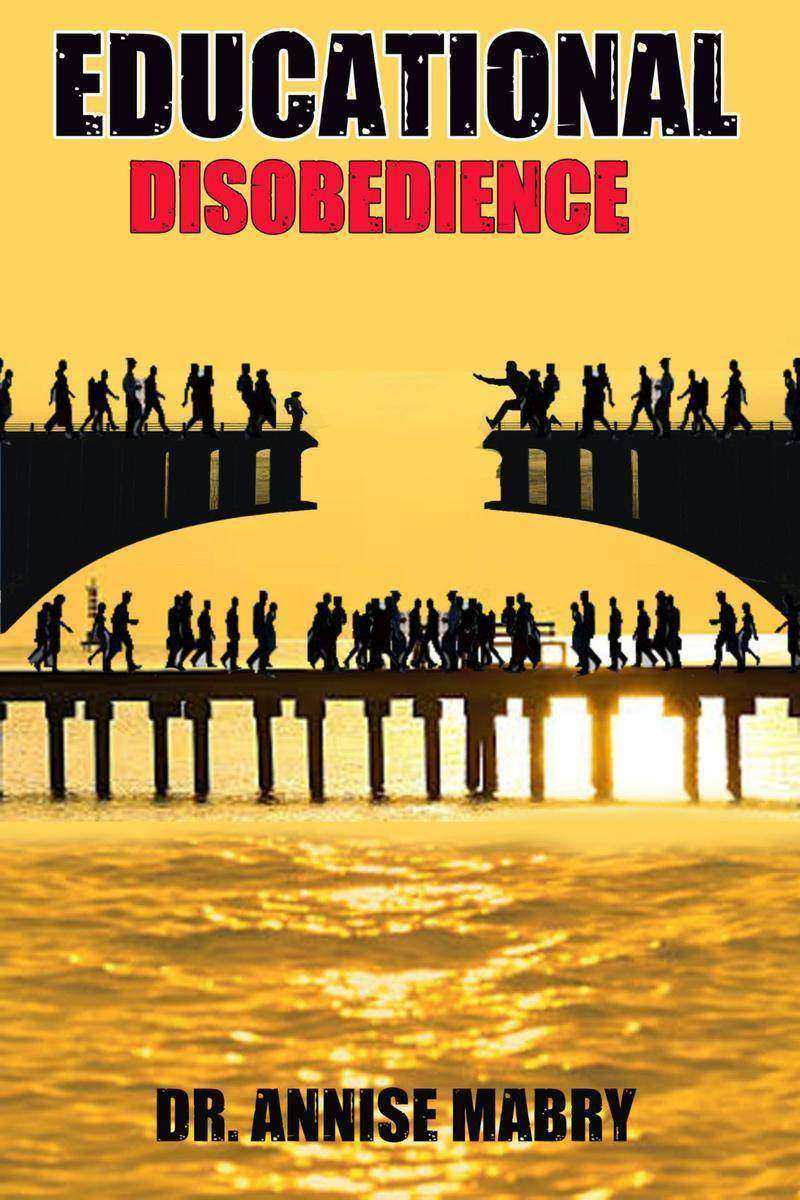
Educational Disobedience
¥90.82
In “Educational Disobedience,” educationist, Dr. Annise Mabry, offers a compelling, unique and refreshing insight into how she helps her children overcome the limitations of what she terms “a broken education system,” in the State of Georgia. Her decision to homeschool them were borne largely due to the fact that they were not receiving the best of education, and more because protection from the unending problem of bullying in public schools was lacking. She soon realized that only a crucial intervention could save her family from falling apart, and it was a decision that proved timely because not only did she achieve her objectives, but she also ended up saving her community! She has helped many parents to transform their children from struggling students to homeschool high school graduates!This isn't the guide for how to homescool--it's the story of survival because of homeschool.
The Mystery of Edwin Drood
¥40.79
The final unfinished novel by Charles Dickens leaving the identity of the murderer unresolved. The story is set in Cloisterham, a disguised Rochester. Drood's uncle, John Jasper is in love with Rosa Bud. Miss Bud, Drood's fiancée, has also caught the eye of the high-spirited and hot-tempered Neville Landless, who comes from Ceylon with his twin sister, Helena. Landless and Drood take an instant dislike to one another. Drood later disappears under mysterious circumstances.
Mosses from an Old Manse and Other Stories
¥40.79
A collection of stories typical of Hawthorne, many are allegories and focus on the dark side of human nature. The book was named in honor of The Old Manse where Hawthorne and his wife lived for the first three years of their marriage.
The Moonstone: A Romance
¥40.79
Rachel Verinder, a young English woman, inherits a large Indian diamond on her eighteenth birthday. It is a legacy from her uncle, a corrupt British army officer who served in India. The diamond is of great religious significance as well as being extremely valuable, and three Hindu priests have dedicated their lives to recovering it.
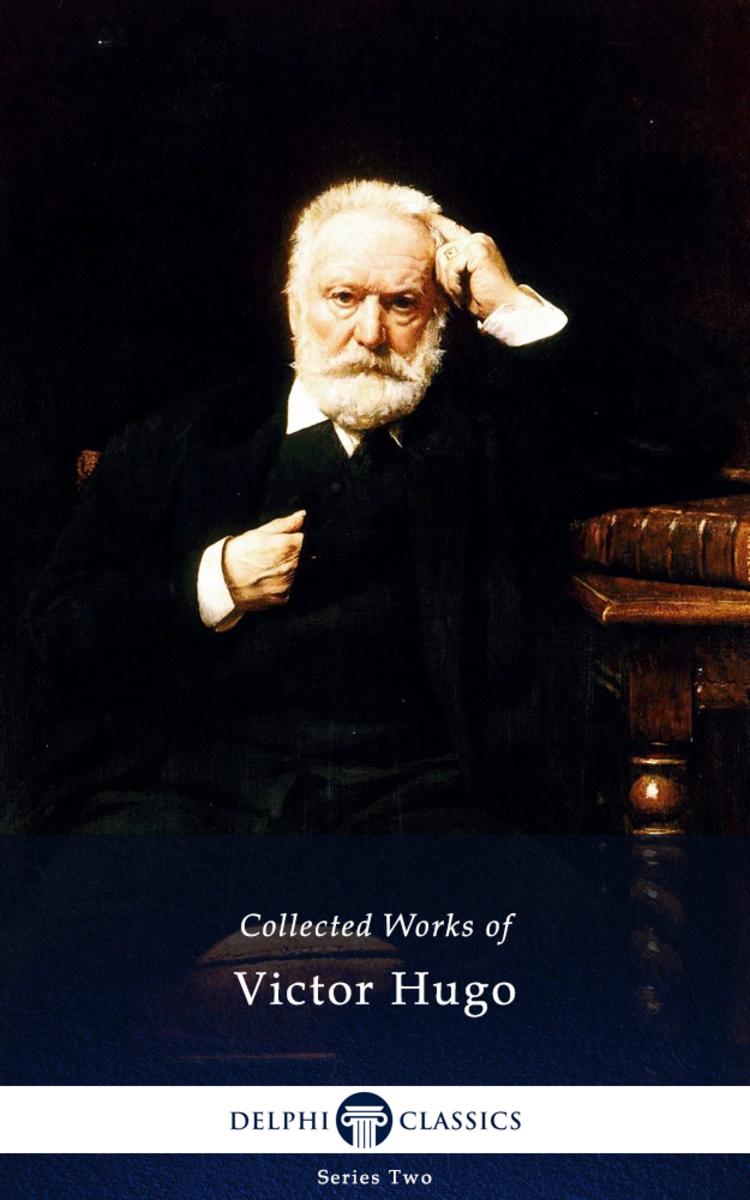
Delphi Complete Works of Victor Hugo (Illustrated)
¥24.44
Victor Hugo, the greatest Romantic writer of them all, is finally available in Delphi’s bestselling range of titles. This monumental eBook offers readers the most complete collection ever compiled of Hugo’s FICTIONAL works in English translation, with many bonus texts. (Version 2) * concise introductions to the novels and other works * images of how the novels first appeared, giving your eReader a taste of the original texts * ALL 9 novels in English, each with contents tables * many of the novels are fully-illustrated with their original artwork * includes BUG-JARGAL – Hugo’s first novel, which he wrote after a wager – first time in digital print! * for the first time, all novels are presented with their French versions – sample the true brilliance of Hugo’s original text, in between reading the English translations * features a large sample of English translations of poetry * BONUS selection of six Non-Fiction texts * boasts a special literary criticism section, with works by famous writers such as Dickens, Robert Louis Stevenson and Henry James, examining Hugo’s contribution to literature * includes Hugo’s Memoirs – explore the great writer’s private notebooks! * ALSO includes G. Barnett Smith’s famous biography – immerse yourself in Hugo’s literary life! * packed full of images relating to Hugo’s life, works, places and film adaptations * scholarly ordering of texts in chronological order and literary genres, allowing easy navigation around Hugo’s immense oeuvre Please note: an actual complete works of Victor Hugo in English is not possible due to copyright restrictions, scarce plays and some works having never been translated. However, we do ensure our customers that every possible major text is included. Please visit www.delphiclassics.com to browse through our range of exciting titles CONTENTS: The Novels BUG-JARGAL HANS OF ICELAND THE LAST DAY OF A CONDEMNED MAN THE HUNCHBACK OF NOTRE-DAME CLAUDE GUEUX LES MIS?RABLES TOILERS OF THE SEA THE MAN WHO LAUGHS NINETY-THREE The Novels in French The Poetry POEMS IN TRANSLATION ODES ET BALLADES LES ORIENTALES LES FEUILLES D’AUTOMNE LES CHANTS DU CREPUSCULE LES VOIX INT?RIEURES LES RAYONS ET LES OMBRES LES CHATIMENTS LES CONTEMPLATIONS LA L?GENDE DES SI?CLES: PREMIERE SERIE LES CHANSONS DES RUES ET DES BOIS LA VOIX DE GUERNESEY L’ANNEE TERRIBLE L’ART D’ETRE GRAND-PERE LA L?GENDE DES SI?CLES: NOUVELLE SERIE LE PAPE LA PITIE SUPREME L’?NE RELIGIONS ET RELIGION LES QUATRE VENTS DE L’ESPRIT LA L?GENDE DES SI?CLES: DERNIERE SERIE LA FIN DE SATAN TOUTE LA LYRE DIEU LES ANN?ES FUNESTES DERNIERE GERBE PO?MES UNCOLLECTED The Plays (in French) CROMWELL THE BURGRAVES HERNANI LUCR?CE BORGIA MARIE TUDOR RUY BLAS Selected Non-Fiction NAPOLEON THE LITTLE EXTRACTS FROM HUGO’S ESSAY ON SHAKESPEARE LETTER TO THE LONDON NEWS REGARDING JOHN BROWN ON CAPITAL PUNISHMENT EXTRACTS FROM SATIRISTS AND MORALISTS THE HISTORY OF A CRIME The Criticism VICTOR HUGO BY JOHN COWPER POWYS LETTER ON HUGO BY CHARLES DICKENS VICTOR HUGO’S LAST NOVEL BY HENRY JAMES THE LEGEND OF VICTOR HUGO BY PAUL LAFARGUE VICTOR HUGO’S ROMANCES BY ROBERT LOUIS STEVENSON TO VICTOR HUGO BY ALFRED TENNYSON The Biographies THE MEMOIRS OF VICTOR HUGO VICTOR HUGO: HIS LIFE AND WORK BY G. BARNETT SMITH Please visit www.delphiclassics.com to browse through our range of exciting titles

Yoga: The Essential Positions
¥65.32
The practice of yoga improves flexibility, strength and balance, reduces stress and anxiety, increases energy and decreases fatigue, as well as facilitating the flow of prana (vital energy) and helping balance the koshas (sheaths) of the physical and metaphysical body. Yoga features 90 poses in beautiful pen and ink line drawings. Accompanying the image of the pose are both its Sanskrit and English names and a brief description of how to achieve the pose correctly, the precise meaning of its name and how it benefits the body.? With each position exquisitely illustrated and written by an experienced yoga teacher, Yoga is a must-have for beginners and dedicated yoga enthusiasts alike.
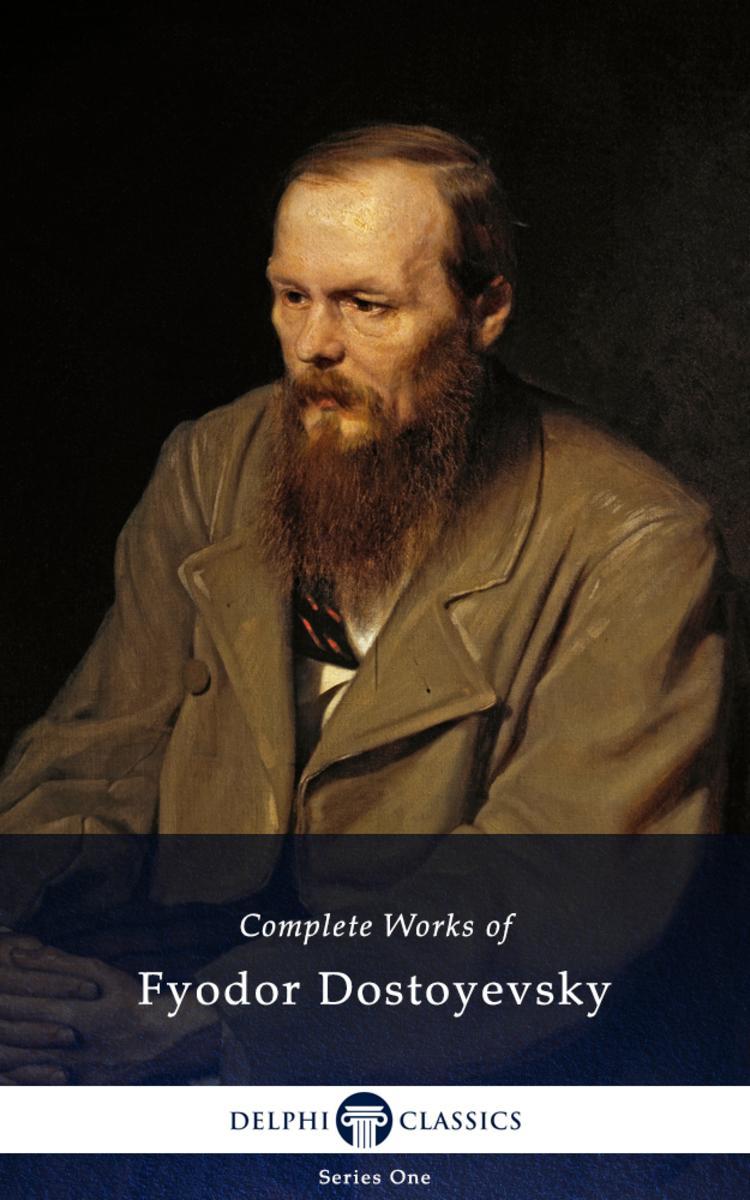
Delphi Complete Works of Fyodor Dostoyevsky (Illustrated)
¥24.44
Widely regarded as one of the greatest psychologists in world literature, Fyodor Dostoyevsky crafted unique literary works that explored the psychology of the troubled political, social and spiritual atmosphere of nineteenth century Russia. This comprehensive eBook presents the complete works of Dostoyevsky, with numerous illustrations, rare texts appearing in digital print for the first time, informative introductions and the usual Delphi bonus material. (Version 9) * Beautifully illustrated with images relating to Dostoyevsky’s life and works * Concise introductions to the novels and other texts * ALL 15 novels, with individual contents tables * Images of how the books were first printed, giving your eReader a taste of the original texts * Excellent formatting of the texts * 20 short stories, with rare tales available in no other collection * Easily locate the short stories you want to read * Includes Dostoyevsky’s journal and letters – spend hours exploring the author’s personal correspondence * Special criticism section, with essays evaluating Dostoyevsky’s contribution to literature * Scholarly ordering of texts into chronological order and literary genres * UPDATED with corrected texts, new images and introductions Please visit www.delphiclassics.com to browse through our range of exciting titles CONTENTS: The Novels POOR FOLK THE DOUBLE NETOCHKA NEZVANOVA UNCLE’S DREAM THE VILLAGE OF STEPANCHIKOVO THE INSULTED AND HUMILIATED THE HOUSE OF THE DEAD NOTES FROM UNDERGROUND CRIME AND PUNISHMENT THE GAMBLER THE IDIOT THE PERMANENT HUSBAND THE POSSESSED THE RAW YOUTH THE BROTHERS KARAMAZOV The Short Stories MR. PROHARTCHIN THE CHRISTMAS TREE AND THE WEDDING THE HEAVENLY CHRISTMAS TREE THE CROCODILE BOBOK A GENTLE SPIRIT THE DREAM OF A RIDICULOUS MAN THE PEASANT MAREY THE LITTLE ORPHAN A WEAK HEART WHITE NIGHTS THE MEEK GIRL POLZUNKOV A LITTLE HERO THE HONEST THIEF A NOVEL IN NINE LETTERS THE LANDLADY AN UNPLEASANT PREDICAMENT ANOTHER MAN’S WIFE THE GRAND INQUISITOR The Non-Fiction DOSTOYEVSKY’S JOURNAL LETTERS OF FYODOR MICHAILOVITCH DOSTOYEVSKY TO HIS FAMILY AND FRIENDS The Criticism ON RUSSIAN NOVELISTS by William Lyon Phelps RUSSIAN ROMANCE by Earl of Evelyn Baring Cromer A SURVEY OF RUSSIAN LITERATURE by Isabel Florence Hapgood Extract from ‘AN OUTLINE OF RUSSIAN LITERATURE’ by Maurice Baring THREE ESSAYS ON DOSTOYEVSKY by Virginia Woolf Please visit www.delphiclassics.com to browse through our range of exciting titles
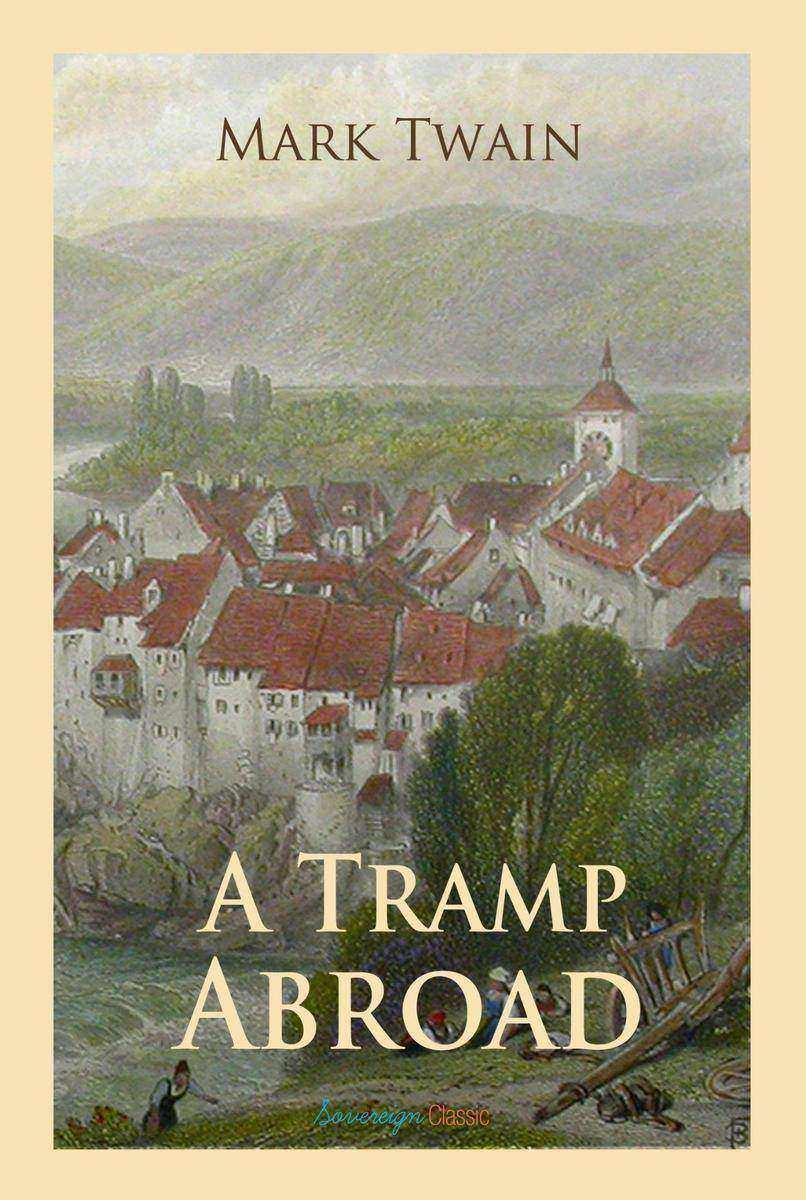
A Tramp Abroad
¥40.79
The book details Twain's journey with his friend Harris through central and southern Europe. While the stated goal of the journey is to walk most of the way, the men find themselves using other forms of transport as they traverse the continent.
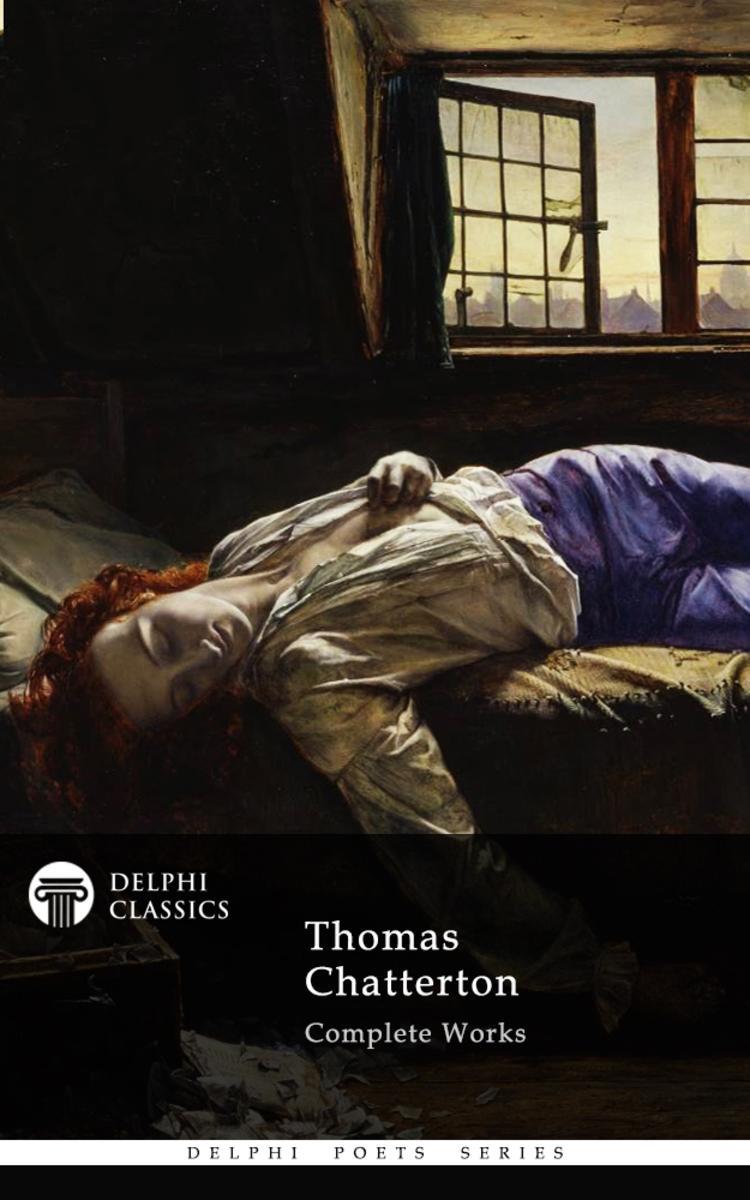
Delphi Complete Works of Thomas Chatterton
¥24.44
Sacrificing any chance of his own fame, the eighteenth century teenage poet Thomas Chatterton attributed his poems to a fictitious fifteenth century poet, under the name Sir Thomas Rowley. The Delphi Poets Series offers readers the works of literature's finest poets, with superior formatting. This volume presents the complete works of Thomas Chatterton, with beautiful illustrations and the usual Delphi bonus material. (Version 1) * Beautifully illustrated with images relating to Chatterton's life and works * Concise introduction to the life and poetry of Chatterton * Excellent formatting of the poems * Special chronological and alphabetical contents tables for the poetry * Easily locate the poems you want to read * The poetry texts are taken from the celebrated Walter Skeat edition of Chatterton – available in no other digital collection * Rare Rowley poems available nowhere else * Includes Chatterton's prose works - explore the poet's personal letters * Features two biographies - discover Chatterton's literary life * Scholarly ordering of texts into chronological order and literary genres Please visit www.delphiclassics.com to browse through our range of exciting titles CONTENTS: The Poetry of Thomas Chatterton BRIEF INTRODUCTION: THOMAS CHATTERTON The Poems LIST OF POEMS IN CHRONOLOGICAL ORDER LIST OF POEMS IN ALPHABETICAL ORDER The Prose LIST OF LETTERS AND OTHER PROSE WORKS The Biographies THE LIFE OF THOMAS CHATTERTON by Edward Bell CHATTERTON’S LIFE AND DEATH AND THE GENESIS OF THE ROWLEY POEMS by Maurice Evan Hare Please visit www.delphiclassics.com to browse through our range of exciting titles
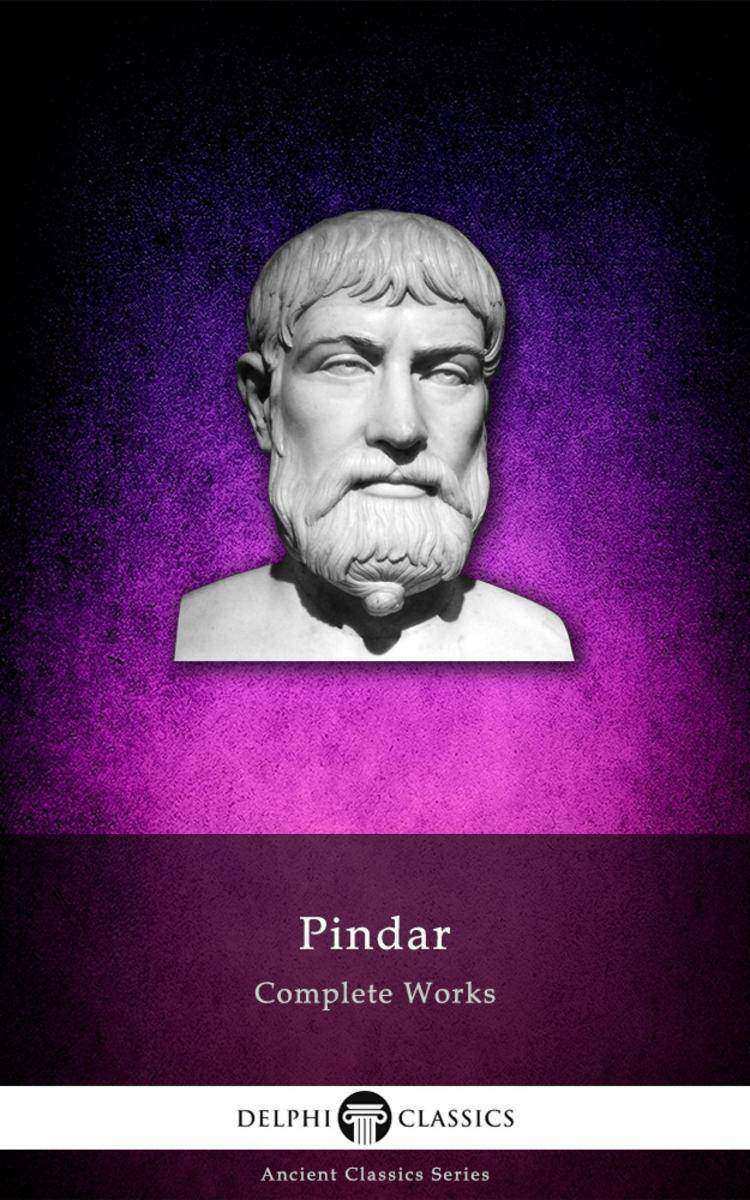
Delphi Complete Works of Pindar (Illustrated)
¥16.27
Pindar, the greatest of the Greek lyric poets, is renowned for his consummate and intricate verses, composed in celebration of victors at the Panhellenic festivals of the ancient world. The Ancient Classics series provides eReaders with the wisdom of the Classical world, with both English translations and the original Latin and Greek texts. This comprehensive eBook presents the complete extant works of Pindar, with beautiful illustrations, rare fragments, informative introductions and the usual Delphi bonus material. (Version 1) * Beautifully illustrated with images relating to Pindar's life and works * Features Pindar’s complete extant Victory odes, in both English translation (Myers) and the original Greek * Concise introduction to the poetry and other works * Includes translations previously appearing in Loeb Classical Library edition of Pindar * Excellent formatting of the texts * Easily locate the works you want to read with individual contents tables * Includes all of Pindar's rare fragments from the Loeb edition, first time in digital print * Features a bonus biography - discover Pindar's ancient world * Scholarly ordering of texts into chronological order and literary genres Please note: some Kindle software programs cannot display Greek characters correctly; however the characters do display correctly on Kindle devices. Please visit www.delphiclassics.com to browse through our range of exciting titles CONTENTS: The Translations PINDAR’S VICTORY ODES FRAGMENTS The Greek Texts LIST OF GREEK TEXTS The Biography THE LIFE OF PINDAR by Sir John Edwin Sandys Please visit www.delphiclassics.com to browse through our range of exciting titles
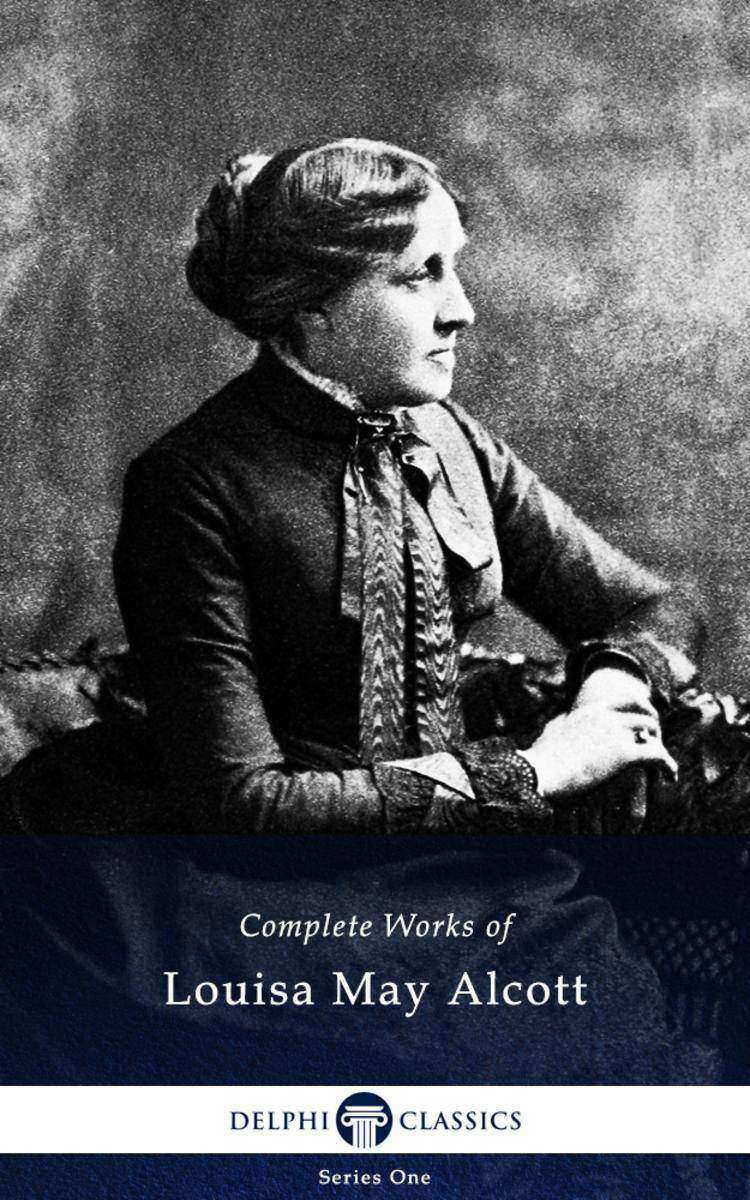
Delphi Complete Works of Louisa May Alcott (Illustrated)
¥24.44
Louisa May Alcott’s charming tales of ‘Little Women’ have delighted readers across the world since their 1868 publication, but she was also an author of sensational thrillers, humorous plays and perceptive poetry. For the first time in publishing history, this comprehensive eBook presents the complete works of Louis May Alcott, with numerous illustrations, rare texts appearing in digital print for the first time, informative introductions and the usual Delphi bonus material. (Version 3) * Beautifully illustrated with images relating to Alcott’s life and works * Concise introductions to the novels and other texts * ALL 12 novels published under Alcott’s name, with individual contents tables * Images of how the books were first printed, giving your eReader a taste of the original texts * Excellent formatting of the texts * Famous works such as LITTLE WOMEN are fully illustrated with their original artwork * Special chronological and alphabetical contents tables for the poetry and the short stories * Easily locate the poems or short stories you want to read * Includes Alcott’s letters – spend hours exploring the author’s personal correspondence * Includes many rare sensation thrillers that Alcott wrote under the pen name A. M. Barnard, appearing here for the first time in digital print * Also includes Alcott’s complete poems for the first time in digital publishing * Rare non-fiction works, including Alcott’s memoir HOW I WENT OUT TO SERVICE * Features the bonus biography by Alcott enthusiast Ednah D. Cheney – discover Alcott’s literary life * Scholarly ordering of texts into chronological order and literary genres * UPDATED with completely revised texts, rare poems and stories and many improvements. Please note: the two obscure novels A LONG FATAL LOVE CHASE and THE INHERITANCE are still held under copyright and cannot appear in this collection. When they enter the public domain they will be added to the collection as a free update. Please visit www.delphiclassics.com to browse through our range of exciting titles CONTENTS: The Little Women Series The Novels MOODS LITTLE WOMEN GOOD WIVES AN OLD-FASHIONED GIRL LITTLE MEN WORK: A STORY OF EXPERIENCE EIGHT COUSINS ROSE IN BLOOM A MODERN MEPHISTOPHELES UNDER THE LILACS JACK AND JILL JO’S BOYS The Short Story Collections FLOWER FABLES THE RIVAL PAINTERS HOSPITAL SKETCHES ON PICKET DUTY AND OTHER TALES MORNING-GLORIES, AND OTHER STORIES WILL’S WONDER BOOK AUNT JO’S SCRAP-BAG SERIES 1-6 PROVERB STORIES; OR, KITTY’S CLASS DAY AND OTHER STORIES SPINNING-WHEEL STORIES LULU’S LIBRARY SERIES 1-3 SILVER PITCHERS: AND INDEPENDENCE A GARLAND FOR GIRLS THE CANDY COUNTRY THE ‘A. M. BARNARD’ THRILLERS The Short Stories LIST OF SHORT STORIES IN CHRONOLOGICAL ORDER LIST OF SHORT STORIES IN ALPHABETICAL ORDER The Plays COMIC TRAGEDIES The Poetry LIST OF POEMS IN CHRONOLOGICAL ORDER LIST OF POEMS IN ALPHABETICAL ORDER The Non-Fiction HOW I WENT OUT TO SERVICE LITTLE WOMEN LETTERS FROM THE HOUSE OF ALCOTT The Biography LOUISA MAY ALCOTT: HER LIFE, LETTERS AND JOURNALS by Ednah D. Cheney Please visit www.delphiclassics.com to browse through our range of exciting titles
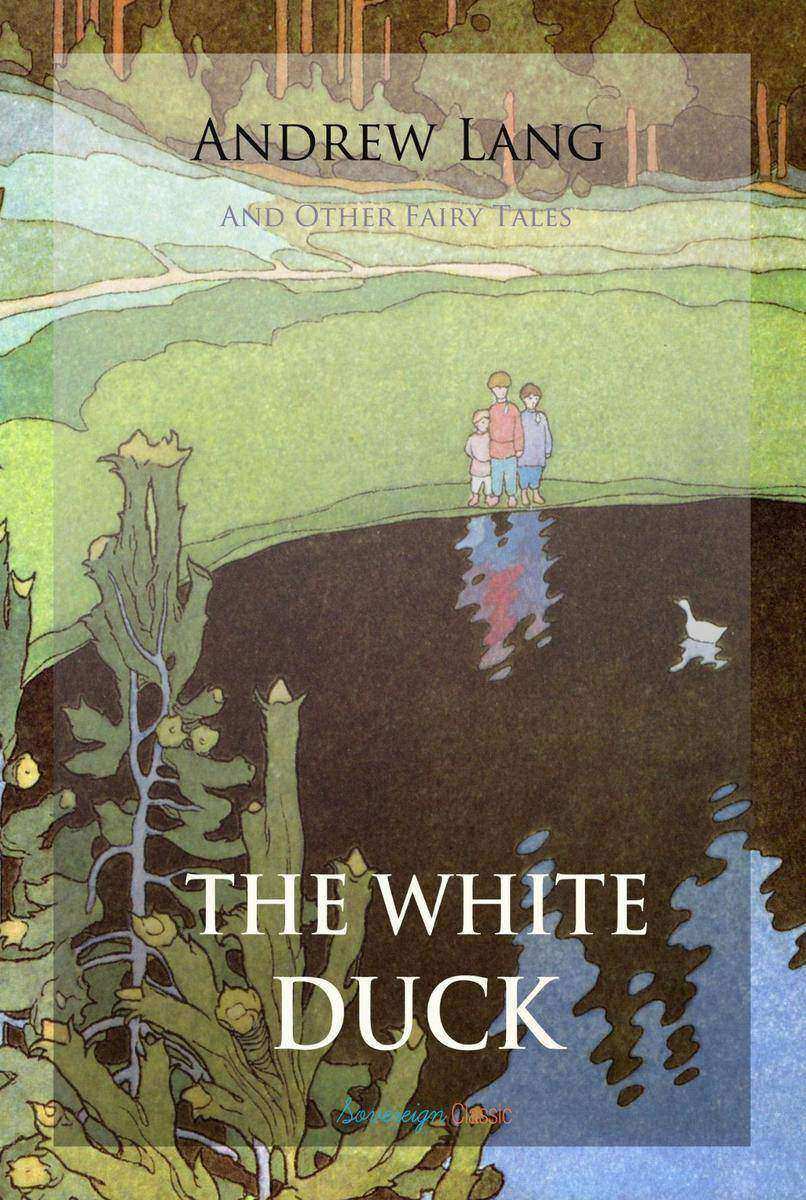
The White Duck and Other Fairy Tales
¥40.79
Once upon a time a great and powerful King married a lovely Princess. No couple were ever so happy; but before their honeymoon was over they were forced to part, for the King had to go on a warlike expedition to a far country, and leave his young wife alone at home. Bitter were the tears she shed, while her husband sought in vain to soothe her with words of comfort and counsel, warning her, above all things, never to leave the castle...

Oeuvres complètes de Gustave Flaubert
¥16.27
Cet eBook énorme offre aux lecteurs l'occasion unique d'explorer des ?uvres de Gustave Flaubert en fran?ais.Caractéristiques:* Tous les romans, chacun avec une table des matières* Illustré avec de nombreuses images relatives à la vie de Flaubert et ses oeuvres* Toutes les nouvelles* Introduction concise aux romans, nouvelles et la poésie* Romans rares disponibles nulle part ailleurs* La poésie en prose LA TENTATION DE SAINT ANTOINE* Images des première publications donnant un avant go?t des textes originaux* Comprend aussi des pièces de thé?tre* le texte bonus FLAUBERT par ?mile Faguet - la première biographie sur Flaubert - explorez sa vie incroyable!* Mis à jour avec le texte rare LE SEXE FAIBLETABLE DES MATIERES:Les RomansMEMOIRES D'UN FOUMADAME BOVARYSALAMMB?L'?DUCATION SENTIMENTALEBOUVARD ET P?CUCHETLes Nouvelles?UVRES DE JEUNESSETROIS CONTESPoésieLA TENTATION DE SAINT ANTOINELes Pièces de thé?treLE CANDIDATLE CHATEAU DES C?URSLE SEXE FAIBLELes Ecrits de VoyagePAR LES CHAMPS ET PAR LES GREVESNOTES DE VOYAGEOeuvres de Non-FictionPENS?ES DE GUSTAVE FLAUBERTDICTIONNAIRE DES IDEES RE?UESBiographieFLAUBERT PAR ?MILE FAGUET

A Child's History of England
¥40.79
Charles Dickens wrote this book for his own children hoping to help them bye and bye, to read with interest larger and better books on the same subject. The history covers the period between 50 BC and 1689, ending with a chapter summarising events from then until the accession of Queen Victoria. The book is considered one of the finest English history texts.
Rilla of Ingleside
¥40.79
In the continuing story of Anne Shirley, this book draws the focus back onto a single character, Anne and Gilbert's youngest daughter Bertha Marilla "Rilla" Blythe. It has a more serious tone, as it takes place during World War I and the three Blythe boys—Jem, Walter, and Shirley—along with Rilla's sweetheart Ken Ford, and playmates Jerry Meredith and Carl Meredith—end up fighting in Europe with the Canadian Expeditionary Force. This book follows Anne from the age of 49 to 53.
The Black Tulip
¥40.79
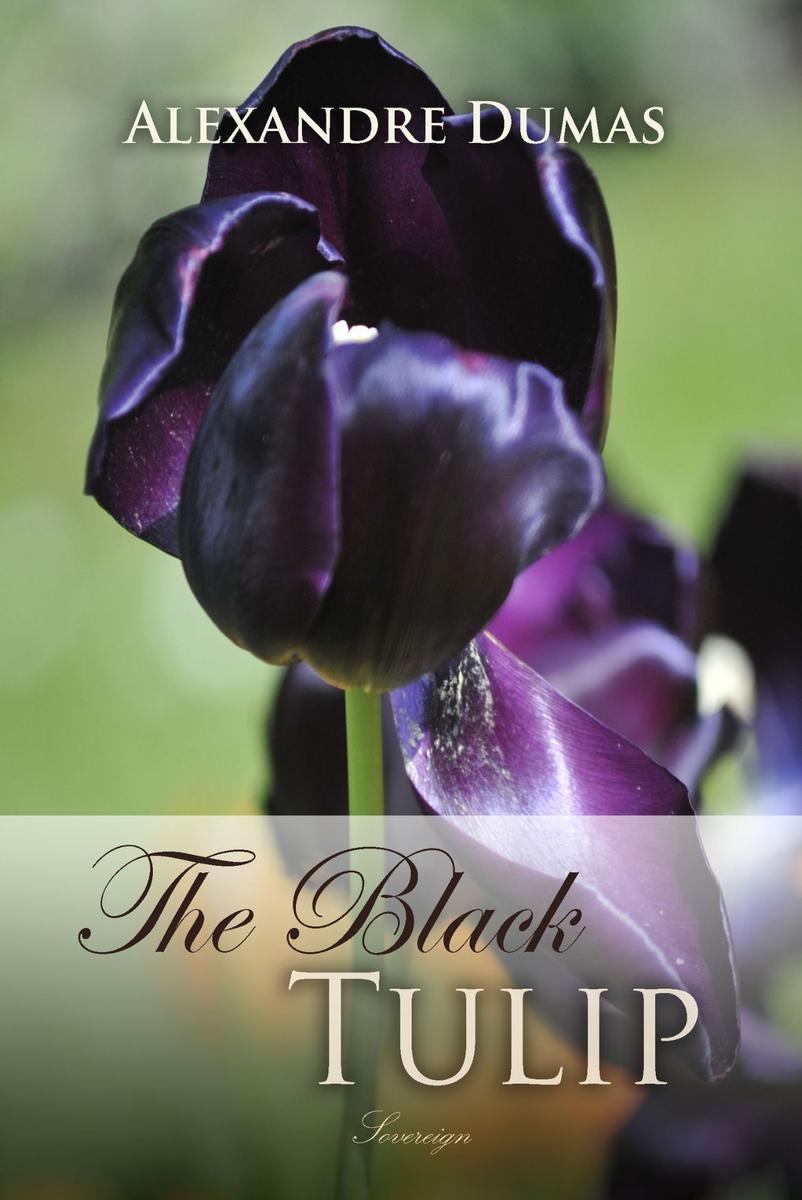
The city of Haarlem, Netherlands, has set a huge prize to the person who can grow a black tulip, sparking competition between the country's best gardeners to win the money, honour and fame. Only the city's oldest citizens remember the Tulip Mania thirty years prior, and the citizens throw themselves into the competition. The young and bourgeois Cornelius van Baerle has almost succeeded but is suddenly thrown into the Loevestein prison. There he meets the prison guard's beautiful daughter Rosa, who will be his comfort and help, and eventually become his rescuer.
What Is Art?
¥40.79
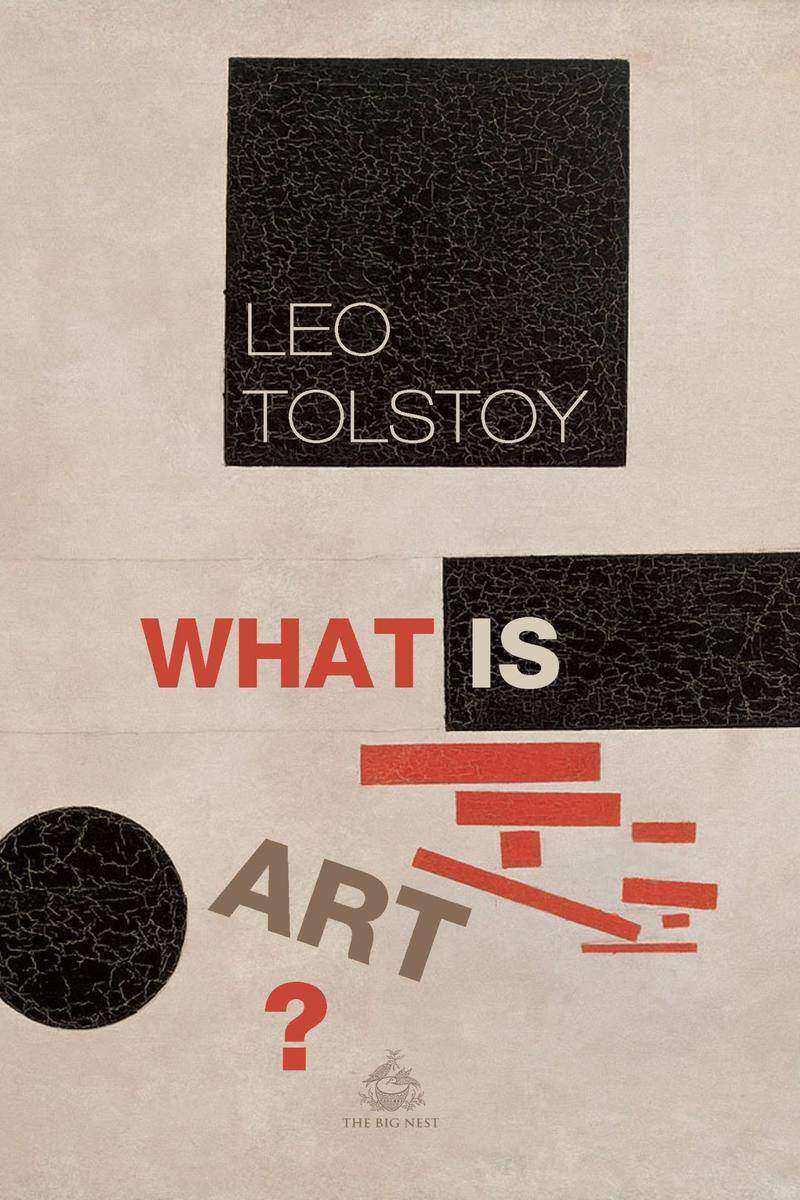
Tolstoy shares his views about the imprecision of general opinions on art, the time, effort, public funds, and public respect spent on art and artists. The difficulty of meaning in art, and especially what is good, useful art, art for the sake of which we might condone such sacrifices as are being offered at its shrine. So, what is art?


