


 购物车
购物车 个人中心
个人中心

The Three Bears
¥40.79
Once upon a time there were Three Bears, who lived together in a house of their own, in a wood. One of them was a Little, Small, Wee Bear; and one was a Middle-sized Bear, and the other was a Great, Huge Bear. They had each a pot for their porridge; a little pot for the Little, Small, Wee Bear; and a middle-sized pot for the Middle Bear, and a great pot for the Great, Huge Bear. And they had each a chair to sit in; a little chair for the Little, Small, Wee Bear; and a middle-sized chair for the Middle Bear, and a great chair for the Great, Huge Bear. And they had each a bed to sleep in; a little bed for the Little, Small, Wee Bear; and a middle-sized bed for the Middle Bear, and a great bed for the Great, Huge Bear.
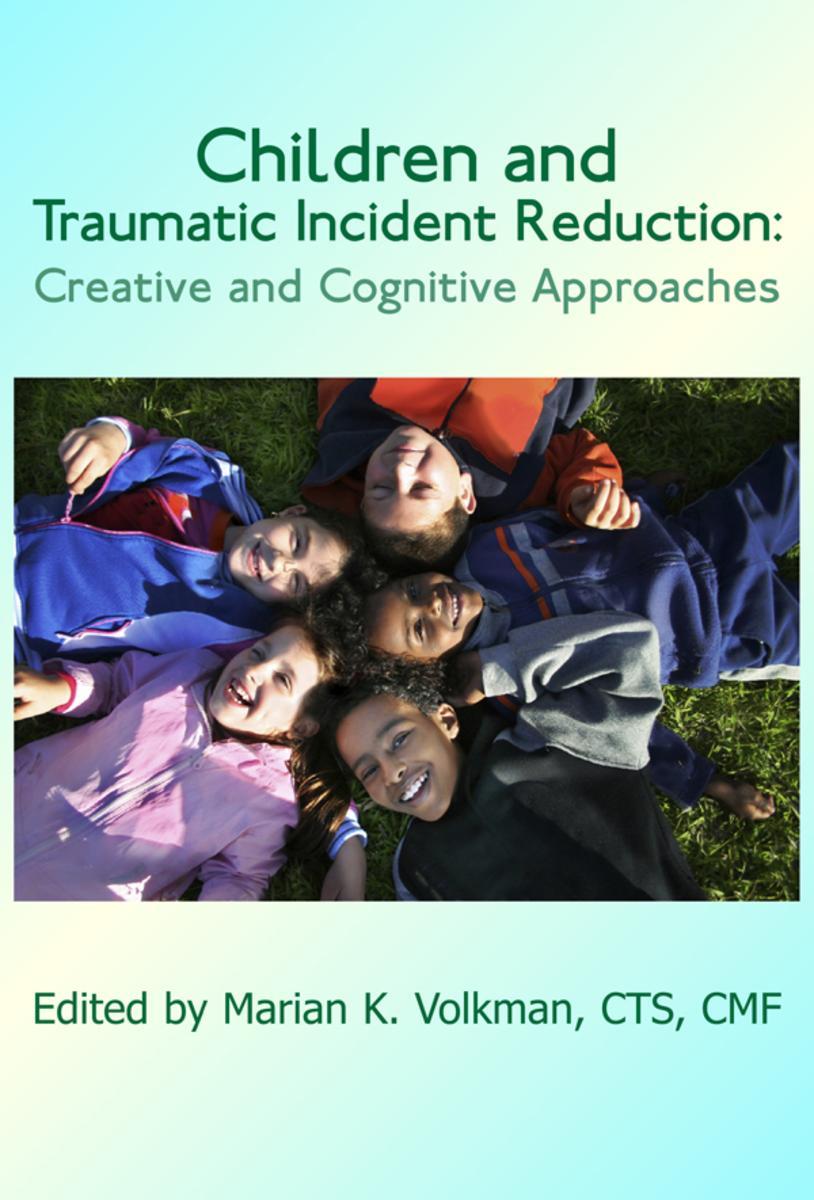
Children and Traumatic Incident Reduction:Creative and Cognitive Approaches
¥65.99
What if we could resolve childhood trauma early, rather than late? We are understanding more and more about how early traumatic experiences affect long-term mental and physical health: ·Physical impacts are stored in muscles and posture ·Threats of harm are stored as tension ·Overwhelming emotion is held inside ·Negative emotional patterns become habit ·Coping and defense mechanism become inflexible What if we could resolve childhood trauma before years go by and these effects solidify in body and mind? In a perfect world, we'd like to be able to shield children from hurt and harm. In the real world, children, even relatively fortunate ones, may experience accidents, injury, illness, and loss of loved ones. Children unfortunate enough to live in unsafe environments live through abuse, neglect, and threats to their well-being and even their life. What if we could resolve childhood trauma fully, gently, and completely while the child is still young? We Can. Read Children and Traumatic Incident Reduction and find out how! "This book is a must for any therapist working with kids. Naturally, it focuses on the approach of Traumatic Incident Reduction, but there is a lot of excellent material that will be useful even to the therapist who has never before heard of TIR and may not be particularly interested in learning about it. The general approach is respectful of clients, based on a great deal of personal experience by contributors as well as on the now extensive research base supporting TIR, and fits the more general research evidence on what works". --Robert Rich, PhD Book #2 in the TIR Applications Series. Series Editor: Robert Rich, PhD Learn more about TIR books at www.TIRbook.com
The Trimmed Lamp
¥40.79
Lou and Nancy were chums. They came to the big city to find work because there was not enough to eat at their homes to go around. Nancy was nineteen; Lou was twenty. Both were pretty, active, country girls who had no ambition to go on the stage.
The Sandman and Other Tales
¥40.79
Nathanael is a young student, moved from his provincial town to a city where he attends university. It is there where he meets Coppola, a hawker of oculars and eye-glasses and a man whose looks and name have an uncanny similarity to the tormentor of Nathanael's childhood, the advocate Coppelius, the man Nathanael holds responsible for his father's death.
Rikki-Tikki-Tavi and Other Tales
¥40.79
A a young mongoose named Rikki-Tikki-Tavi is adopted into a British family residing in India. After becoming friendly with some of the other creatures inhabiting the garden, Rikki is warned of two cobras Nag and Nagaina, who are angered by the family's presence on their territory.
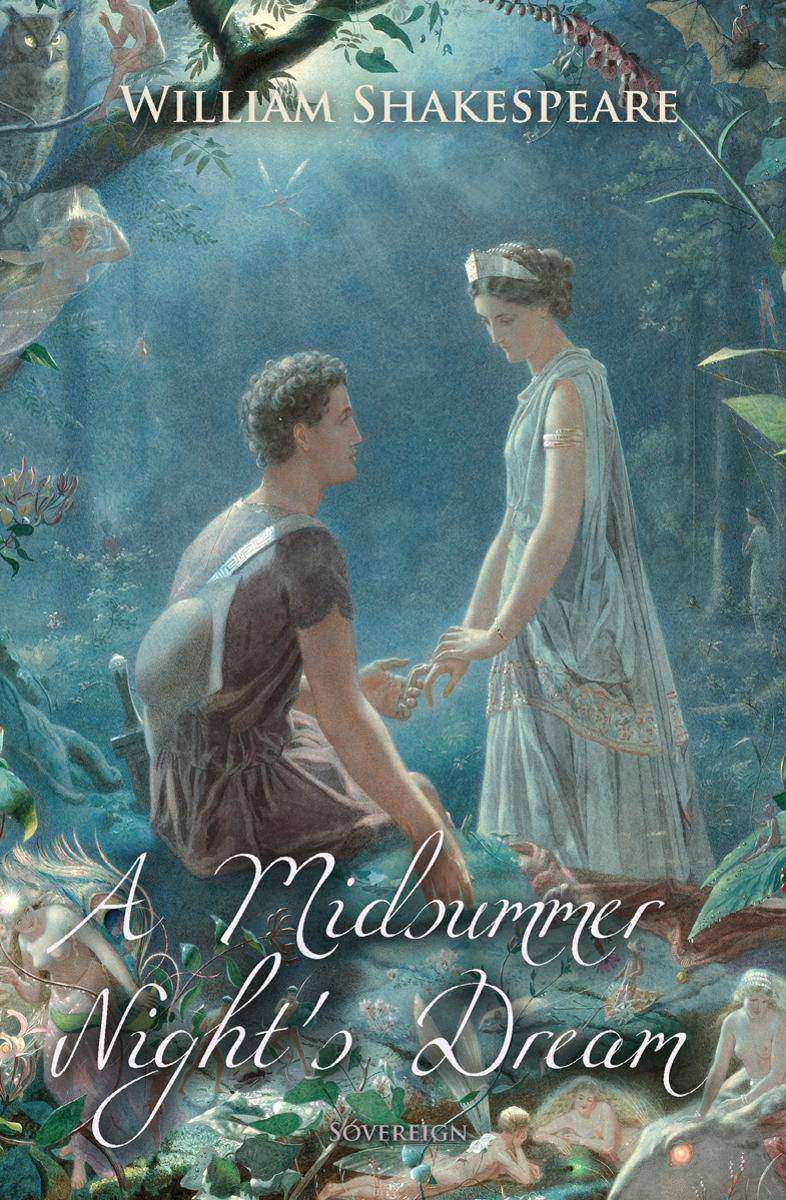
A Midsummer Night's Dream
¥40.79
One of Shakespeare's most popular works, A Midsummer Night's Dream is a comedy play following events surrounding marriage of the Duke of Athens, Theseus, and Hippolyta. The play is set in a forest where several young Athenian lovers and a group of six amateur actors are being controlled and manipulated by the fairies inhabiting the forest.
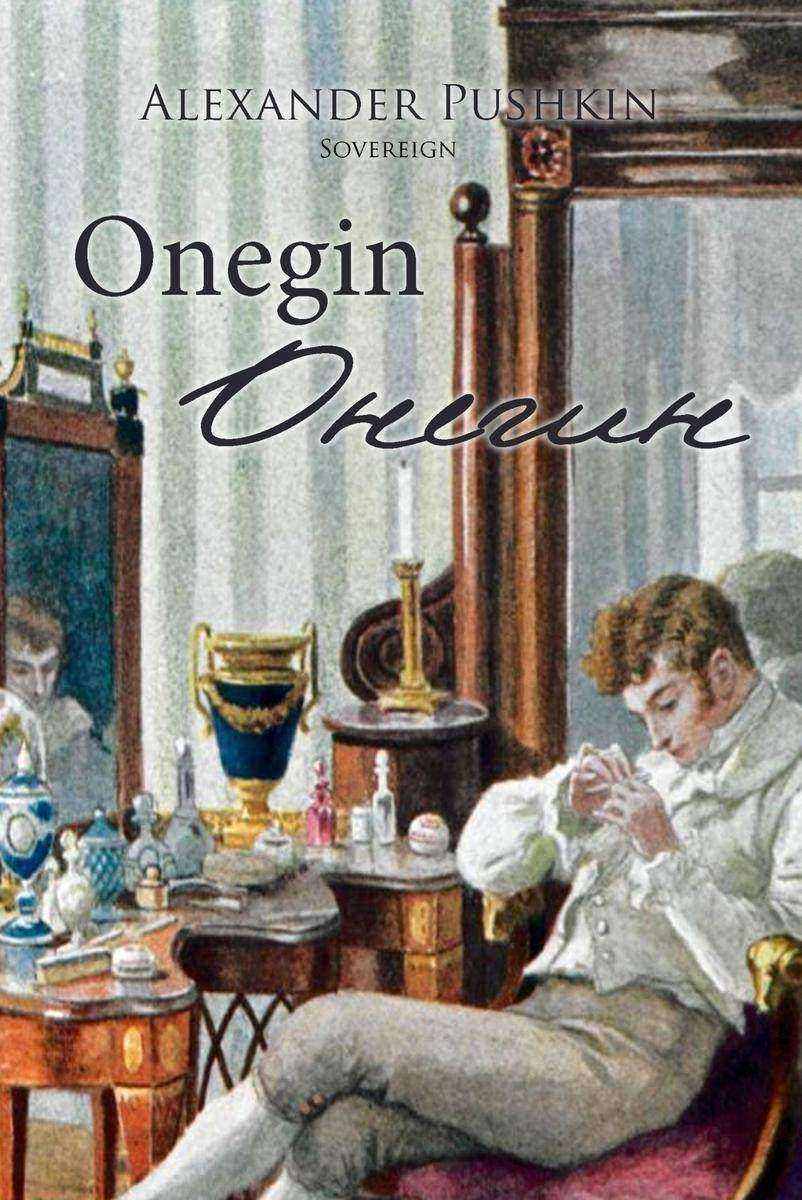
Onegin: English and Russian Language Edition
¥40.79
Bilingual edition of Pushkin's Eugene Onegin in both Russian and English languages. Meet Onegin, a dandy from Saint Petersburg, about 26. An arrogant, selfish and world-weary cynic. One day he inherits a landed estate from his uncle where he strikes up a friendship with his neighbour, a starry-eyed young poet named Vladimir Lensky. One day, Lensky takes Onegin to dine with the family of his fiancee, the sociable but rather thoughtless Olga Larina. At this meeting he also catches a glimpse of Olga's sister Tatyana. A quiet, precocious romantic and the exact opposite of Olga, Tatyana becomes intensely drawn to Onegin. Soon after, she bares her soul to Onegin in a letter professing her love.
The Star-Child
¥40.79
The Star-Child is the story of an abandoned infant boy found in the woods by a poor woodcutter, who pities him and takes him in. He grows up to be exceedingly beautiful, but vain, cruel, and arrogant, believing himself to be the divine child of the stars. He lords himself over the other children, who follow him devotedly, and takes pleasure in torturing the forest animals and town beggars alike.
All Edge
¥329.62
Work is changing. Speed and flexibility are more in demand than ever before thanks to an accelerating knowledge economy and sophisticated communication networks. These changes have forced a mass rethinking of the way we coordinate, collaborate, and communicate. Instead of projects coming to established teams, teams are increasingly converging around projects. These "e;all-edge adhocracies"e; are highly collaborative and mostly temporary, their edge coming from the ability to form links both inside and outside an organization. These nimble groups come together around a specific task, recruiting personnel, assigning roles, and establishing objectives. When the work is done they disband their members and take their skills to the next project.Spinuzzi offers for the first time a comprehensive framework for understanding how these new groups function and thrive. His rigorous analysis tackles both the pros and cons of this evolving workflow and is based in case studies of real all-edge adhocracies at work. His provocative results will challenge our long-held assumptions about how we should be doing work.

Surviving a Stroke—or Two: The Secret to Recovery
¥8.09
Having a stroke isn't bad. I didn't even know it was happening. It's afterward that all the fun starts. When you can't move or talk—even blink your eyes. That's a scary feeling. This book is a record of my journey—how the strokes happened—and more importantly, the long road to recovery ?
The Heracleidae
¥40.79
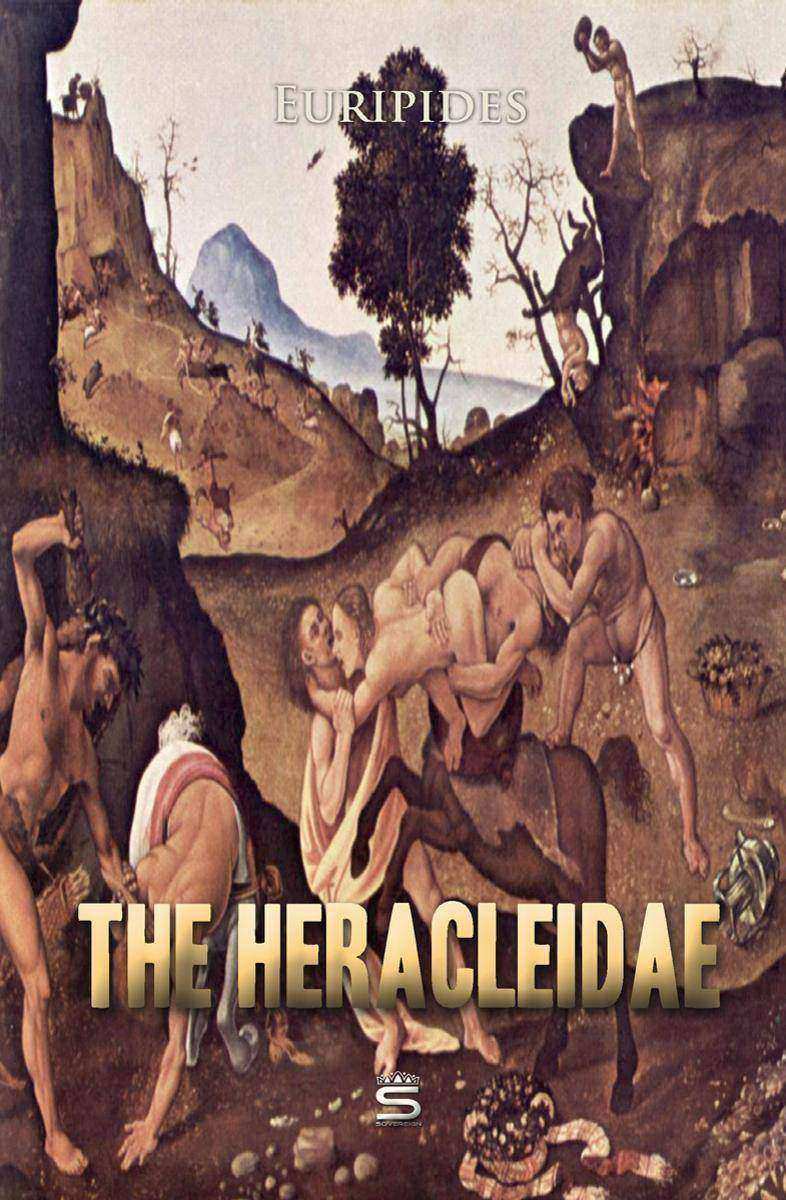
Iolaus, Heracles’ nephew and his companion during his Twelve Labours but now an old man, is in hiding with Heracles’ fatherless children at the altar of the temple of Zeus at Marathon, near Athens. They have been moving from city to city, as Iolaus tries to protect them from the vengeful King Eurystheus of Argos, who has vowed to kill them. A herald from Eurystheus appears calling on them once more to return to Argos to face the consequences, and Iolaus begs the Chorus of aged Athenians to take pity and help them.
On Injuries of the Head
¥40.79
Men's heads are by no means all like to one another, nor are the sutures of the head of all men constructed in the same form. Thus, whoever has a prominence in the anterior part of the head (by prominence is meant the round protuberant part of the bone which projects beyond the rest of it), in him the sutures of the head take the form of the Greek letter tau, T; for the head has the shorter line running transverse before the prominence, while the other line runs through the middle of the head, all the way to the neck.
Surgery
¥40.79
It s the business of the physician to know, in the first place, things similar and things dissimilar; those connected with things most important, most easily known, and in anywise known; which are to be seen, touched, and heard; which are to be perceived in the sight, and the touch, and the hearing, and the nose, and the tongue, and the understanding; which are to be known by all the means we know other things.
Ulcers
¥40.79
We must avoid wetting all sorts of ulcers except with wine, unless the ulcer be situated in a joint. For, the dry is nearer to the sound, and the wet to the unsound, since an ulcer is wet, but a sound part is dry. And it is better to leave the part without a bandage unless a cataplasm be applied. Neither do certain ulcers admit of cataplasms, and this is the case with the recent rather than the old, and with those situated in joints.
Fiul risipitor
¥68.75
Se spune c? ?nceputurile pot fi uneori ca o cea?? de nep?truns. A?a este ?i cazul acestei pove?ti, care ?ncepe cu apari?ia unei noi specii, probabil ?n urm? cu dou? mii de ani. Specia nu are ?nc? un nume – nimic nu are ?nc? unul – dar are capacitatea de a numi lucruri.Asemenea oric?rei alte noi specii, starea acesteia este fragil?. Num?rul membrilor s?i este mic, iar teritoriul pe care ?l ocup? este redus la o bucat? din estul Africii. Popula?ia sa cre?te treptat, dar apoi, destul de probabil, aceasta se diminueaz? din nou – unii ar spune c? asta se ?nt?mpl? ?ntr-un mod aproape fatal – ajung?nd la doar c?teva mii de perechi.Membrii speciei nu sunt neap?rat foarte rapizi sau puternici sau fertili. Ei sunt ?ns? nemaipomenit de descurc?re?i. Progresiv, ei ?ncep s? exploreze teritorii cu diferite climate, diferi?i pr?d?tori ?i diferite tipuri de v?nat. Nici una dintre constr?ngerile aduse de habitat sau de geografia locului nu pare s? ?i afecteze prea tare.
The Inventions, Researches and Writings of Nikola Tesla: Complete & Illustrated
¥28.61
The electrical problems of the present day lie largely in the economical transmission of power and in the radical improvement of the means and methods of illumination. To many workers and thinkers in the domain of electrical invention, the apparatus and devices that are familiar, appear cumbrous and wasteful, and subject to severe limitations. They believe that the principles of current generation must be changed, the area of current supply be enlarged, and the appliances used by the consumer be at once cheapened and simplified. The brilliant successes of the past justify them in every expectancy of still more generous fruition.??The present volume is a simple record of the pioneer work done in such departments up to date, by Mr. Nikola Tesla, in whom the world has already recognized one of the foremost of modern electrical in-vestigators and inventors. No attempt whatever has been made here to emphasize the importance of his researches and discoveries. ??Great ideas and real inventions win their own way, determining their own place by intrinsic merit. But with the conviction that Mr. Tesla is blazing a path that electrical development must follow for many years to come, the compiler has endeavored to bring together all that bears the impress of Mr. Tesla's genius, and is worthy of preservation. Aside from its value as showing the scope of his inventions, this volume may be of service as indicating the range of his thought. There is intellectual profit in studying the push and play of a vigorous and original mind.?

The Sacred Disease
¥40.79
It is thus with regard to the disease called Sacred: it appears to me to be nowise more divine nor more sacred than other diseases, but has a natural cause from the originates like other affections. Men regard its nature and cause as divine from ignorance and wonder, because it is not at all like to other diseases. And this notion of its divinity is kept up by their inability to comprehend it, and the simplicity of the mode by which it is cured, for men are freed from it by purifications and incantations. But if it is reckoned divine because it is wonderful, instead of one there are many diseases which would be sacred; for, as I will show, there are others no less wonderful and prodigious, which nobody imagines to be sacred.
Ancient Medicine
¥40.79
The art of Medicine would not have been invented at first, nor would it have been made a subject of investigation (for there would have been no need of it), if when men are indisposed, the same food and other articles of regimen which they eat and drink when in good health were proper for them, and if no others were preferable to these. But now necessity itself made medicine to be sought out and discovered by men, since the same things when administered to the sick, which agreed with them when in good health, neither did nor do agree with them.
Aphorisms
¥40.79
Life is short, and Art long; the crisis fleeting; experience perilous, and decision difficult. The physician must not only be prepared to do what is right himself, but also to make the patient, the attendants, and externals cooperate.
Epidemics
¥40.79
Early in the beginning of spring, and through the summer, and towards winter, many of those who had been long gradually declining, took to bed with symptoms of phthisis; in many cases formerly of a doubtful character the disease then became confirmed; in these the constitution inclined to the phthisical. Many, and, in fact, the most of them, died; and of those confined to bed, I do not know if a single individual survived for any considerable time; they died more suddenly than is common in such cases. But other diseases, of a protracted character, and attended with fever, were well supported, and did not prove fatal: of these we will give a description afterwards.
Bütünsel Bak??la Canl?l?k-II: "Madde ve Enerji, Beden ve Ruh ?li?kisi"
¥0.01
alardan beridir insanln duygularn, rüyalarn, davranlarn, düüncelerini, hemen her eyini etkileyen ve algland kadaryla sorduu baz sorularn günümüz dünyasnda anlalmaya, kaplarnn aralanp bilincimizi yeniden ekillendirmeye baladn grürken, yeni sorular oluturmaya baladmz grüyoruz. Bugünlere kadar hepimizin merak ettii sorularn bazlar unlardr: - Canllk nedir - Duygularmz nedir - Ben neyim Bunlar alglayp yorumlayabildiimiz bilin nedir - Beden ile düünce zamanda nasl balanmtr - Düüncelerimi, grdüklerimi, gzleyen nedir - Uzay nedir Nasl var olmutur - Evrende neyin ifadesiyiz - Zaman nedir - lümden sonras var mdr Ruh olarak tanmladk, zihin-beden arasnda balanty kurmaya, duygular anlamaya alrken. Bilincin, algnn ve tüm bunlarla nasl bir ilikisi olabileceini sorguladk. Genelde yle oluyor ya bütünün nce paralarn anlamaya, paralara ayrp anlamaya almann, sorunlarn izlerini sürüp bütünle olan etkileimini grmeye yneliyoruz. Zamann iinde zaman geirmemize ramen, bilincimizle, canllmzla nasl balantl olduunu grmezden geldik. Günümüz dünyasnn ulat bilgi, yaamsal deneyimlerin kaydedilip aktarlmas, izlediimiz filmlerden tutun da, deneyimlerimizin hzl etkileimiyle zaman aralklarn orduk. Snr sistemimize benzeyen internet alar oluturduk. nsanlk olarak yapay zekalar gelitirdik. Hücre ile beden benzeri; canlyla tüm canlln, ekosistemin, varln etkileim rüntüsü olduunu anlamaya baladk. Belki de oluturduumuz yeni anlamlar, gelecekte oluacaklarn paralardr. Deiim devam ediyor. Grünen o ki, canllar bu evrenin en ileri evrensel alanlardr. Soralm kendimize; Evrende canllktan daha anlaml bir ey var mdr


