


 购物车
购物车 个人中心
个人中心
The Vision Splendid
¥8.09
Classic western novel, first published in 1913. "A powerful story in which a man of big ideas and fine ideals wars against graft and corruption. A most satisfactory love affair terminates the story." According to Wikipedia: "William MacLeod Raine (1871—1954), was a British-born American novelist who wrote fictional adventure stories about the American Old West.."

The Border Legion
¥8.09
Classic Western. According to Wikipedia: "Zane Grey (1872 – 1939) was an American author best known for his popular adventure novels and stories that presented an idealized image of the rugged Old West. As of June 2007, the Internet Movie Database credits Grey with 110 films, one TV episode, and a series, Dick Powell's Zane Grey Theater based loosely on his novels and short stories."
The Street of Seven Stars
¥8.09
According to Wikipedia: "Mary Roberts Rinehart (August 12, 1876-September 22, 1958) was a prolific author often called the American Agatha Christie.[1] She is considered the source of the phrase "The butler did it", although she did not actually use the phrase herself, and also considered to have invented the "Had-I-But-Known" school of mystery writing.... Rinehart wrote hundreds of short stories, poems, travelogues and special articles. Many of her books and plays, such as The Bat (1920) were adapted for movies, such as The Bat (1926), The Bat Whispers (1930), and The Bat (1959). While many of her books were best-sellers, critics were most appreciative of her murder mysteries. Rinehart, in The Circular Staircase (1908), is credited with inventing the "Had-I-But-Known" school of mystery writing. The Circular Staircase is a novel in which "a middle-aged spinster is persuaded by her niece and nephew to rent a country house for the summer. The house they choose belonged to a bank defaulter who had hidden stolen securities in the walls. The gentle, peace-loving trio is plunged into a series of crimes solved with the help of the aunt. This novel is credited with being the first in the "Had-I-But-Known" school."[3] The Had-I-But-Known mystery novel is one where the principal character (frequently female) does less than sensible things in connection with a crime which have the effect of prolonging the action of the novel. Ogden Nash parodied the school in his poem Don't Guess Let Me Tell You: "Sometimes the Had I But Known then what I know now I could have saved at least three lives by revealing to the Inspector the conversation I heard through that fortuitous hole in the floor." The phrase "The butler did it", which has become a cliché, came from Rinehart's novel The Door, in which the butler actually did do it, although that exact phrase does not actually appear in the work."
The Mysterious Rider
¥8.09
Classic Western. According to Wikipedia: "Zane Grey (1872 – 1939) was an American author best known for his popular adventure novels and stories that presented an idealized image of the rugged Old West. As of June 2007, the Internet Movie Database credits Grey with 110 films, one TV episode, and a series, Dick Powell's Zane Grey Theater based loosely on his novels and short stories."

The Character and Influence of the Indian Trade in Wisconsin
¥8.09
Classic work of American history. According to Wikipedia: "Frederick Jackson Turner (November 14, 1861 - March 14, 1932) is widely regarded, along with Charles A. Beard, as one of the two most influential American historians of the early 20th century. He is best known for The Significance of the Frontier in American History."
Napoleon le Petit
¥8.09
Selon Wikipédia: ?Napoléon le Petit était un pamphlet politique influent de Victor Hugo qui condamnait le règne de Napoléon III, empereur des Fran?ais, qui vécut en exil à Guernesey pendant la plus grande partie du règne de Napoléon III, et sa critique du monarque fut significative. comme il était l'un des Fran?ais les plus éminents de l'époque, et a été vénéré par beaucoup, il inclut le concept de deux et deux font cinq comme un déni de la vérité par l'autorité, une notion plus tard utilisée par George Orwell dans Nineteen Quatre-vingt-quatre volumes ont été introduites clandestinement en France (par exemple dans des balles de foin, et entre des t?les comme une bo?te de sardines), lues lors de réunions secrètes et copiées à la main.Toujours selon Wikipédia: "Victor-Marie Hugo (26 février 1802 - 22 mai 1885) était un poète, dramaturge, romancier, essayiste, plasticien, homme d'?tat, militant des droits de l'homme et représentant du mouvement romantique en France. En France, la renommée littéraire de Hugo vient d'abord de sa poésie mais repose aussi sur ses romans et ses réalisations dramatiques. Parmi les nombreux volumes de poésie, Les Contemplations et La Légende des siècles sont particulièrement estimés et Hugo est parfois identifié comme le plus grand poète fran?ais. Hors de France, ses ?uvres les plus connues sont les romans Les Misérables et Notre-Dame de Paris (connus aussi en anglais sous le titre de Le Bossu de Notre-Dame). Bien que royaliste conservateur engagé lorsqu'il était jeune, Hugo devint plus libéral au fil des décennies; il est devenu un partisan passionné du républicanisme et son travail touche à la plupart des questions politiques et sociales et aux tendances artistiques de son temps. Il est enterré au Panthéon. "
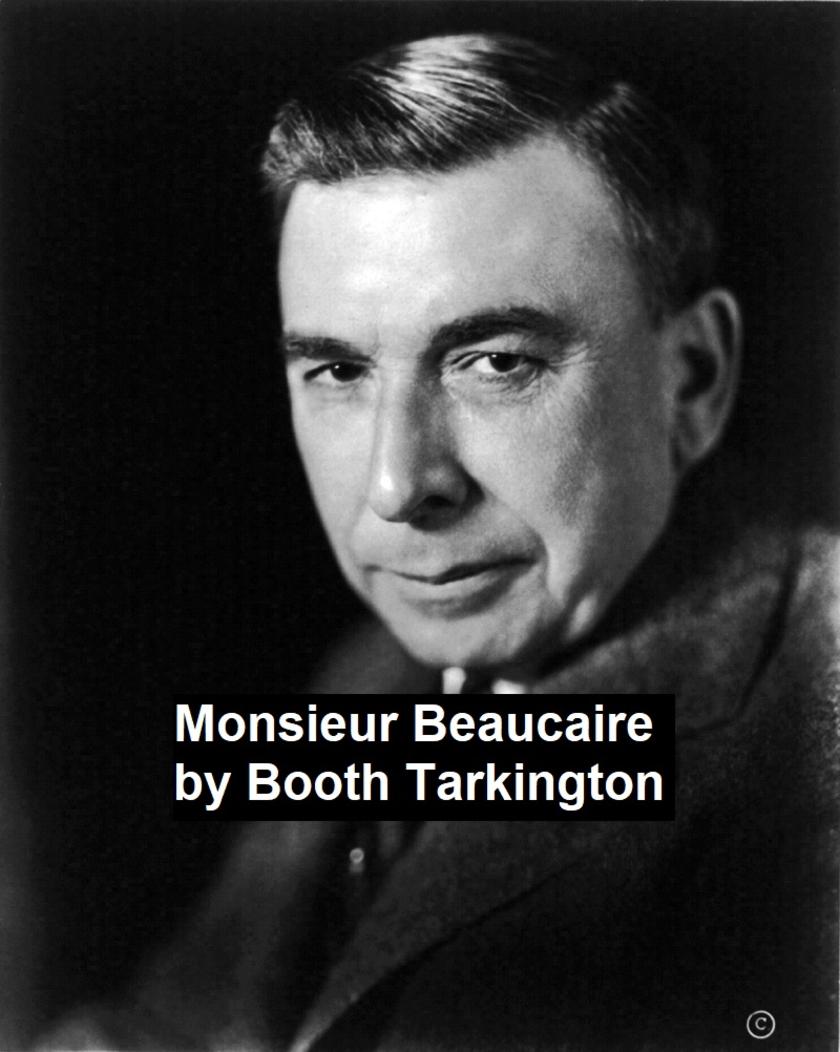
Monsieur Beaucaire
¥8.09
According to Wikipedia: "Newton Booth Tarkington (July 29, 1869, Indianapolis – May 19, 1946) was an American novelist and dramatist best known for his Pulitzer Prize-winning novels The Magnificent Ambersons and Alice Adams…. Much of Tarkington's work consists of satirical and closely observed studies of the American class system and its foibles. He himself came from a patrician family that came down in the world after the Panic of 1873. Today he is best known for his novel The Magnificent Ambersons, which Orson Welles filmed in 1942. It is included in the Modern Library's list of top-100 novels."
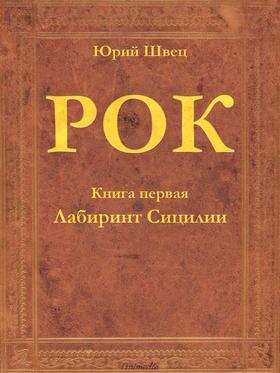
Рок. Книга первая. Лабиринт Сицилии - Исторический приключенческий роман
¥22.81
Действие первой книги романа ?Рок? разворачивается в Сицилии и далее на ?чёрном континенте?, в Африке, в период столкновения двух мегаполисов Древнего мира – Рима и Карфагена. Читателя ждут невероятно увлекательные приключения, где судьбы главных героев переплетаются паутиной войны и паутиной тайны, которую они пытаются раскрыть, борясь с невидимыми врагами. Развёрнутые красочные описания сражений, морских битв, быт, нравы того времени – все это доставит, пытливому, думающему человеку не только удовольствие от прочтения, но и повод задуматься о происходящем в мире в наше время. Этот динамичный роман написан для самой широкой читательской аудитории. Издательство Animedia Company желает вам приятного чтения.
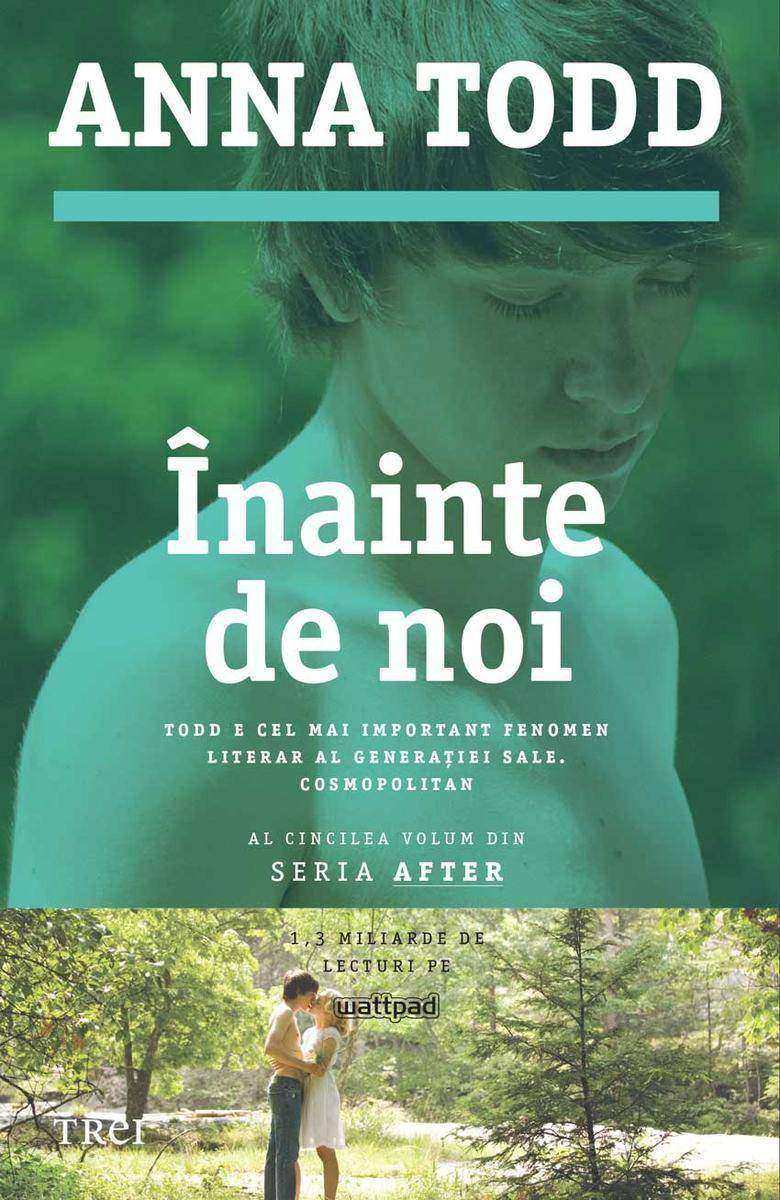
?nainte de noi
¥73.49
“Todd e cel mai important fenomen literar al genera?iei sale.” – Cosmopolitan Al cincilea volum din seria AFTER 1,3 miliarde de lecturi pe Wattpad ?nainte s? o cunoasc? pe Tessa, Hardin era impulsiv ?i s?lbatic. ?n timpul acelor prime momente ?n care s au ?nt?lnit, ?i a dat seama c? trebuie s? o ?in? l?ng? el – via?a lui depindea de ea. Dup? ce au r?mas ?mpreun?, lumea n-a mai fost niciodat? la fel. Dramatica poveste de dragoste dintre Hardin ?i Tessa s-a transformat ?ntr un v?rtej ?n care au fost atra?i to?i cei din jur. Acum ace?tia cap?t? o voce proprie ?i povestesc ce s-a ?nt?mplat ?nainte, pe parcursul ?i dup? evenimentele din primele patru volume ale seriei AFTER. Afl?m ?i cum vede Hardin prima ?nt?lnire cu Tessa – iar confesiunea lui va schimba complet ceea ce credeai c? ?tii despre b?iatul deprimat ?i ?ngerul care ?l iubea.? Domnul Darcy ?i Lizzy Bennett din vremurile noastre…? AFTER a adunat peste 1 miliard de fani online ?i a fascinat cititorii din ?ntreaga lume. Cite?te ?i tu cea mai viral? poveste de pe internet!“O lectur? foarte relaxant?, dar care are ?i mult dramatism… Te va captiva de la prima pagin?.” – A Bookish Escape“Am luat o peste tot cu mine ca s? pot citi despre Hessa ?n fiecare clip? liber? pe care am avut o. M-a vr?jit de la prima pagin?!” – Grown Up Fan girl“Anna Todd reu?e?te s? te fac? s? ?ipi, s? pl?ngi, s? r?zi, s? te ?ndr?goste?ti ?i s? te cuib?re?ti ?n pat… preg?te?te-te s? sim?i emo?ii pe care nu credeai c? ?i le poate aduce vreo carte.” - Fangirlish?
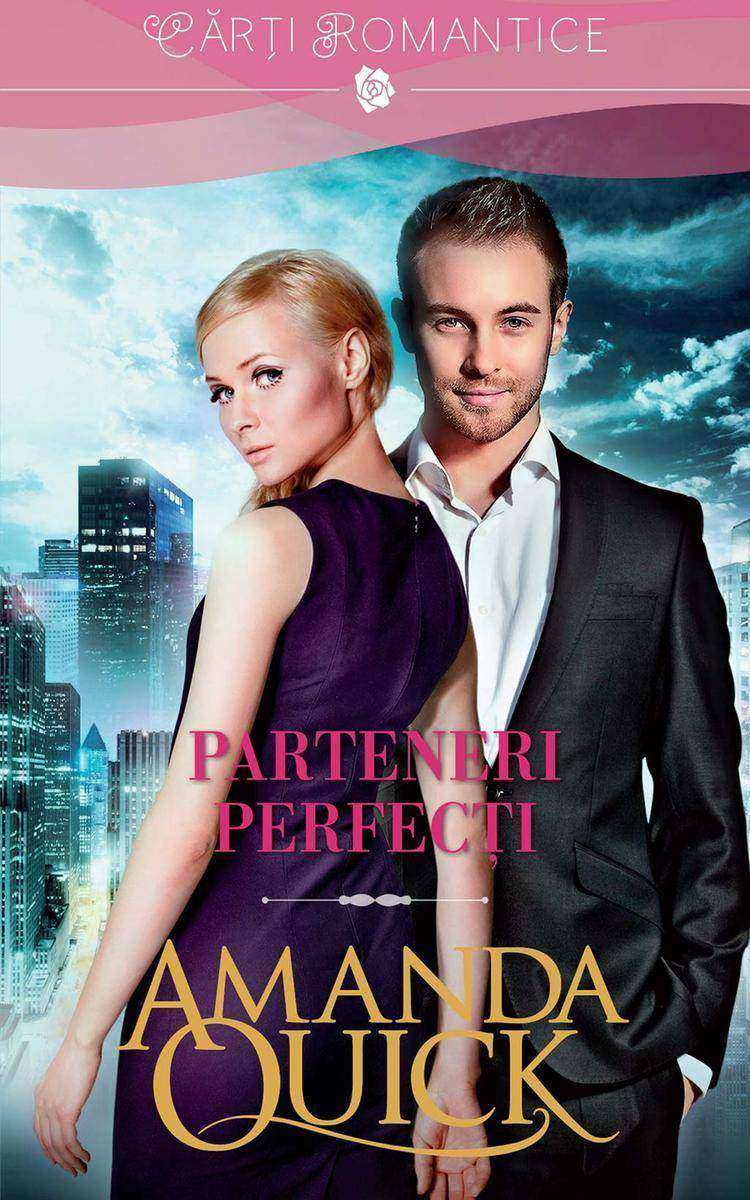
Parteneri perfec?i
¥7.36
Joel Blackstone a petrecut zece ani ca s? transforme Thornquist Gear dintr-un mic magazin local ?ntr-un juc?tor important pe pia?a echipamentelor sportive ?i de camping. Recompensa pentru munca sa era promisiunea b?tr?nului Thornquist de a-i vinde afacerea ?n mai pu?in de un an. Din p?cate, proprietarul moare pe nea?teptate ?i-i las? mo?tenire imperiul unei nepoate din Vestul Mijlociu – nimeni alta dec?t o bibliotecar?. Joel consider? acest lucru doar o piedic? minor? – se va oferi pur ?i simplu s? cumpere compania de la ea.Leticia Thornquist este profund ?ndurerat? de moartea unchiului ei ?i vede ?n mo?tenire ocazia perfect? de a-?i schimba radical via?a, mai ales dup? ce ??i surprinde logodnicul ?ntr-o postur? extrem de compromi??toare. Drept pentru care se hot?r??te s?-?i dea demisia, s? se mute la Seattle ?i s? preia conducerea companiei. Cur?nd ?ns? ??i d? seama c? un obstacol major ?i st? ?n cale – Joel Blackstone.Prin urmare, este inevitabil ca, profesional, Joel ?i Letty s? se ?nfrunte cu ?nfl?c?rare pentru c??tigarea controlului asupra companiei… dar asta nu ?i ?mpiedic? s? realizeze c? sunt parteneri perfec?i ?n toate celelalte privin?e.

101 Blagues
¥8.18
Super compilation avec les meilleures blagues. Lire blagues de tous types et go?ts.

Conselhos que os livros de auto-ajuda n?o ensinam
¥7.63
Prepare-se para aprender valiosas li??es de auto-ajuda que nem Augusto Cury vai lhe ensinar. S?o ensinamentos que, se n?o lhe ajudarem a viver melhor, também n?o o deixará viver pior.

Inim? de piatr?
¥7.36
Via?a grea l-a ?nv??at pe Lucas Kendrick, Duce de Harndon, s?-?i p?streze o inim? de piatr? ?i s? nu-?i dezv?luie sentimentele. Respins de logodnic?, tr?dat de fratele lui, alege s? se dueleze cu acesta ?i aproape ?l ucide. De aceea, este nevoit s? fug? la Paris unde locuie?te timp de 10 ani. Aici ajunge cel mai c?utat burlac, un adev?rat dandy al vremii respective ?n societatea monden?. Dup? moartea fratelui, unchiul lui insist? s? se ?ntoarc? acas? pentru a prelua titlul de duce ?i s? se ocupe de proprit??ile familiei. Lucas este amuzat de sfatul de a se ?nsura c?t mai repede pentru a-i fi mai u?or s? ?in? ?n fr?u certurile din familie ?i s? aib? grij? de uria?a mo?tenire. Totu?i, atunci c?nd o cunoa?te pe Lady Anna Marlowe la un bal, se hot?r??te ?ndat? s? o ia de so?ie ?i se c?s?toresc ?n doar o s?pt?m?n?. Frumoasa ?i vesela fat? ascunde ?ns? un secret ?nfior?tor din trecutul ei. Un necunoscut o amenin?? ?i va fi ?n pericol s? fie r?pit?, pericol care ?l va amenin?a ?i pe copilul lor nen?scut. Nici familia nu-i ofer? lui Lucas prea mult? lini?te. Intrigile sunt la ele acas? ?n castelul ducelui: mama, sora, fratele mai mic ?i so?ia fratelui decedat nu se las? ?i ?ncearc? s? pun? m?na pe putere. Iar ceva – mai degrab? cineva – ?i va ?nmuia inima lui Lucas ?i ?l va schimba ?n mod nea?teptat.
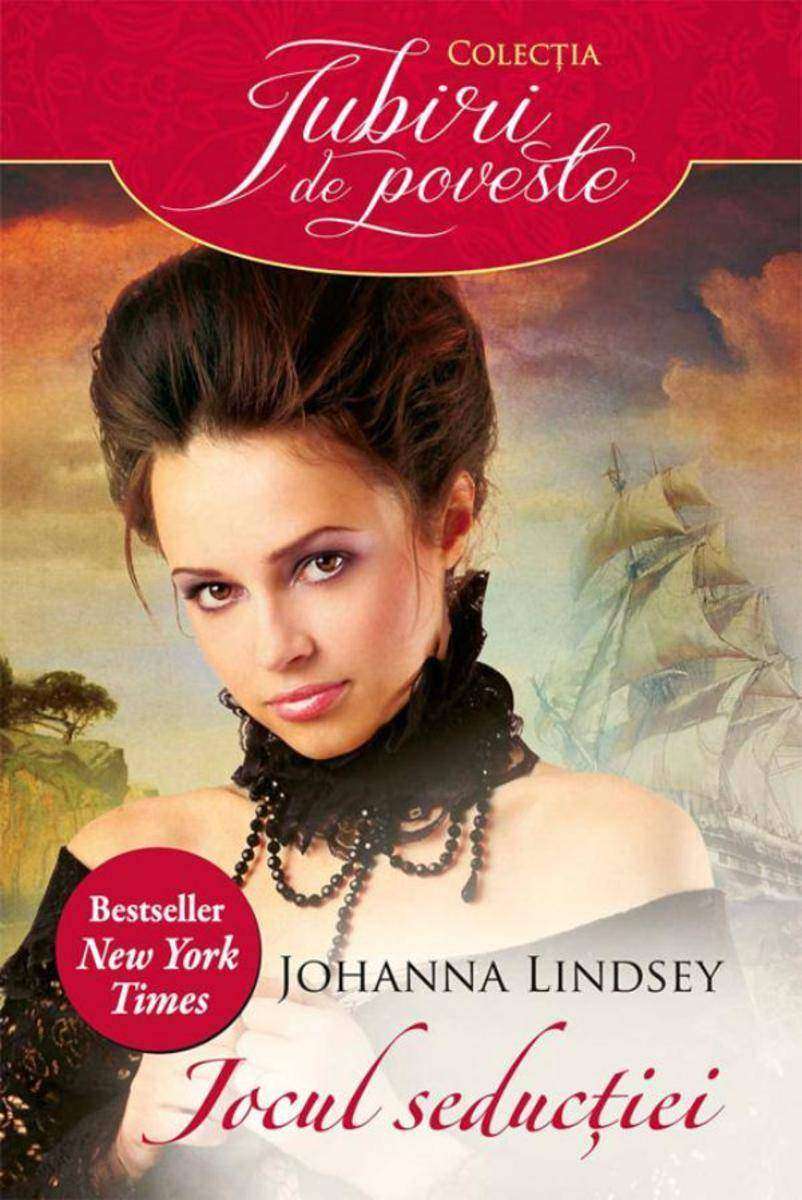
Jocul seduc?iei
¥7.36
Pirat, crai ?i burlac ?nr?it – dar dragostea are propriile c?i de a-?i g?si ?mplinirea Dup? ce descoper? c? logodnicul pe care l-a a?teptat ani ?ntregi a tr?dat-o ?n cel mai m?r?av mod, disperat?, Georgina Anderson se hot?r??te s? se ?ntoarc? c?t mai cur?nd acas? ?n America, pentru a-l da uit?rii ?i a-?i lecui inima fr?nt?. A?a c? adopt? solu?ia nebuneasc? de a se ?mbarca la bordul navei Fecioara Anne deghizat? ?n mus, f?r? s? aib? nici cea mai vag? b?nuial? c? va fi cu totul la dispozi?ia tiranicului c?pitan al vasului, James Mallory.Oaia neagr? a unei familii m?ndre ?i pline de firi furtunoase, chipe?ul c?pitan, fost pirat, a jurat c?ndva c? nu exist? femeie care s?-l poat? prinde ?n mrejele c?sniciei. Iar asta pentru c? ?ntreaga lui via?? a fost un adev?rat crai, poate cel mai renumit din Londra, fiind martor la superficialitatea femeilor m?ritate care abia a?teptau s?-?i ?n?ele so?ii ne?tiutori chiar cu… el ?nsu?i. Dar ?n largul m?rii, hot?r?rea aparent nestr?mutat? va fi sl?bit? de o pasiune mai fierbinte ca iadul ?i de frumuse?ea temperamentalei Georgina, a c?rei dragoste pentru libertate ?i aventur? se potrive?te at?t de bine cu ceea ce simte el ?nsu?i. Iar c?nd dou? suflete-pereche se ?nt?lnesc, nici un obstacol nu poate rezista ?n calea iubirii.

Alias Grace
¥84.69
A regény alapján készült sorozat november 3-tól a Netflix m?során. A Kanadába emigrált Grace Markot gyilkosságért ítélték el 1840-ben. ?llítólagos szeret?jével együtt kegyetlenül végeztek Grace munkaadójával és annak házvezet?n?jével. Véd?je Grace elmeállapotára hivatkozva eléri, hogy ne k?tél általi halálra, csupán életfogytiglanra ítéljék. Sokan vannak meggy?z?dve arról, hogy gonosz és ?rült teremtés, de ugyanennyien az ellenkez?jér?l is: ártatlan teremtés, aki a k?rülmények áldozata lett. Egy fiatal és felt?rekv? orvos elhatározza, hogy kideríti az igazságot, ezért hetente leül beszélgetni a lánnyal, aki egyre inkább megnyílik neki, ám azt állítja, a gyilkosságból semmire sem emlékszik… Margaret Atwood valós t?rténelmi eseményen alapuló regénye felkerült a Man Booker-díj shortlistjére, és 2017-ben tévésorozat készült bel?le.

Bebidas naturales para su salud
¥9.16
Un jugo fresco curativo o un té de hierbaspara su salud Pequea guía digital con recetas de jugos frescos de frutas y verduras y con tés de hierbas La vida está llena de simples placeres que pueden convertirse fácilmente en pura felicidad Por qué no pasar a lo natural … o más bien volver N°0 - Bebidas naturales para su salud En este número "cero" de la colección "eGuide Nature" vamos a ver cómo preparar bebidas naturales, jugos frescos o tés de hierbas para cuidar de su salud. Qué vas a encontrar en este eGuide Nature Nuestros consejos para preparar jugos frescos curativos Nuestros consejos parapreparar tés de hierbas 20recetas par su salud Atentamente, Cristina Olivier Rebiere
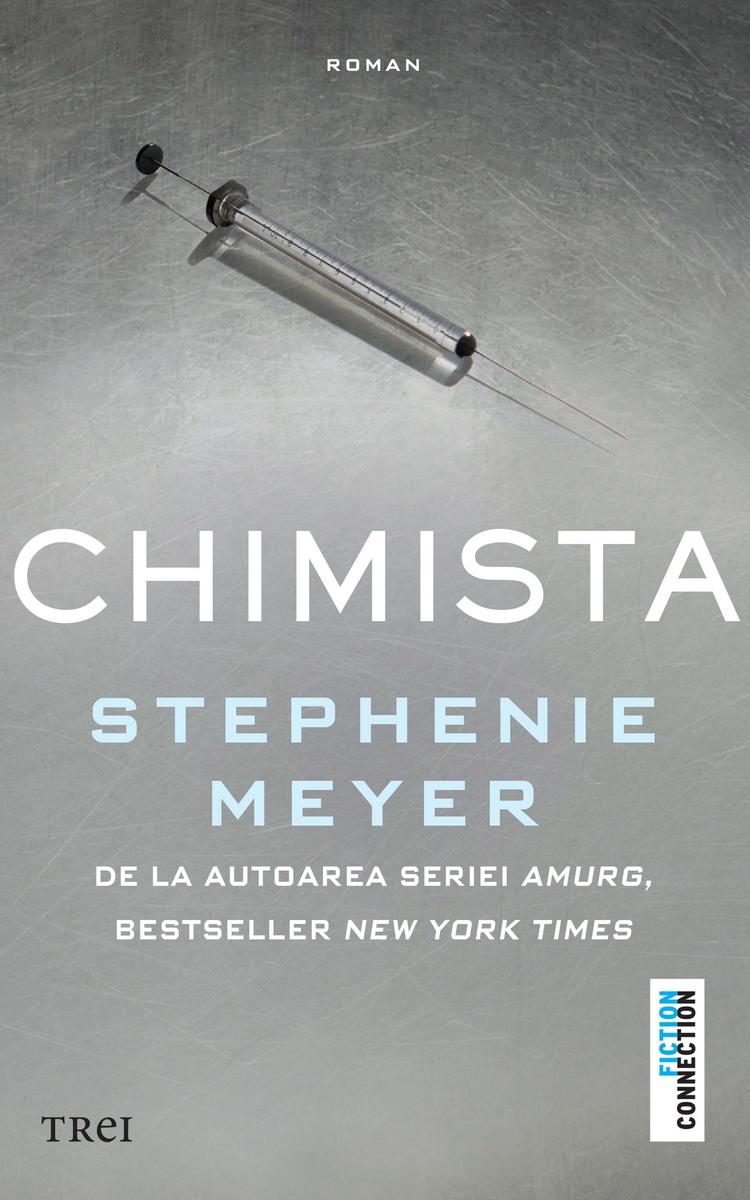
Chimista
¥106.19
De la autoarea seriei AMURG, bestseller New York Times A fost ?arma" secret? a uneia dintre agen?iile-fantom? ale guvernului american. C?nd a devenit incomod?, au decis s? o lichideze. Ca s? r?m?n? ?n via??, s-a transformat ?ntr-un cameleon care jongleaz? cu identit??ile ?i adresele. L-au ucis pe singurul om ?n care avea ?ncredere, ?ns? ea reprezint? ?n continuare o amenin?are. Vor s-o vad? moart?, ?i asta c?t mai repede. C?nd fostul ?ef ?i ofer? o cale de ie?ire, realizeaz? c? ar fi singura ?ans? de a-?i reinventa destinul. Dar pentru asta va trebui s? accepte o ultim? misiune. Constat? ?ns? c? informa?iile pe care le ob?ine o pun ?ntr-o situa?ie ?i mai primejdioas?. Hot?r?t? s? ?nfrunte direct amenin?area, se preg?te?te pentru cea mai dificil? lupt? din via?a ei, dar se ?ndr?goste?te de un b?rbat. Noua pasiune nu poate dec?t s?-i mic?oreze ?ansele de supravie?uire. Aflat? ?n impas, ??i valorific? talentele unice ?n feluri pe care nu ?i le-a imaginat niciodat?. ?n acest roman cu o intrig? bine ?ncheiat?, Stephenie Meyer creeaz? o nou? eroin? aprig? ?i fascinant?, cu abilit??i ie?ite din comun. Ne arat? ?nc? o dat? de ce este una dintre cele mai bine v?ndute autoare din lume. ?Felul cum Meyer gestioneaz? curiozitatea cititorului, ?ntre?in?nd ?i control?nd fluxul informa?iilor, demonstreaz? o m?iestrie de virtuoz… Oamenii nu vor doar s? citeasc? romanele lui Meyer; ei vor s? p?trund? ?n interiorul lor ?i s? tr?iasc? acolo." — Lev Grossman, Time ?Meyer scrie cu o claritate luminoas?, f?r? s? se interpun? nicio clip? ?ntre cititor ?i ceea ce ??i imagineaz? acesta. Originalitatea ei este incontestabil?." — Orson Scott Card, autorul seriei Jocul lui Ender ?Meyer este mai interesat? de rela?ii dec?t de conven?iile superficiale ale genului… Lec?ia ei de via?? pozitiv? este dezarmant?." — Jeff Giles,Entertainment Weekly ?Nu cite?ti un roman de Stephenie Meyer, ci ?l tr?ie?ti, al?turi de personajele vii ?i conving?toare pe care le-a creat. Meyer are modul s?u special de a-l implica pe cititor ?n via?a personajelor ei." — Ridley Pearson, autorul bestsellerului White Bone

Zilele aman?ilor
¥53.33
C?nd am primit invita?ia de a citi manuscrisul c?r?ii Corinei, am acceptat tem?tor. Sunt la o v?rst? c?nd ??i spui arogant c? ai citit cam tot ?i te ?ntrebi seniorial ce ar putea s? te mai surprind?. Ei bine, cartea Corinei. Care te surprinde prin toate locurile pe care le credeai securizate, impenetrabile. Te surprinde ?n primul r?nd pentru faptul c? refuz? f?r? efort scriitura feminin?, melancolic? ?i vag lamentabil?. Frazele sunt scurte ?i nu intr? b?t?nd la u??, ci tr?ntind-o de perete. Apoi, te surprinde tema predilect? a c?r?ii: amantl?curile, iubirile frugale, rela?iile interzise, tot tac?mul. Practic, Corina omoar? ?n pove?tile ei orice ipocrizie feminist? (chestie care mie mi-a mers la suflet), o ?ngroap? ad?nc ?i ?i pune capac. N-o s? omit sub nicio form? limbajul, care surprinde de asemenea. Corina folose?te limba rom?n? f?r? s? se fereasc? de extremele ei. Are curaj, ?are ou?“, cum s-ar spune. Nu c? ar fi singura, nu c? ar fi o raritate, dar a manipula cuvinte interzise ?ntr-un text literar, f?r? a-i strica savoarea, nu e la ?ndem?na oricui. R?m?ne ?ns? la final impresia general?, cea care conteaz? cel mai mult. Care e bun?, dac? nu foarte bun?. Cartea se cite?te u?or, e cinic?, e vie, are tot ce ?i trebuie pentru a deveni un succes. (?tefan Caraman)Corina Ozon vine dinspre jurnalism spre literatur?, cunosc?nd oamenii, cu talent. Scrie captivant, folosind ?n fraze c?te cuvinte chiar trebuie, f?r? floricele stilistice ?i volute descriptive ?n plus, care ar cre?te statistic durata de somn a popula?iei. ?Zilele aman?ilor“ e o carte pentru dezinhiba?i. N-o recomand pro?tilor si bigo?ilor. (Alexandru Petria)Aceasta este o carte de?teapt?. Iar vr?jitoria nu-i deloc exclus?. Te ?ine lipit de ea, nu te las? absolut deloc nici s? faci altceva ?i nici m?car s? te g?nde?ti la altceva. Nu po?i uza de niciun instrument fizic ori sufletesc pentru a i te sustrage. Iar dac? asta nu-i curat? fermec?tur?, atunci ce este? A, ?tiu. Literatur? de?teapt?. (Ana Barton)O lectur? care curge u?or, cu un limbaj direct ?i frust, perfect adaptat subiectului. Corina vorbe?te cu umor ?i amar, f?r? ocoli?uri, despre situa?ii de via?? verosimile, desprinse din cotidian. Aman?ii putem fi oricare dintre noi. (Petronela Rotar)

Em busca de prazer
¥8.18
Um homem de meia idade cansado de se satisfazer com a m?o sai de casa e vai para o bairro de Itatinga em busca de uma garota de programa e lá recebe algo que nunca recebeu na vida.
Хроники Атлантиды. Книга первая - Фантастика. Роман
¥22.81
По причине колонизации планеты Доринго оккупационными силами принц Энилот Атлантис с горсткой приближенных вынужден навсегда покинуть свою родину. Найдя пристанище на задворках галактики, на планете под названием Земля, он основывает новую цивилизацию, имя которой Атлантида. Но судьба играет с ним по своим правилам, и, сам того не подозревая, Атлантис становится пешкой в большой политической игре, которая длится уже миллионы лет. Молодой американец по имени Моузли Гук случайно находит древние артефакты, оказавшиеся архивными документами атлантов, и раскрывает всему миру правду о легендарном острове Атлантида, который вот уже несколько тысяч лет будоражит умы человечества. Издательство Animedia Company желает вам приятного чтения.
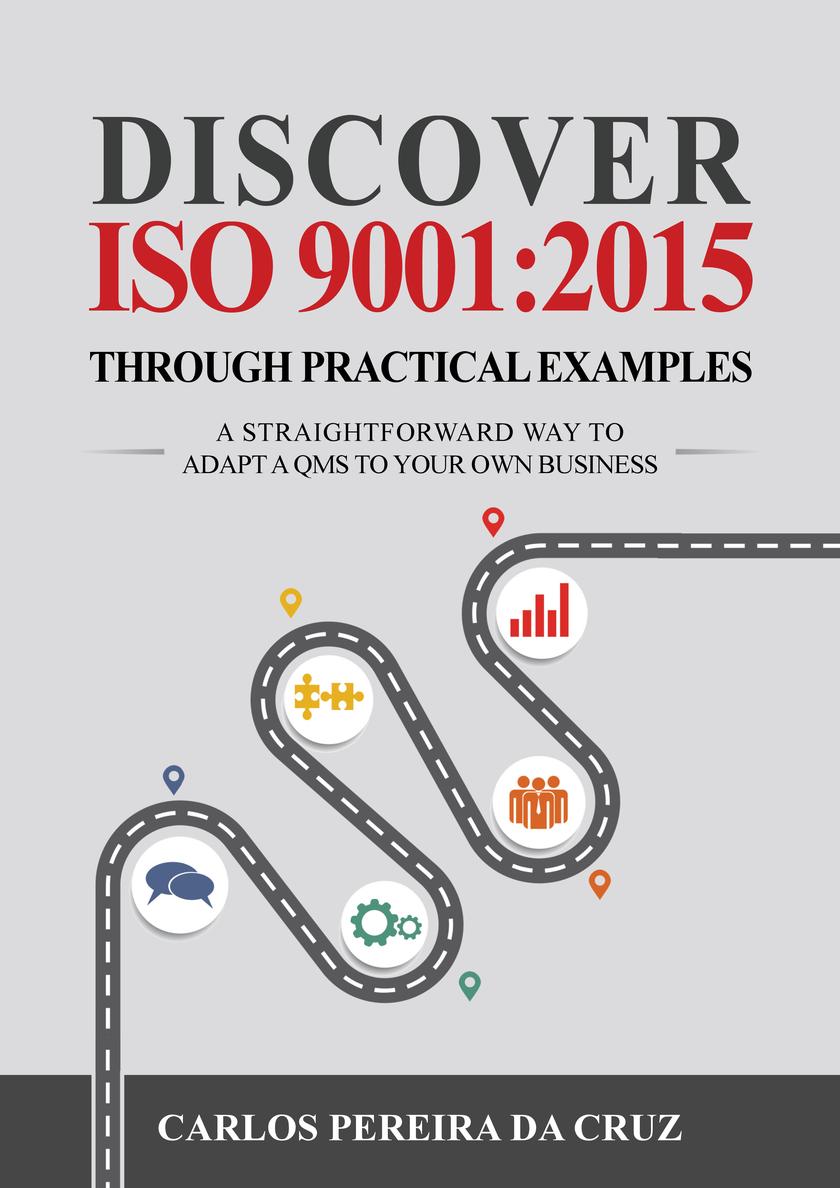
Discover ISO 9001:2015 Through Practical Examples
¥163.42
Author and experienced quality management consultant Carlos Pereira da Cruz has written this book with one goal in mind: to offer you a practical and straightforward way to adapt your quality management system to your business, while meeting the requirements of ISO 9001:2015. Discover ISO 9001:2015?Through Practical Examples?is primarily for beginners in quality management systems, and for people with moderate knowledge of ISO 9001. However, if you are an experienced quality practitioner, but are disappointed with bureaucratic side of the standard, this book will show you a practical and relevant method of applying ISO 9001 to your business rather instead of blindly following policies and procedures. The main focus of the book is author’s desire to show you a different approach to the QMS. As he says at the beginning of the book, “What I see too often is Quality Management Systems with too few or too many documents, but concentrated on listing tasks that people must perform. And people perform their tasks, and companies remain certified, but nothing else happens.” Rather than looking at the standard that way, da Cruz says, “This book is about how to build a Quality Management System from scratch without looking at ISO 9001; the standard will naturally come afterwards when we show the relationship between sound management practices and ISO 9001 clauses.” Even though this book is written to be short and simple, it has more than 50 case studies, charts, diagrams and tables to help you develop your own QMS. Some of them include: The ecosystem of interested parties around Altix Example of monitoring plan Flowchart of activities, objects, and participants Objectives produced from the main processes Risk evaluation matrix Risks, process and improvement project Da Cruz has written the book using plain English, which is easy to understand for beginners. Using practical examples to help you understand the relationship between your regular business operations and ISO 9001:2015, he shows you that you’re not just implementing the standard to prove compliance, you’re doing it to improve the business.


