


 购物车
购物车 个人中心
个人中心
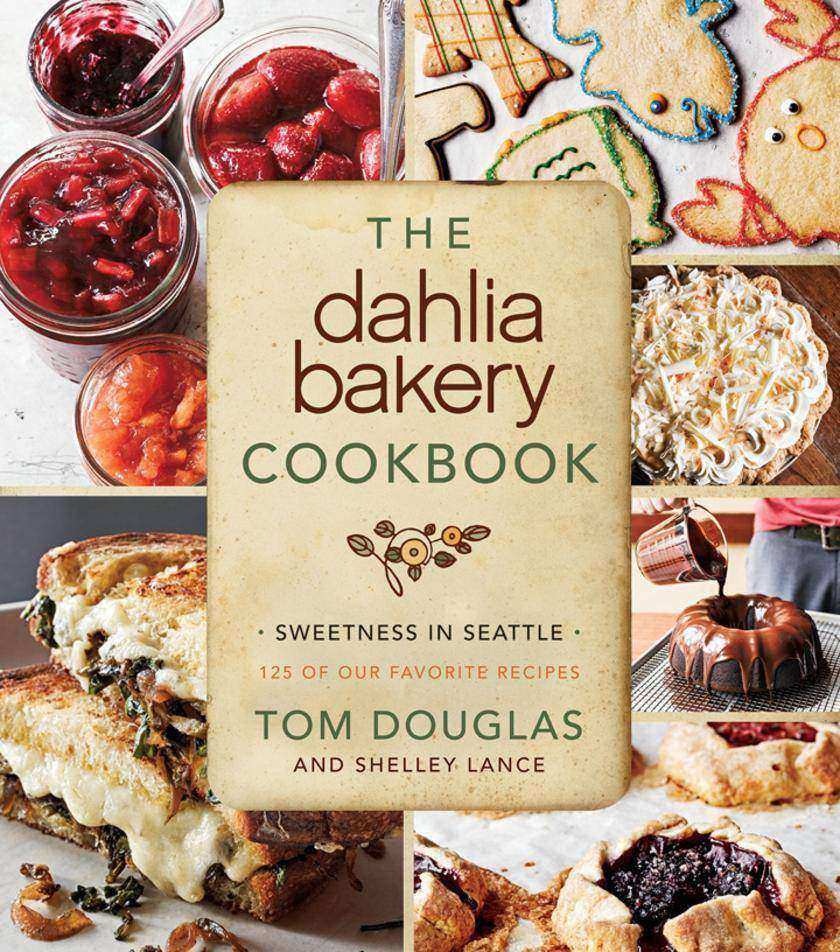
The Dahlia Bakery Cookbook
¥193.85
Want to fry up the doughnuts with cinnamon sugar and mascarpone that Food Network star Giada De Laurentiis called the "best thing I ever ate"Are you pining for the peanut butter sandwich cookie recipe that legendary writer Nora Ephron proclaimed "the greatest cookie ever ever ever"Do you long to dazzle friends with the triple coconut cream pie that New York food writer and Serious Eats founder Ed Levine called "one of the best pies in the country"Or do you just want to get your hands on the crazy-rich, streusel-topped monkey bread with caramel dipping sauce that has people lining up outside the Dahlia Bakery's doorNow, those sweet dreams can come true, thanks to The Dahlia Bakery Cookbook.Seattle's most popular chef and James Beard Outstanding Restaurateur Award winner Tom Douglas shares his secrets for 125 scrumptious treats. Here, you will find chef-tested recipes for breakfasts, pastries, tarts, pies, cakes, cupcakes, cookies, puddings, ice creams, sandwiches, and jams that are guaranteed to work in the home kitchen, including: The "Seattle" English muffin sandwich with cured wild salmon Toasted hazelnut whole wheat scones with maple glaze Tom's favorite coconut macaroons Tangy lemon meringue tart Carrot cupcakes with brown butter cream cheese frosting The Best Crème Caramel in the World Oregon Pinot Noir raspberry sorbet Peach vanilla jamIn addition to these unique bakery treats, Tom offers savory variations on beloved classics, such as Eggs Benedict with Scallion Hollandaise and Breakfast Sandwiches, both using Dahlia Bakery's famous English Muffins. Filled with informative sidebars, technique tips, and equipment advice—and illustrated with tempting photographs and stories that capture the flavors of Seattle—The Dahlia Bakery Cookbook is sure to please fans of all skill levels and tastes.

Dark Matter
¥55.31
An enemy might just have to become an ally . . . in order to save humankind The United States of North America is now engaged in a civil war with the Earth Confederation, which wants to yield to the demands of the alien Sh'daar, limit human technology, and become a part of the Sh'daar Galactic Collective. USNA President Koenig believes that surrendering to the Sh'daar will ultimately doom humankind.But when highly advanced, seemingly godlike aliens appear through an artificial wormhole in the Omega Centauri Cluster 16,000 light years from Earth, President Koenig is faced with a tremendous choice: continue fighting the Sh'daar . . . or ally with them against the newcomers in a final war that will settle the fate of more than one universe.

A Sense of the Infinite
¥100.71
By the author of the critically acclaimed Wild Awake, a beautiful coming-of-age story about deep friendship, the weight of secrets, and the healing power of nature.It's senior year of high school, and Annabeth is ready—ready for everything she and her best friend, Noe, have been planning and dreaming. But there are some things Annabeth isn't prepared for, like the constant presence of Noe's new boyfriend. Like how her relationship with her mom is wearing and fraying. And like the way the secret she's been keeping hidden deep inside her for years has started clawing at her insides, making it hard to eat or even breathe.But most especially, she isn't prepared to lose Noe.For years, Noe has anchored Annabeth and set their joint path. Now Noe is drifting in another direction, making new plans and dreams that don't involve Annabeth. Without Noe's constant companionship, Annabeth's world begins to crumble. But as a chain of events pulls Annabeth further and further away from Noe, she finds herself closer and closer to discovering who she's really meant to be—with her best friend or without.Hilary T. Smith's second novel is a gorgeously written meditation on identity, loss, and the bonds of friendship.

The End of the Point
¥88.56
A place out of time, Ashaunt Point—a tiny finger of land jutting into Buzzards Bay, Massachusetts—has provided sanctuary and anchored life for generations of the Porter family, who summer along its remote, rocky shore. But in 1942, the U.S. Army arrives on the Point, bringing havoc and change. That summer, the two older Porter girls—teenagers Helen and Dossie—run wild. The children's Scottish nurse, Bea, falls in love. And youngest daughter Janie is entangled in an incident that cuts the season short and haunts the family for years to come.As the decades pass, Helen and then her son Charlie return to the Point, seeking refuge from the chaos of rapidly changing times. But Ashaunt is not entirely removed from events unfolding beyond its borders. Neither Charlie nor his mother can escape the long shadow of history—Vietnam, the bitterly disputed real estate development of the Point, economic misfortune, illness, and tragedy.An unforgettable portrait of one family's journey through the second half of the twentieth century, The End of the Point artfully probes the hairline fractures hidden beneath the surface of our lives and traces the fragile and enduring bonds that connect us. With subtlety and grace, Elizabeth Graver illuminates the powerful legacy of family and place, exploring what we are born into, what we pass down, preserve, cast off or willingly set free.

The Orchardist
¥95.39
A Best Book of the YearWashington Post ? Seattle Times ? The Oregonian ? National Public Radio ? Amazon ? Kirkus Reviews ? Publishers Weekly ? The Daily BeastAn Indie Next PickBarnes & Noble Discover Award WinnerAt the turn of the twentieth century, in a rural stretch of the Pacific Northwest, a reclusive orchardist, William Talmadge, tends to apples and apricots as if they were loved ones. A gentle man, he's found solace in the sweetness of the fruit he grows and the quiet, beating heart of the land he cultivates. One day, two teenage girls appear and steal his fruit at the market; they later return to the outskirts of his orchard to see the man who gave them no chase.Feral, scared, and very pregnant, the girls take up on Talmadge's land and indulge in his deep reservoir of compassion. Just as the girls begin to trust him, men arrive in the orchard with guns, and the shattering tragedy that follows will set Talmadge on an irrevocable course not only to save and protect them but also to reconcile the ghosts of his own troubled past.Transcribing America as it once was before railways and roads connected its corners, Amanda Coplin weaves a tapestry of solitary souls who come together in the wake of unspeakable cruelty and misfortune. She writes with breathtaking precision and empathy, and in The Orchardist she crafts an astonishing debut novel about a man who disrupts the lonely harmony of an ordered life when he opens his heart and lets the world in.
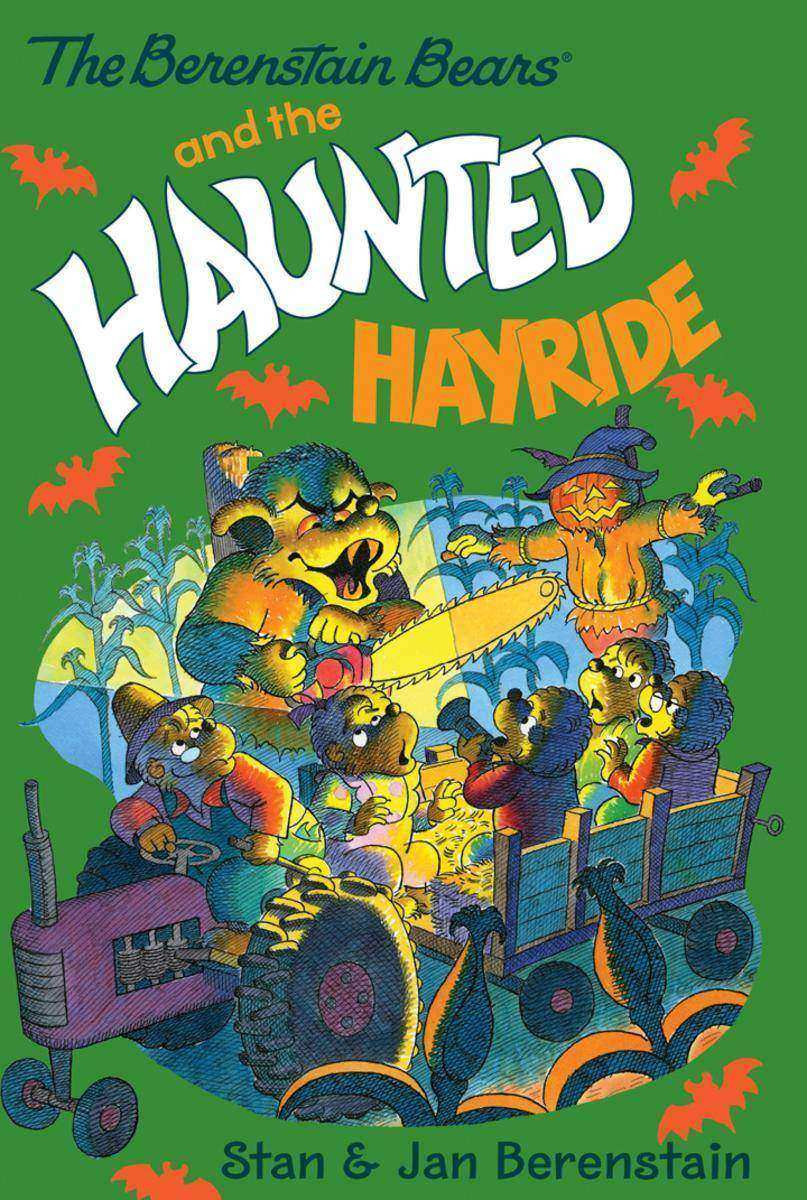
The Berenstain Bears Chapter Book: The Haunted Hayride
¥21.51
Farmer Ben's family farm is in trouble, but luckily, he has some great friends in the Berenstain Bear cubs. Sister, Brother, and their friends decide to hold a Halloween Festival to raise money for Farmer Ben, so Farmer Ben doesn't have to sell his farm to a Theme Park developer. Unfortunately, the cubs don't plan on some unexpected visitors showing up—ghosts! Ben's spooky ancestors come back to the farm to join in on the festivities . . . but will their presence frighten the festival guests away and foil the cubs' plan.This chapter book story is the perfect next step for Berenstain Bears fans!
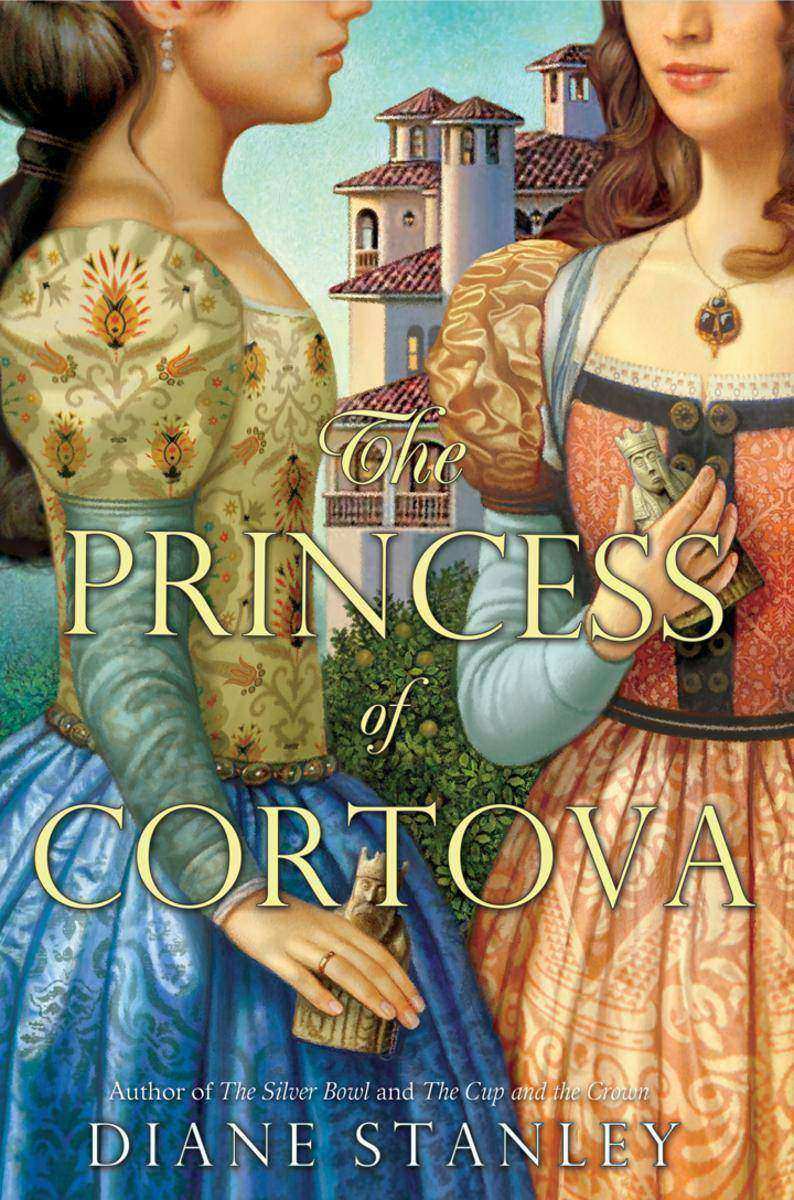
The Princess of Cortova
¥39.24
Molly's exciting story concludes in this final book of Diane Stanley's acclaimed trilogy, which began with The Silver Bowl and The Cup and the Crown—a perfect series for fans of Megan Whalen Turner.With tensions rising between the kingdoms of Westria and Austlind, Molly and Tobias accompany King Alaric to Cortova, where he hopes to form an alliance with the powerful King Gonzalo—an alliance that would be sealed by Alaric's marriage to Gonzalo's daughter, the beautiful princess Elizabetta. But the devious Gonzalo has plans of his own. Upon arriving in Cortova, Alaric is shocked to find that there is already another suitor vying for Princess Elizabetta's hand: his own cousin, Prince Rupert of Austlind.As the days pass, Alaric, Molly, and Tobias find themselves trapped in a suspenseful game of courtly intrigue that soon takes a dangerous turn. For once, Molly's magical visions are little help—they reveal nothing beyond hazy threats. Everything turns around Princess Elizabetta, but is she truly a friend or simply another player in her father's crafty game?
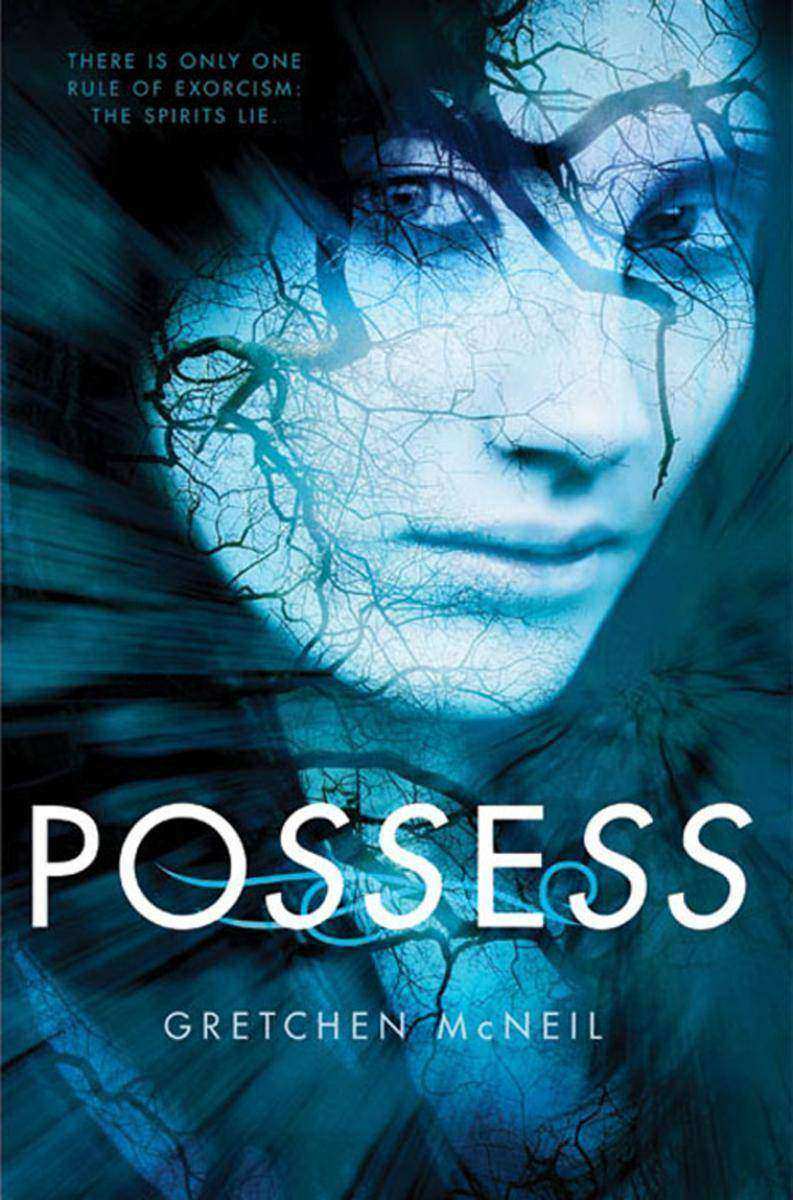
Possess
¥56.08
Fifteen-year-old Bridget Liu just wants to be left alone: by her over-protective mom, by Matt Quinn, the cute son of a local police sergeant, and by the eerie voices she can suddenly and inexplicably hear. Unfortunately for Bridget, the voices are demons—and Bridget possesses the rare ability to banish them back to whatever hell they came from. Literally.Terrified to tell her friends or family about this new power, Bridget confides in San Francisco’s senior exorcist, Monsignor Renault. The monsignor enlists her help in increasingly dangerous cases of demonic possession, but just as she is starting to come to terms with her freakish new role, Bridget receives a startling message from one of the demons. And when one of her oldest friends is killed, Bridget realizes she’s in deeper than she ever thought possible. Now she must unlock the secret to the demons’ plan before someone else close to her winds up dead—or worse, the human vessel for a demon king.
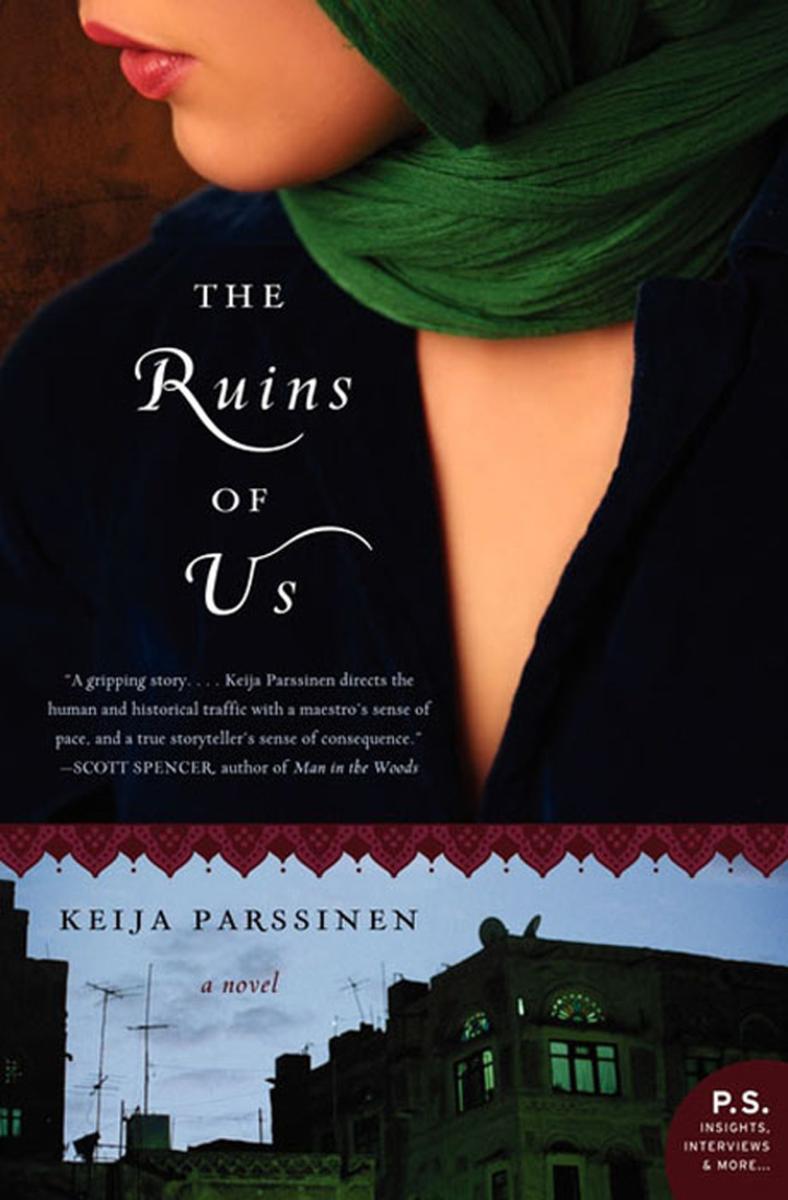
The Ruins of Us
¥84.16
More than two decades after moving to Saudi Arabia and marrying powerful Abdullah Baylani, American-born Rosalie learns that her husband has taken a second wife. That discovery plunges their family into chaos as Rosalie grapples with leaving Saudi Arabia, her life, and her family behind. Meanwhile, Abdullah and Rosalie’s consuming personal entanglements blind them to the crisis approaching their sixteen-year-old son, Faisal, whose deepening resentment toward their lifestyle has led to his involvement with a controversial sheikh. When Faisal makes a choice that could destroy everything his embattled family holds dear, all must confront difficult truths as they fight to preserve what remains of their world. The Ruins of Us is a timely story about intolerance, family, and the injustices we endure for love that heralds the arrival of an extraordinary new voice in contemporary fiction.

The Vampire Diaries: Dark Reunion
¥87.18
The Final Conflict...The Last Deadly KissElenaNow she rises from the dead to recreate the powerful vampire trio.StefanSummoned by Elena, he keeps a promise to her and fights the most terrifying evil he's ever faced.DamonJoining the brother he once called enemy, Damon battles this new horror with strength, cunning, and deadly charm.
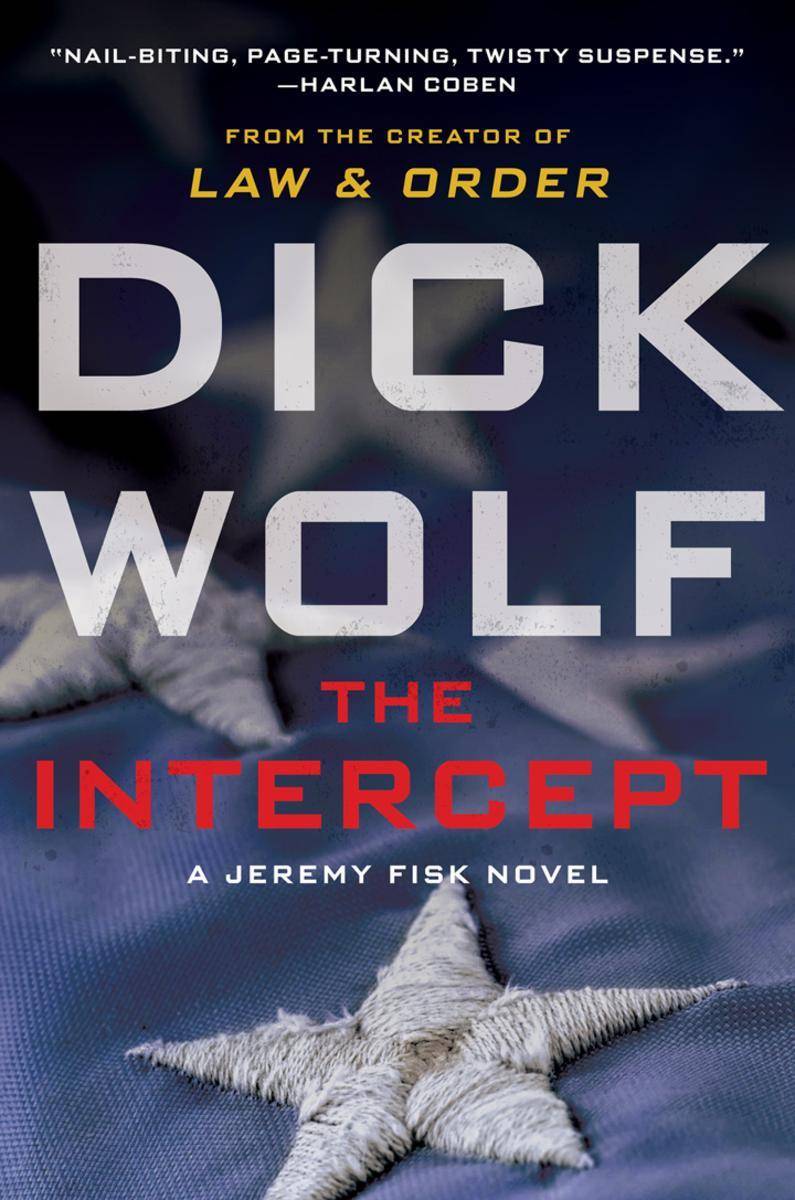
The Intercept
¥69.16
Dick Wolf makes his literary debut with this tense, driving thriller, reminiscent of the classic The Day of the Jackal, an extraordinary tale filled with the ingenious twists and high-wire suspense we have come to expect from this master storytellerDays before the July Fourth holiday and the dedication of One World Trade Center at Ground Zero, an incident aboard a commercial jet flying over the Atlantic Ocean reminds everyone that vigilance is not a task to be taken lightly. But for iconoclastic NYPD detective Jeremy Fisk, it may also be a signal that there is much more to this case than the easy answer of this being just the work of another lone terrorist.Fisk—assigned to the department's Intelligence Division, a well-funded antiterror unit modeled on the CIA—suspects that the event might also be a warning sign that another, potentially more extraordinary scheme has been set in motion. Fluent in Arabic and the ways of his opponents, Fisk is a rule breaker who follows his gut—even if it means defying those above him in the department's food chain. So when a passenger from the same plane, a Saudi Arabian national, disappears into the crowds of Manhattan, it's up to Fisk and his partner Krina Gersten to find him before the celebrations begin.Watching each new lead fizzle, chasing shadows to dead ends, Fisk and Gersten quickly realize that their opponents are smarter and more agile than any they have ever faced. Extremely clever and seemingly invisible, they are able to exploit any security weak-ness and anticipate Fisk's every move . . . and time is running out.
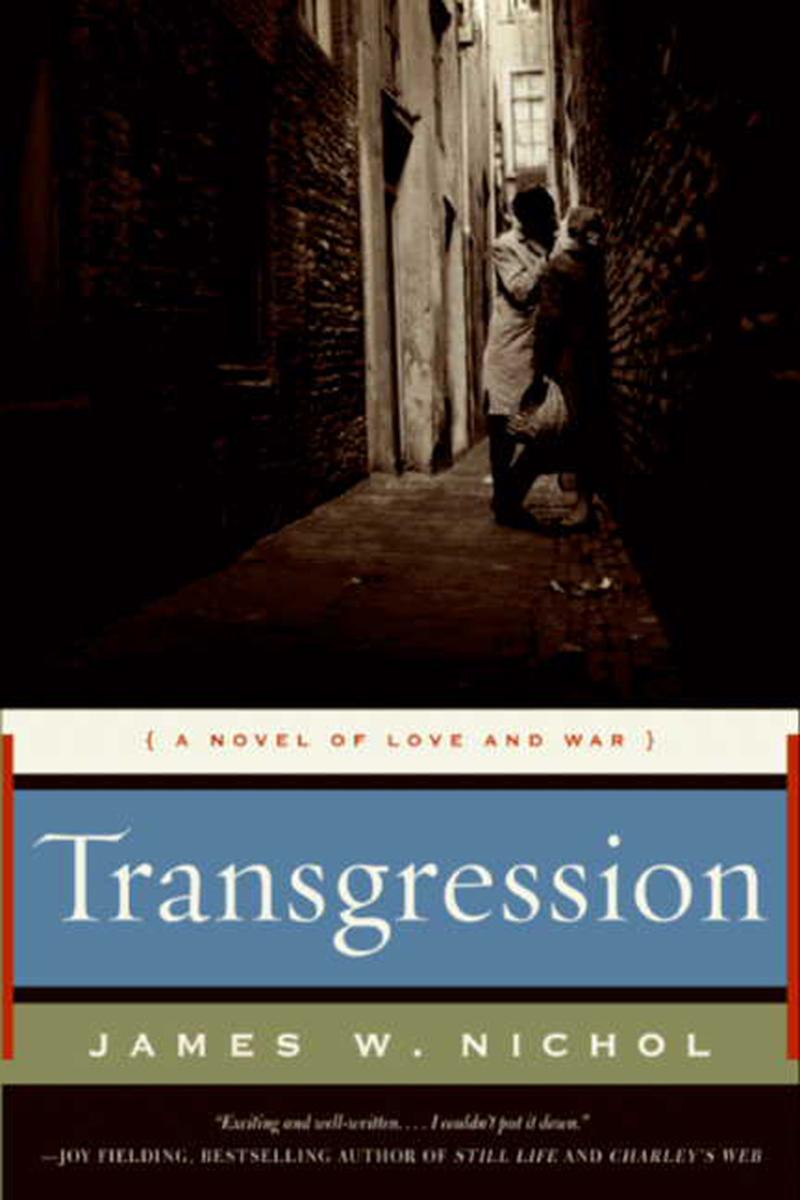
Transgression
¥79.38
How can love survive a brutal timeIn 1946 in North America, a child makes a grisly find in a deserted field—a discovery that opens a shuttered window on a secret dating back to the beginning of the turbulent decade.In 1941 in occupied France, Adele Georges's fruitless attempts to learn the whereabouts of her father, captured by the Nazis, lead her to a lonely young German soldier far from home. A spark between them becomes a fire—and a dangerous love affair blooms across enemy lines, dooming Adele to a grim postwar existence as a despised outcast, one of the infamous "horizontal collaborators." Ostracized, tortured, tormented, she chooses a desperate escape, accompanying a war-damaged yet optimistic Allied soldier across an ocean to a new land. But there is no refuge from the past, as Adele's broken heart and shameful secret drive her deeper into despair...and toward a shocking outcome.Part mystery and part love story—an unforgettable and beautifully written novel of secrets, passions, and consequences—Transgression is an exceptional work of power and strange beauty.
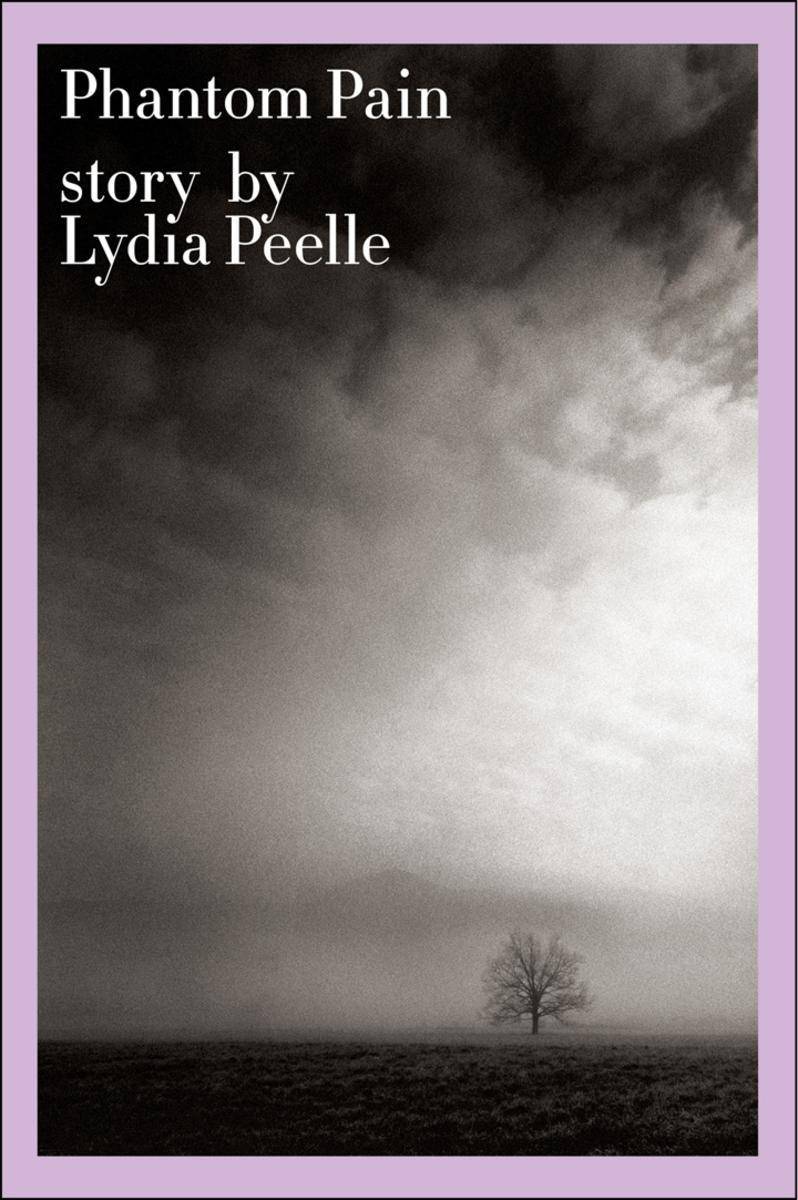
Phantom Pain
¥22.03
In "Phantom Pain," the Tennessee woods are a sliver of what they once were, where men now hunt with GPS and cell phones, and the rumor of a dangerous panther on the loose stirs up a small town.
Mule Killers
¥22.03
"Mule Killers" evokes the end of an era and of a grandfather's dreams when he decides to replace animal power with tractors on his farm.
Reasons for and Advantages of Breathing
¥85.05
In "Reasons for and Advantages of Breathing", a young woman becomes fascinated with reptiles and finds a way to relate them to her life.
Shadow on a Weary Land
¥22.03
The narrator of "Shadow on a Weary Land" imagines the many lives that have been lived over the years on Brown's Ridge—from the teeming wildlife that once roamed the land to Jesse and Frank James, who settled there, to the farmers recently pushed out by the imminent rise of a housing development. These ghosts from the past haunt the narrator and his friends, a group of misfits who realize that their hardscrabble lives are intimately tied to a vanishing place.

The Still Point
¥22.03
In "The Still Point", Lydia Peelle tells the story of a man stuck in the routine of life while traveling with a carnival.
This is Not a Love Story
¥21.73
Set in a small town in rural Georgia, this poignant story unfolds a disappointing love affair between a 22-year old girl from the North and a man twice her age haunted by the ghosts of the South.
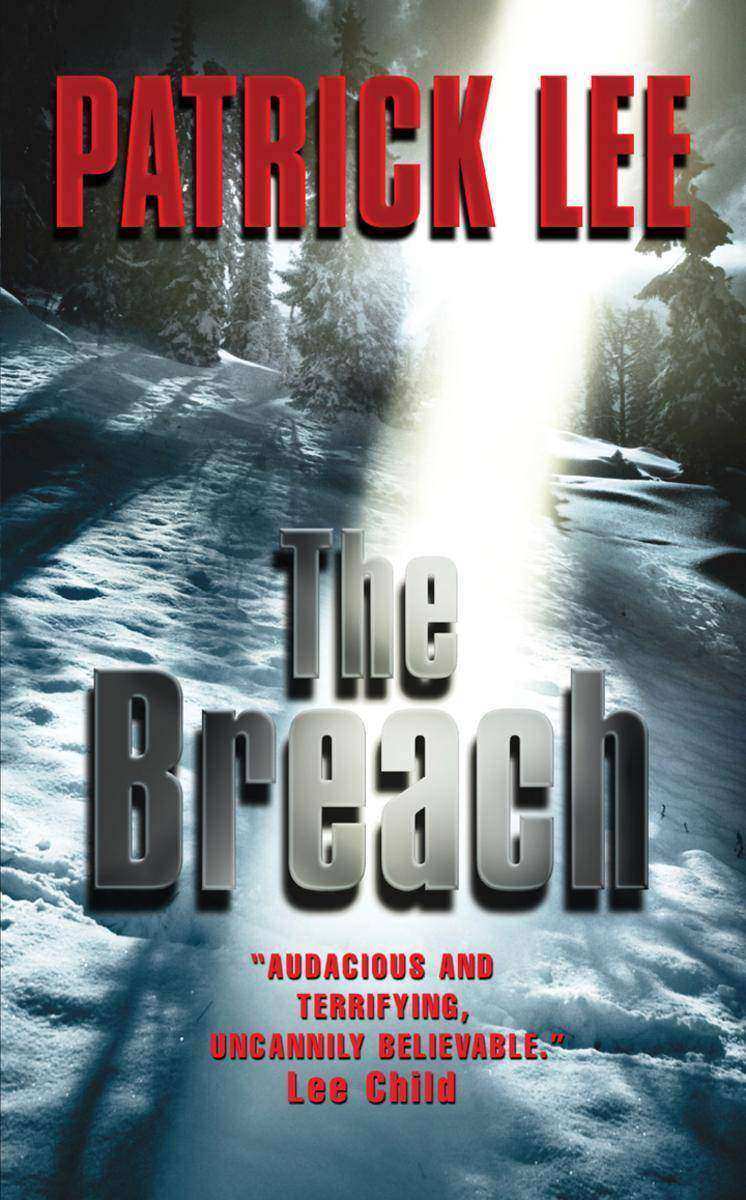
The Breach
¥55.31
Thirty years ago, in a facility buried beneath a vast Wyoming emptiness, an experiment gone awry accidentally opened a door.It is the world's best-kept secret—and its most terrifying.Trying to regain his life in the Alaskan wilds, ex-con/ex-cop Travis Chase stumbles upon an impossible scene: a crashed 747 passenger jet filled with the murdered dead, including the wife of the President of the United States. Though a nightmare of monumental proportions, it pales before the terror to come, as Chase is dragged into a battle for the future that revolves around an amazing artifact. Allied with a beautiful covert operative whose life he saved, Chase must now play the role he's been destined for—a pawn of incomprehensible forces or humankind's final hope—as the race toward Apocalypse begins in earnest. Because something is loose in the world.And doomsday is not only possible . . . it is inevitable.
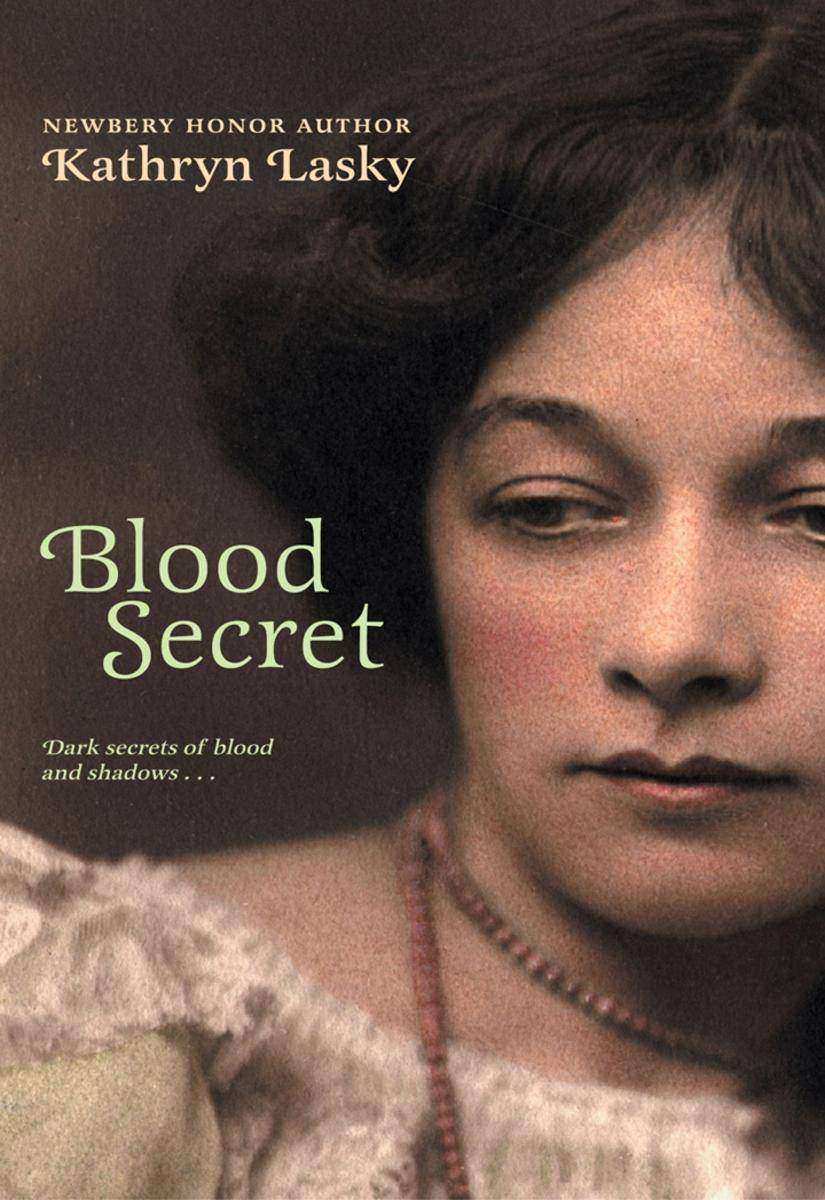
Blood Secret
¥90.77
The minute she had opened the trunk, she knew there wasn't anything like hope in it. Just awful musty things, but each one with a kind of terrible dark halo around it. She picked up that piece of old lace. She saw that stain -- pale, brownish in color. She knew it was blood. Somebody's blood. There was violence in that trunk, and dark secrets, and she did not want to know them.Curious about the old homestead where she now lives, Jerry finds an ancient trunk in the basement that contains, among other things, an old piece of bloodstained lace, some letters, and a battered doll. The objects in the trunk have stories to tell -- stories about the Spanish Inquisition spanning nearly five hundred years and stories of secrets locked deep in the bloodlines of Jerry's ancestors.Kathryn Lasky's powerhouse novel is a dramatic historical saga that brings the reader face-to-face with some of the worst atrocities ever committed against humankind in the name of God. But above all, it is an unforgettable coming-of-age story about a girl who, in connecting with her own past and faith, is at last able to face her own demons and liberate not only herself but also future generations of her family from the long chain of suffering and silence.
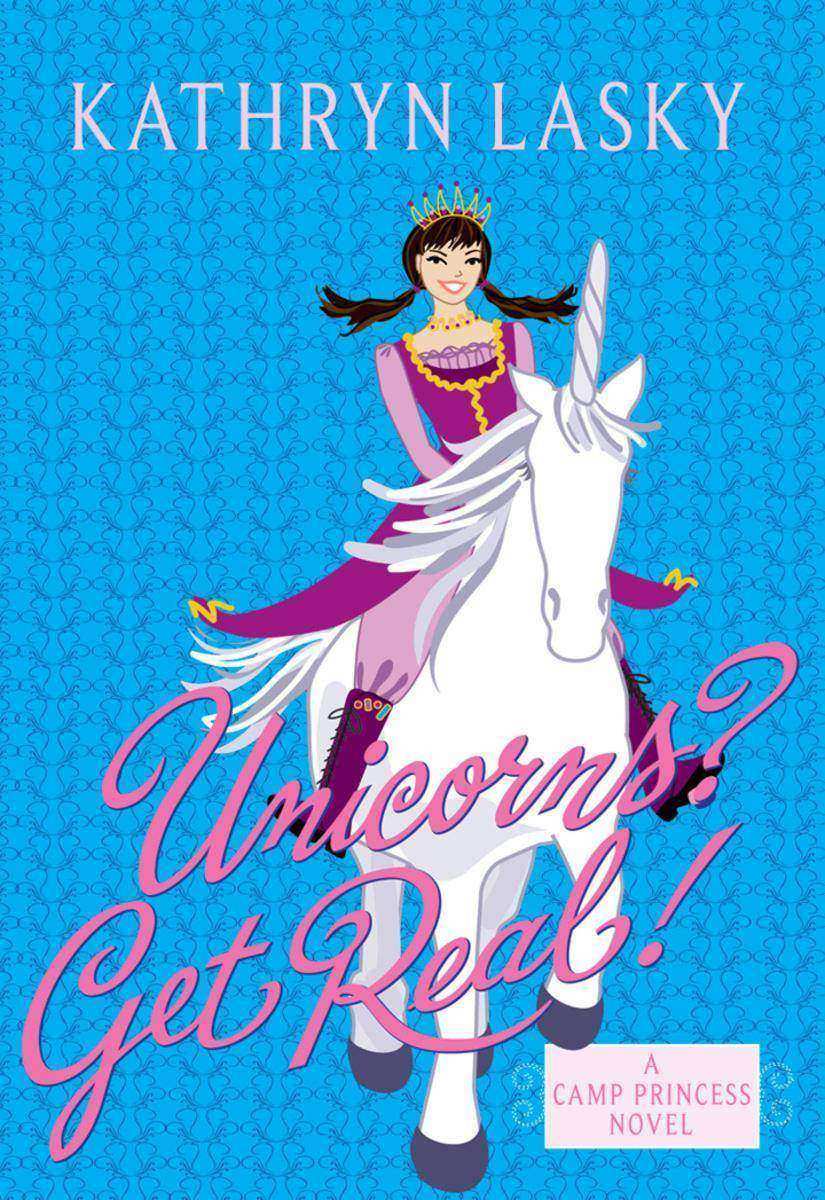
Camp Princess 2: Unicorns? Get Real!
¥86.25
When rumors of wild unicorns come to Camp Princess, there's a frenzy of excitement as the royal maidens prepare for the Unicorn Round-Up. But Princess Gundersnap has more important things to worry about. Her war-inclined mother has taken her beloved pony, Menschmik, into battle, and Gundersnap fears for his life. Besides, Gundersnap is much too practical to believe in unicorns.Or is sheBoth the magical tapestry in the tower and her favorite local witch, Berwynna, seem to be trying to tell Gundersnap something. Could the Unicorn Round-Up be more than just a bunch of royal hooey?


