


 购物车
购物车 个人中心
个人中心
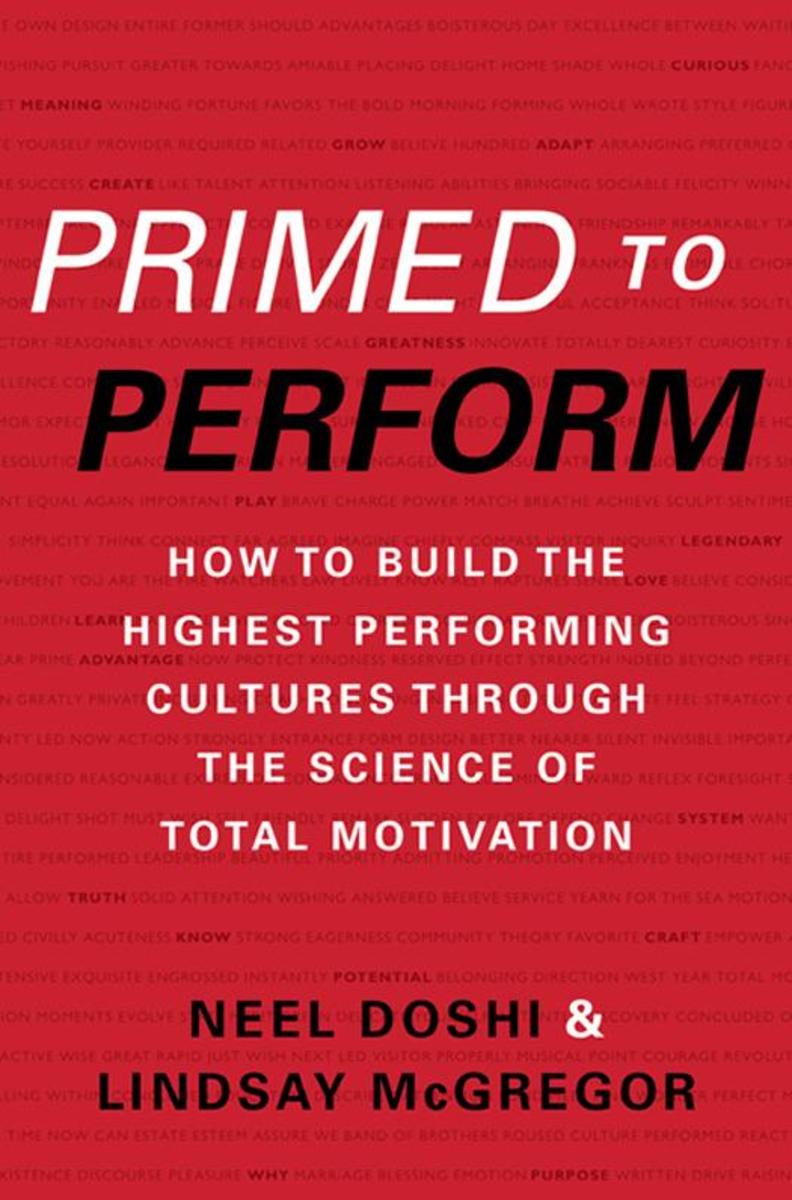
Primed to Perform
¥166.09
Why do some workplace cultures inspire energy and innovation, while others fuel anxiety, boredom, or cynicismUntil now, such legendary cultures have seemed like magic beyond our control. However, behind every culture is a surprisingly elegant science. Primed to Perform proves that the highest-performing cultures are built on a simple truth: why people work affects how well they work. Great organizations inspire the three most powerful motives for work play, purpose, and potential and eliminate the three most destructive emotional pressure, economic pressure, and inertia. They create total motivation (or ToMo, for short). Total motivation cultures create the highest-performing employees and the most adaptive organizations.Authors Neel Doshi and Lindsay McGregor show that extraordinary performance at companies like Southwest Airlines, Starbucks, Apple, and Whole Foods comes from cultures that inspire total motivation. They describe how investment professionals, salespeople, teachers, and CEOs perform better when driven by total motivation. And, most important, they share how you can build a culture that inspires total motivation in every moment of every day.Primed to Perform builds on over a century of academic thinking as well as the authors' original research into how ToMo drives performance at iconic companies. It introduces the authors' highly predictive new measurement tool, the total motivation factor, which allows leaders to measure the strength of their culture and understand how it changes over time. It gives leaders the tools to transform their own workplaces.High-performing cultures can't be left to chance; organizations must create systems that shape and maintain them. Whether you're a five-person team or a start-up, an elementary school or a university, a nonprofit or a mega-institution, Primed to Perform shows you how.

150 Best New Kitchen Ideas
¥166.09
150 Best New Kitchen Ideas offers interior designers and homeowners the latest in modern and traditional kitchen design. Showcasing 150 profiles of the most exciting kitchen designs from around the world, this stunning compendium provides innovative solutions and practical advice for creating attractive, functional, and affordable kitchens, no matter the size of the space. Explore the diversity of current trends from concept design to beautiful finished kitchens—there is no shortage of ideas or wares to make cooking a much more pleasant experience. The newest addition to the 150 Best series, this indispensable guide, illustrated with hundreds of photographs, is an inspirational source of original ideas to create a beautiful new kitchen.

150 Best New Bathroom Ideas
¥166.09
An essential reference and the latest in the popular 150 Best series, 150 Best New Bathroom Ideas offers an in-depth look at modern bathroom designs created by internationally renowned architects and designers.Inside, readers will discover harmonious approaches and practical materials to use when designing bathrooms, from light fixtures and color schemes to floor, wall, and window treatments. Along with numerous ideas for the shower, toilet, sink, and bathtub, this book is an indispensable guide to designing an attractive, functional, and cost-effective bathroom. Featuring hundreds of photographs, 150 Best New Bathroom Ideas explores the diversity of current trends and is an excellent source of ideas for homeowners, designers, interior decorators, and architects. From the glamorous and roomy bath-spa to the small but smart powder room, bathrooms can make a big statement with creative ideas that are as stylish as they are useful.

100 Simple Secrets of Happy Families
¥67.09
The Simple Science of a Happy FamilyFrom raising children to getting along with in-laws, what do people with close and loving families do differently than those with strained or unfulfilling relationshipsSociologists, therapists, and psychiatrists have spent entire careers investigating the ins and outs of family dynamics, yet their findings are inaccessible to ordinary people, hidden in obscure journals to be shared with other experts. Now, David Niven, the international bestselling author of The 100 Simple Secret series has collected the most current and significant data from more than a thousand of the best scientific studies on families and then spelled out the findings in plain English.The advice is based not on one person's unique experiences or opinions, but offers for the first time the research of noted scientists studying average American families. These findings have been boiled down to one hundred essential ways to find and maintain love, joy, and satisfaction in all family relationships. Each statistic is accompanied by a true story about a real family showing the results in action.Don't Forget the Past: Parents who share stories of family history with their children create higher levels of concern for family members and increase the likelihood of their children's happiness.No Price Tag: Once basic necessities are met, the increasing economic status of one's family has zero effect on the likelihood of feeling satisfied with life.Let Every Opinion Be Heard: Senior citizens having trouble living in their own homes are 84 percent more likely to be satisfied with their housing situation if they feel as if their concerns are an important part of selecting a new home or facility.The Greatest Gift: Life satisfaction is 72 percent more likely among those who feel content with their family life.

Shoppers
¥85.05
"Perfection is not the basis of what I'm talking about," says a member of the Cassandra family, which forms the center of Denis Johnson's plays, Hellhound on My Trail and Shoppers Carried by Escalators Into the Flames.The character could be speaking for his creator, because human imperfection is one of Denis Johnson's specialties -- in his critically acclaimed novels, short stories, and nonfiction, and, now, in two brilliant new plays. These two works present a dramatized field guide to some of the more dysfunctional and dysphoric inhabitants of the American West: a sexual-misconduct investigator who misconducts herself sexually; a renegade Jehovah's Witness who supports his splinter Jehovean group by dealing drugs; the Cassandra Brothers and their father and their grandmother, thrown together at a family reunion/wedding/melee at their shabby homestead in Ukiah, California.When Shoppers Carried by Escalators Into the Flames was performed in San Francisco in 2001, the Chronicle said, There's an enormous appeal in Johnson's bleak-comic vision of a semi-mythic American West. That appeal derives from the author's perfect vision of imperfection, embodied with such energy and courage in these marvelous pieces of theatre.

The Women of Windsor
¥79.16
Who are the women of WindsorWe know them as Elizabeth, the Queen; Elizabeth, the Queen Mother; Princess Margaret; Anne, the Princess Royal. Their images have been with us on film and in print for more than a century, like priceless artifacts that call to mind a grander era. Seen at a distance, they appear unknowable. But each is an individual, a real woman, with an extraordinary story to tell. Now, Catherine Whitney reveals what happens behind the palace doors, giving us an intimate glimpse into the private lives of these public figures. Elizabeth, the Queen: Born to duty, adored by her parents, Elizabeth swore as a teenager to serve her country above all else . . . and she has lived up to her promise, even when her crown has been a burden. This once-lively young woman has sacrificed self-interest and personal joy for her subjects for over sixty years. In public, the queen never puts a step wrong. In private, she herself knows she has made many mistakes. She has sacrificed motherhood for majesty, and seen her four children each make errors with devastating consequences. Yet, no matter what happens, the queen perseveres. Elizabeth, the Queen Mother: Hitler was afraid of her, the English people adored her. Her kind, sparkling blue eyes and cheerful manner belied a backbone of steel, and few dared to cross her. She raised her eldest daughter to serve and her youngest daughter to sparkle. But while her love of the people, and of her family, has never been in question, the Queen Mother was made of much sterner stuff than anyone has ever known -- until now. Princess Margaret: Beautiful, talented, vivacious, and complex . . . Margaret was the Diana of her day. But the promise of her youth was destroyed when she was betrayed by her sister, now the queen, who needlessly forced her to give up the man she loved. Troubled and adrift, with only a slight role to fill, Margaret became the object of public ridicule, yet she was something her sister was not: a wonderful mother. Princess Anne: Her father's favorite, arguably the most intelligent of the queen's four children. Yet Anne is forever forced to take second place to her older brother, Charles. Hardworking, hard-headed, and hot-tempered, Anne has been dismissed as an acerbic frump more at home with horses than people, especially in comparison with her ill-fated sister-in-law, Diana. Yet there is a passionate side to this complex woman, one hidden from view. These four women have shaped the world, each in her own way. Now at last their stories can be told.

Vindication
¥95.16
The founder of modern feminism, Mary Wollstonecraft (1759-1797) was the most famous woman of her era. A brilliant, unconventional rebel vilified for her strikingly modern notions of education, family, work, and personal relationships, she nevertheless strongly influenced political philosophy in Europe and a newborn America. Now acclaimed biographer Lyndall Gordon mounts a spirited defense of this courageous woman whose reputation has suffered over the years by painting a full and vibrant portrait of an extraordinary historical figure who was generations ahead of her time.
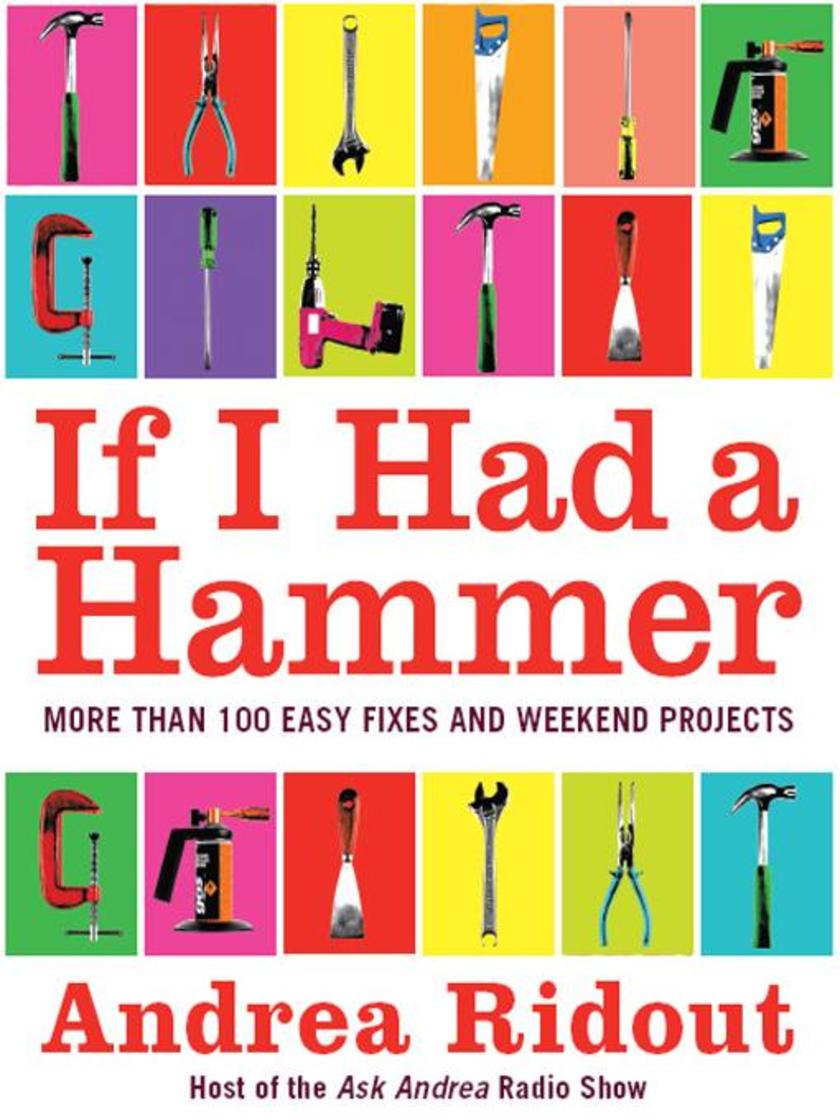
If I Had a Hammer
¥106.61
Have fun, save money, and improve your home with these easy step-by-step projects Are you looking for a way to make your bathroom a little more beautifulOr maybe you'd like to give your tired furniture a face-lift, improve your home's air quality, or fix a toilet. No matter your DIY needs and no matter whether you're a DIY novice or expert, home improvement guru Andrea Ridout, host of the nationally syndicated radio show Ask Andrea, has ideas, expertise, and advice to share with you. If I Had a Hammer offers easy-to-follow instructions and illustrations designed to make home improvement simpler than ever. With a little help from Andrea, you'll be able to tackle repairs, painting and decorating, bathroom and kitchen remodeling, wood care for furniture and floors, and much more with projects that often take as little as an hour. Also, you can try a few of Andrea's energy-conserving projects that can dramatically improve your utility bill Andrea's projects are friendly on the environment and on your wallet! With If I Had a Hammer, you'll have the tools to keep your home functioning and looking as good as or even better than new.
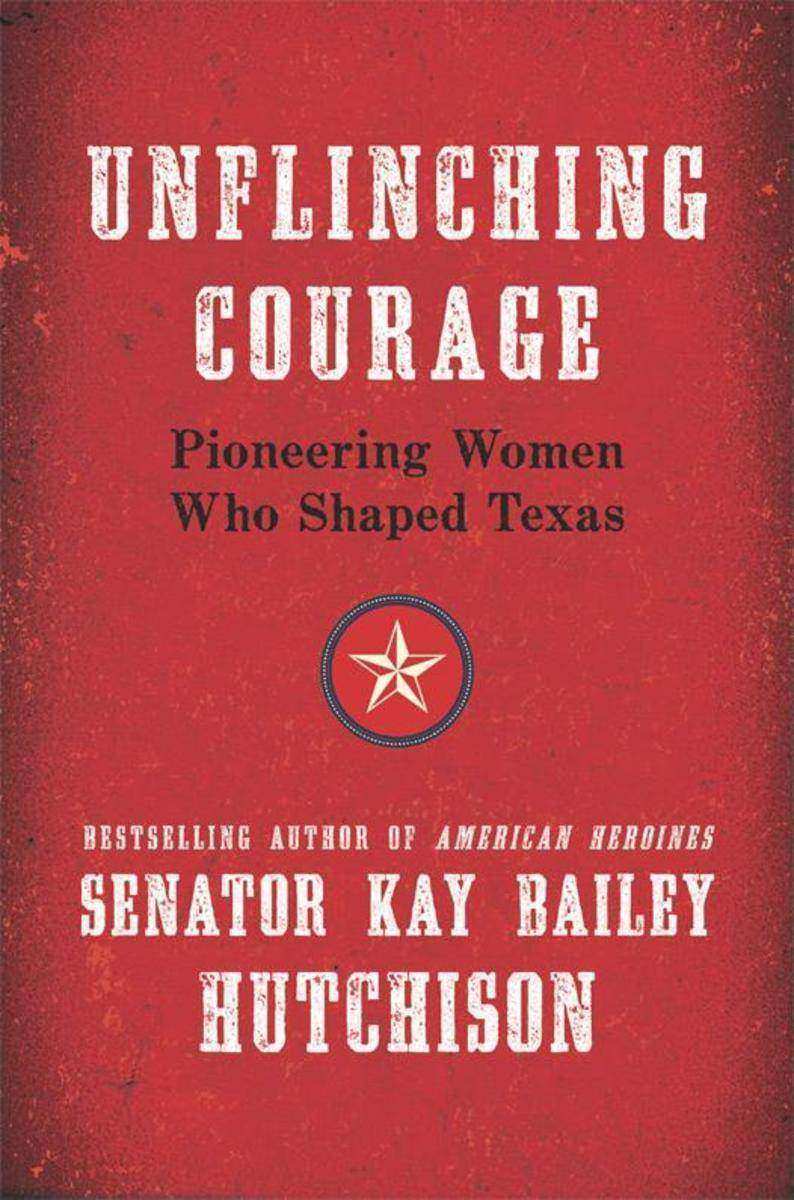
Unflinching Courage
¥90.77
From New York Times bestselling author and groundbreaking politician Senator Kay Bailey Hutchison comes a history of the extraordinary women who shaped the state of Texas.The only woman ever to represent Texas in the United States Senate, Kay Bailey Hutchison has been a trailblazer in the Lone Star State. Nevertheless, Hutchison is just one of many women who, for two hundred years, have embodied what we've come to recognize as the spirit of Texas rugged independence, fierce loyalty, and an unflappable entrepreneurial streak. In Unflinching Courage, Senator Hutchison tells the dynamic history of her home state through the lives of some of these pioneering women and their remarkable achievements.Among the brave souls Senator Hutchison profiles are Jane Wilkinson Long, the Mother of Texas, and others who claimed a stake in the land when it struggled under Spanish and Mexican rule; Dilue Rose Harris, whose memoir of the Runaway Scrape exhibits the strength so many women were forced to call upon as the Texas Revolution drew able-bodied husbands, sons, and brothers to the battlefield; Margaret Houston and Emily Austin Bryan Perry, who stood behind the great leaders of a burgeoning republic and helped usher in a new era of statehood; Henrietta King, Molly Goodnight, Sarah Cockrell, and Oveta Culp Hobby, ranchers and entrepreneurs who have helped Texas thrive; and numerous others who valiantly held their ground in the face of raids and unimaginable violence. In Unflinching Courage, Senator Hutchison pays tribute to these extraordinary Texan women whose lives inspire us today and will continue to do so for generations to come.
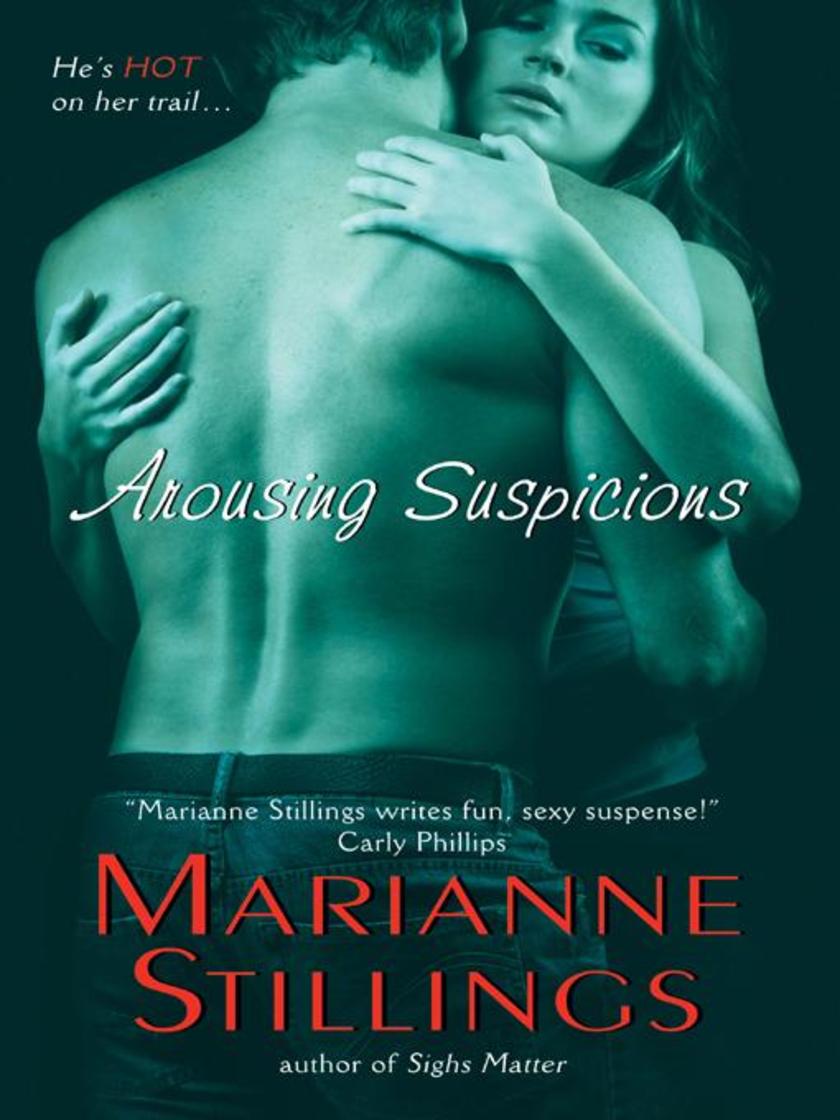
Arousing Suspicions
¥42.03
Detective Nate Darling has put up with a lot of weird things since he's moved back to San Francisco healing crystals, free range tofu, the SF Giants. But he's drawing the line at psychic dream interpretations.Tabitha March claims she can see other people's dreams. In fact, she insists she "saw" a murder, and even provides Nate with explicit details of the crime. There's no doubt the curvaceous blue-eyed blonde knows something, but how is she involvedIs she the murdererBecause there's just no way that Tabitha can really "see" the killer's dream. Then another body is discovered, just the way Tabitha described it would be. Now evidence suggests she may be the next victim. And Nate has to reconsider his beliefs or risk losing the woman he has fallen in love with . . . forever.
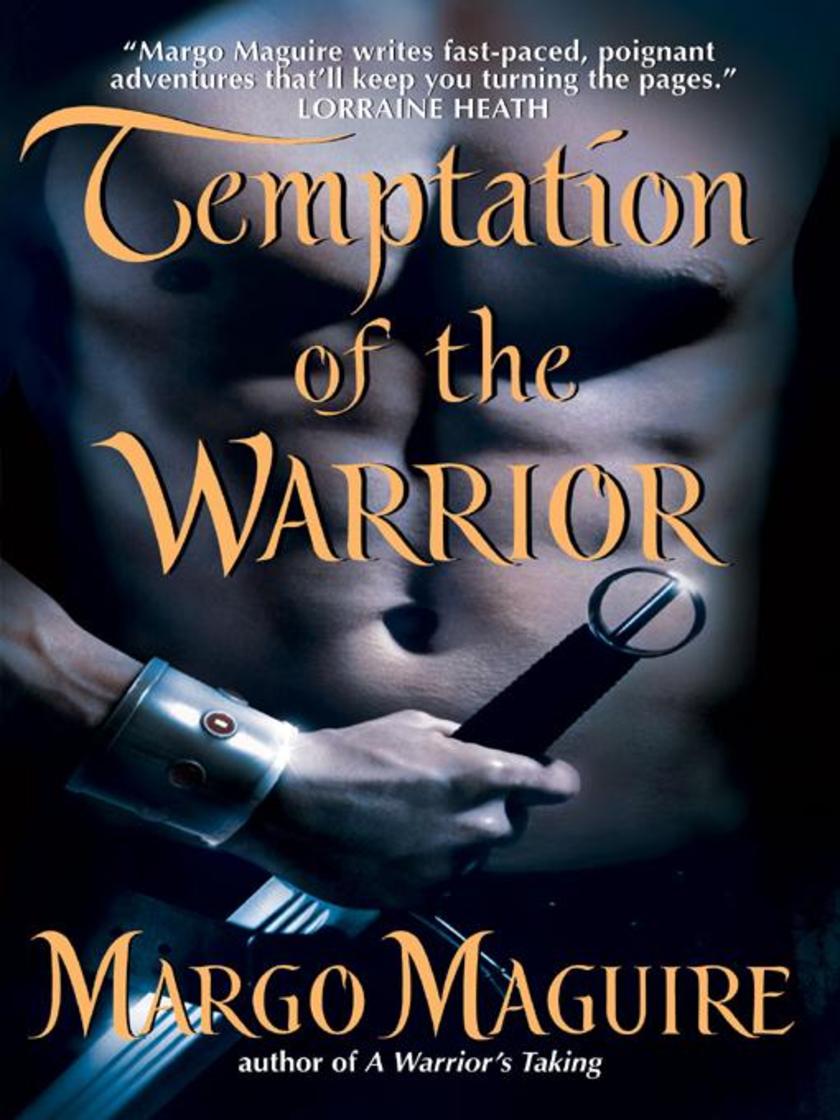
Temptation of the Warrior
¥41.46
A new land, a new time . . .To protect his people from a great evil, Merrick Mac Lochlainn, newly crowned high chieftain of his clan, must travel forward in time nearly 1,000 years. But when he awakens in nineteenth-century England, he has no memory of his mission to save his race, nor can he recognize Jenny Keating, the spirited young beauty who calls herself his wife.A new love . . .Orphaned and on the run from a cruel headmaster, vulnerable and alone, Jenny never dreamed of being rescued by any man, much less a chivalrous and handsome warrior like Merrick. Drawn to his powerful physique and mysterious ways, she begins a dangerous deception and poses as his beloved. But her feelings of desire are all too real. Together they will battle a dark threat that jeopardizes their very lives, all the while tempting each other with a passion too powerful to resist.

Wild and Wicked in Scotland
¥42.03
Running wild . . .When Cassandra Sheridan agreed to an arranged marriage to the Earl of Hampstead, she never dreamed the cad wouldn't even bother to appear for their betrothal ball. It seems her intended cares more for gallivanting than meeting his bride-to-be! So Cassie decides to enjoy an adventure of her own and sets out across Scotland and meets a dashing stranger who has elevated dueling and deception to an art form.A dedicated spy on a mission, the Earl of Hampstead has more on his mind than a silly party. Now fate has thrown him together with a vivacious lady whom he must protect from harm, and whose sensuous beauty is proving most distracting. Worse still, Devlyn is horrified to discover she's the very woman he's engaged to marry!With their lives and reputations in equal peril, do they dare surrender to their irresistible desires?
The Renegades: Nick
¥42.03
The WomanFor the sake of her unborn child, Callie Sloane is willing to endure the hardships of this wild Western land but not her attraction to an untamed half-Cherokee renegade. She lost everything to love once before, and she's not making that mistake twice. While outlaw Nick Smith may be the most handsome man she's ever seen, he's also the most dangerous.The RenegadeNick watches in shock as a determined woman rides out of the dust clouds to plant her flag on his ancestral lands in the Great Oklahoma Land Run. The hardened loner vows not to help this stubborn female survive, but finds himself drawn time and again to protect her. And soon Nick has to protect himself from his own desire . . . for the innocent enchantress tempts him beyond anything he's ever known.
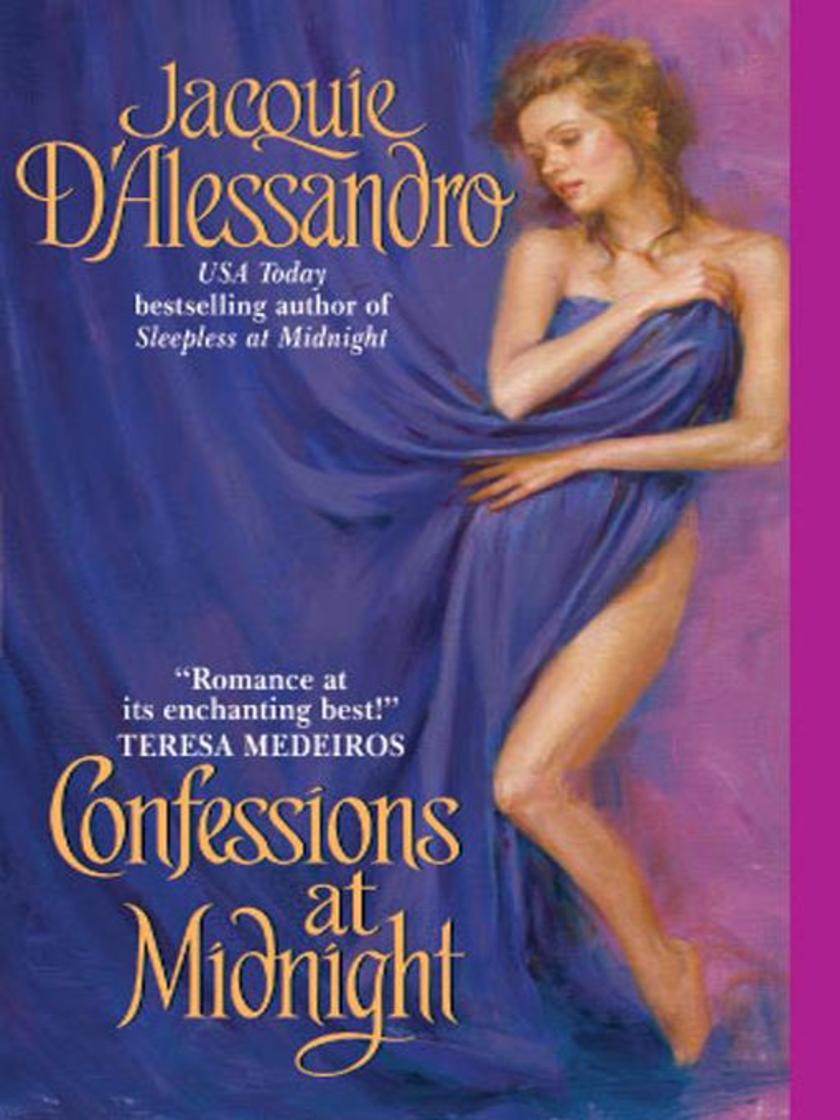
Confessions at Midnight
¥48.39
Carolyn Turner, Viscountess Wingate, is absolutely shocked by the Ladies Literary Society of London's latest selection. Memoirs of a Mistress is scandalously explicit and downright wicked . . . and it's stirring feelings within Carolyn that she hasn't felt . . . well, ever! She's sure that this steamy read is the only reason she's succumbing to the charms of notorious rogue Daniel Sutton, Lord Surbrooke. She couldn't possibly be falling for the rascal and his illicit caresses . . . or could she?The last thing Daniel wanted was to be shackled by marriage vows. He lusted after Carolyn, sure, but he never imagined that once he lured her to his bed he'd never want to let her go. Yet only when a murderer targets his beloved will he be spurred to confess his true love . . . and claim Carolyn as his bride.
Tallchief
¥48.39
A powerful classic repackaged love story featuring a Native American hero, touches of mysticism and suspense, and heartrending romance.Morgan Tallchief lives for the art he creates, but even that is haunted by the loss of the only woman he will ever love. When Kathleen Ryder mysteriously re-enters his life, the achingly sweet hunger that bound them together in the past returns as well.
Bring Me a Dream
¥49.05
Jasmine White is tired of people questioning her ability to do her job. She knows she's the best bodyguard in the business, and she'll tell anyone who asks. And now she's got to take sass from her new client Spencer Powell, the late-night radio jock who calls himself "the Sandman." Someone's threatening the Sandman -- and if Jasmine messes up this high-profile assignment, he'll tell everyone about it!But sexy-cool Spencer's not so sure he wants a woman protecting him -- even one as fine as Jasmine. Part of him wants to drive her away -- and another part wants to hold her delectable body as close to him as possible. And when their body chemistry heats up, the fire it generates could prove a lot more dangerous than any anonymous death threat!
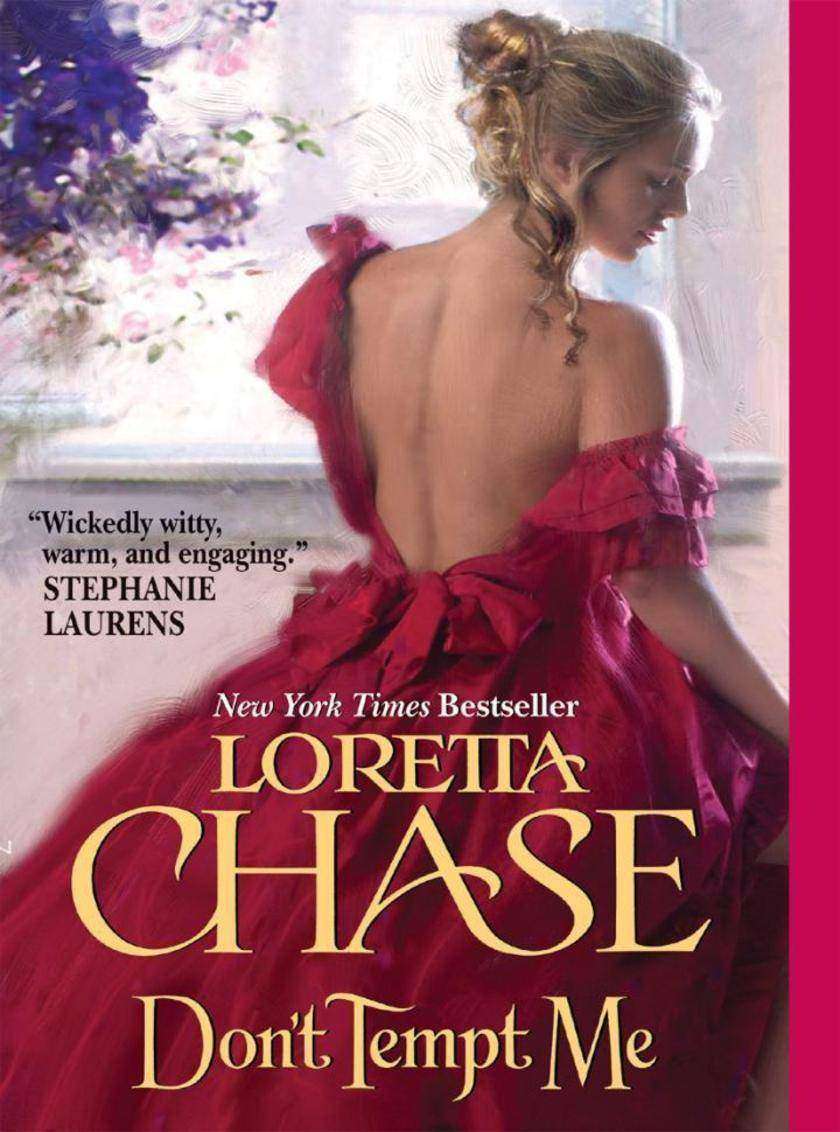
Don't Tempt Me
¥48.91
Spunky English girl overcomes impossible odds and outsmarts heathen villains.That's the headline when Zoe Lexham returns to England. After twelve years in the exotic east, she's shockingly adept in the sensual arts. She knows everything a young lady shouldn't and nothing she ought to know. She's a walking scandal, with no hope of a future . . . unless someone can civilize her.Lucien de Grey, the Duke of Marchmont, is no knight in shining armor. He's cynical, easily bored, and dangerous to women. He charms, seduces, and leaves them with parting gifts of expensive jewelry to dry their tears. But good looks, combined with money and rank, makes him welcome everywhere. The most popular bachelor in the Beau Monde can easily save Zoe's risqué reputation . . . if the wayward beauty doesn't lead him into temptation, and a passion that could ruin them both.
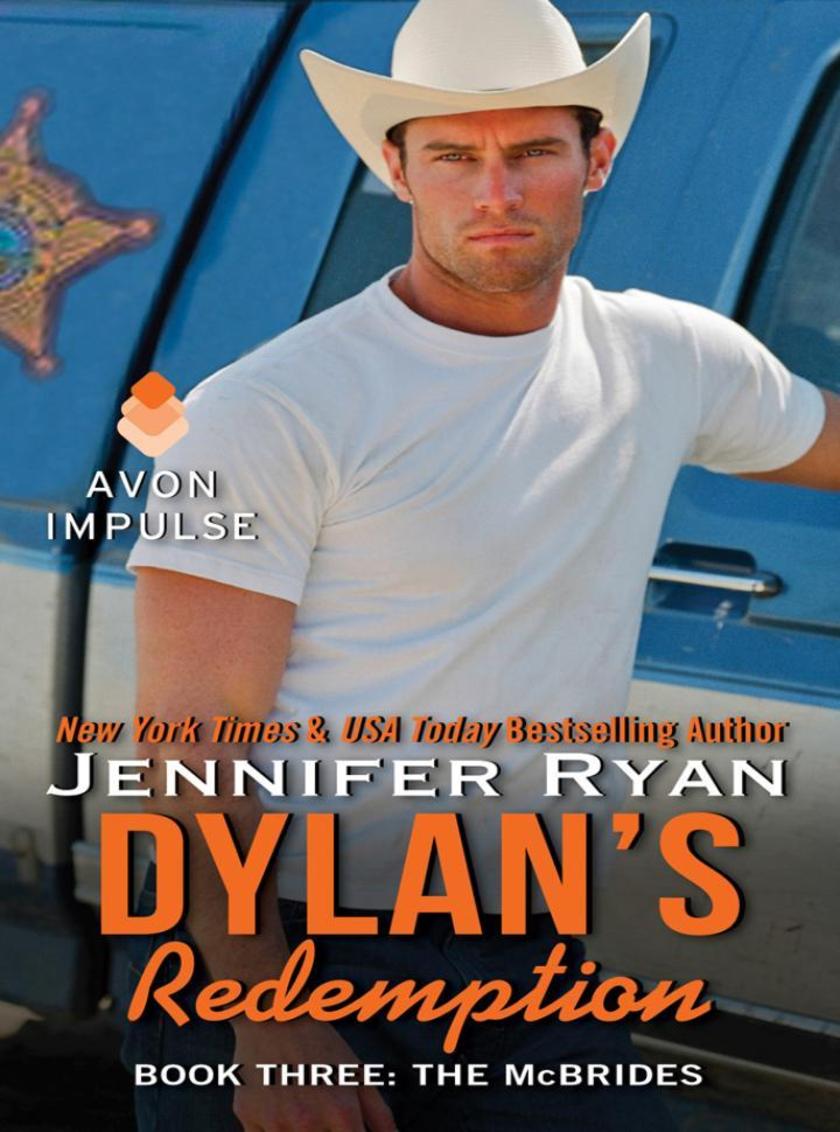
Dylan's Redemption
¥55.91
There's a new sheriff in Fallbrook … Meet Dylan McBride. Jessie Thompson had one hell of a week. Dylan McBride, the boy she loved, skipped town without a word. Then her drunk of a father tried to kill her, and she fled Fallbrook, vowing never to return. Eight years later, her father is dead, and Jessie reluctantly goes home—only to come face-to-face with the man who shattered her heart. A man who, for nearly a decade, believed she was dead. Dylan accepted the position as sheriff of Fallbrook looking for a fresh start and a chance to uncover the truth about Jessie's disappearance. He knew he'd have to face a few ghosts … he just never thought one would be Jessie, all grown up, stunning … and alive. The pull between them is instant, but Dylan's heart has already mourned Jessie, and she has secrets she can never share. Can they escape the darkness of their past for a chance at a bright future together?
Winds of the Storm
¥56.07
Archer Le Veq owes his life to the woman who rescued him from certain death at the height of the Civil War...a woman known only as "the Butterfly." Now, in the dark, waning days of Reconstruction, he needs the courageous and beautiful former spy...in more ways than before!Zahra Lafayette thinks her days of intrigue are far behind her, until she is asked to go on one more mission. Posing as an infamous madam in New Orleans, Zahra must gather information to ensure the safety of the South's freedmen. The last thing she expected was to see Archer Le Veq again. He is as arrogant as he is handsome, but there is something about this dusky and debonair hotelier that sends her senses singing. Zahra knows she will need to guard her secrets, but no peril awaiting her compares with the treachery of Zahra's own heart for, Lord help her, she burns to taste the man and to lose herself in his powerful embrace.
Finders Keepers
¥35.01
More than anything in the world, Molly Eden wants a child and then one day she finds one in her backyard! But this is no abandoned toddler. A man has followed the mischievous boy onto her property, a concerned father whose rugged good looks take Molly's breath away, while the sadness about him tears at her heart.Joseph Rossi never expected to find his tiny son running into the arms of an unknown woman, but Joey craves a mommy and it seems he's chosen one and Joseph approves of his choice. What chance could a single father possibly have with an enchanting free spirit as sweet and sexy as Molly Eden, who must have a hundred men clamoring for her attentionStill, he knows in his heart what Joey knows: that Molly is the one. Now he must prove it to her and show Molly a man who is more than just a daddy but also a tender and passionate lover...and, perhaps, the perfect husband.
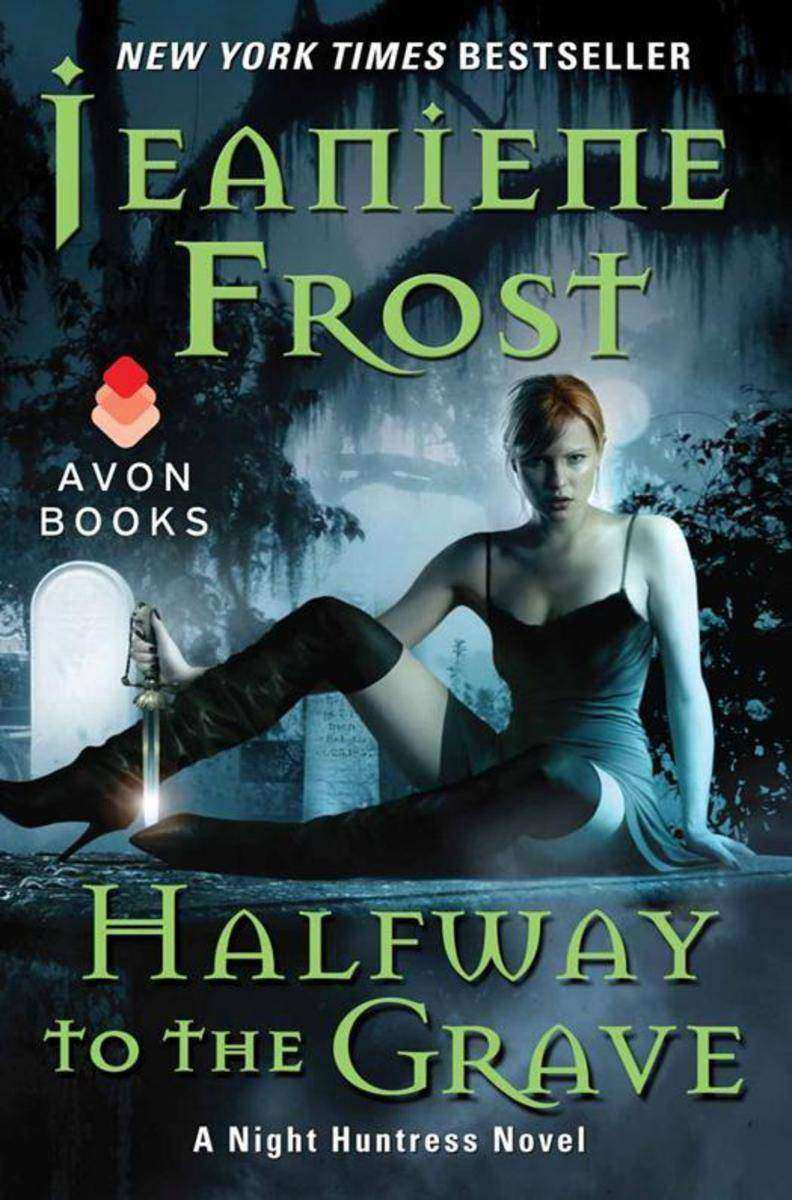
Halfway to the Grave
¥56.07
Half-vampire Catherine Crawfield is going after the undead with a vengeance, hoping that one of these deadbeats is her father the one responsible for ruining her mother's life. Then she's captured by Bones, a vampire bounty hunter, and is forced into an unholy partnership.In exchange for finding her father, Cat agrees to train with the sexy night stalker until her battle reflexes are as sharp as his fangs. She's amazed she doesn't end up as his dinner are there actually good vampiresPretty soon Bones will have her convinced that being half-dead doesn't have to be all bad. But before she can enjoy her newfound status as kick-ass demon hunter, Cat and Bones are pursued by a group of killers. Now Cat will have to choose a side . . . and Bones is turning out to be as tempting as any man with a heartbeat.


